Shio no Michi | Bikepacking Japan’s Historic Salt Road
Translated from Bikepacking diary’s original Shio no Michi article, published on December 21, 2020, and republished by arrangement with the author. Photographs are linked directly from the original website.
Editor’s note: This historical travel account describes the author’s experience, not a verified current route guide. Trail access, surface conditions, transport and accommodation arrangements may have changed. The salt-sharing episode is presented as a traditional story, whose historical uncertainty the author discusses at the end. Camera specifications and impressions below reflect the original account rather than an independent equipment test. Stop somewhere safe before operating a camera while cycling.
A Road and Two Rival Warlords
About five hundred years ago, during Japan’s Sengoku period, regional lords held territories across a divided country. Of those warlords, the one I knew best was Takeda Shingen, the Tiger of Kai. Television dramas such as Furin Kazan and Sanada Maru had introduced me, directly and indirectly, to his life and deeds.
Matsumoto, where I was living, had once been part of his territory. There was even a mine associated with him, the Obi Silver Mine, near my home.
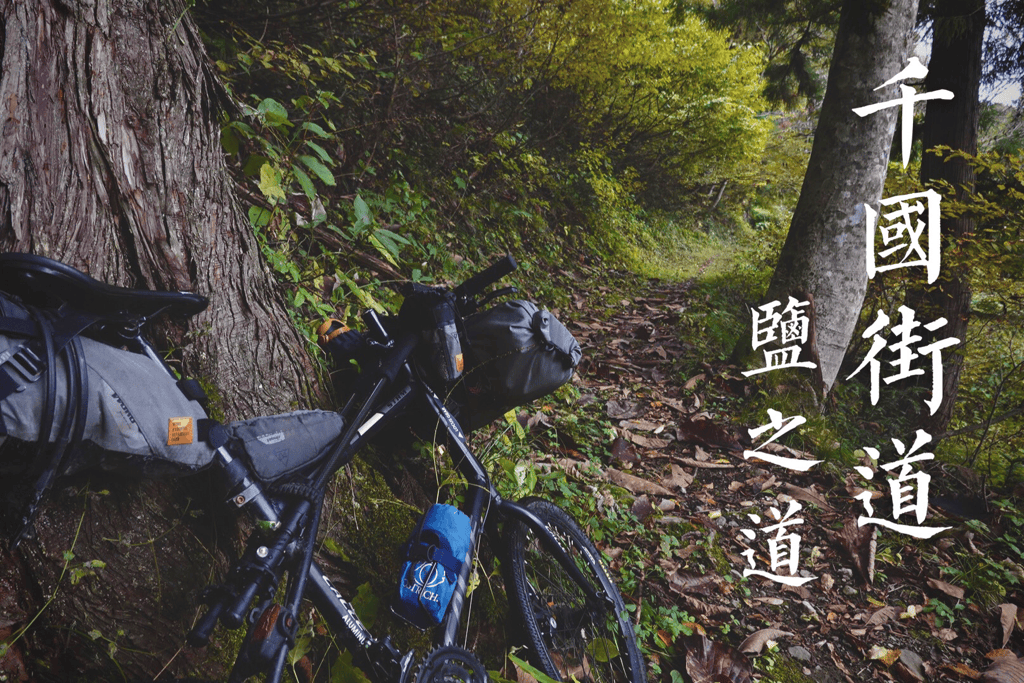
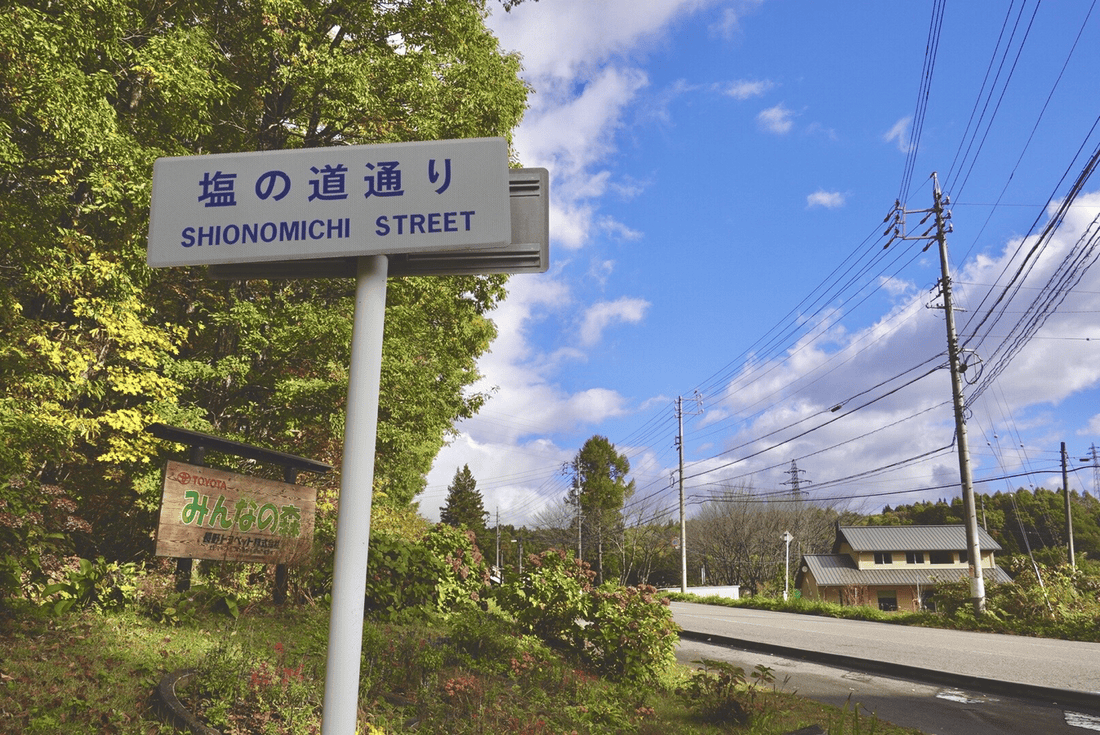
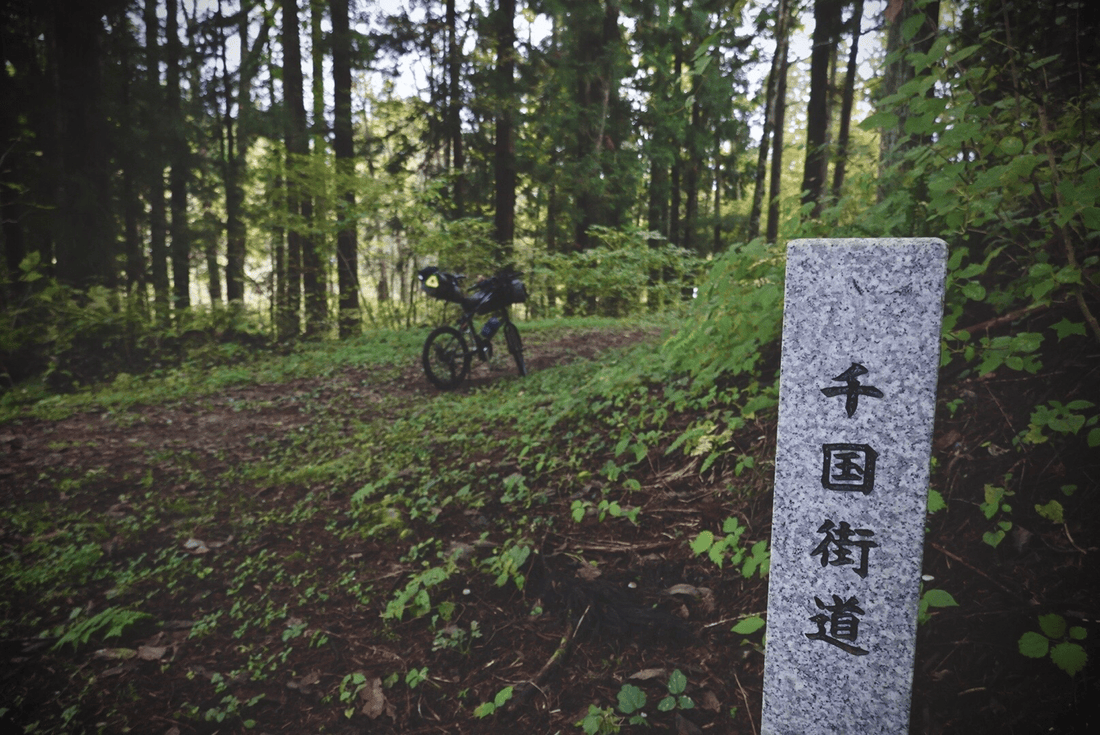
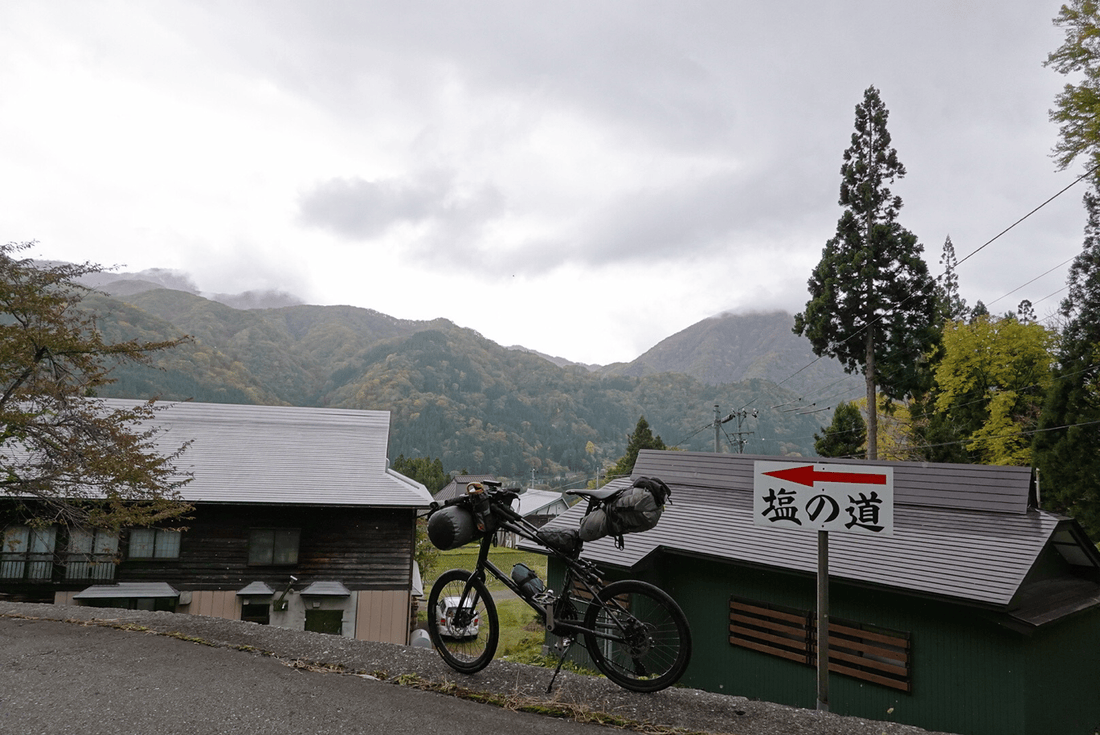
I first noticed the words “Shio no Michi,” or Salt Road, while riding from Itoigawa to Matsumoto during my journey across Japan. Occasionally, the characters appeared on the road surface.
At first I thought little of it. Old Japanese routes were often named after the goods carried along them. I had ridden a route once used to transport mackerel, called the Saba Kaido, or Mackerel Road. Presumably, this one had carried salt.
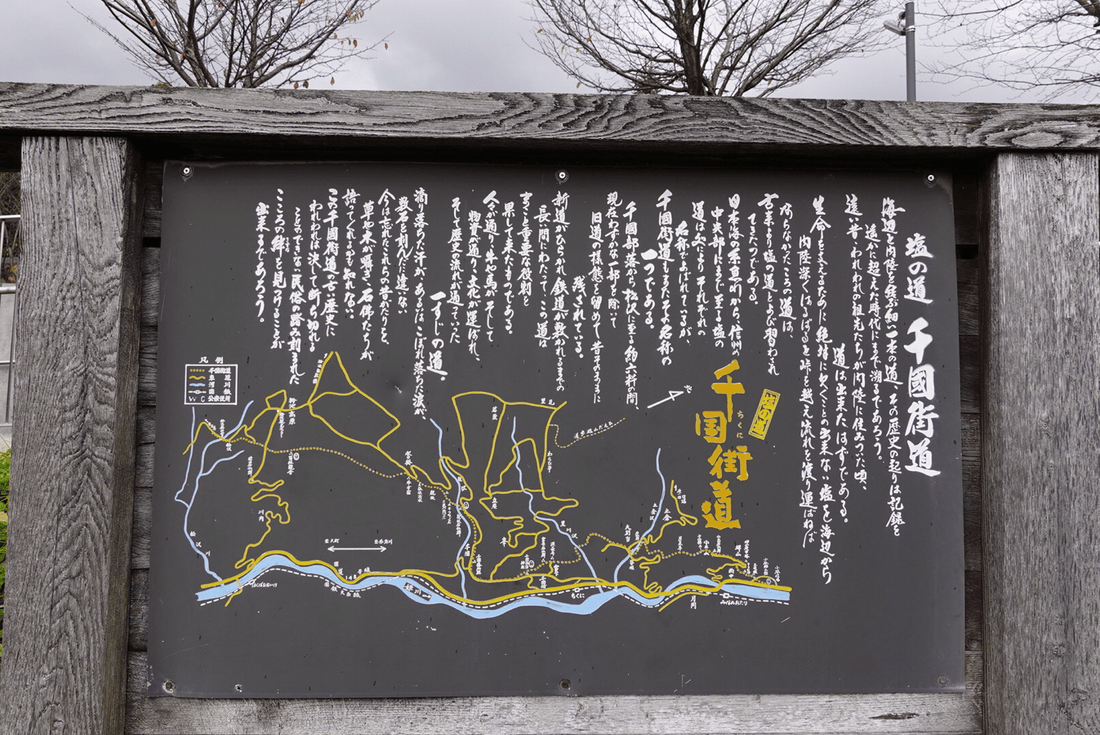
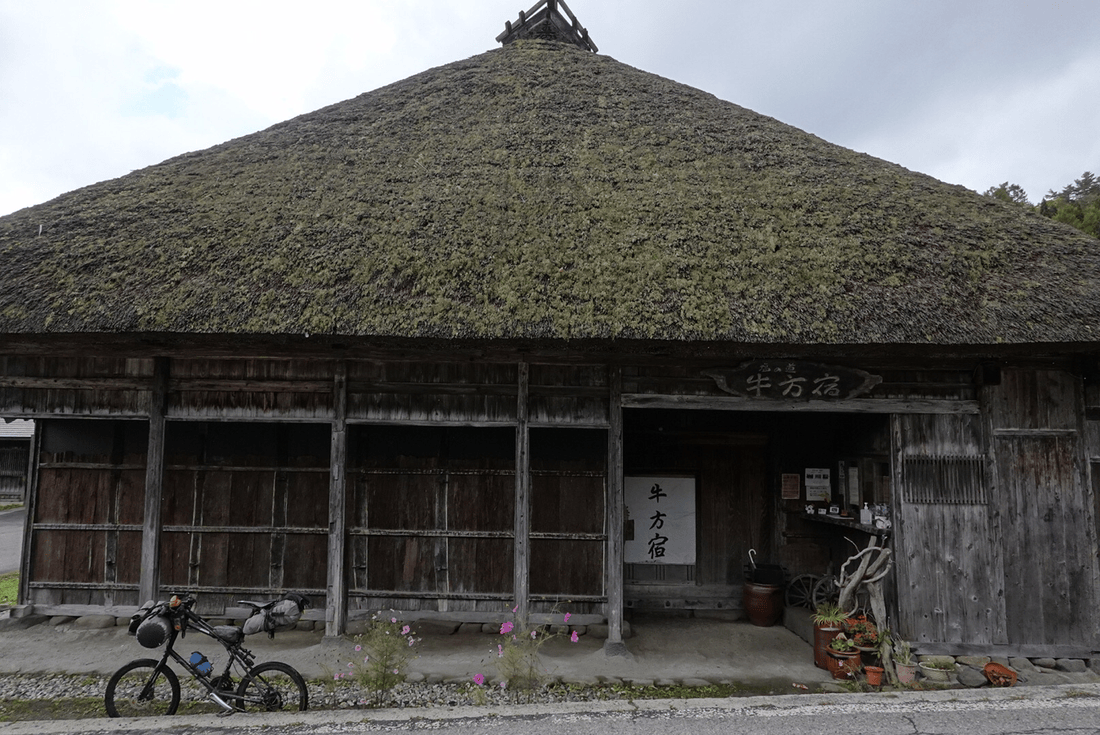
After reading the roadside explanations, I learned that salt had indeed traveled this way, but the route also carried a much richer story.
The Legend of Sending Salt to an Enemy
In the story associated with the road, warfare between Takeda Shingen and the Imagawa and Hojo clans cut off salt supplies to his landlocked territory. Salt was an everyday necessity, so the shortage affected not just soldiers but ordinary people.
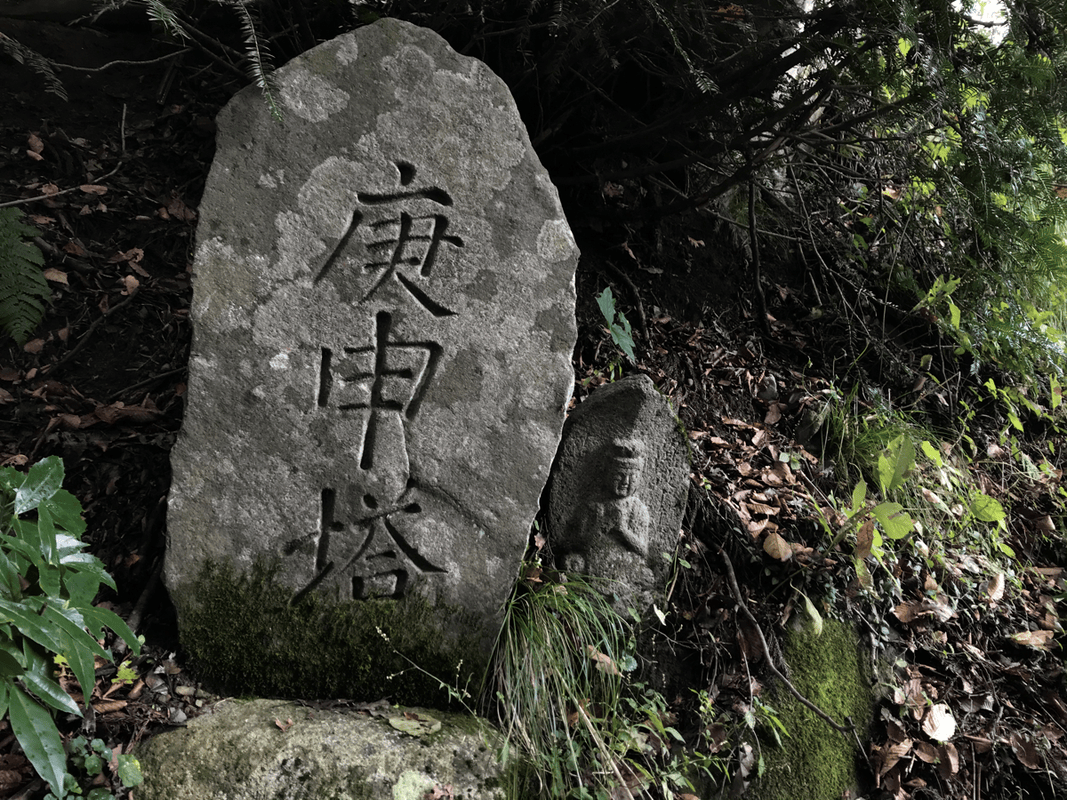
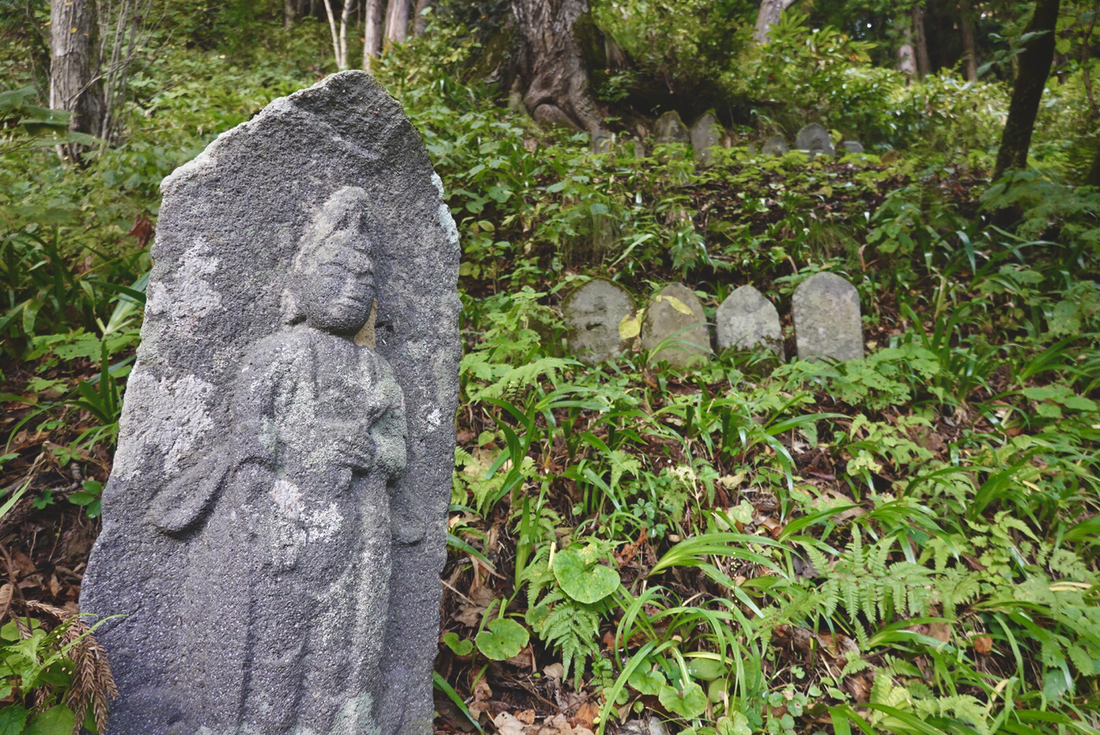
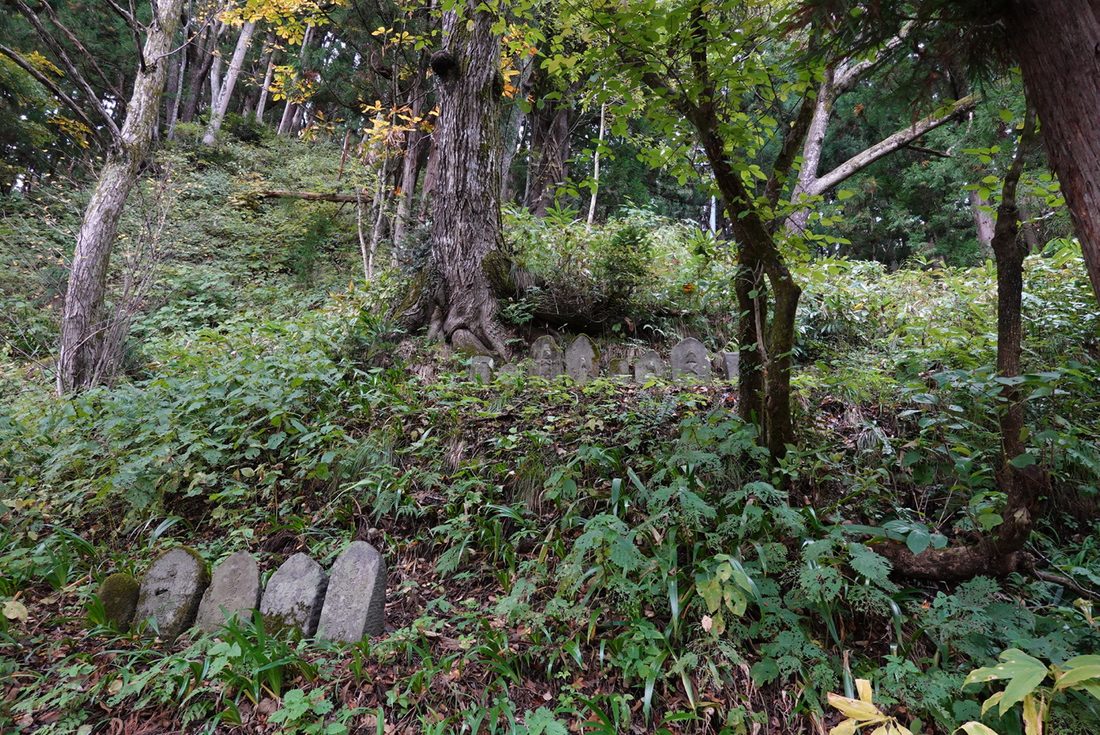
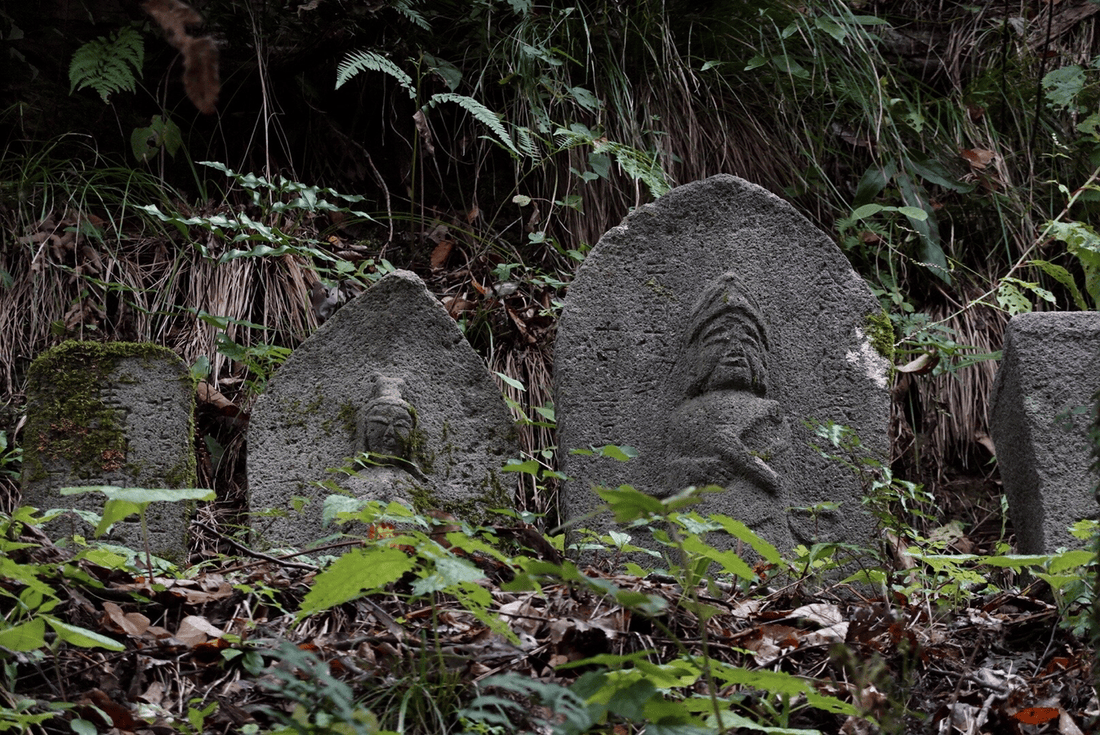
News eventually reached Uesugi Kenshin, the Dragon of Echigo, celebrated for his military ability. Kenshin was no friend of Shingen. They were lifelong rivals who had fought repeatedly. Yamamoto Kansuke, the strategist familiar to viewers of Furin Kazan, had died in a battle against Uesugi’s forces.
Yet Kenshin’s reputation rested on more than tactics. In this tale, he valued righteousness and considered an embargo that hurt civilians an improper way to wage war. Despite their hostility, he arranged for salt to cross the mountains from the Sea of Japan to Takeda’s domain.
By the time I learned the story, I had already reached Matsumoto. The old road had slipped past me.
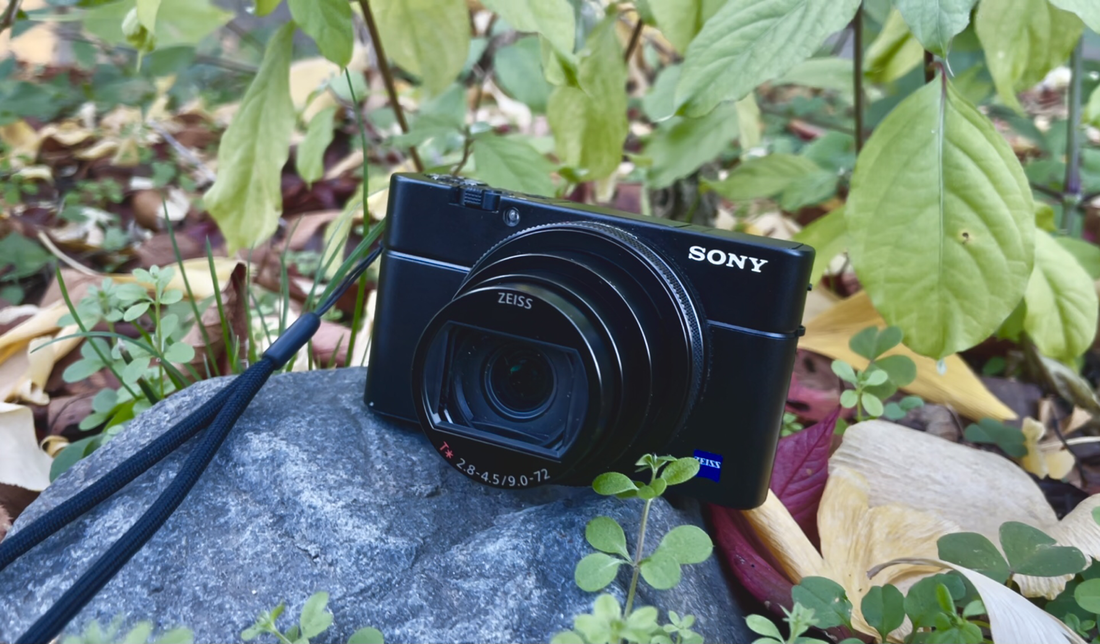
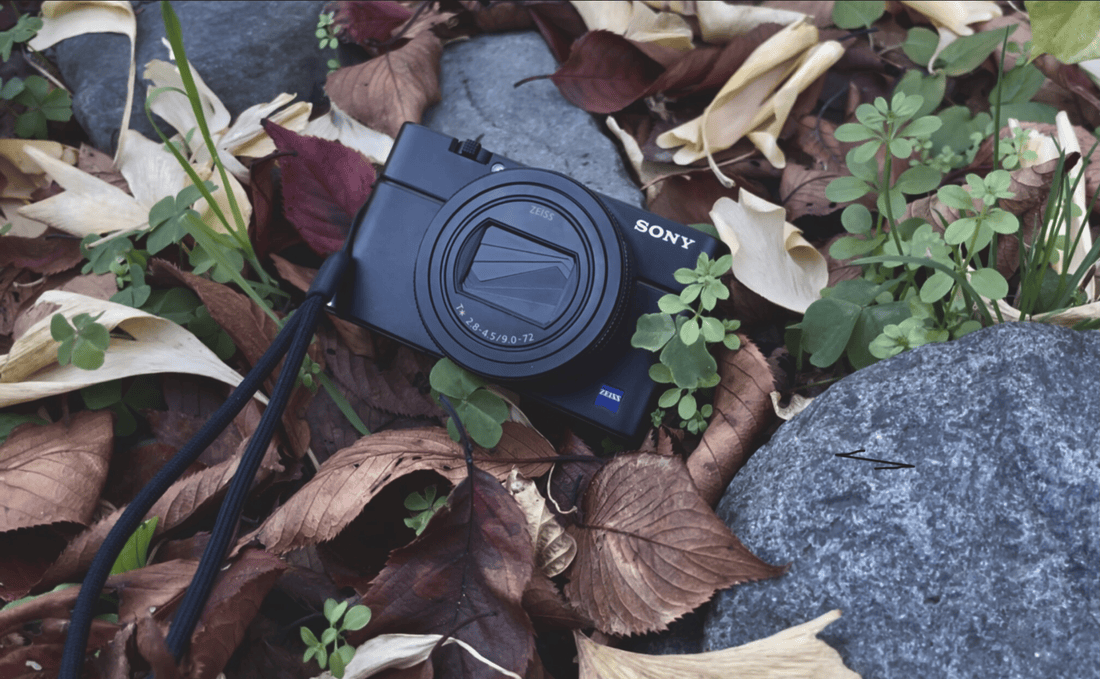
Three years later, during the pandemic, when I could not leave Japan, I returned to explore it properly. Joining me was an old companion from the beginning of my travels: a Sony RX100 camera, now upgraded from the RX100 III to the RX100 VII.
An Old Companion, Renewed
When I first decided to travel four years earlier, I wanted a camera to record the scenery and this chapter of my life. Among the many compact options, the RX100 series appealed to me for its one-inch sensor, roughly 20.1-megapixel images and SteadyShot optical stabilization. I wanted something easy to carry while traveling and cycling, with steadier results outdoors.
The original account described the RX100 VII’s processing, rapid focusing and continuous shooting by comparing it with Sony’s high-end Alpha 9, using the nickname “an Alpha 9 in your pocket.” This Salt Road trip was my first outing after taking up a camera again, and I was excited to see how this familiar new companion would perform.
Starting from Hakuba
I took the train to Hakuba, where I had competed in an OMM event just a week earlier. I skipped the stretch from Matsumoto because much of that approach felt too urban for my taste.
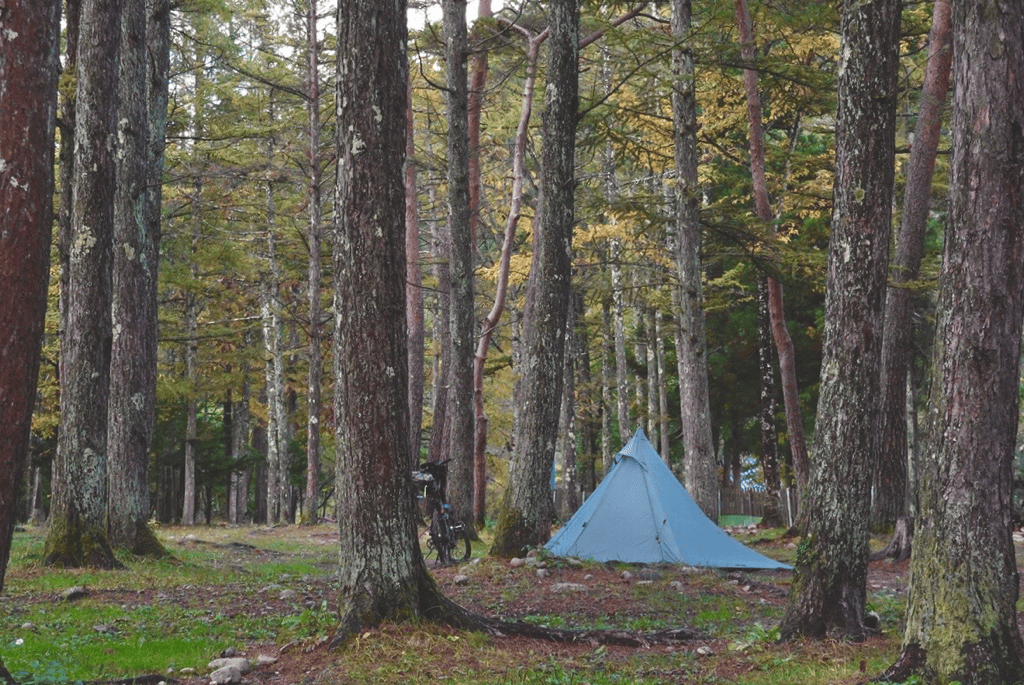
After a night at a familiar campground, I breathed in the cold morning air, climbed onto the bike and set off for the old road.
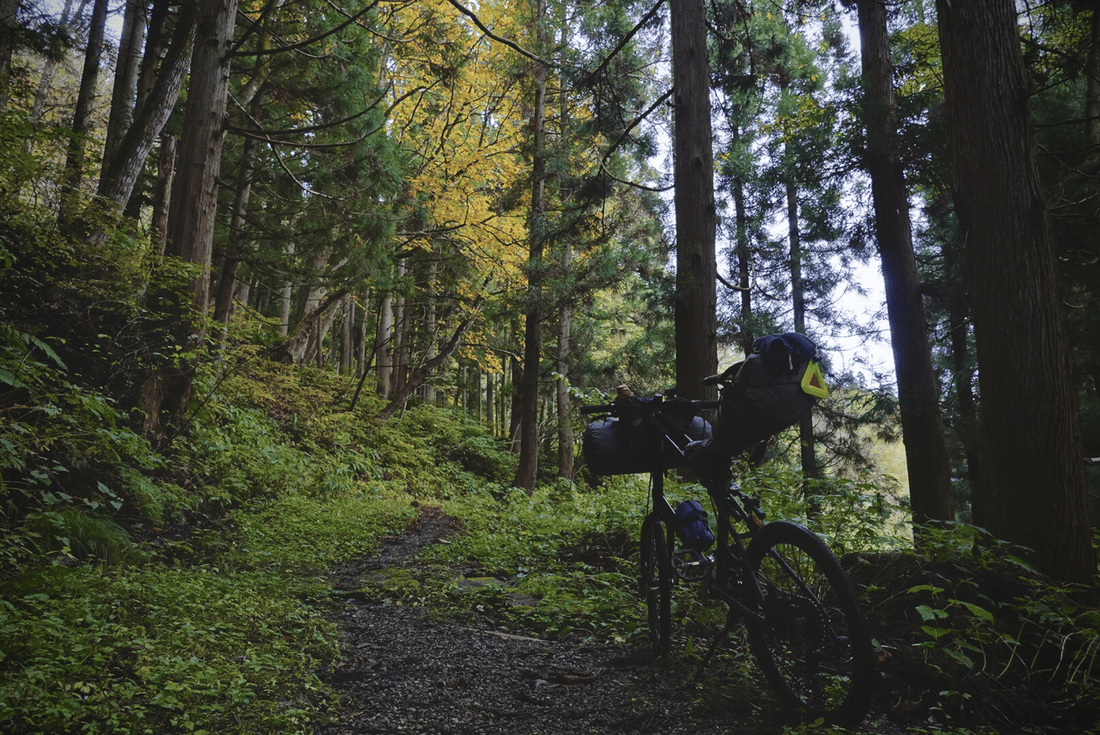
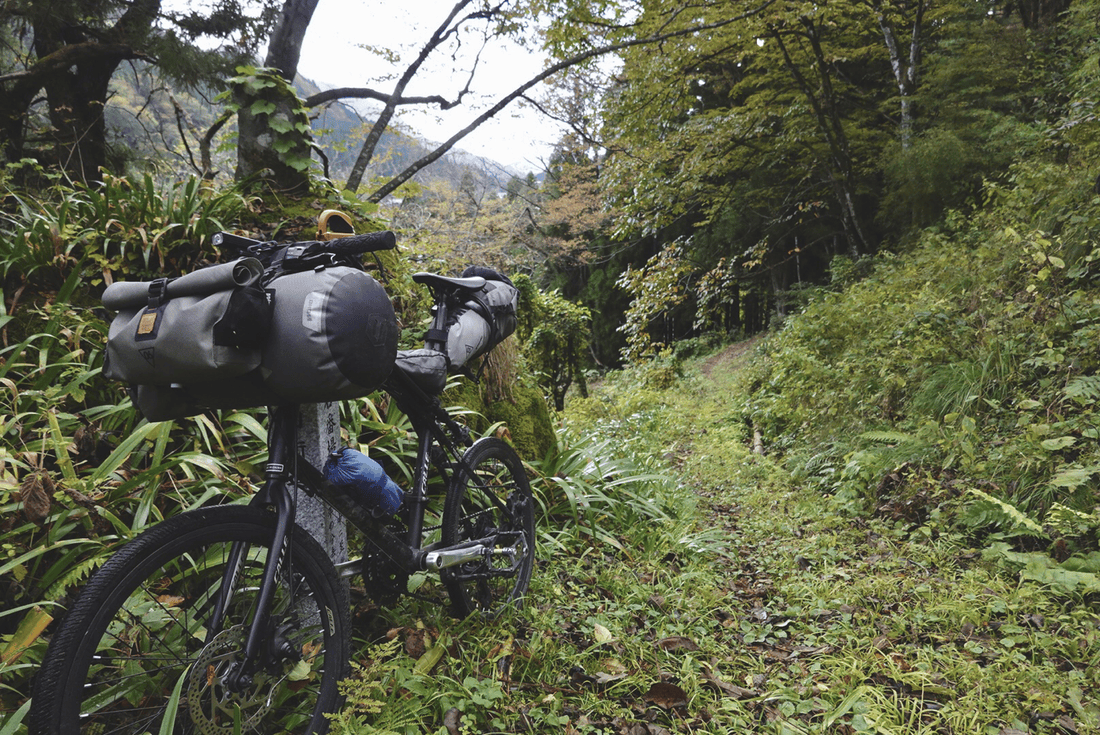
Some sections retained dirt surfaces. Others had become smooth asphalt, while still others threaded through neighborhoods as small lanes. Without close attention, it was easy to leave the historical alignment.
I had done plenty of preparation. The most useful resource was a Salt Road map PDF I found online. Some details were unclear, however, and certain sections were unsuitable for cycling, so I used it alongside maps from Japan’s Geospatial Information Authority.
Deciding which sections to follow and where to detour remained my responsibility. Exploring an old route that is disappearing into its surroundings takes map-reading and route-planning ability.
Finding the Trail
The previous week’s OMM mountain-bike orienteering event had used parts of the Salt Road, so the opening section went smoothly. Familiar scenery brought back the atmosphere and emotions of the race. My pedaling quickened almost by itself.
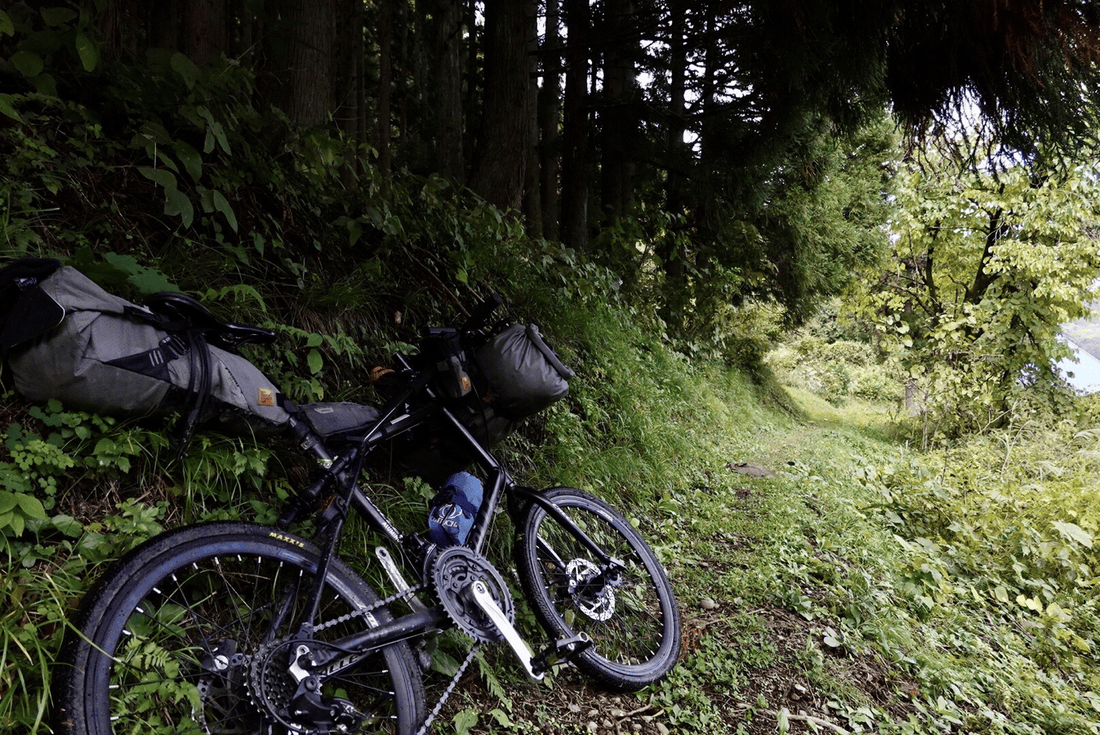
Once I left the competition area, things became harder. Some sections were difficult to locate. Others were easy enough to find, only for their surfaces to prove decidedly unfriendly to a bicycle. That was where the real exploration began.
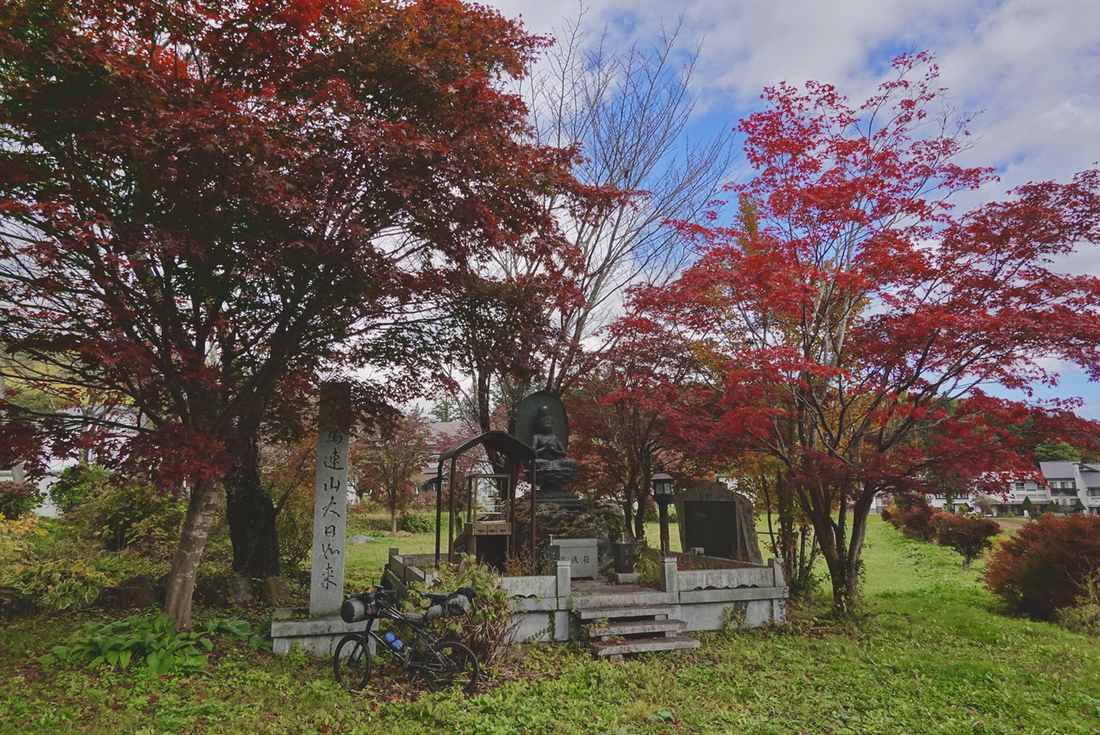
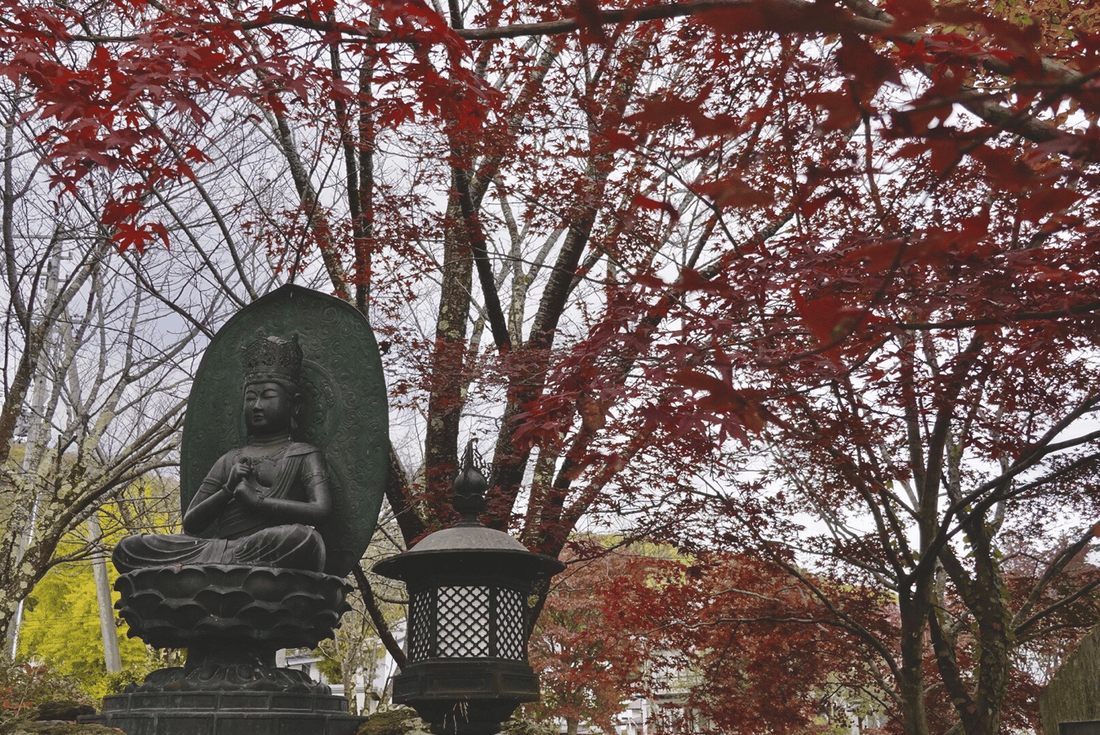
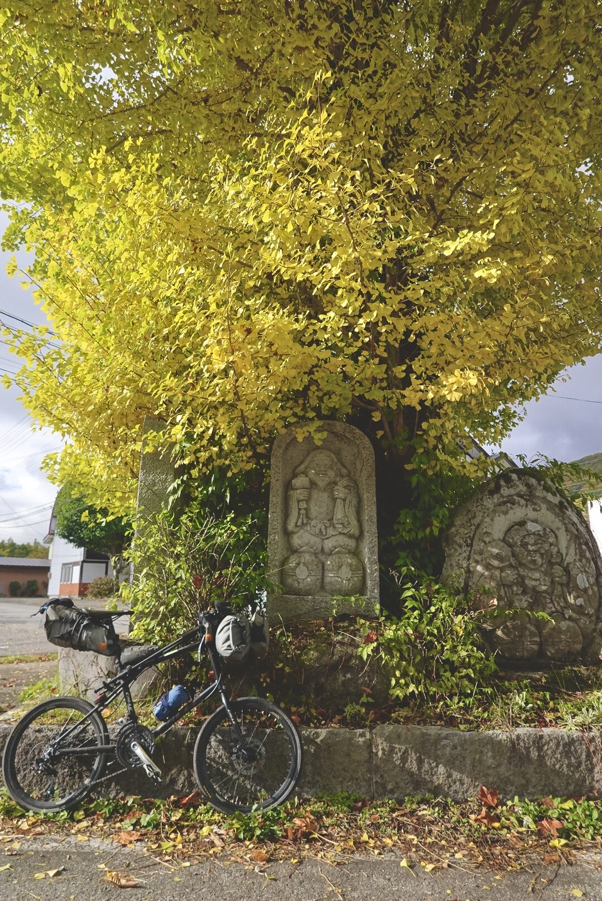
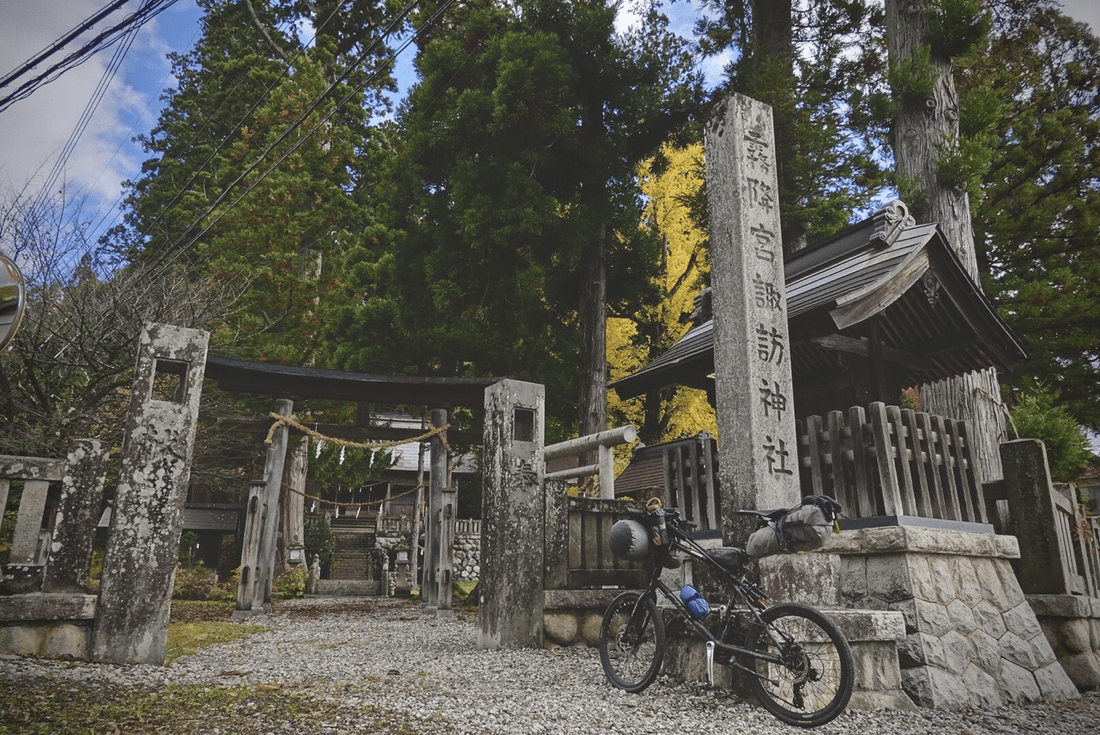
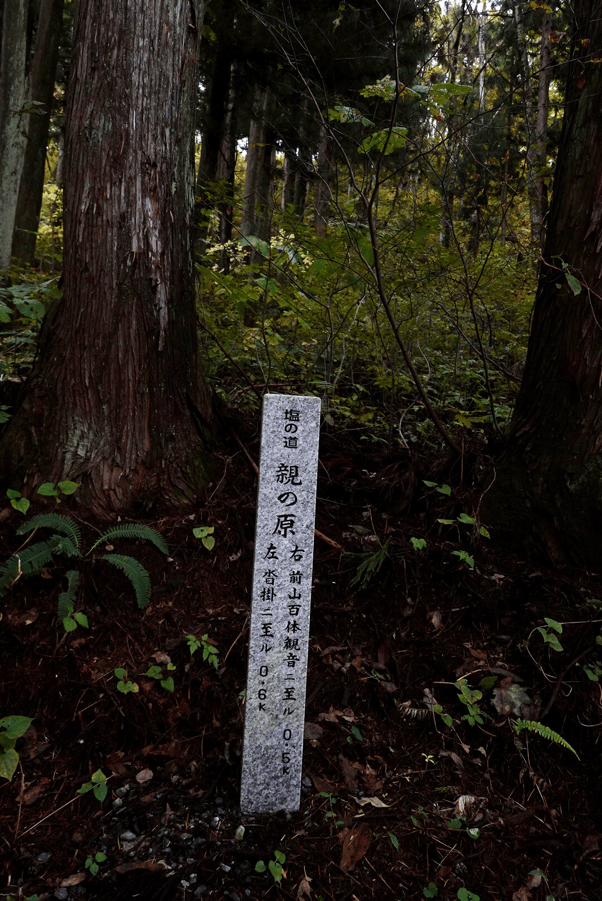
Maps were not the only important aid. Many route markers were painted directly onto the road. They often pointed into an alley or a small path. Miss one, and I might have to backtrack to regain the route. Keeping my eyes open saved unnecessary distance.
Photographing a Bright Autumn Day
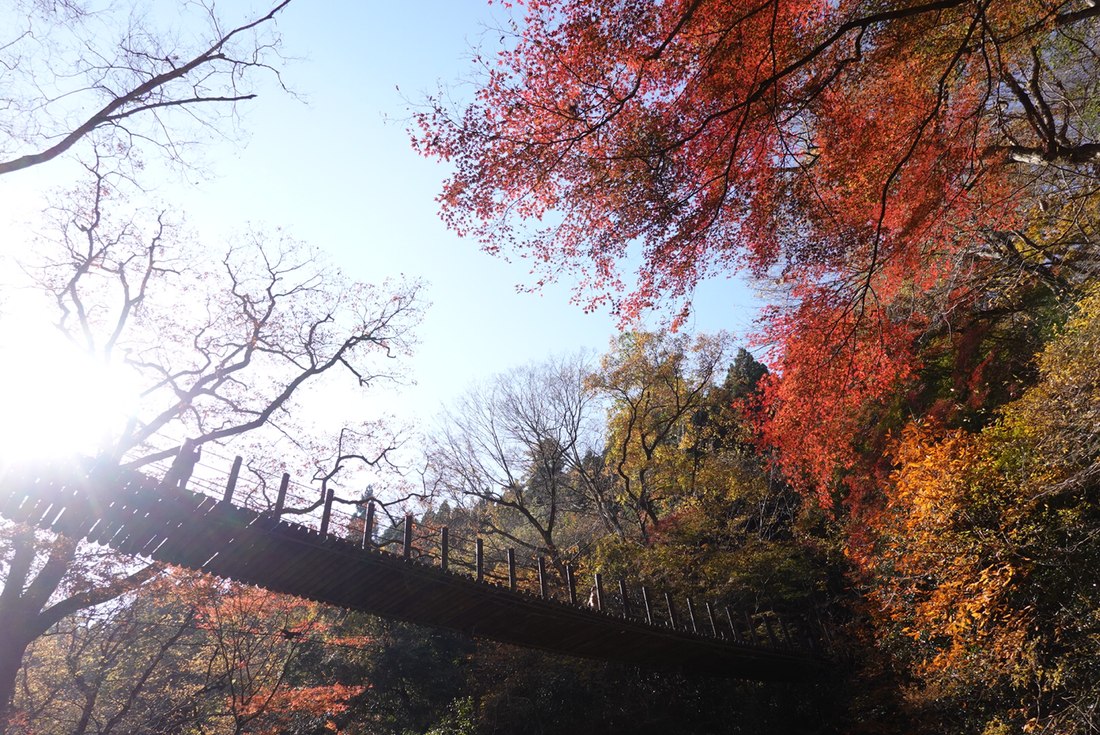
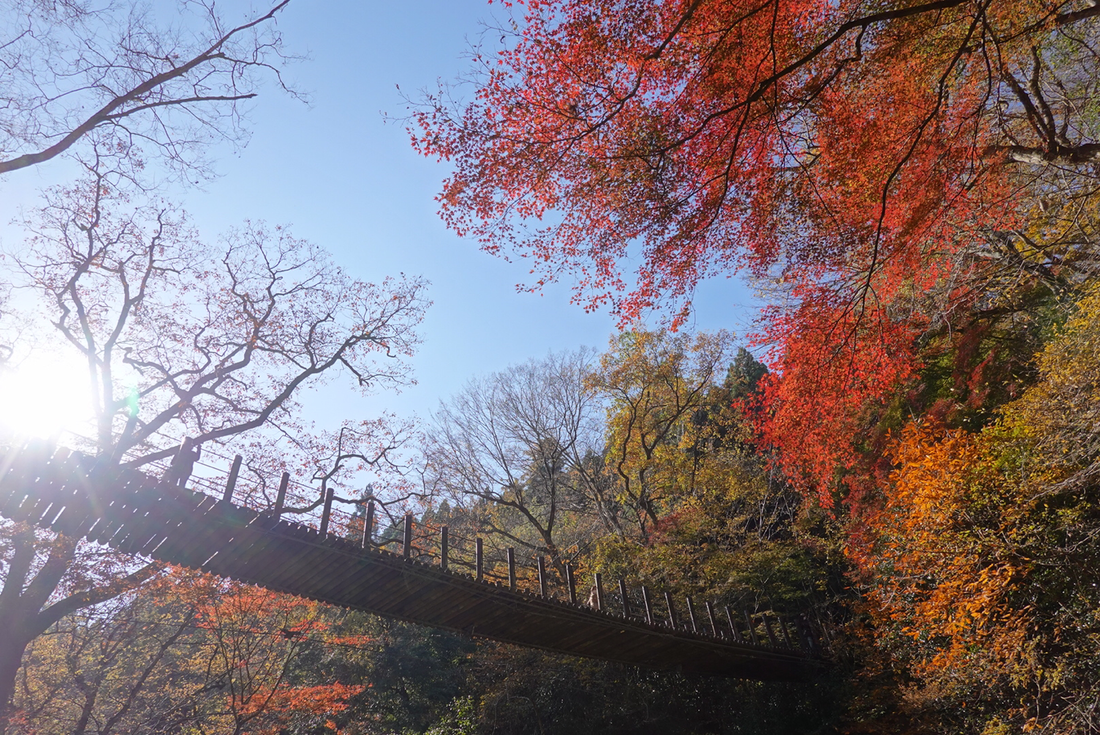
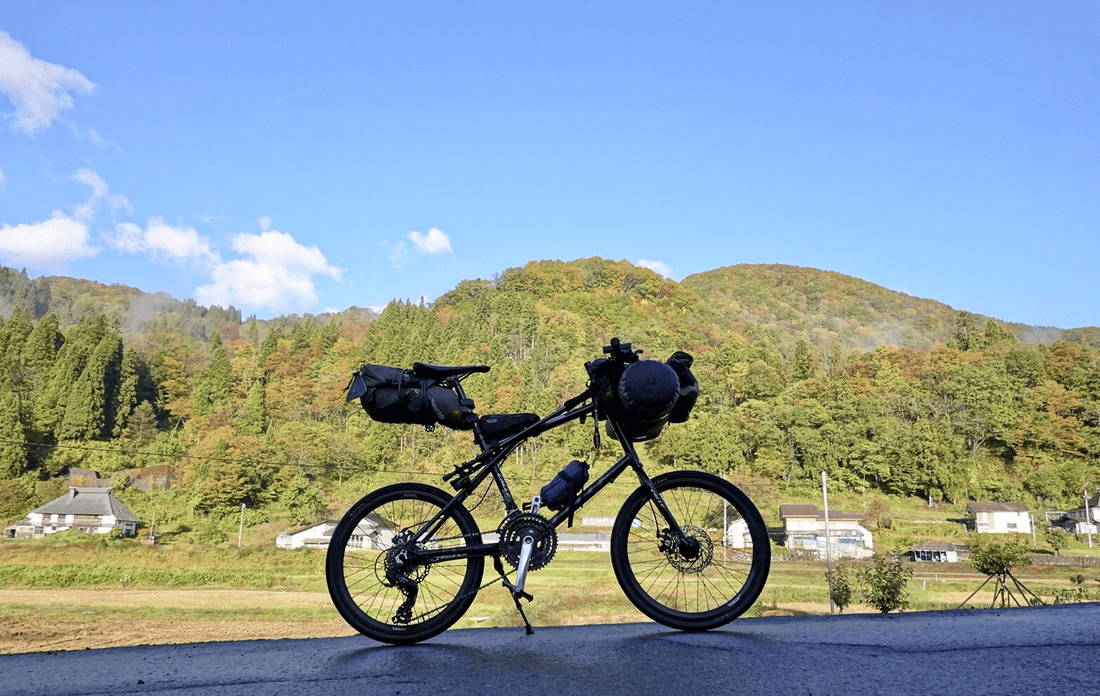
I was fortunate with the weather at first: a mix of sunshine and cloud, with comfortable temperatures for riding. An overly enthusiastic sun, however, could make photography difficult.
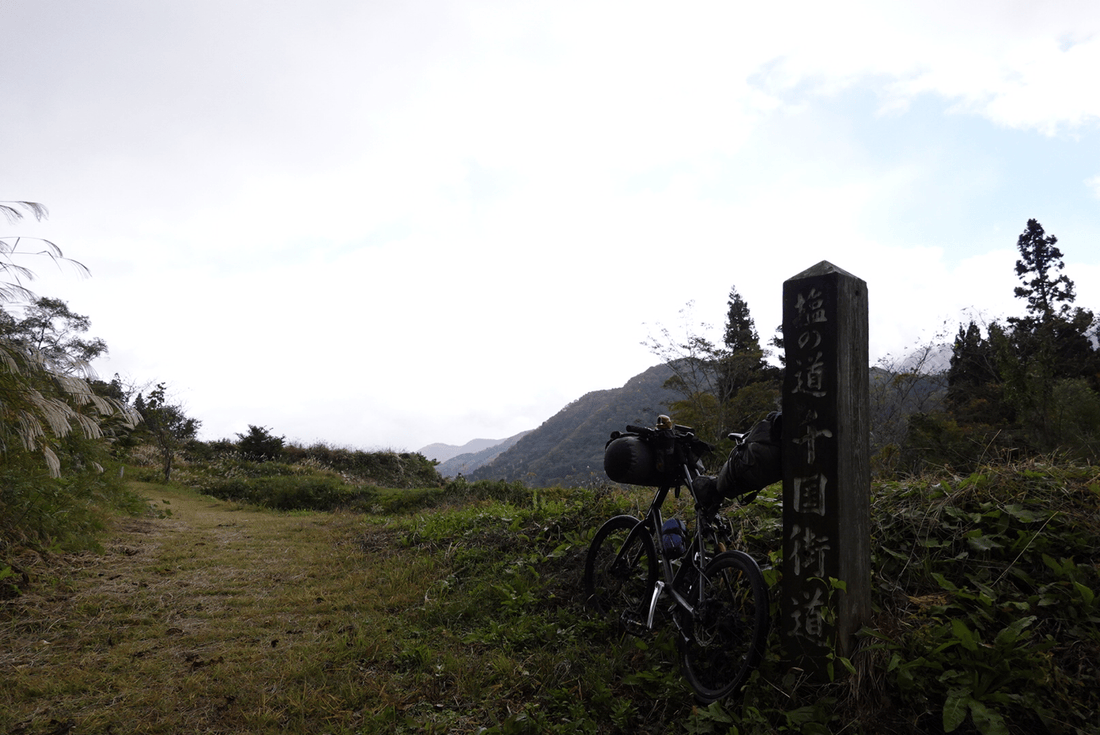
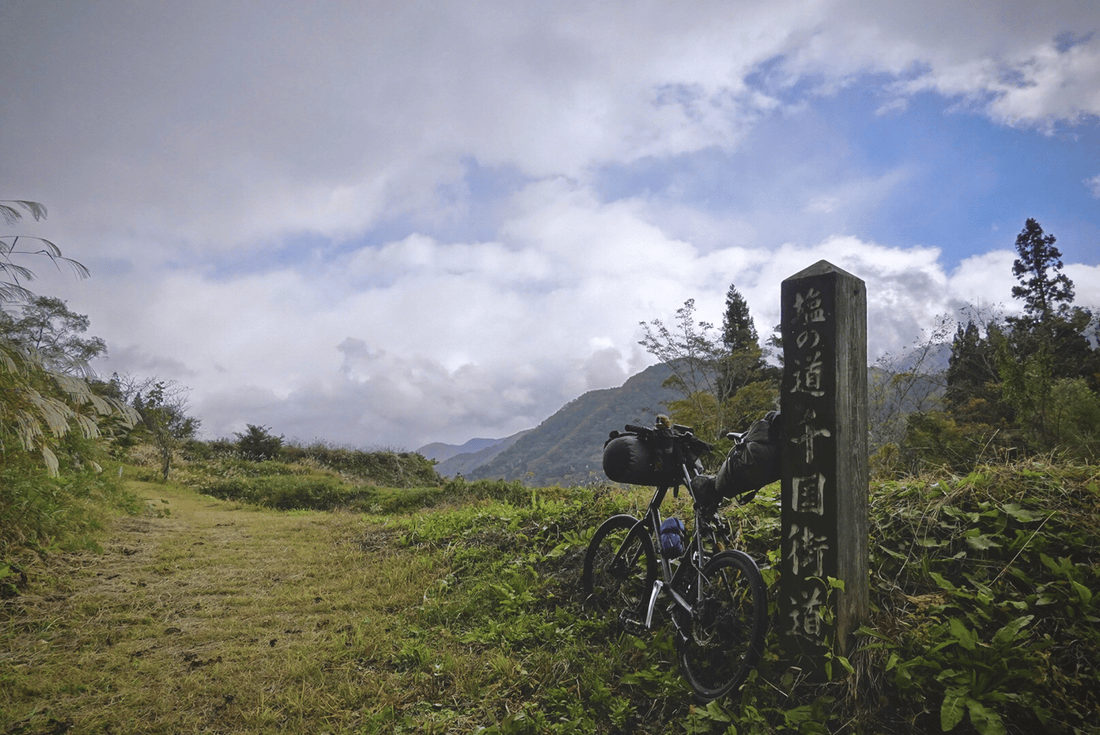
Strong contrast could leave parts of an image blown out and others too dark. I used HDR, combining multiple exposures to balance the scene and reduce the loss of detail in bright and dark areas.
Bright light also made composition harder. Even a phone screen turned to maximum brightness was not always easy to see, and the extra battery drain was unwelcome. As a traveler, I wanted as few days as possible spent organizing my life around power sockets.
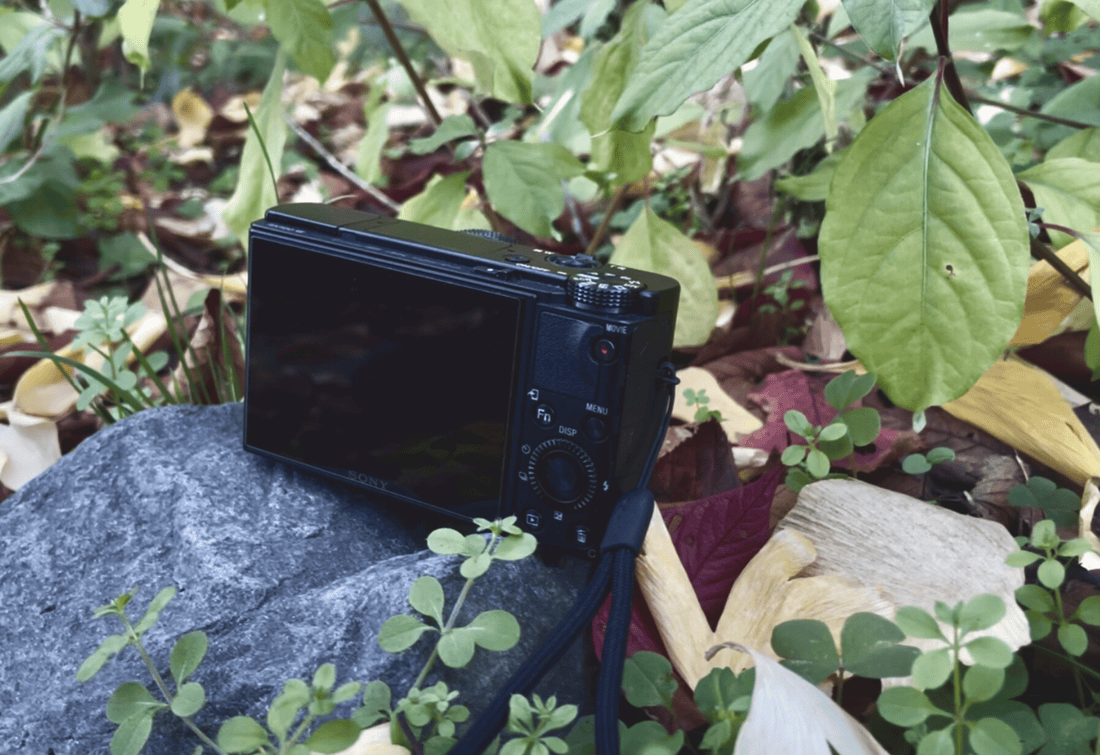
The electronic viewfinder in the RX100 VII’s small body helped solve that problem. Initially, I had not liked using a viewfinder. It felt a little like pretending to be a professional. Then, one day in bright sunshine, I put my eye to it and never looked back. After that, I often used it even without glaring sunlight.
A Change of Plan in the Rain
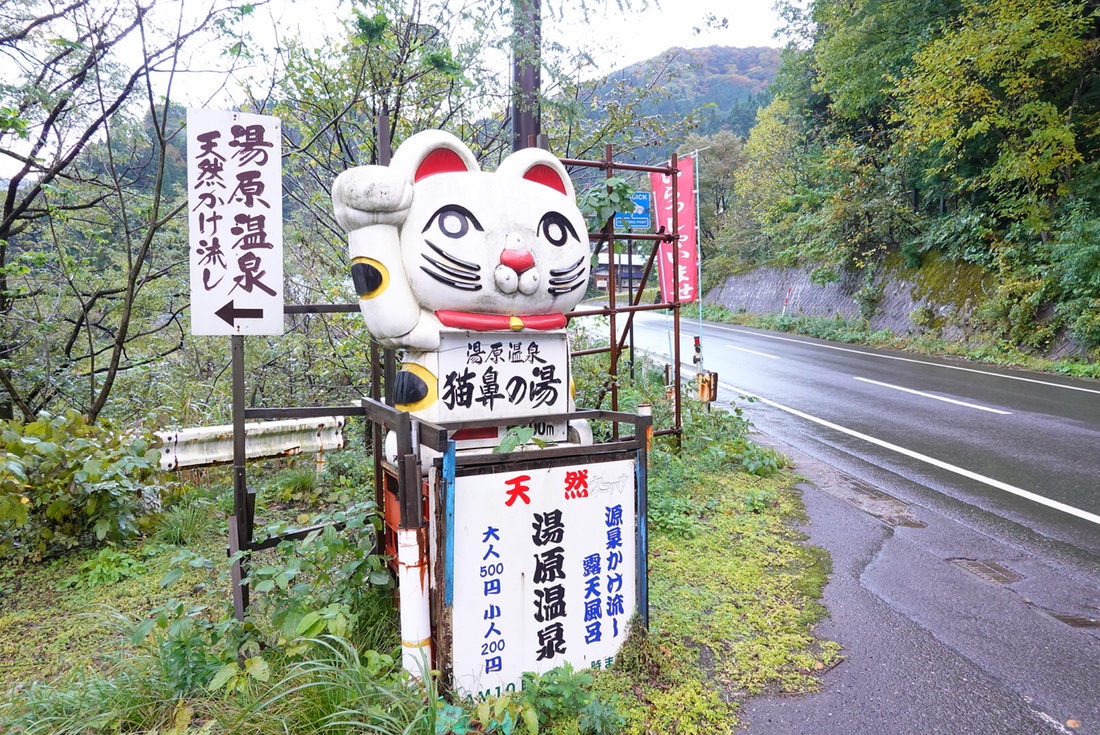
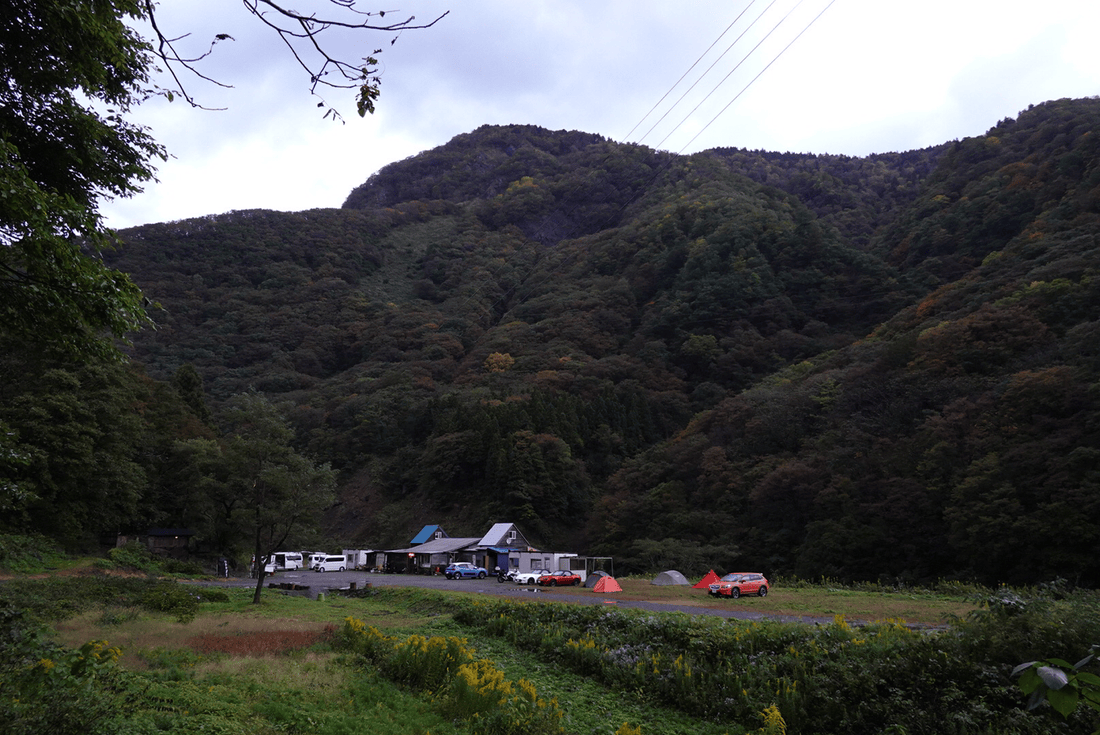
I planned to ride my chosen Salt Road section over two days, staying at Nekohana Onsen in the Himekawa Valley. Each day’s planned distance was only about 30 kilometers, but the interesting terrain and scenery slowed me far more than expected.
By almost three in the afternoon, only a short mountain section remained before the hot spring. Unfortunately, that short section crossed two summits.
On asphalt, I would not have worried. Unknown trail surfaces were another matter. Steep dirt could take twice or three times as long, or more.
As I stood at a junction debating my options, raindrops began to fall. Looking at the rain and the remaining distance, I made an important decision: use transport to reach that night’s destination, then return to this junction the next morning.
It would add to the following day’s workload, but the forecast promised sunshine. In the rain now arriving, continuing along the old mountain trail no longer seemed sensible.
Finding a Subject in the Green
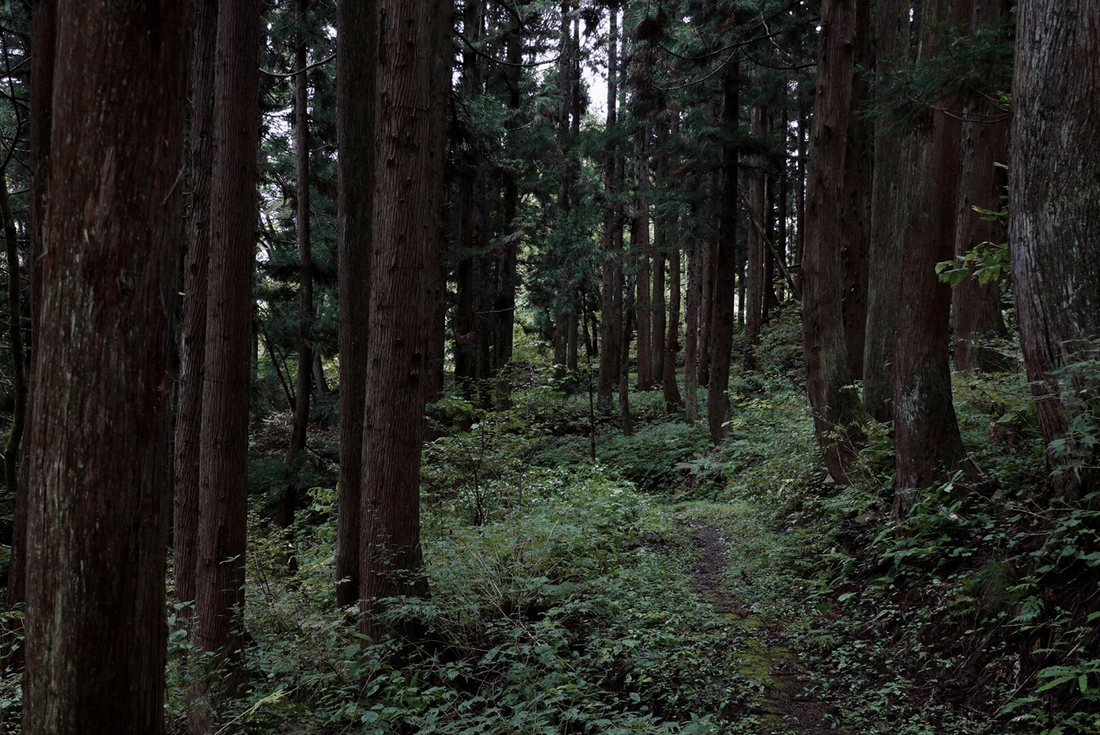
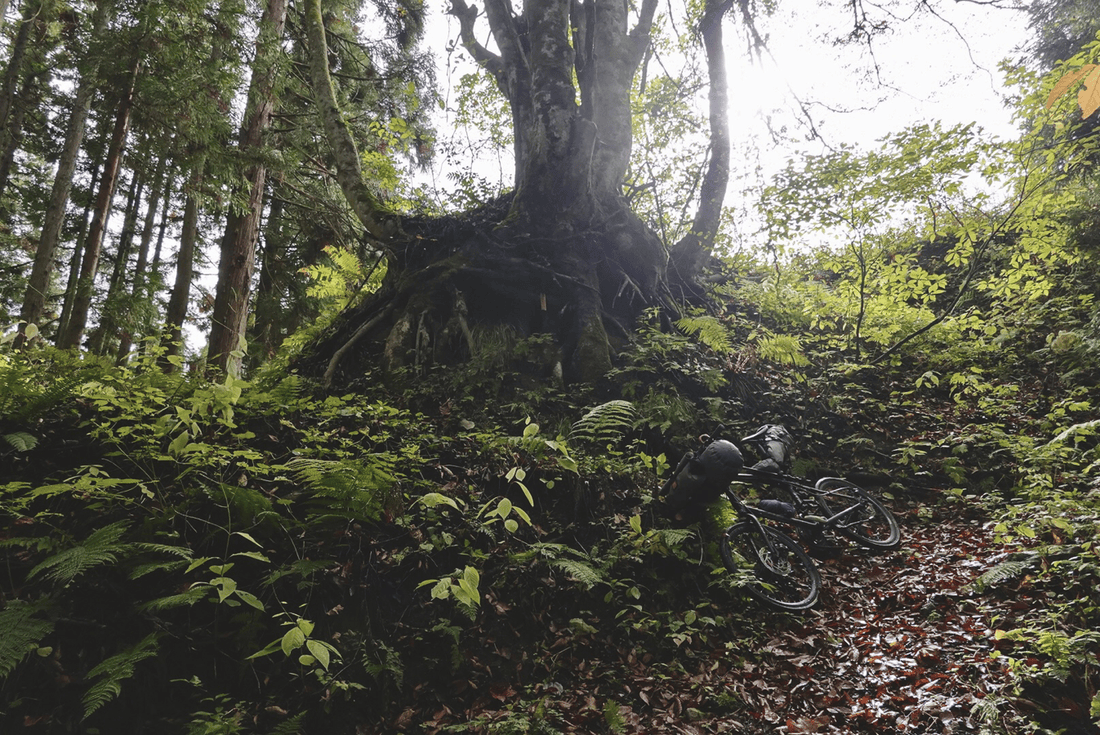
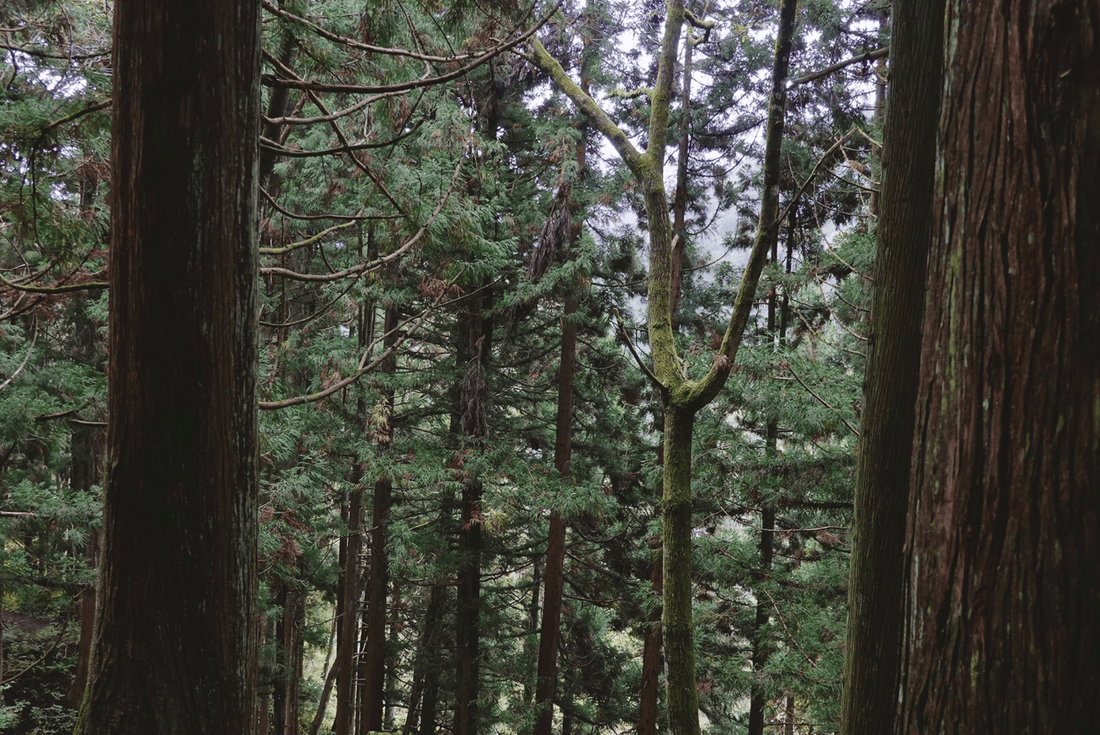
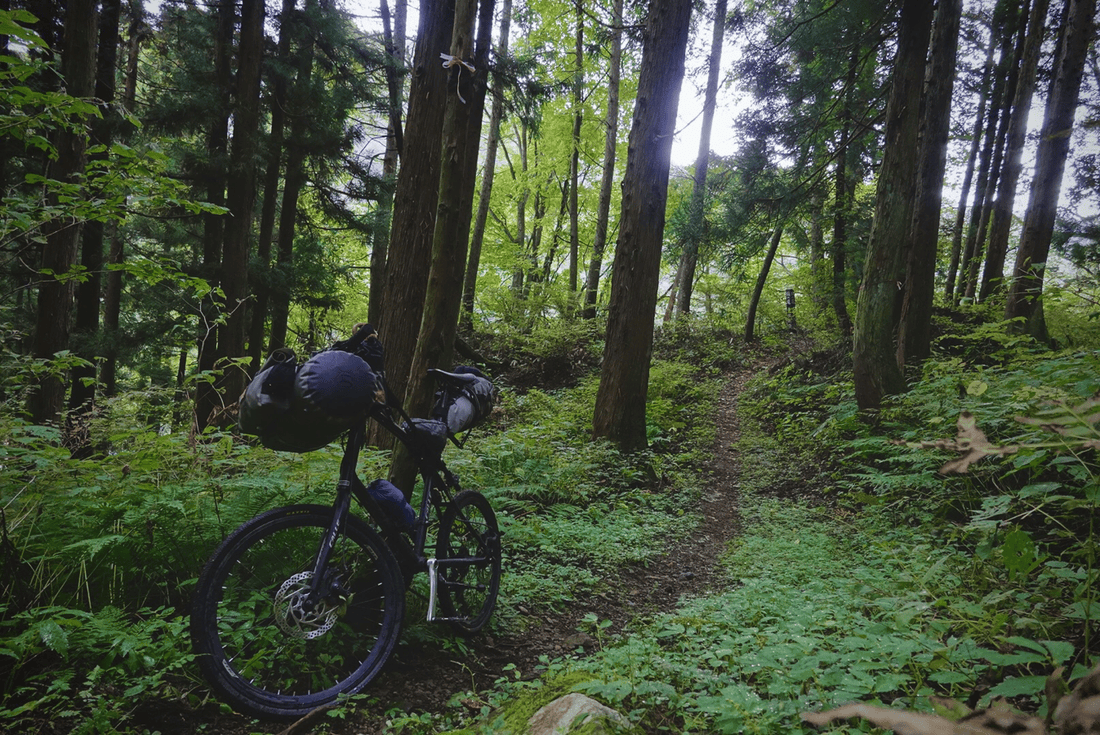
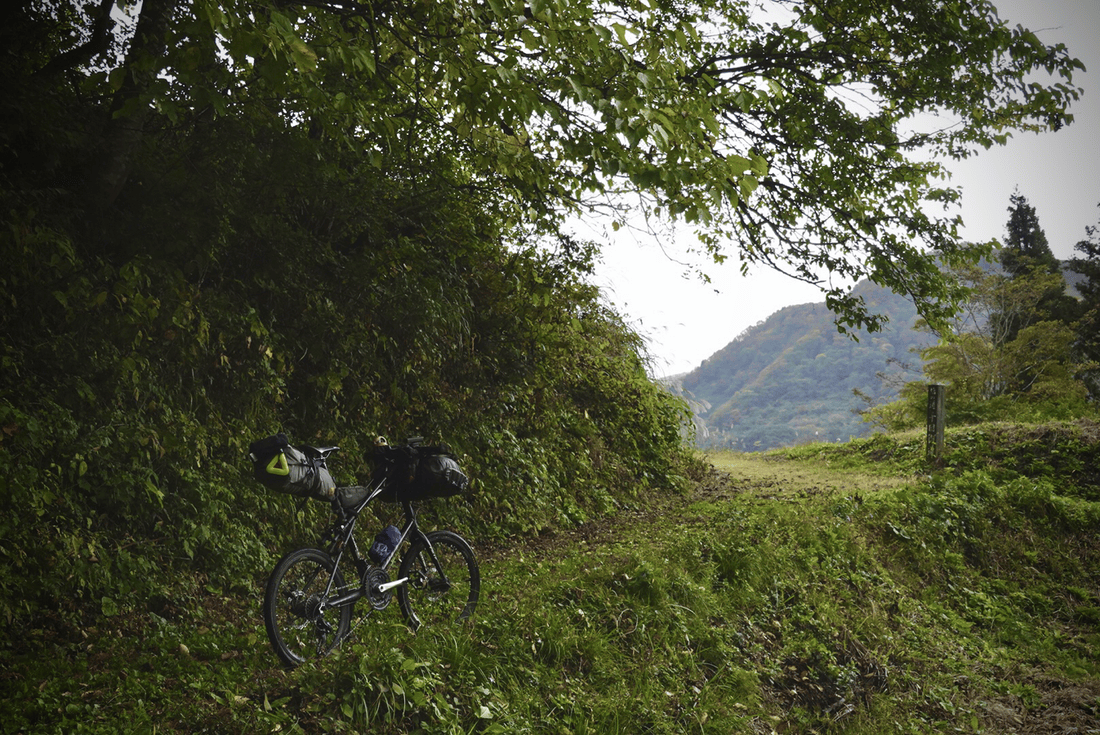
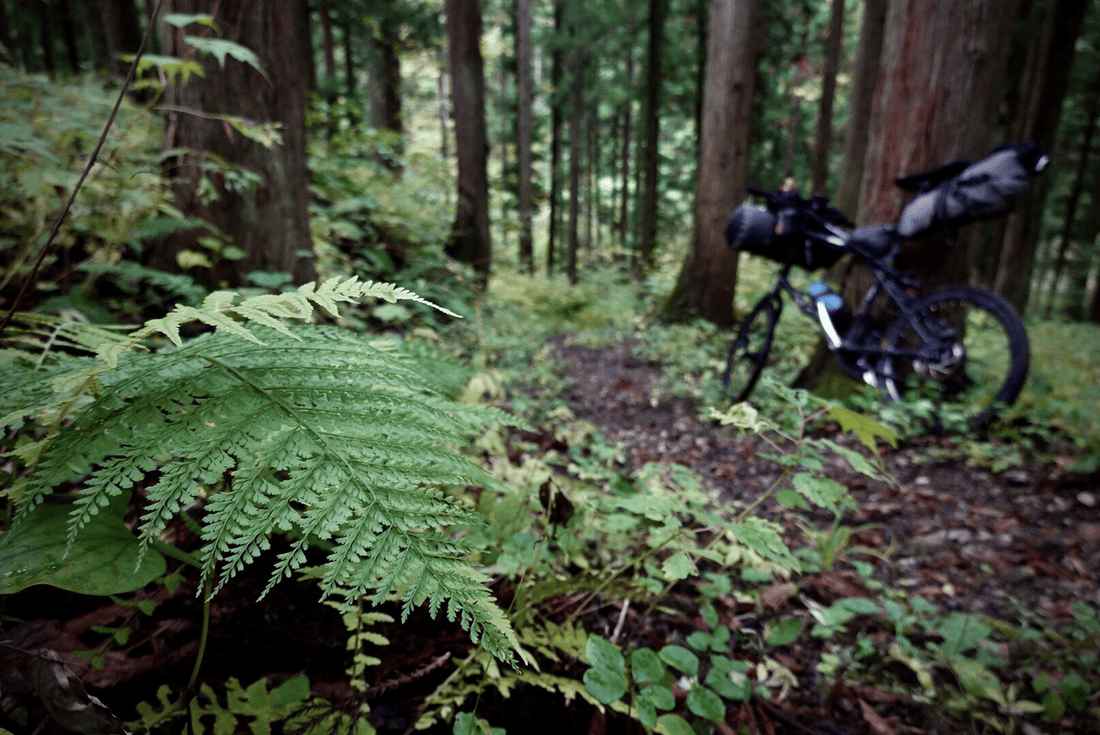
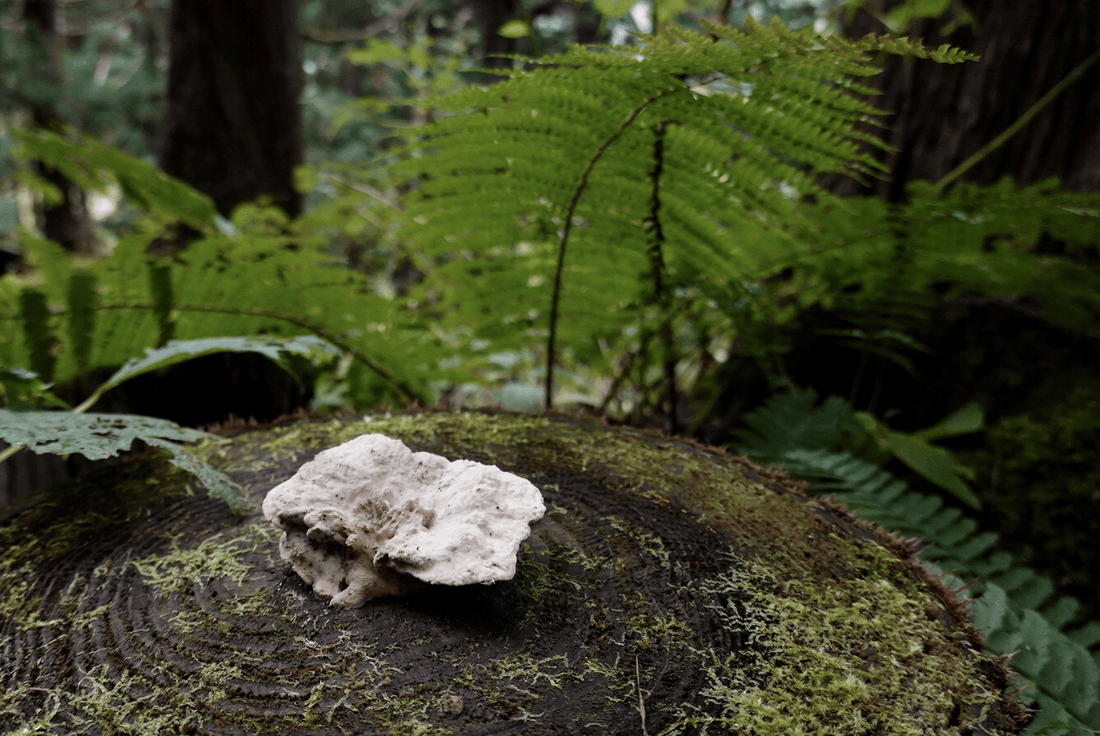
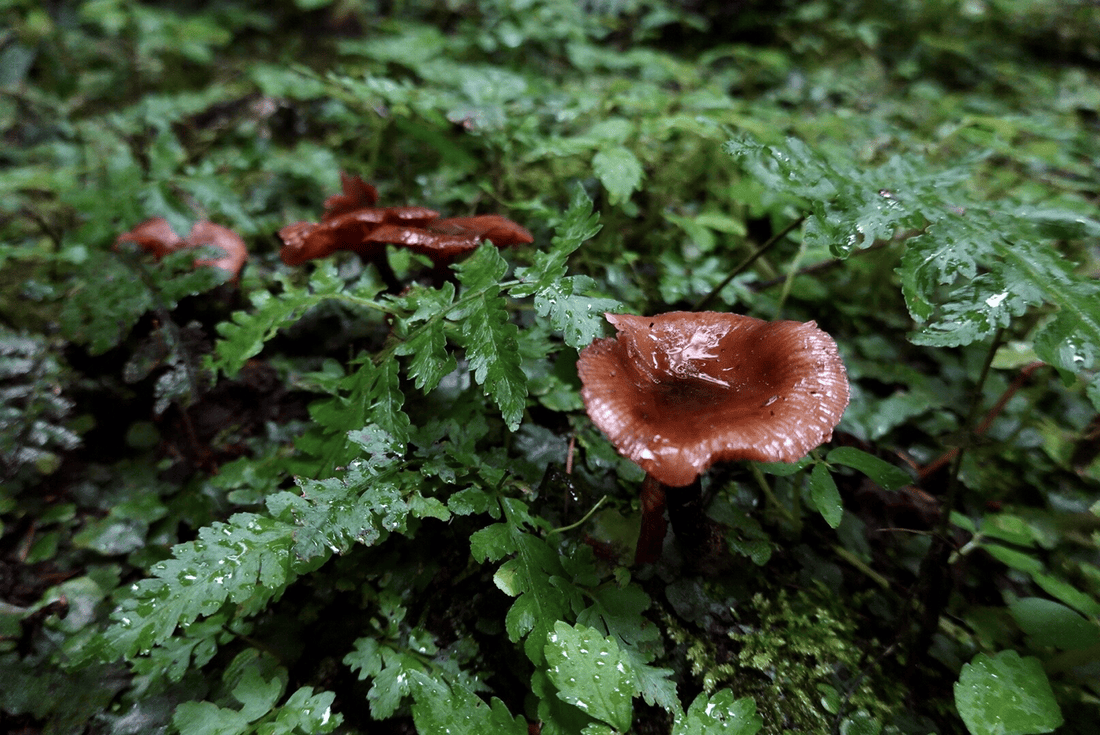
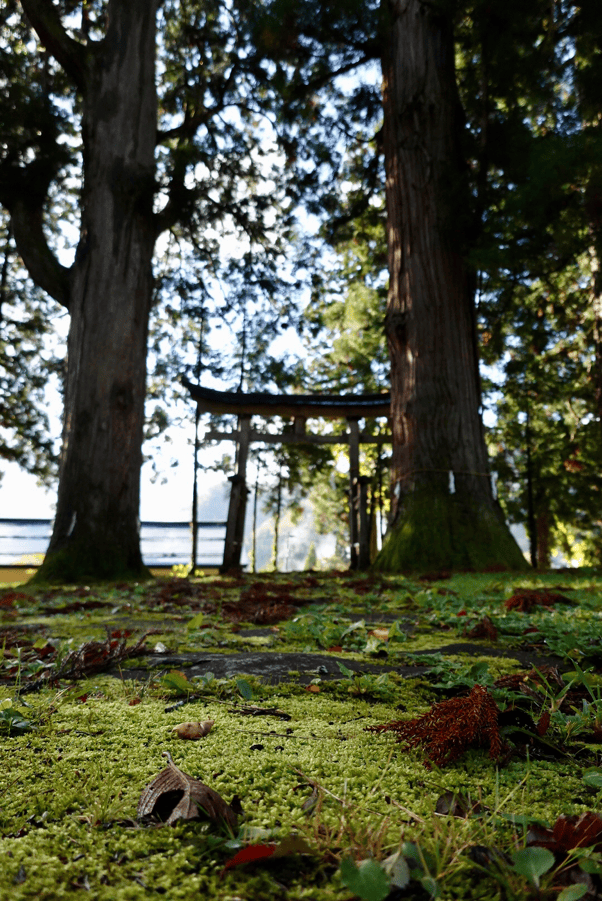
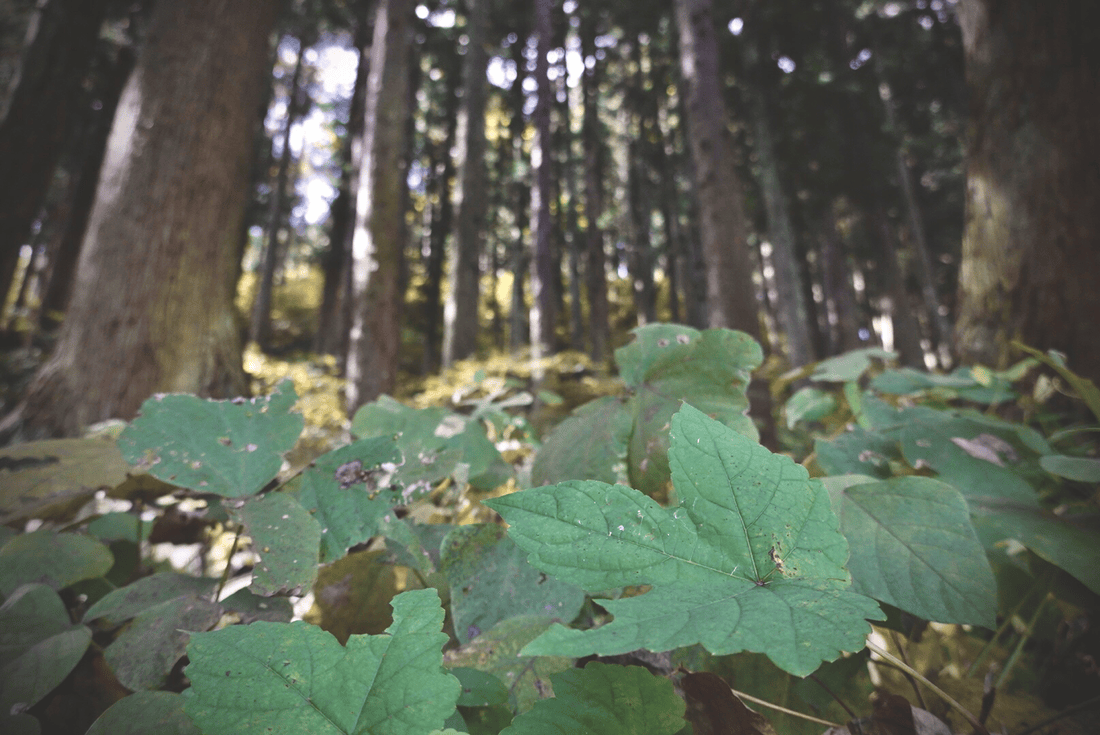
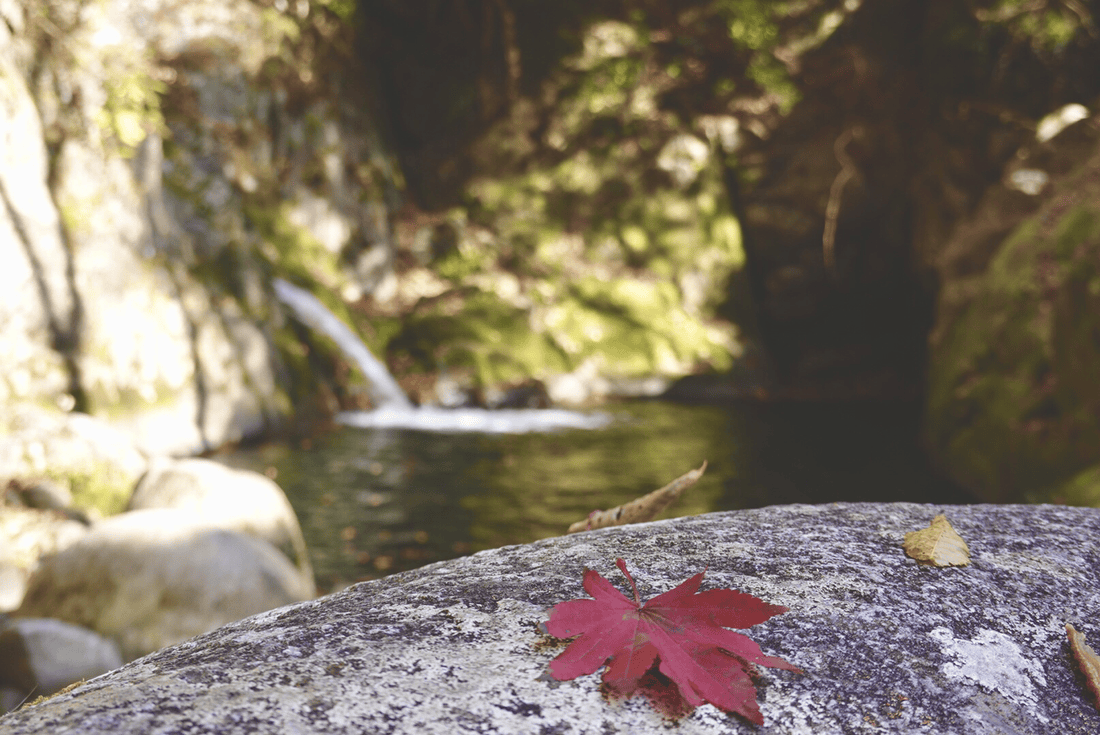
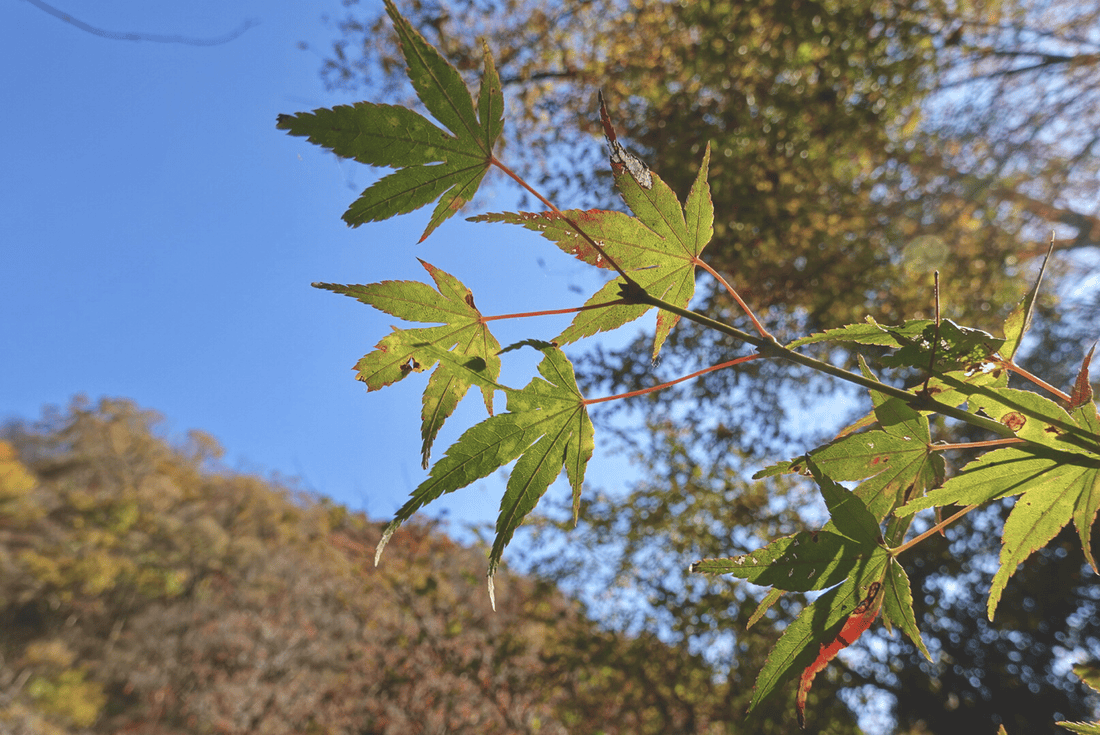
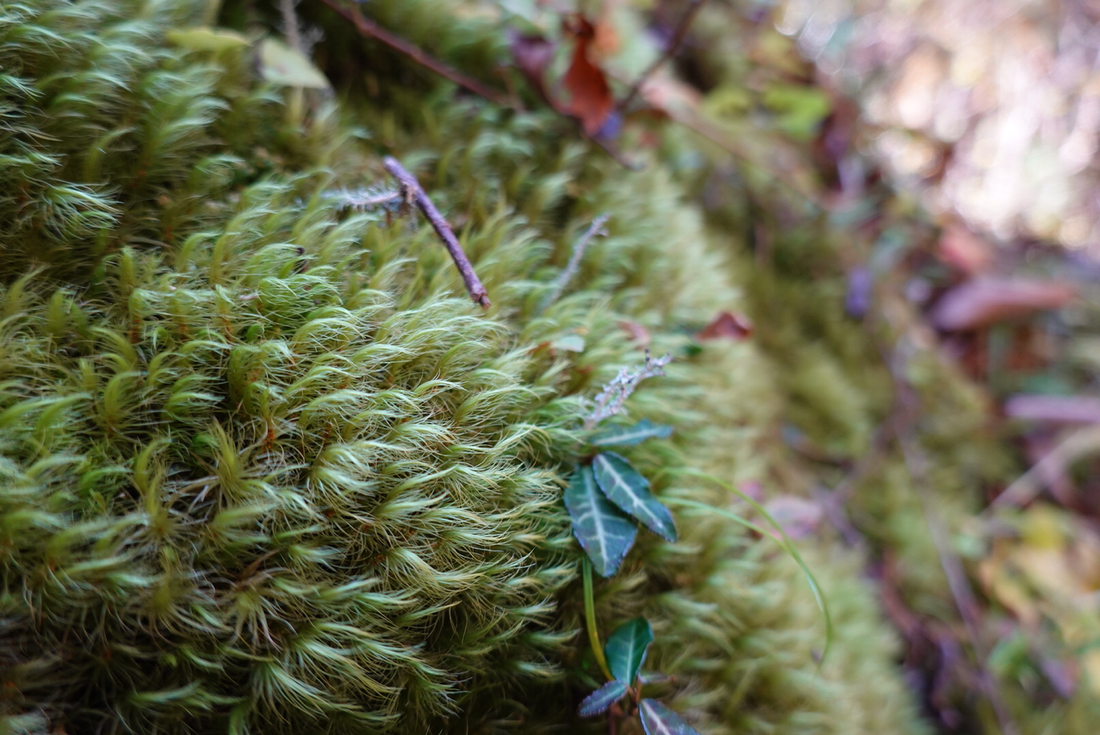
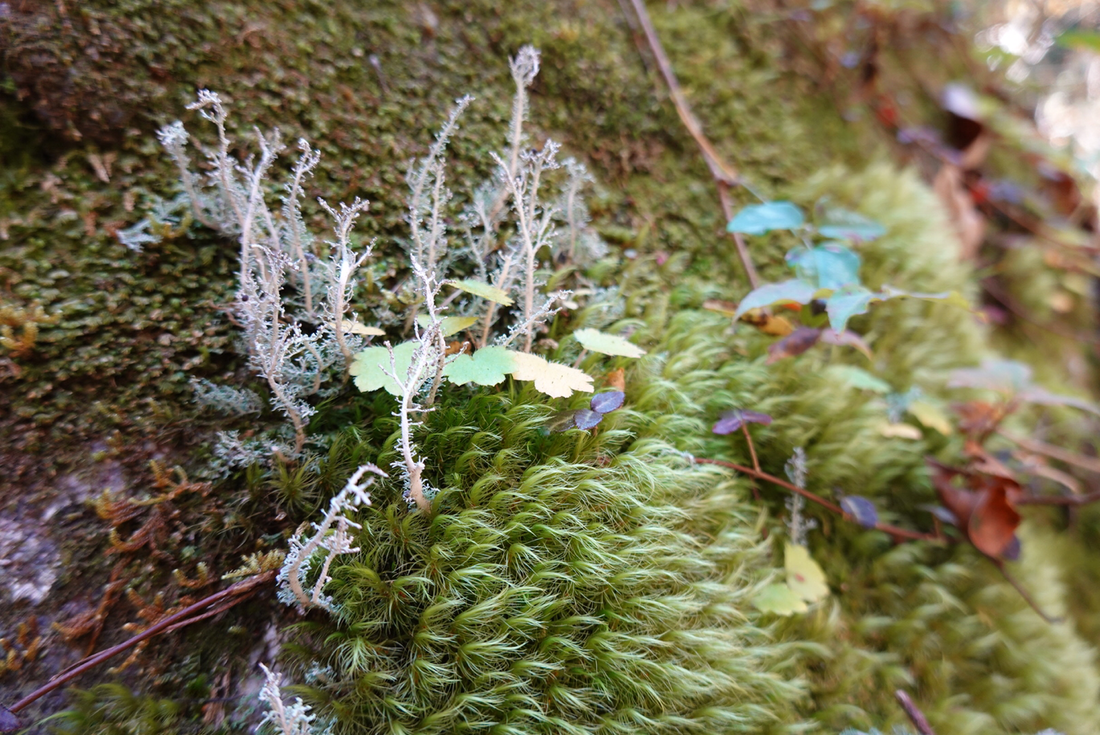
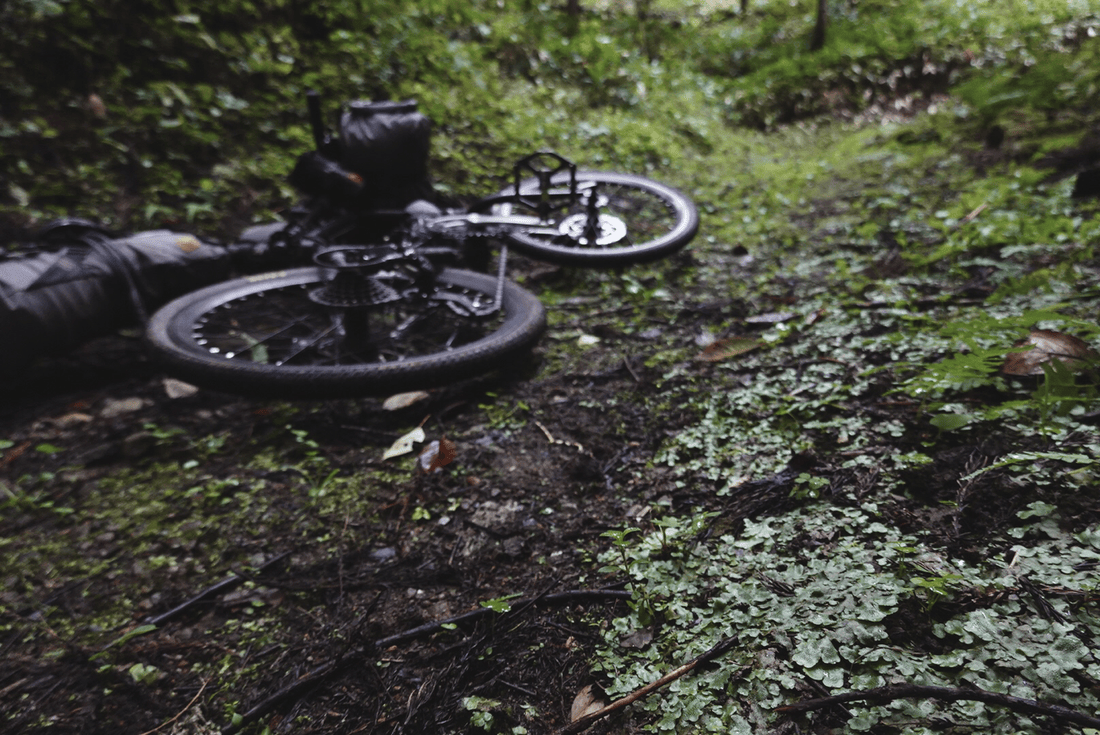
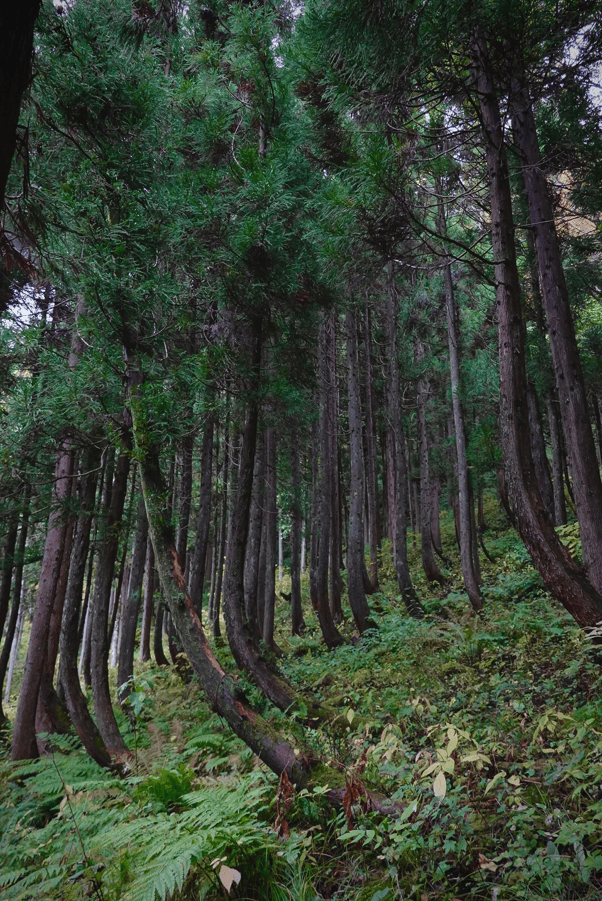
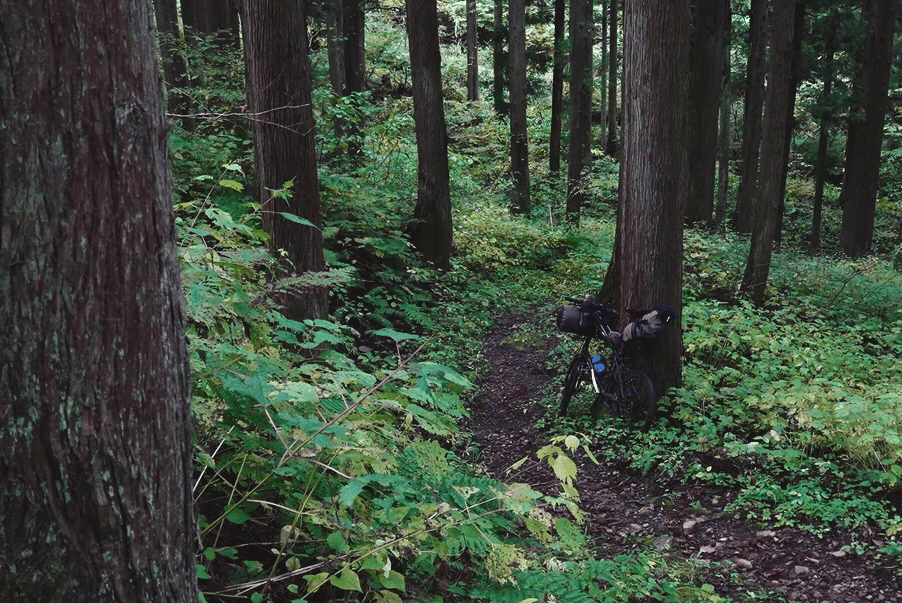
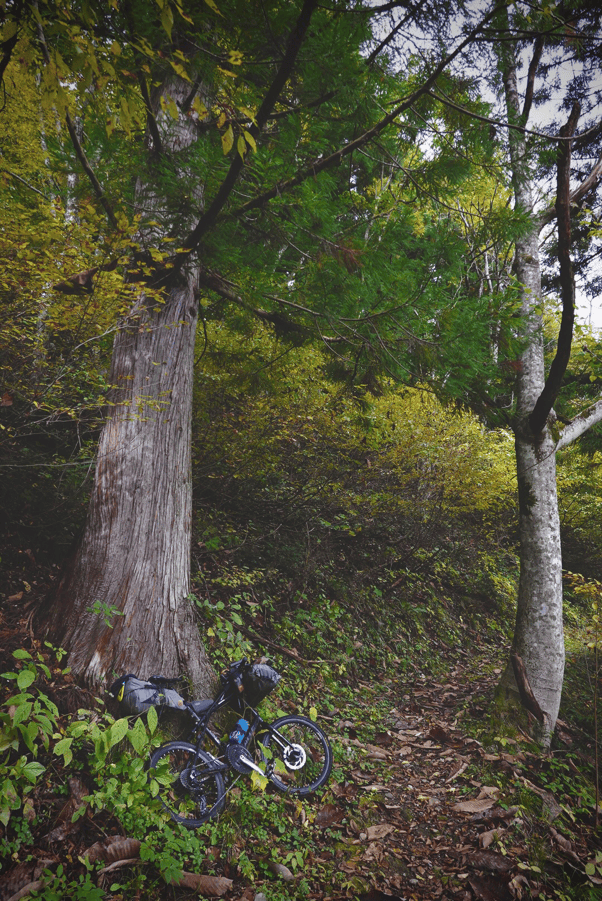
Deep in the forest, everything was lush and green. I loved that color, but so many similar tones could make it difficult to separate a photographic subject from its surroundings.
This was where a wide aperture helped. Using a shallow depth of field, with the subject sharp and the background blurred, gave the image a clearer point of interest and more visual variety.
A Warm Welcome at Nekohana Onsen
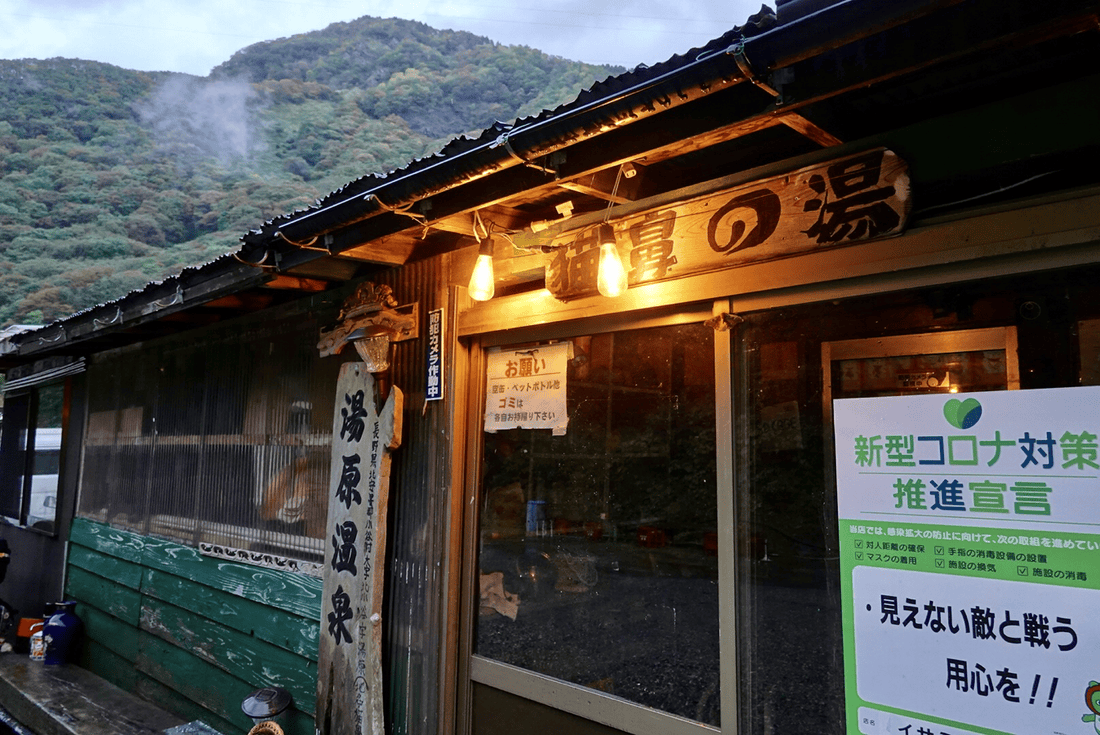
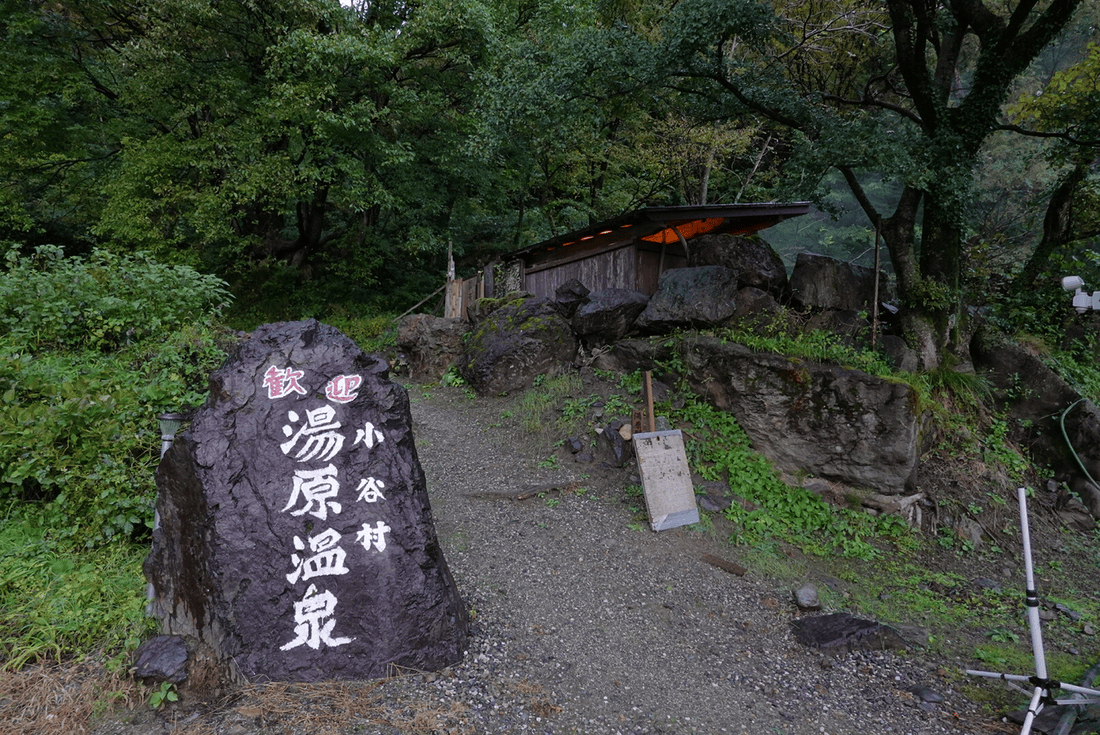
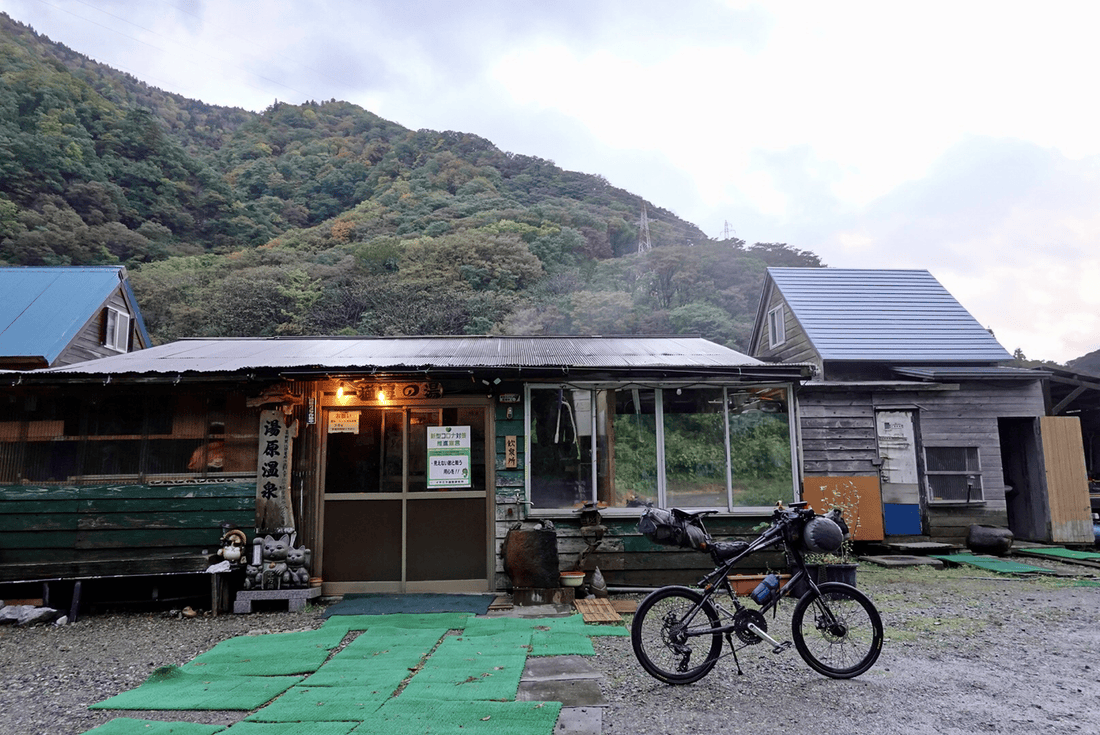
Nekohana Onsen was a simple old hot spring. It lacked luxurious facilities and looked modest even beside an ordinary bathhouse. Beneath that plain exterior, though, was genuine warmth.
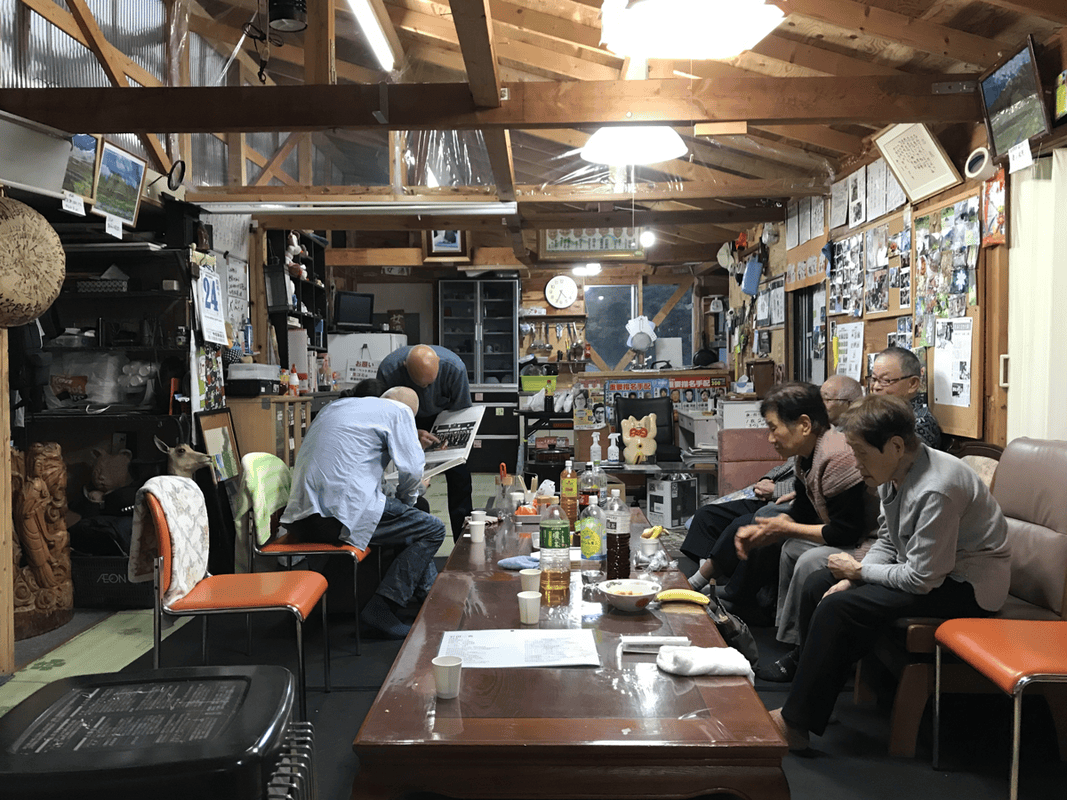
The rest area was full of local older people chatting after their baths. Its lived-in furnishings made me wonder whether the manager practically treated it as home.
When I came in alone, soaked by the rain, nobody looked annoyed. Instead, they asked whether I was cold, offered me something to eat and encouraged me to take a bath and warm up.
Their gestures did not dry my clothes, but they thoroughly warmed my heart.
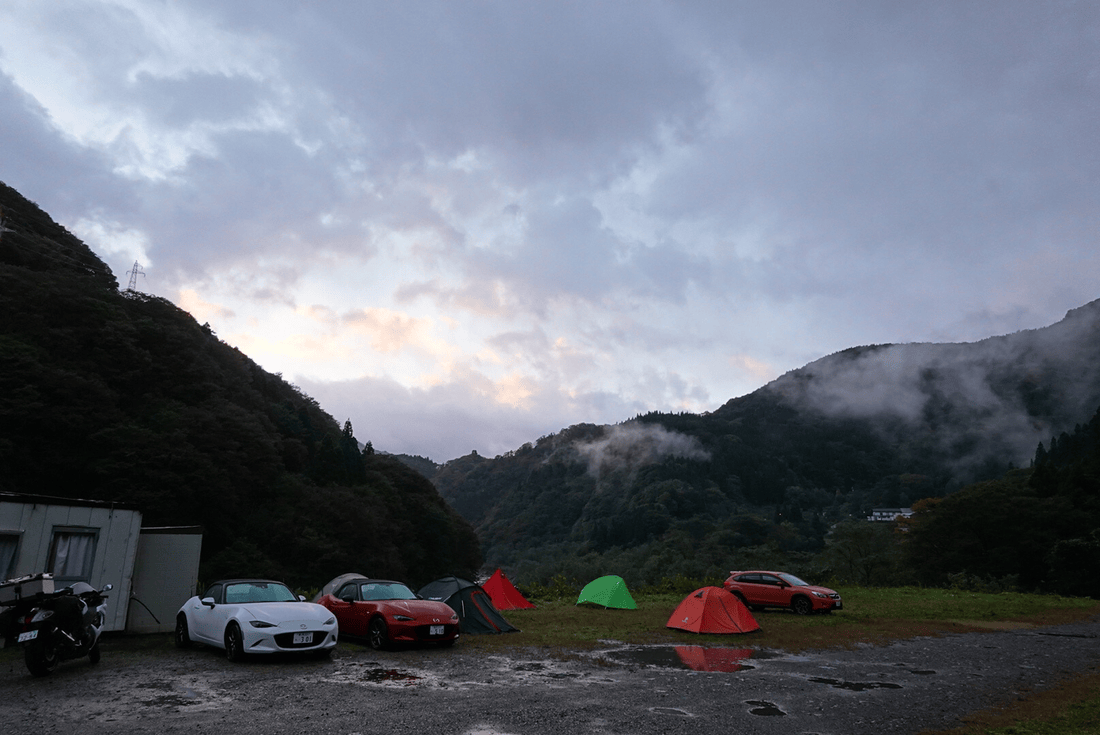
I had intended to pitch my tent before bathing. The unrelenting rain never gave me the chance. In the end, after my bath, the manager gave me permission to sleep in the rest area.
Back to the Junction at Dawn
I used to be a light sleeper, easily disturbed by the smallest sound. Long stretches of sleeping outdoors had taught me to keep sleeping through noise.
Even though people came to bathe in the middle of the night, I slept well. At five in the morning, I woke refreshed and returned to the point where the rain had forced my retreat.
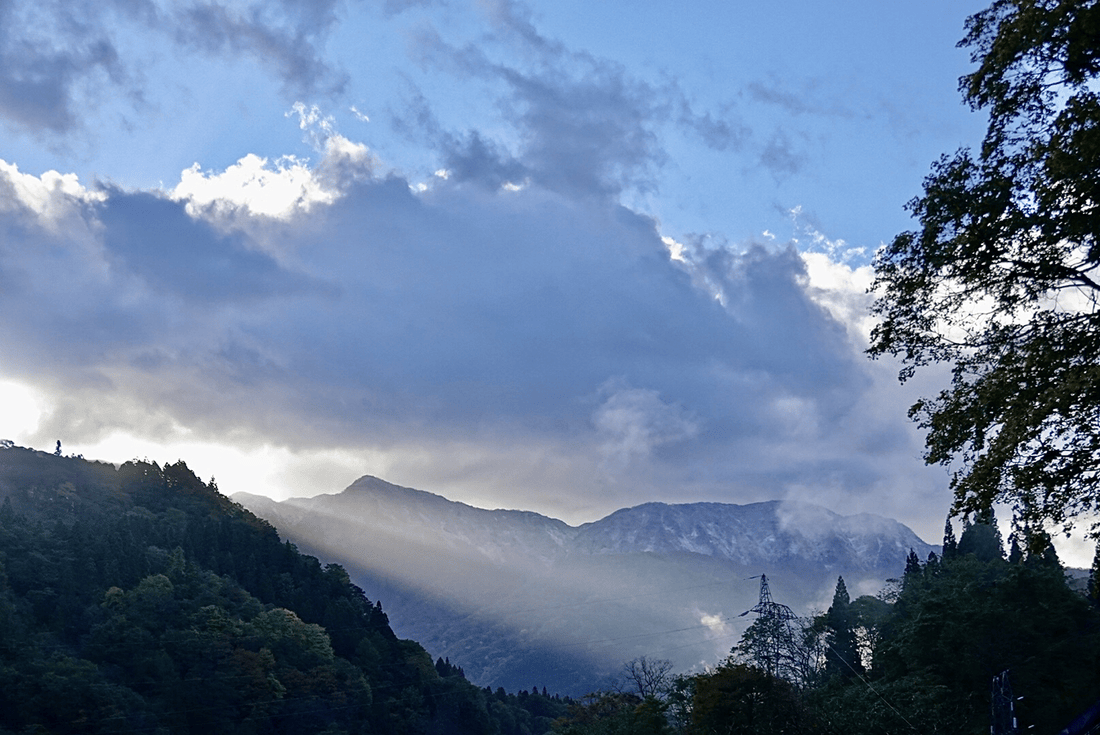
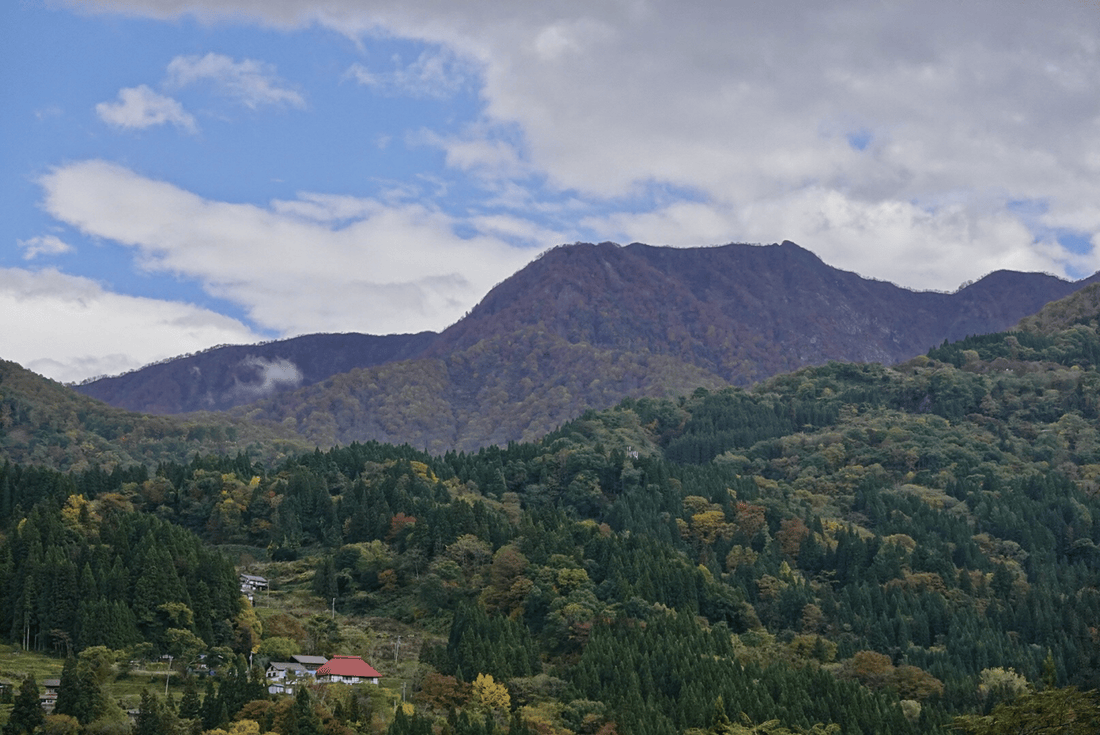
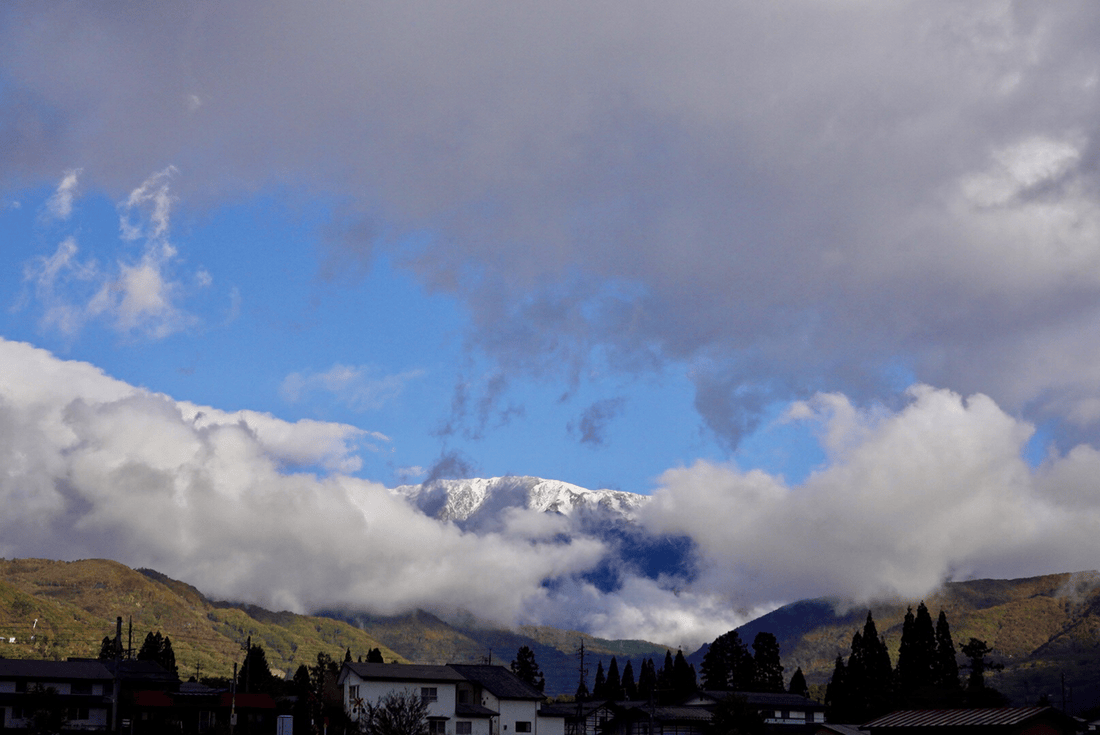
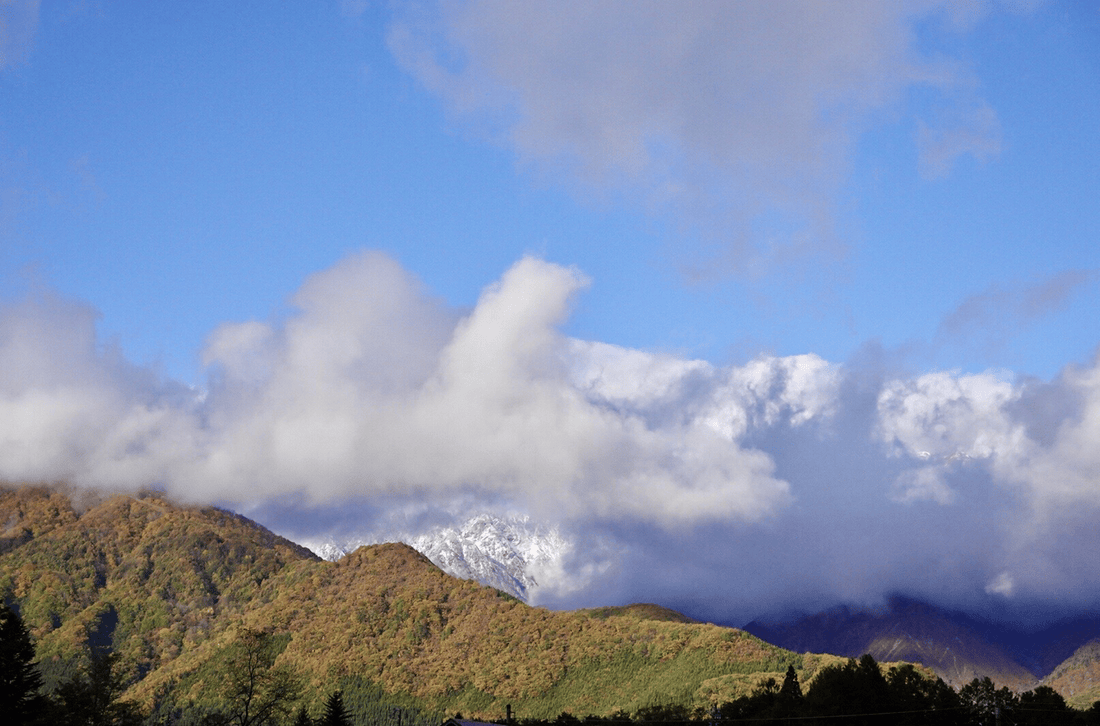
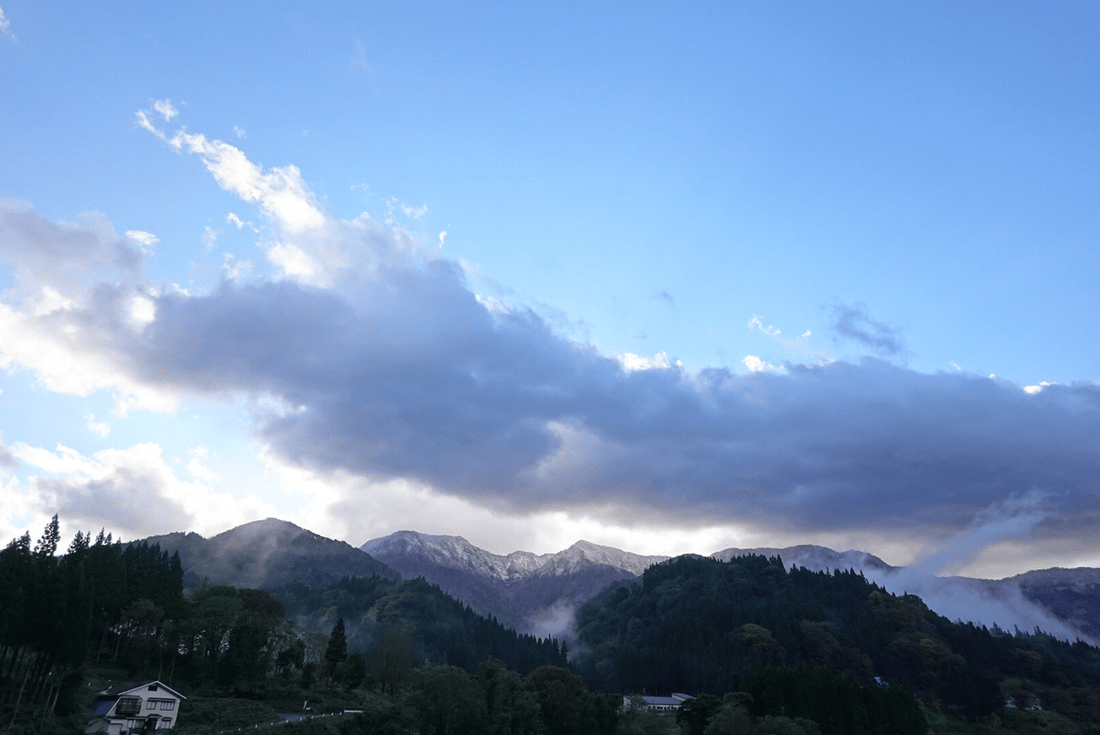
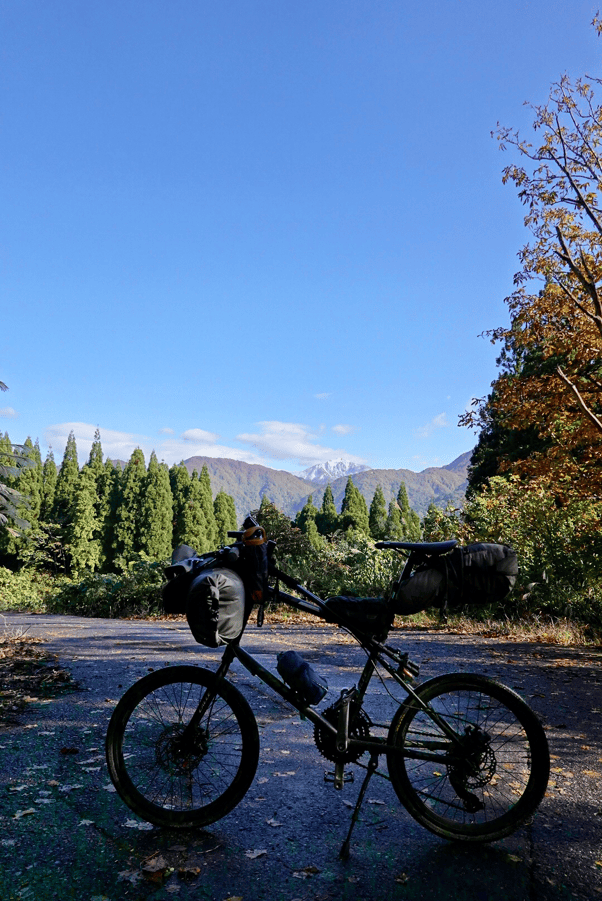
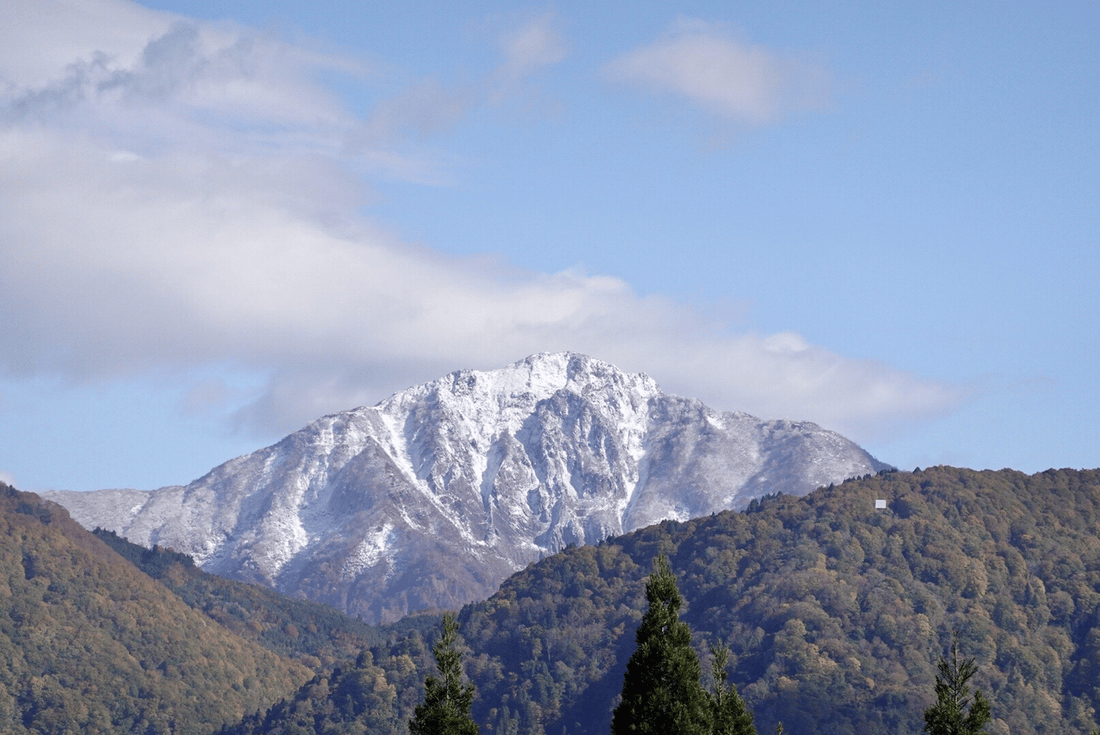
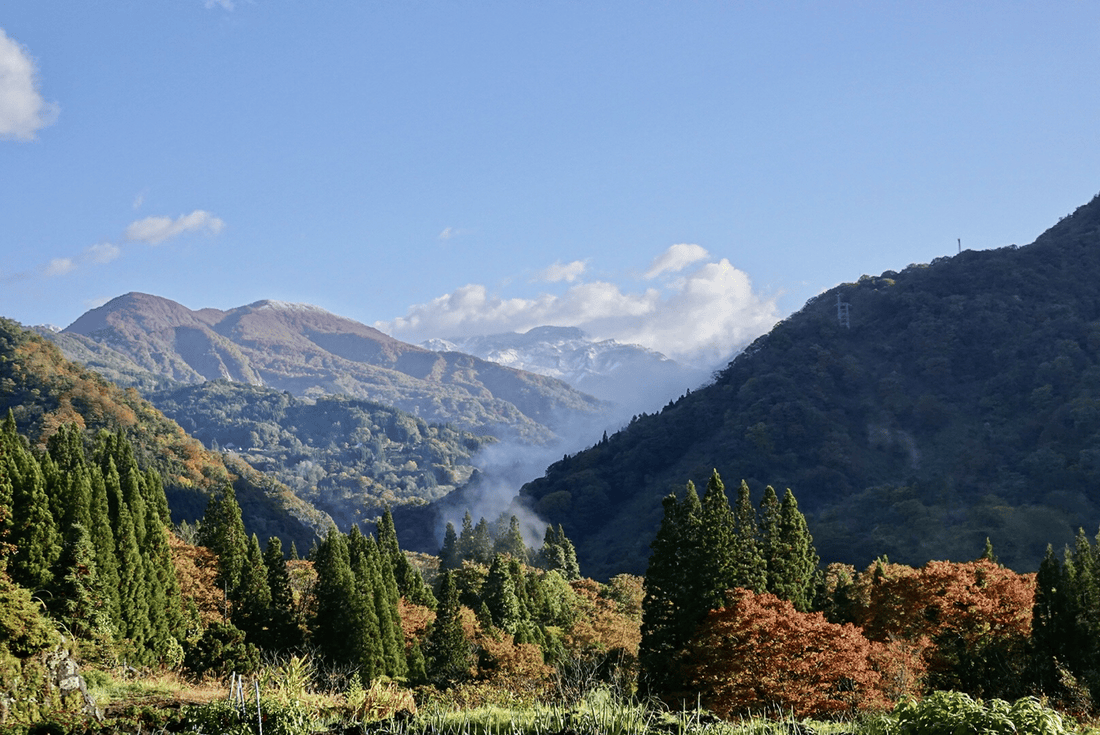
Autumn was nearly over. Yesterday’s rain had fallen as snow on the high mountains. Under the clear morning sky, many summits were white.
Using the camera’s 200mm-equivalent reach and ZEISS lens, I could frame the distant snowy peaks. Only then did I really appreciate how useful that reach could be.
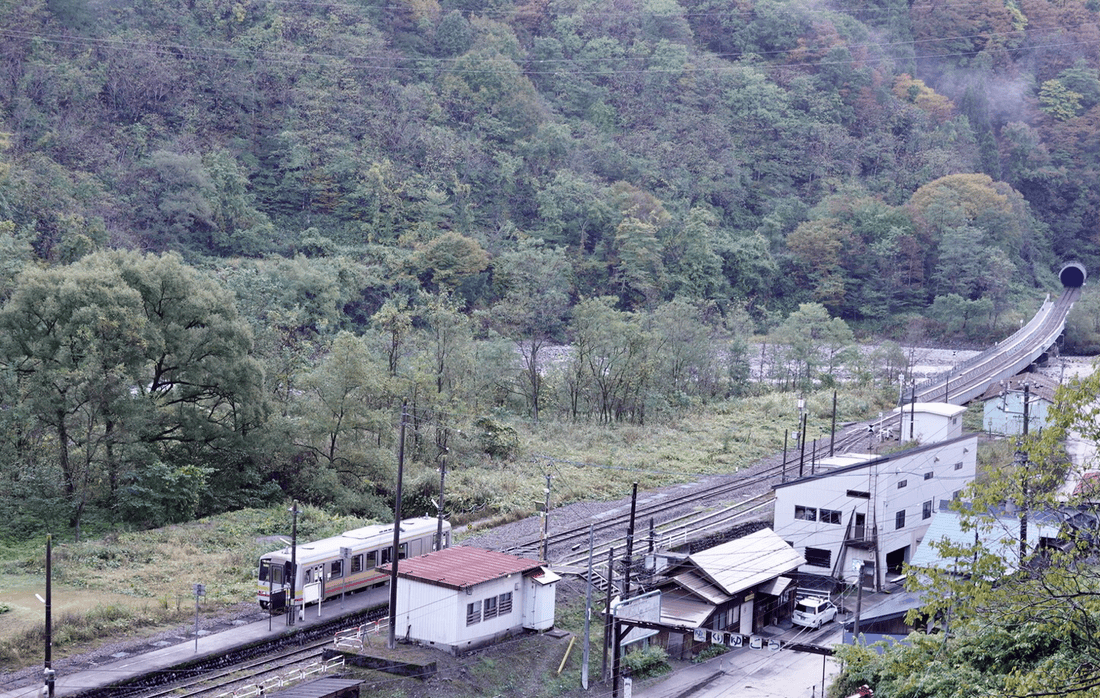
Steep Dirt, Then Steep Asphalt
As expected, the hills I had skipped were not easy. Steep gradients and dirt surfaces consumed plenty of time. More than once, I reached sections that I could not ride.
I grew tired and began to worry that I would run out of daylight before finishing my planned route.
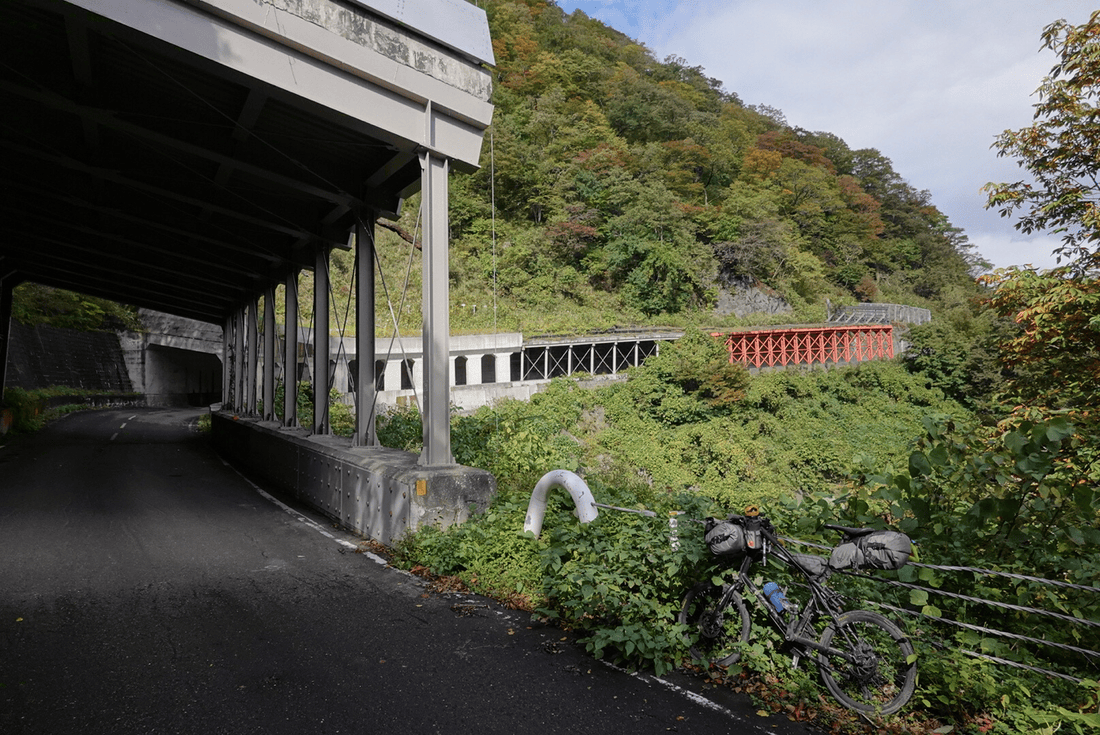
Once I completed the previous day’s unfinished section and reached what should have been that morning’s starting point, the character of the ride changed. The remaining sections had become paved roads.
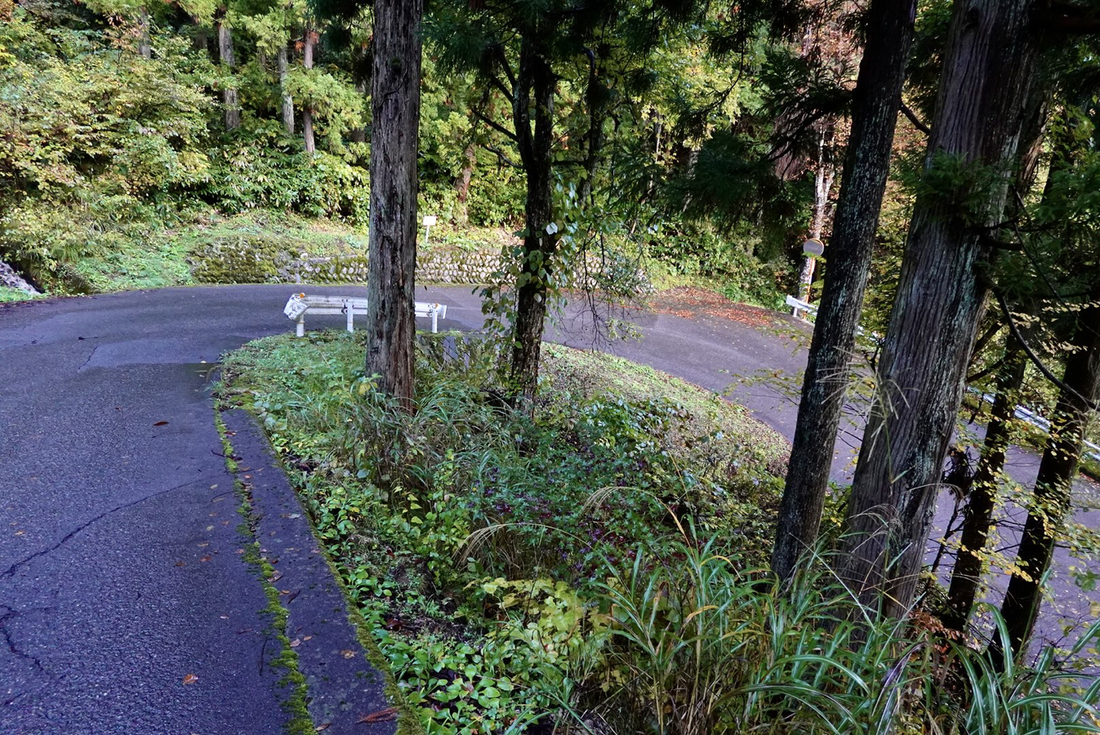
Some climbs were steep enough to make me swear, but even those were easier than steep dirt. Progress improved dramatically.
The drawback was losing some off-road enjoyment. Given my shortage of time, I was hardly in a position to complain.
Unexpected Wildlife
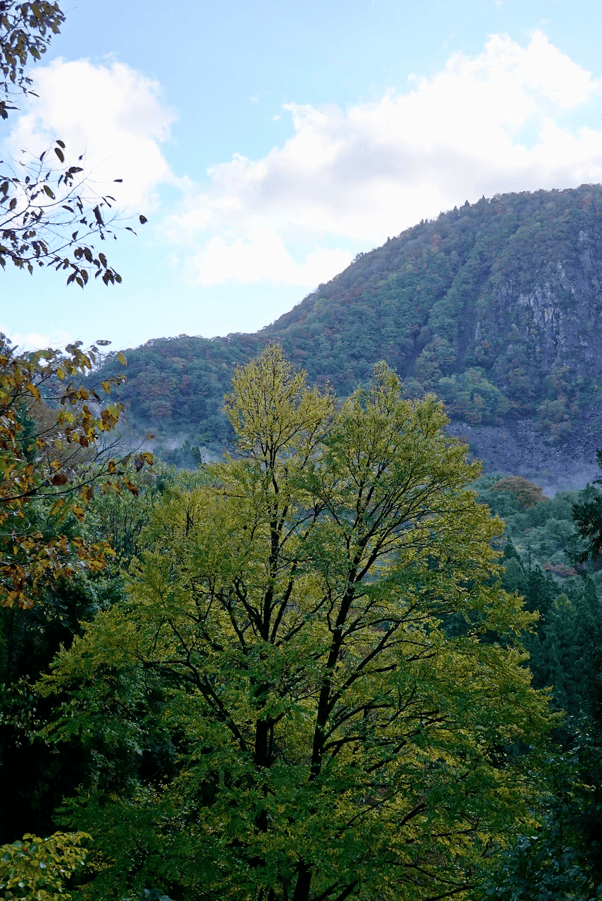
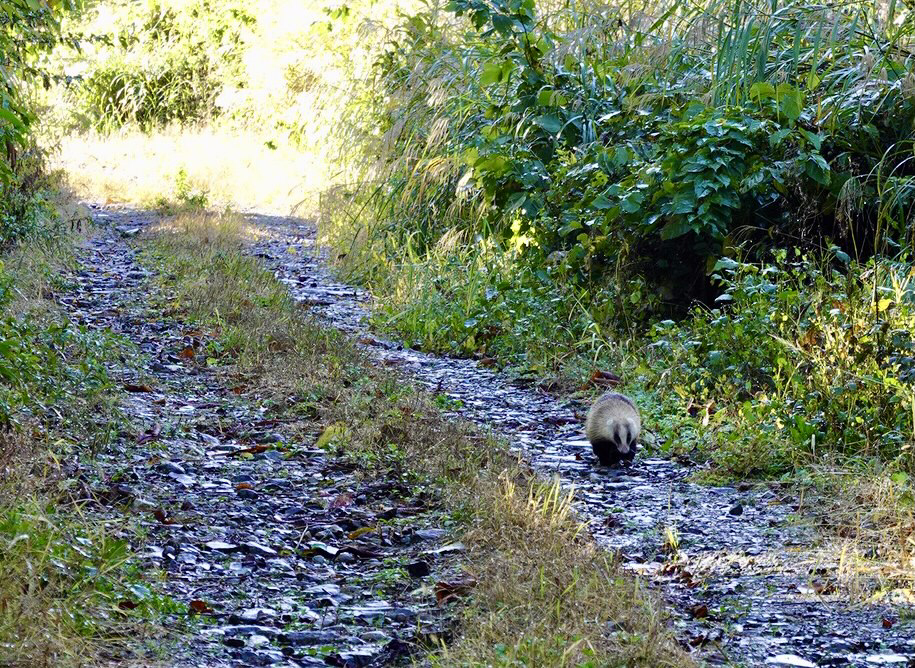
Even on the paved sections, I saw very few people. Unexpectedly, I encountered a fox and another animal that looked to me like a masked palm civet.
I think it was the first fox I had seen in daylight on Honshu. Riding behind it, I worried that the sound of my freehub would frighten it, so I kept pedaling. I tried taking out and operating the camera one-handed. In the end, the fox startled, the camera moved too much and I did not get a good photograph. Still, I was surprised that I had managed the sequence at all.
For readers: that is a description of what happened, not a recommended technique. Stop safely before taking photographs and give wildlife space.
I had better luck with the other animal. I was already pushing the bike when I spotted a round little creature coming toward me in quick steps. I took out the camera and zoomed in.
The longer reach and animal-eye autofocus impressed me again. Photographing an animal clearly from that distance had once seemed beyond what I could do. The tilting touchscreen, which could flip through 180 degrees, also made unusual angles easier to frame.
Two Jizo Figures at Journey’s End
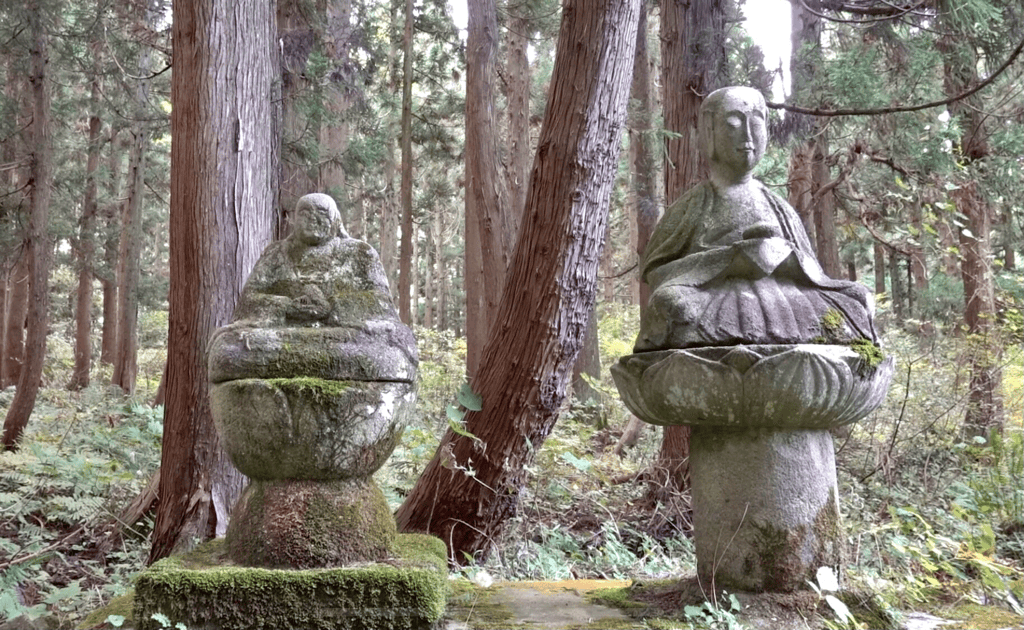
For me, the trip ended beside two Jizo statues near the end of my route. They were modeled after Takeda Shingen and Uesugi Kenshin: one taller, one shorter, one slender, the other broad and imposing.
They represented opponents who, in the familiar story, could still offer help in a crisis. The Salt Road became not just a route associated with conflict, but a bridge between two rivals who recognized one another’s worth.
Seeing the statues side by side suggested that, on this old road at least, there was room for peaceful coexistence and mutual assistance.
Between History and a Beautiful Story
After all that riding and imagining the past, there was one final complication: as I understood it, this celebrated salt-sharing episode was not documented in formal historical records. It may have been a tale created by later generations.
The original account pointed to a sword known as the Shiodome no Tachi, associated with a tradition that Takeda gave it to Uesugi in thanks for the salt, and described it as held by the Tokyo National Museum. I saw that association as the closest tangible link to the story, rather than proof that every part of the legend happened.
But even if it was a story, did that diminish the journey? It offered a beautiful possibility to imagine, and the road offered beautiful scenery to experience.
I thought that was enough.
Bikepacking diary: YouTube · Facebook · Instagram