Daniel’s Road | Bikepacking the Shilei and Yufeng Mountain Roads
Translated from Bikepacking diary’s original Daniel’s Road article, published on May 12, 2017, and republished by arrangement with the author. Photographs are linked directly from the original website.
Editor’s note: This historical narrative preserves the author’s account of Daniel and the journey as told in 2017. Biographical details, the translated quotation and descriptions of his activities are attributed to that source, not presented as independently verified current information. Road, trail and structure conditions may have changed. Respect Indigenous communities and school privacy, and obtain authorization before entering school grounds, using facilities or staying overnight. The school stay described below does not establish permission for visitors. Do not enter deteriorating structures or use stoves in school corridors; use only designated, authorized cooking areas with suitable ventilation and fire clearance. Follow traffic and protective-equipment requirements.
A Road with a Story
Riding a road with a story is like reading a book. The scenery becomes its words, telling you about the past.
As I ride, I often imagine how people along the road live, what their villages have experienced and what memories they carry.
Shilei Road was that kind of road.
To me, it told the story of Daniel, an American from the other side of the world who changed the direction of his life for children in Taiwan’s mountains. His connection with the road was so strong that people came to call it Daniel’s Road.
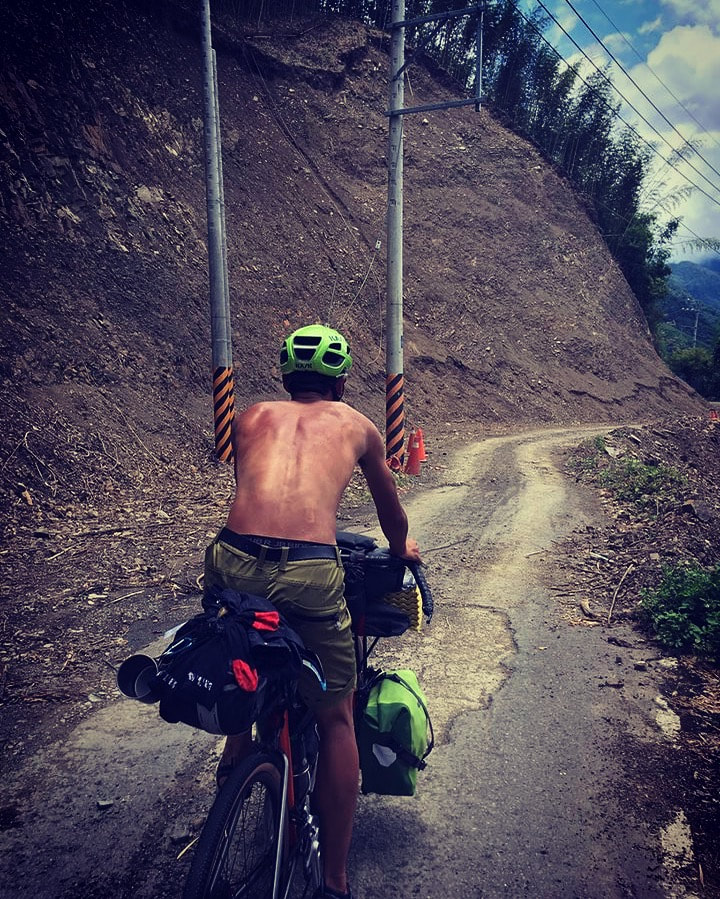
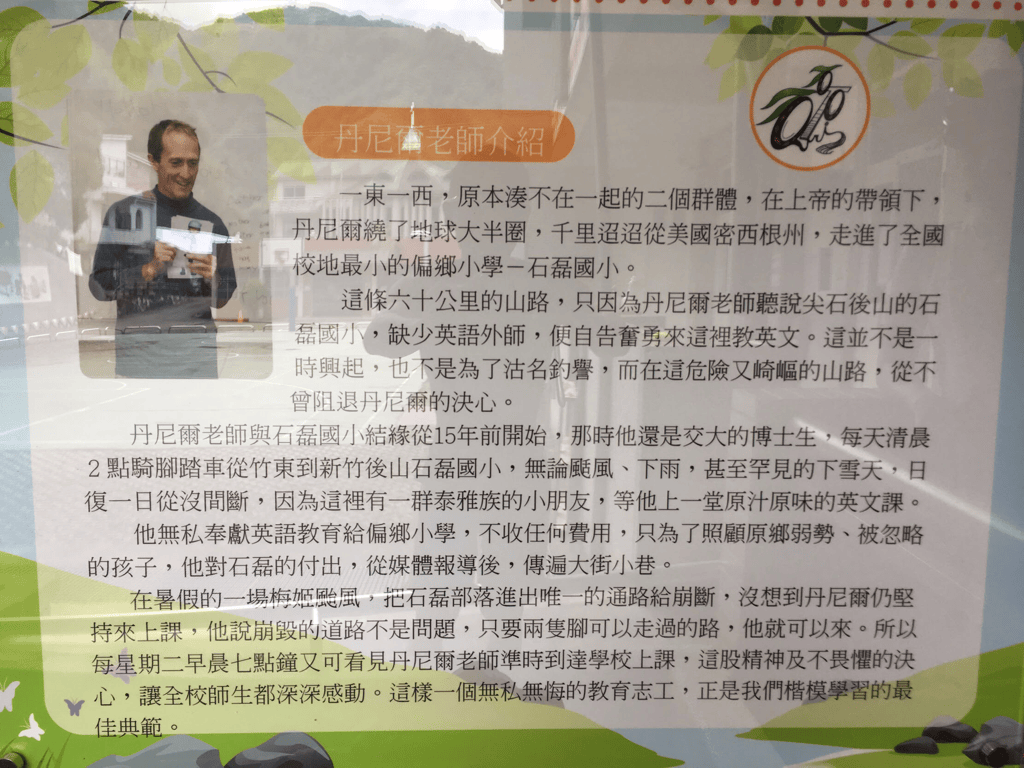
The Teacher Who Came by Bicycle
According to the story recounted in the original article, Daniel came from the United States to pursue a doctorate at National Chiao Tung University.
When he happened to learn that Shilei Elementary School, deep in the mountains, needed an English teacher, he volunteered.
He rode a heavy full-suspension bicycle over the mountains to teach. The account described him arriving regardless of wind and rain, saying that as long as the road remained passable, he would come.
He had worked as a wireless telecommunications engineer and could have chosen a well-paid technology career. Instead, he chose a path into the mountains to share knowledge with children.
The original article quoted him reflecting on that change. In translation:
“Before, I was an engineer. Every day I worked only with computers. Computers never disappointed me. I was always happy, but that happiness stayed somewhere in the middle.”
He indicated a level line with his hand.
“Here, the children can make me very happy, and sometimes disappointed too. Before, I was afraid to face fear. Now I can face it, and I am no longer afraid of having no hope. The children here have taught me a great deal. If I had not come to Shilei, I would not have grown up. Coming here, I have grown a lot.”
The account went on to describe years of riding and serious knee wear that eventually prevented him from continuing those rides as before.
Approaching from Baling
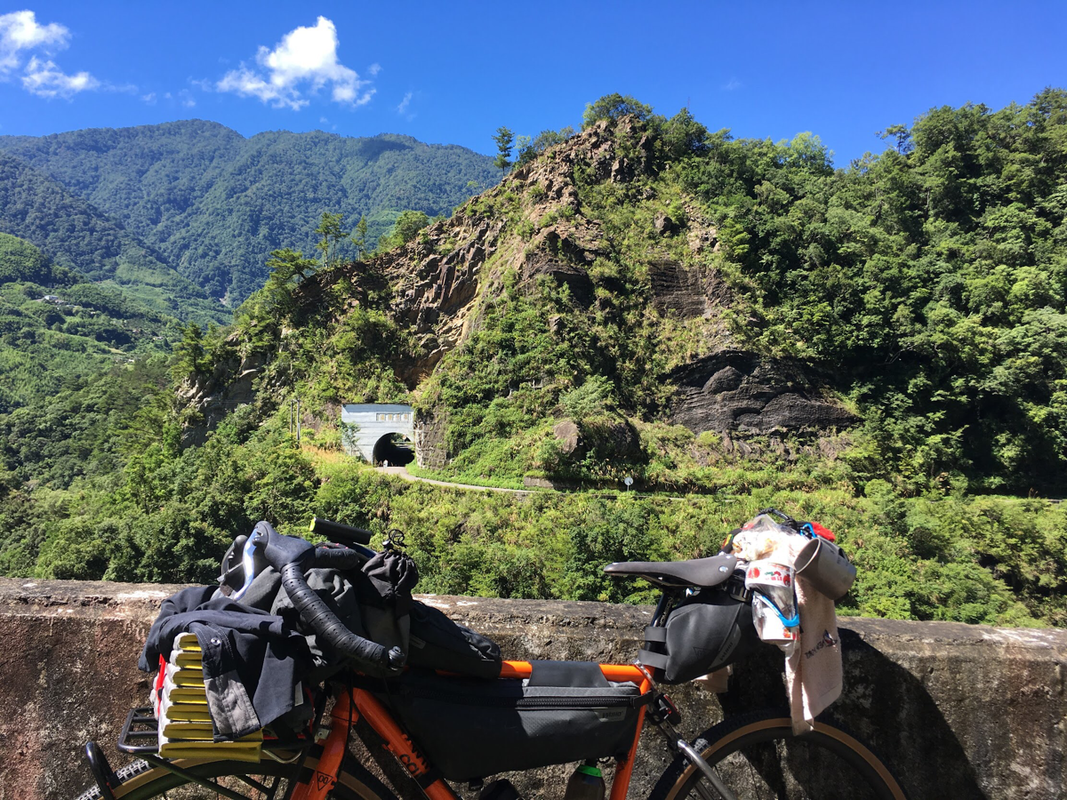
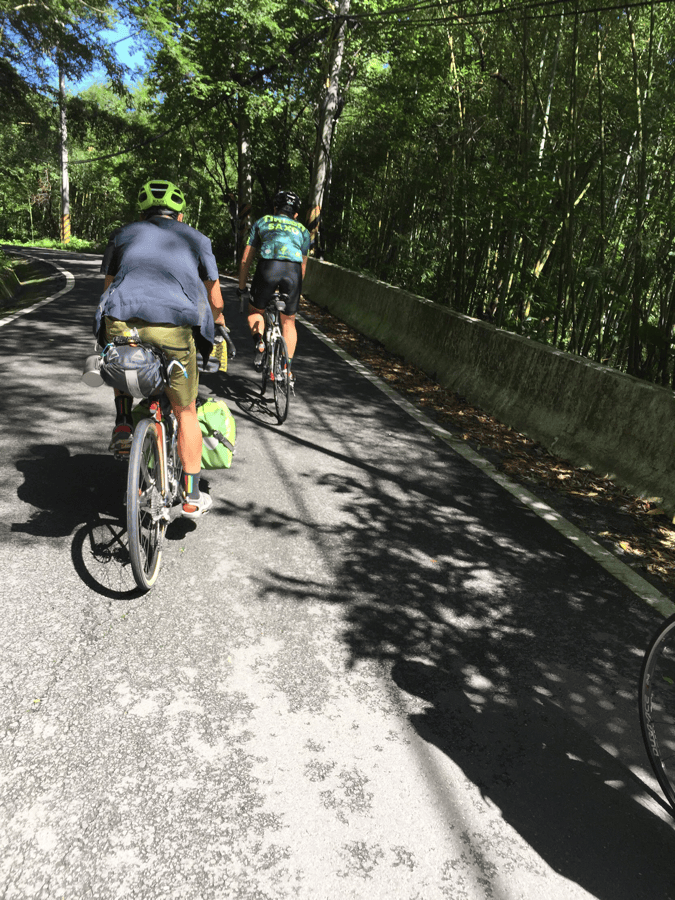
We began in Baling, traveling in the opposite direction from Daniel’s approach.
In fact, only a short stretch of our route overlapped with his. Even so, we hoped the journey would help us feel something of the road and its story.
The weather was as hot as ever.
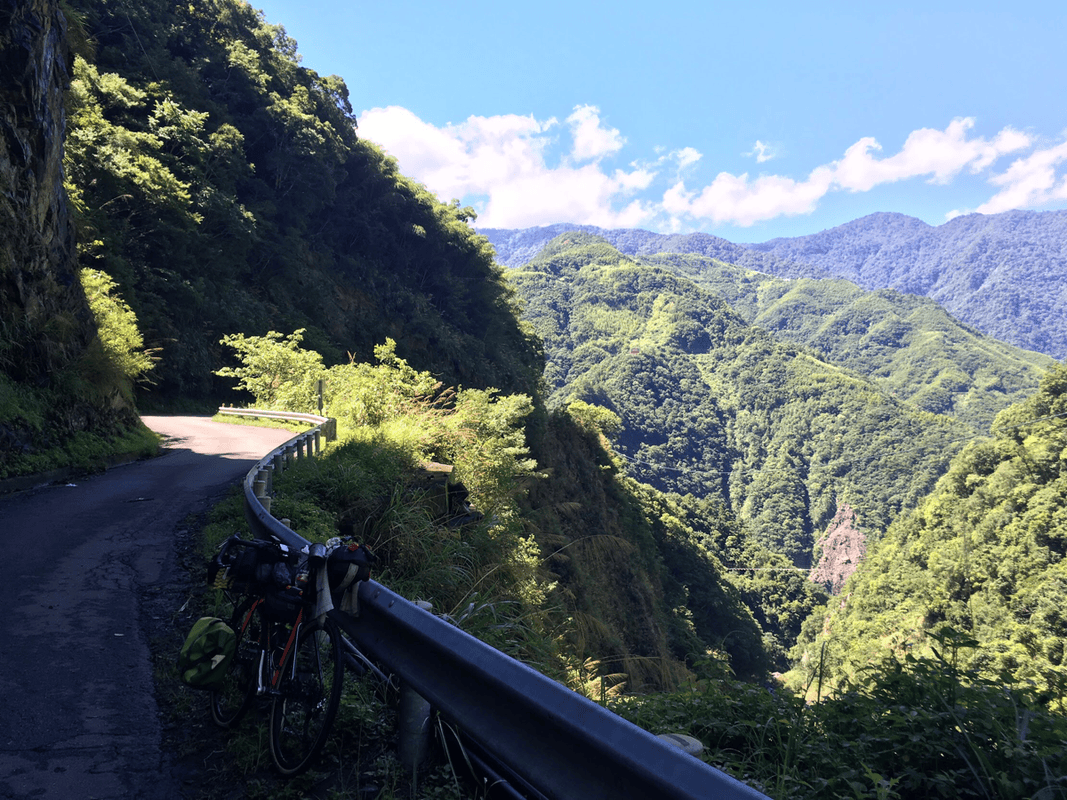
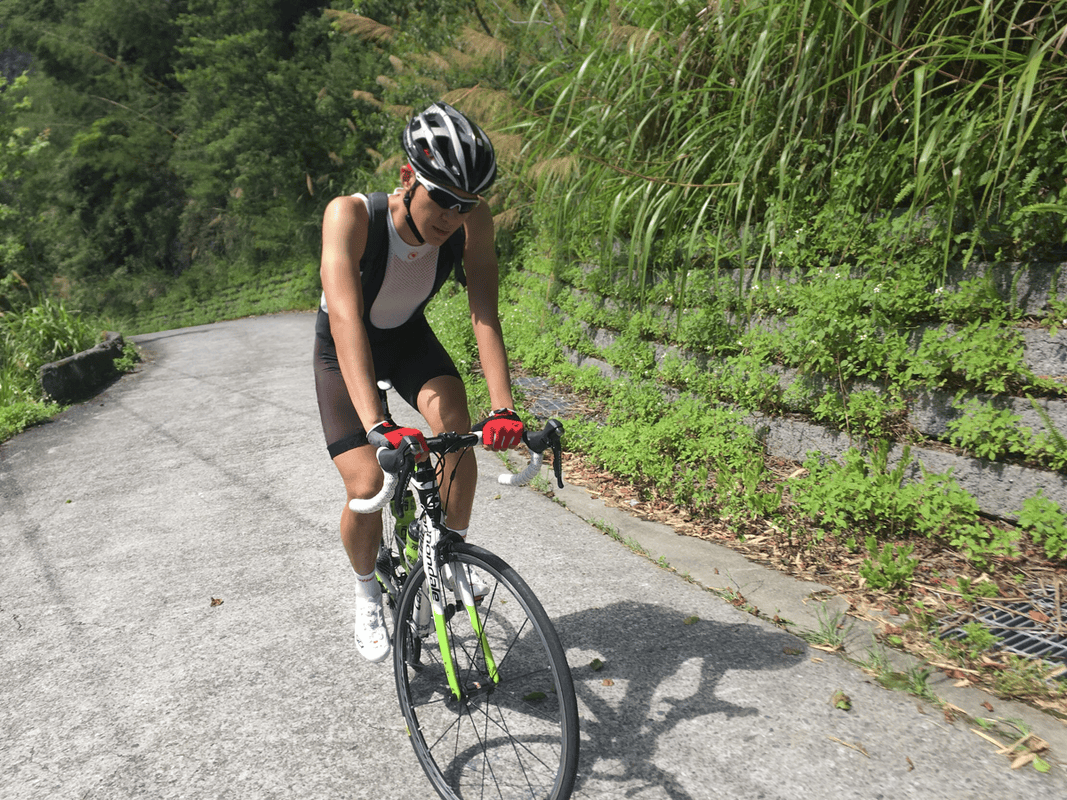
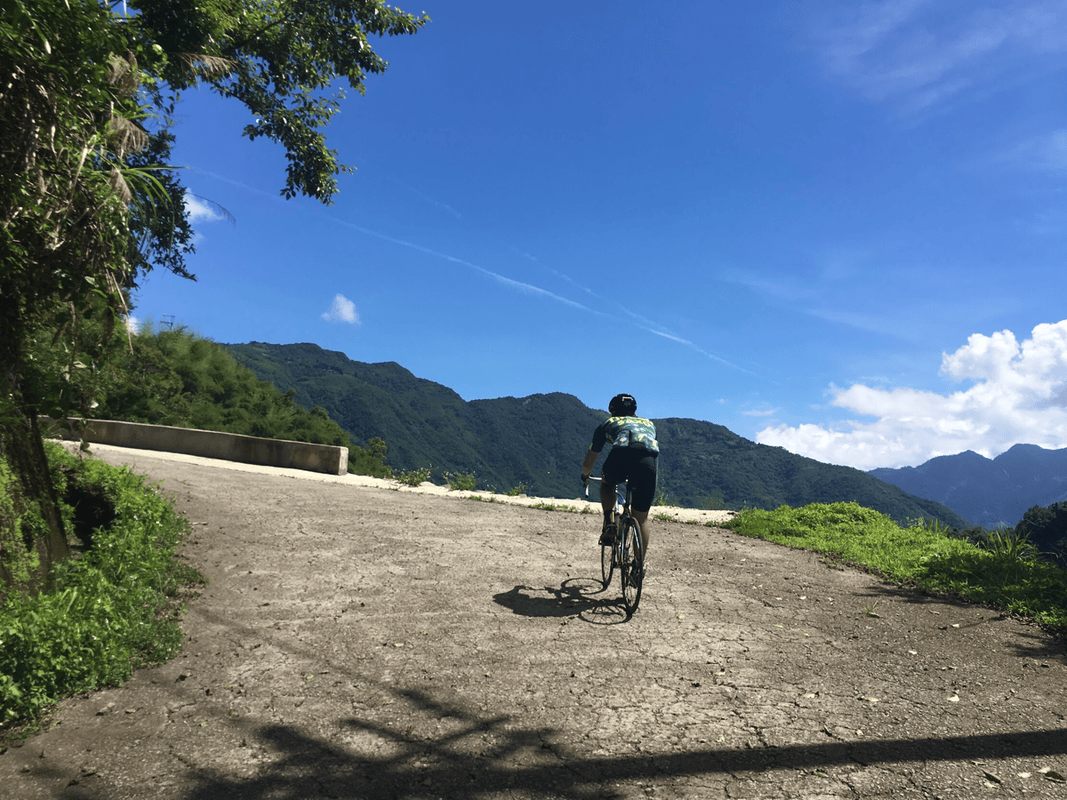
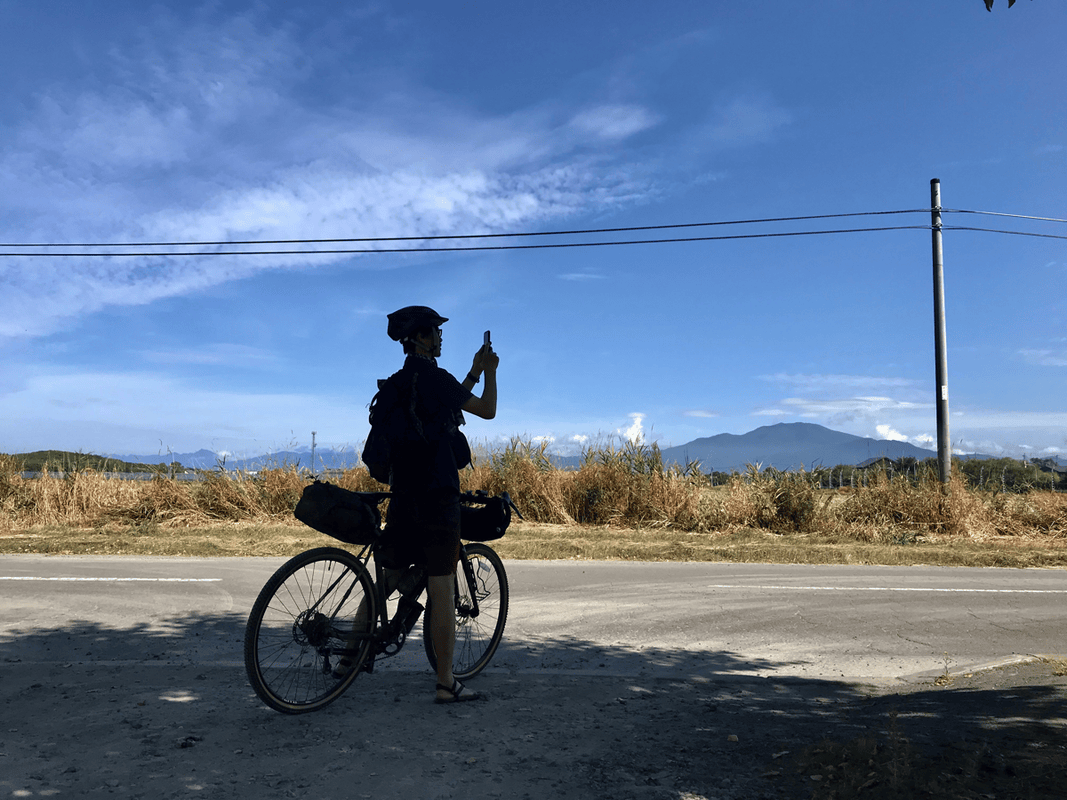
Even at five or six hundred meters above sea level, leaving the shade meant facing strong sunshine and relentless climbing.
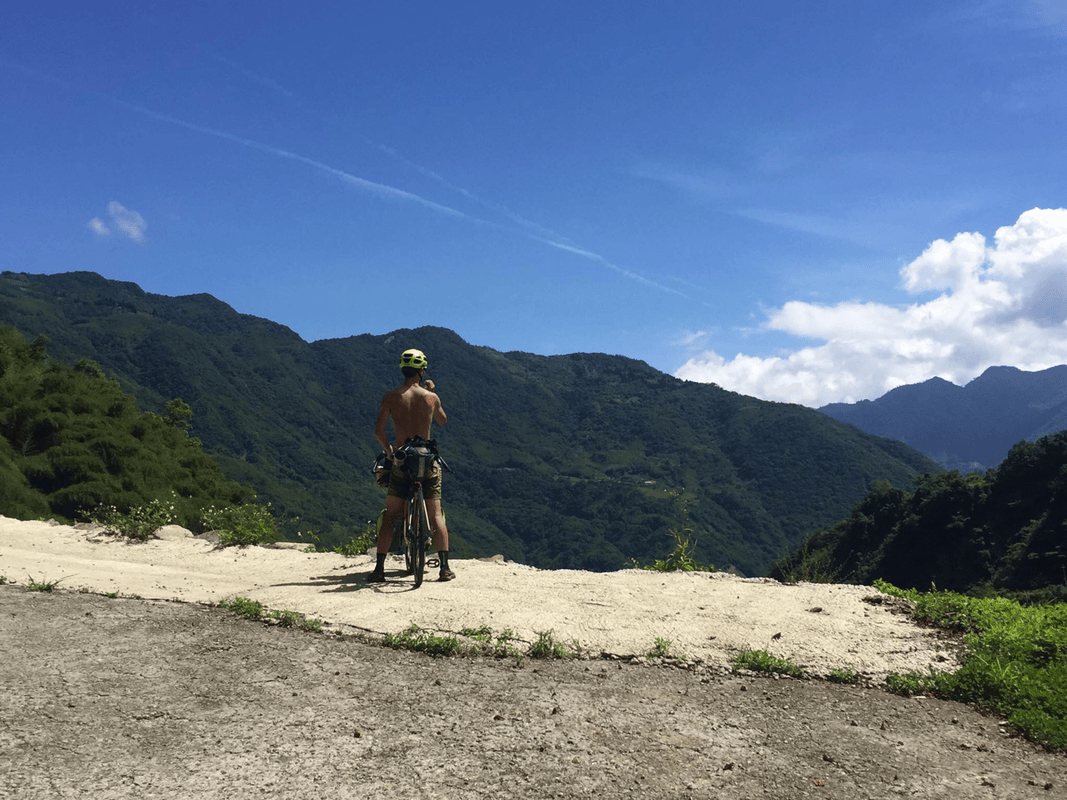
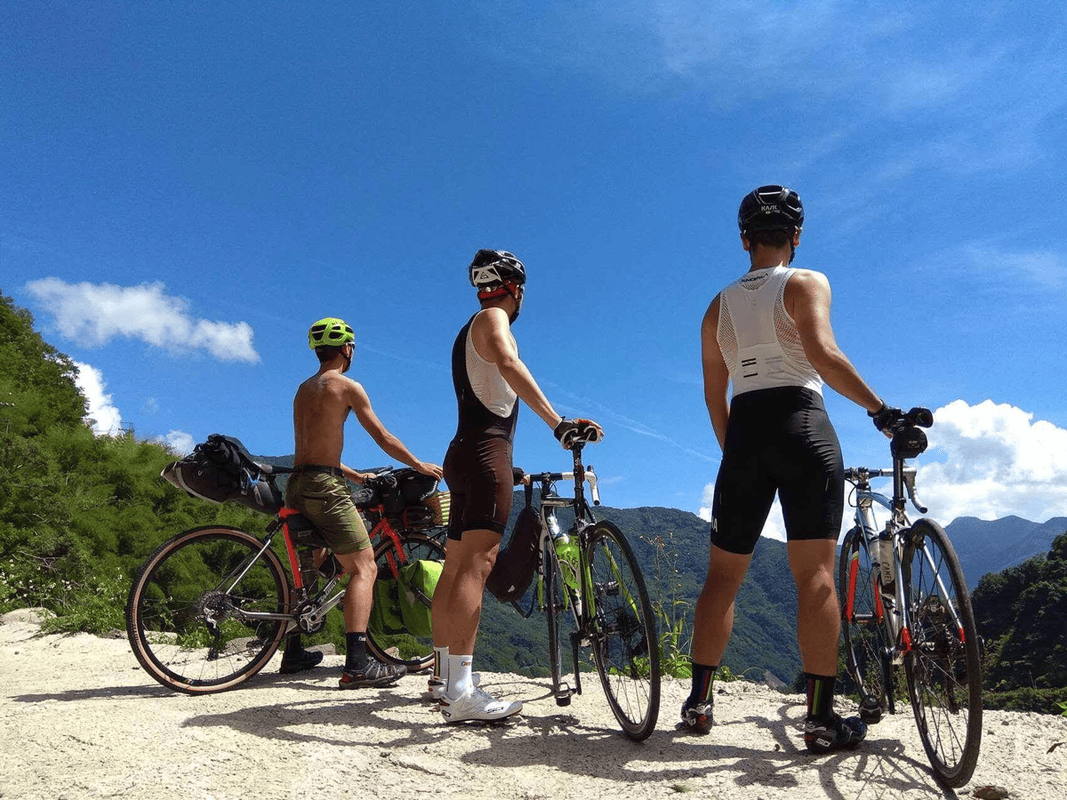
I took off my jersey. After one especially steep section, my friends followed, something I had never seen them do before. I could not decide whether the heat or my example had persuaded them.
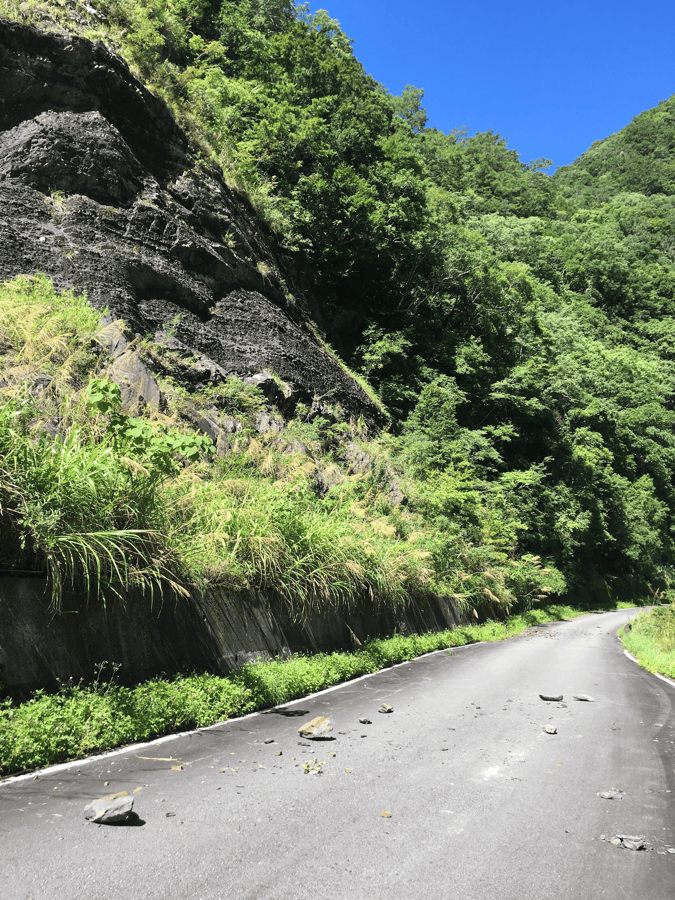
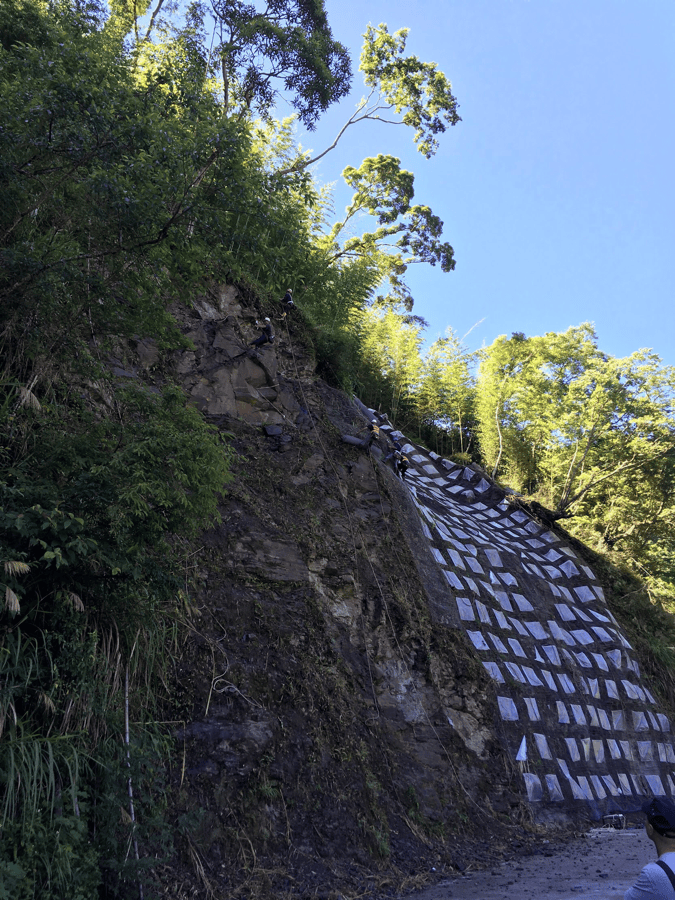
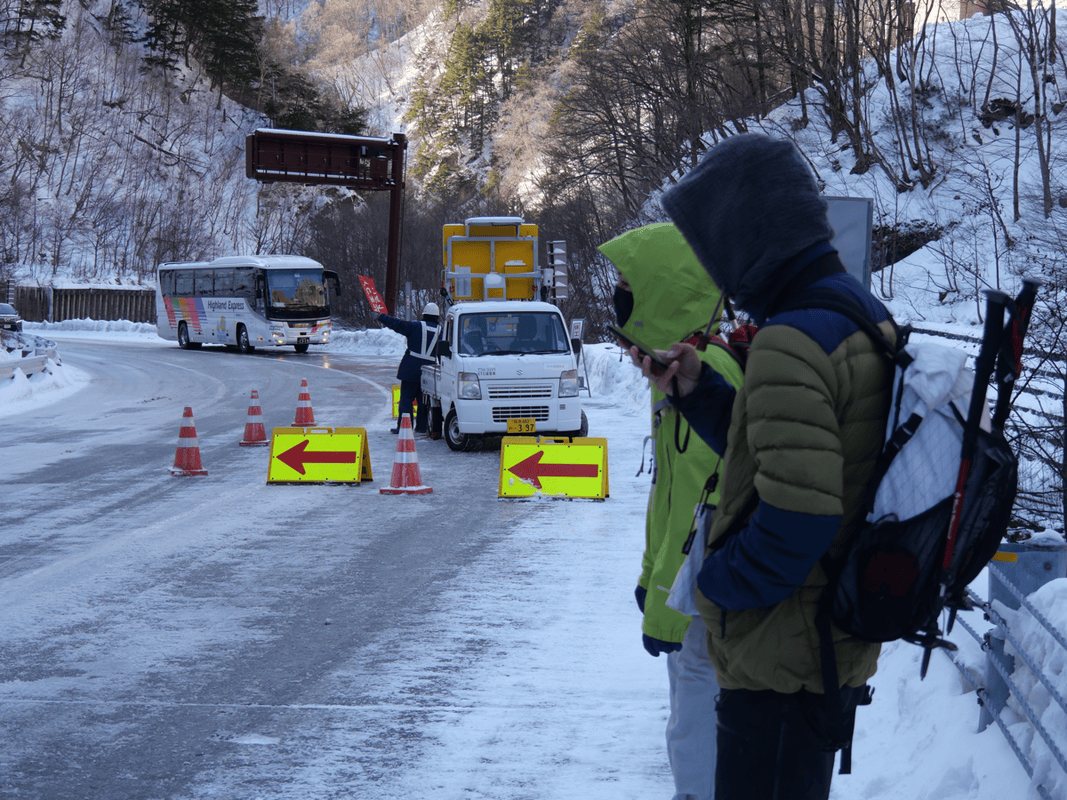
Before long, roadworks stopped us.
The worker directing traffic asked us to wait about five minutes until the crew reached a suitable point in the job.
Looking at the workers on the mountainside, I felt genuine admiration and gratitude. Without people maintaining such exposed roads, I imagined they would soon disappear beneath rockfalls and vegetation.
Roads across the Valley
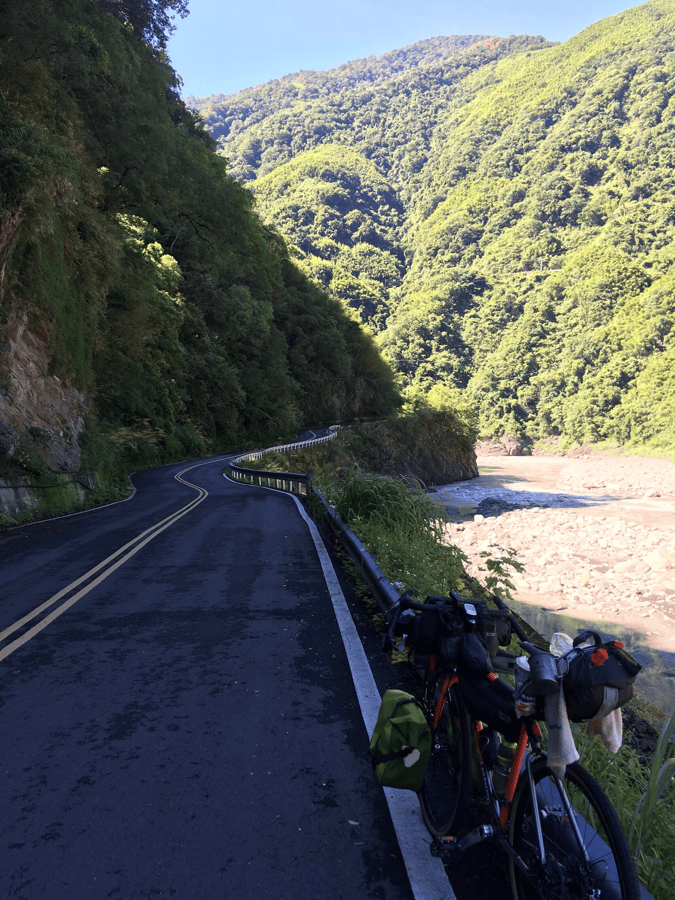
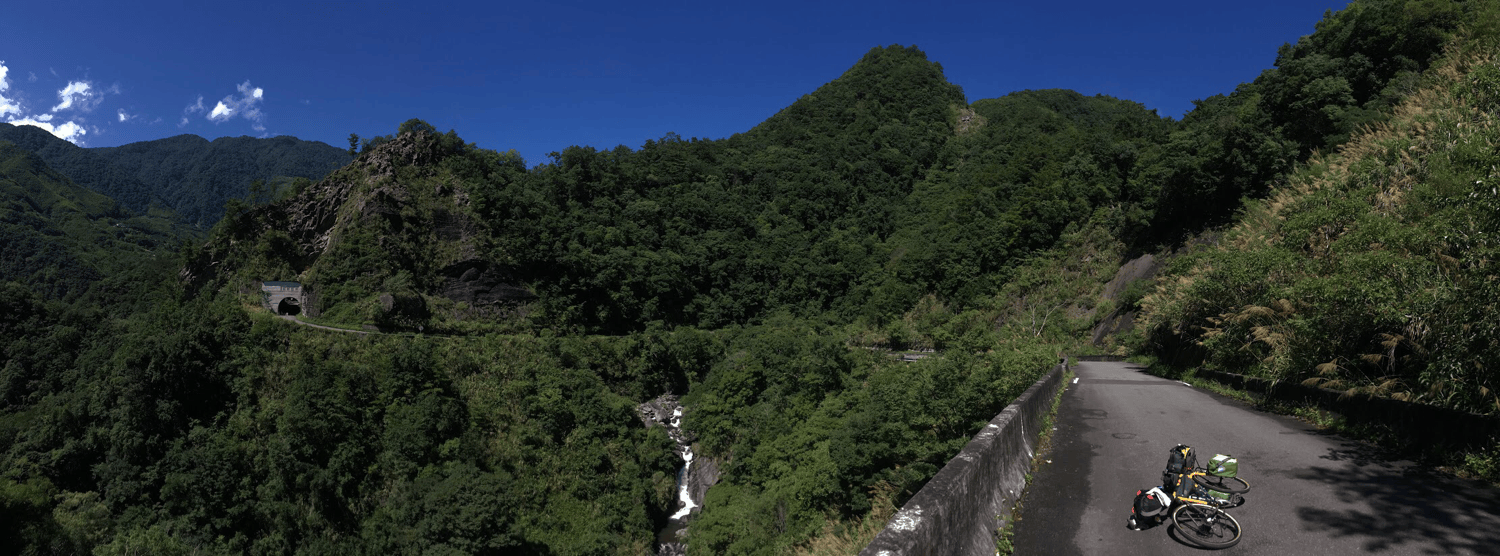
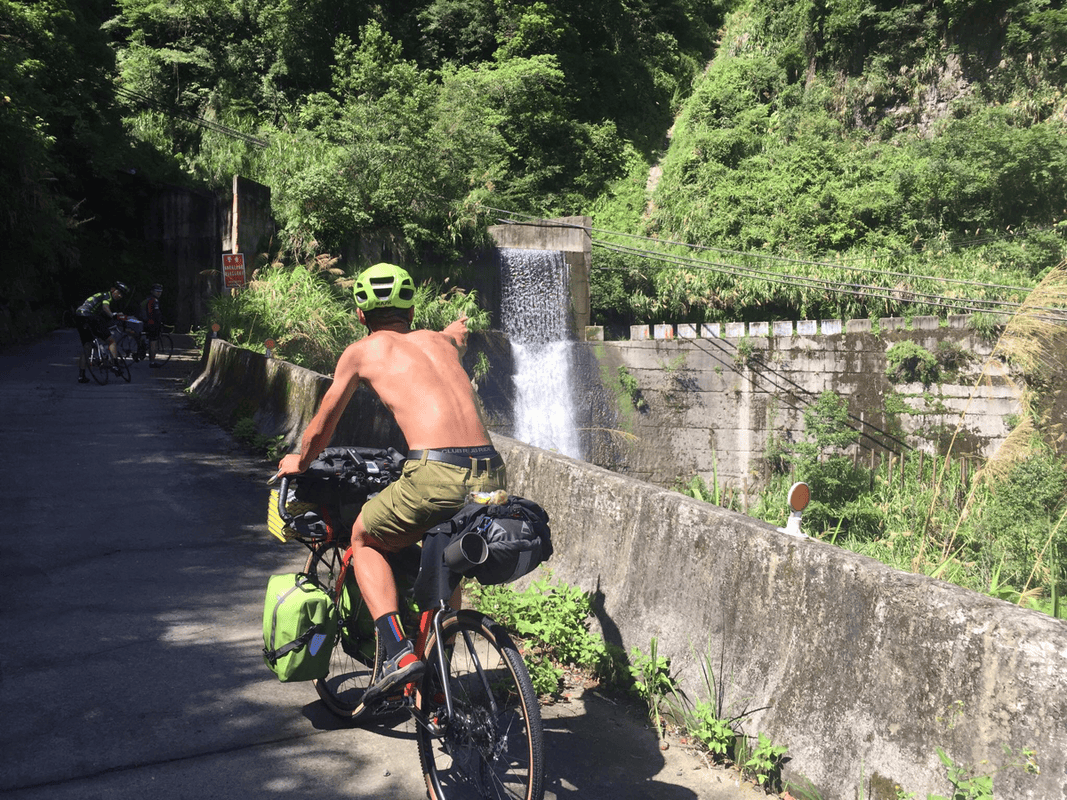
Shilei Road followed the Dahan River valley from Baling toward Yulao, connecting Baling with Yufeng and providing access for several communities along the way.
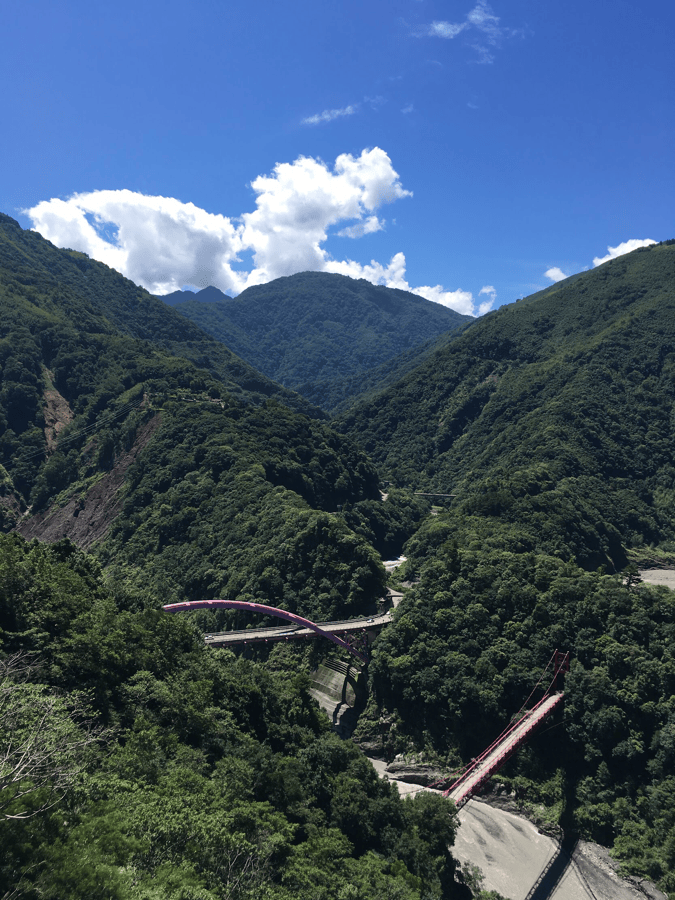
The steep climb soon lifted us high enough to look across toward Yufeng Road, with Mamei Road farther away.
Three roads occupied the sides of this relatively narrow valley. I wondered how many communities had lived throughout the surrounding mountains in earlier times.
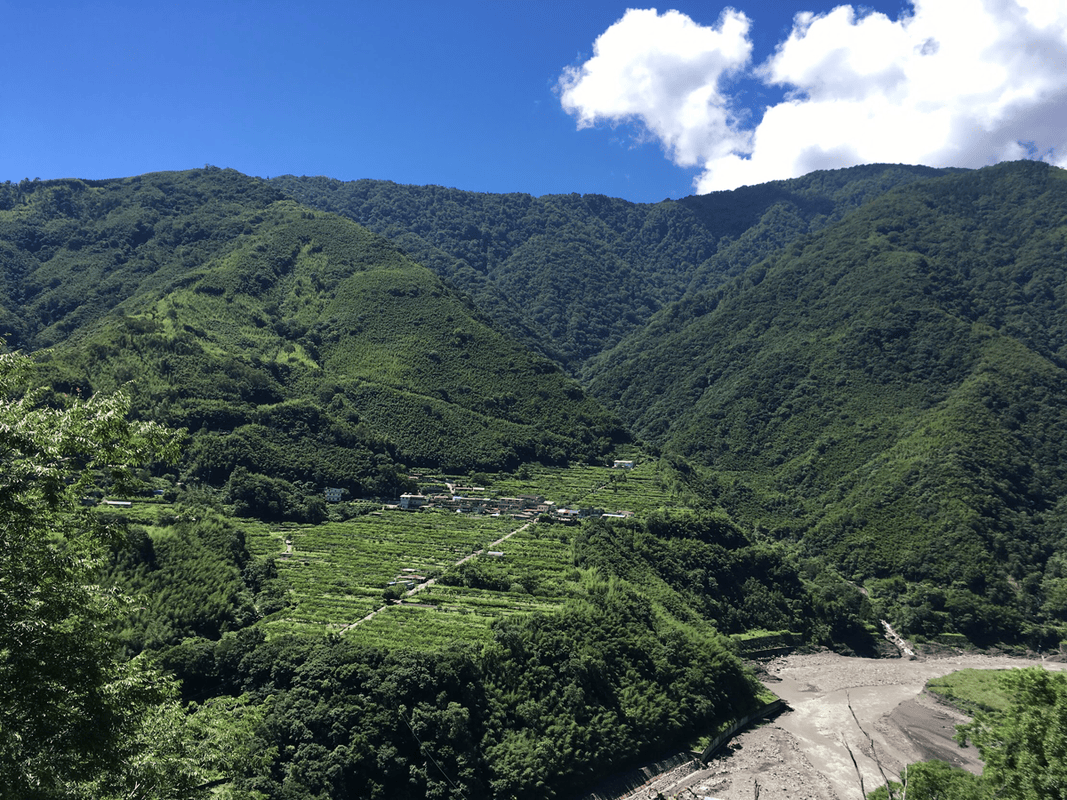
We passed the Yeheng terraced fields, although riding among terraces is not the best way to appreciate their overall shape. I remembered the view being clearer from Yufeng Road on the opposite side.
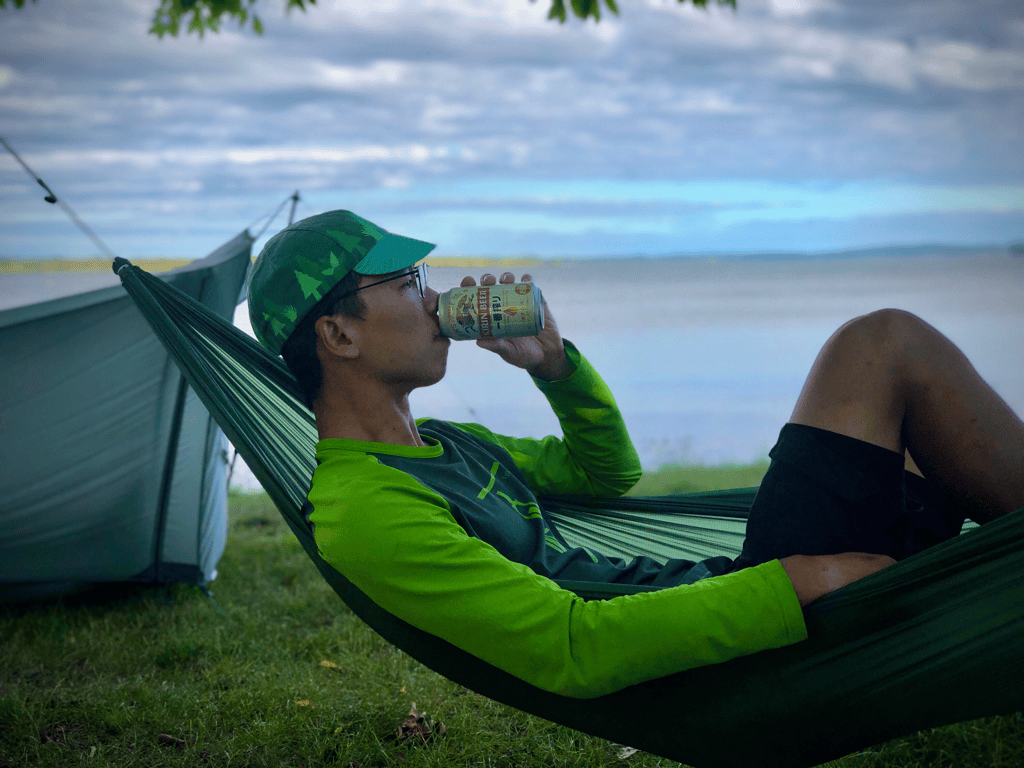
At Shilei Elementary School
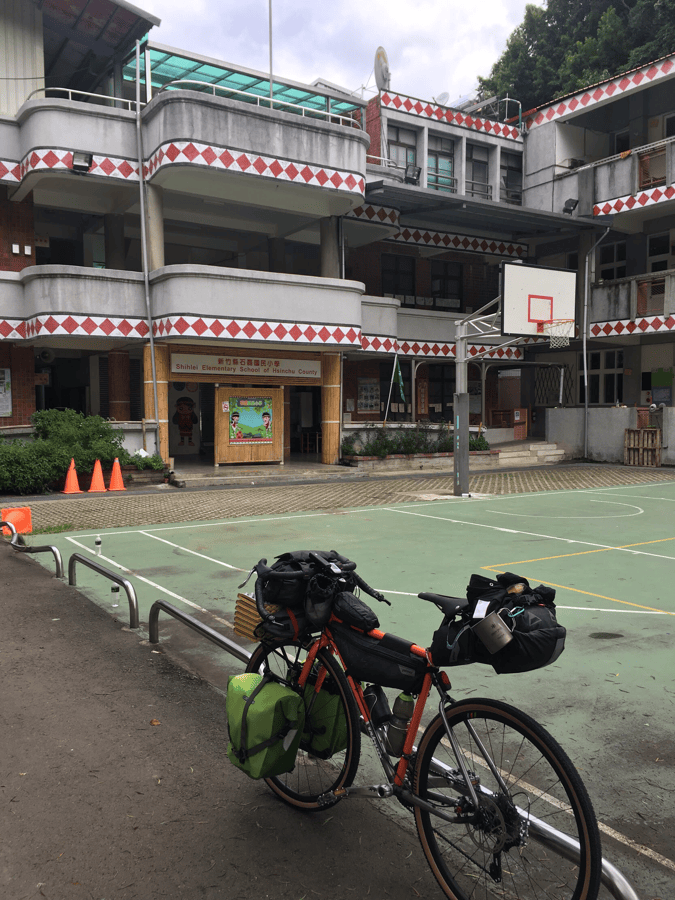
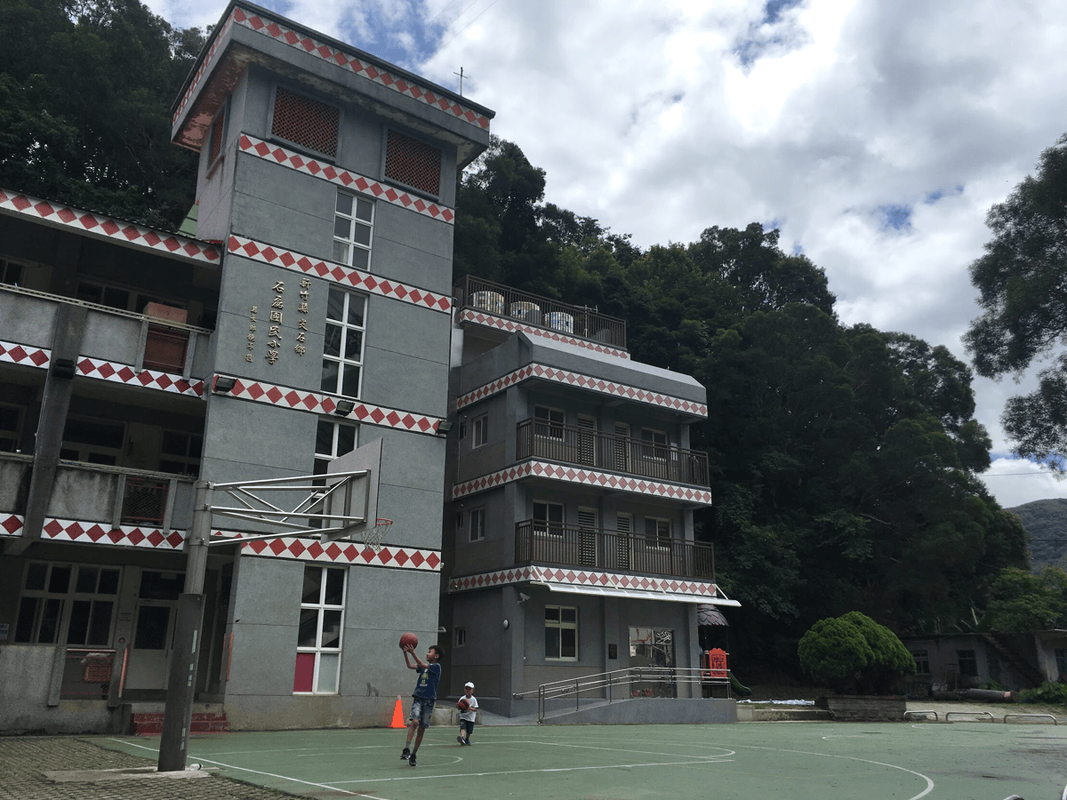
After Yeheng and several smaller settlements, we reached Shilei Elementary School, the little school that had been the destination of Daniel’s mountain journeys.
It was a weekend. There were no classes, just a few children playing basketball.
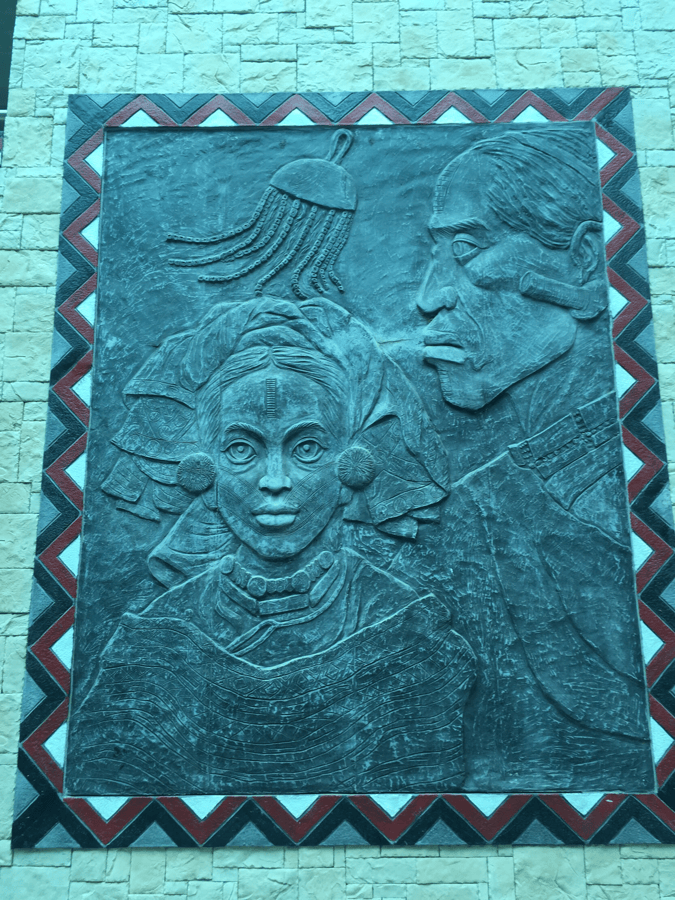
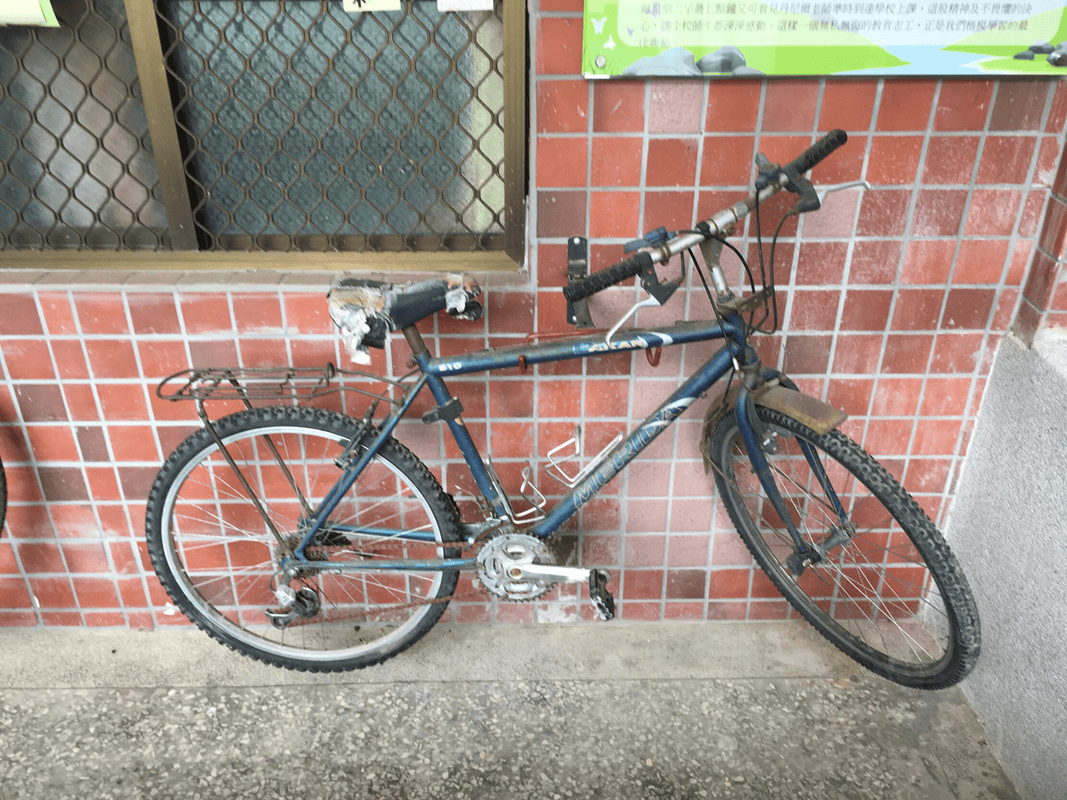
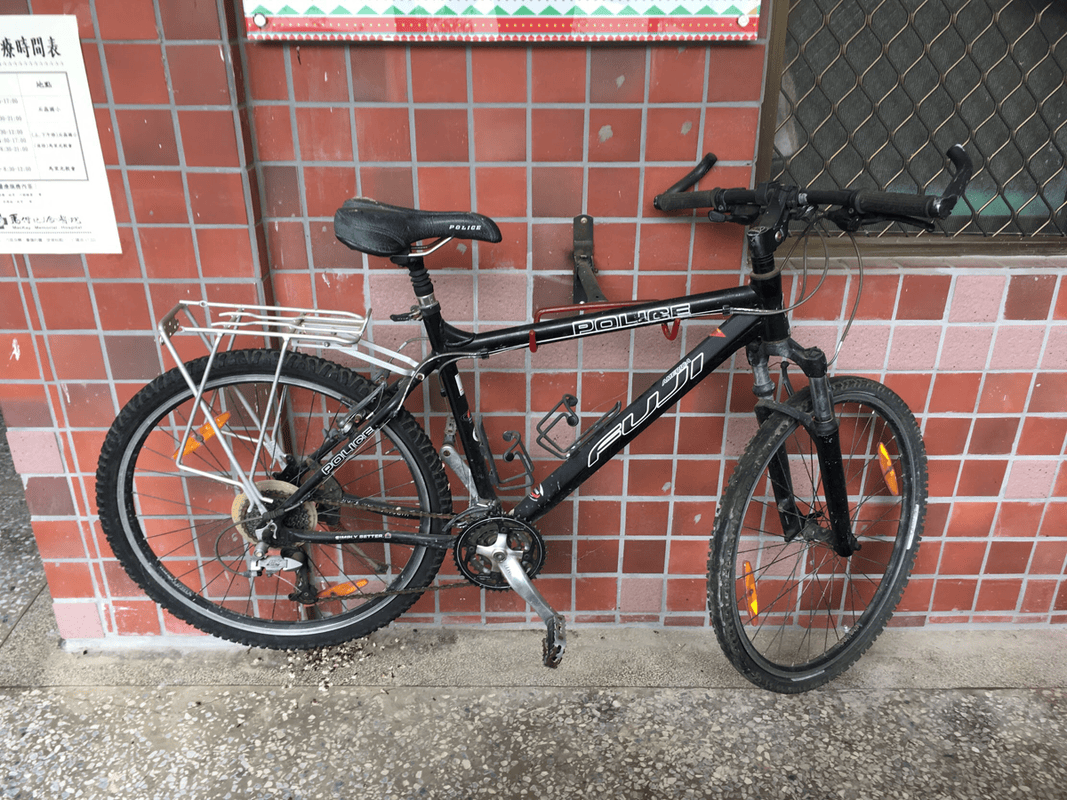
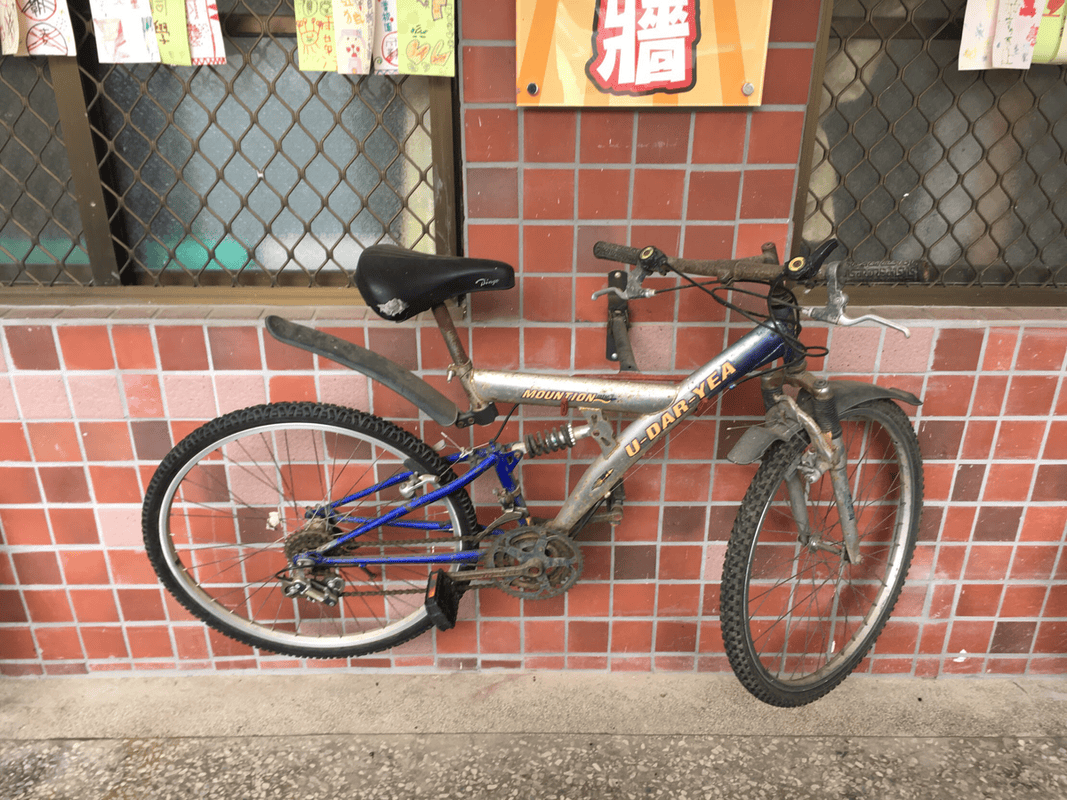
There were Indigenous decorative elements around the school and, remarkably, bicycles associated with Daniel’s rides.
These were old, ordinary machines, not expensive performance bikes. One was even a heavy department-store-style full-suspension bicycle.
It was hard to imagine riding them all the way there, especially knowing that his approach included Yulao, a route I found tiring even on a road bike.
Looking at those bicycles, my admiration grew.
Someone like Daniel needed more than strong legs. He needed a strong heart.
A Very Large Pot of Noodles
After resting, we descended toward Yufeng.
This was the short section that overlapped with Daniel’s route. Broken road surfaces soon demanded our full attention, and we descended carefully.
At the meeting of Shilei Road and Yufeng Road, we found a grocery shop that made a welcome supply stop.
We selected several packets of noodles and asked the owner whether she could cook them for us.
What emerged from the kitchen was an enormous pot.
At first, we thought we could never finish it. A few minutes later, our mountain-riding appetites had proved otherwise.
Then it was time to part.
The friends who were not staying overnight needed to get back to the Baling parking area before the rain. I wanted somewhere to rest my legs and my very full stomach.
I headed toward Yufeng Elementary School, hoping to rest and obtain water for dinner.
A Change of Overnight Plans
After finding water, I opened my camping chair and settled down.
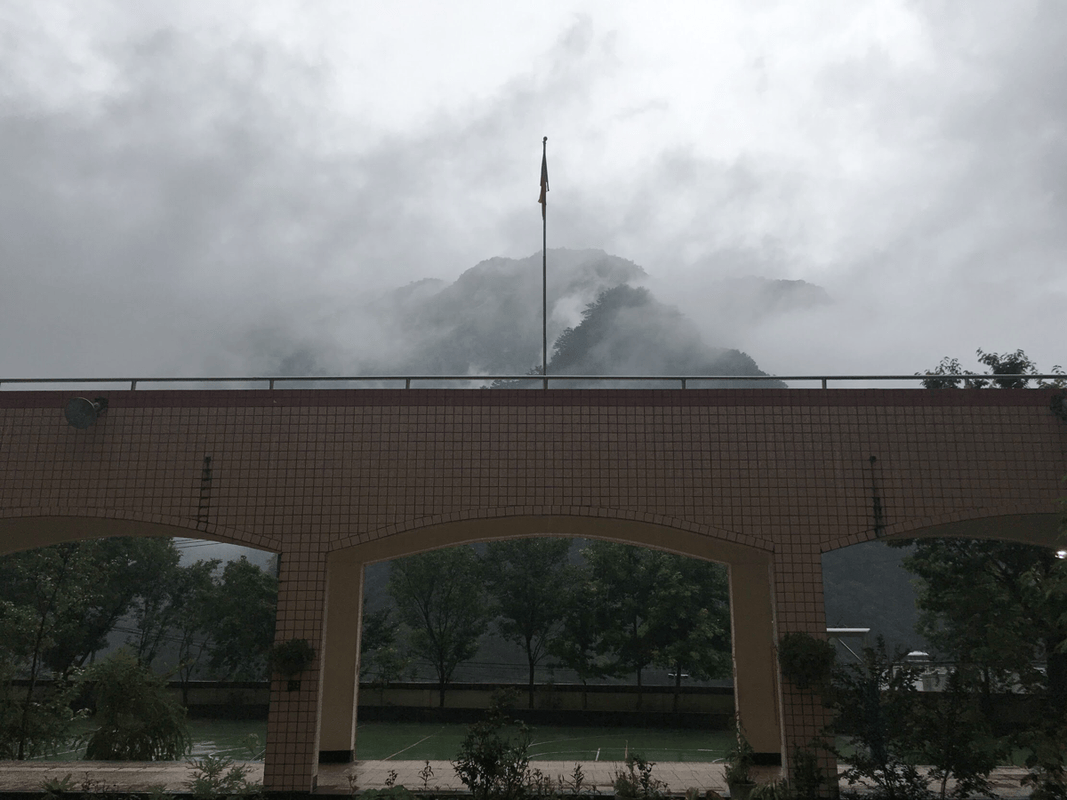
Gusts began moving through the valley. Dark clouds came over the mountains.
It looked like rain, so I decided to wait before continuing toward my intended overnight spot.
Several children who had been playing basketball were sheltering too.
They were curious about my equipment and asked what everything was for. I explained each item, and eventually our conversation turned to the pavilion on Laoying, or Eagle, Trail where I had planned to sleep.
Their reaction was immediate: do not go there.
They told me there were many snakes and that the neglected pavilion was badly damaged.
I took that local knowledge seriously and abandoned the pavilion plan.
I decided instead to stay at the school. The children kindly offered to ask at the staff accommodation about a room, warning that the night could be cold.
I preferred sleeping in a corridor and declined their offer. The account does not record school authorization for that overnight arrangement, so it should not be taken as an option available to other travelers.
When the rain eased, the three children left together on a motorcycle, a sight that surprised me. It was an observation from the trip, not a transport practice to copy.

A Corridor, a Bivy and a White Cat
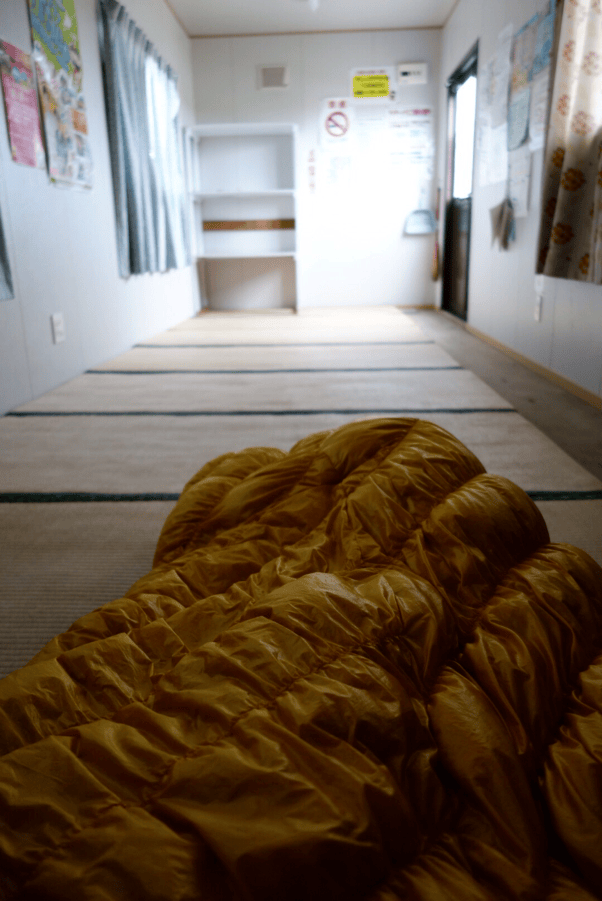
After they left, I arranged my sleeping space.
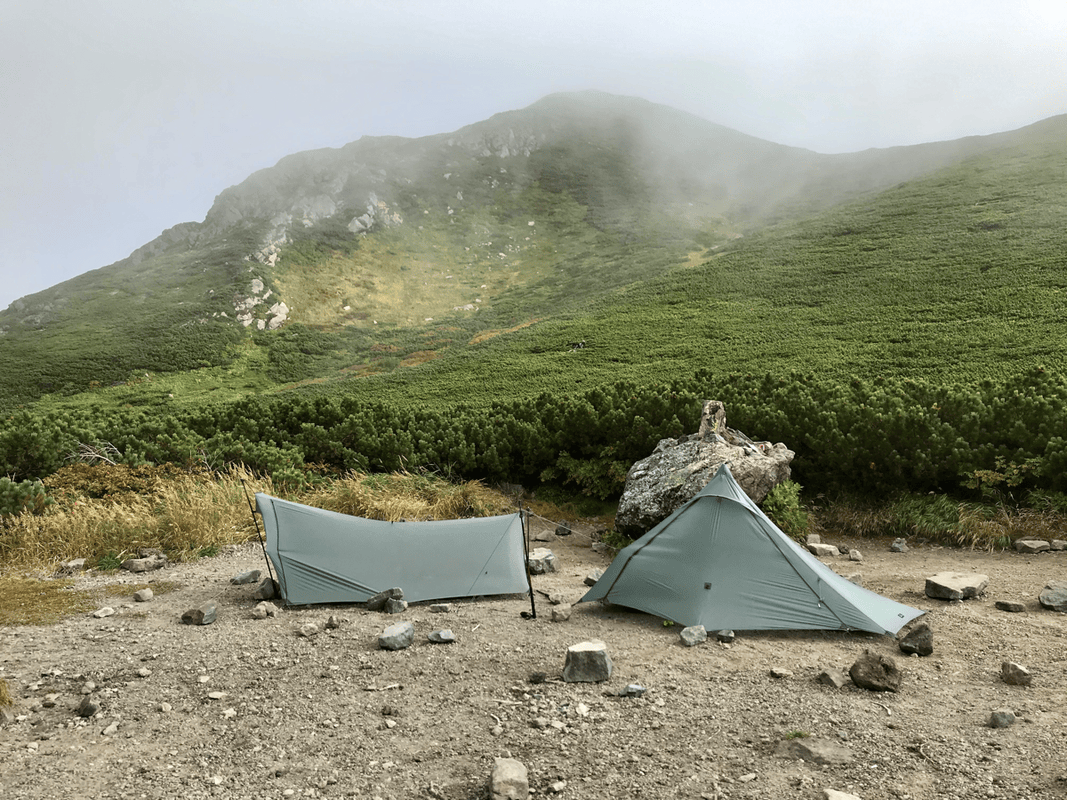
Water was available, and under a roof I did not need to pitch the tent. I planned to sleep in my bivy bag.
Wind was the main problem.
The place where I had rested earlier had walls on two sides, but the gusts came from the open side. A nearby drain also seemed to attract plenty of mosquitoes.
I moved to a more sheltered corridor.
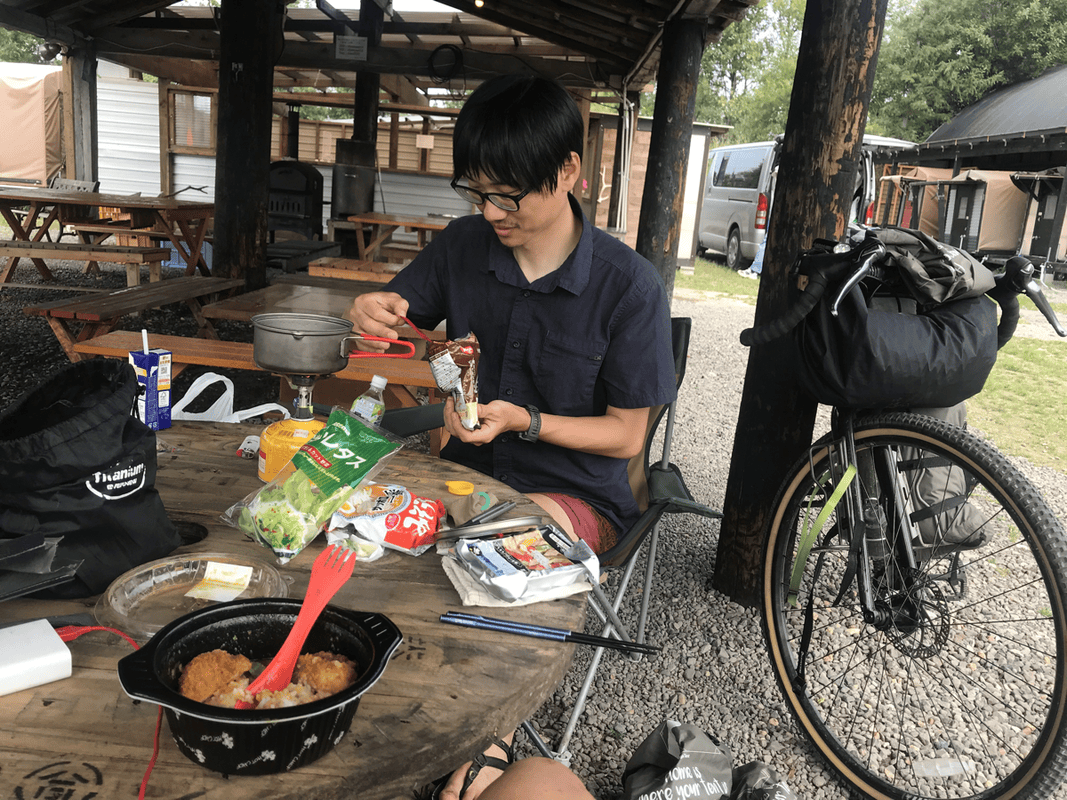
Dinner was simple: noodles and canned food bought at the grocery shop.
The original account mentioned using hot water from the school dispenser to reduce stove fuel consumption. Access to school facilities and any cooking require explicit authorization; that anecdote is not an invitation to use them.
During the evening, the rain stopped and the clouds cleared.
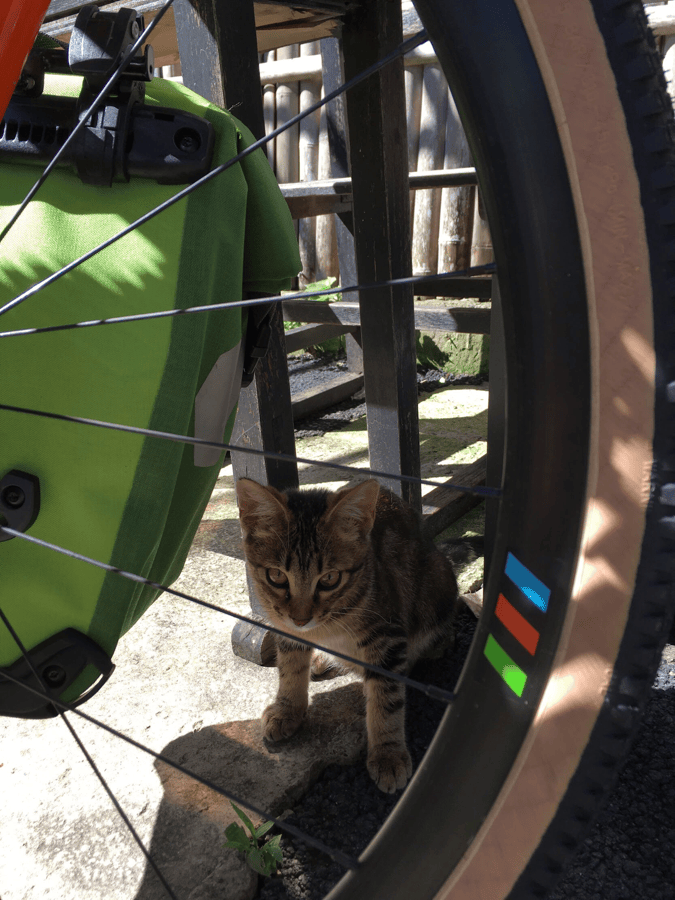
I sat looking at stars above the valley, accompanied by a white cat moving through the flower beds.
The next day, I would go and inspect the trail where I had originally intended to sleep.
Why the Children Had Warned Me
After a quick breakfast, I set out for Eagle Trail.
It was very close to the school, less than five minutes away by bicycle in my recollection, beside a small watercourse in the Dahan–Yufeng river system.
The trail was short and did not appear on the map I was using. I wondered whether it had once been a local hunting path, though that was my speculation rather than a verified history.
I parked at the entrance and continued on foot.
Almost immediately, I saw the pavilion I had planned to use.
It was clearly abandoned. Rotten, leaning supports looked as though they might give way. I would not have felt comfortable even resting inside, let alone spending the night.
The beginning of the trail had received some maintenance, including an arched bridge across the stream.
Farther in, the path became less distinct. Some sections near the water used metal supports.
I had heard that farther sections used bamboo or branches, but the worsening ground and increasingly tall vegetation persuaded me not to continue to Eagle Waterfall.

The Road on the Other Side
For the return, I took Yufeng Road on the opposite side of the valley from Shilei Road.
Of the three roads along this part of the valley, it seemed the best maintained at the time. Riders familiar with longer Yulao loops would probably have known it well.
The hardest part of Yufeng Road was the climb toward Yulao. I was heading toward Baling instead, avoiding that exceptionally steep section and enjoying more descending.
In the summer valley, the scenery passed beside me.
The road I had ridden yesterday was now above me. The road I had looked at yesterday was now beneath my wheels.
The original article ended by picturing Daniel still out on the mountain roads and encouraging readers to offer him a word of support if they met him.
That closing image belongs to 2017. What stayed with me was the spirit behind those rides: a bicycle journey made meaningful by the people waiting at its destination.
Bikepacking diary: Facebook