Mount Omine: Bikepacking & Hiking into Japan’s Mountain Faith
Translated from Bikepacking diary’s original Mount Omine article, published on October 13, 2021, and republished by arrangement with the author. Photographs are linked directly from the original website.
Editor’s note: This historical travel account preserves the author’s experiences, opinions and the local stories encountered on the trip. Folklore and traditional-medicine stories are presented as cultural narratives, not verified history or medical advice. Access restrictions, trail conditions, campsite rules, prices and opening seasons require fresh checks before travel. The gender-based mountain restriction discussed below is described as encountered by the author, not endorsed as a view of this publication. Do not copy hazardous religious practices or assume a route is safe because the author found it manageable. An old discount offer has been omitted because its current validity is unconfirmed.
Looking Beyond Osaka
When I first arrived in Osaka, I naturally wanted to explore: where could I ride, and where could I camp? Unfortunately, within the city I struggled to find mountains or open spaces that appealed to me. Before long, my enthusiasm for riding around Osaka itself faded.
I spent fewer weekends on the bike. But as a bikepacker, going without riding or traveling made me restless. Even if the city offered few places for the trips I wanted, I still bought a new bike, thinking I would simply venture farther away.
Then my old friend Feng sent me an Instagram tourism post about a joint art event involving Yoshino, Tenkawa and Soni, with themes of forest, water and earth. The weather was hot, and photographs of Tenkawa’s clear streams immediately caught my attention. That weekend I drove there. I never expected its old stories to bring me back for three weekends in a row.
Getting to Tenkawa by Bicycle
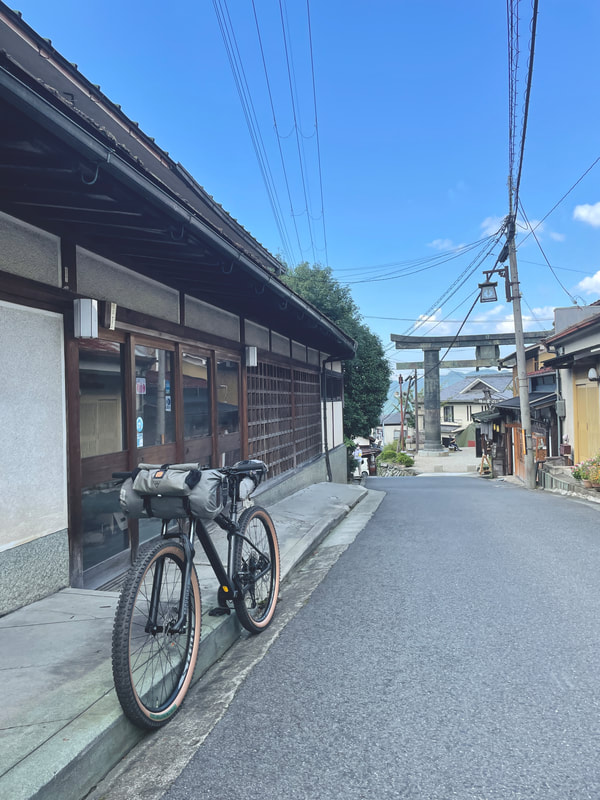
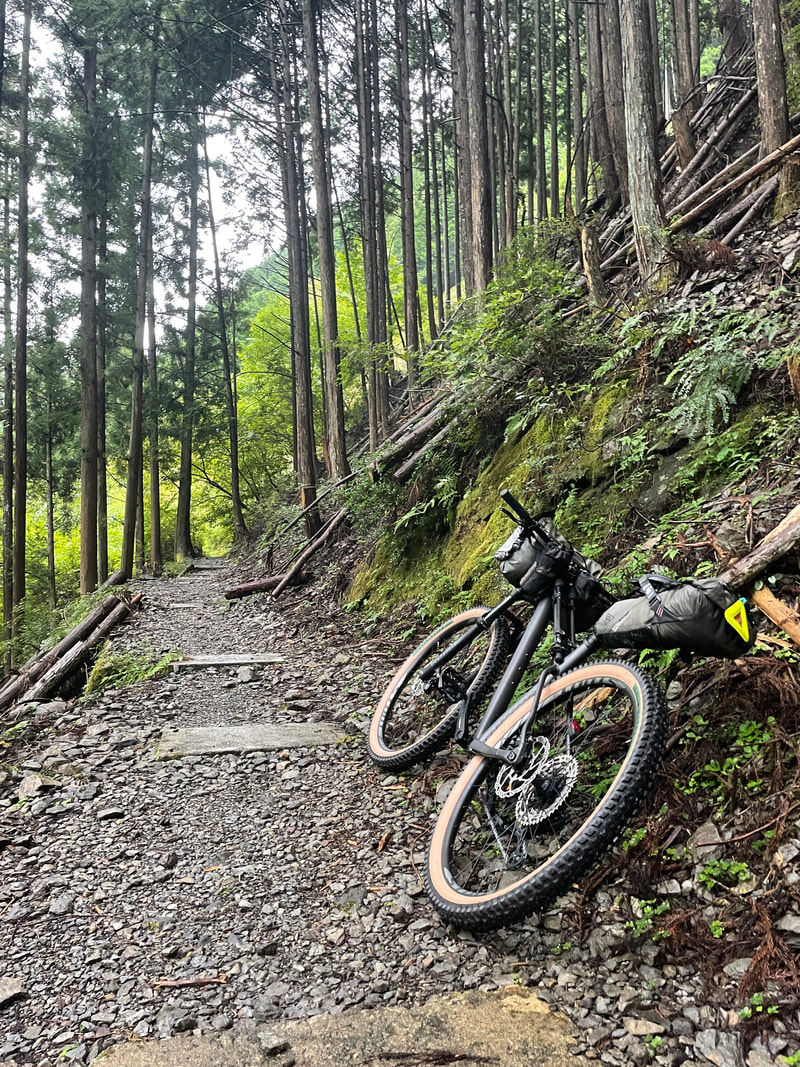
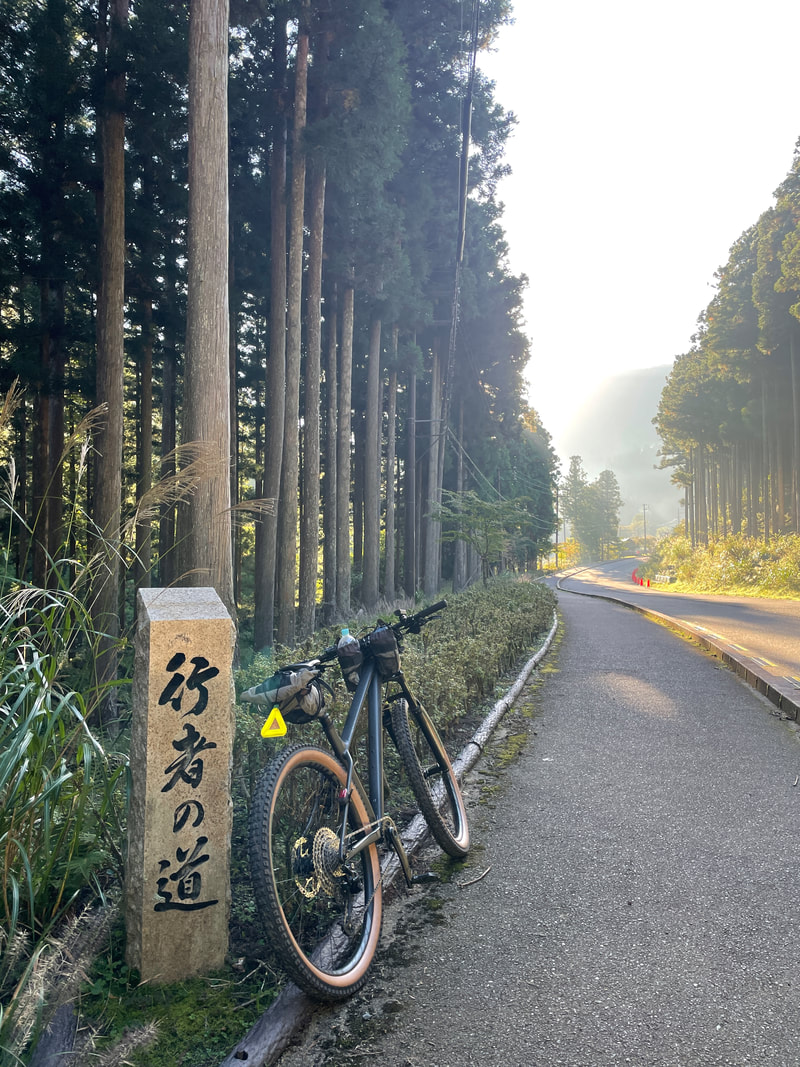
Tenkawa is in Nara Prefecture, next to Osaka, only about 90 kilometers from where I lived. In my road-cycling days, I would probably have ridden straight from home. But the urban approach felt dull, and running a mountain bike’s broad tires along all that asphalt was not much fun. Instead, I took the train to a nearby station and began riding there.
There are several ways into Tenkawa. I rode four of them and selected two interesting approaches and one convenient return route to share. My suggestion is to take a scenic route in and the easier route out.
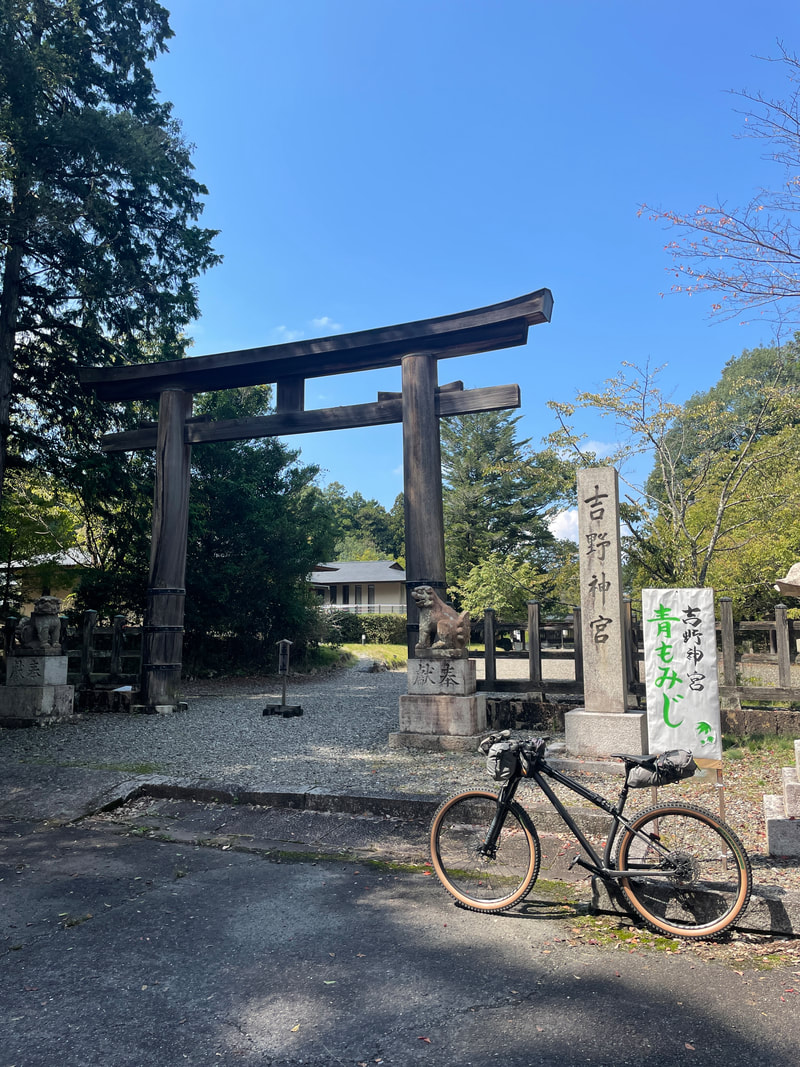
Both interesting approaches start around Yoshino. Yamato-Kamiichi Station makes a useful starting point because convenience-store supplies are available nearby.
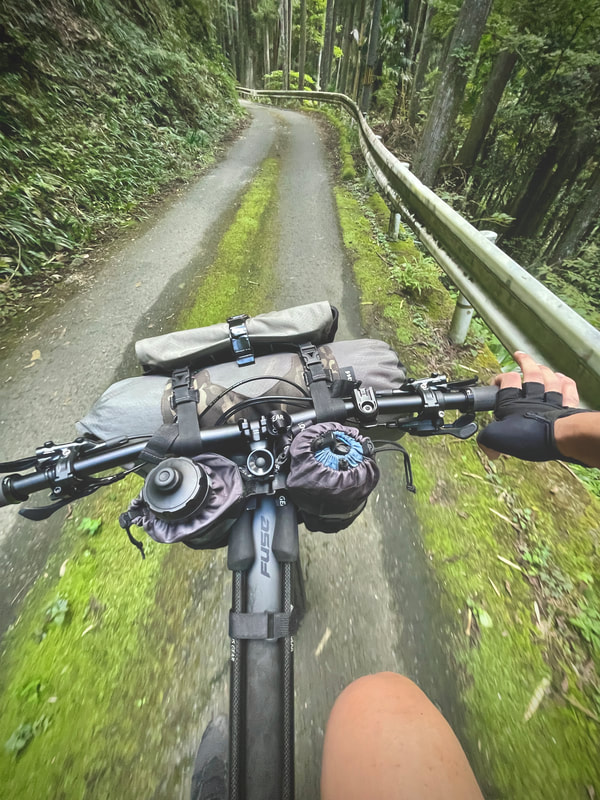
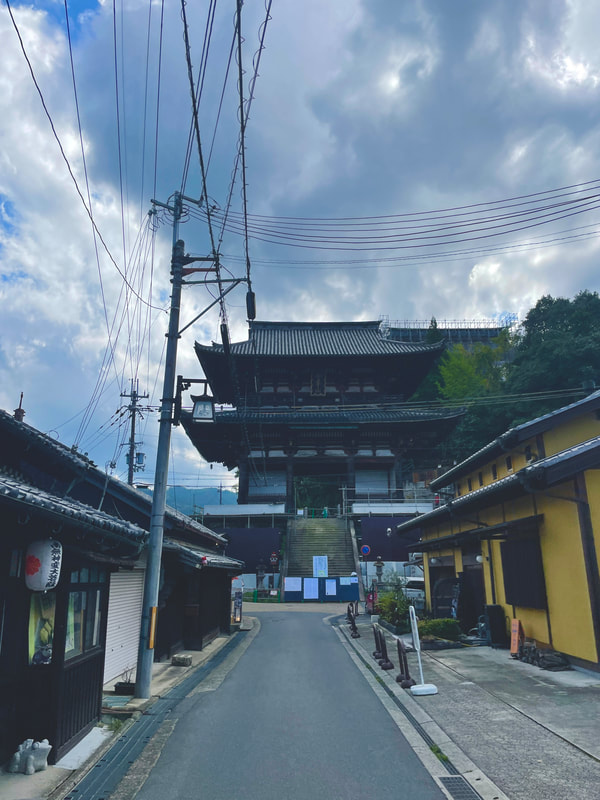
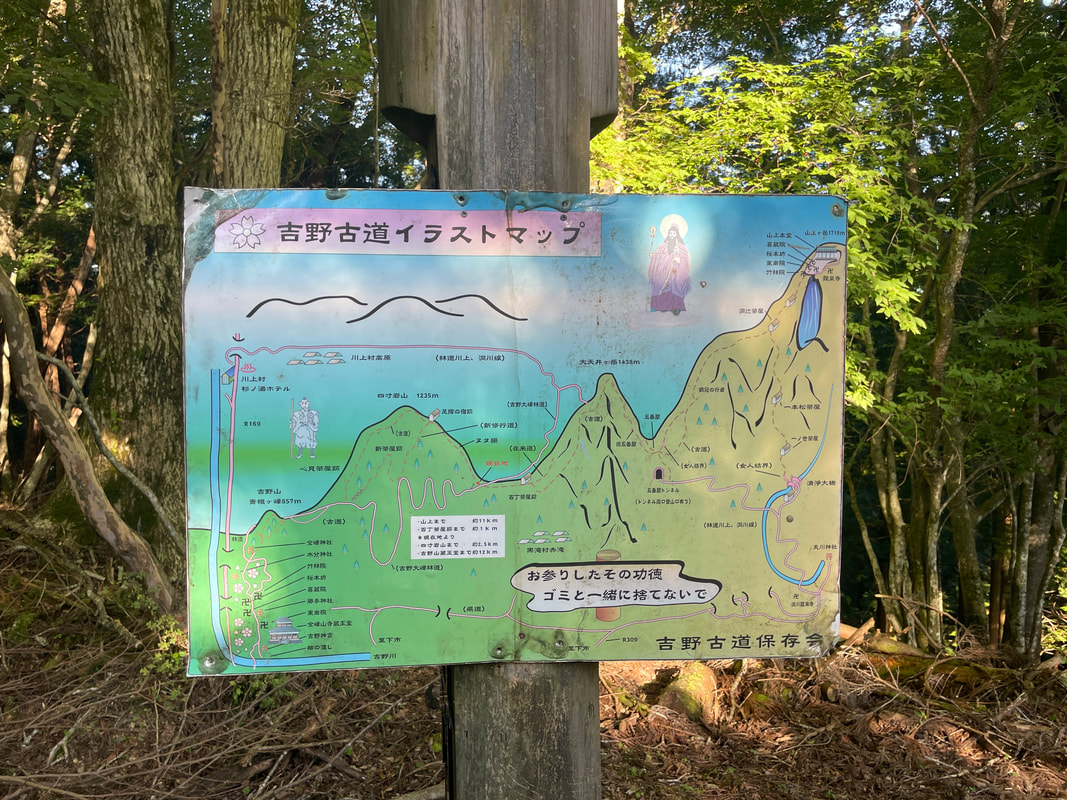
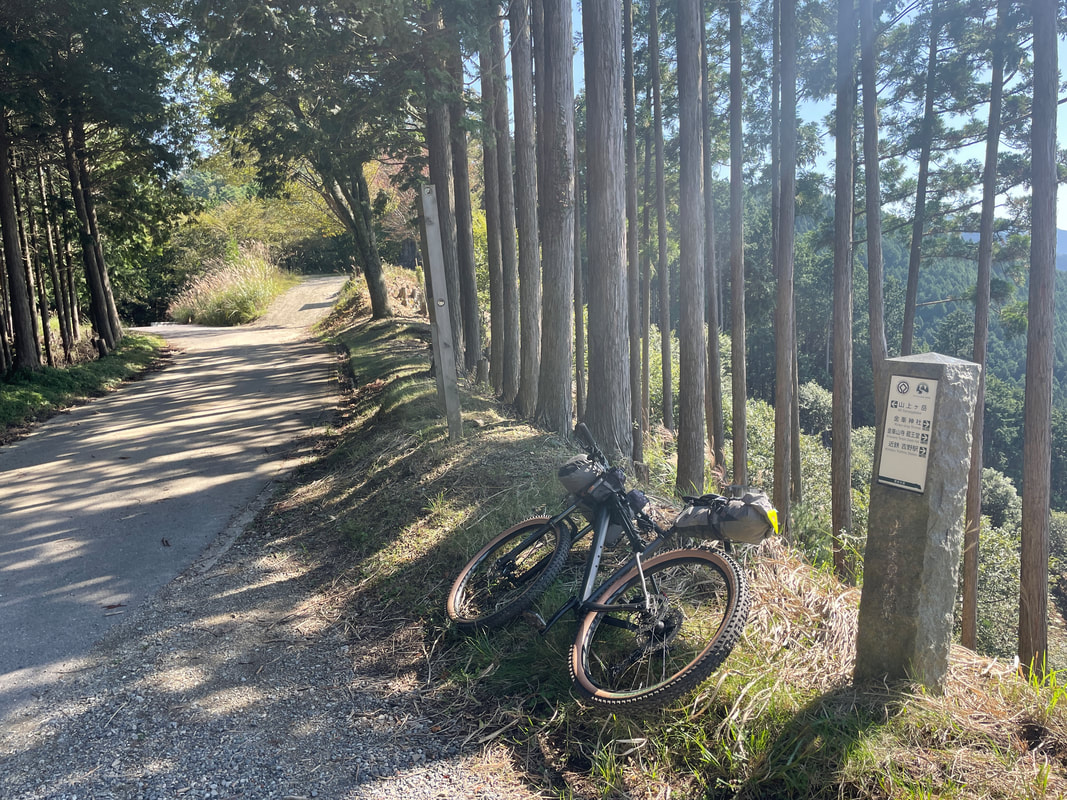
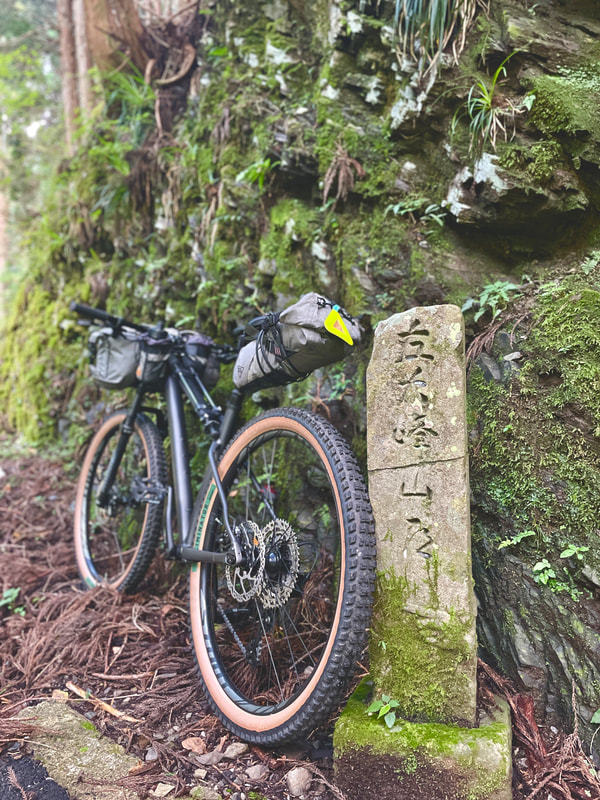
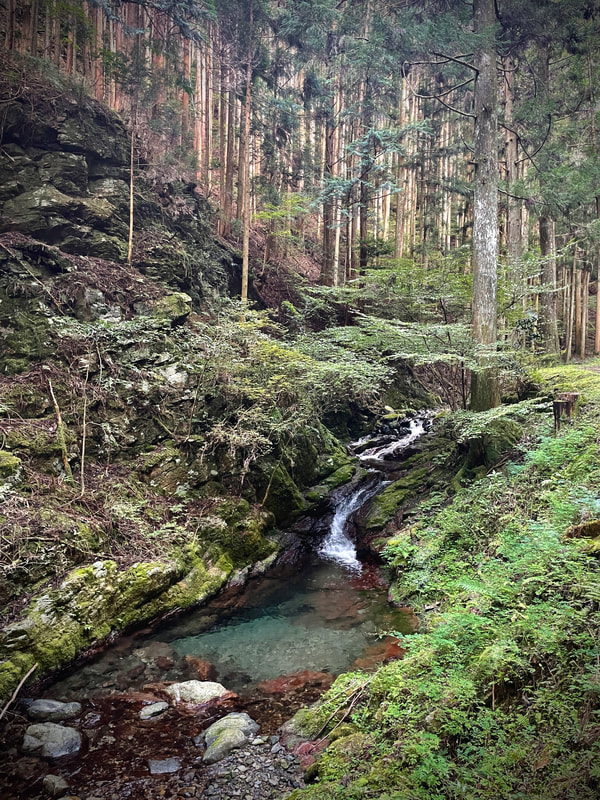
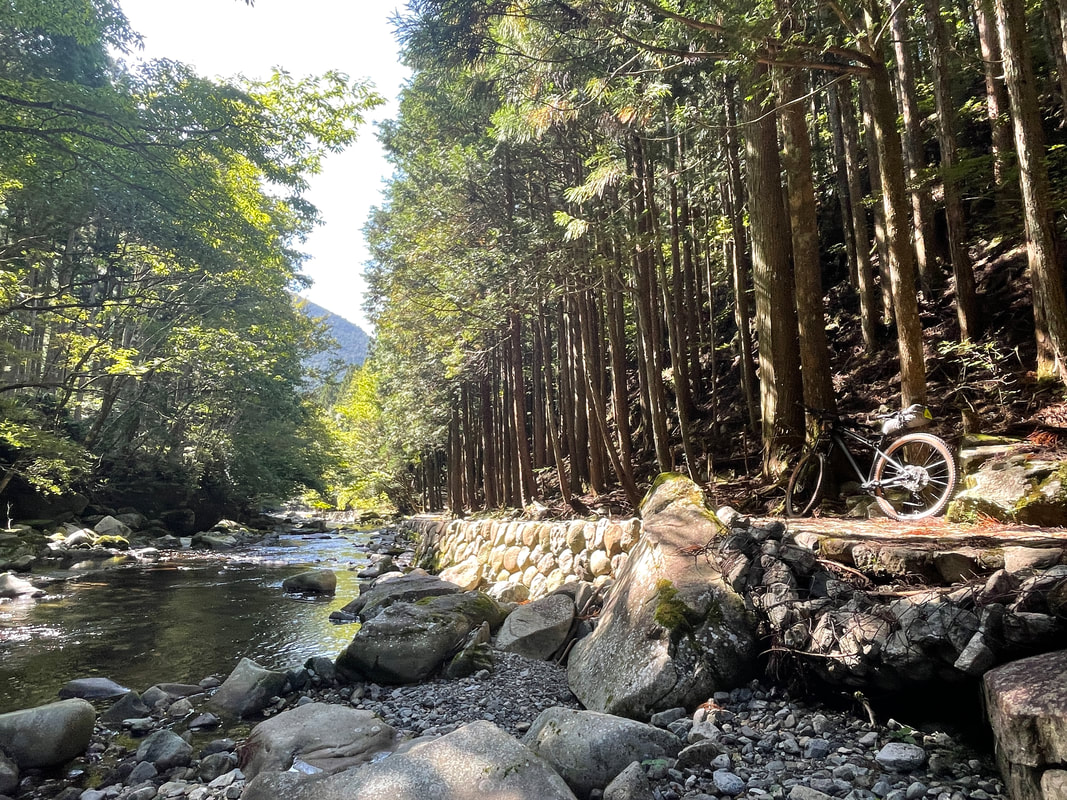
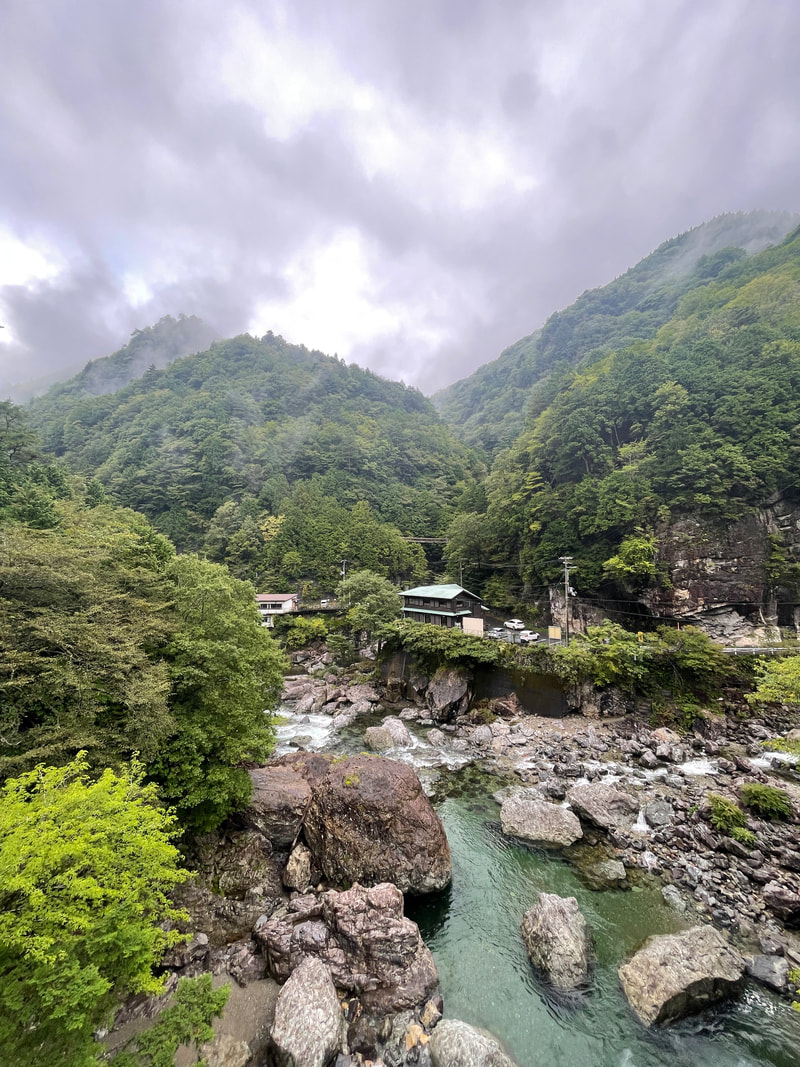
One approach follows prefectural roads and the other a forest road. Both broadly follow old pilgrimage corridors. For the prefectural-road option, turn right partway up the temple approach in Yoshino onto another prefectural road. For the forest-road option, continue along the approach. It runs broadly parallel to the Omine Okugake pilgrimage route, which is why I preferred it. With enough time, try both. Both were beautiful, with streams clear enough to see fish.
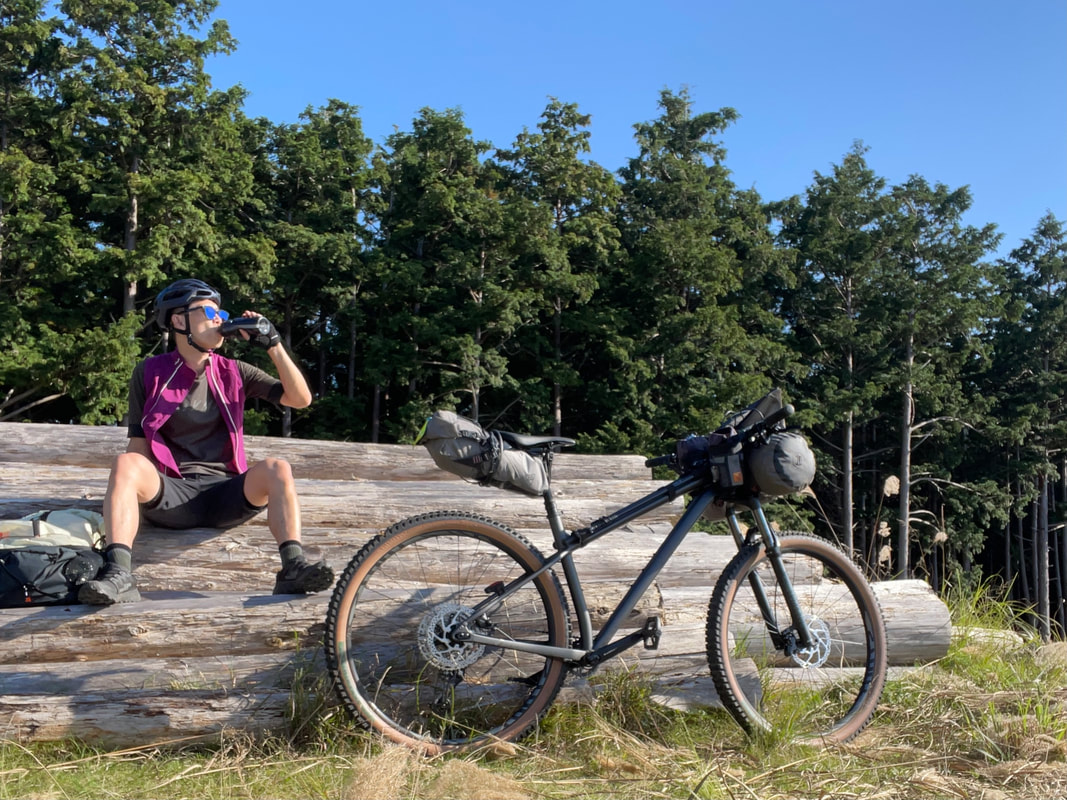
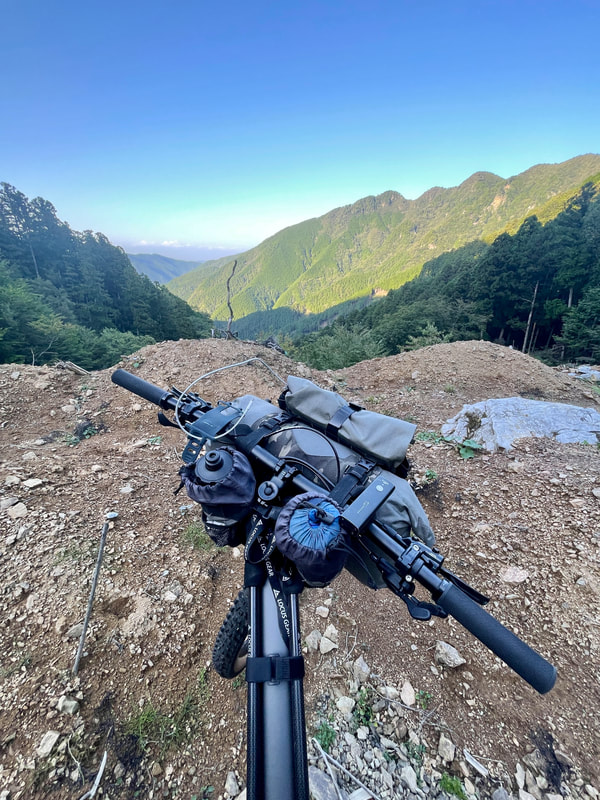
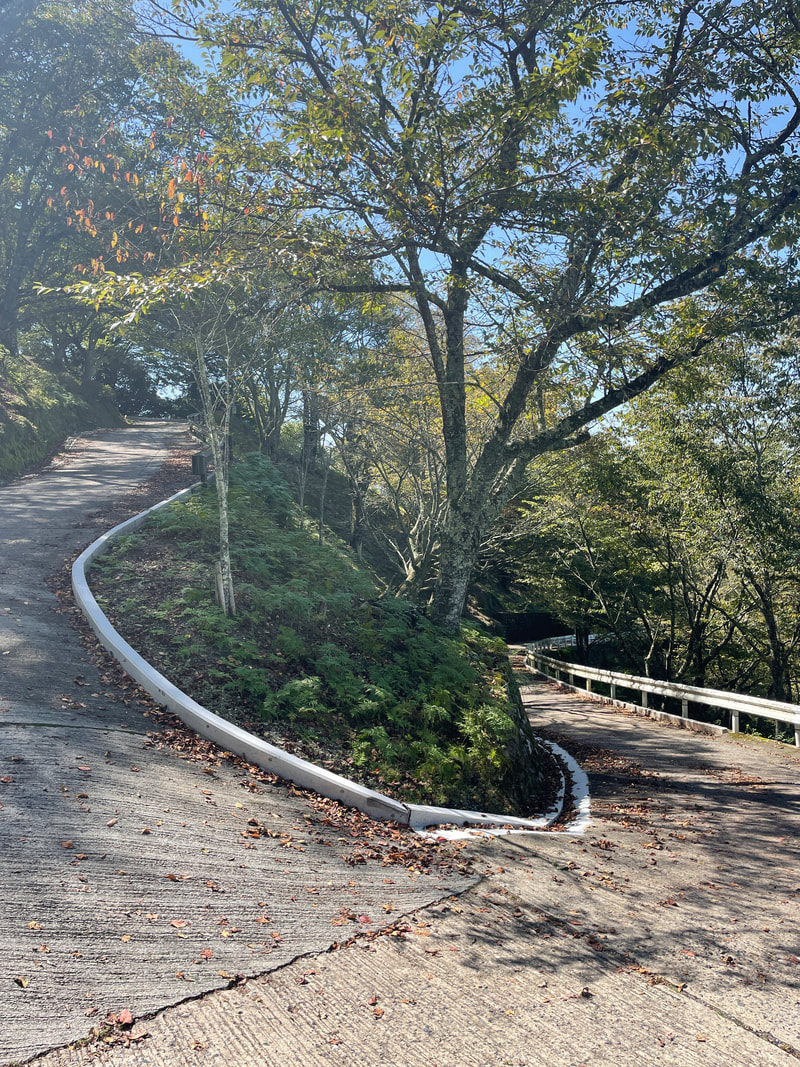
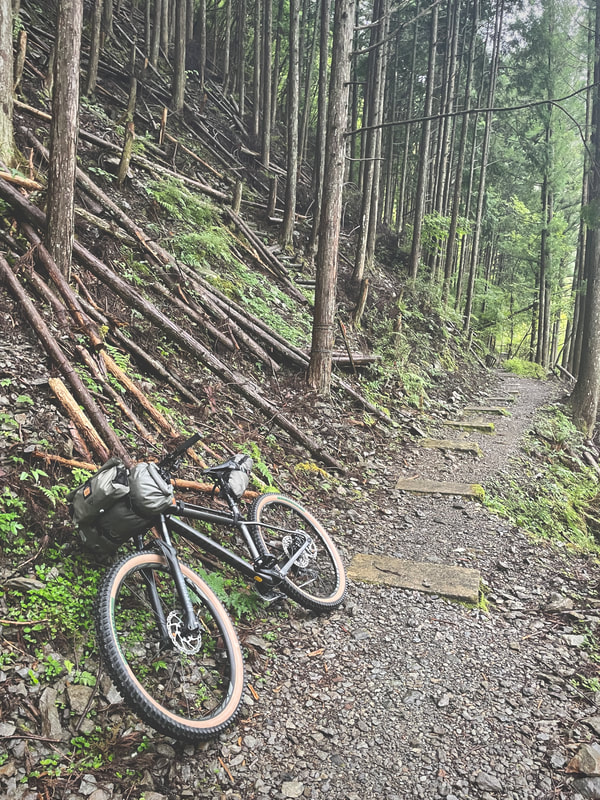
These were small, steep mountain roads, perhaps once traveled by religious practitioners. Although only a little over 20 kilometers long, each involved more than 1,000 meters of climbing. A reasonable level of fitness is important. The effort is substantial, but the scenery along the old routes made it worthwhile for me.
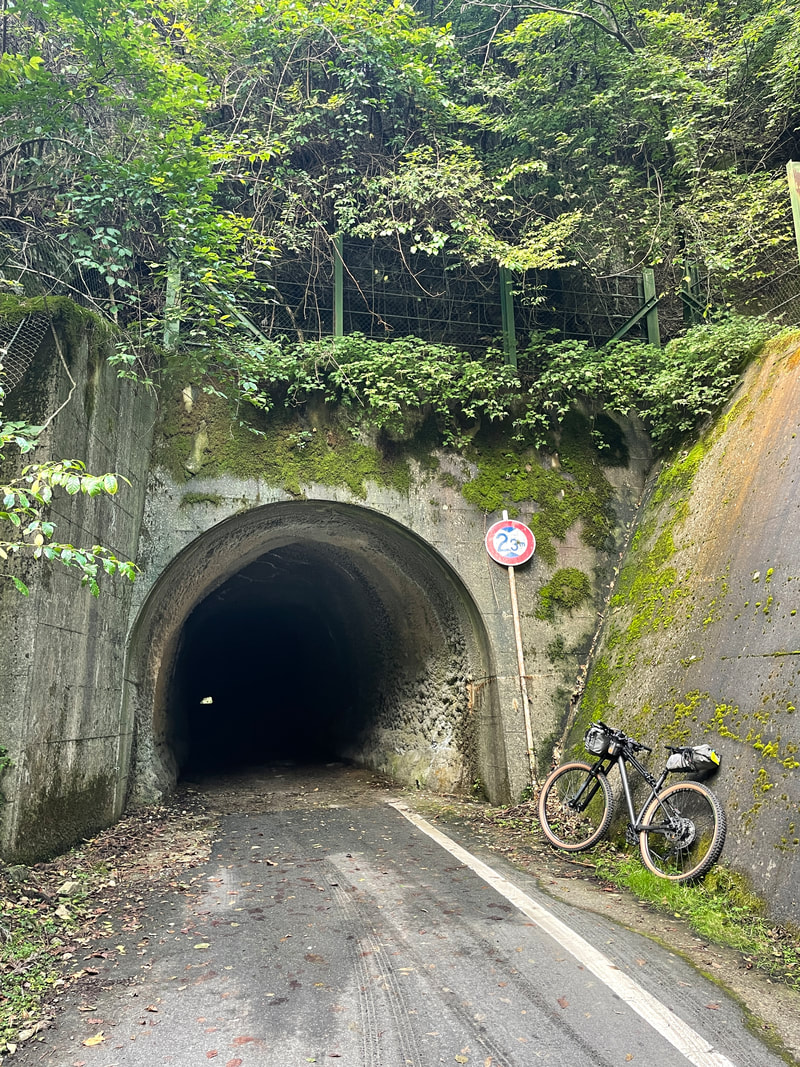
For the return, I recommend investigating National Route 309. The route I used was mostly downhill on a broad road and brought me to Shimoichiguchi Station in about an hour.
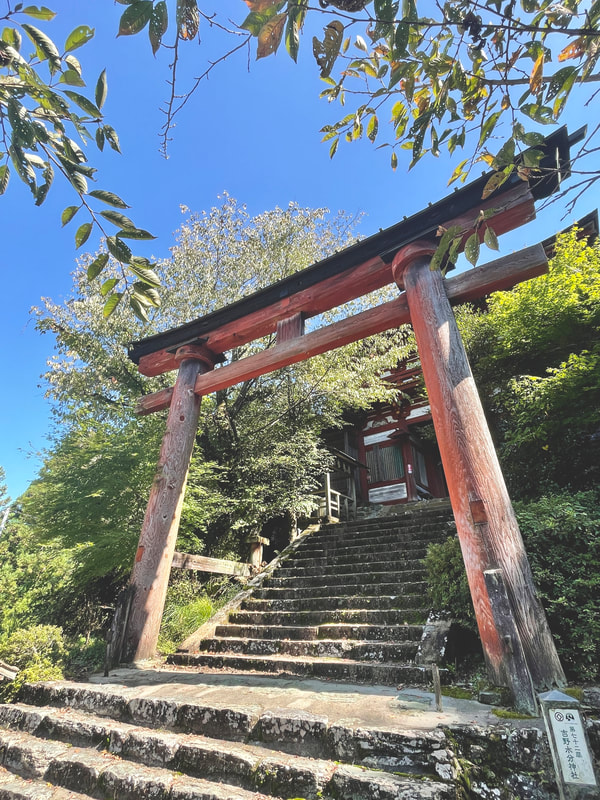
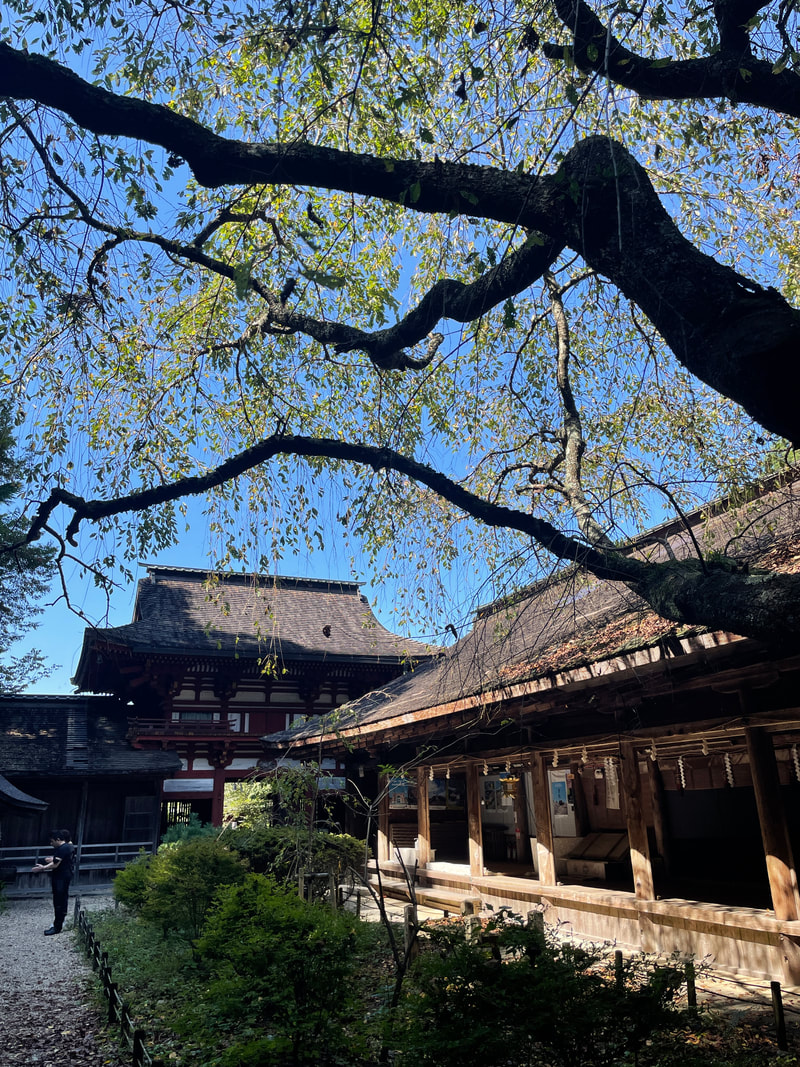
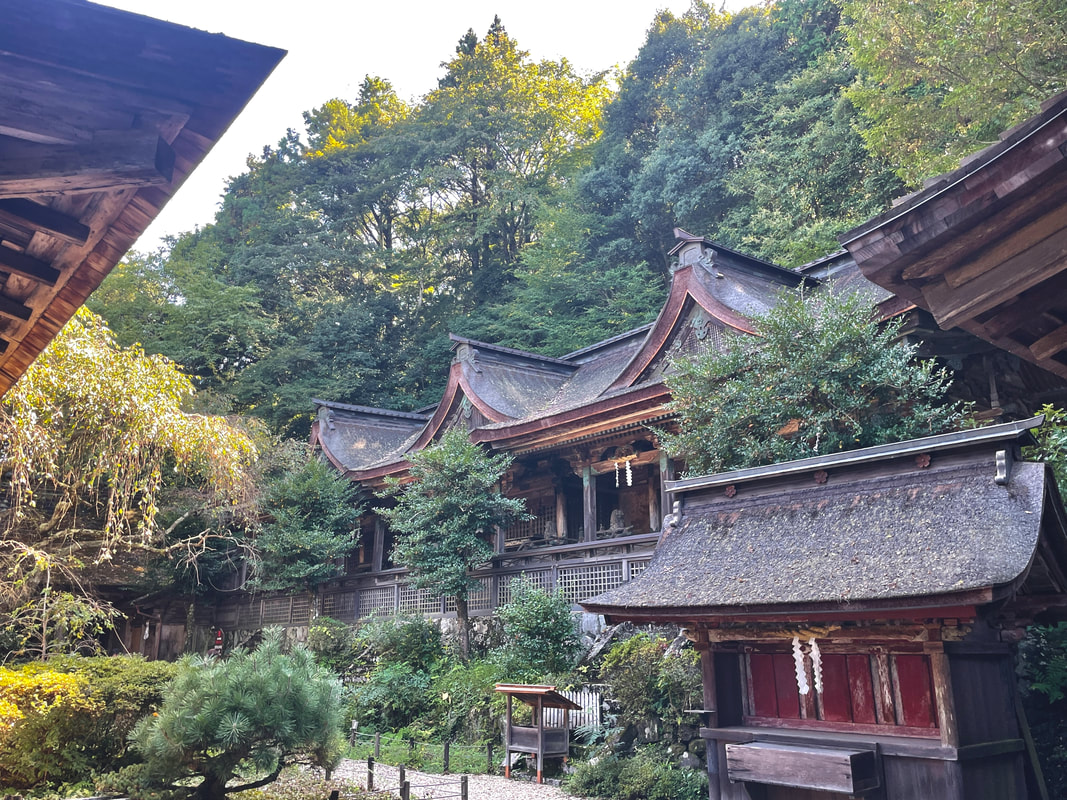
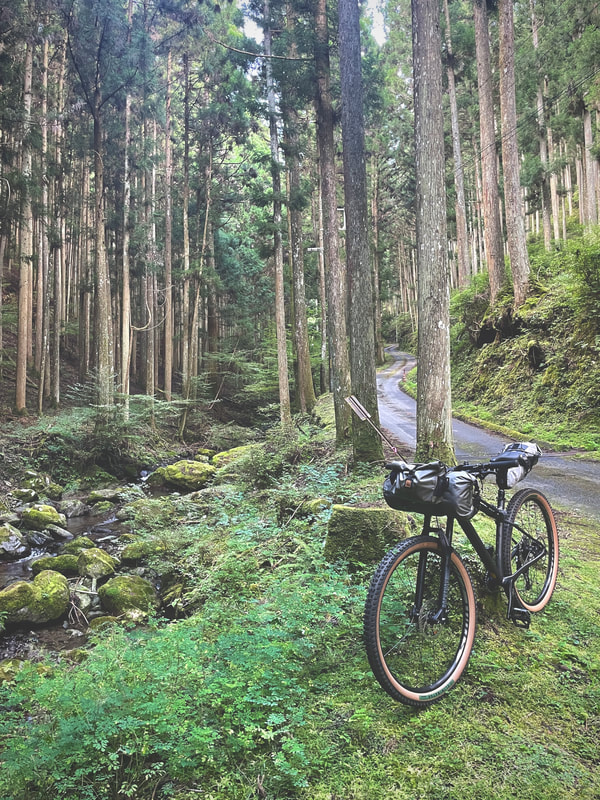
Clear Streams and an Unexpected Invitation
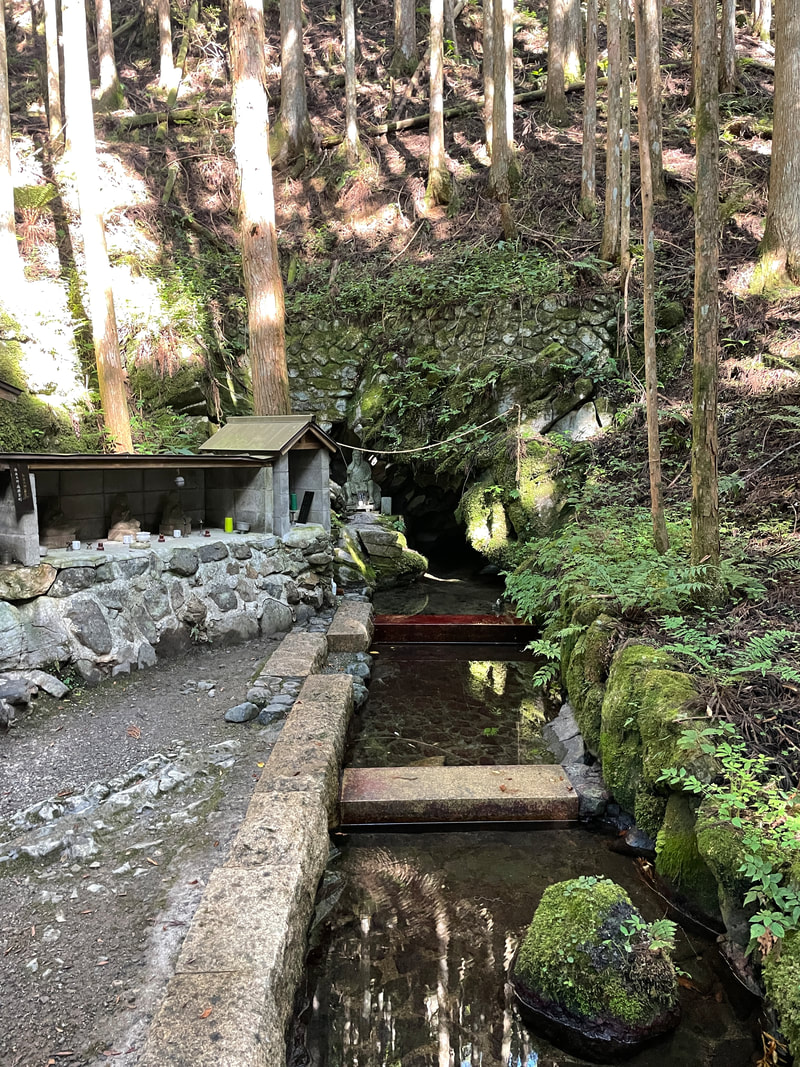
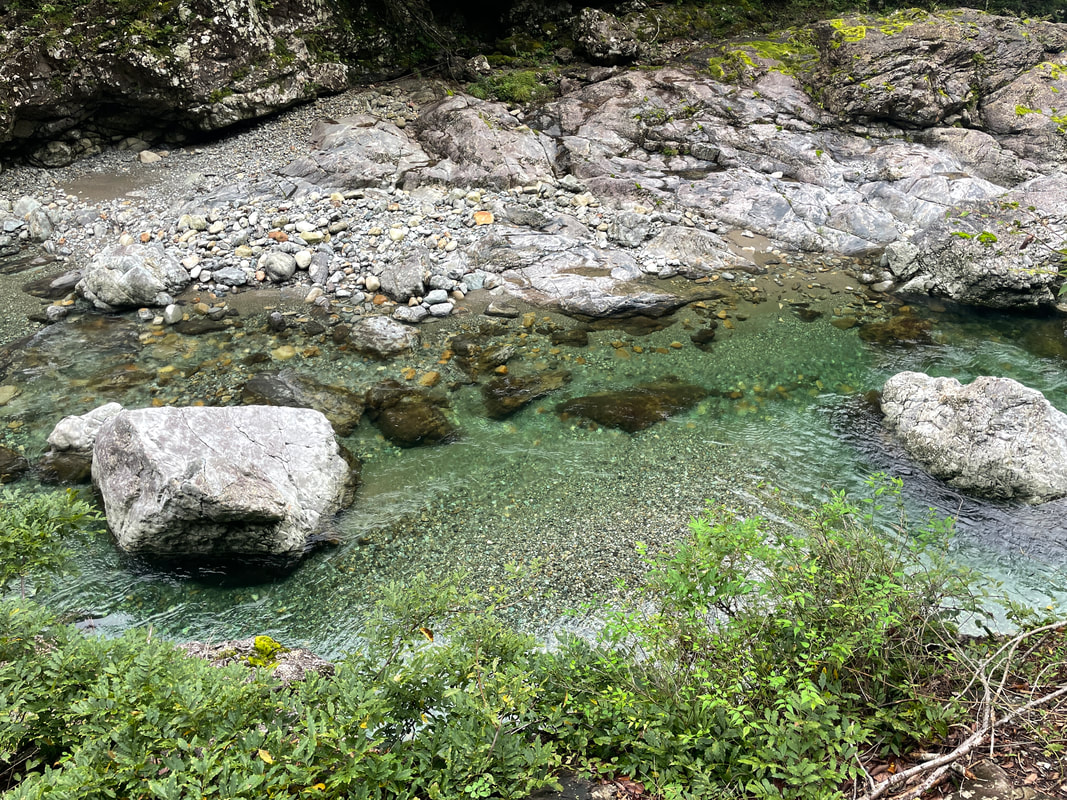
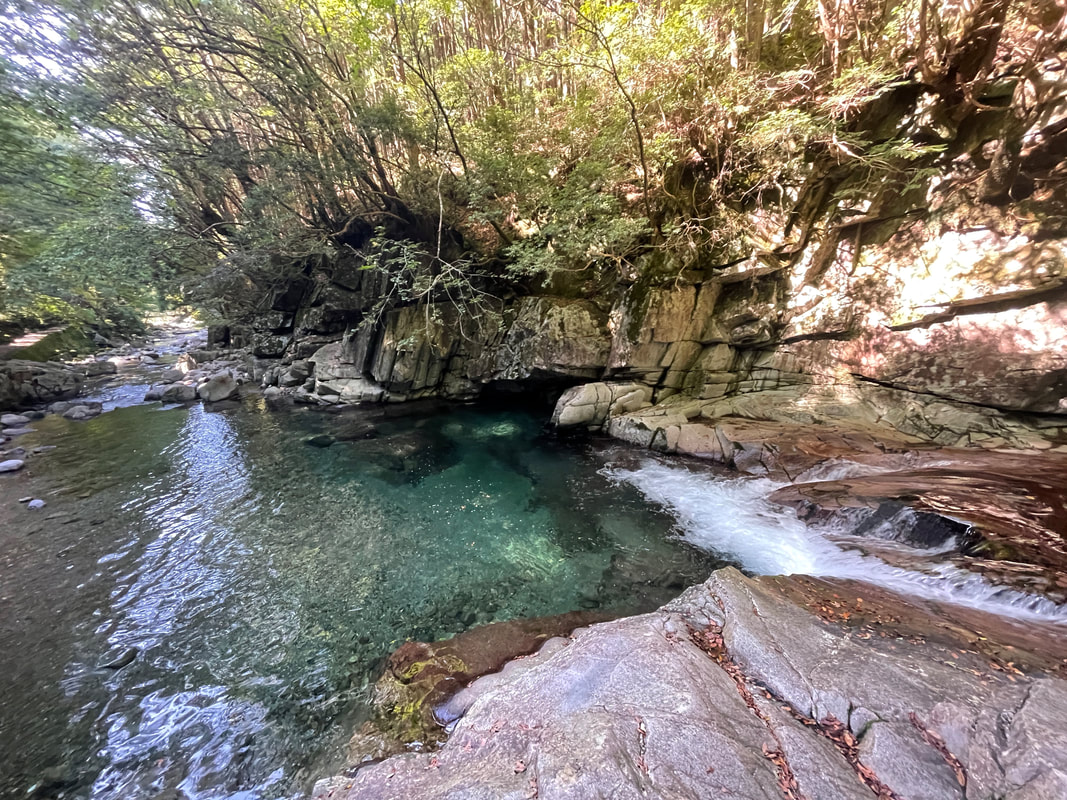
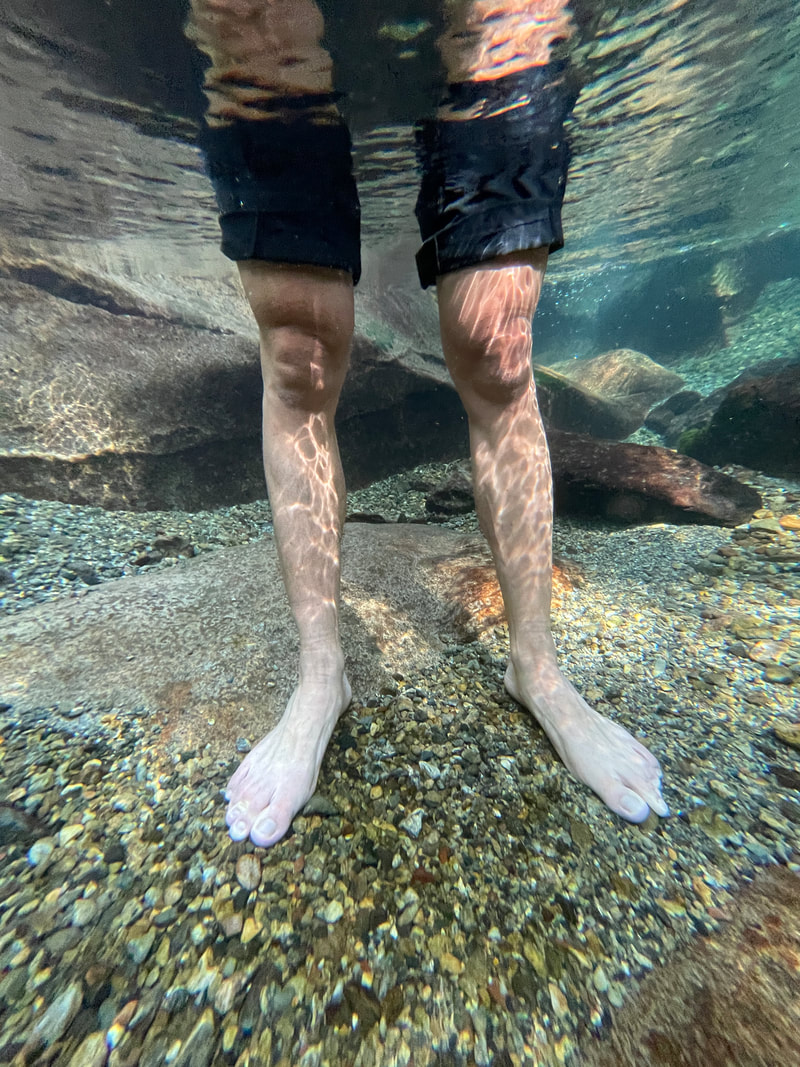
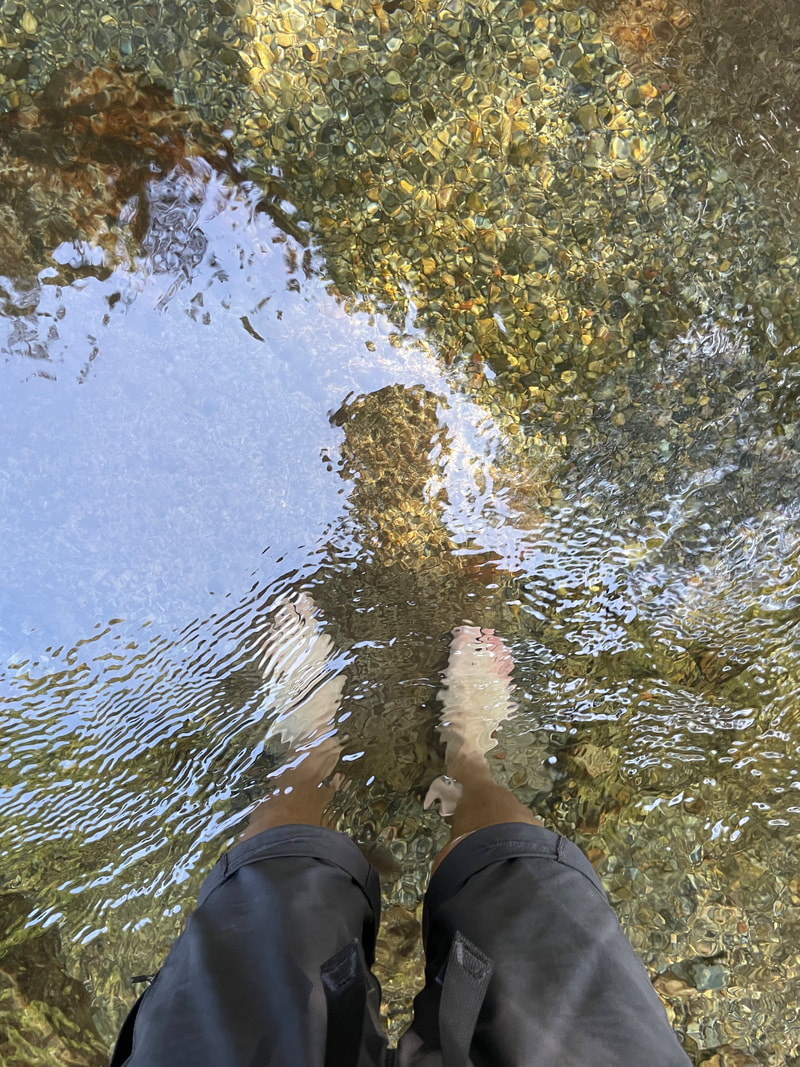
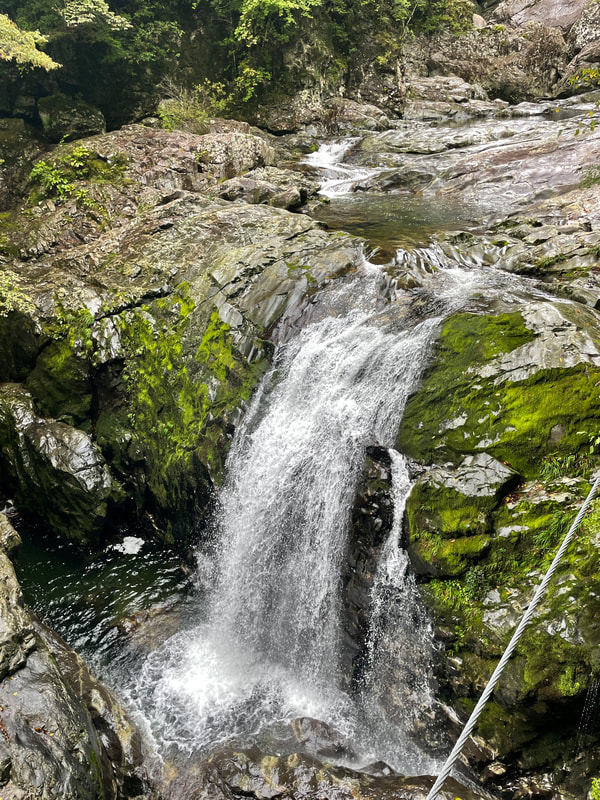
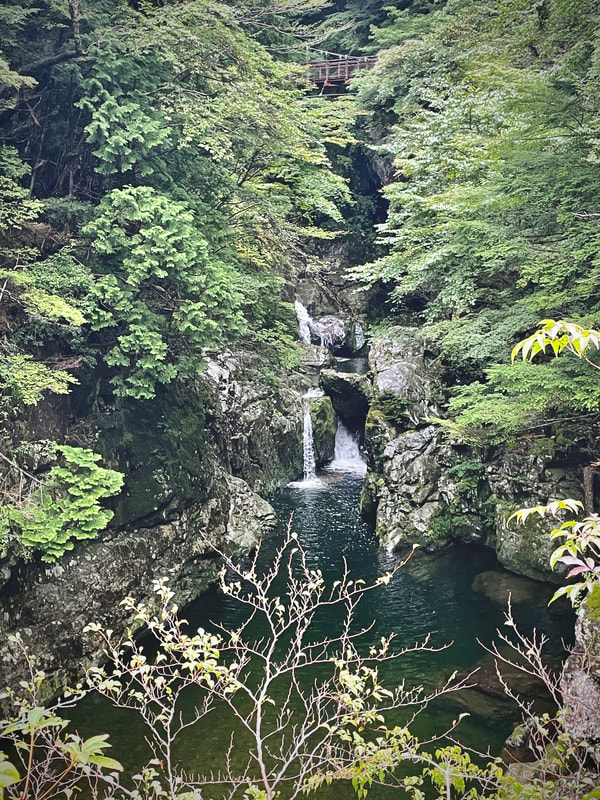
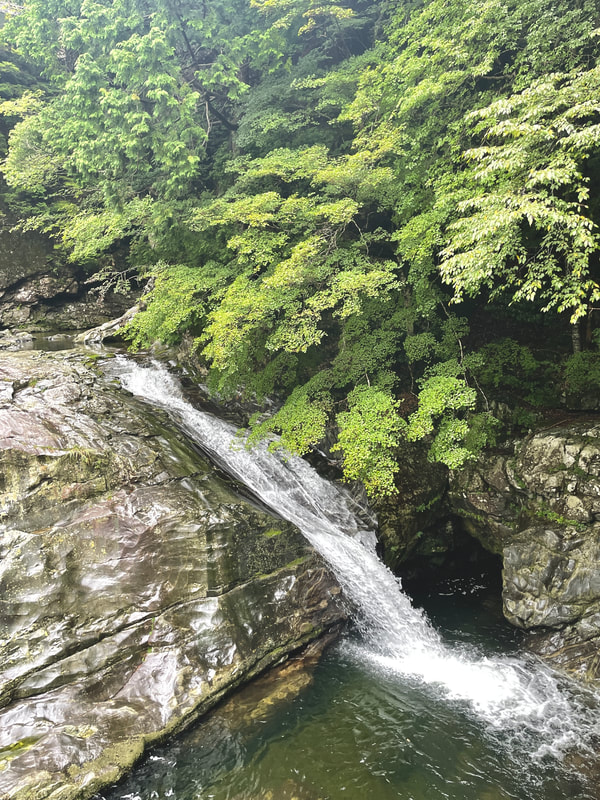
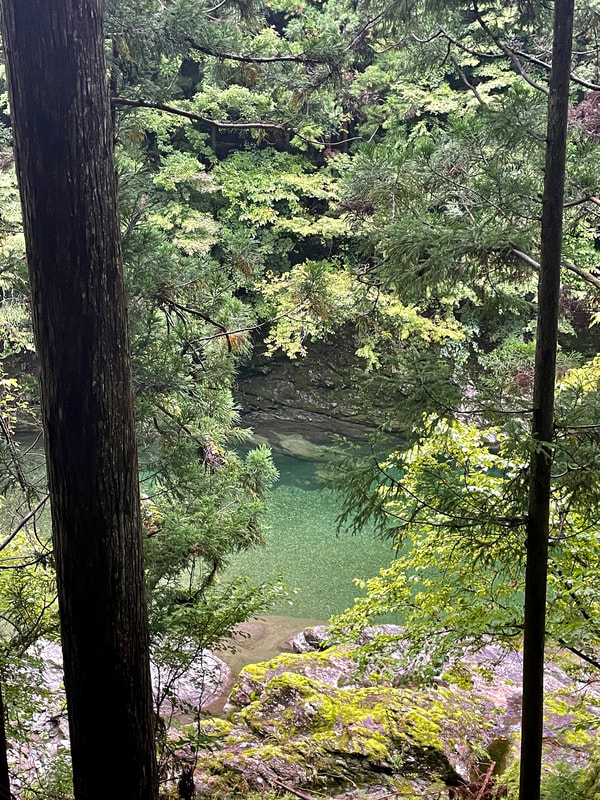
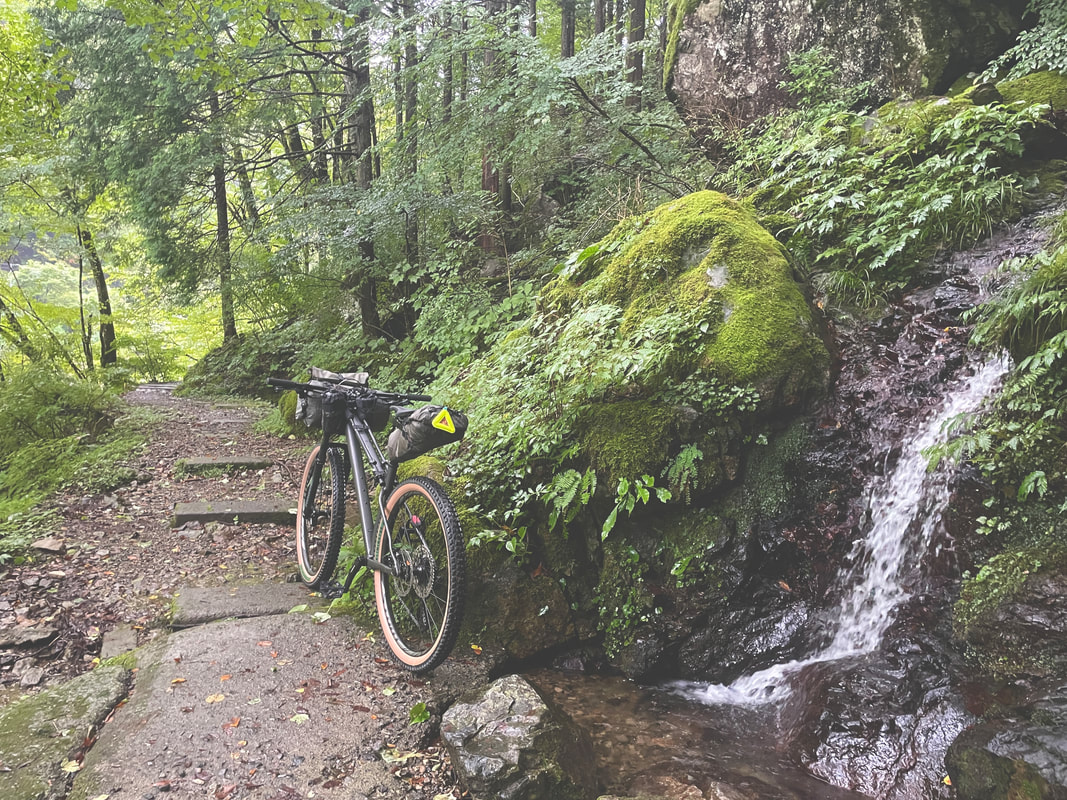
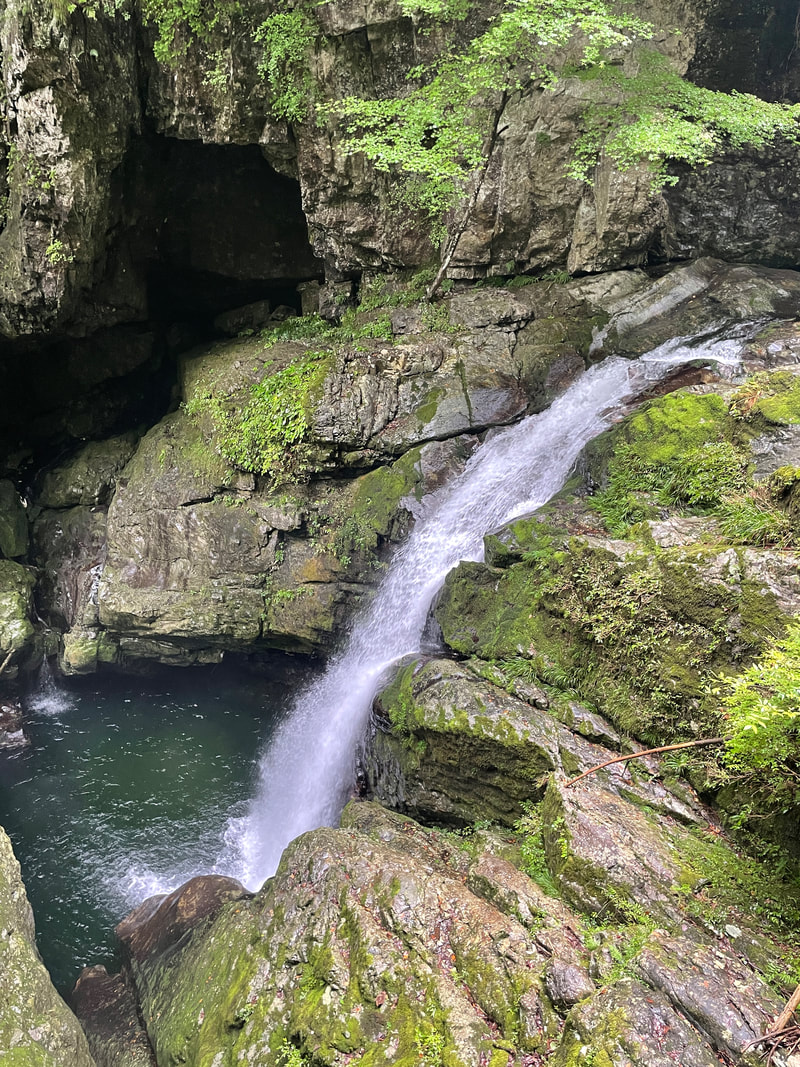
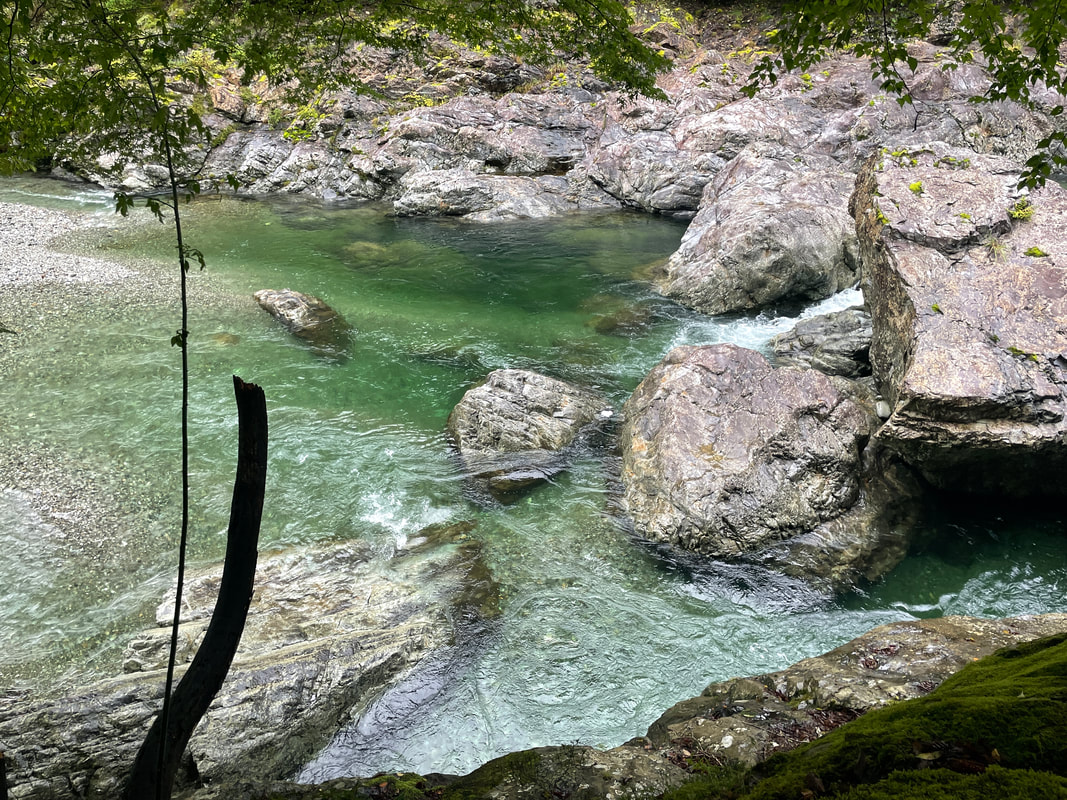
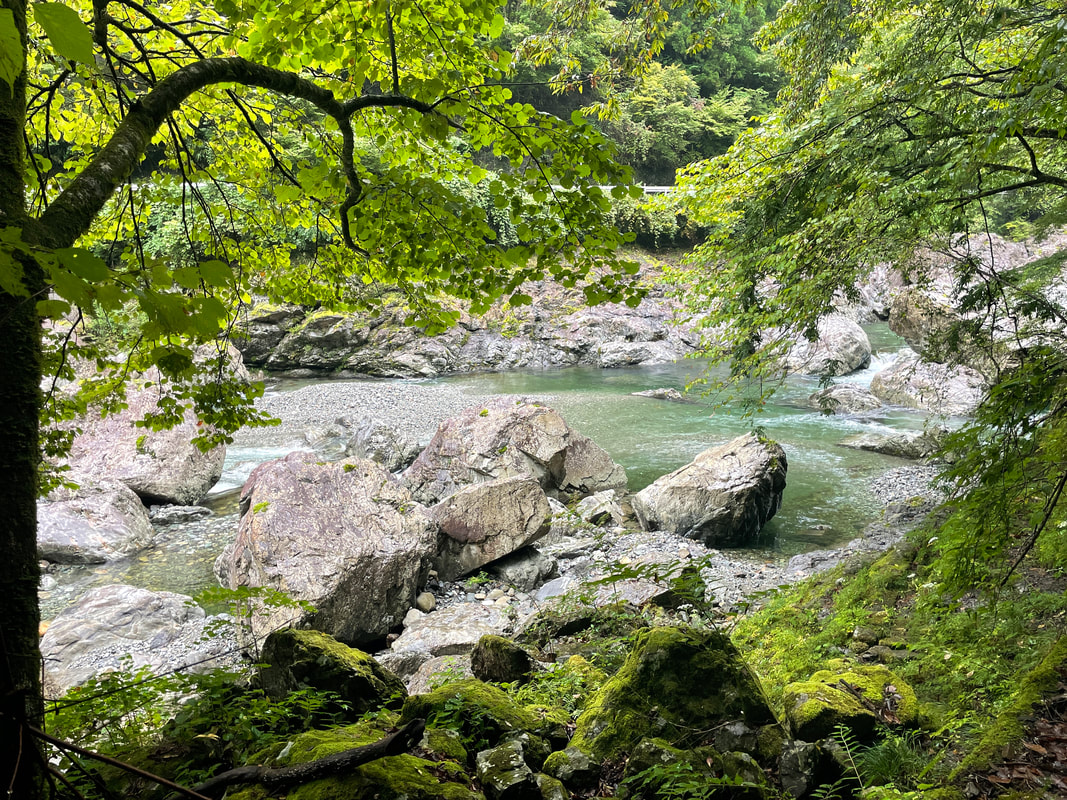
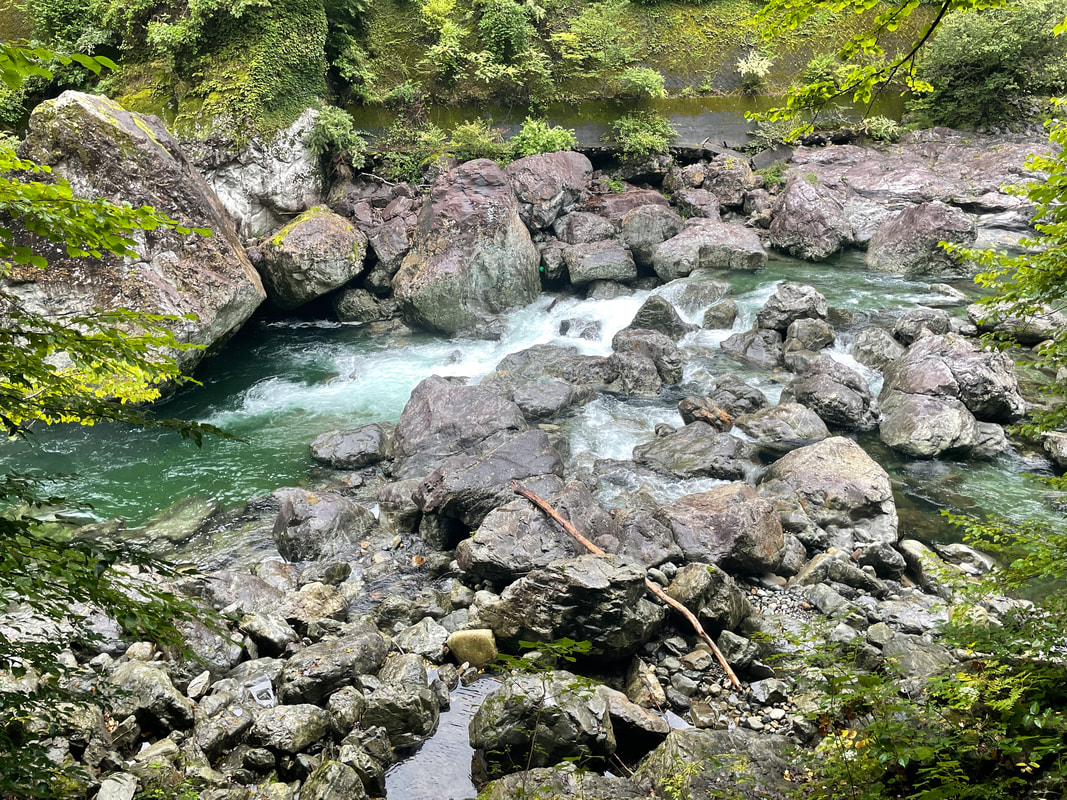
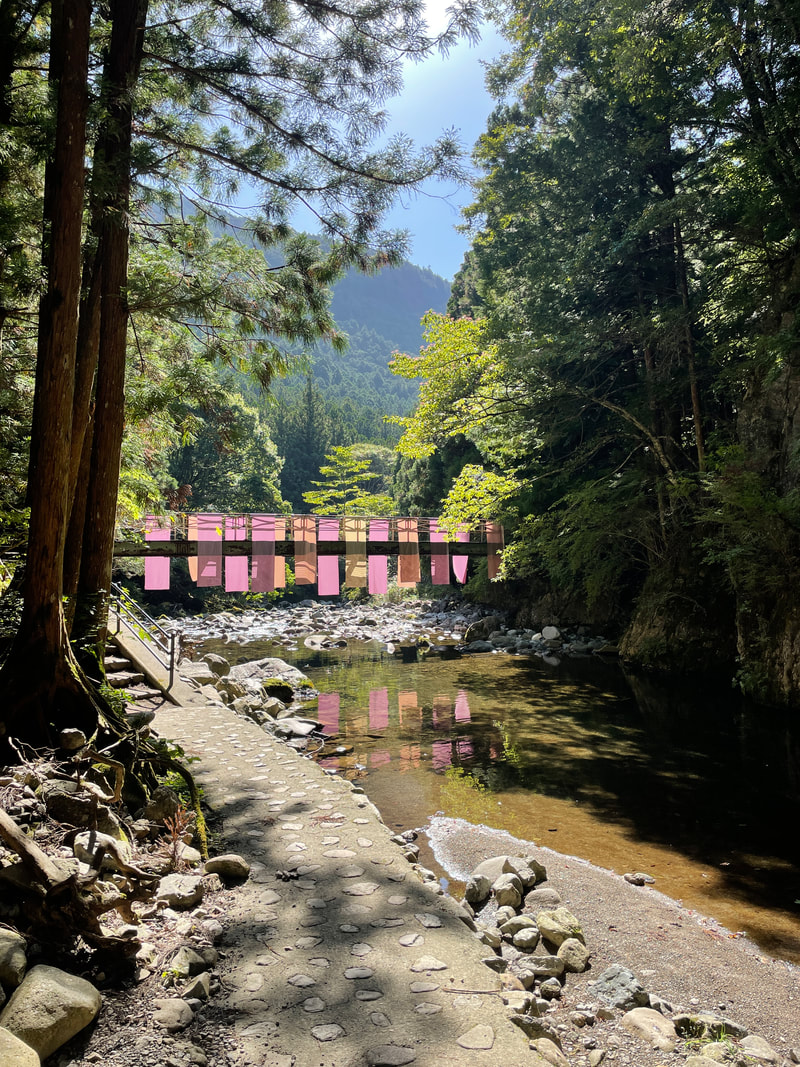
I originally came for the water. There were several interesting walking trails, streams and waterfalls to explore. Campsites lined some of the clear waterways, but on my visit I encountered rules intended to protect their cleanliness, including restrictions on riverside barbecues and campsites set back from the stream.
Many campsites felt too heavily developed for my taste. Their artificial appearance made me reluctant to stay.
On my first visit, an interesting, slightly eccentric older man I met on the road invited me to stay at his family home deep in the mountains. That saved me from searching for somewhere to camp after dark.
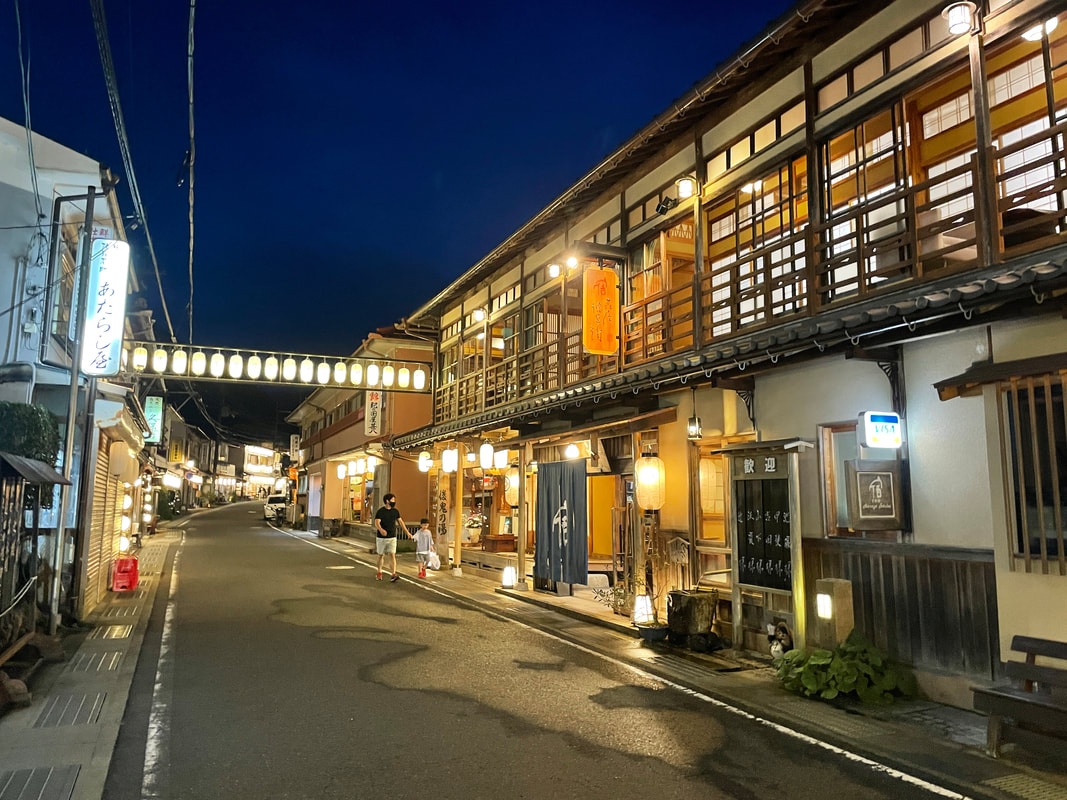
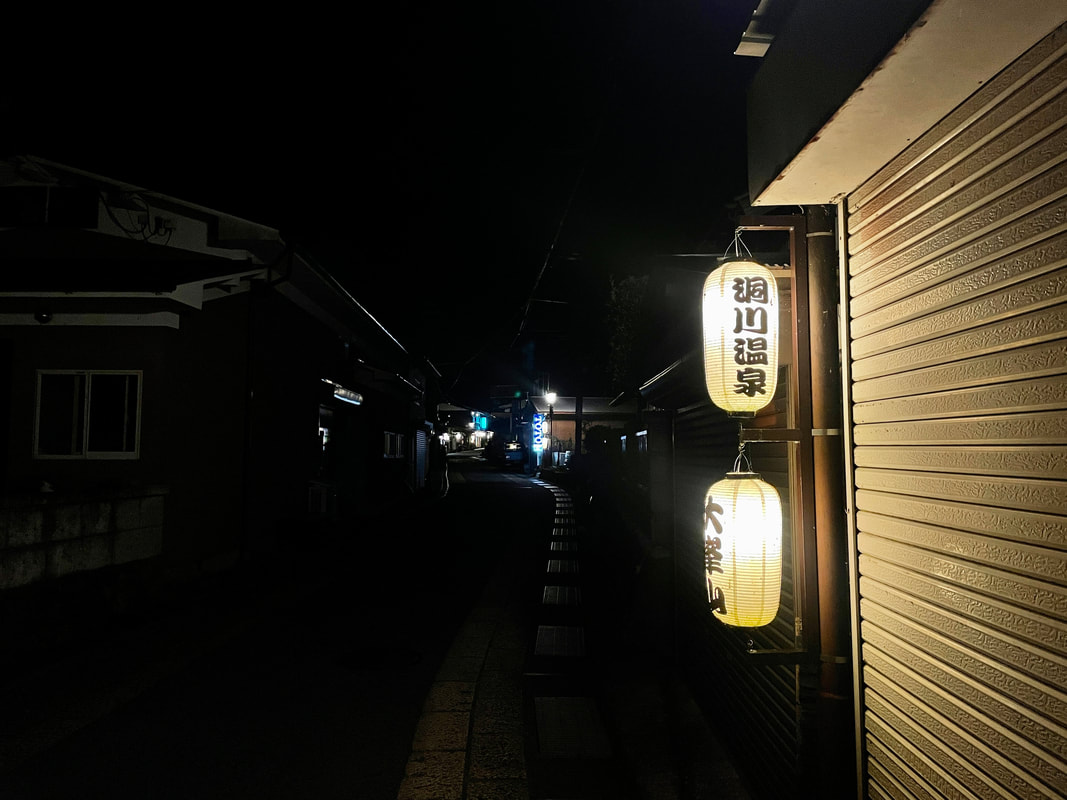
The next day, after exploring streamside trails and waterfalls, I visited nearby Dorogawa Onsen. A few things there caught my eye and planted the seeds of my next two visits.
Dorogawa’s Medicine and Mountain Legends
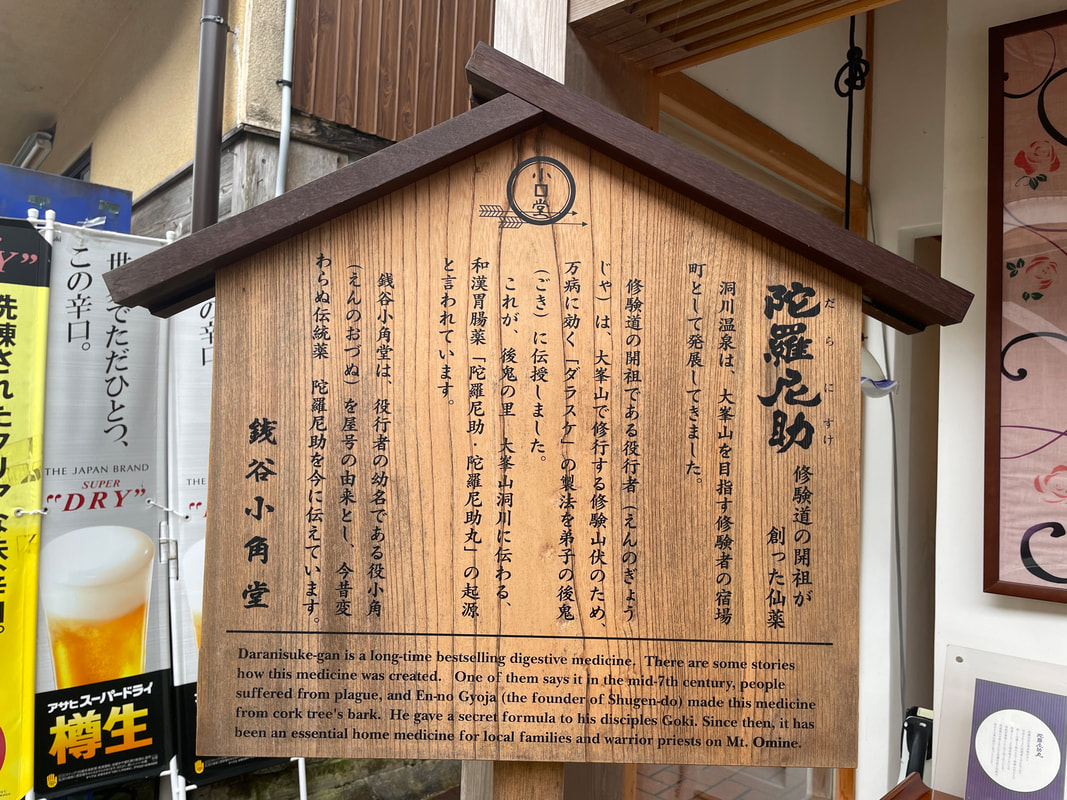
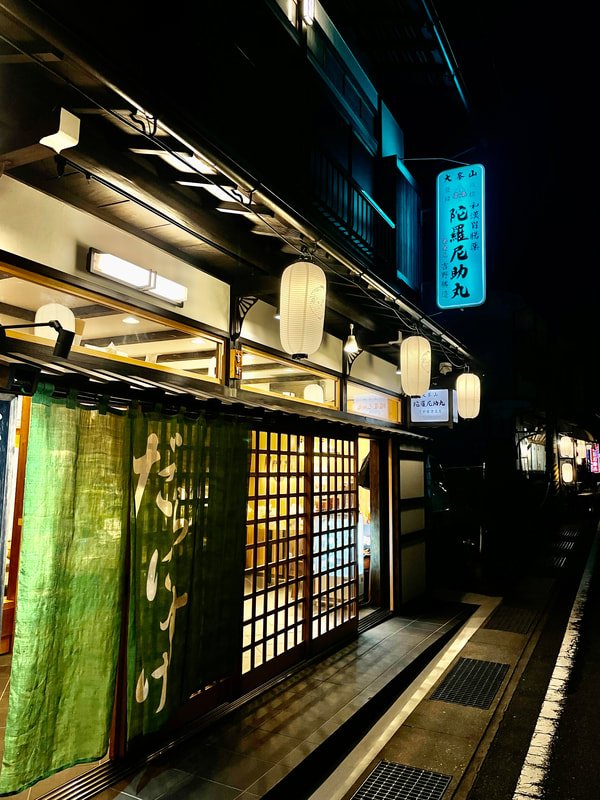
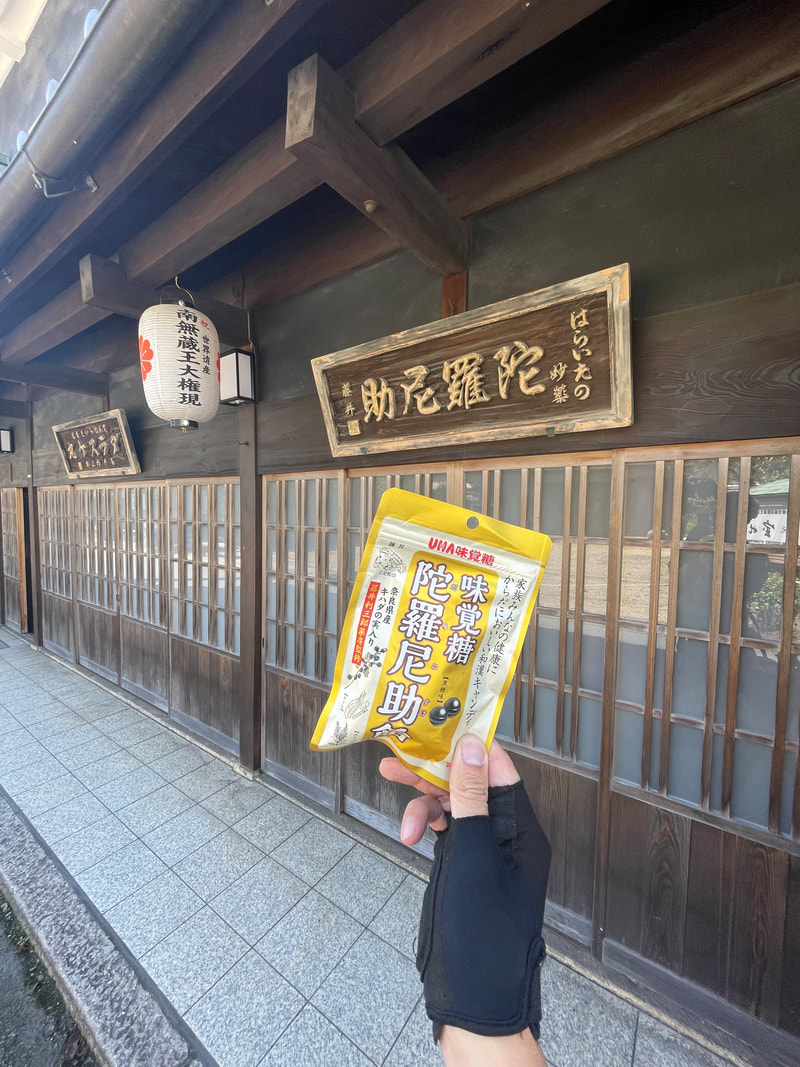
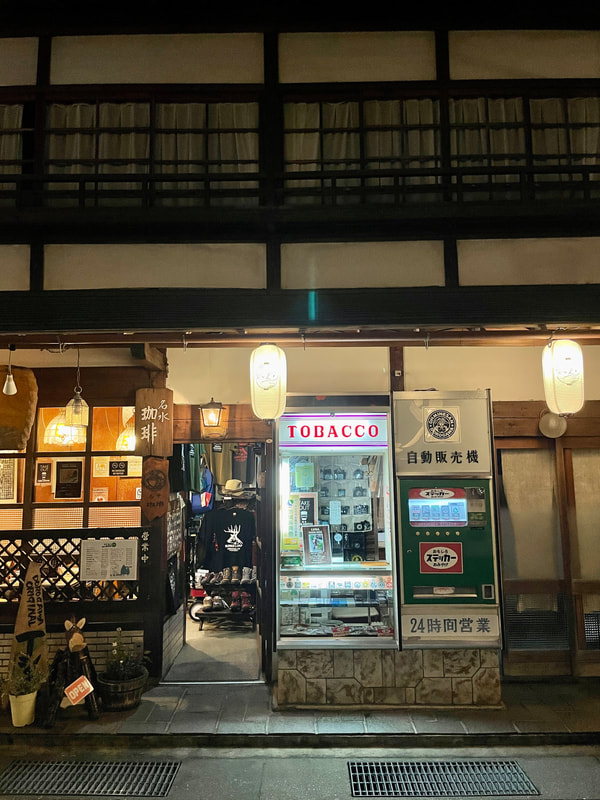
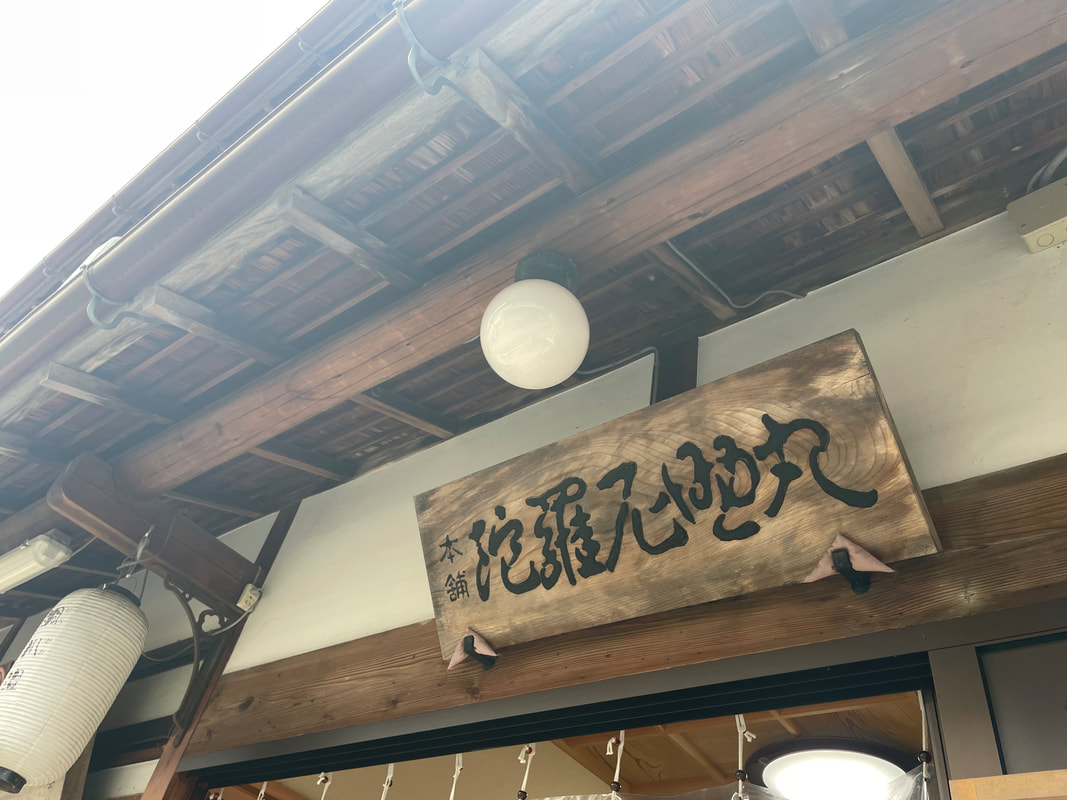
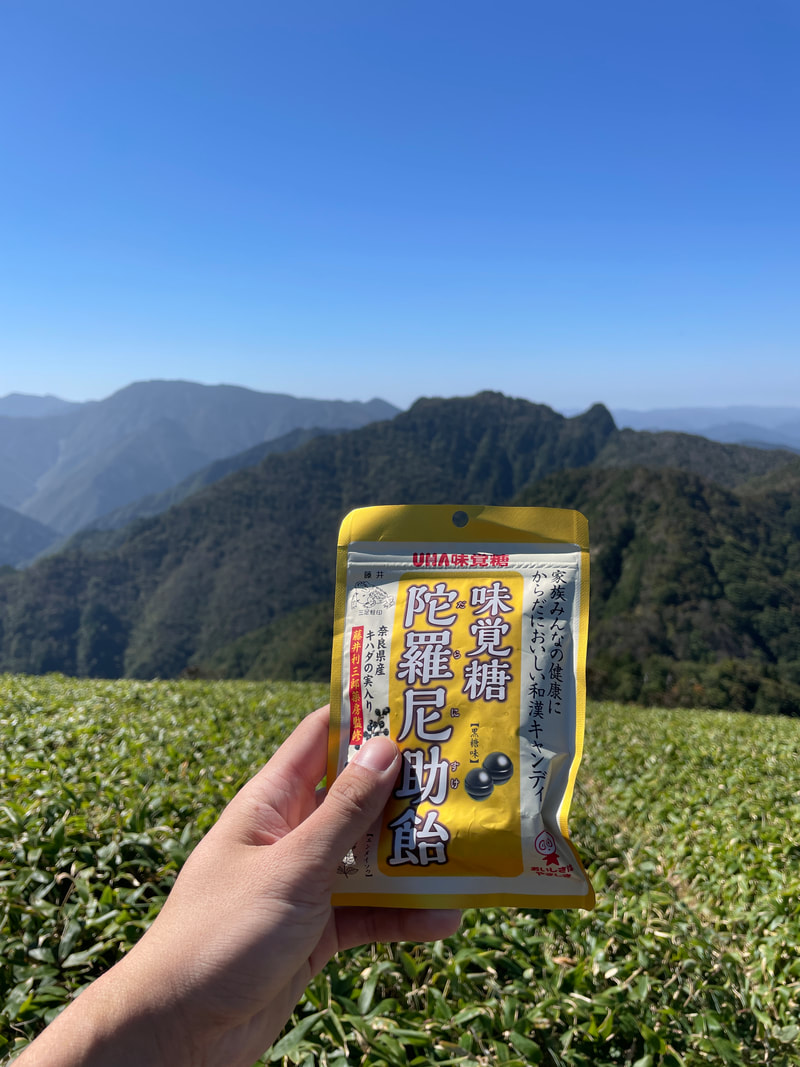
Along the hot-spring street, signs advertised the same old medicine, Daranisukegan. The story displayed there told of an epidemic long ago. Villagers became ill, and a mountain practitioner called En no Gyoja prepared a remedy using the bark of the Amur cork tree and other herbs. In the local narrative, the villagers recovered and the recipe was passed down for more than a thousand years.
This was the first time I had noticed the name En no Gyoja. At first, I assumed it was simply a title for a religious practitioner.
I saw the name again on a Dorogawa sign connected with a story about demons and hot springs. Japan has countless tales of supernatural beings, so I initially thought it was just another account of an ascetic subduing a demon.
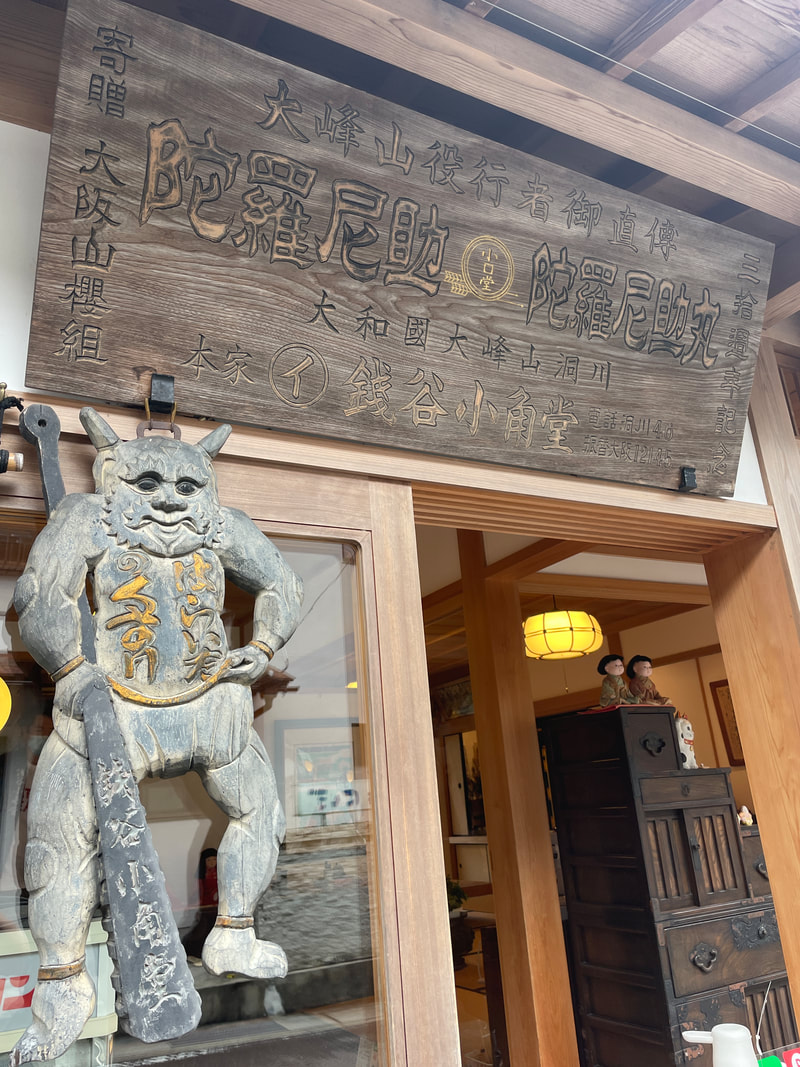
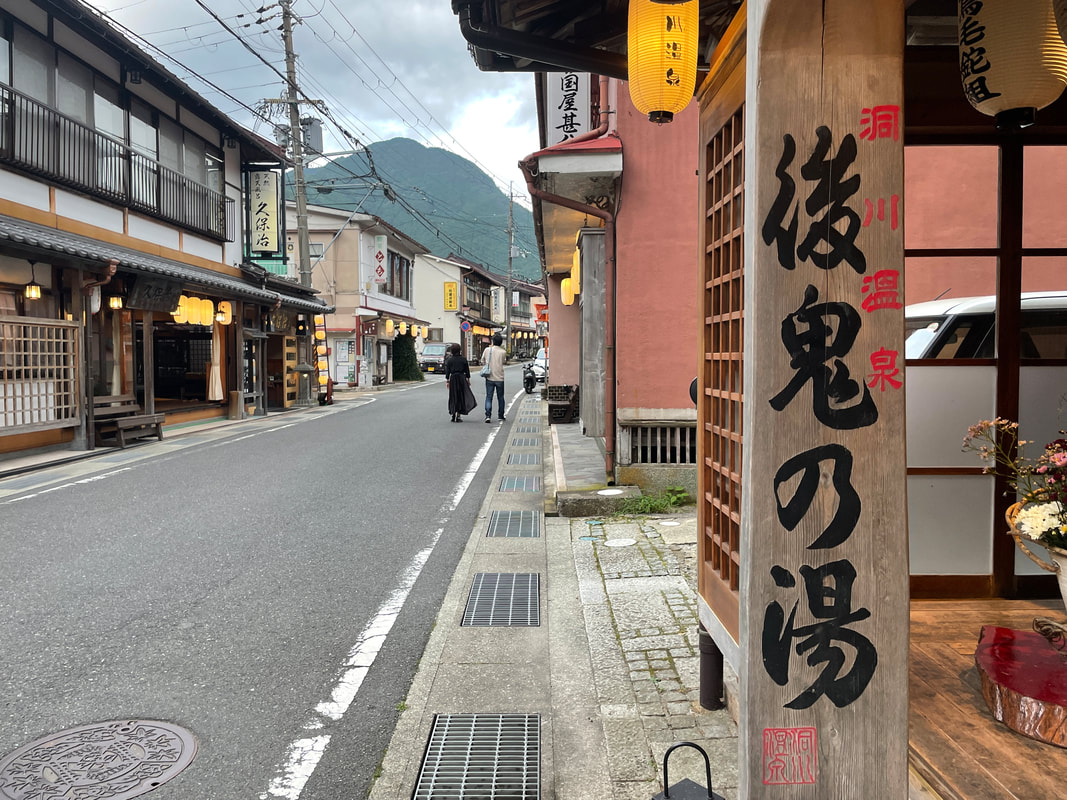
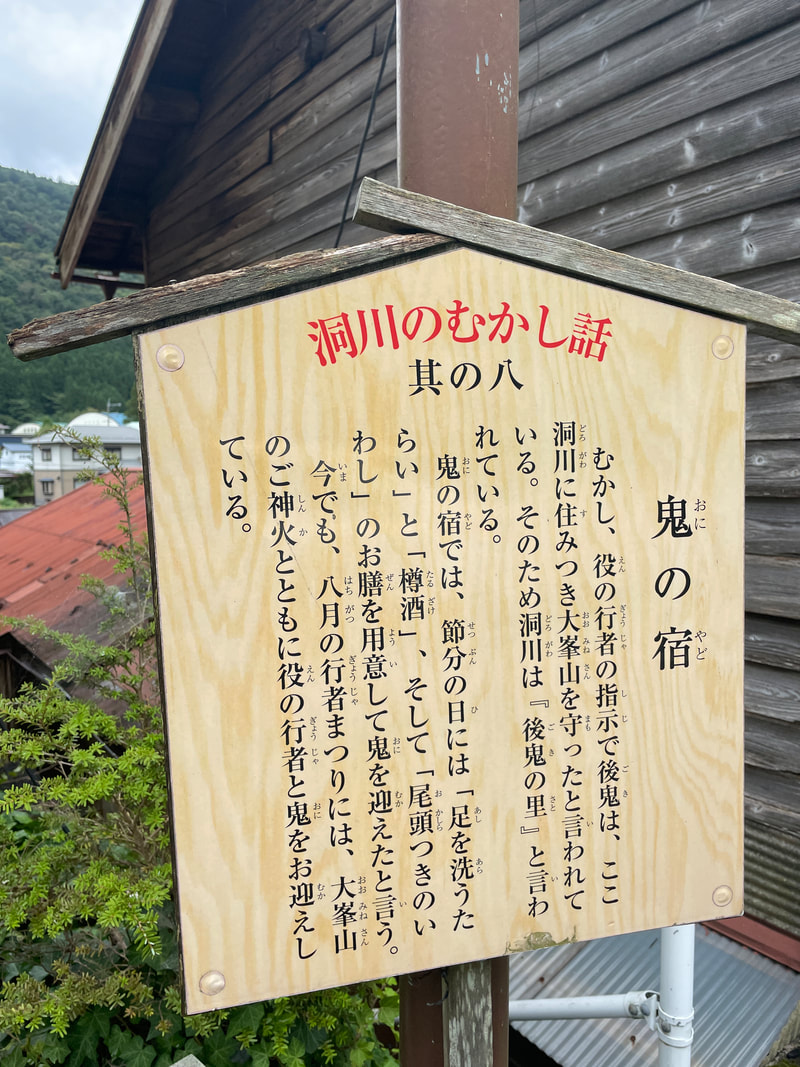
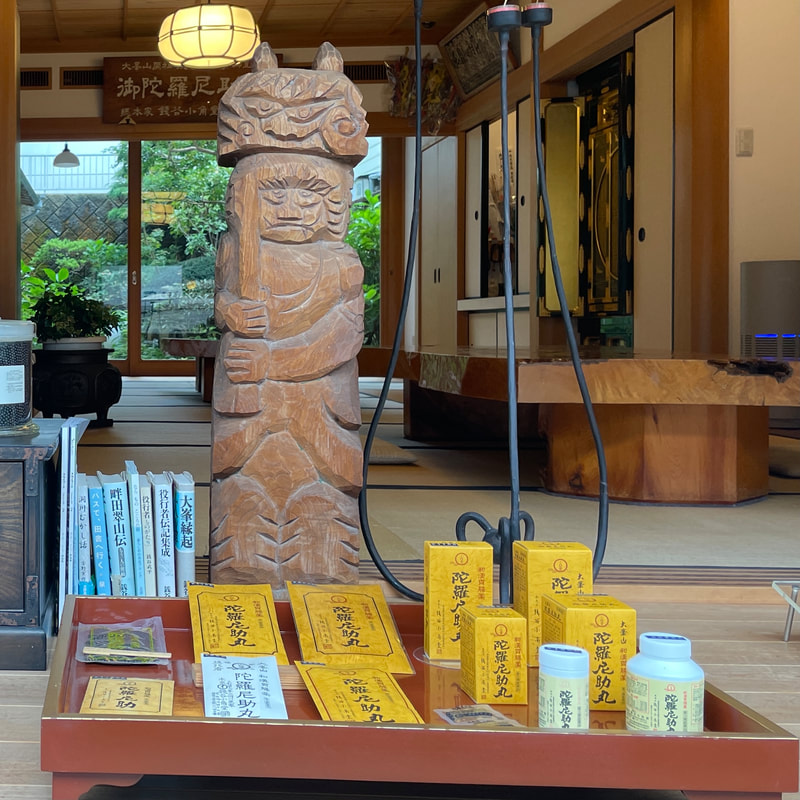
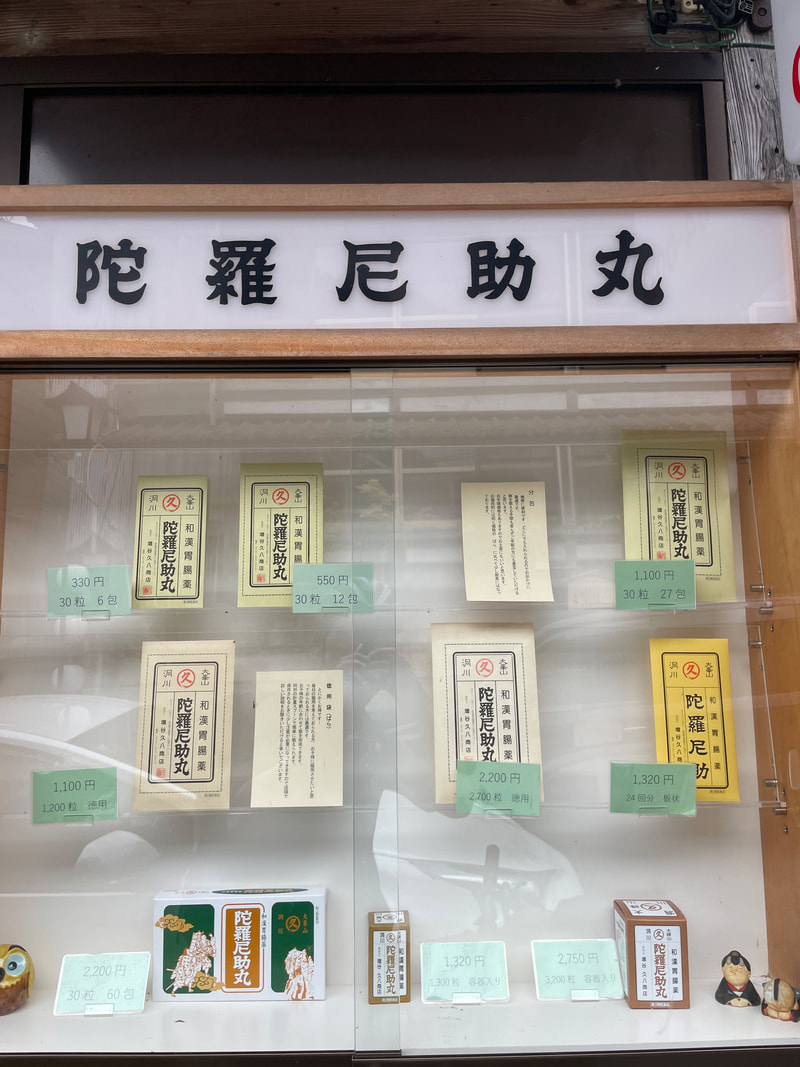
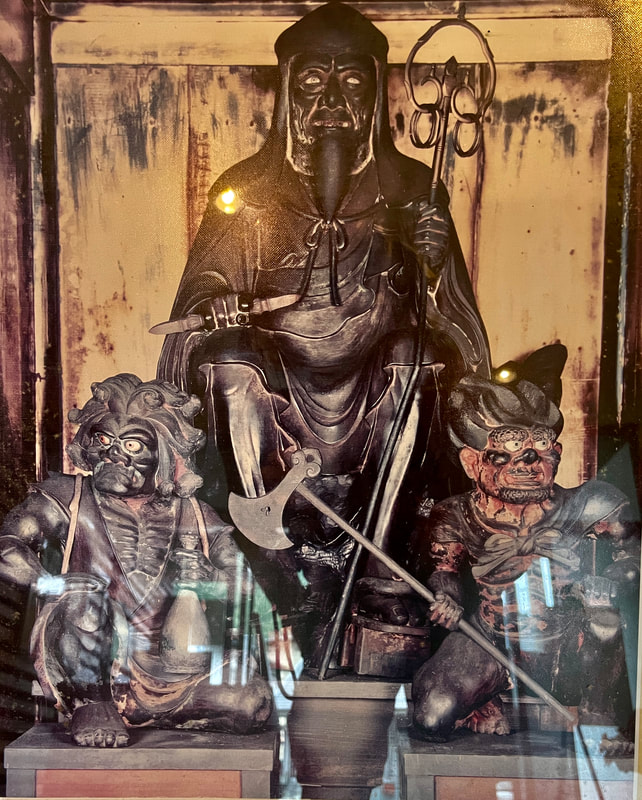
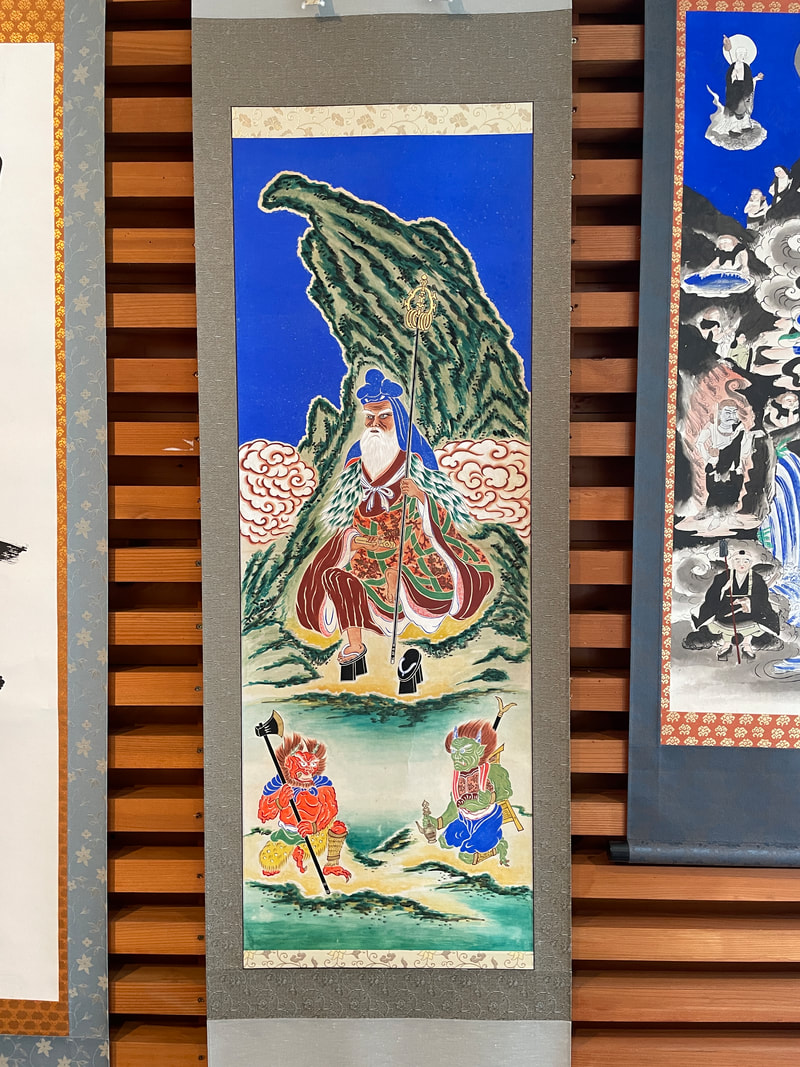
But then the names came together: Goki, Zenki and En no Ozunu. Anyone who grew up with the same anime as I did might remember Zenki. Its heroine, Chiaki Enno, is a descendant of En no Ozunu.
That connection completely captured my interest. The stories placed En no Ozunu’s training around Yoshino, Kumano, Osaka’s Mount Kongo and Mount Omine. These were no longer just names from a childhood anime; they were connected to the landscape around me.
A Tradition That Raised Difficult Questions
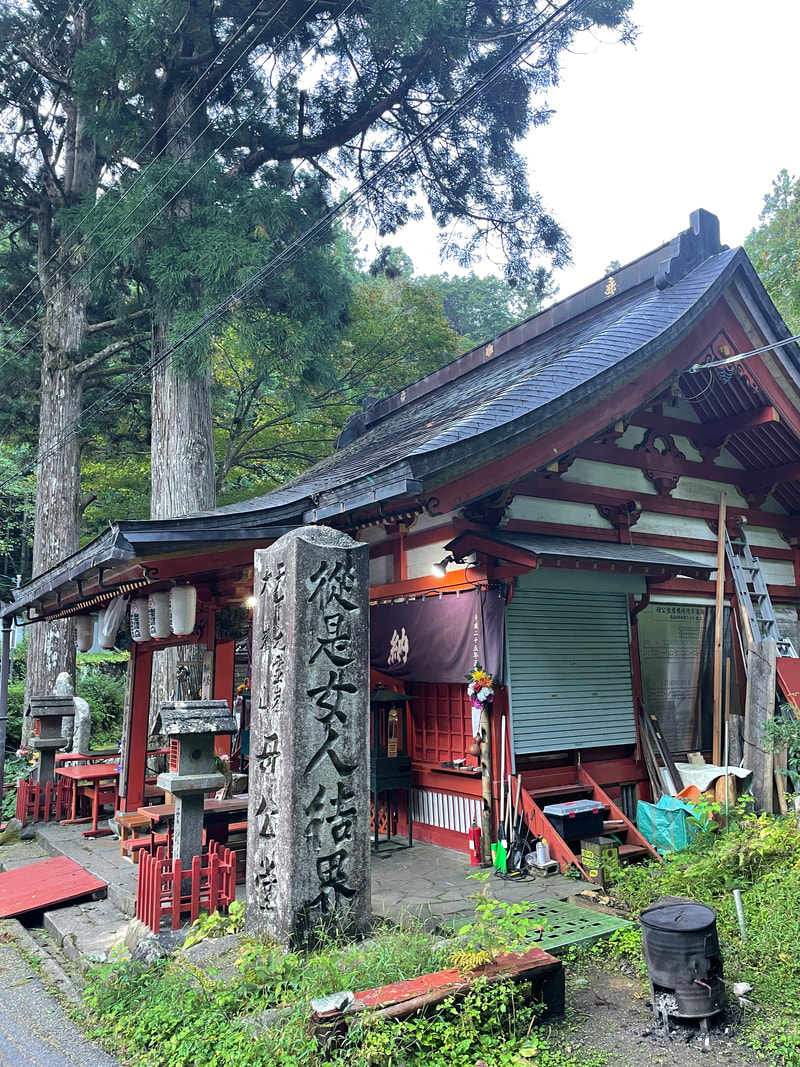
One local story related that En no Ozunu’s mother came to visit while he was training on Mount Omine. Concerned about the steep terrain and her safety, he asked her to wait below. The account I encountered connected that story with the later custom of excluding women from the mountain, a tradition said to have continued for centuries.
The original also recounted a story of Minamoto no Yoshitsune leaving his wife below while fleeing his brother Yoritomo, after which she was captured. I understood these as stories surrounding the mountain rather than independently verified historical explanations.
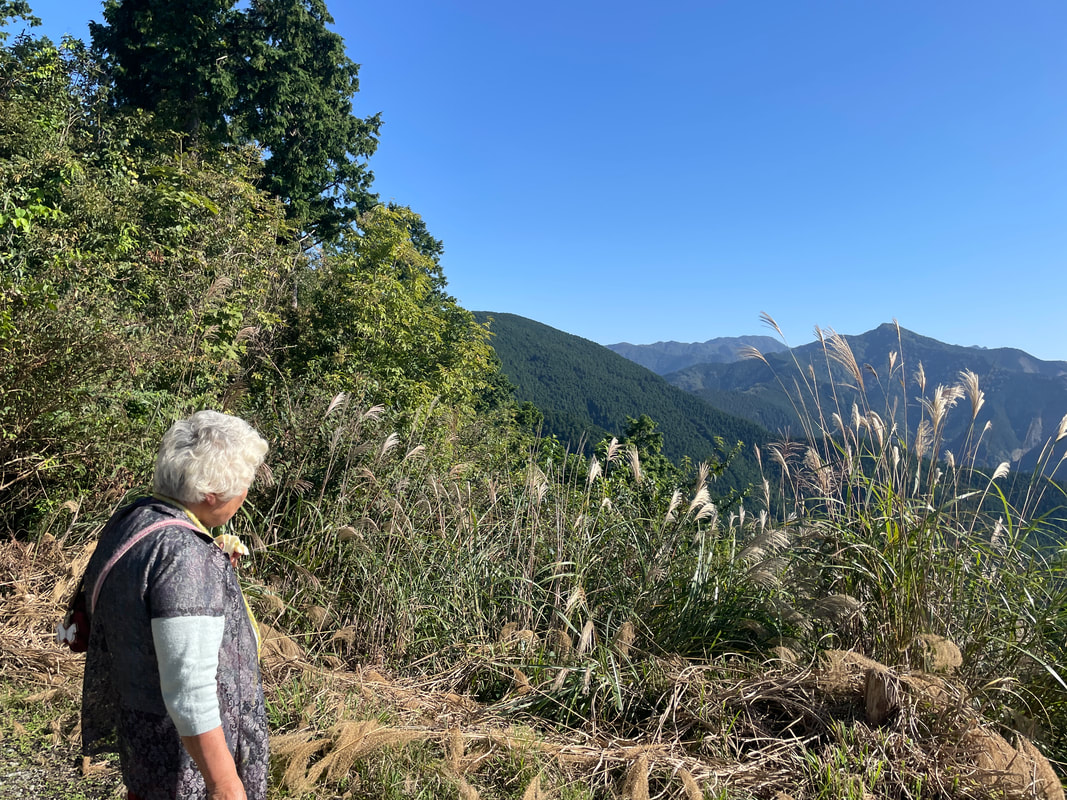
An older woman I met told me that when she hiked in the area fifty years earlier, she had not dared cross the boundary excluding women. The author’s original account described this peak as exceptional in retaining the restriction.
Third Visit: Finally Hiking Omine
A mountain with so many stories was one I wanted to explore on foot. My second weekend in Tenkawa brought poor weather. Early the next morning, I packed the tent before heavy rain arrived and returned to Osaka.
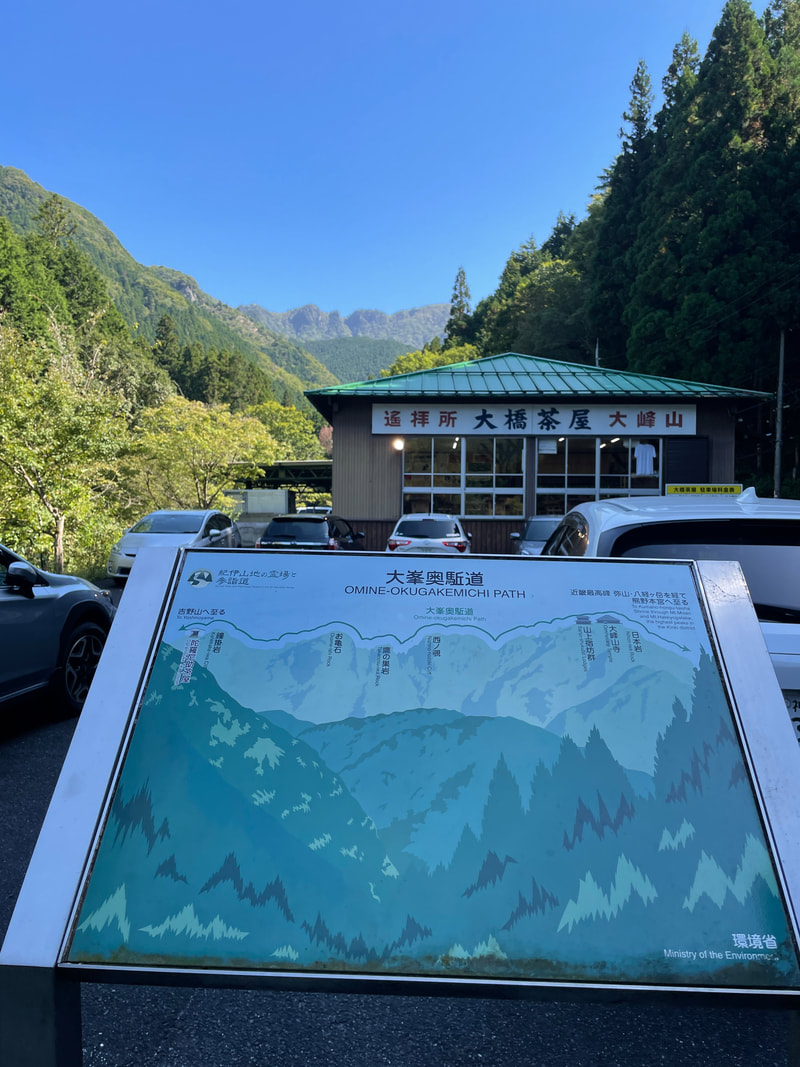
I finally made the hike on my third visit. After packing, I left the gear I did not need at the campground and rode to the trailhead. I also took care when parking the bicycle. A remote mountain village is no reason to assume a bike cannot be stolen.
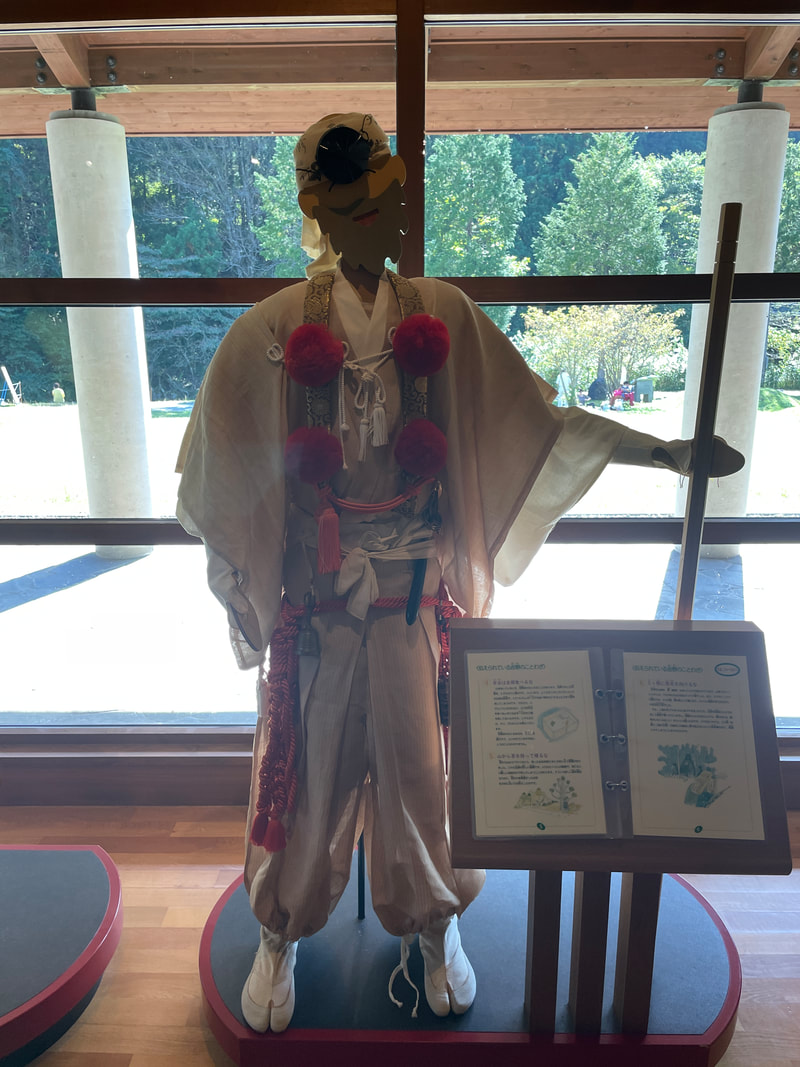
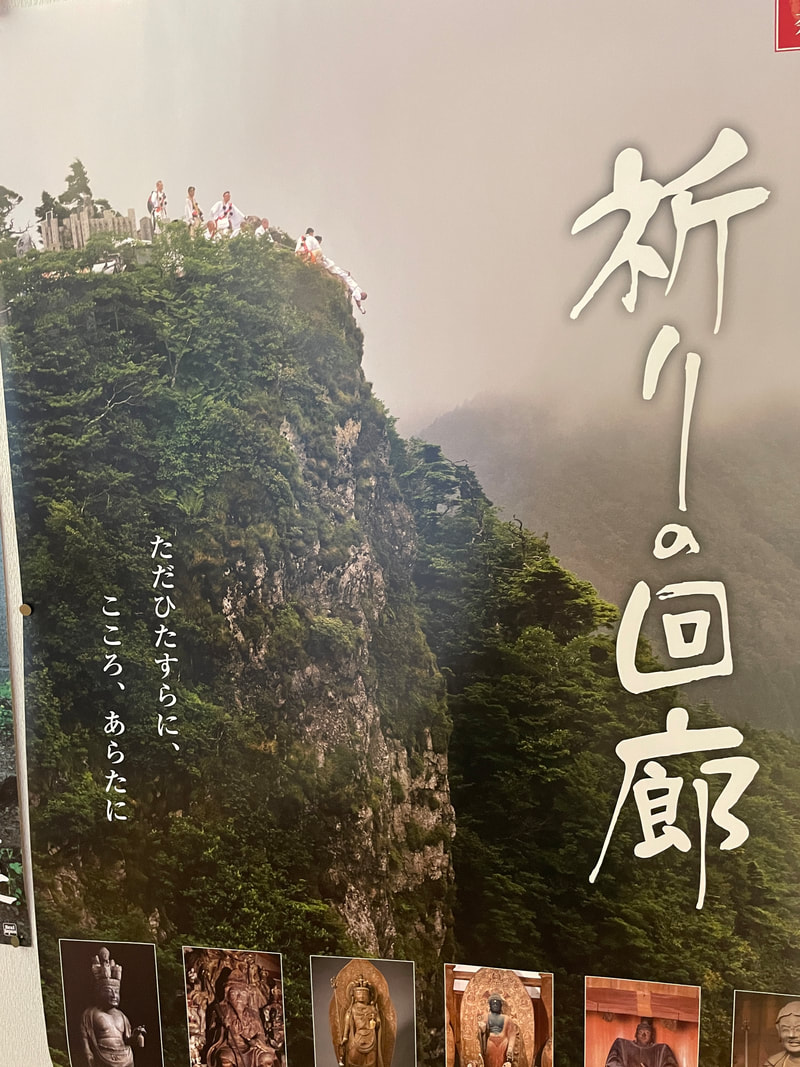
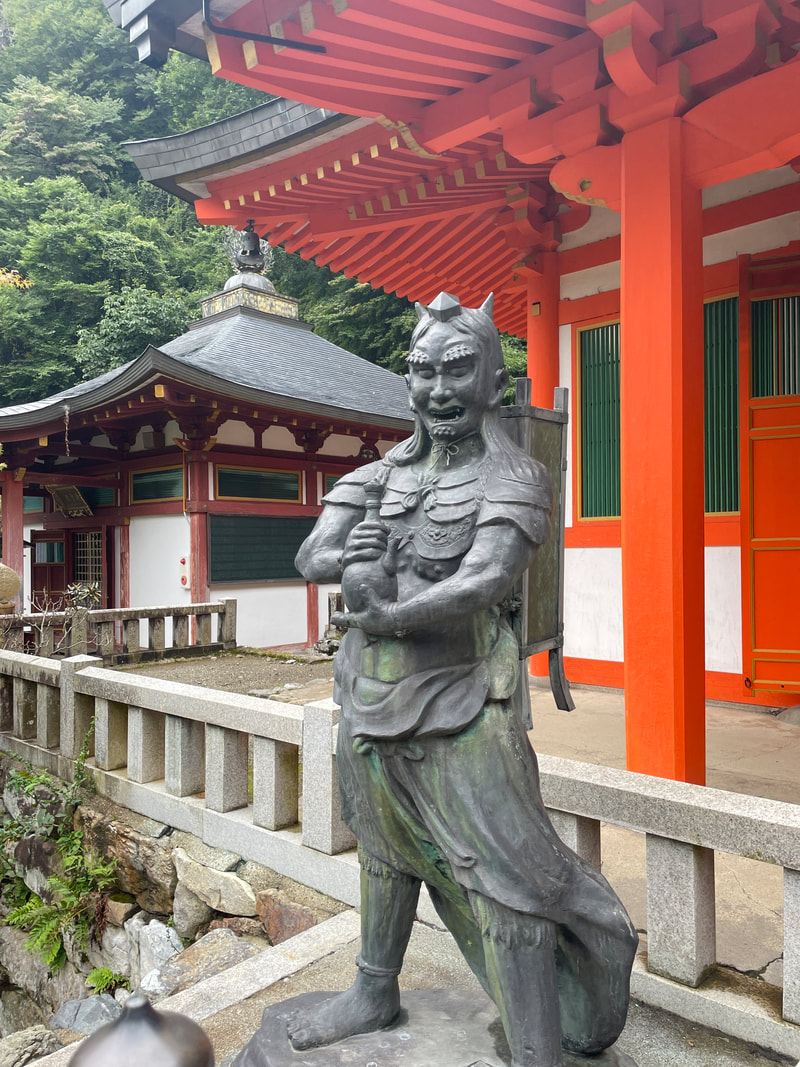
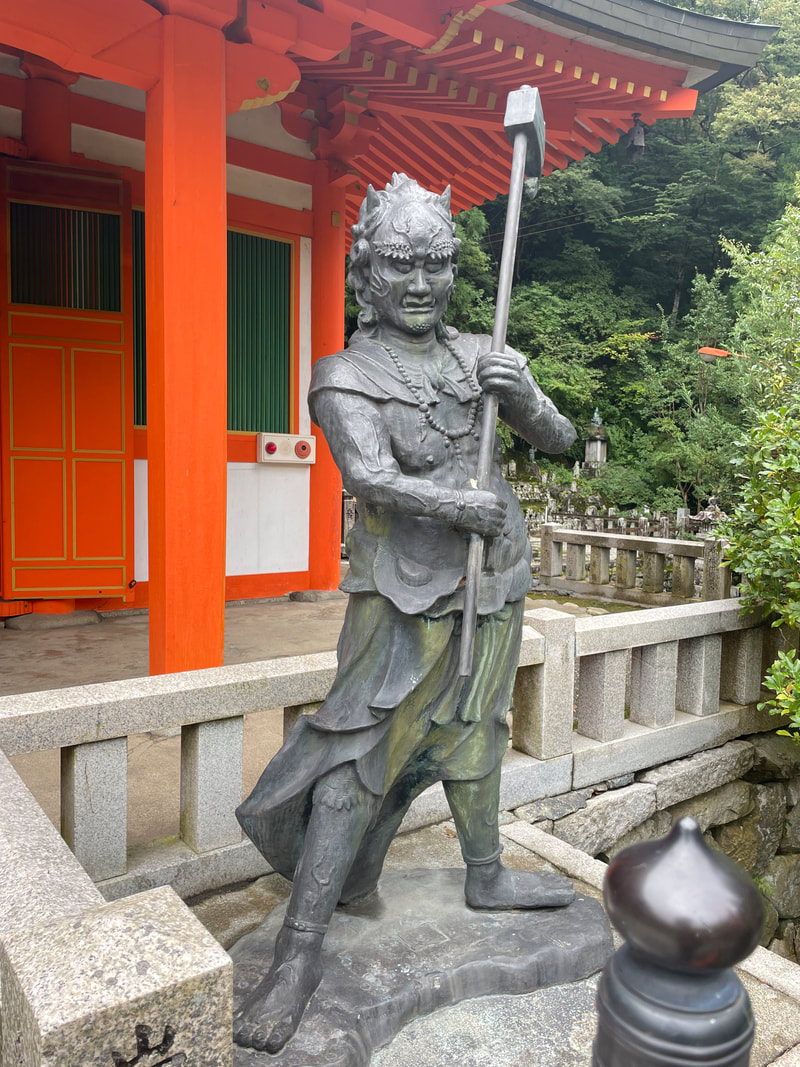
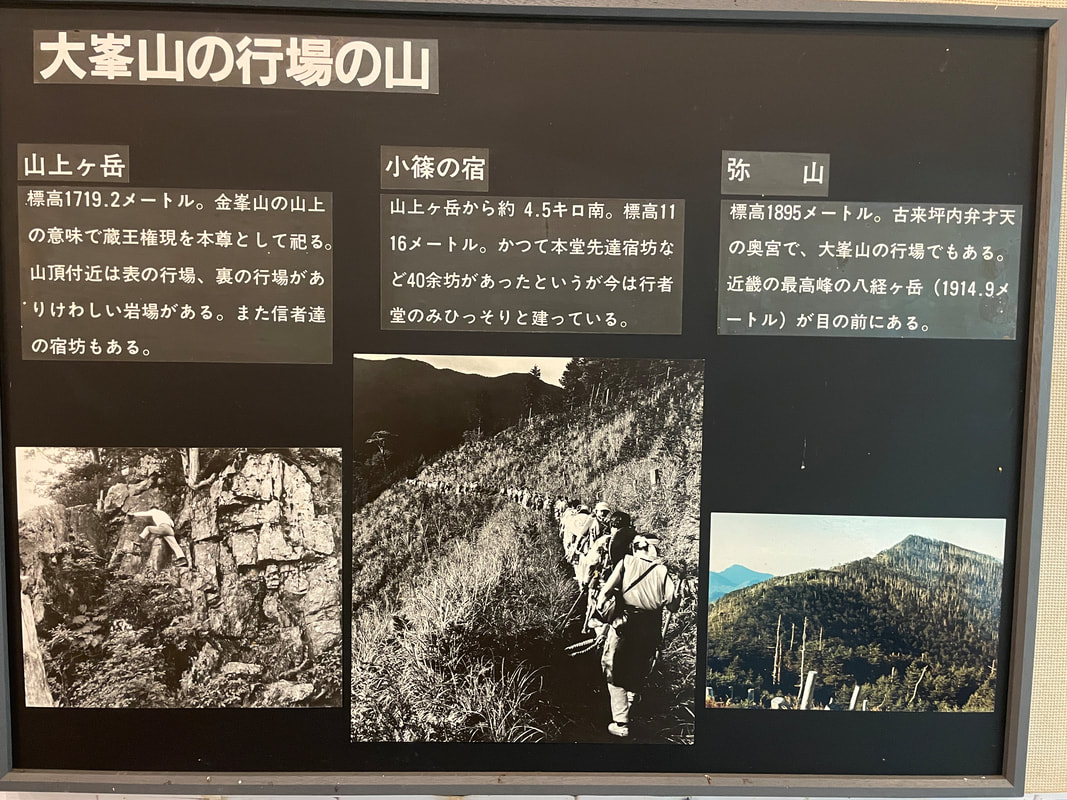
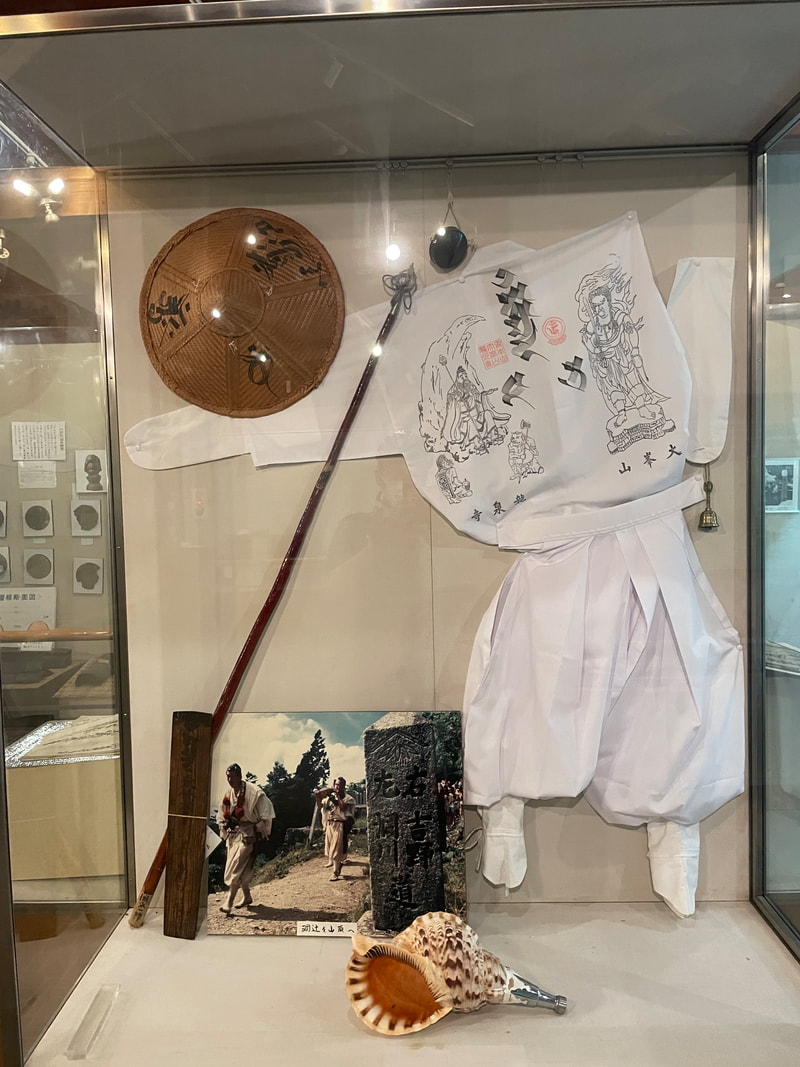
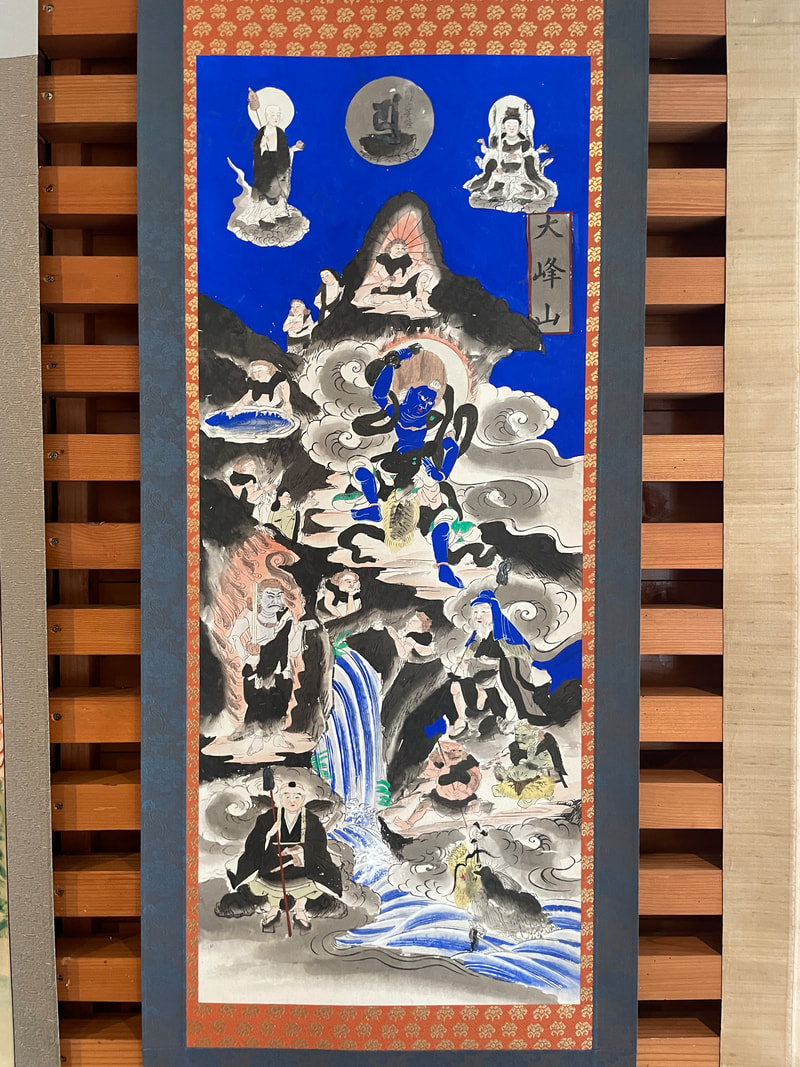
The route looked manageable to me, with a return time of around four hours, perhaps three and a half at a quicker pace. Still, this was an old mountain training route, and I took out hiking insurance before setting off.
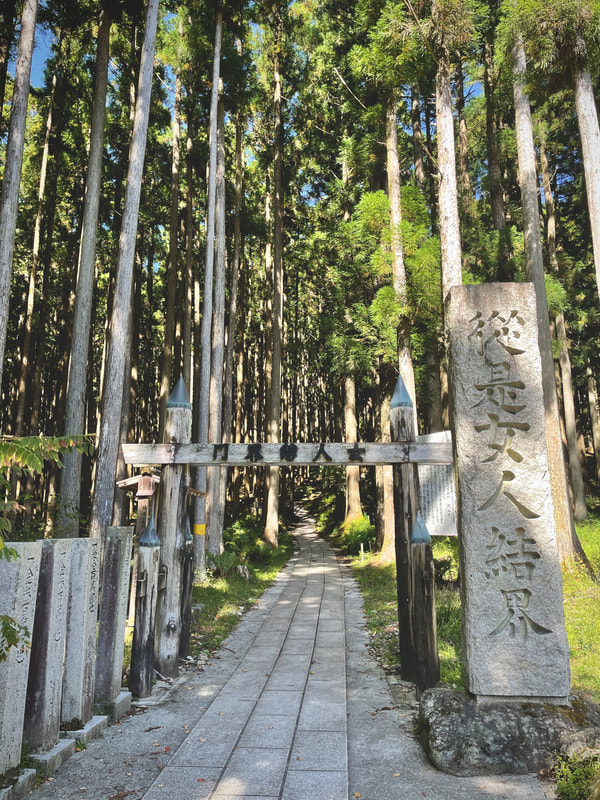
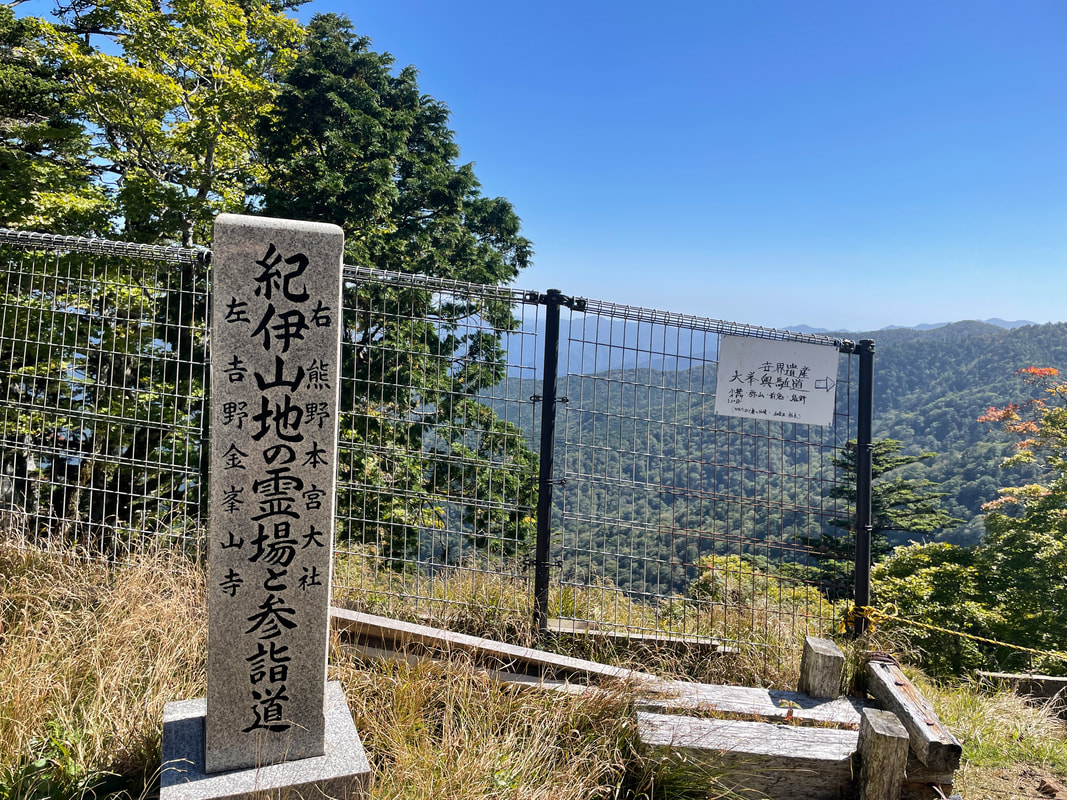
The boundary sign excluding women appeared immediately at the entrance. Passing it brought the complicated feelings described above.
On the trail later, I found myself thinking about how an act described as concern for one person’s safety could develop into a tradition preventing half the world from setting foot on a mountain. The woman had also told me, with a little mischief, that she had once secretly put one foot across the line. It sounded endearing, yet I wondered whether the restriction had remained a lasting disappointment for someone who loved the mountains.
Forest Paths and Places of Practice
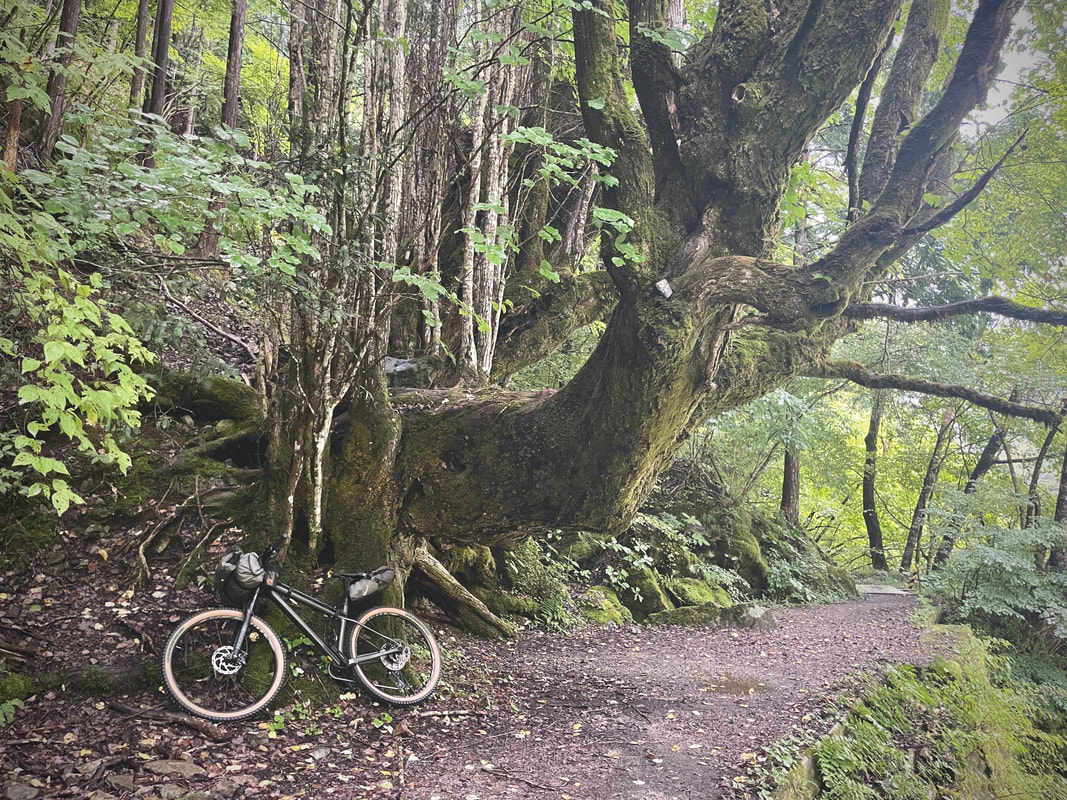
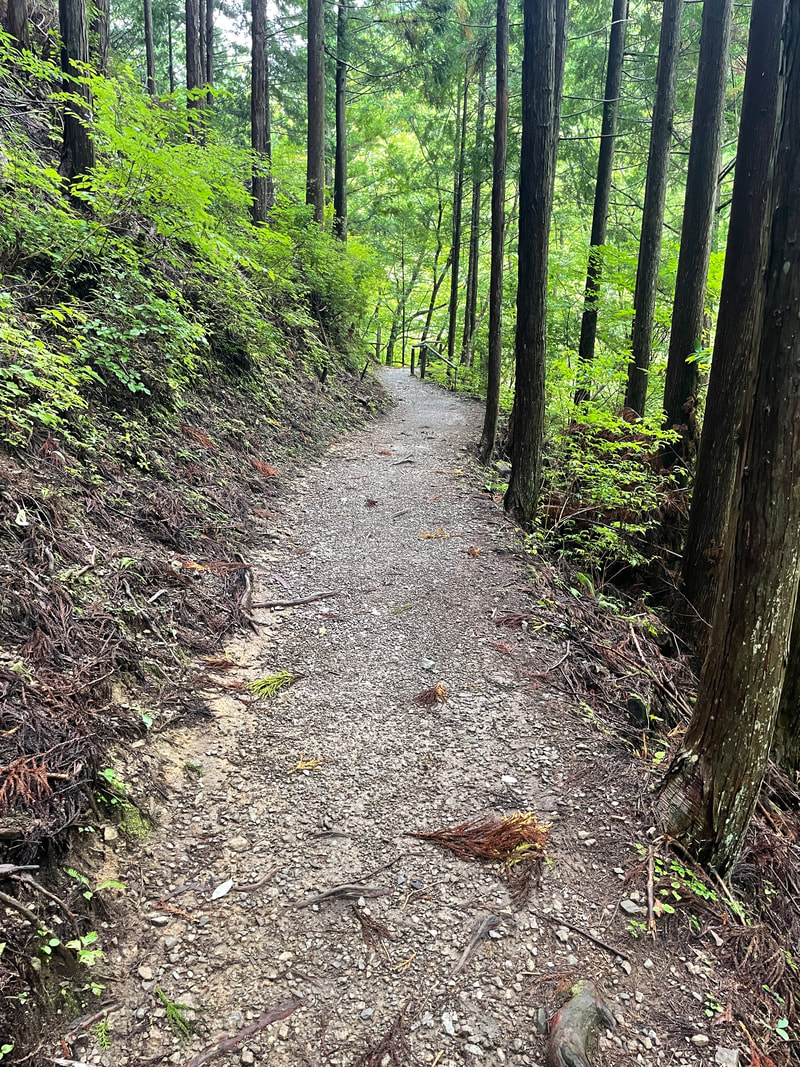
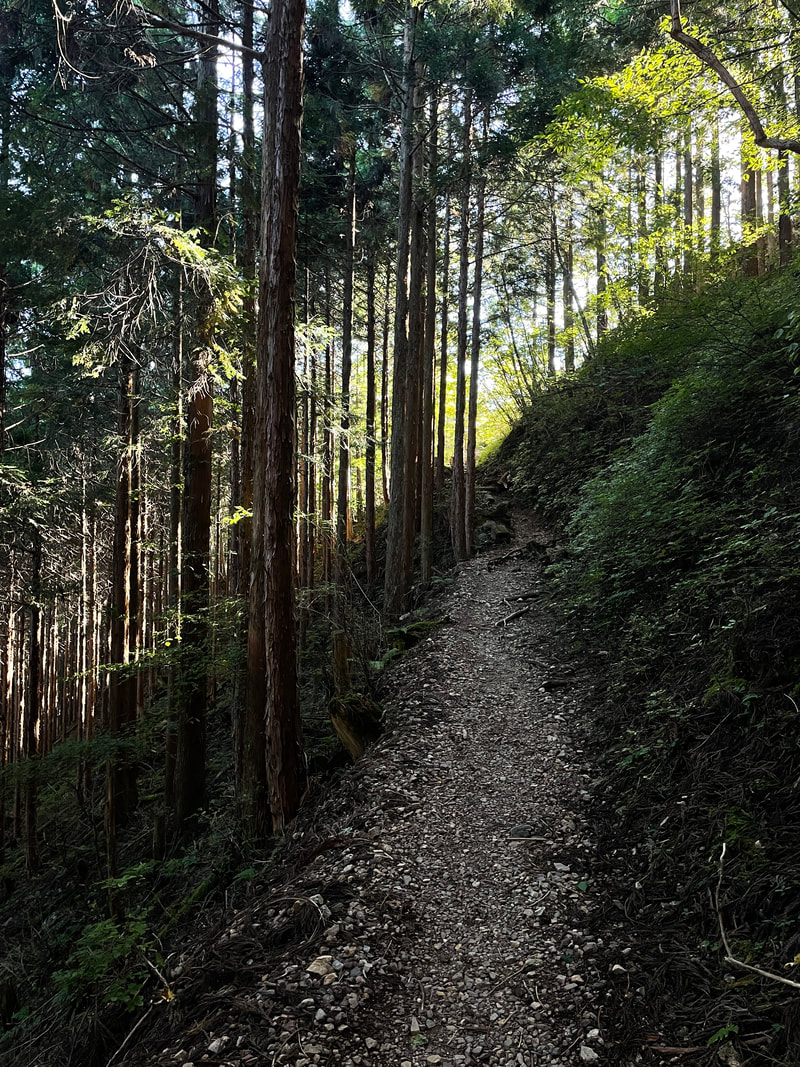
The hike began in comfortable woodland, with sunlight filtering through the leaves. It hardly felt like a place for austere training. Living there almost seemed as though it might be pleasant.
On the route I followed, I did not find particularly difficult terrain or severe climbs. Centuries of maintenance appeared to have made the approach comfortable. Several tea houses stood along the way, all closed. I wondered whether they opened only on particular pilgrimage or training days.
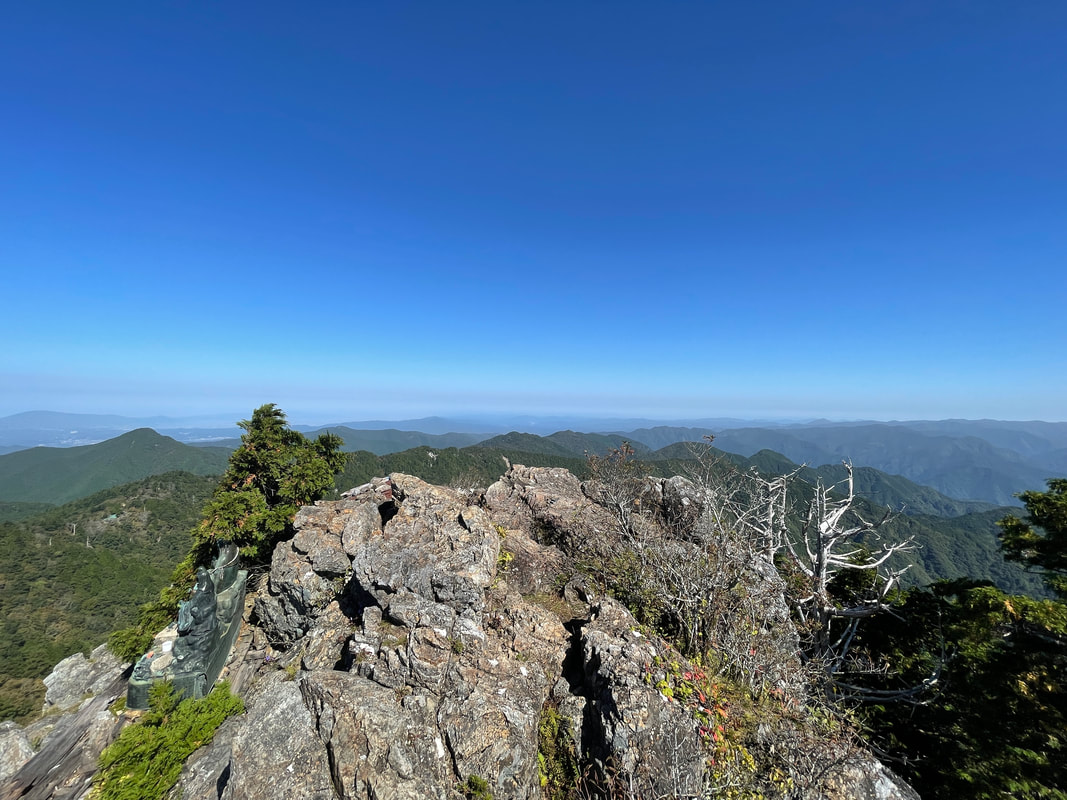
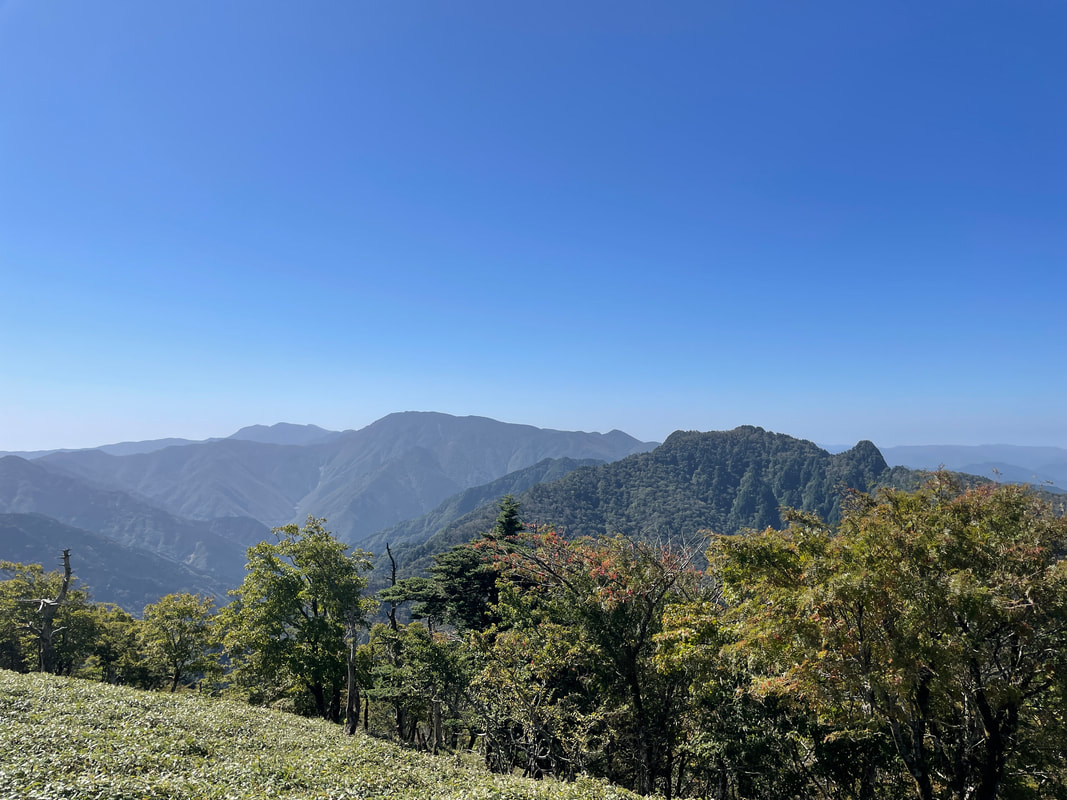
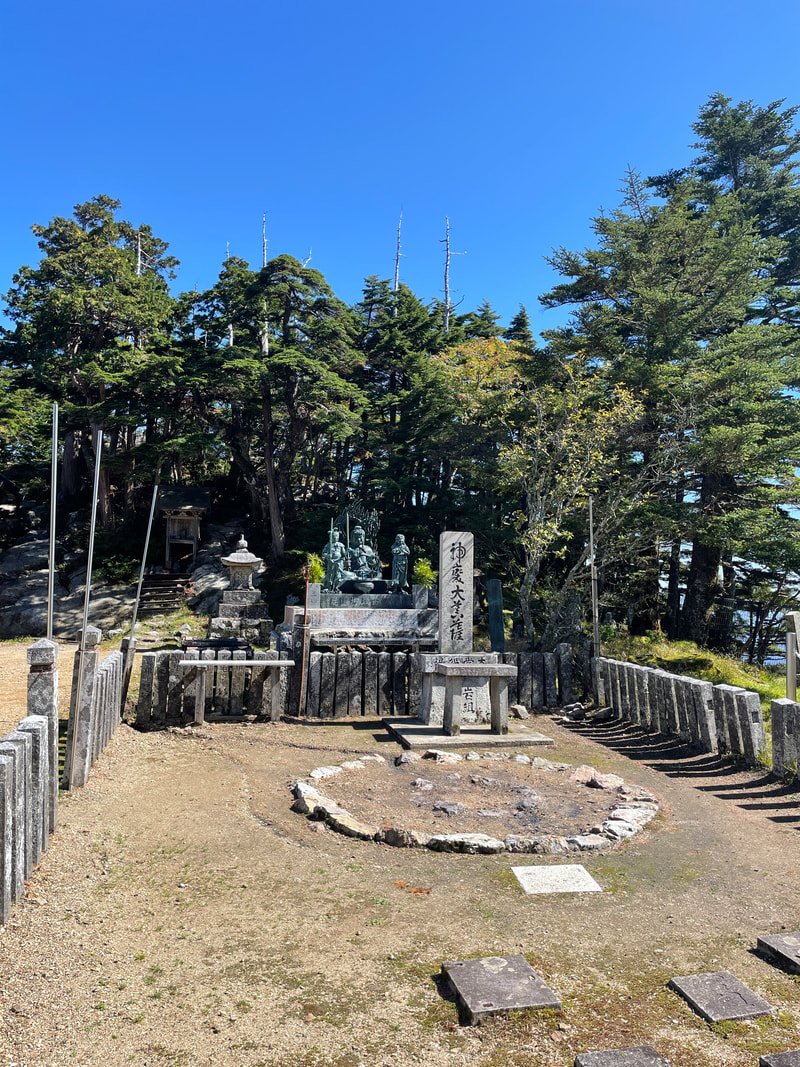
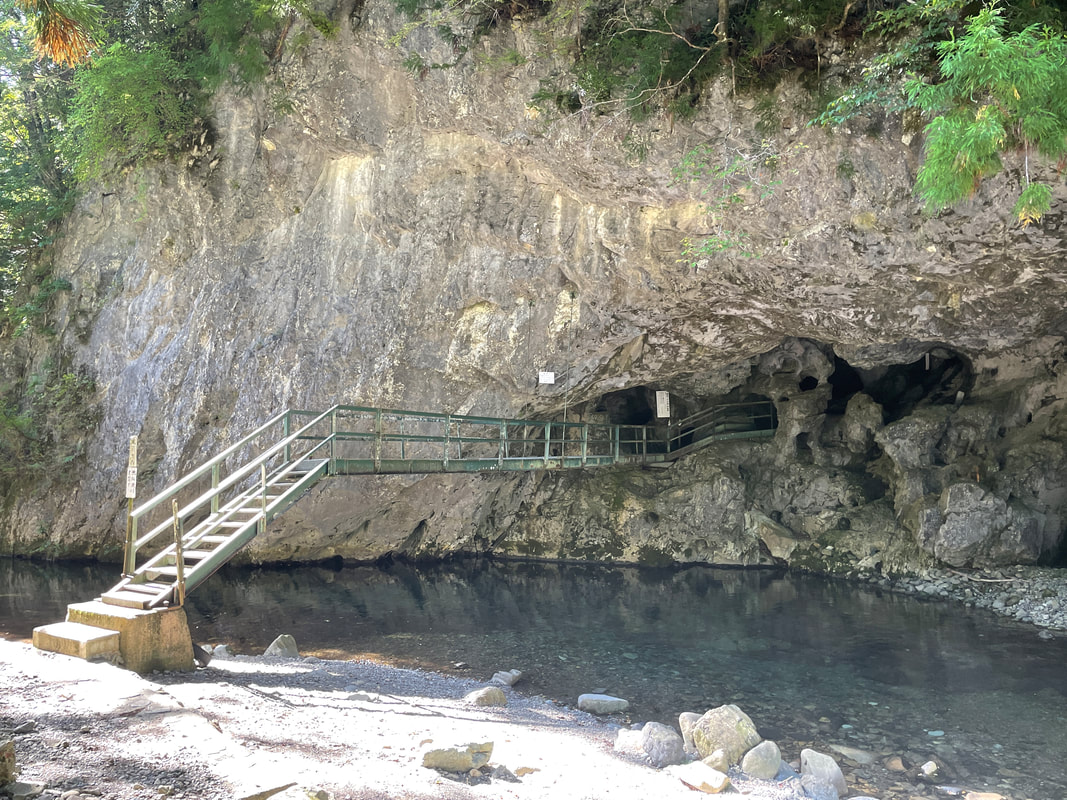
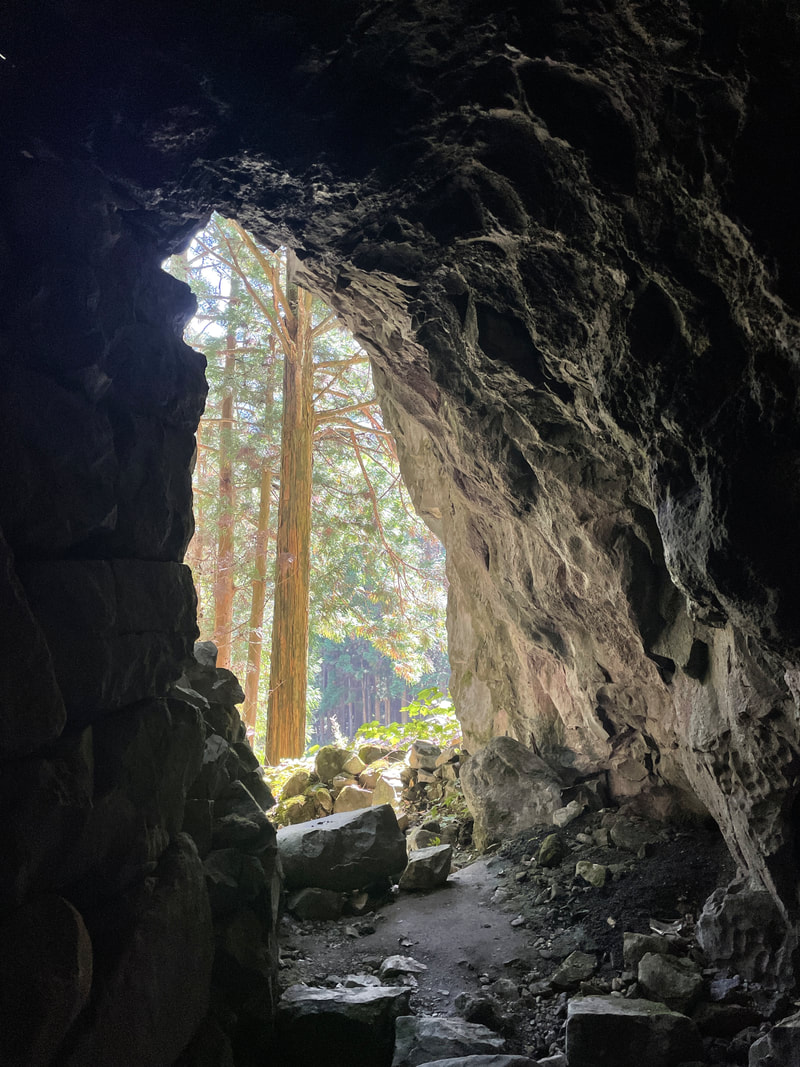
Near the summit, the rock walls finally gave me a stronger sense of the mountain’s ascetic traditions. Some harder routes were closed; the open sections had chains for assistance. Those were enough for me. I was happy to leave more serious climbing to people who actively sought it.
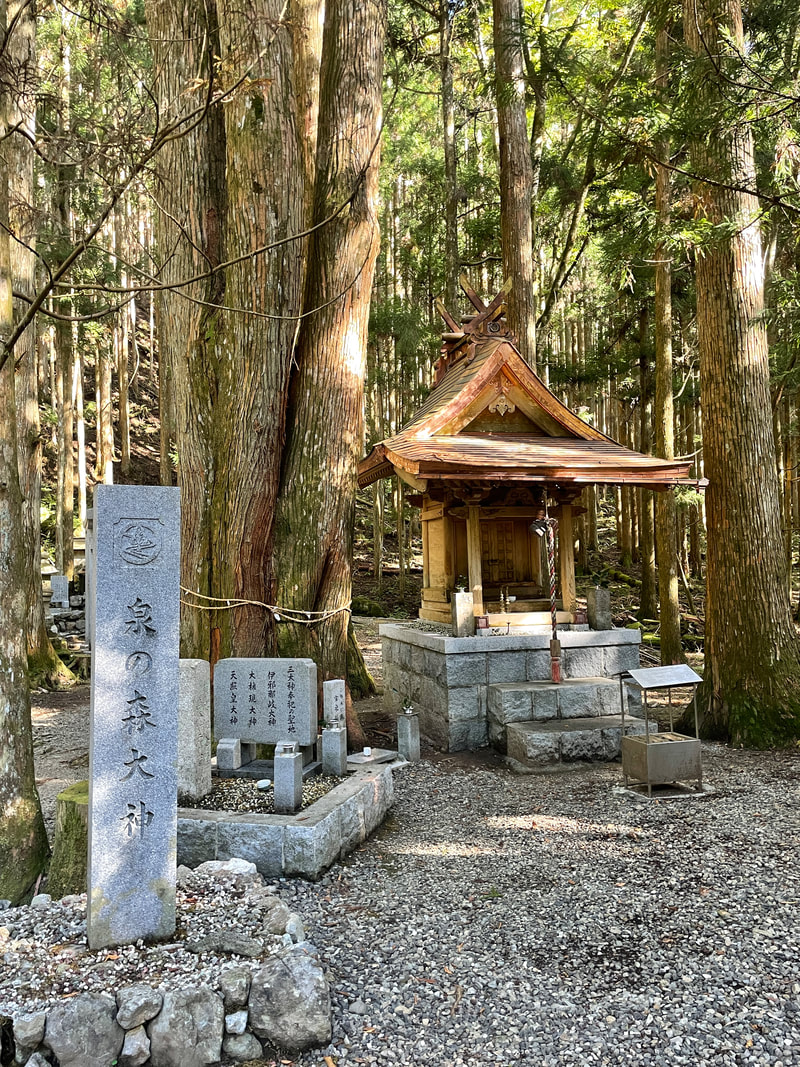
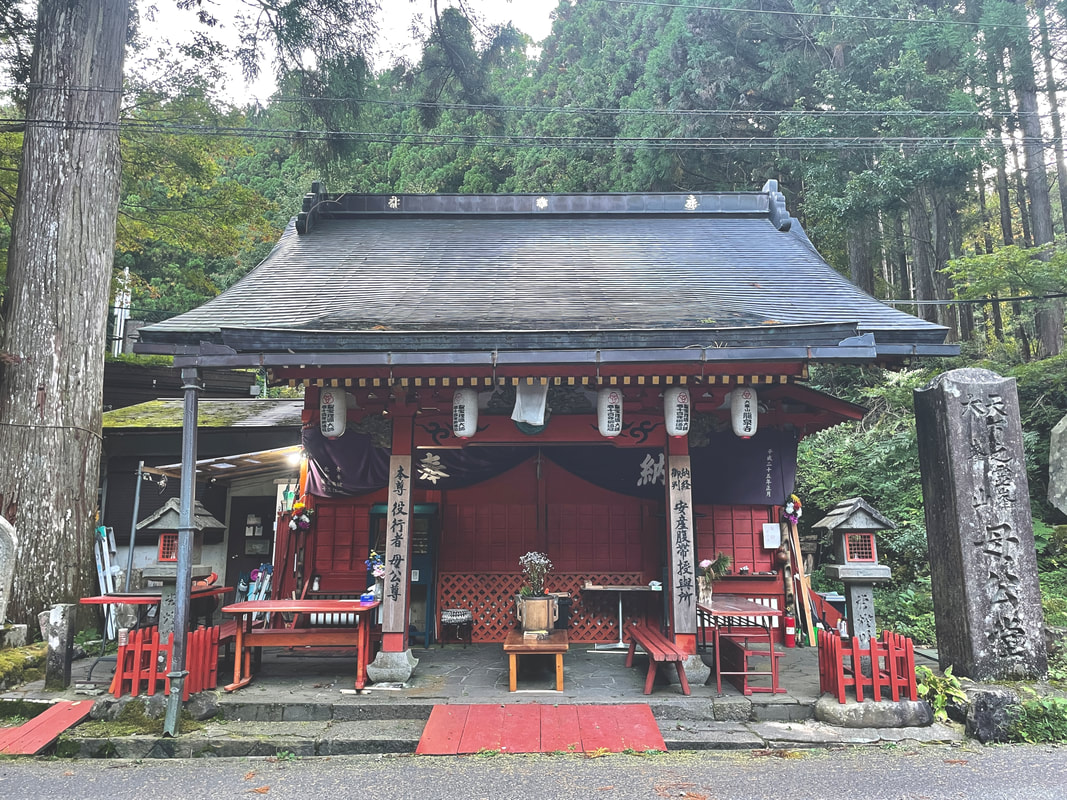
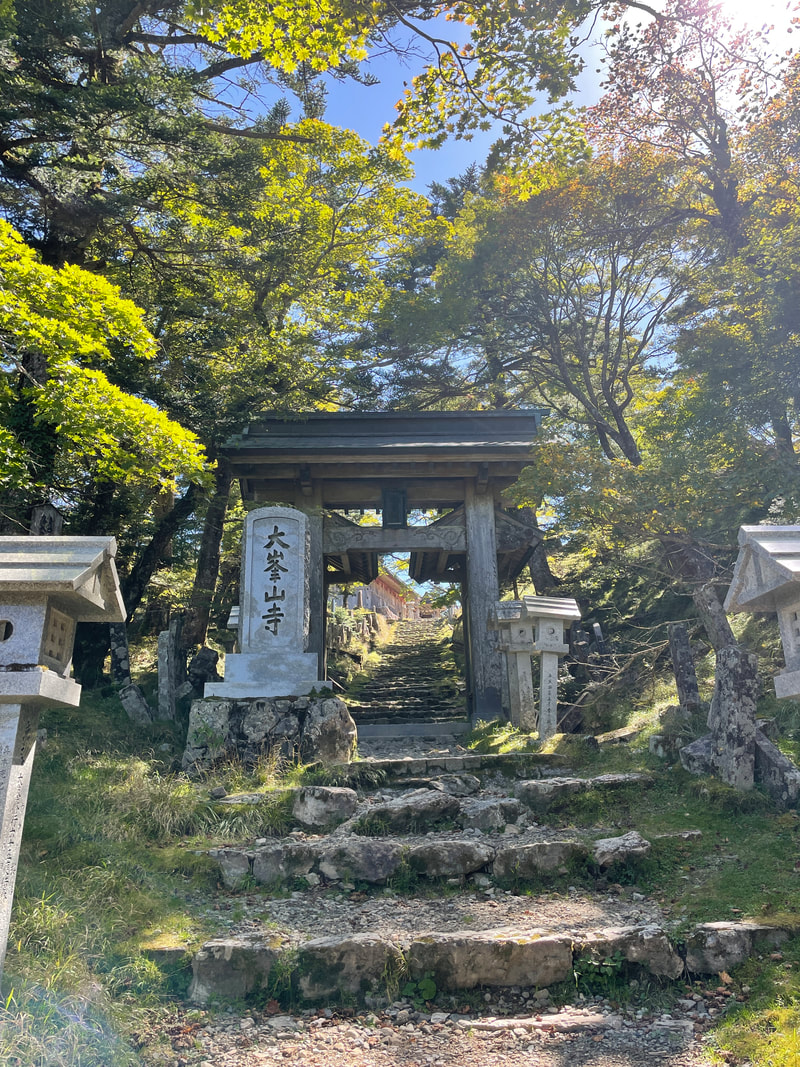
Near Ominesanji Temple was a place called Nishi no Nozoki, associated with a ritual involving suspension over a cliff. The equipment and warning sign made an impression on me. The sign cautioned people who lacked confidence in their courage or health, and those afraid of heights, against attempting it. This is a hazardous religious practice, not an activity to imitate independently.
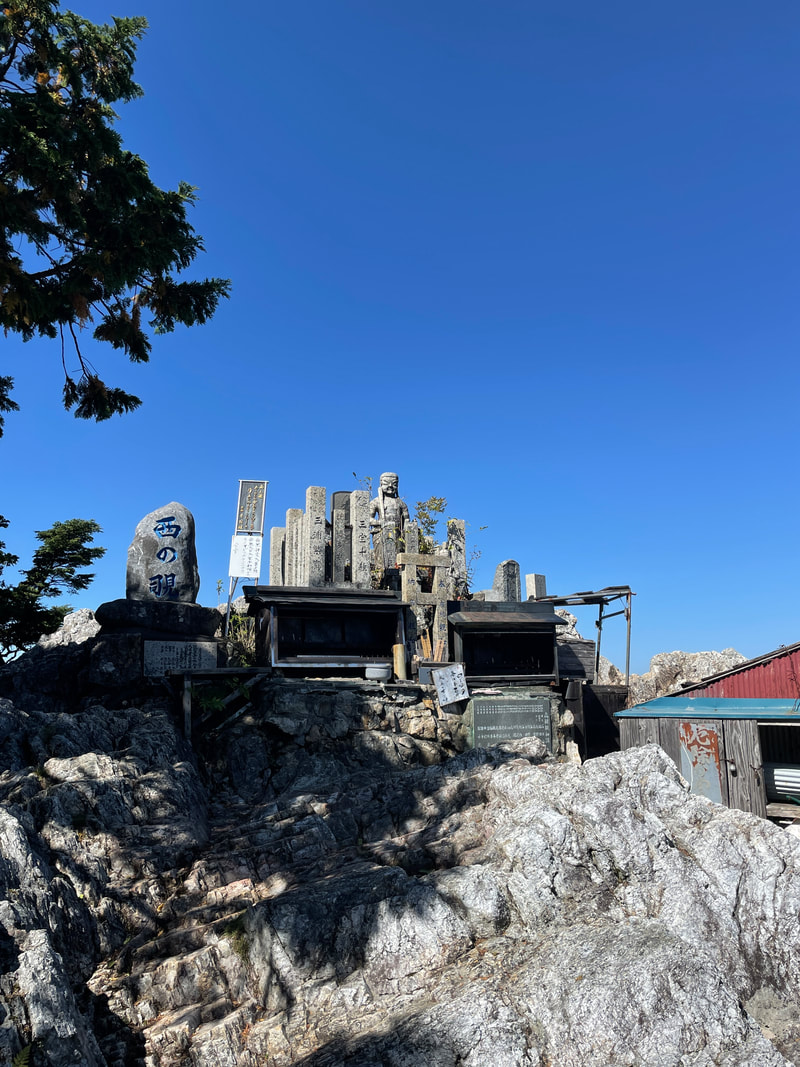
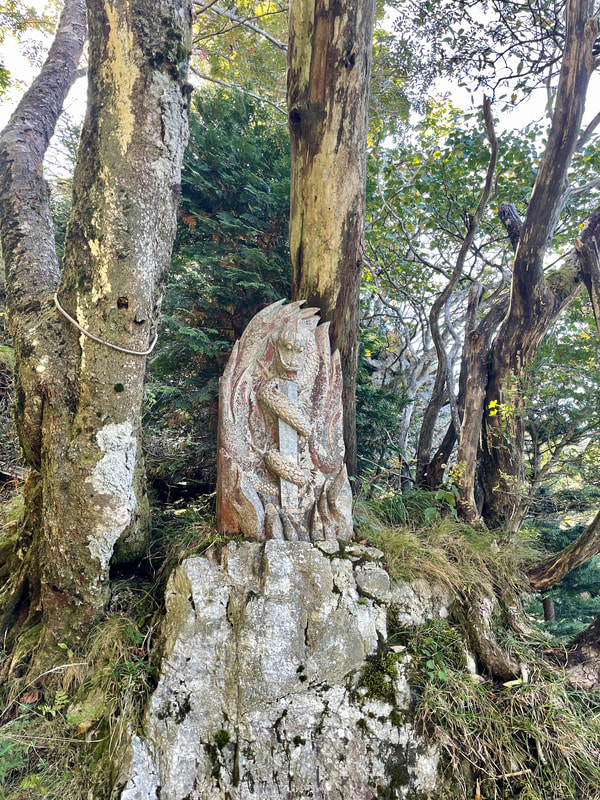
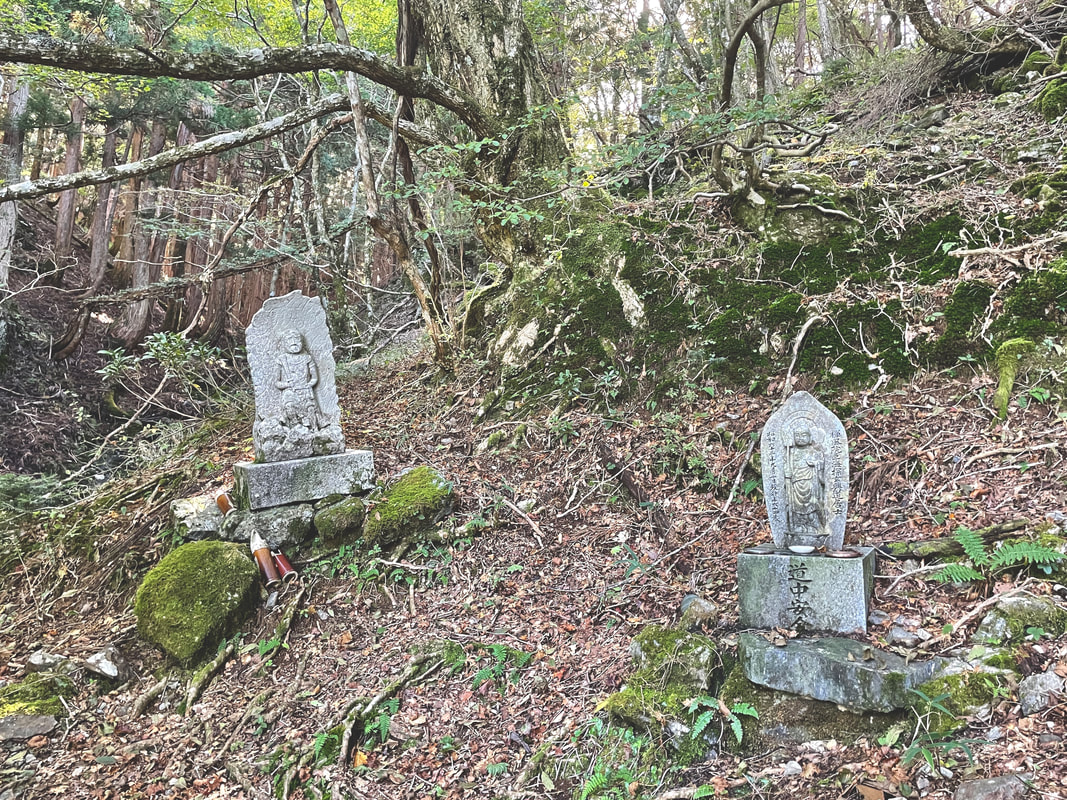
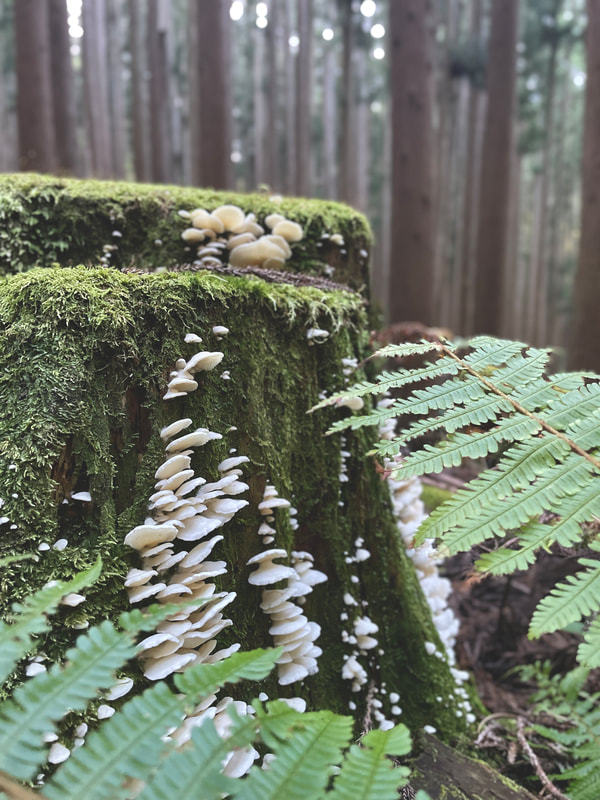
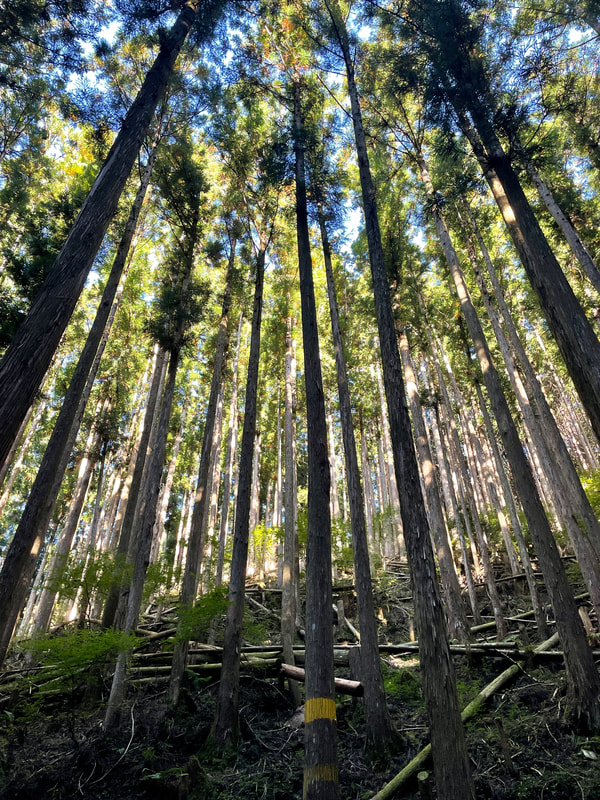
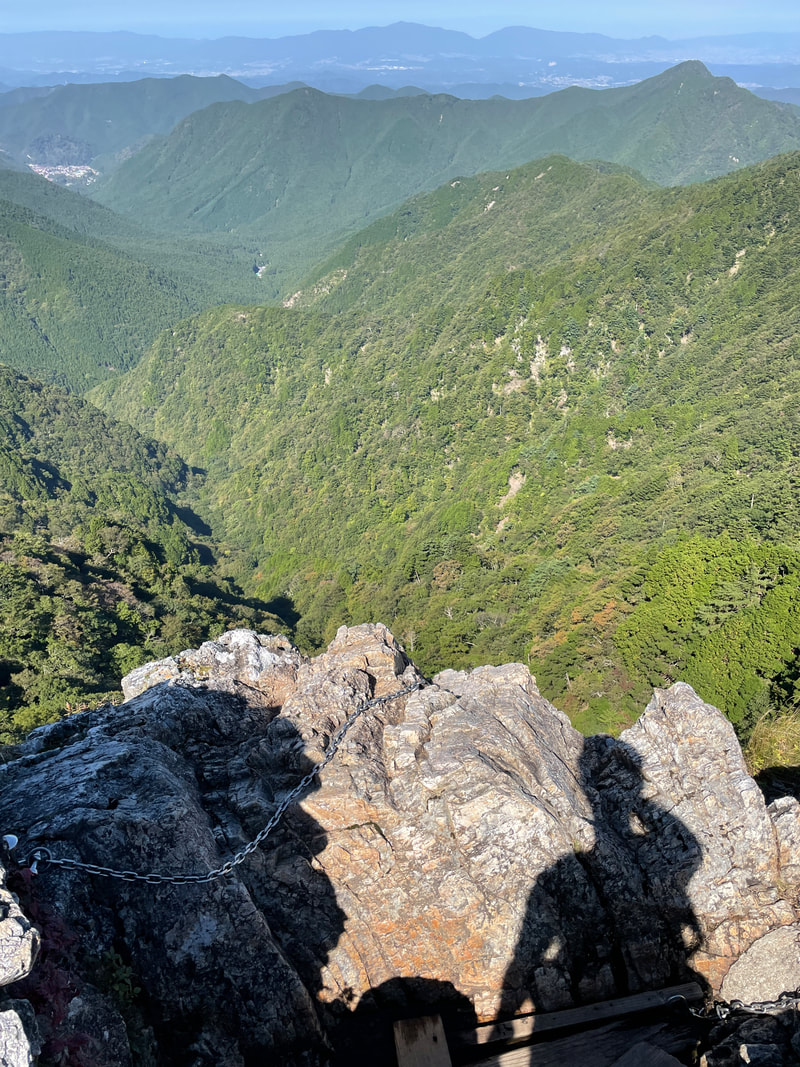
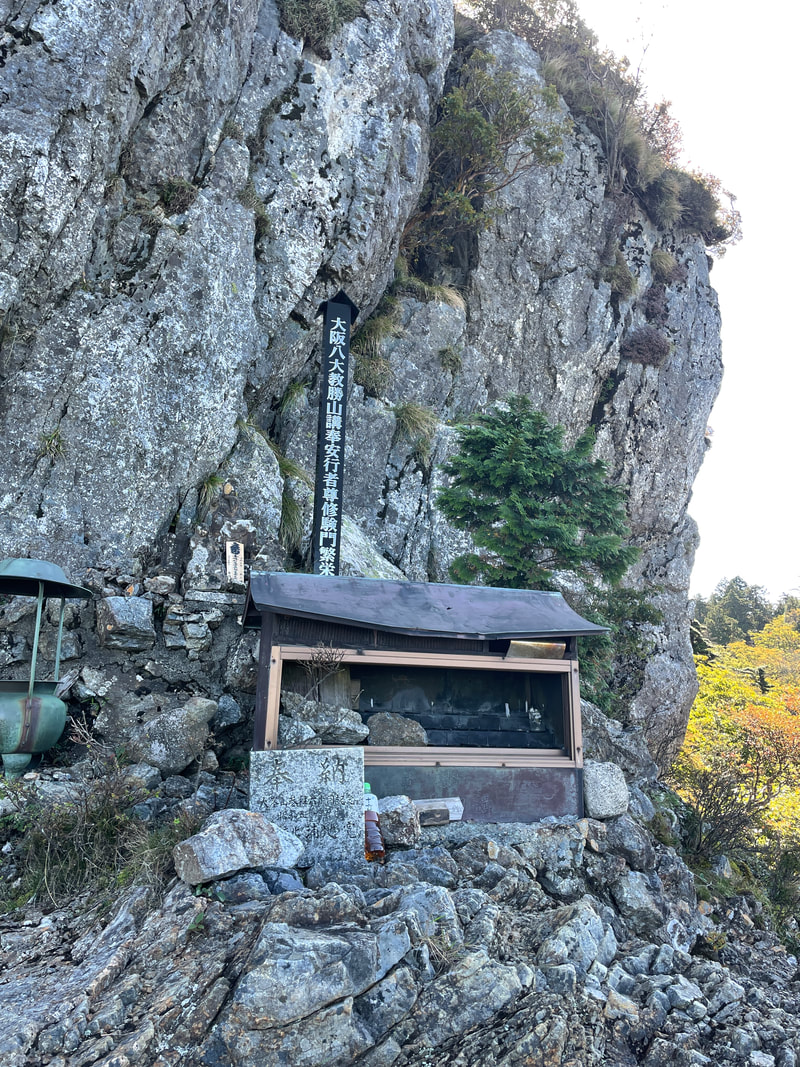
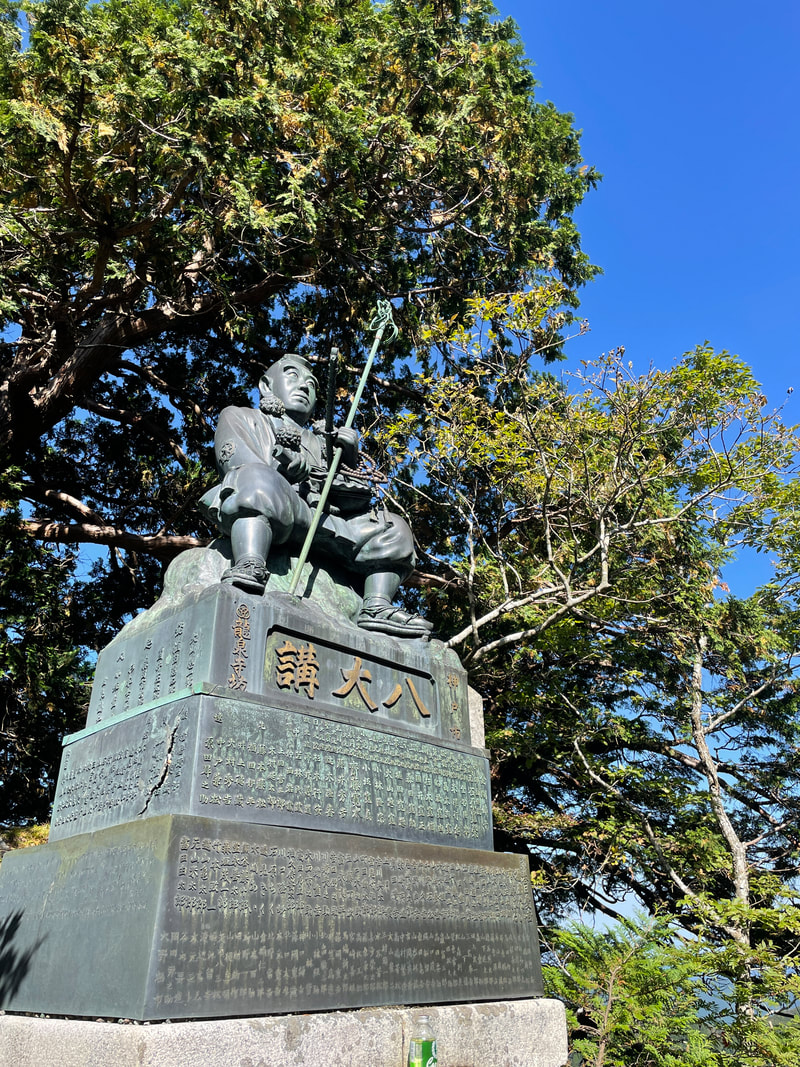
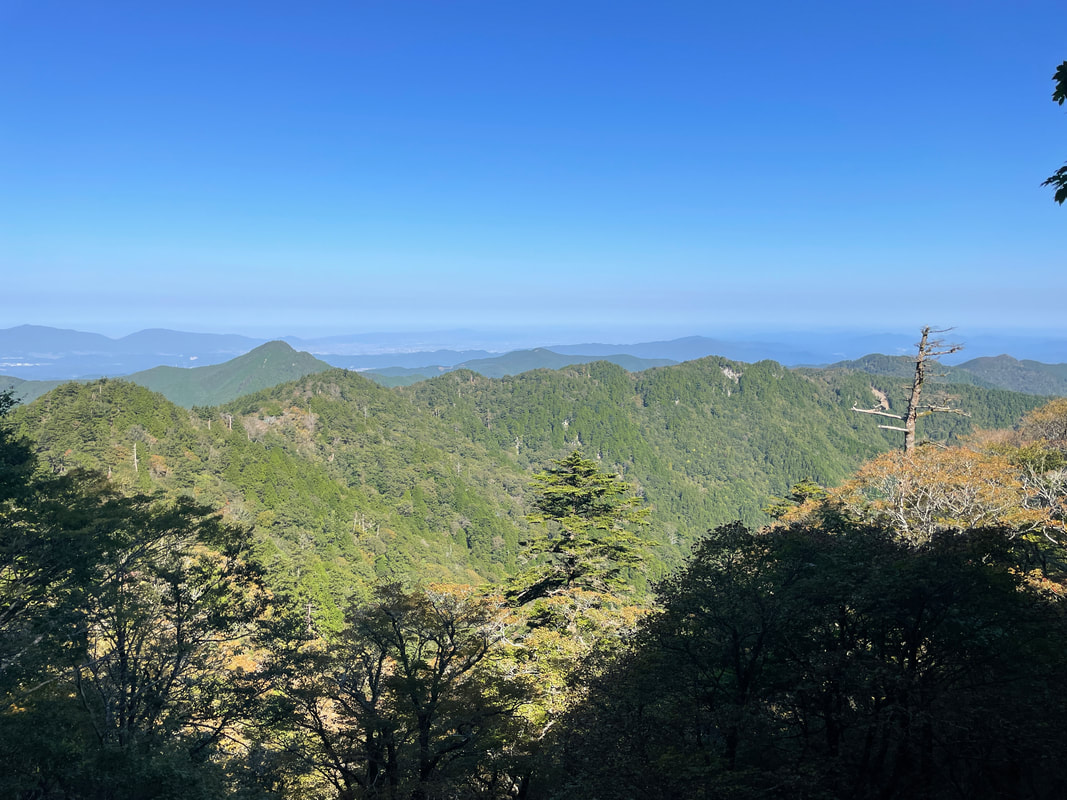
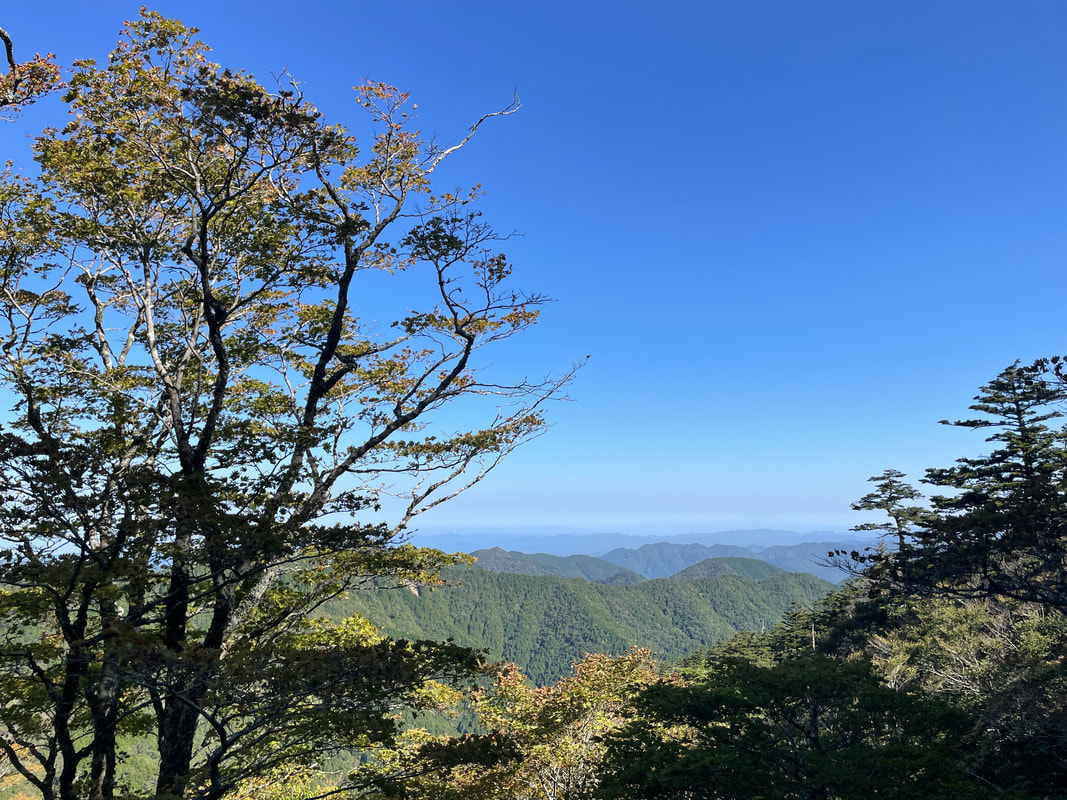
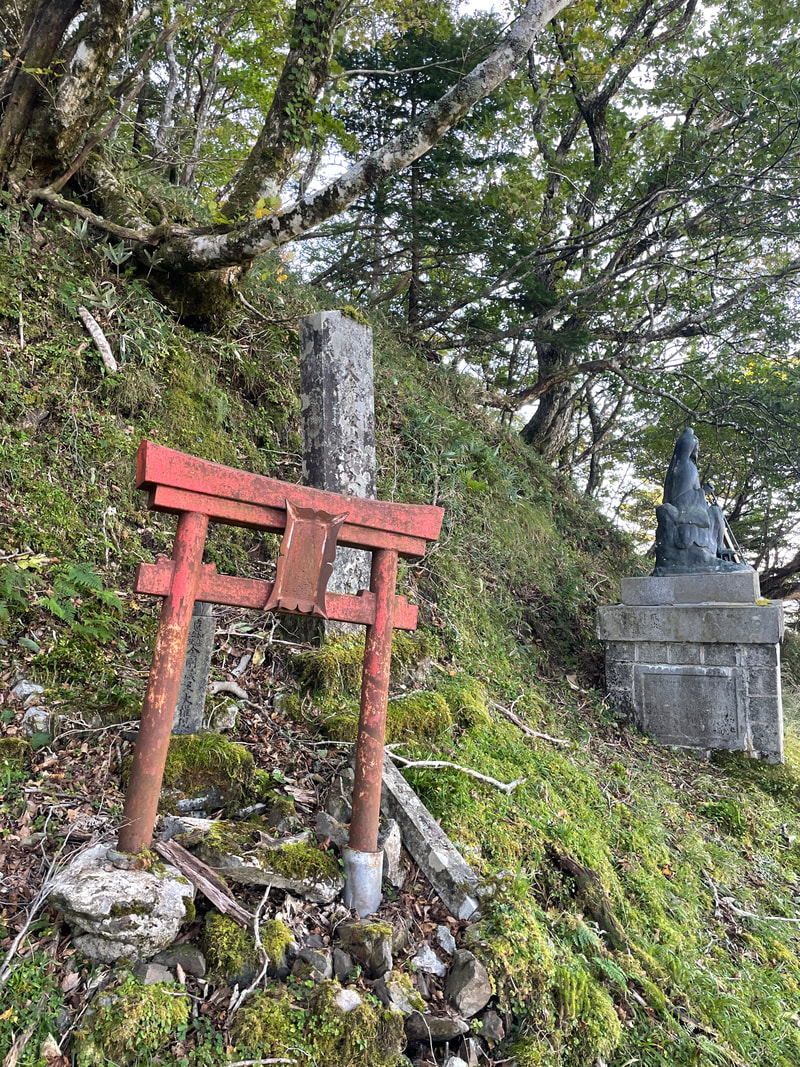
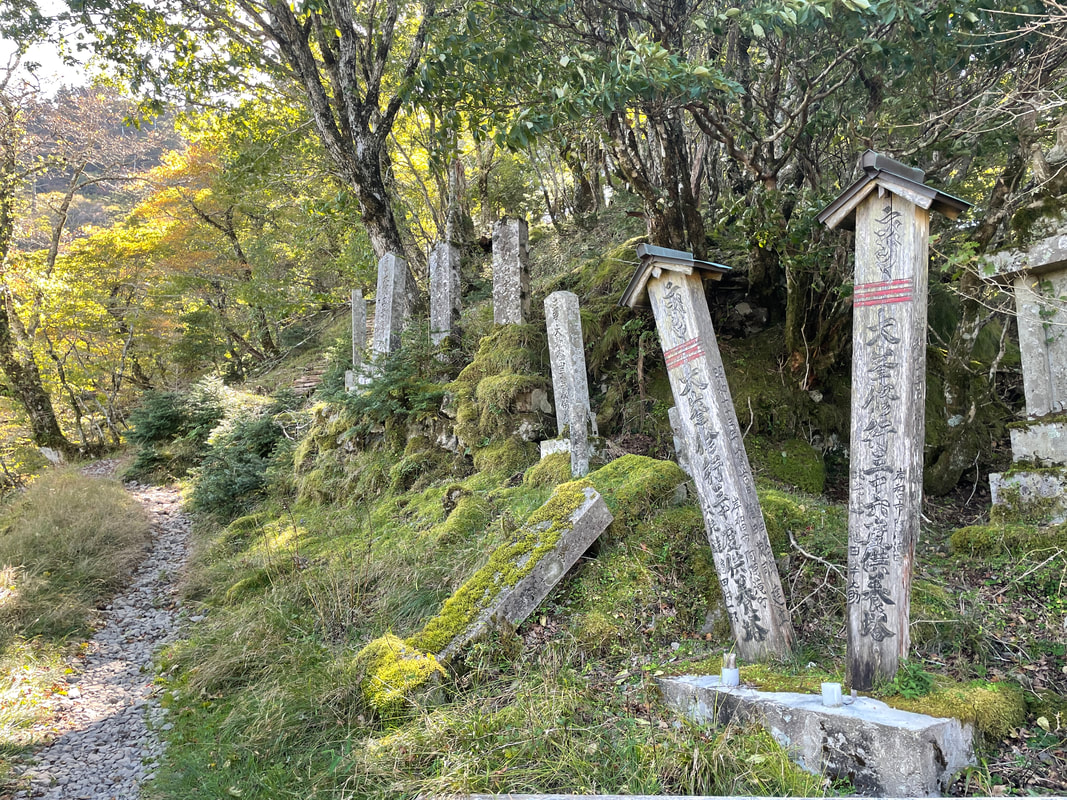
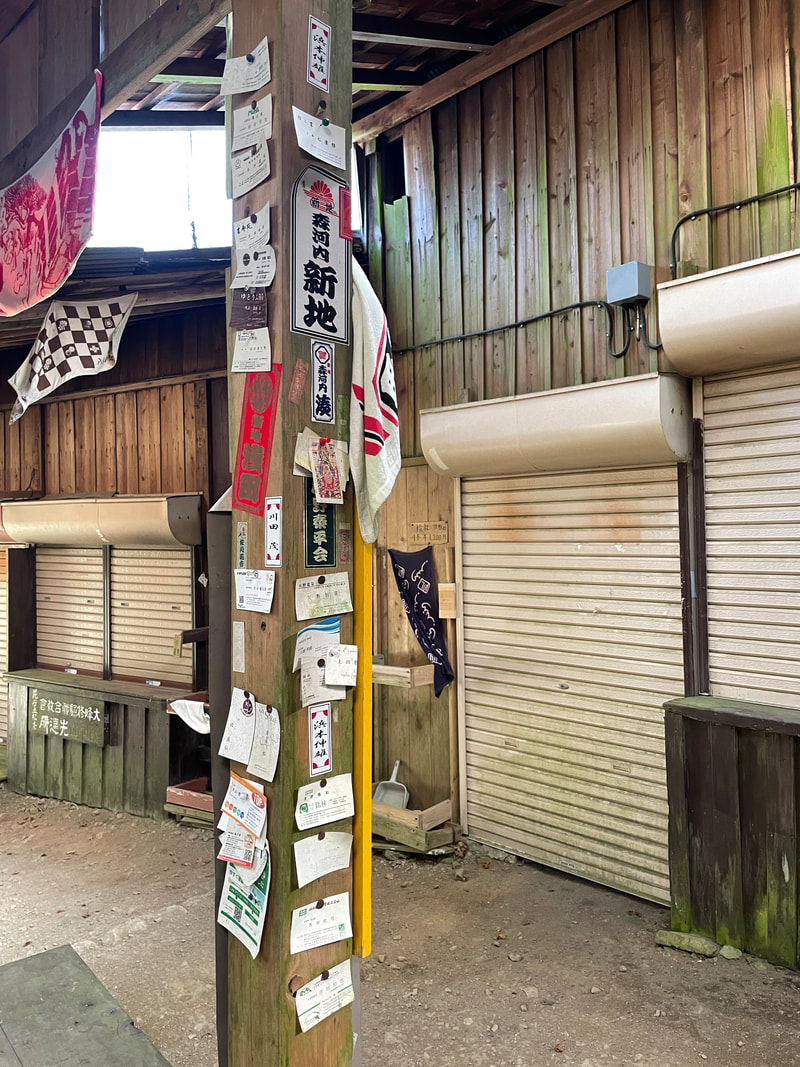
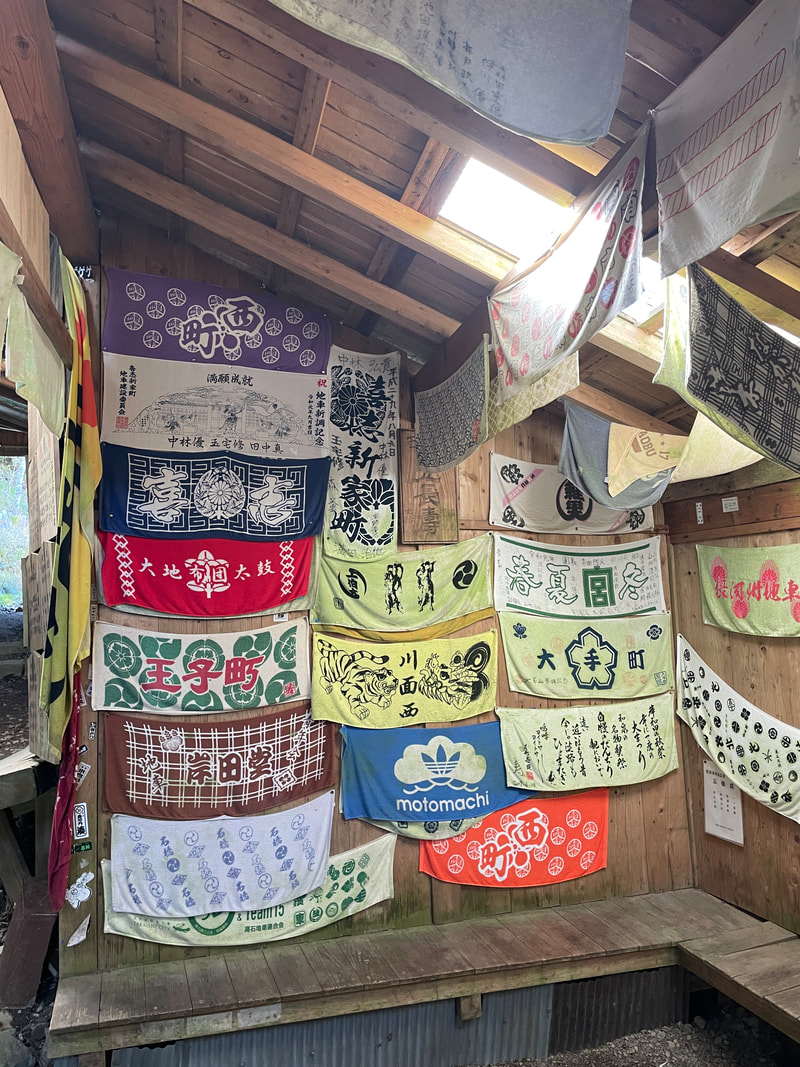
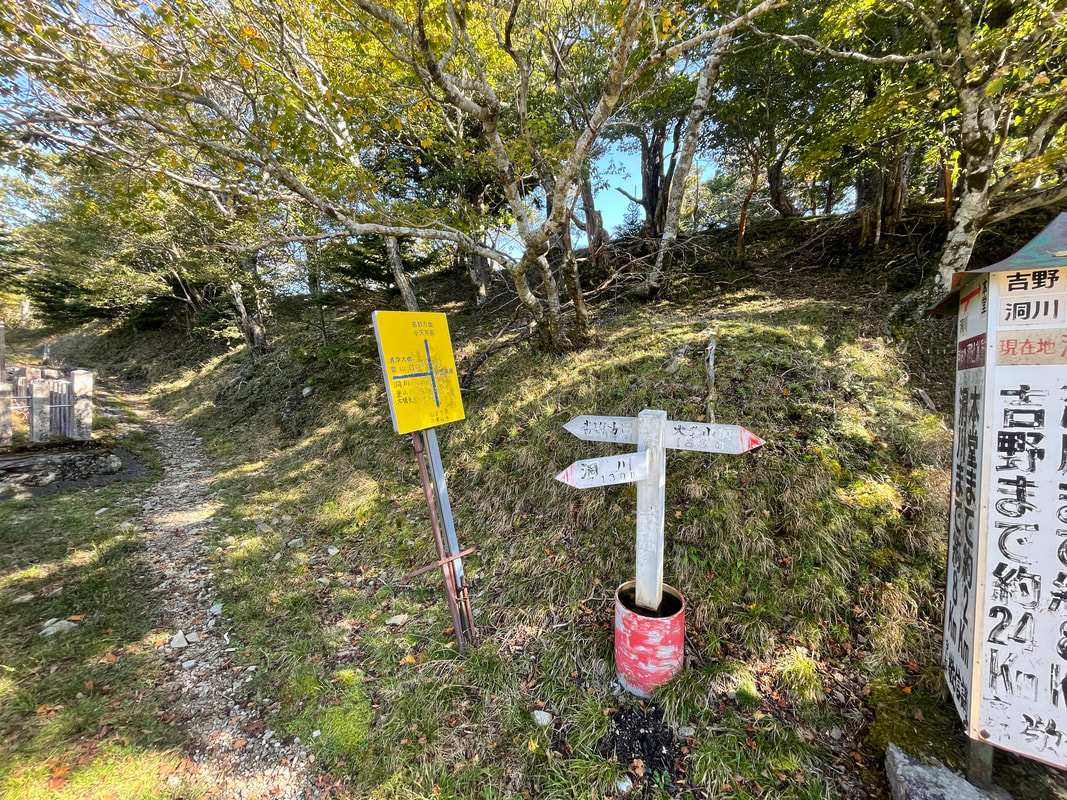
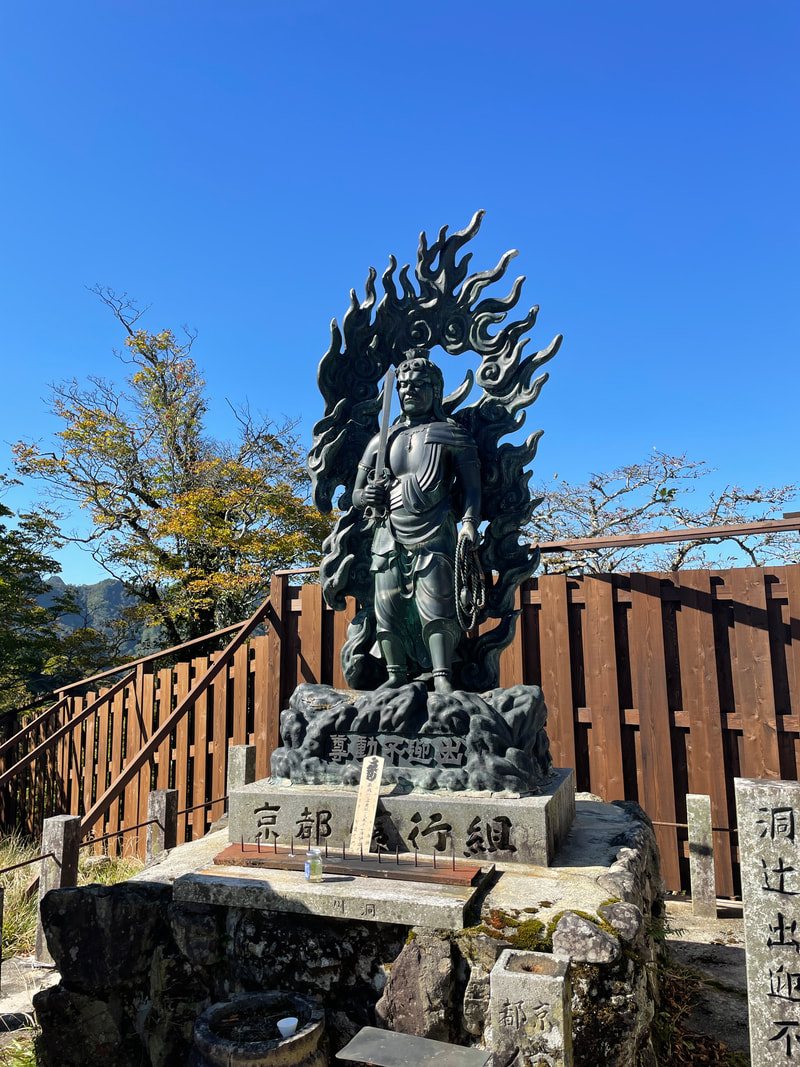
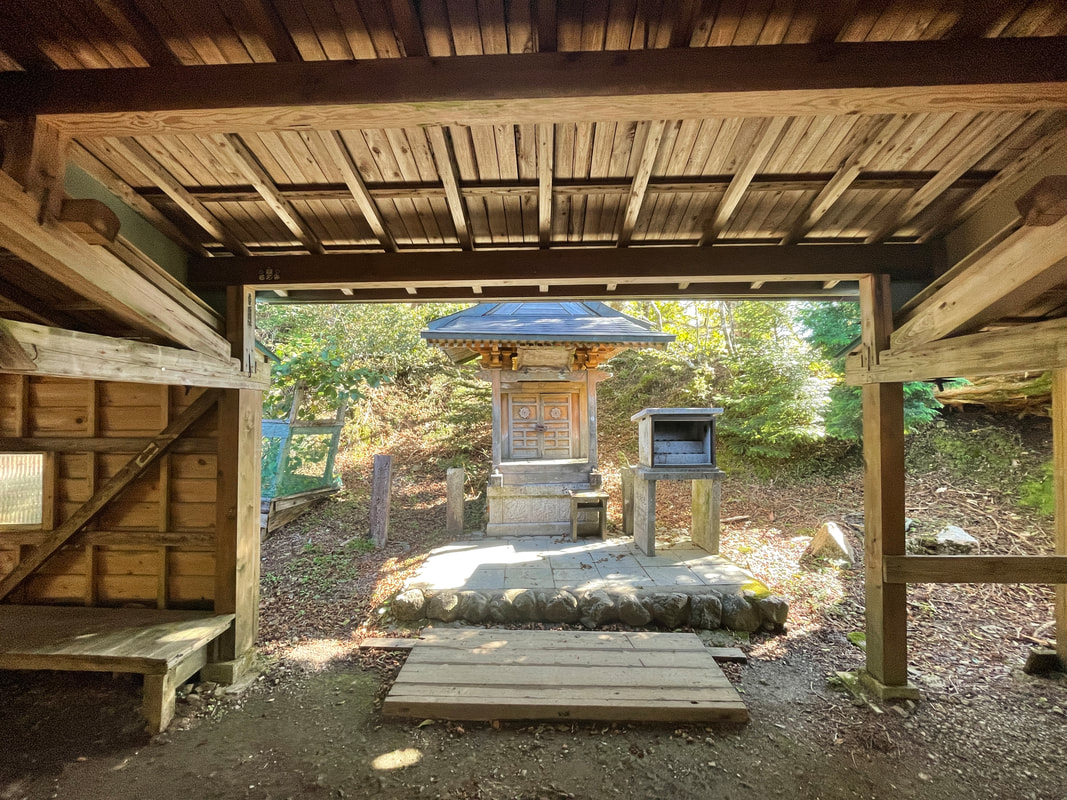
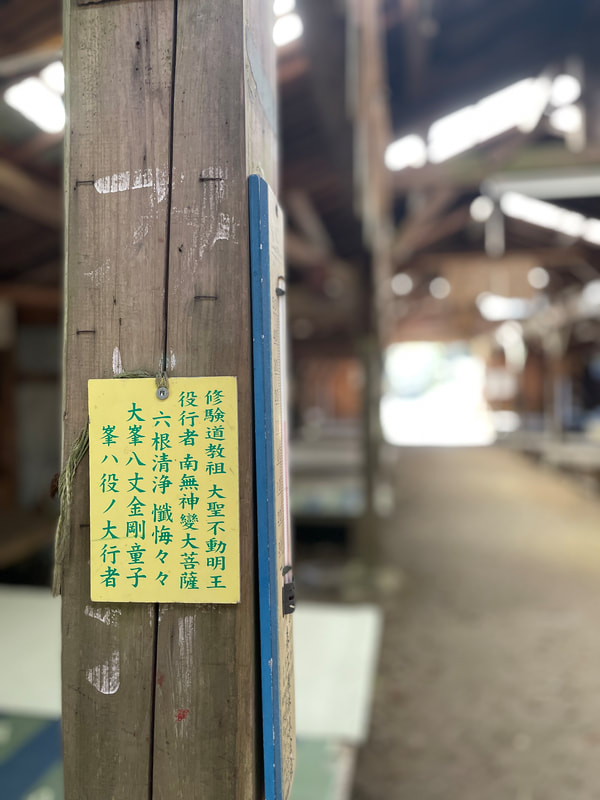
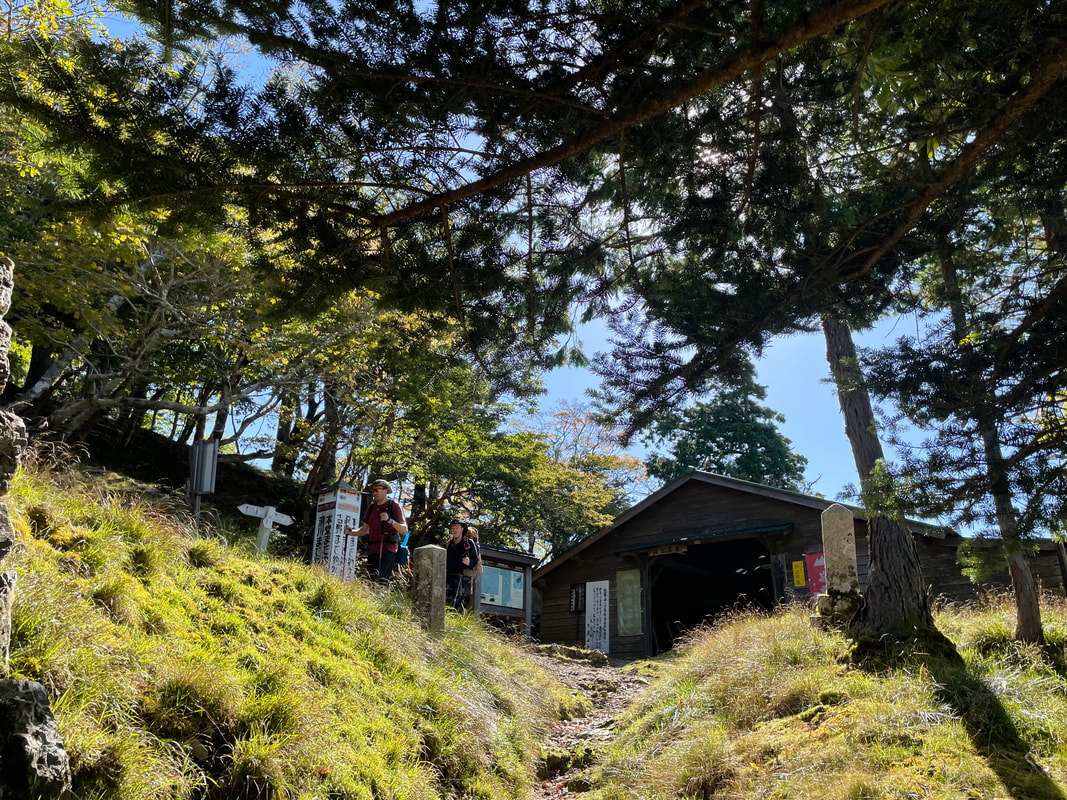
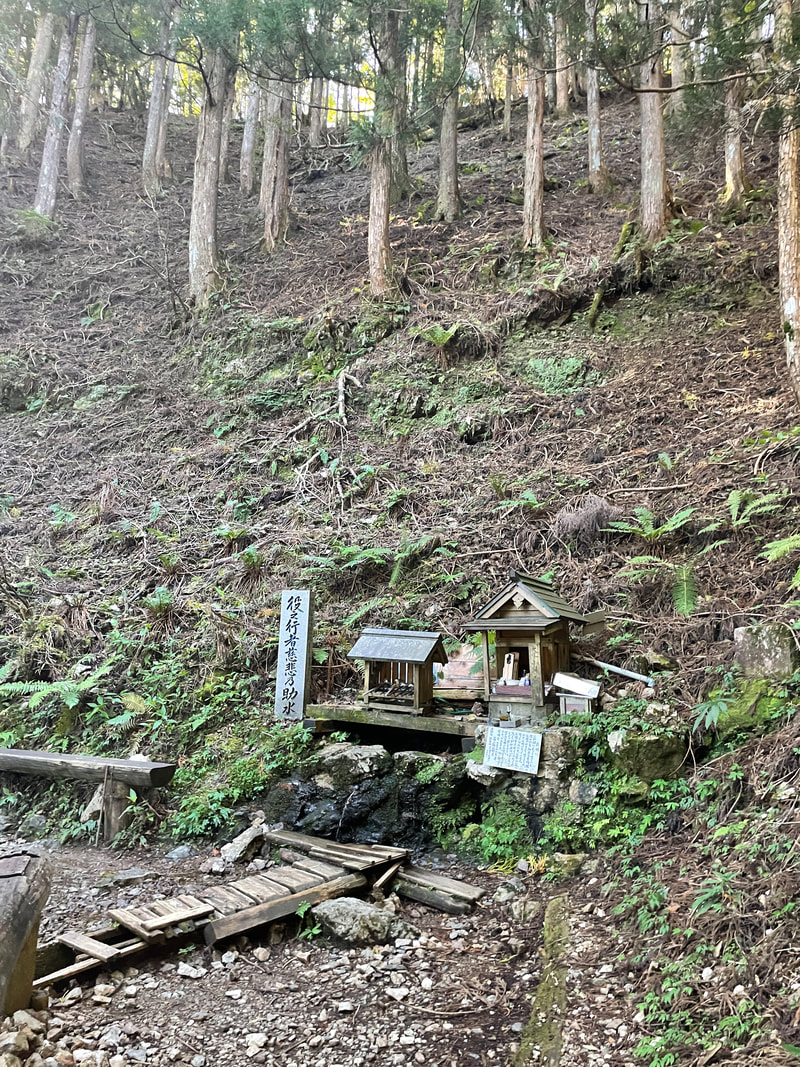
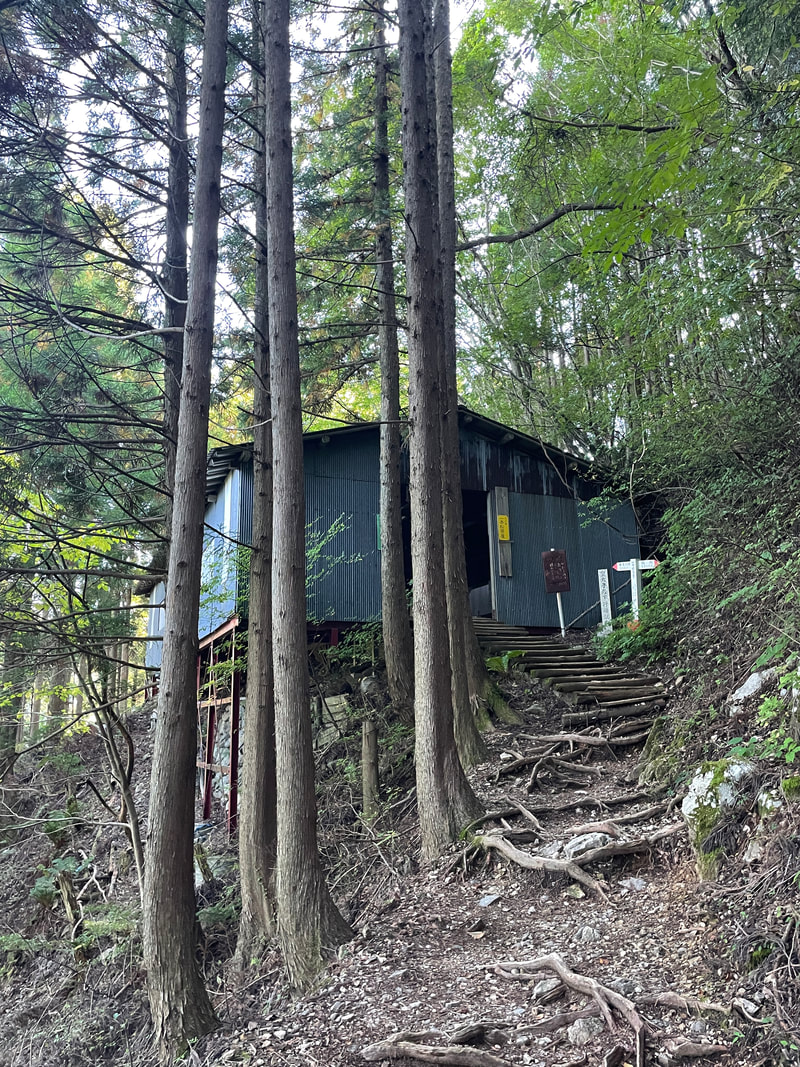
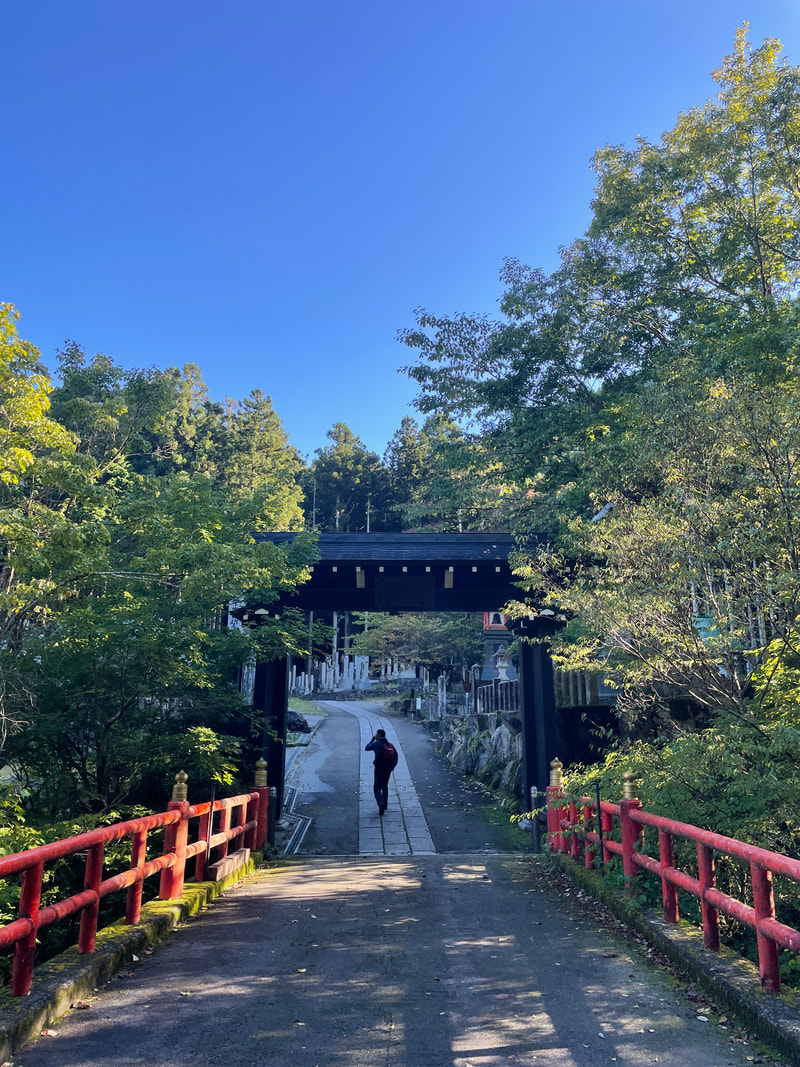
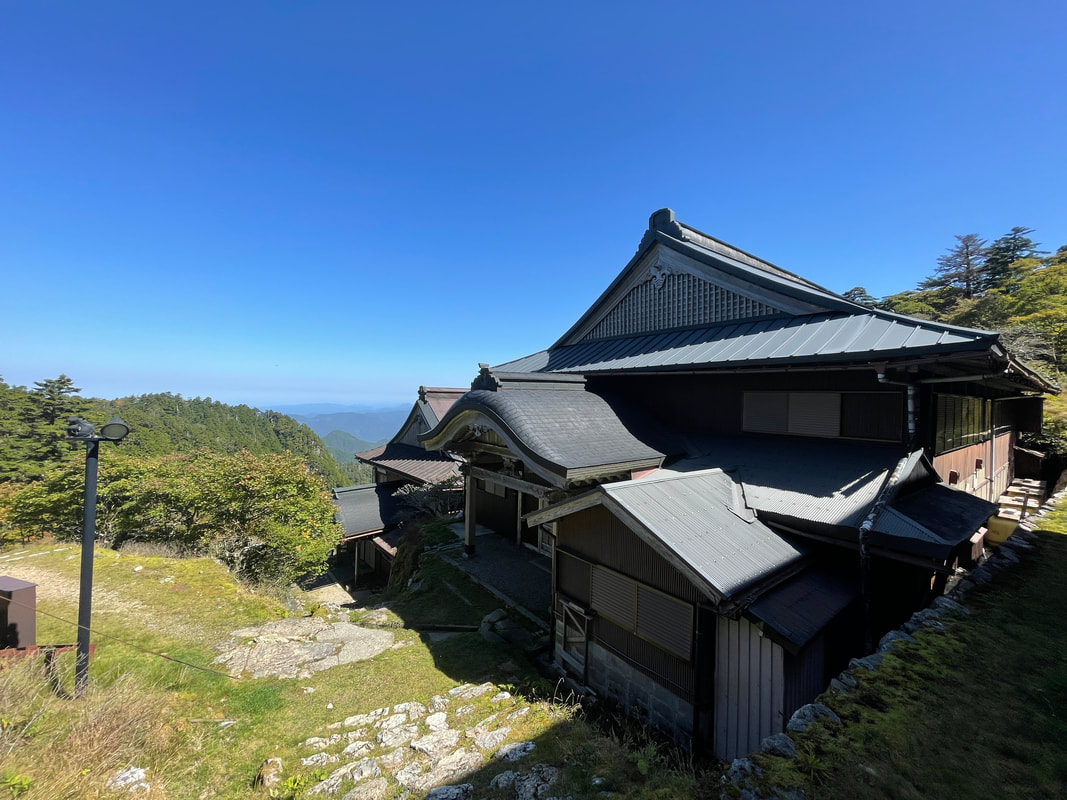
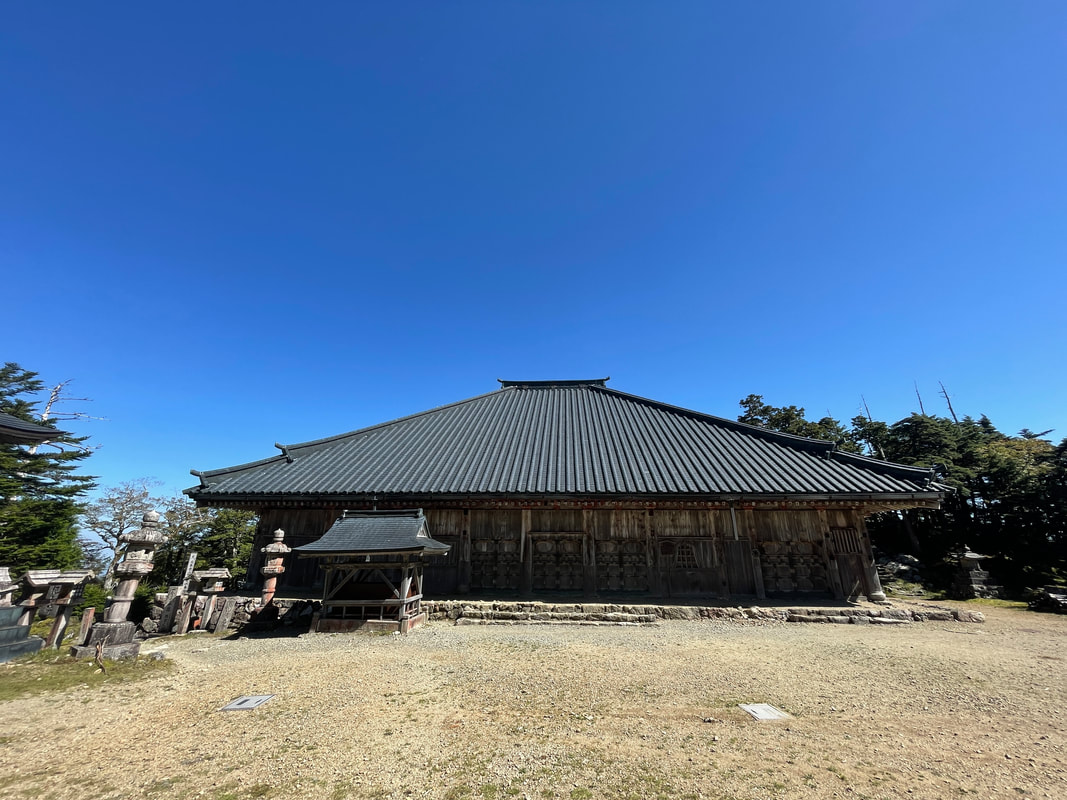
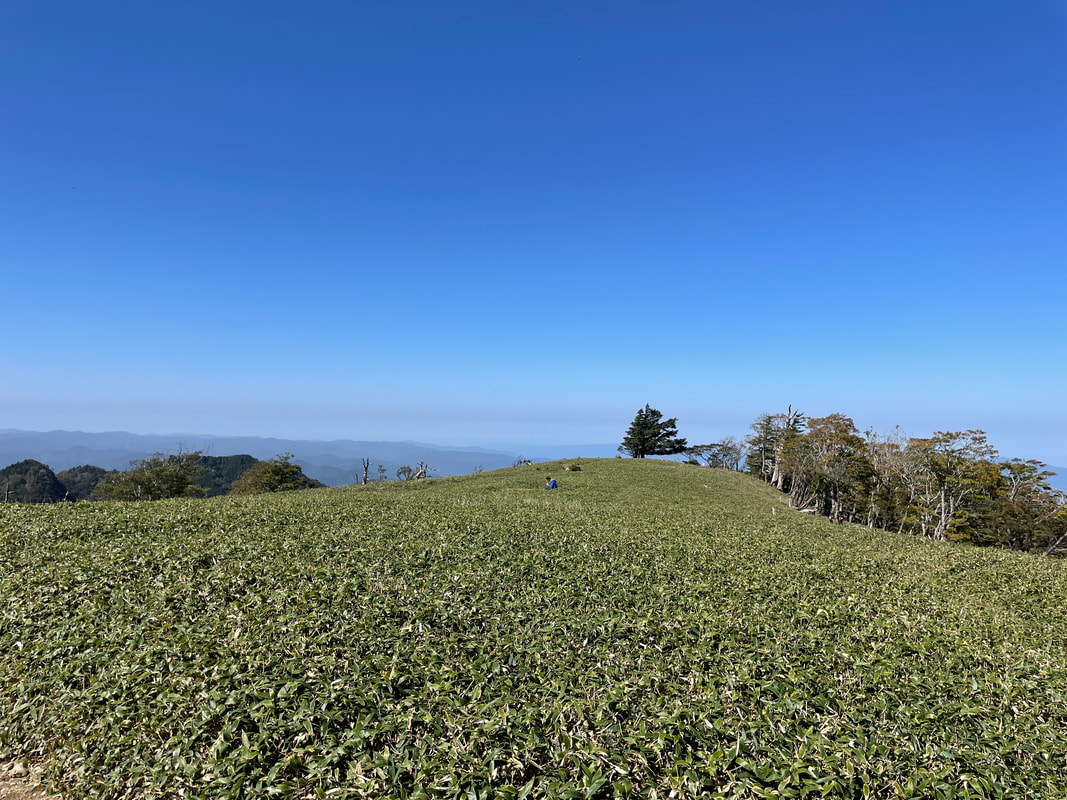
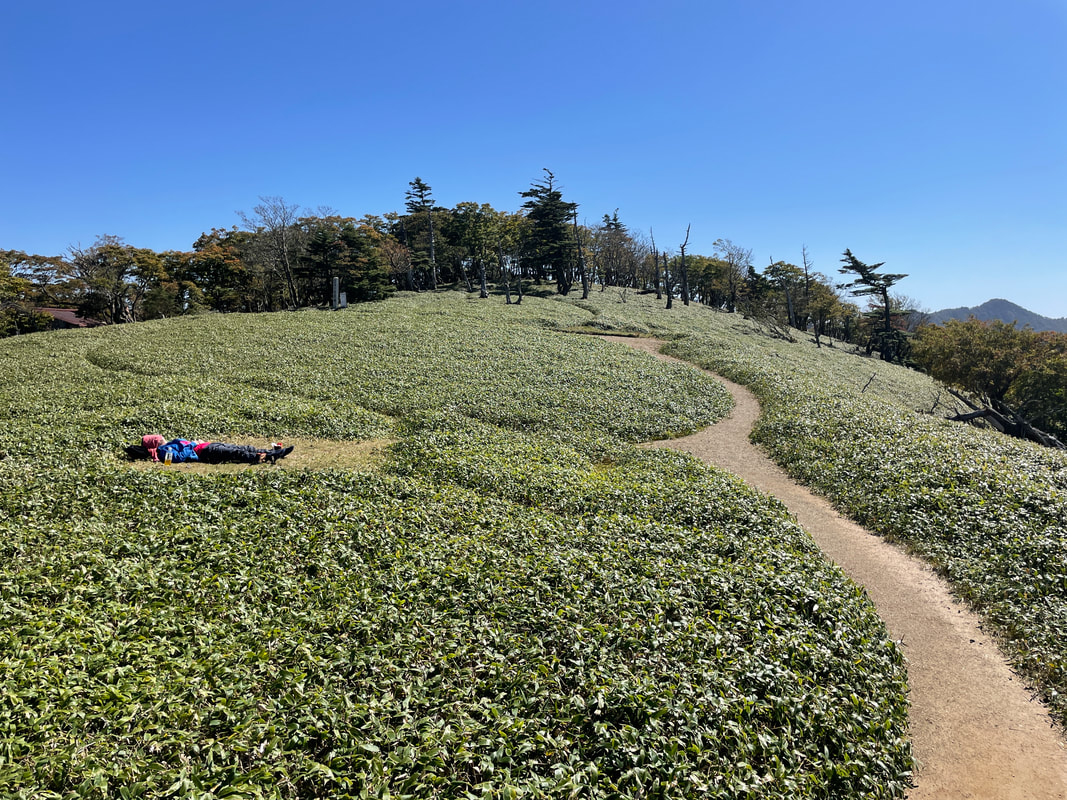
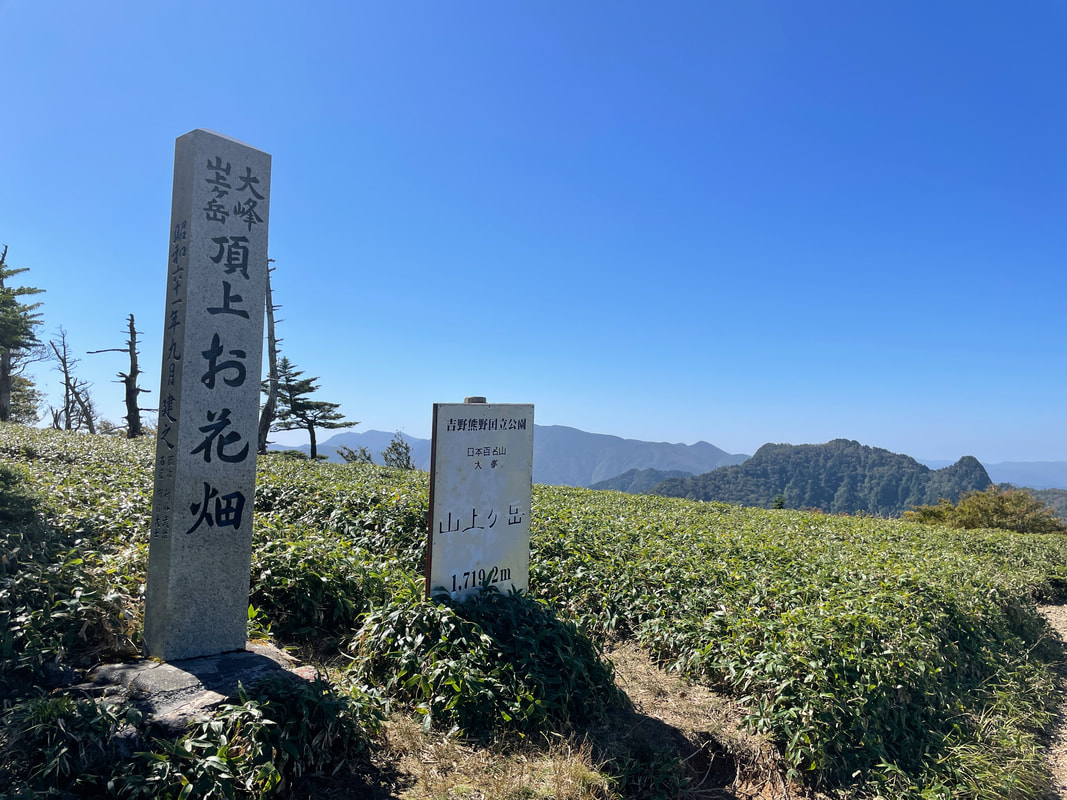
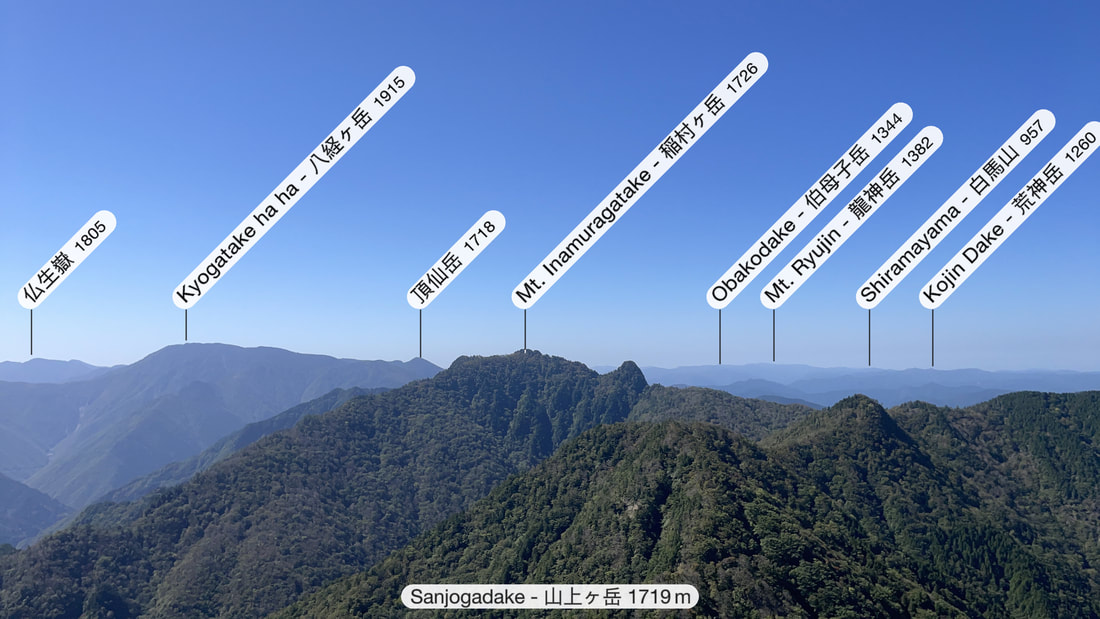
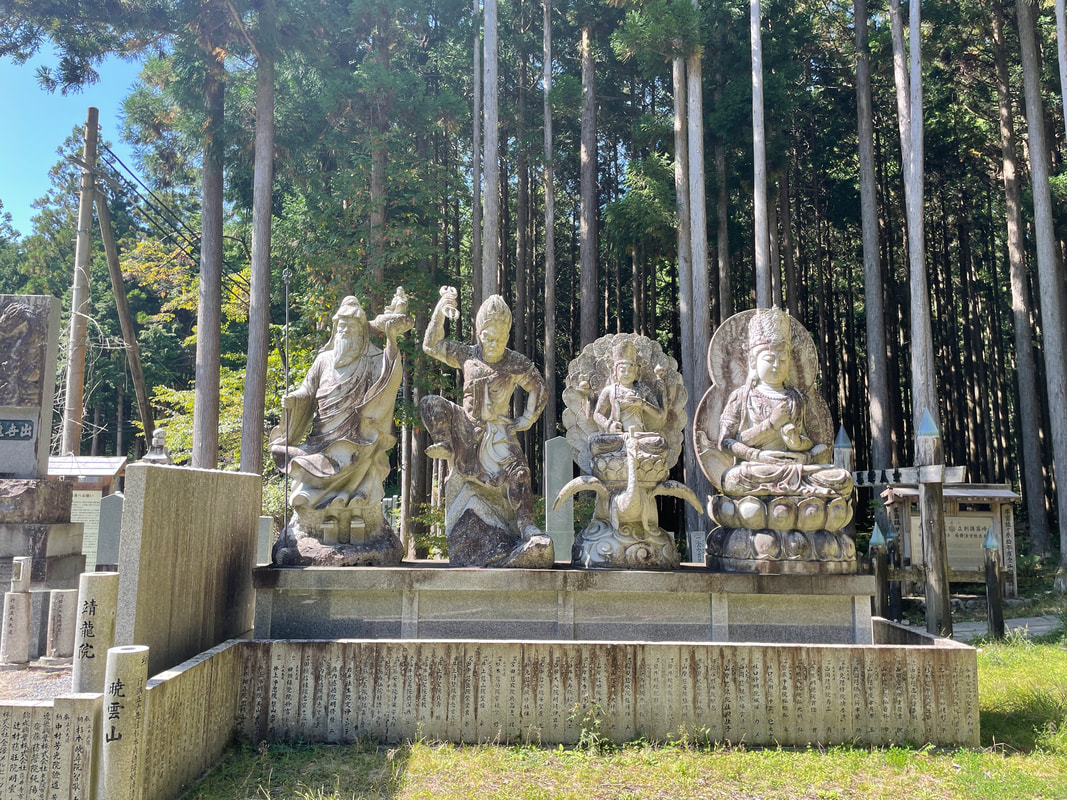
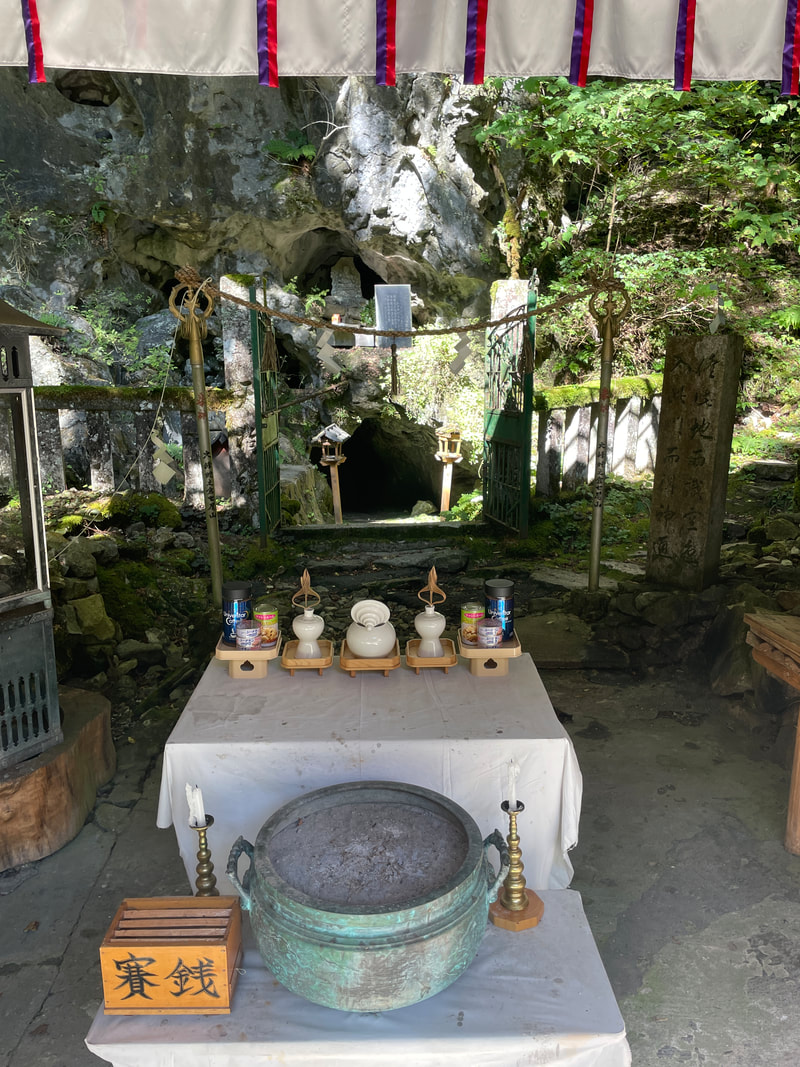
The summit temple seemed quiet, perhaps because of the season. I had imagined meeting people in ascetic robes chanting or meditating. Instead, I found a few hikers eating, resting on the grass and even painting. In a way, perhaps we were all engaged in our own forms of practice. What I saw was not quite so far from what I had hoped to find.
Kohiroso Campground
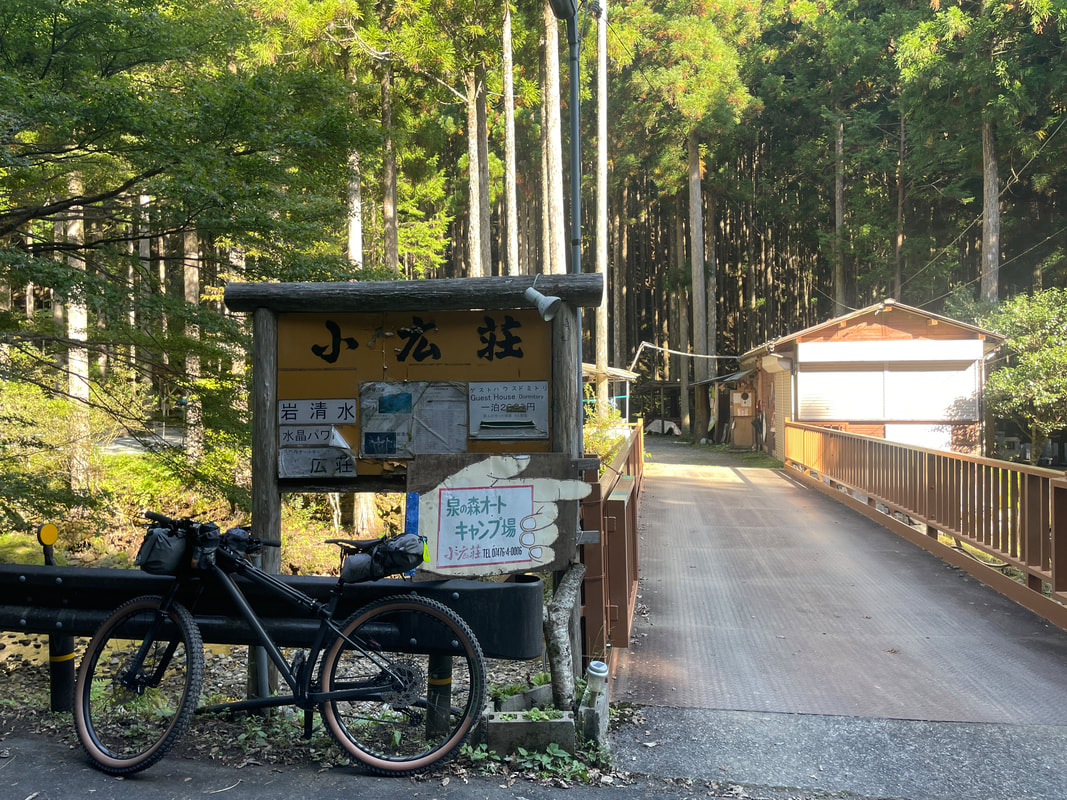
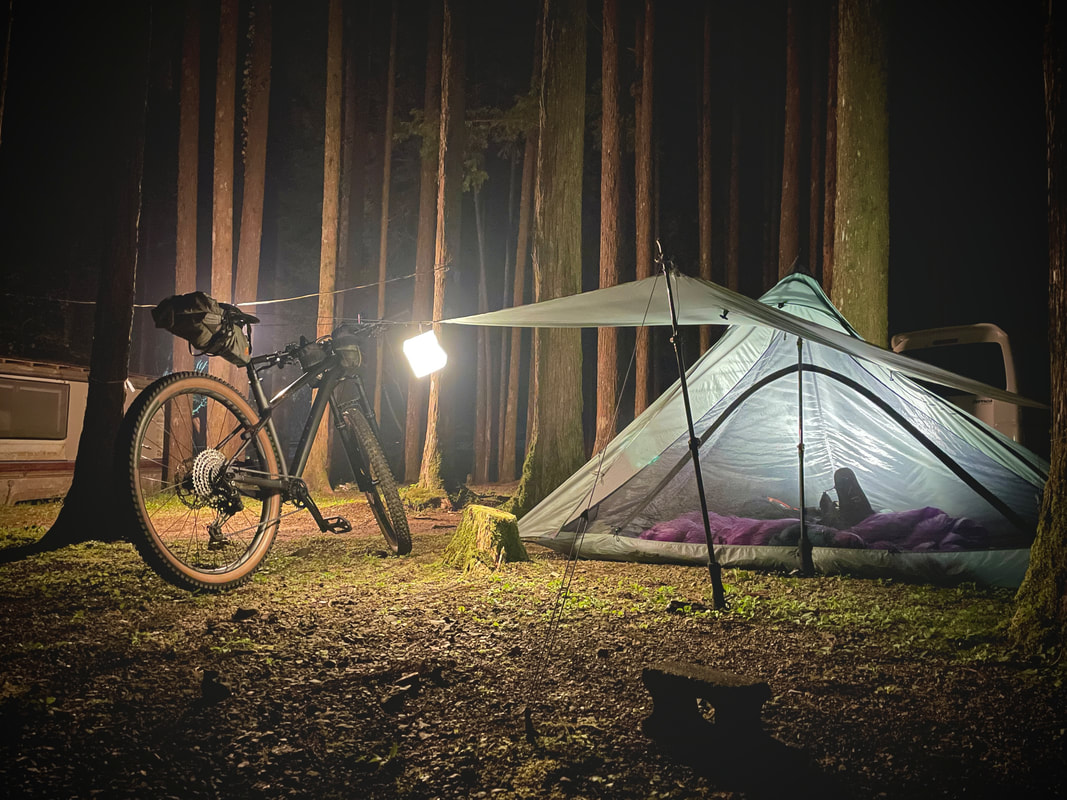
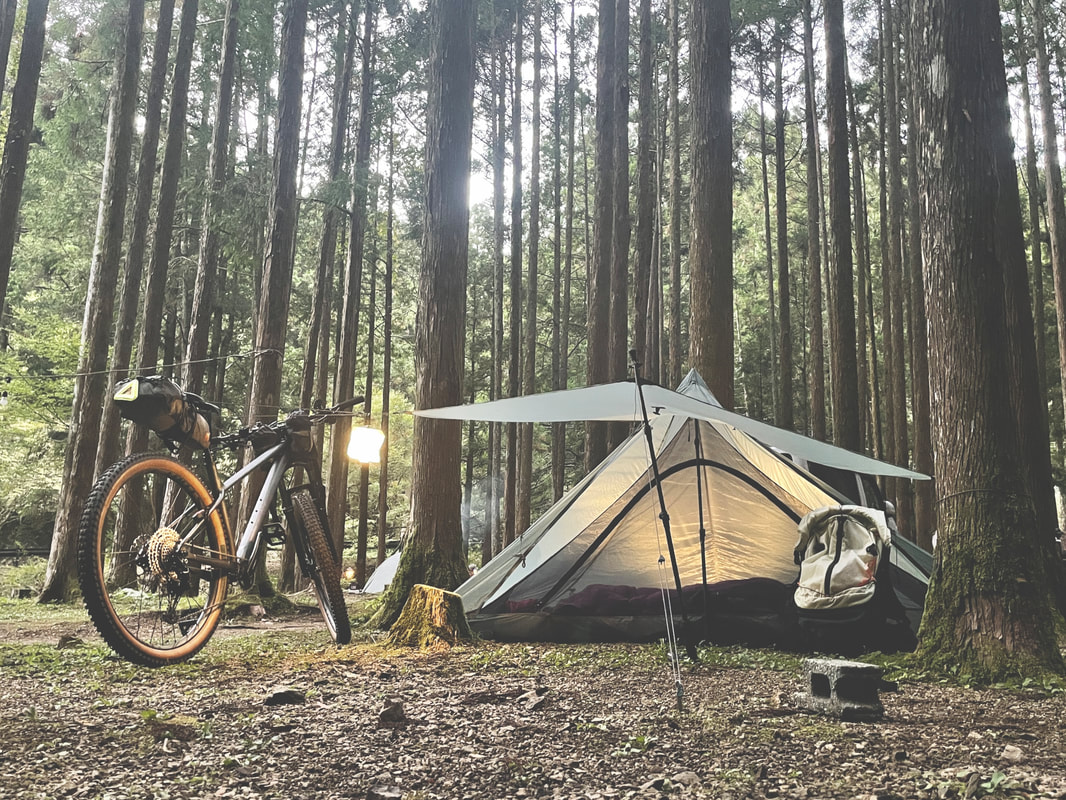
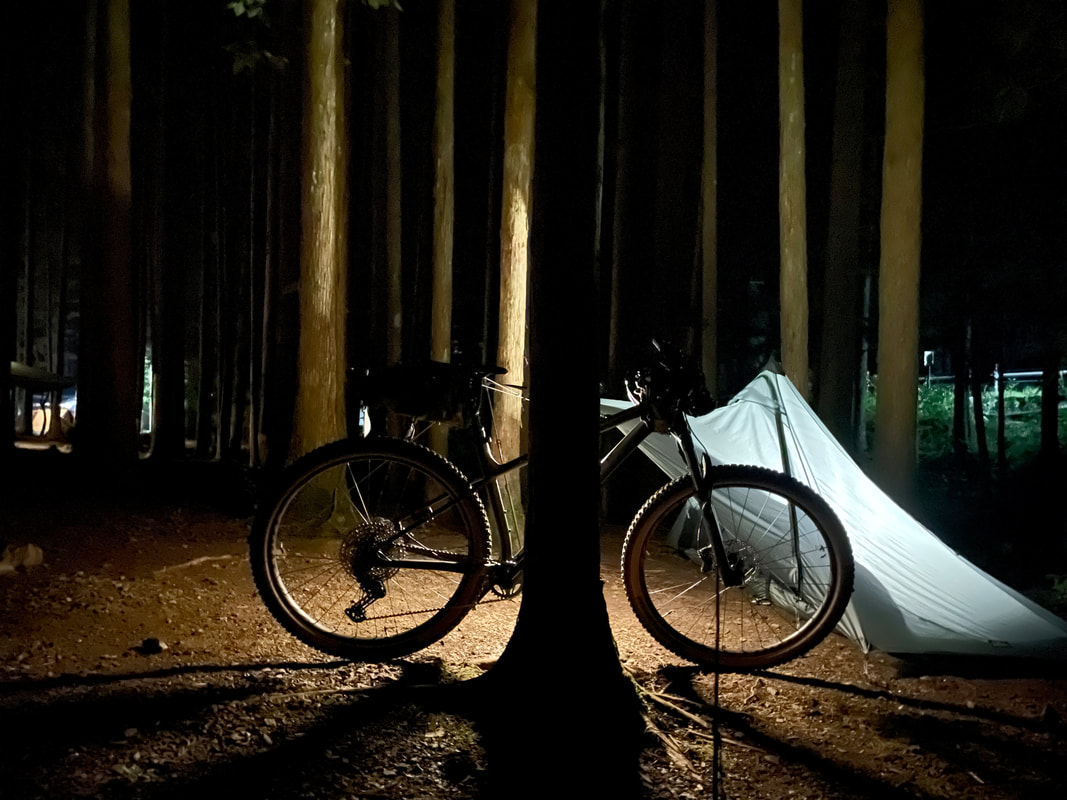
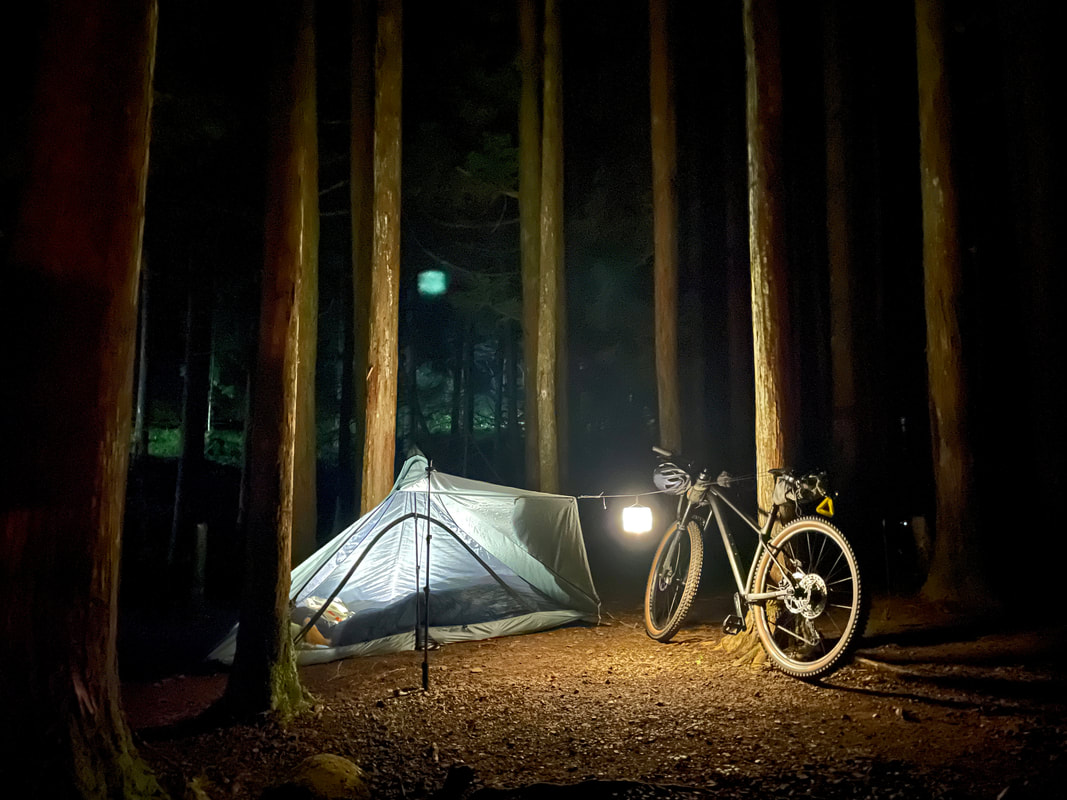
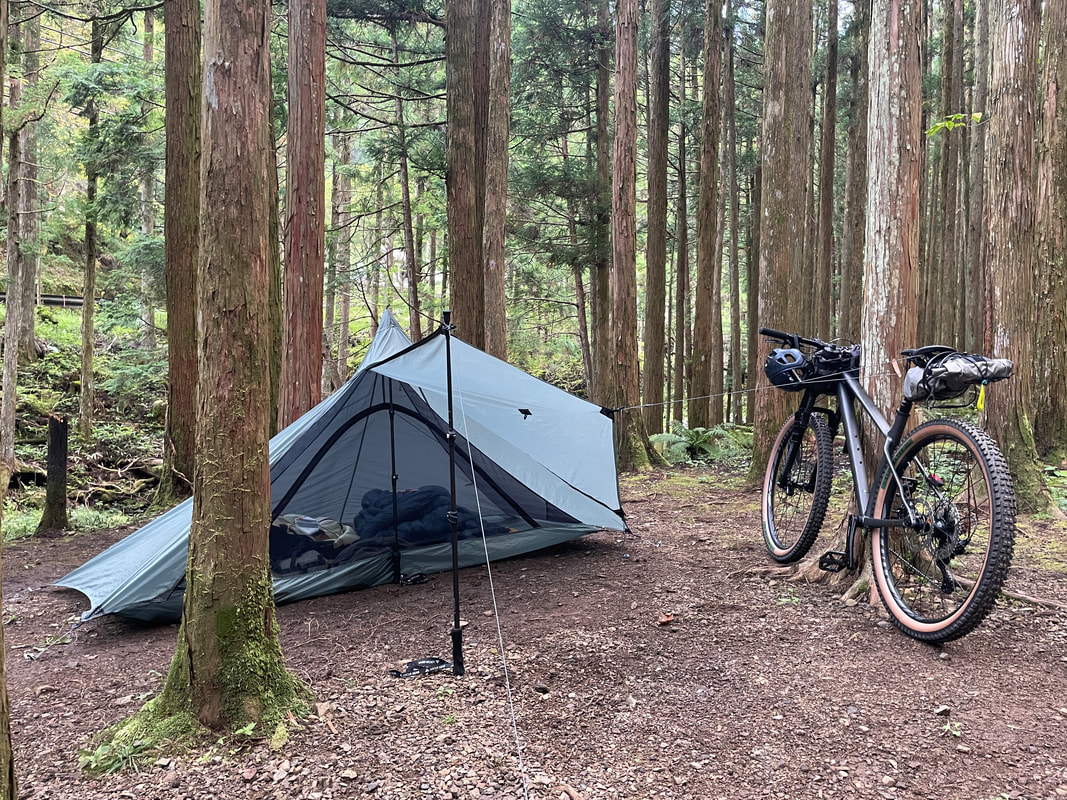
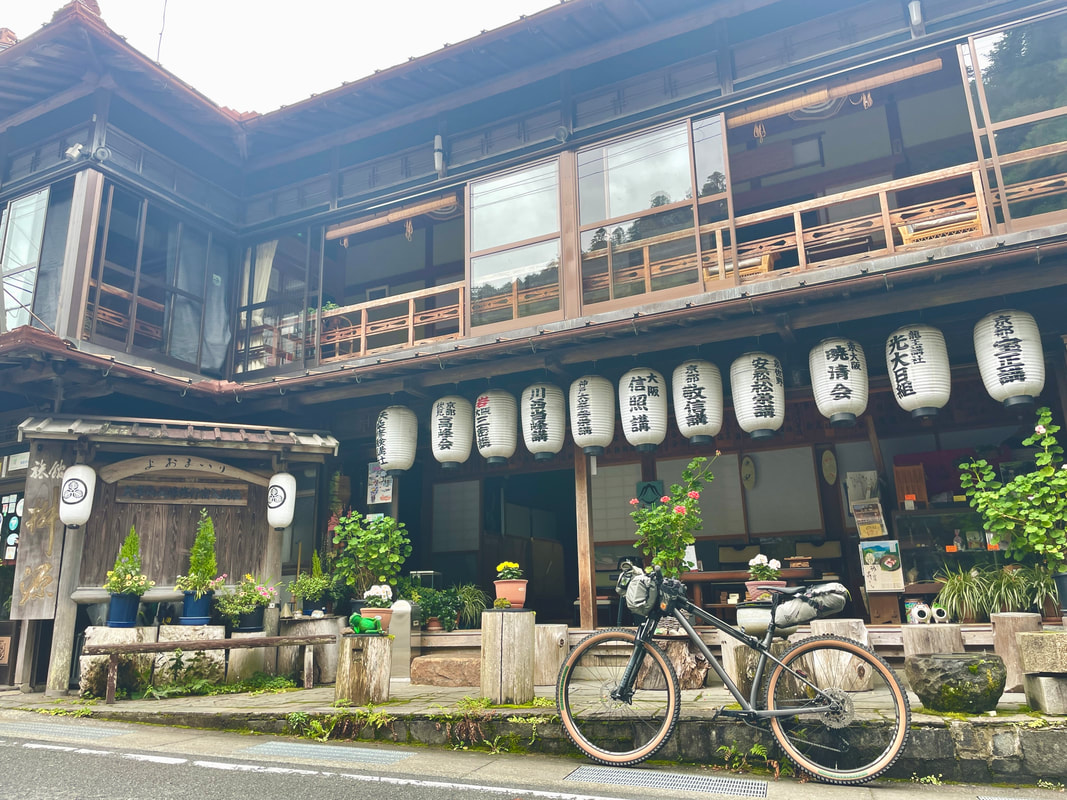
Back down the mountain, I returned to the campground, retrieved my handlebar bag and thanked the woman at reception. I had stayed at Kohiroso, written 小廣莊 in the source, for two consecutive weekends.
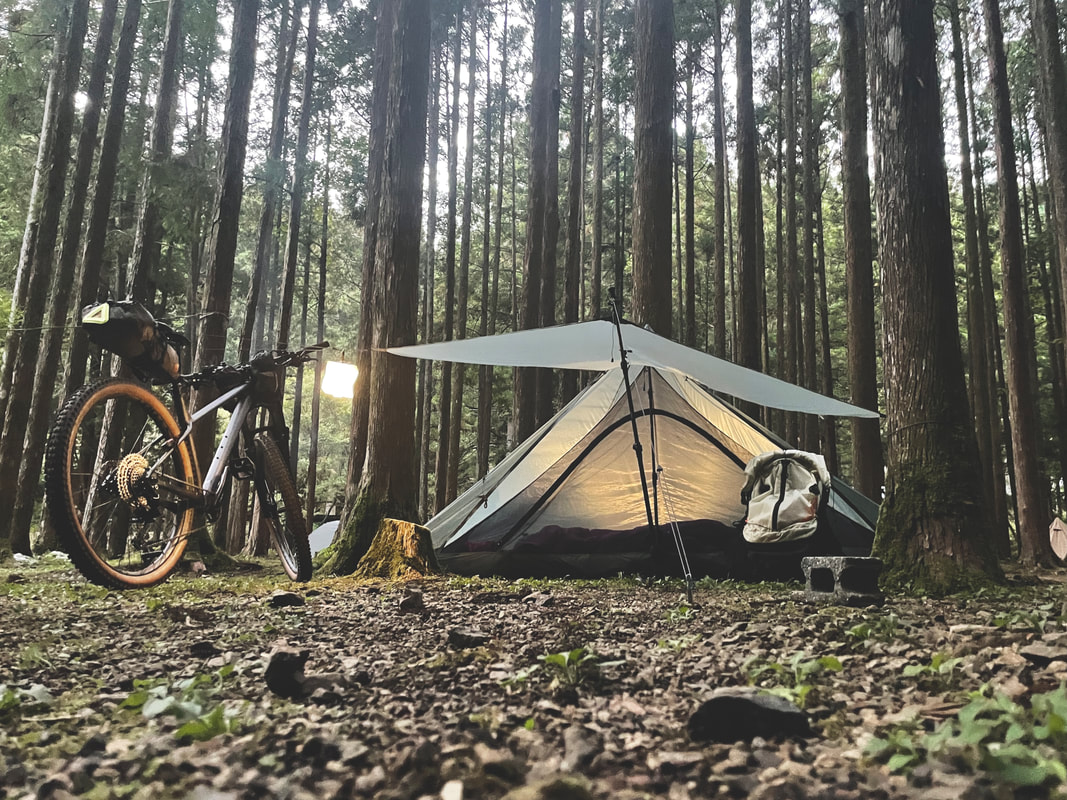
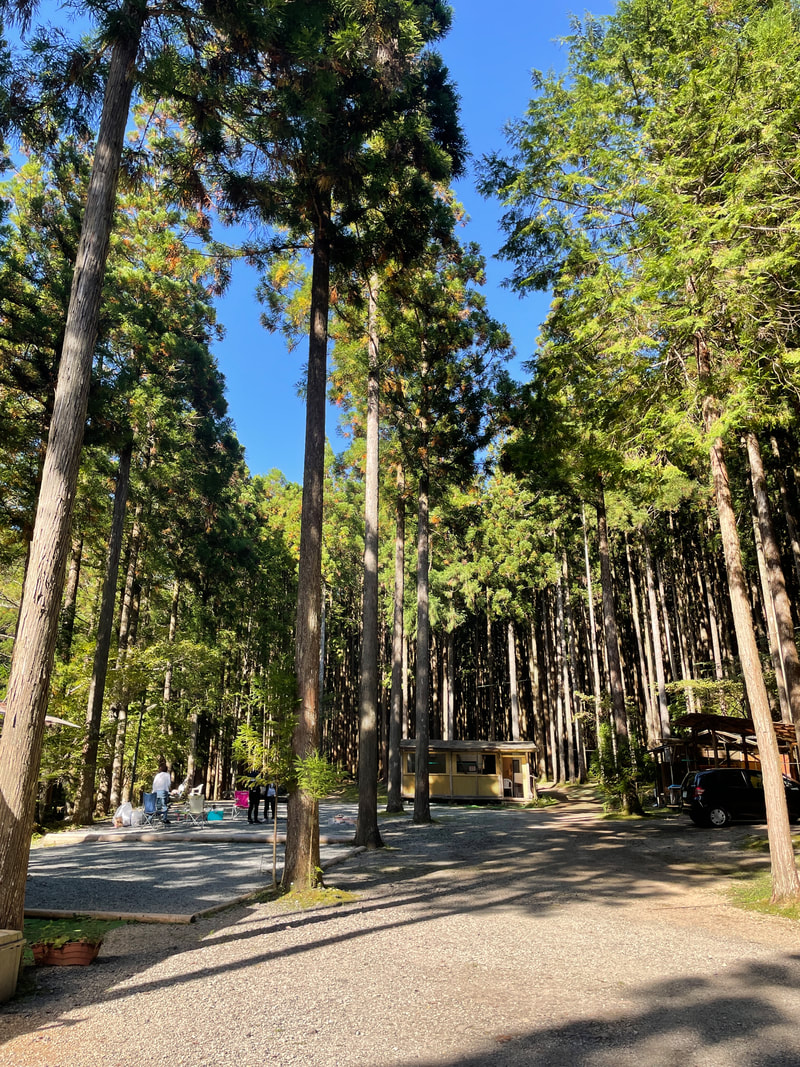
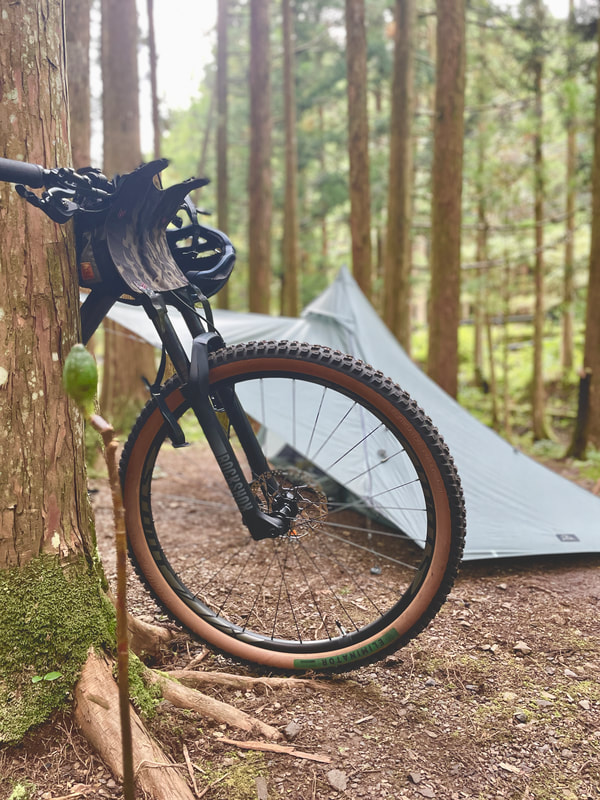
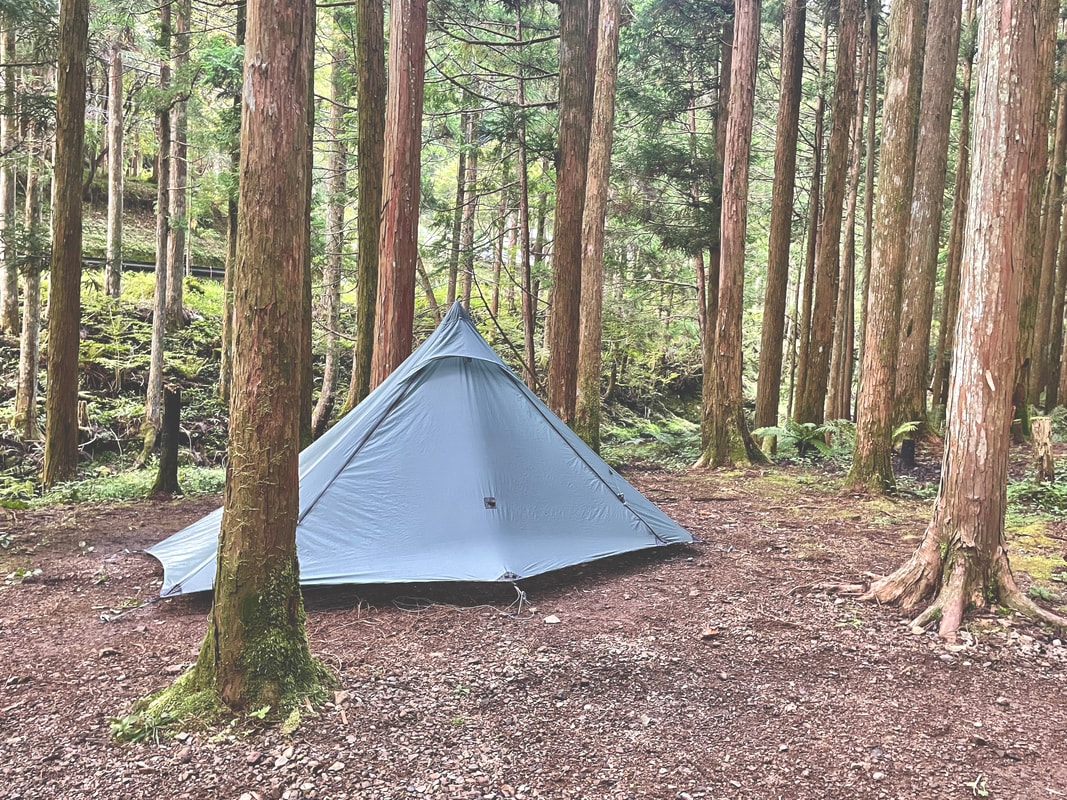
Compared with nearby campsites, it felt less crowded. There were two areas: a more natural-looking wooded section, which I preferred, and level pitches surfaced with gravel.
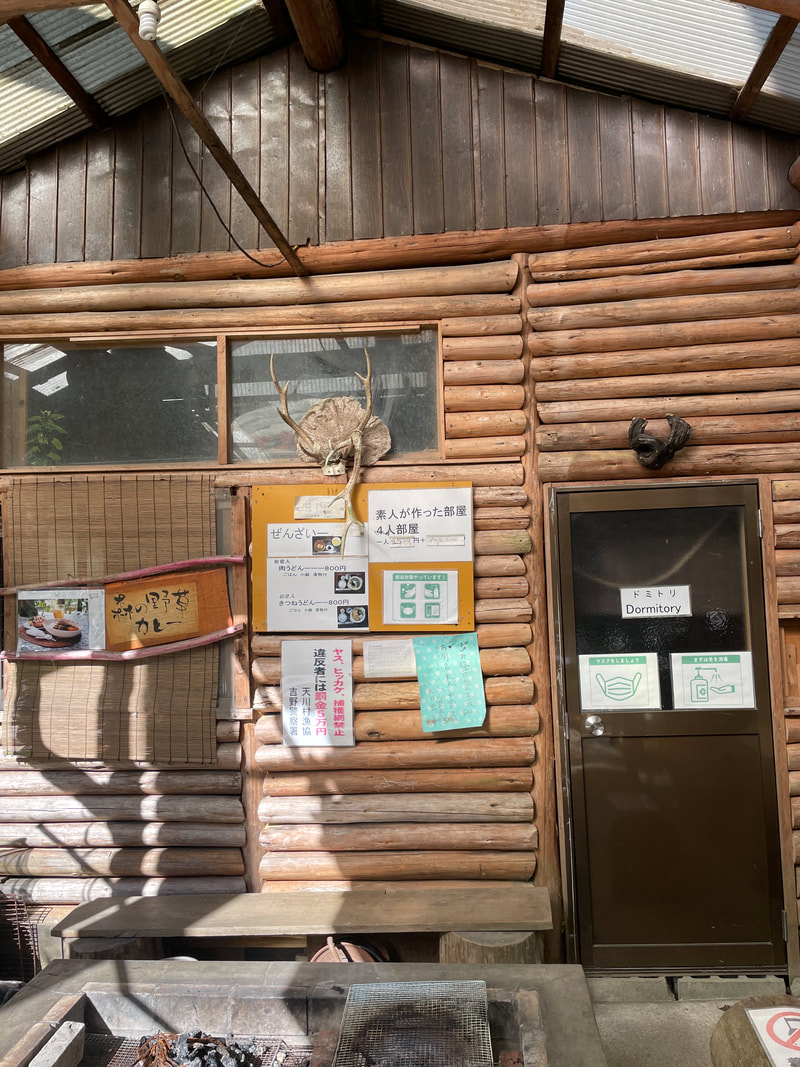
On my visit, the fee for one person and one tent was JPY 1,800, less than several surrounding sites. The woman running it was wonderfully warm. As soon as I arrived, she asked whether I needed hot water and whether I had dinner arranged.
A natural spring was nearby, and the campground water tasted good to me, though I did not know whether its supply came from that spring. My taste impression should not be taken as a statement about untreated-water safety.
On first seeing me, she asked whether I had come to conduct research, saying I had the air of a scholar. That made me smile. Kohiroso was a place I was happy to recommend based on my stay.
A Reason to Return in Winter
After three weekends in Tenkawa, I had grown attached to this little village and its stories. Thinking about going somewhere else the following weekend made me a little sad.
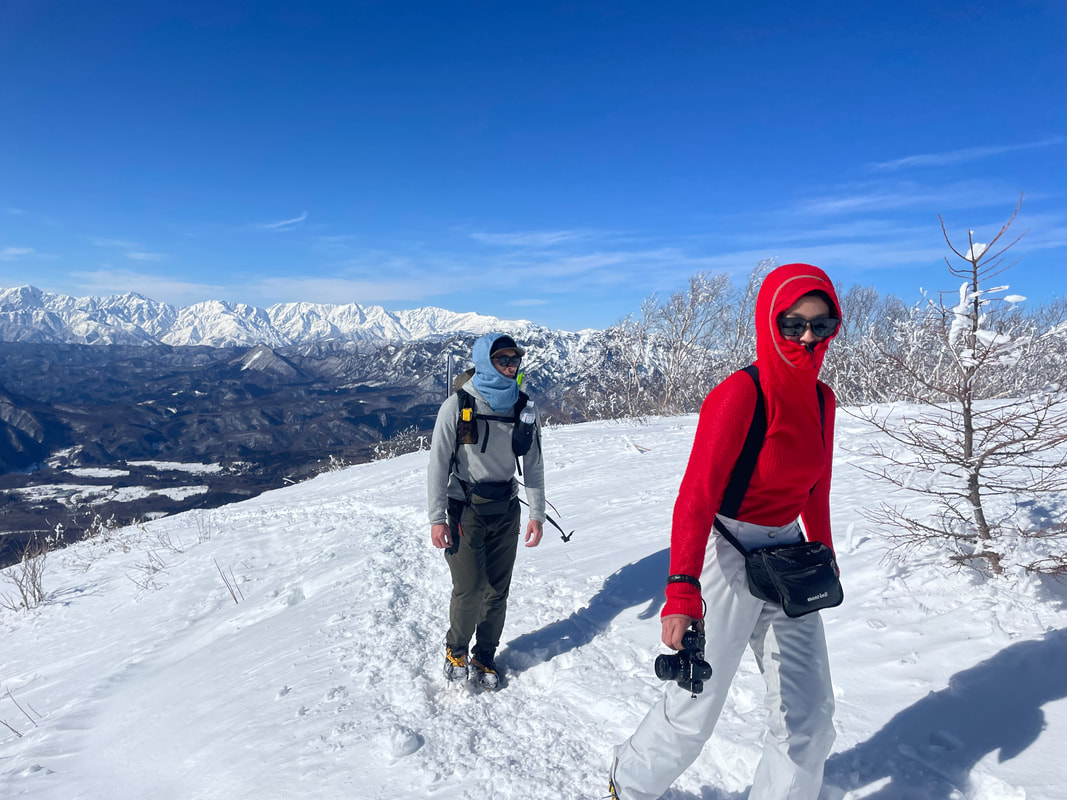
The campground’s owner told me they continued operating toward winter and had four-person rooms with heating and warm bedding. By then, white mountains would surround the village, creating a completely different landscape.
An old mountain settlement enclosed by snowy peaks sounded dreamlike. Clearly, I would have to come back in winter.
My journey among Tenkawa’s mountain traditions was not over. To be continued.
Bikepacking diary: YouTube · Facebook · Instagram
The author’s bikepacking bags: WOHO