Kyoto to Kurama | A Brother-and-Sister Bikepacking Adventure
Translated from Bikepacking diary’s original Kyoto–Kurama article, published on July 25, 2017, and republished by arrangement with the author. Photographs are linked directly from the original website.
Editor’s note: This historical travel account reflects the author’s trip, not current campsite, rental or access arrangements. Confirm services, bookings, bicycle suitability and load limits before travel. Tales about Yoshitsune and tengu are presented as cultural stories or attributed conversations, not verified historical explanations. The account includes riding in thunder and heavy rain; do not copy that decision. Seek appropriate shelter and follow current severe-weather guidance. Check water conditions and permissions before entering any stream. Use stoves only in locations permitted by the site and stove instructions, away from enclosed spaces and combustible structures.
Sharing Bikepacking with My Sister
Good things are worth sharing with friends, and even more so with your own sister.
One of my first priorities on arriving in Kyoto was planning my first bikepacking outing in Japan. I wanted my younger sister to see the country from a bikepacker’s perspective.
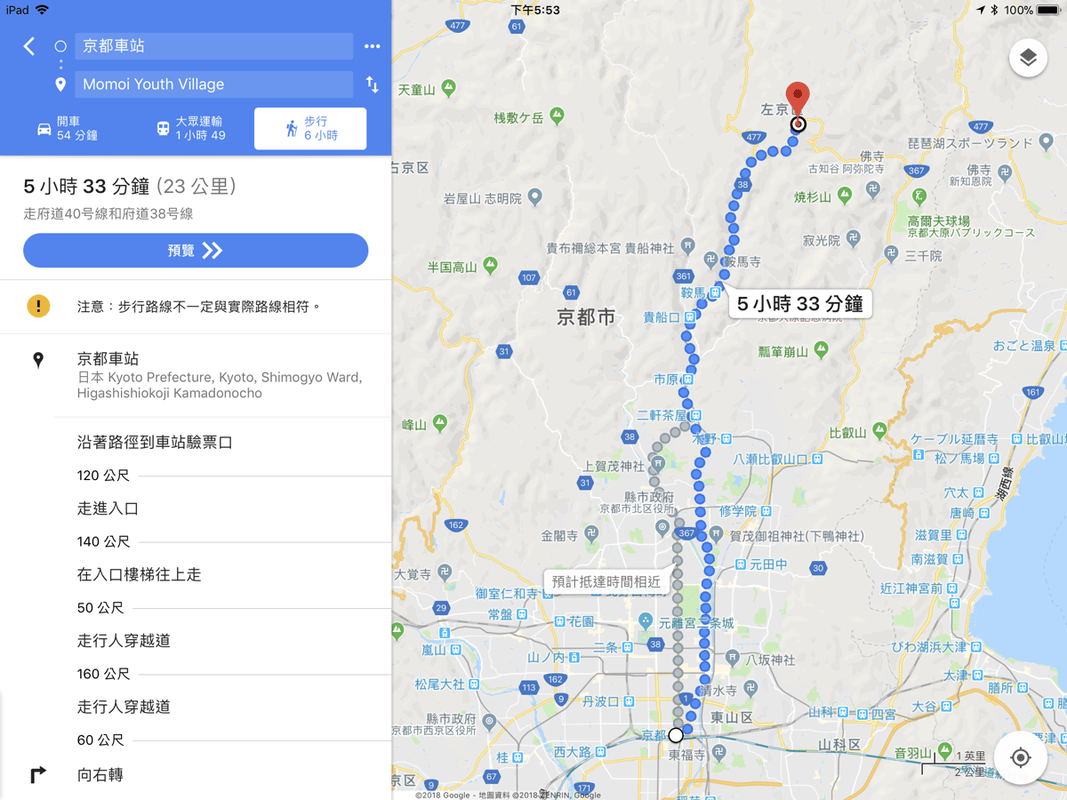
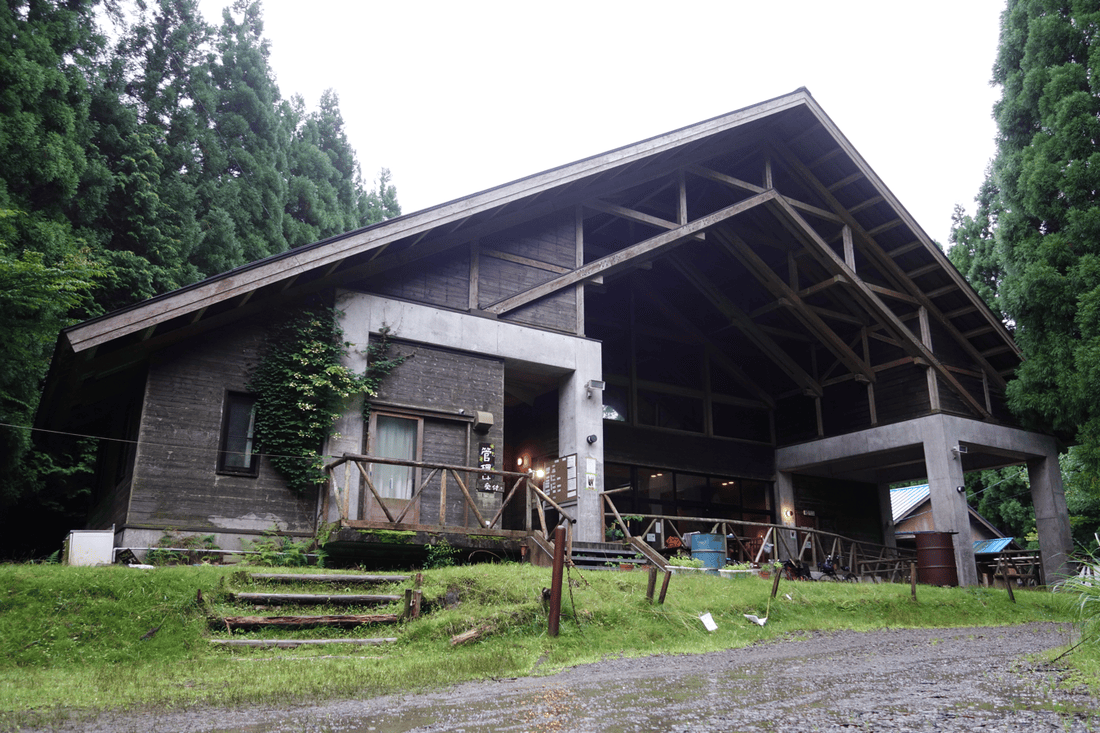
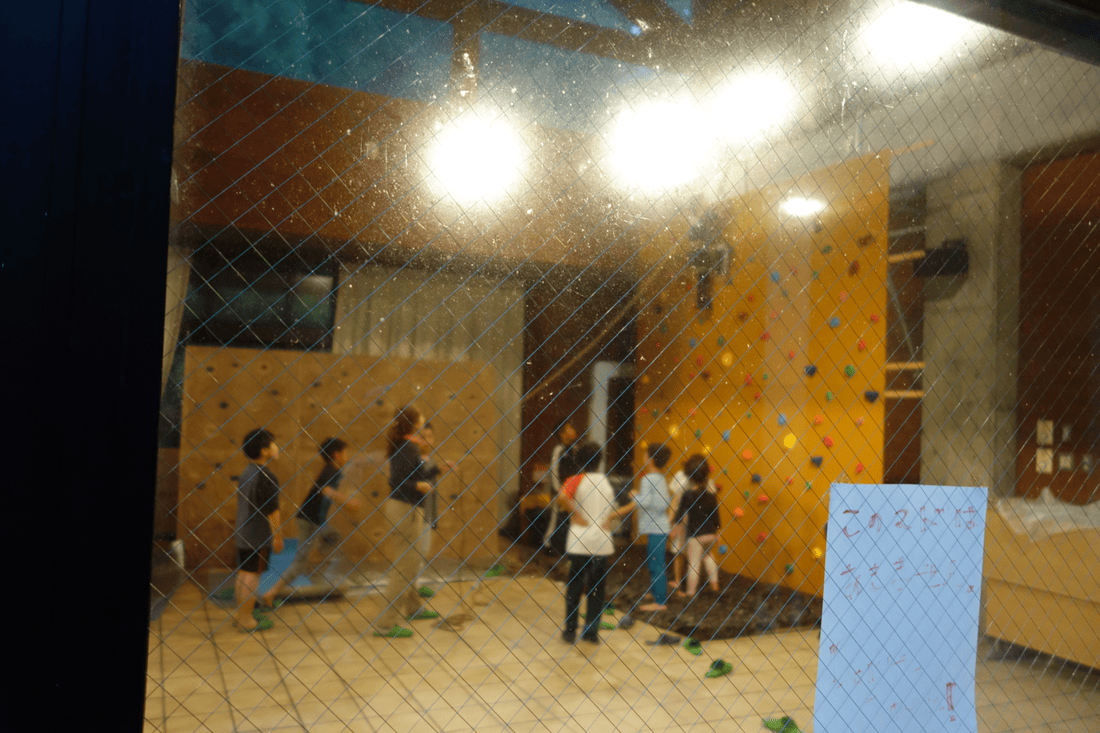
Taking a beginner meant I could not be as casual about overnight stops as I sometimes was alone. Near Kurama, I found Momoi Shonen-mura, a public camping facility run by Kyoto City.
At the time, it was free to use but required an online application in advance, a slightly inconvenient extra step. It had showers, was not too far from the city and sat among the beautiful Kurama mountains. For the trip I was planning, it seemed a good introduction.
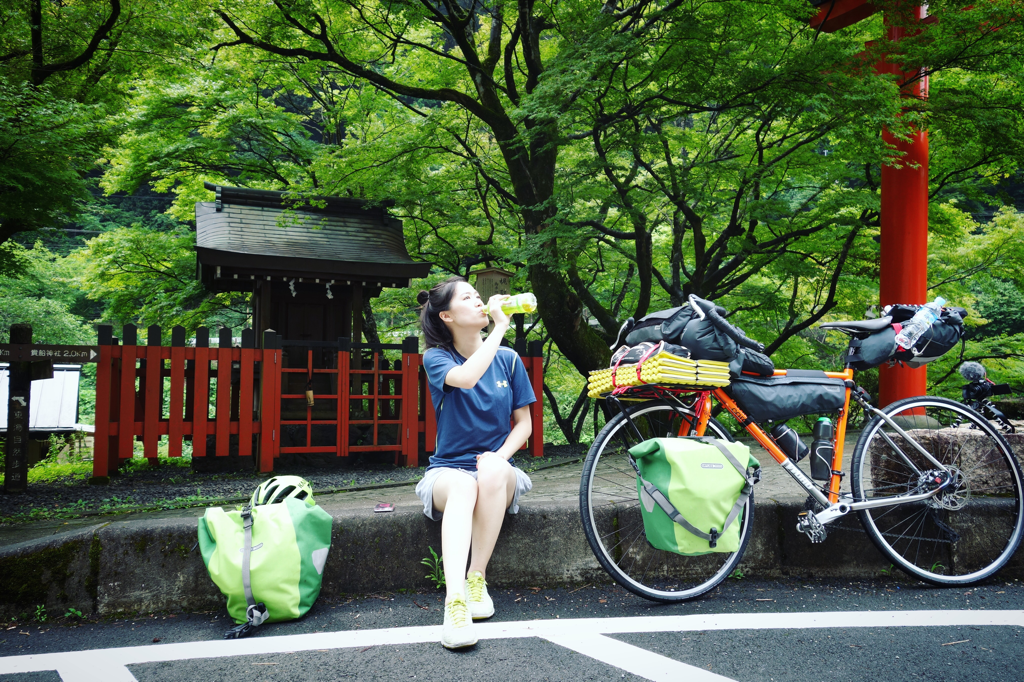
An E-Bike That Would Help Us Both
Next came the bicycle.
My sister lived in Kyoto and had a step-through commuter bike. I did not think that particular setup would suit the mountainous outing I had planned.
Finding a rental was no problem. Kyoto had plenty of bicycle-rental shops.
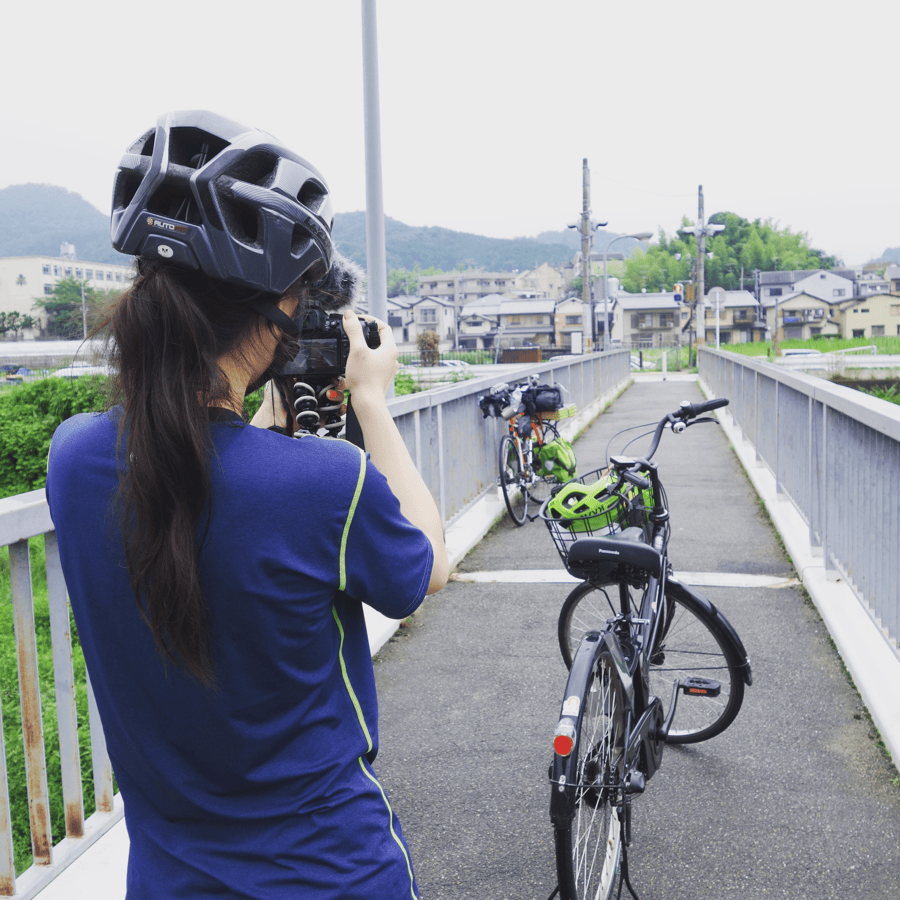
To make the climbing easier for her, I chose an electric-assist bike.
What I did not know was that this decision would help more than my sister. Before the trip ended, it would help rescue my legs too.
Rain on the Way to Kurama
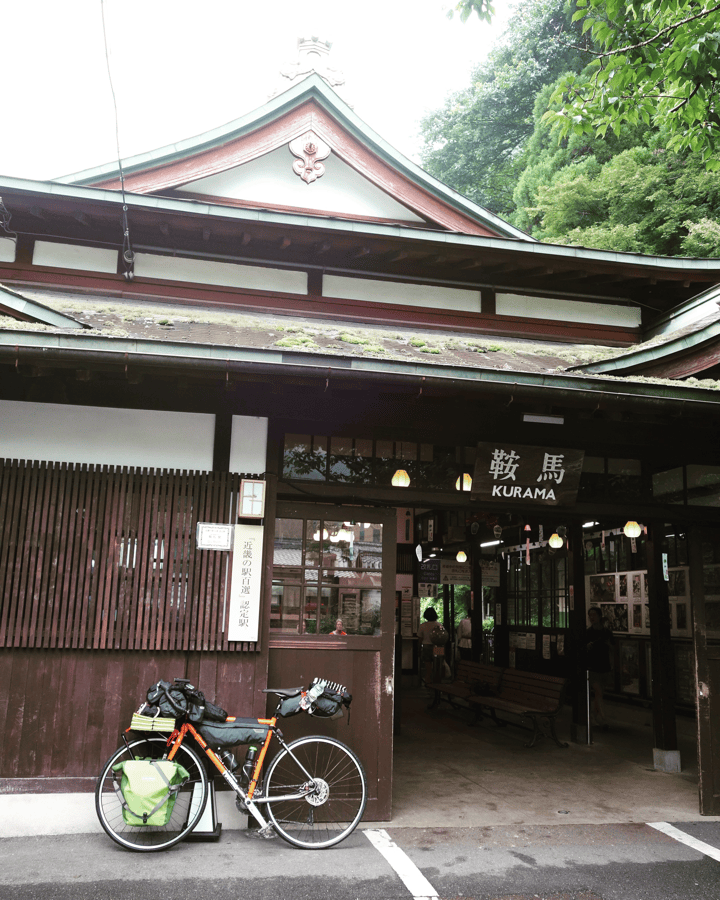
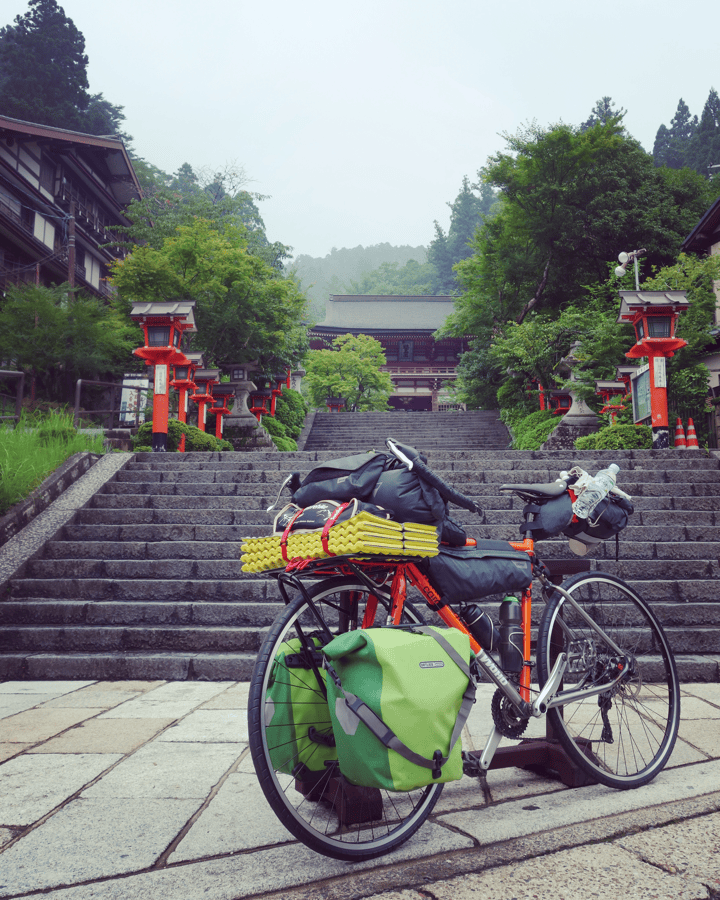
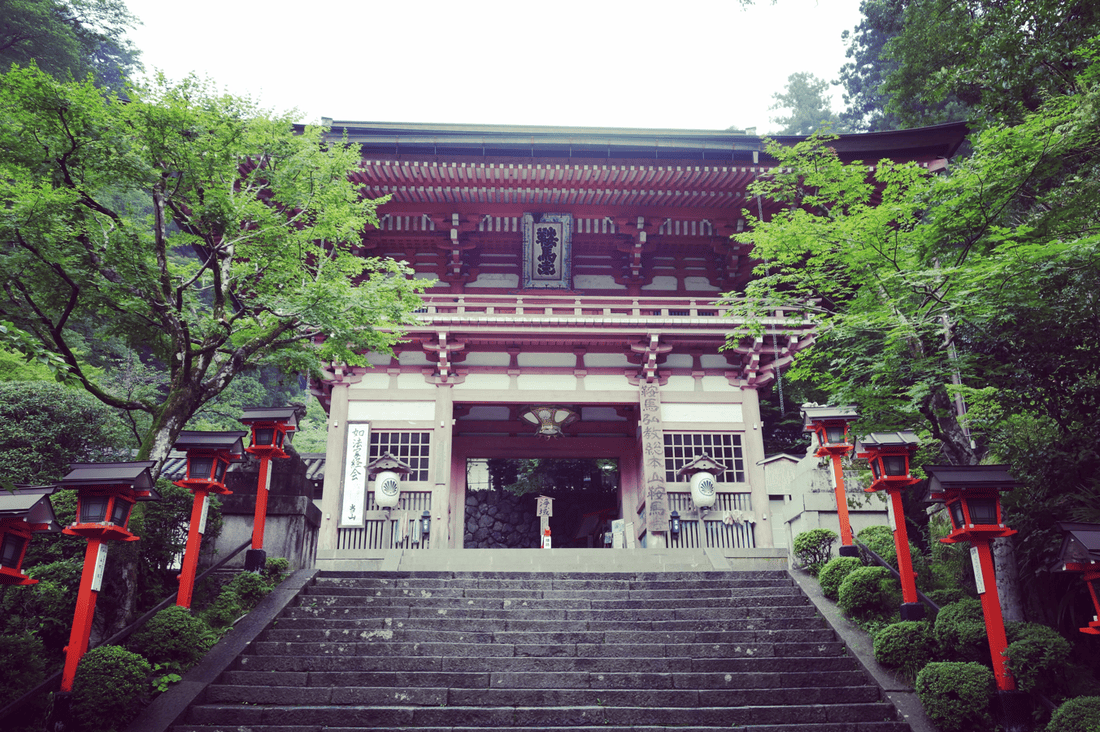
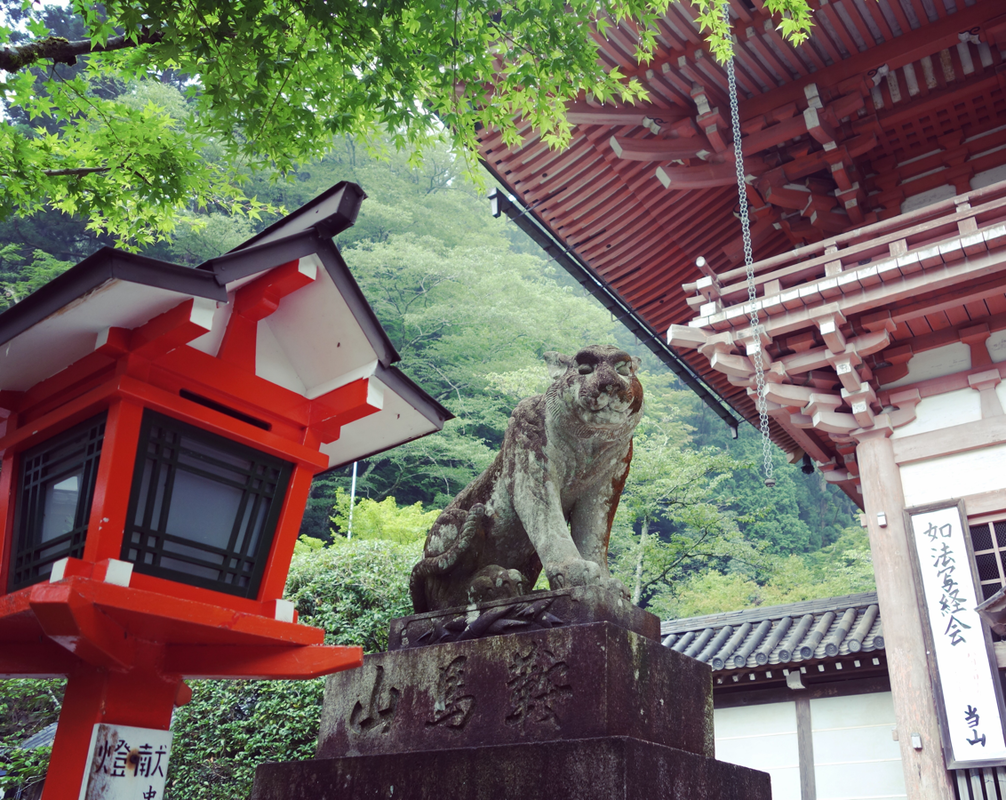
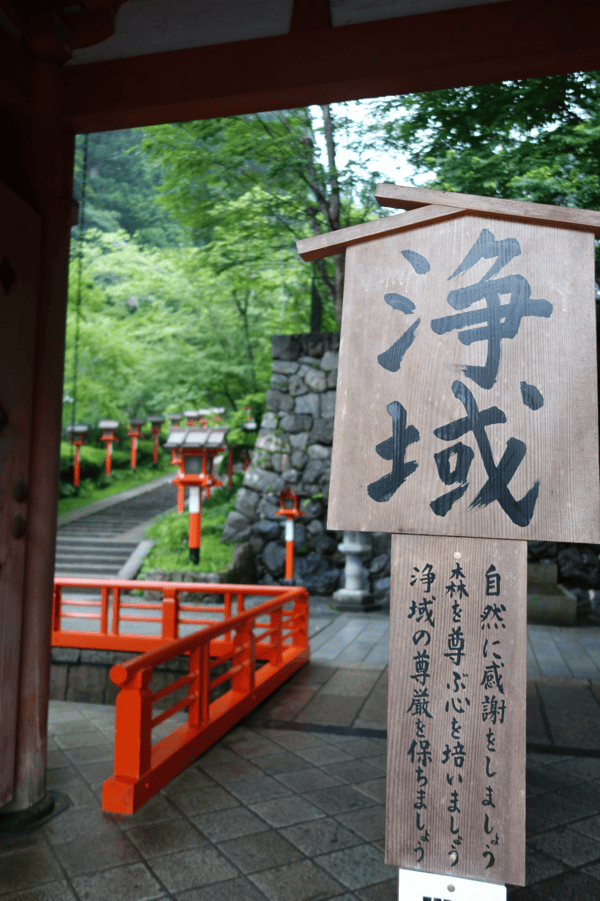
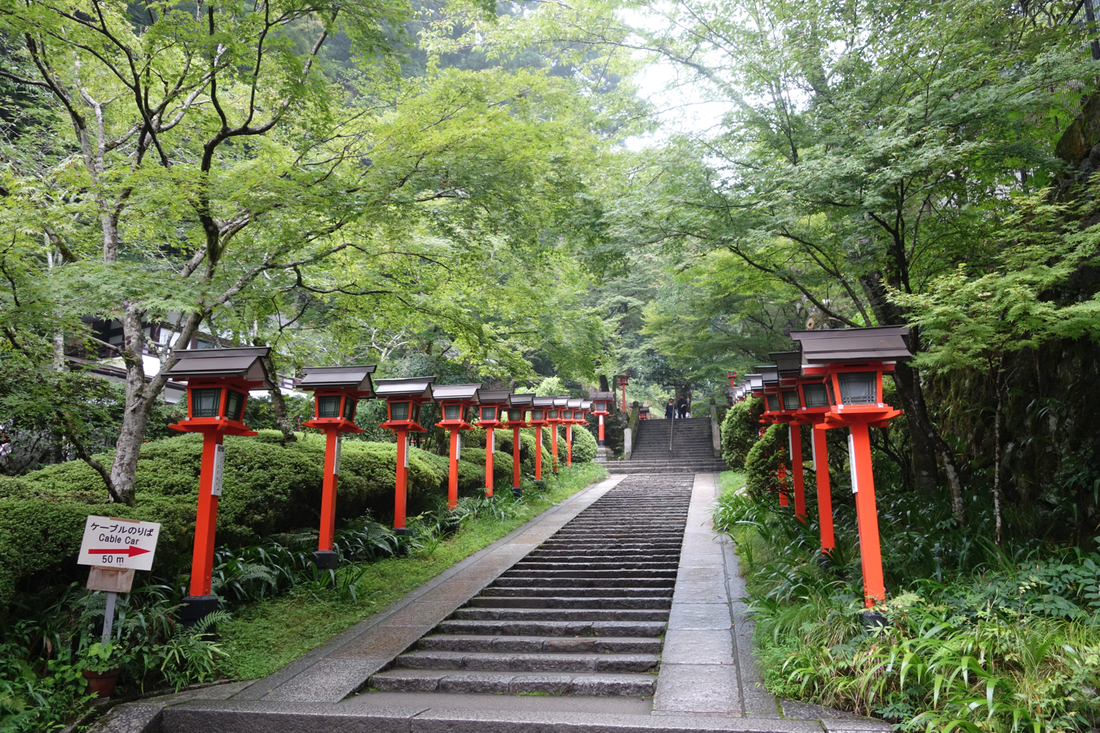
Kurama-dera was a place I enjoyed visiting. Beyond the famous autumn leaves around Kurama and Kibune, the mountain was associated with tales of the young Minamoto no Yoshitsune training with a great tengu.
Whenever I entered those woods, I sensed an atmosphere different from other places.
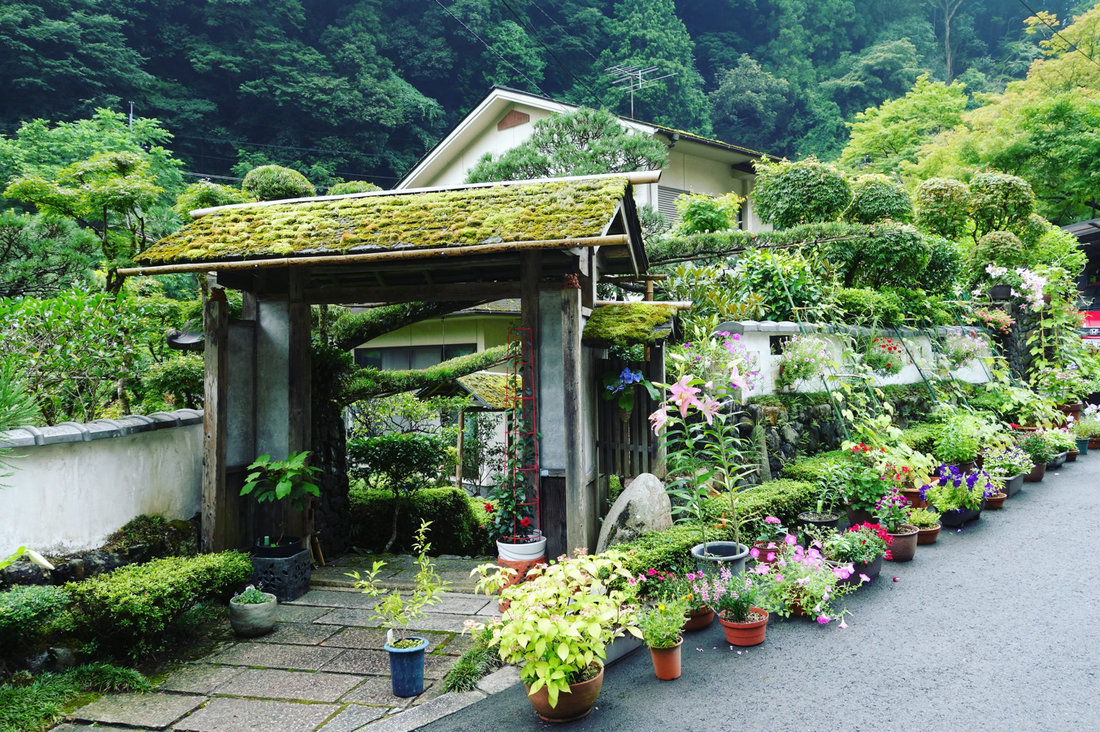
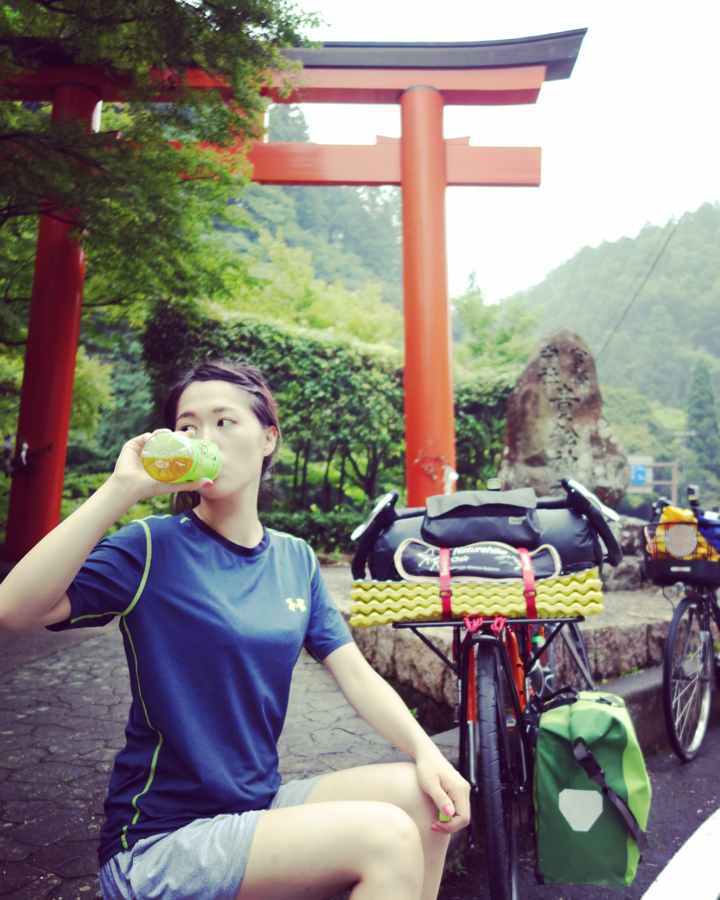
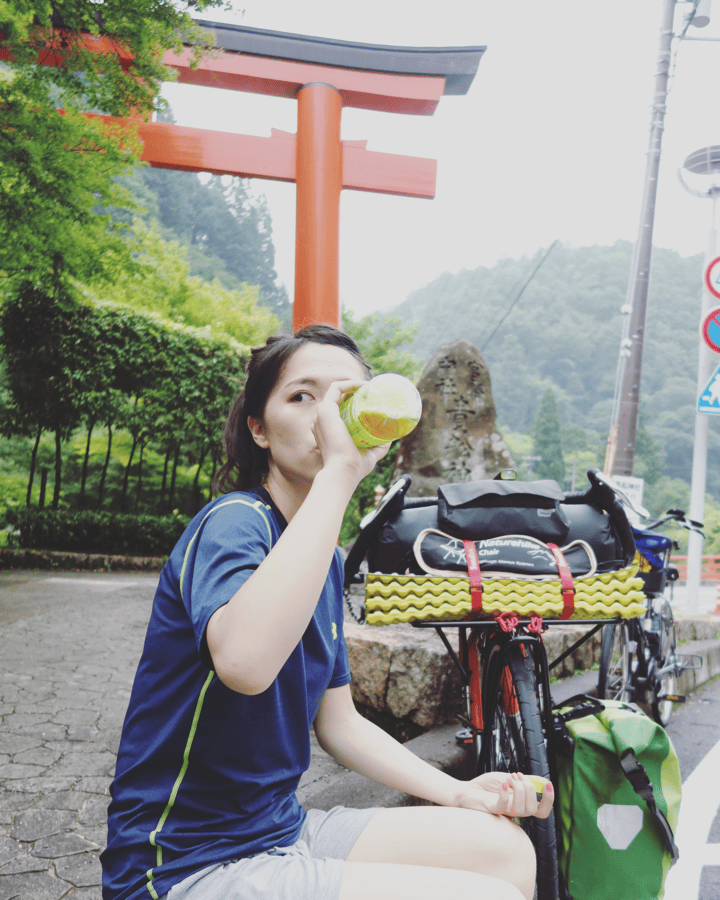
Coming by bicycle, rather than taking the train as I had before, let me appreciate the approach more slowly.
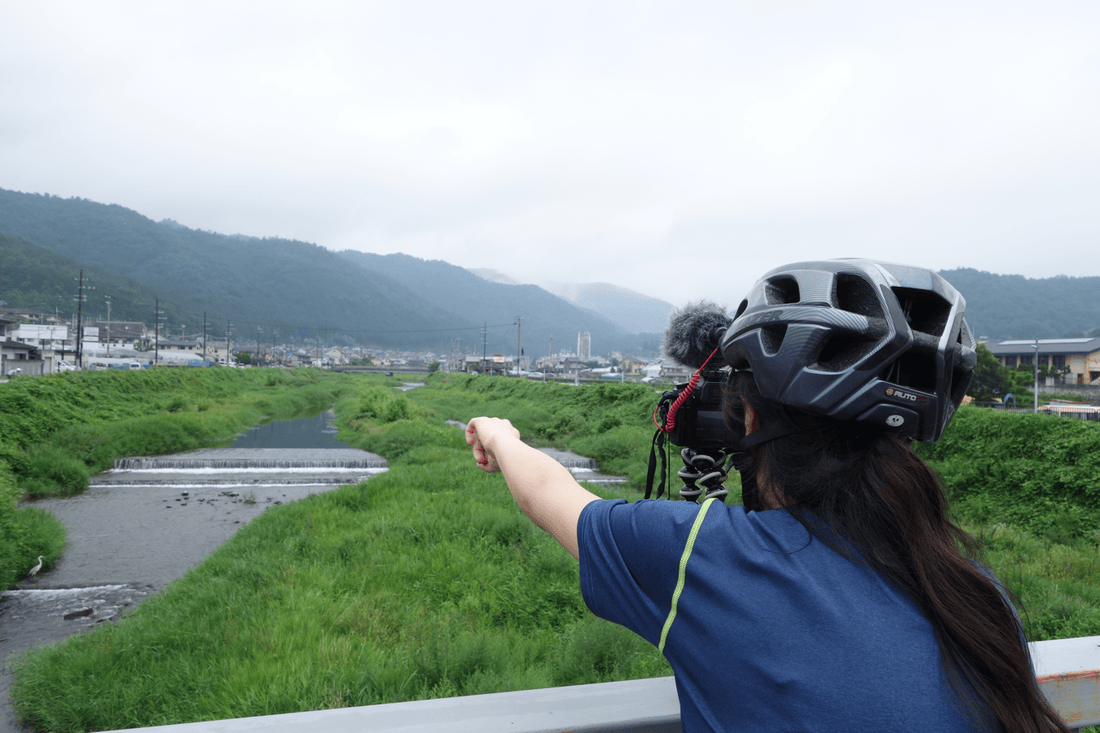
The weather was less cooperative. Before we had even begun the mountain climb, heavy rain caught us at the foot of the hills.
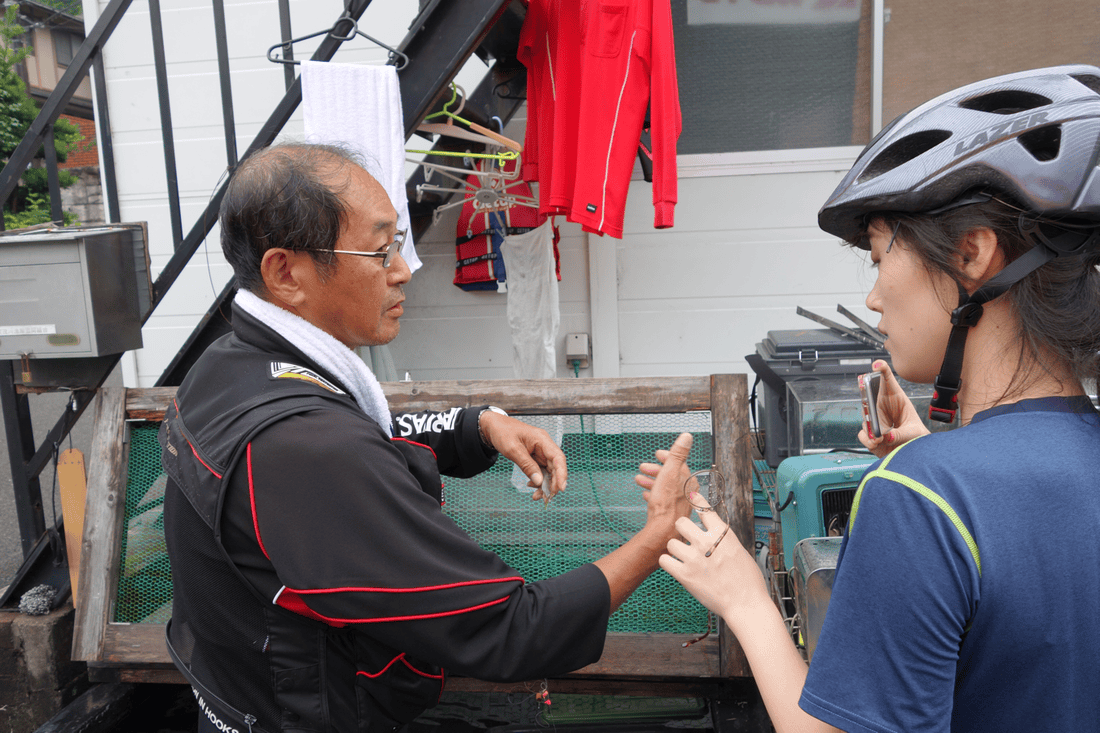
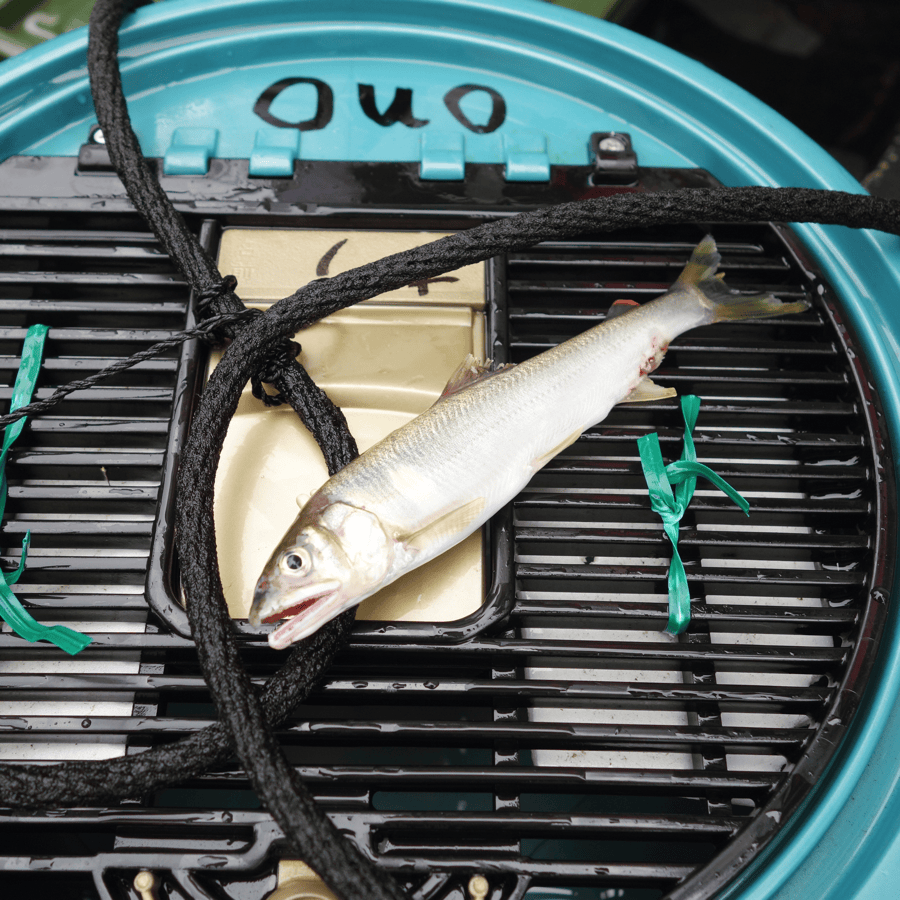
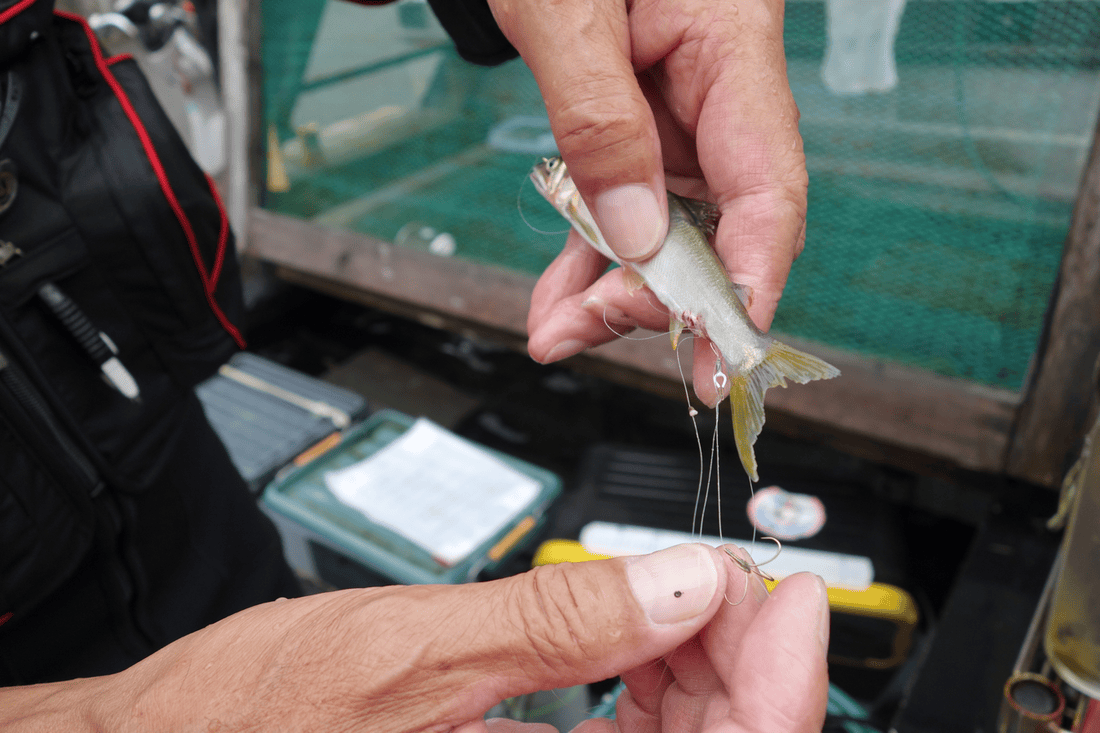
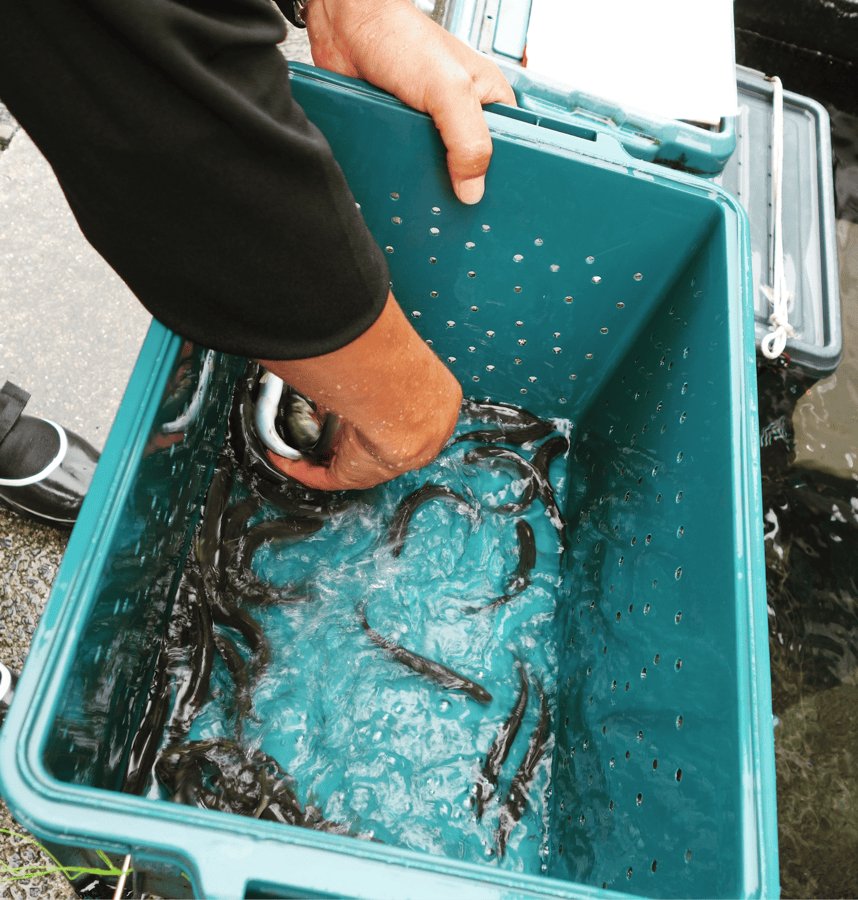
We sheltered beneath a house’s awning. Its owner happened to return carrying bags of freshly caught fish.
He stopped to talk, showing us his catch and explaining his fishing method. I have forgotten the fish’s name, but remembered that he used a live fish to catch another of the same kind.
With little fishing experience myself, I found the idea unsettling. It made me think about the suffering hidden within the systems of everyday life, systems I was part of too.
As I sank into those thoughts, the sky gradually cleared. I jokingly imagined that my compassion had persuaded the heavens to let us continue.
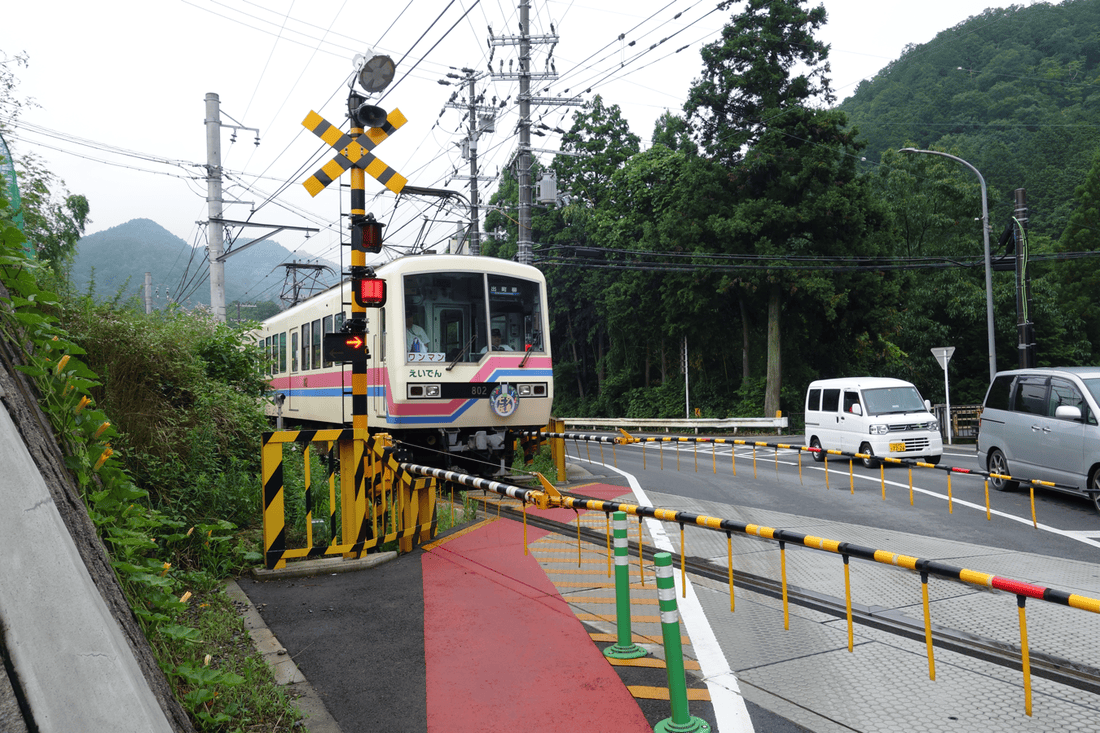
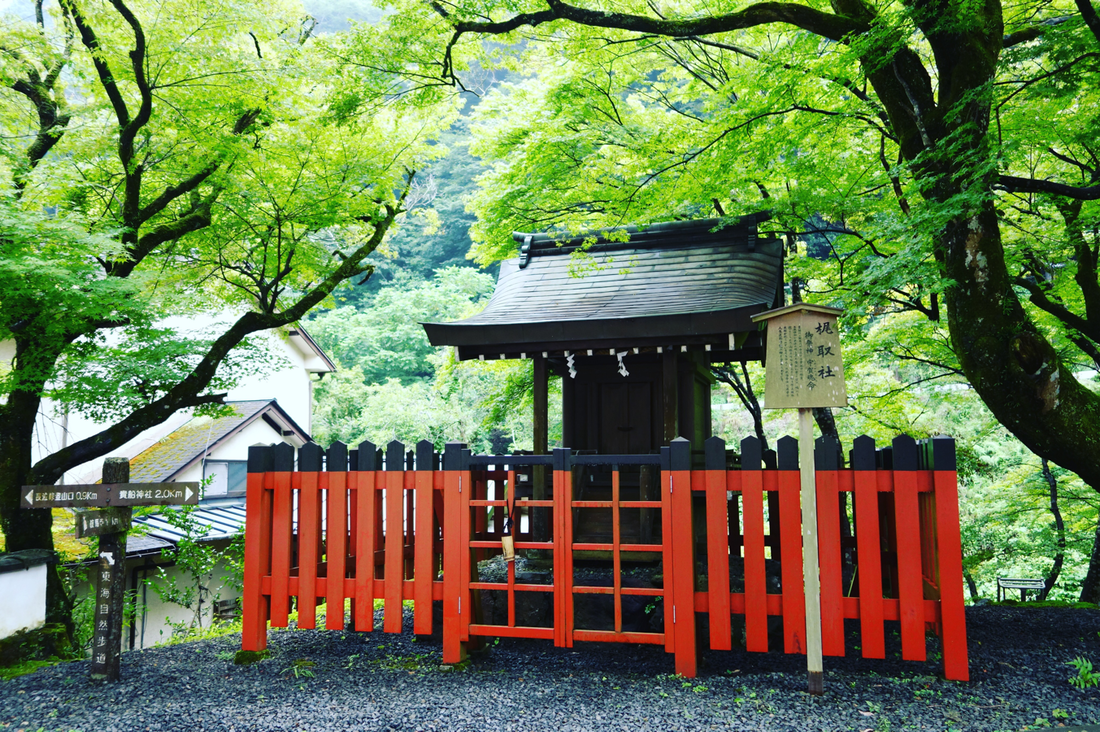
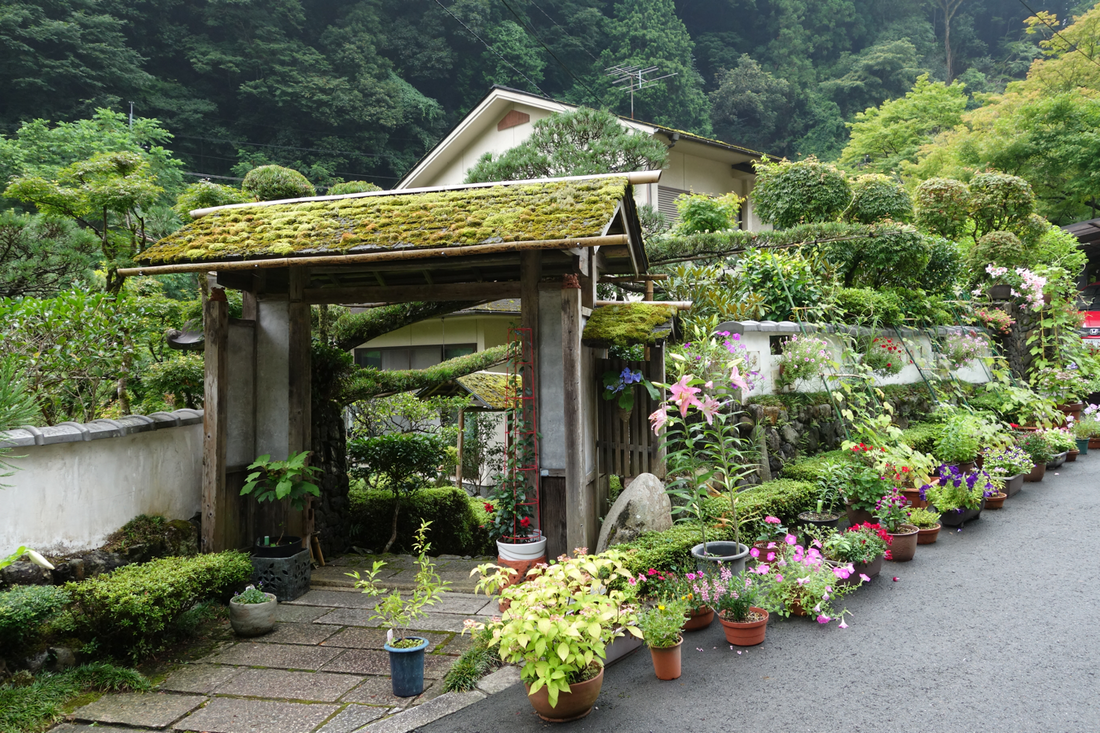
Stories at Kurama Station
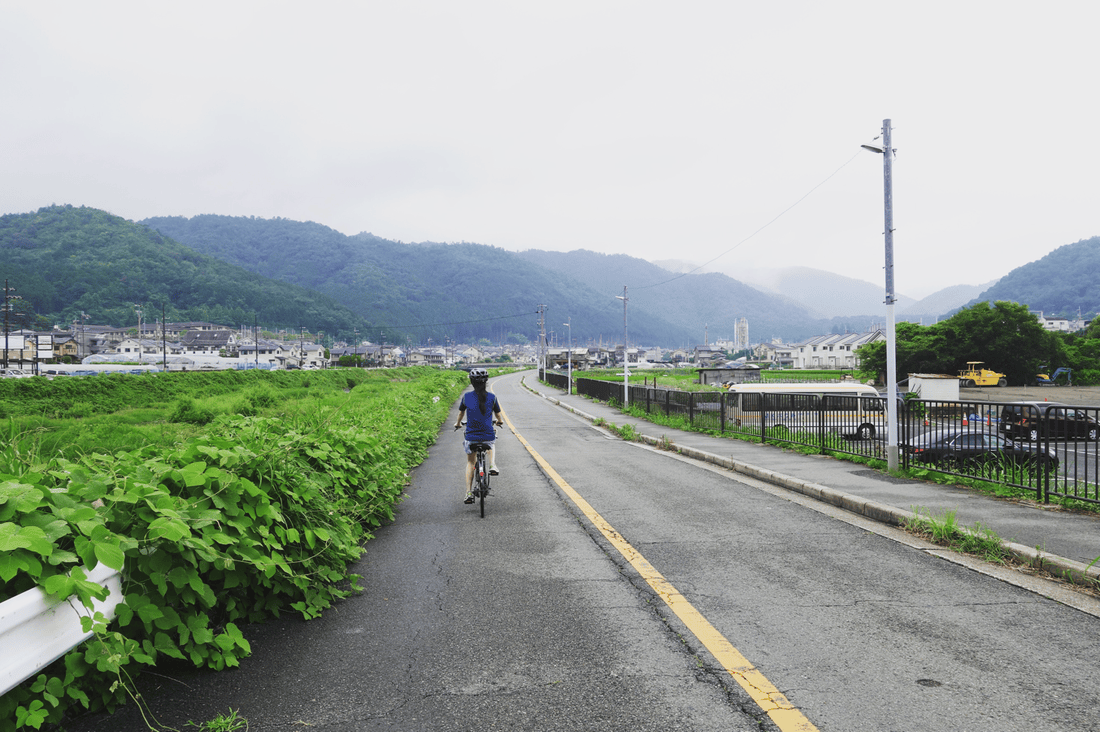
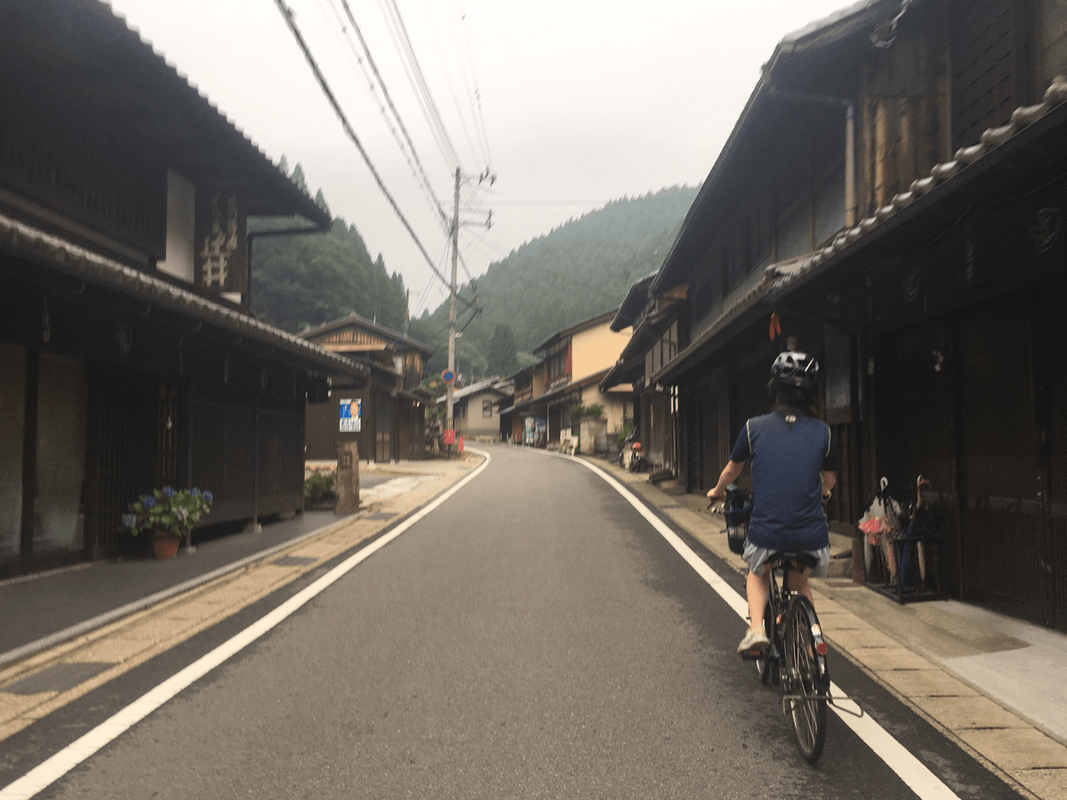
From the start of the mountain approach to Kurama Station, there was not much climbing, and we both rode comfortably.
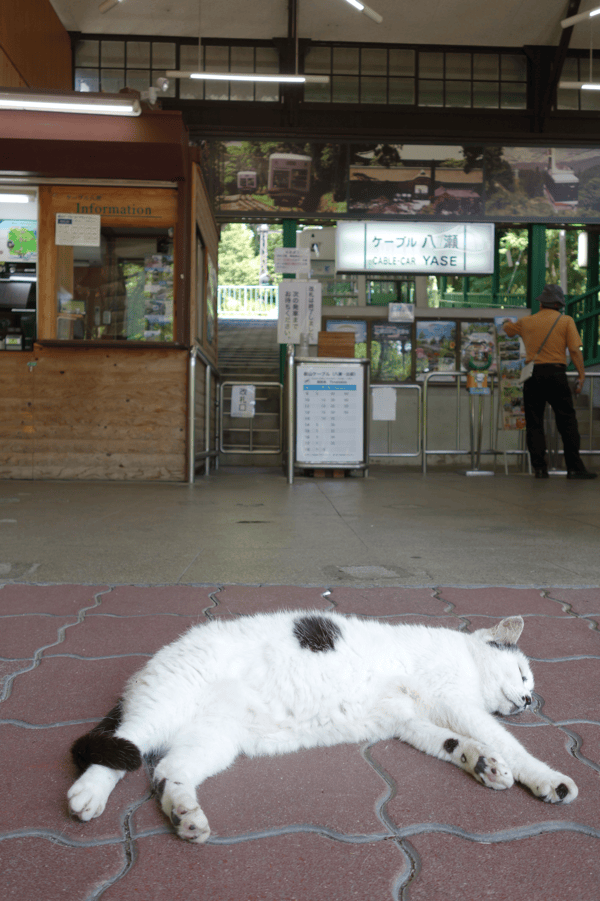
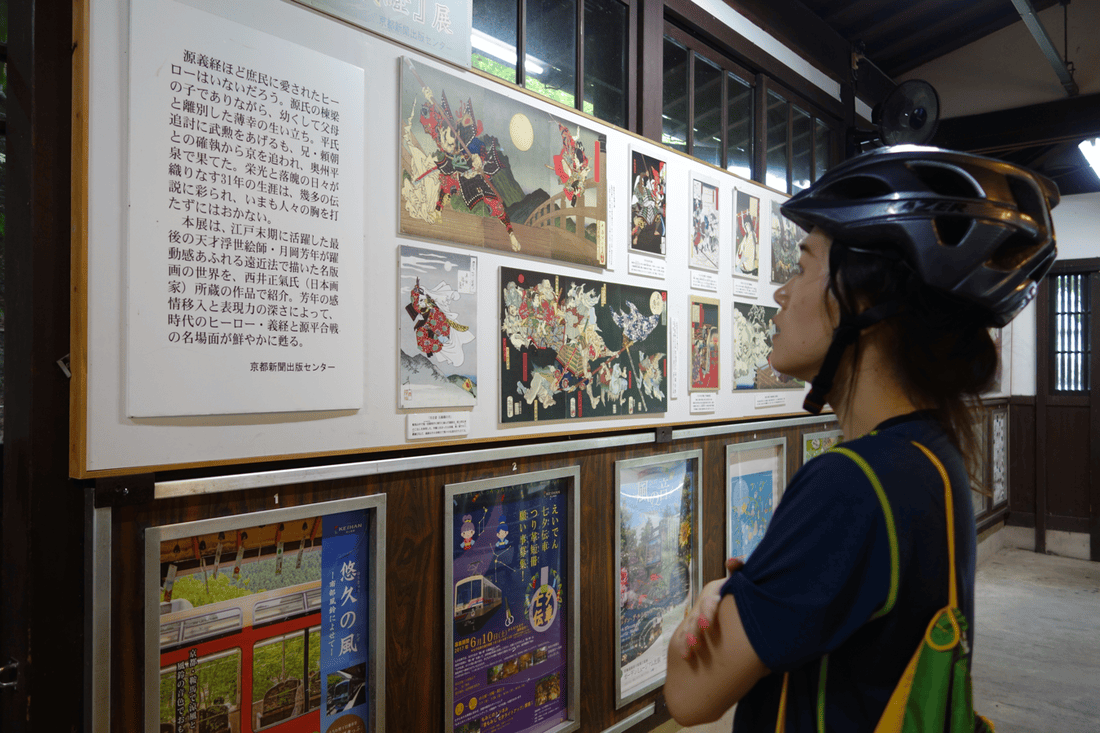
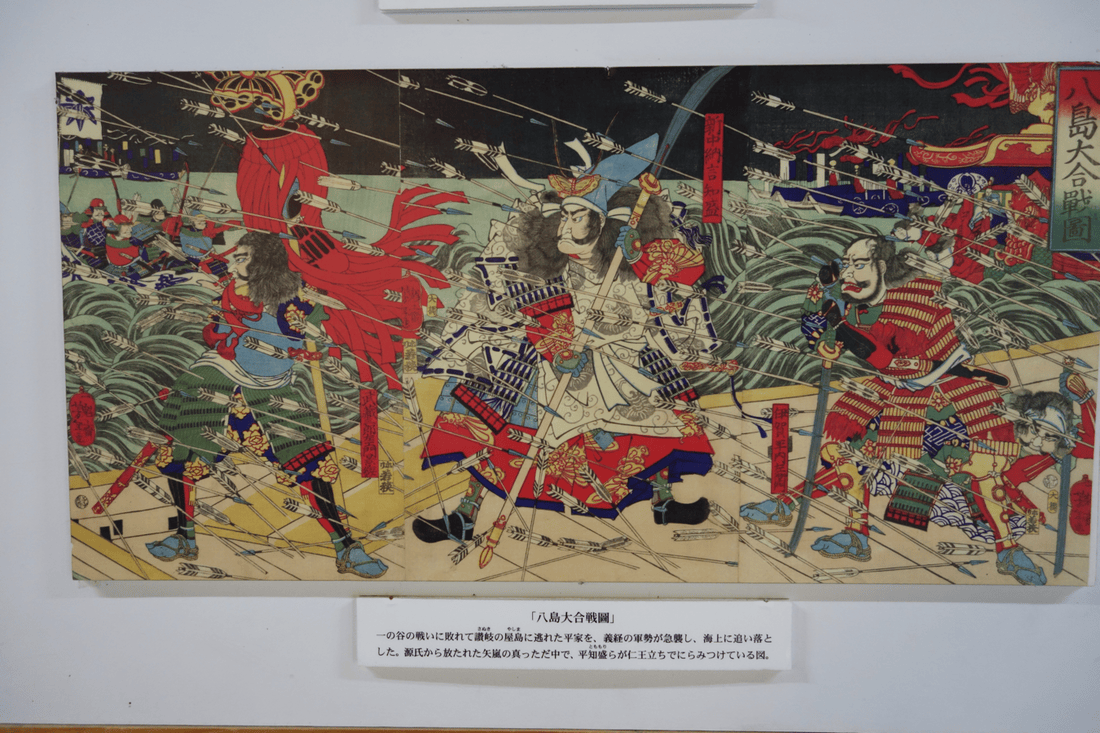
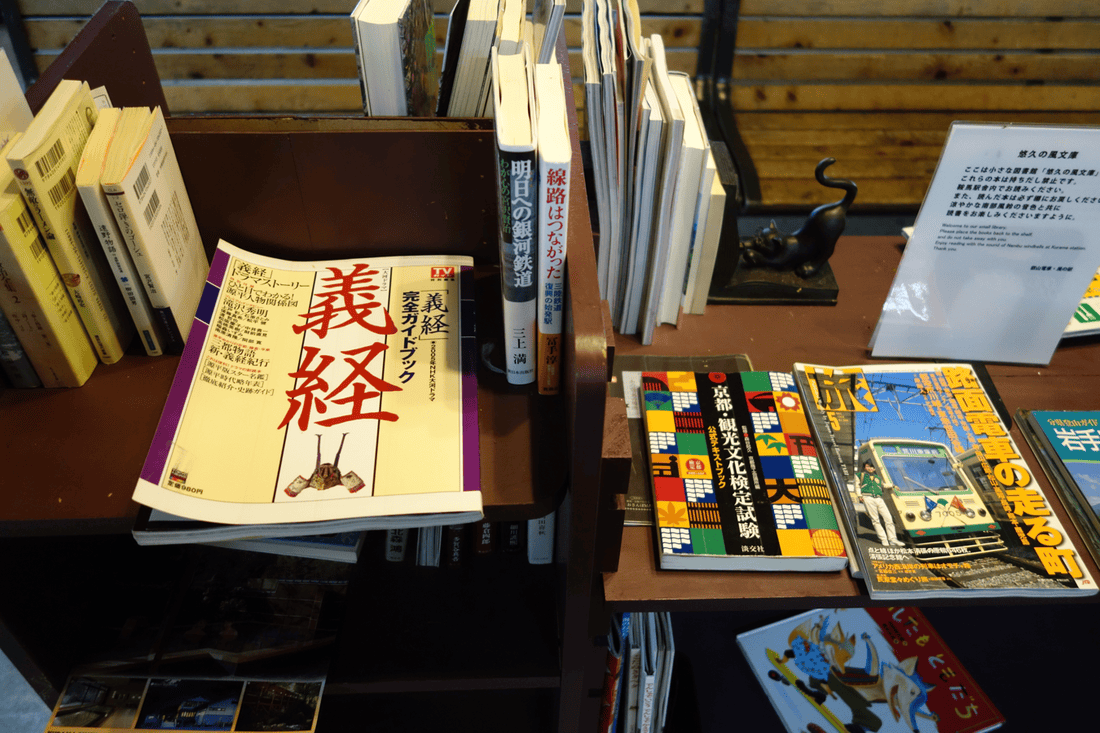
At the station, we stopped to look at the displays about Yoshitsune.
In the familiar account of his tragic life, he helped his brother defeat the Taira clan, only to become estranged from him, flee pursuit and eventually die by his own hand.
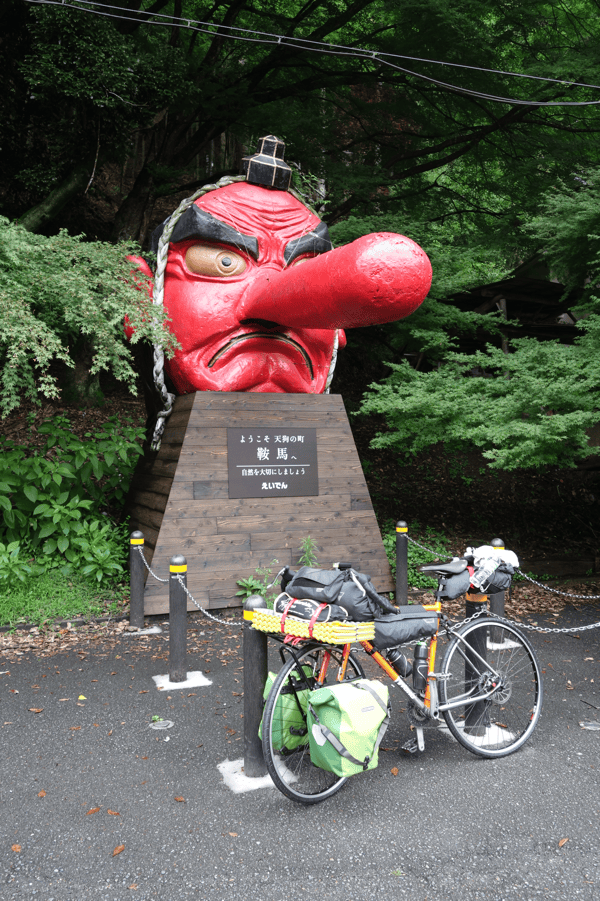
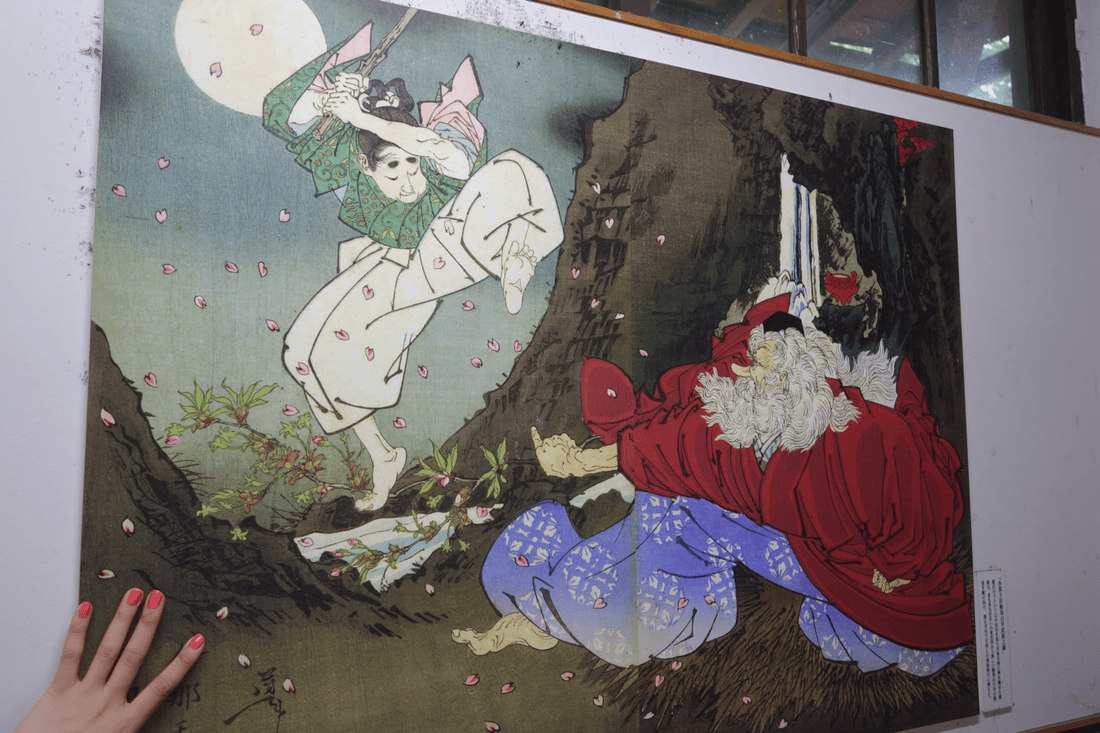
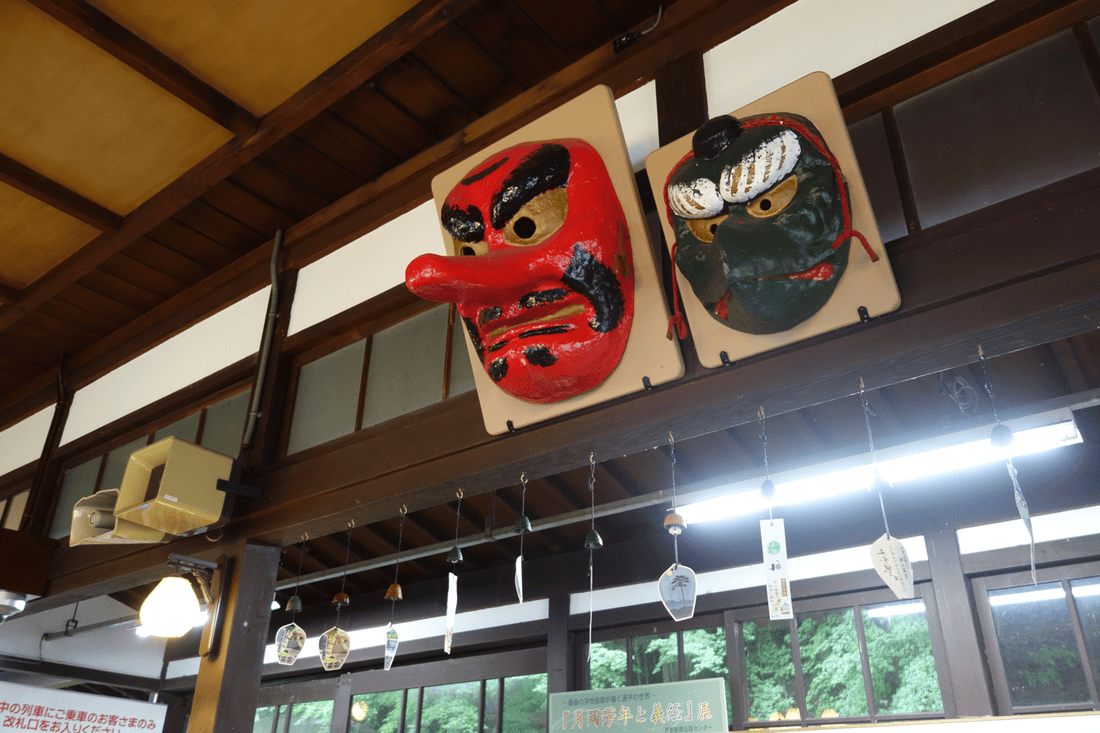
Legend connected his childhood at Kurama with martial training under a great tengu. The station’s pictures told episodes from that extraordinary life, and we stood studying them one by one.
Our interest drew the stationmaster into a conversation.
He offered an unusual theory about the tengu’s red face and long nose: perhaps the figure had originated with a foreigner, possibly a Russian who knew Chinese martial arts.
At the time, I found the speculation intriguing. It was a story shared in conversation, not evidence establishing the origin of tengu traditions.
Route 477 Changes the Mood
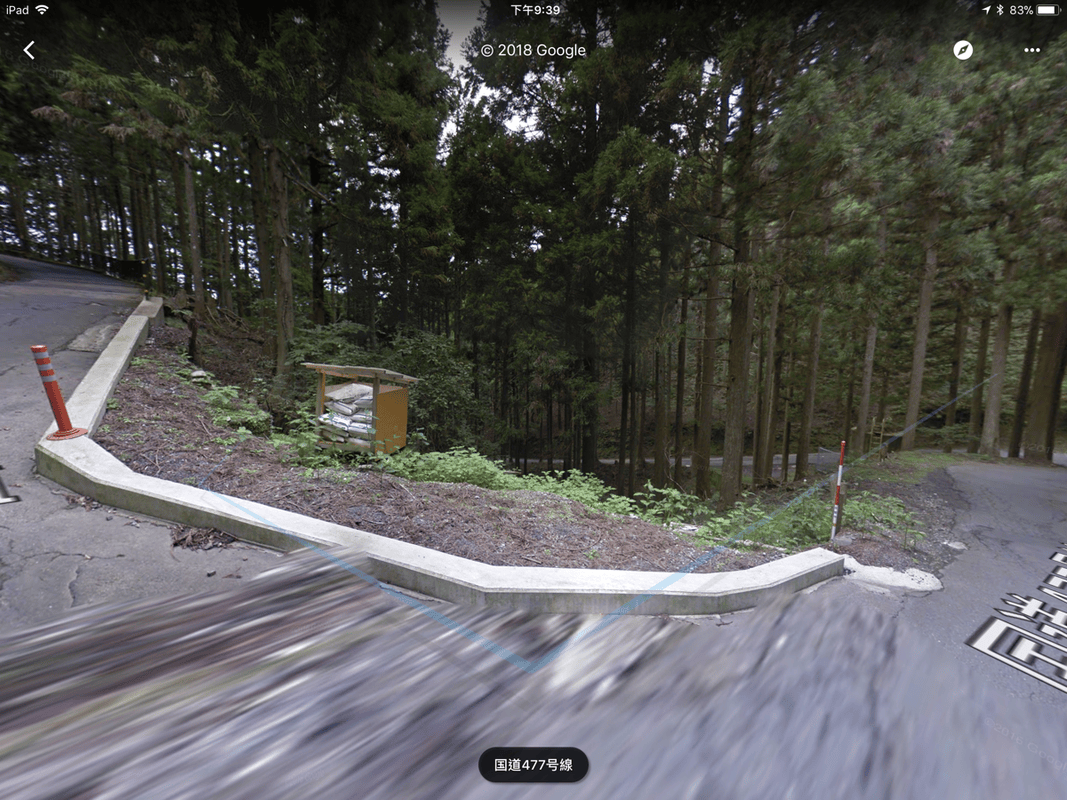
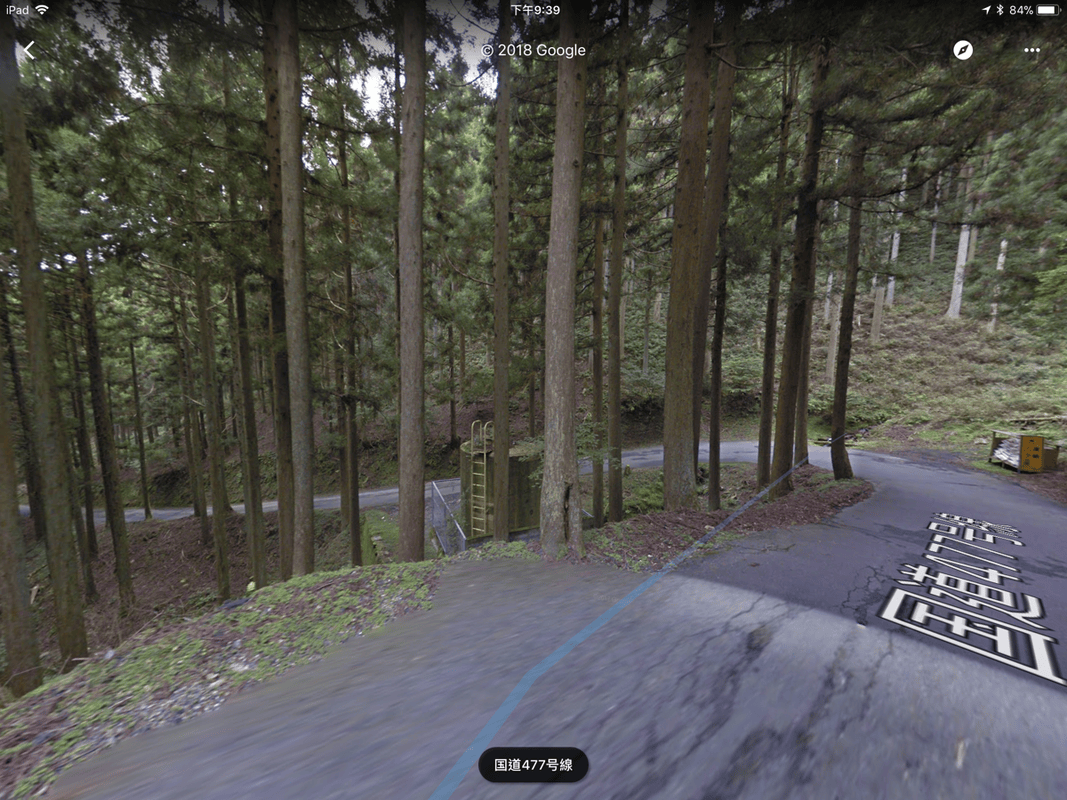
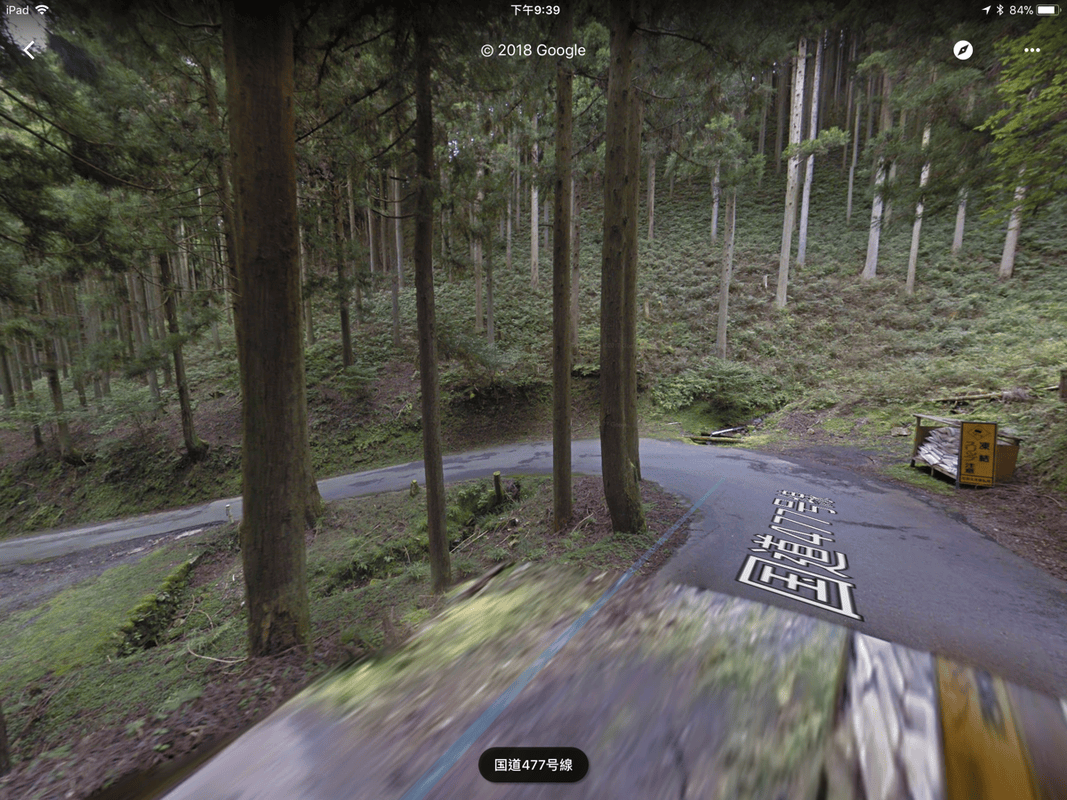
The road beyond Kurama initially remained manageable. Then we reached National Route 477, and everything changed.
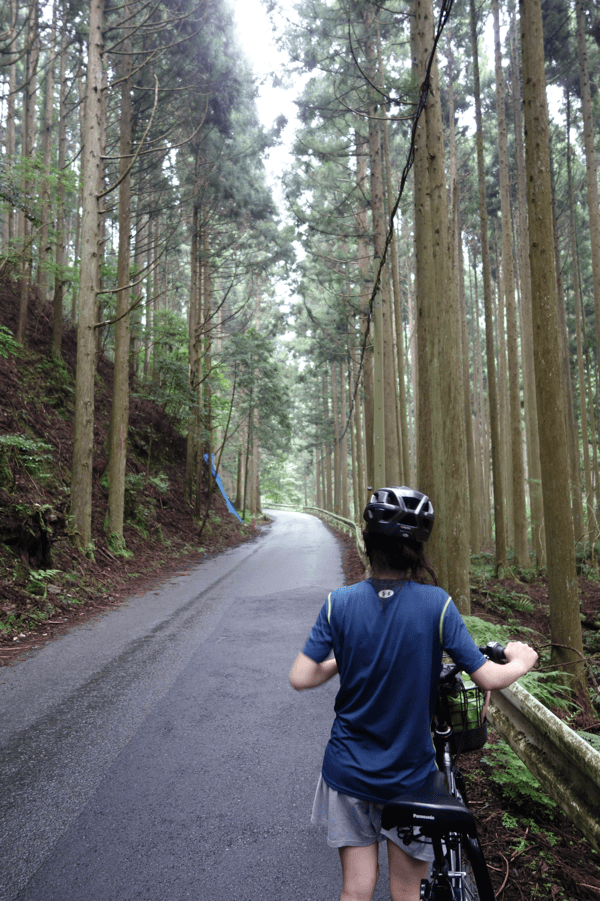
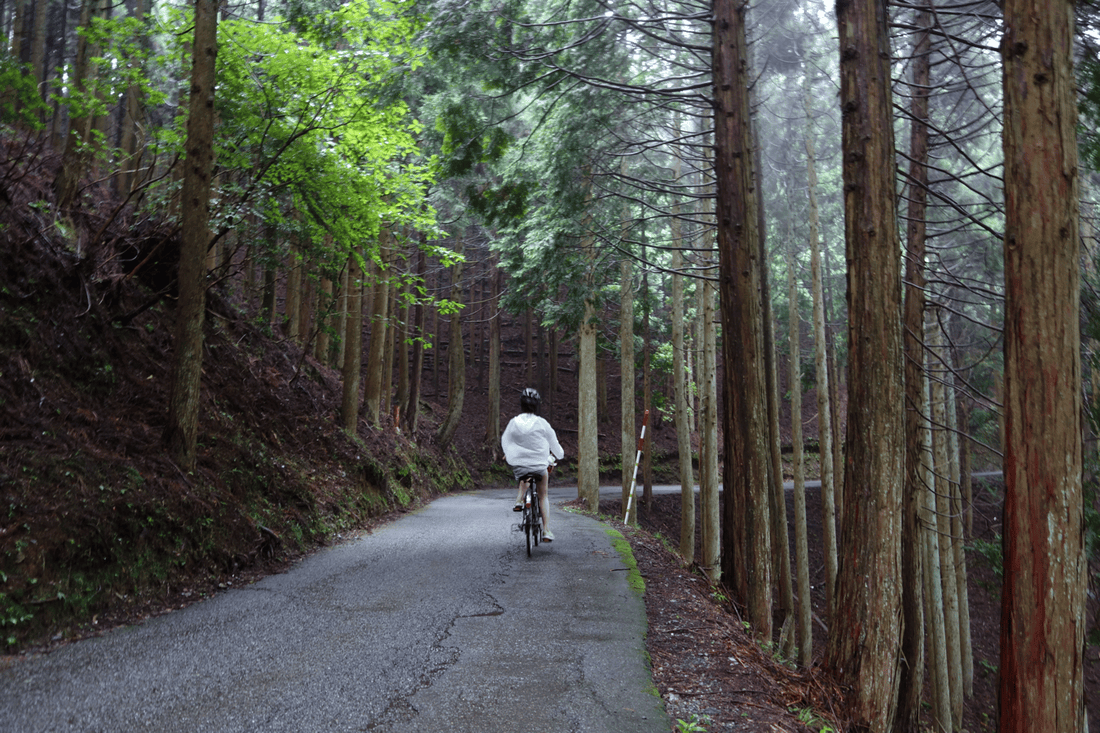
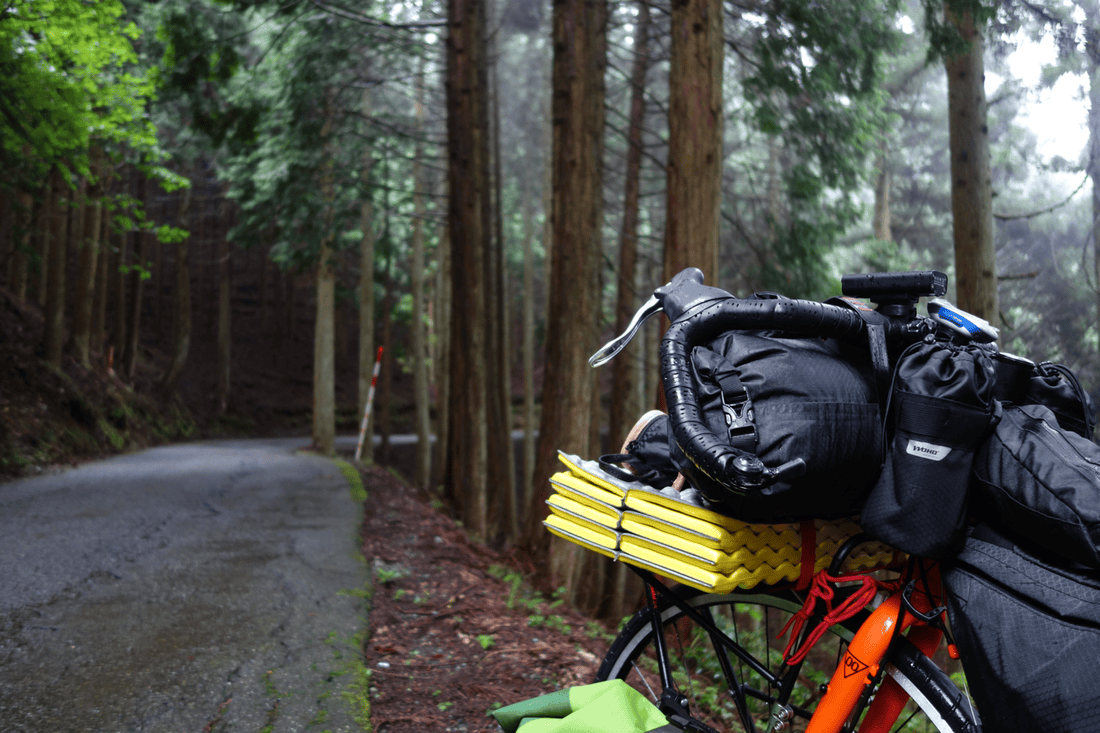
I had often imagined Japanese roads as broad and smooth. Mountain national roads could quickly challenge that assumption. Here, the road was narrow and steep, more like a small rural or working road back in Taiwan.
To make matters worse, dark clouds gathered and thunder sounded.
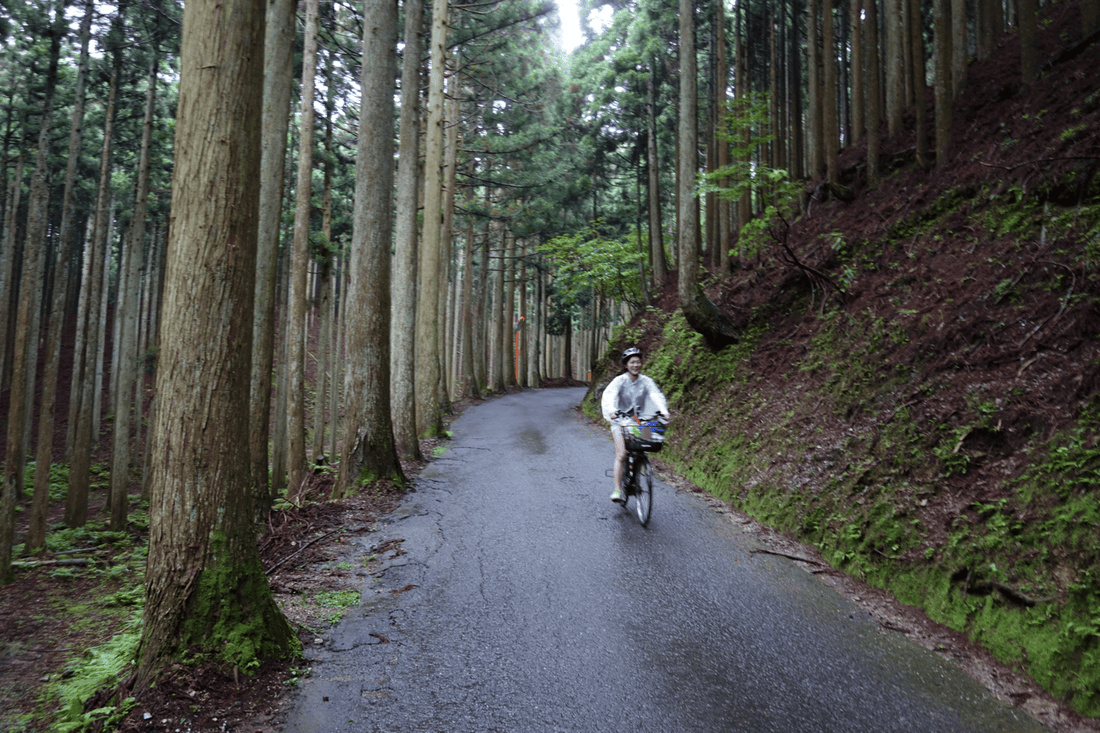
My sister continued upward with electric assistance. My legs grew heavier until, before long, my feet reached the ground just as the rain did.
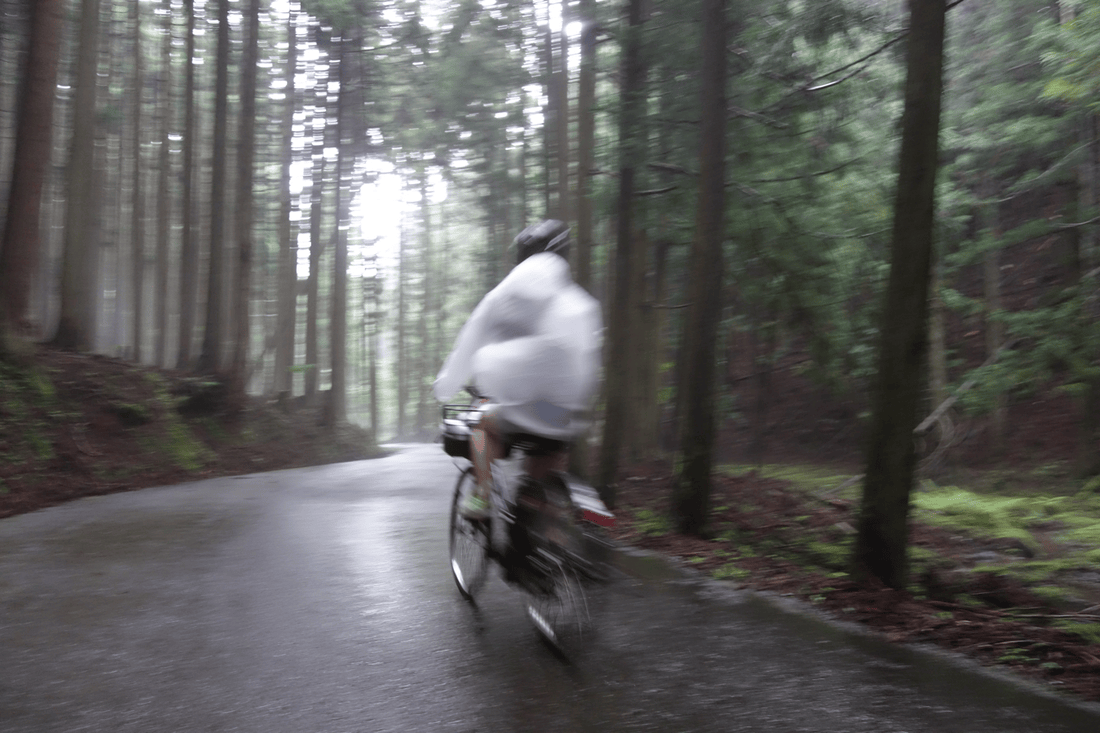
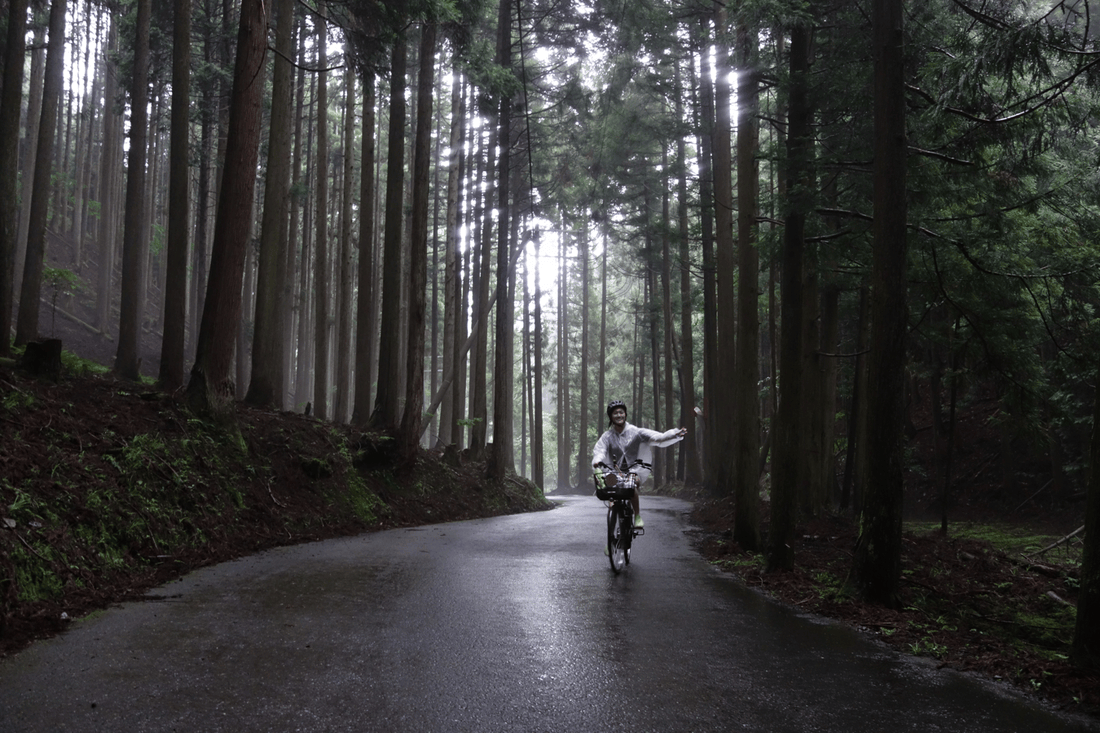
The afternoon downpour came in large drops that stung my face. We put on rainwear and continued, or rather, my sister rode while I pushed. Continuing in those conditions was part of what happened, not a safe-weather recommendation.
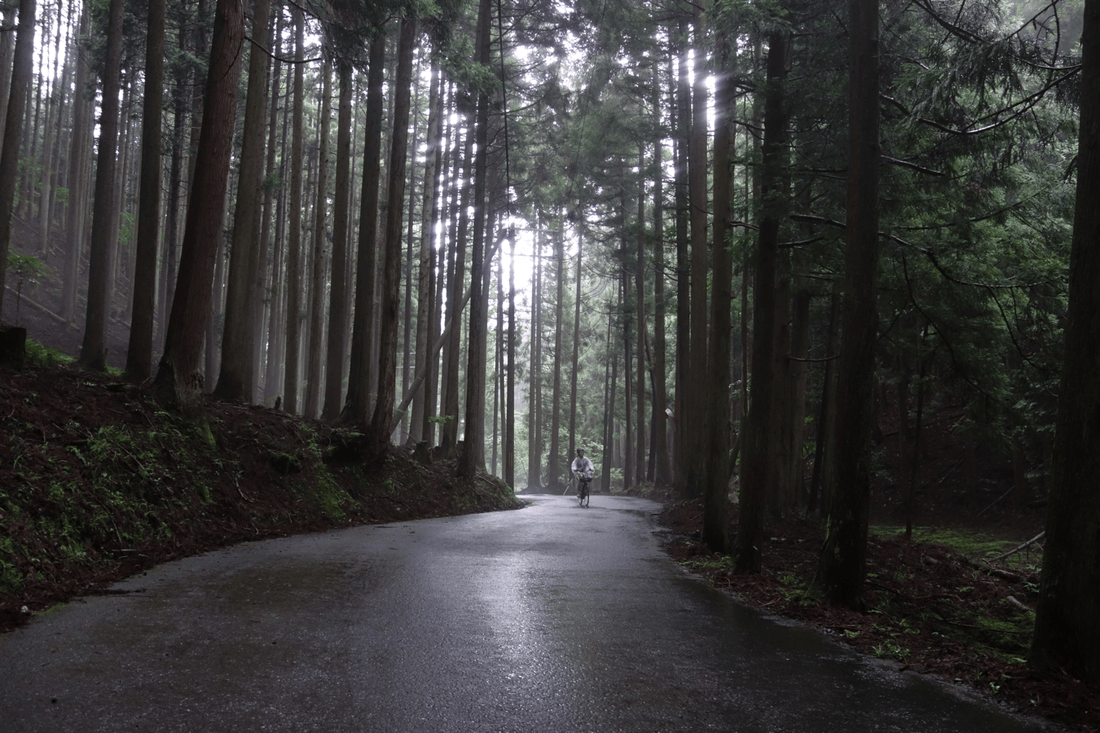
I pushed for what felt like ages without seeing the top.
Eventually, I gave up the unnecessary pride of being both the older brother and the supposedly stronger rider. I handed over my two bulky panniers to my sister, who carried them in the rental bike’s basket.
With less weight, I felt much better. We soon reached the high point and began descending toward camp. Anyone sharing loads should first check the bicycle, rack or basket limits and how the load affects handling.
Sometimes, the thing we most need to put down is our own stubbornness.
A Hot Shower and a Sheltered Pitch
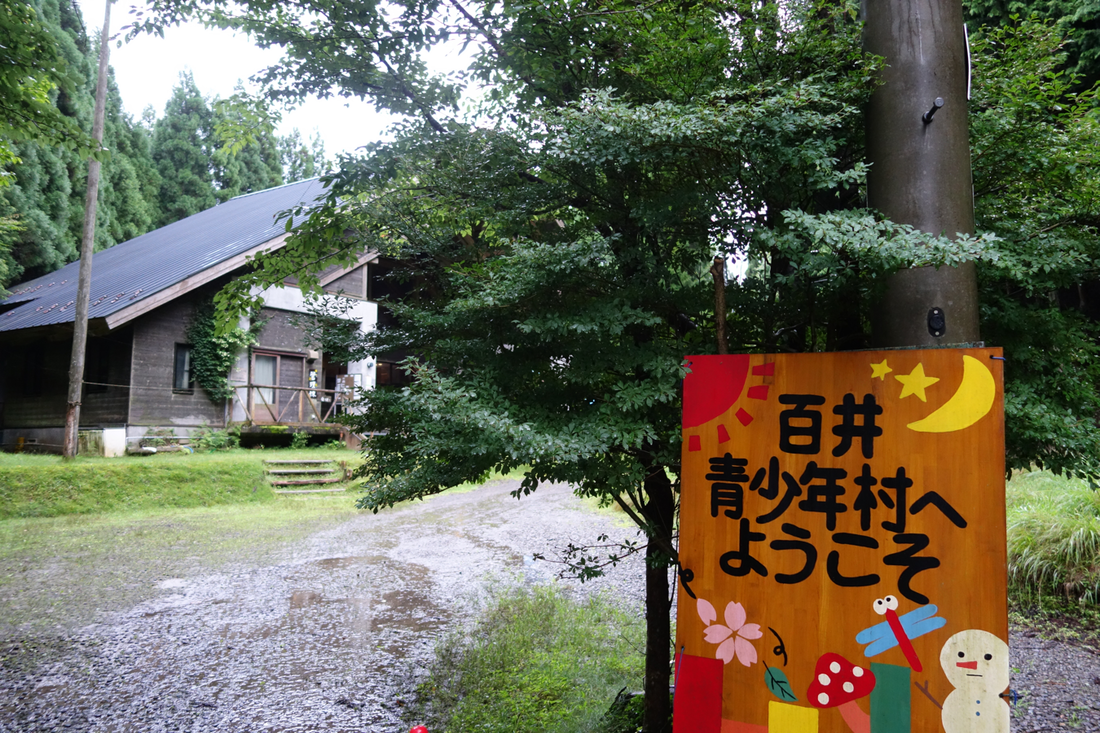
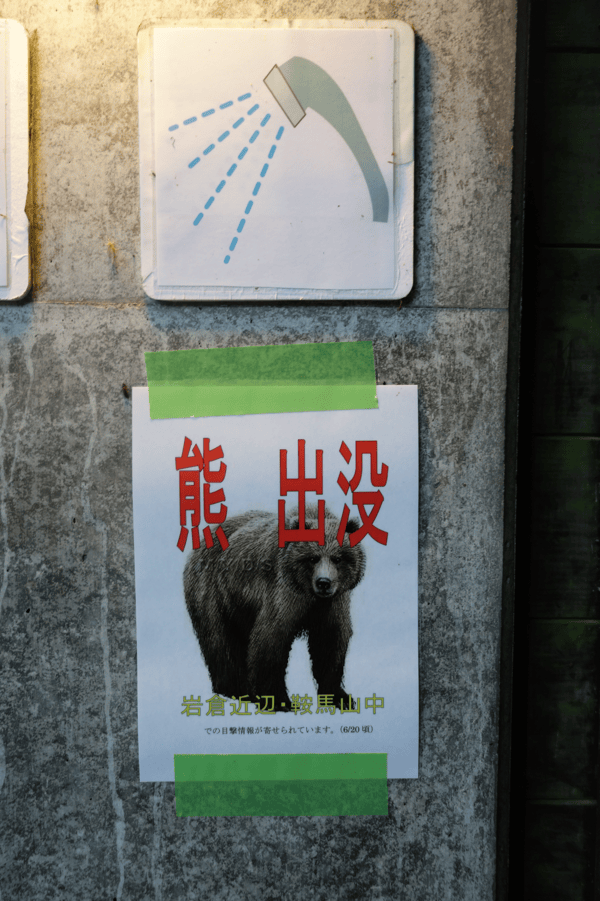
At Momoi Shonen-mura, our first priority was a hot shower.
Sometimes the best moment of traveling is simply arriving at a bathroom after a hard day.
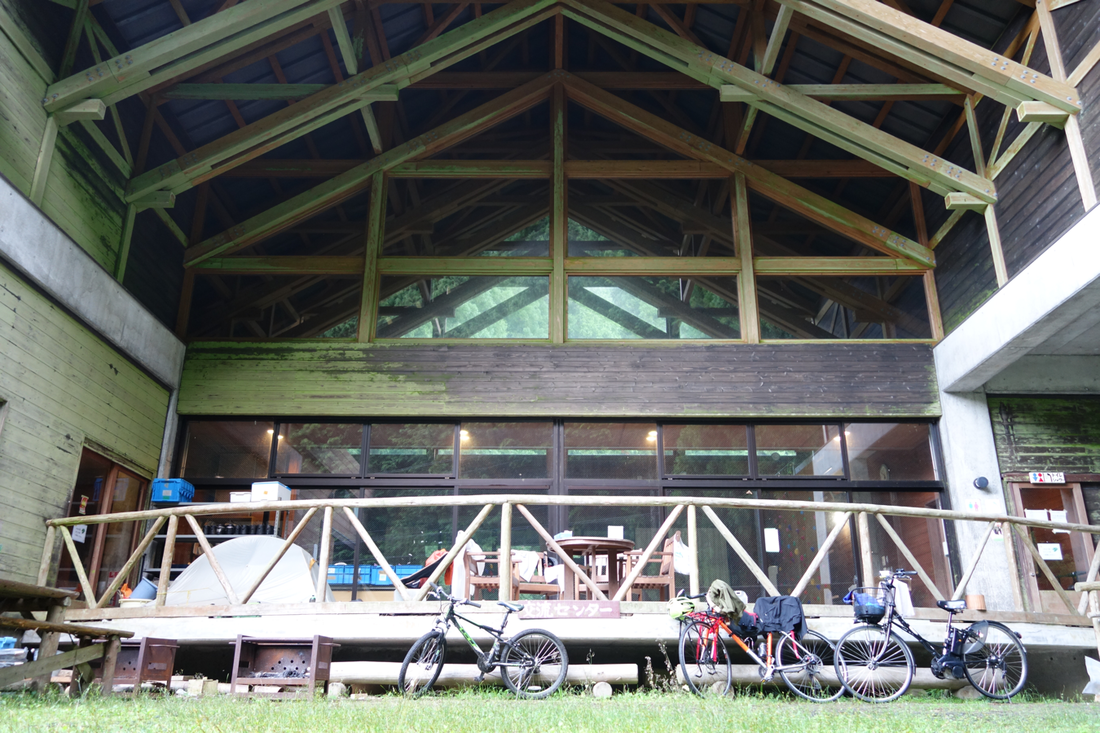
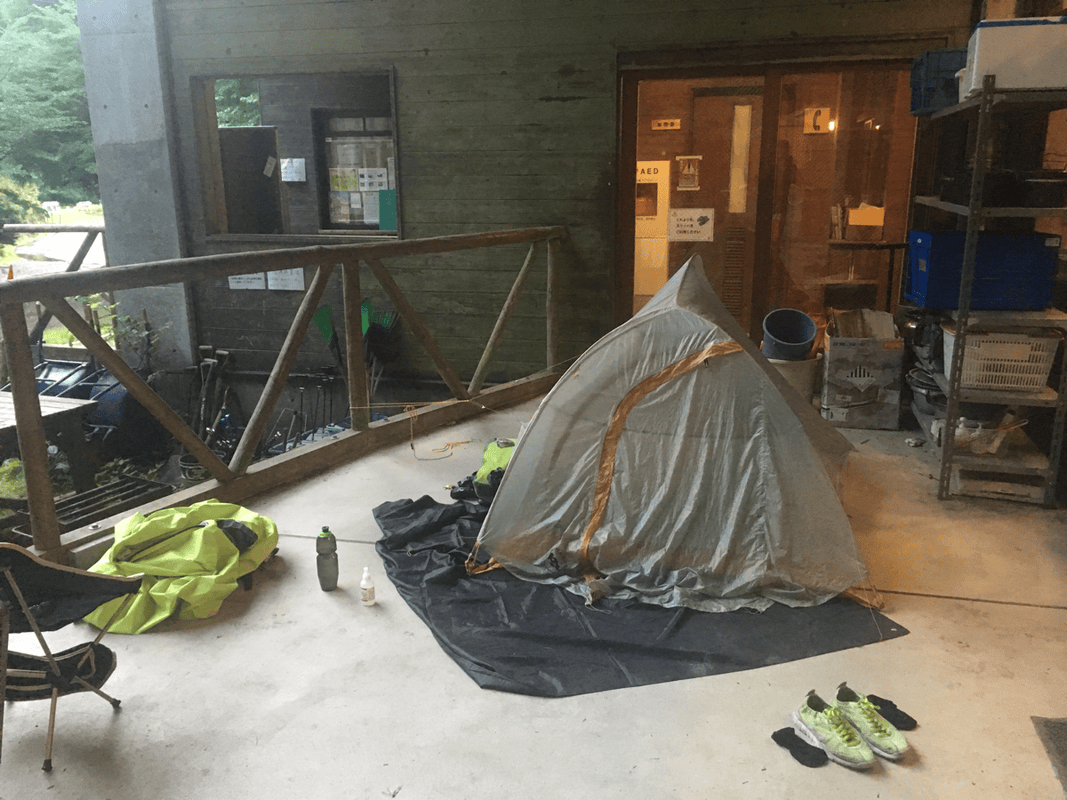
Clean and warm, we had no desire to step back into the heavy rain. We spoke with the campsite manager and received permission to pitch beneath the broad eaves of the management building.
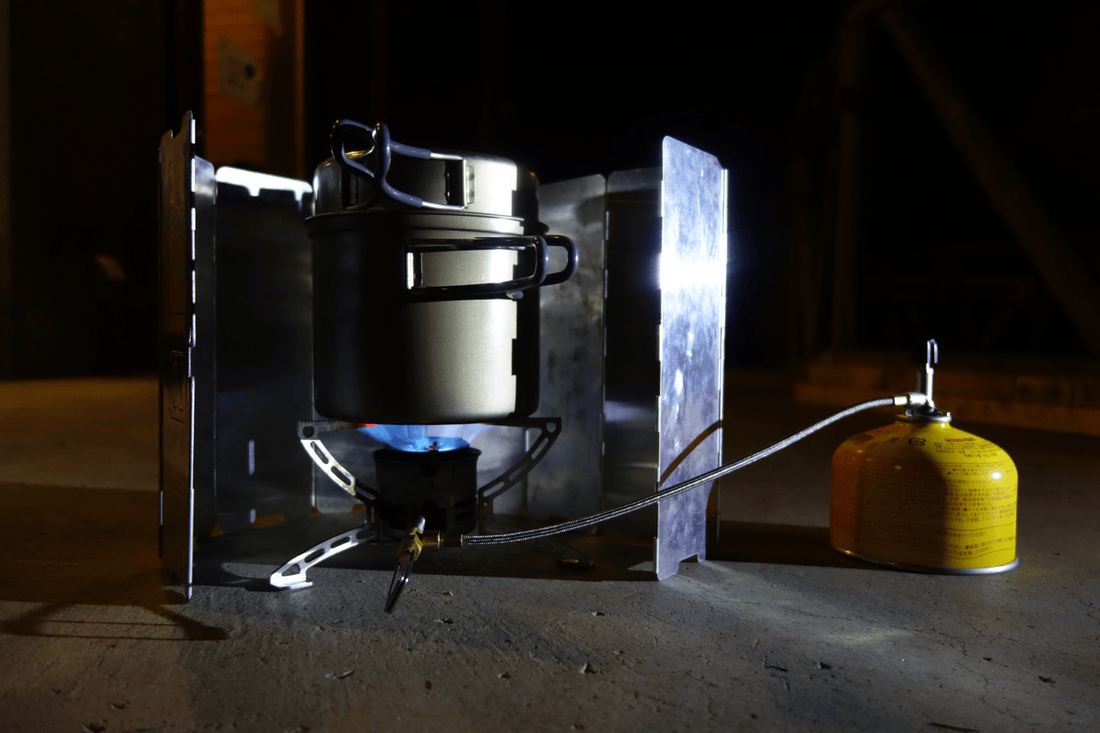
In the original account, this sheltered area also became our dinner spot. That arrangement was specific to the visit, not general permission for camping or stove use under building overhangs.
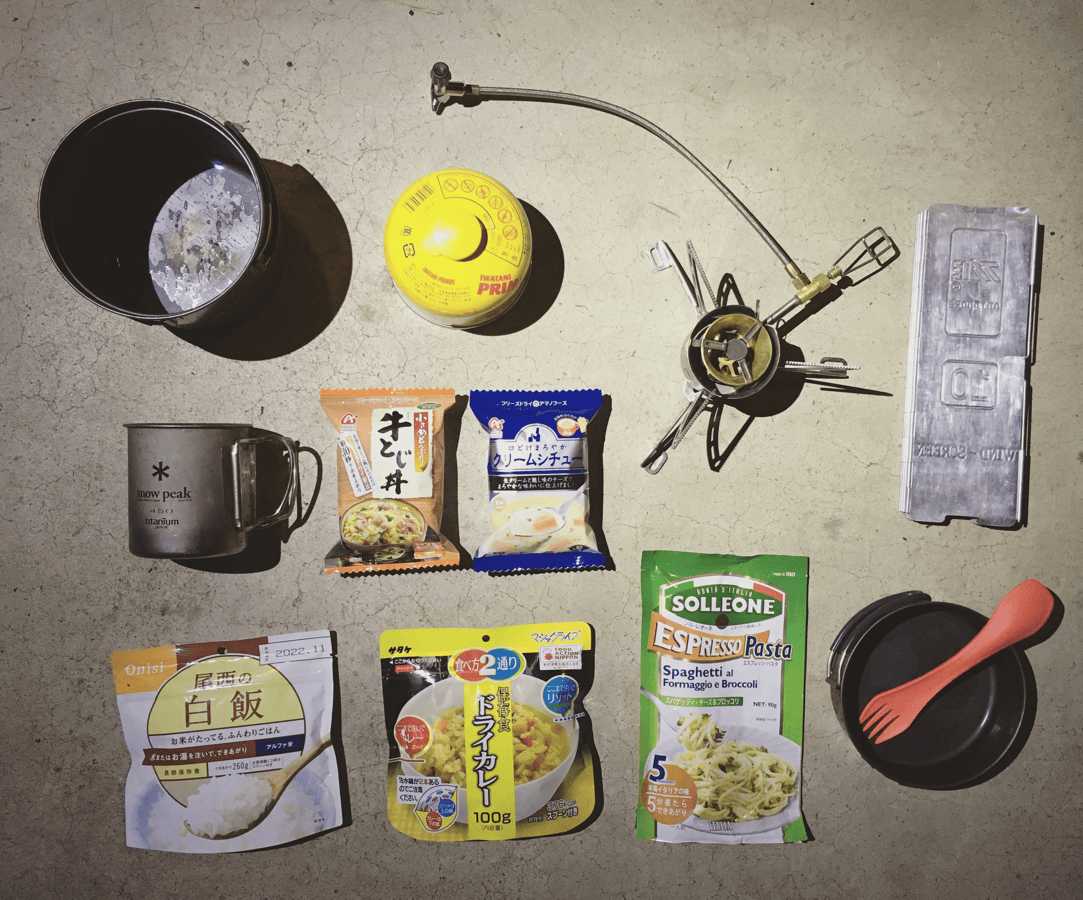
To keep dinner simple, and spare my sister one of my less successful improvised meals, I had bought prepared camping food at an outdoor shop.
It tasted good, though there was not quite enough. We would need a proper meal back in Kyoto.
After eating, we fell deeply asleep.
A Different Road in the Morning
By morning, the weather had cleared.
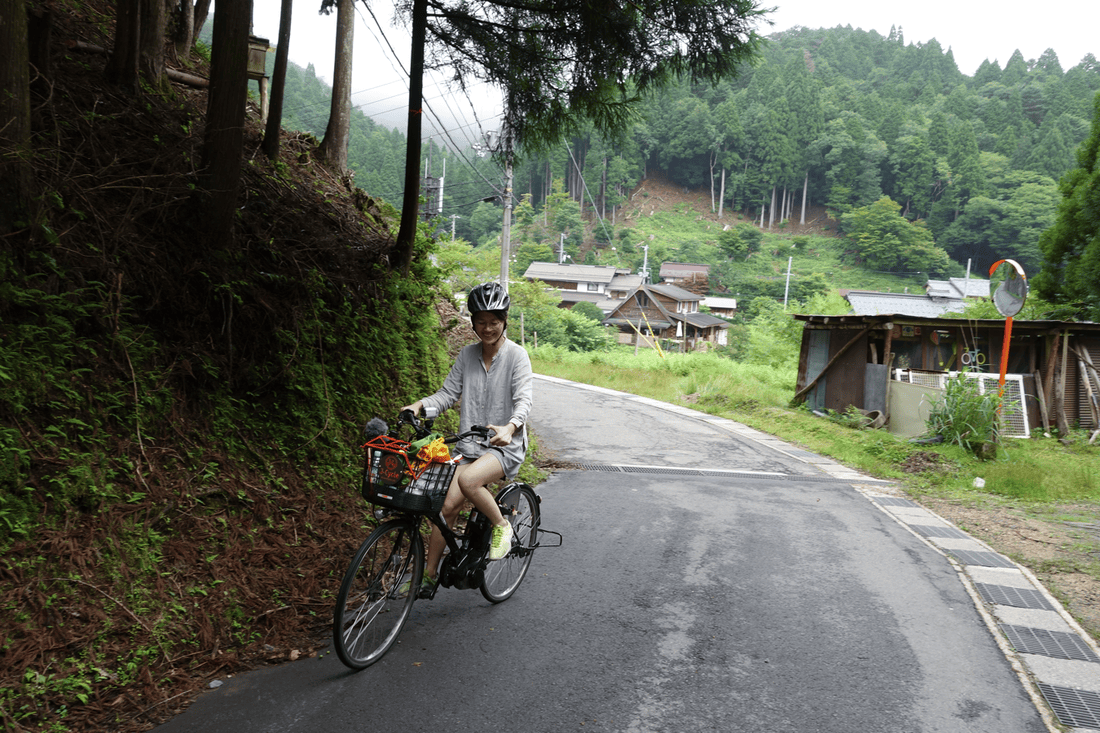
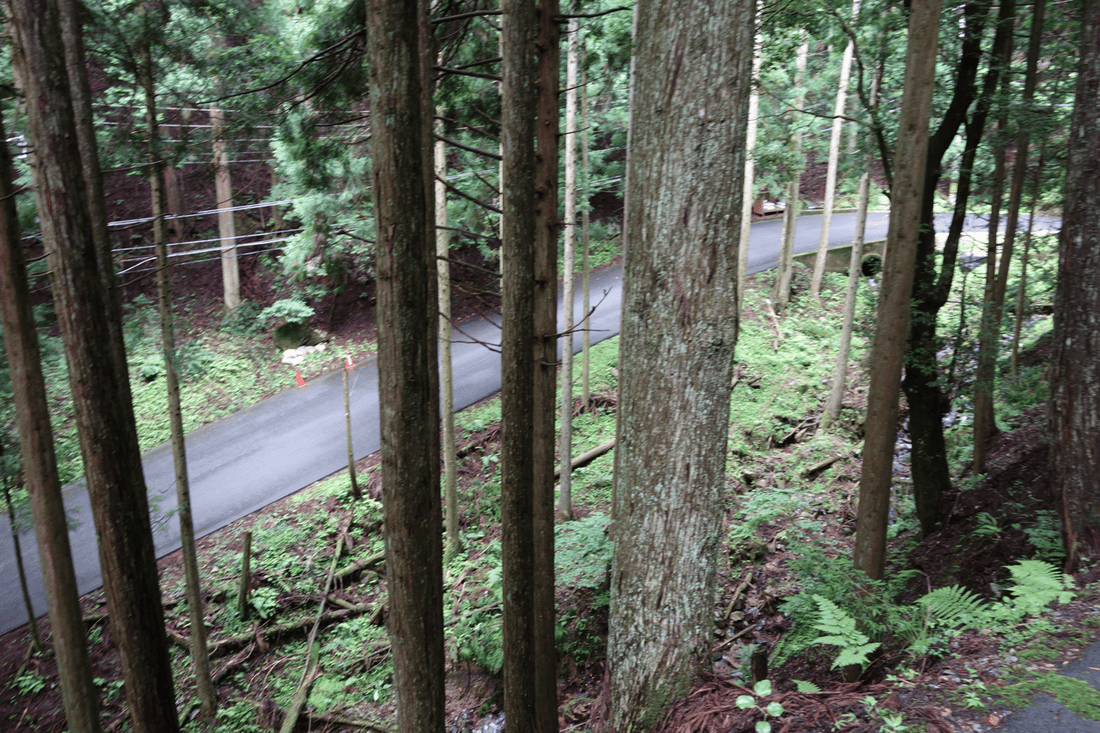
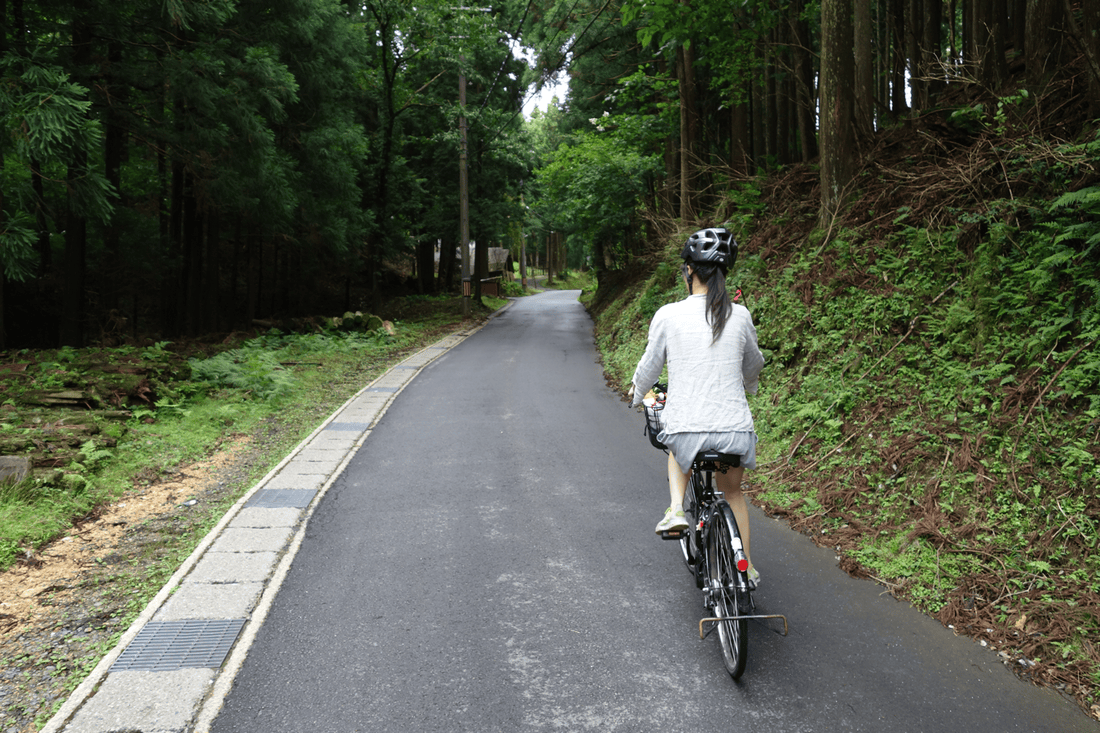
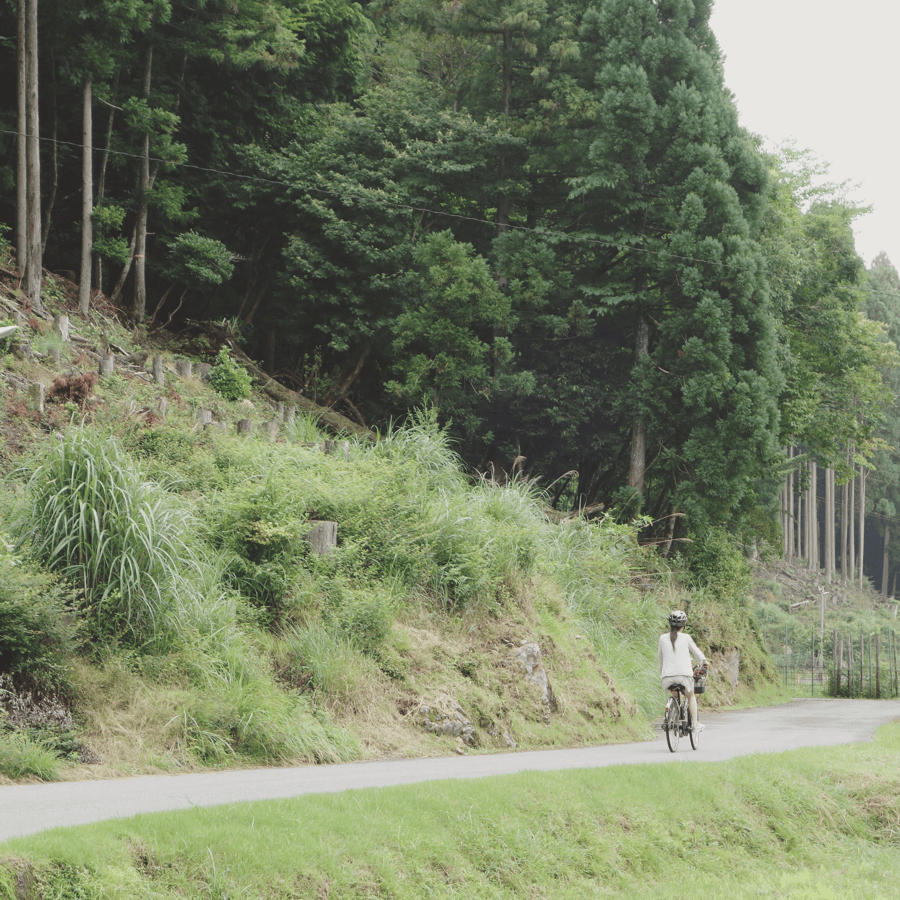
We packed and set off along Route 477 toward home.
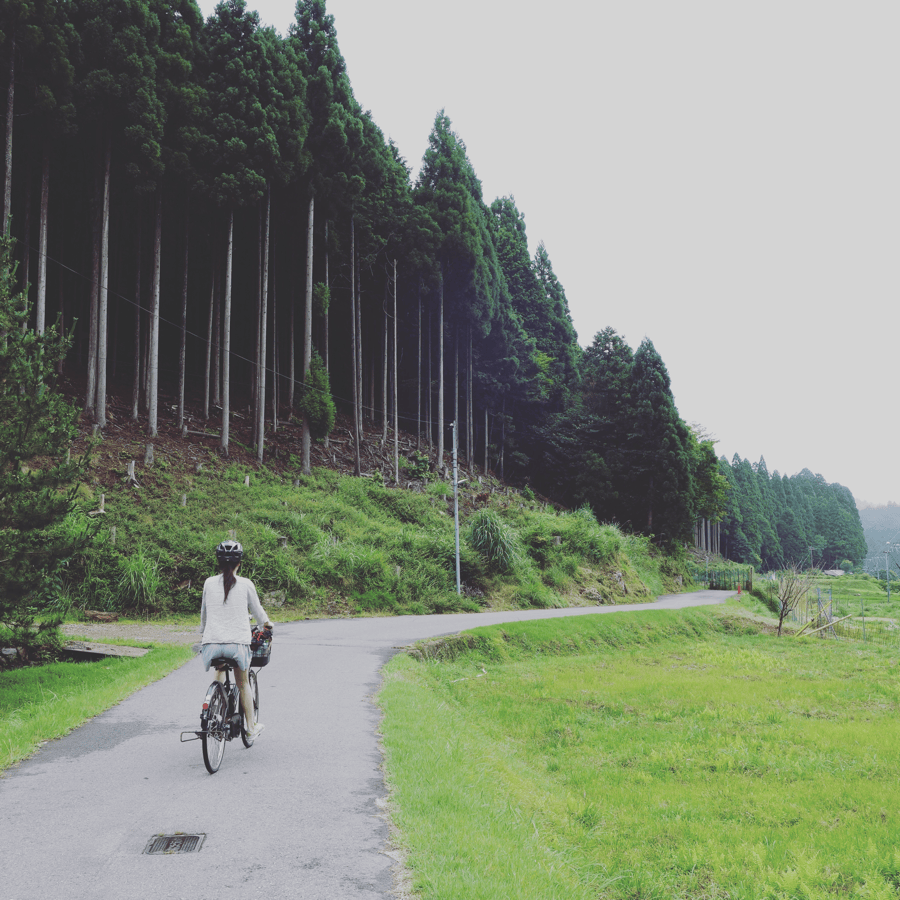
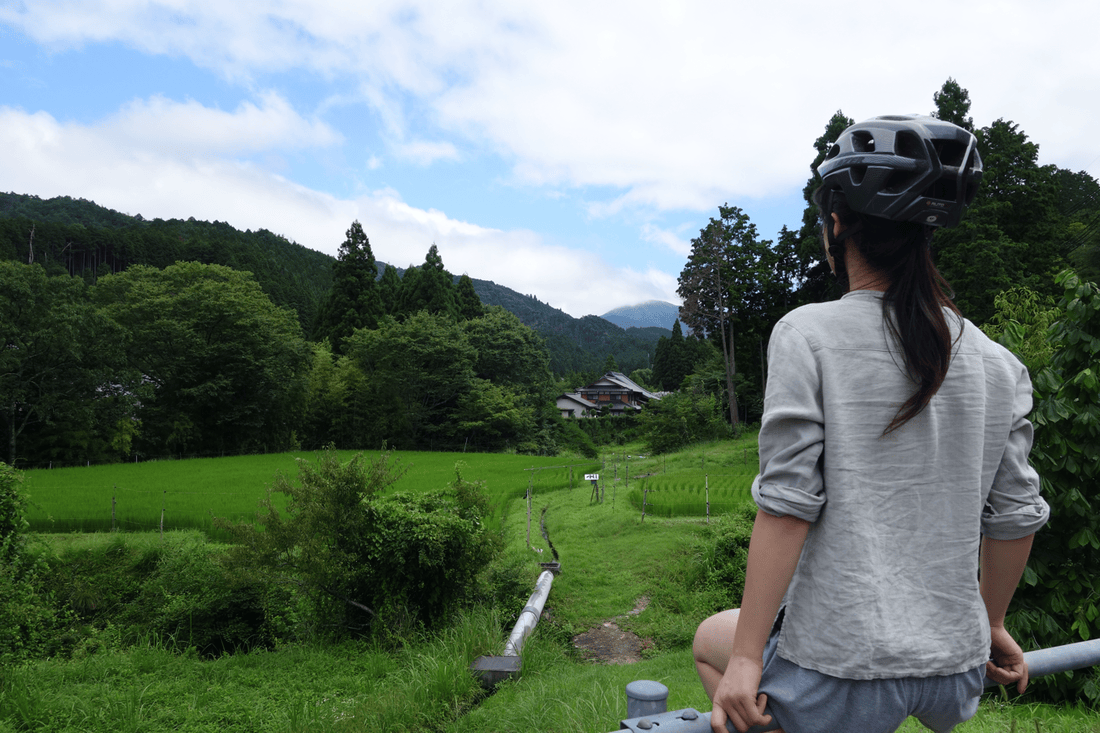
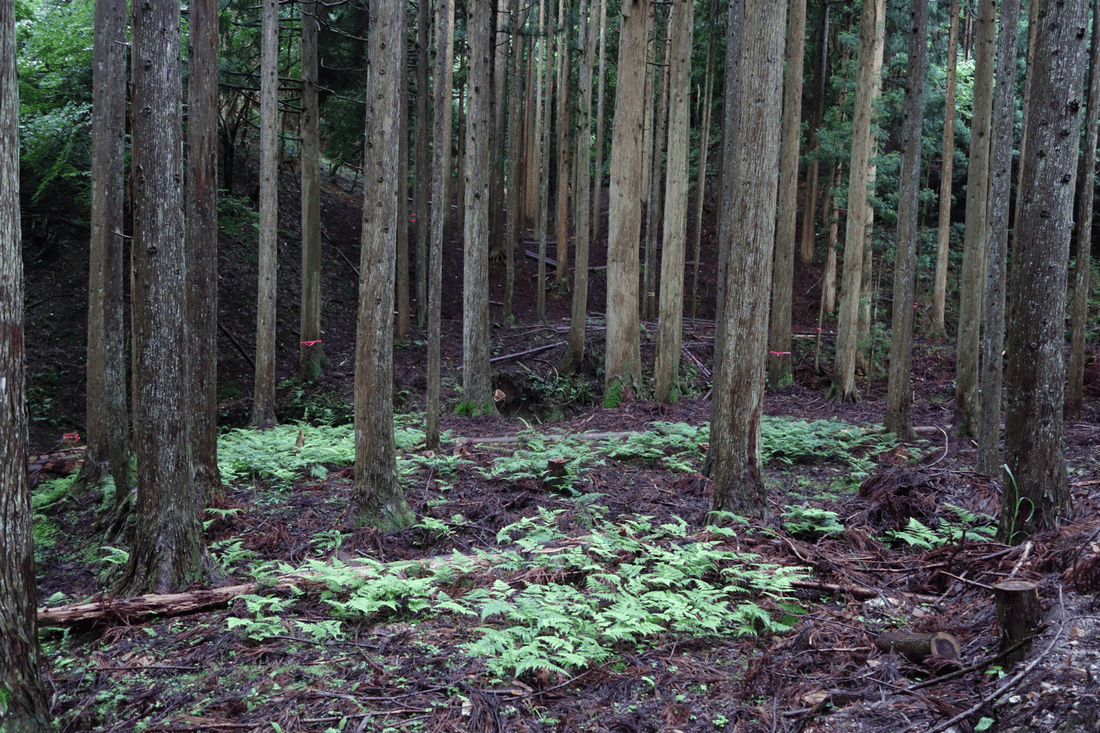
The previous day’s rain had left little attention for scenery. Now I noticed a fresh, quiet rural Japan beside the road.
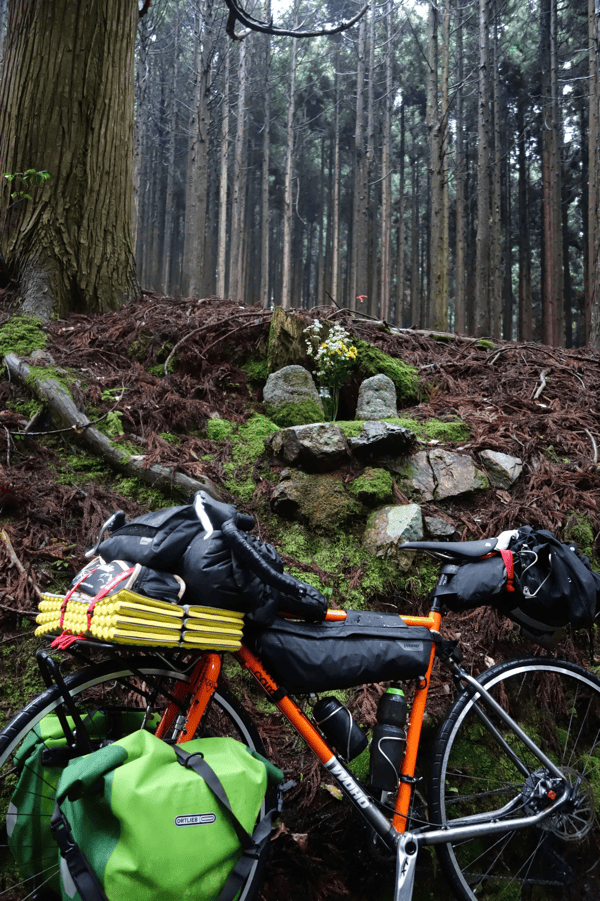
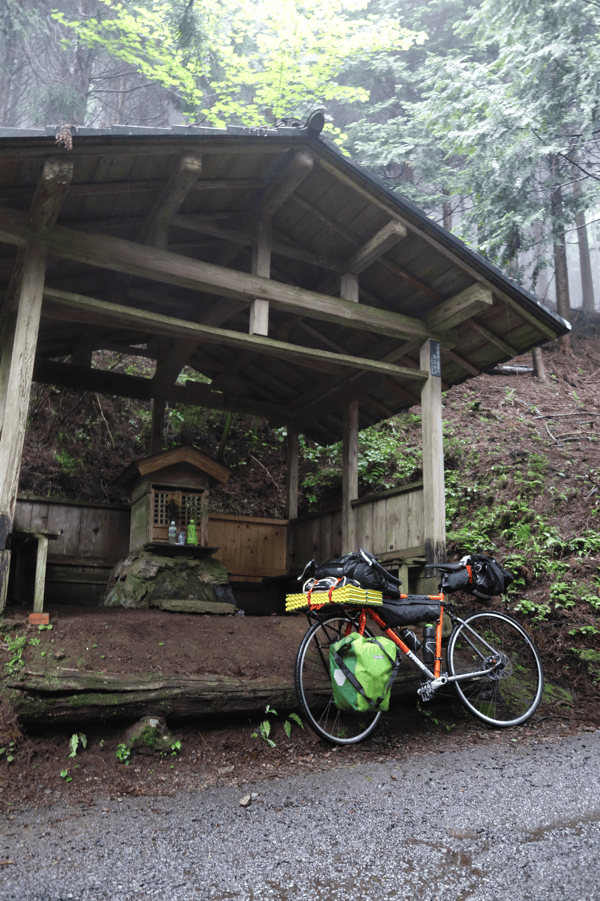
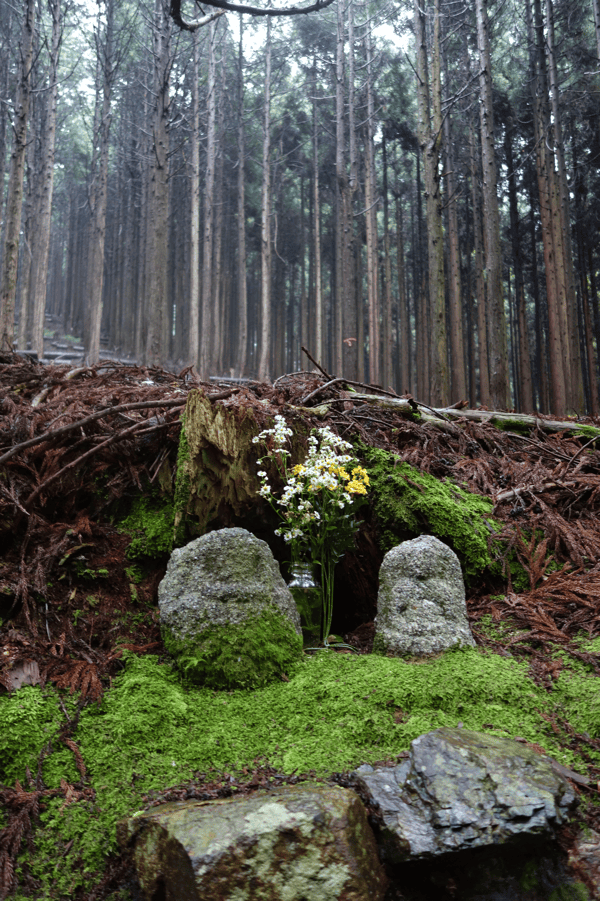
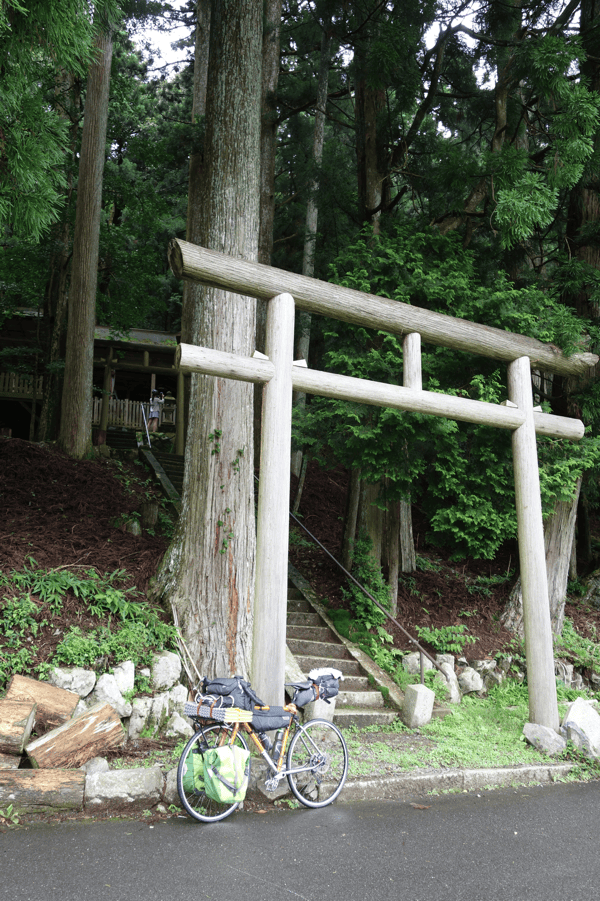
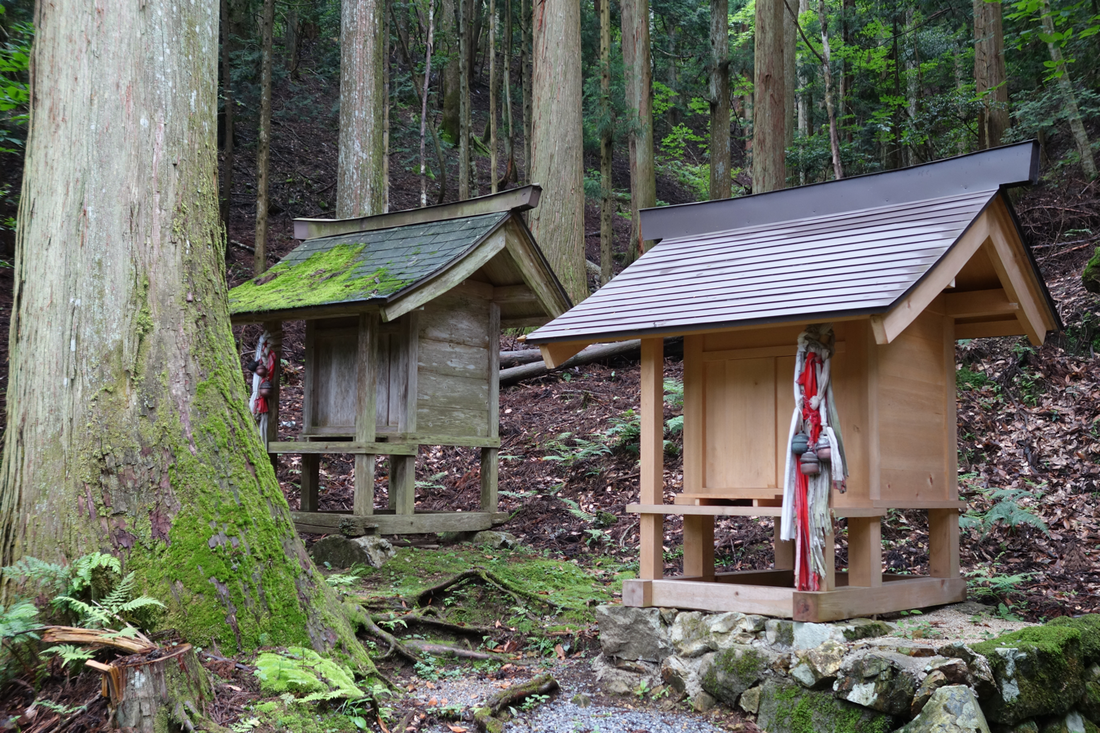
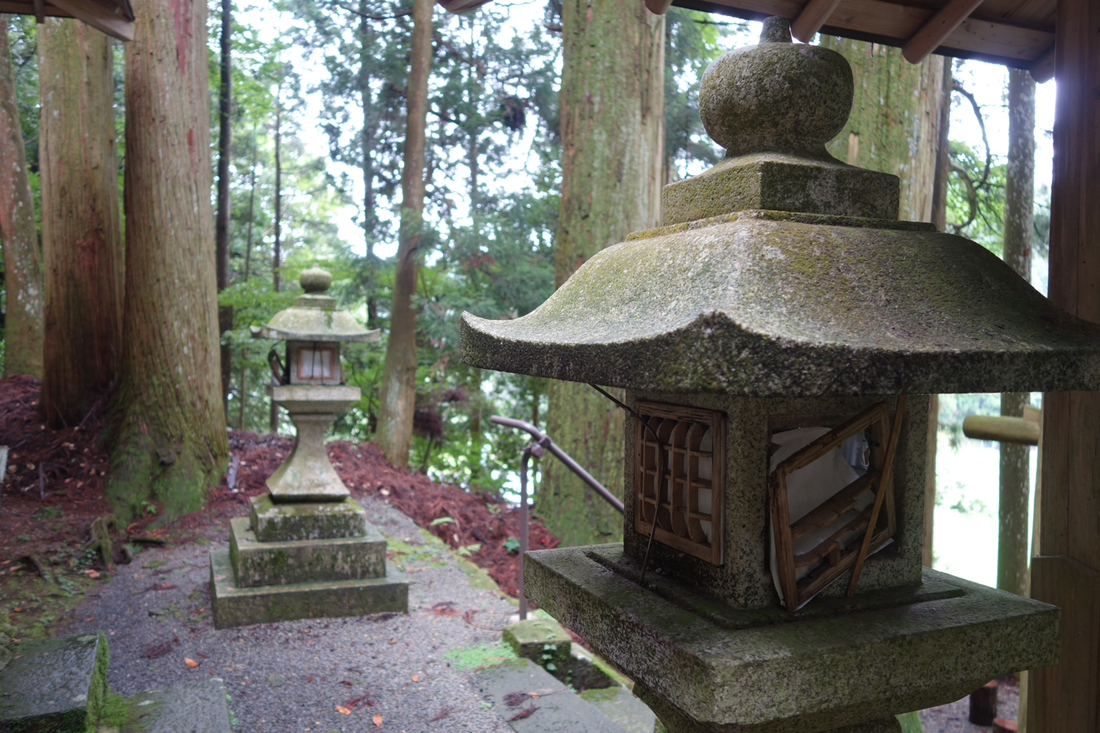
Small shrines seemed to watch over the surrounding land. We rode slowly and visited quietly.
That is one of bikepacking’s pleasures: it can slow life enough for you to notice the little things that make a journey meaningful.
Looking for Sanzen-in
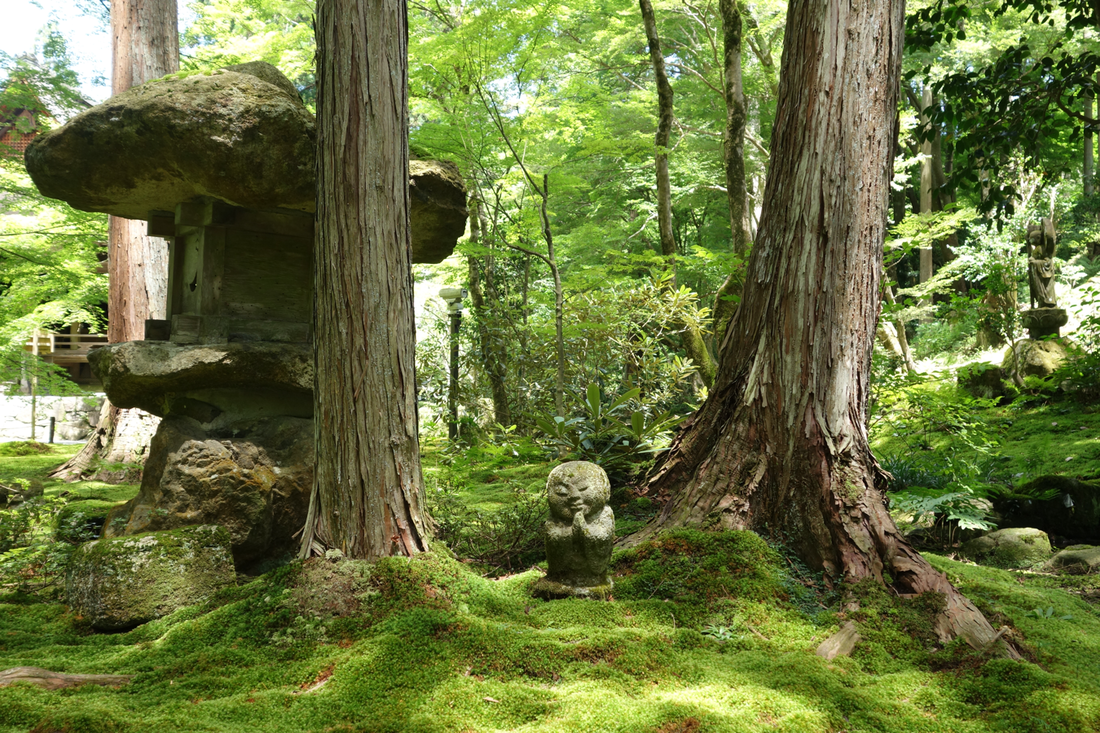
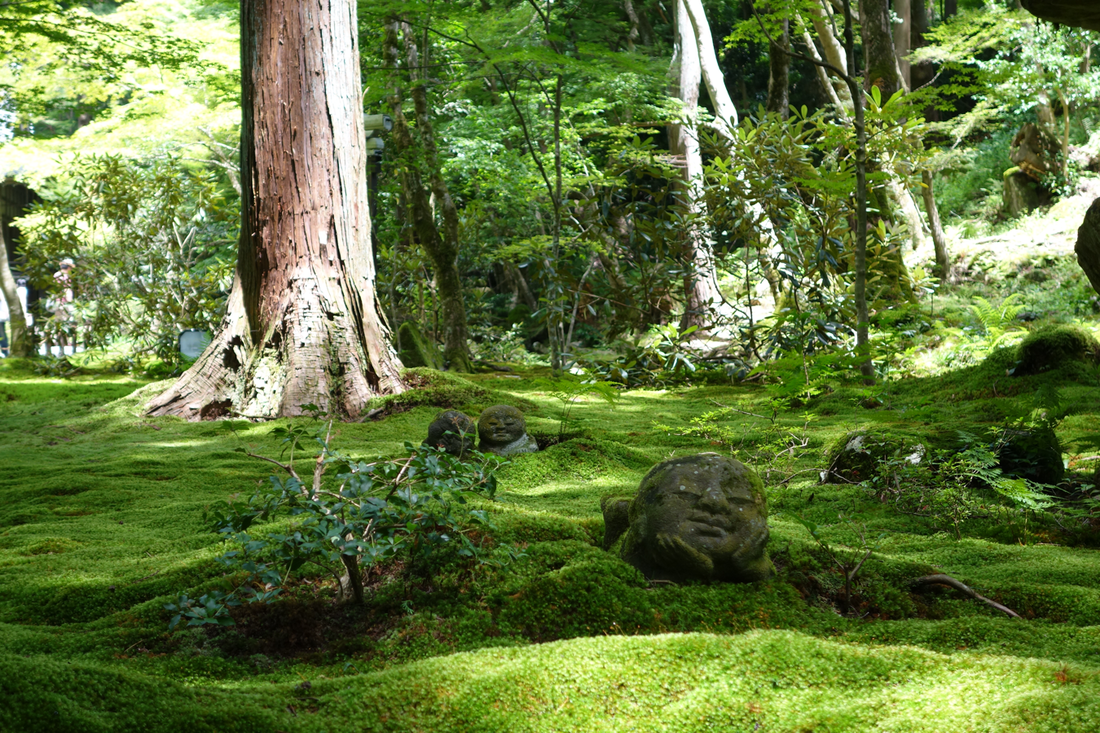
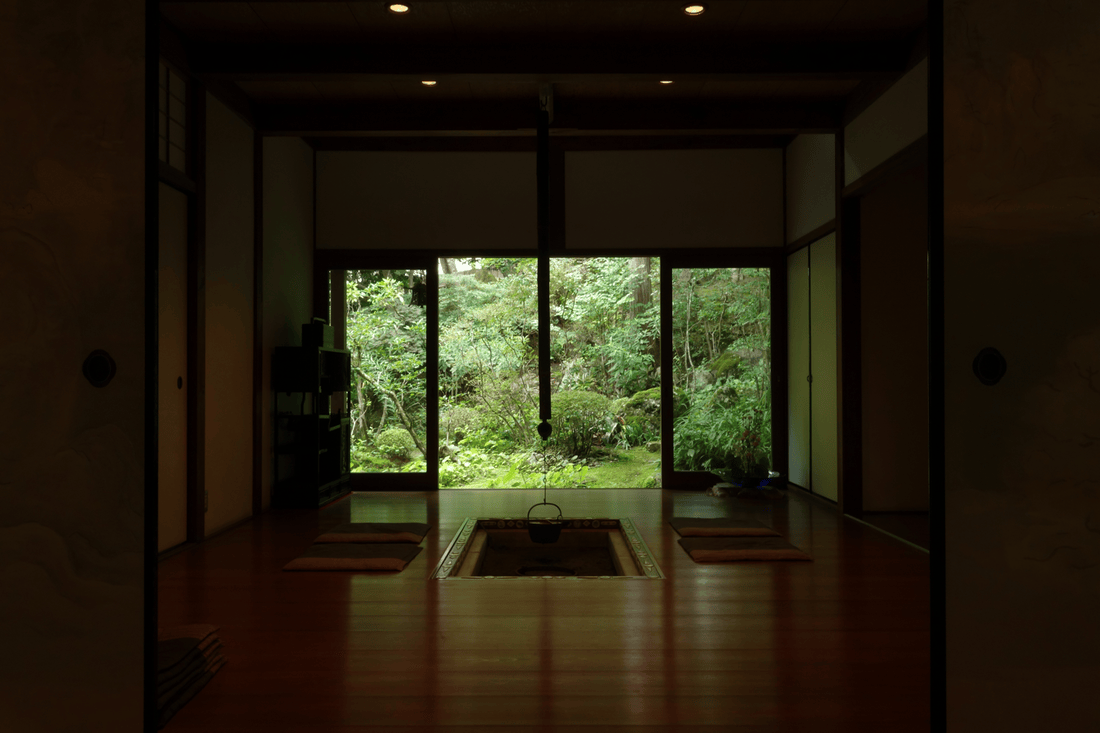
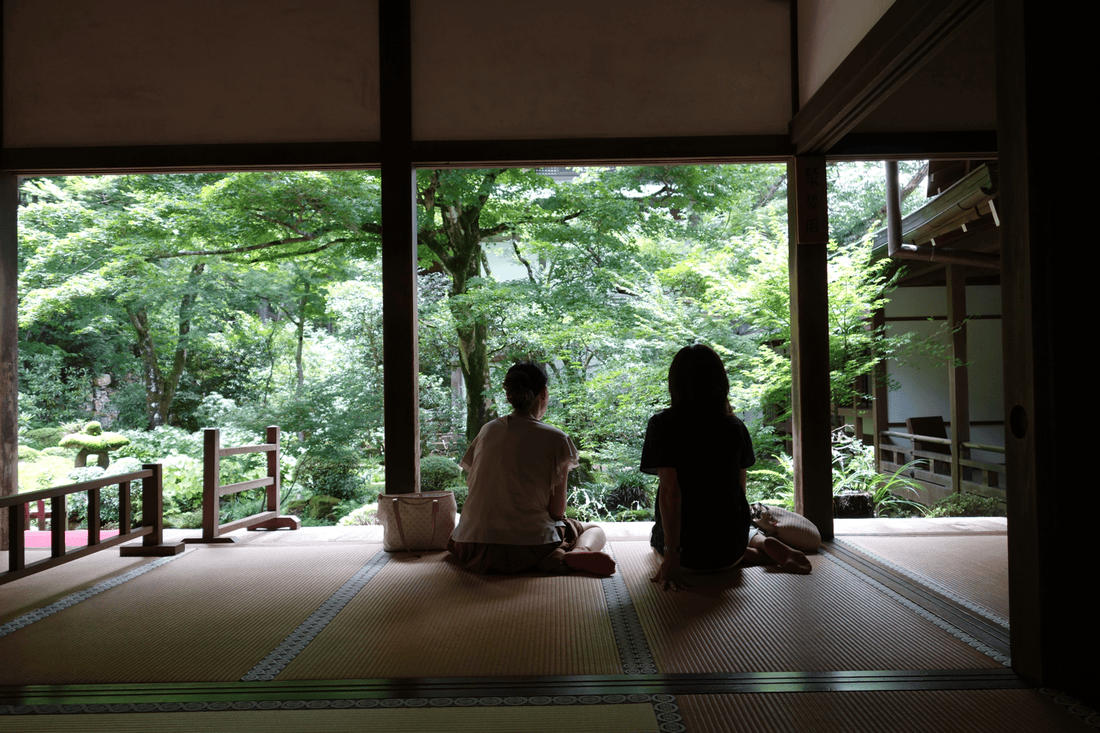
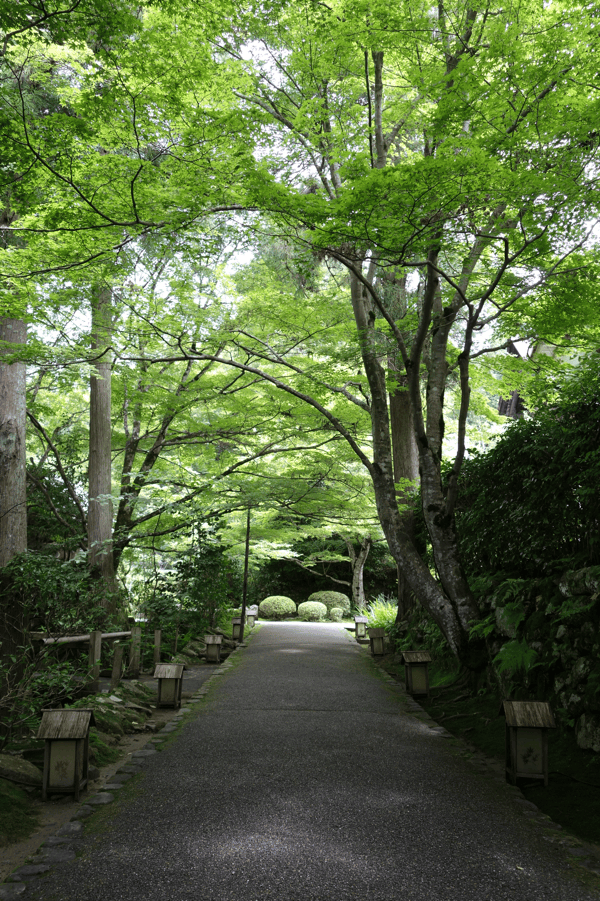
Another well-known place on our return was Sanzen-in, associated in my mind with vivid green moss and little smiling figures.
We parked the bicycles and went exploring.
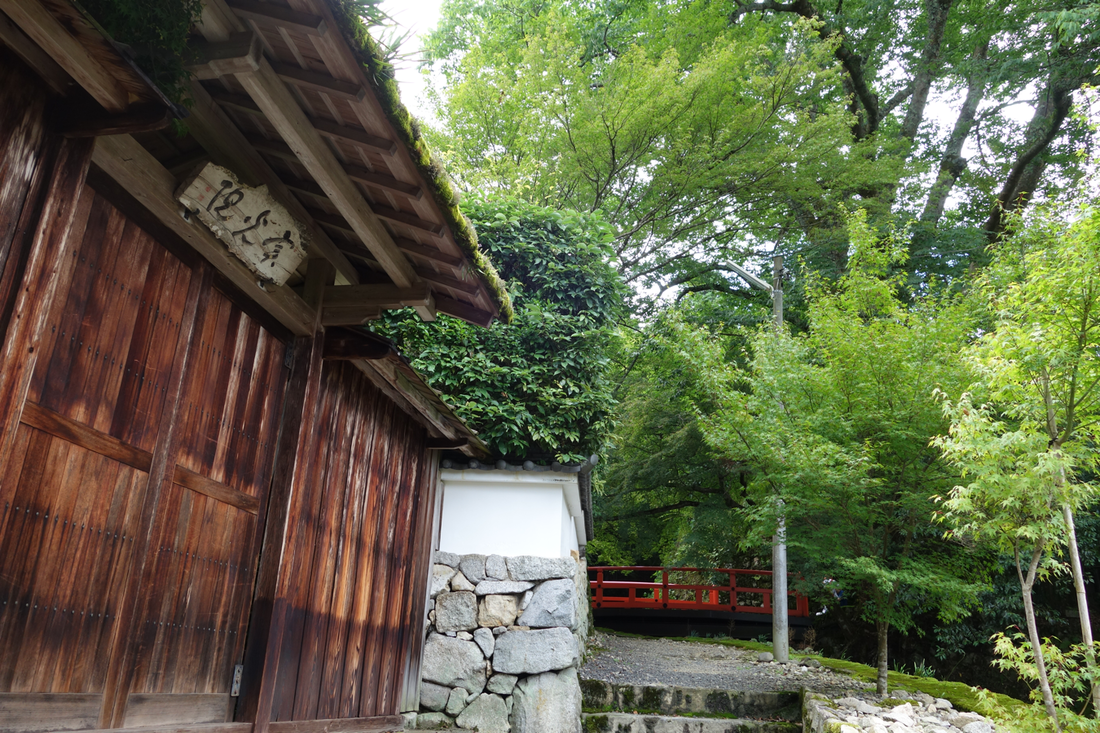
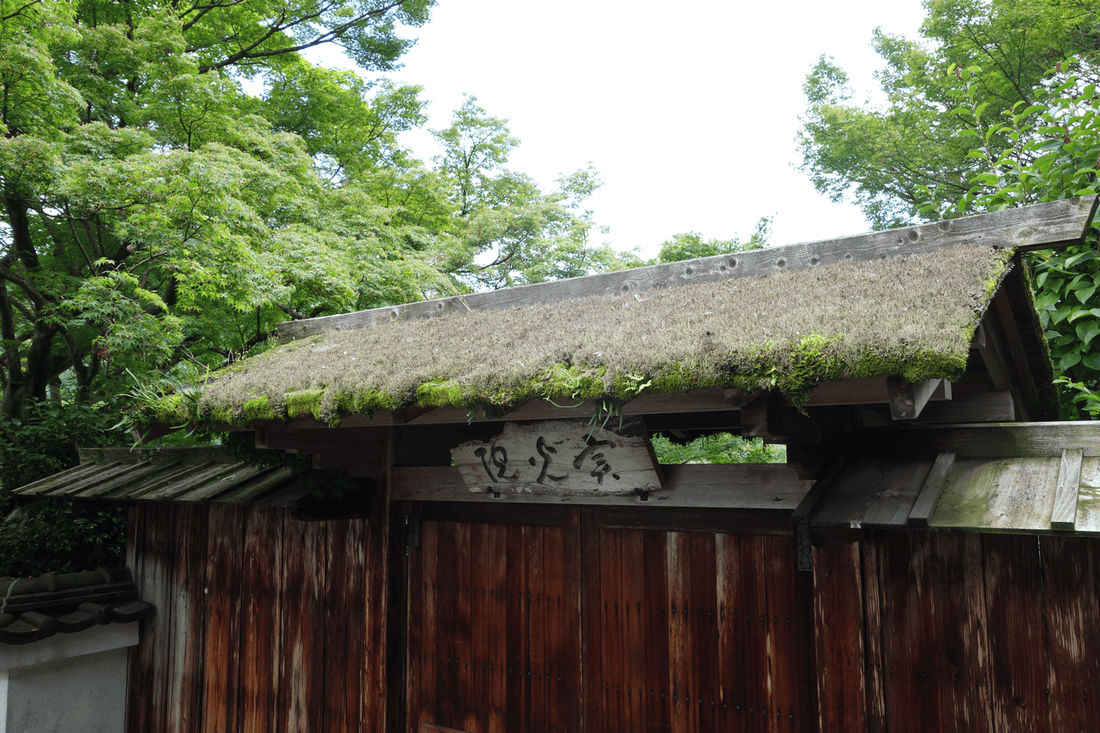
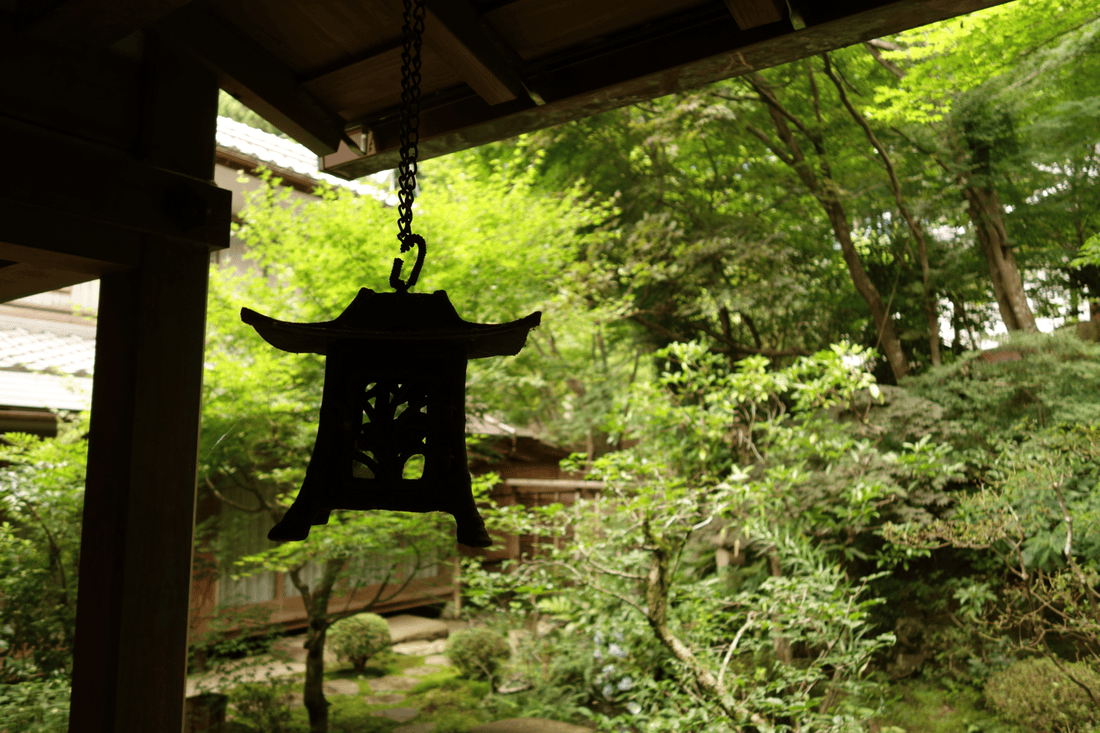
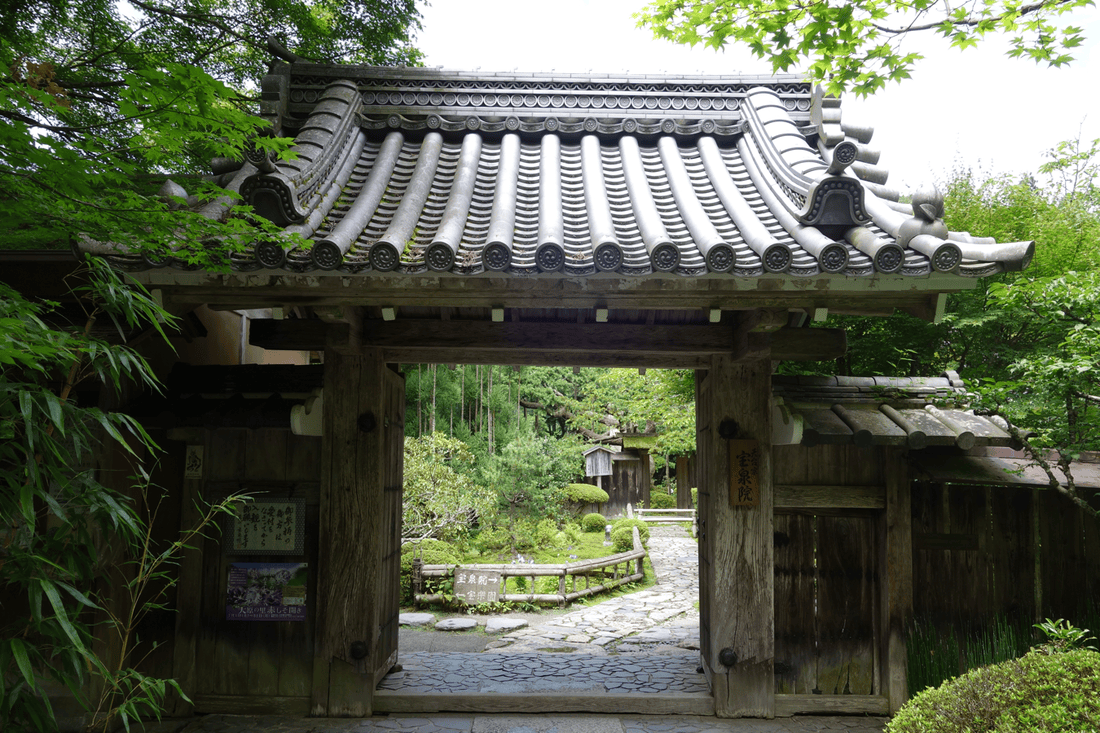
The temple was beautiful, but we could not find the statues. Eventually, we realized we were in the wrong temple.
There were many temples in the area. Before entering, it was worth checking the name above the gate.
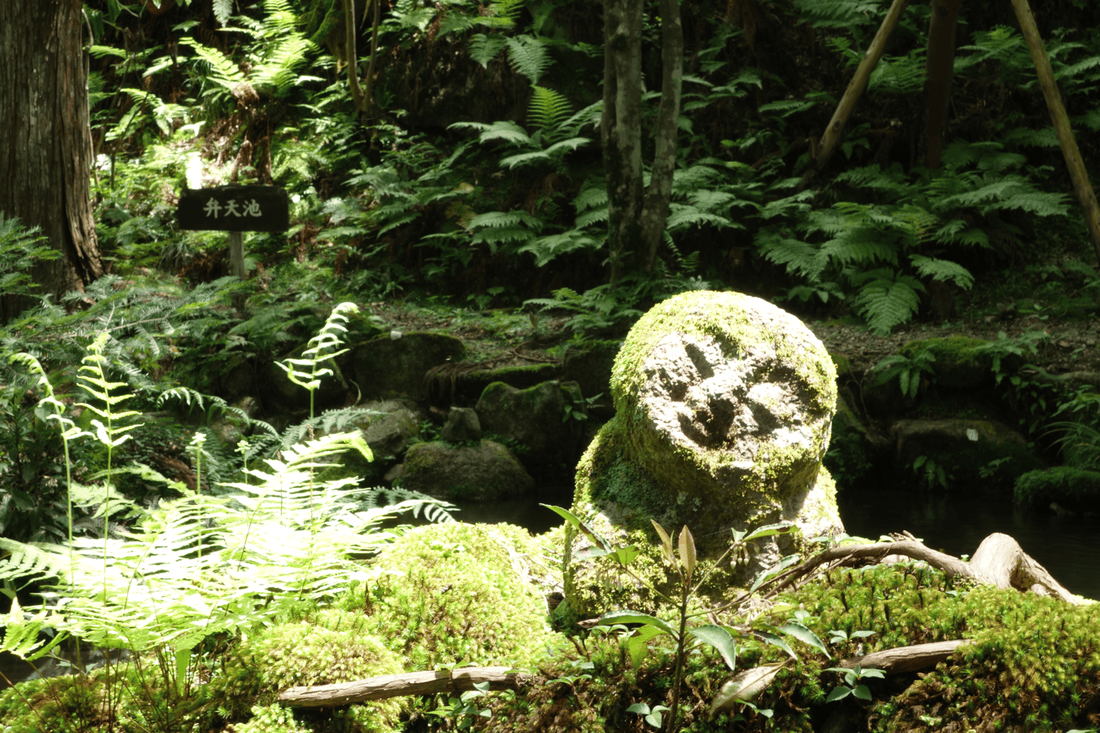
After two mistaken visits, we finally reached Sanzen-in and found the smiling figures I had hoped to see.
Weathered and marked by time, they seemed unconcerned with appearances. They offered the same gentle smile to everyone passing, without distinction of wealth or status.
For a moment, that expression seemed to brush away every worry, including the fatigue I was carrying.
A Cool Ending to a Summer Ride
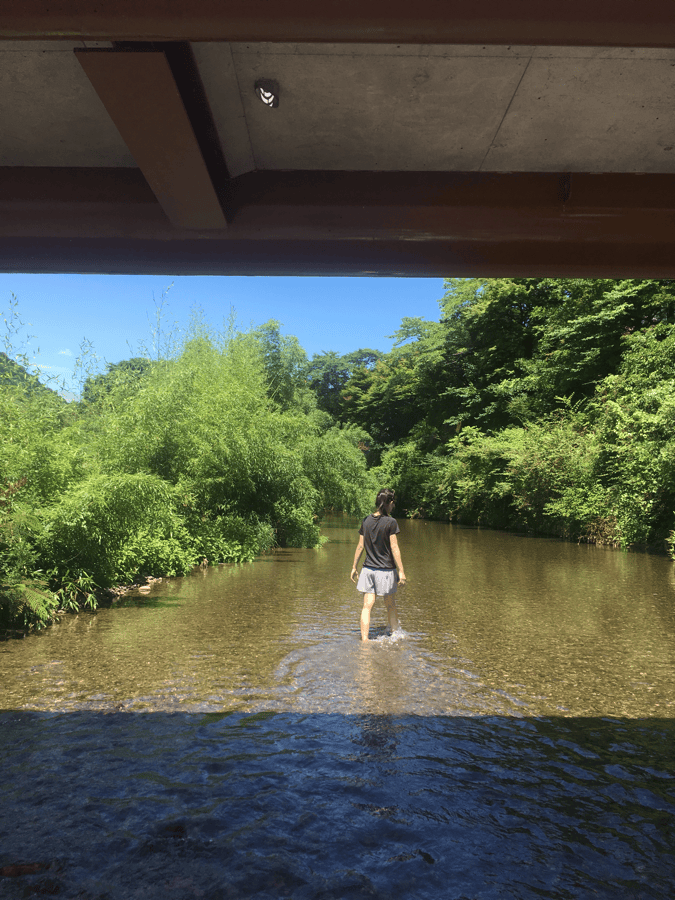
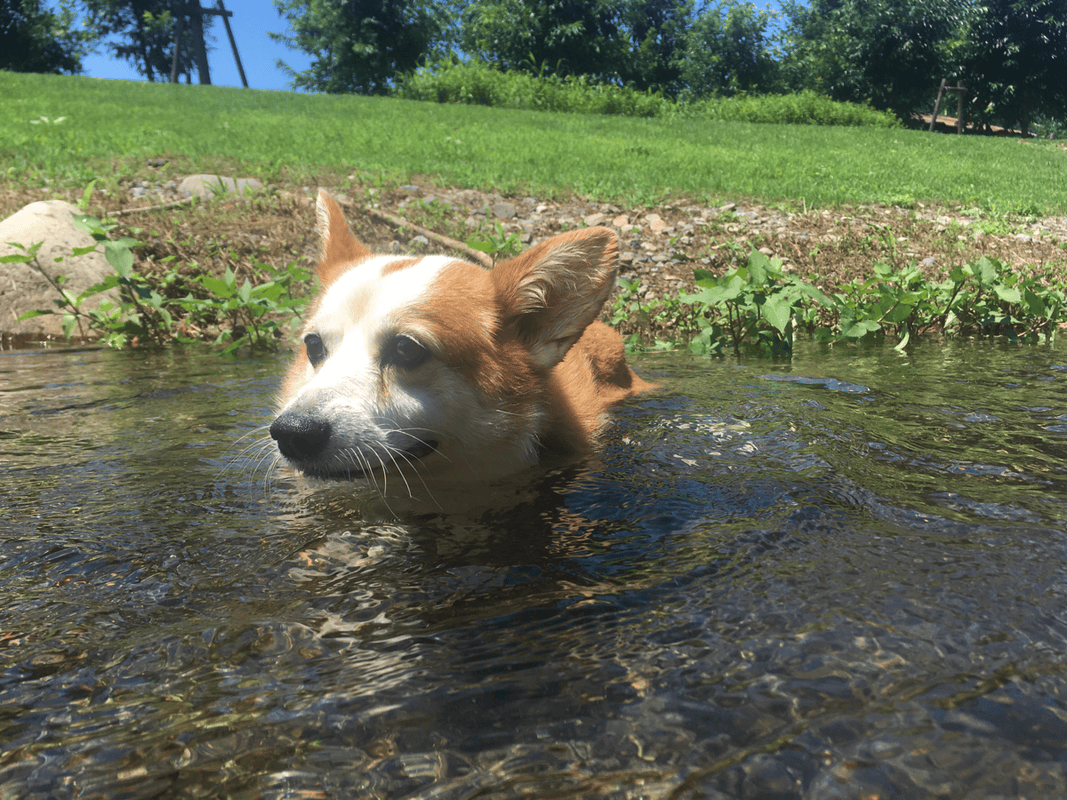
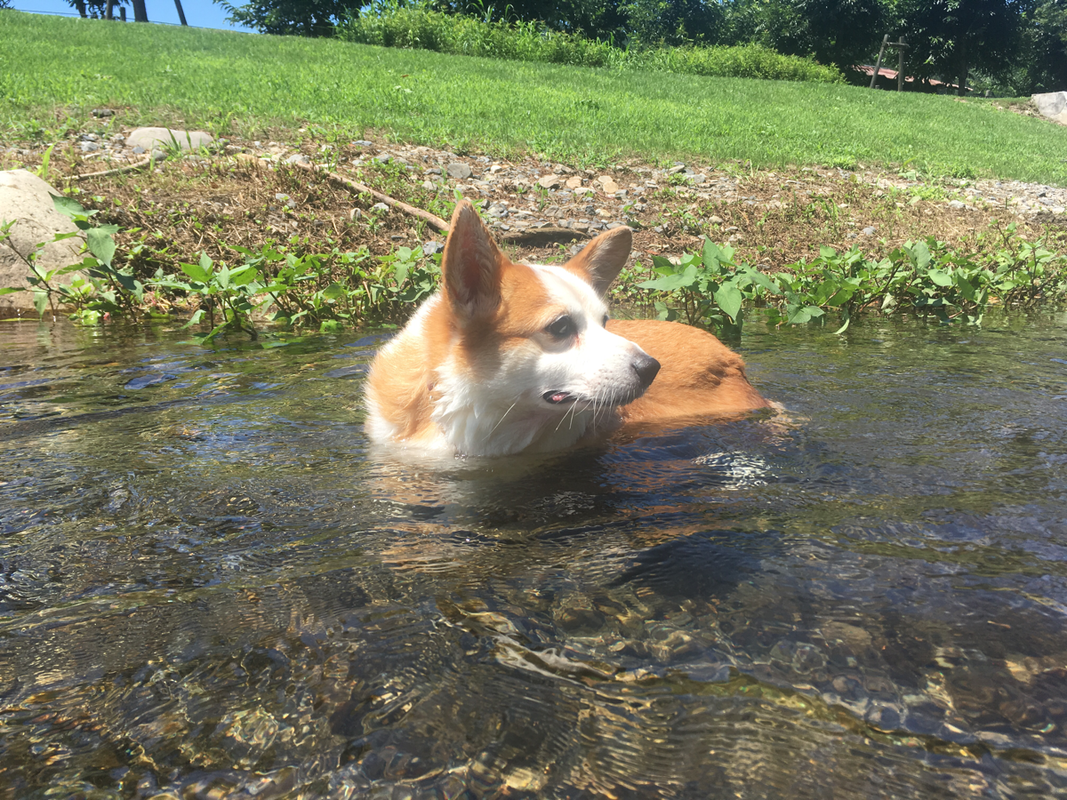
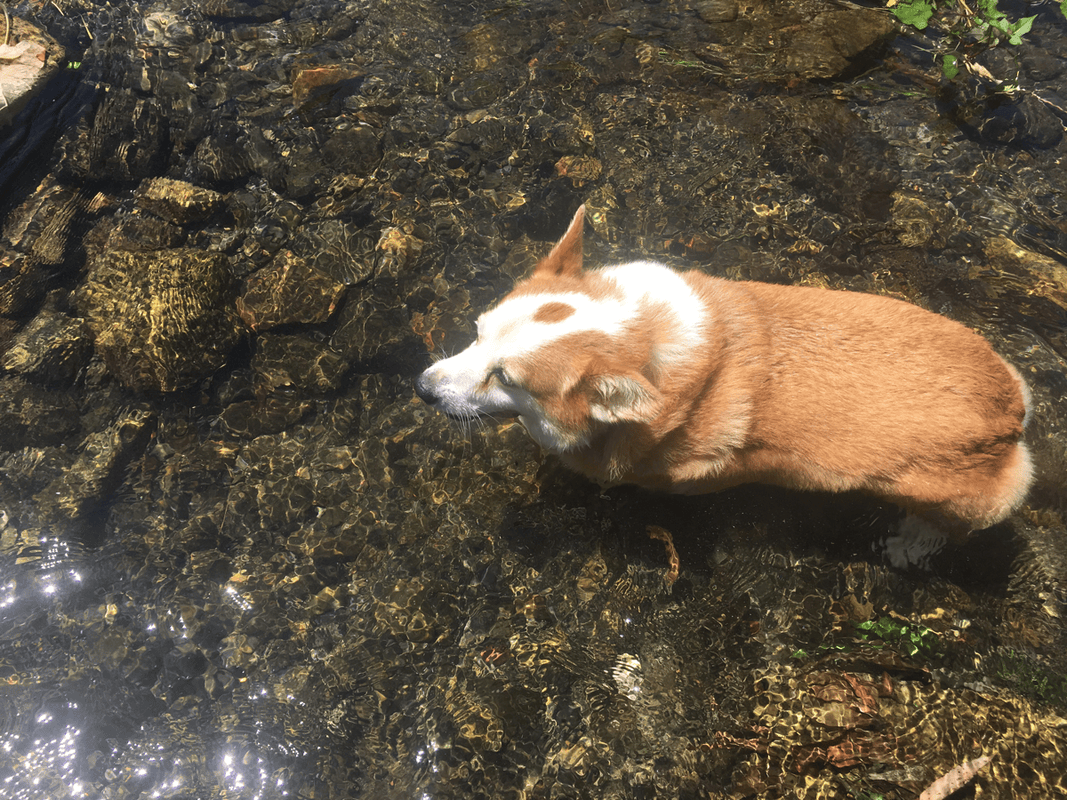
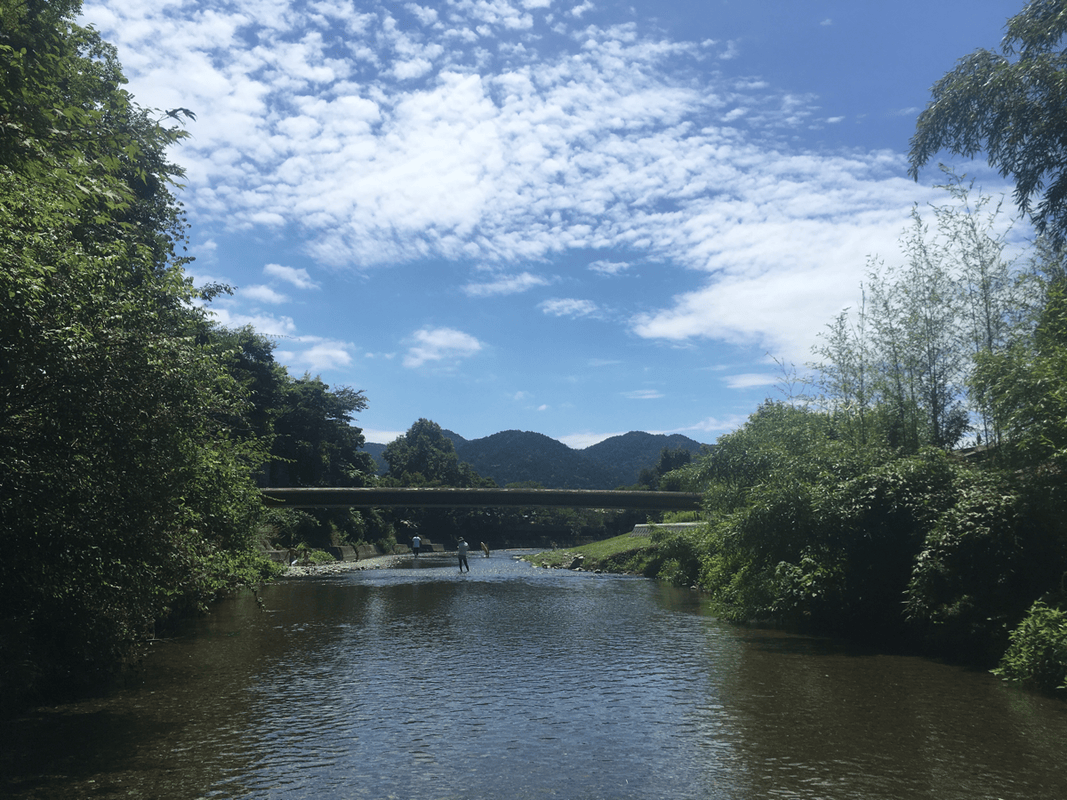
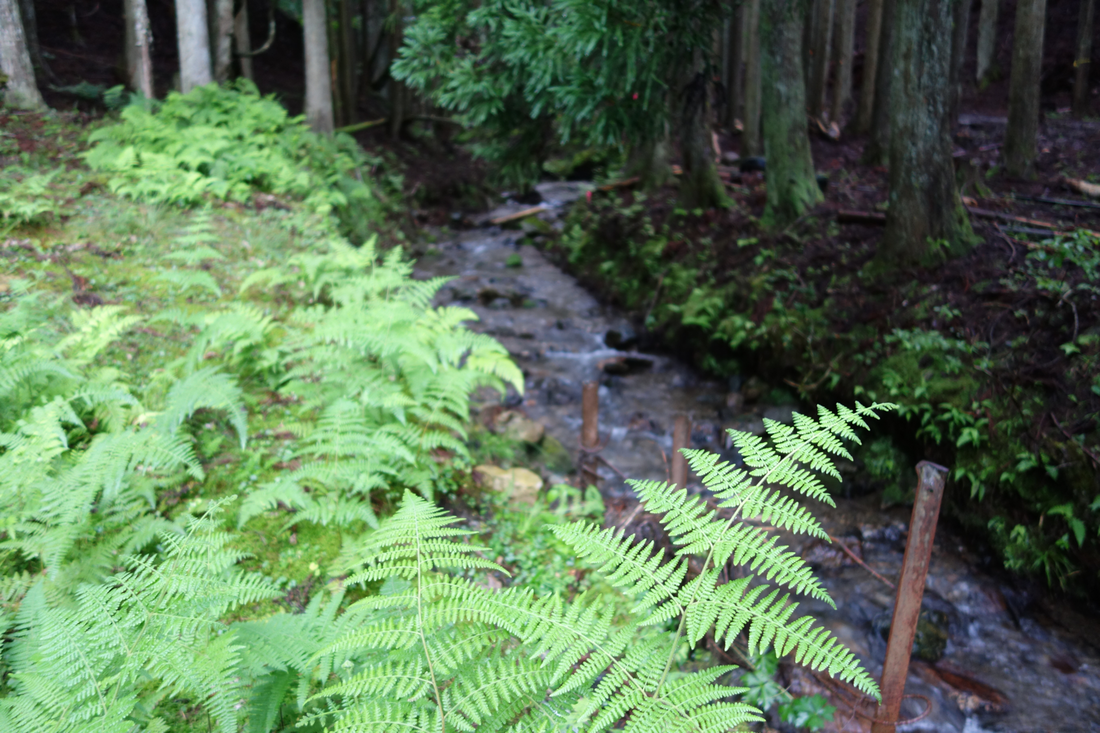
Before we returned to central Kyoto, my sister insisted on stopping beside a stream to cool off. Perhaps it was simply the summer heat.
We soon spotted a little waterway beside the road.
Its clear, winding current offered the quiet finish we wanted, bringing our brother-and-sister bikepacking journey to a happy close.
Bikepacking diary: Facebook