Kinmen History by Bike | Day 1: Shuitou Village and Little Kinmen
Translated from Bikepacking diary’s original Kinmen history bikepacking account, Day 1, published on May 6, 2017, and republished by arrangement with the author. Photographs are linked directly from the original website.
Editor’s note: This historical account describes the journey as experienced in 2017. Flight and ferry arrangements, fares, bicycle carriage, visitor access and accommodation are not current travel instructions. Confirm them with operators and site managers. Use approved seating and seat belts in transfers, pack and reassemble bicycles according to appropriate instructions, and check the bicycle before riding. Follow restrictions around military sites and do not enter abandoned structures. The author’s impression of the short distance across the water is not swimming advice. Do not cycle after drinking; an accompanying driver does not make impaired riding safe. Obtain the property owner’s permission before pitching a tent.
An Invitation to an Island I Barely Knew
My impression of Kinmen could be summed up in two things: kitchen knives and kaoliang liquor.
Beyond that, I knew almost nothing about it.
A friend’s invitation gave me the opportunity to visit this unfamiliar island. Both his parents were from Kinmen. Although he had been born in Taipei, he carried a strong connection to the place.
He told several cycling friends about Kinmen’s City God procession, describing streets filled with people, and asked whether we were interested.
I thought it over.
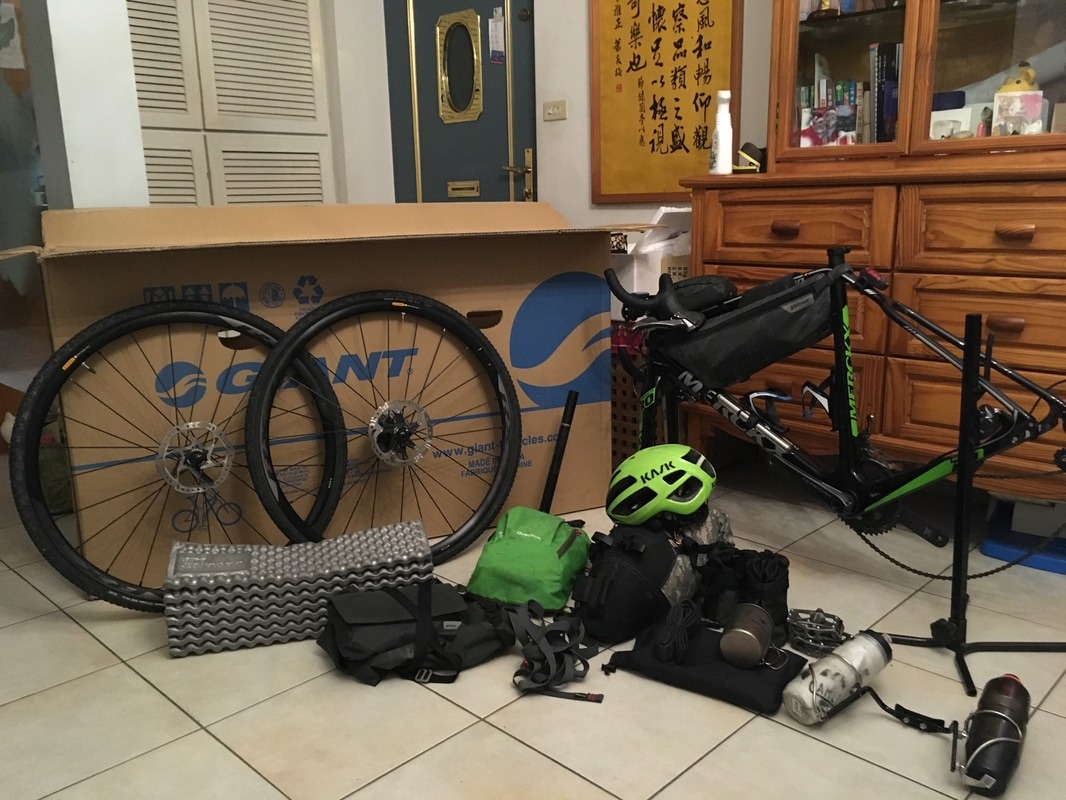
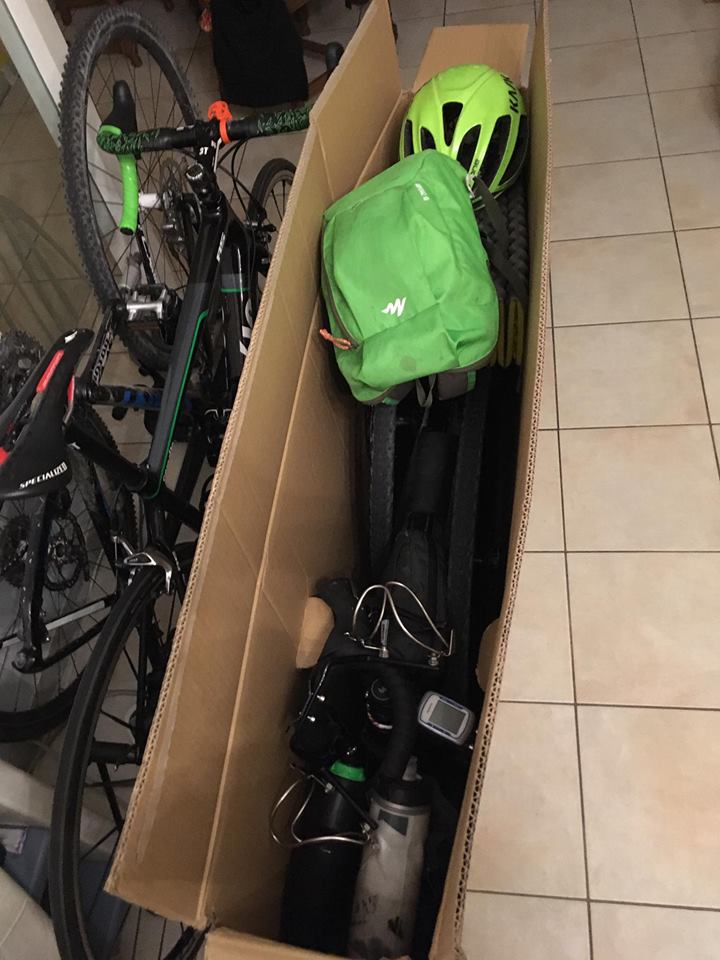
I had never been bikepacking on one of Taiwan’s outlying islands, and I had never packed my bicycle in a cardboard box. This would be a useful chance to practice both.
With a local friend showing us around as well, it felt like three good reasons in one.
We checked flights, made our arrangements and began our Kinmen bikepacking journey.
A Bicycle in a Cardboard Box
This was my first time packing a bicycle in cardboard, but not my first flight with a bike.
On previous trips, I had used a purpose-built case. Those experiences had made me comfortable with flying with a bicycle, and I had seen many experienced travelers use boxes.
I was therefore not especially worried about the cardboard, although my confidence was personal experience rather than a guarantee against damage.
My friends’ expensive road bikes were still traveling in dedicated cases.
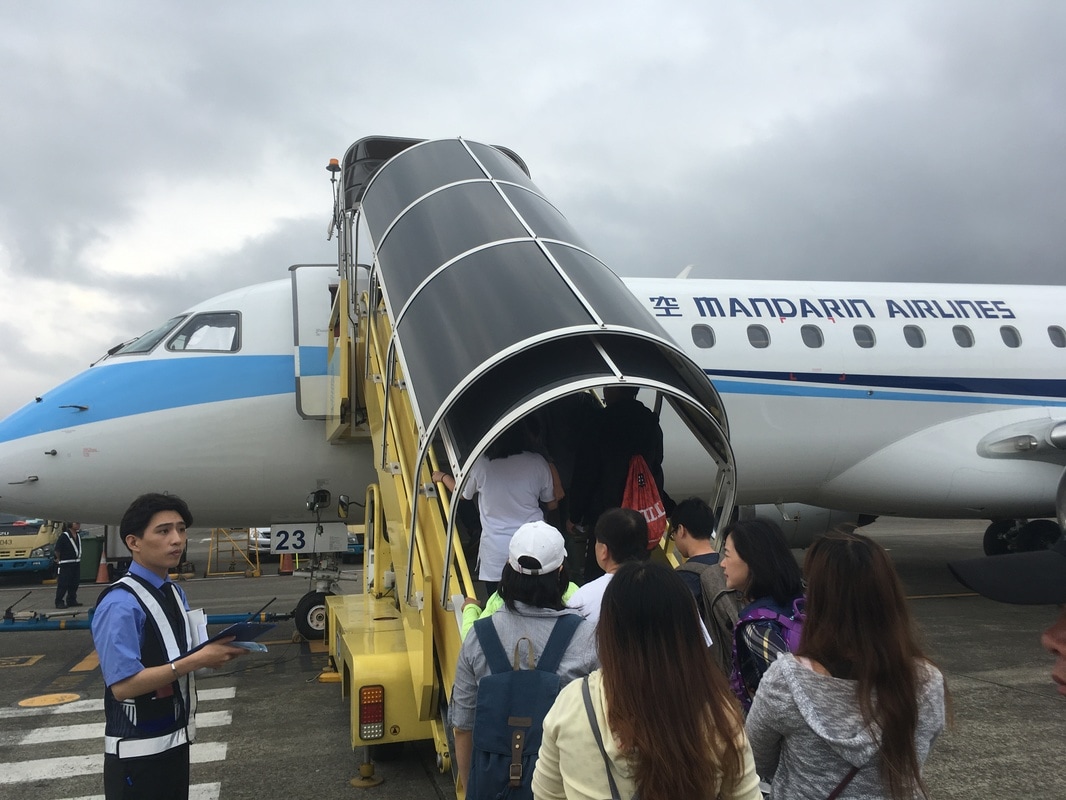
Our group, with all its bicycles, boarded the aircraft.
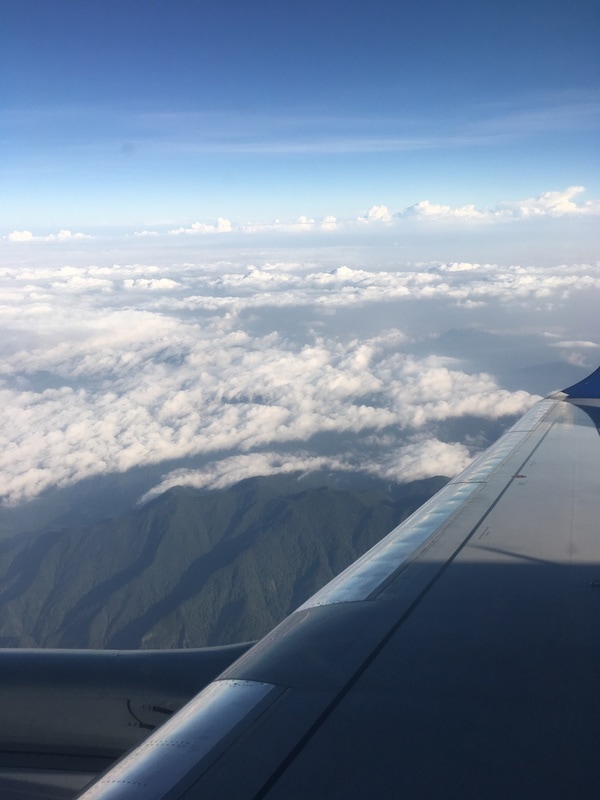
The flight from Songshan to Kinmen took around an hour on that trip. Once takeoff and landing were accounted for, there seemed barely enough time for a snack before we began descending.
The Transfer and the Reassembly
A guesthouse shuttle was waiting at Kinmen Airport.
Had I abandoned my wandering ways for a room? Not quite. My friends had booked accommodation; I still intended to sleep in my tent.
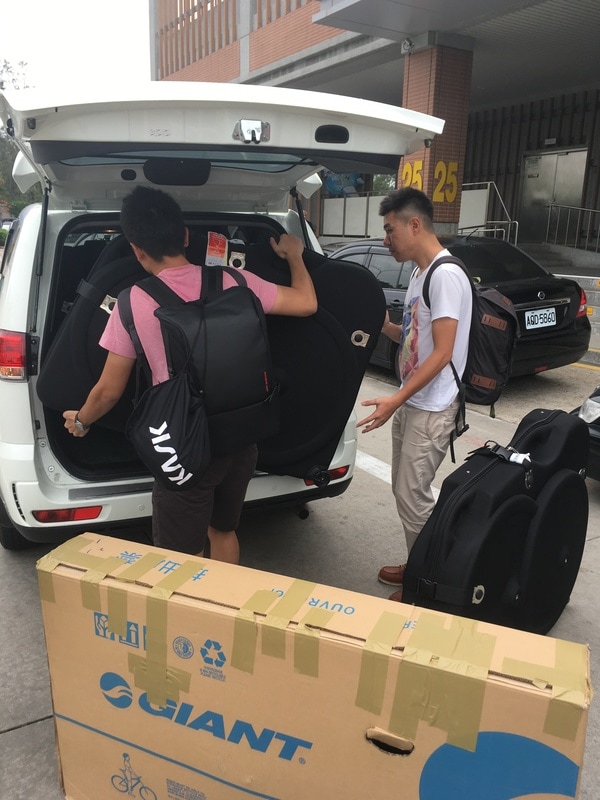
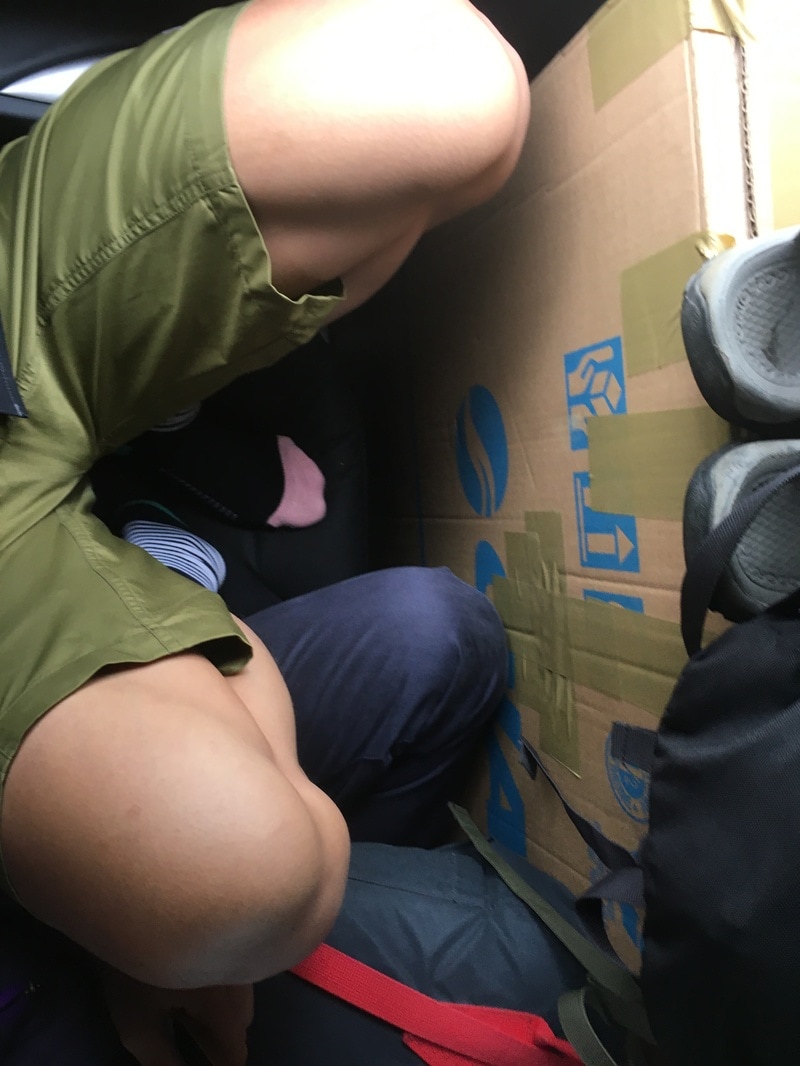
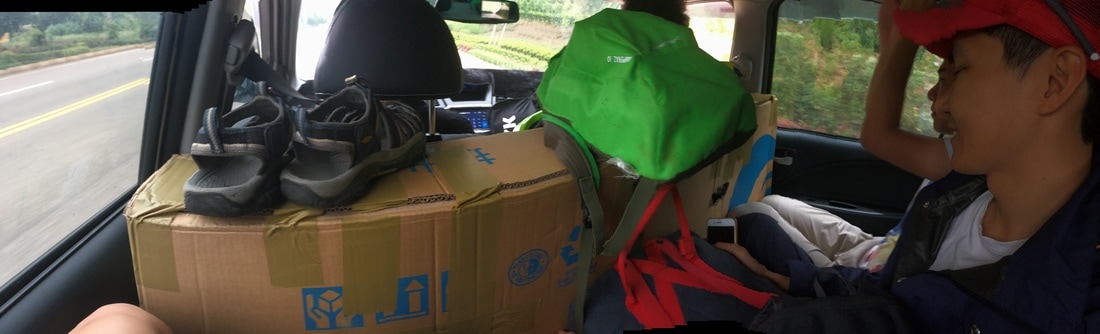
Loading the shuttle produced a small complication: my box was too wide for the luggage compartment.
It fitted across the rear seating area, but made the passengers’ seating awkward. The original account treated this as a funny inconvenience; safe seating and restraints should take priority over squeezing luggage into a vehicle.
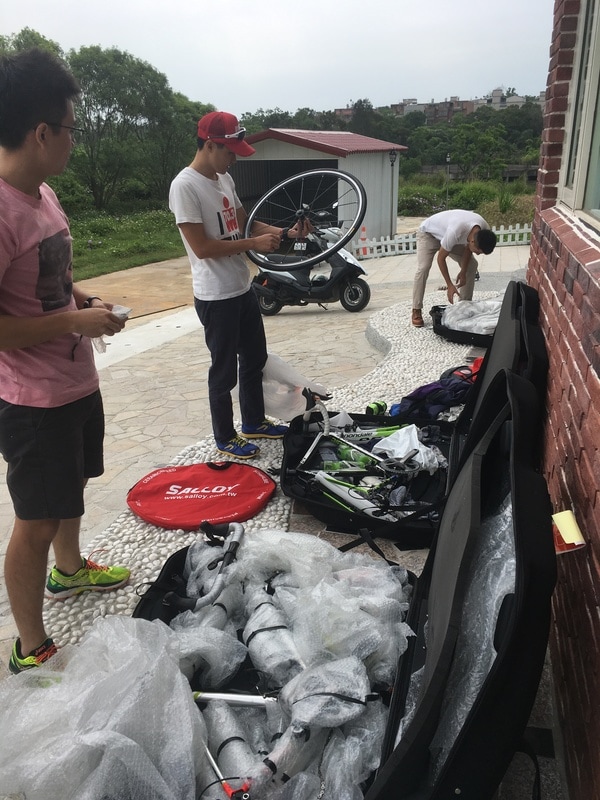
At the guesthouse, our first task was assembling the bicycles.
We refitted the wheels, pedals and steering components we had removed, then checked the shifting. We were familiar with the process, though anyone doing this should follow the relevant assembly instructions and carry out safety checks.
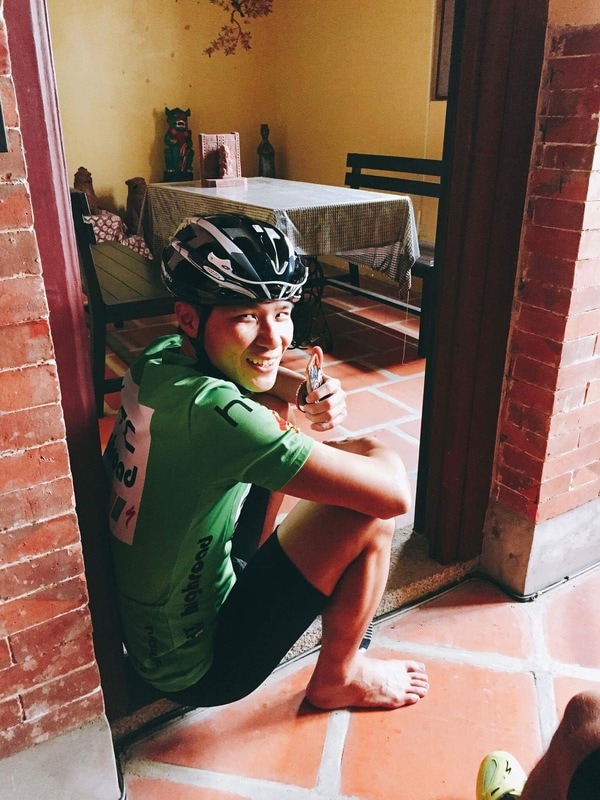
Friends who had wrapped their bikes as thoroughly as a fortress naturally needed a little longer to unpack everything.
Shuitou’s Old Houses and Overseas Influences
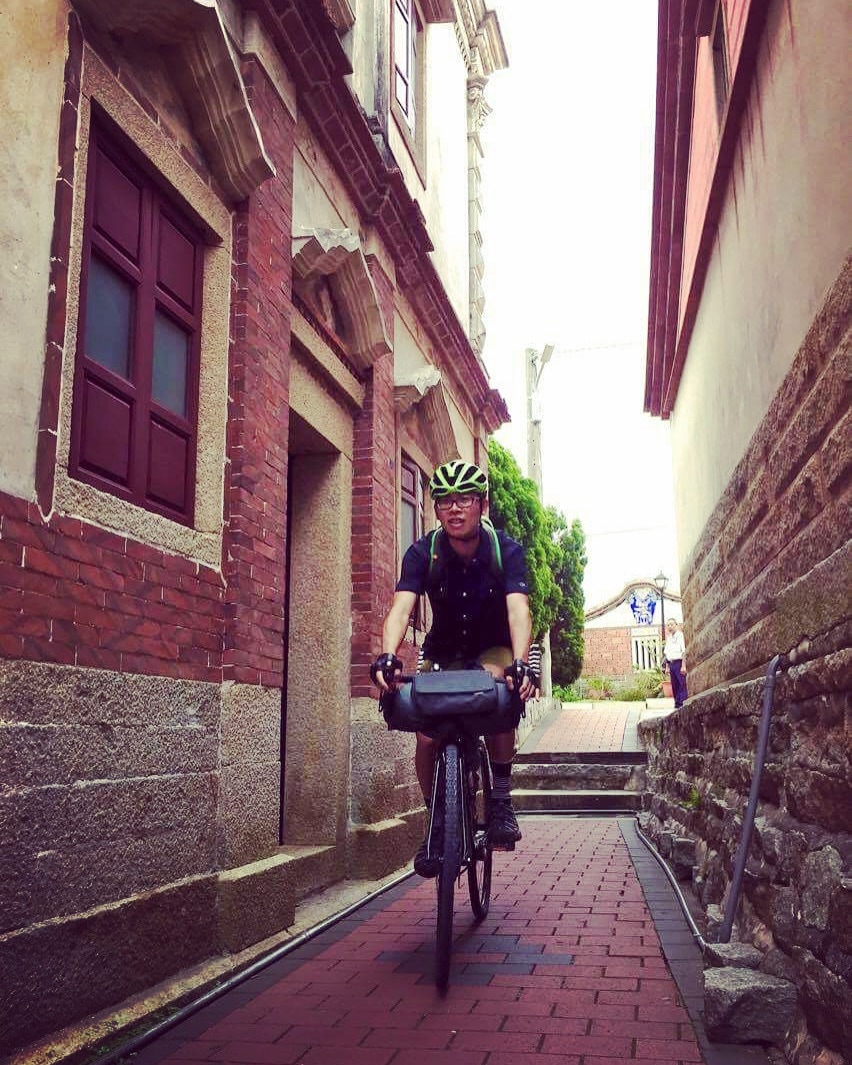
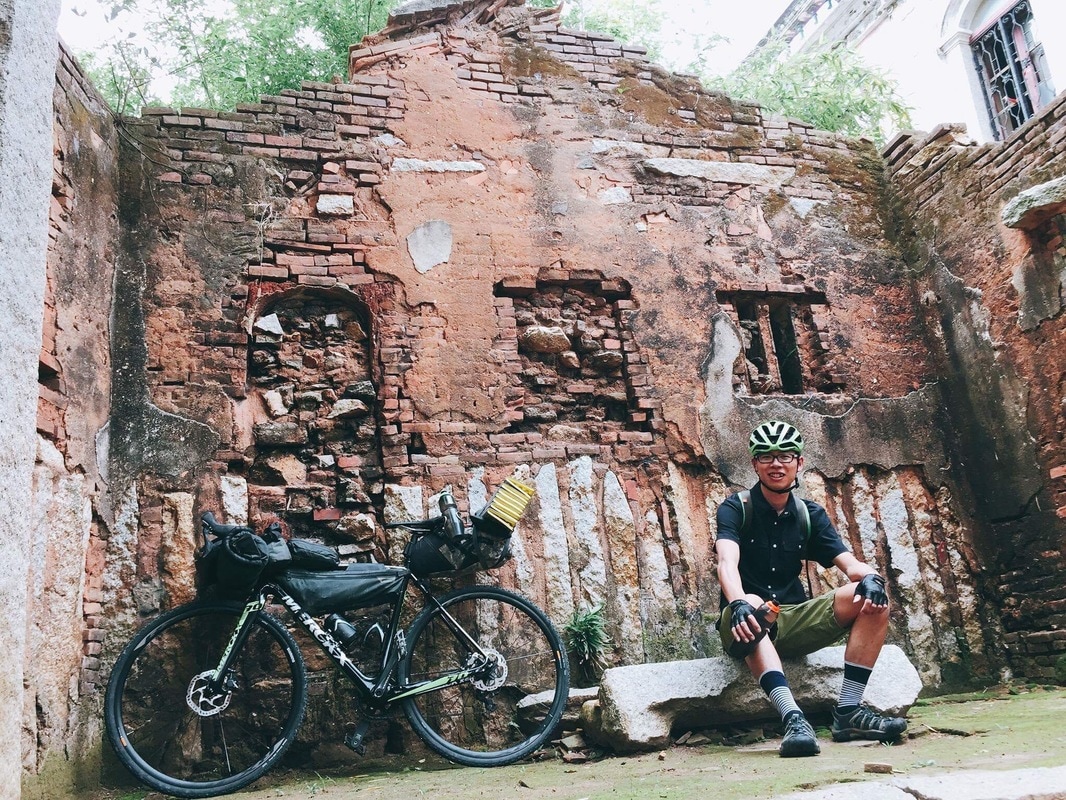
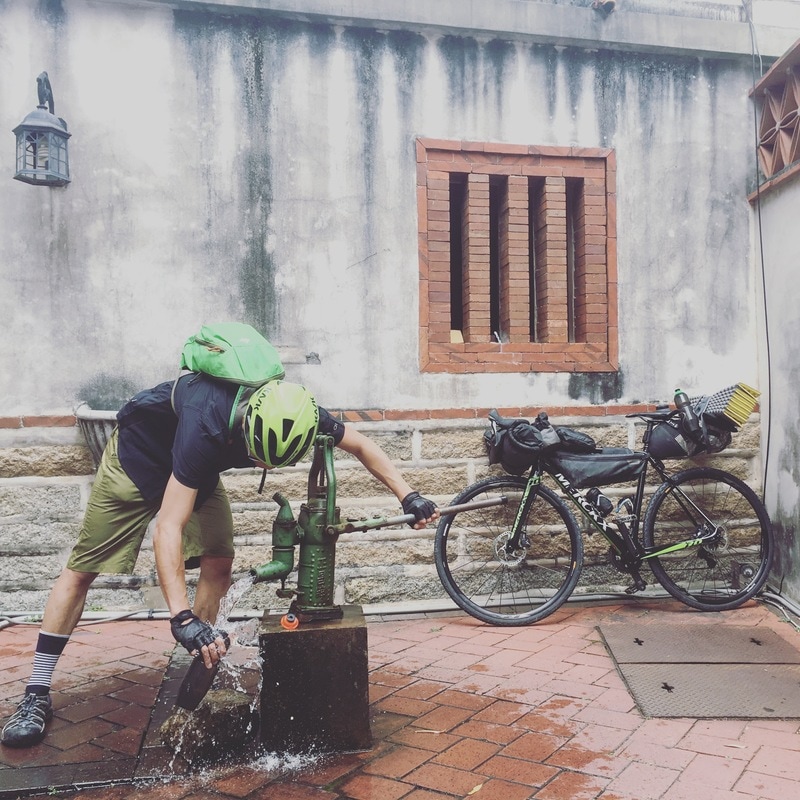
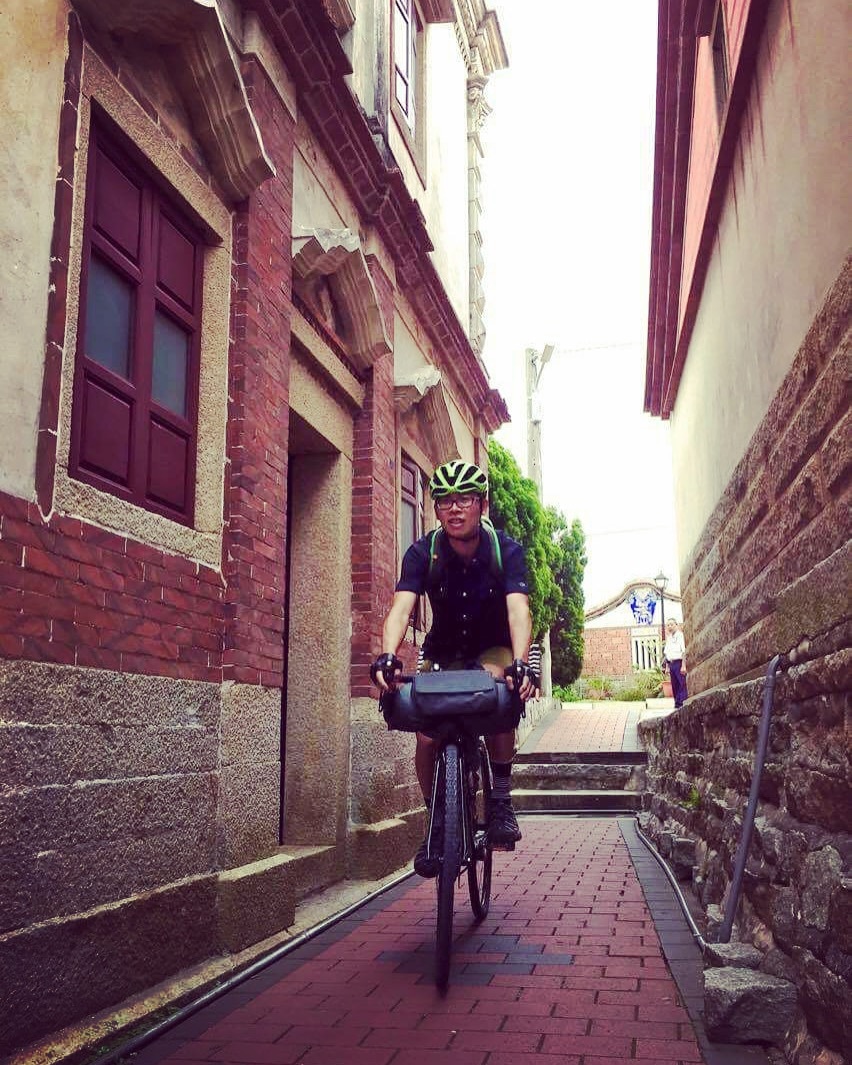
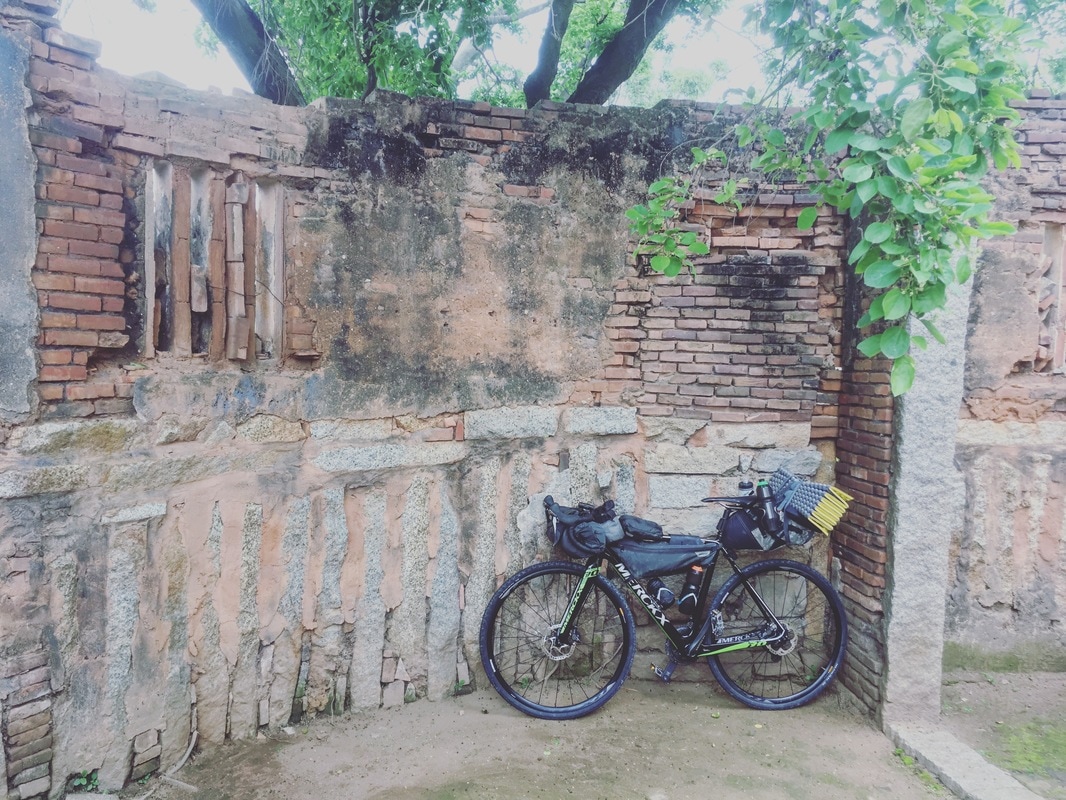
Our first destination was Shuitou Village.
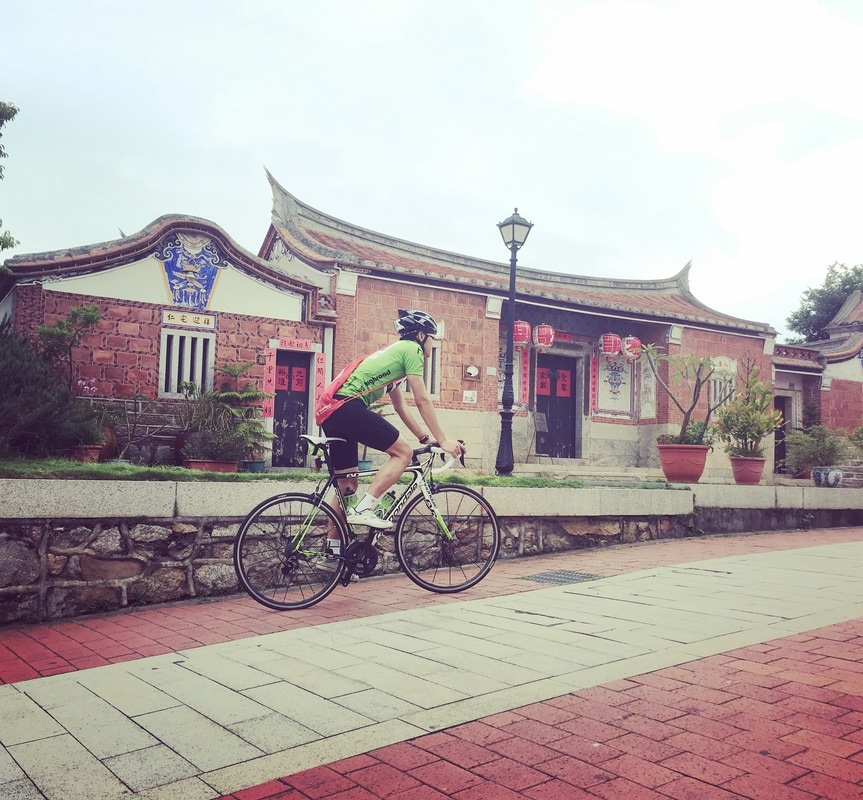
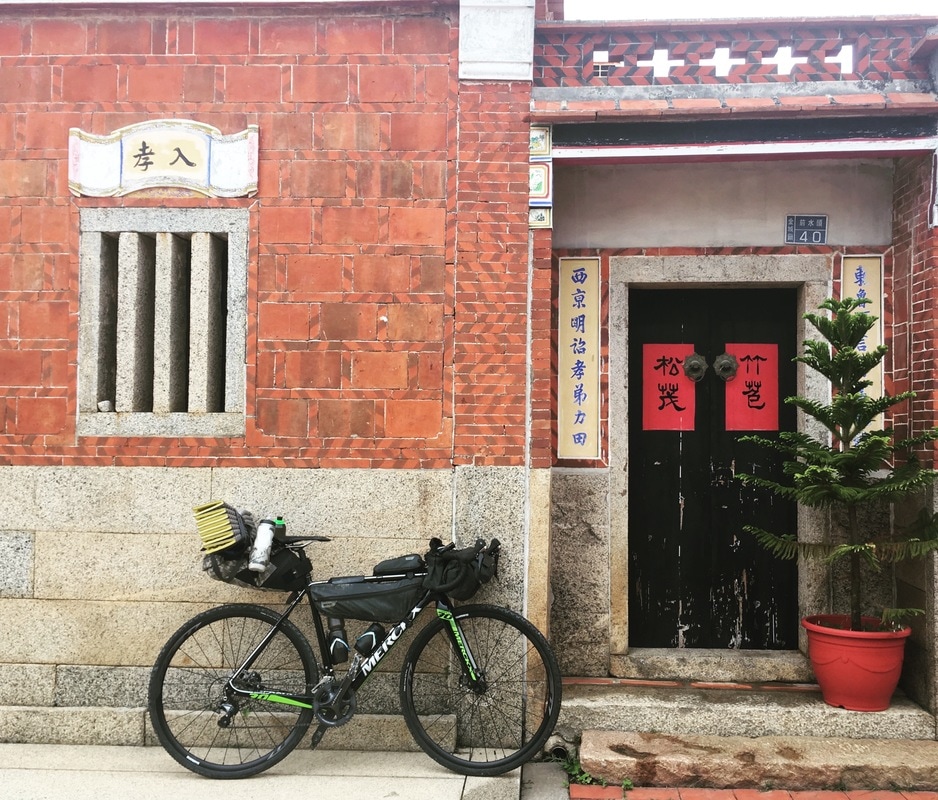
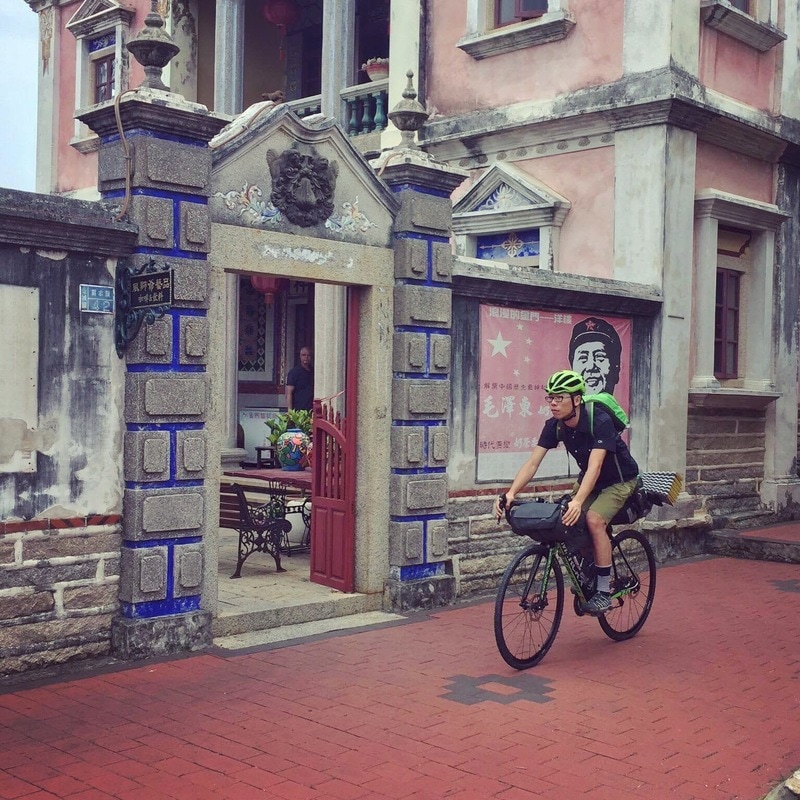
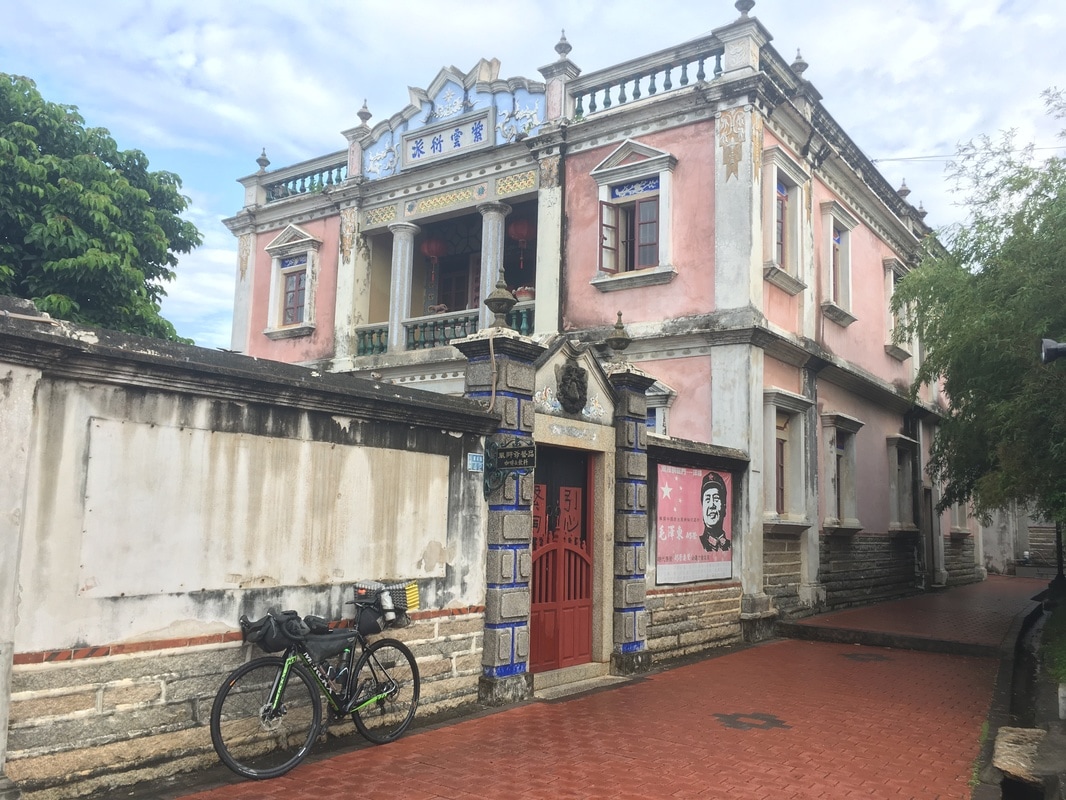
Here were swallowtail roof ridges, rounded roof forms, traditional houses and Western-influenced mansions.
Southern Fujian architectural traditions stood beside styles shaped by overseas connections. Rather than clashing, they seemed to have settled together over time into a distinctive whole.
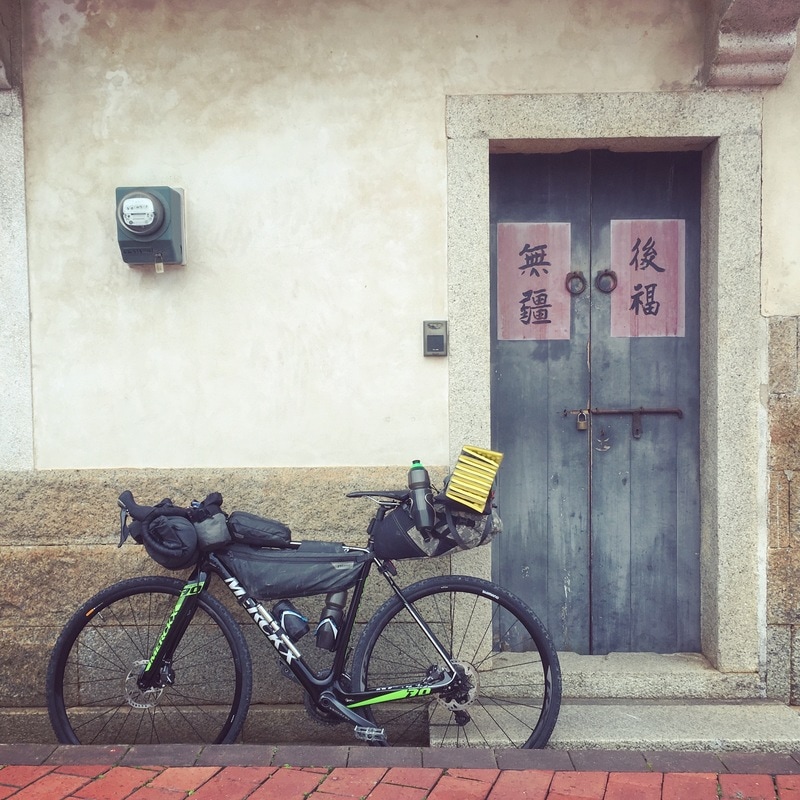
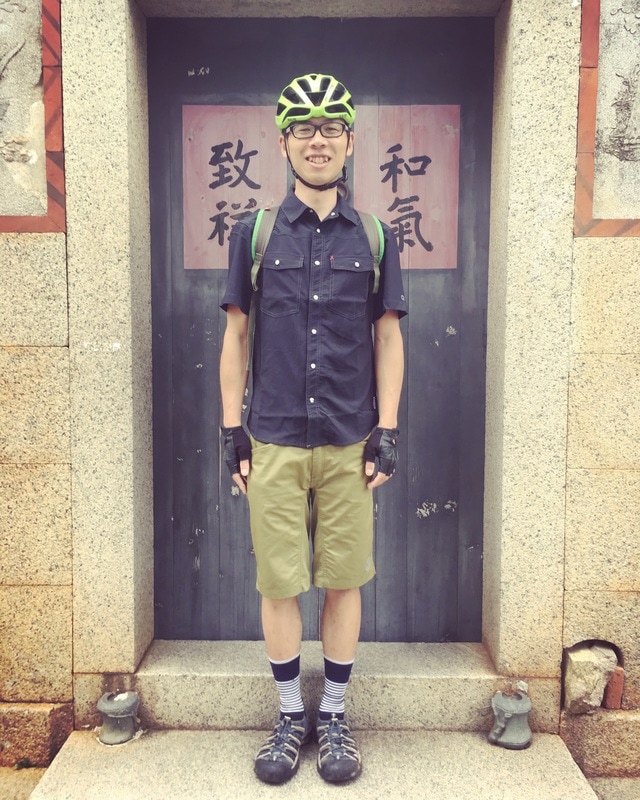
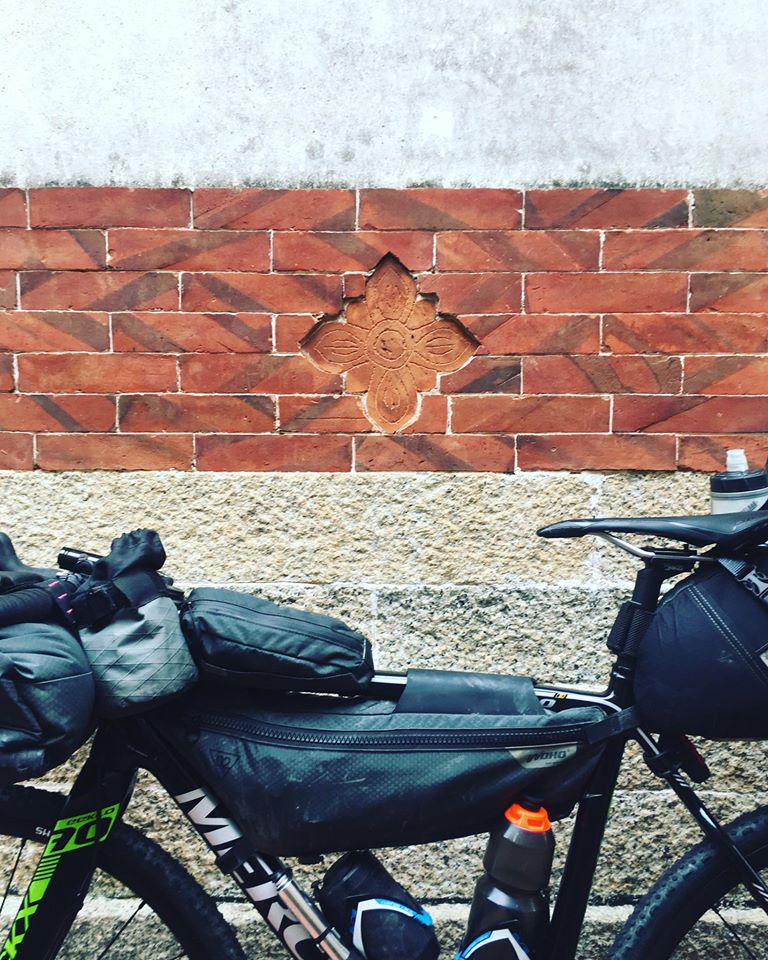
Brick-red lanes wound between buildings decorated with care.
Walls, roofs and window frames were full of details. Even the different shades of individual bricks had been considered when arranging the masonry.
That dedication to craft reminded me of places I had visited in Japan.
Walking here gave me something of the feeling of Kyoto’s old lanes near Kiyomizu-dera and Ninenzaka. I did not mean that the buildings looked Japanese, but that both places seemed to let you step into another time.
In my own eyes, Shuitou’s architecture was every bit as beautiful, perhaps more so.
It was close to the picture I carried of how a street shaped by traditional Chinese architecture might look.
I wondered how beautiful our cities could be if more of our buildings retained that sense of tradition.
Meeting the Wind Lion Gods
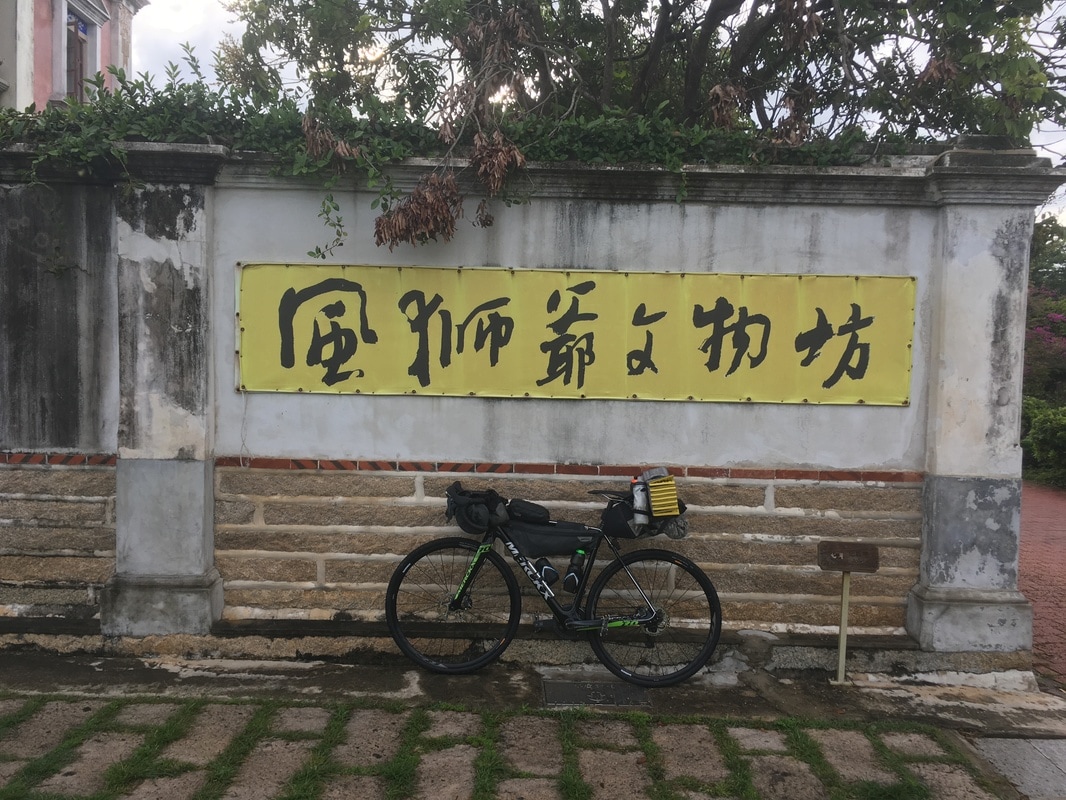
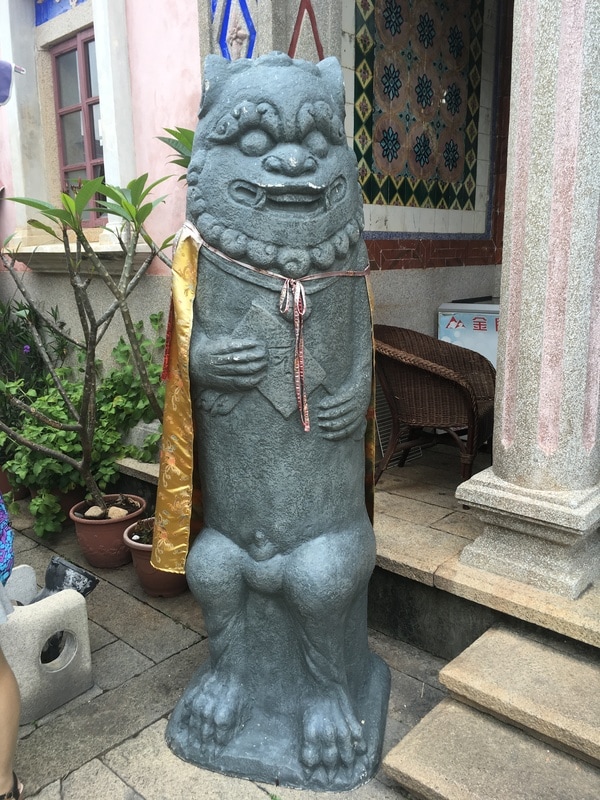
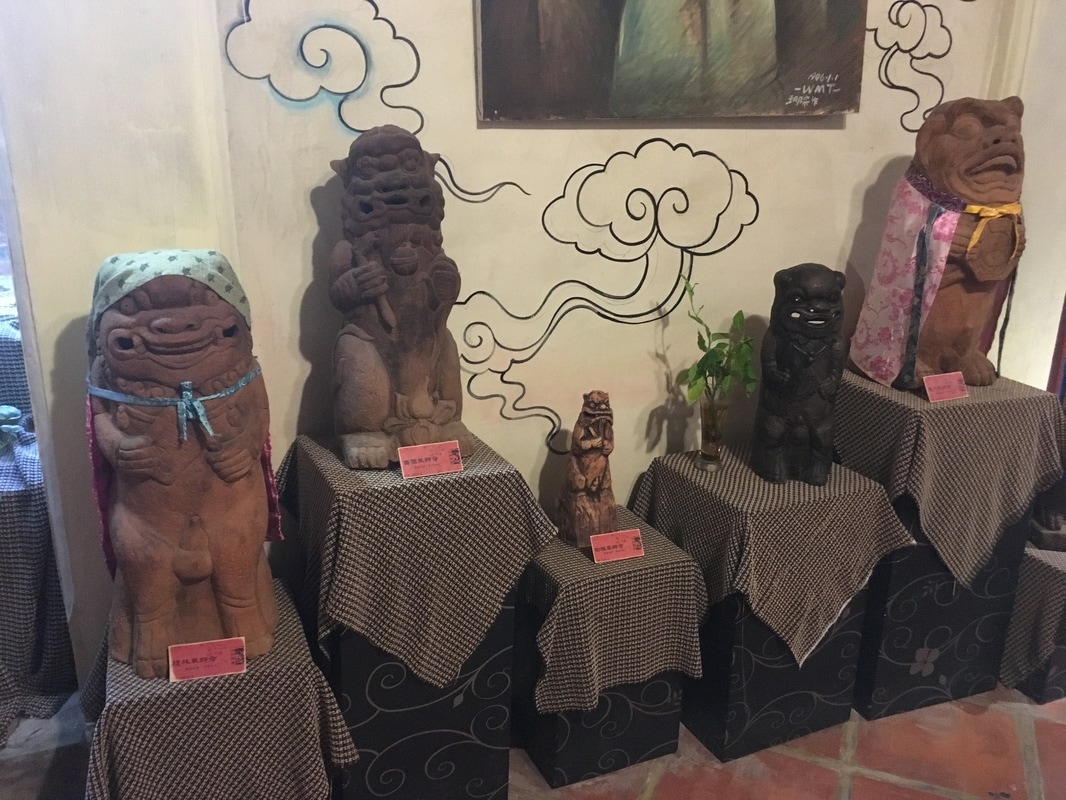
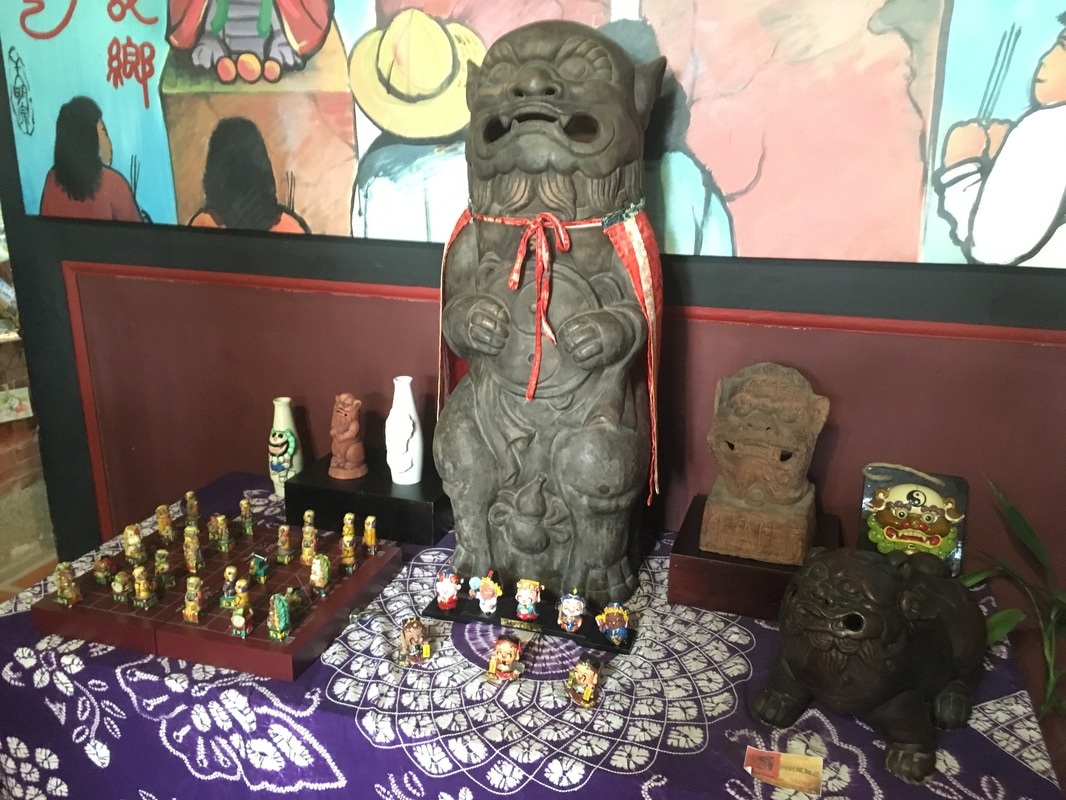
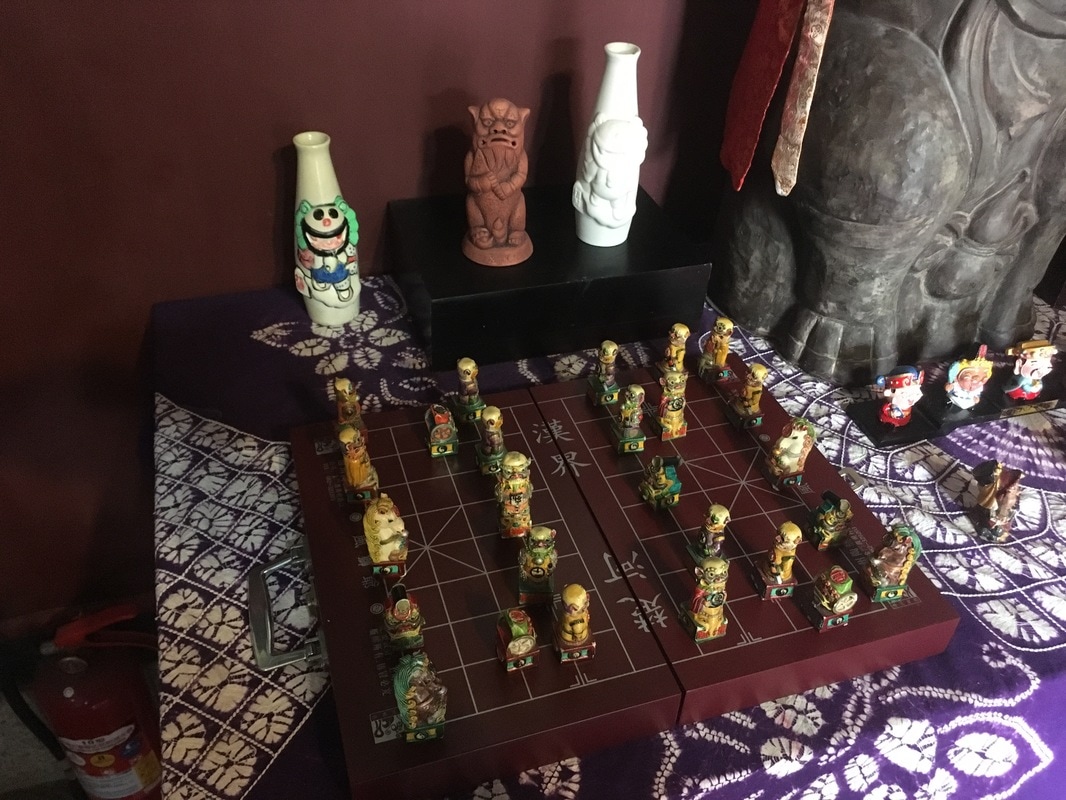
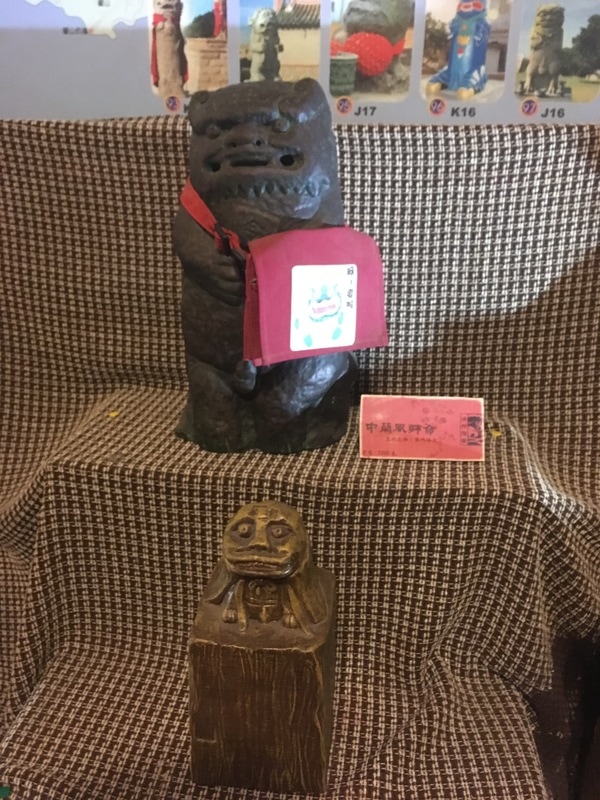
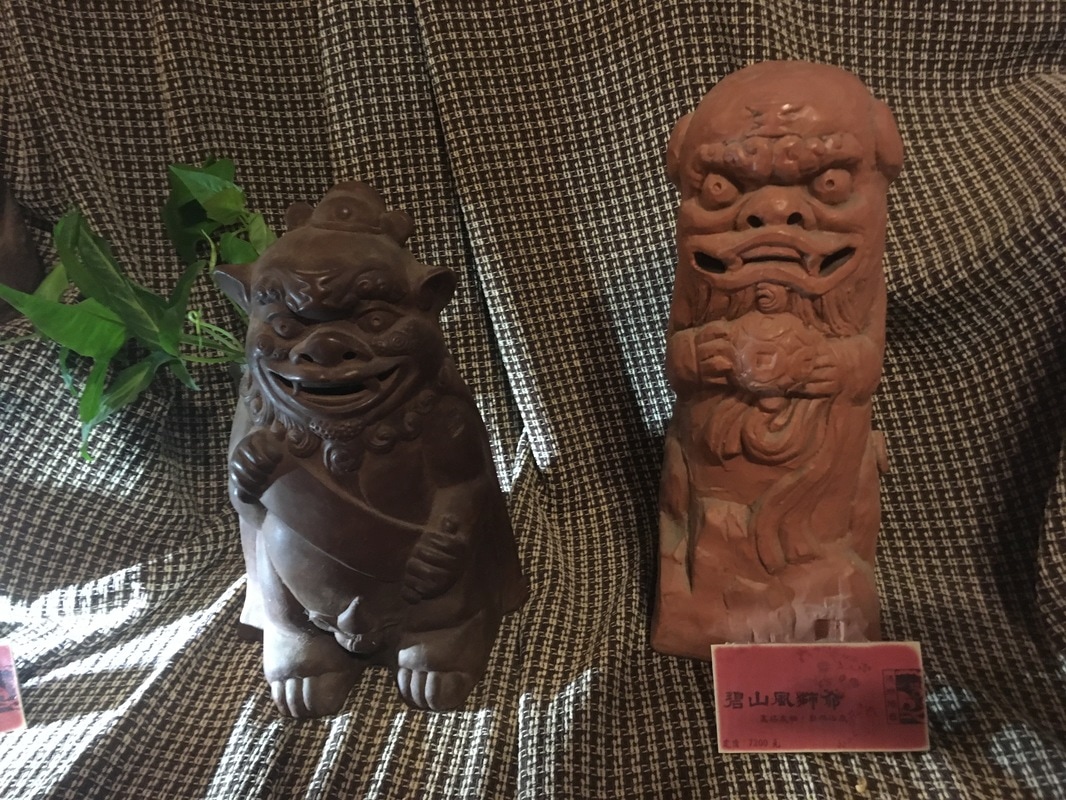
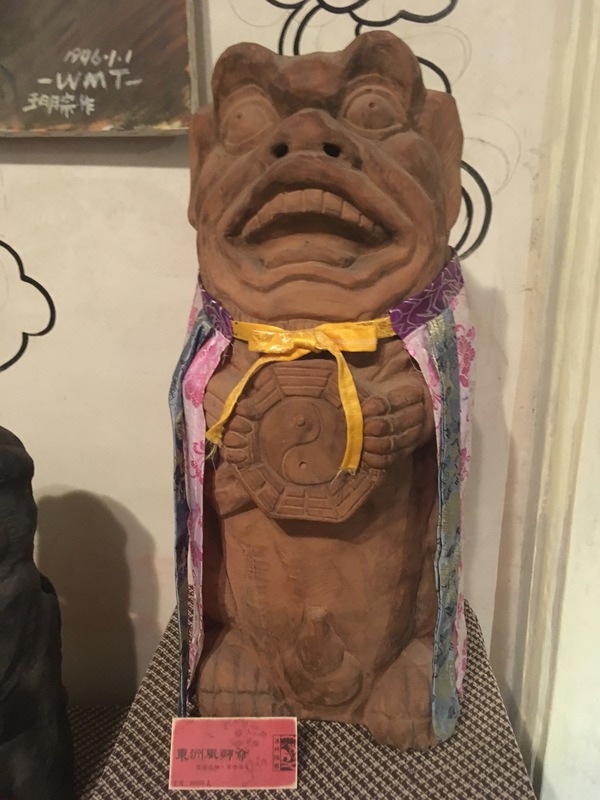
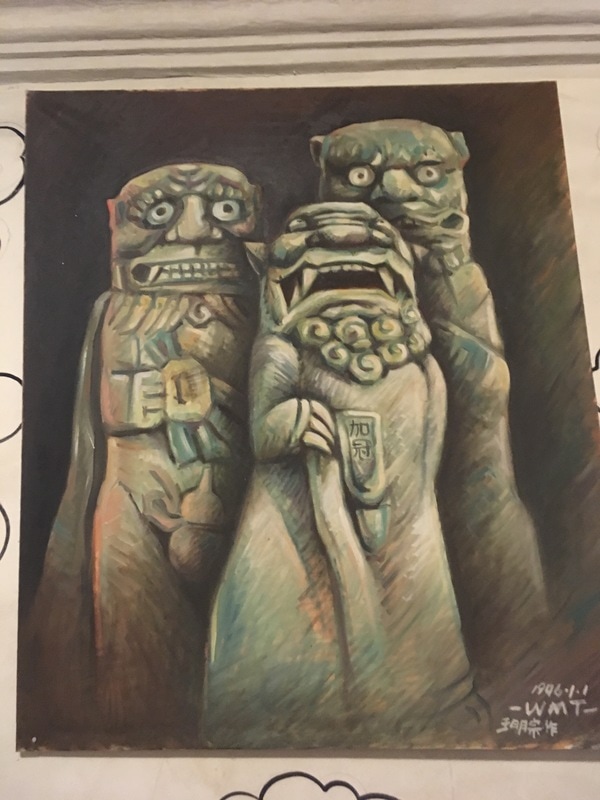
Within Shuitou, we visited a workshop and exhibition space devoted to the Wind Lion Gods, or Fengshiyé.
The original article described related protective figures in southern Fujian, eastern Guangdong, Kinmen and Okinawa, placed on rooftops or prominent locations to guard against harmful winds and influences.
It gave a count of sixty-eight figures in Kinmen at the time, a number recorded here as part of the old account rather than a current inventory.
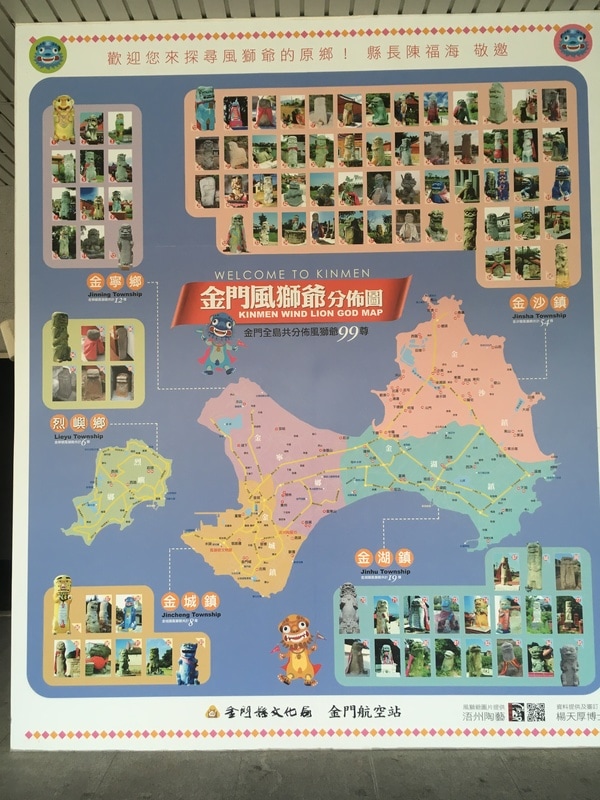
The exhibition introduced their varied forms and included a map of the island’s Wind Lion Gods.
I thought anyone planning a dedicated search should make a note of that map. Otherwise, they might end up like me, traveling around Kinmen while seeing fewer than ten.
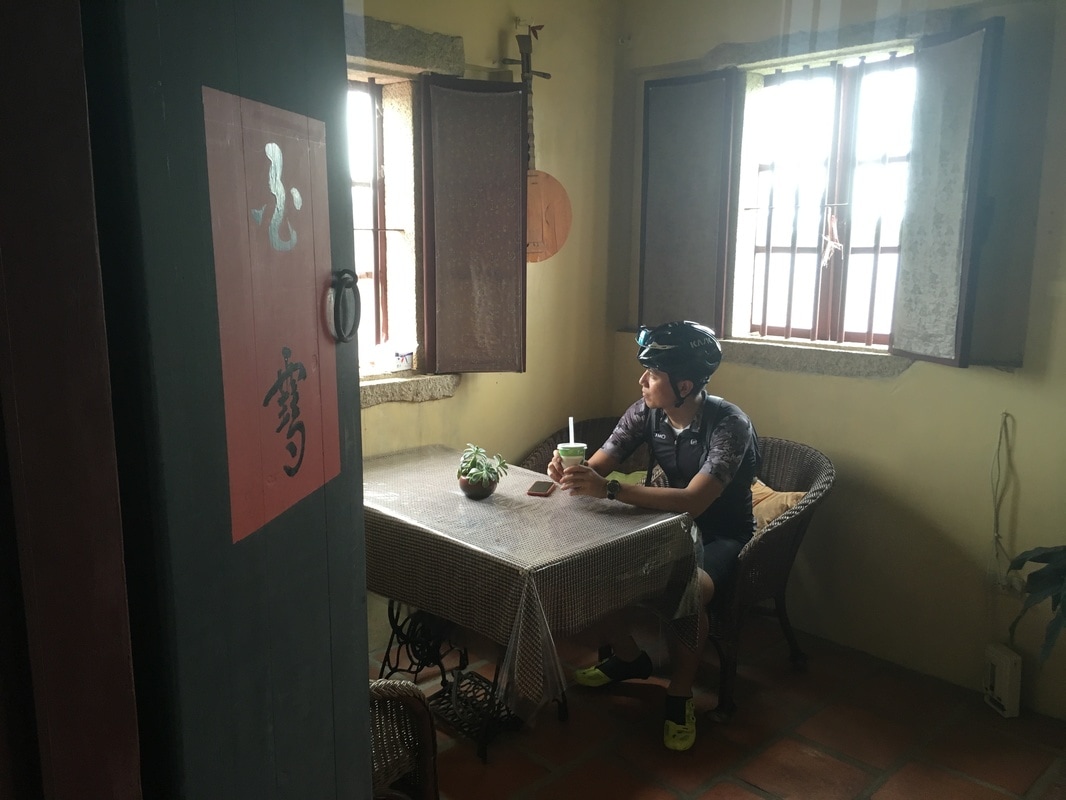
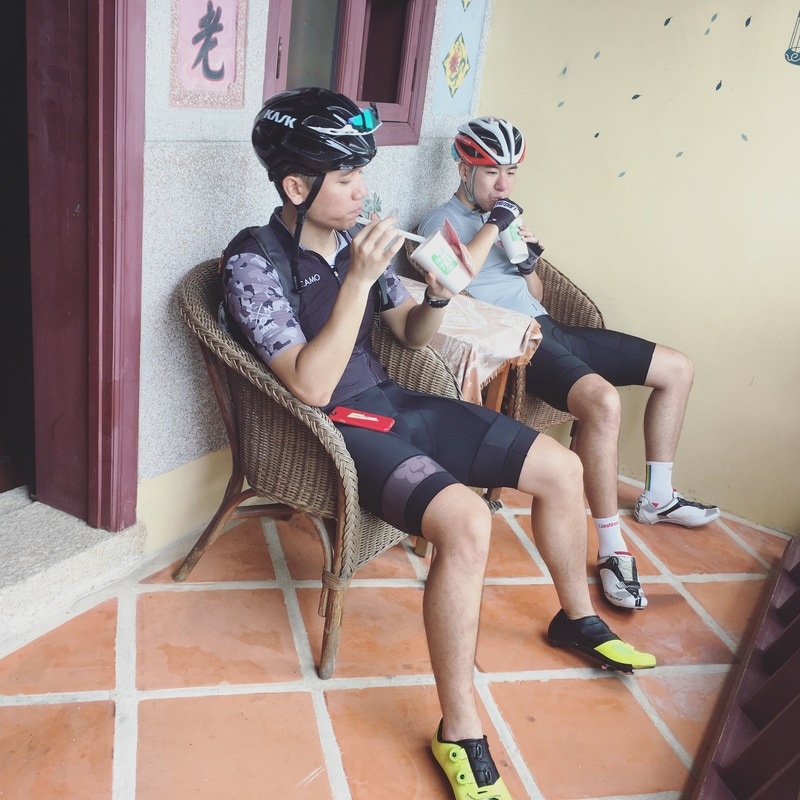
There was also a distinctive drink on offer: “Mao Zedong milk tea,” made with Kinmen kaoliang.
It was a novelty mentioned in the original account, though not an appropriate refreshment to combine with a day of cycling.
A Ferry to Little Kinmen
After Shuitou, my impression of Kinmen had improved enormously.
It felt like an island where a rich cultural landscape had survived the pressures of modern, fast-moving life.
Despite getting up at half past five for the flight, I was eager for the next stop.
We went to nearby Shuitou Pier to take a boat to Little Kinmen.
A small lesson from my map search: Little Kinmen is Lieyu. Looking only for its nickname had left me searching rather longer than necessary.
On that 2017 trip, I recorded the fare from Shuitou to Jiugong Pier as NT$60, with the bicycle carried without an additional charge. These were the arrangements we encountered then, not verified current fares or bicycle rules.
Inside Jiugong Tunnel
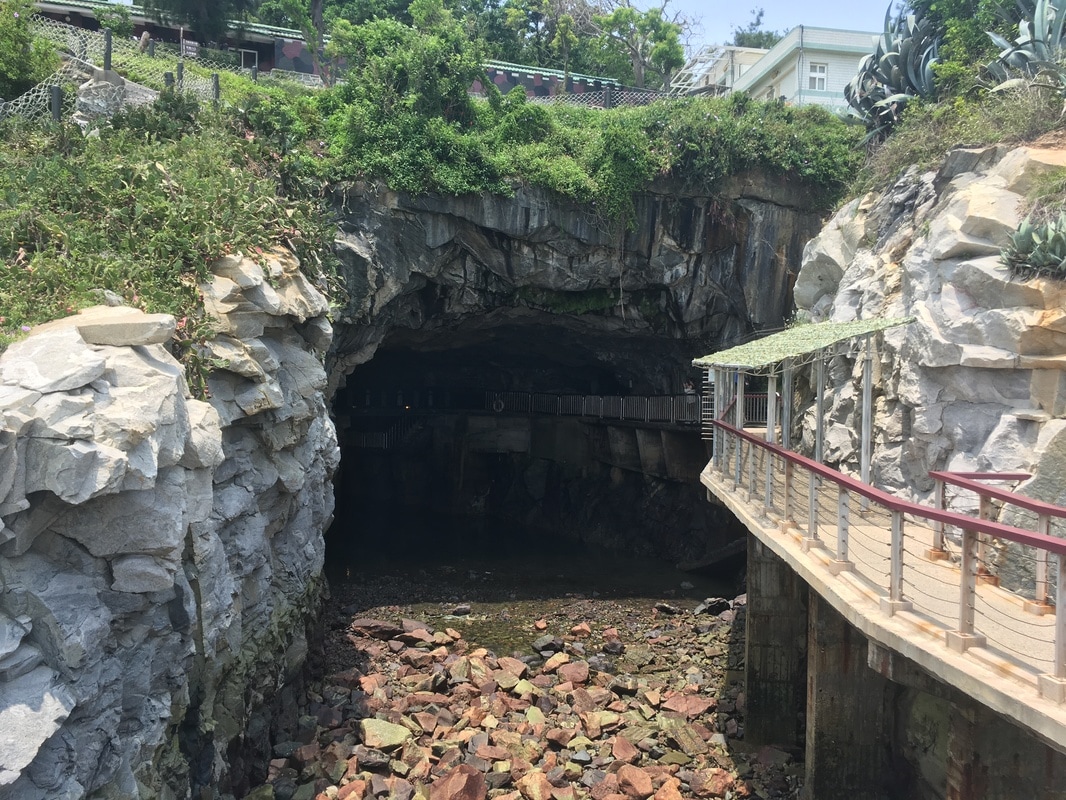
Near the pier, our destination was Jiugong Tunnel.
Kinmen’s position on the front line of conflict had led to extensive underground construction, including protected facilities for supplying vessels.
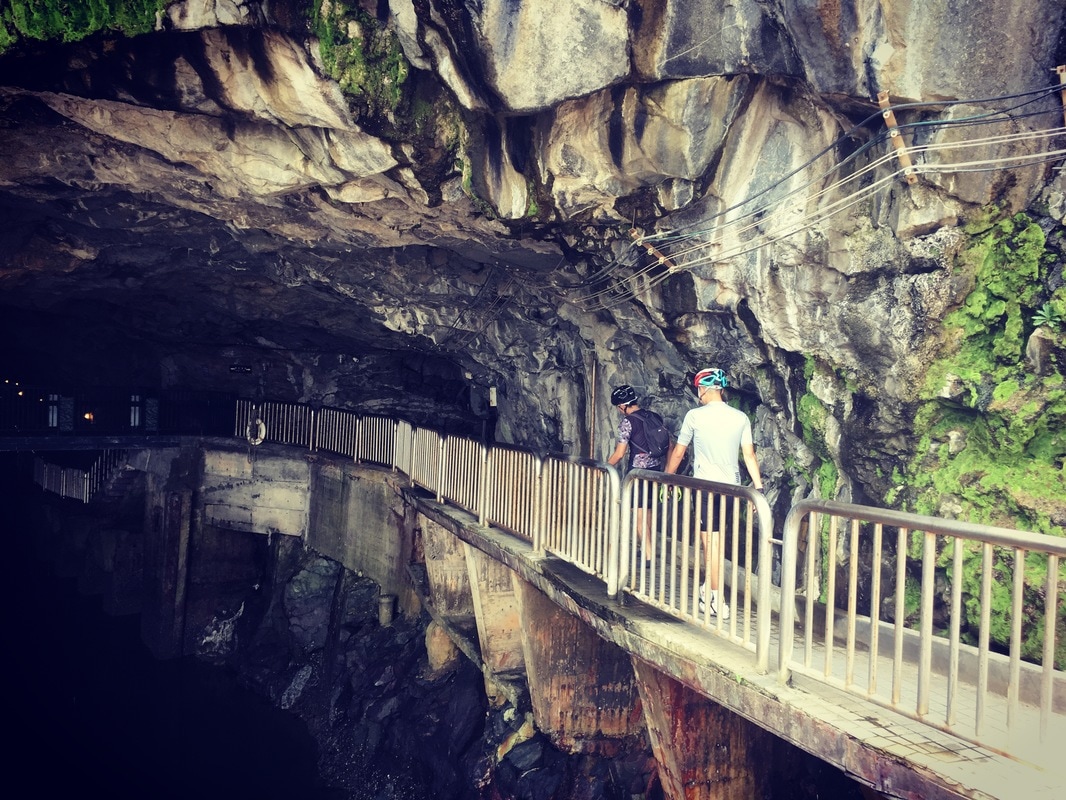
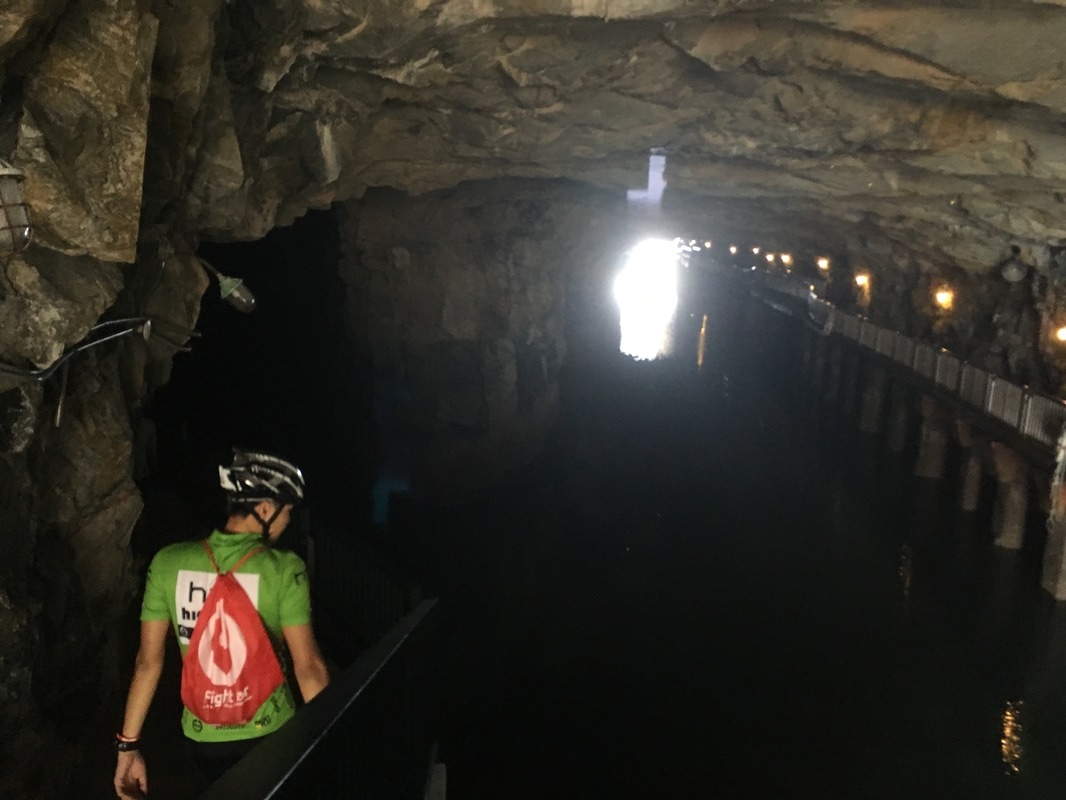
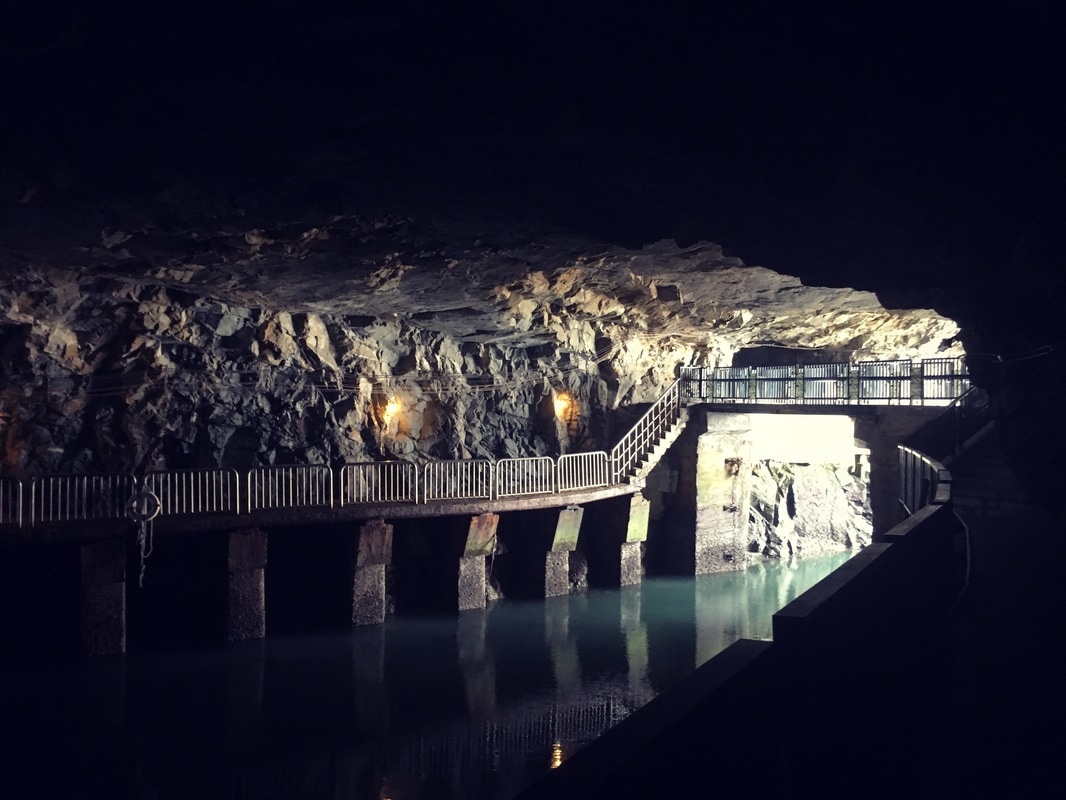
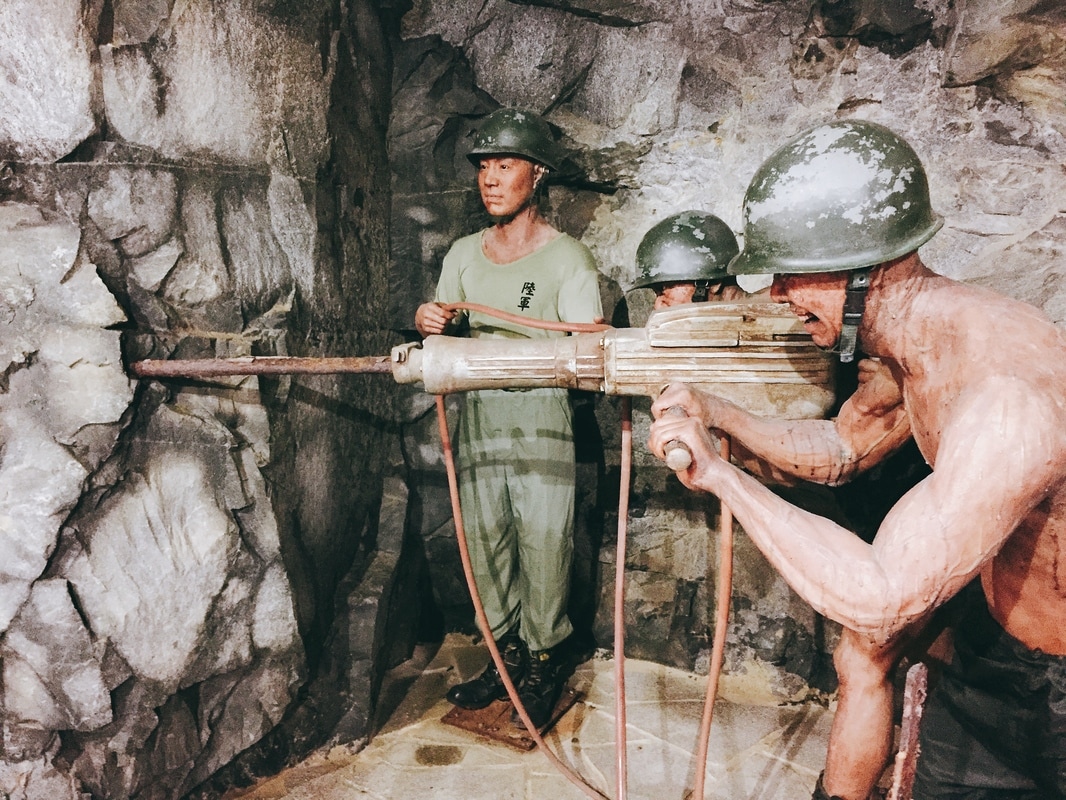
The original account described Jiugong Tunnel as completed in 1965, around seven hundred meters long, with a main passage twelve meters wide, a secondary passage six meters wide and a height of seven meters.
It also cited approximately 265,000 person-days of labor, more than 62,000 cubic meters of excavated material and a cost of NT$8.52 million. Those figures are retained as historical information reported by the source.
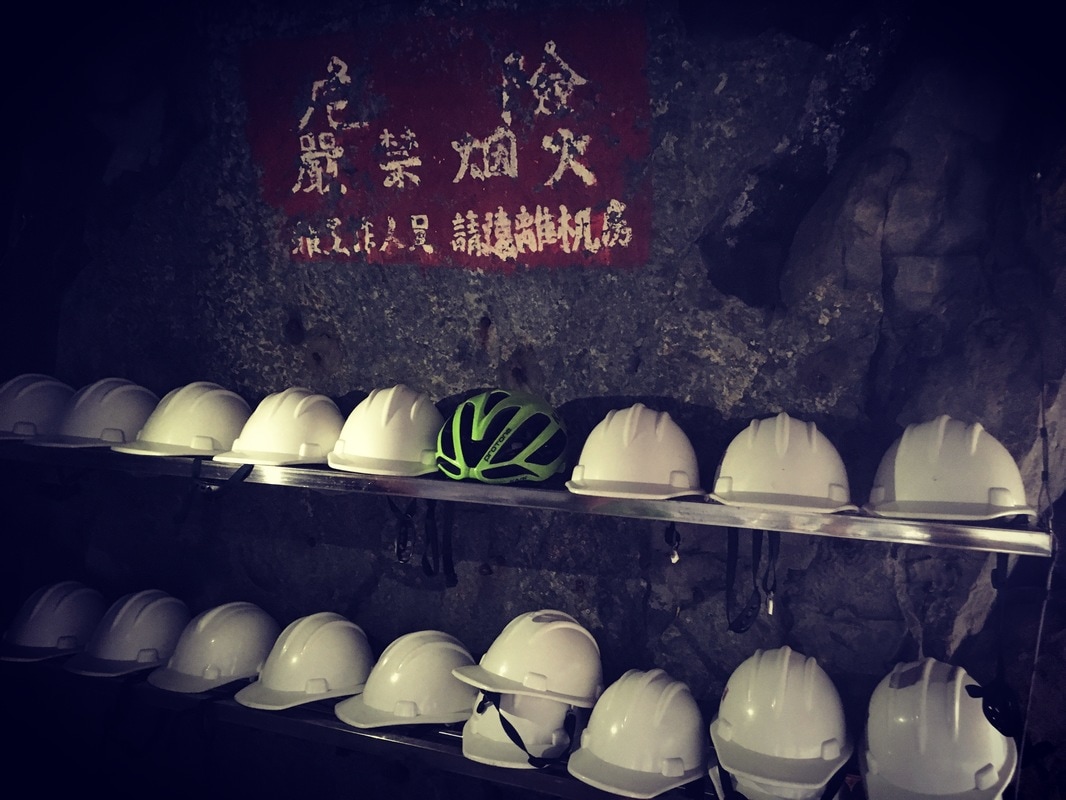
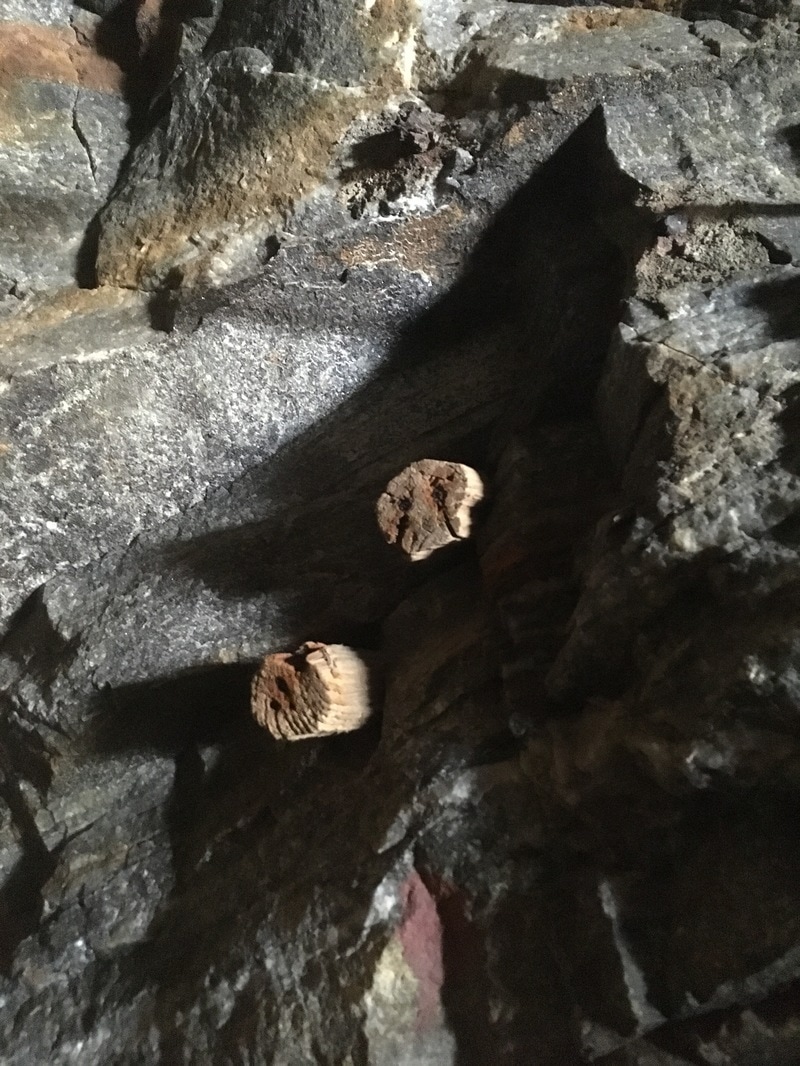
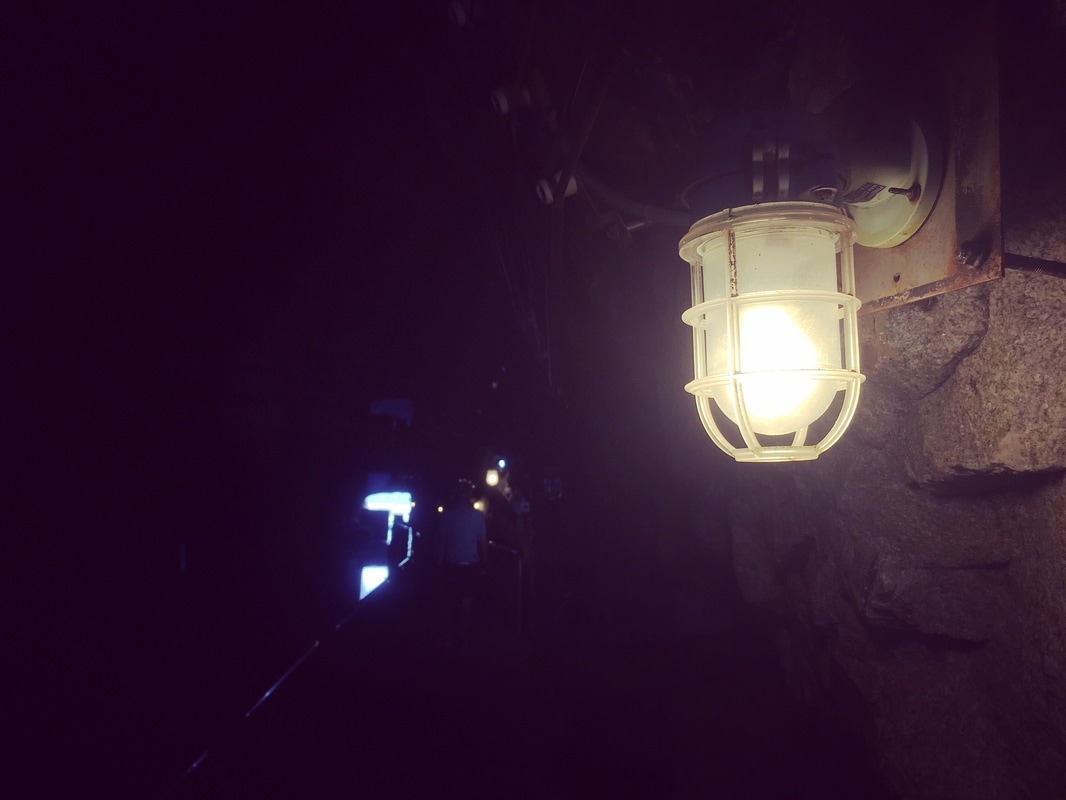
Entering the tunnel, I found it difficult to believe such a large space had been created by people.
I tried to imagine the soldiers carrying out that work under the conditions of the time.
It made me grateful for those whose work and sacrifices allowed visitors like us to walk through such places in peace.
Coastal Roads and a Skyline across the Water
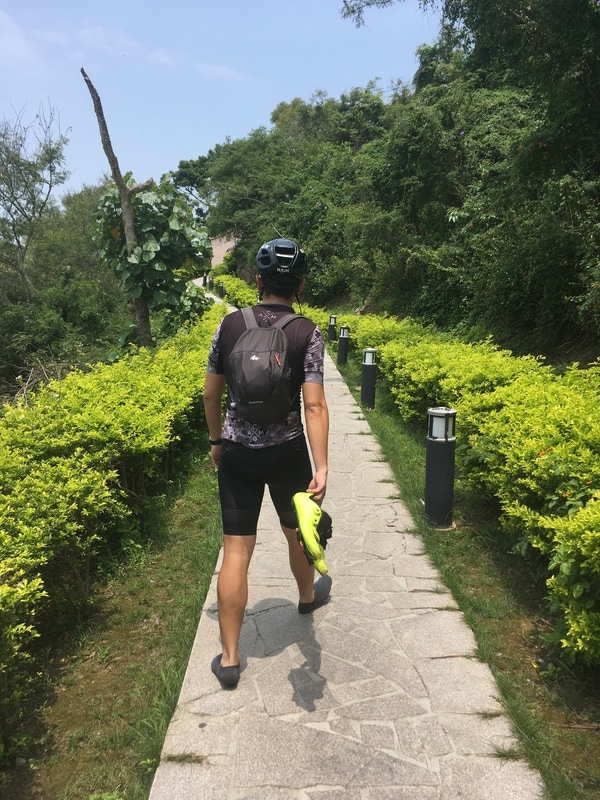
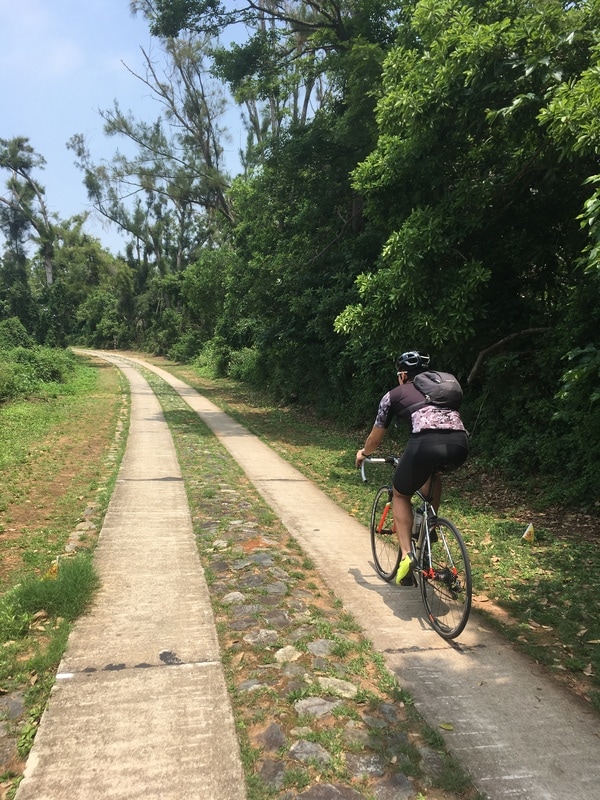
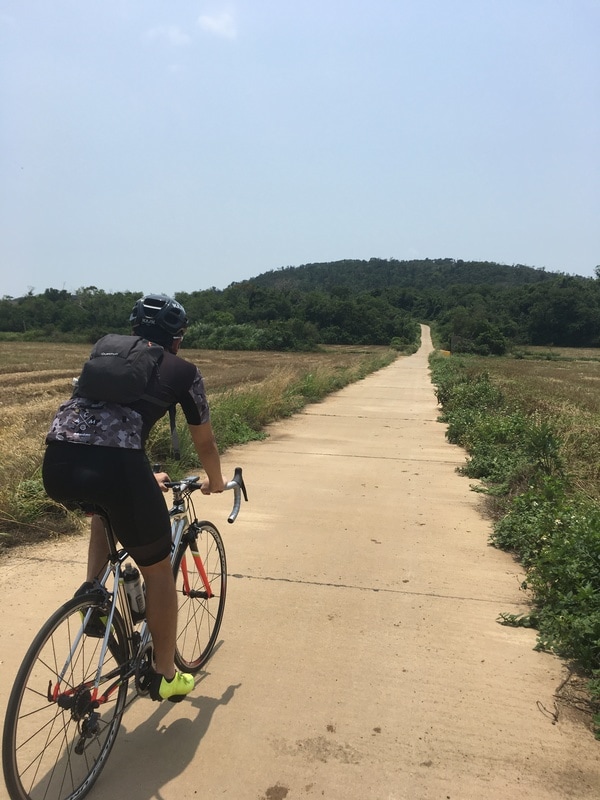
Leaving the dim, emotionally heavy atmosphere of the tunnel, we rode along small roads beside blue water and open sky.
“Country lanes” was not quite the right description.
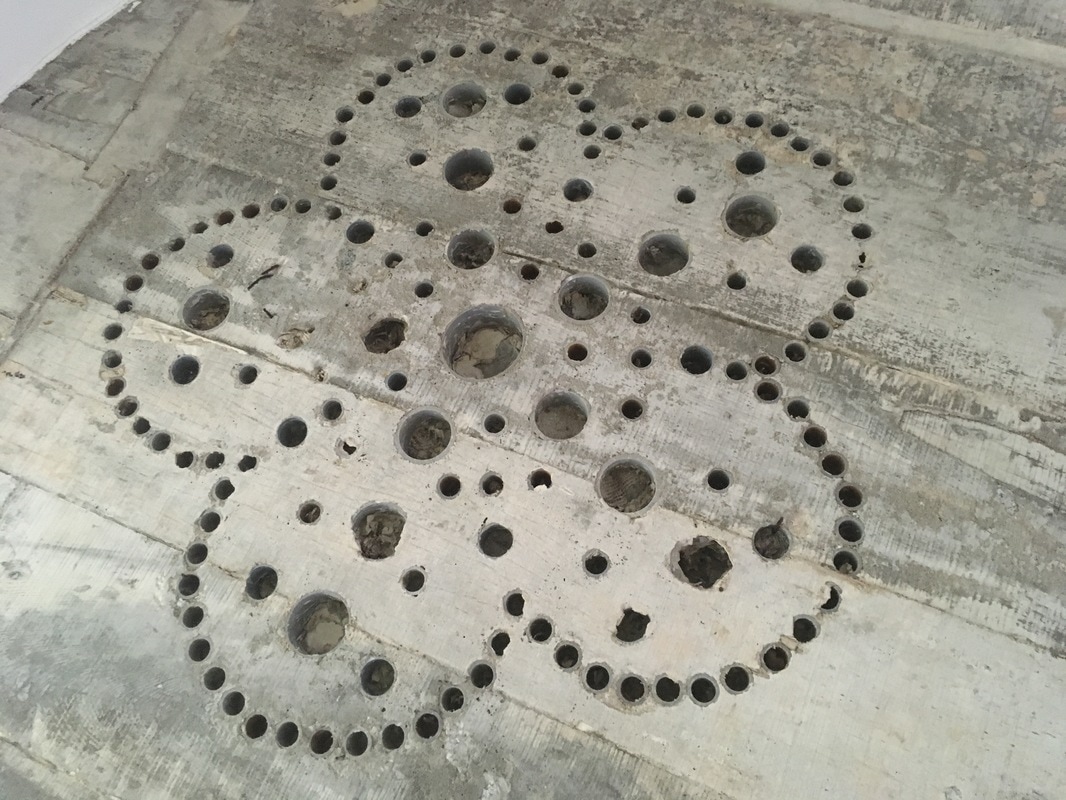
Some looked more like military access roads: two concrete strips spaced for vehicle wheels, much like roads I remembered driving on during my own service.
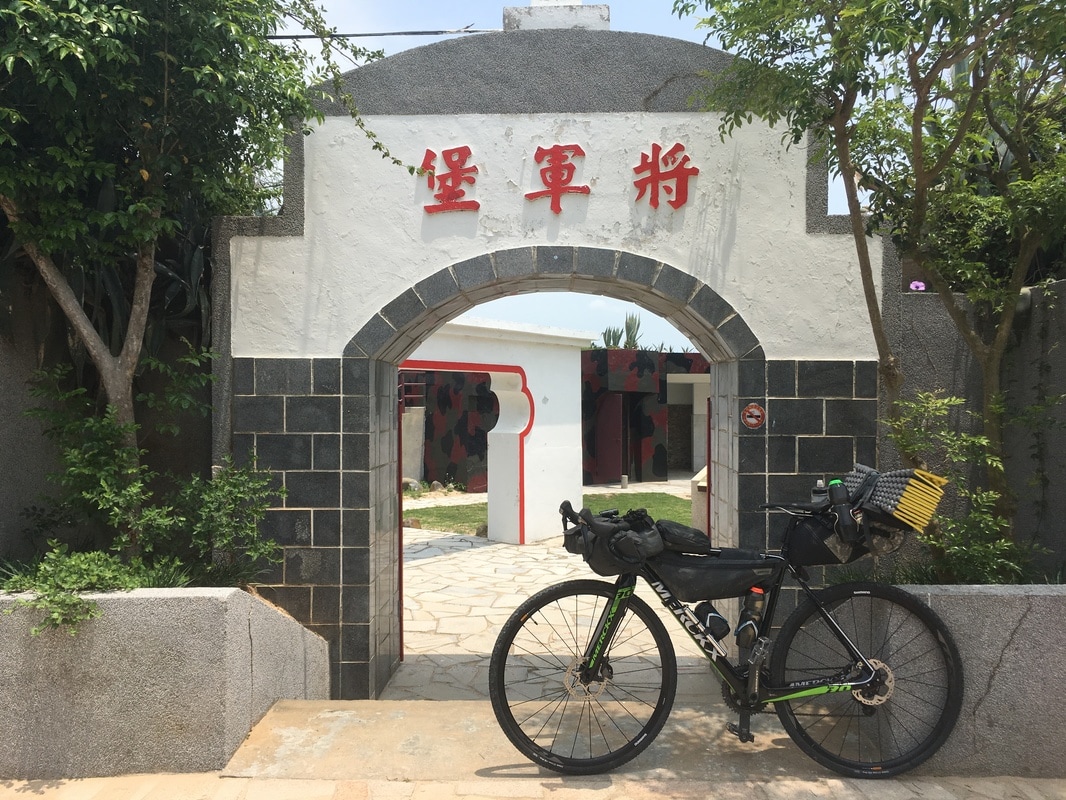
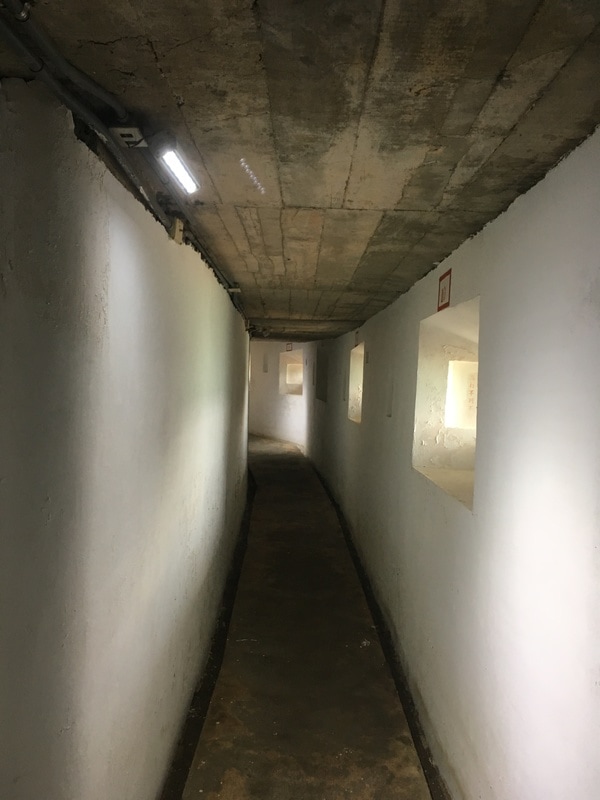
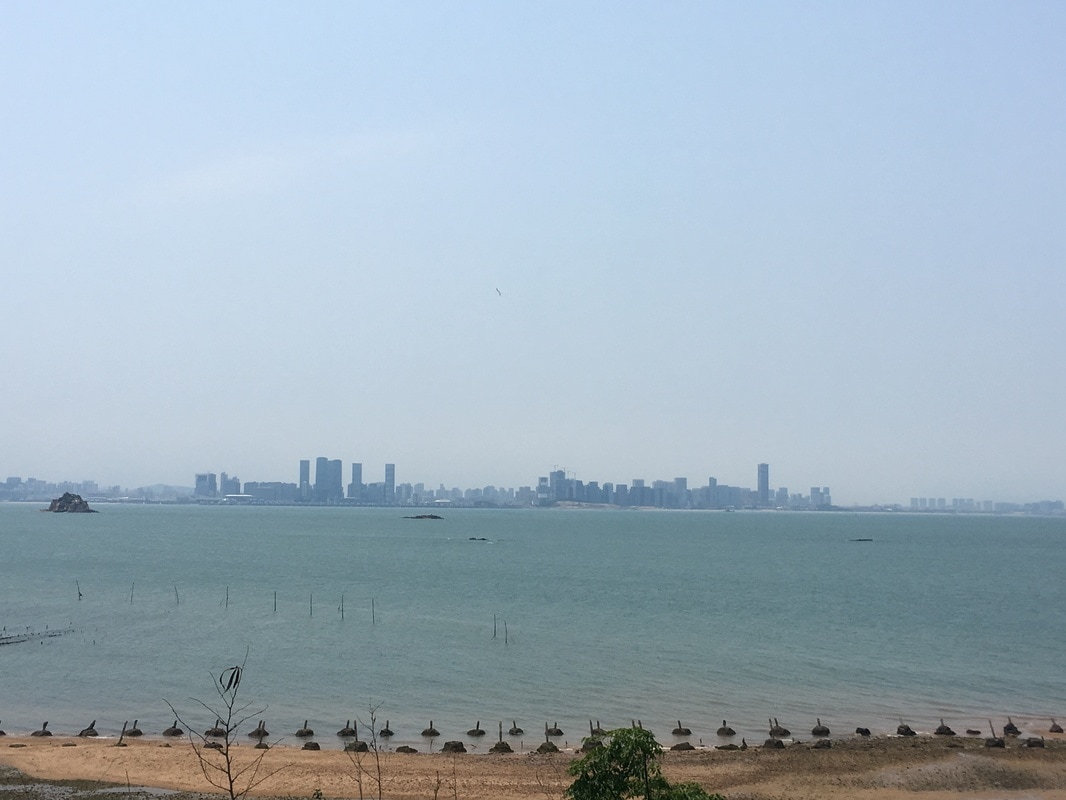
There were bunkers along the coast too.
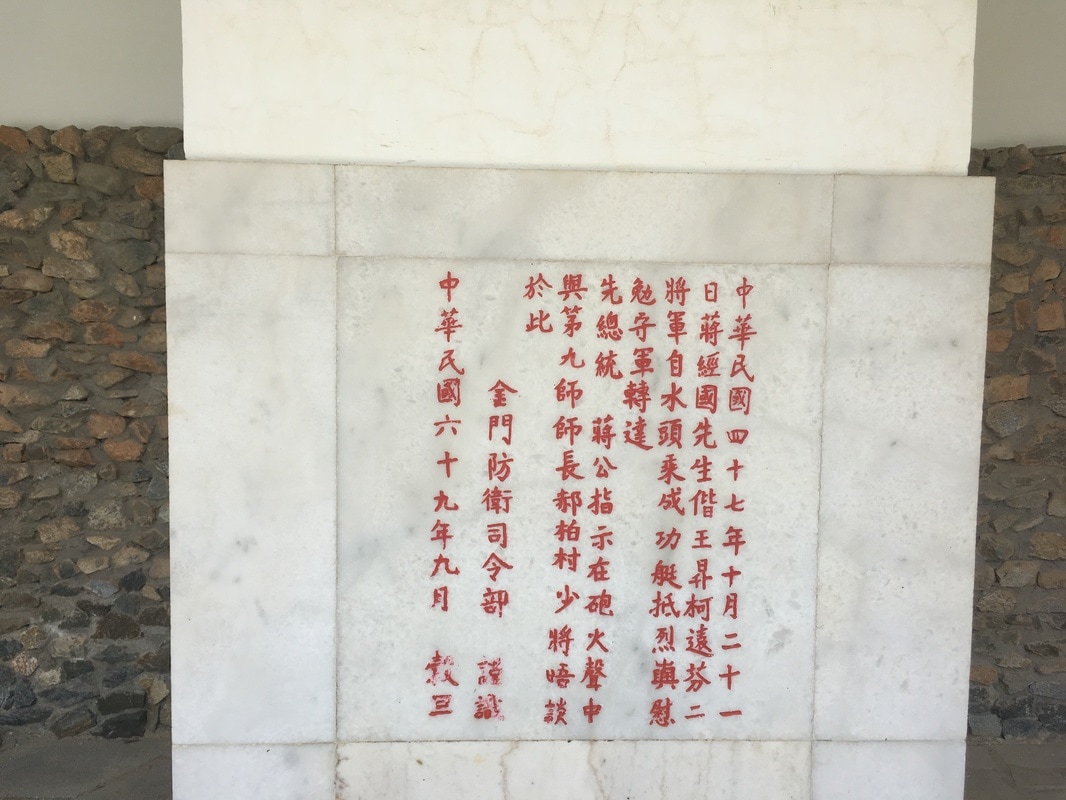
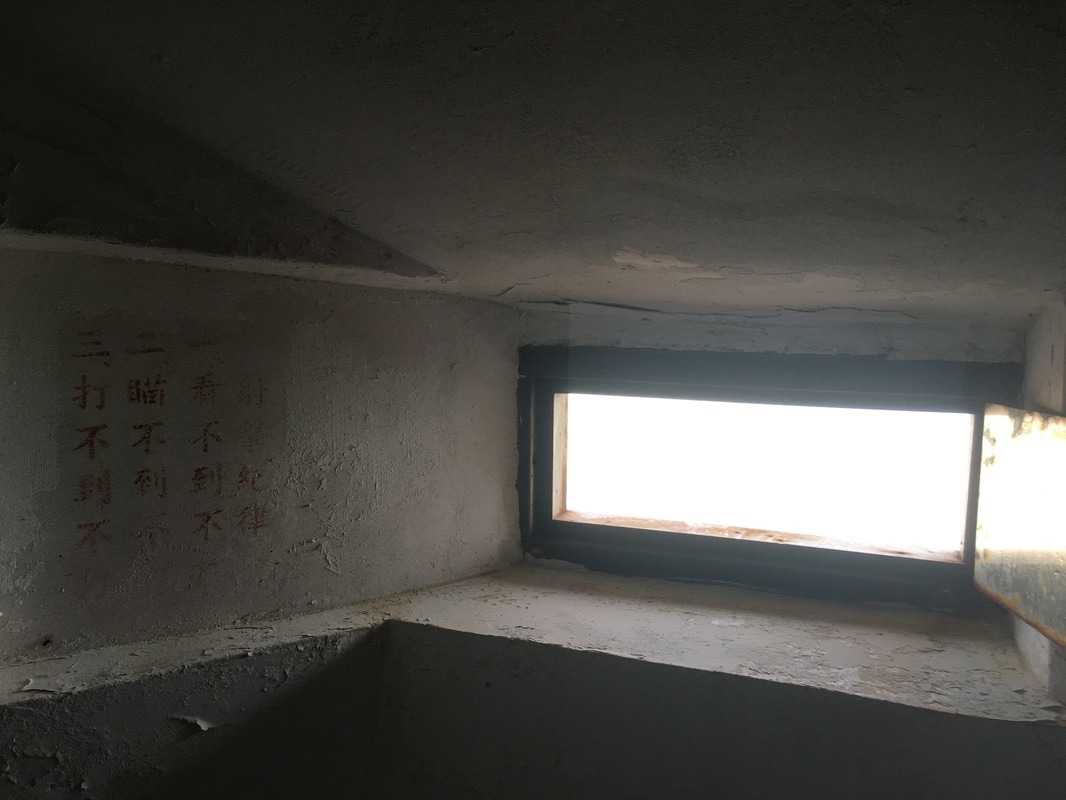
Though no longer occupied in the way they once had been, slogans and sentry figures still evoked the tension of wartime.
Then, across the sea, a great wall of high-rise buildings appeared.
That was Xiamen.
Seeing it myself made the closeness of the opposite shore suddenly real.
I casually imagined that strong swimmers I knew could make the crossing, an impression that ignored the serious hazards and restrictions of those waters and should not be treated as a realistic suggestion.
The proximity also helped me understand why stories of underwater infiltrators had been part of the military imagination here. Standing watch could hardly have felt like a relaxed duty.
Too Many Detours, Too Little Time
Our friend had planned plenty of places to show us.
But the coastal scenery and old fortifications kept distracting the rest of us. Like wide-eyed visitors discovering everything for the first time, we wanted to investigate every bunker we saw.
That curiosity disrupted the schedule.
Instead of completing a full circuit of Little Kinmen, we managed only about half.
We were even late for the dinner our friend’s aunt had arranged.
I had imagined a simple family gathering, perhaps seven or eight people around one table.
When we arrived, there were several tables set out. For a moment, I wondered whether we had walked into a wedding banquet.
Clearly, our friend had quite a network of relatives and friends on the island.
A Warm Dinner and a Change of Sleeping Plans
The welcome was enthusiastic.
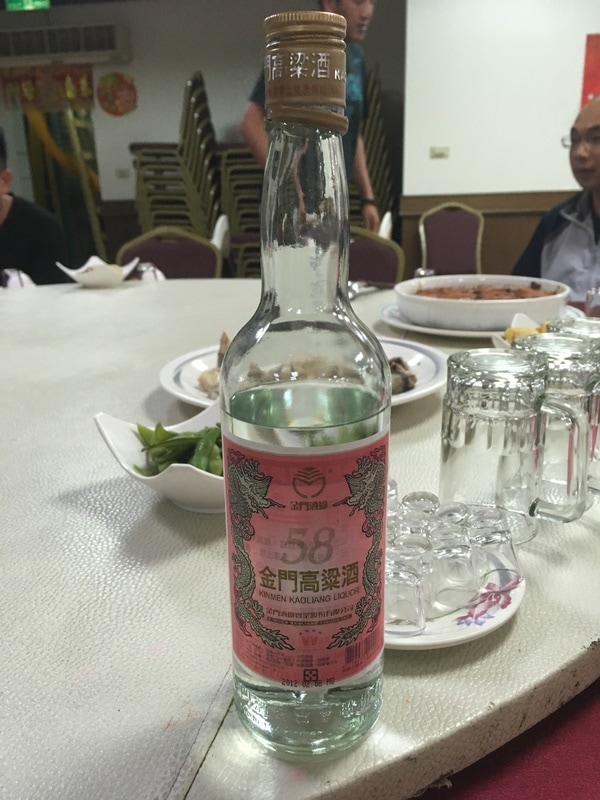
“Late! Three penalty drinks!”
And the drink, naturally, was Kinmen kaoliang.
After several glasses, I began to feel distinctly hazy. Looking around, my companions seemed to be in a similar condition.
We returned to the guesthouse.
I had originally planned to cycle roughly seven kilometers to Zhongshan Memorial Forest and camp there.
My friend was worried about my drinking and the prospect of riding at night. He offered to accompany me by car.
I did not want to inconvenience everyone. More importantly, cycling after drinking was not a safe plan, with or without someone following.
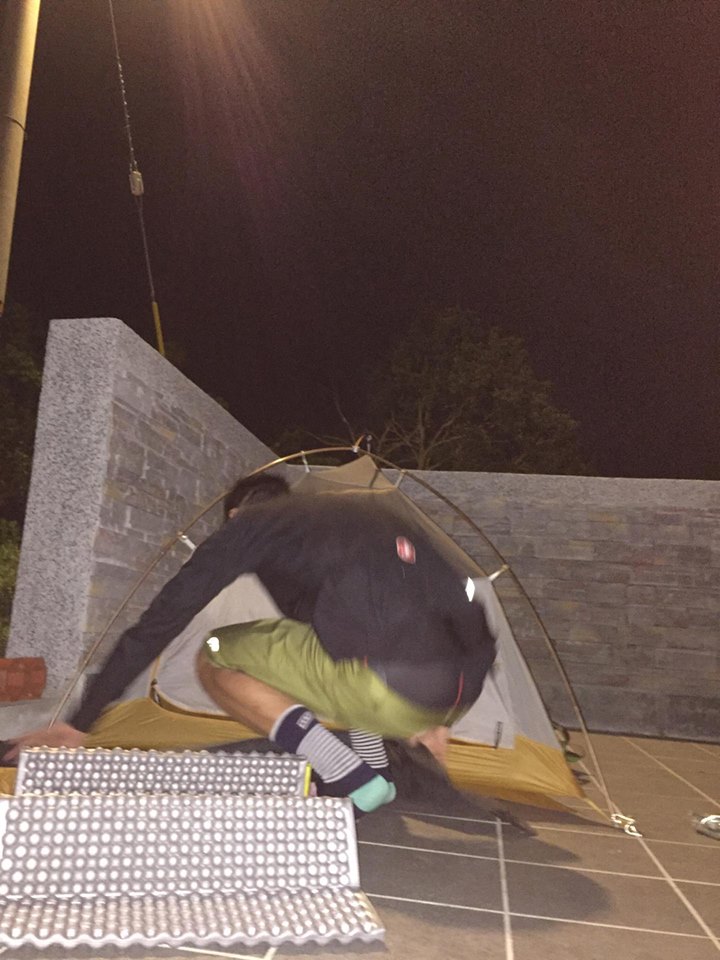
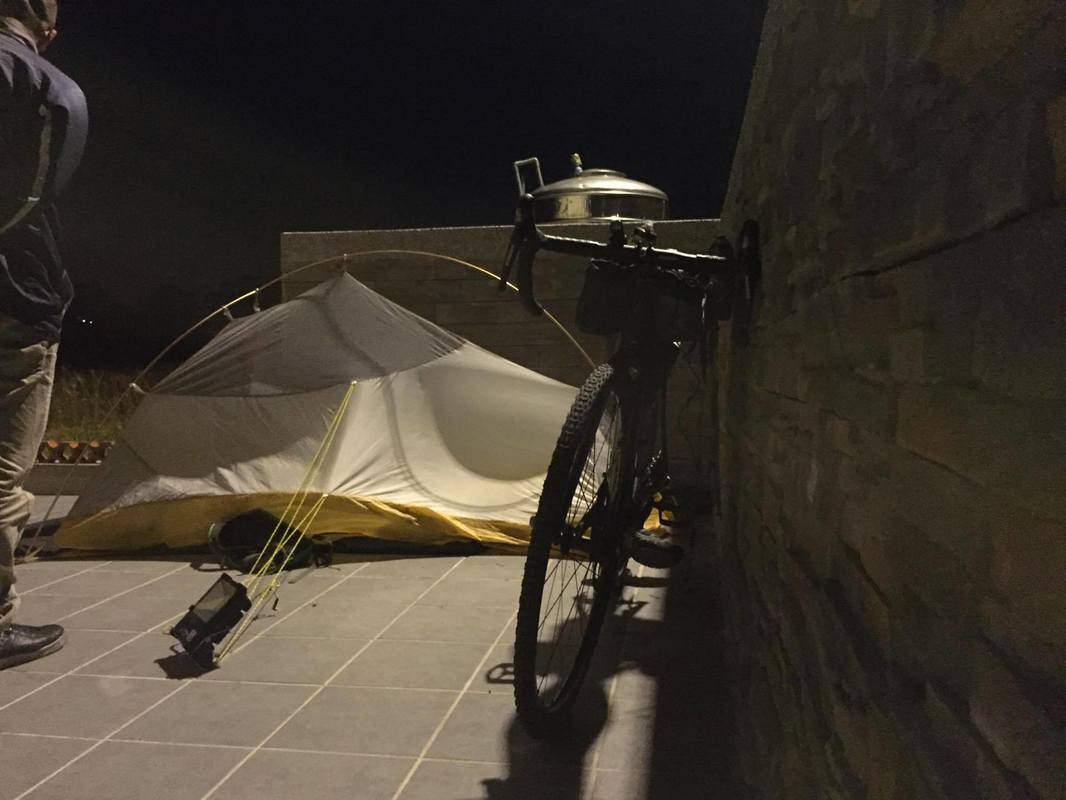
In the end, I stayed put and pitched outside the guesthouse.
The owner’s surprise at discovering the tent belonged to another story. The overnight arrangement here was a personal episode, not confirmation that visitors may camp on the property without permission.
Continue with the original account of Days 2 and 3.
Bikepacking diary: Facebook