Wulaokeng Forest Road | Bikepacking and the Hidden Cost of Everyday Comfort
Translated from Bikepacking diary’s original Wulaokeng Forest Road article, published on February 11, 2017, and republished by arrangement with the author. Photographs are linked directly from the original website.
Editor’s note: This historical personal account is not a current access, stream-crossing or camping guide. Road conditions, industrial operations, bridge integrity and permissions may have changed. Confirm access with land managers and operators, respect barriers and industrial exclusions, and do not approach operating machinery or suspended loads. Clear water and vehicle tracks do not establish safe river conditions; waterproof socks do not protect against current, cold-water immersion or loss of footing. Do not test informal bridges based on appearance. Obtain permission before camping on temple grounds, and cook only in authorized areas with suitable ventilation and fire clearance. The author’s impressions about water quality and environmental management are personal speculation, not an environmental assessment.
A Childhood Memory Called Wulaokeng
One of the first places my father took me camping had green grass and a clear stream. I remember dipping beneath the surface and watching fish swim in front of me without fear. That image stayed deep in my young mind. The place was Wulaokeng.
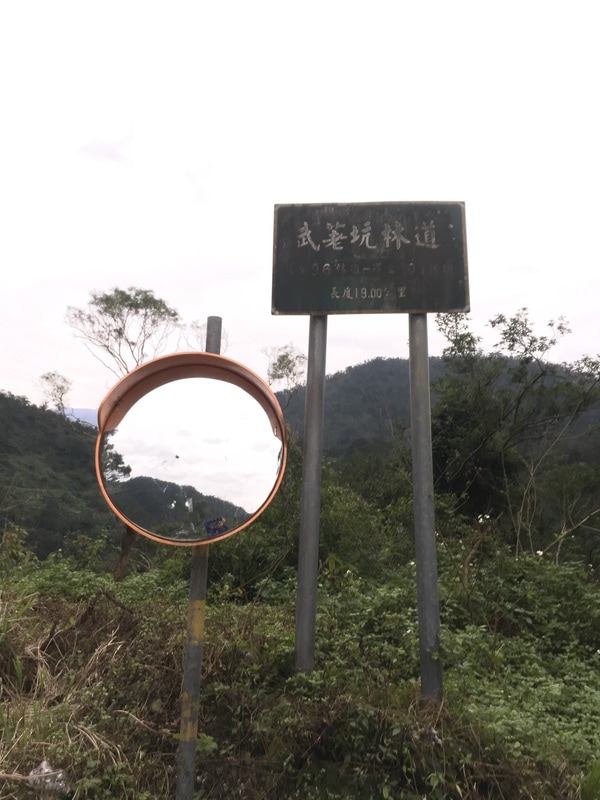
I returned a few times as the years passed, but the water never seemed quite as clean as on that first visit. Gradually, I stopped thinking about the place that had once felt so pure. Then, after I began riding a cyclocross bike the previous year, I spent a great deal of time looking for routes on Google Maps. That was how I rediscovered Wulaokeng Forest Road, and the memory it carried.
Looking for More than the Past
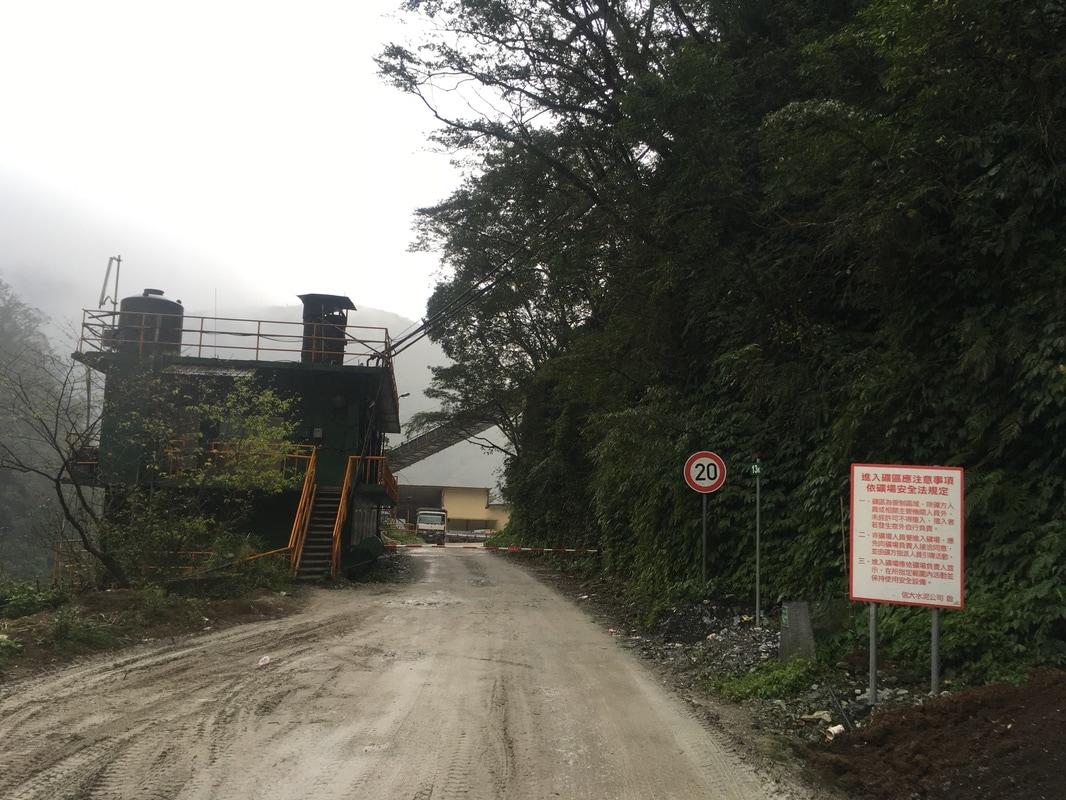
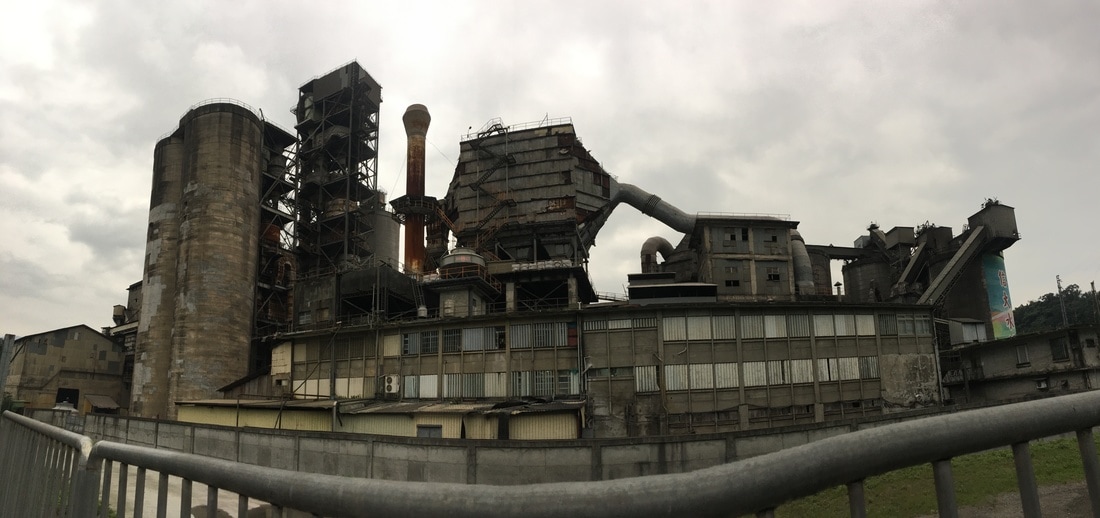
Crossing the Xueshan Range and the Lanyang Plain, I returned to Wulaokeng hoping to find something of childhood. But when I saw a large cement-related industrial plant at the forest-road entrance, I suspected this would not be a simple journey back.
Twenty years had changed me from a child into a middle-aged man. They had changed the way I looked at things too. I could not just search for an old memory. I wanted to see where that industry led into the mountains.
Clear Water beneath the Cableway
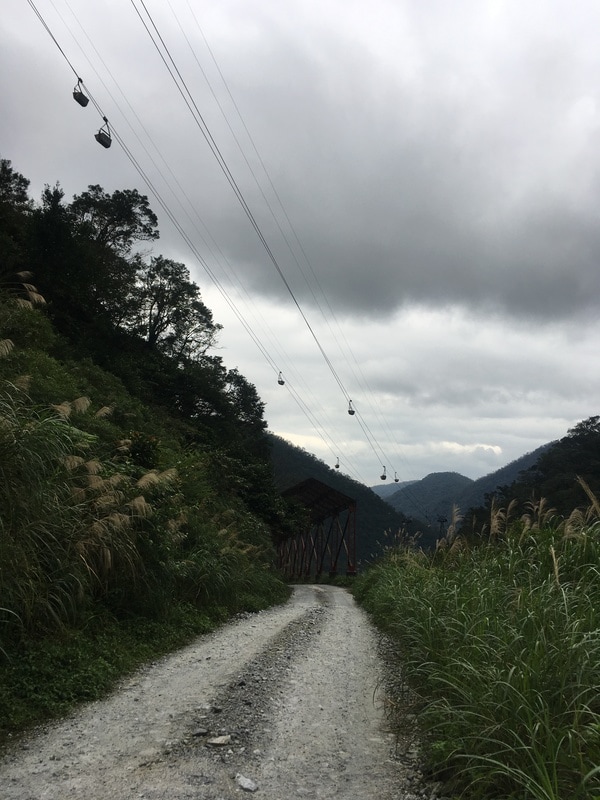
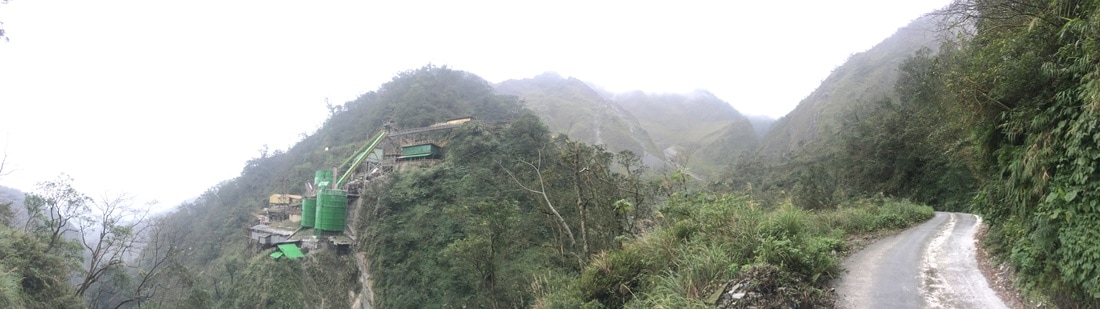
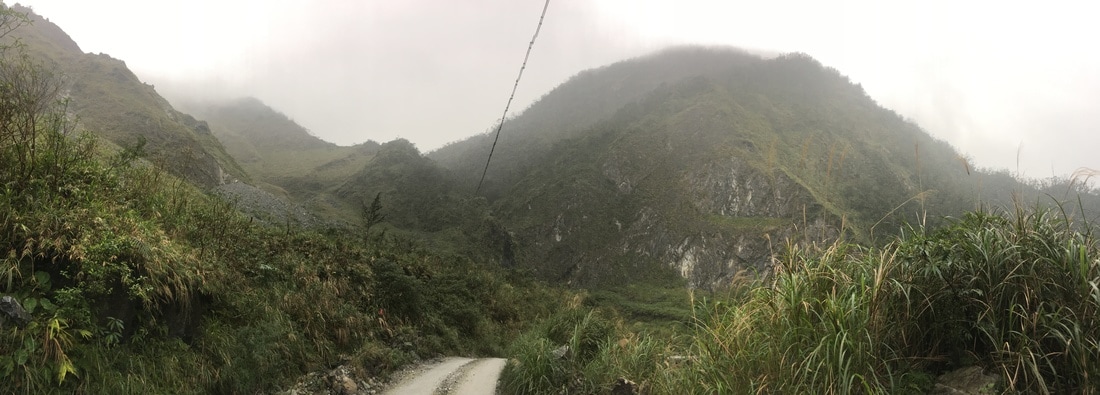
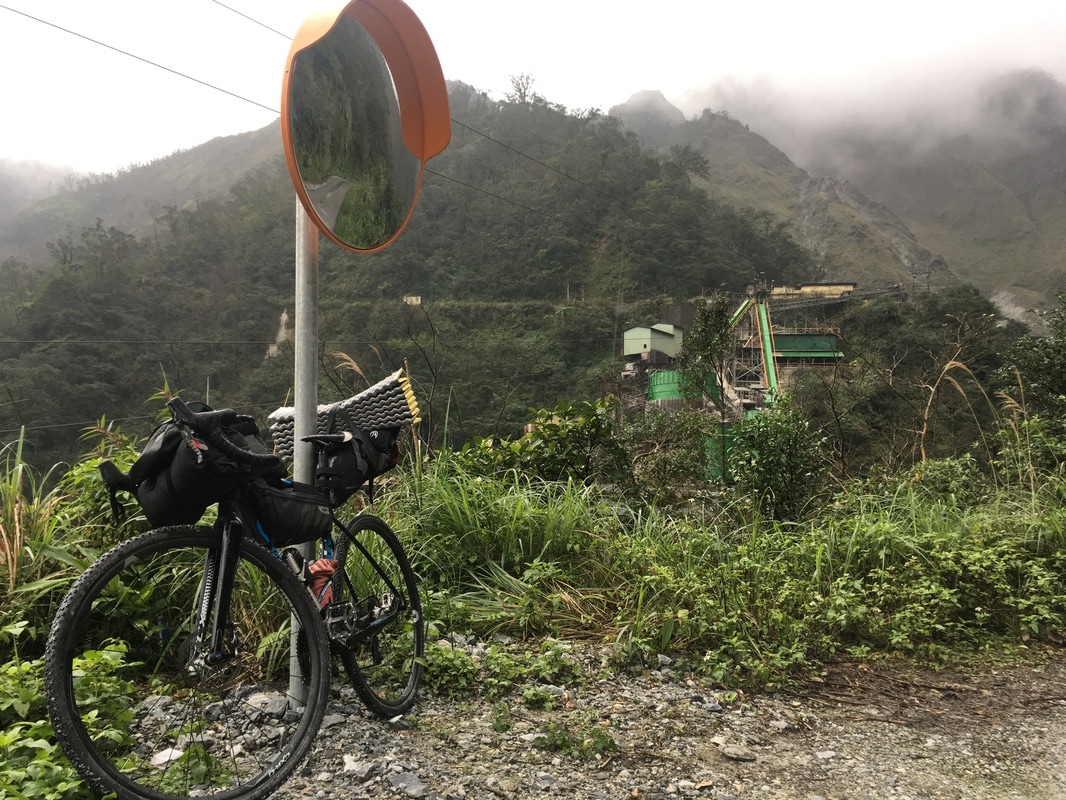
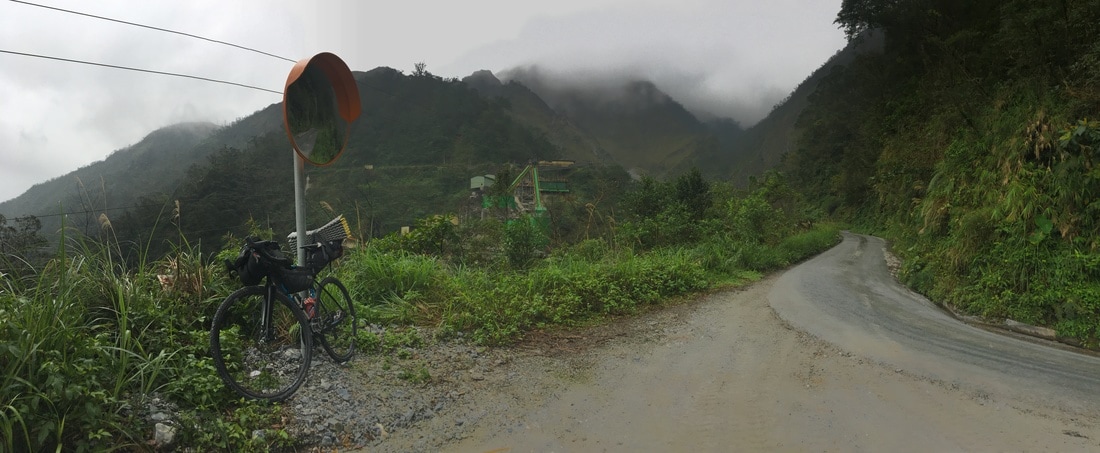
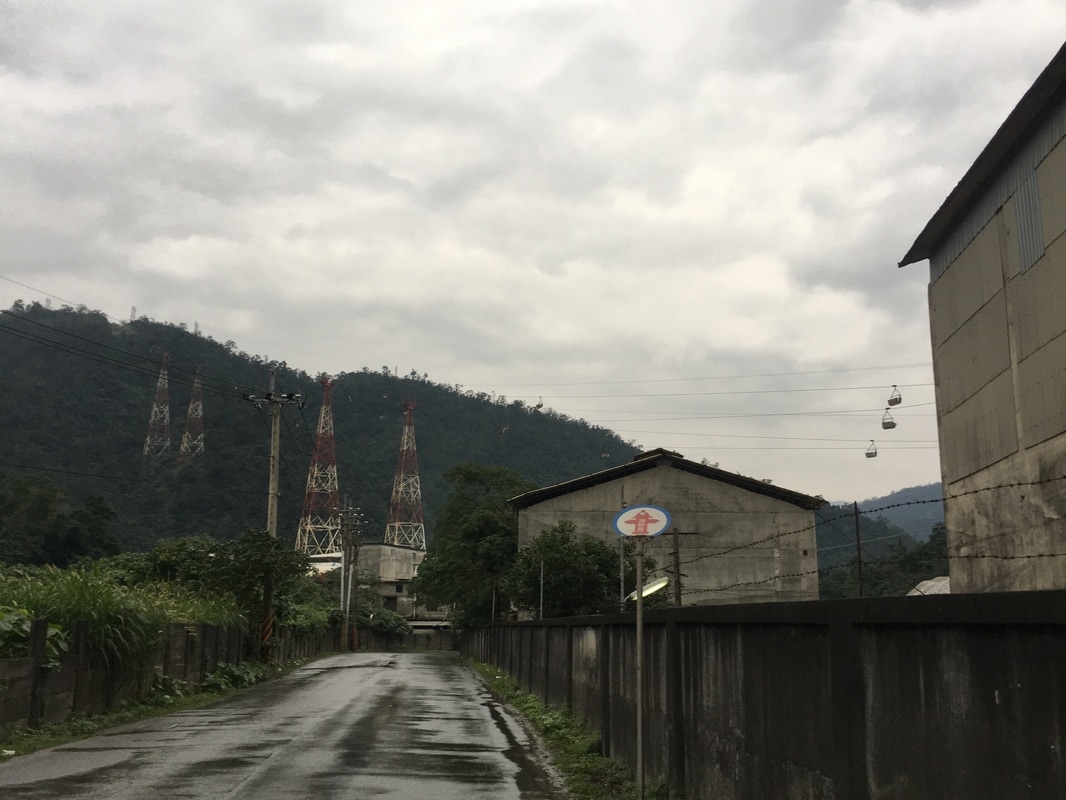
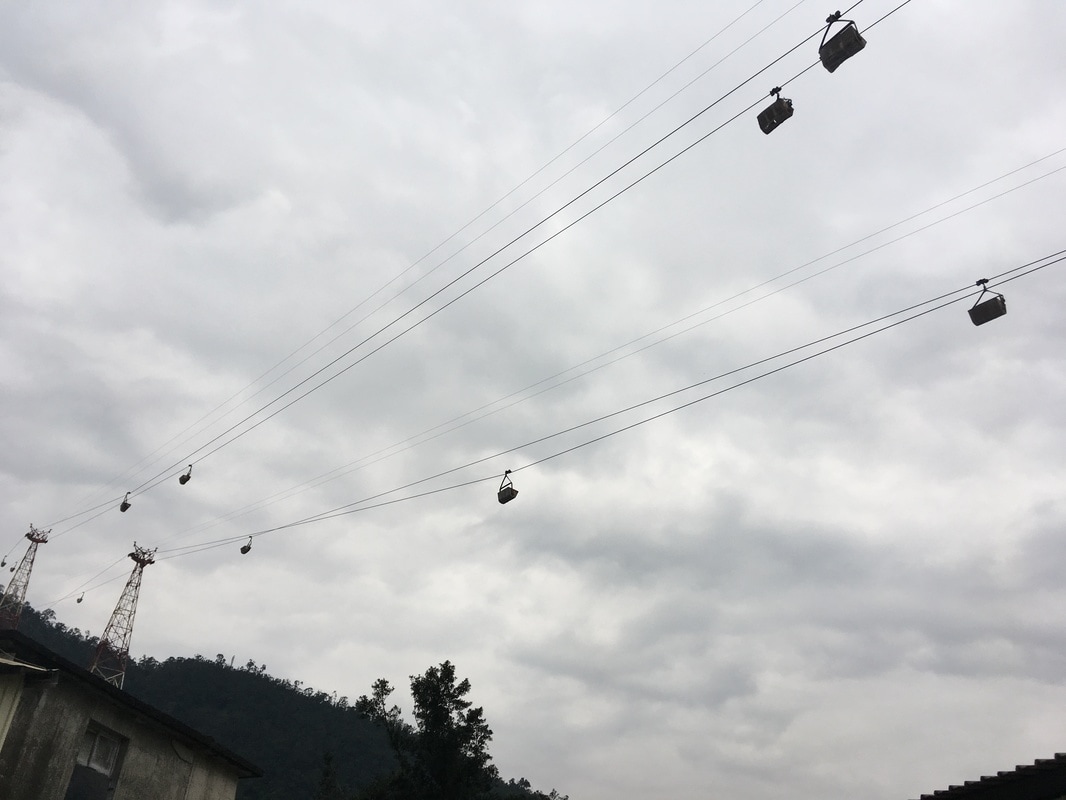
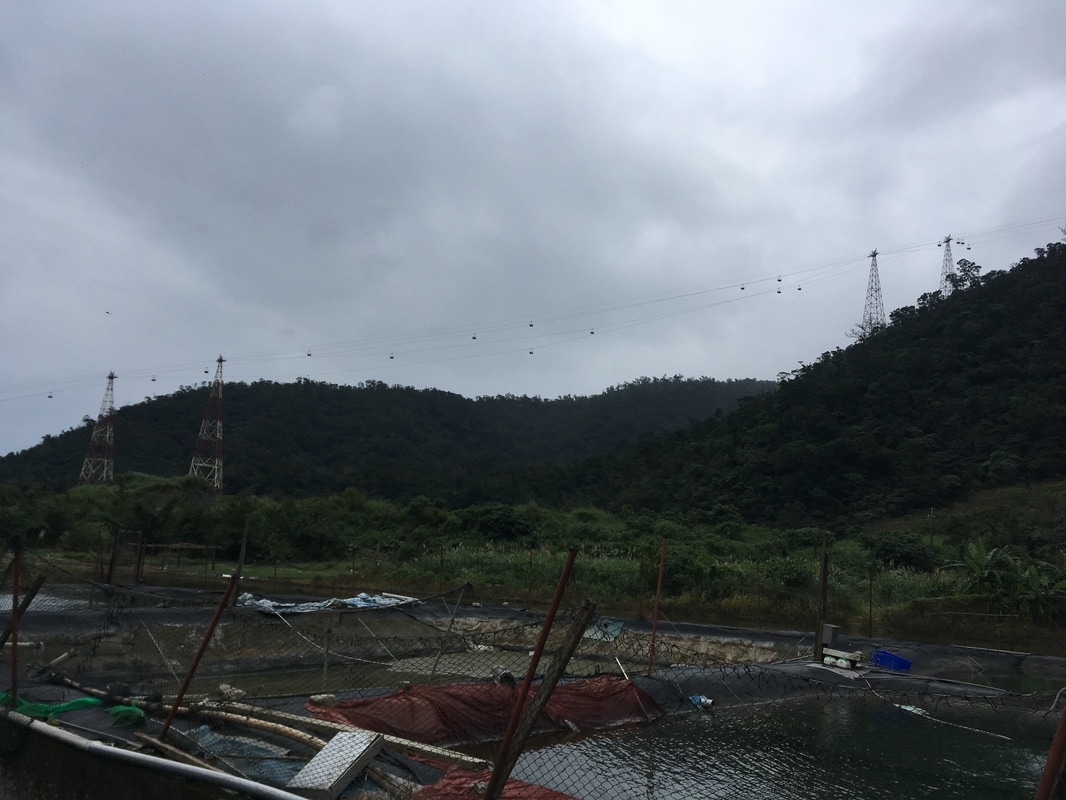
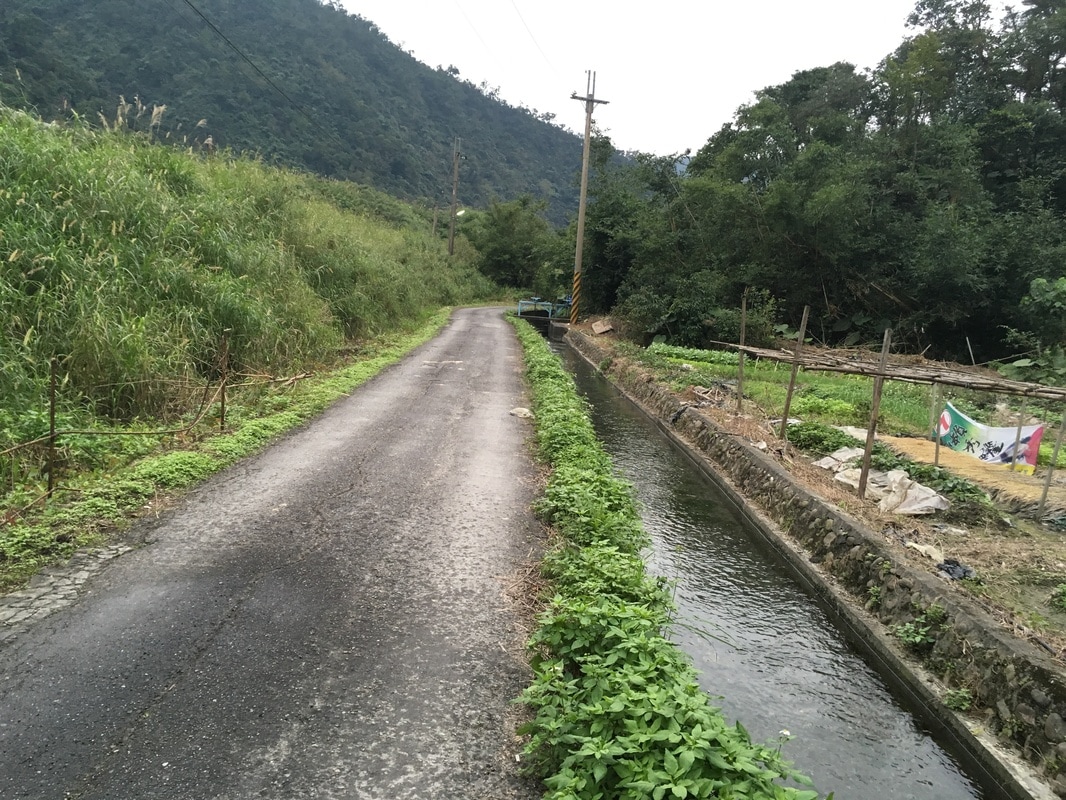
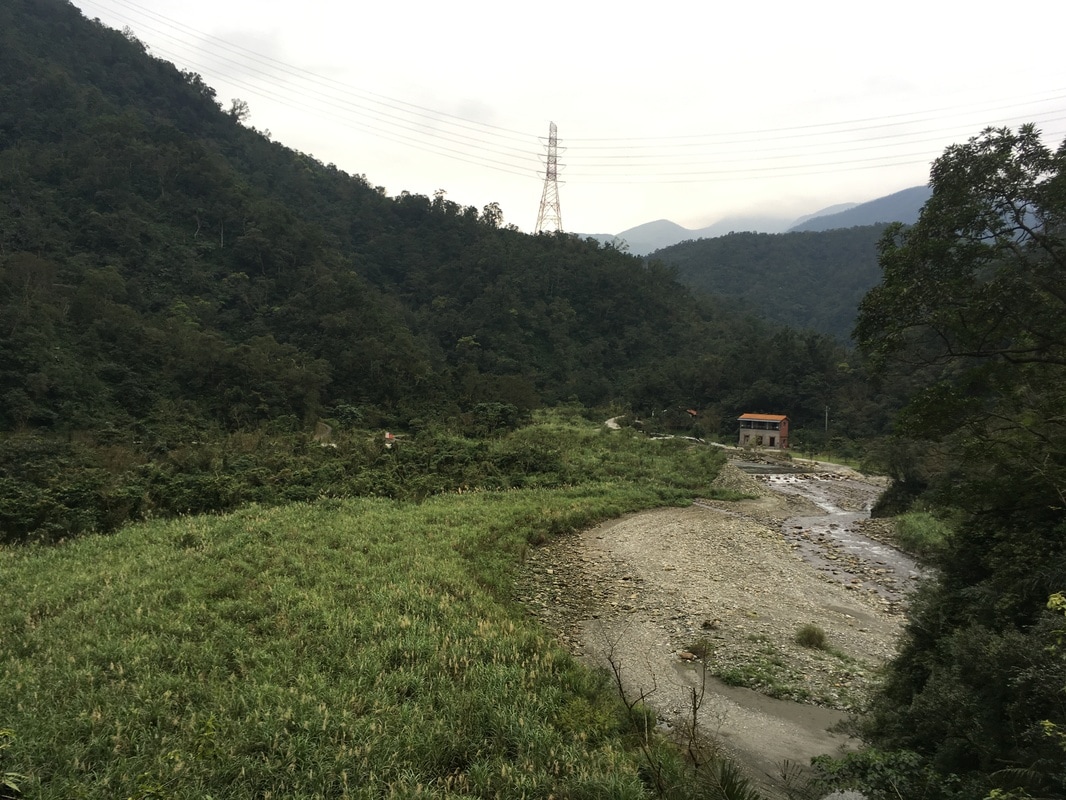
The plant darkened my mood, but I still wanted to enjoy being out on a journey. I followed the road deeper into the valley. Overhead, cableway carriers moved loads of stone back and forth. Despite them, the landscape remained beautiful.
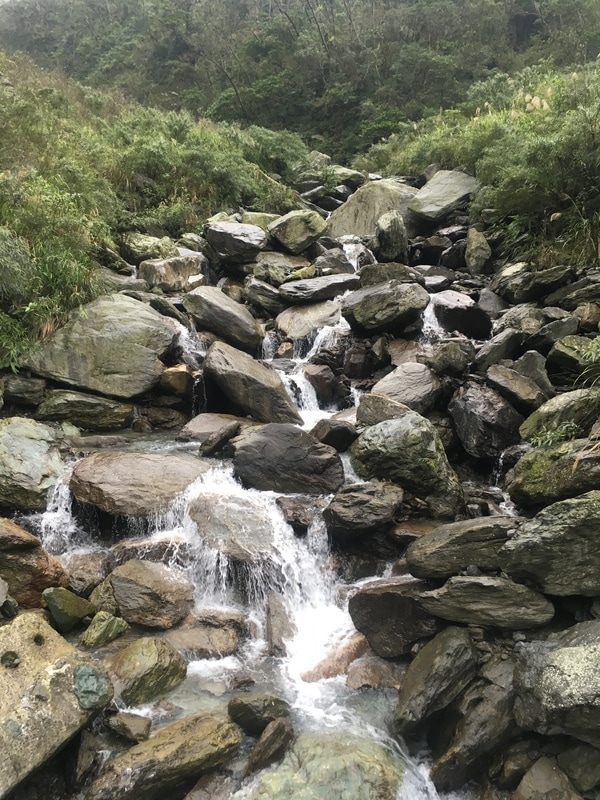
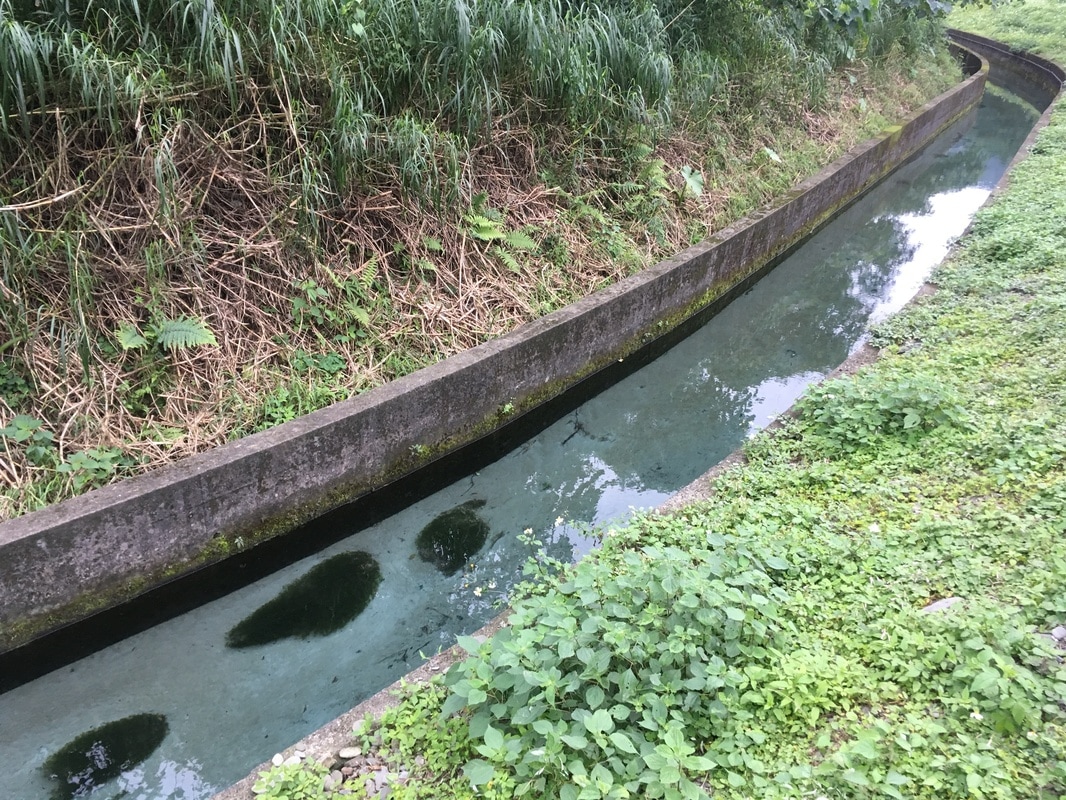
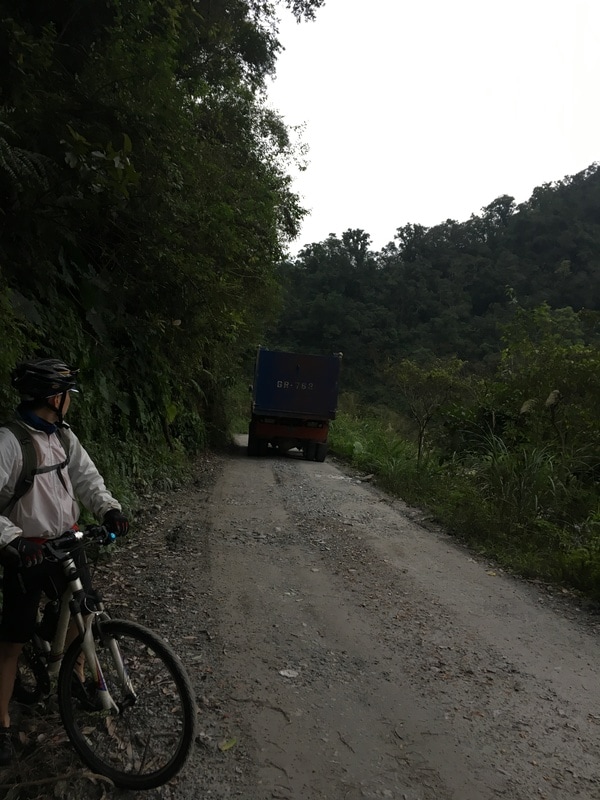
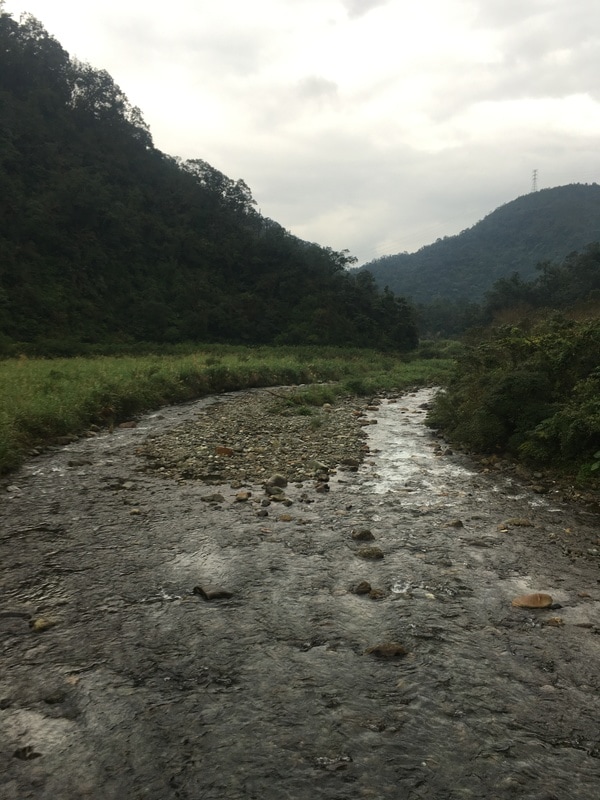
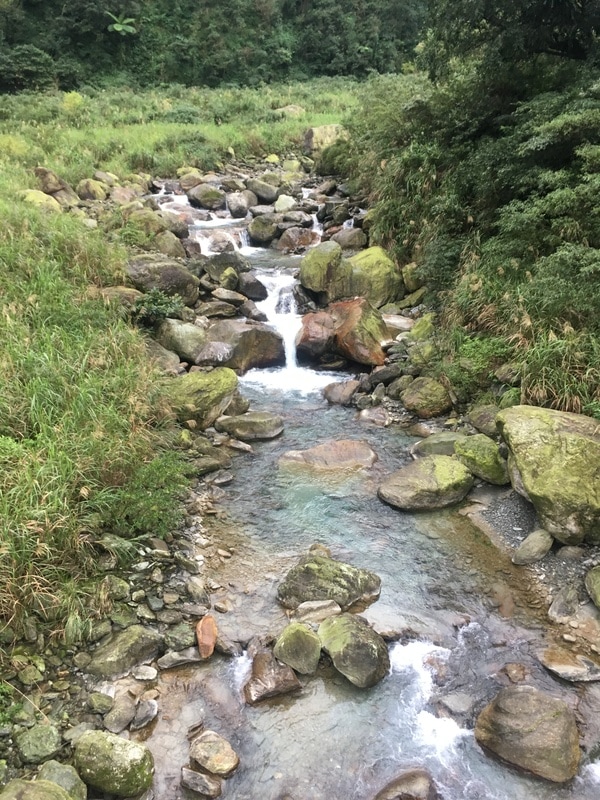
What surprised me was the clarity of the stream. I wondered whether carrying material overhead, rather than in a continuous flow of gravel trucks along the road, might have helped. During my passage, I saw occasional motorcycles and vehicles carrying workers, rather than the heavy truck traffic I had expected.
Perhaps fewer vehicles had something to do with the clear water. That was my guess, not a measured explanation of its condition. At the time, I felt some appreciation for what looked like an effort to reduce disturbance, even as I disliked seeing the mountains quarried. There was a contradiction I could not ignore: I lived in a concrete building myself.
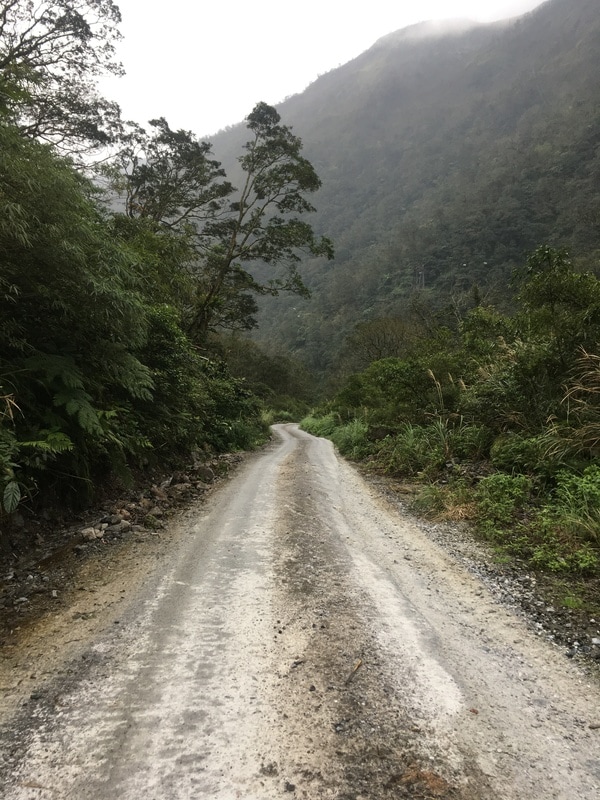
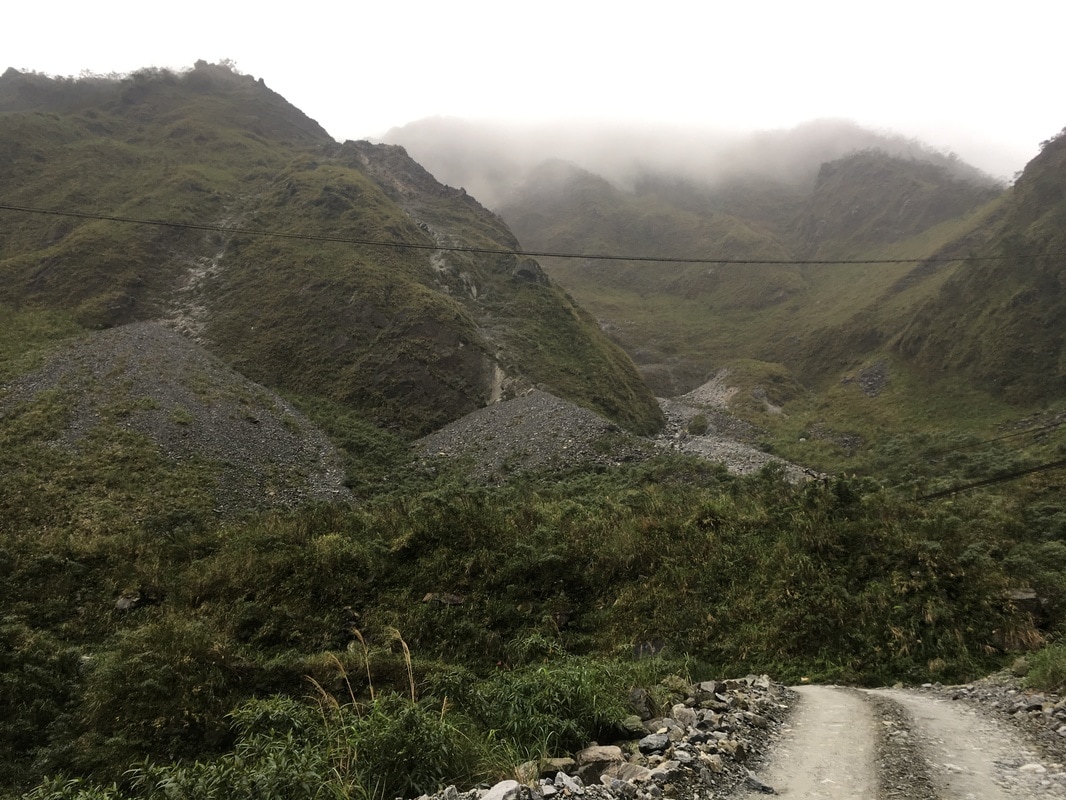
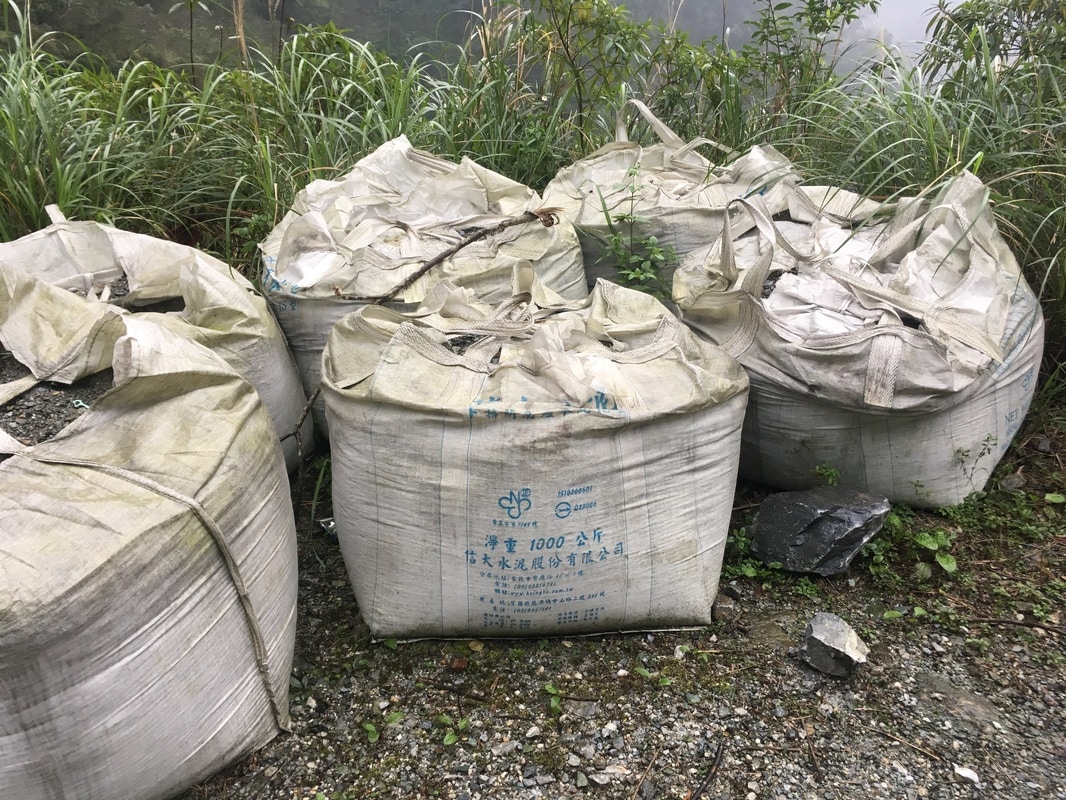
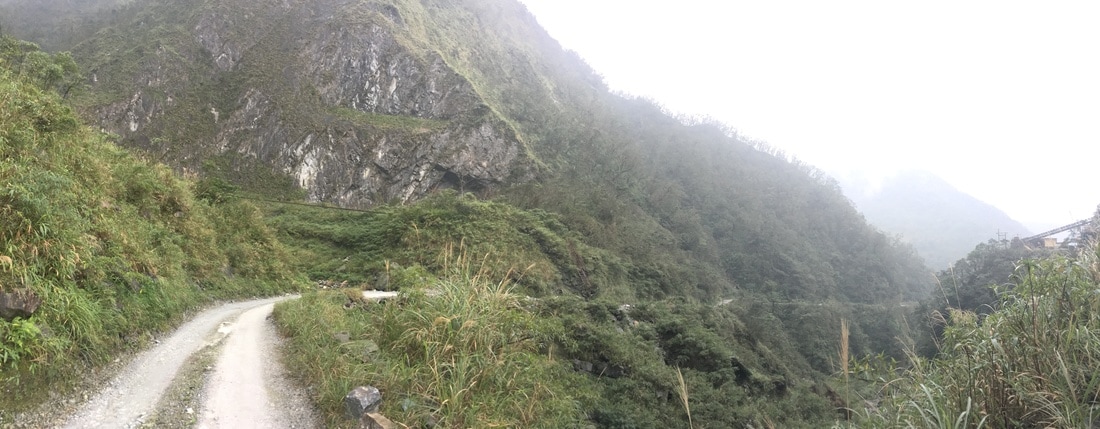
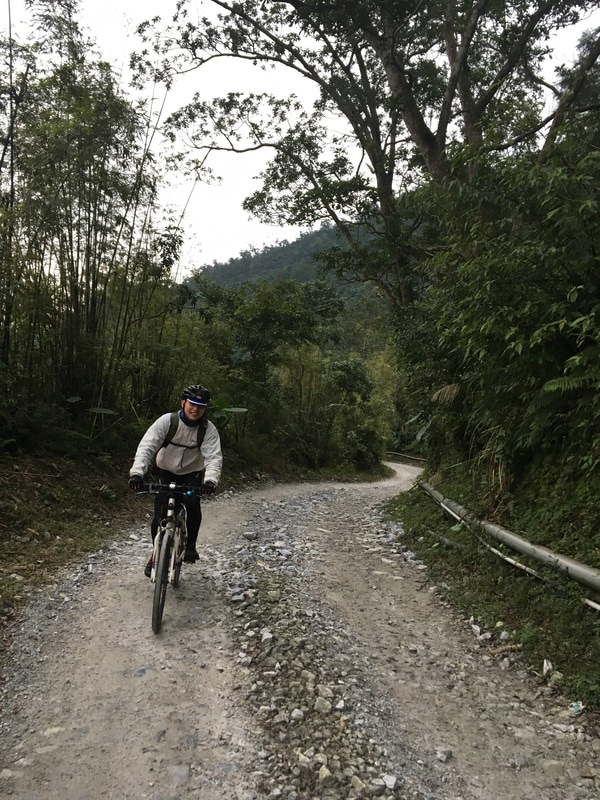
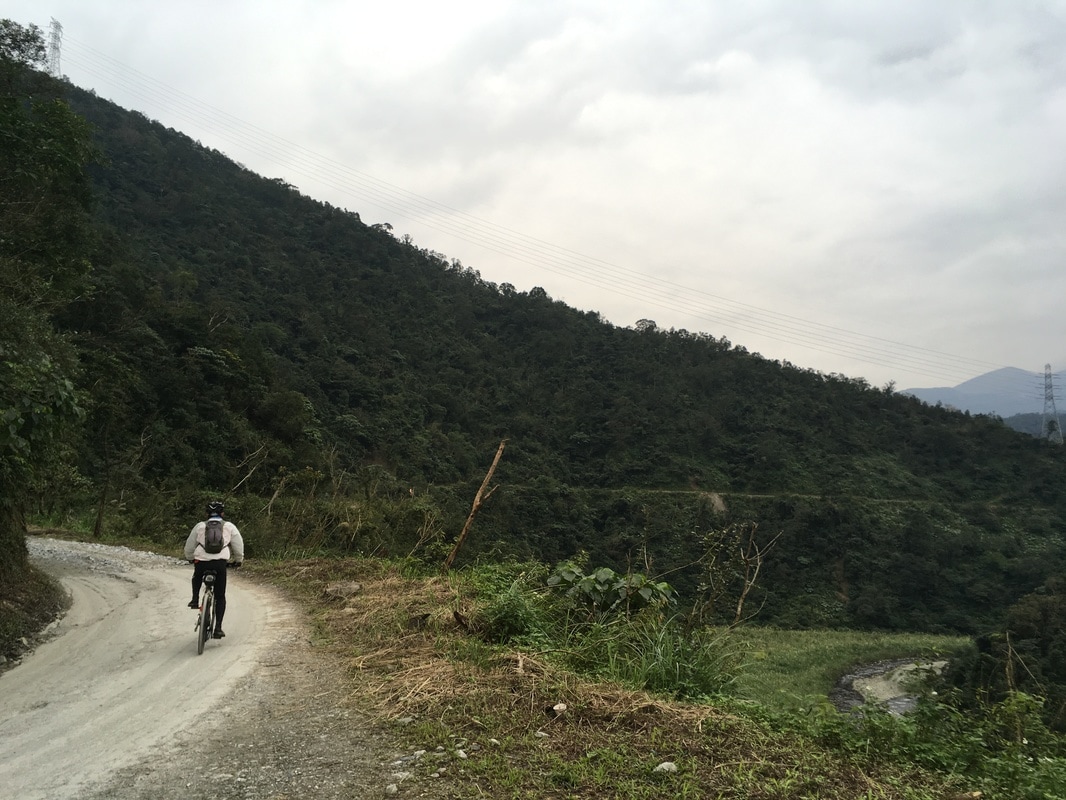
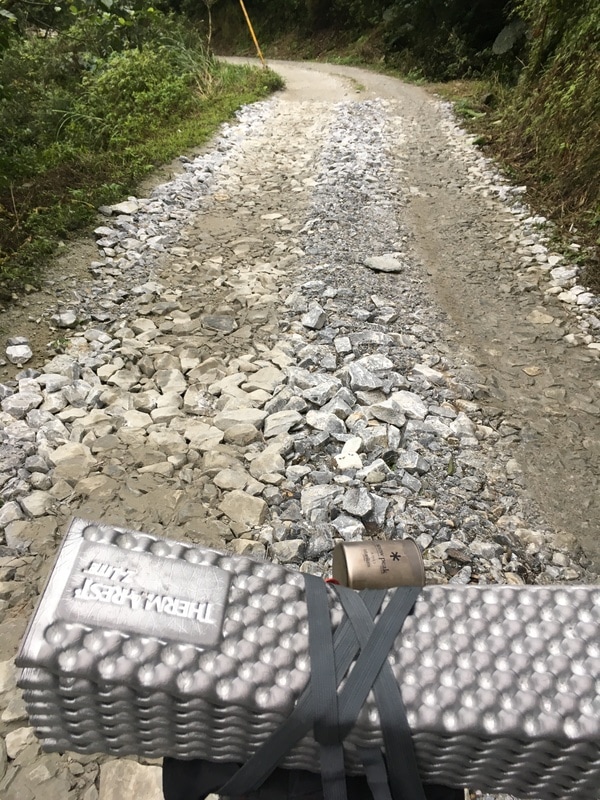
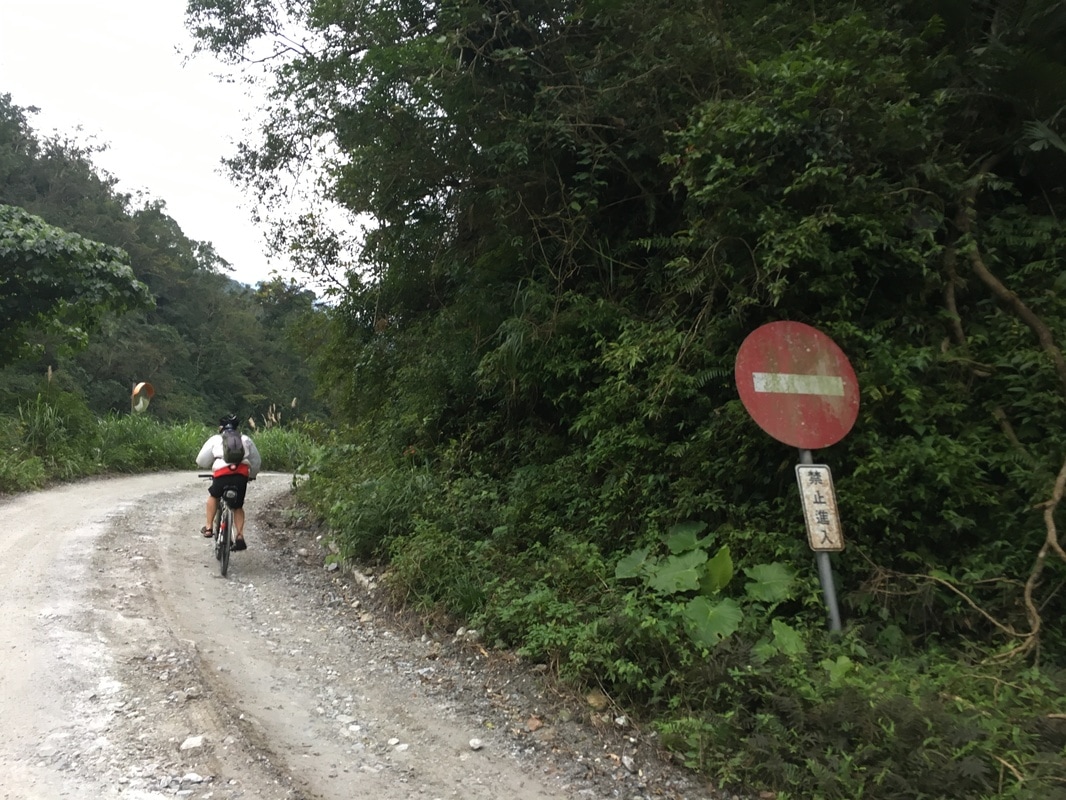
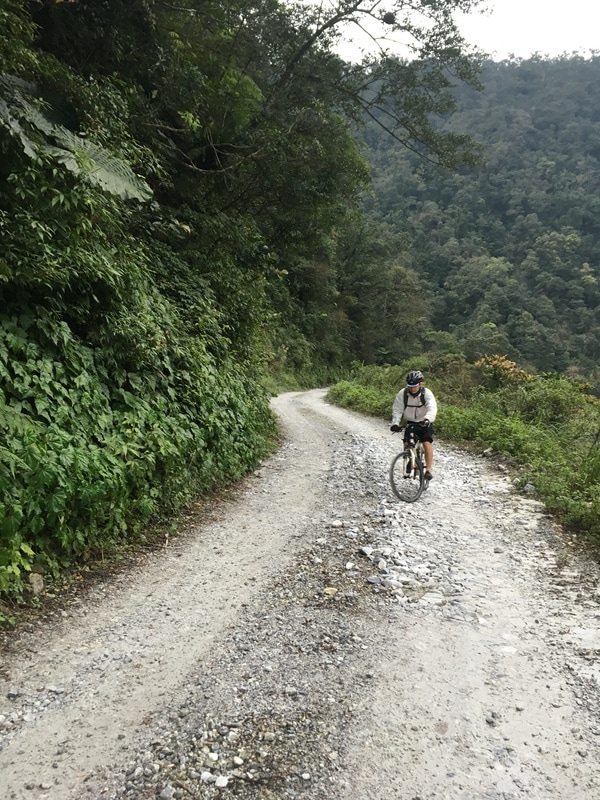
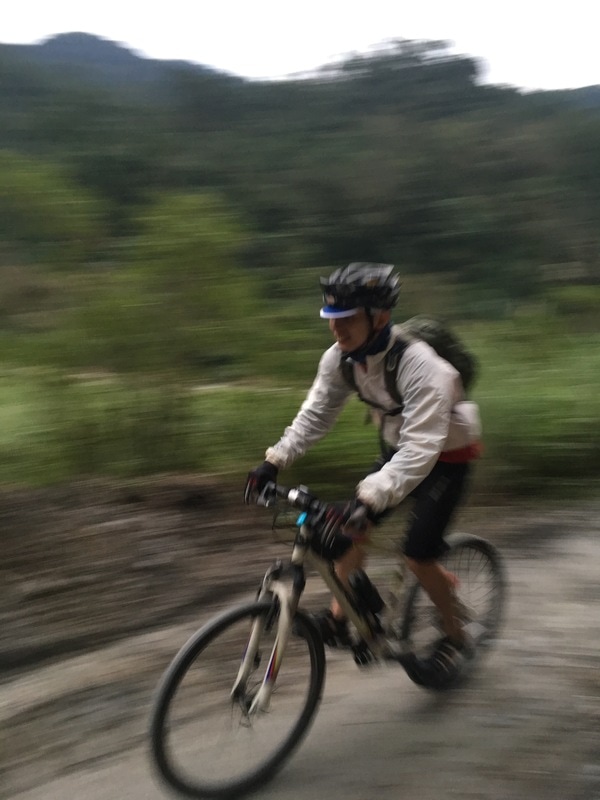
As the road continued, asphalt became concrete, and concrete eventually gave way to dirt and gravel. Some of that gravel was unusually large. Several sections were covered in white stones roughly the size of fists. I assumed they might have come from extraction farther up the mountain. Riding over them was extremely rough. At first, the jolting felt entertaining. Before long, I was avoiding the biggest stones whenever possible.
Playing at the First Two Fords
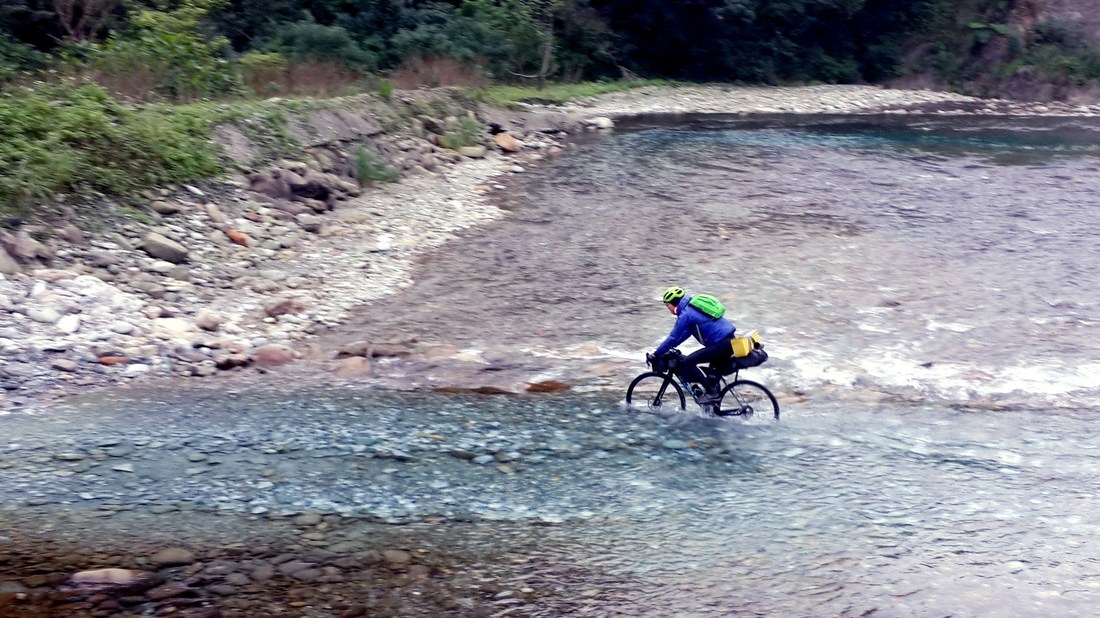
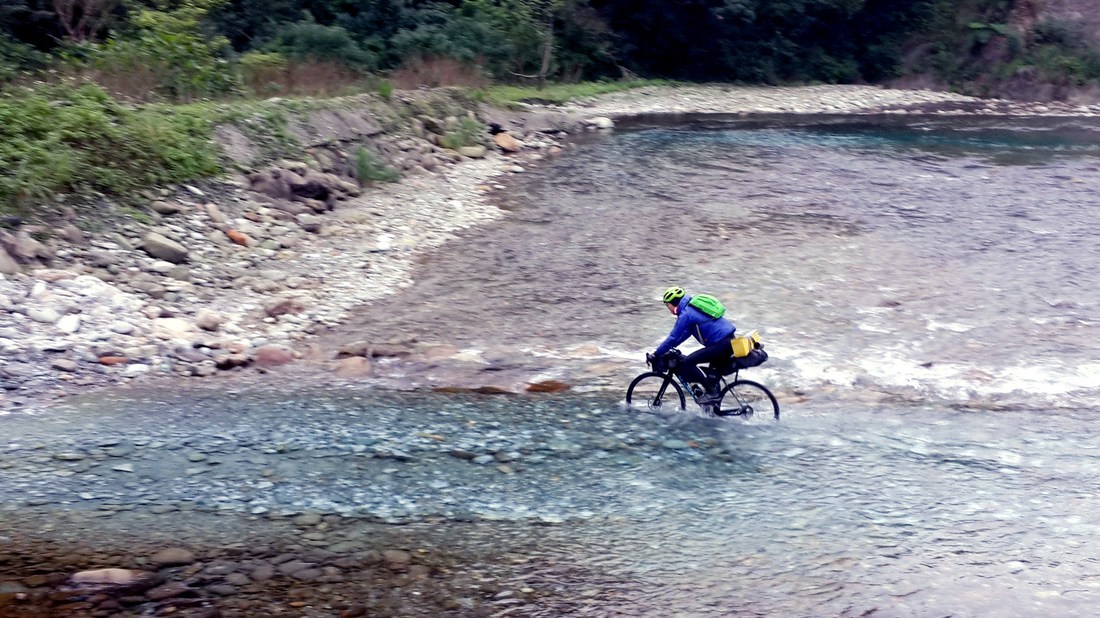
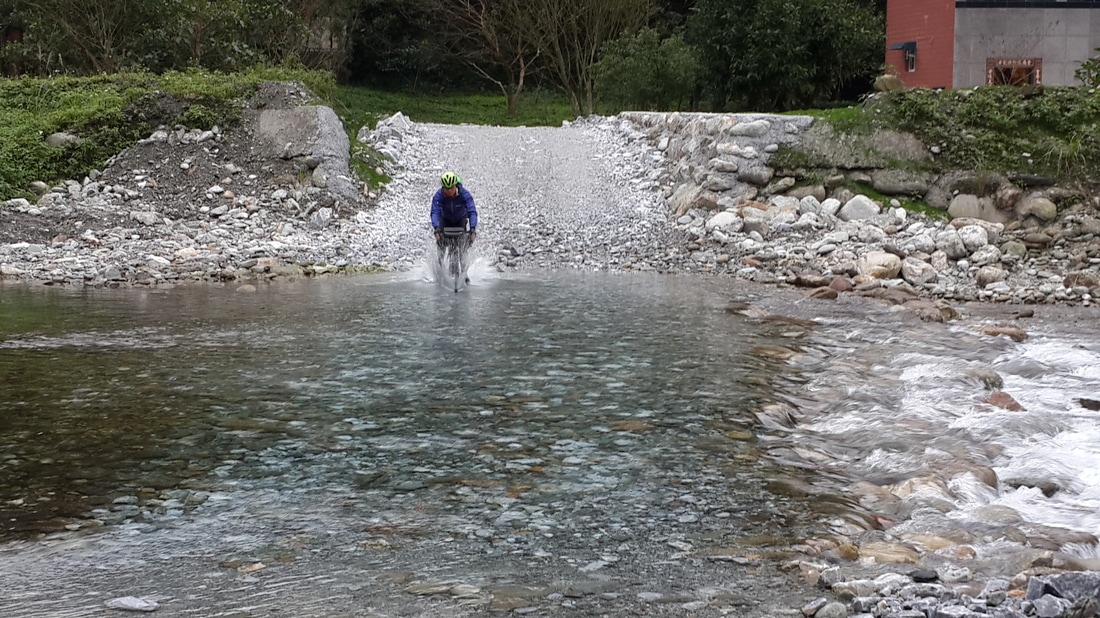
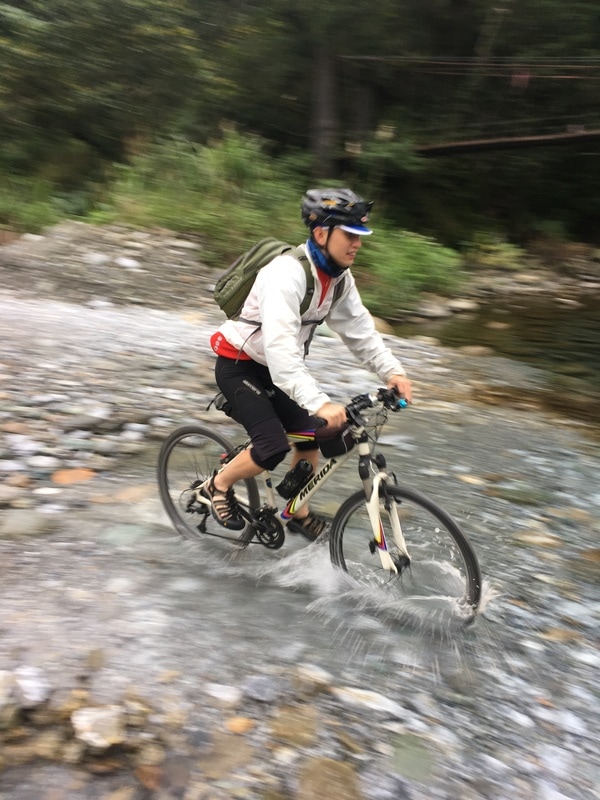
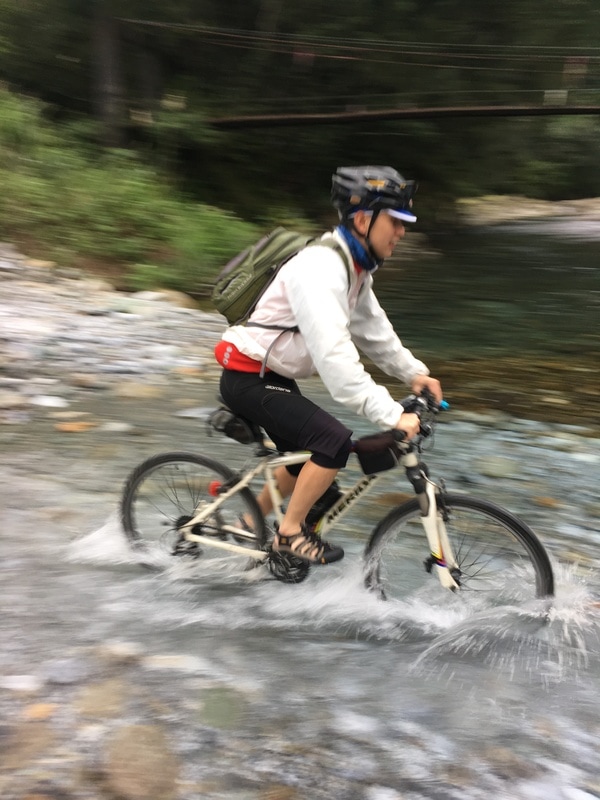
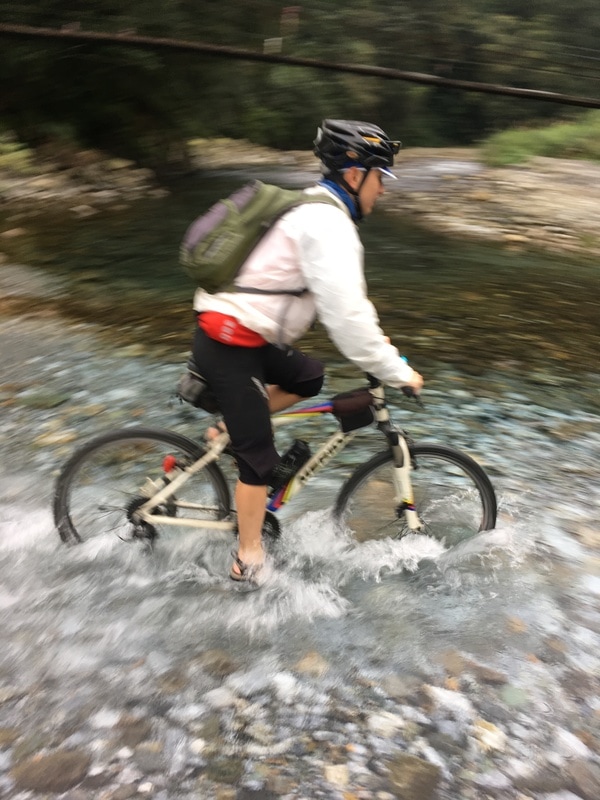
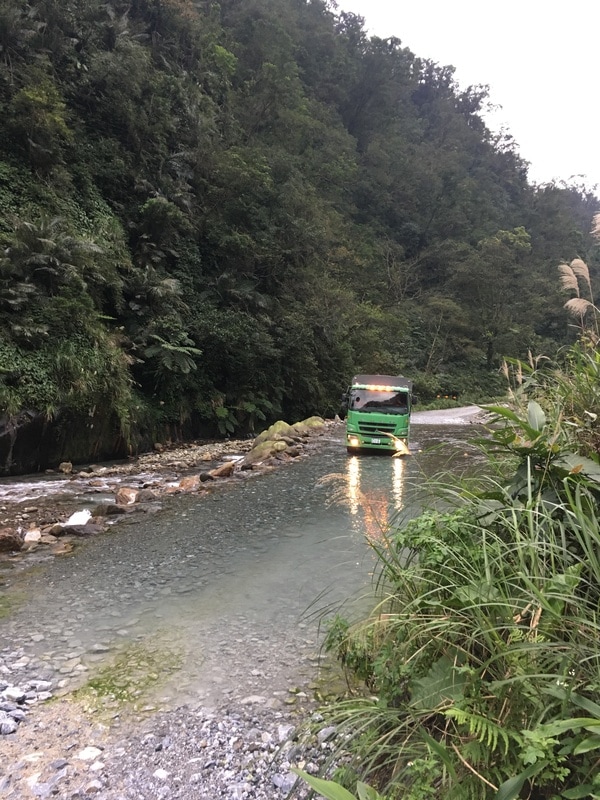
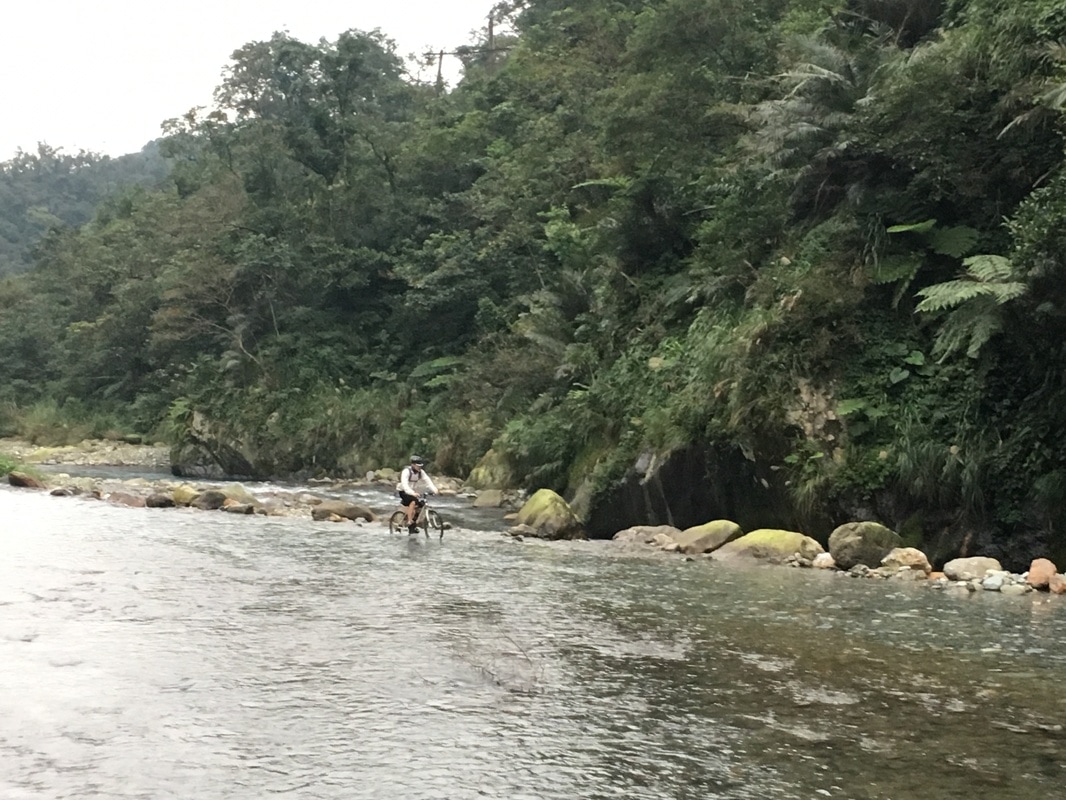
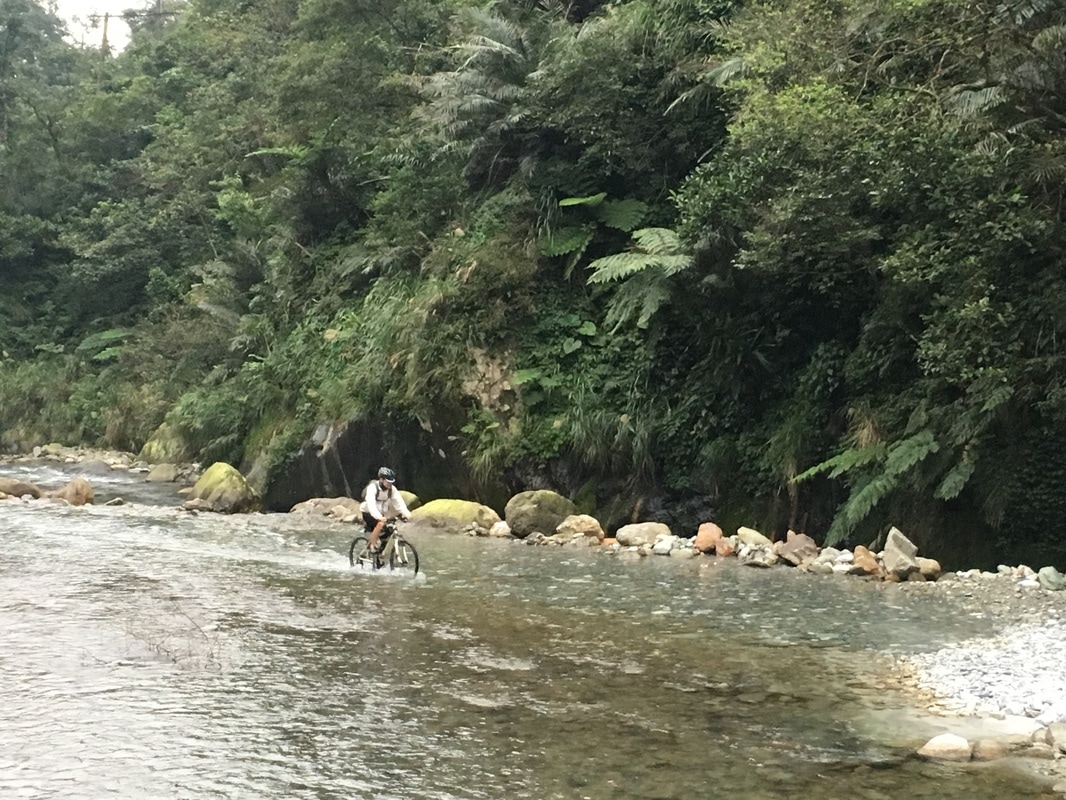
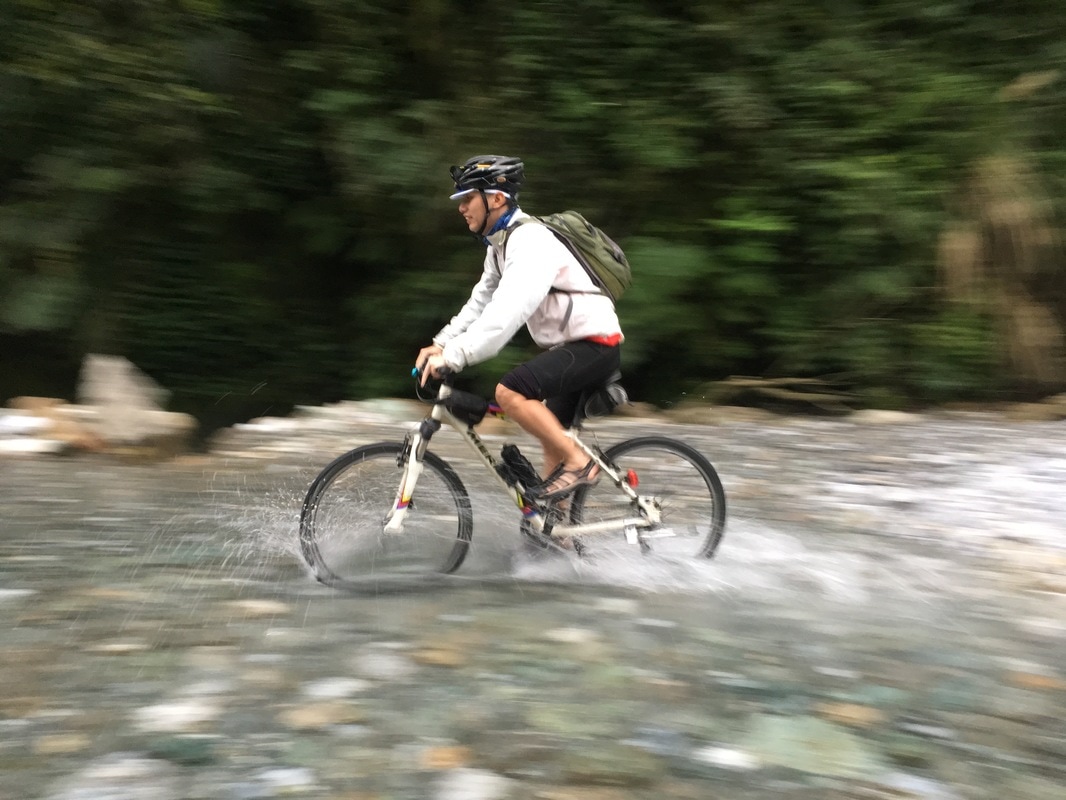
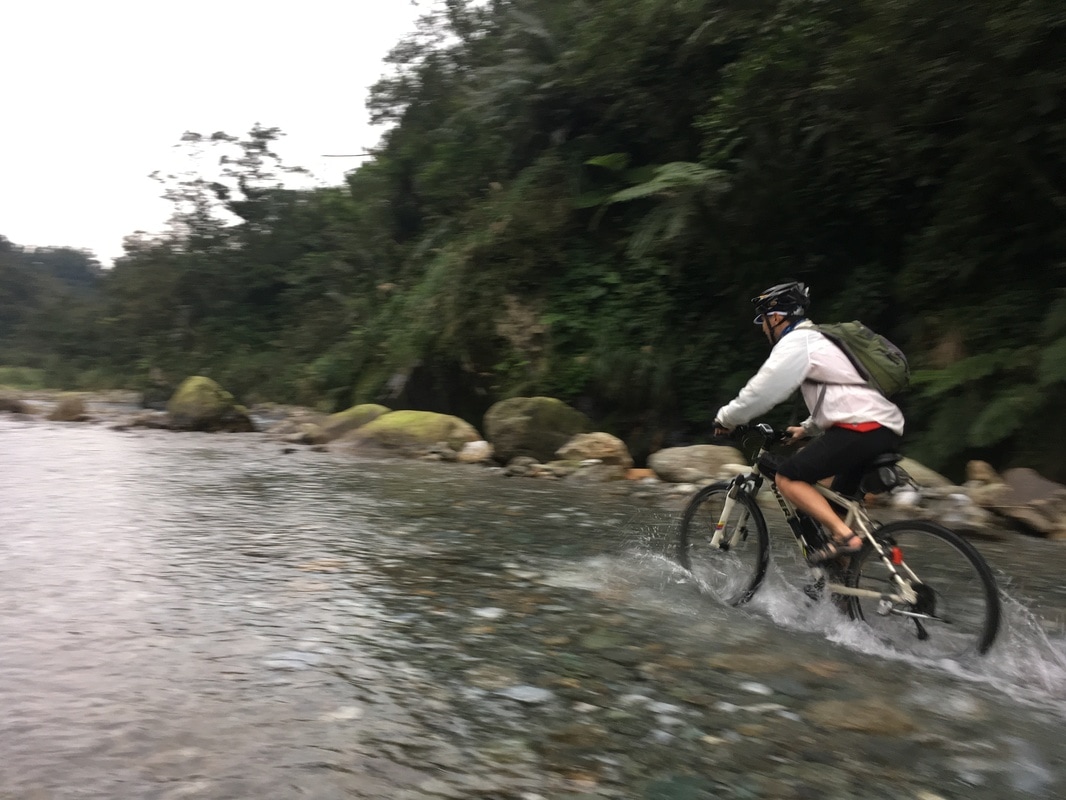
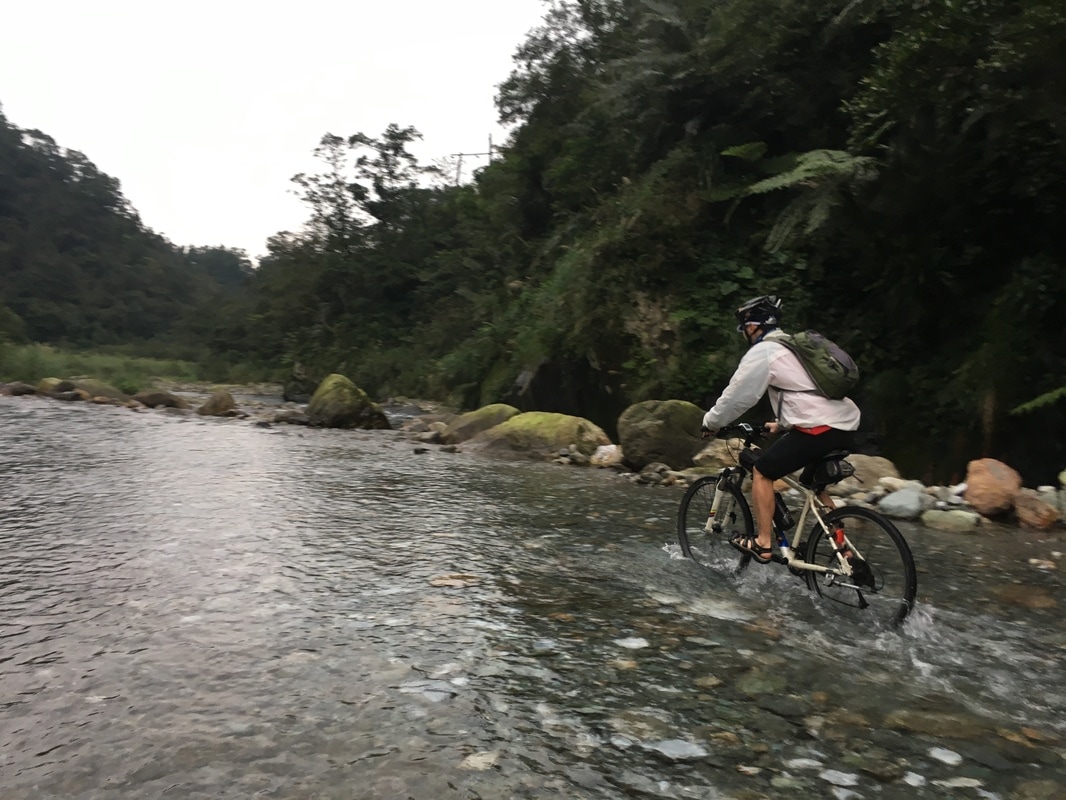
I counted four stream crossings along the road in the original account. Beside the crossings were suspension bridges used by people and motorcycles, while road vehicles carrying workers used the streambed.
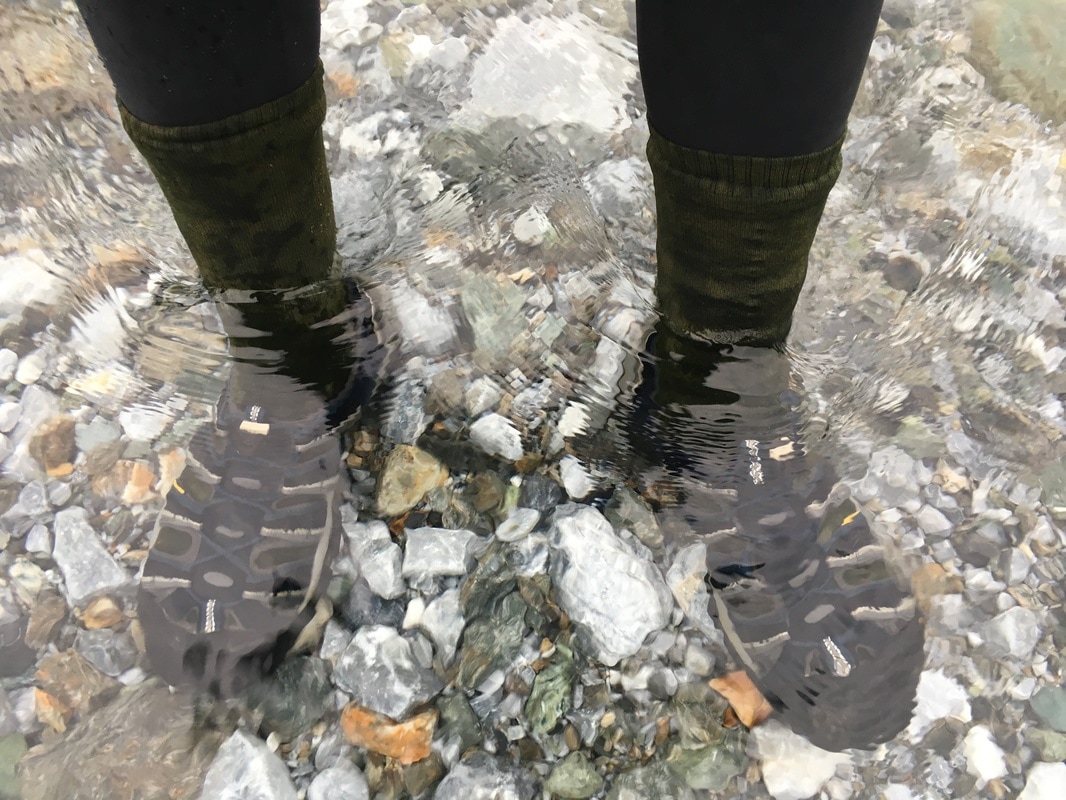
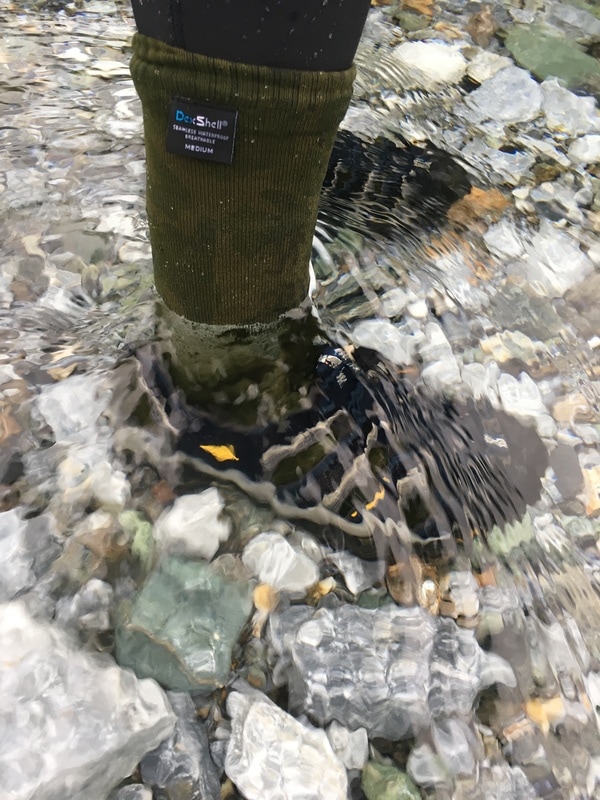
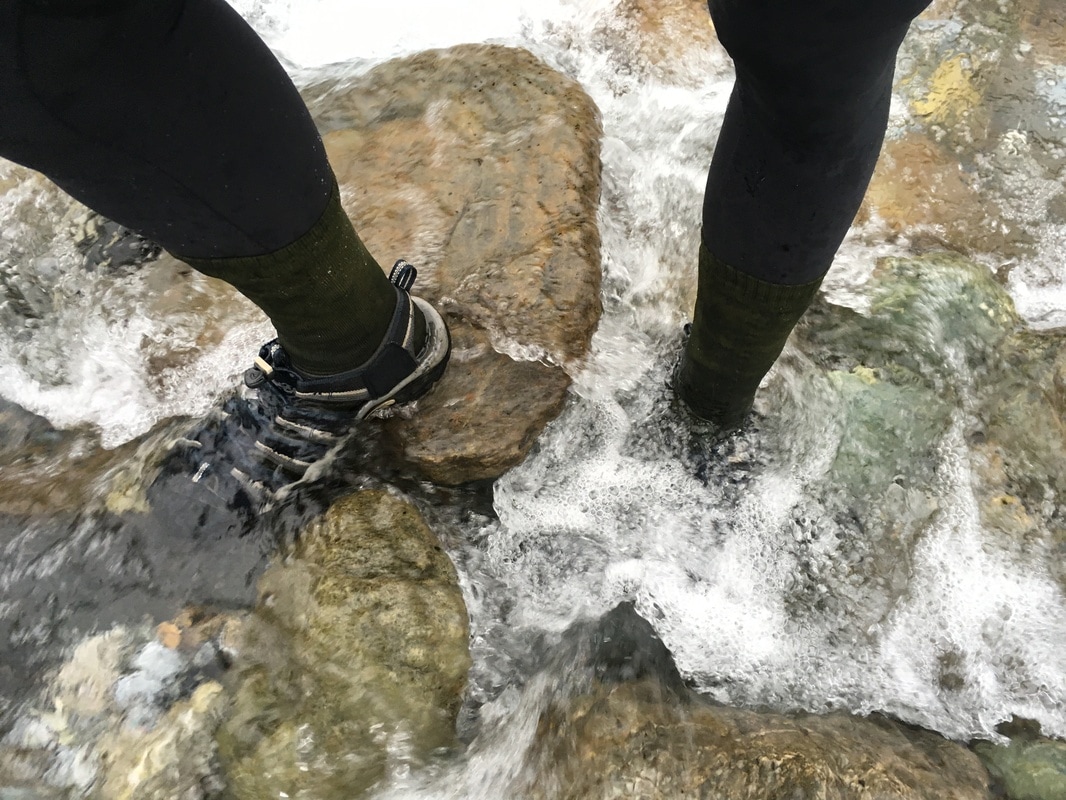
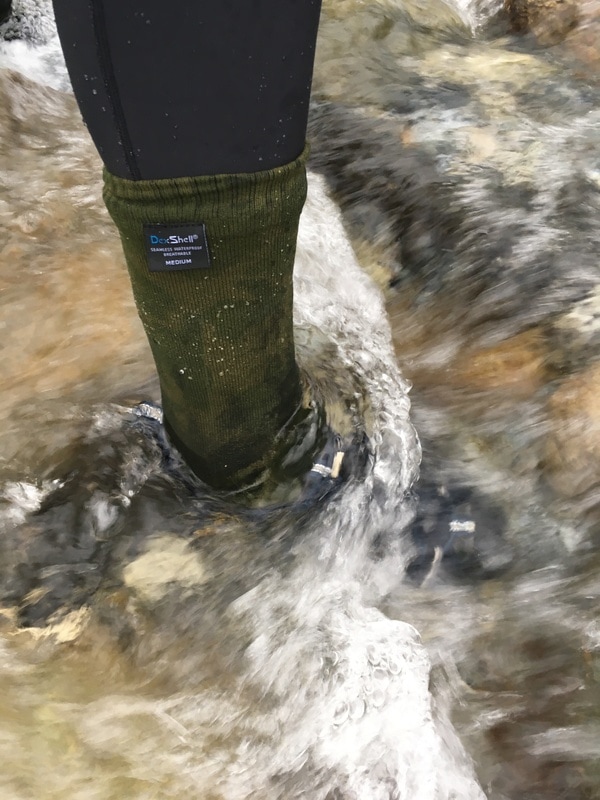
Seeing the water, we wanted to try riding through it. Part of my reason for coming during a cold spell was to test a newly opened pair of waterproof socks. My riding companion and I spent a long time at the first crossing, going back and forth.
I had heard that vehicle use had compacted the streambed and made it easy to ride. My experience was different. The stones beneath the water were still substantial. Thinking of other streams I had ridden, I felt the bed on Road 58 had been much easier. I could understand why people enjoyed that route. These were personal comparisons from past trips, not evidence that either crossing is safe or accessible now.
With the day getting late, we turned around after the second ford. My friend headed to Su’ao to catch transport home. I returned to Cishen Temple along the forest road, intending to stay overnight.
A Quiet Night at Cishen Temple
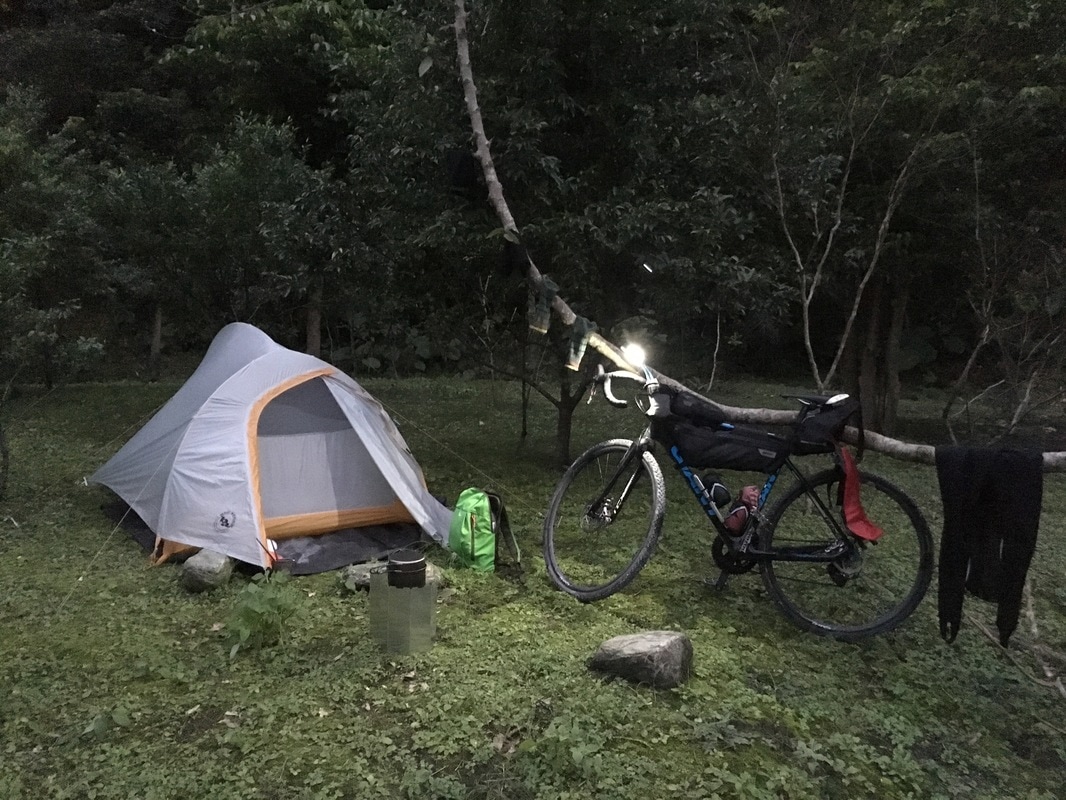
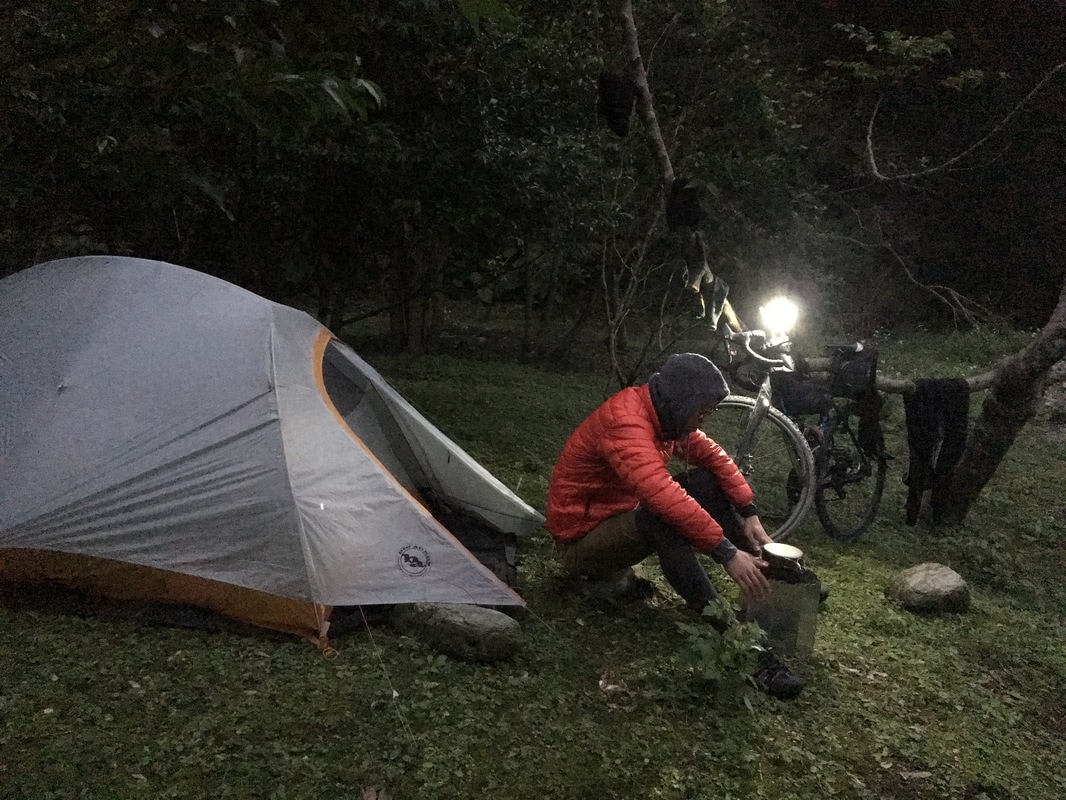
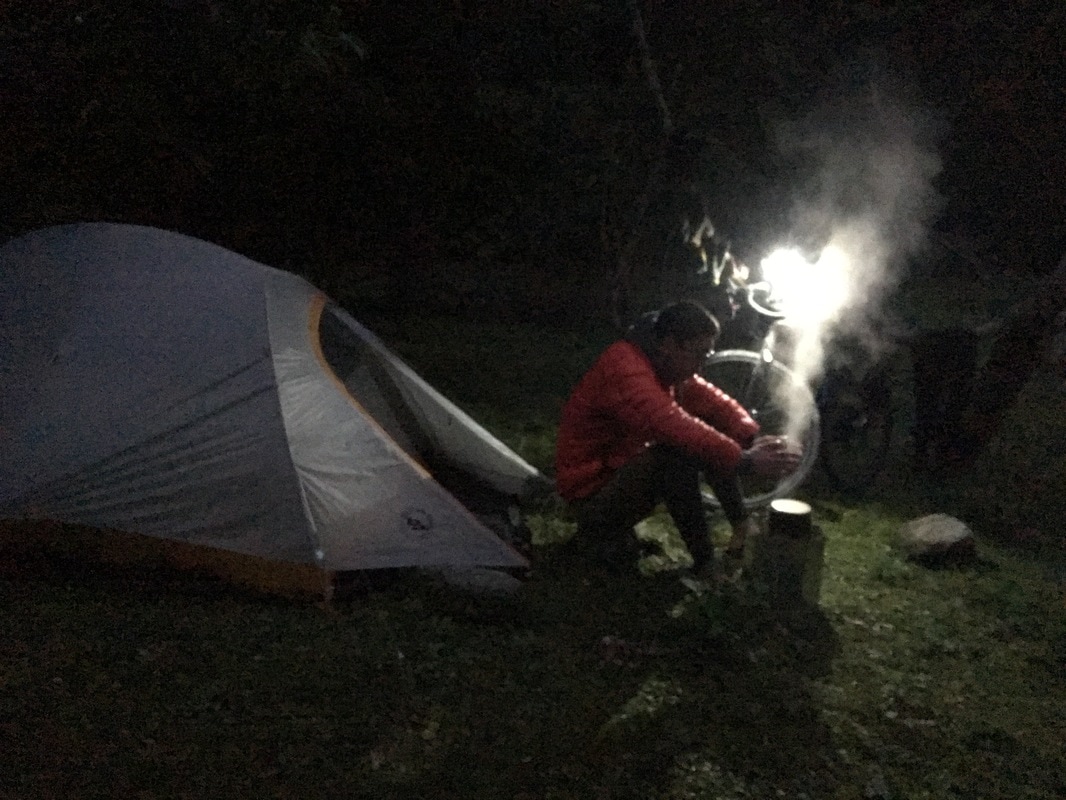
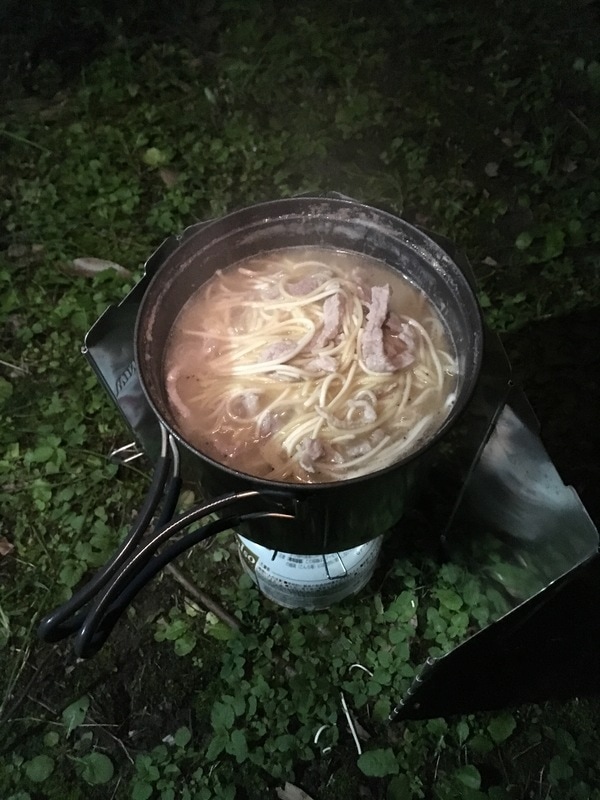
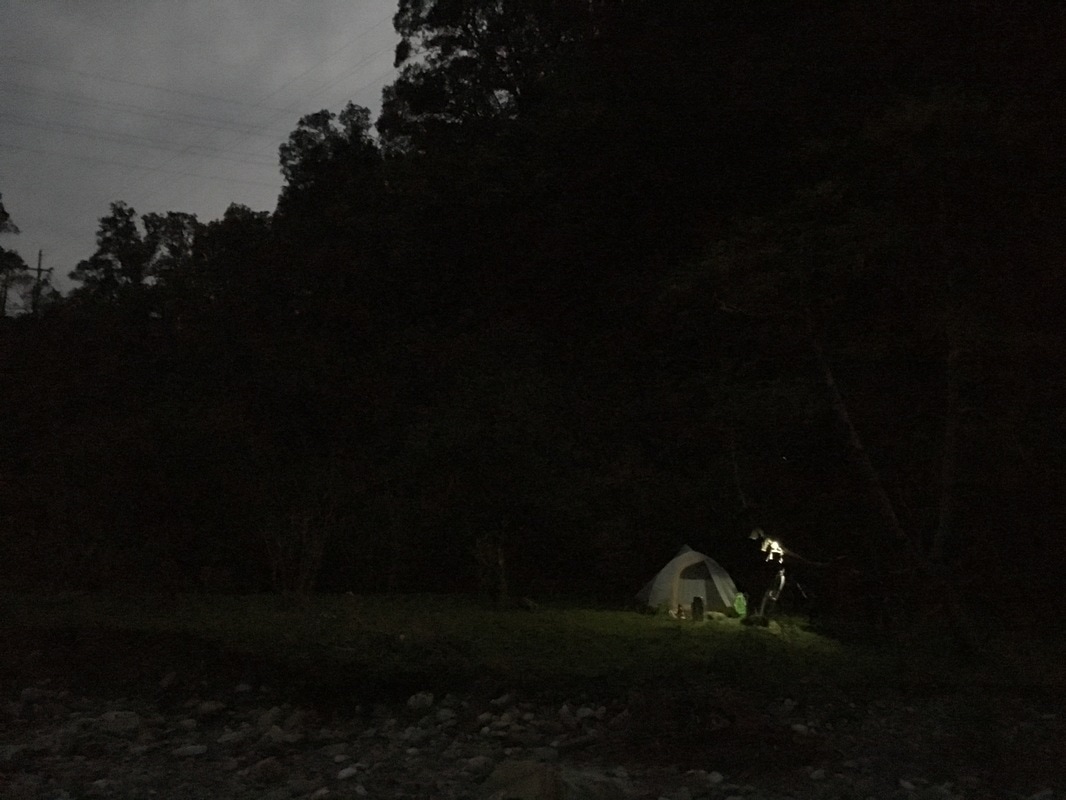
Back at the temple, I looked for somewhere to put up my shelter. Many places looked suitable, but I chose an out-of-the-way spot so I would be less likely to disturb anyone. The account does not document permission for that pitch; visitors should ask rather than assume the grounds are available for camping.
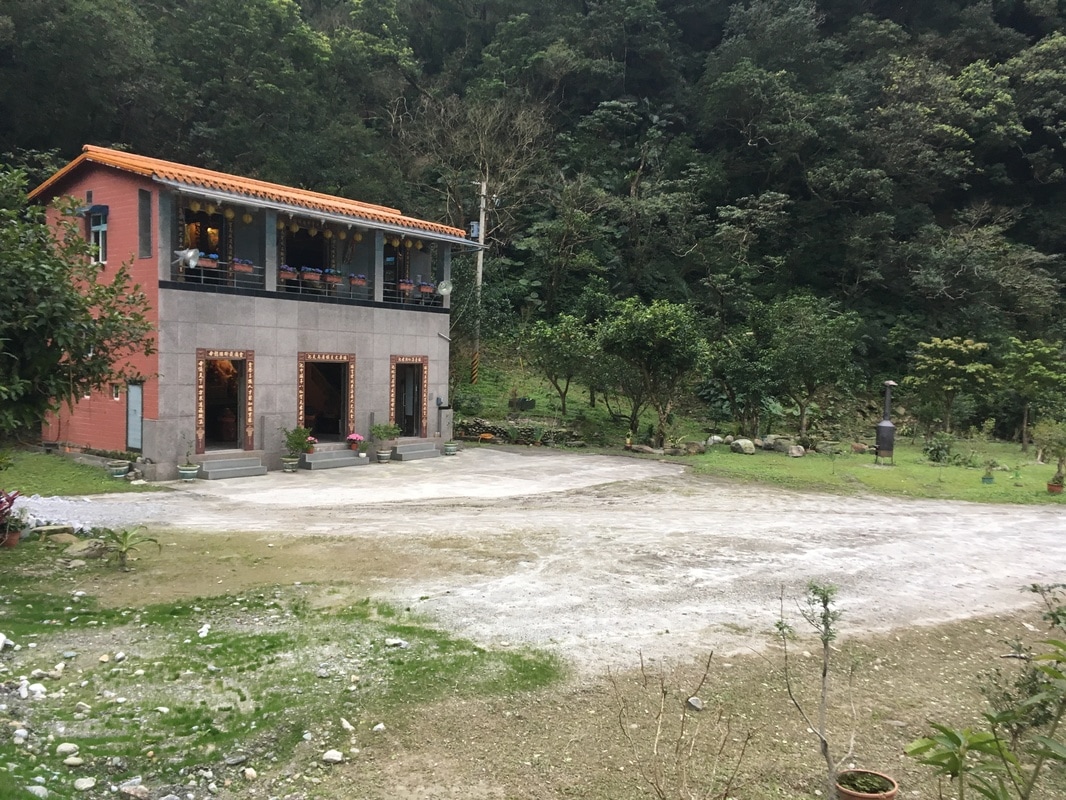
The story I recounted about the temple was that it had originally been in central Su’ao. It later moved to provide worshippers with a quieter setting for spiritual practice. A suitable building plot along Wulaokeng Forest Road made the new location possible. I understood the temple’s relatively narrow shape to reflect the dimensions of that plot.
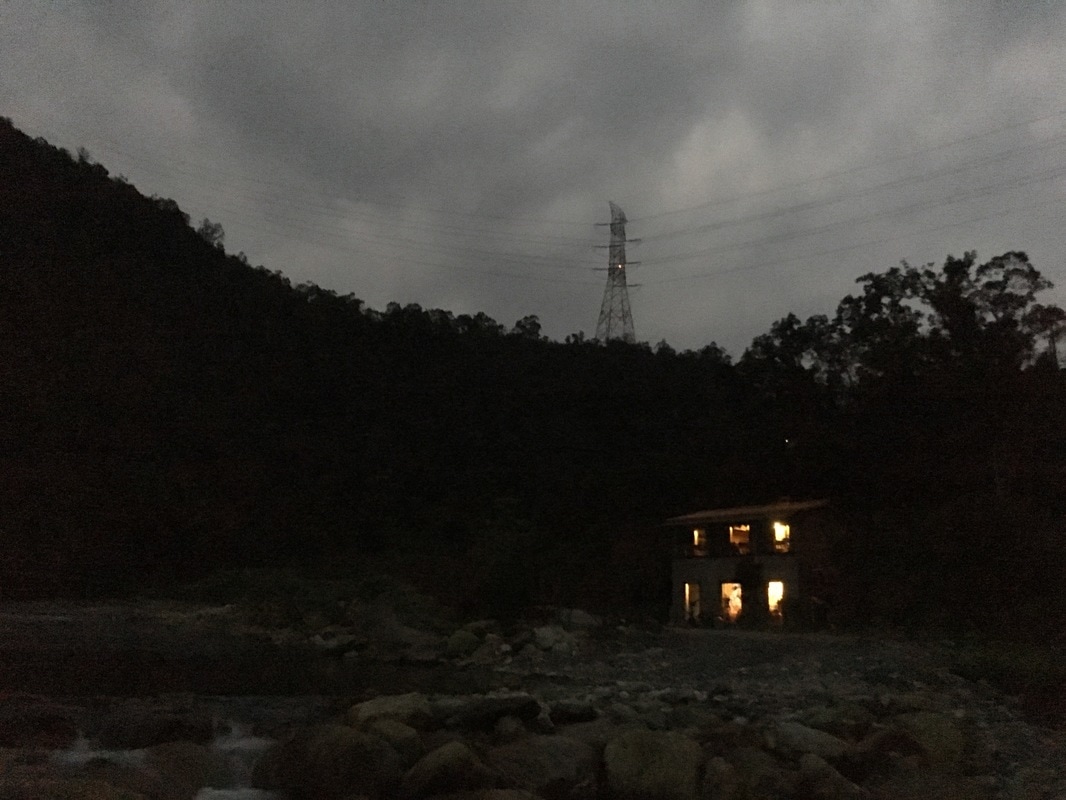
Walking alone across the forecourt at night, I looked at the temple lights and felt a particular warmth despite the winter cold. Under the protection I associated with the Queen Mother of the West, I passed a comfortable night.
Rain and the Wire Bridges
The next morning, fine rain fell just as the forecast had suggested. Cold wind and drizzle made going home tempting. But I had explored only half the road, and had not yet seen the industrial installation beyond the mountains. I did not want to turn back yet.
I packed and continued, thinking of the old poetic image of a traveler in rain hat and cape who need not return because of slanting wind and light rain. It was a mood, not a weather-safety rule.
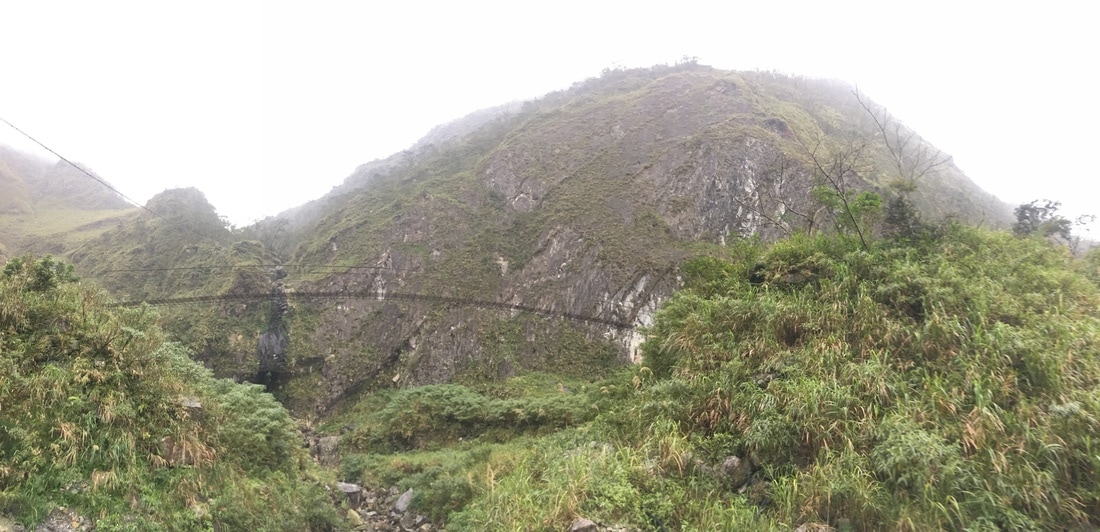
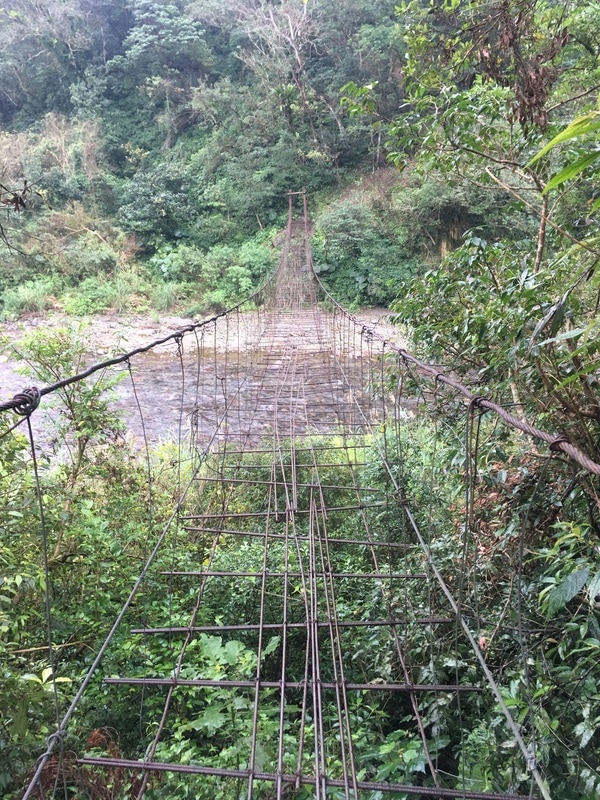
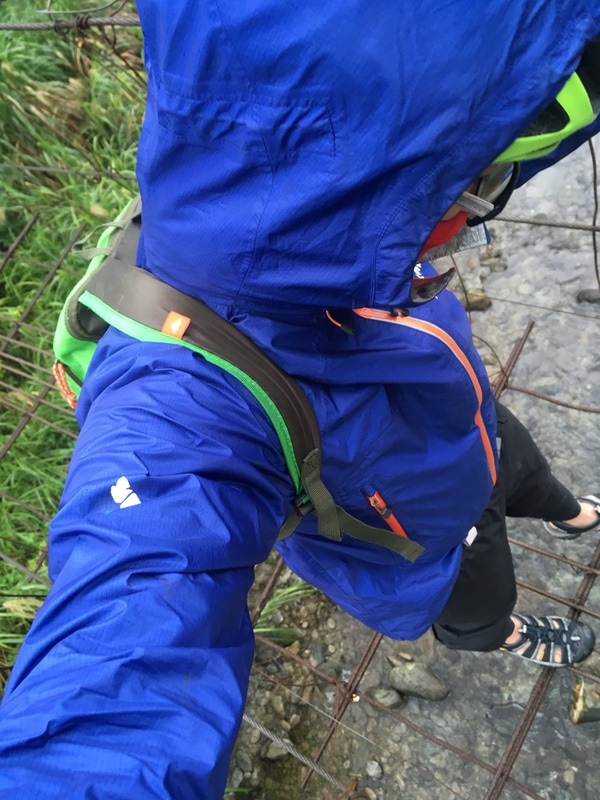
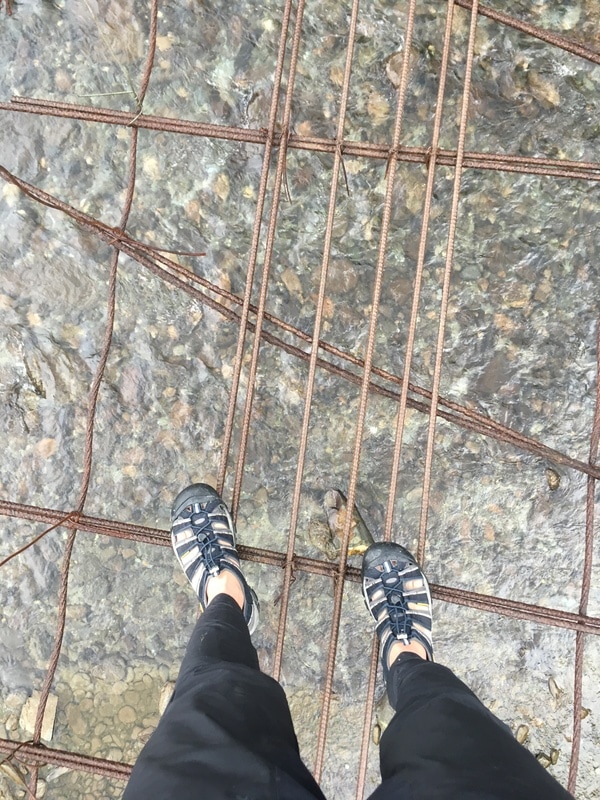
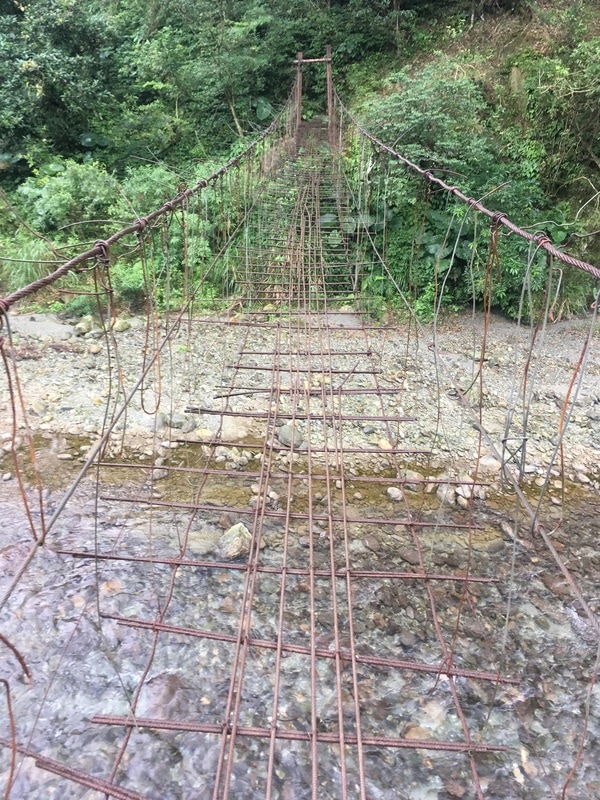
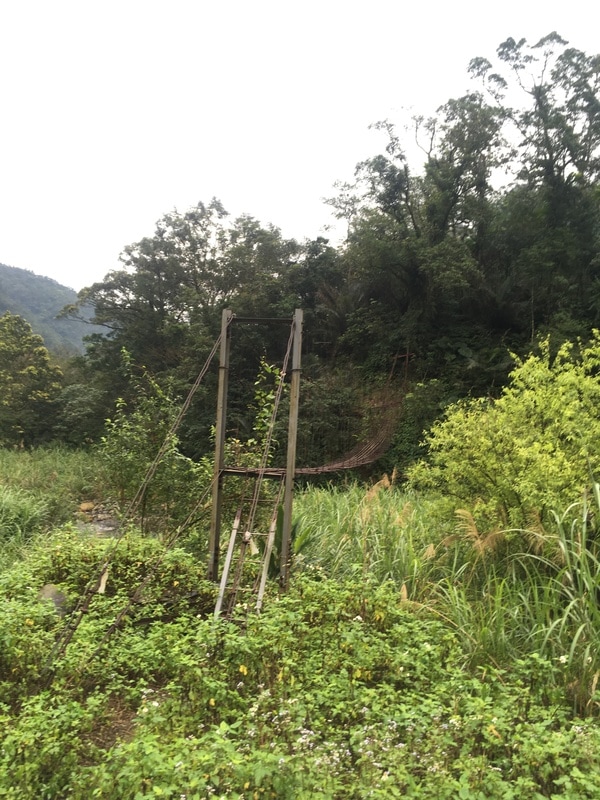
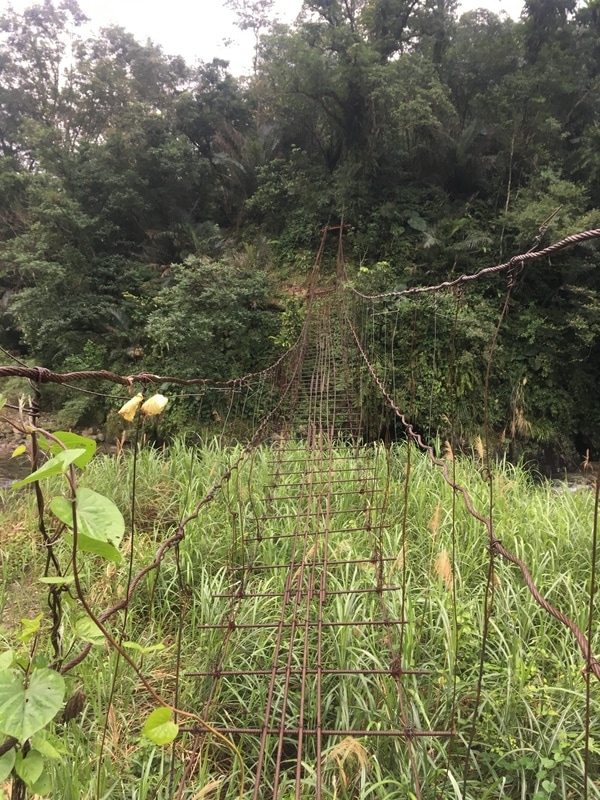
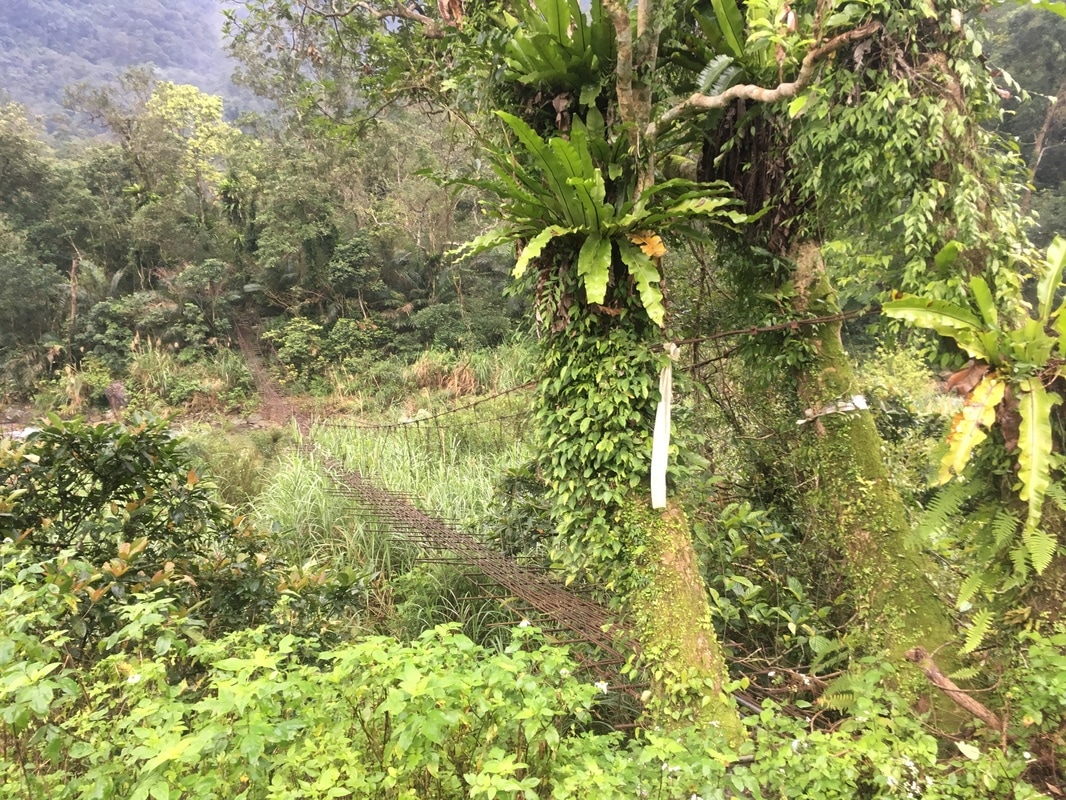
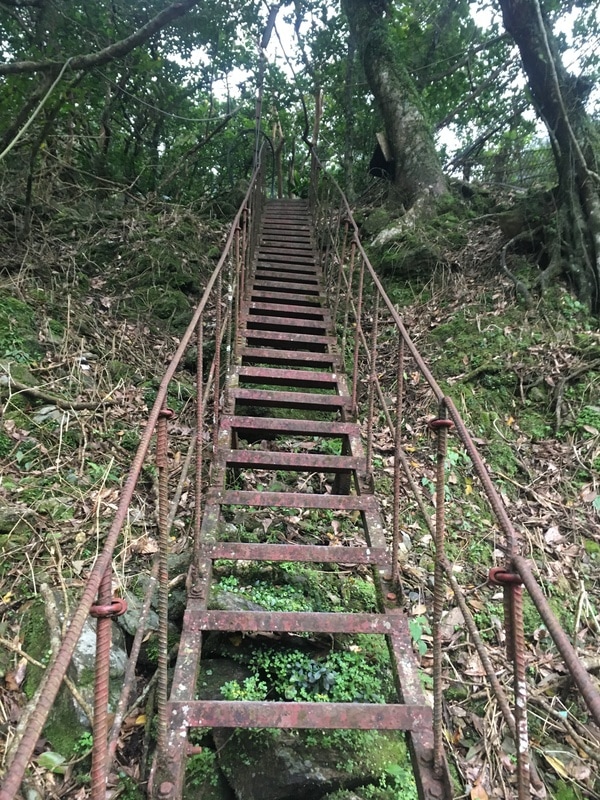
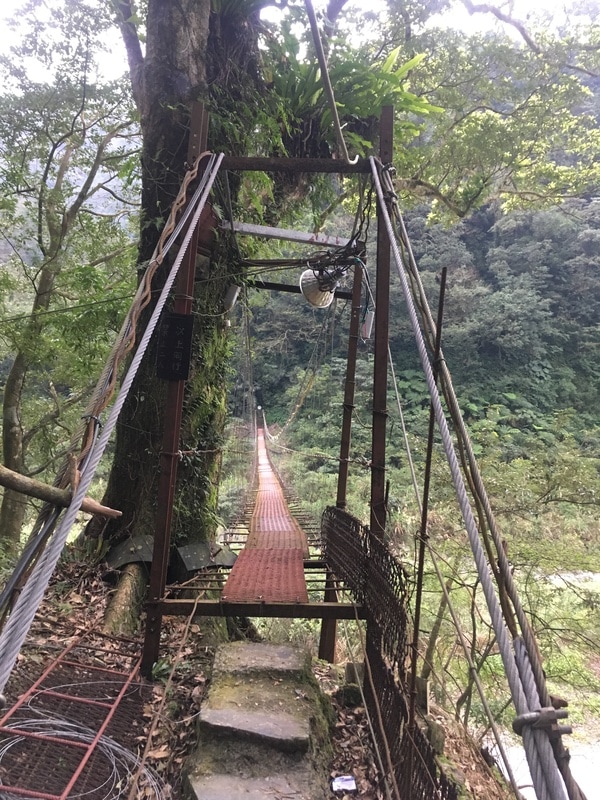
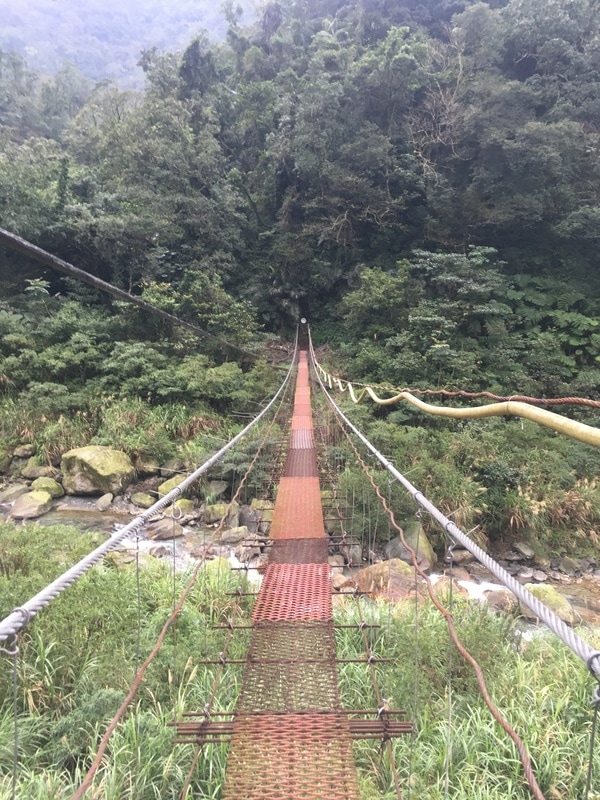
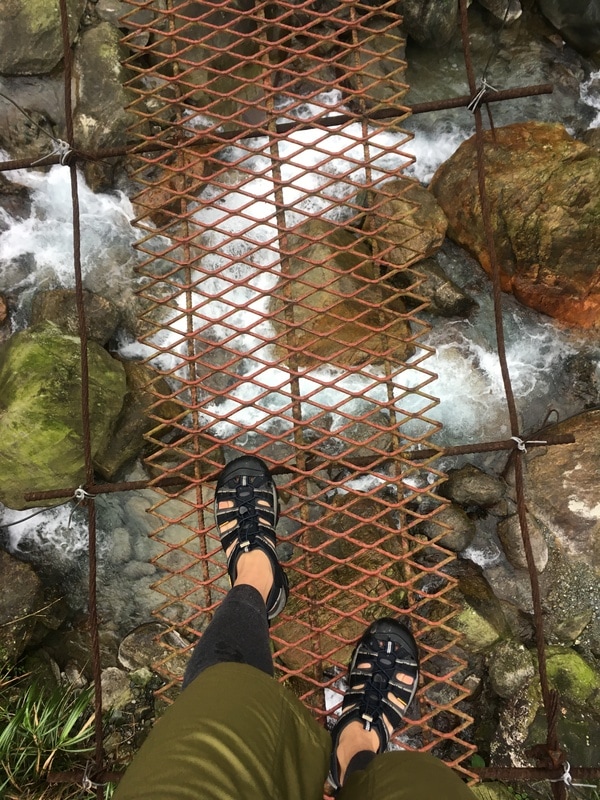
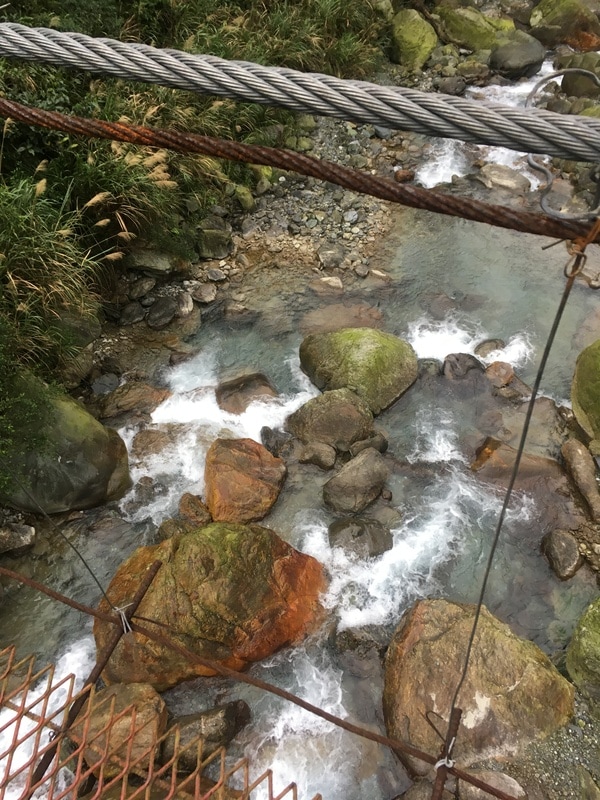
Before reaching the previous day’s turning point, I noticed two motorcycles parked beside a suspension bridge. I guessed workers might be inspecting something nearby. I stopped and walked onto the bridge. It frightened me.
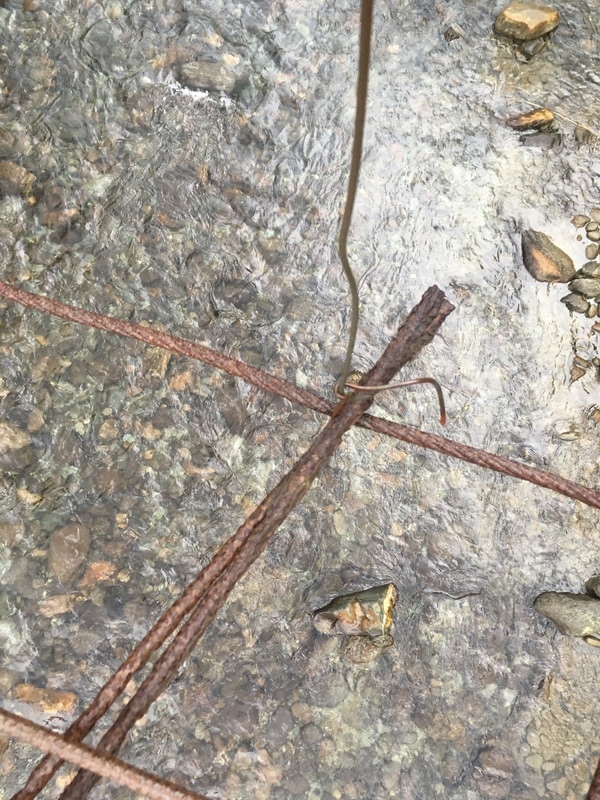
The structure seemed to hang from wire, with metal reinforcing bars underfoot held together by more wire. Despite my nerves, I continued toward the middle and let my legs turn weak. I recalled about five bridges of this general kind along the road, and ventured onto three that looked more substantial to me. Looking substantial was not an inspection of their condition. This episode should not be treated as a recommendation to cross unofficial or unverified bridges.
A Metal Giant beyond the Steep Upper Road
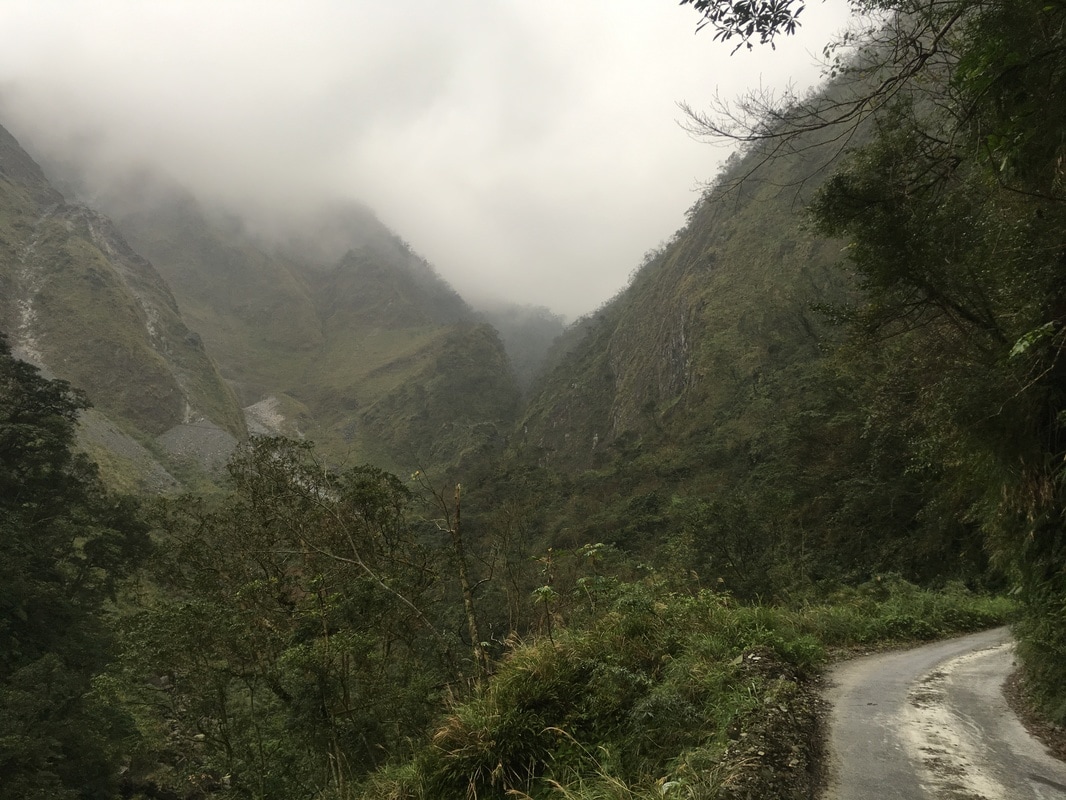
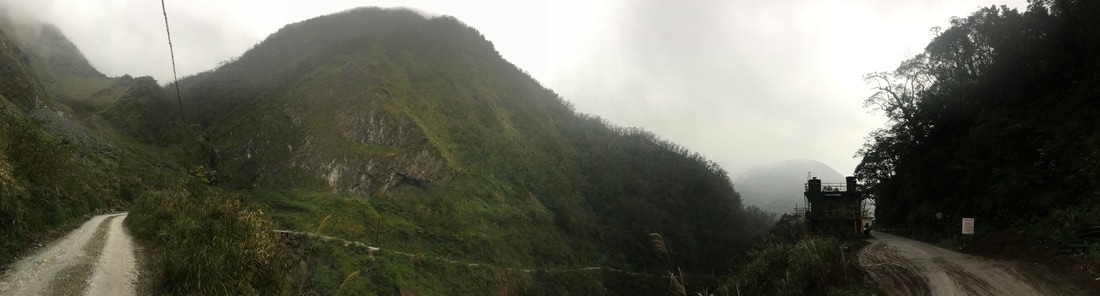
Beyond the second ford, the road began climbing more steeply. In the original account, I felt that anyone interested mainly in the lower forest-road experience would find plenty before that point. Farther up, the gradients increased and moss made some surfaces slippery.
I got off and pushed. I estimated another four or five kilometers remained to the installation I wanted to see. Walking slowly gave me time to take in the valley, though it was hard to stop watching the carriers moving overhead. As I climbed, I drew closer to the cableway. I knew the destination could not be far.
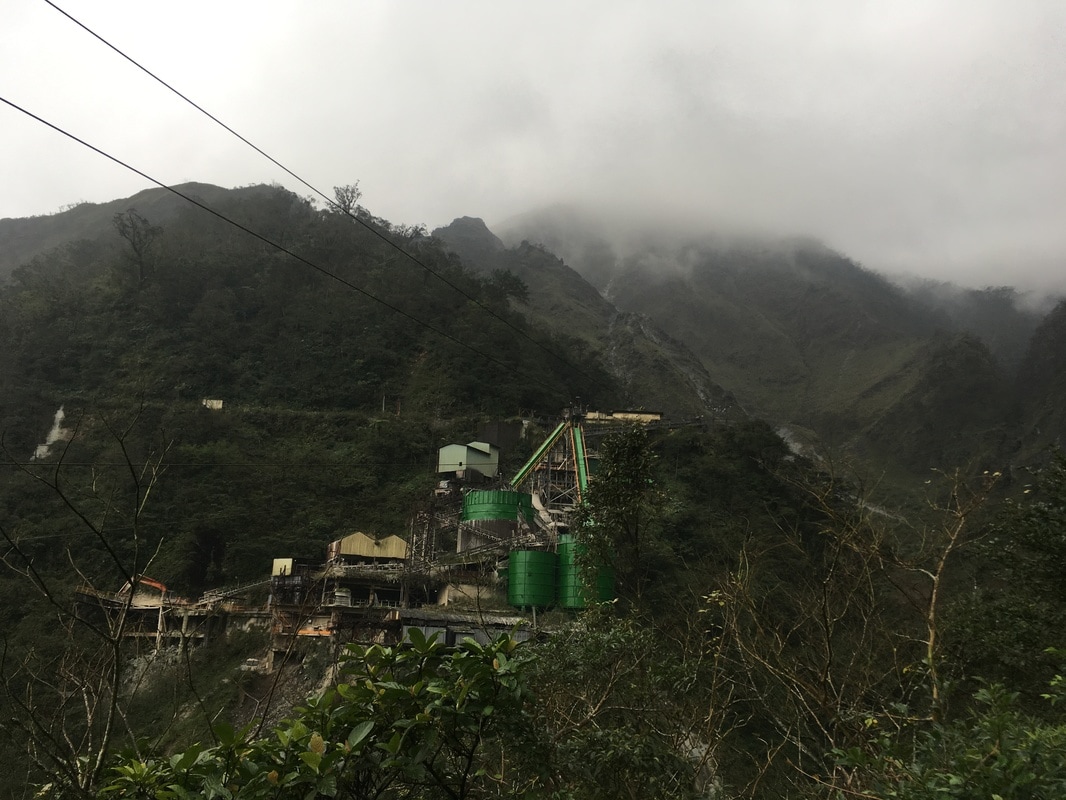
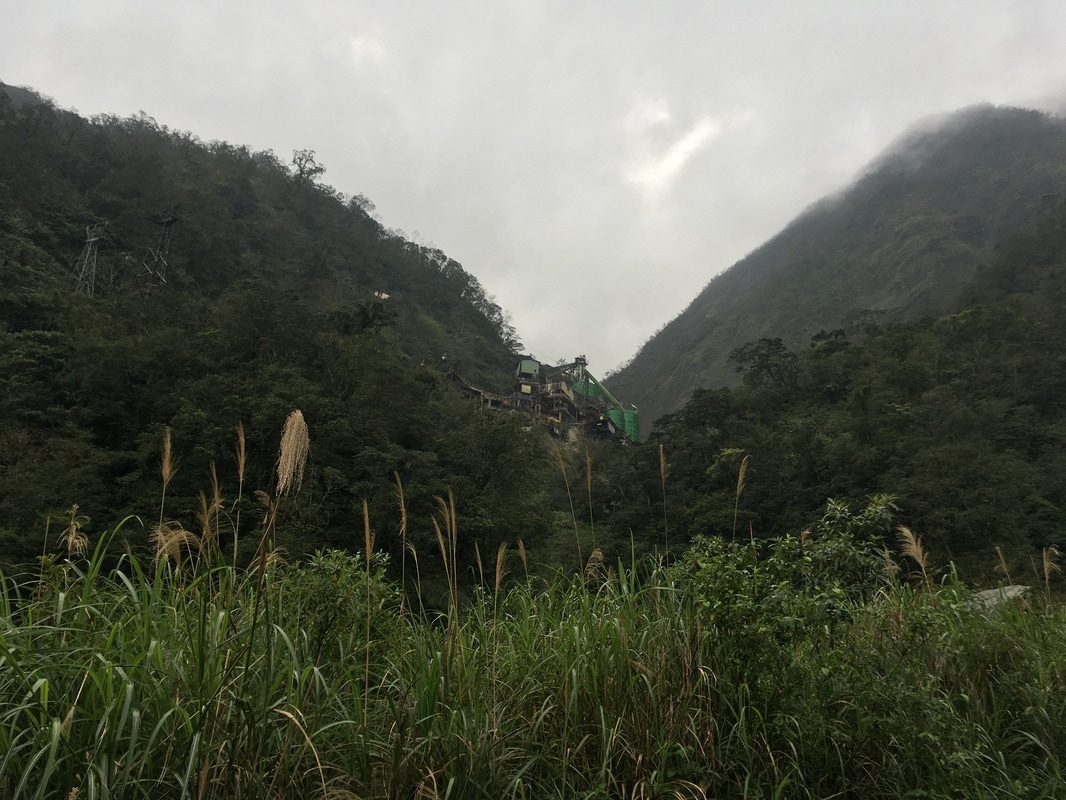
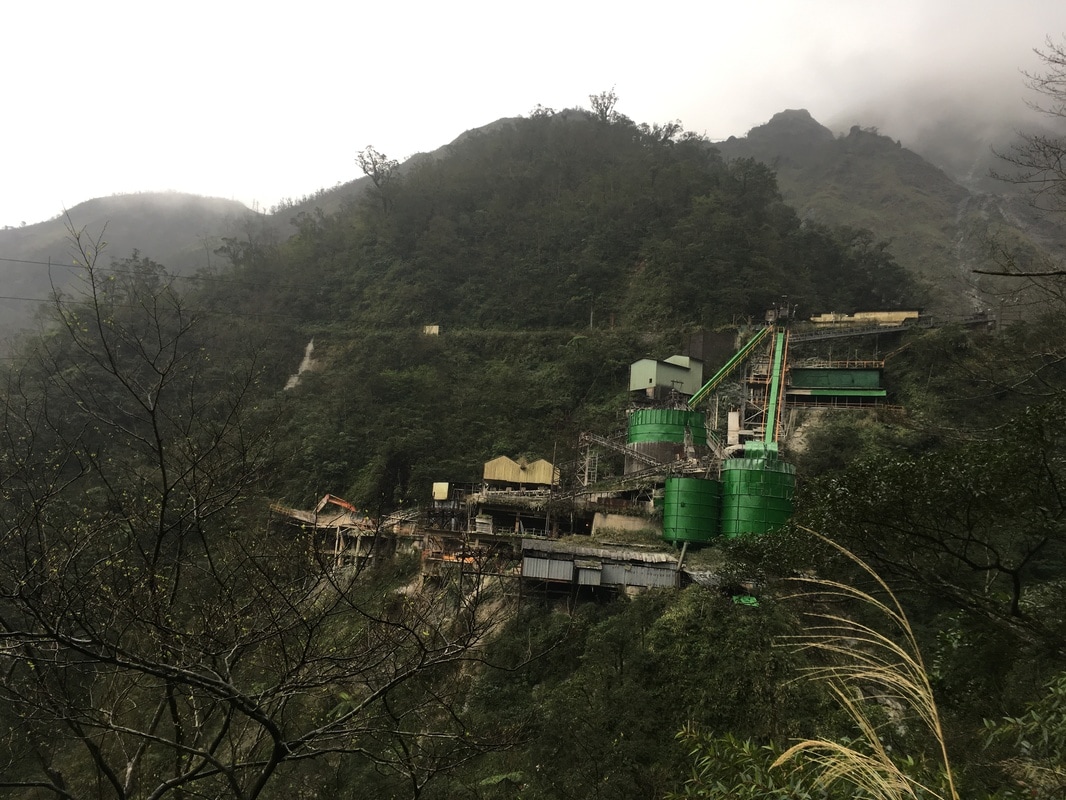
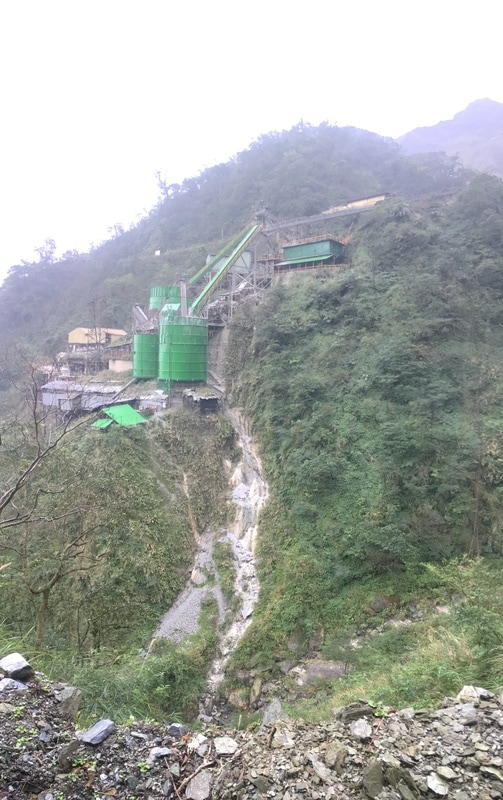
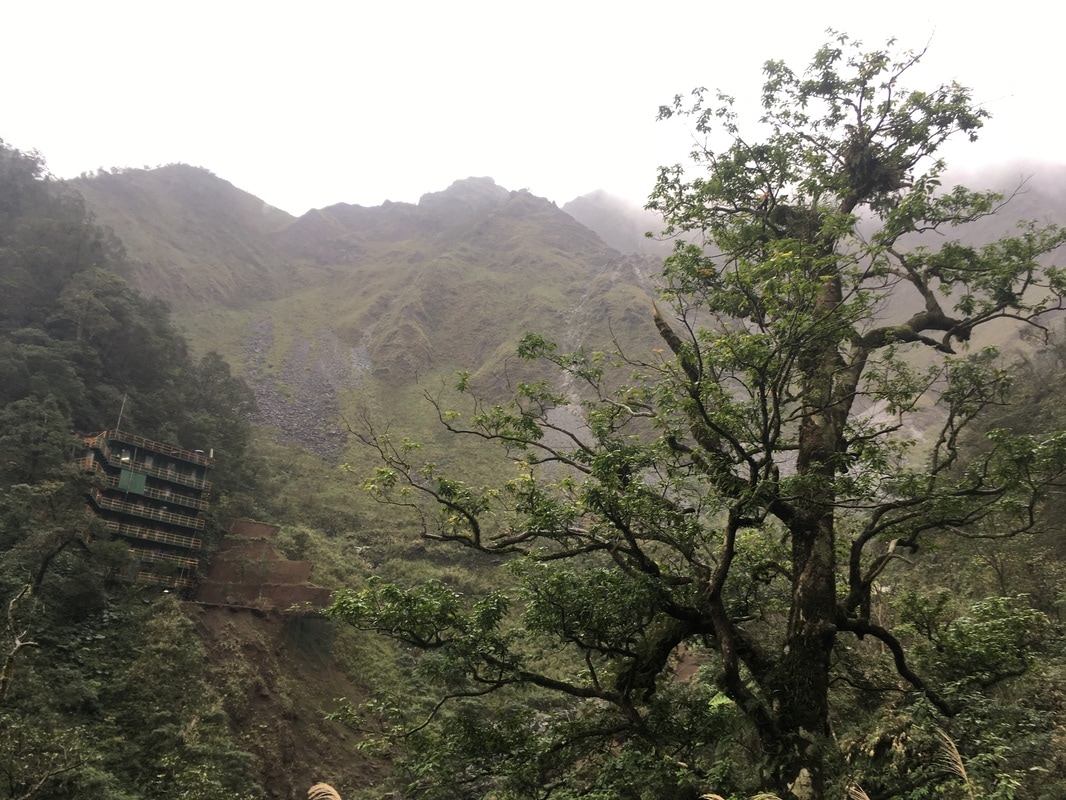
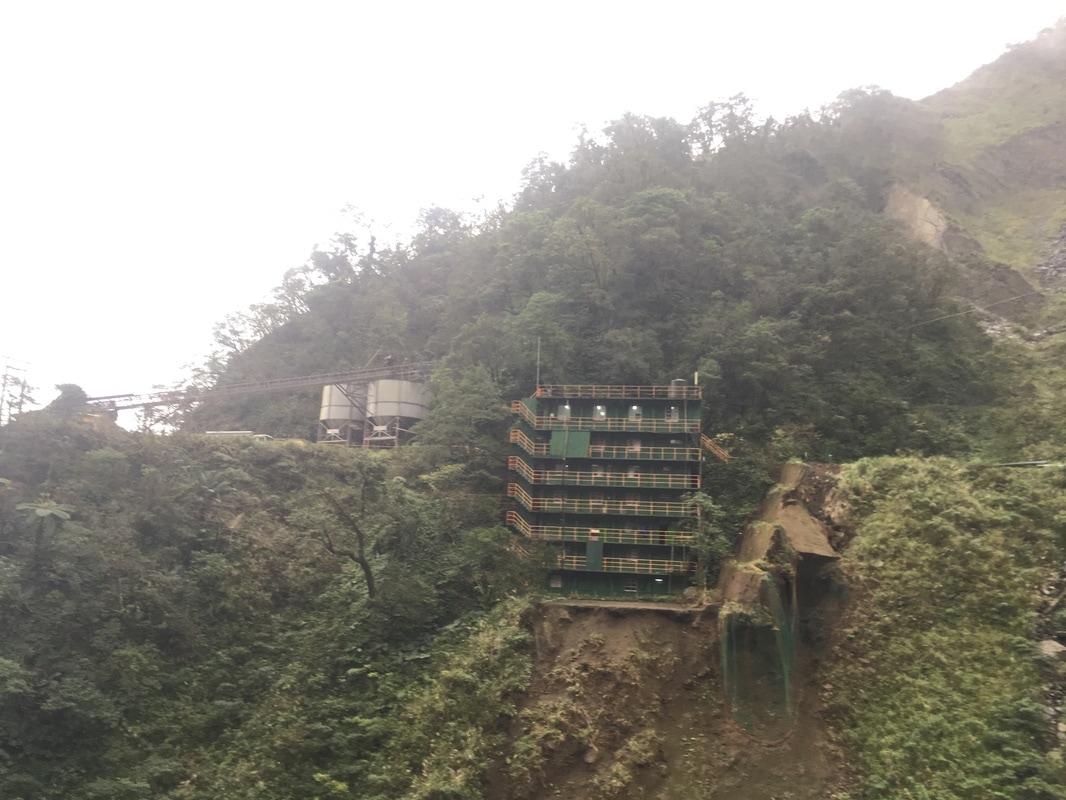
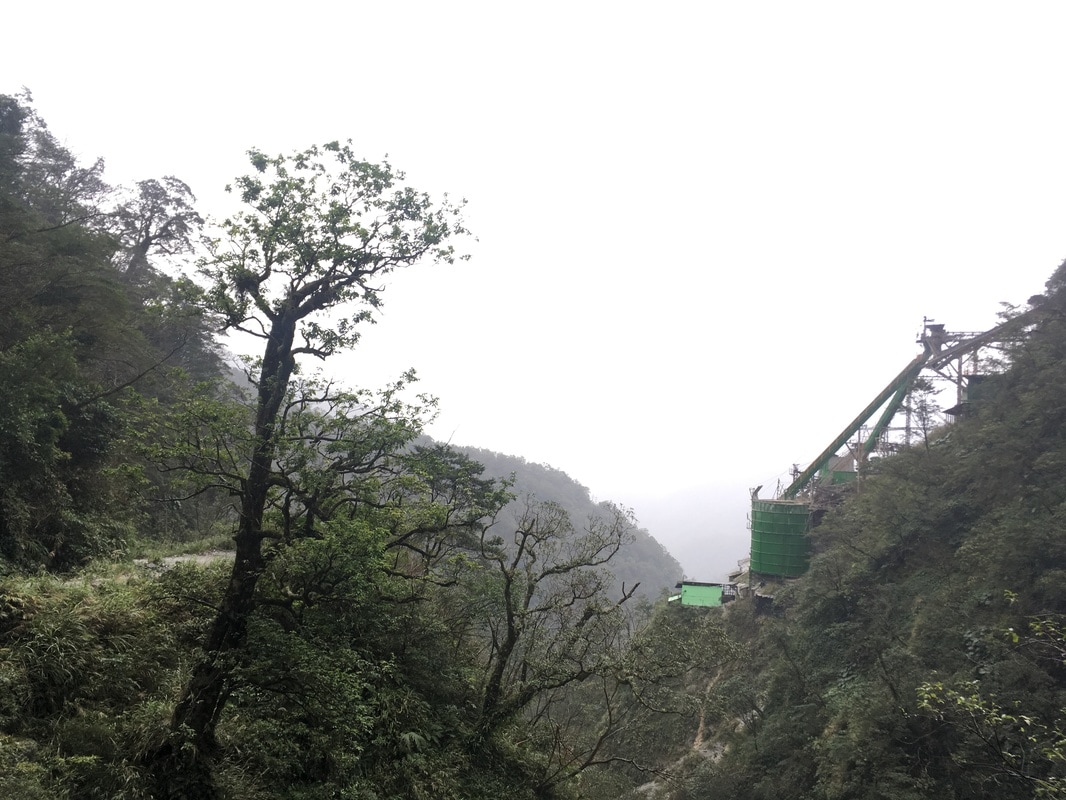
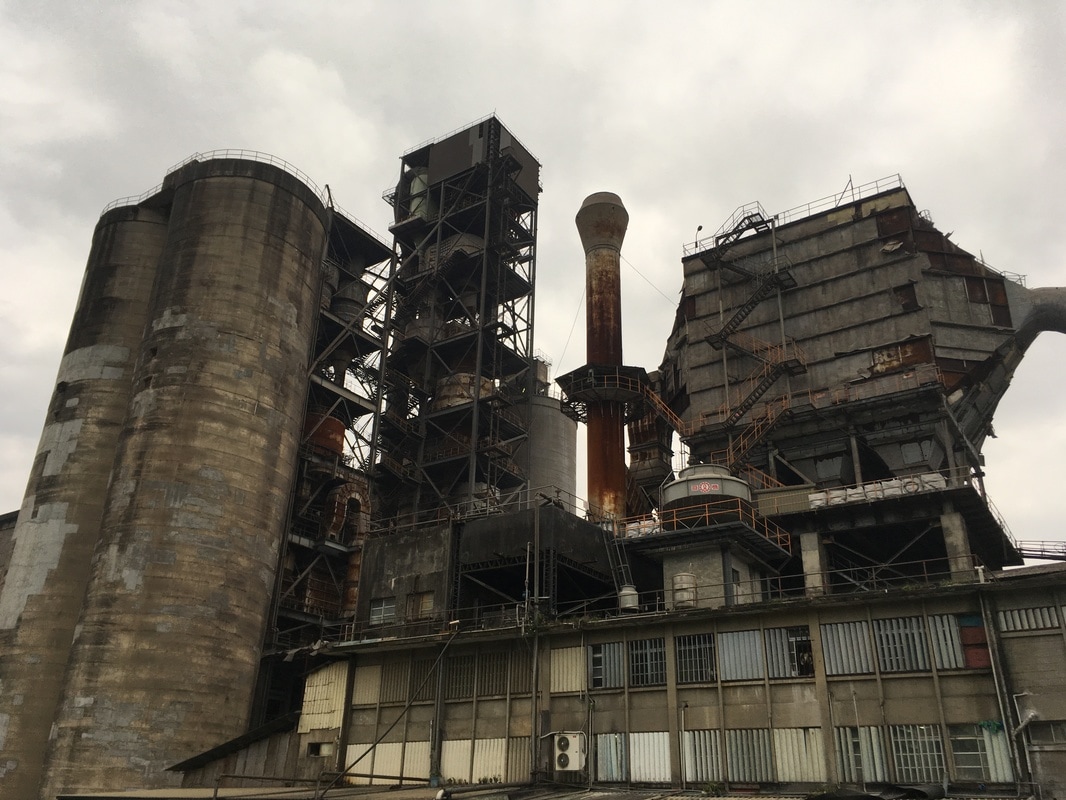
After a bend, a massive industrial structure appeared against the mountainside. This was the hidden plant I had been seeking. I leaned the bicycle beside the road and continued on foot toward what I recorded as the entrance around the thirteen-kilometer point.
An experienced rider named Eric had compared it to Howl’s Moving Castle. Standing there, I thought the image was remarkably apt. Carriers moved in and out, and mechanical rumbling echoed through the valley. A metal giant in the depths of the mountains seemed like something from an animated film. But it was not fiction. It was part of the world we lived in.
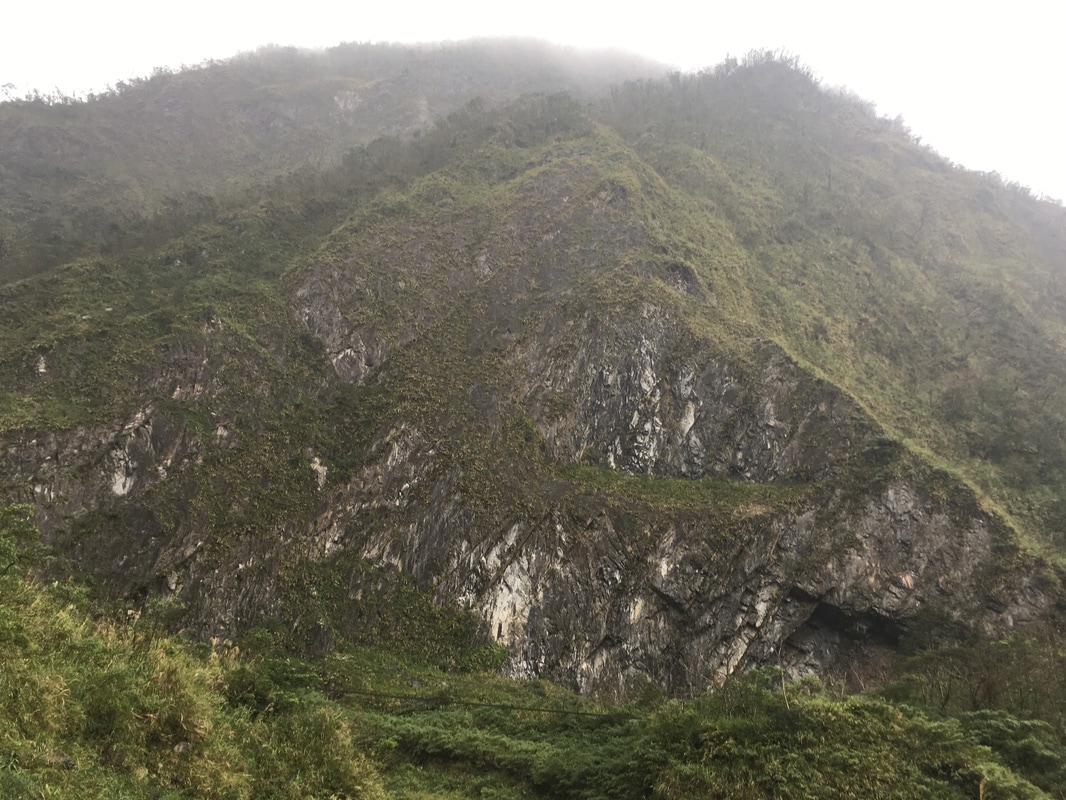
Here, in a place most people did not see, natural materials were being extracted on a scale I struggled to imagine. I felt the connection between ordinary convenience and landscapes like this one. It was easy to look away. Even after looking, I did not know what useful action I could take.
I thought about cement again. If we did not obtain it here, buying it elsewhere would not remove the need to extract materials somewhere. That was my troubled reflection at the end of the ride, not a comprehensive judgment about the industry or its alternatives. I took a few photographs, feeling powerless, and quietly left.
Route record: the author’s historical activity on Strava. The record documents the old ride, not current access permission, bridge safety or suitable stream conditions.
Bikepacking diary: Facebook