My First Ride on Road 58 | Cycling the Zhuoshui Riverbed
Translated from Bikepacking diary’s original My First Visit to Road 58 article, published on December 24, 2016, and republished by arrangement with the author. Photographs are linked directly from the original website.
Editor’s note: This historical ride report is not a current route, access or river-crossing guide. The route described is an active riverbed, not a conventional road. Check current restrictions and conditions with the relevant authorities; do not infer permission or safety from past use. Flooding, upstream rain, water releases, current, hidden obstacles and changing channels can create serious hazards. The author’s improvised crossing observations below are translated as personal recollections, not recommended techniques. Do not ride into opaque or moving water on the assumption that momentum, another rider’s line or a suitable bicycle makes it safe. The stream-water meal and imagined riverbed campsite are also historical experiences, not recommendations; clear water and boiling do not address every possible contaminant, and riverbeds are not safe default overnight locations.
A Road That Was Not Really a Road
Road 58 was one of those hidden routes passed around among riders.
In the stories I had heard, it was the territory of off-road vehicles: jeeps, dirt bikes and mountain bikes.
The reason was simple. It was not paved. In fact, it was hardly a road at all.
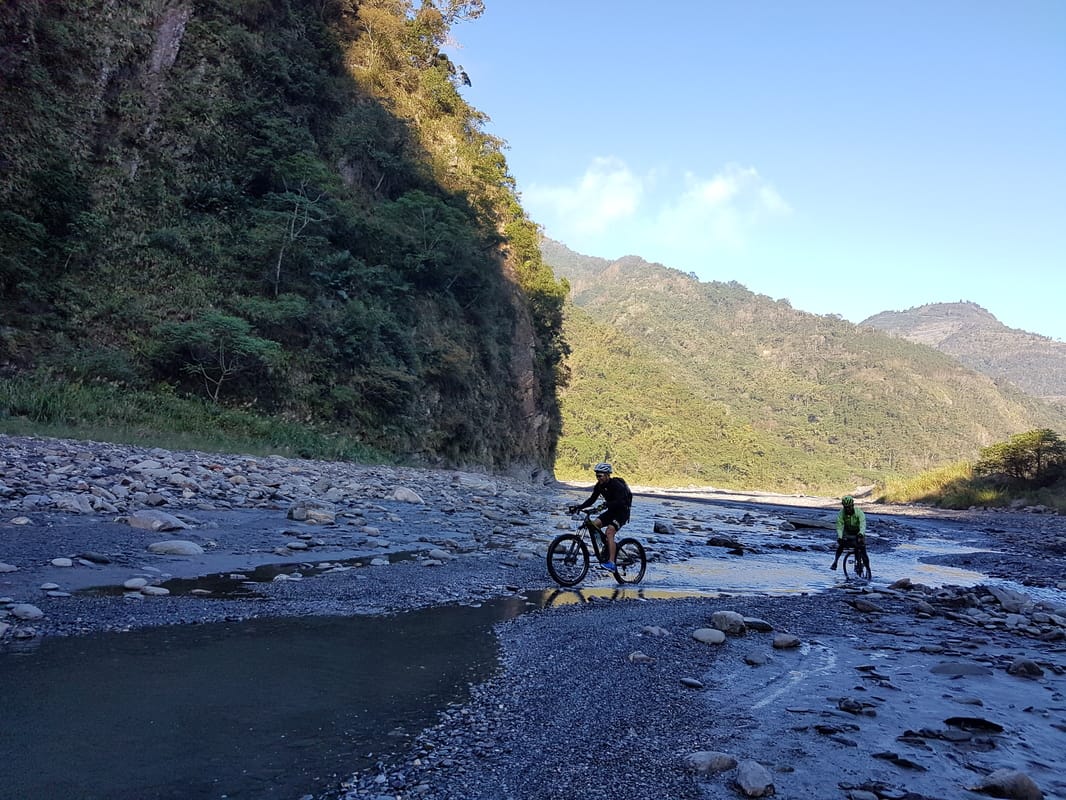
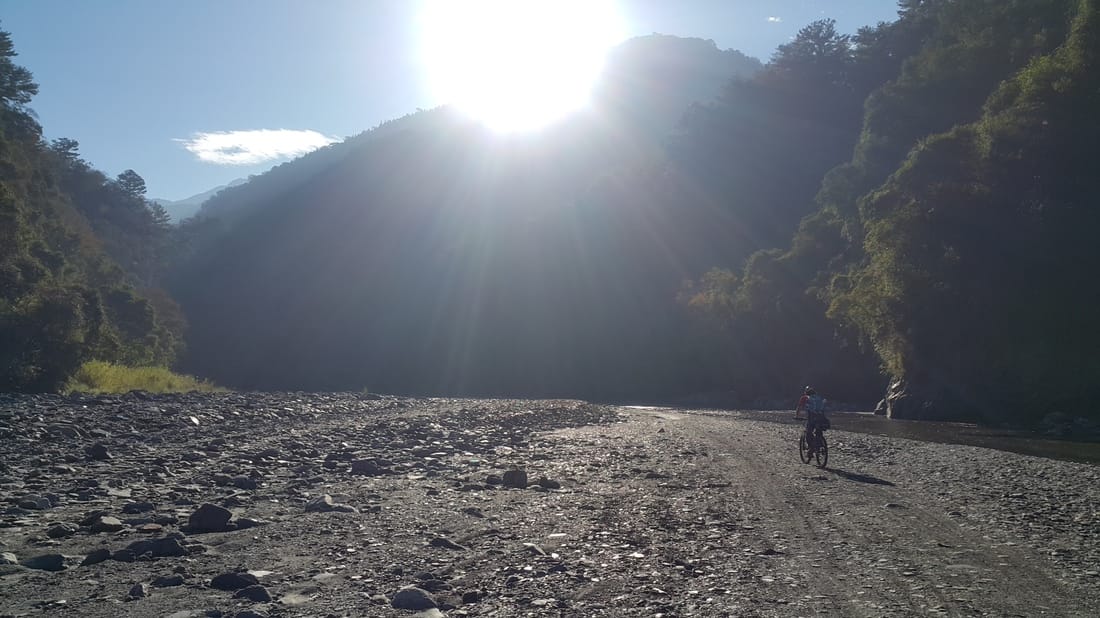
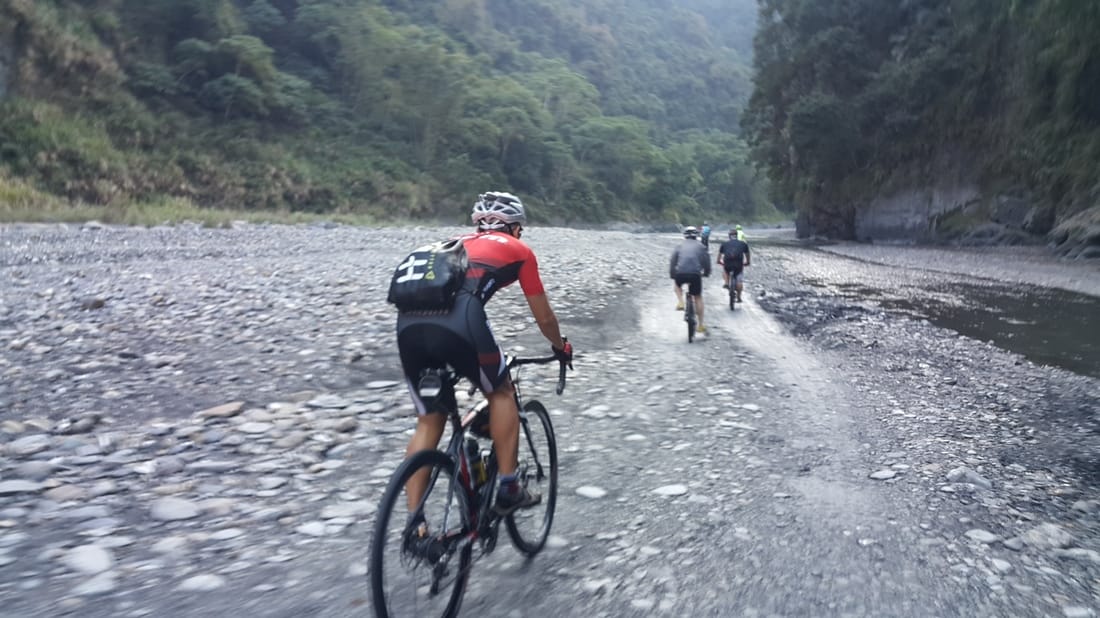
It was the bed of the Zhuoshui River, the stretch between Wujie and Bakulas. The name joined the sounds of those two places: Wu-Ba, or “58.”
I had known about it for a long time. But when all I owned was a road bike, I had no way into that world. I could only look down at the Zhuoshui River from above and imagine myself riding through the valley.
Recently, bikepacking on a cyclocross bicycle had introduced me to a few wonderfully mad people. Thanks to them, I finally had the chance to visit this mysterious route.
A Nervous Start at Wujie
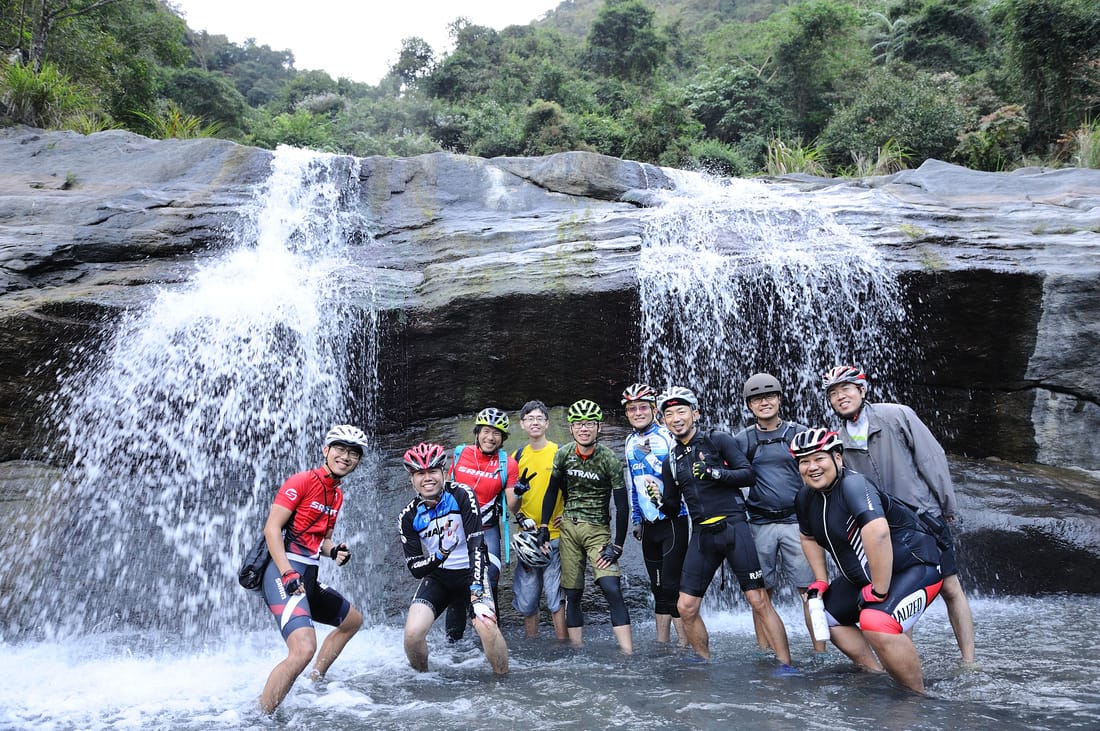
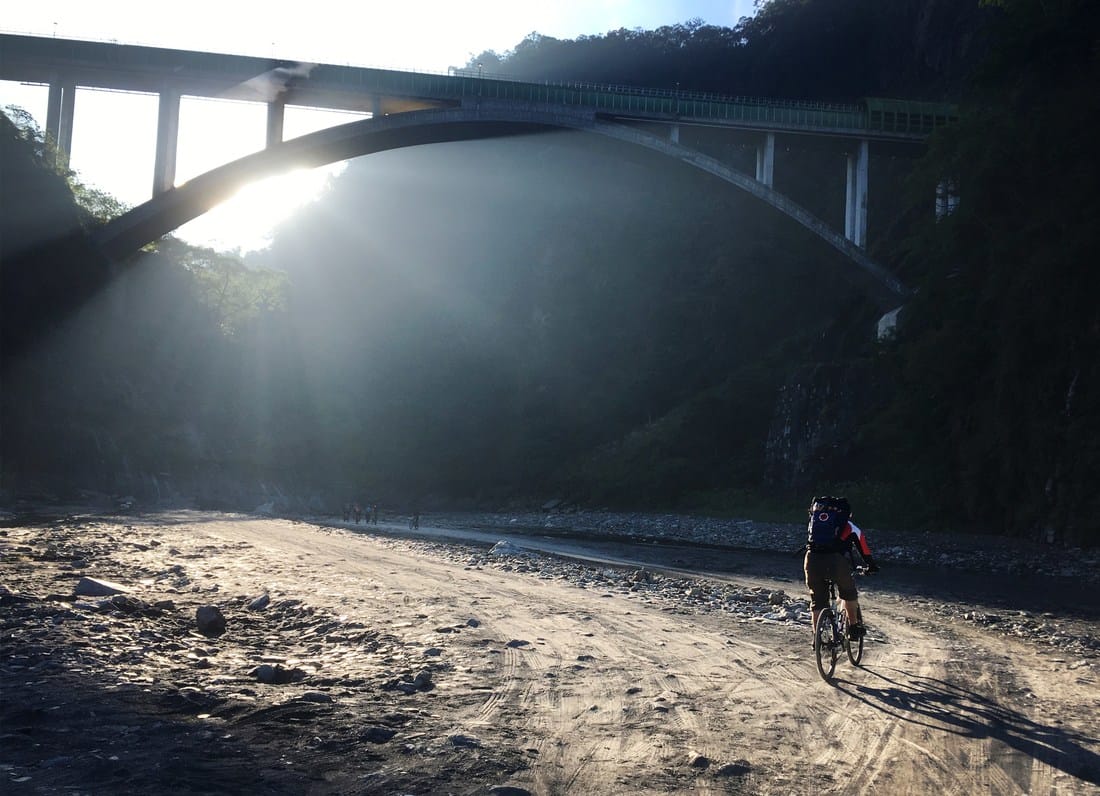
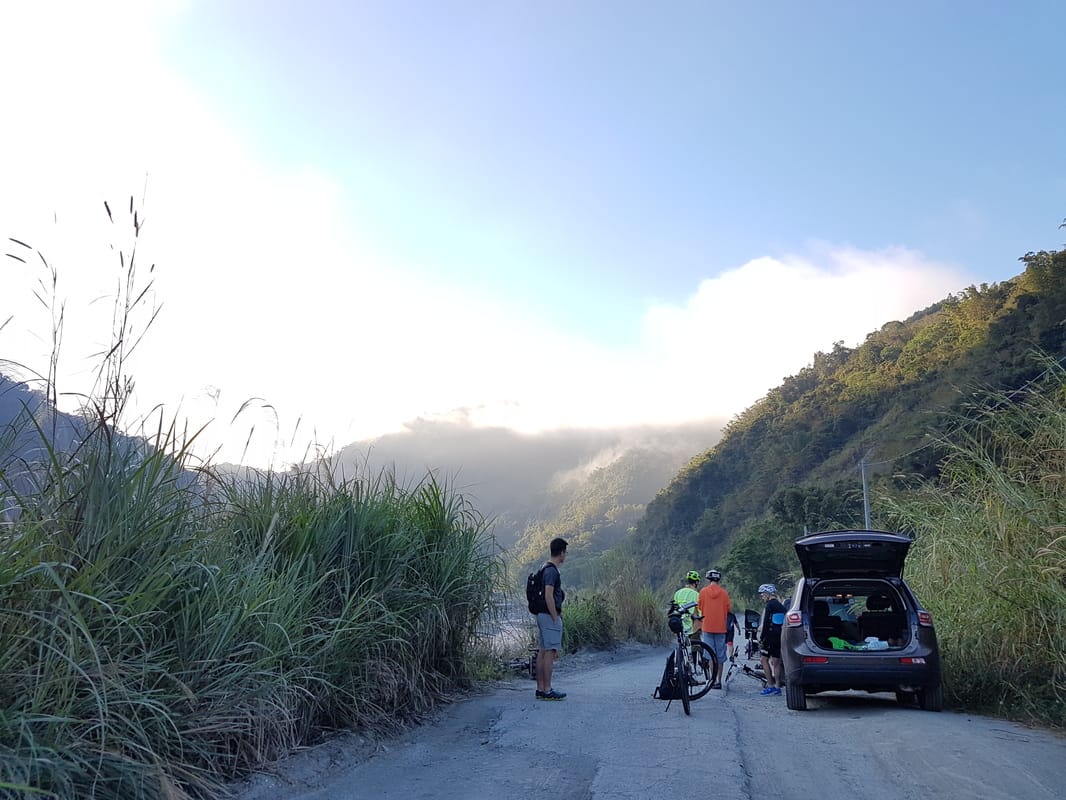
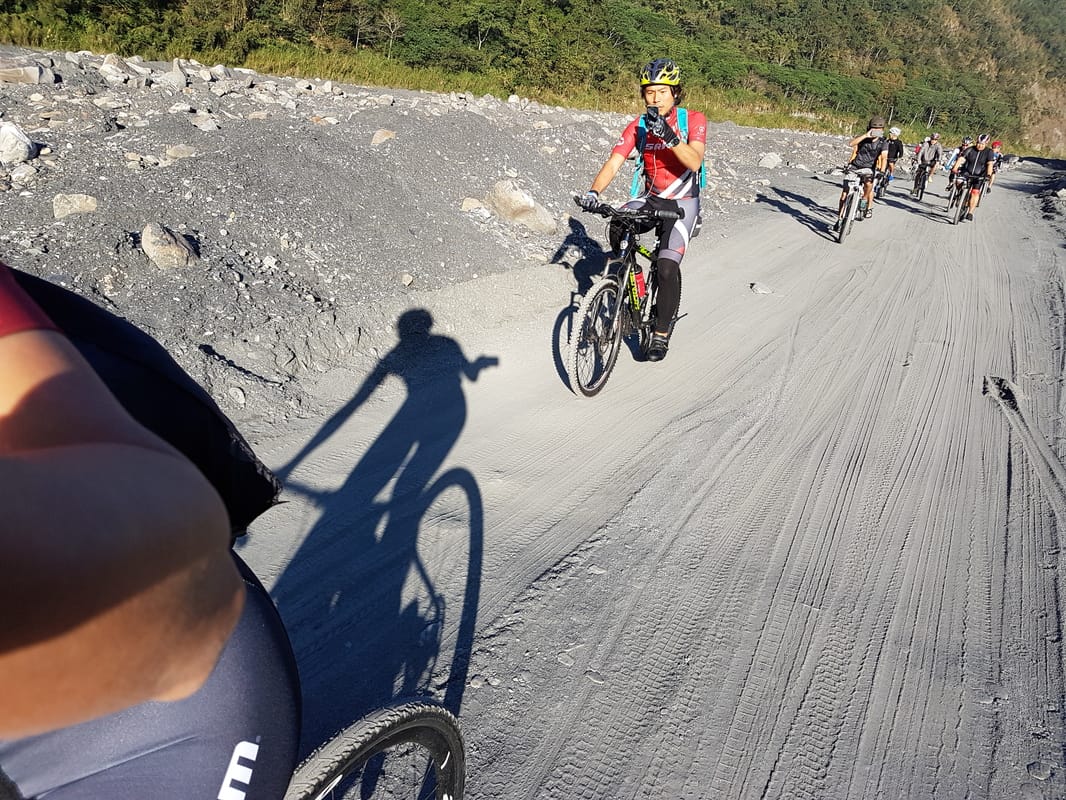
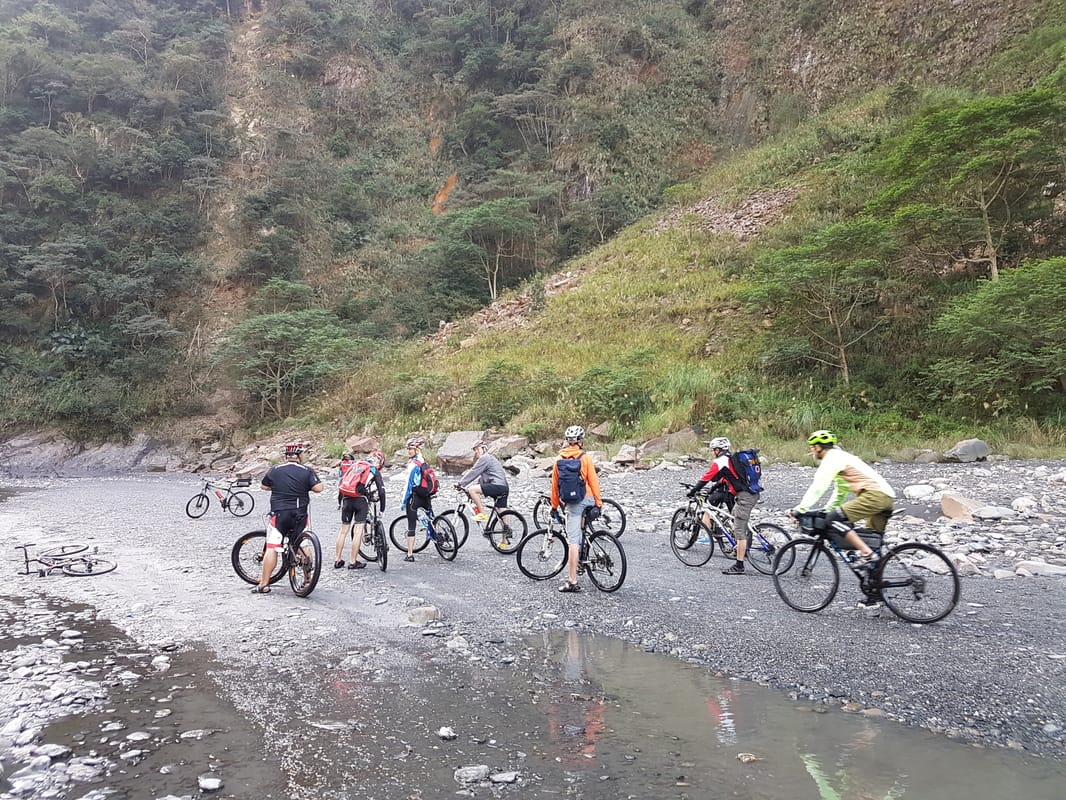
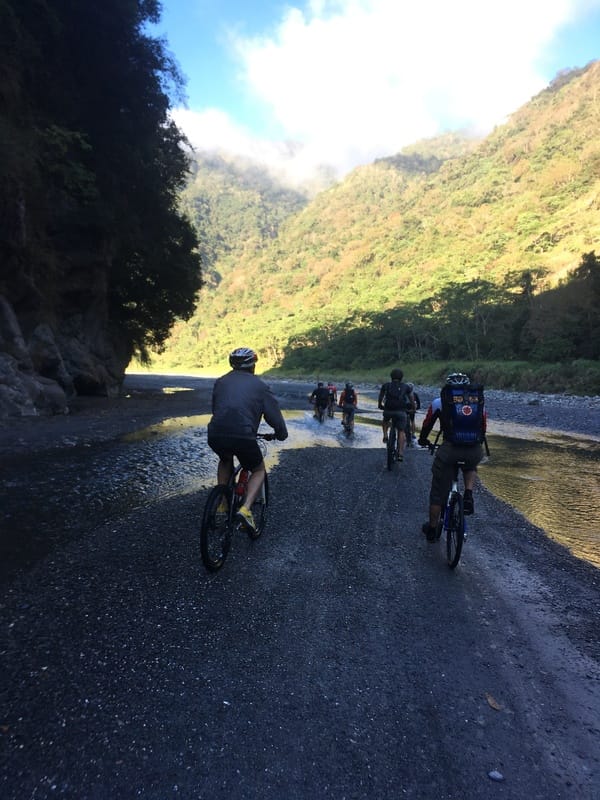
Everyone unloaded their bicycles at the riverbed entrance in Wujie and organized their equipment.
Looking at all those eager faces, I was actually a little worried.
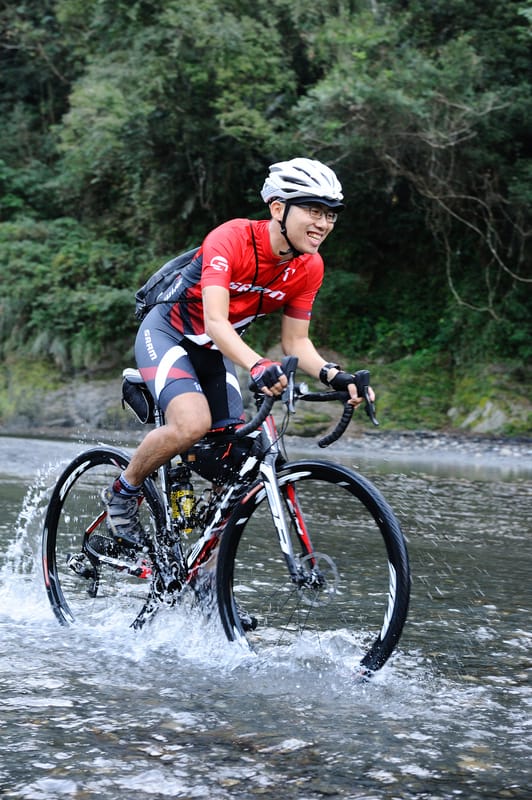
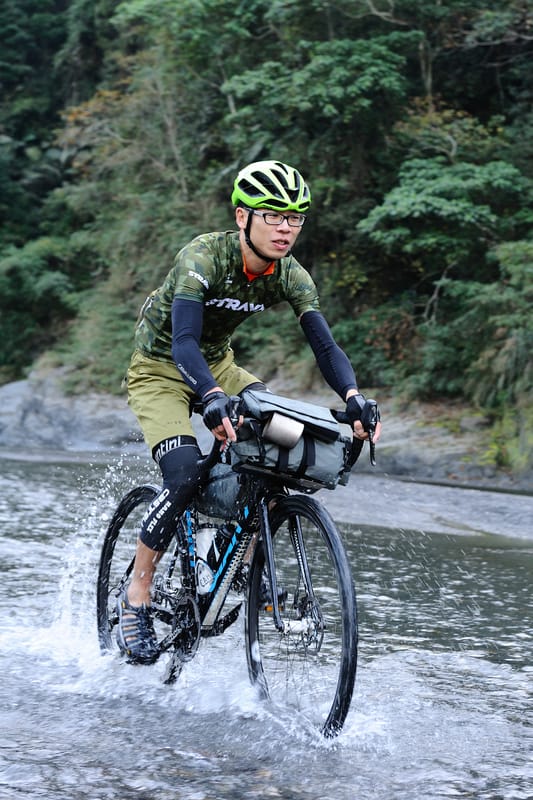
The others were on mountain bikes, while I had a cyclocross bike. Andy, who had organized the ride, was also riding cyclocross, but the person on the bicycle mattered as much as the machine.
I had very little off-road experience and little confidence in my handling skills. When we first entered Road 58, I rode cautiously, almost timidly.
Watching the Others Cross
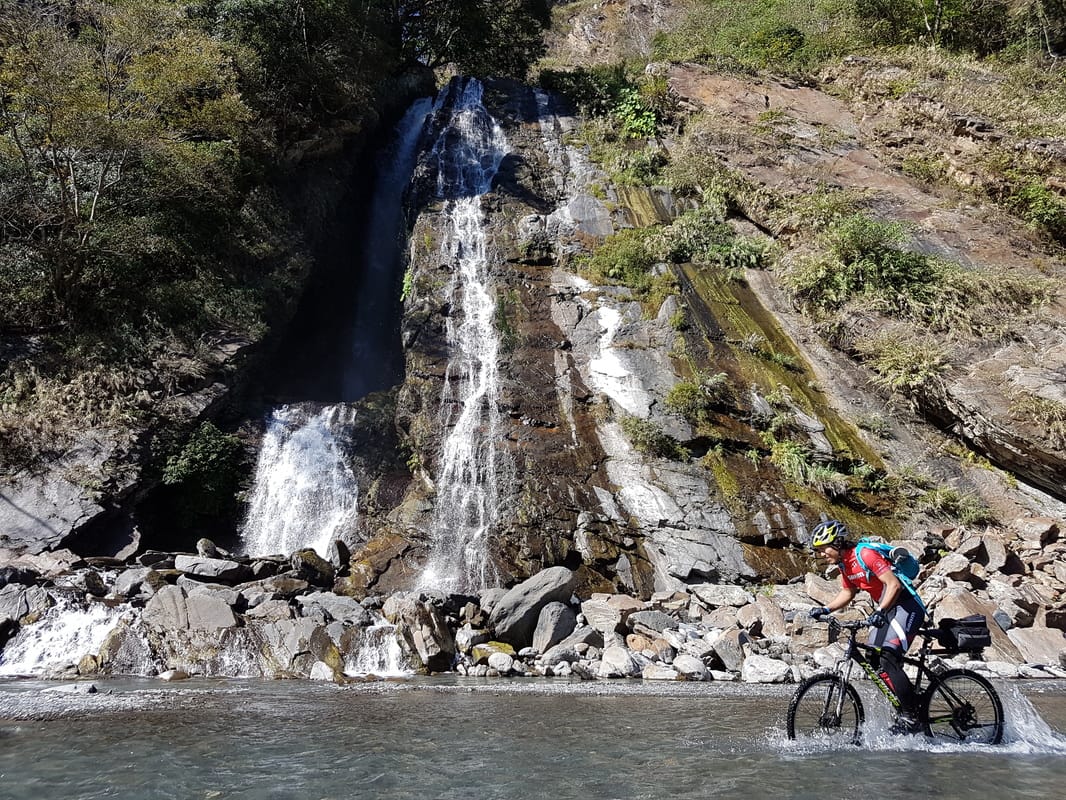
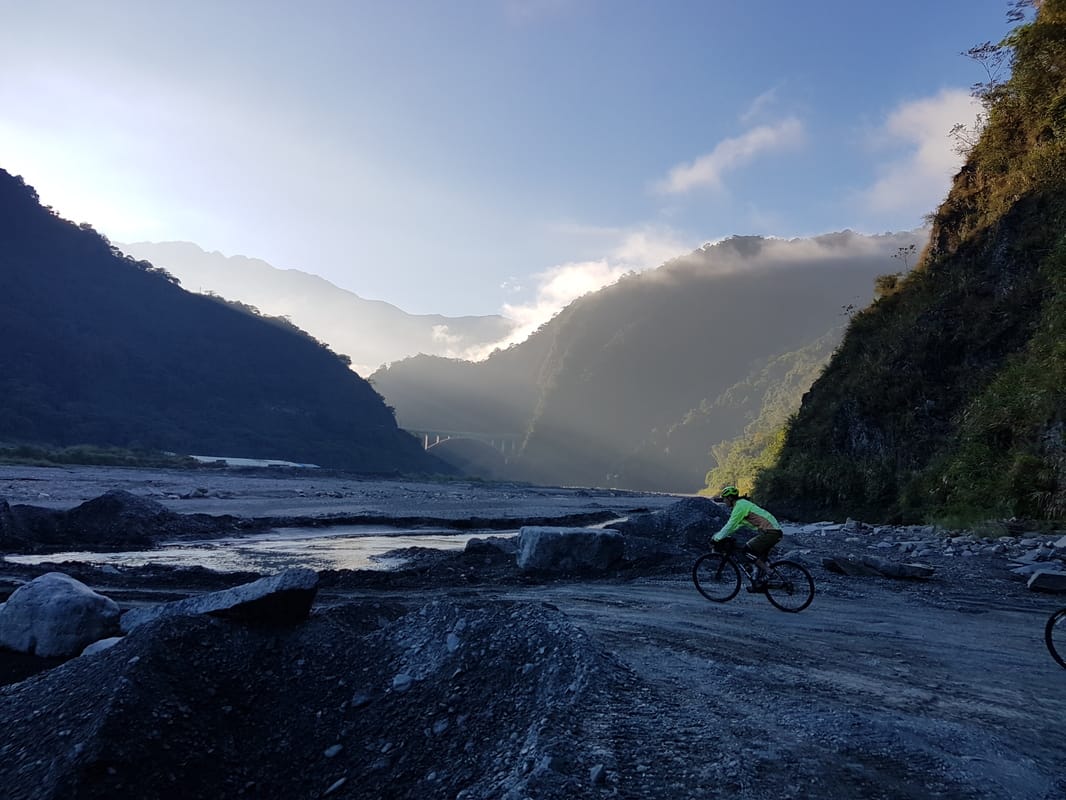
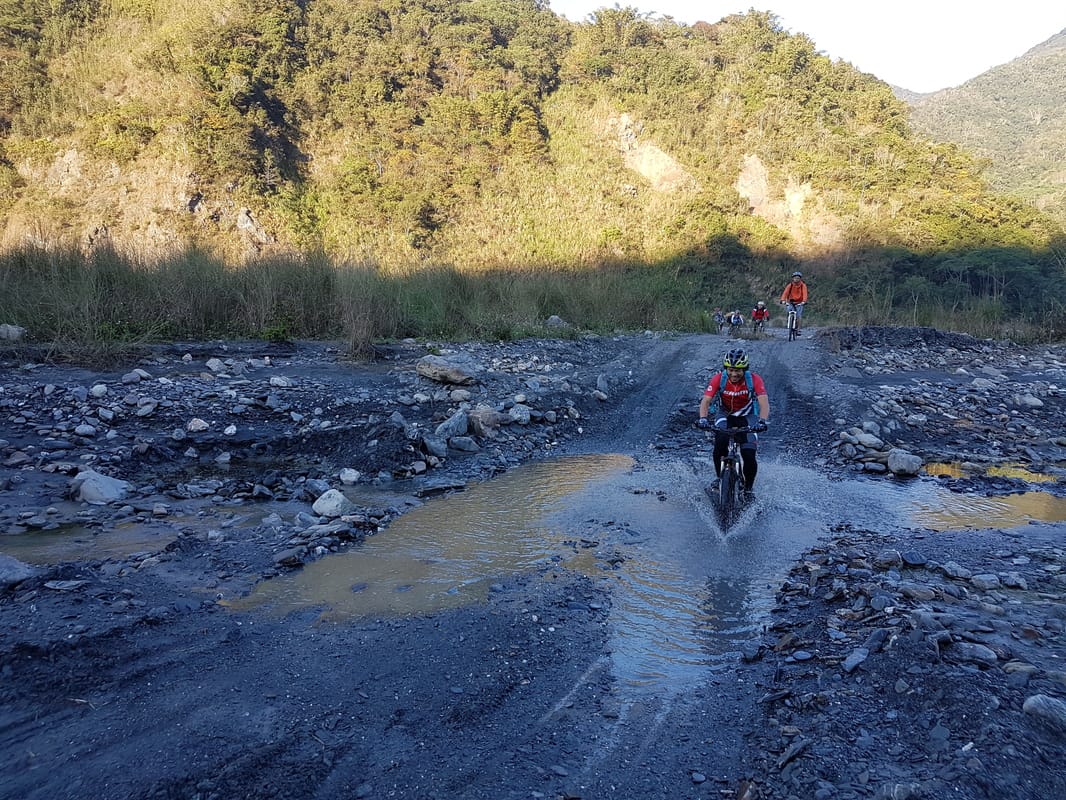
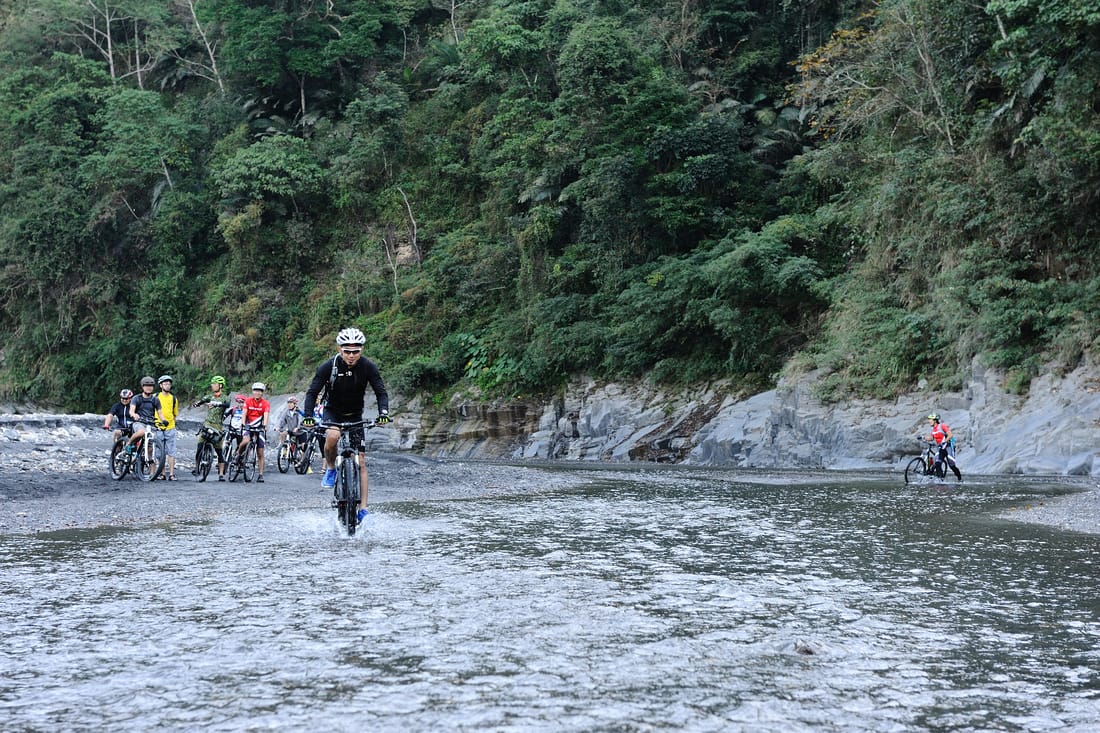
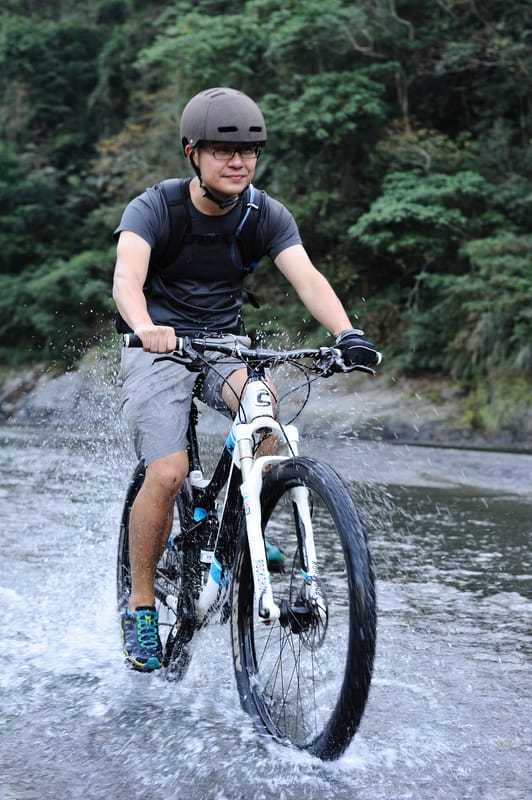
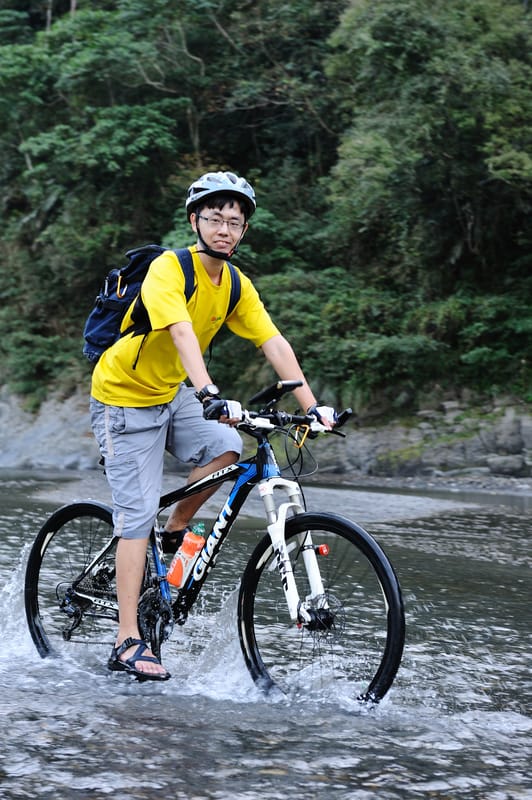
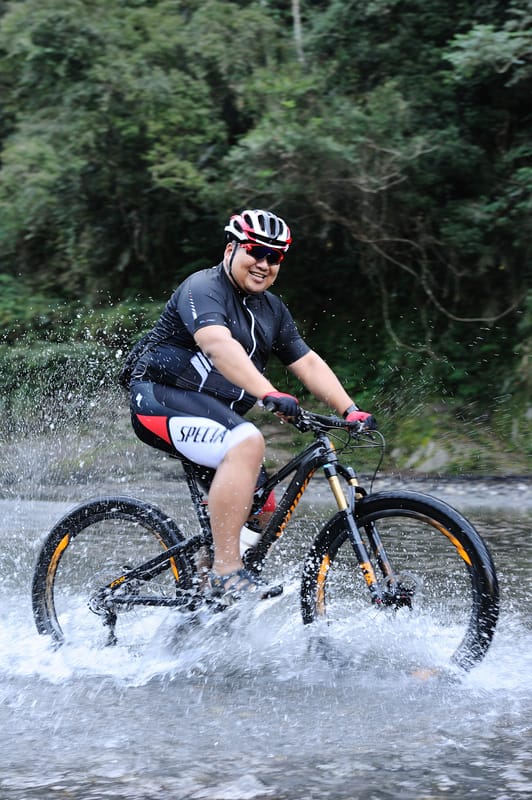
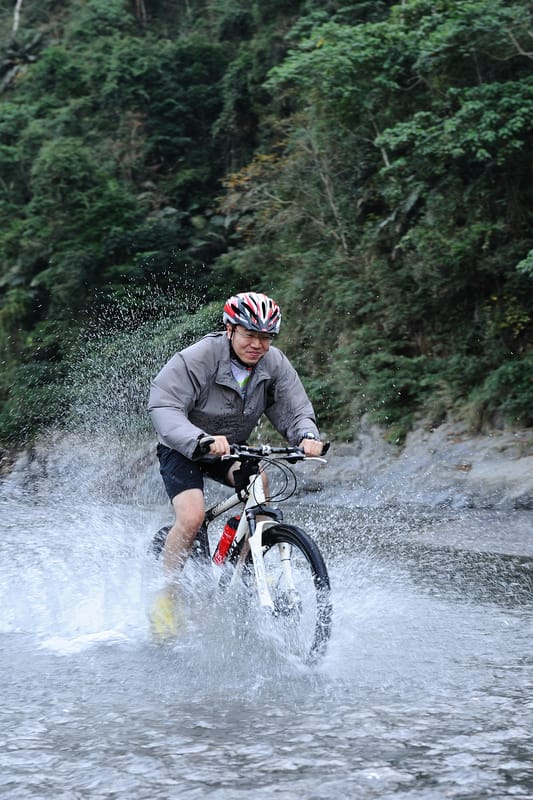
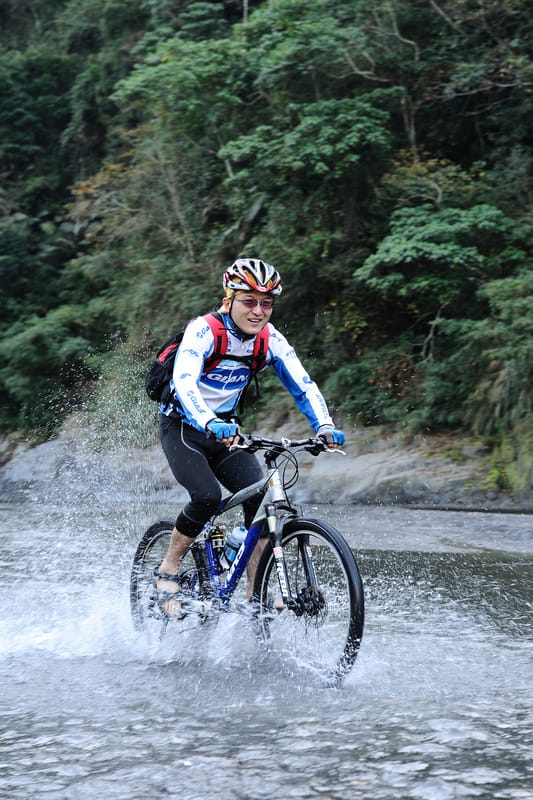
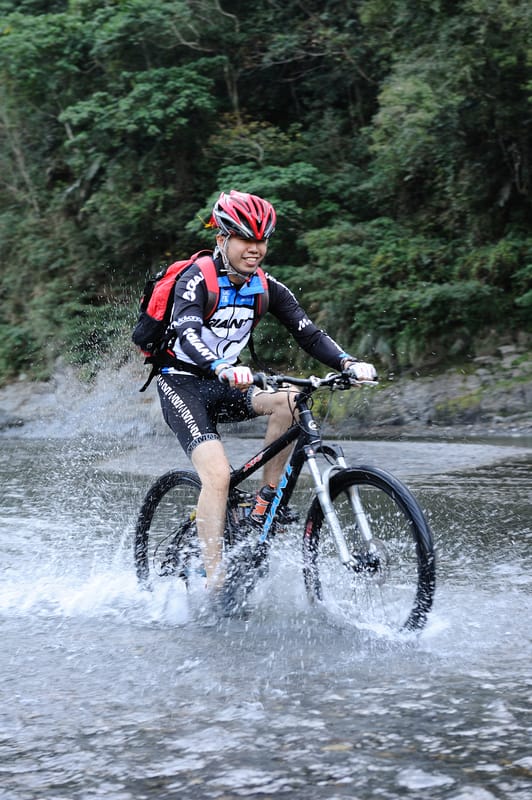
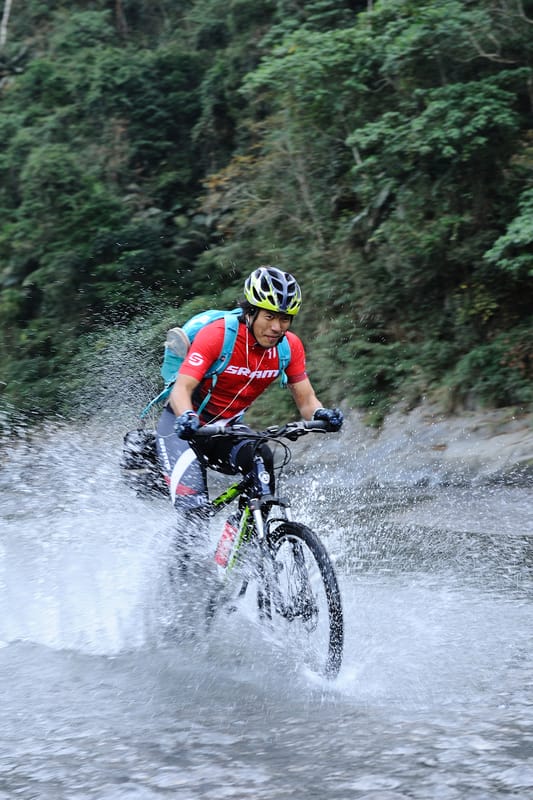
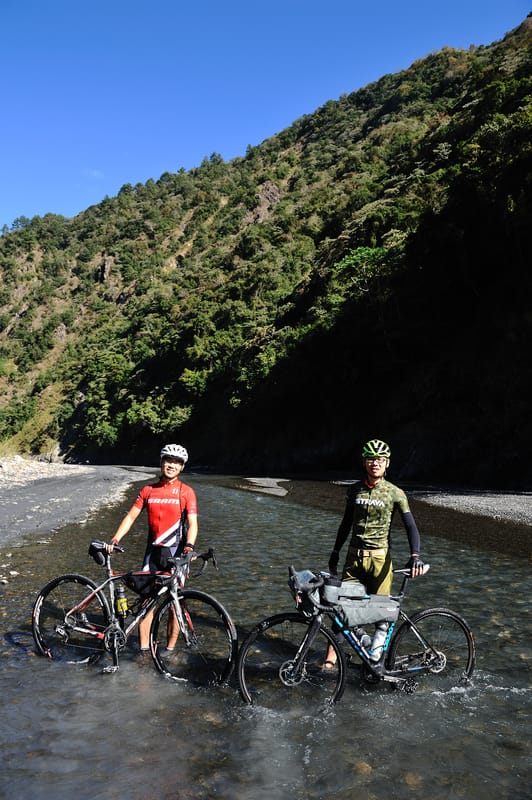
I stayed toward the back of the group and watched the lines everyone chose, especially through the water.
How did they decide where to go? How did they know whether a large stone was hidden below the surface? What if a wheel suddenly became stuck halfway across?
Gradually, I began to think that nobody was worrying about those questions. They simply went for it.
After several crossings, my impression was that there was little point trying to pick a precise line, because I could hardly see what was underwater anyway.
That was the author’s inexperienced conclusion on this particular ride, not a sound basis for deciding whether to cross. Hidden obstacles and an unseen riverbed are reasons for caution, not reasons to charge ahead.
At the time, I drew three lessons from what I felt happening beneath the wheels.
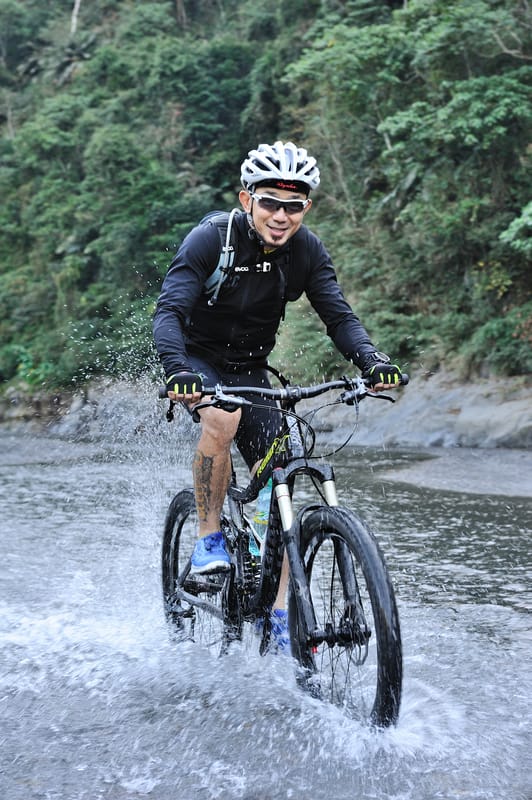
First, I thought entering with some speed helped overcome the resistance of the water and get me through more quickly. When I slowed down out of fear at the start, I seemed more likely to stop in midstream.
Second, I felt that steady pedaling helped me keep my balance over the stones encountered that day. Sometimes I was moving so slowly that I expected to put a foot down, yet another pedal stroke kept me upright. To me, balancing in the water almost seemed easier.
Third, I noticed the small step up from water to bank. I tried choosing a gentler exit and accelerating toward it so that I would not stall at the edge.
These are observations from the original account, not transferable crossing instructions. Speed and pedaling do not make an unsafe river crossing safe.
Finding a Rhythm
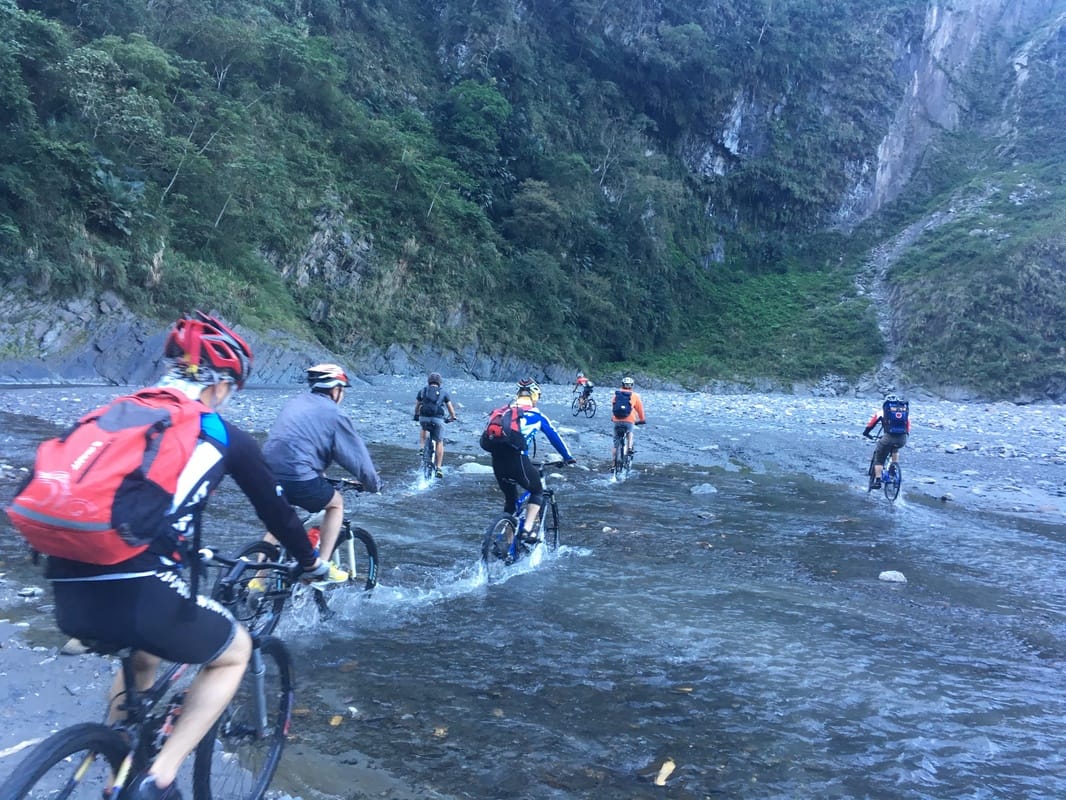
Following the others, I gradually became more familiar with riding the riverbed. The movement began to feel smoother.
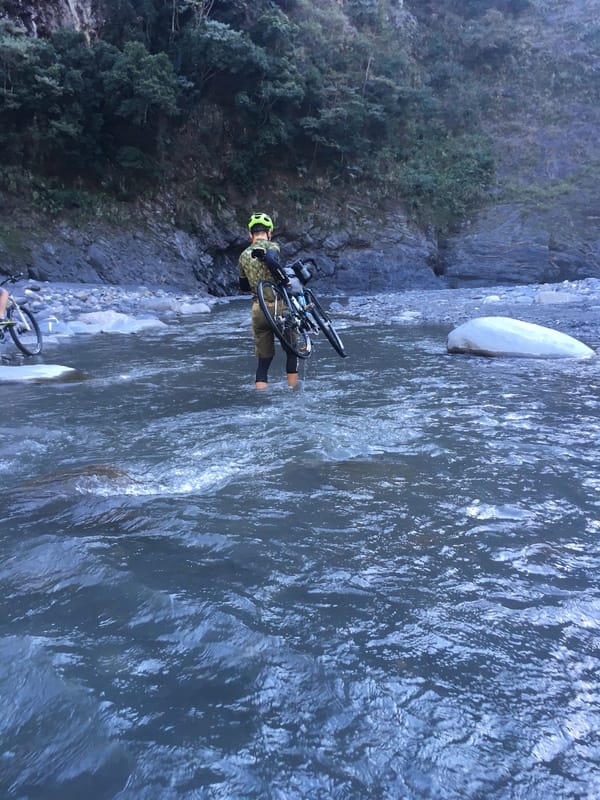
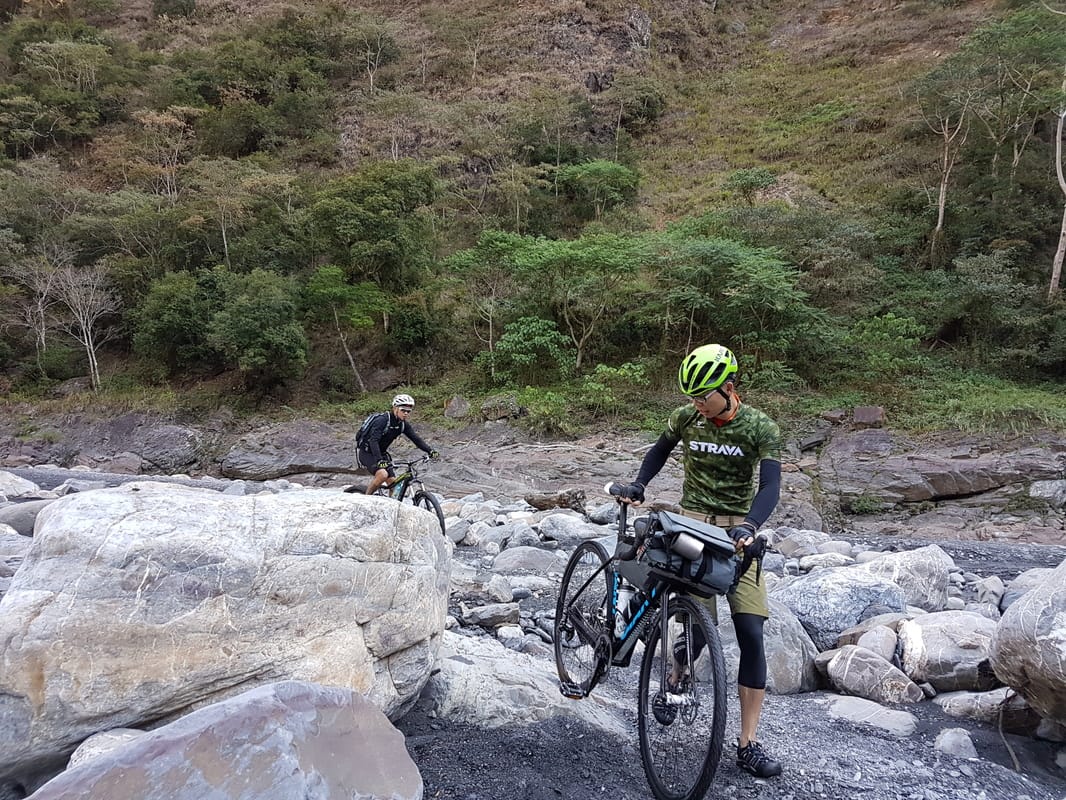
Where the stones were larger or more densely scattered, I still had to carry the bicycle.
I imagined myself as a cyclocross racer: off the saddle, then running with the bike.
Here, my choice of bicycle felt like an advantage. To me, lifting and carrying it was much easier than it would have been with a mountain bike.
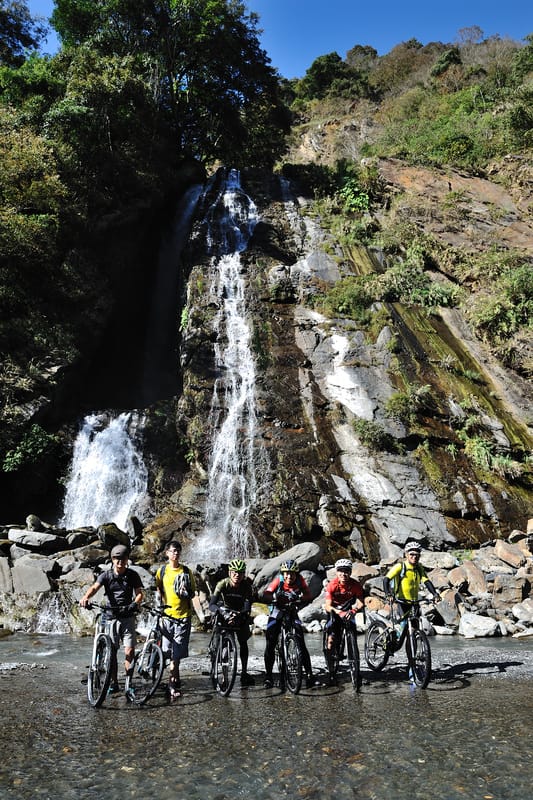
Lunch beside Liangjiu Waterfall
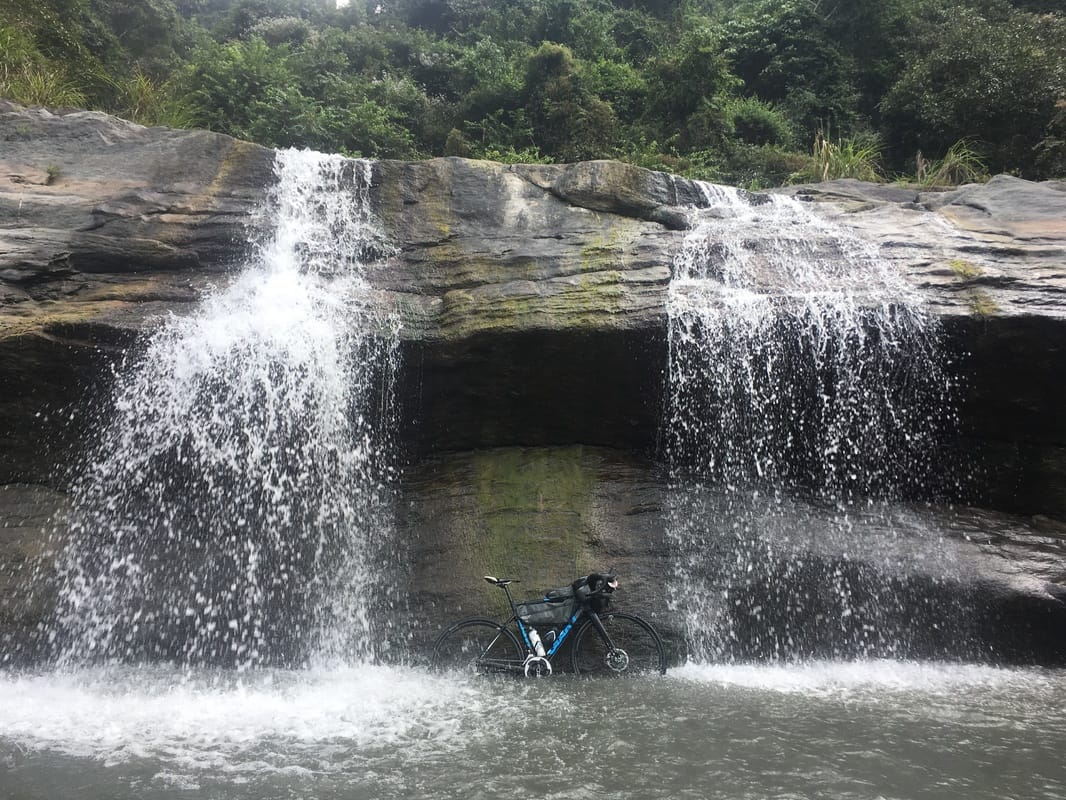
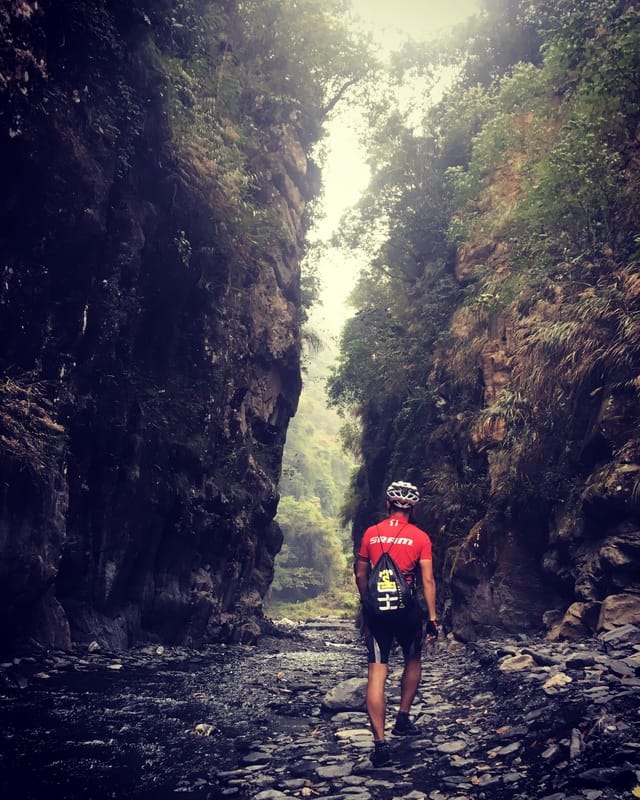
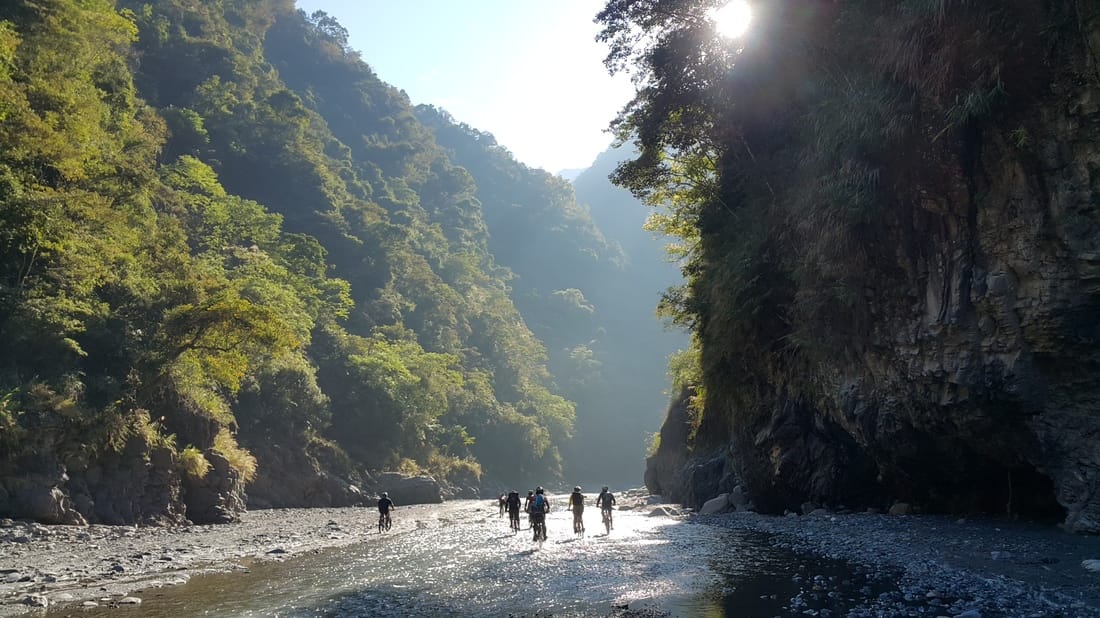
Road 58 seemed to offer endless gorge scenery, with waterfall after waterfall dropping from the heights above.
We did not have time to ride the entire route. At Liangjiu Waterfall, the group decided to stop for lunch.
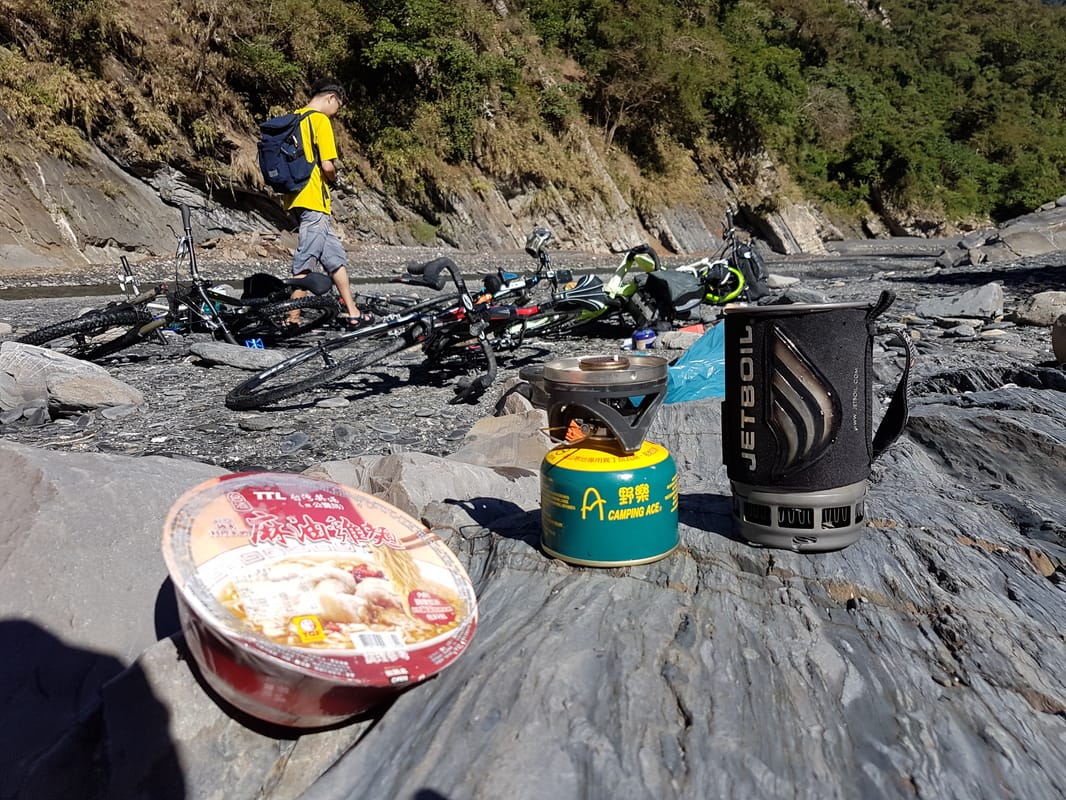
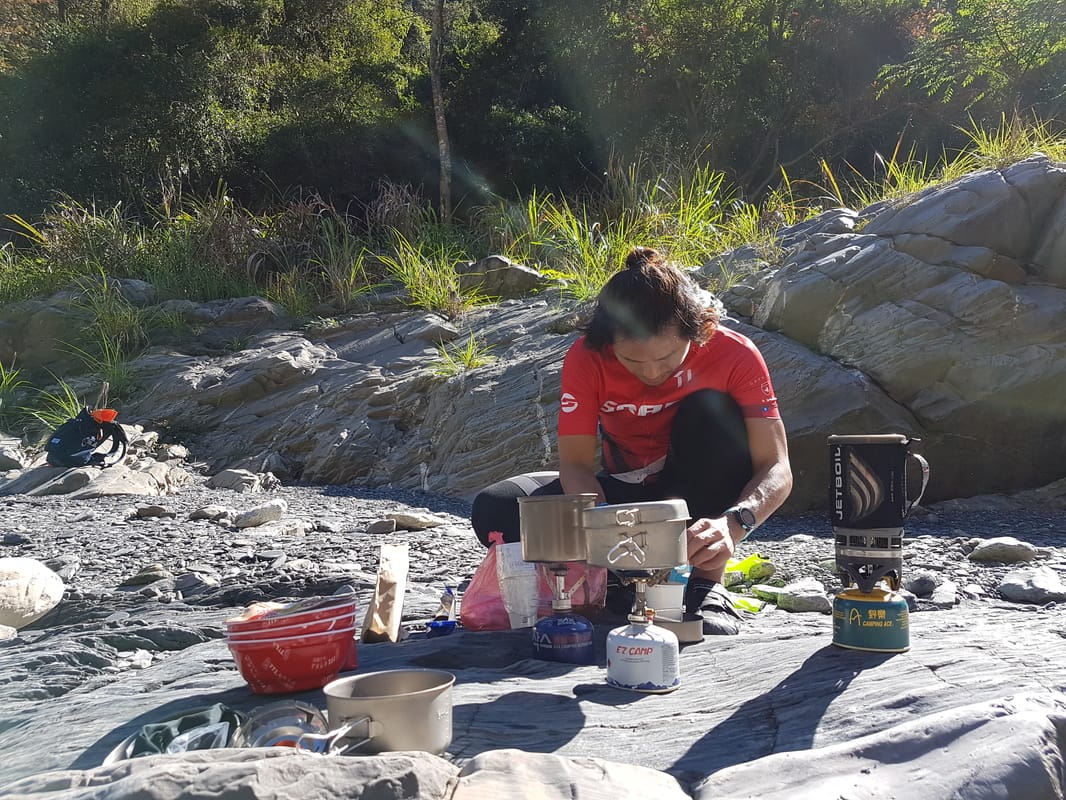
The people who joined rides like this were clearly well prepared for outdoor meals. Equipment appeared from every bag, and the place became lively.
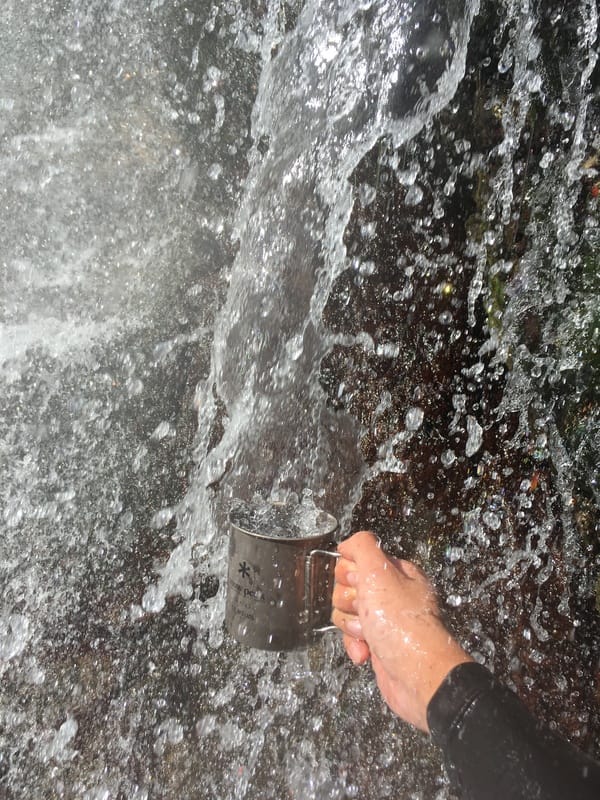
This was my first time boiling stream water for instant noodles.
Looking at the sediment in the bottom of the pot, I wondered whether it was really all right.
Then Andy confidently poured water into his noodle bowl and declared, “This water is really clean!”
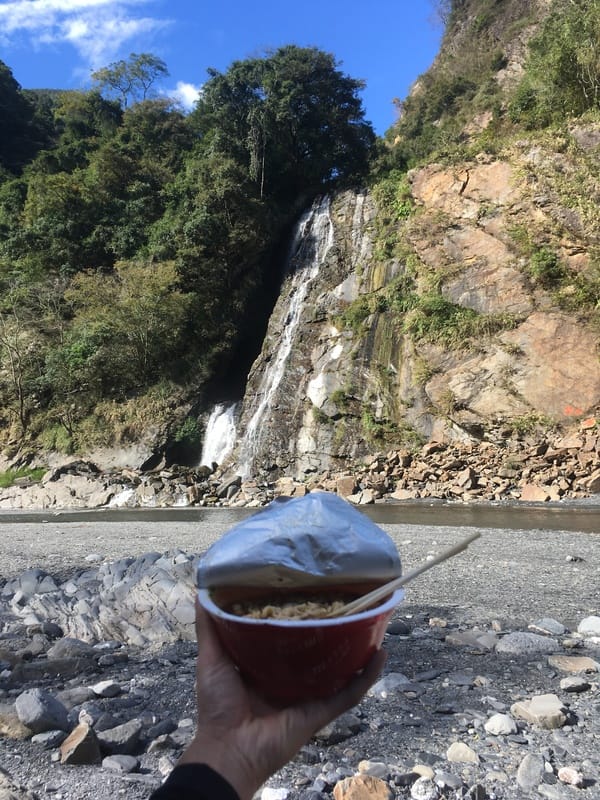
I followed his example. At that moment, the noodles made with stream water tasted wonderful.
That meal is part of the memory, not evidence of water safety. Neither a companion’s confidence nor the taste establishes that water is safe to consume.
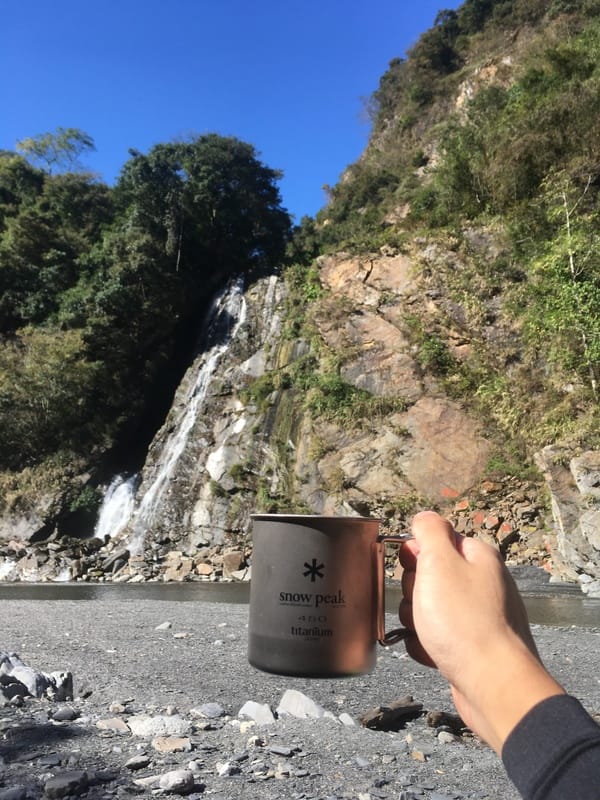
With Liangjiu Waterfall beside us, we slurped noodles and drank matcha and coffee.
Ah, life.
The Same Riverbed, a Different Feeling
On the way back, I no longer felt like the rider who had set out that morning.
Drawing on what I thought I had learned over those 12 kilometers, I moved between channels and gravel with a new sense of fluency.
Everything seemed to flow: clouds moving, water running, birds flying, fish leaping. I was entirely absorbed.
Before I knew it, we were back at the entrance to the Wujie–Bakulas route.
I kept going back and forth through the channels, reluctant to let the journey end.
Road 58: those short 12 kilometers had made me fall in love with riverbed riding.
I began imagining a future camping trip there. Sleeping in the valley sounded like an extraordinary experience, though I knew I would have to think carefully about negotiating the rough ground with a loaded bicycle.
That was a daydream recorded at the end of an exciting first visit, not an endorsement of camping in an active riverbed.