Hehuan Creek Trail and Lixing Road | A Winter Bikepacking Lesson in the Mountains
Translated from Bikepacking diary’s original Hehuan Creek Trail and Lixing Road article, published on January 28, 2017, and republished by arrangement with the author. Photographs are linked directly from the original website.
Editor’s note: This historical personal account is not a current access, route or camping guide. Confirm permitted activities, trail and road conditions, overnight permissions and weather before visiting. Riding without a helmet, using tent pegs as eating utensils and continuing while dizzy are not recommended practices. A sleeping bag rating alone does not establish that a whole sleep system is suitable for winter conditions. Numbness, increasing stiffness and persistent shivering are warning signs to stop exposure and seek appropriate shelter and help; the account is not medical or animal-care advice. Keep animals adequately protected and confirm whether they are permitted. Reported smells and the author’s interpretation do not establish what substances were present or what caused his symptoms. Historical dates and trail explanations below are attributed to the source.
Home for New Year, then into the Mountains
A true wandering hero might call the whole world home. At Lunar New Year, though, I still needed to go home and take a walk with my family.
Before the holiday, I checked the weather and decided it was time for two places I had long dreamed of visiting: Hehuan Creek Trail and Lixing Road.
After all that anticipation, the holiday finally arrived.
I drove into the mountains with my parents and Ruibi, excited to explore a road that had always seemed wrapped in mystery.
I had no idea that a whole succession of unexpected difficulties was waiting for me.
The First Thing I Had Forgotten
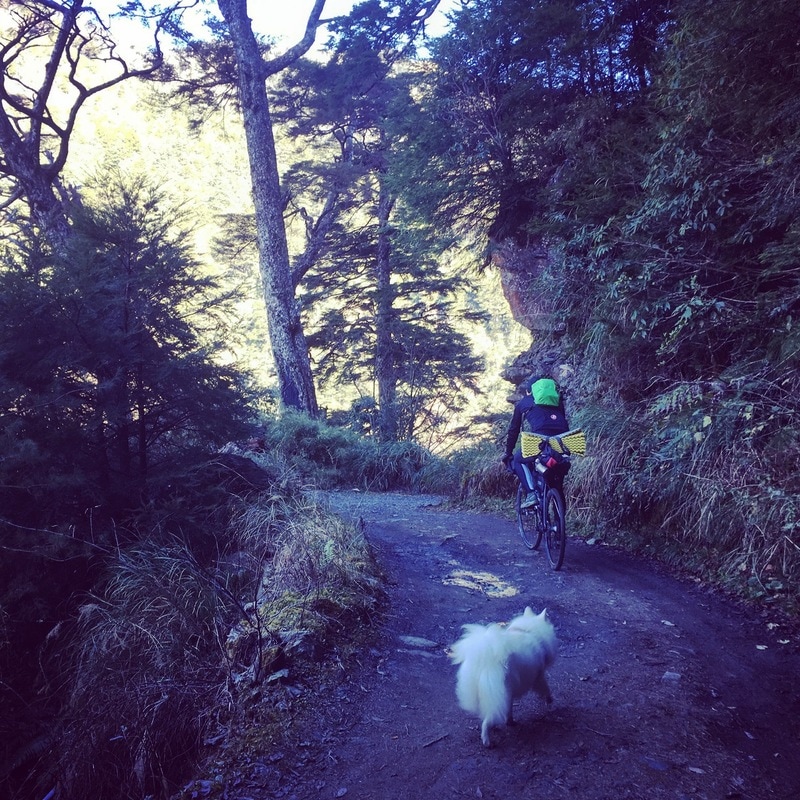
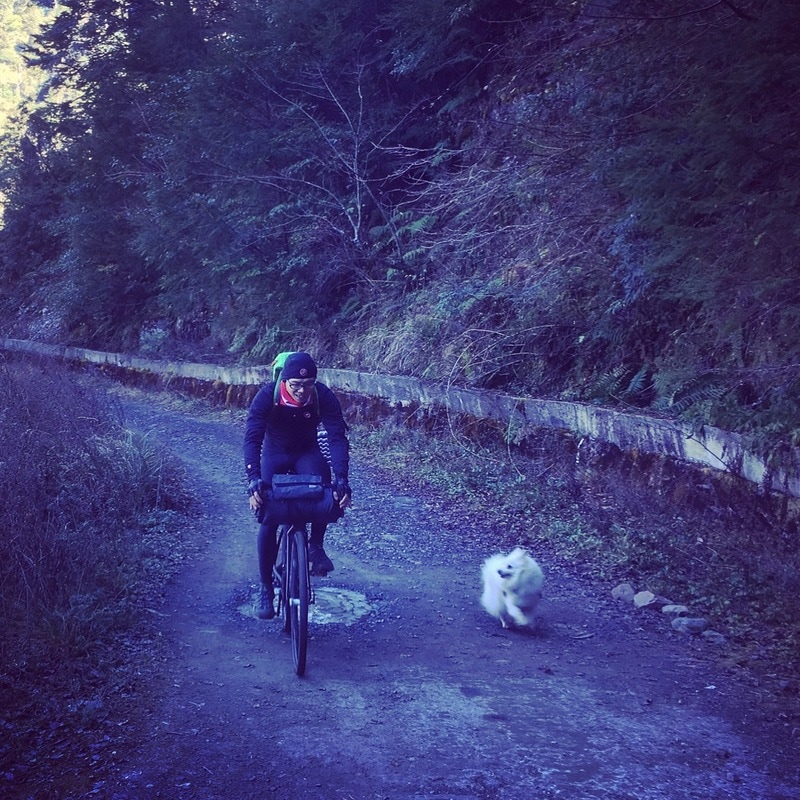
At the entrance to Hehuan Creek Trail, my parents set off with Ruibi while I stayed at the car to organize my equipment.
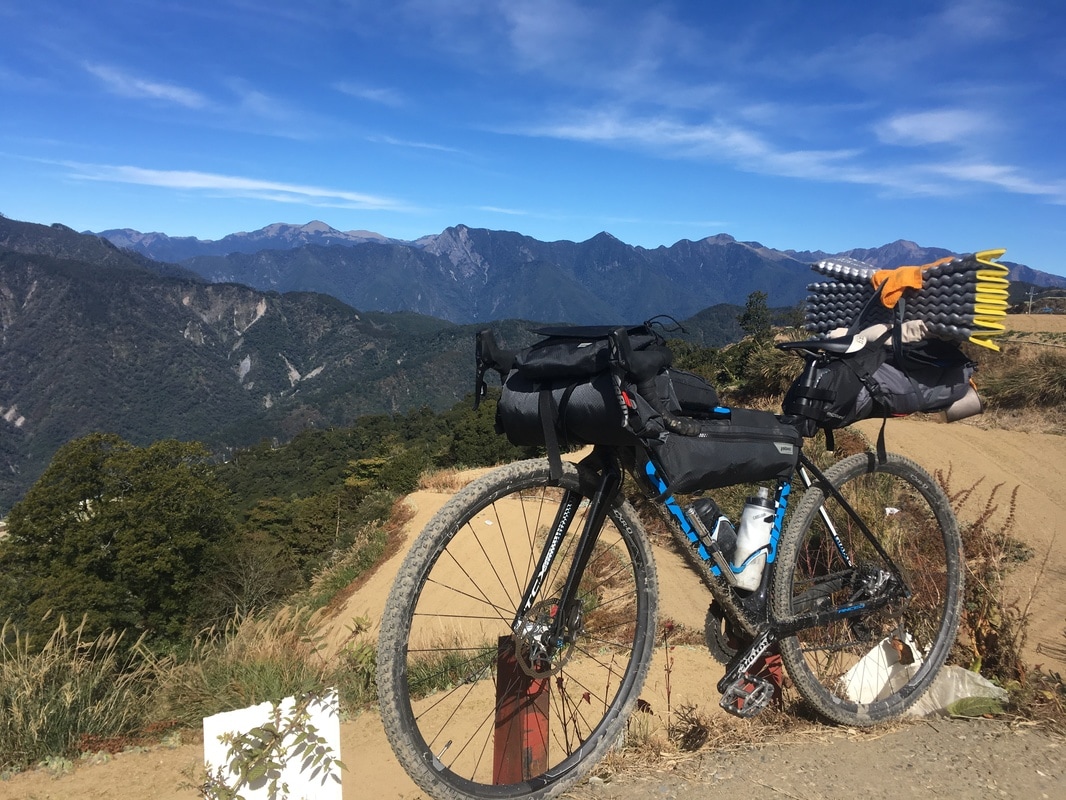
I took my time fastening all the luggage to the bicycle.
Just as I was ready to leave, something felt strangely absent from my head.
Where was my helmet?
Then I realized I had not brought it at all.
I wore one on almost every ride. How had I managed to forget it precisely when I was going to ride Lixing Road?
At the time, I told myself there was nothing to do but continue: ride slowly, be careful, then be more careful still.
That was my response on this trip, not a sound substitute for having the protective equipment I needed.
Walking Together beside Hehuan Creek
It did not take long to catch up with my parents and Ruibi.
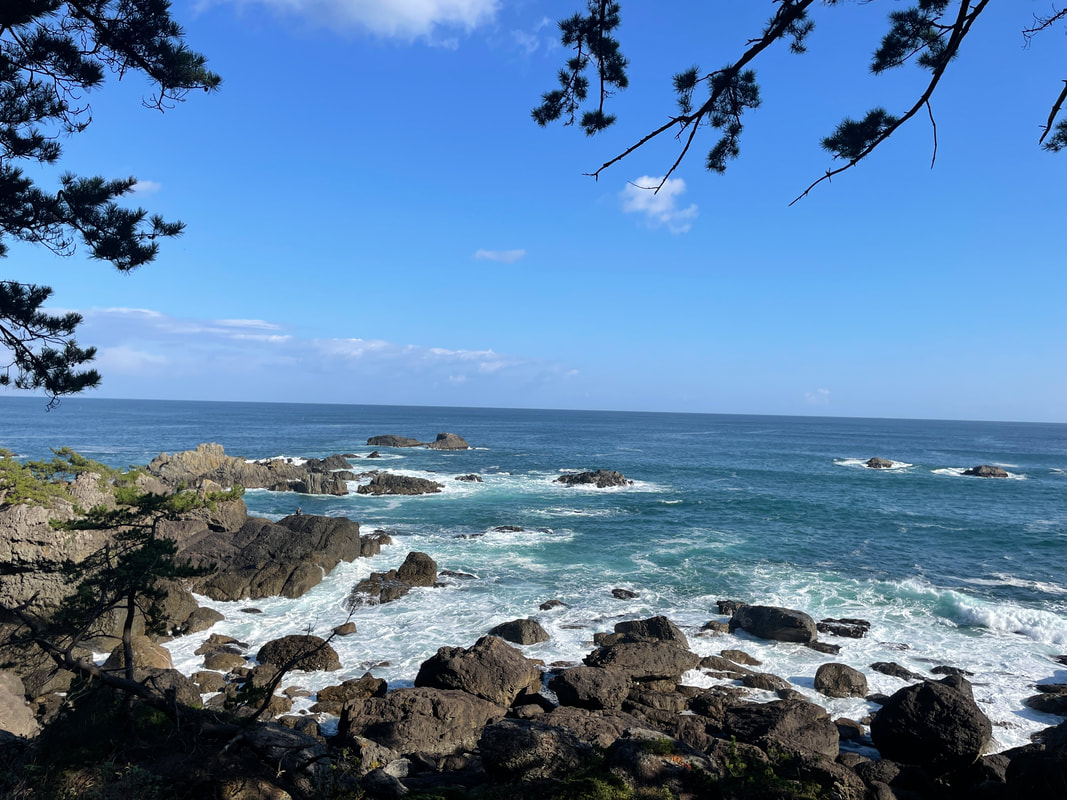
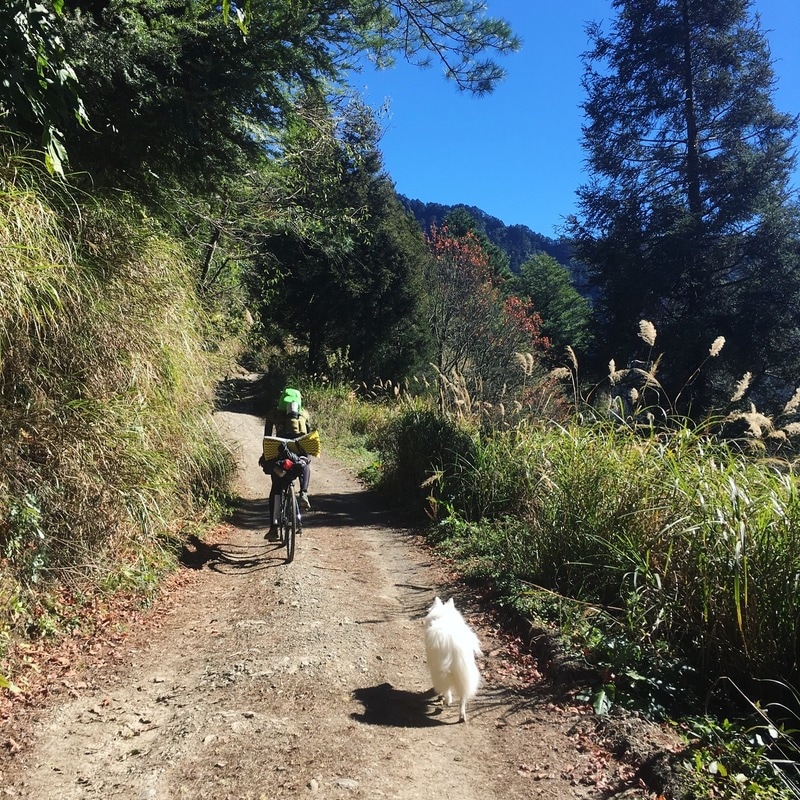
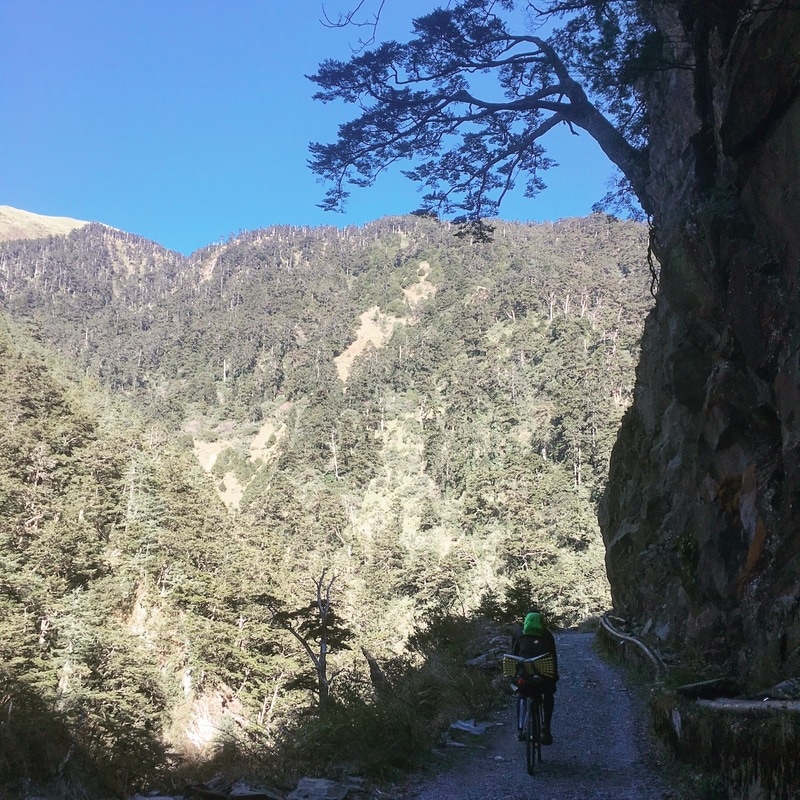
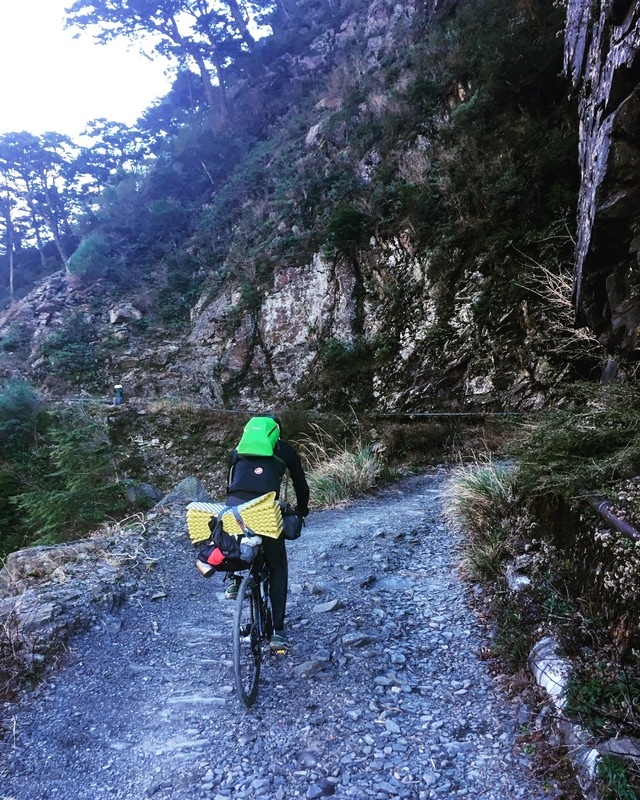
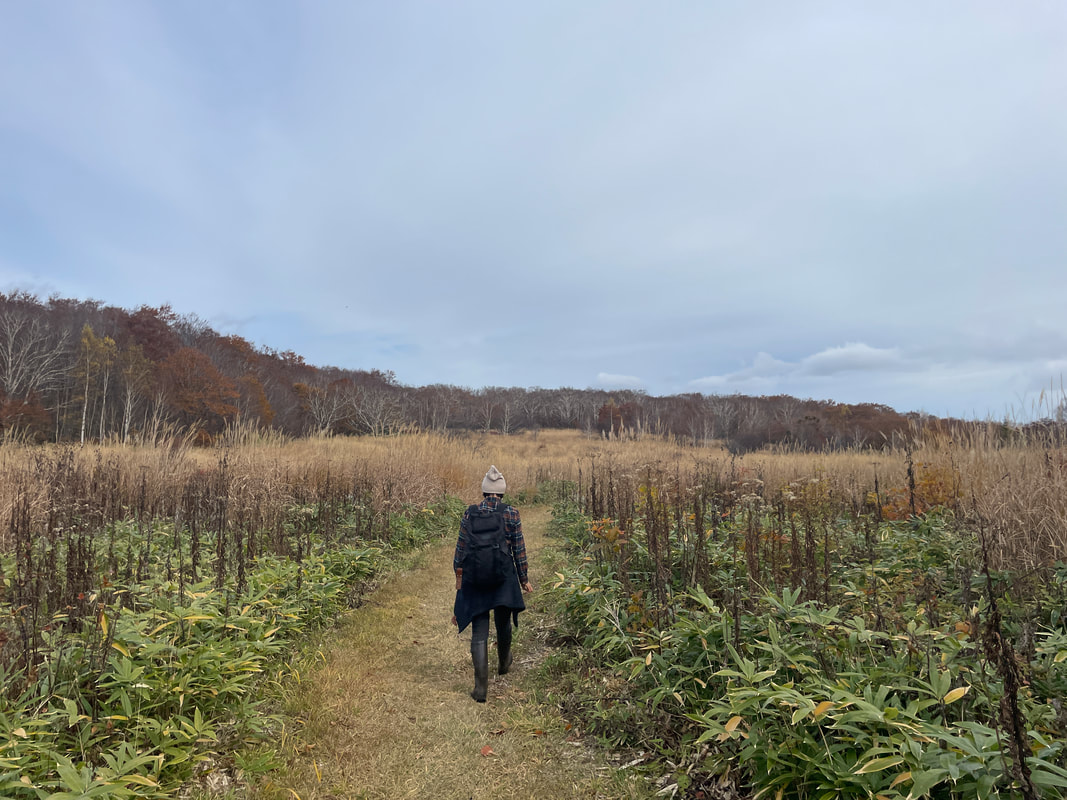
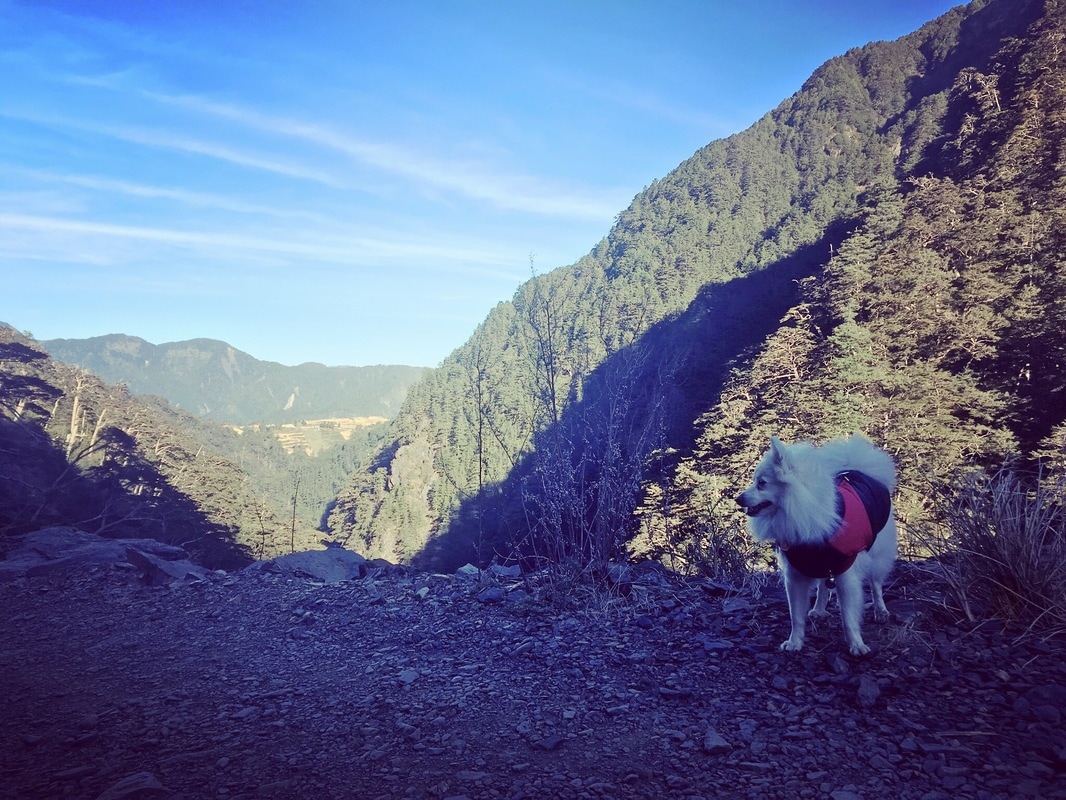
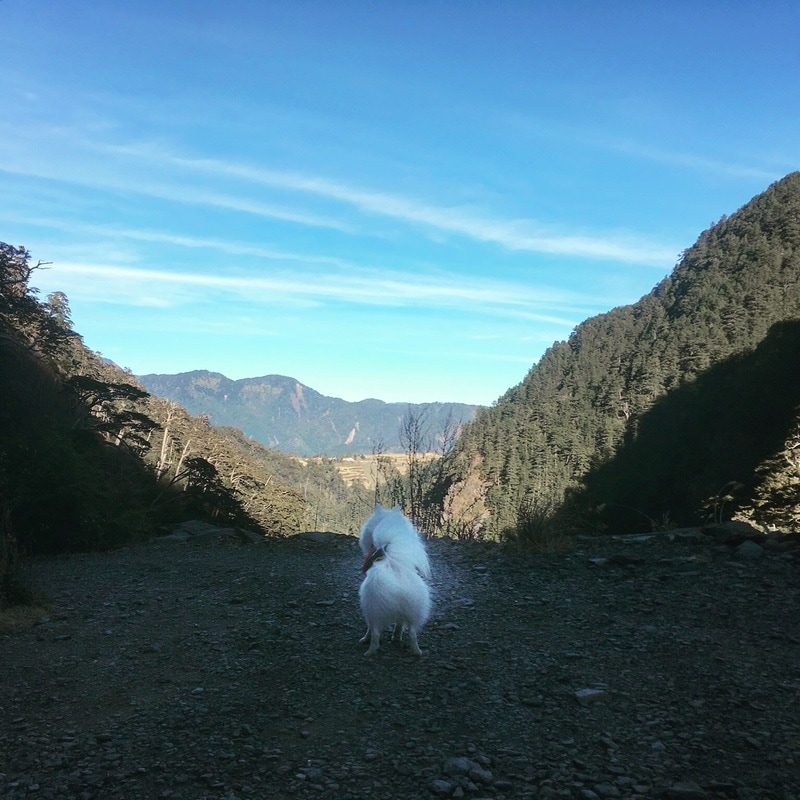
Hehuan Creek Trail lived up to its reputation. The scenery was beautiful, and on that day it made a lovely family walk.
A short steep section near the beginning worried me a little, but my parents managed the rest comfortably.
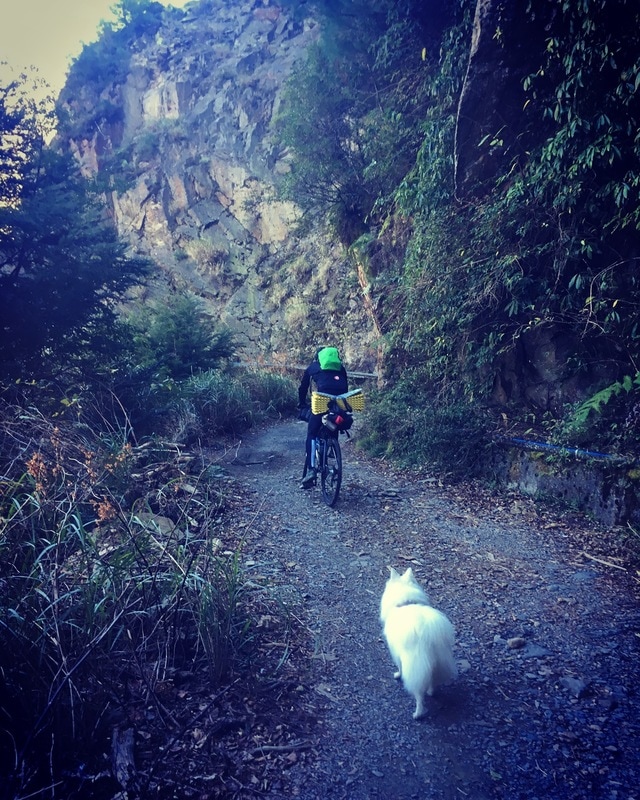
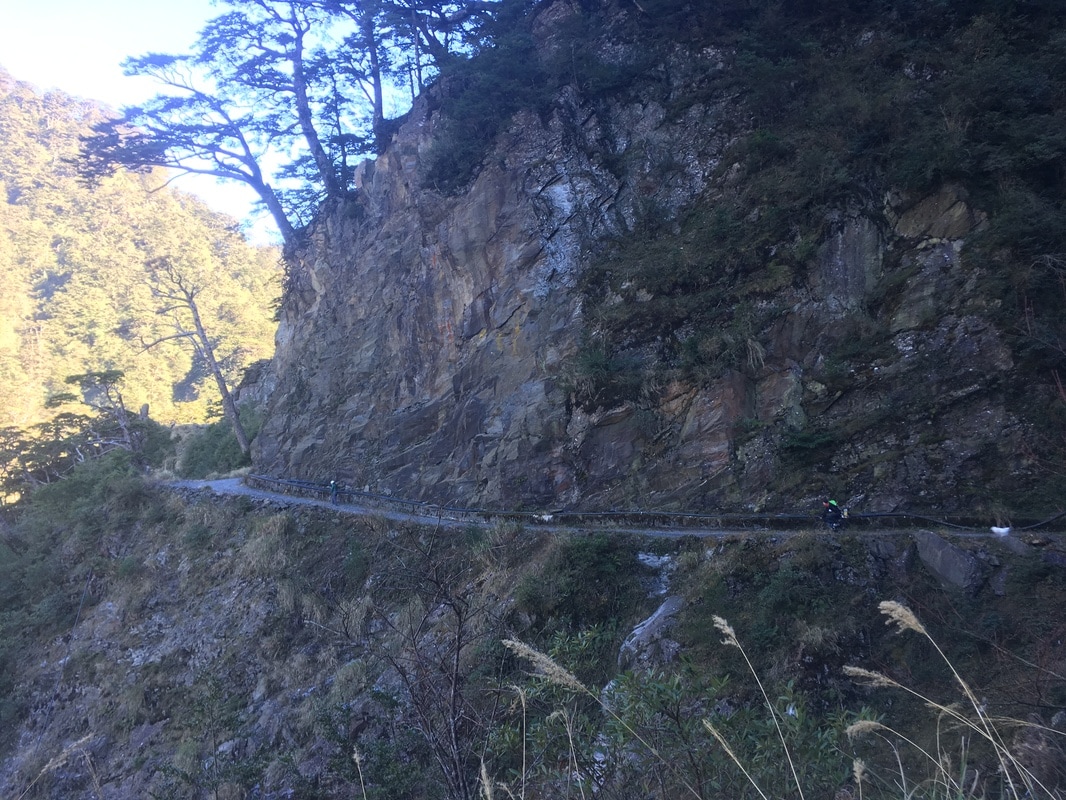
The route followed Hehuan Creek upstream, cut into the mountainside.
The engineering seemed extraordinary. I found it difficult to imagine how anyone had opened a route through such steep terrain.
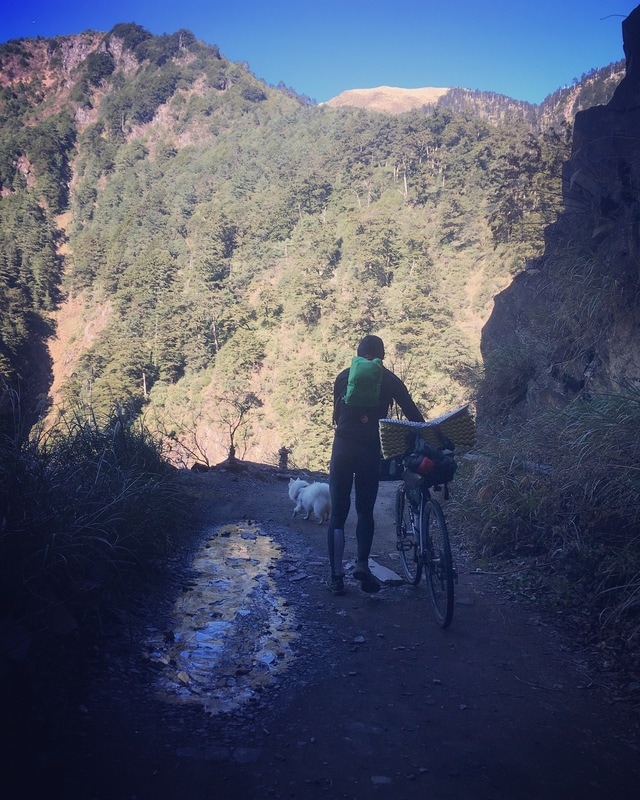
As we went farther in, the forest gradually changed into tall conifers.
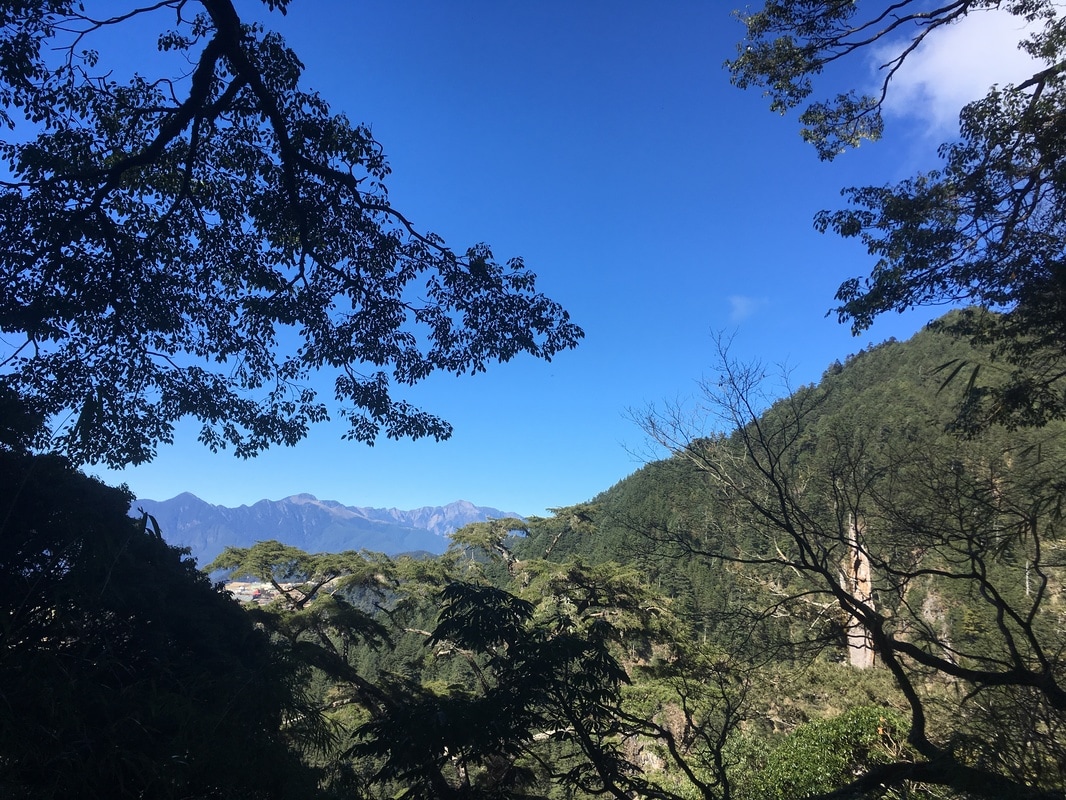
Across the valley stood Hehuan West Peak. Above the trees, the slopes gave way to arrow bamboo and shrubs.
My father kept saying it ought to be possible to climb up from there. Later, I learned that the end of the creek trail was associated with one of the approaches to West Peak. That recollection is not a description of a suitable route for an unprepared visitor.
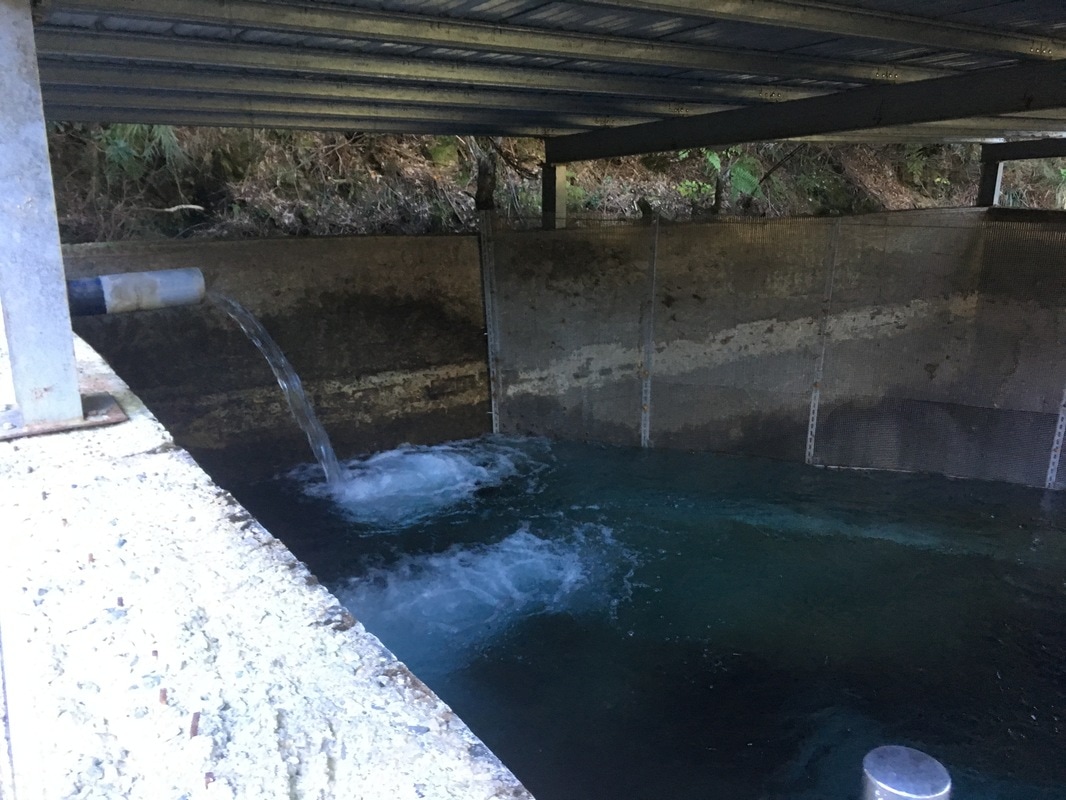
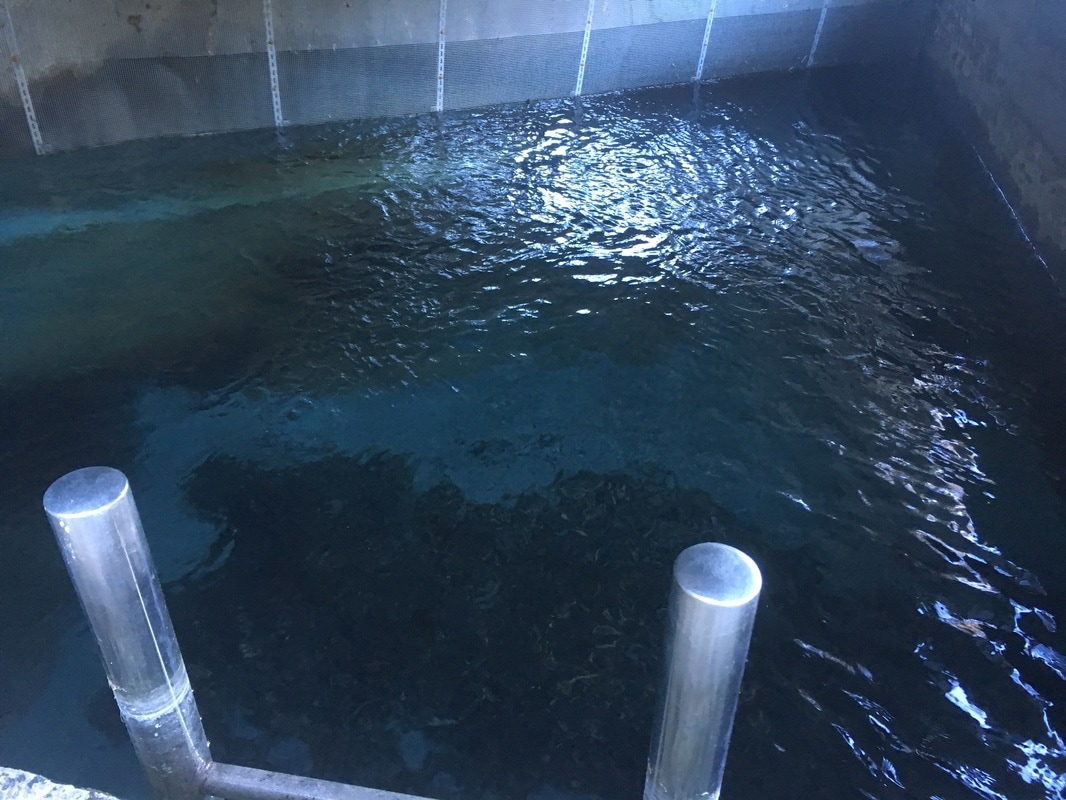
The original article dated the development of the trail to 1973, when water was brought from the upper creek to supply troops stationed at Huagang.
It subsequently became an important irrigation source for agriculture in the area.
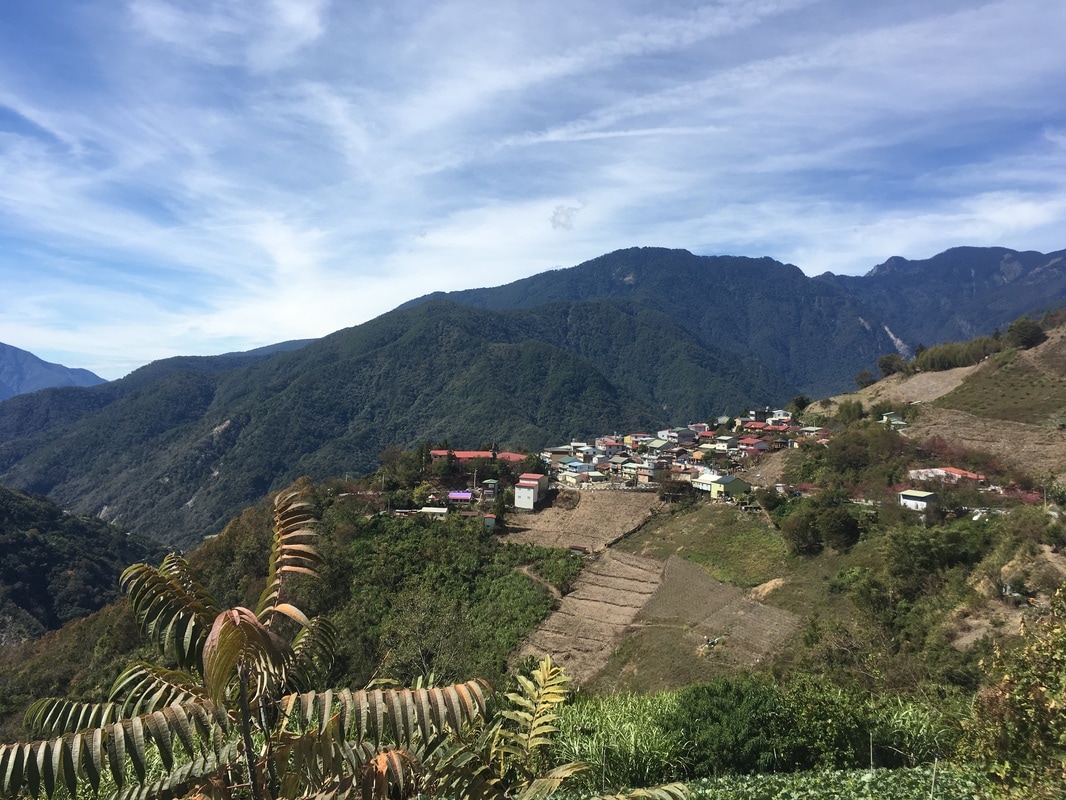
Later, seeing mountainsides covered in cabbages and tea along Lixing Road, I could not help shaking my head.
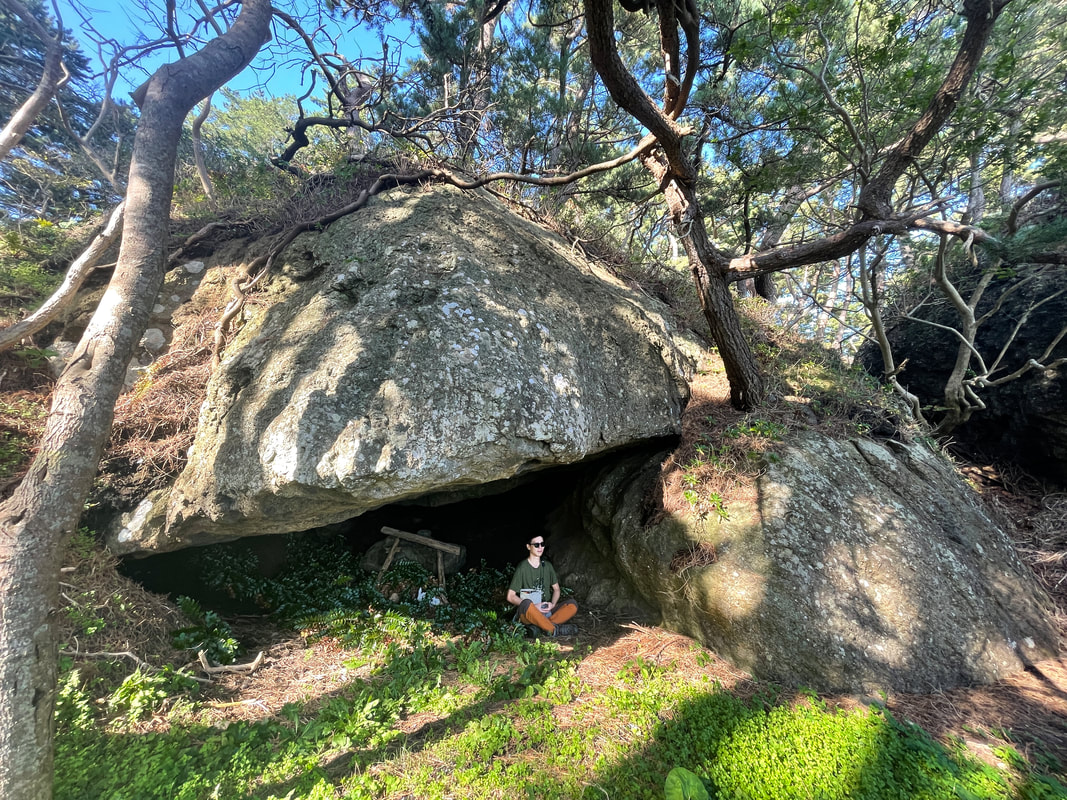
A Tent for Two, and No Chopsticks
My parents were not going to sleep in a tent with me, so I had booked them a guesthouse.
Ruibi and I would spend the night together in the tent.
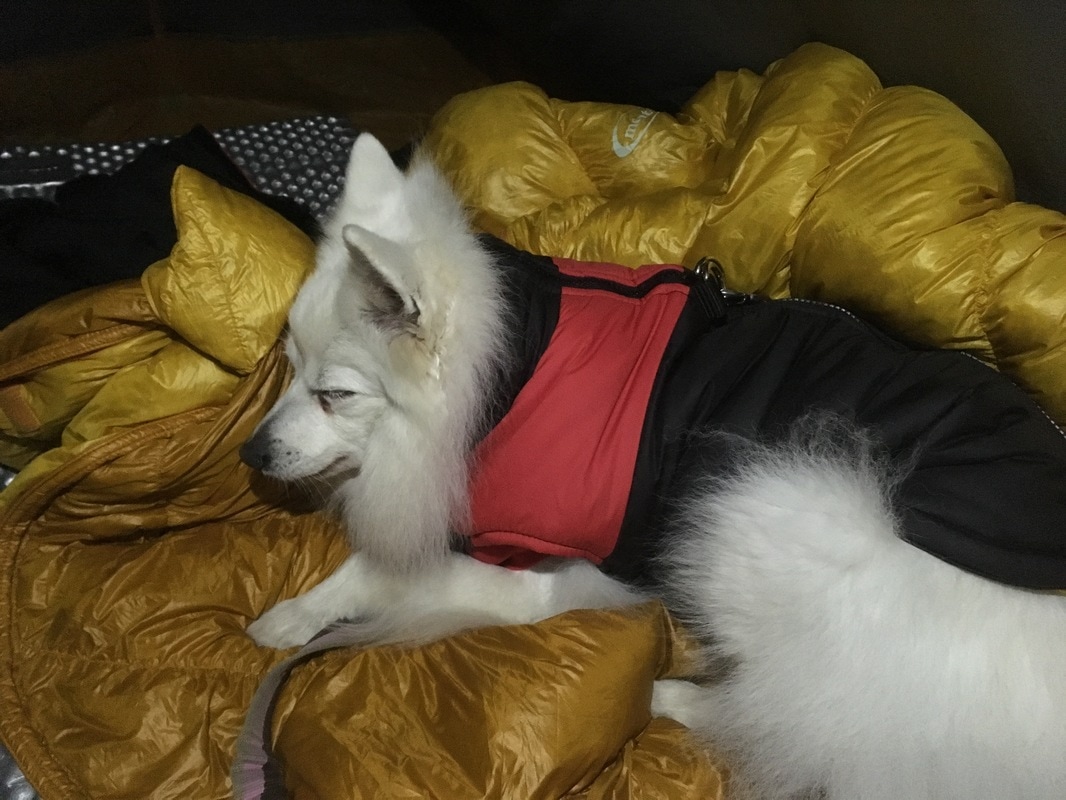
After we separated from my parents, Ruibi kept crying. Whenever we left the tent, Ruibi stared in the direction they had gone.
It hurt to watch. For that night, though, we would have to manage together.
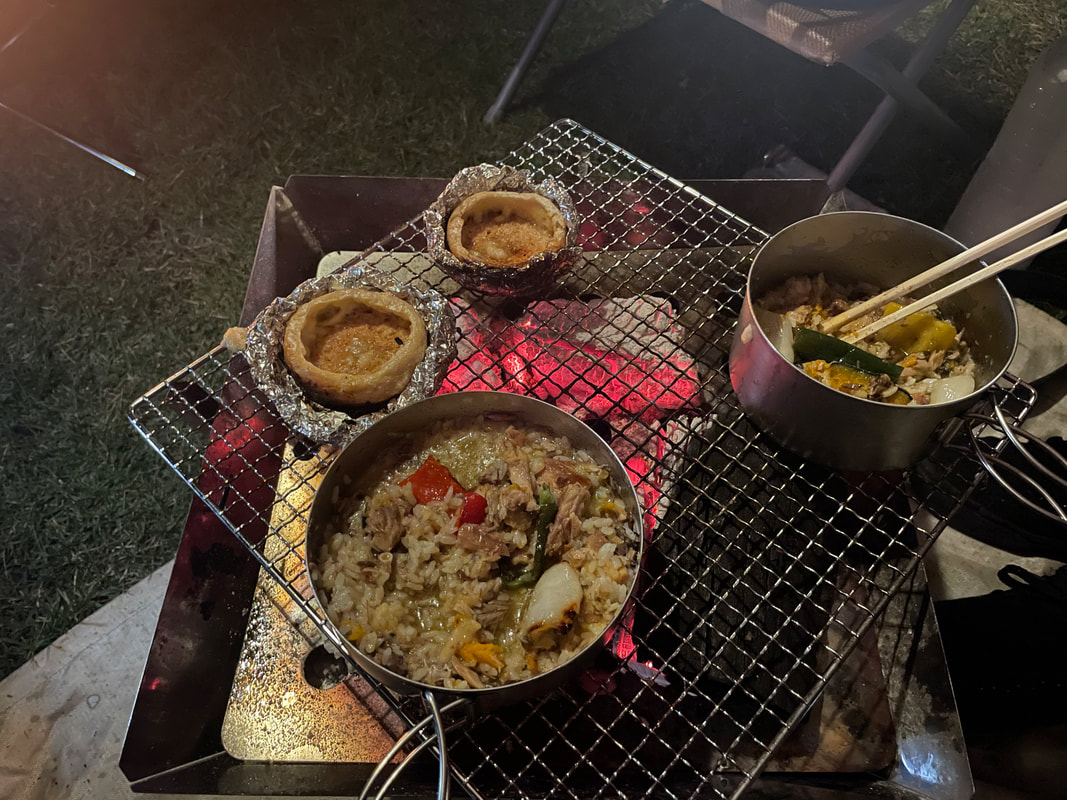
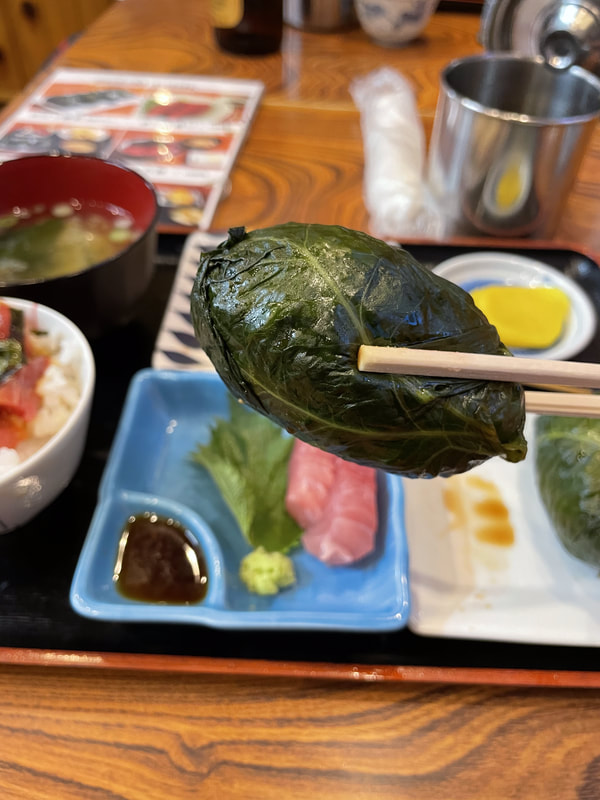
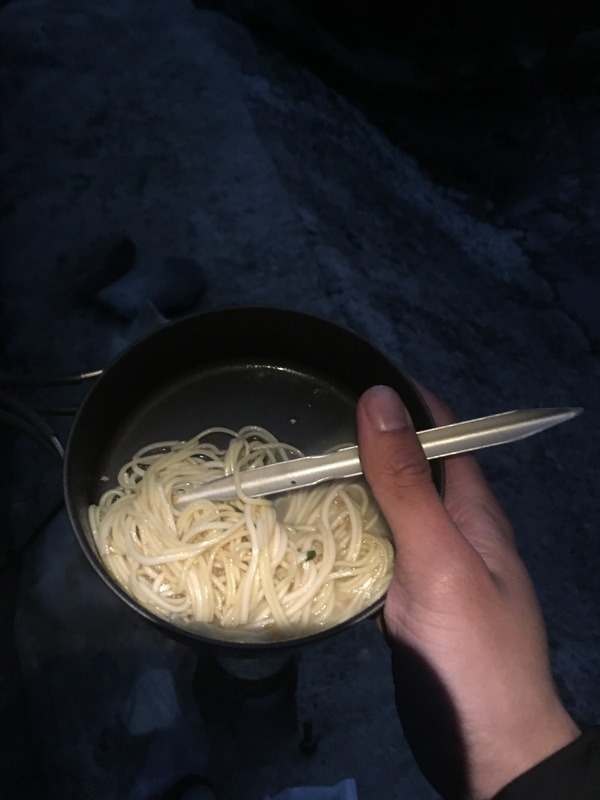
At dinner, the second mishap arrived: I had forgotten both chopsticks and a spoon.
I looked around for something I could use, then took out spare tent pegs and treated them as chopsticks.
They were aluminum alloy, I reasoned. Surely that would do?
That improvisation belongs to the story, not to sensible food preparation. Tent pegs are not eating utensils.
A Bitterly Cold Night
Then came the third problem.
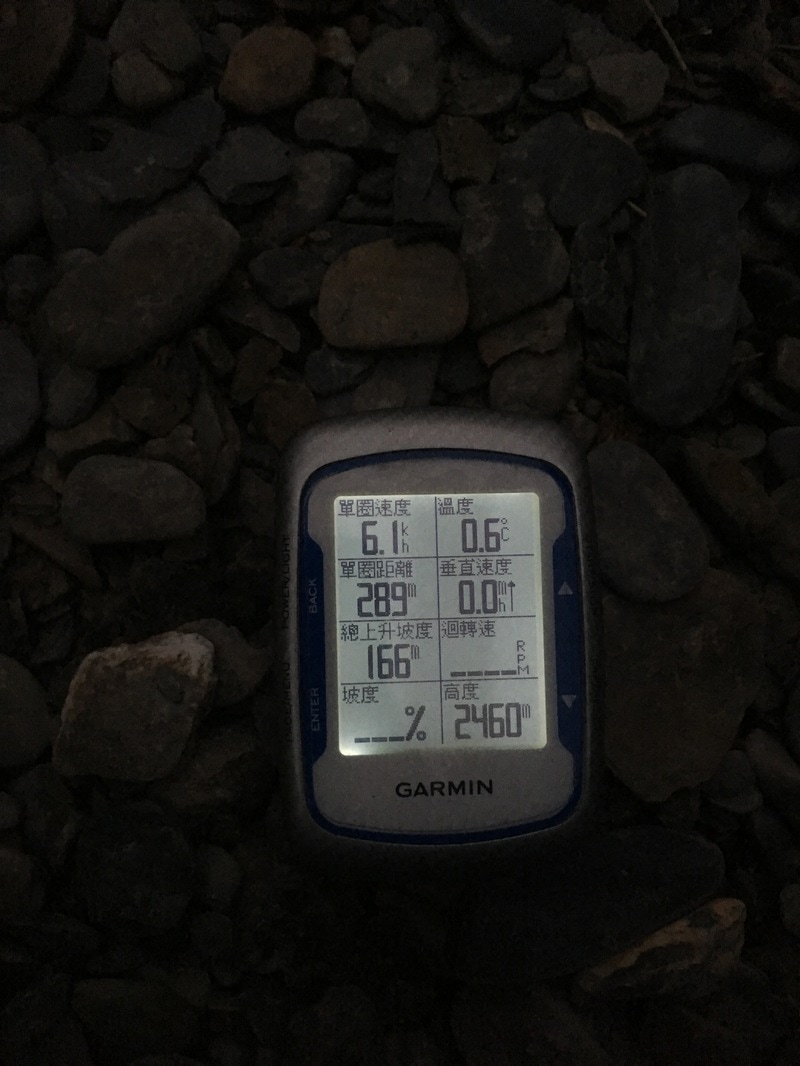
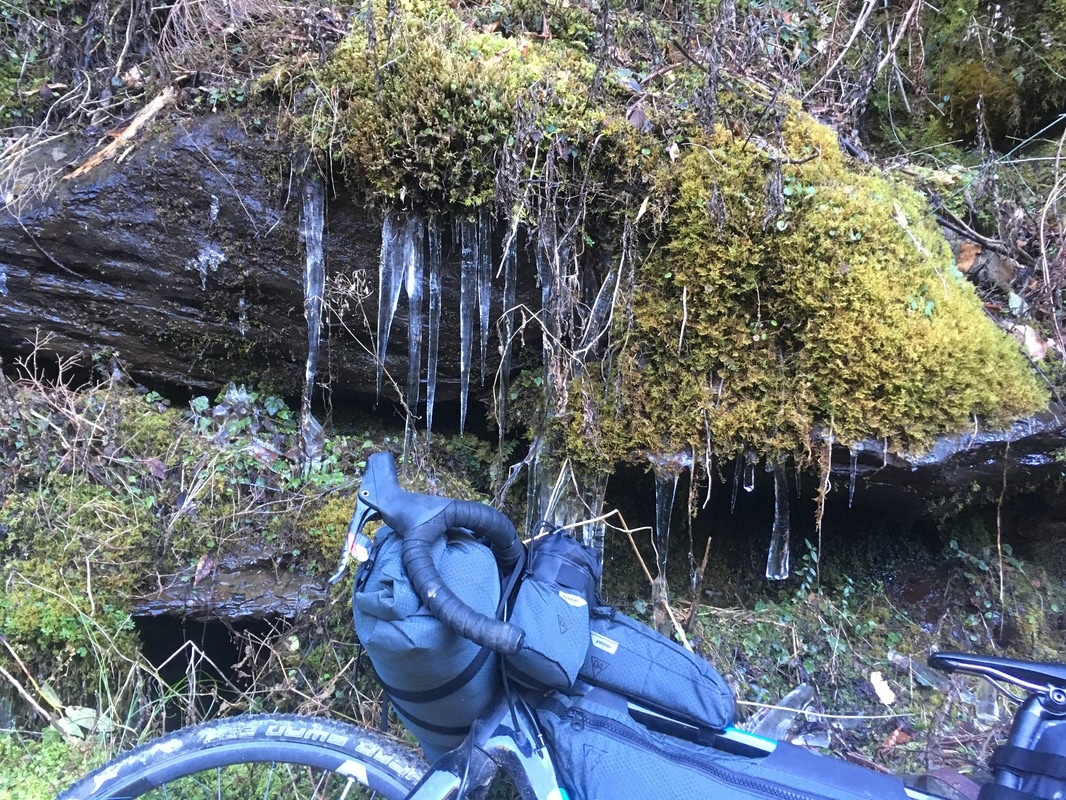
Winter in the high mountains was cold. Really cold.
My sleeping bag had a stated comfort temperature of zero degrees Celsius, but my tent was a three-season model.
Even a slight breeze felt penetrating at that temperature.
Inside the bag, I wore every item of clothing I had. My body did not feel cold, but each breath brought in icy air, and my eyes hurt a little too.
I worried about Ruibi beside me. Sometimes Ruibi lay directly on the ground rather than on the sleeping mat, which I took as a sign that things might be all right.
That was only my impression, not a reliable way to assess an animal’s protection from the cold.
The temperature left me unwilling to do anything.
There was a sky full of stars outside, but I could not summon the energy to go out and photograph it. I only wanted to fall asleep and reach the next morning’s sunshine.
Unfortunately, the morning brought another fright.
Hands That Would Not Warm Up
I still made coffee after getting up.
But seeing Ruibi shivering in the cold wind, I poured away the half-finished cup and decided to pack quickly.
After washing the pot, I noticed that my hands were not warming up.
They were growing stiffer.
I shook them, clenched my fists and opened them again, but nothing seemed to help. It felt as though my fingers were freezing.
Finally, pressing my palms against my belly brought back warmth little by little.
I was genuinely frightened.
I packed the tent hastily and left. Before meeting my parents, Ruibi and I walked a short section of Hehuan Creek Trail again to see it in the morning light.
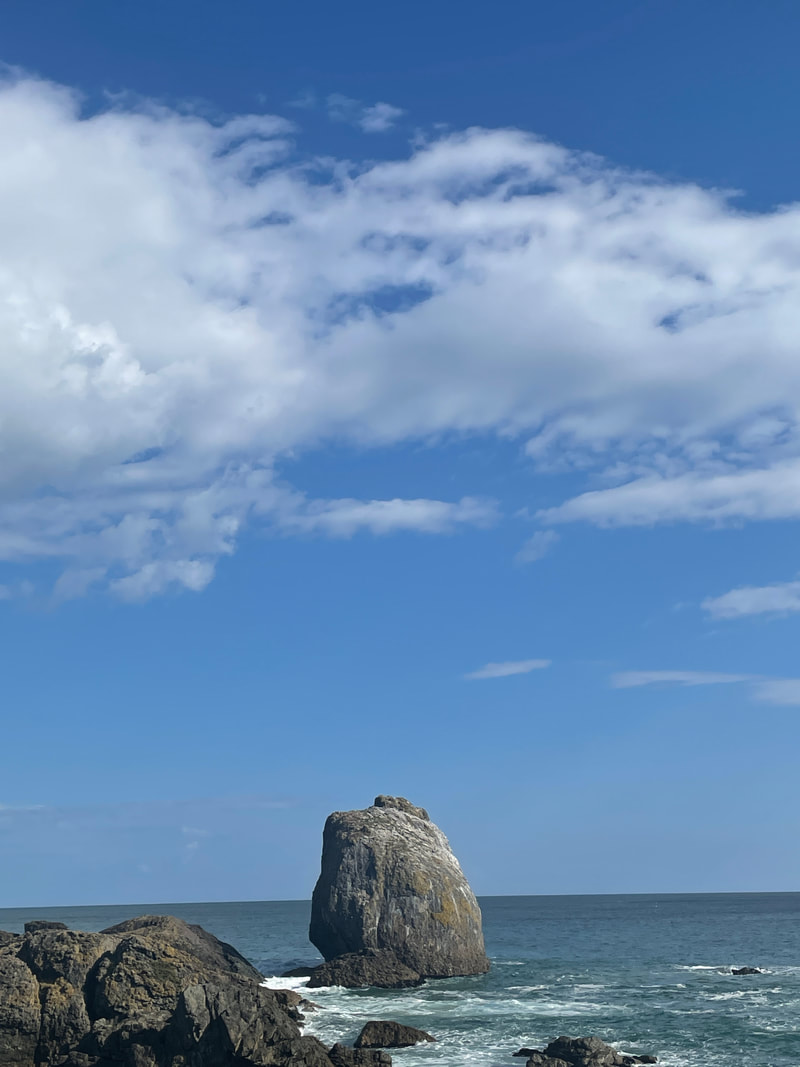
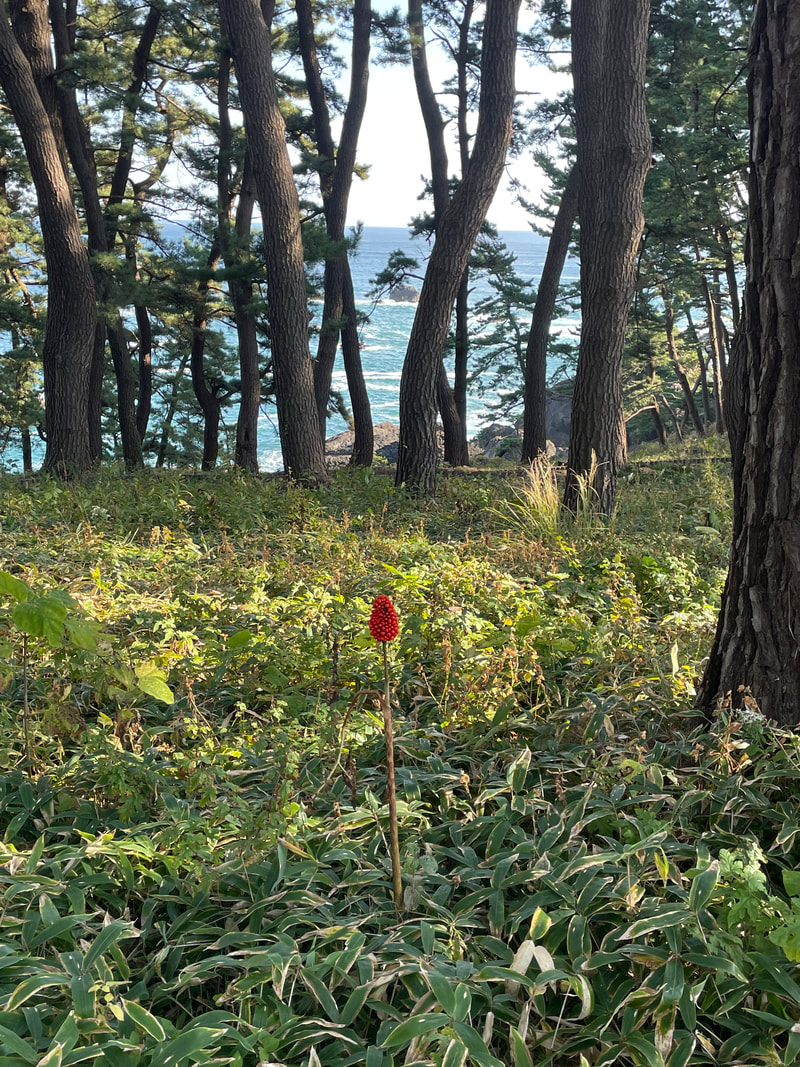
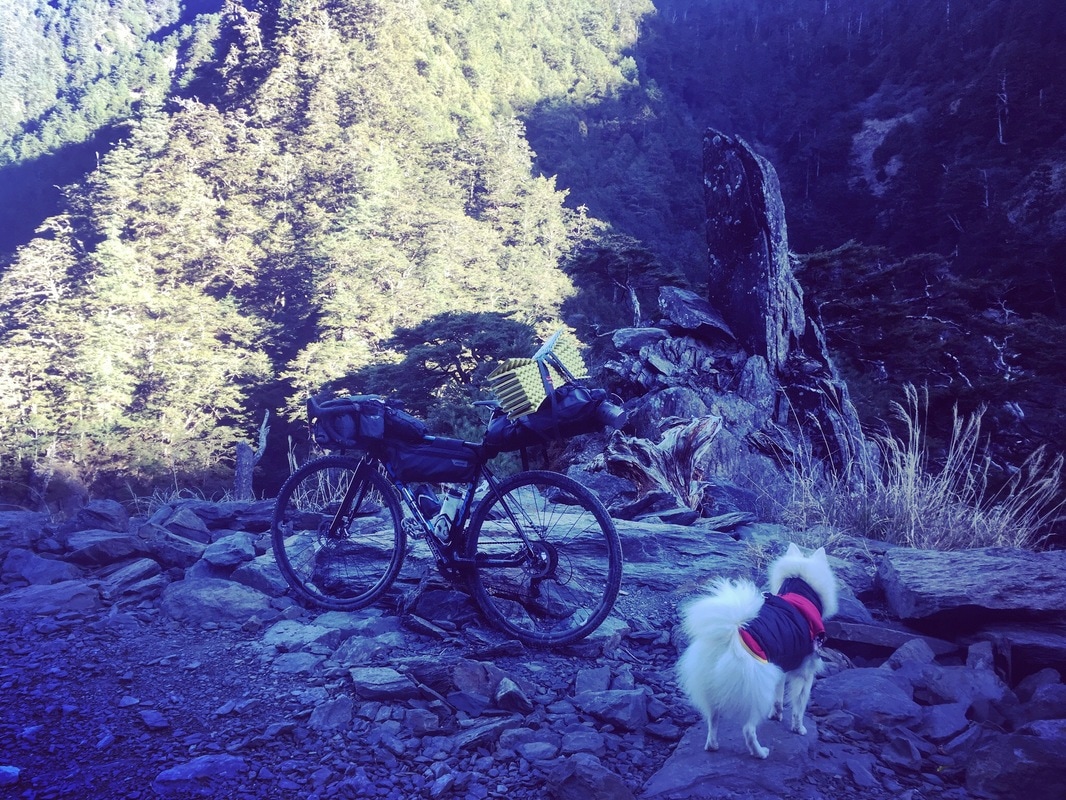
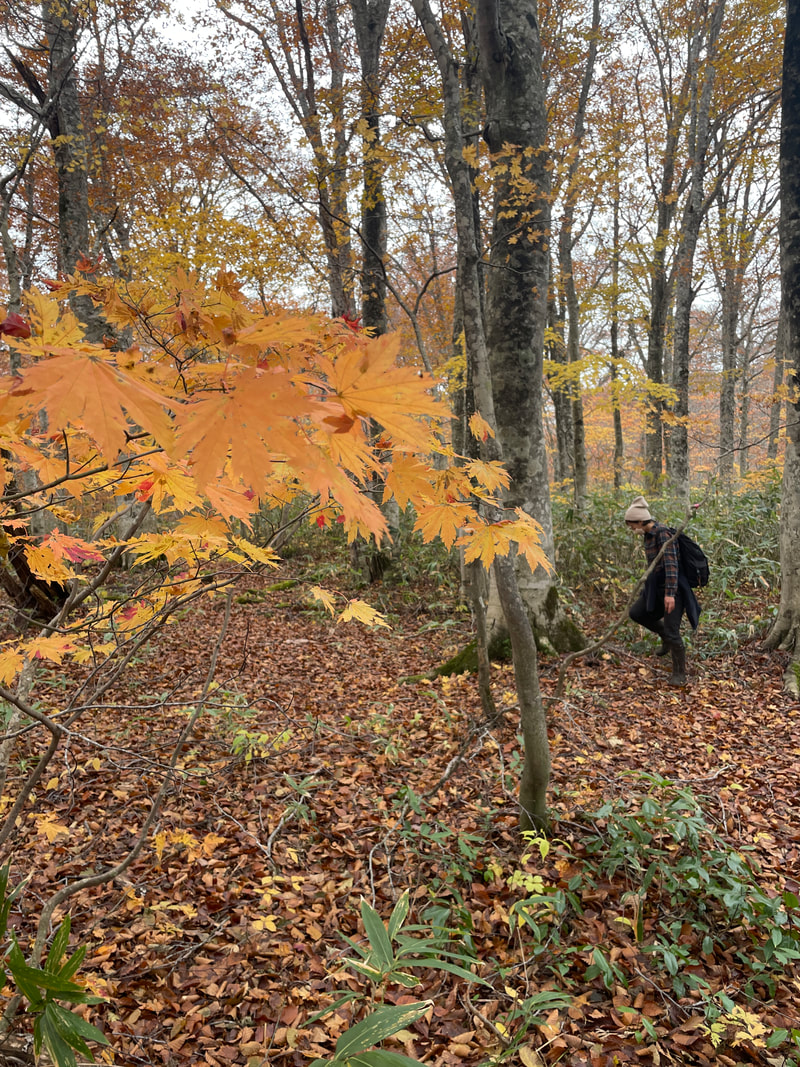
The Road behind Hehuanshan
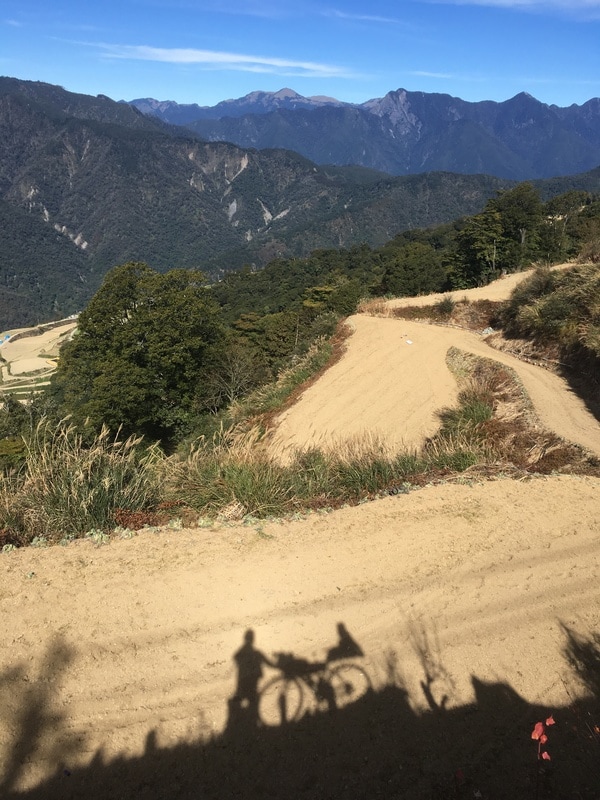
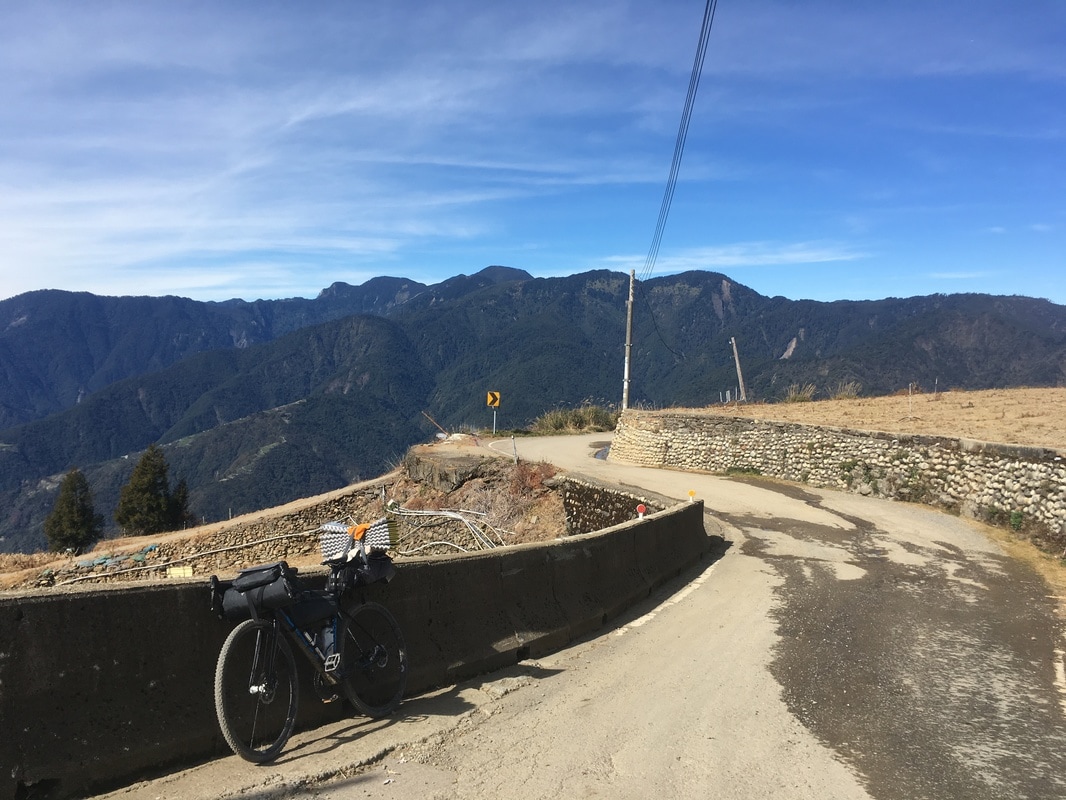
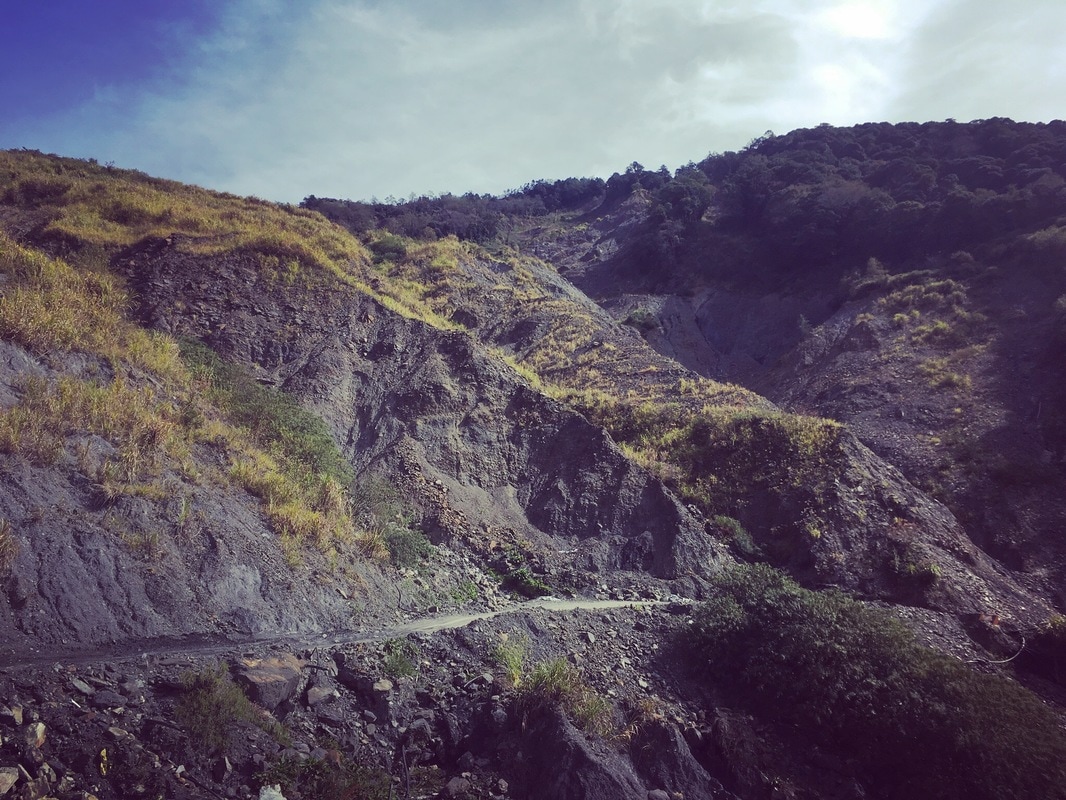
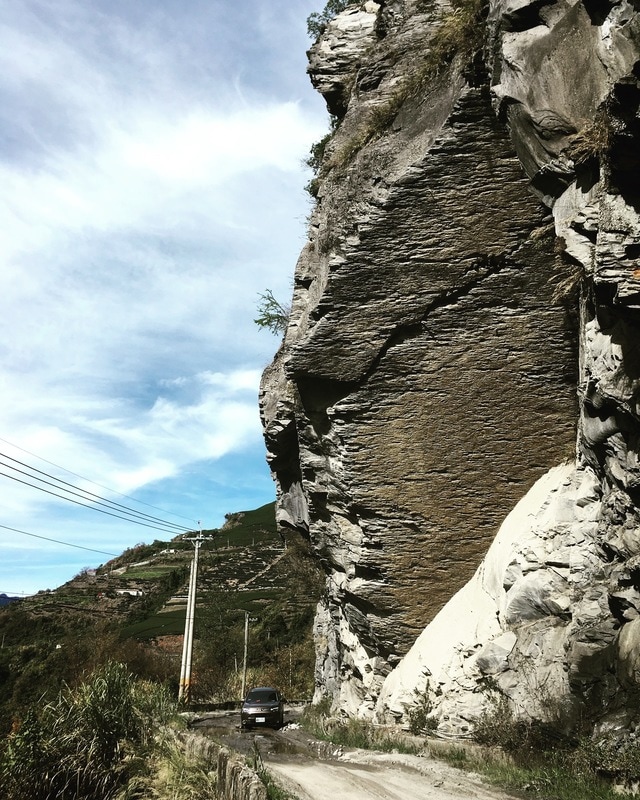
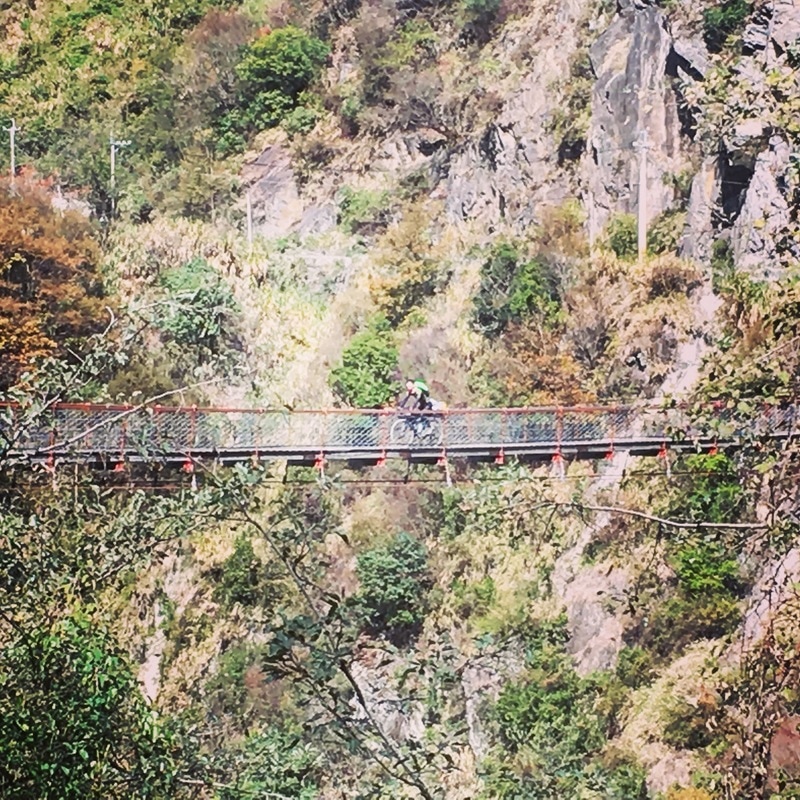
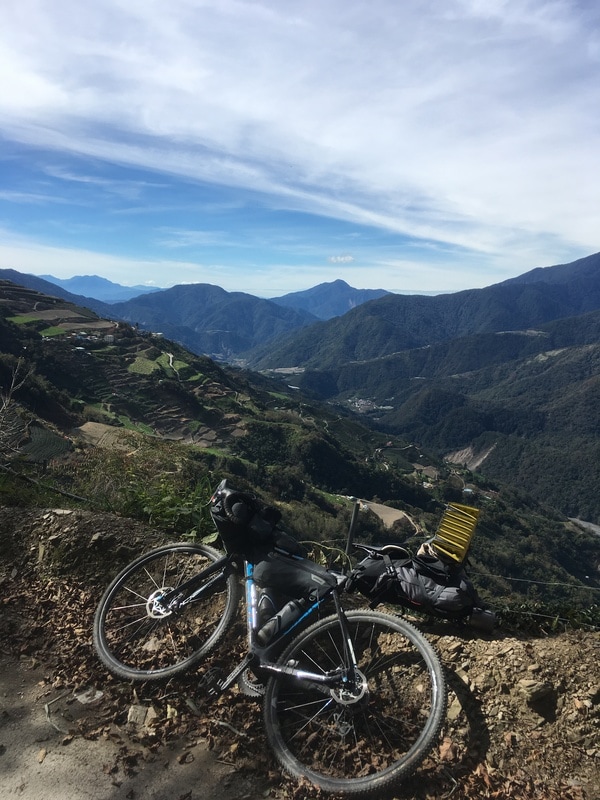
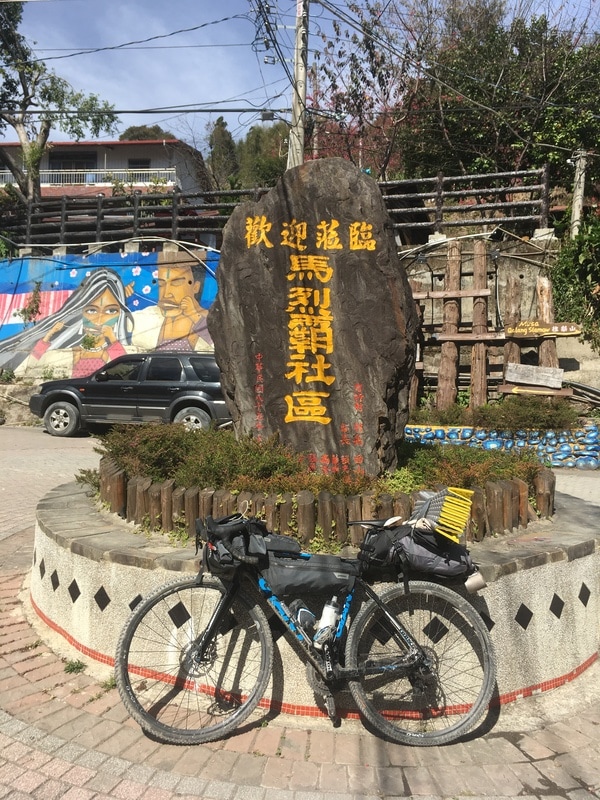
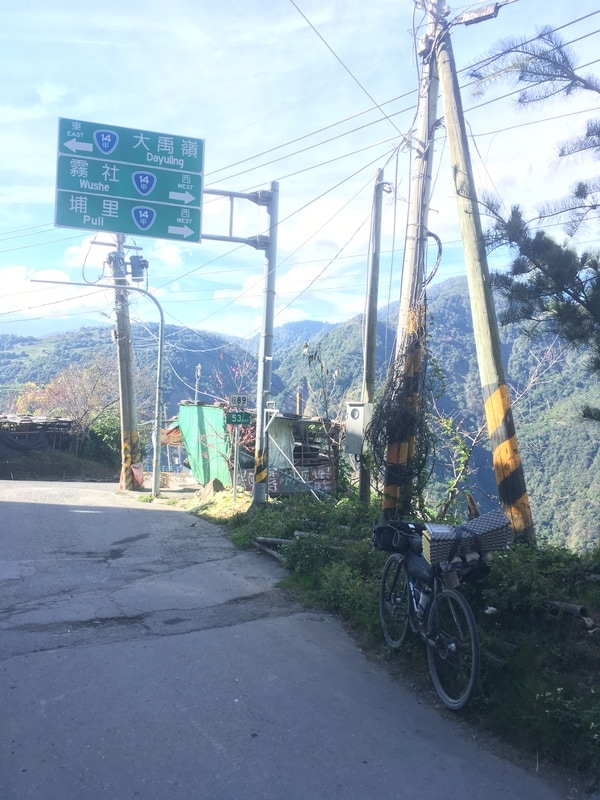
After meeting my parents, I began descending Lixing Road.
In my mind, this road had become a legend. Long ago, another traveler’s account had filled me with ideas about this mysterious route hidden behind Hehuanshan.
Now, at last, I could see it for myself.
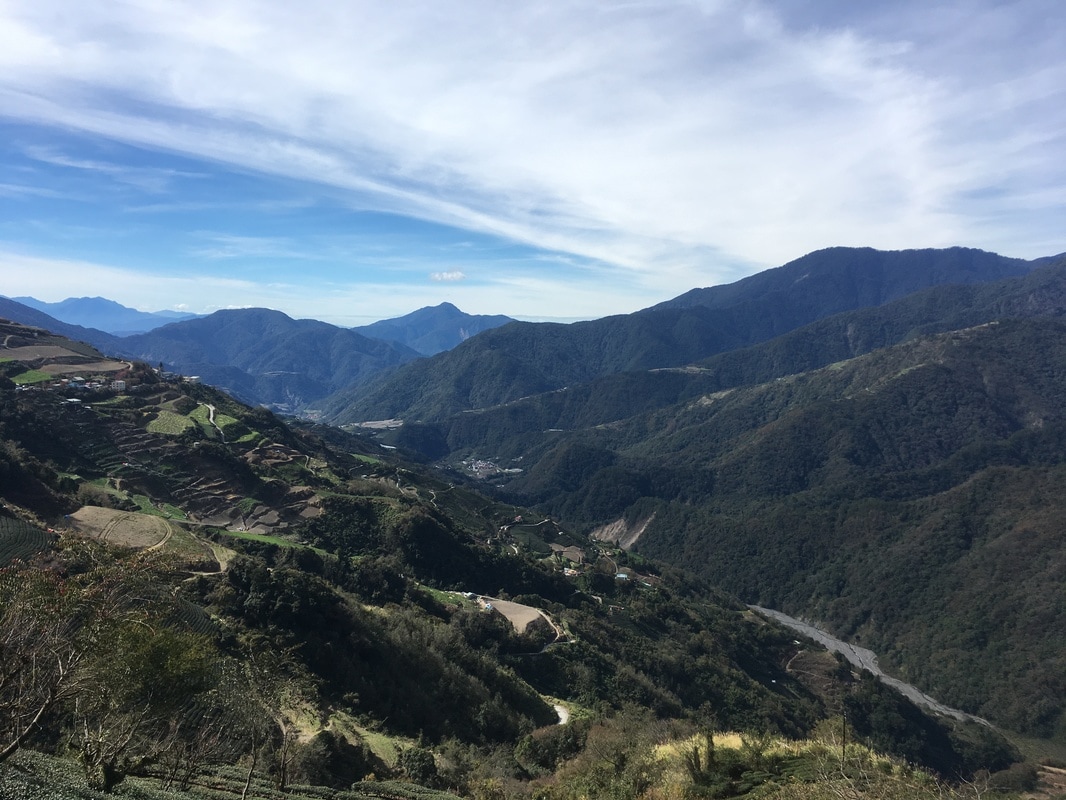
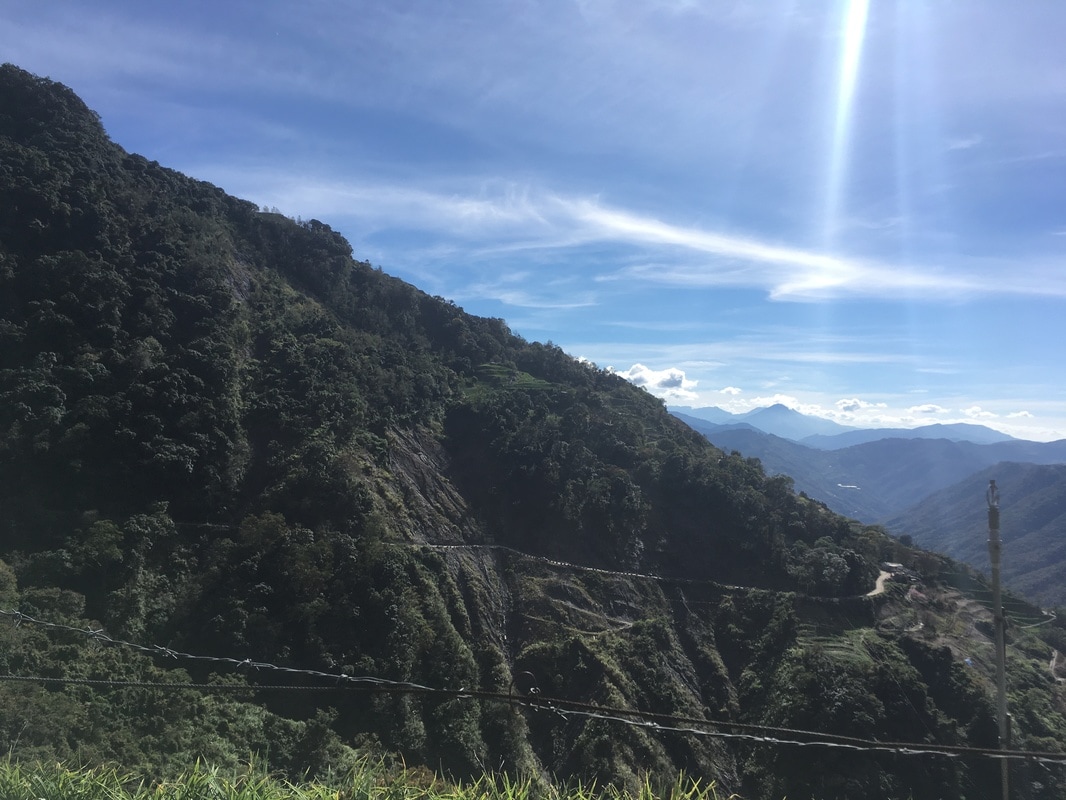
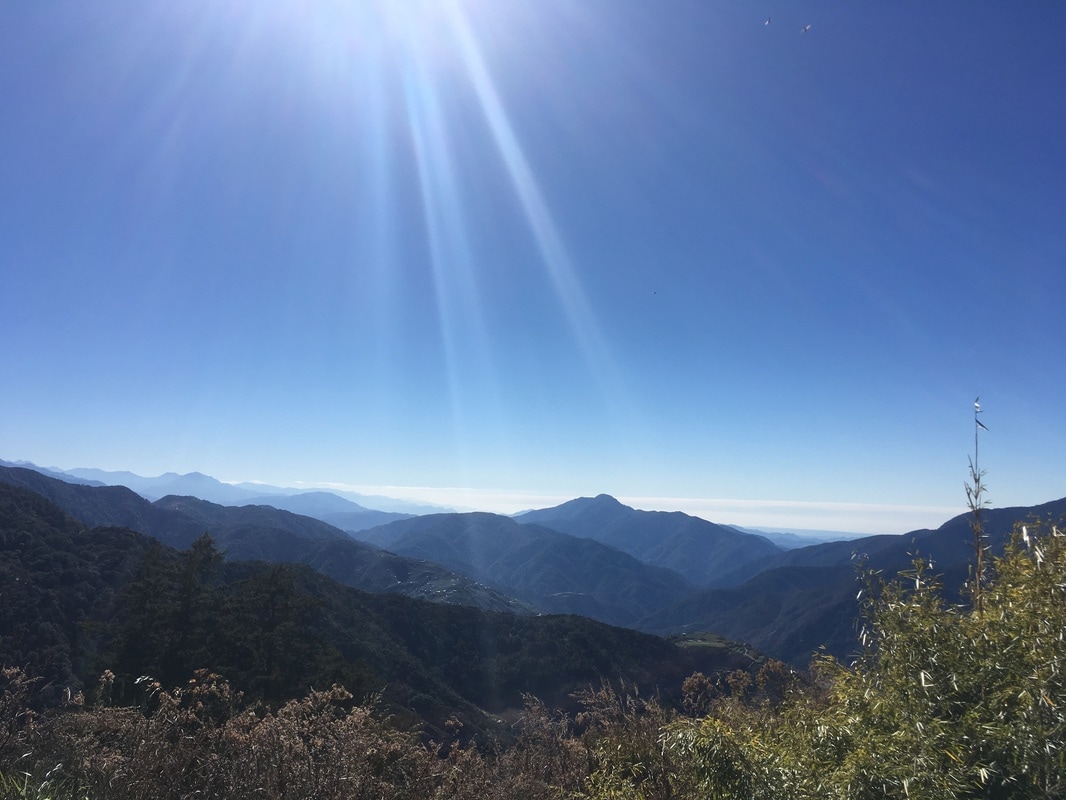
At Huagang, high on the route, towering mountains filled the view. The scenery made me tremendously excited.
As I descended, however, something began to feel wrong.
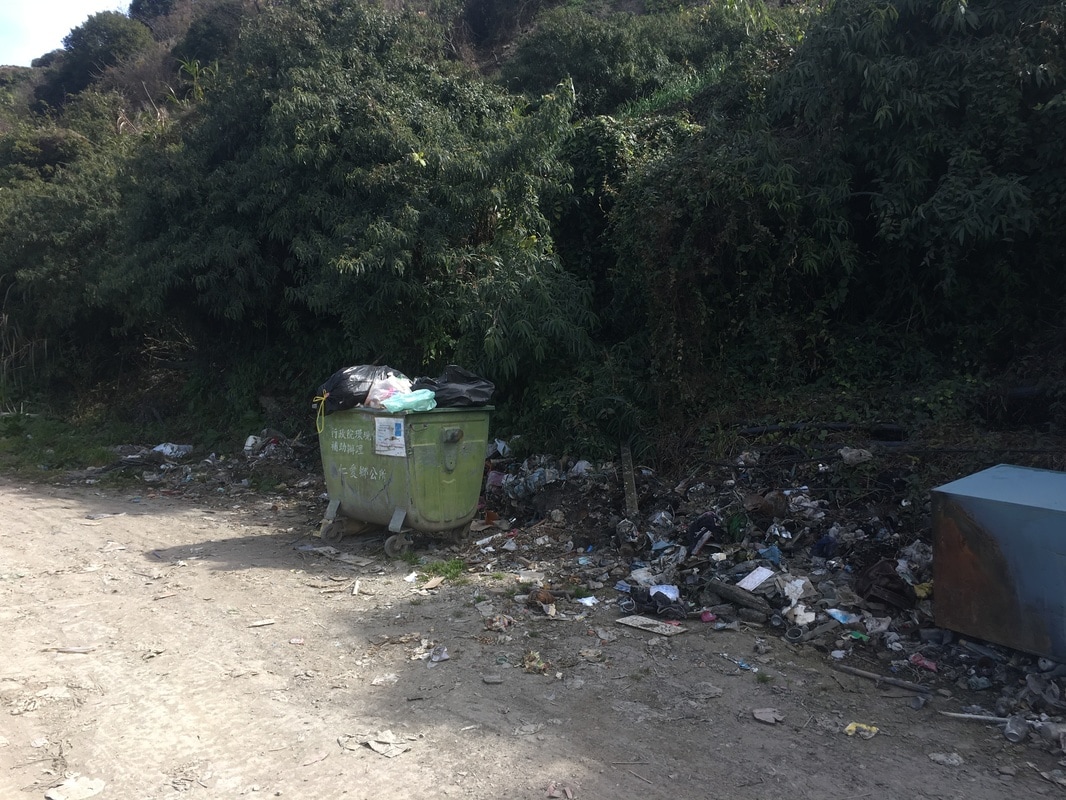
Instead of the fresh air I expected at that elevation, I noticed smells I associated with agricultural chemicals and fertilizer.
Not just for a short stretch, either. To me, they seemed to persist for much of the ride.
Looking across the valley, I saw extensive tea plantations and cabbage fields and connected the smells with that landscape. This was my interpretation, not a measurement of what was in the air.
Between the unpleasant smells and the strong high-altitude sunshine, I became increasingly dizzy as I rode.
I canceled my plan to visit Hongxiang village for a hot spring. At that moment, all I wanted was to get away.
Reaching the end of Lixing Road, I felt relief.
The legend I had carried in my imagination had lost its shine.
If I had to say what I enjoyed, it was probably the distant, undeveloped mountains and the brief pleasure of light off-road riding.
What the Journey Taught Me
The trip had brought plenty of surprises, but it had also exposed shortcomings in my preparation.
After so much wandering, I had grown careless. I had forgotten several things, including the helmet I considered so important.
That deserved serious reflection.
There was another major problem: my body and my equipment had not coped with the cold around zero degrees.
For the sake of staying alive to wander again, I decided that until I had worked out a better approach, I should avoid camping in temperatures below five degrees Celsius.
That was the personal limit I set after this experience, not a universal safe temperature for other people or equipment.
At this stage, my wandering was still practice.
I wanted to learn from mistakes and carry those lessons forward, so that when I eventually set out on a much greater voyage, they would help sustain me.
The point of remembering this journey is not that mistakes outdoors are harmless, but that I needed to prepare more carefully before the next one.
Original route record: The author’s historical activity on Strava. This records the old journey, not current access permission or route conditions.
Bikepacking diary: Facebook