Wild Streams, Hot Springs and Bikepacking | A Fanfan Creek Journey
Translated from Bikepacking diary’s original Wild Streams, Hot Springs and Bikepacking article, published on January 8, 2017, and republished by arrangement with the author. Photographs are linked directly from the original website.
Editor’s note: This historical personal account is not a current access, hot-spring or camping guide. Confirm land-manager and community permissions, restrictions, weather and stream conditions before visiting. The narrative includes carrying a bicycle through fast water, camping in a river valley and exploring near a dam. These are events in the author’s story, not instructions or assurances of safety. A visual estimate of depth does not establish a safe crossing; streams can rise rapidly, including from rain upstream. Stay away from dams, spillways and unstable riverbanks, respect barriers, and choose authorized overnight locations away from flood hazards. Natural hot springs can pose temperature and other health hazards; the very long soaking sessions described here are not recommended durations. Keep cooking equipment away from pools, shelters and combustible materials and use it only where permitted. Place-name explanations below are attributed to the source account, not independently verified history.
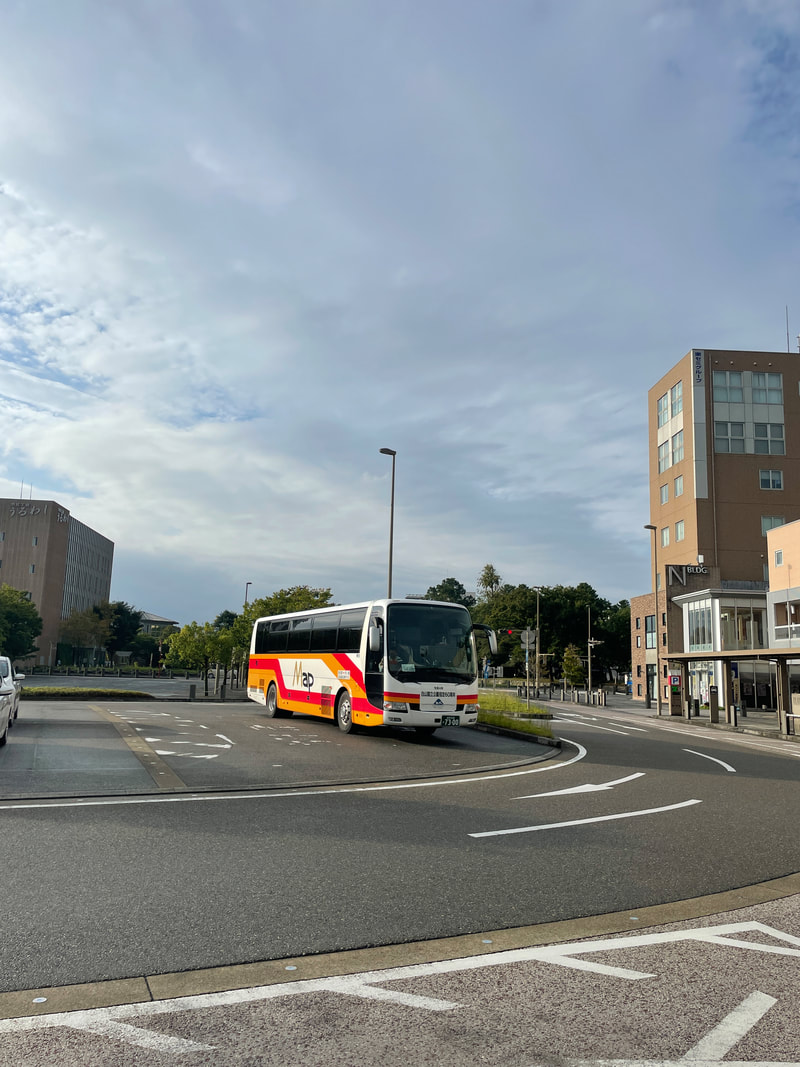
Back over the Beiyi Highway
I had not expected to ride the Beiyi Highway so often once I began wandering.
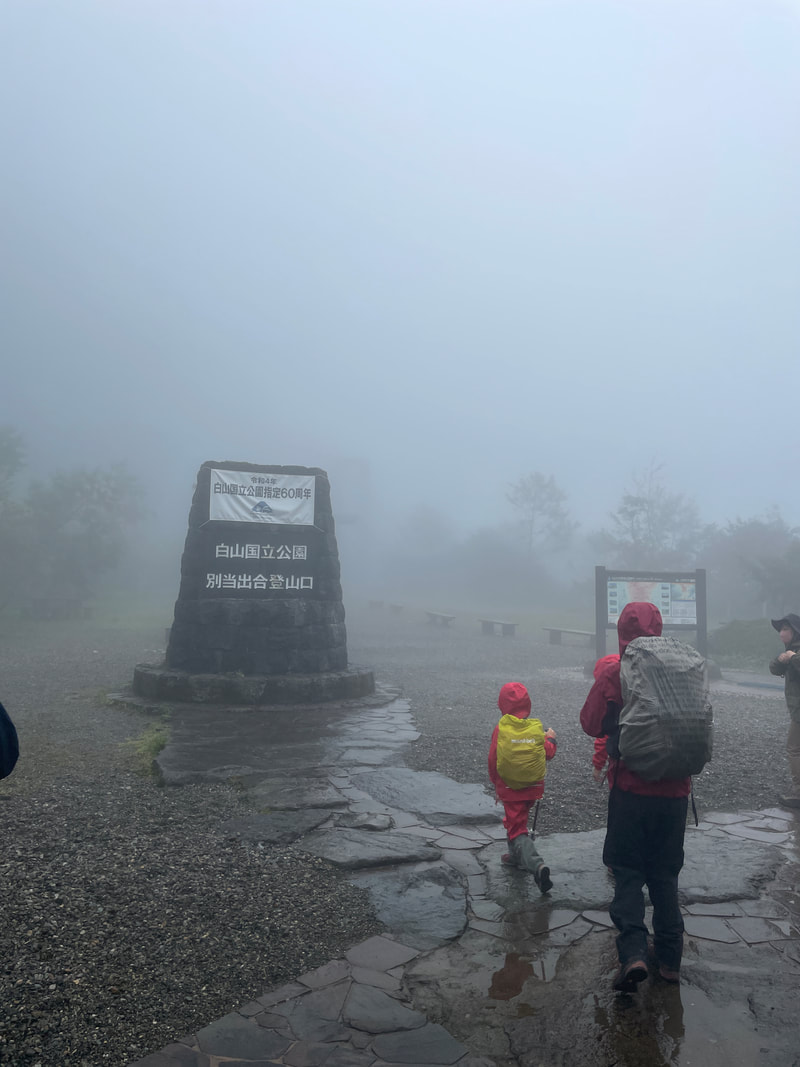
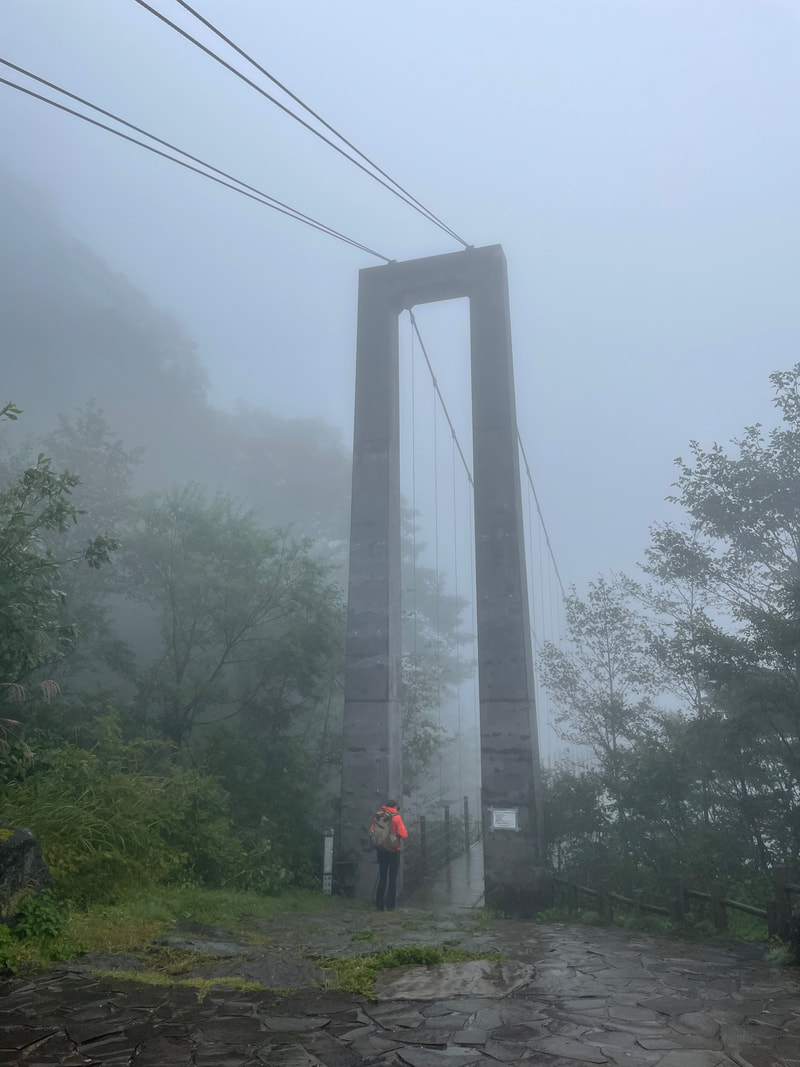
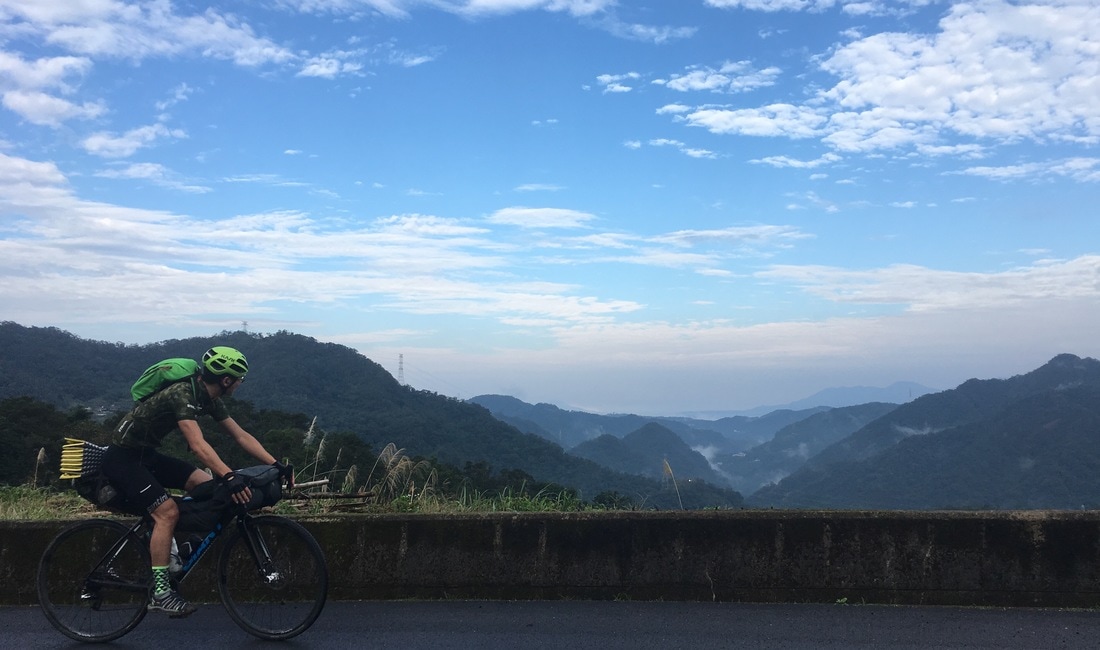
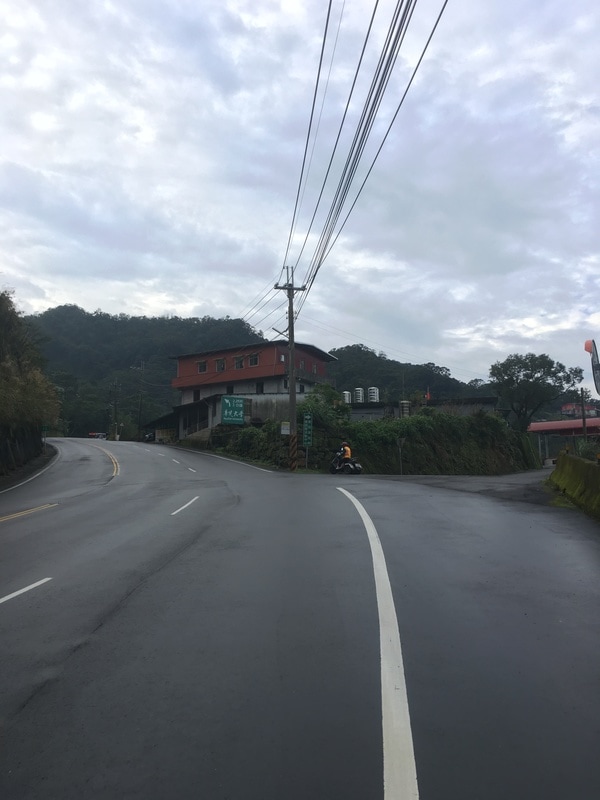
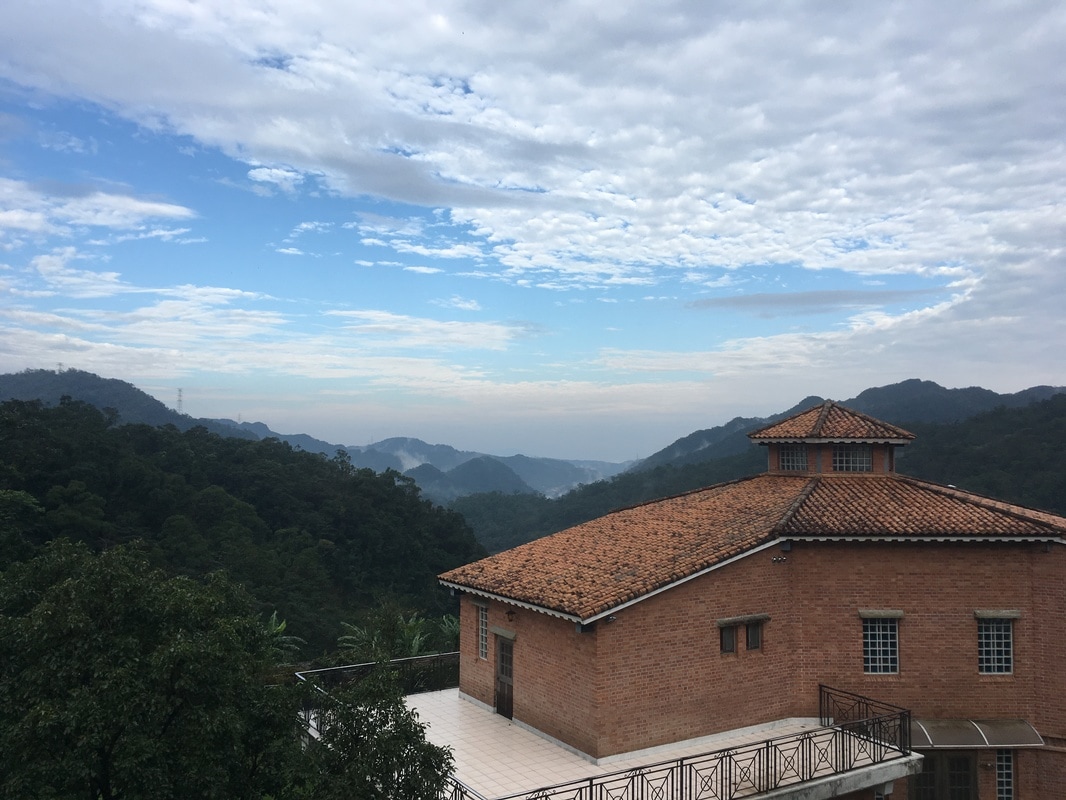
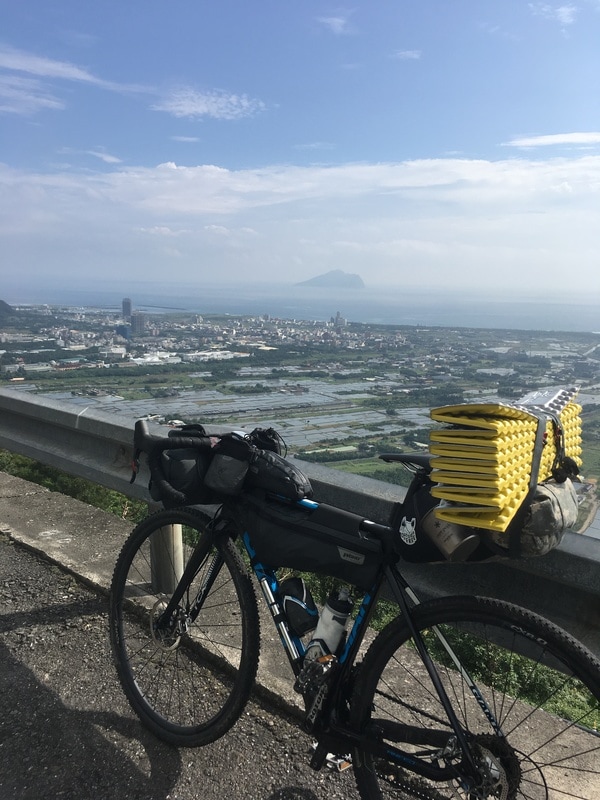
But there was not much to say about that busy road, so I would let the photographs carry that part of the journey.
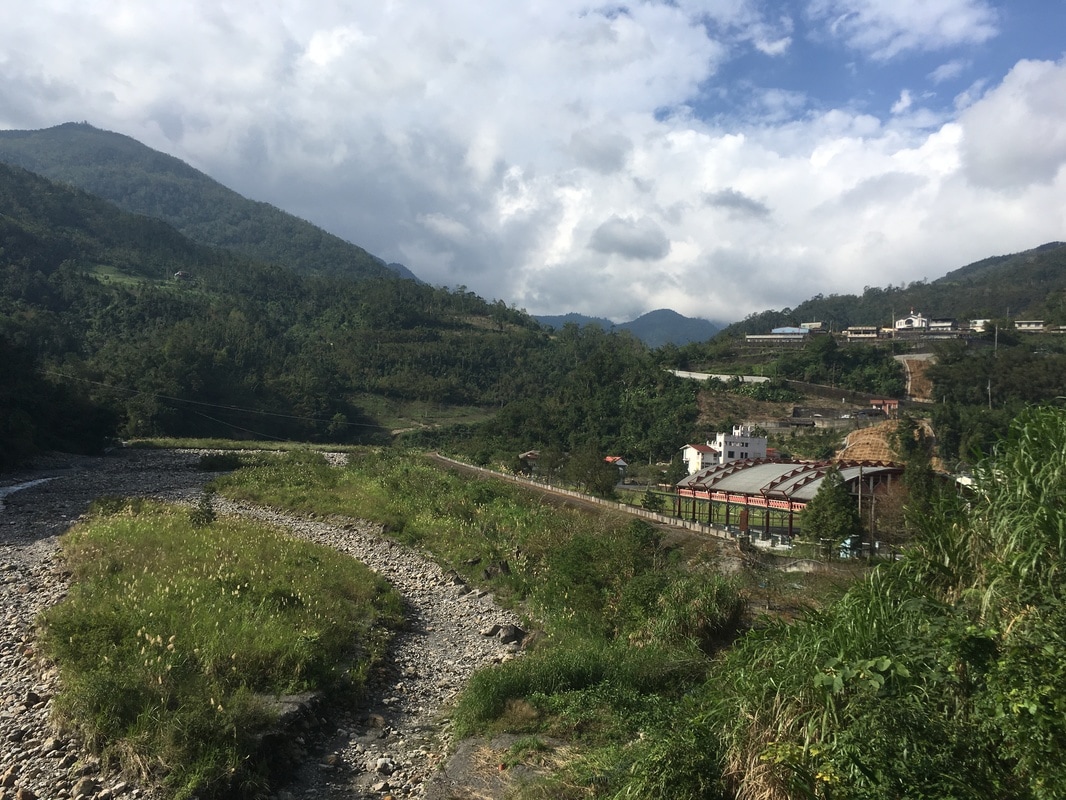
I followed the Lanyang River toward the mountains. My destination was Fanfan Creek Hot Spring beside Yingshi village, near the eastern end of the Northern Cross-Island Highway.
The original article explained that the community had once been called Bonbon, written with characters also rendered as Pengpeng or Bengbeng. It attributed the name Fanfan Creek to a postwar miswriting of the earlier name.
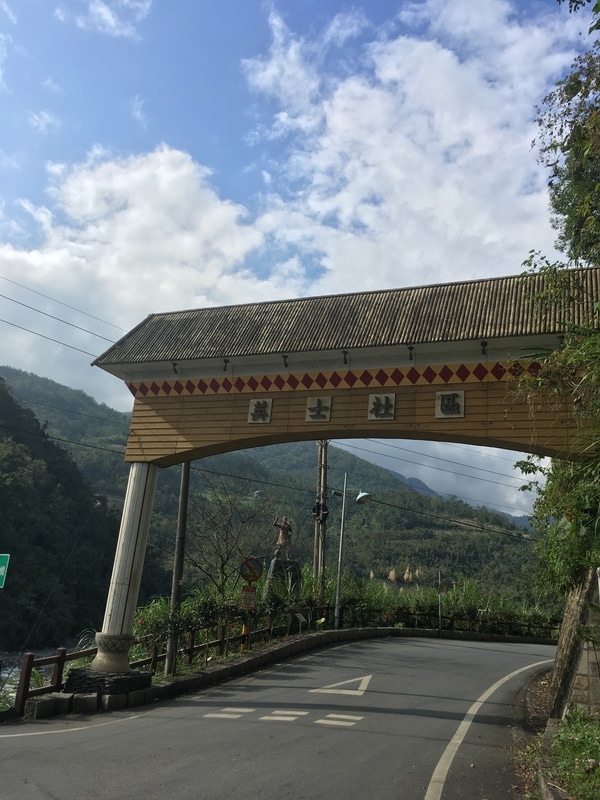
It then described Yingshi village as receiving its name when it was established in 1970, in memory of the revolutionary Chen Qimei, also known as Chen Yingshi.
I wondered how the local Indigenous residents felt about having their village named after someone they might not know. To me, that must have seemed a strange arrangement.
A Footpath and an Unexpected Expert
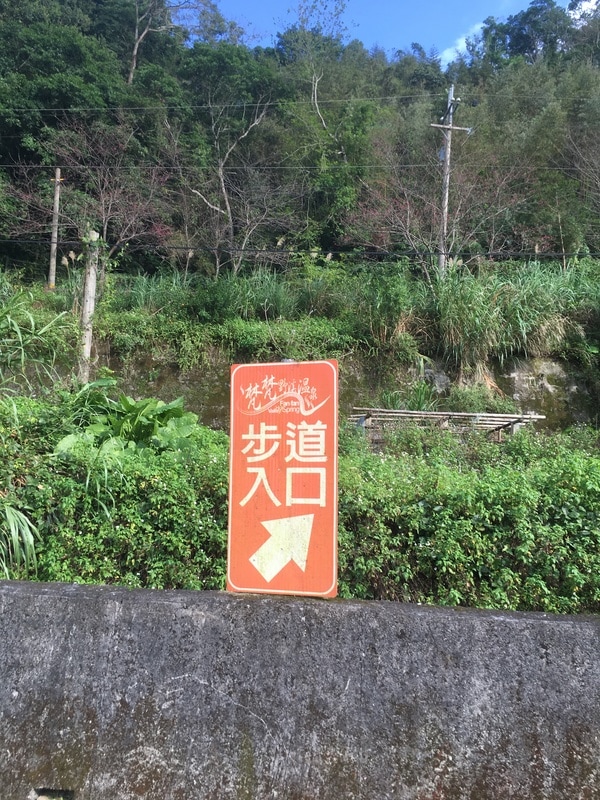
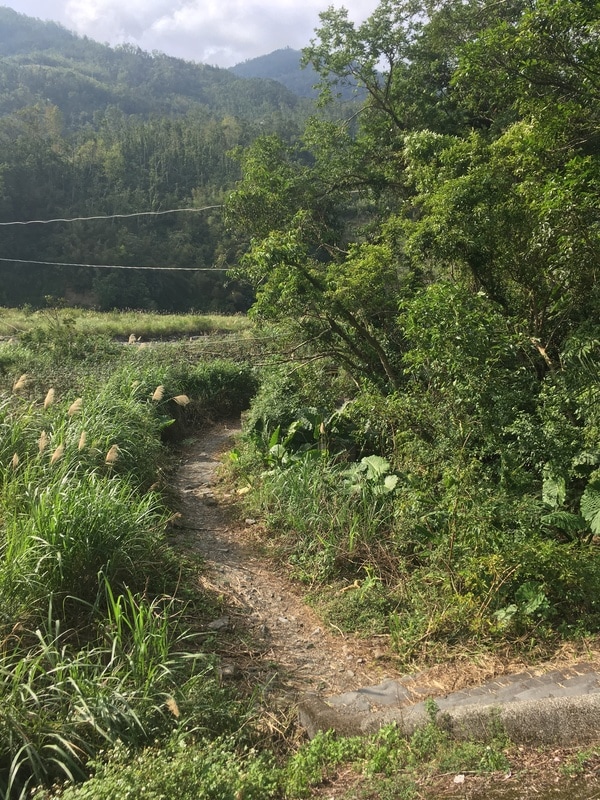
Beside the basketball court at Yingshi Elementary School, I saw a sign for the Fanfan Creek Hot Spring trail.
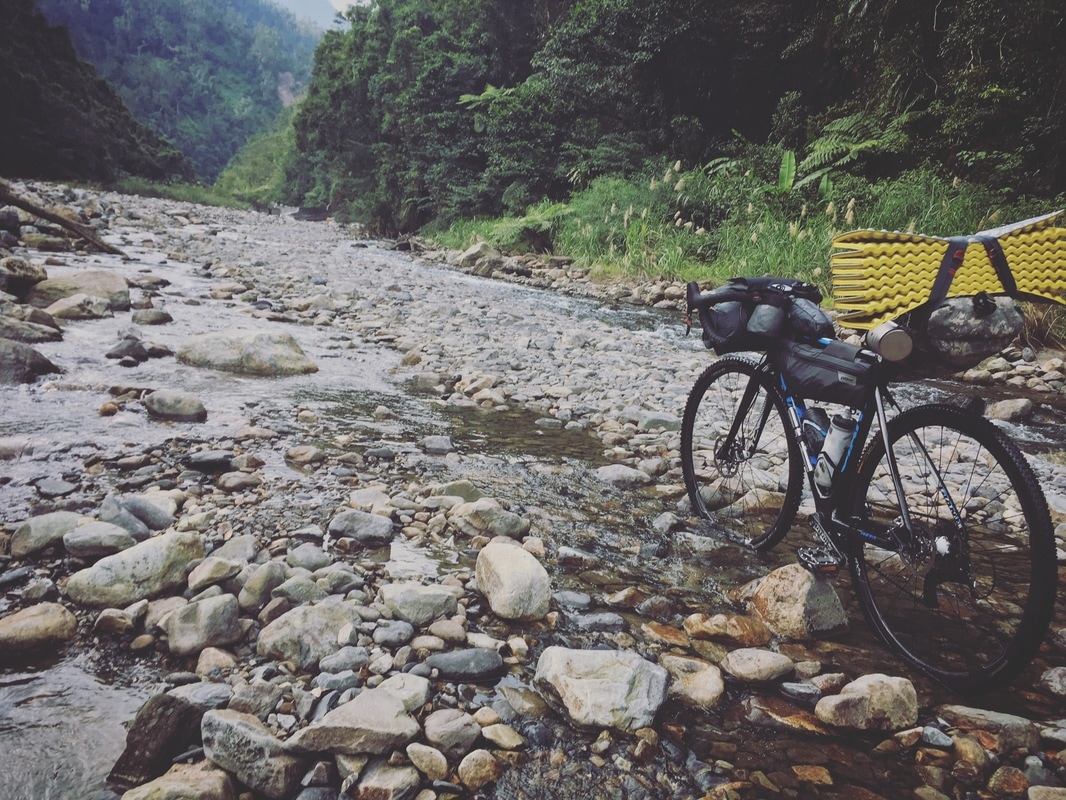
It really was a walking path. Riding along it shook the bicycle so much that I grew uneasy and got off to push.
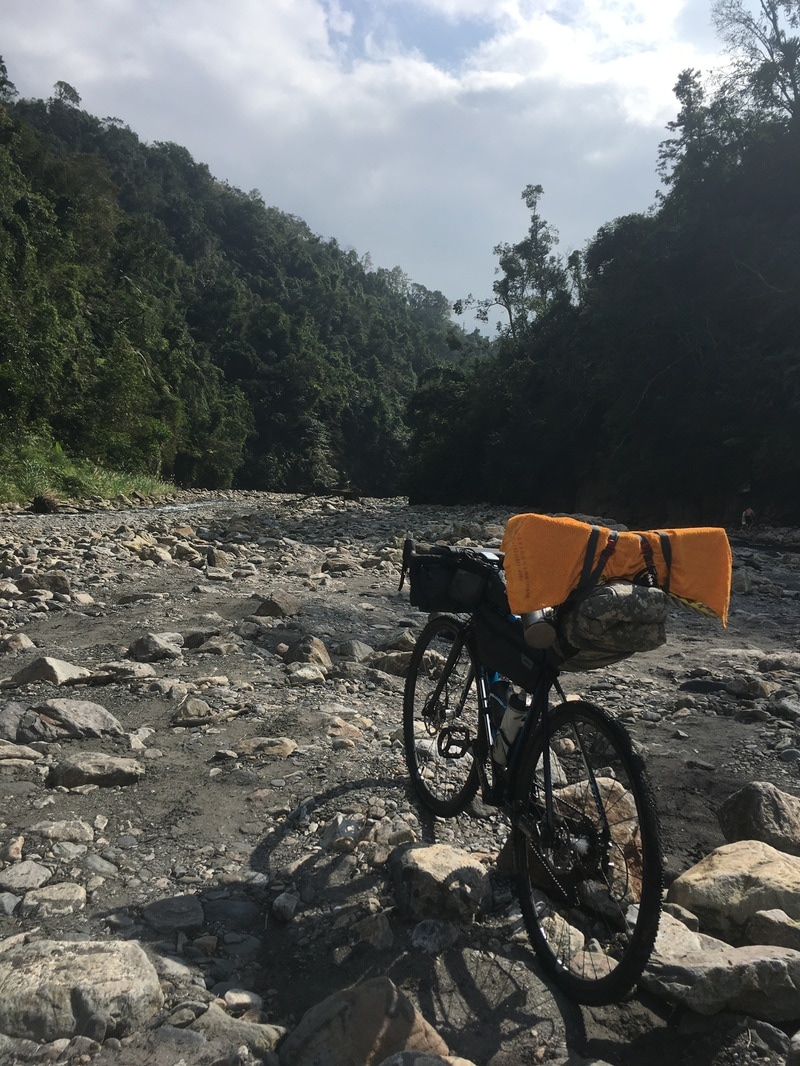
Fortunately, it was not long before the path descended toward the riverbed.
Compared with the artificial paving, I found the roughness of the natural ground much more enjoyable.
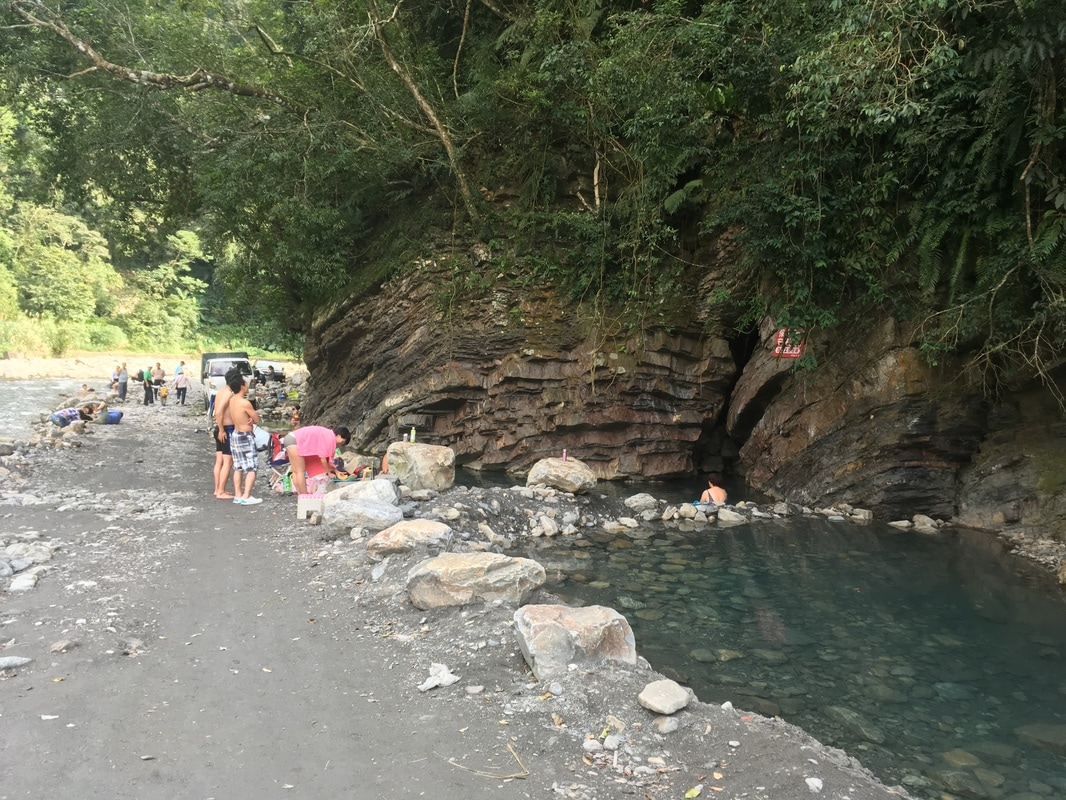
As I had expected, the hot springs were crowded.
I was about to turn back and investigate Paigu Creek instead when an older man coming downstream gave me a little hope.
I went over and asked, “Are there more hot springs farther up?”
There were, he said.
Then he looked at the bicycle and asked where I had come from and how long the ride had taken.
I answered honestly.
“Too slow,” he said. He could ride it in two hours.
Apparently, there were formidable riders hidden everywhere.
Farther Upstream
In the past, I might not have dared continue.
But after my experience on Road 58, I felt different.
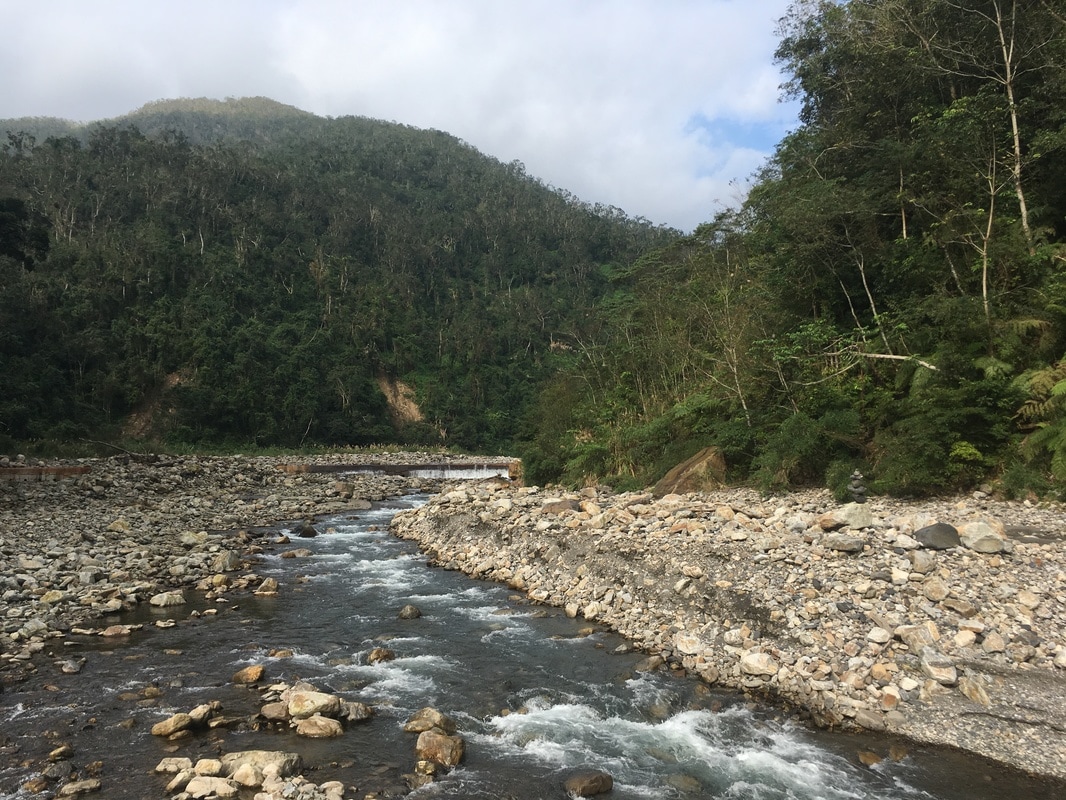
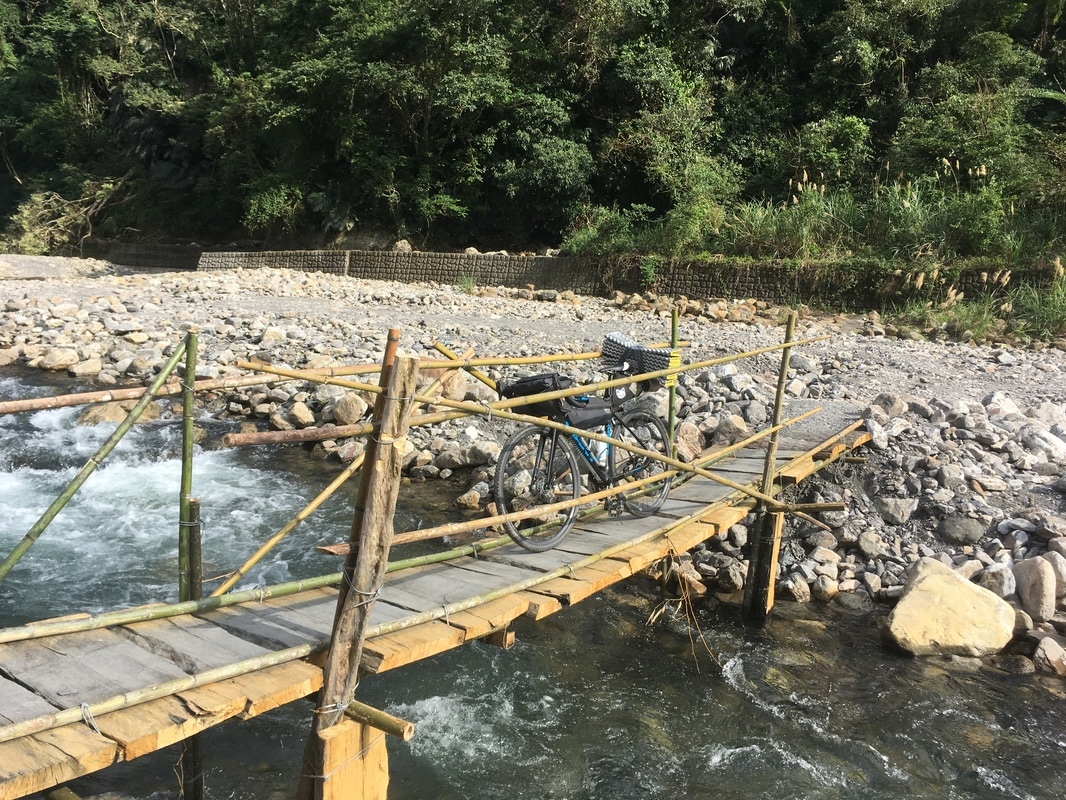
I looked at the water, estimated the depth, put the bicycle over my shoulder and crossed the fast current without hesitation.
That confidence was how I felt at the time, not evidence that the crossing was safe or something another visitor should attempt.
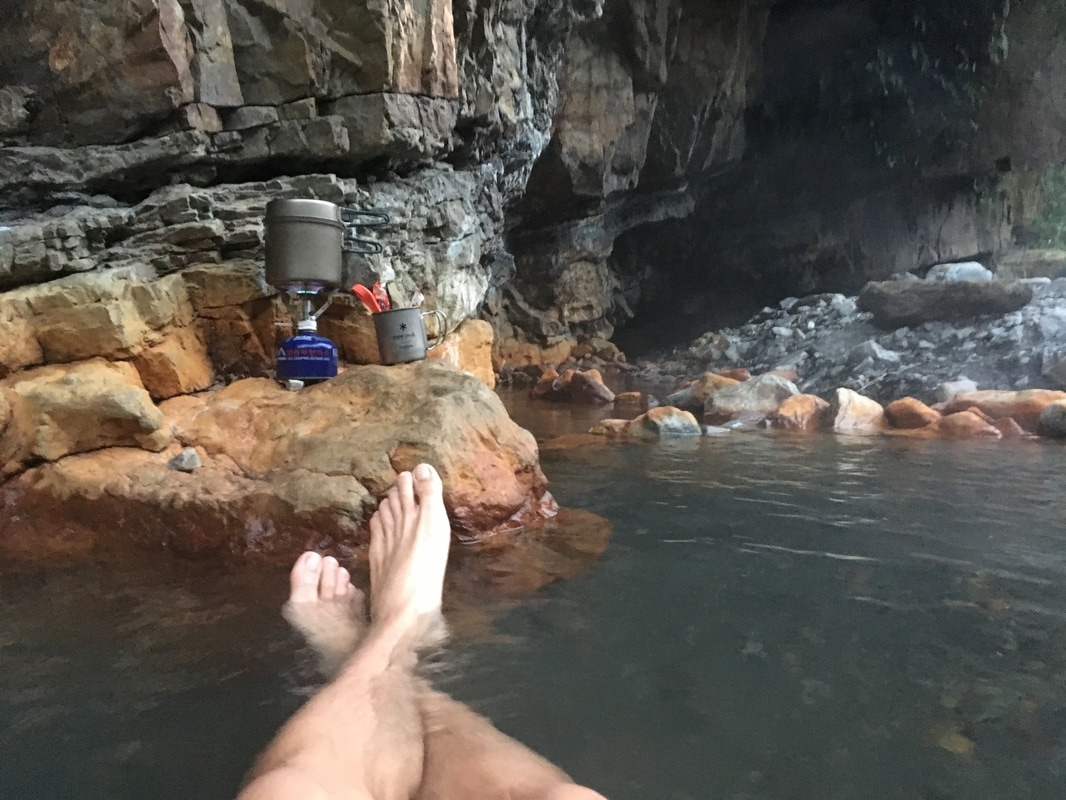
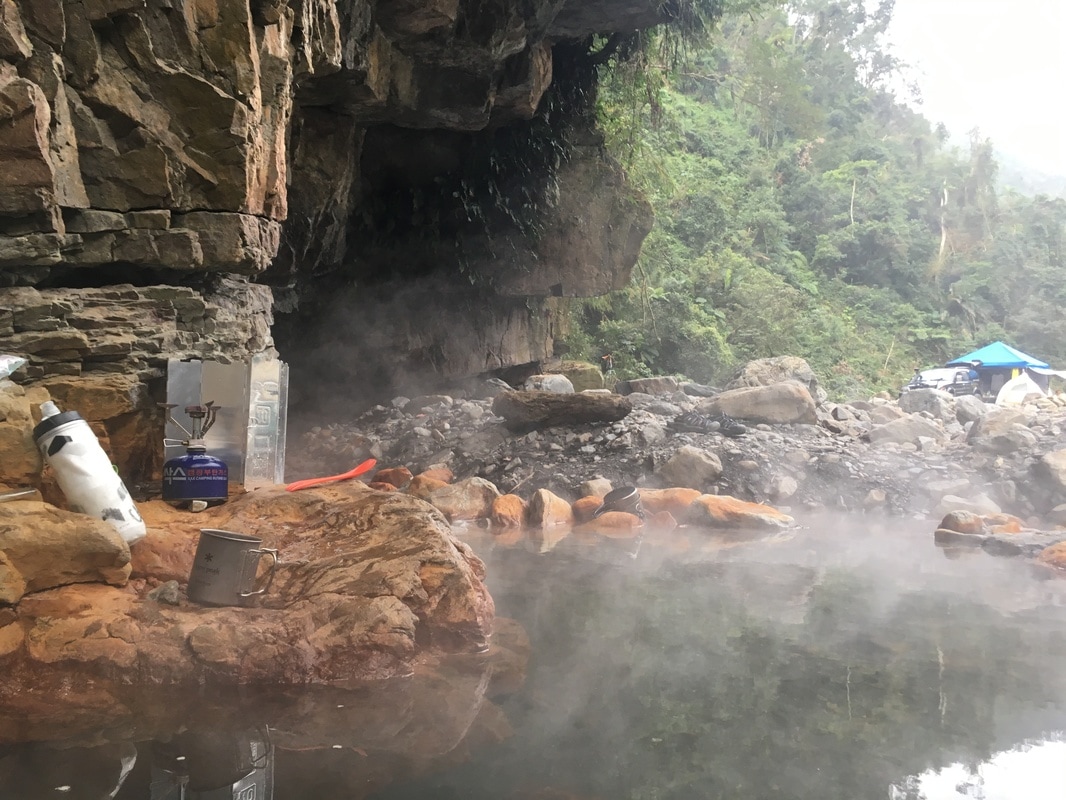
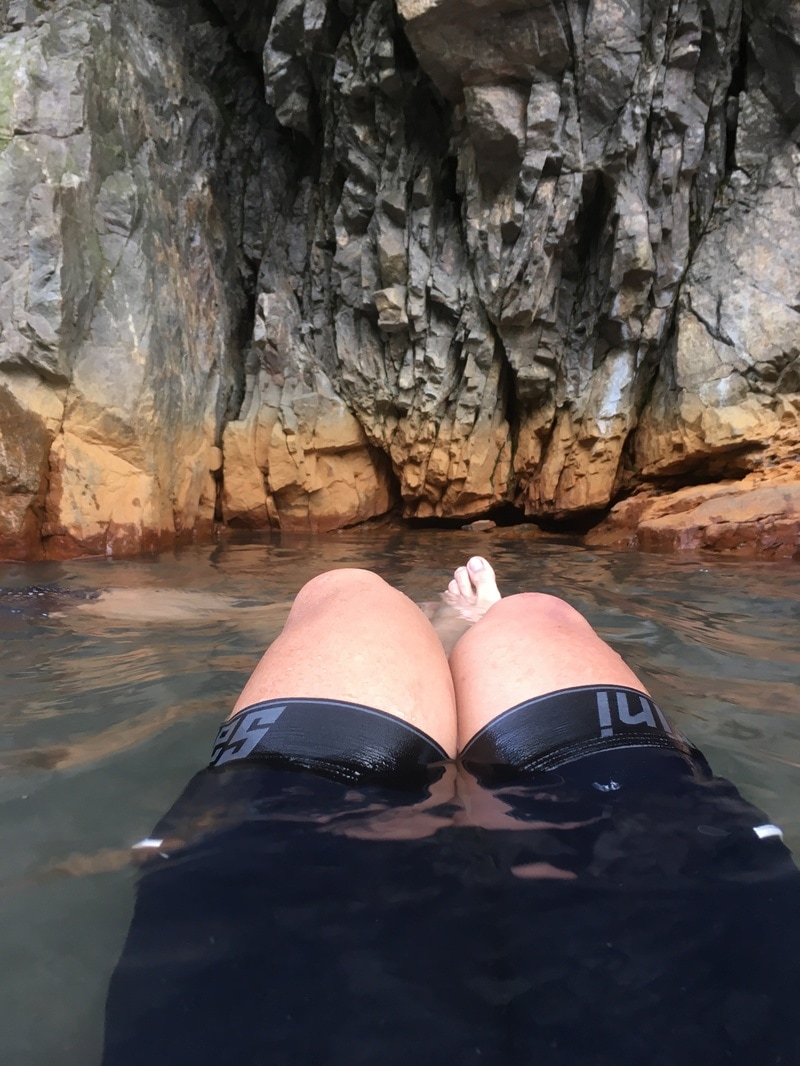
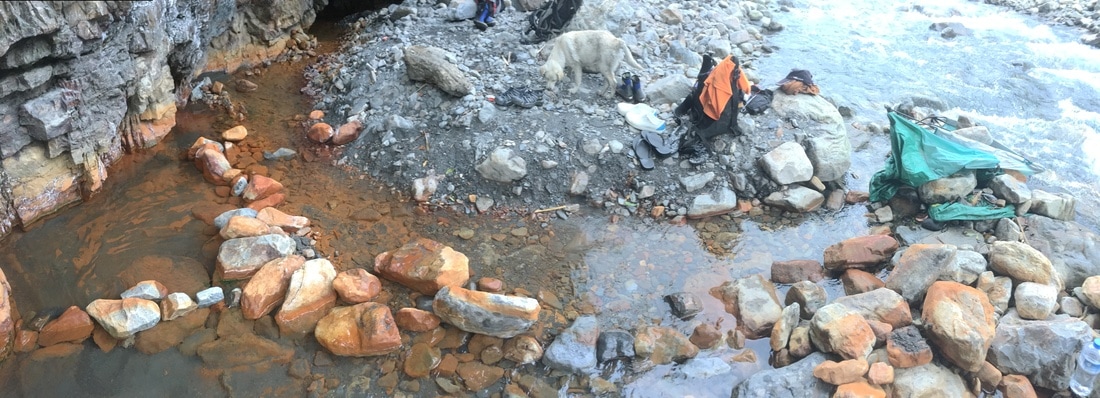
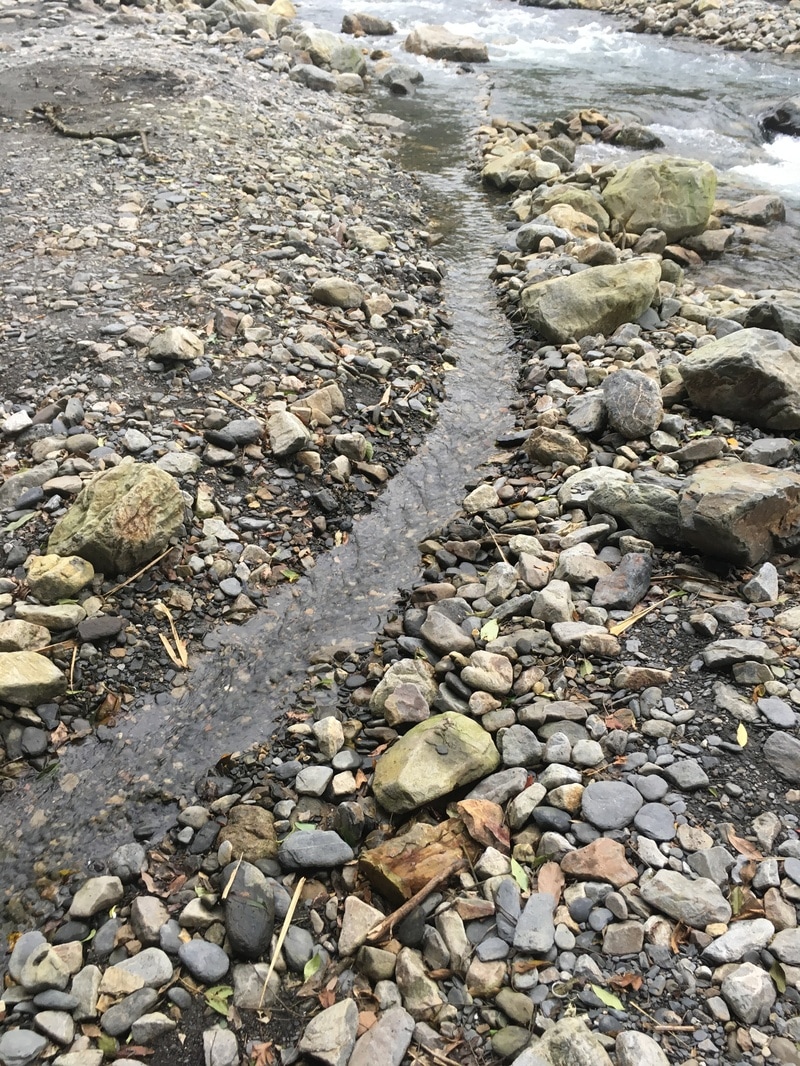
Continuing upstream, I found two hot-spring pools beside a rock wall.
There was plenty of open space, and only two people were bathing.
This felt like the quiet hot-spring retreat I had been searching for.
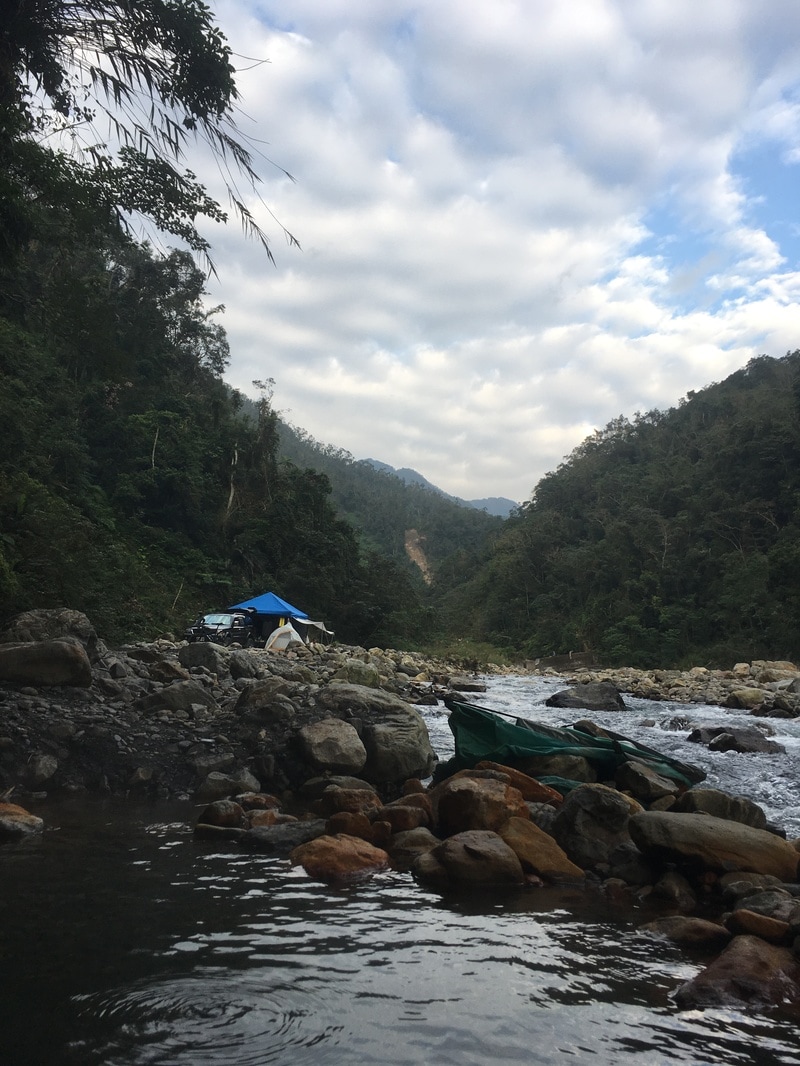
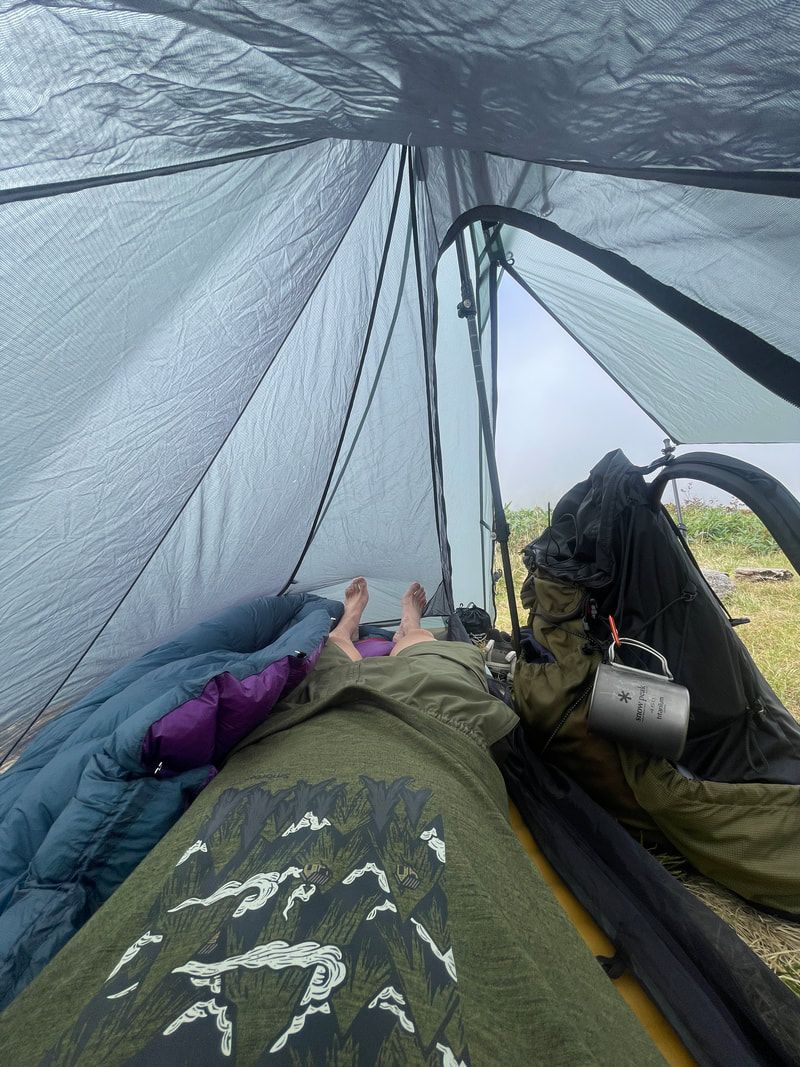
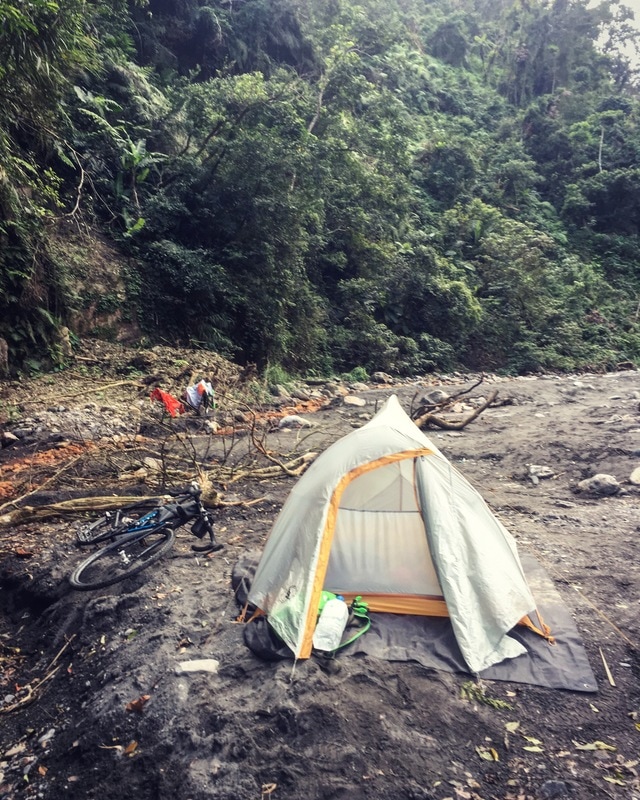
I found a place that looked comfortable, put up the tent and got straight into the water. My choice of spot did not establish camping permission or protection from flooding.
An Entire Afternoon of Soaking
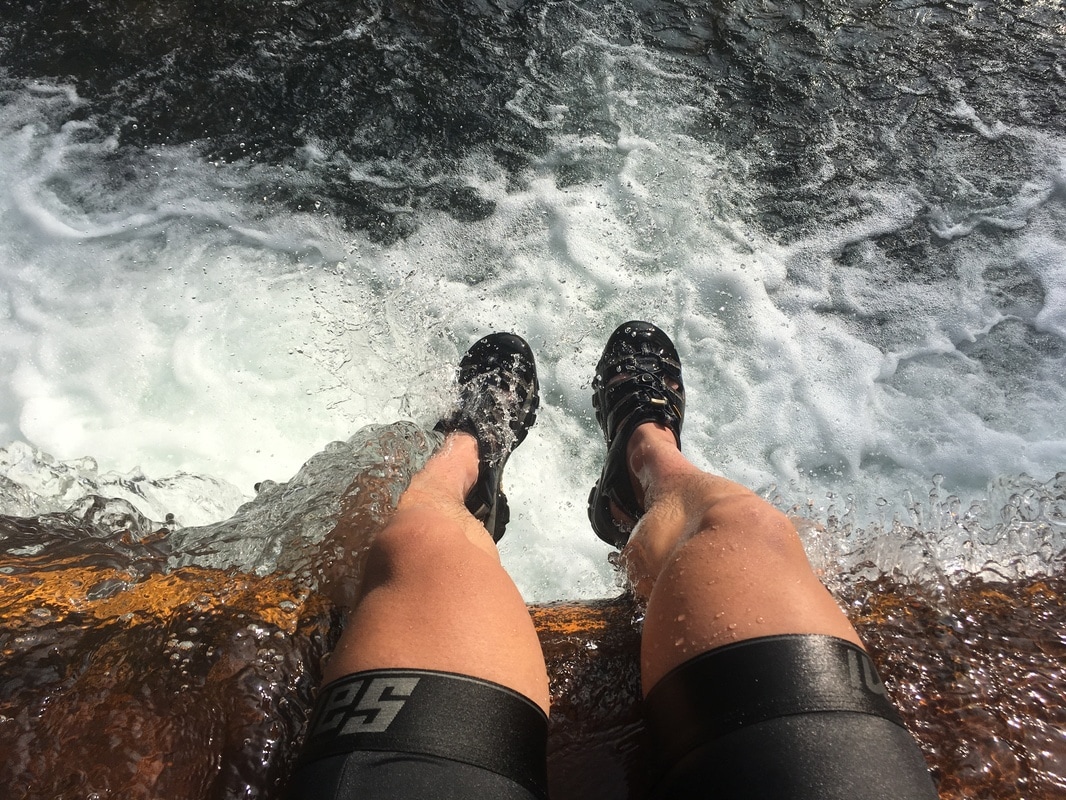
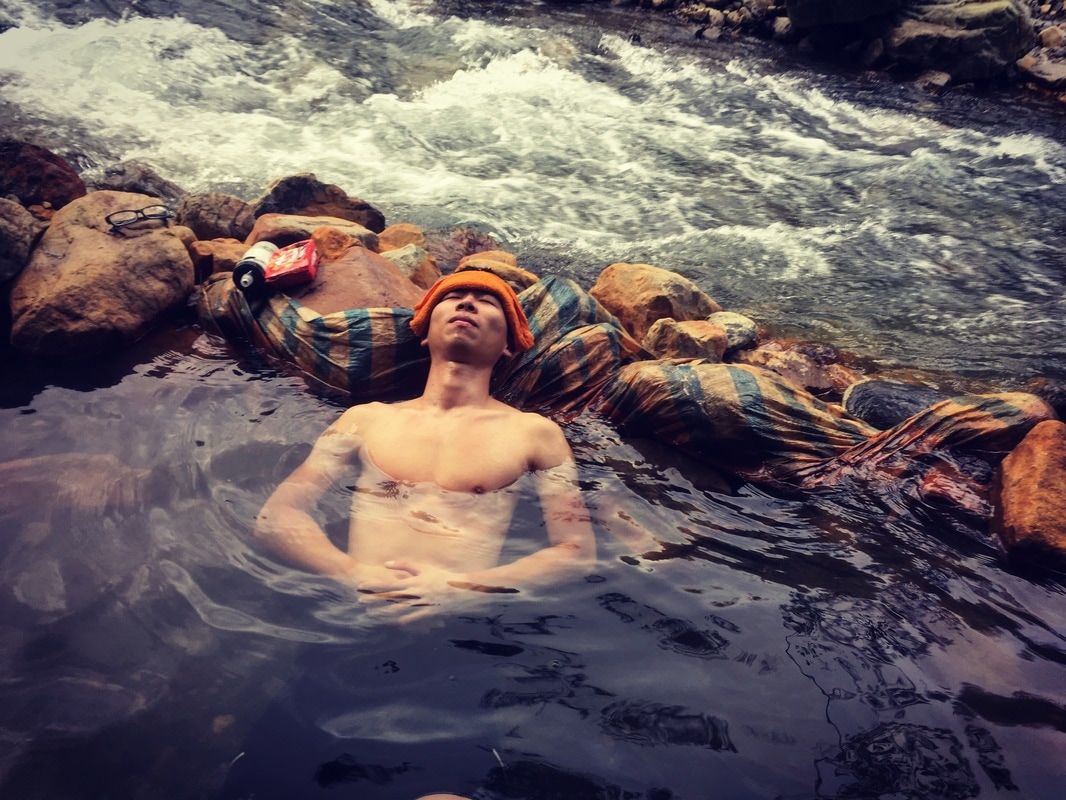
I stayed in the springs until it was time to cook dinner, almost three hours by my recollection.
I grew a little hungry during that long afternoon, but a kind group of visitors had brought plenty of food and shared it with me.
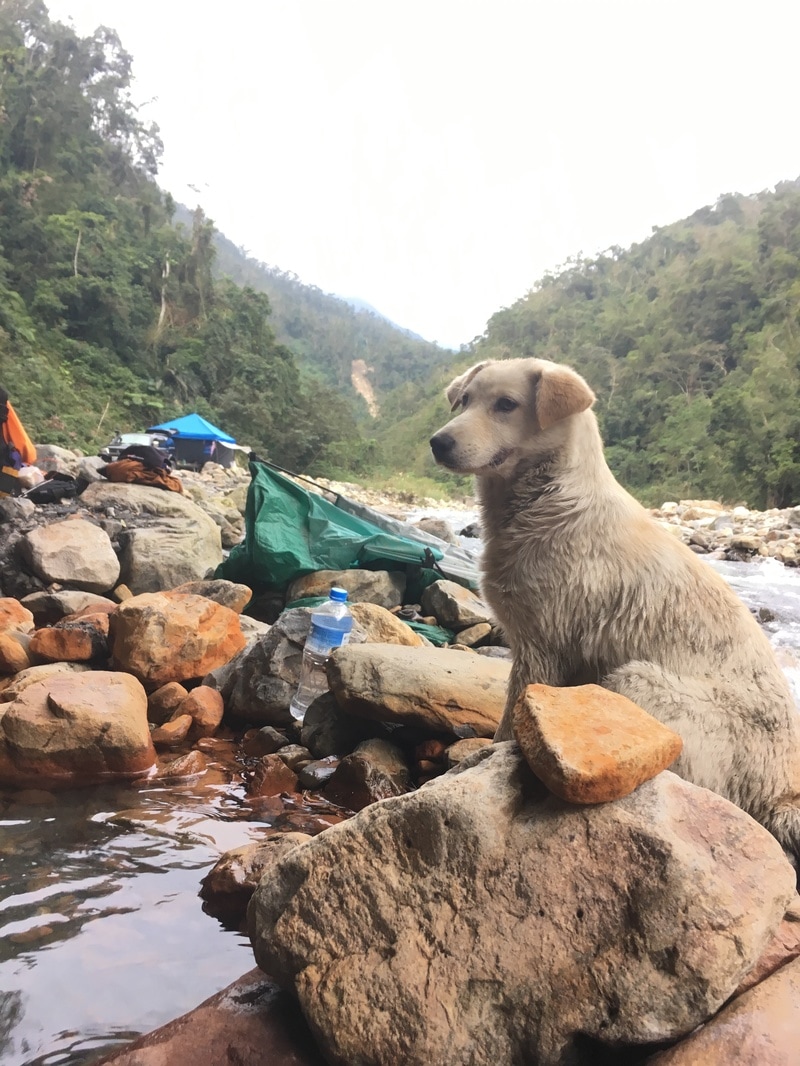
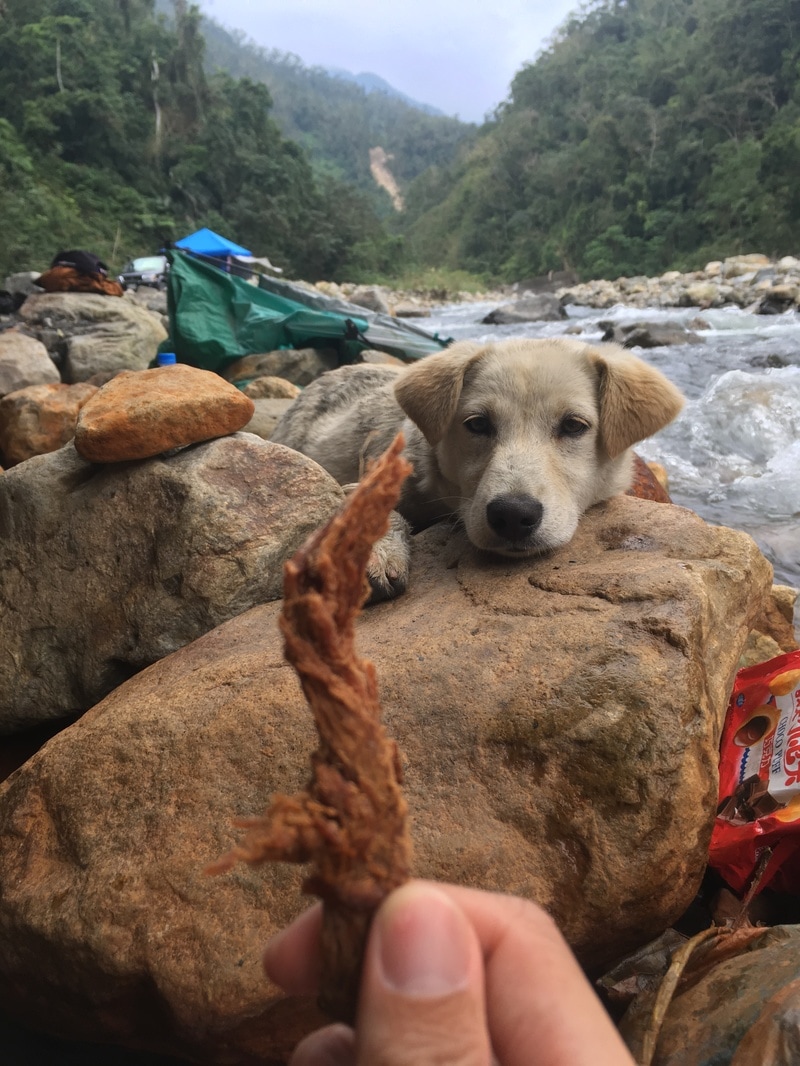
I joked that, like Xiaobai, the white dog hanging around the springs, I was being fed by everyone.
After dinner and a short lie-down, I went back into the water again.
Only when I was tired did I return to the tent to sleep.
The whole day had become one long sequence of hot-spring visits. In my enthusiasm, I thought it even better than staying at a hot-spring inn in Japan.
Those prolonged sessions are part of the memory, not a model for safe bathing.
Coffee, Breakfast and Another Change of Plan
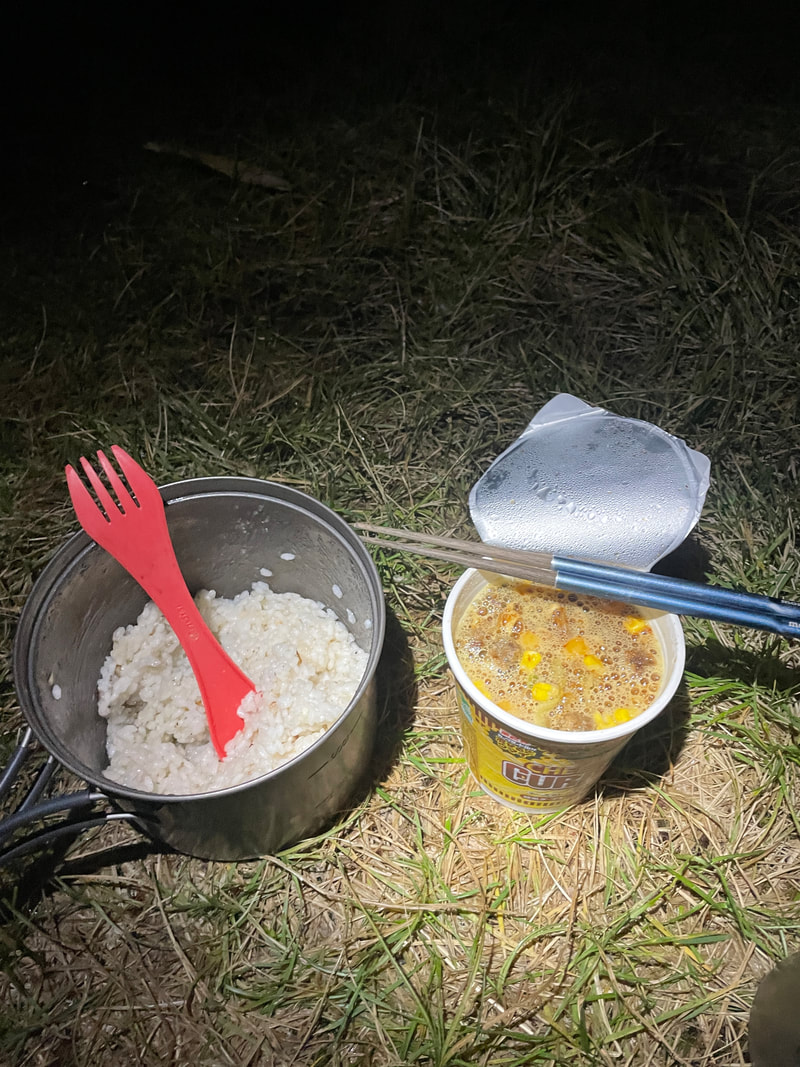
In the morning, I brought my coffee equipment and breakfast and returned to the springs.
Between the aroma of coffee and the warm water, I felt I had raised relaxation to another level.
Once again, I recalled spending about three hours there.
I thought I might simply stay until it was time to go home.
Then I met a couple from overseas who had spent the night beyond the dam, farther upstream.
They told me there was nothing much up there.
But watching them go back and forth kept making me curious.
“It’s Easy”
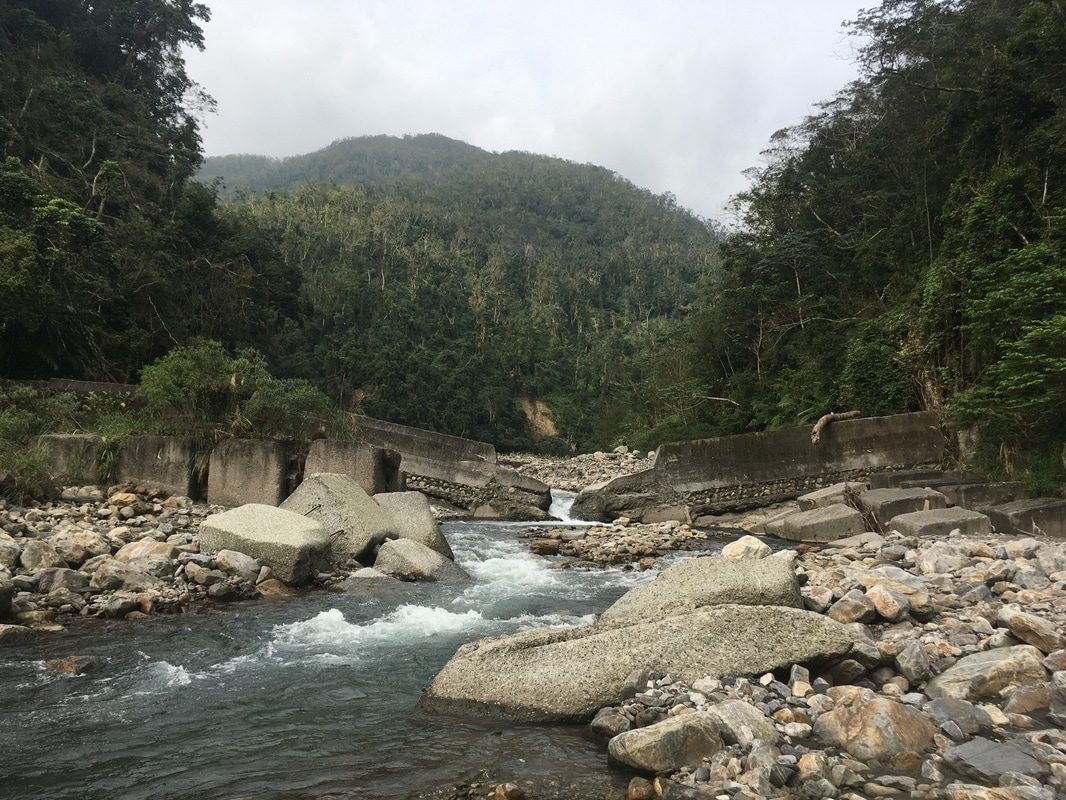
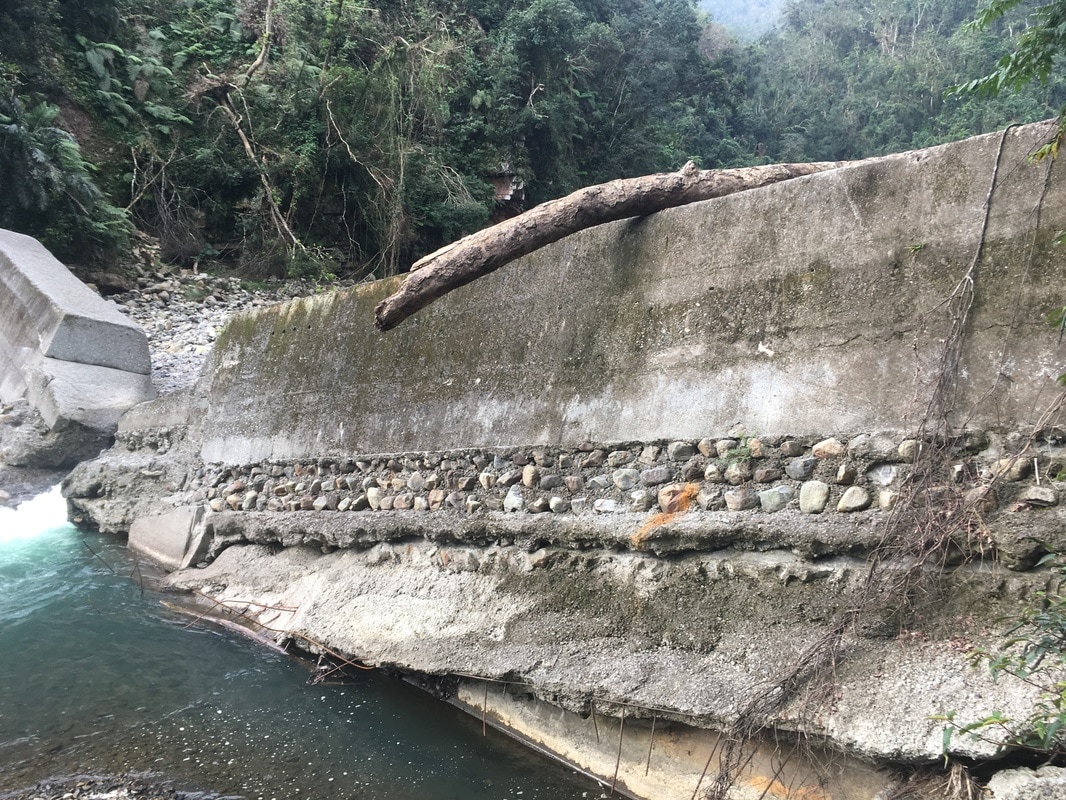
I followed their direction toward the dam and stopped.
How was I supposed to get past that?
The husband explained with gestures: just do this, then this, then this, and you were across.
His wife added, “It’s easy. Even I can do it,” saying the last part in Chinese.
I had no reply.
After looking for quite a while, I decided to find a different way.
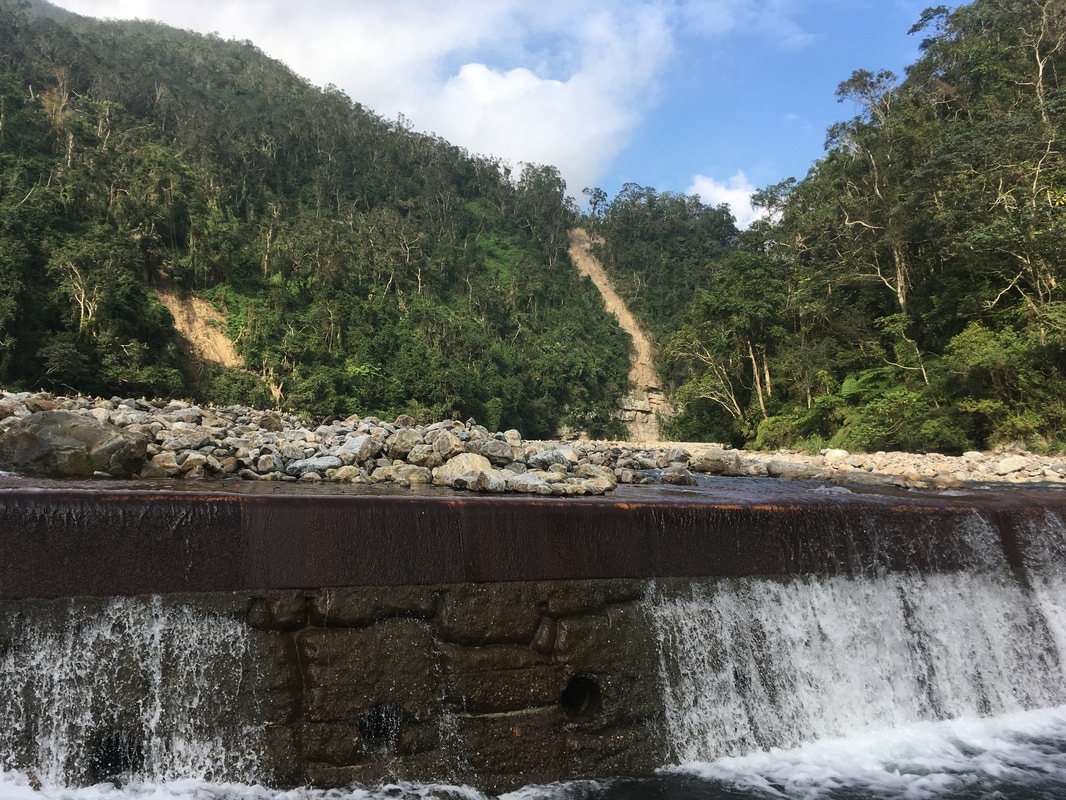
This was an episode from the journey, not guidance for passing a dam. Such structures and the water around them should not be treated as obstacles to improvise a way across.
A Valley with Nothing in It
Beyond the dam, it was just as they had said: there was nothing there.
But that was good too.
In a valley with nothing much in it, I was alone. I wandered around looking at whatever caught my attention, with no particular demands on my time.
For a while, it felt completely free.
I stayed exploring that little world until close to noon, then went back to pack the tent and head home.
The original plan to investigate neighboring Paigu Creek was abandoned.
After all, wandering was supposed to mean letting go of constraints. Why add another rule for myself?
Original route record: The author’s historical activity on Strava. This records the old journey, not present access permission or safe river conditions.
Bikepacking diary: Facebook · Instagram