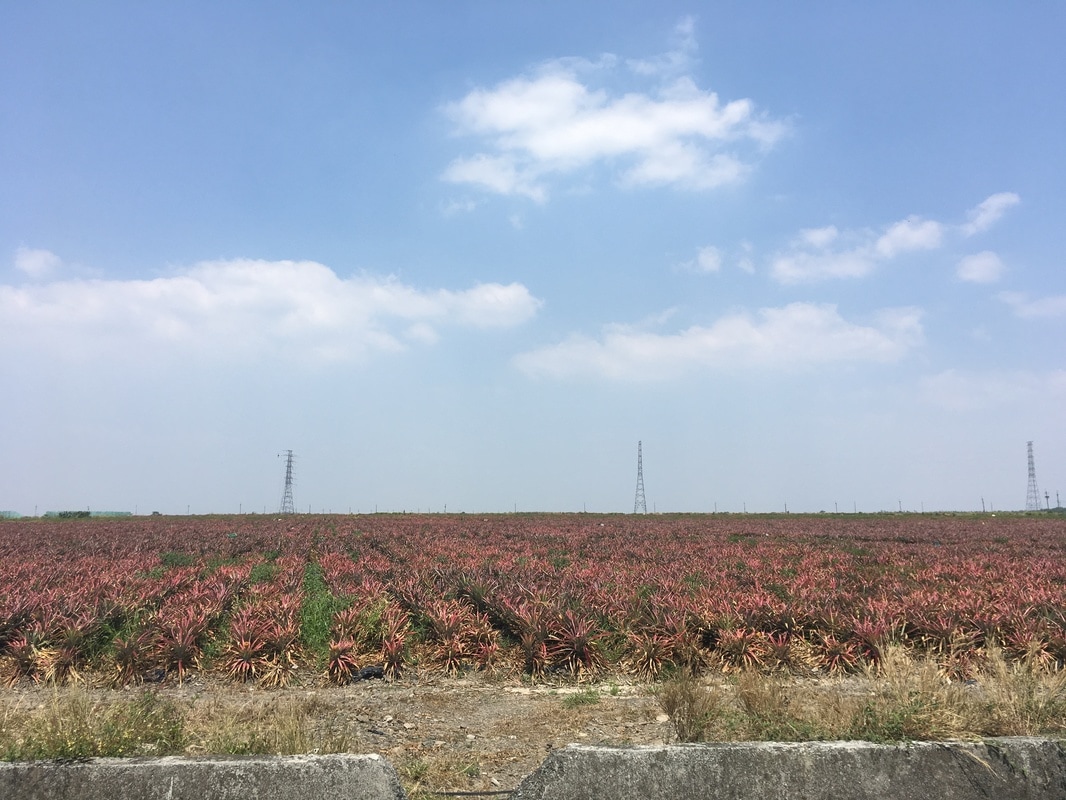
Hengchun Peninsula | Part 2: Bikepacking to Chufengbi’s Windswept Coast
Translated from Bikepacking diary’s original Hengchun Peninsula, Part 2, published on April 1, 2017, and republished by arrangement with the author. Photographs are linked directly from the original website.
Editor’s note: This historical travel account is not a current access, route or camping guide. Confirm present coastal access, conservation restrictions, weather, road conditions and permissions with the relevant managers before travel. An empty coast guard building, a map line or an old activity track does not establish permission to proceed. Exposed headlands and rocky shores can present strong-wind, wave, cliff and rockfall hazards; keep away from edges and do not seek out wreckage on the strength of this account. Obtain permission before using temple facilities or sleeping in public structures. The author’s informal assessment of a pavilion did not establish its safety. Treat heat illness seriously rather than riding through symptoms.
A Coast I Had Wanted to See for Years
Continuing from Hengchun Peninsula, Part 1, I began the second day of my journey around the peninsula.
Today would bring one of the trip’s main destinations: Chufengbi, the exposed cape on the eastern side of the Hengchun Peninsula.
I first learned about it through photographs on a cycling friend’s Facebook page.
In the pictures, several people on mountain bikes were riding across a gravel beach. Wide tires rolled over the stones under bright sunshine, with waves breaking beside them.
As a road cyclist then, I found the scene almost unimaginable.
I asked how to get there, but the limitations of my bicycle kept me from going.
Now, at last, I could explore that coast.
The Nantian Detour
My original plan was to climb the South Link Highway to Shouka, then turn onto County Road 199 toward Manzhou.
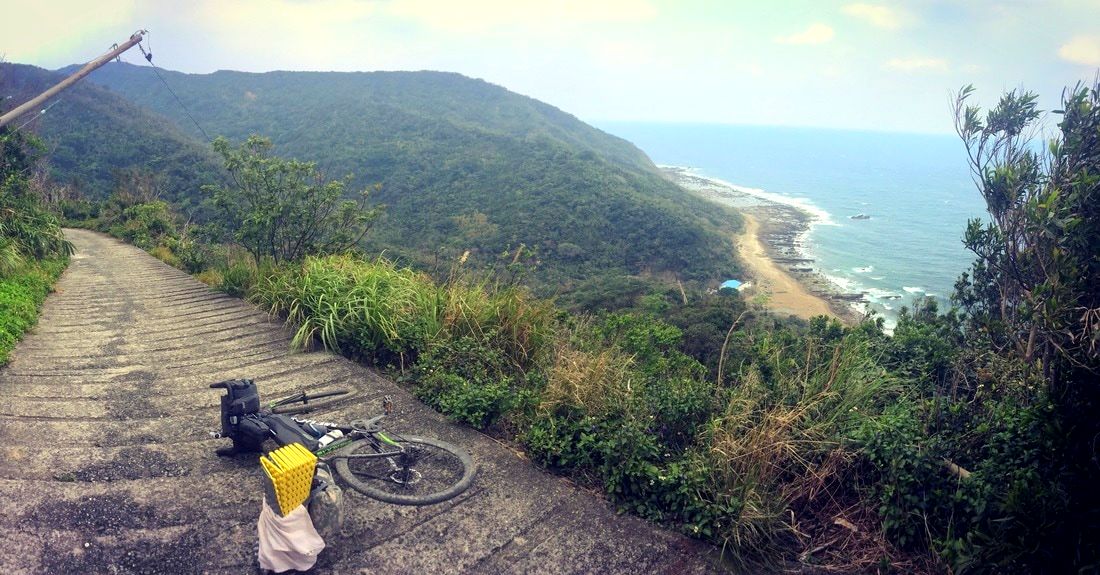
Before I reached the junction, however, a reader told me I could use the Nantian cycle route to join the highway higher up.
Beautiful views and fewer vehicles sounded like a good combination.
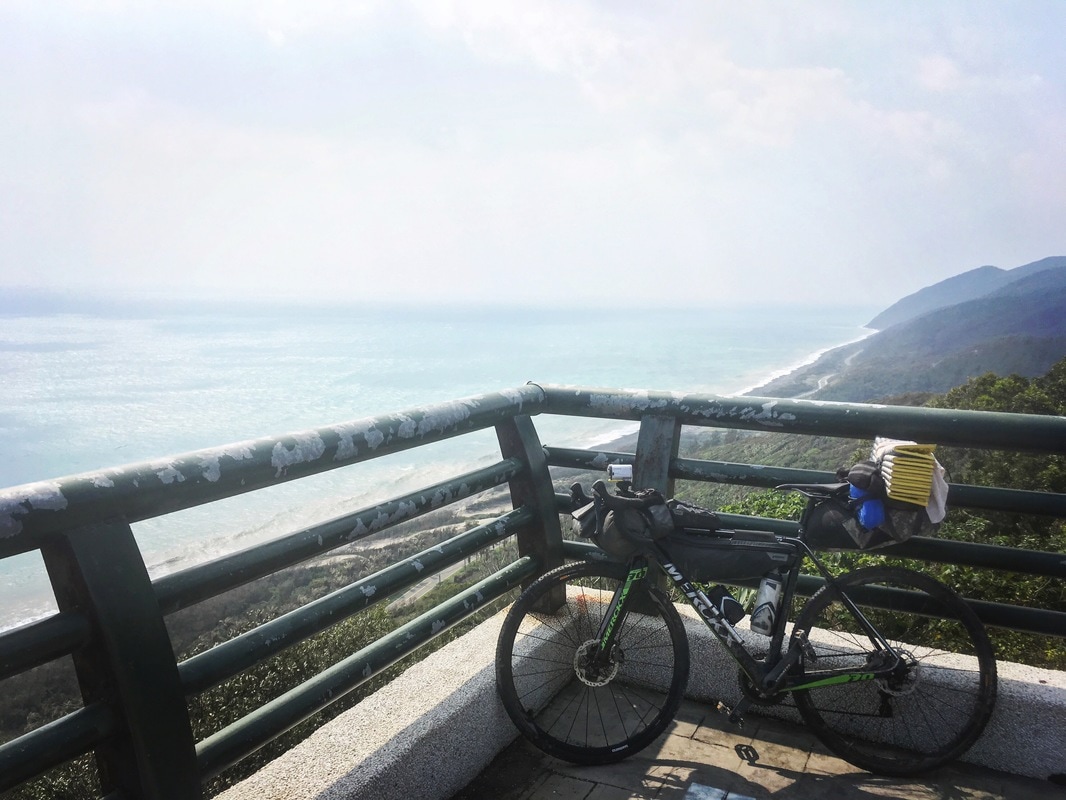
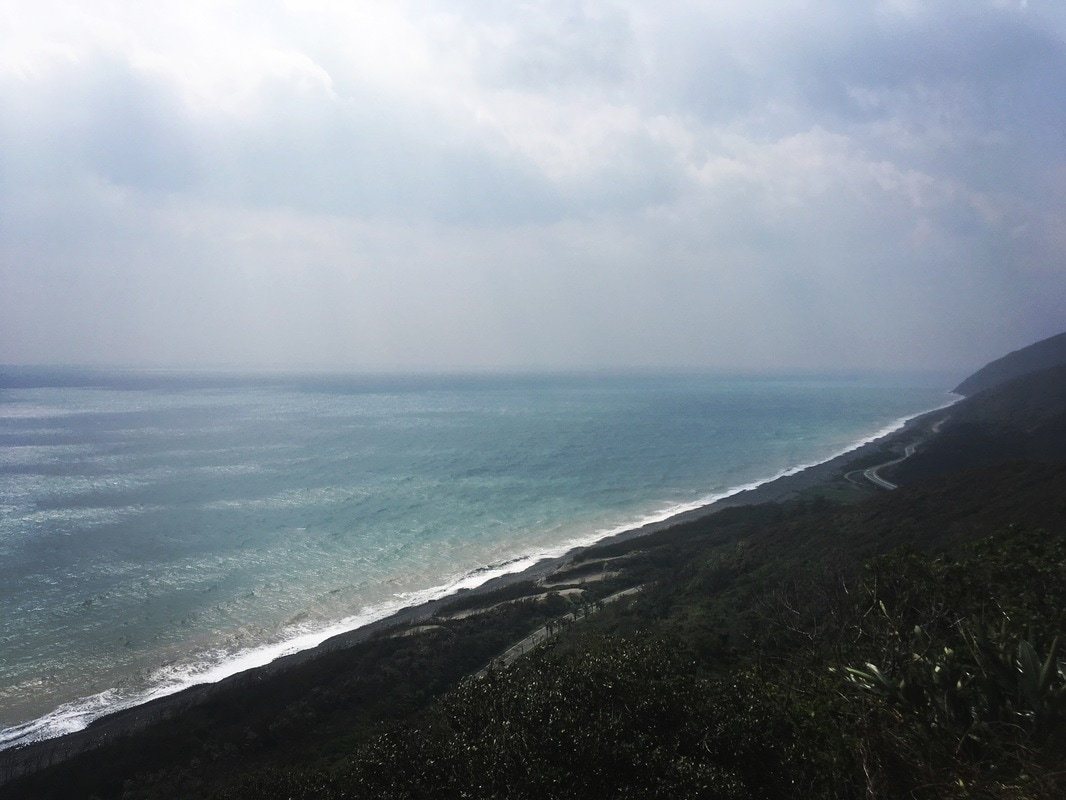
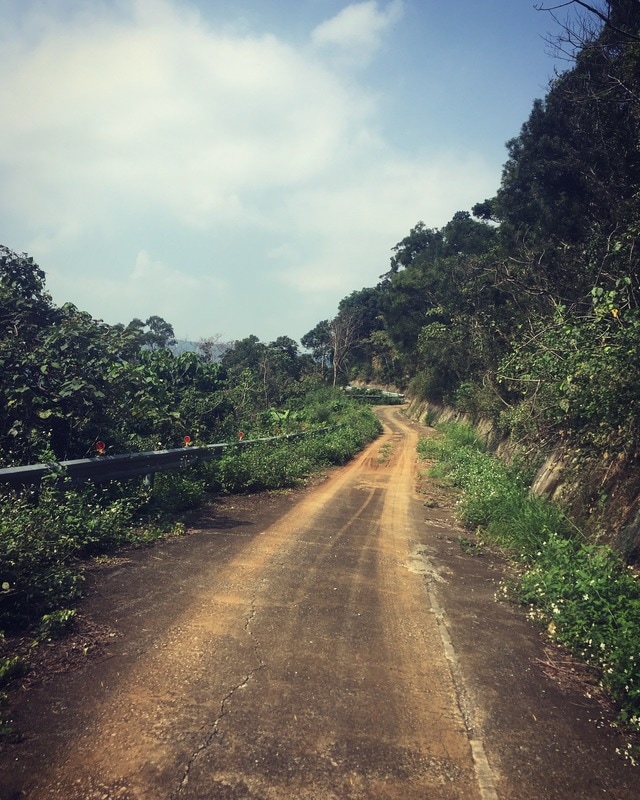
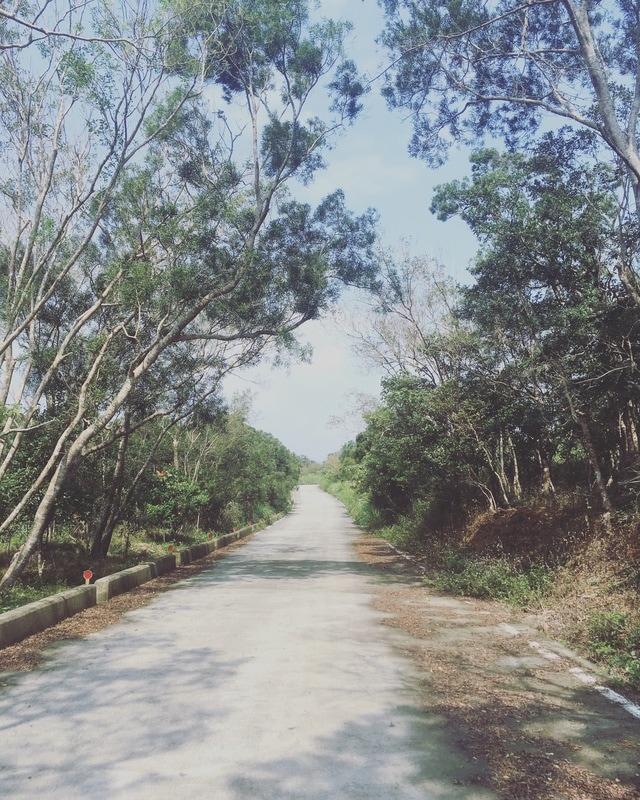
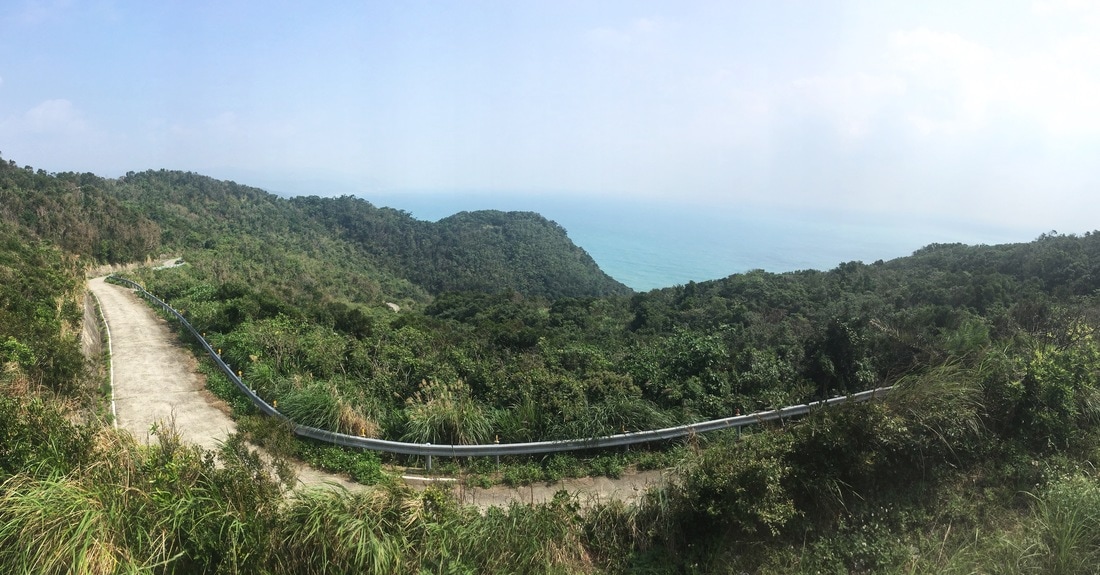
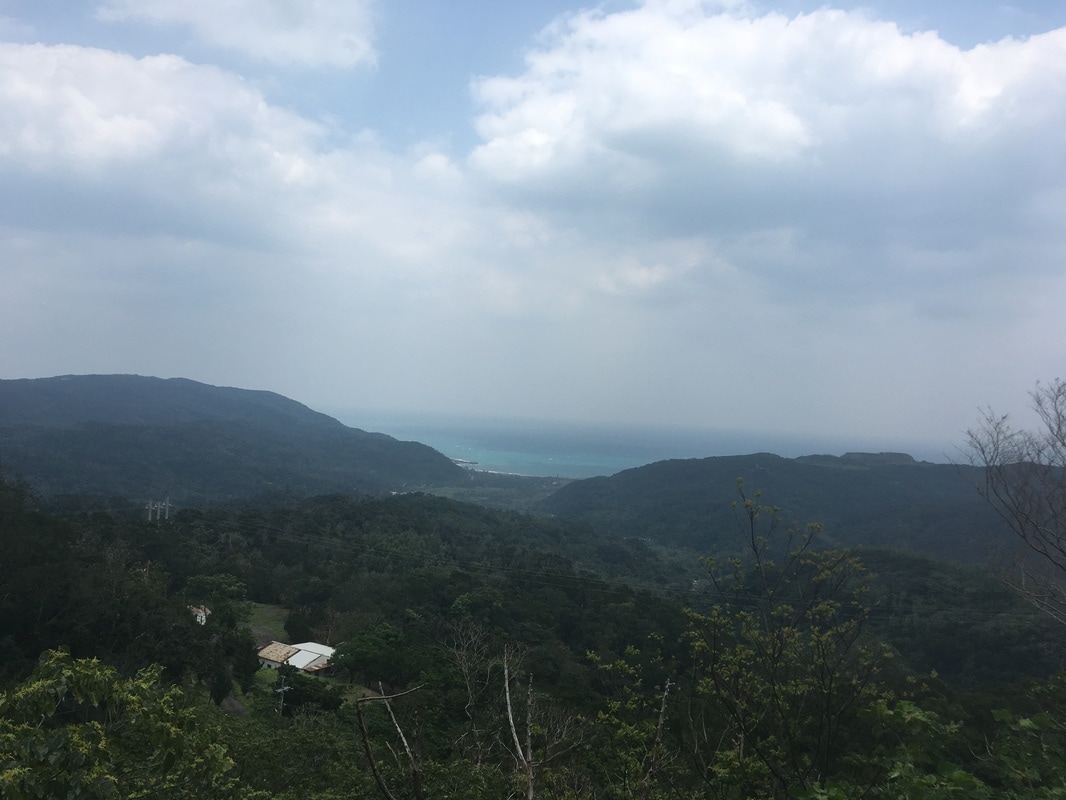
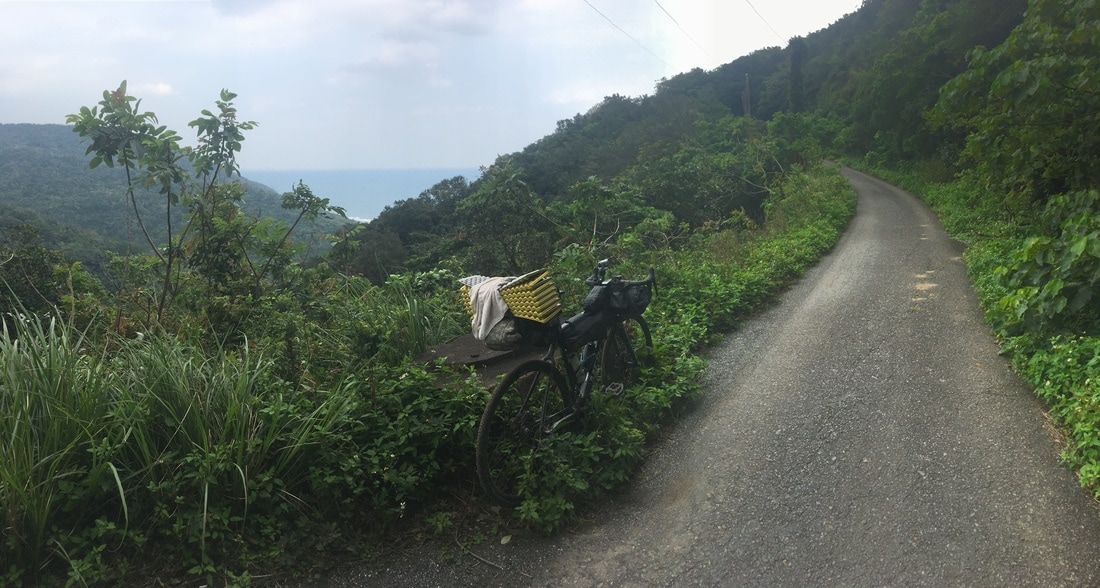
The suggestion proved well suited to what I wanted: a concrete road with some climbing, followed by broad views of the Pacific from the hills.
The open sea cleared my head.
When I joined the South Link Highway, I recalled having only about seven kilometers left to Shouka. The detour had let me avoid a substantial stretch of traffic.
County Roads 199 and 200
At Shouka, I took the customary photograph by the police station, then turned onto County Road 199.
I had ridden it during the previous year’s Qingming holiday and had not stopped thinking about it. Returning was one reason for this journey.
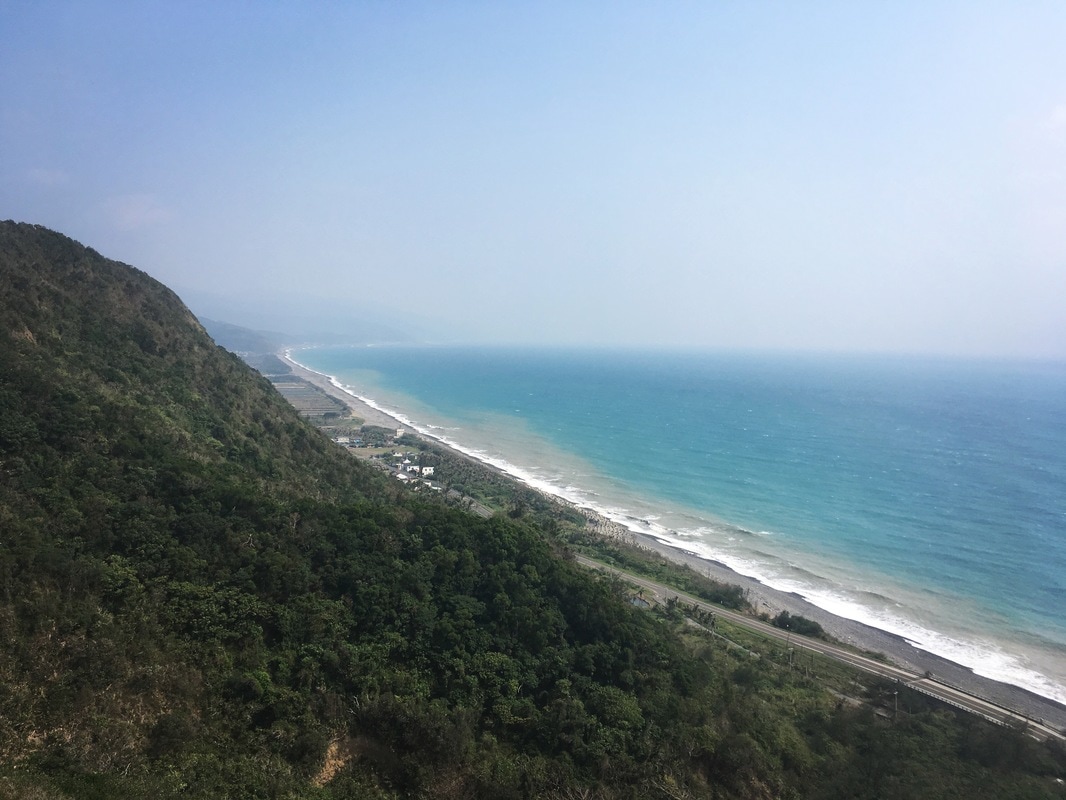
County Roads 199 and 200 wound through the mountains of southern Taiwan.
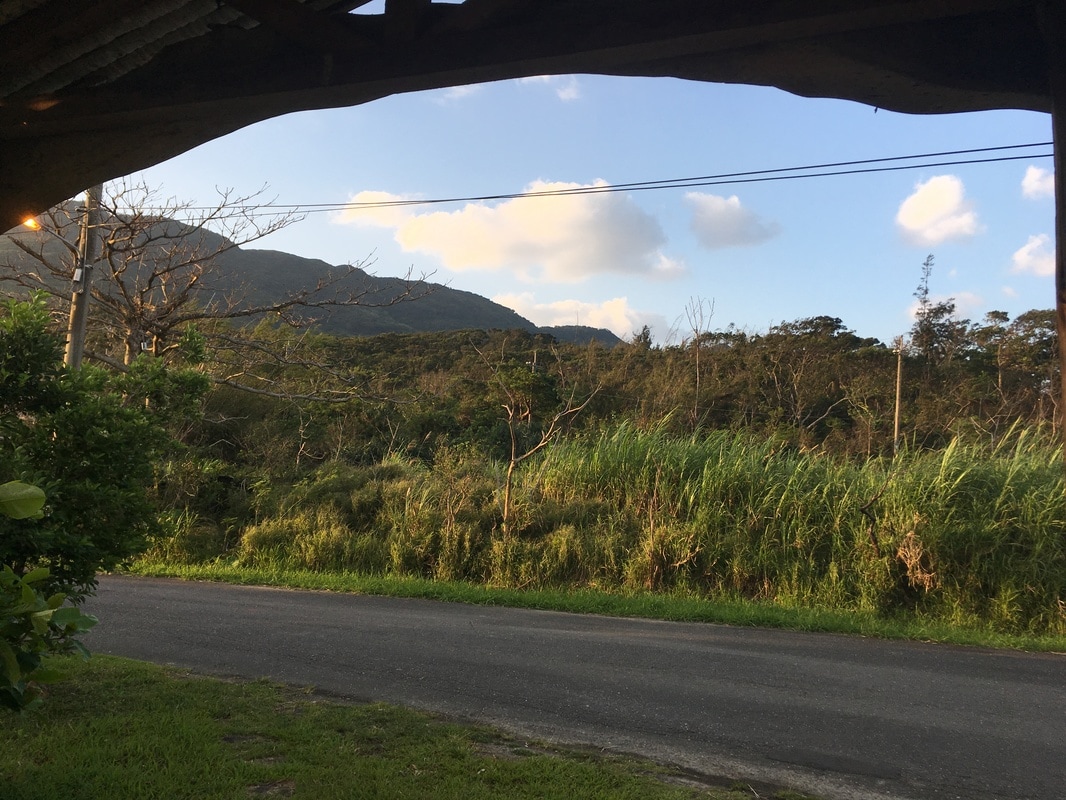
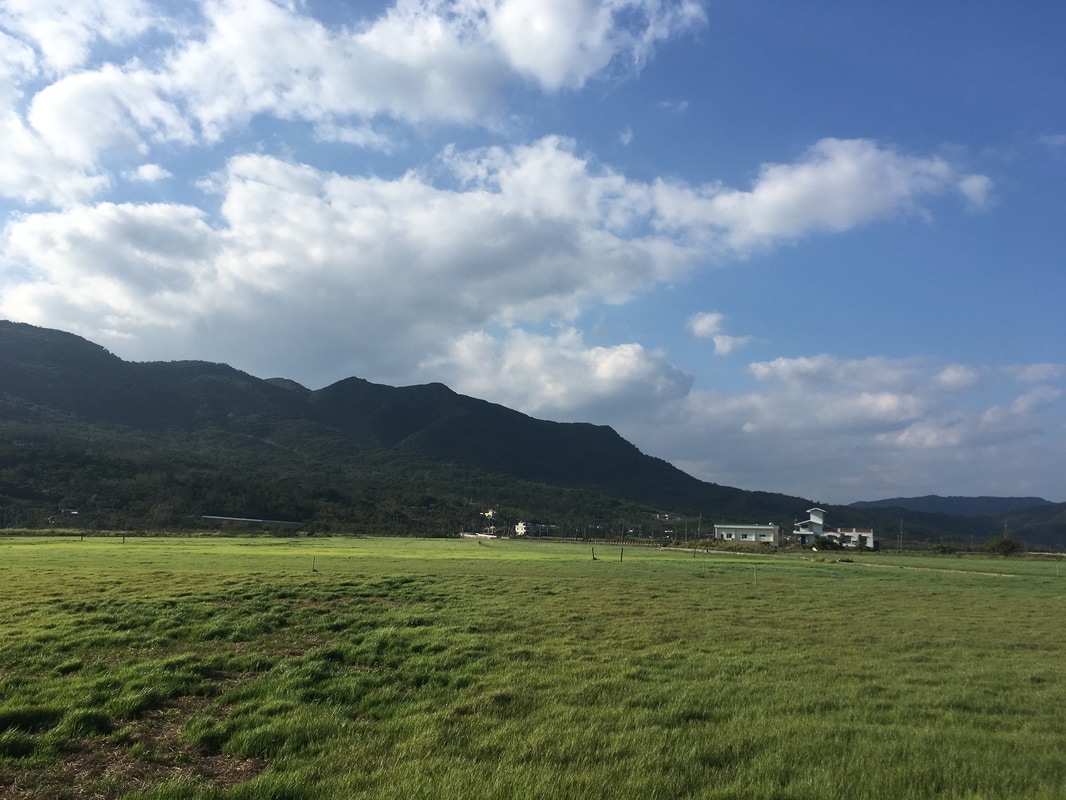
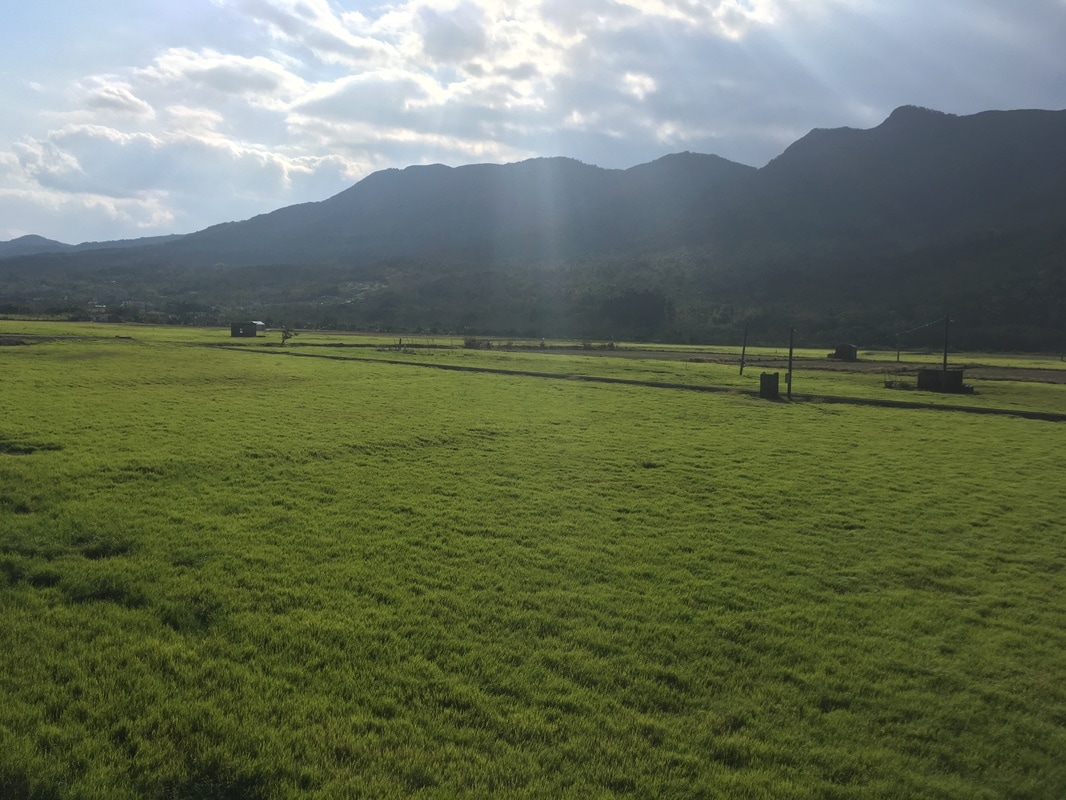
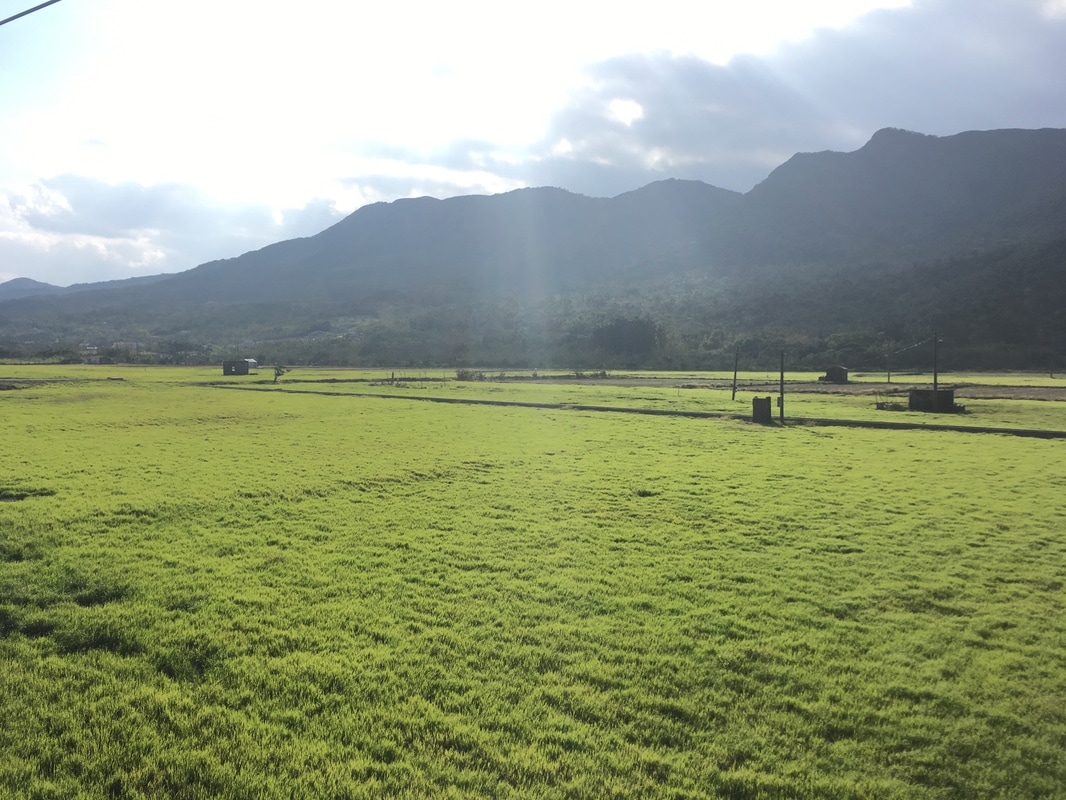
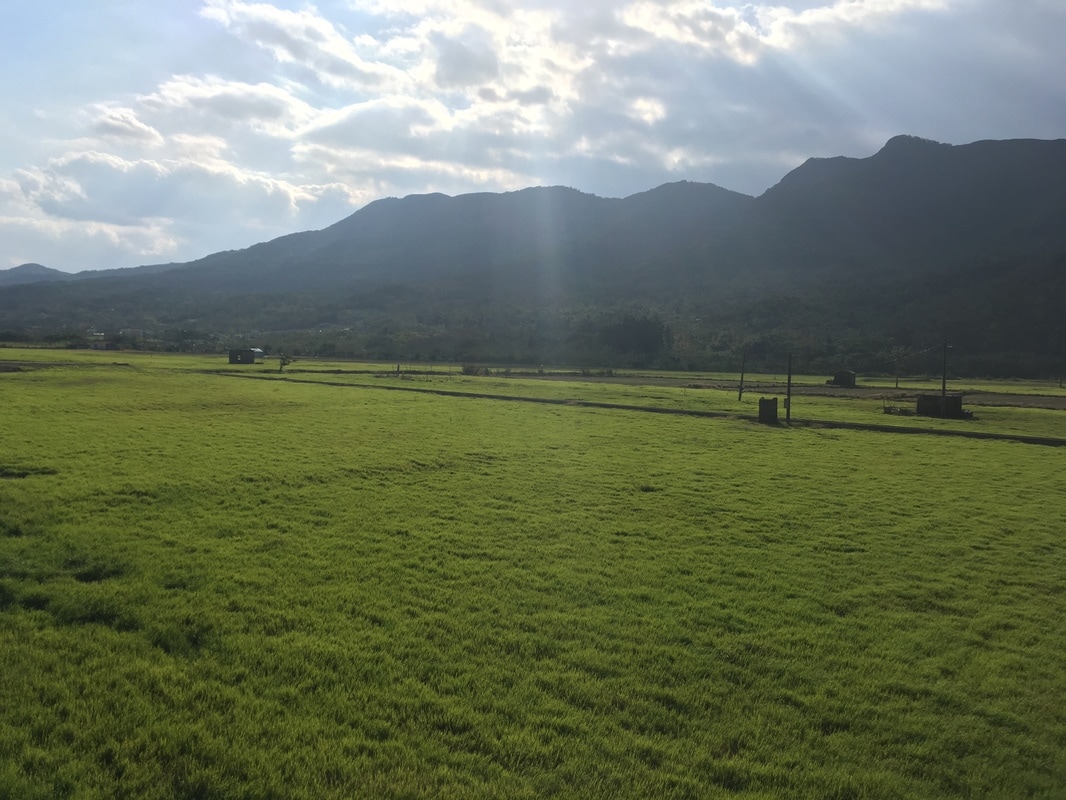
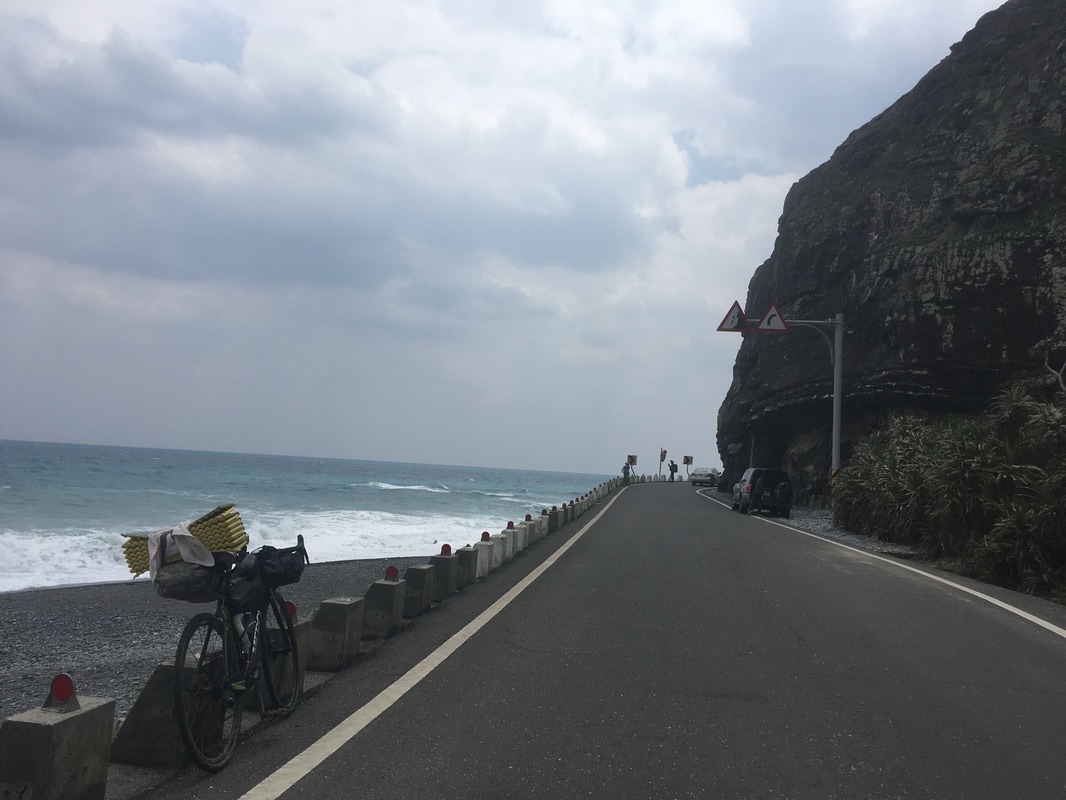
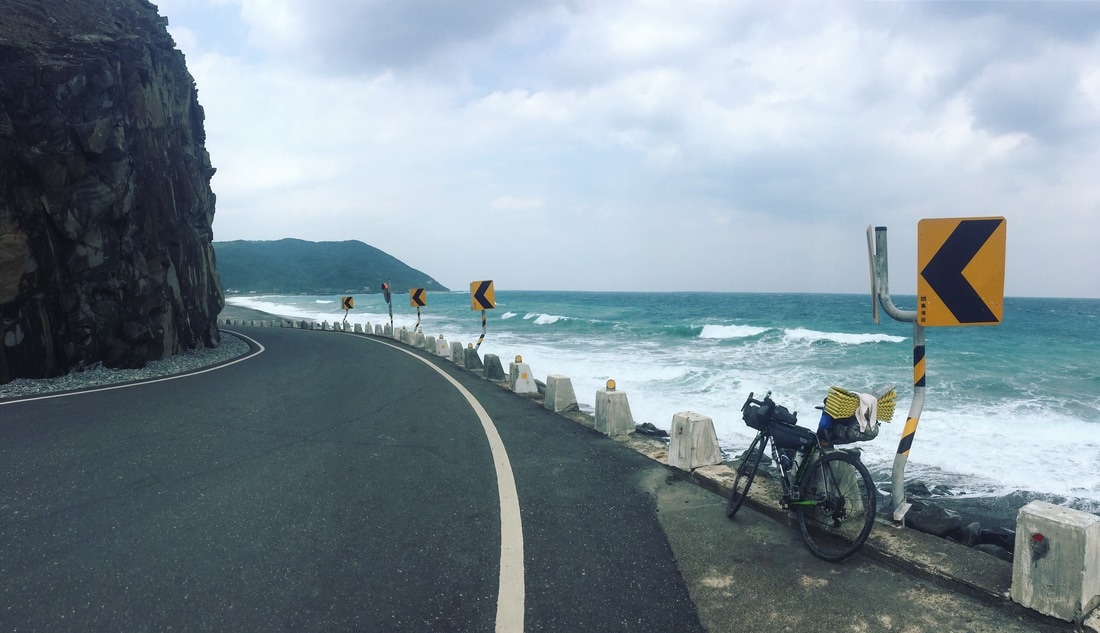
From my approach off the South Link Highway, much of the riding descended through varied scenery combining mountains and sea.
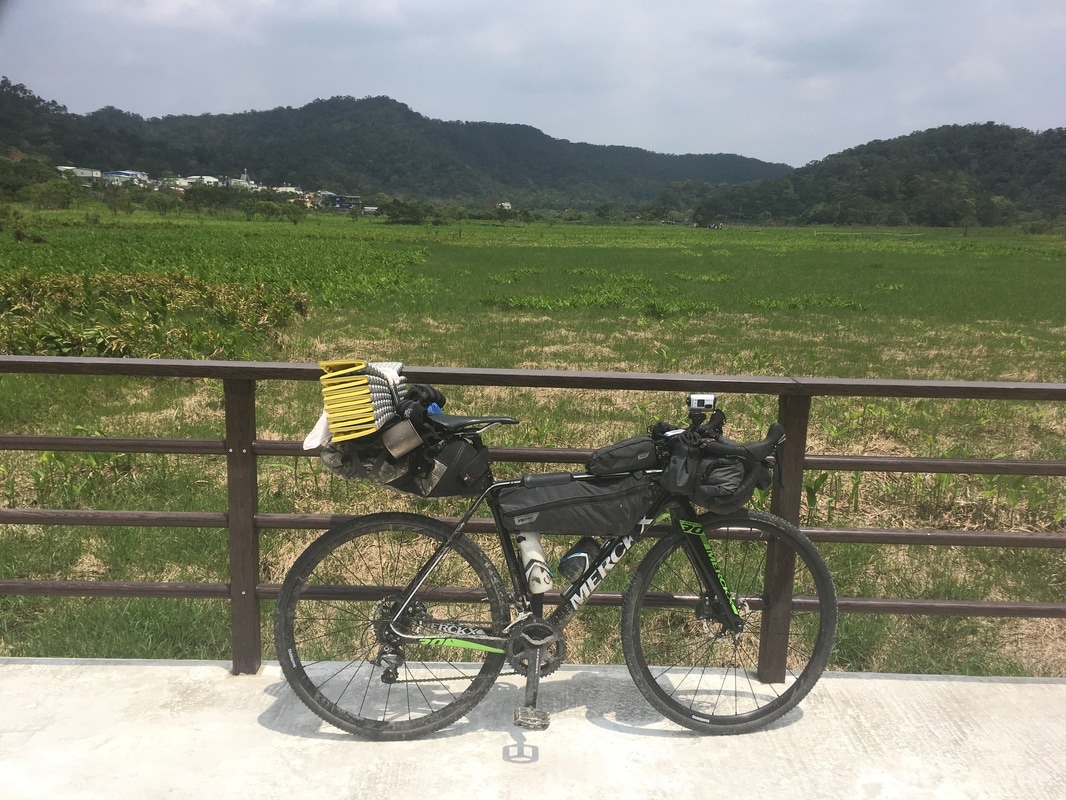
At times, I was beside the coast. At others, I passed wetlands and grassy valley landscapes.
It was a road worth taking slowly.
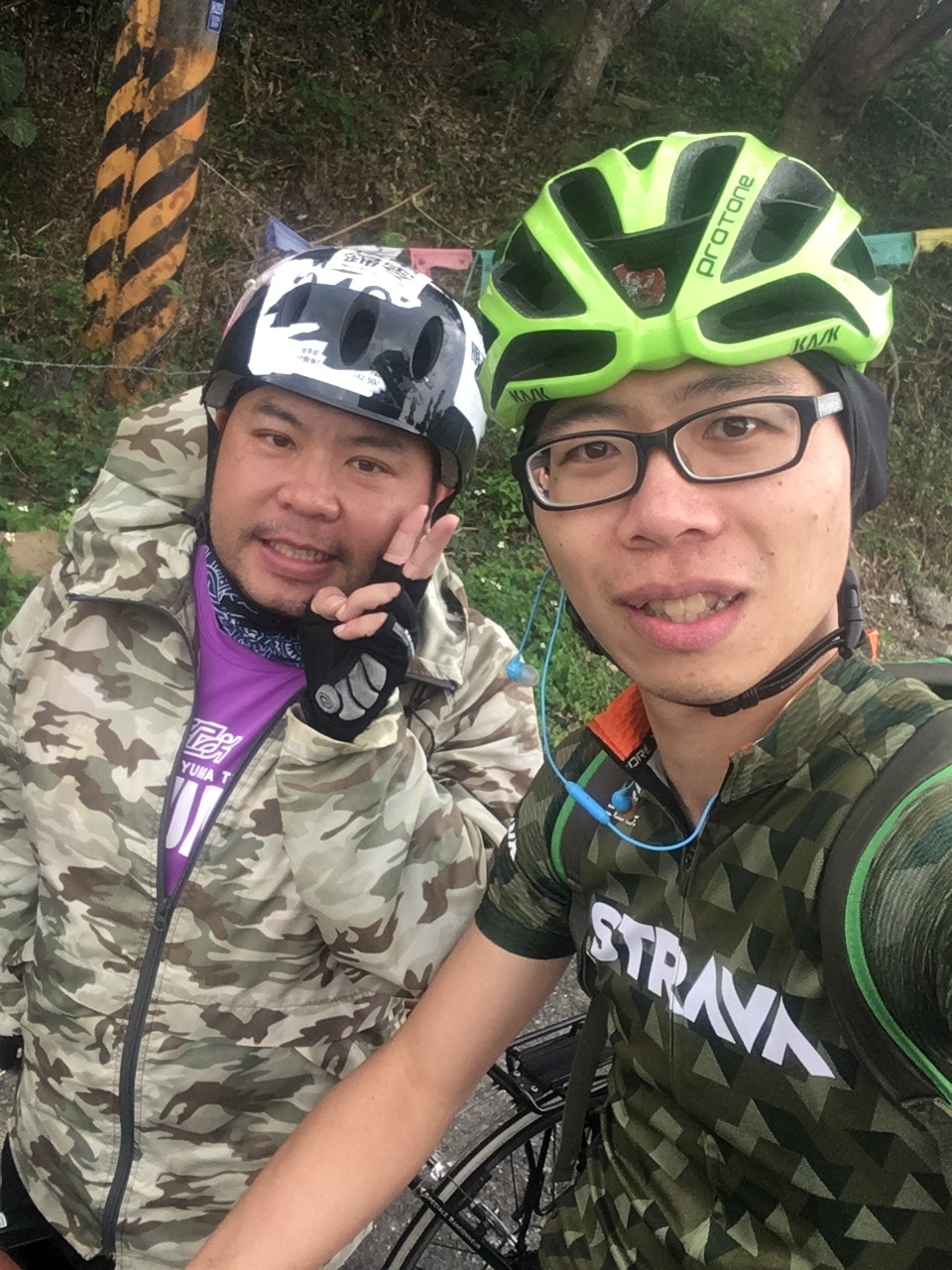
Before Manzhou, I met another reader of the diary. Talking, we discovered that he had traveled to the Yukon to canoe with one of my cycling friends.
He even told a story about singing there and attracting a bear.
It seemed remarkable how many adventurous people were quietly out there.
Afternoon Company in Manzhou
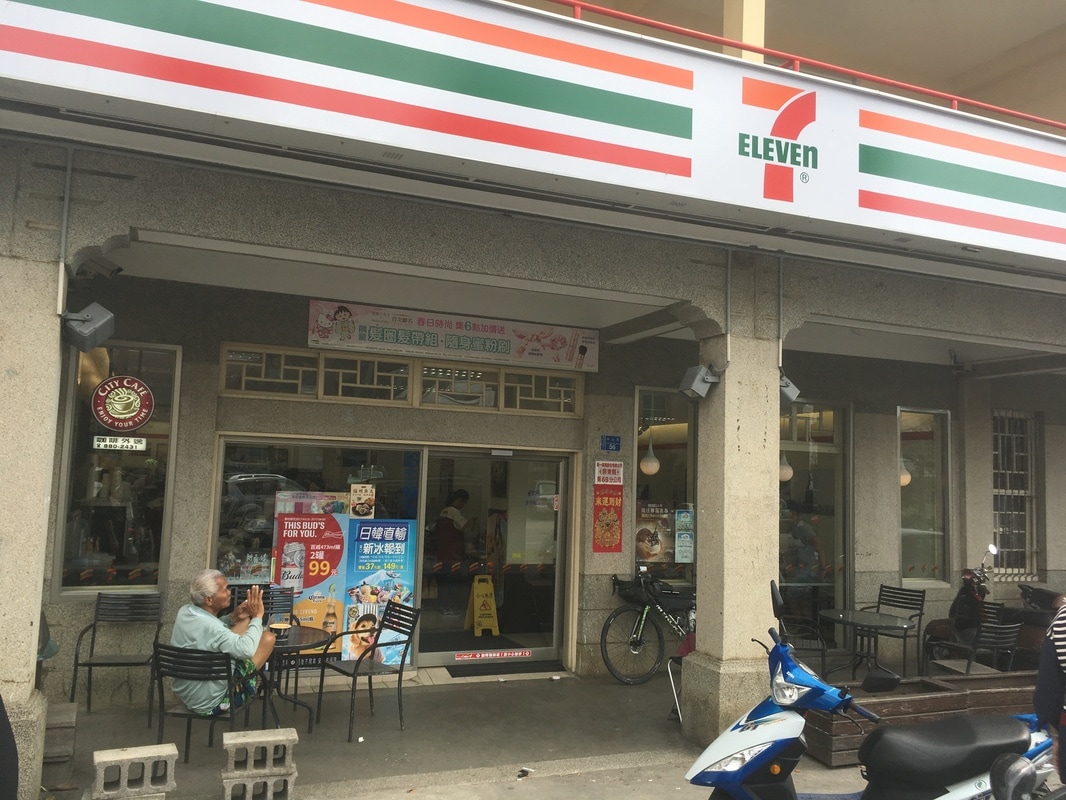
In Manzhou, I settled at a table outside a convenience store and studied how to reach Chufengbi.
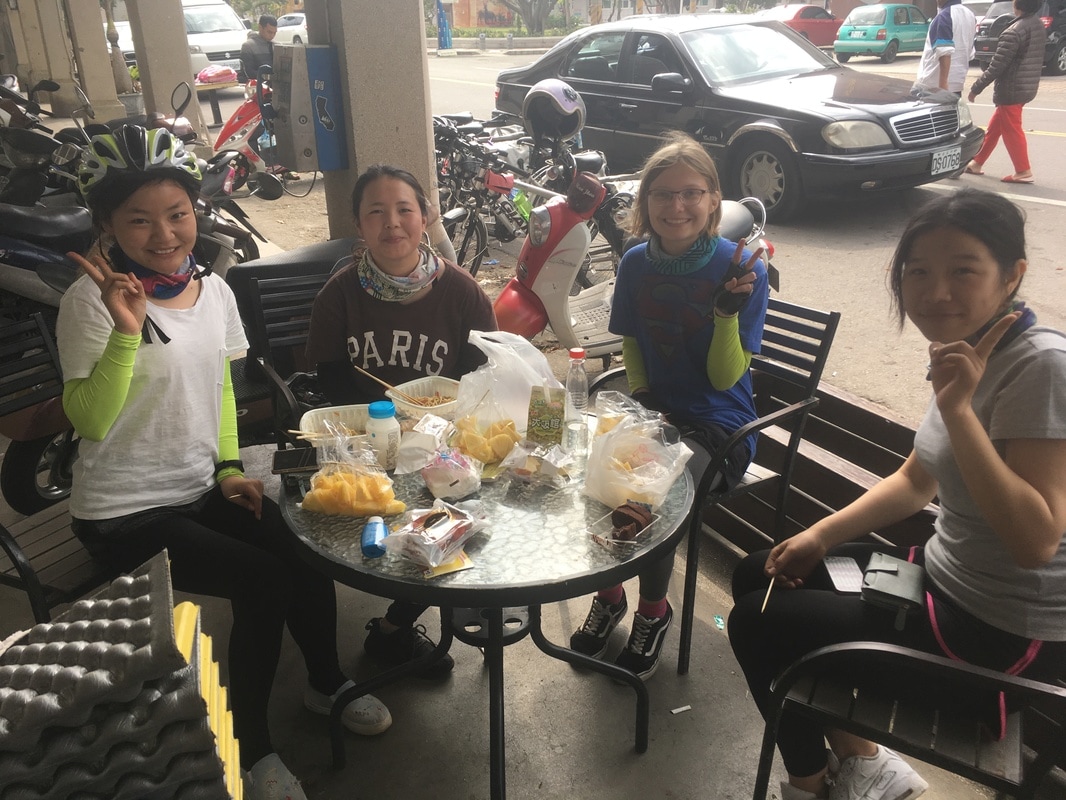
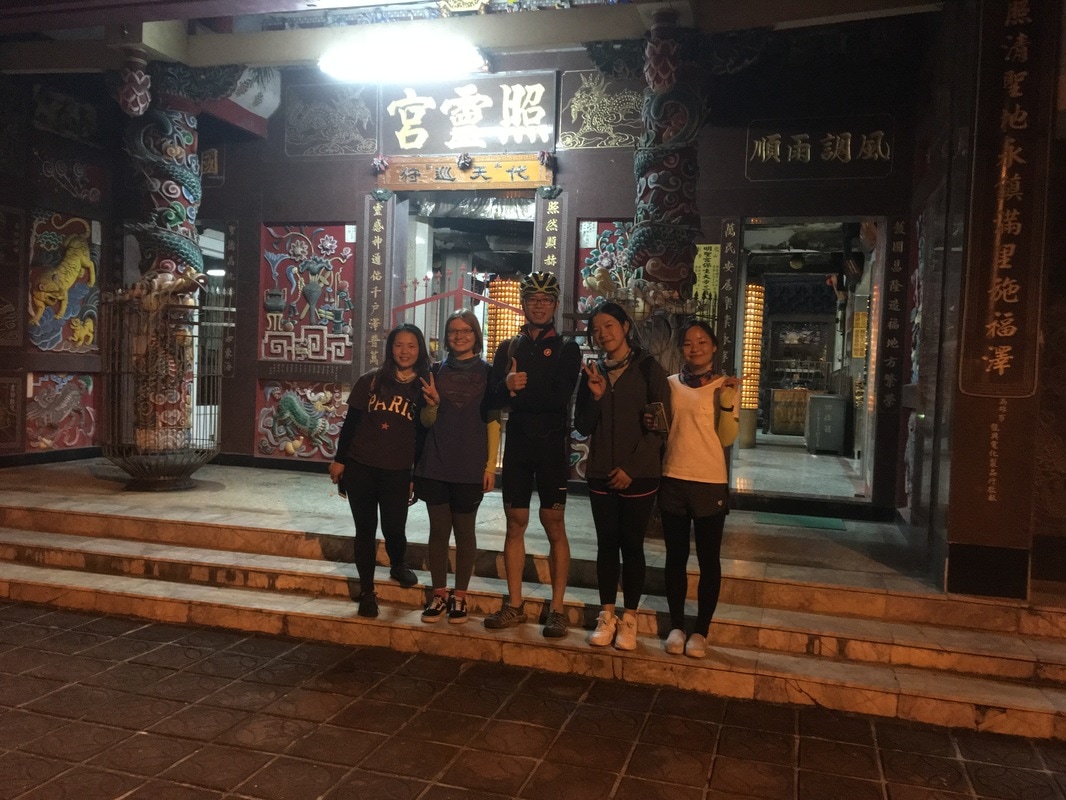
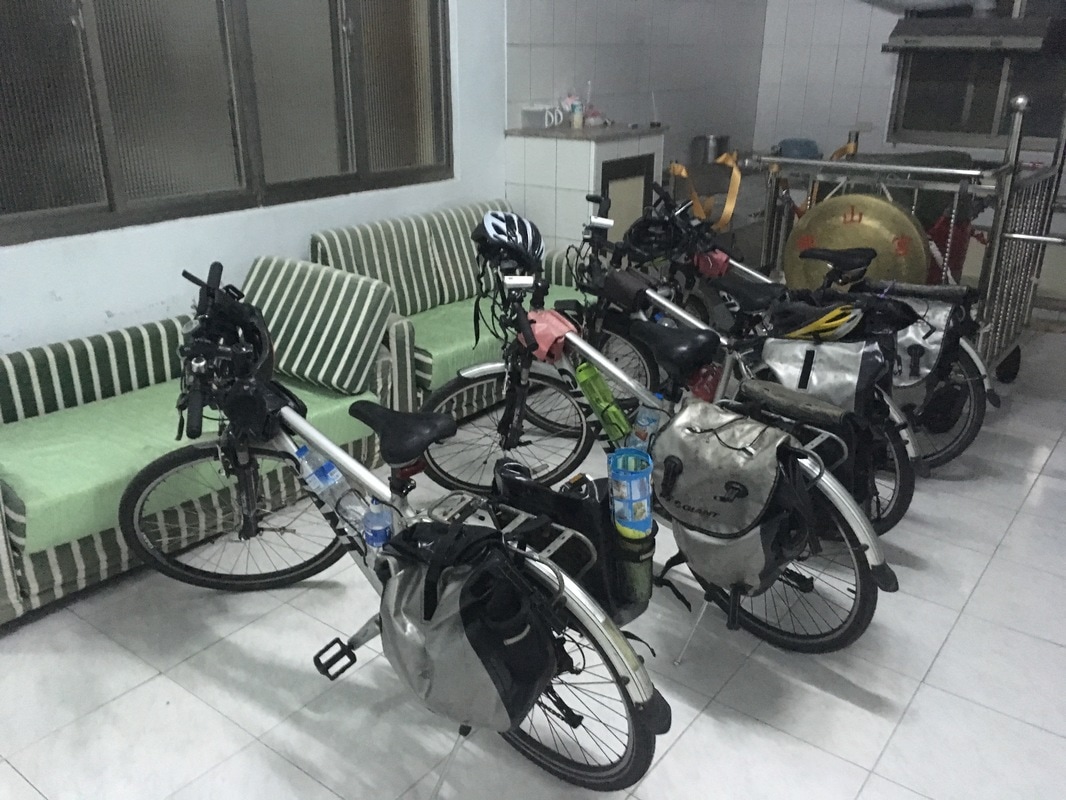
Four university students on what looked like a cycling tour arrived.
A whole table could feel rather lonely with only me at it, so I was happy when they joined my afternoon break.
They were exchange students from China and Lithuania, studying at Providence University in Taiwan.
They had decided to ride around the southern peninsula together, starting in Kaohsiung and heading for Taitung.
I admired their willingness to set out without much experience.
They reminded me of my own early cycling days. My equipment had not been especially good, but enthusiasm took me everywhere.
Those were some of the happiest days of my riding life.
Over the Hills to Chufengbi
Conversation carried the afternoon along until I really had to leave.
Looking at the hills surrounding Manzhou, I knew the next section would not be flat.
Fortunately, it was not far, and anticipation made the climbing feel easier.
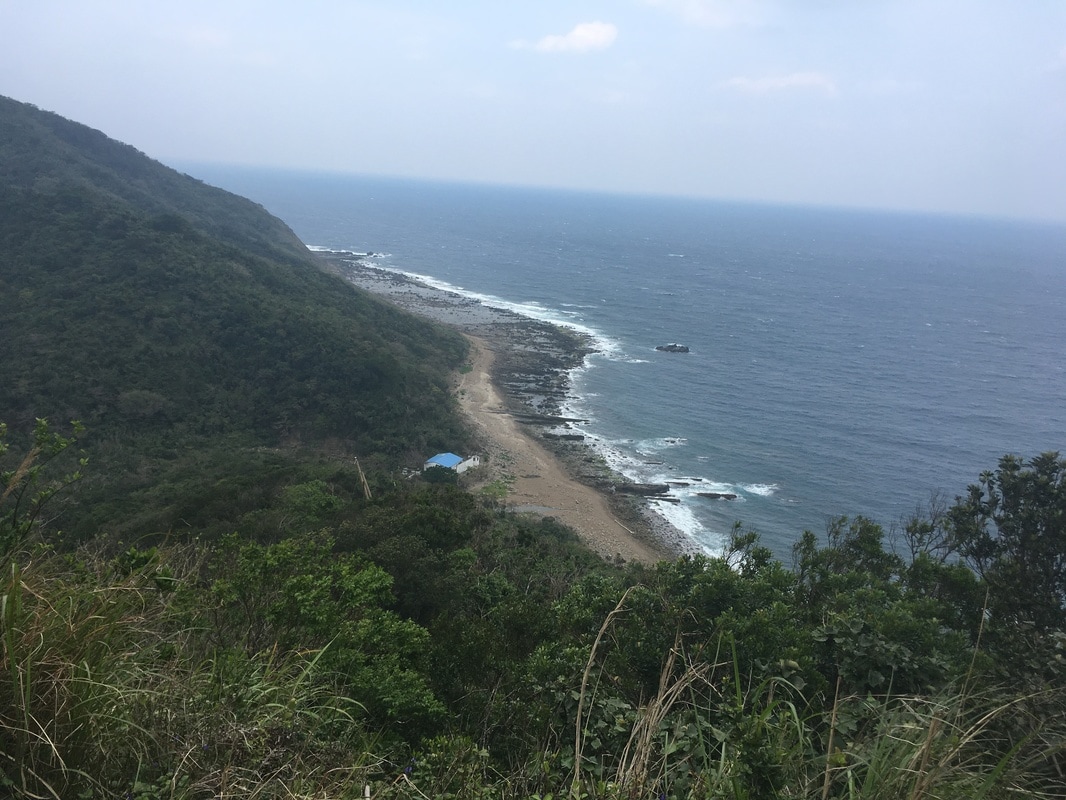
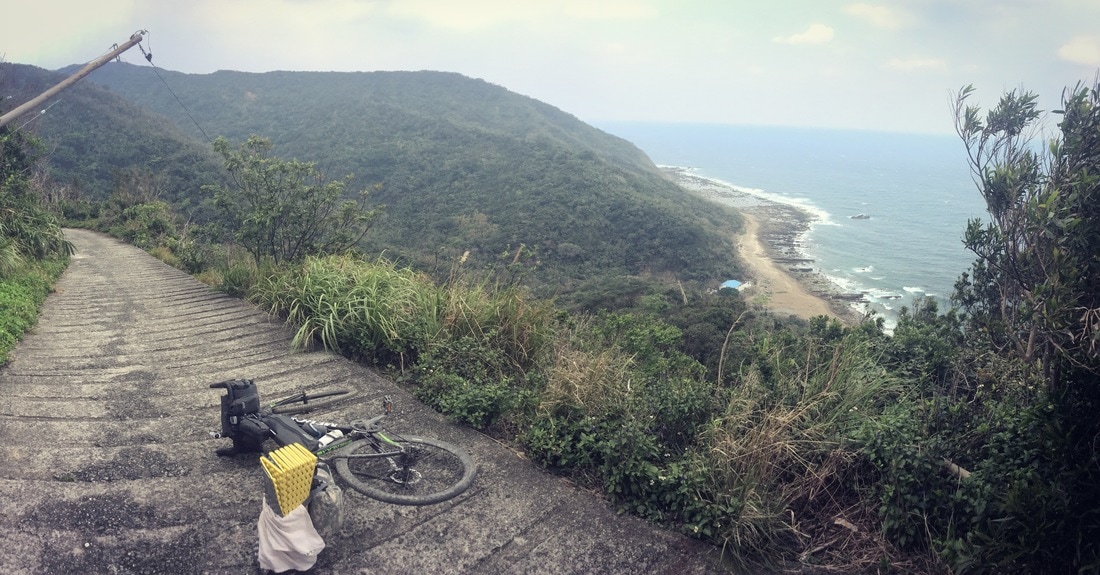
Soon after crossing the ridge, I saw the coast.
The access road descending toward it was steeper than the climb had been. It felt almost like dropping in an elevator.
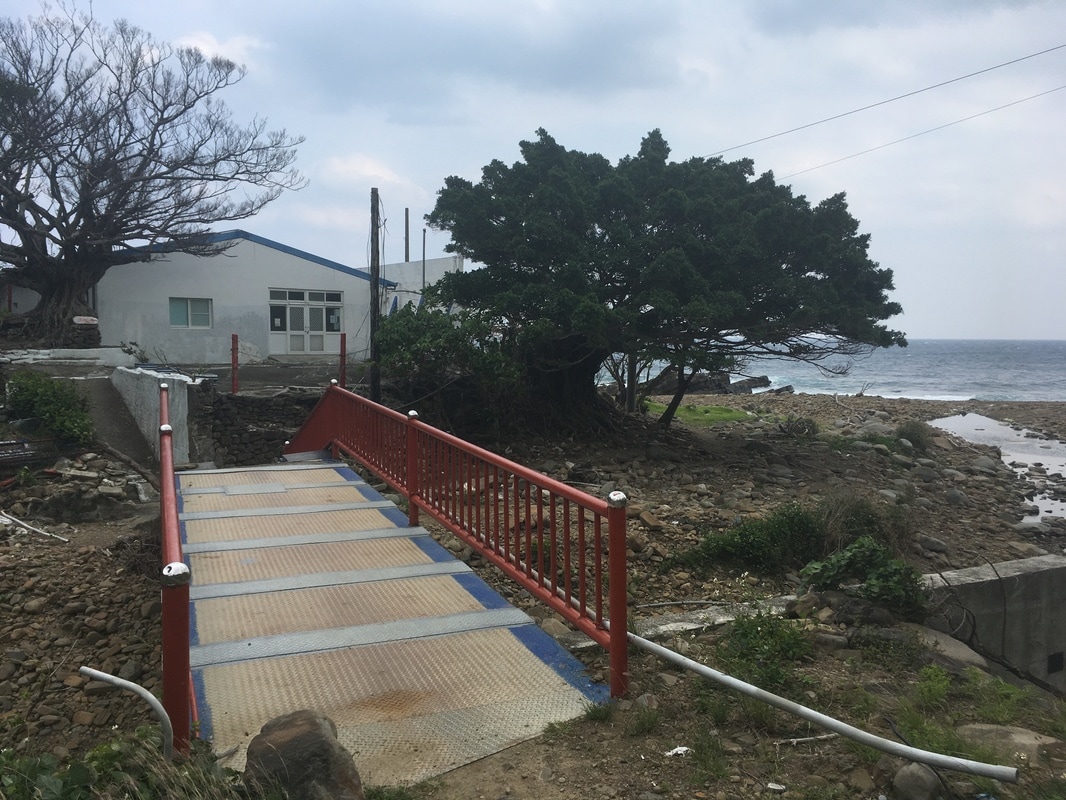
At the entrance to the isolated coastal area stood a coast guard post.
Online accounts had suggested checking in there first, but when I entered the building, I found it empty.
That absence was simply what I encountered, not confirmation of access permission.
A Gravel Line beside the Sea
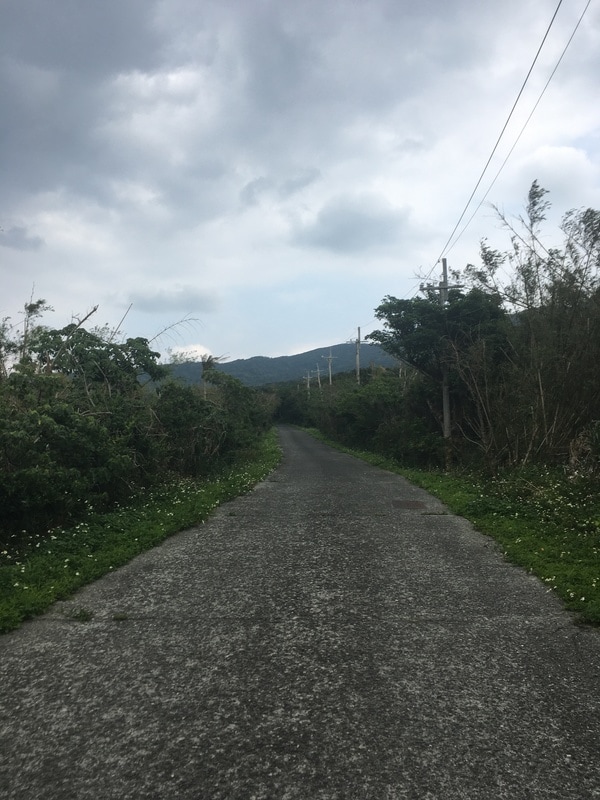
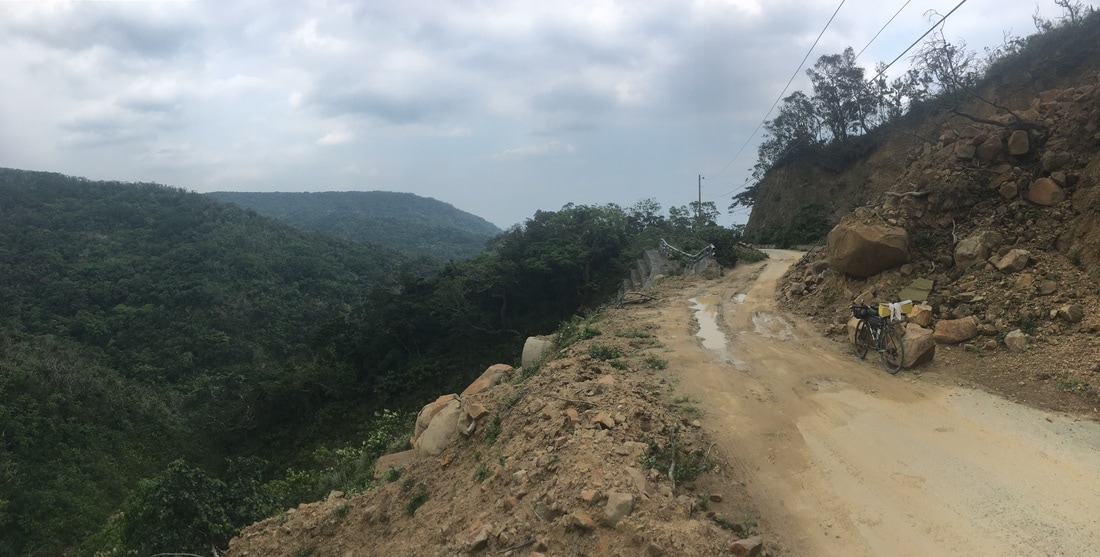
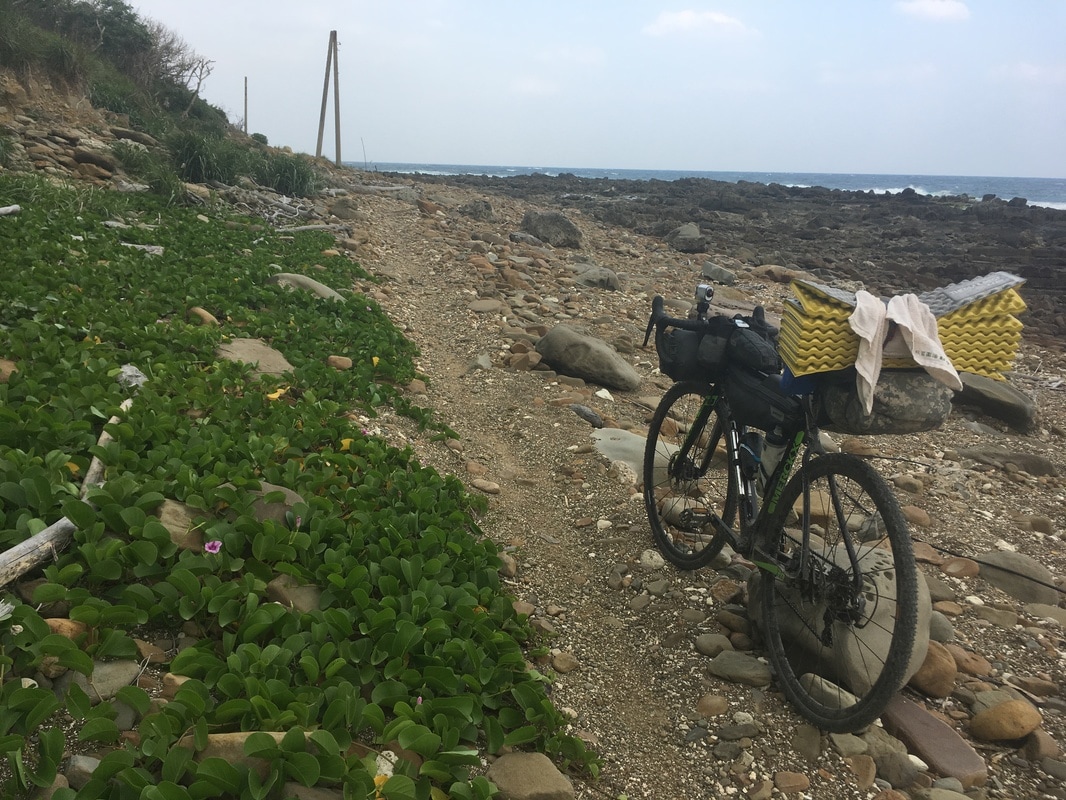
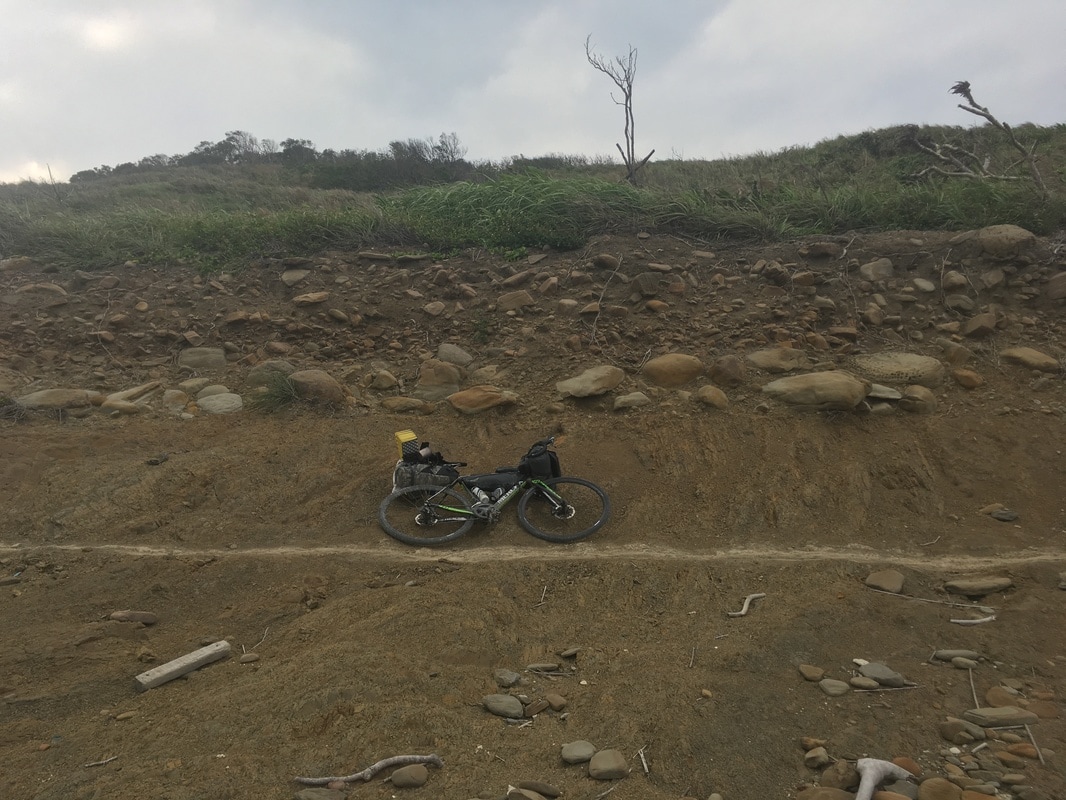
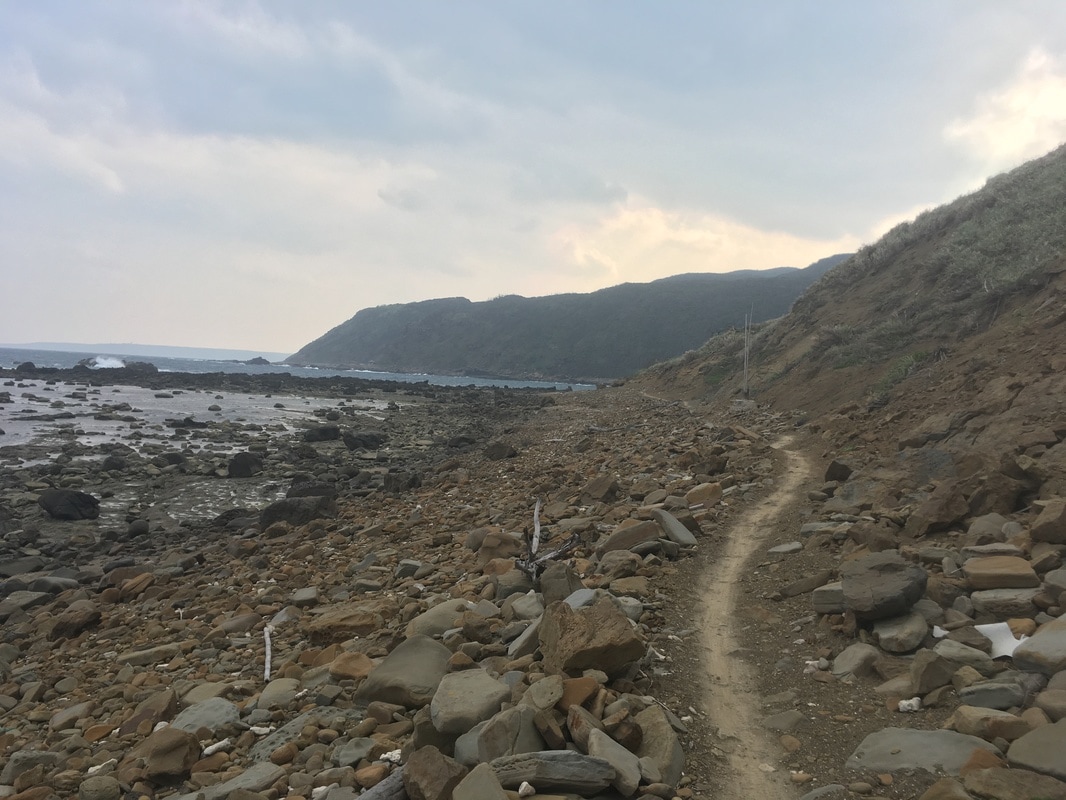
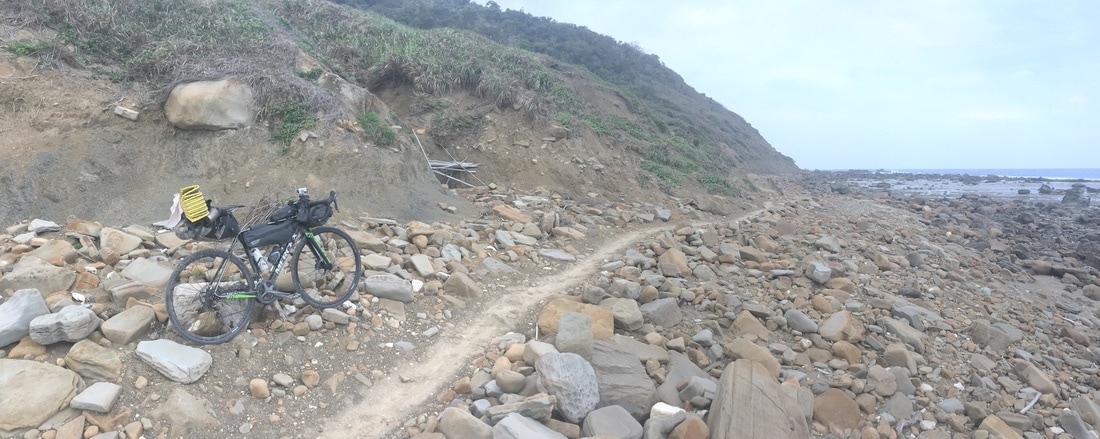
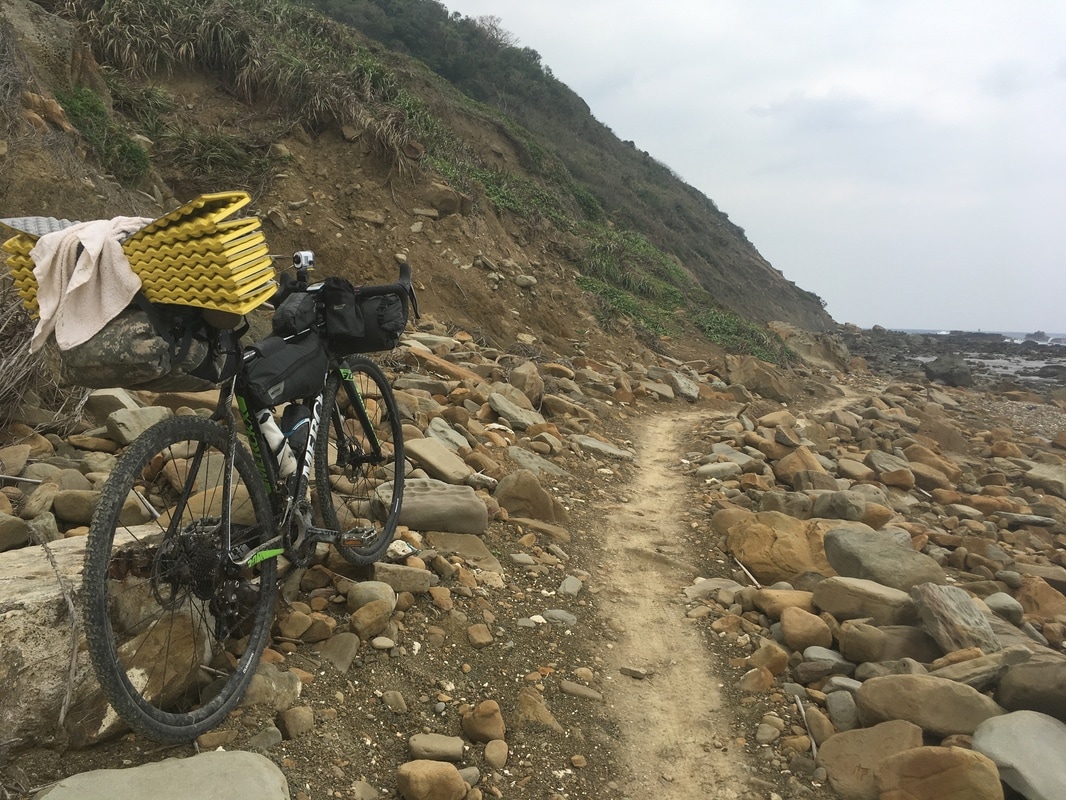
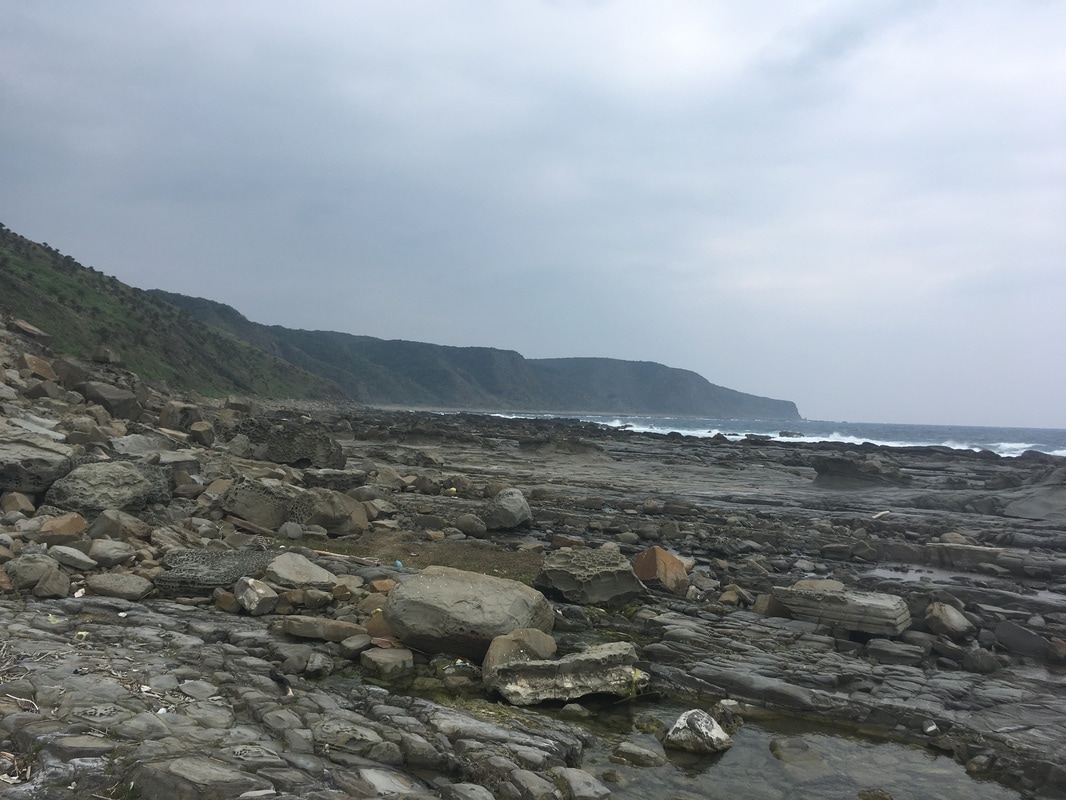
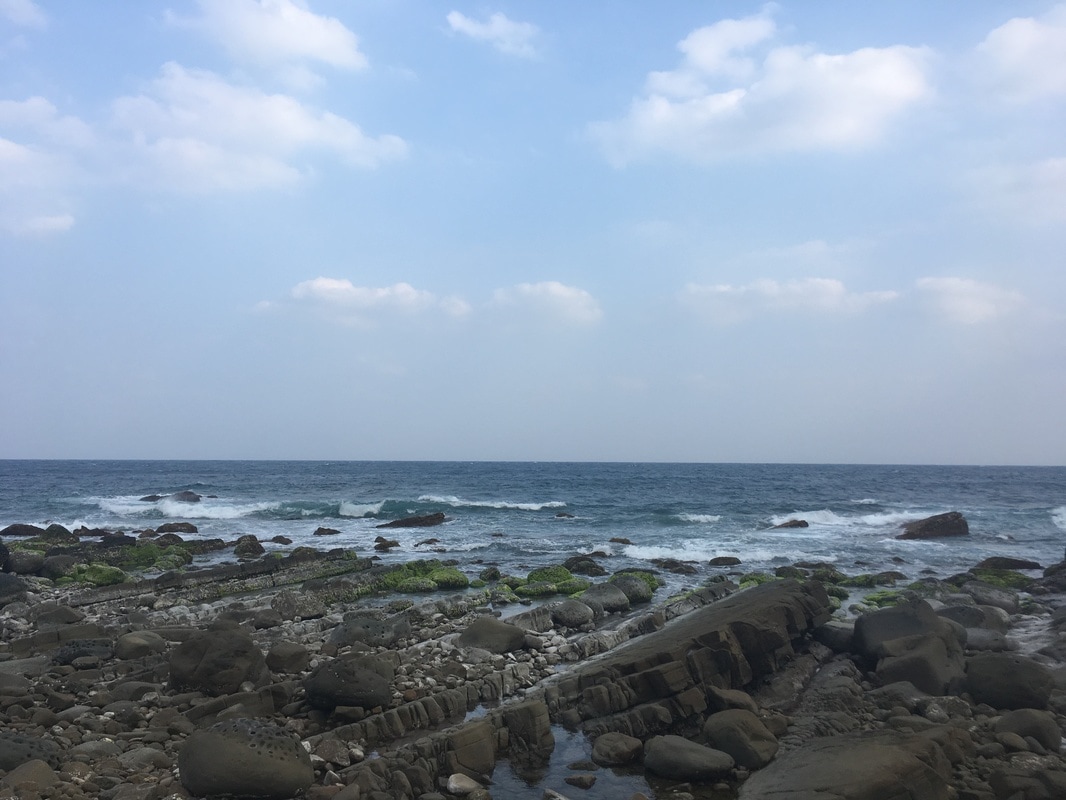
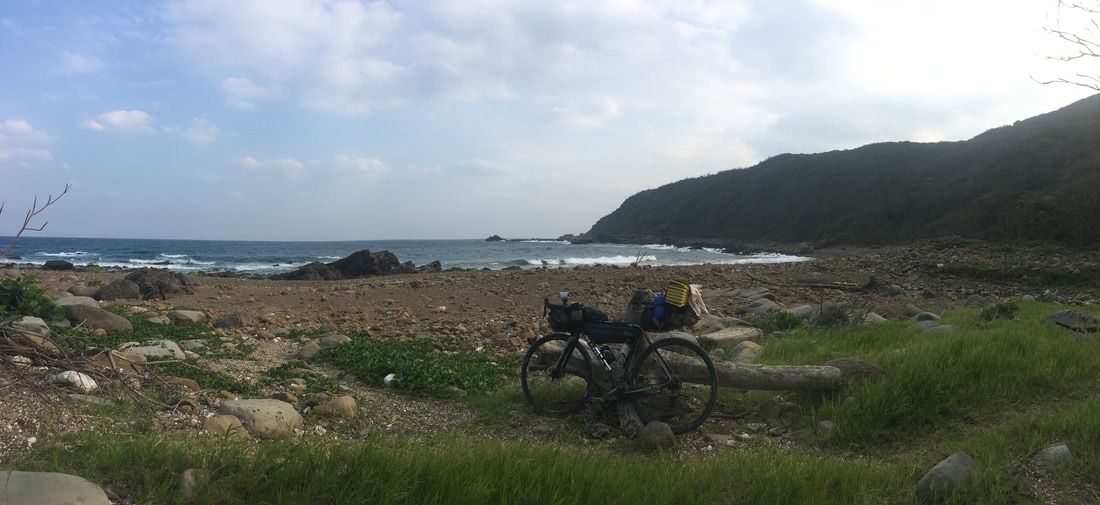
A rough gravel track continued along the shore toward Chufengbi.
Although the surface was loose, I found I could just about ride it.
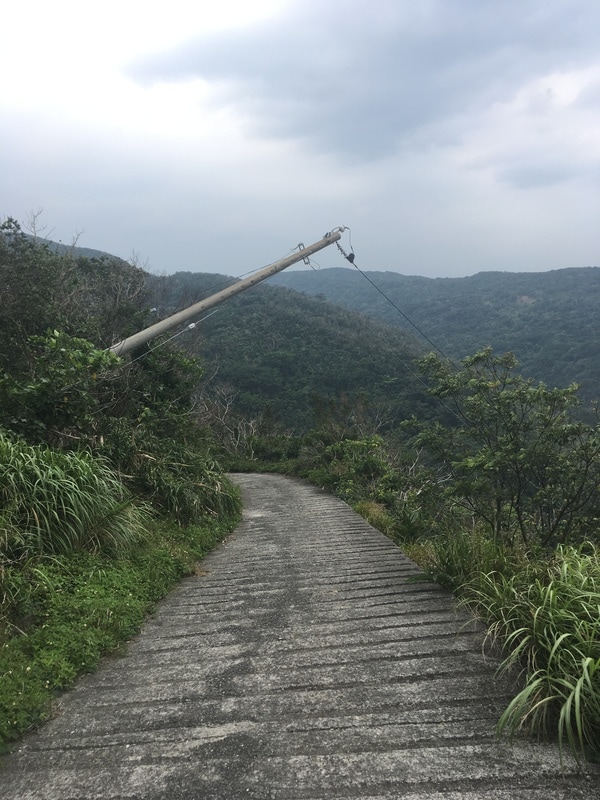
My map labeled it Nanren Road. Utility poles followed the same line, making me wonder whether it had once been a more conventional road.
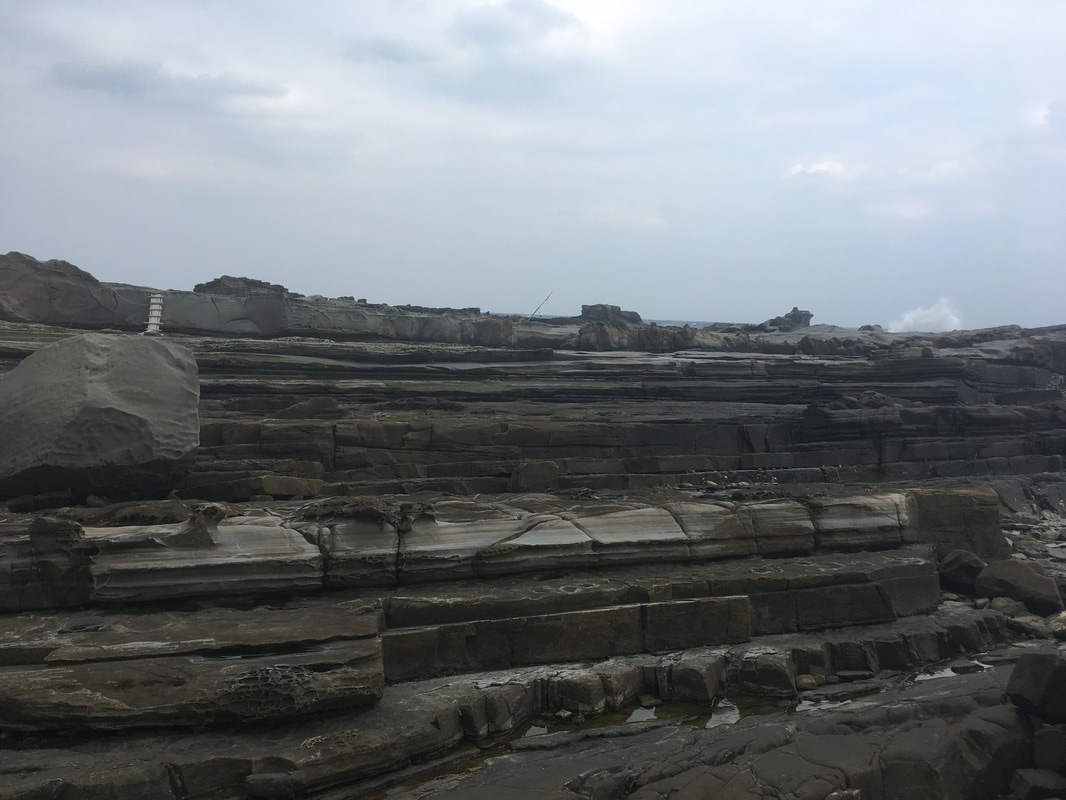
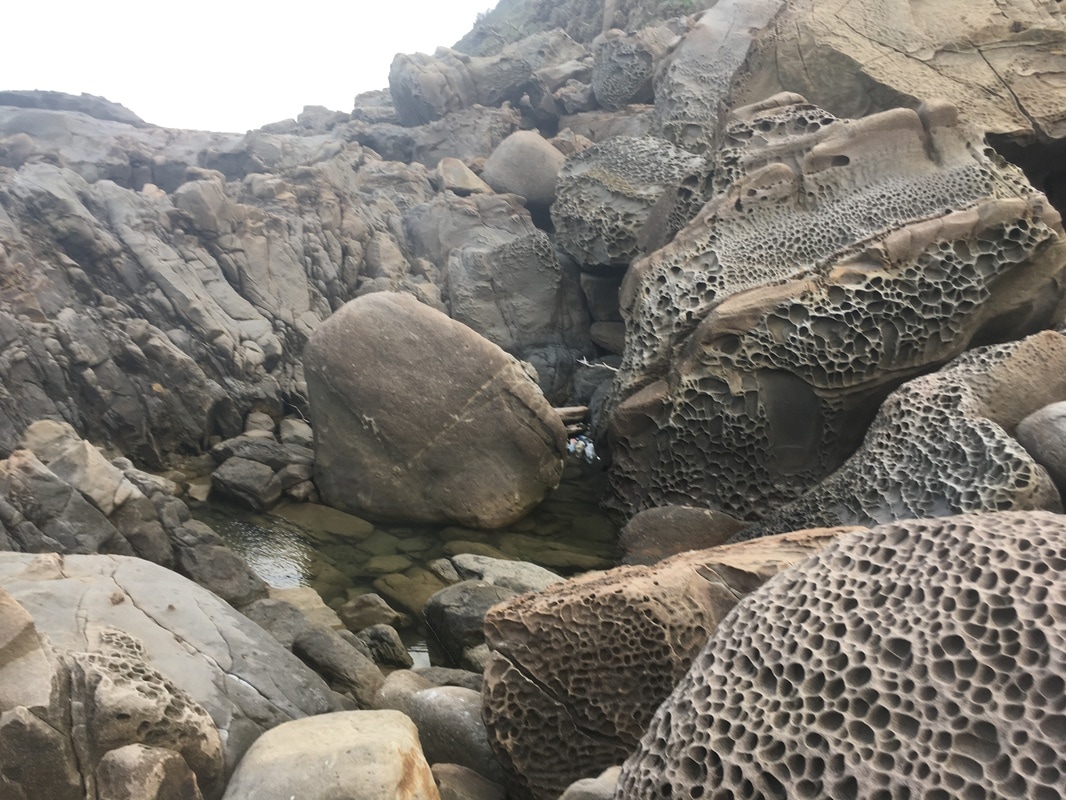
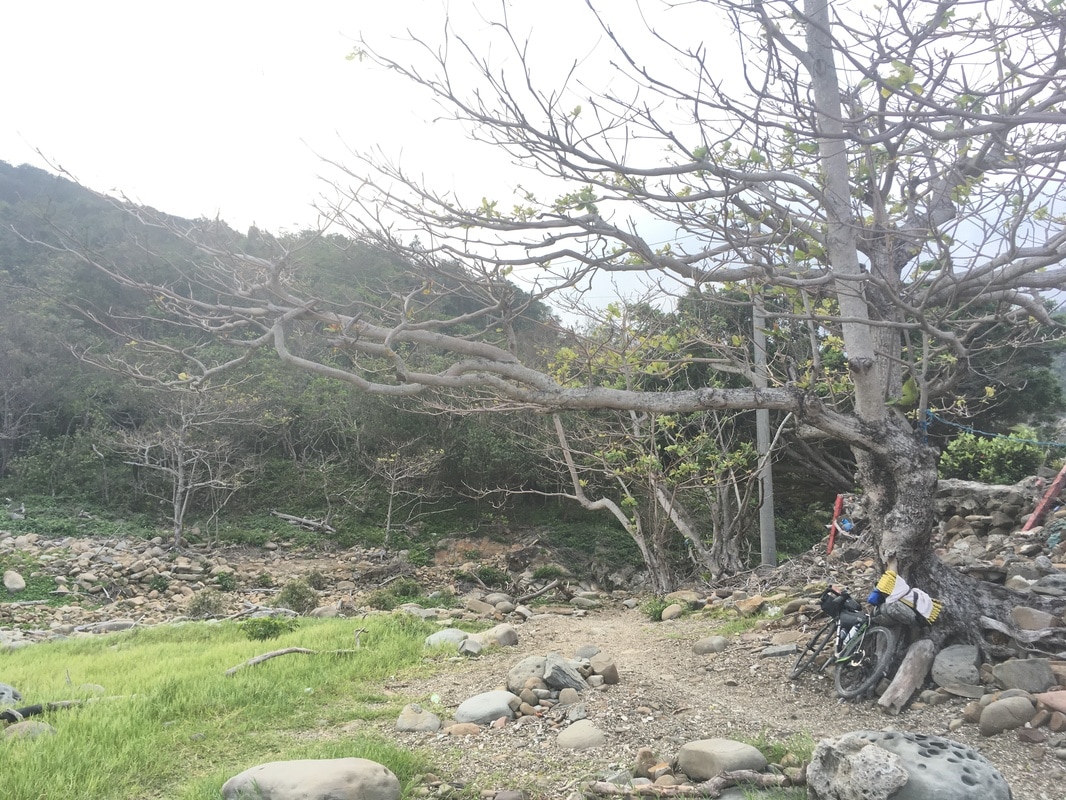
The track ended before a large rock platform. From there, I continued on foot.
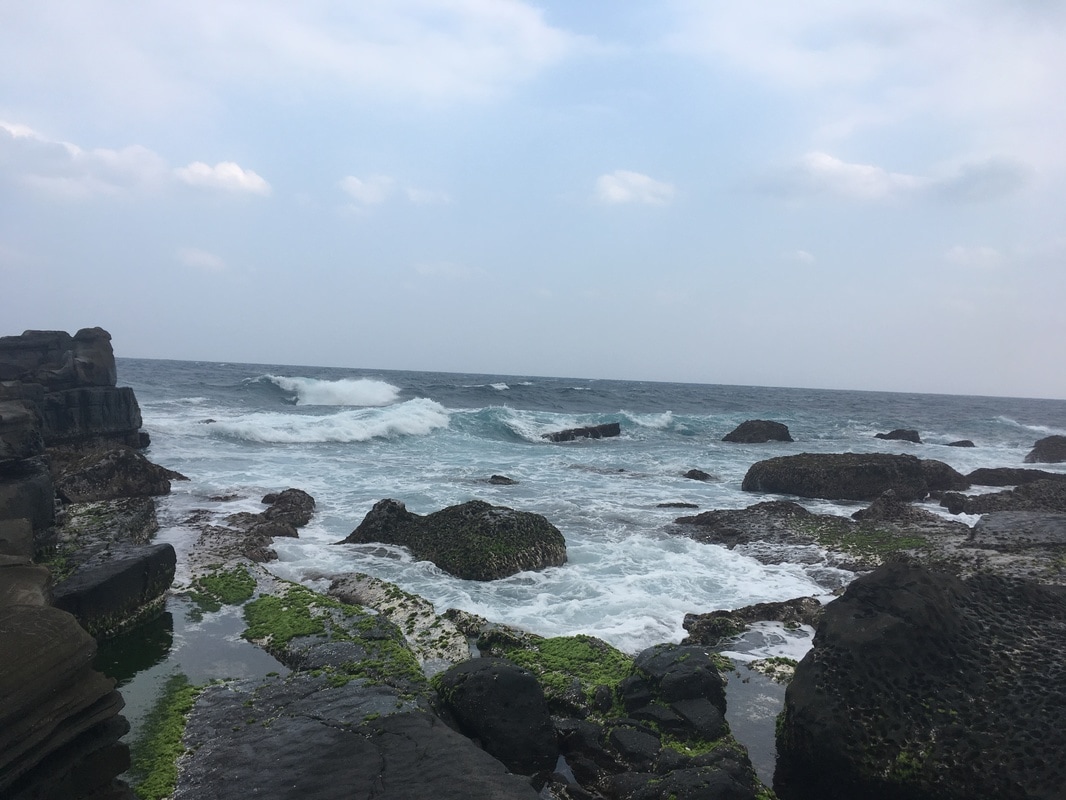
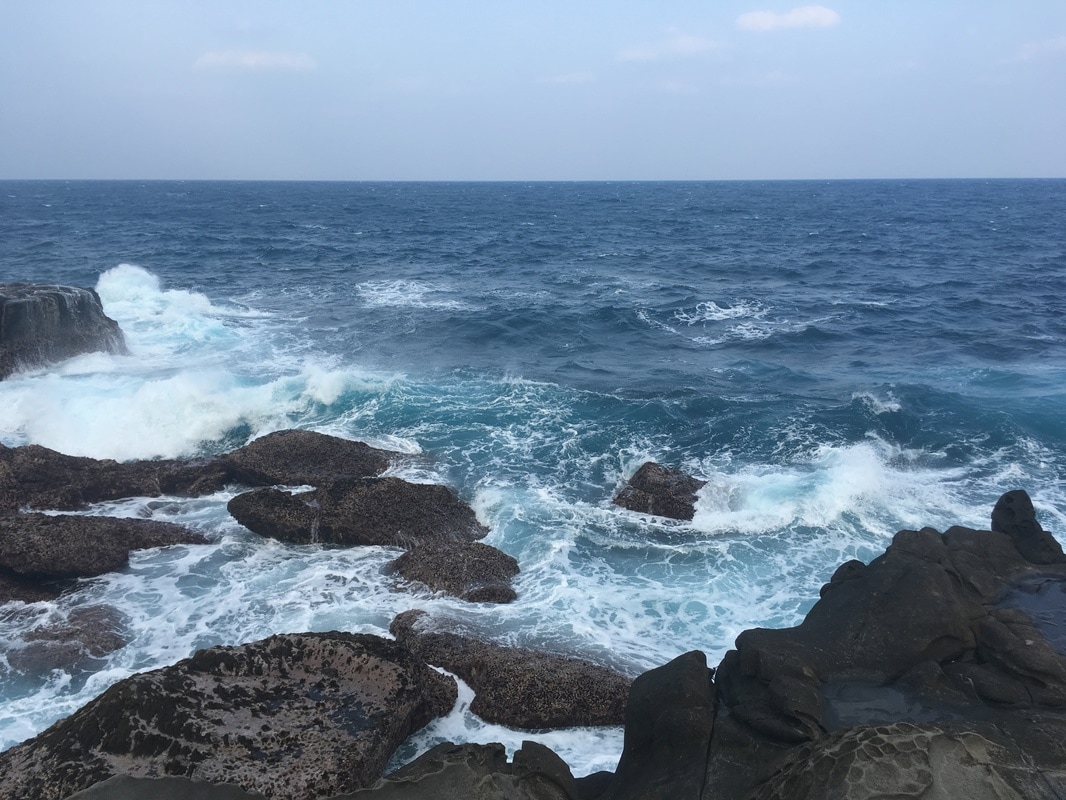
Chufengbi was a broad cape projecting into the sea. I joked that the projecting shape explained the “nose” imagery in its Chinese place-name.
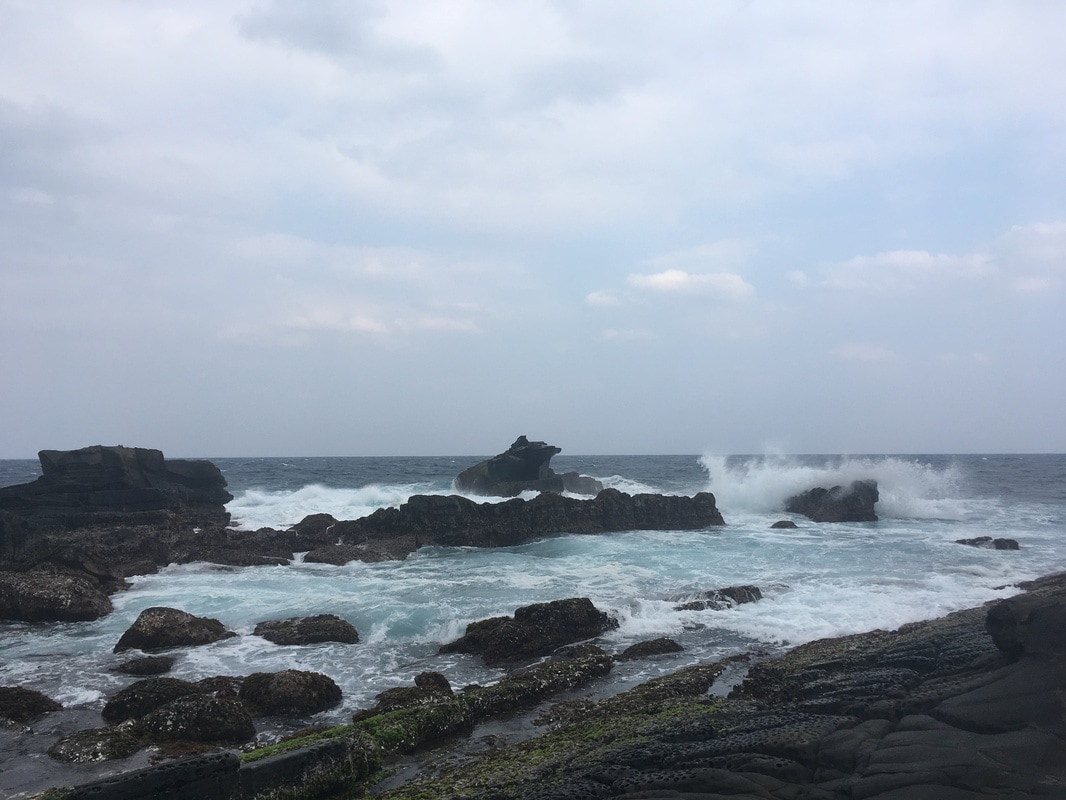
Its name also brought wind to mind, and the place lived up to that impression.
Even on the relatively level platform, I did not dare approach the edge. I worried a gust might push me toward the water.
Looking at the map, I believed I had reached the cape’s tip, and I ended my exploration there.
The Wreck I Did Not See
Only later did I learn about wreckage farther along the coast.
The story recounted in the original article concerned a Saint Vincent-registered cargo ship that ran aground offshore in 1994 and sank.
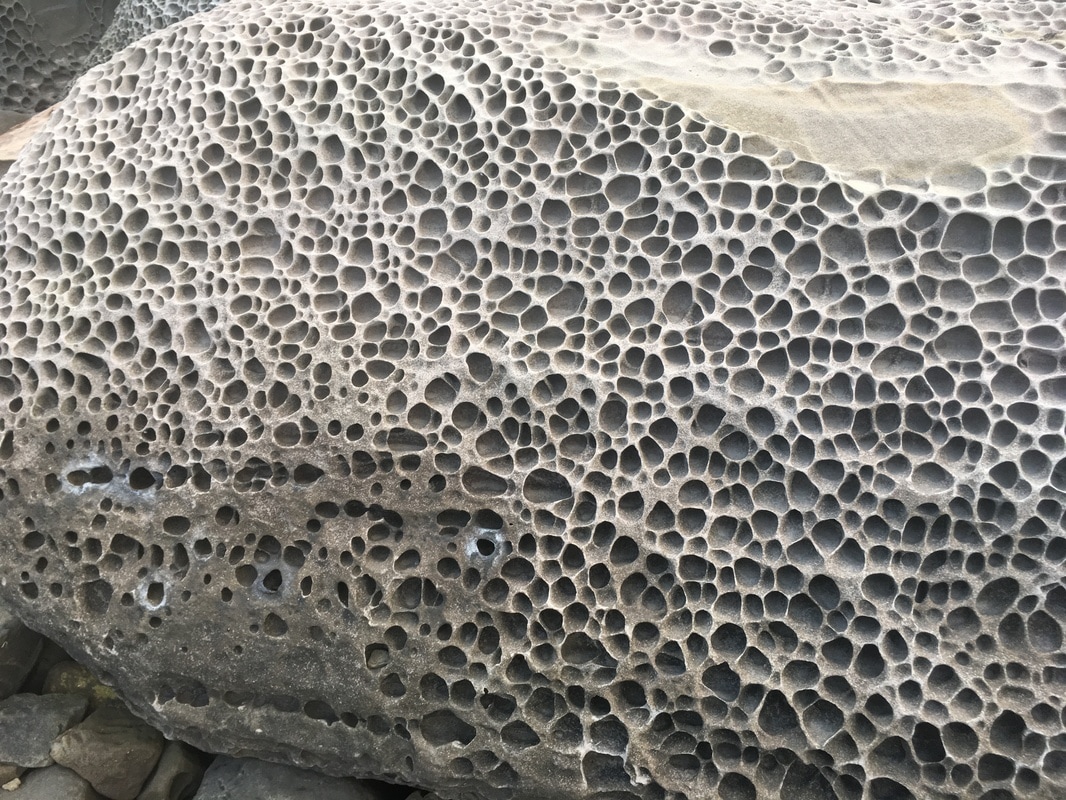
According to that account, a later typhoon carried large parts of the wreck ashore, creating a striking sight.
The original suggested continuing north to look for it. That suggestion is preserved here as part of an old travel narrative, not a current recommendation: the wreck’s condition, location, access and coastal hazards have not been established for a present visit.
A Shower through New Friends
After being battered by sea wind the previous night, I did not want another night beside the coast.
I climbed back over the hills toward Manzhou and became increasingly aware of the salt on my skin.
A shower sounded wonderful.
I messaged the students I had met earlier. Fortunately, the temple where they were staying that night, Zhaoling Temple, was able to let me shower.
I made a playful joke about the temple’s name reminding me of Zhao Ling’er, a fictional character, and hoped the friendly caretaker would forgive the pun.
It was another reminder of how much help can come from people you meet while traveling.
A Night without the Tent
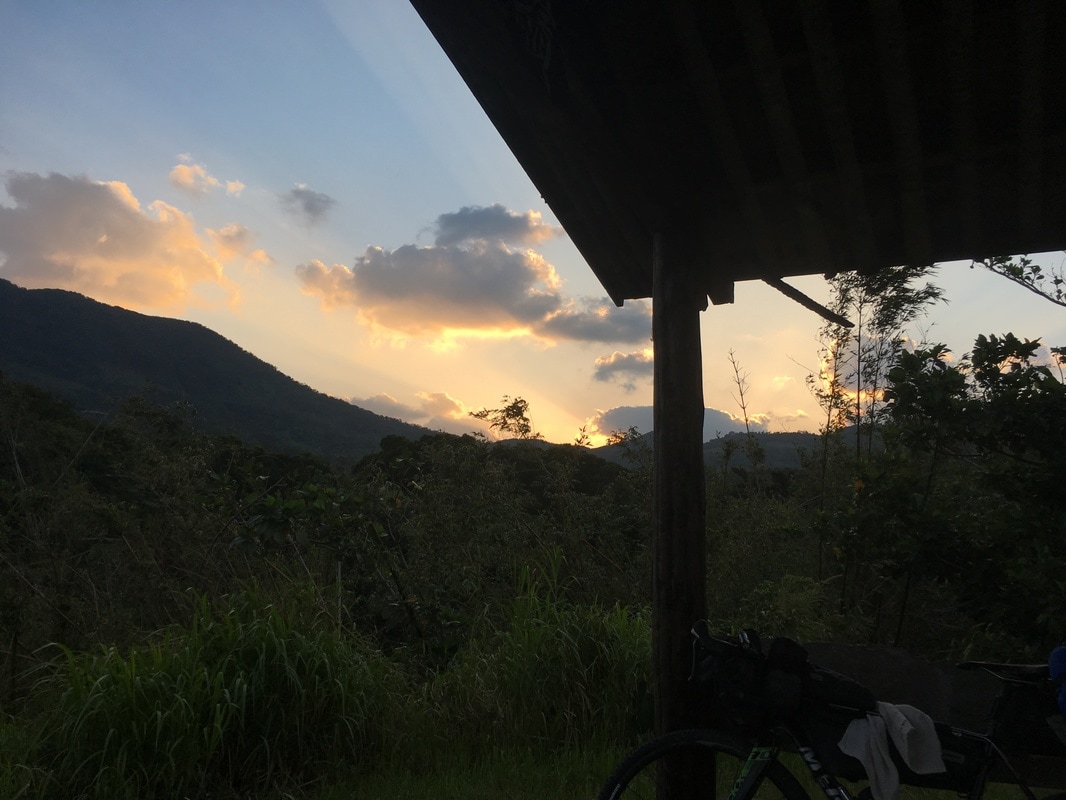
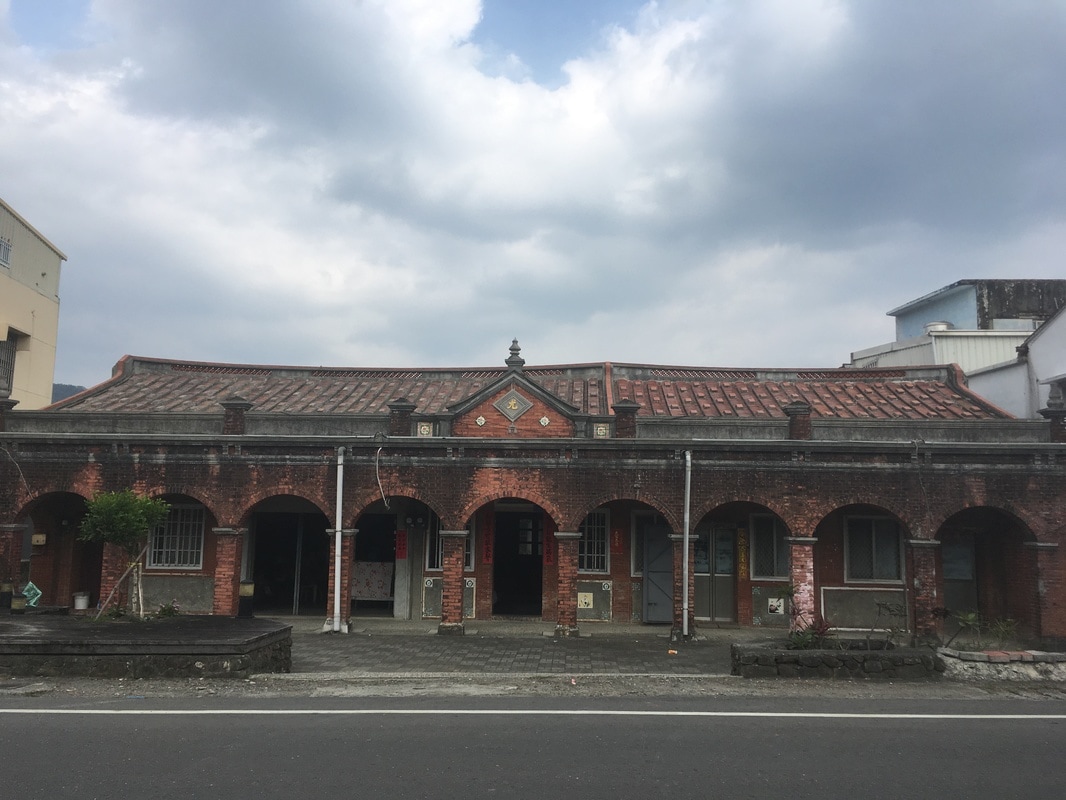
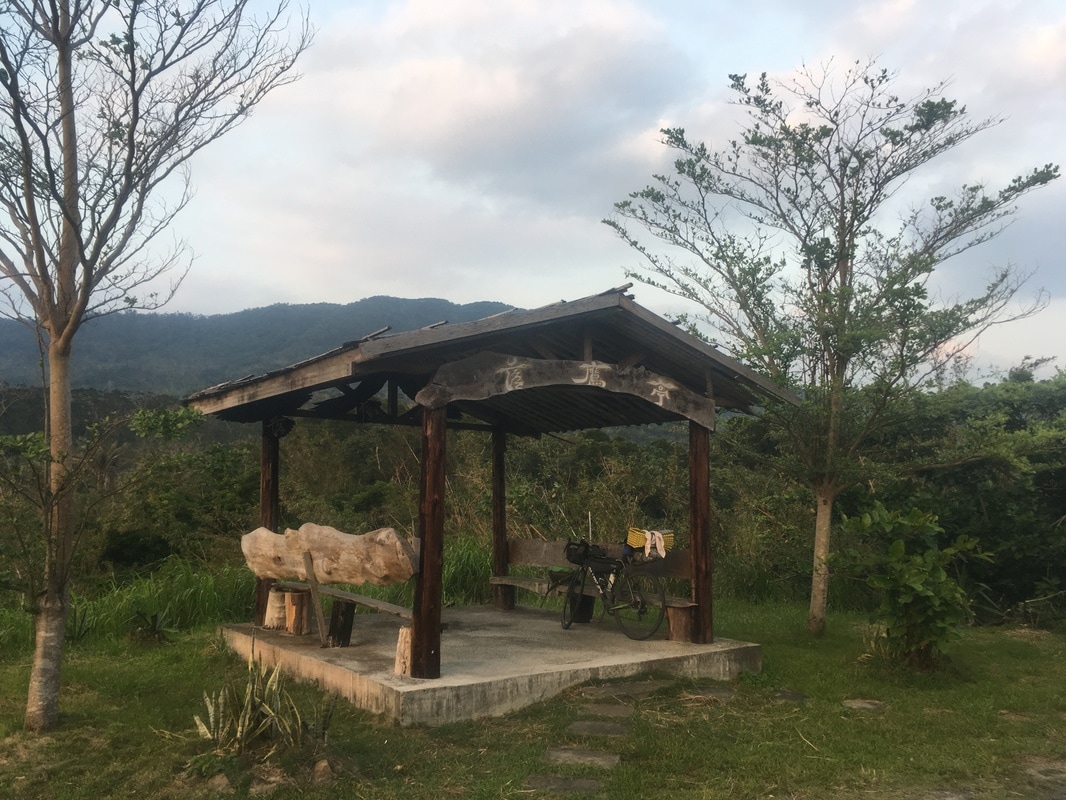
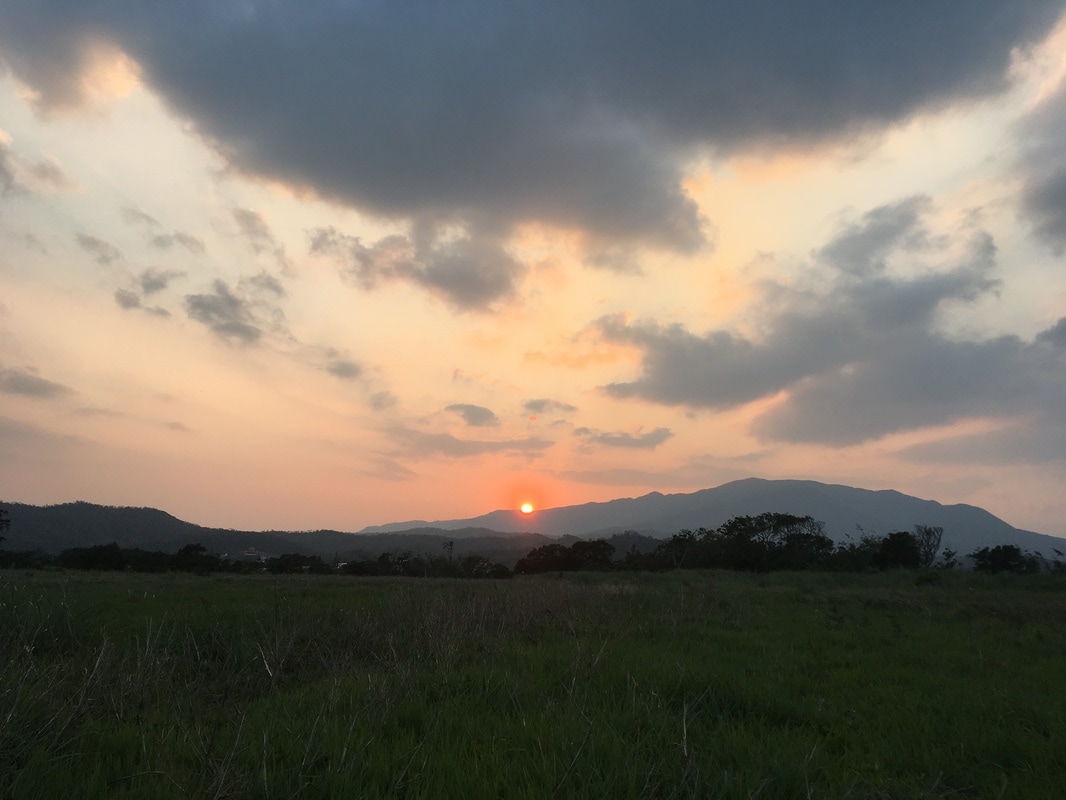
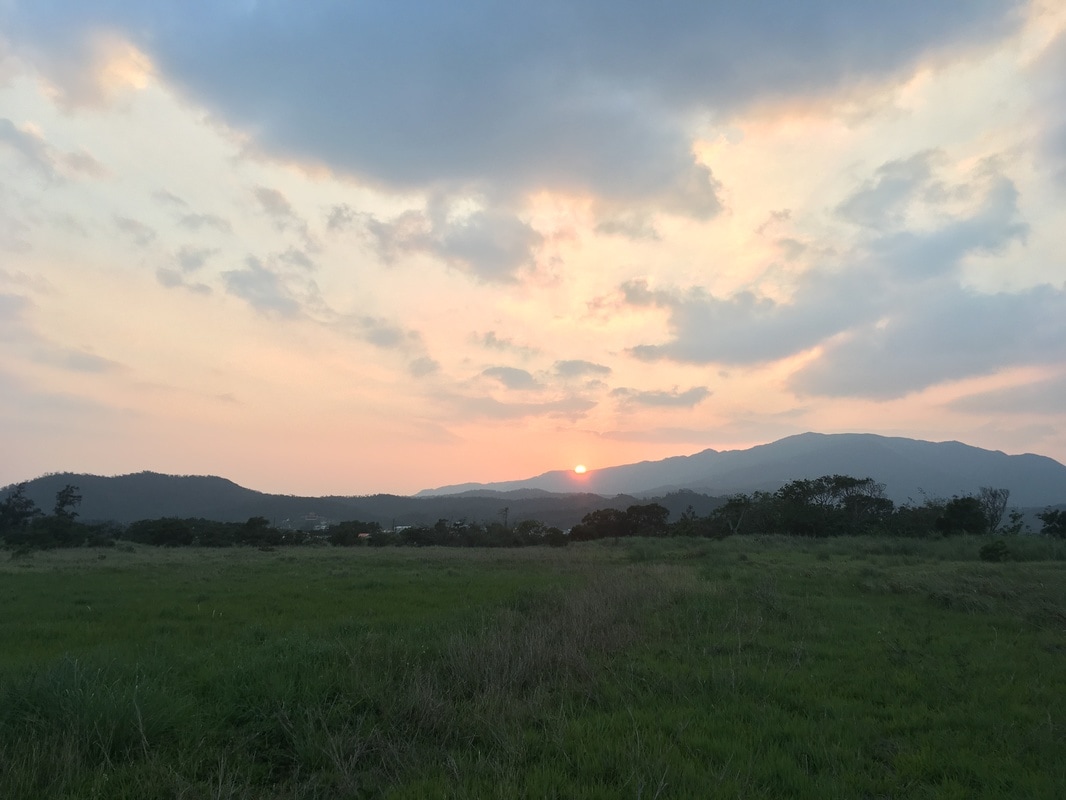
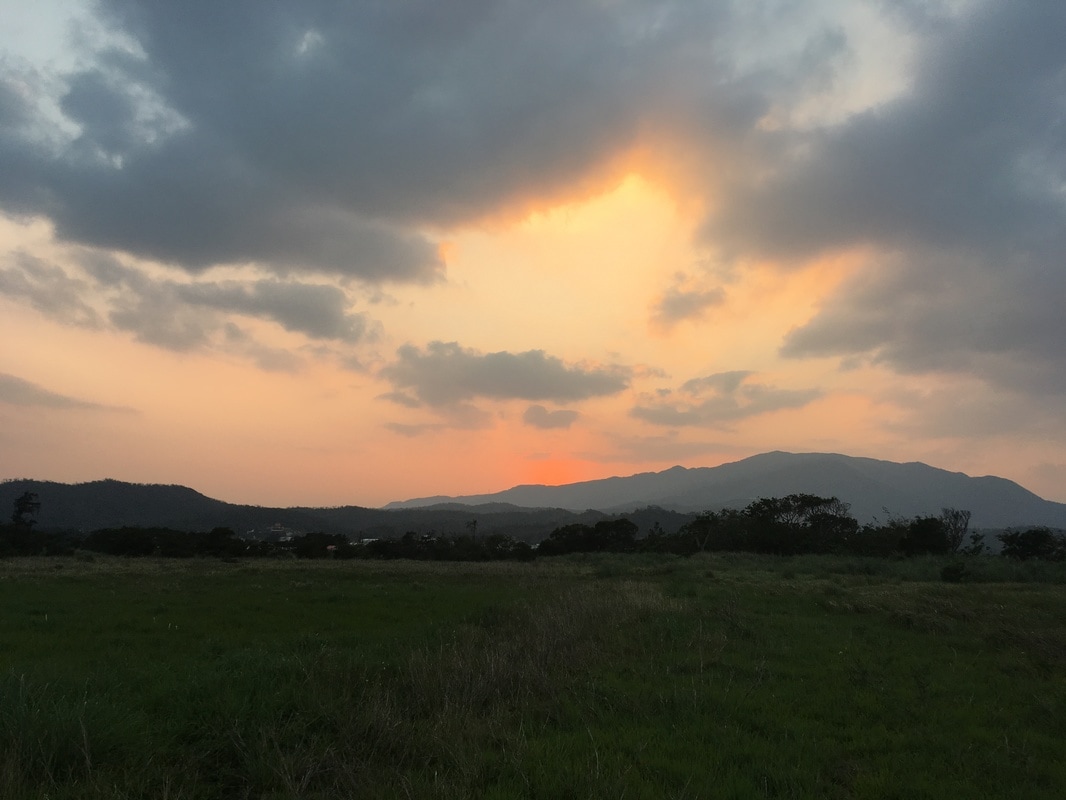
Clean and refreshed, I said goodbye and went to a pavilion I had noticed on the way toward the cape.
I planned to pitch my tent, then reconsidered.
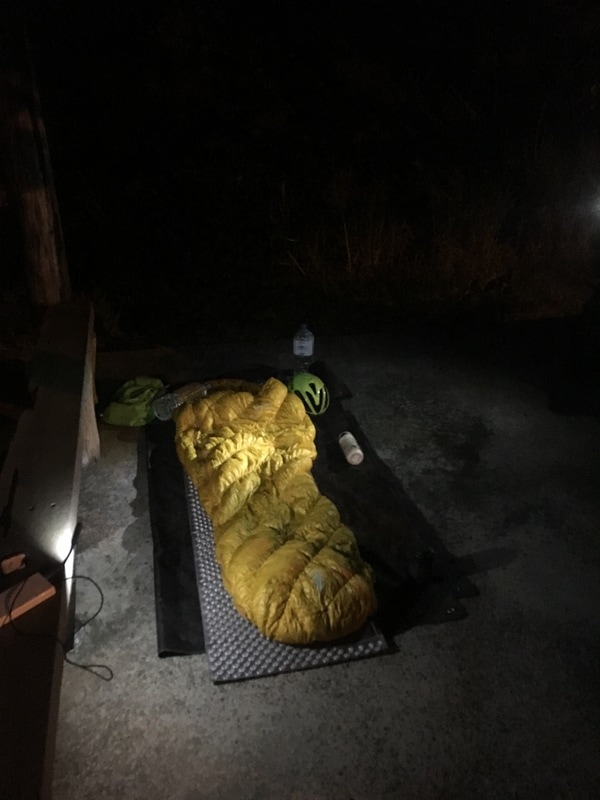
The pavilion already had a roof. The evening was not especially windy, the surroundings felt quiet, and I saw no obvious animal threat.
I decided to try sleeping without putting up the tent.
Those impressions were my informal judgment at the time, not a complete assessment of weather, insects, structure safety or permission.
To my surprise, sleeping without the tent felt comfortable and strangely open.
I began to understand why some experienced travelers I knew often preferred not to pitch one.
The Warmth of Manzhou
I had expected sleeping beside the road to attract uncomfortable attention.
Instead, local people were kind.
Several older residents stopped to ask whether I was all right. Someone told me there was a community center nearby where I might be able to sleep.
Others lowered their voices as they passed.
Those little gestures were deeply endearing.
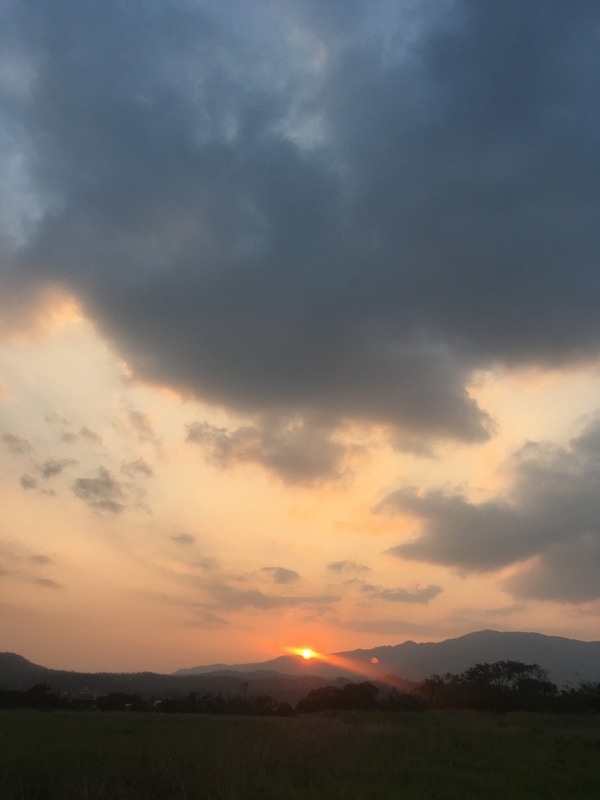
In that warm-hearted township, I fell asleep and eventually woke to a new day.
The Part I Will Leave in Memory
The following day meant more than a hundred kilometers of riding against the strong downslope winds, visiting a friend and then taking the high-speed rail home.
It became an exhausting ride under the sun. I felt what I described as something like mild heat illness, rather than a medically confirmed diagnosis.
I will leave most of that difficult return in memory rather than recount every kilometer.
It was not a part of the trip to imitate. Strong wind, heat and illness are reasons to change a plan, stop and seek appropriate help when needed.
Original Route Record
View the author’s historical activity on Strava. This records the old journey; it does not establish present access or suitable riding conditions.
Bikepacking diary: Facebook