Wantan Historic Trail | Bikepacking beside the Stream
Translated from Bikepacking diary’s original Wantan Historic Trail article, published on January 1, 2017, and republished by arrangement with the author. Photographs are linked directly from the original website.
Editor’s note: This is a historical personal account, not a current bicycle-access, camping or navigation guide. Check current trail conditions, permitted activities and overnight permissions with the relevant managers. A walkable trail is not necessarily suitable or open to bicycles. Riverbanks and gorges can flood rapidly, including after rain upstream; do not infer safety or permission from the author’s overnight choices or from other tents. Clear-looking stream water is not proof that it is safe to drink. Leave wildlife undisturbed and follow current conservation notices. Historical observations and the author’s opinions are retained below.
An Old Trail beside Wantan Creek
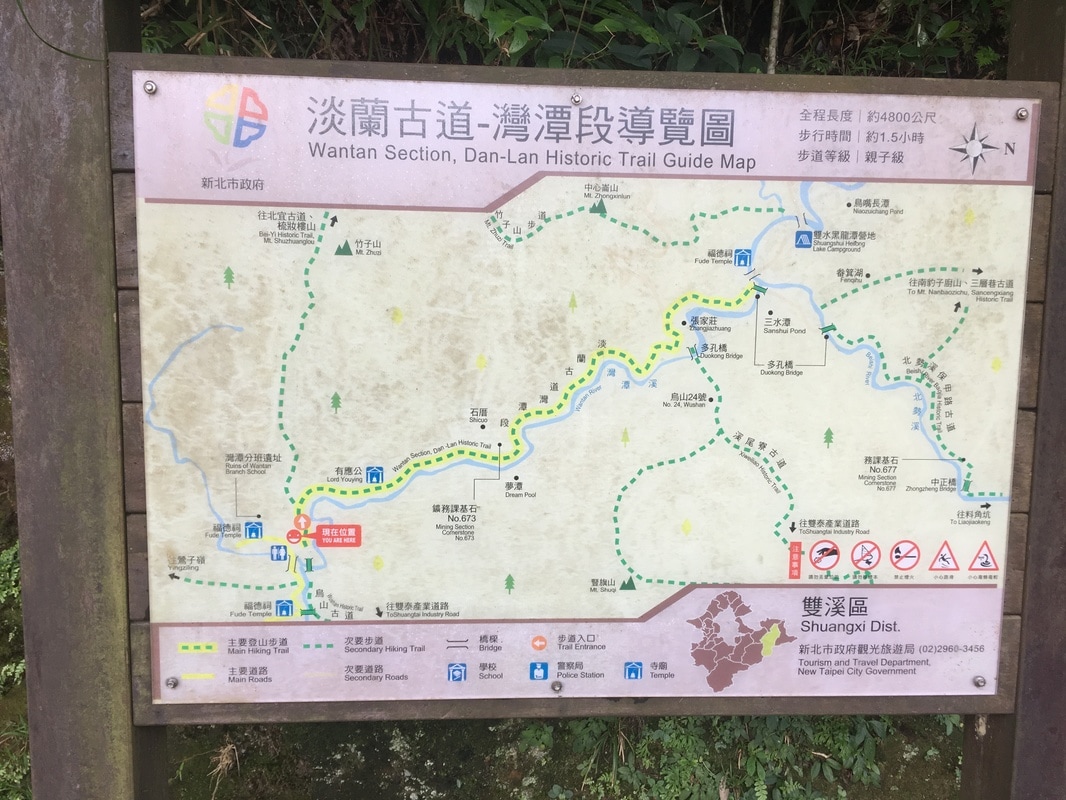
Wantan Historic Trail is part of the Tamsui–Kavalan trail network, linking Wantan in Shuangxi with the Kuolai area of Pinglin. It follows Wantan Creek, a tributary of the Beishi River, and takes its name from the stream.
As a hiking route, I understood it to be a family-friendly trail. I took that to mean that even someone like me, just beginning to ride forest trails and not especially skilled at controlling a bicycle off-road, might enjoy it. At least, I hoped, it would not be too dangerous. That was my assumption at the time, not a safety assessment.
The approach I used branched off Shuangtai Road, while the far end connected toward County Road North 42 in Shuangxi. Those surrounding roads were already very familiar to me.
Familiar Faces on the Way to Shuangxi
The ride from Taipei to my intended overnight area was about 70 kilometers, not especially long.
In my experience, Route 106 felt like a racetrack however early I got up, so I dawdled and did not leave until eight.
Between Route 106 and Shuangxi, I encountered the Columbus cycling club, which I had briefly ridden with before. Among those familiar jerseys, I looked for Brother Lian. Sure enough, I found him at the 7-Eleven in Shuangxi.
The club was heading for Buyanting that day, so we said goodbye there.
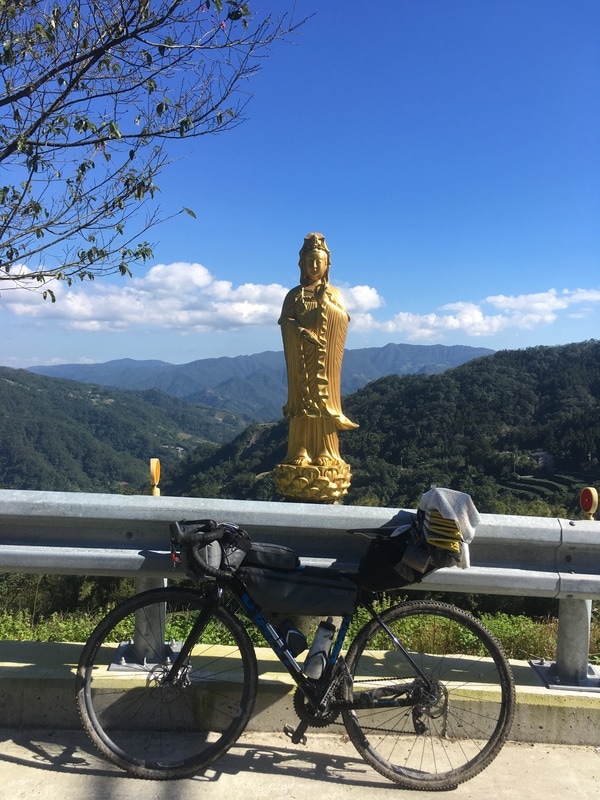
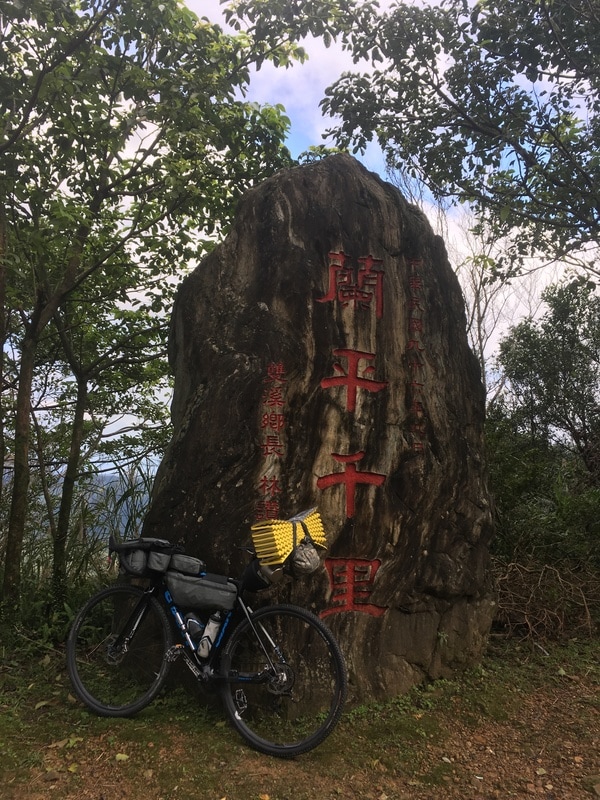
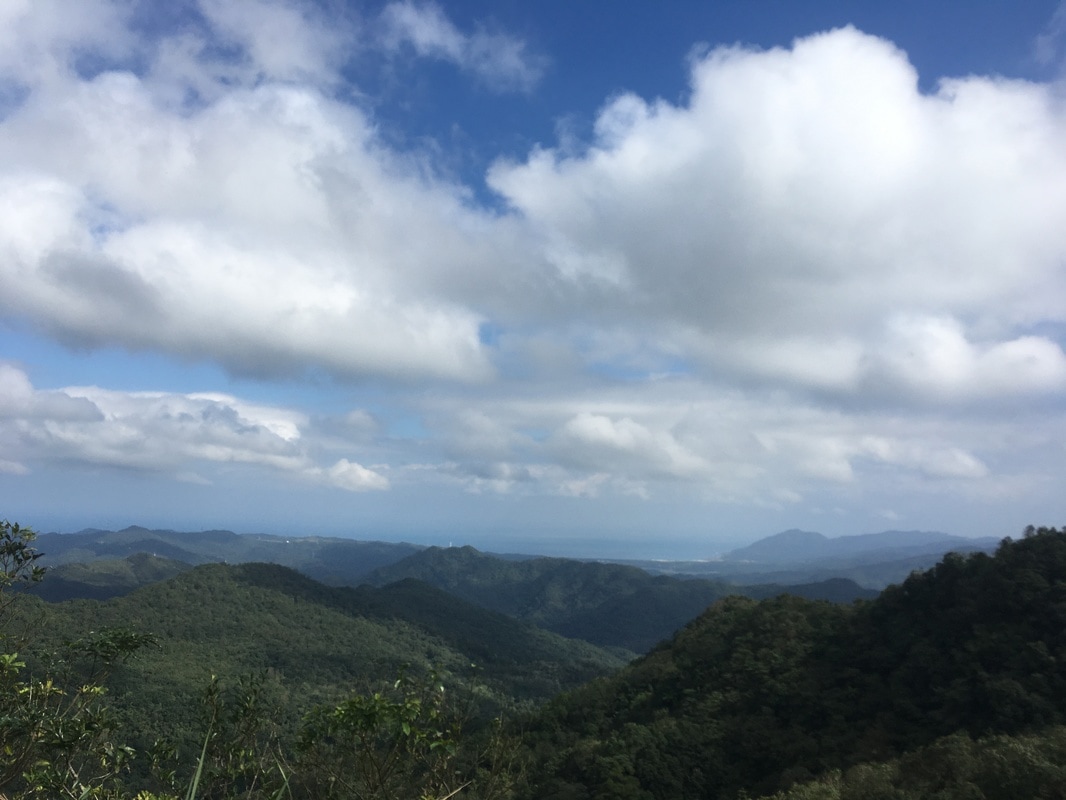
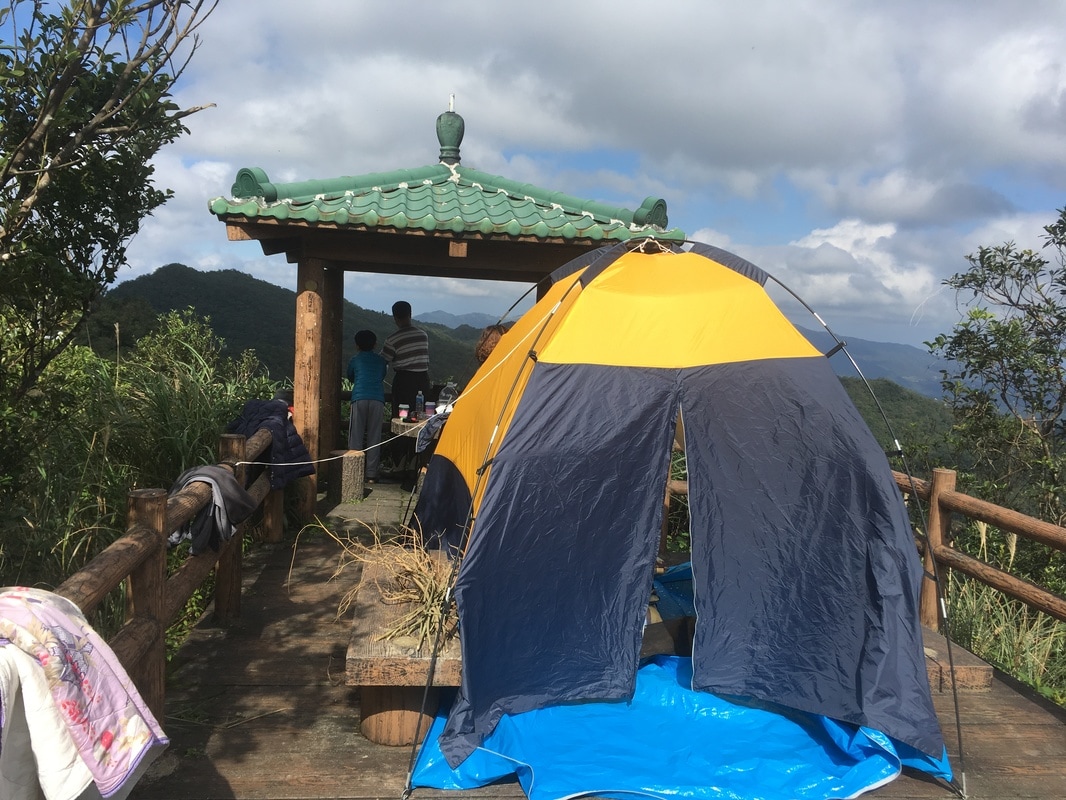
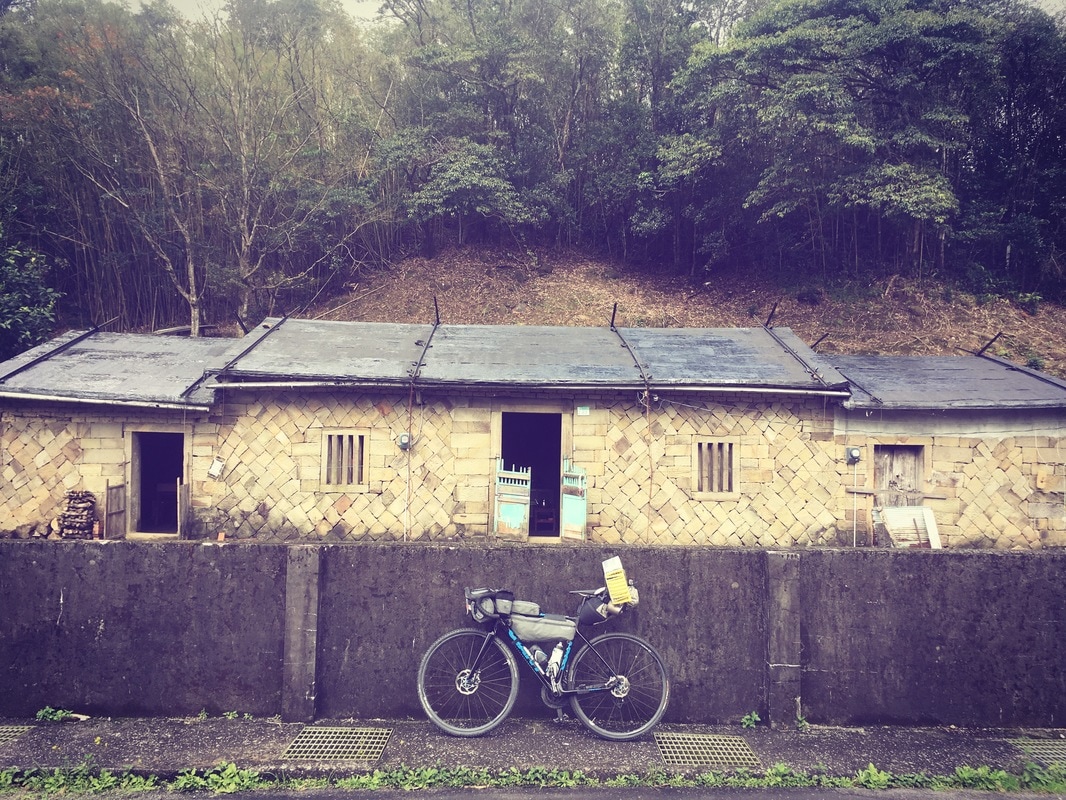
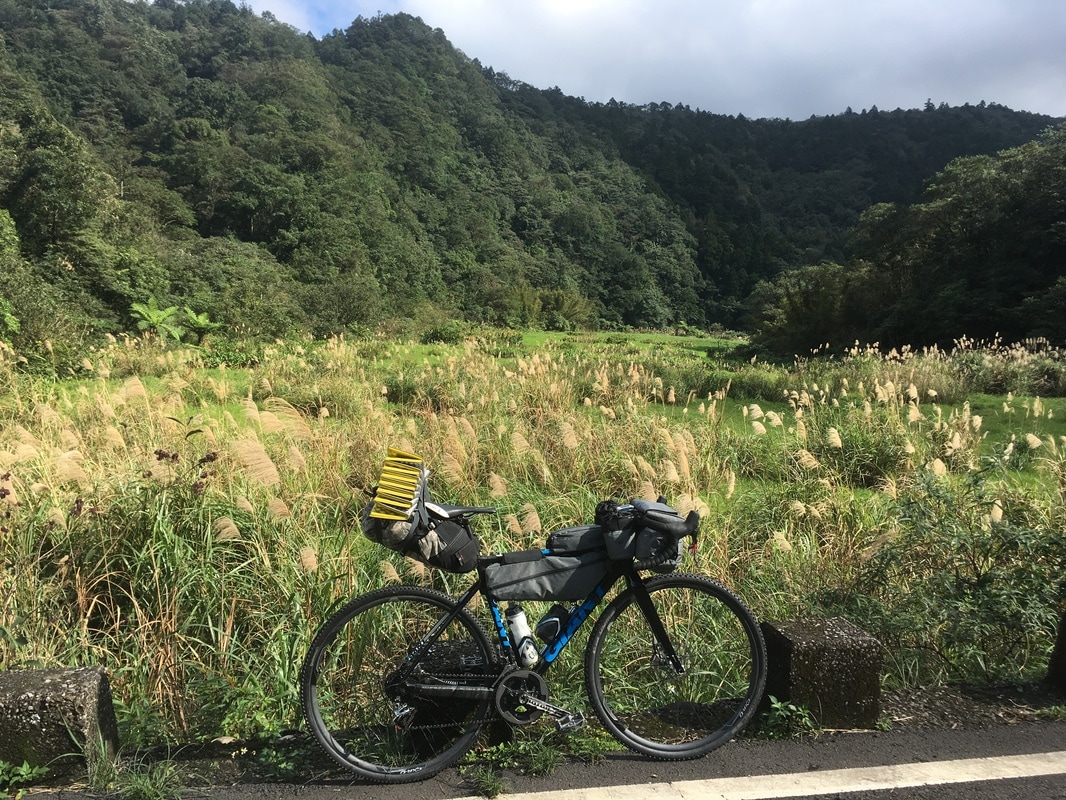
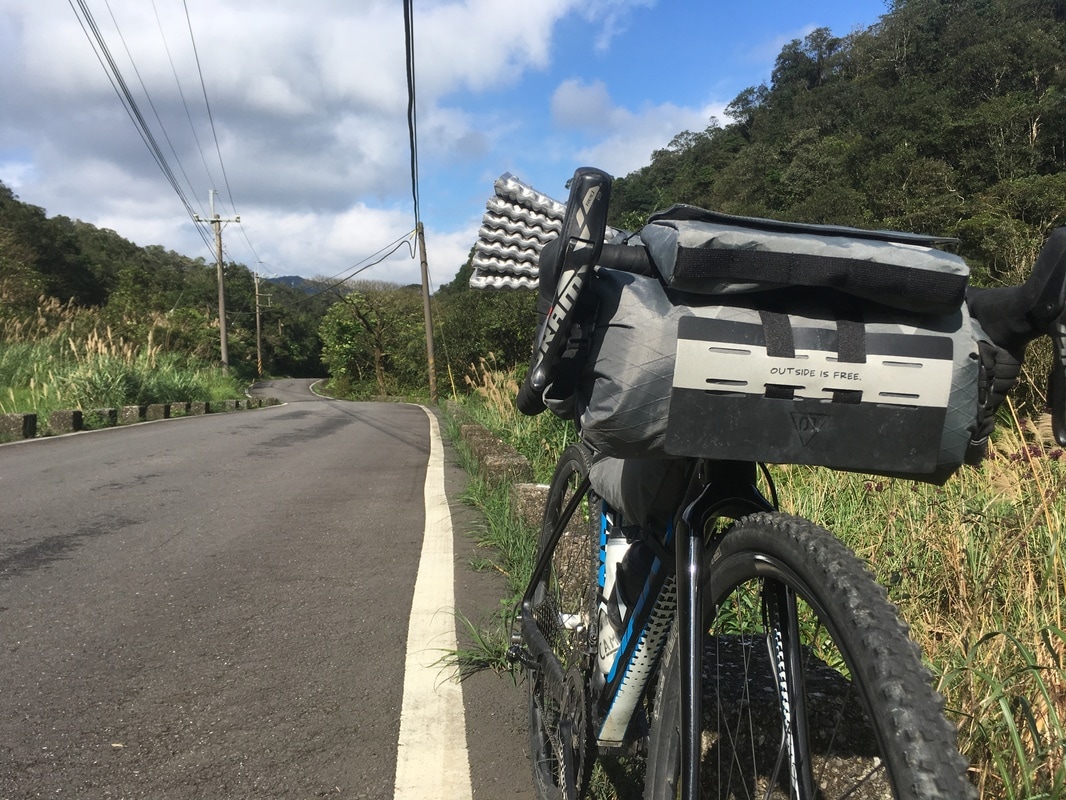
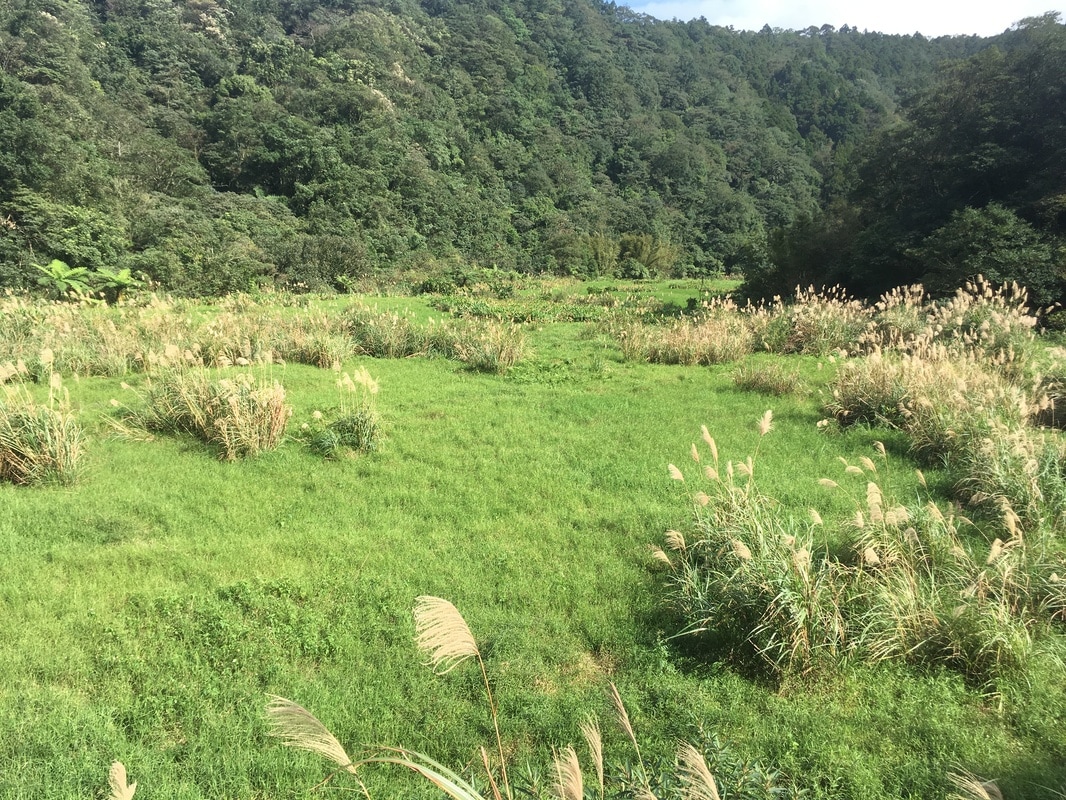
I had ridden the first stretch on Route 106 fairly hard. With fewer people around on Shuangtai Road, I slowed down, stopped for photographs and enjoyed the scenery. It felt wonderfully unhurried.
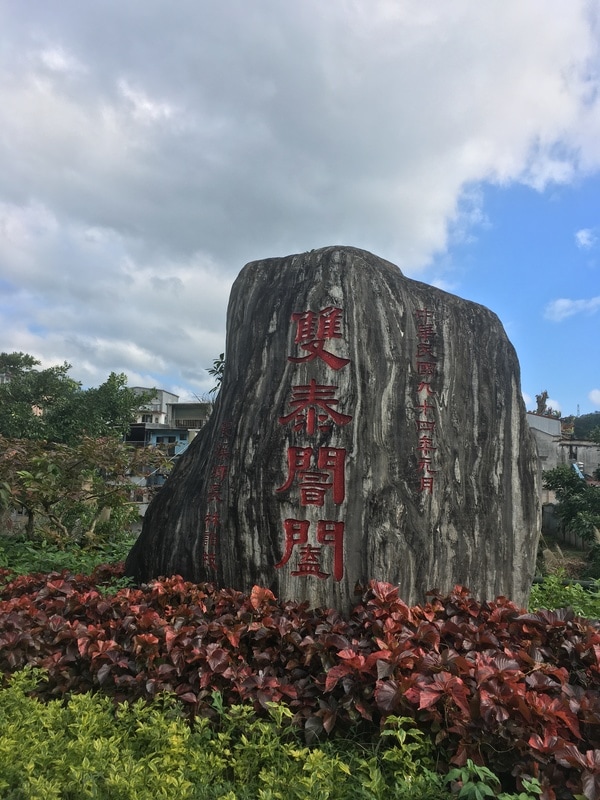
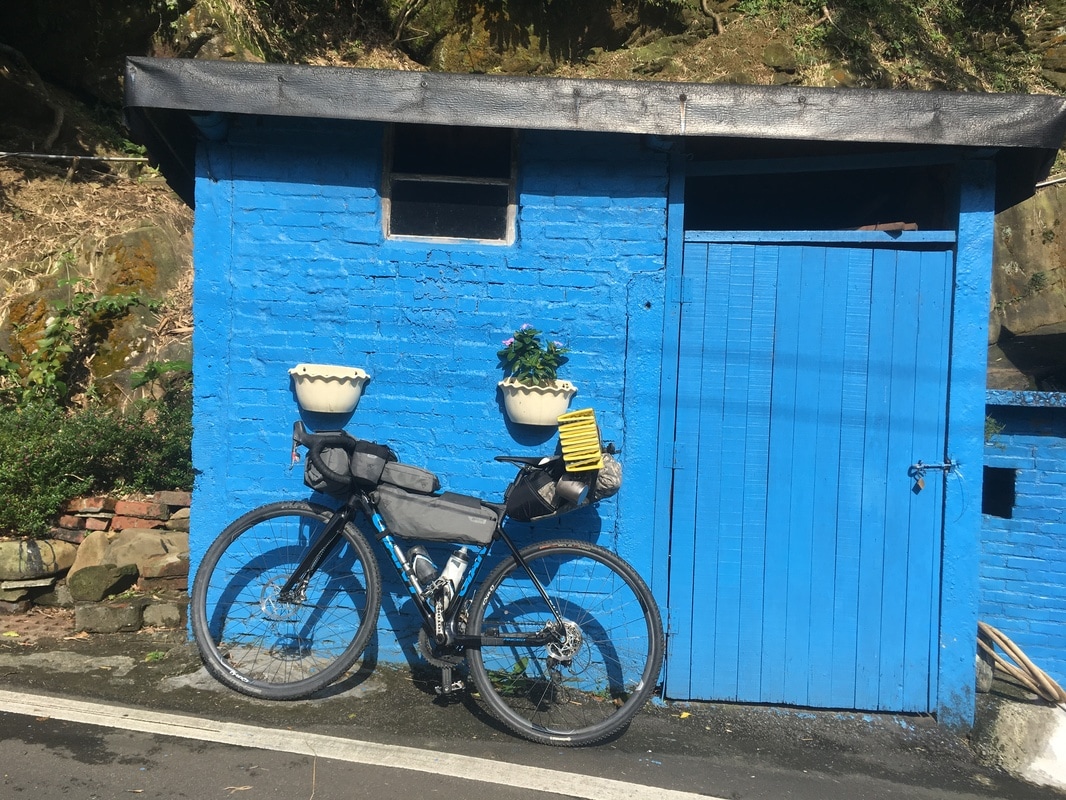
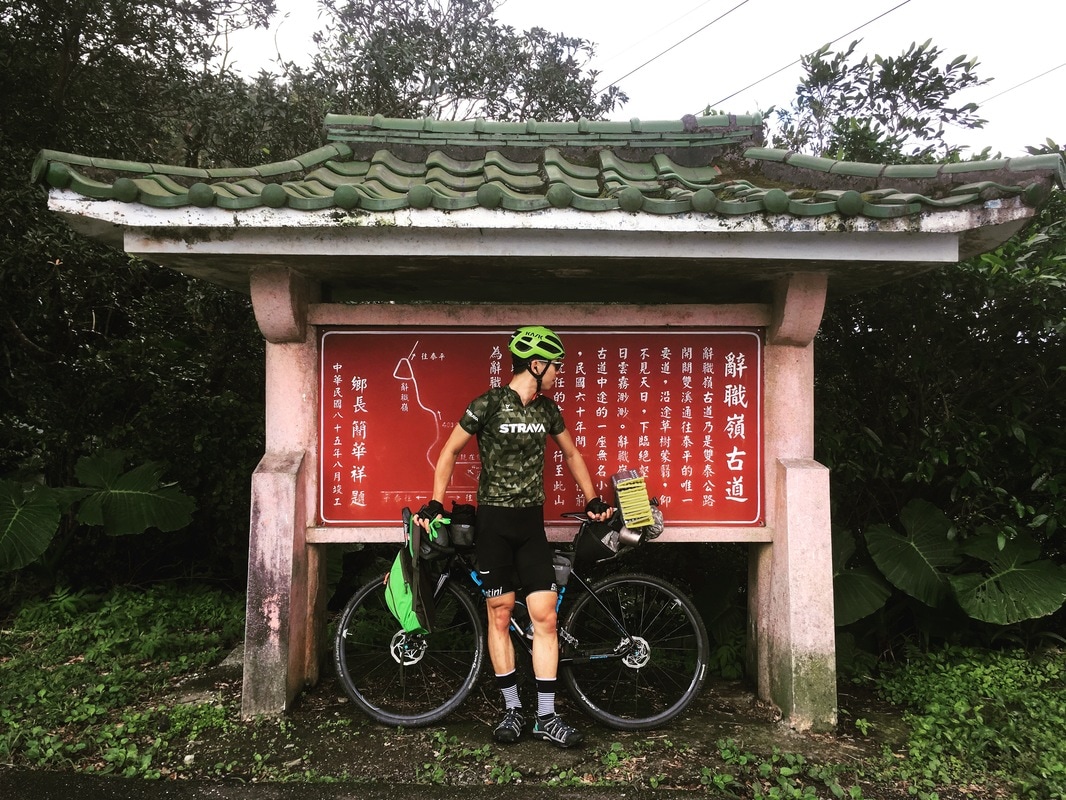
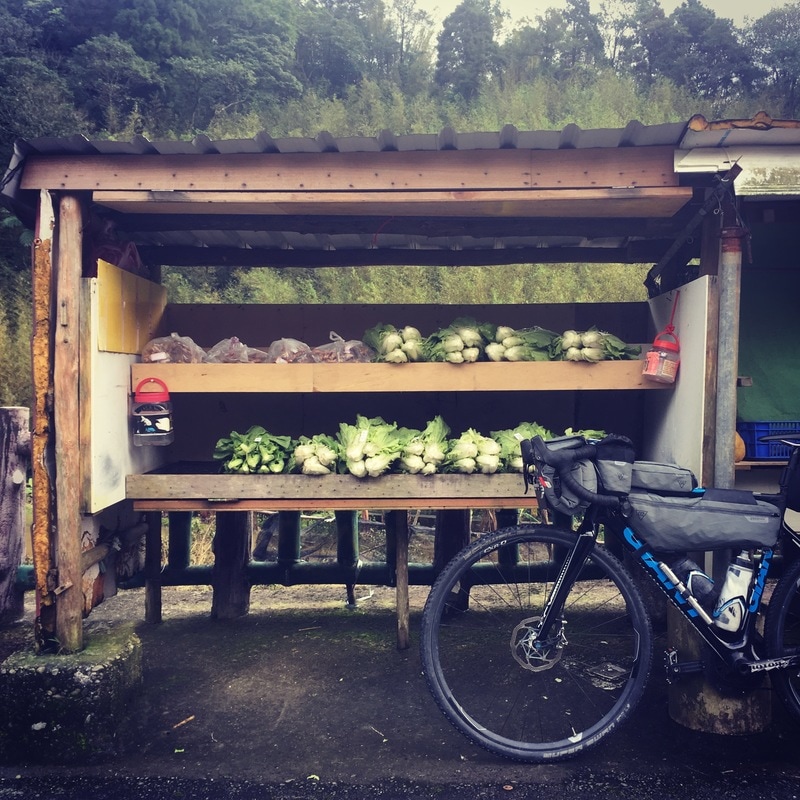
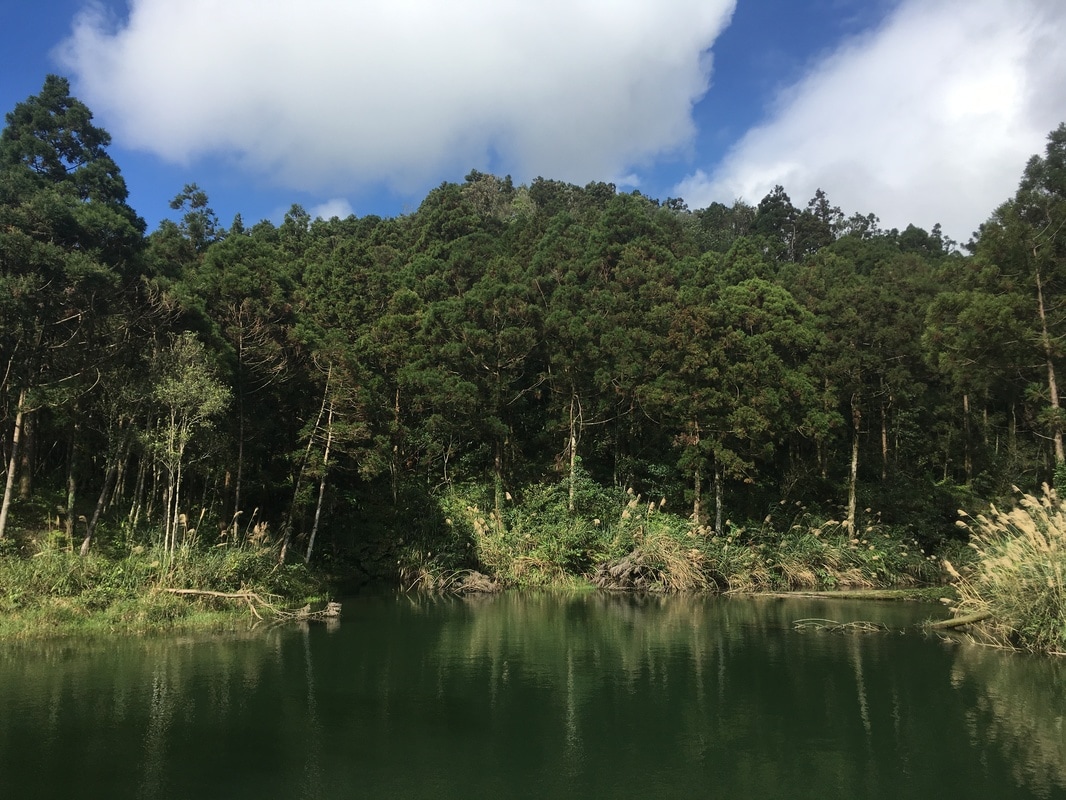
Into the Unfamiliar
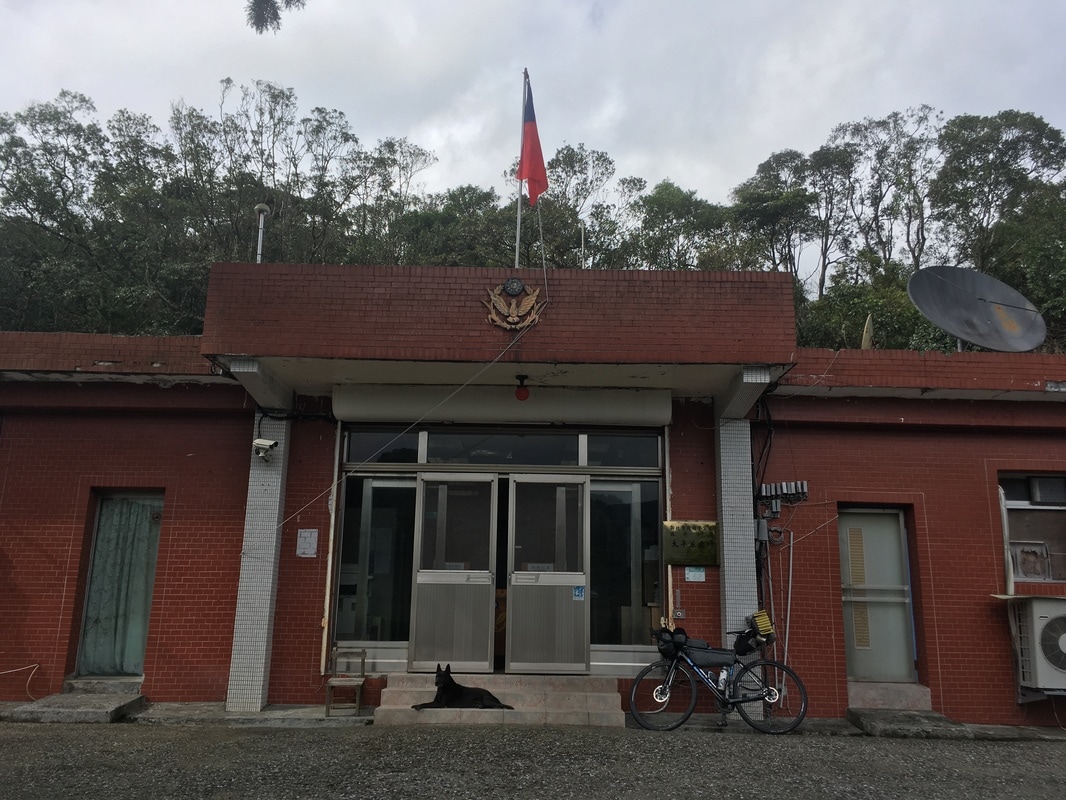
Eventually, I reached the turning for Wantan. From there, a new adventure began: the world beyond the familiar part of my mental map.
As expected, the road mostly descended. After all, the old trail followed a stream. The repeated ups and downs near the end surprised me, though, and some slopes were steep. Fortunately, they were short.
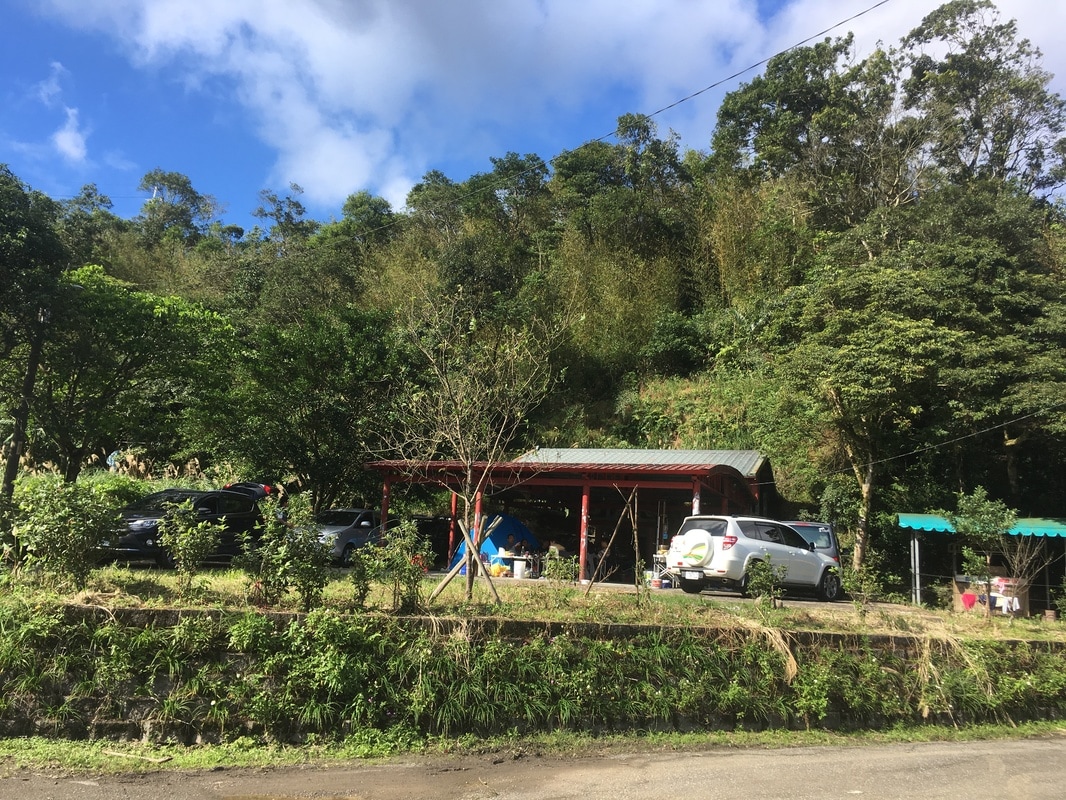
At the entrance, I saw plenty of vehicles belonging to people who had driven in to camp. I treated this as my fallback: if I failed to find a suitable place along the trail, I planned to return here. Seeing other campers, of course, did not itself establish overnight permission.
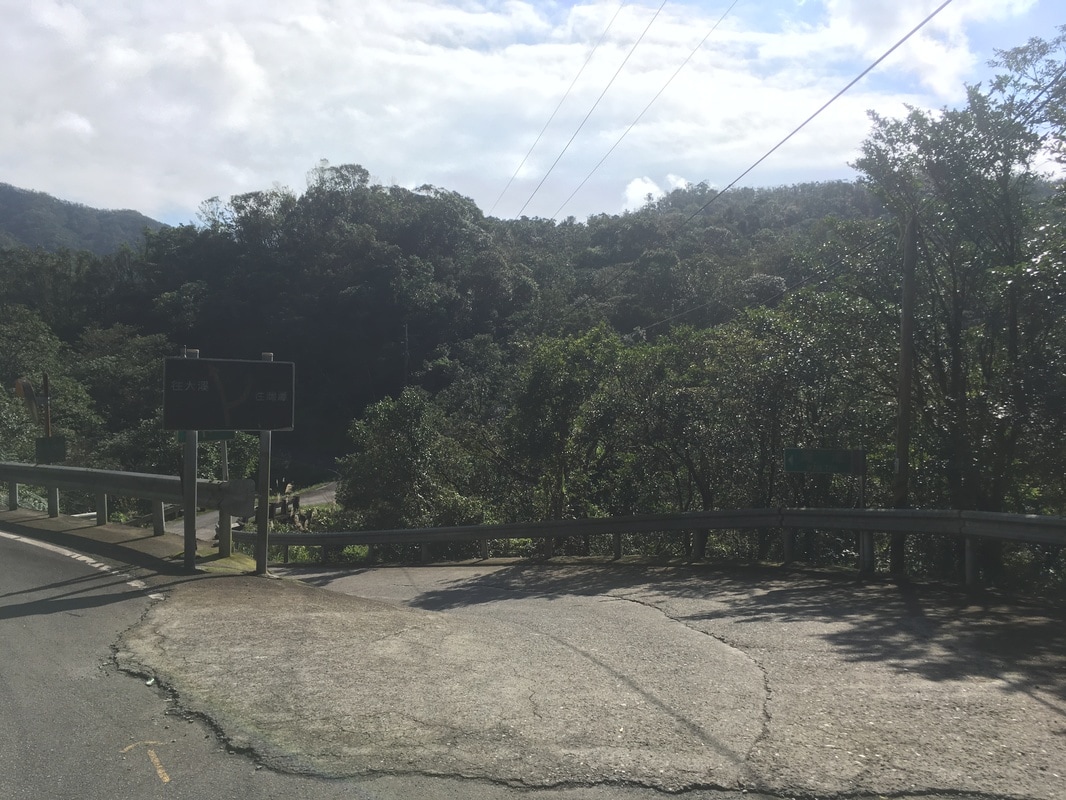
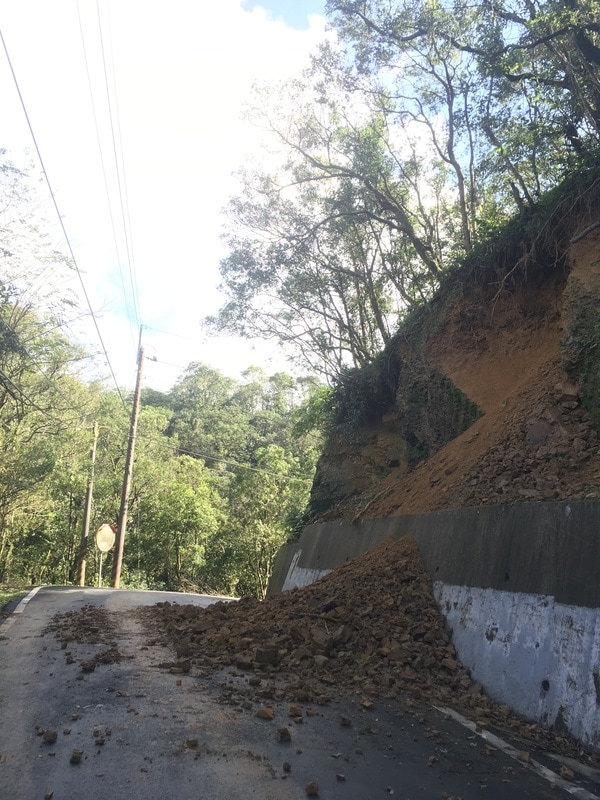
Learning to Ride beyond Asphalt
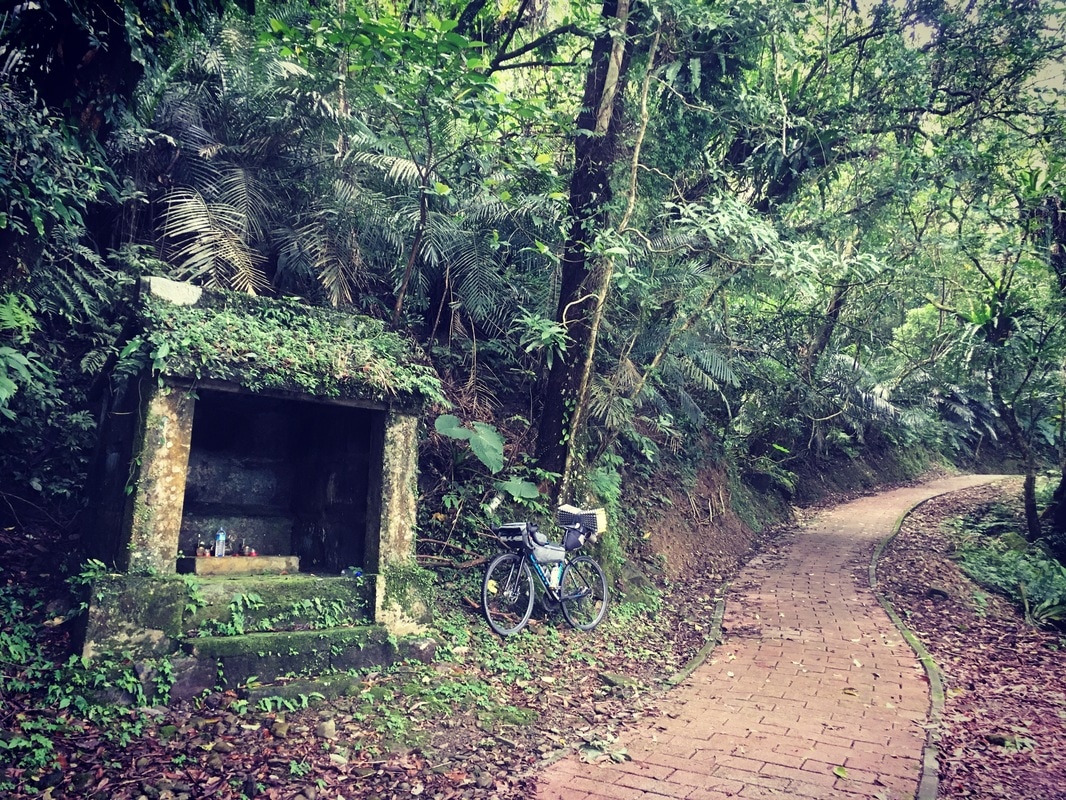
The beginning was beautifully maintained and easy to walk. I even thought about bringing my mother here for a stroll with the dog.
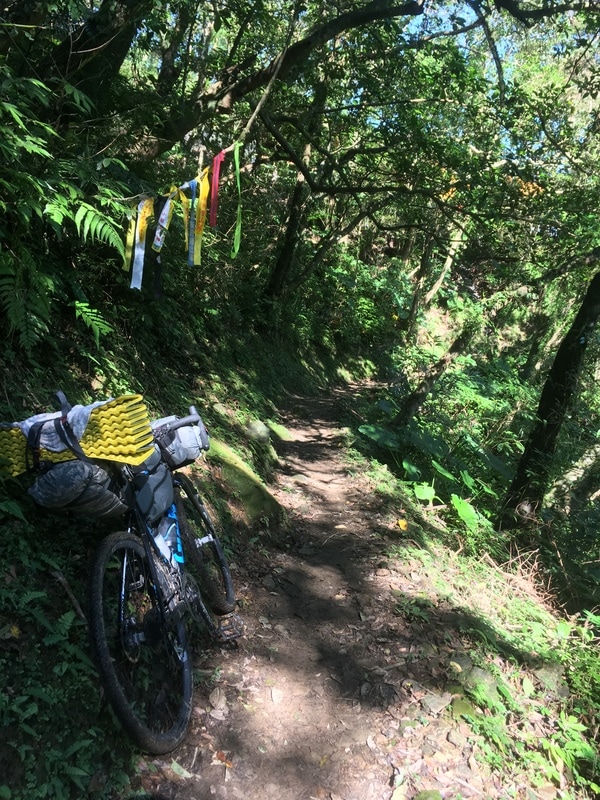
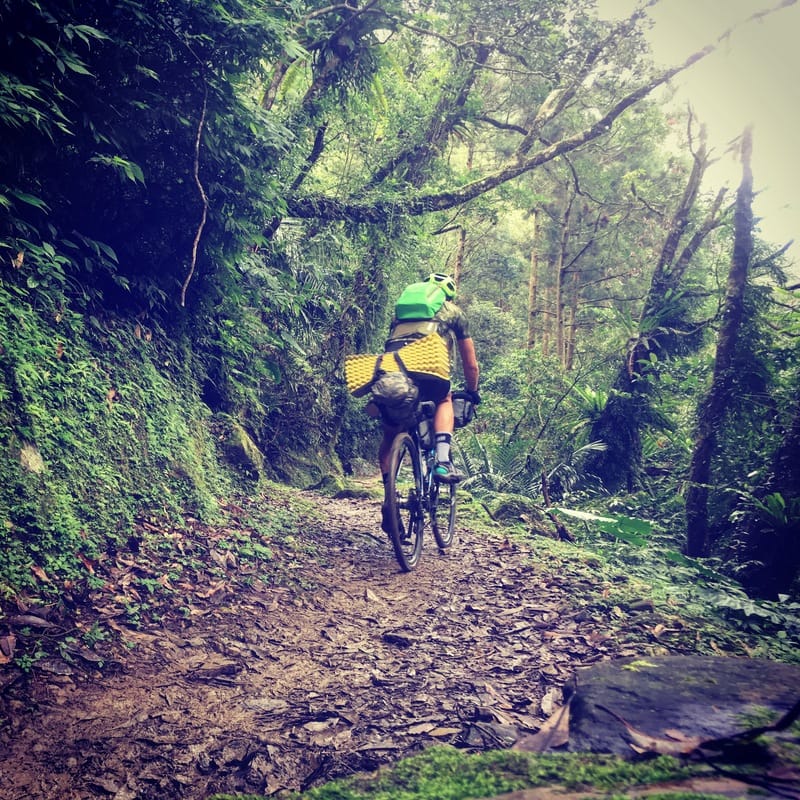
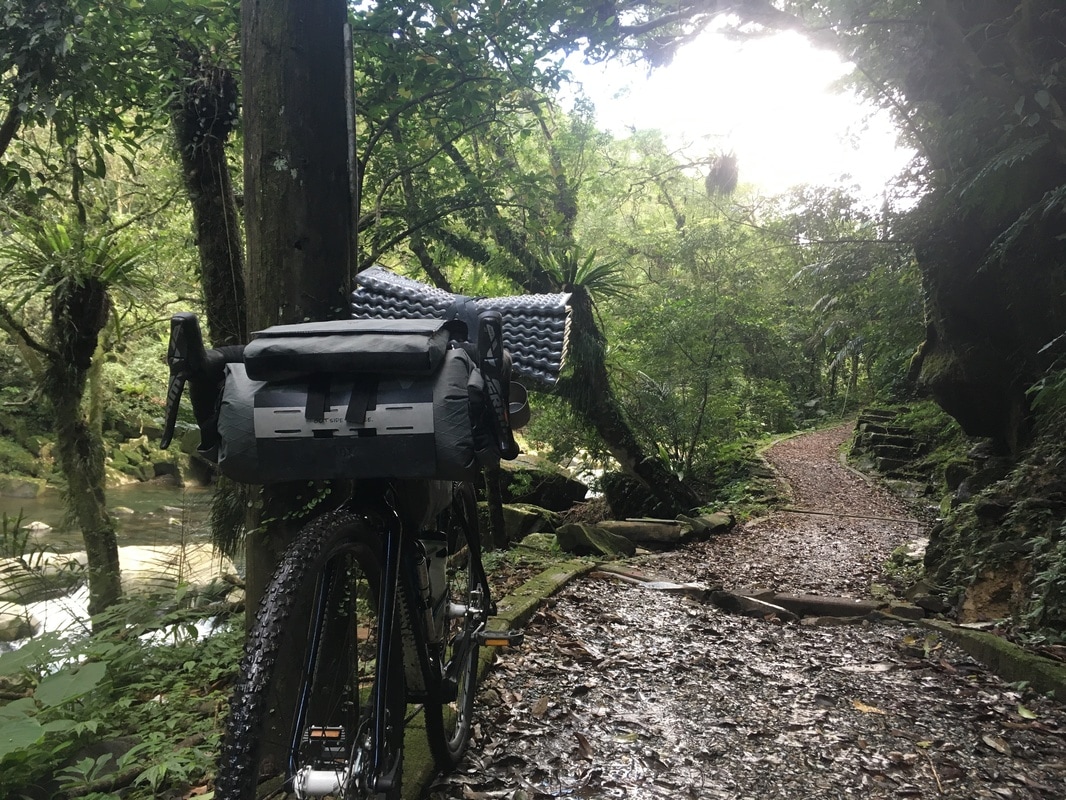
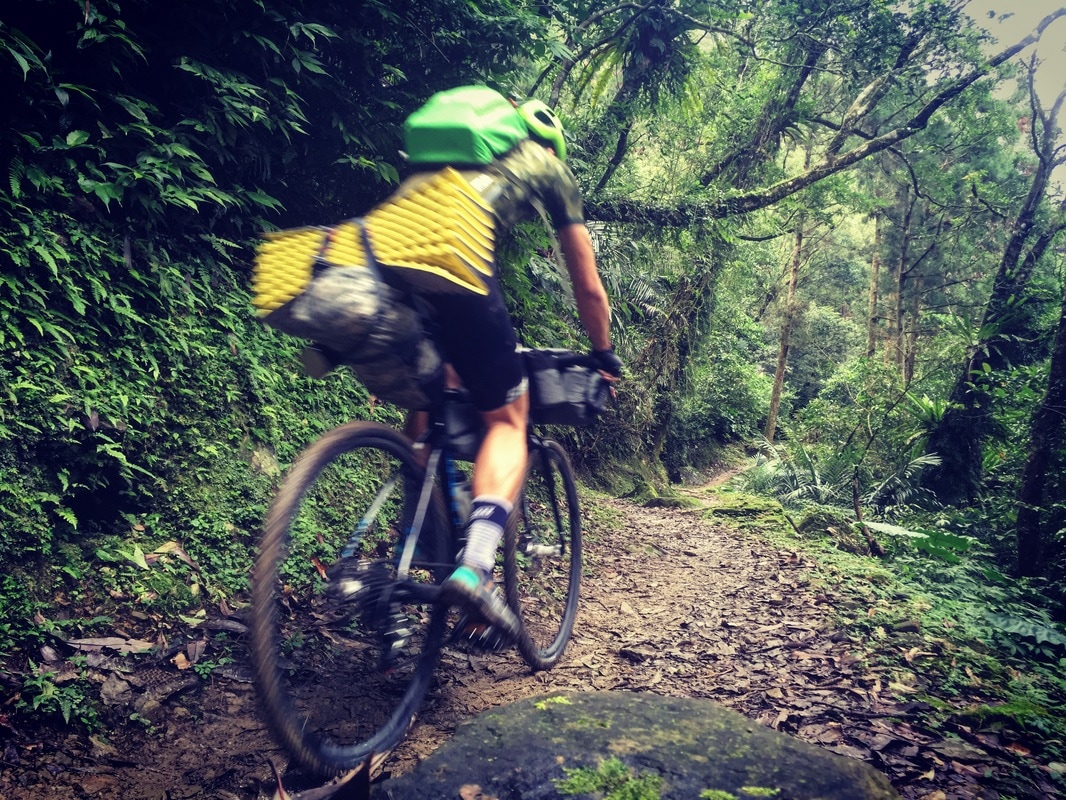
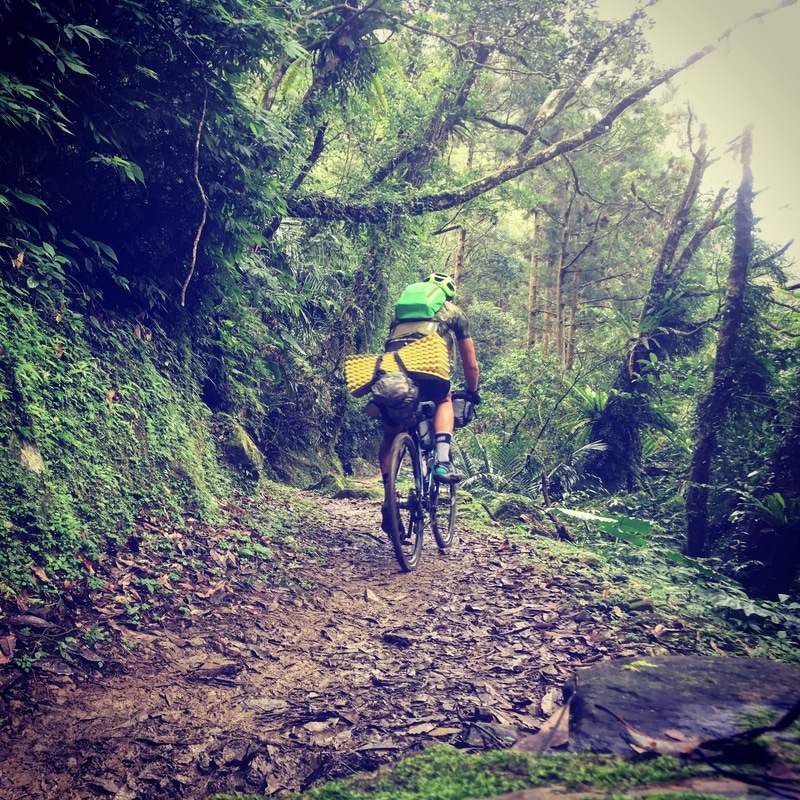
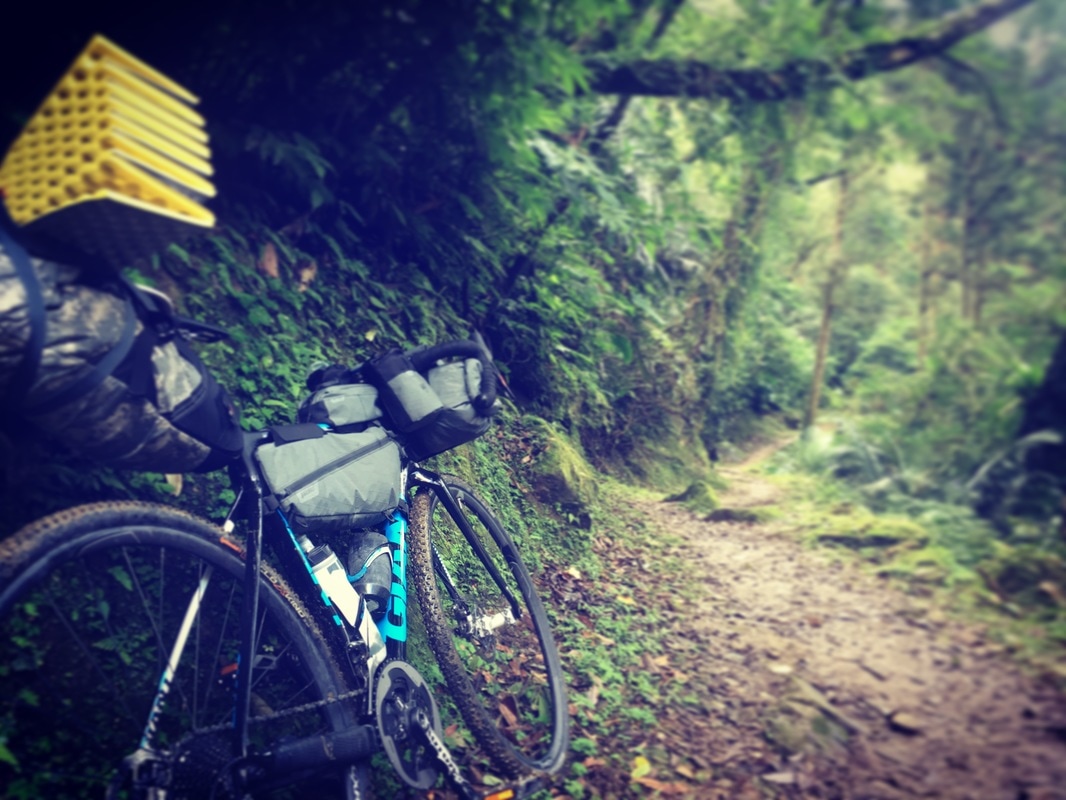
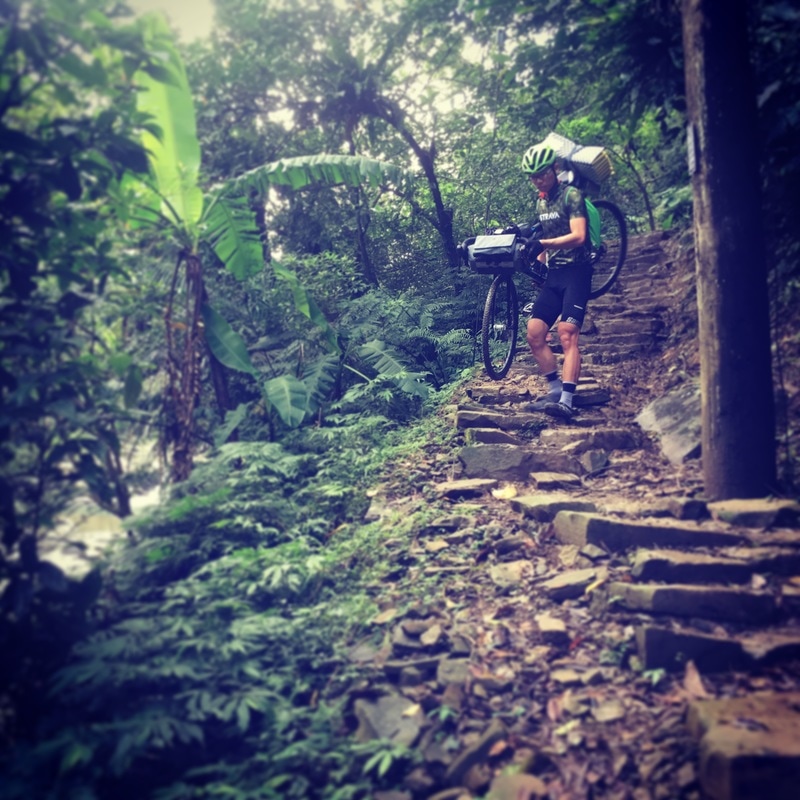
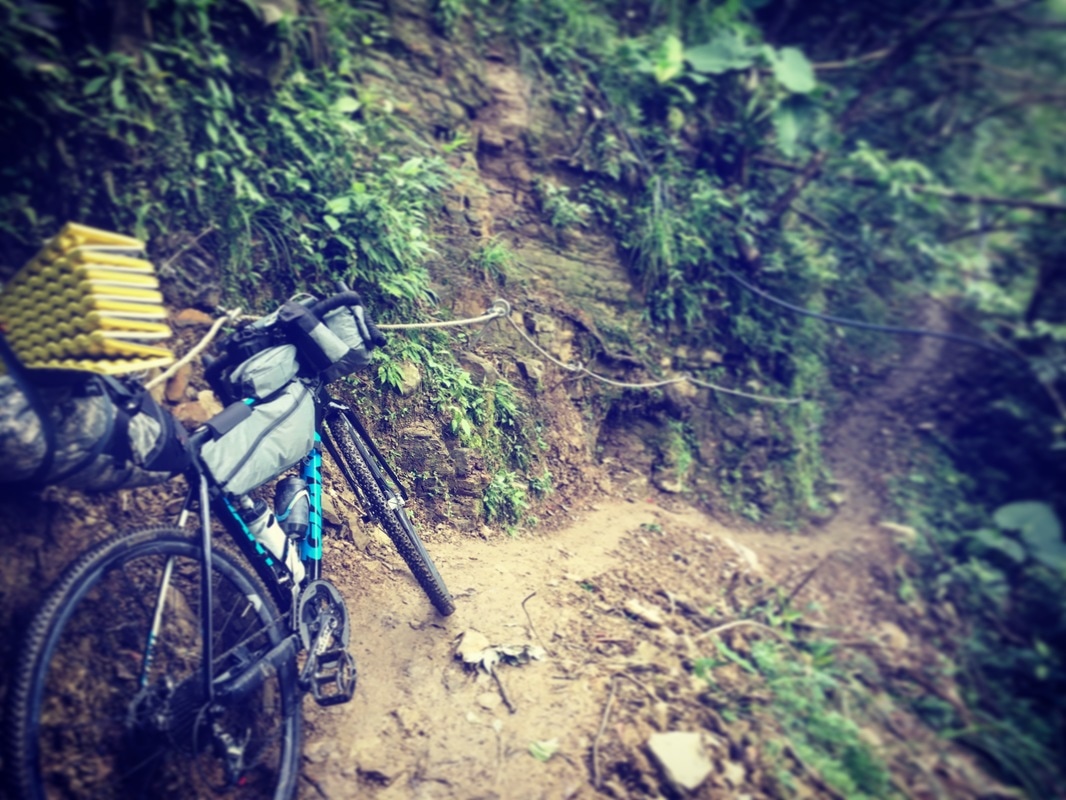
Farther in, the surface grew rougher. Brick paving and fine gravel gradually gave way to earth, with occasional stone steps and larger rocks.
For me, that was where the fun of trail riding began.
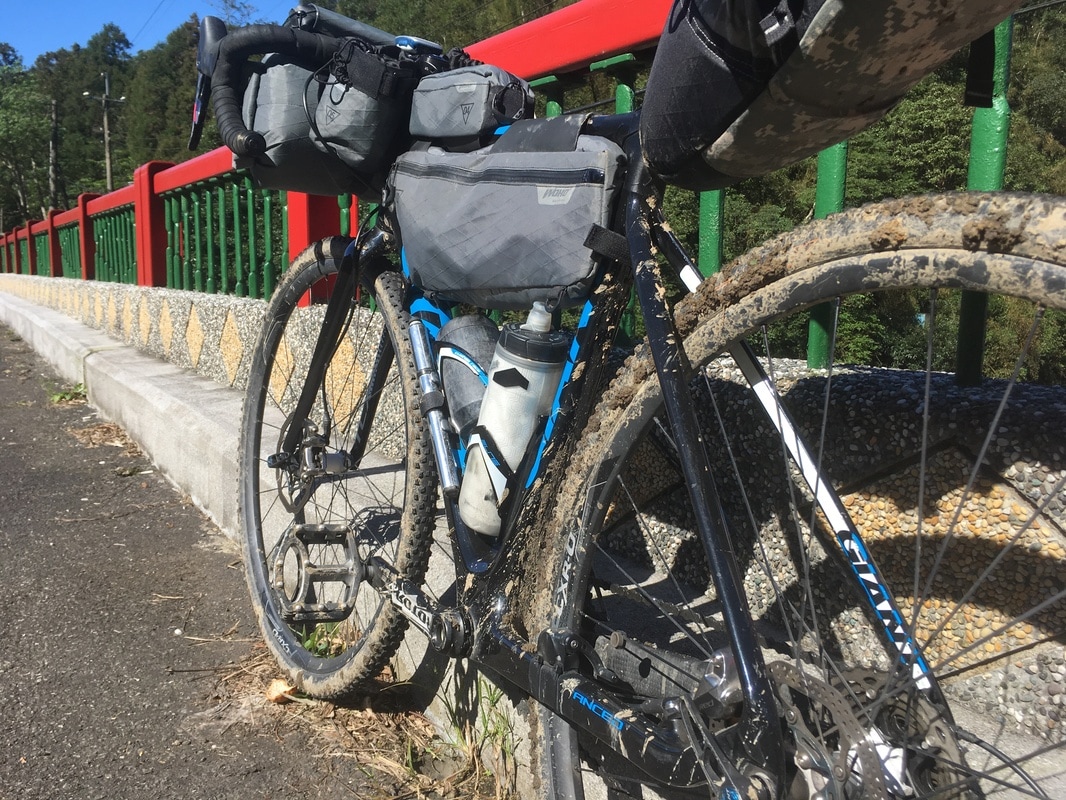
Rolling downhill and dodging a rock, putting a foot onto a stone when I could not get through cleanly, gathering speed on the flat before a short steep rise, feeling the rear wheel slide in the mud: these were sensations asphalt could not offer.
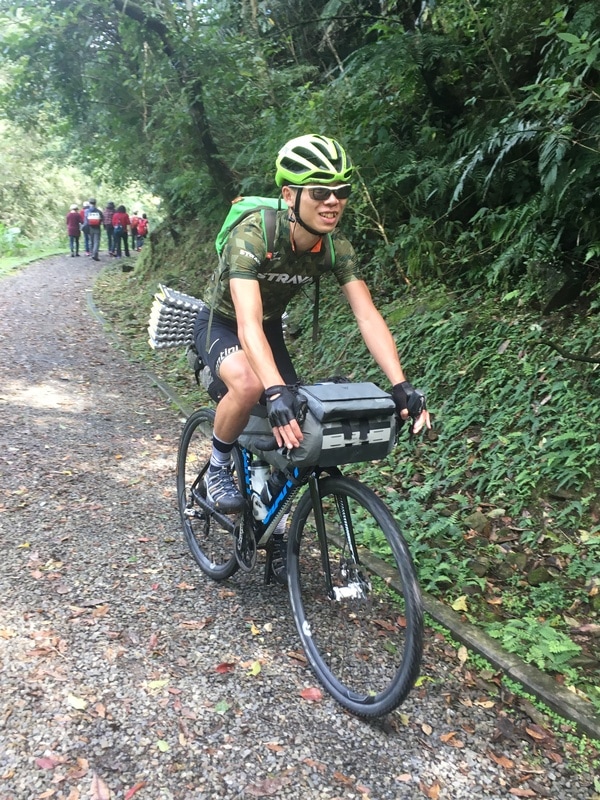
Having said all that, I still pushed the bicycle through plenty of sections.
Bends, Pools and Small Waterfalls
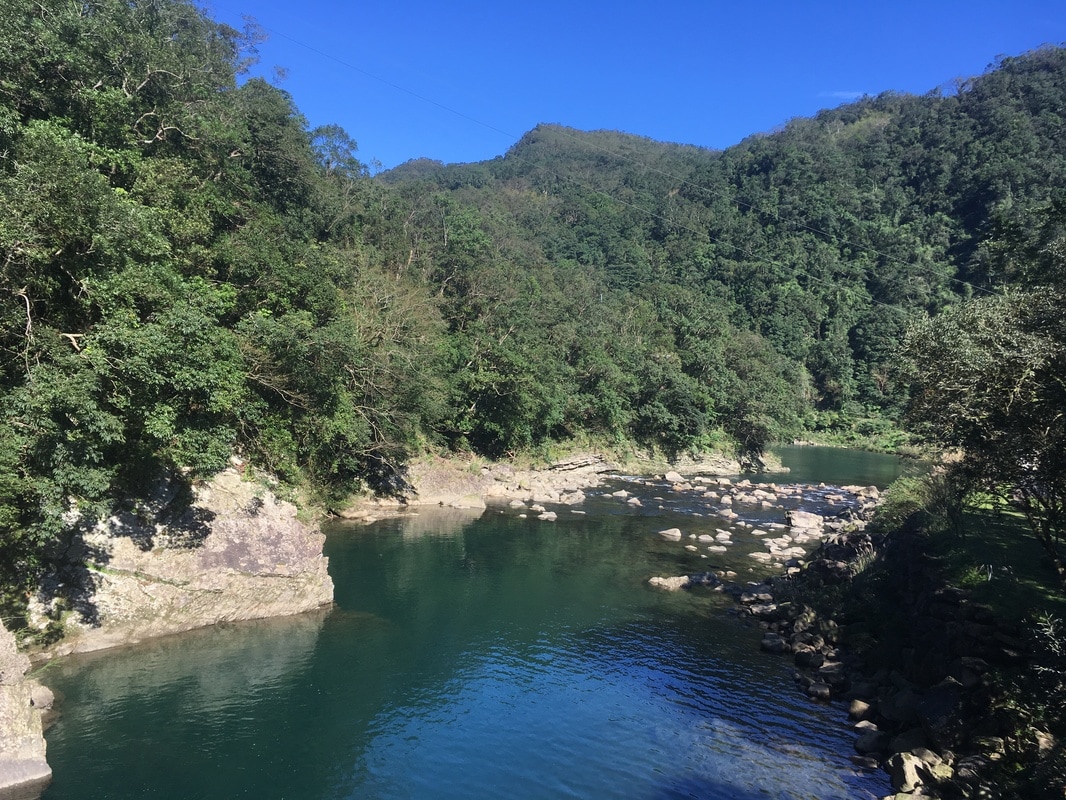
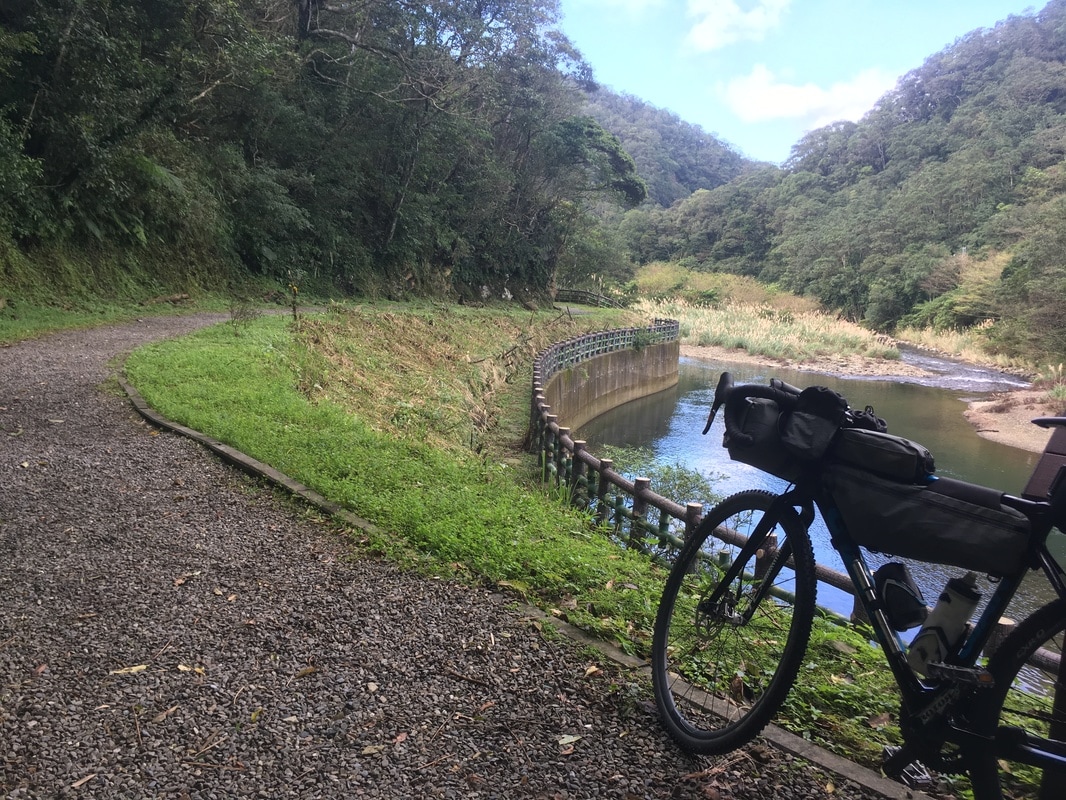
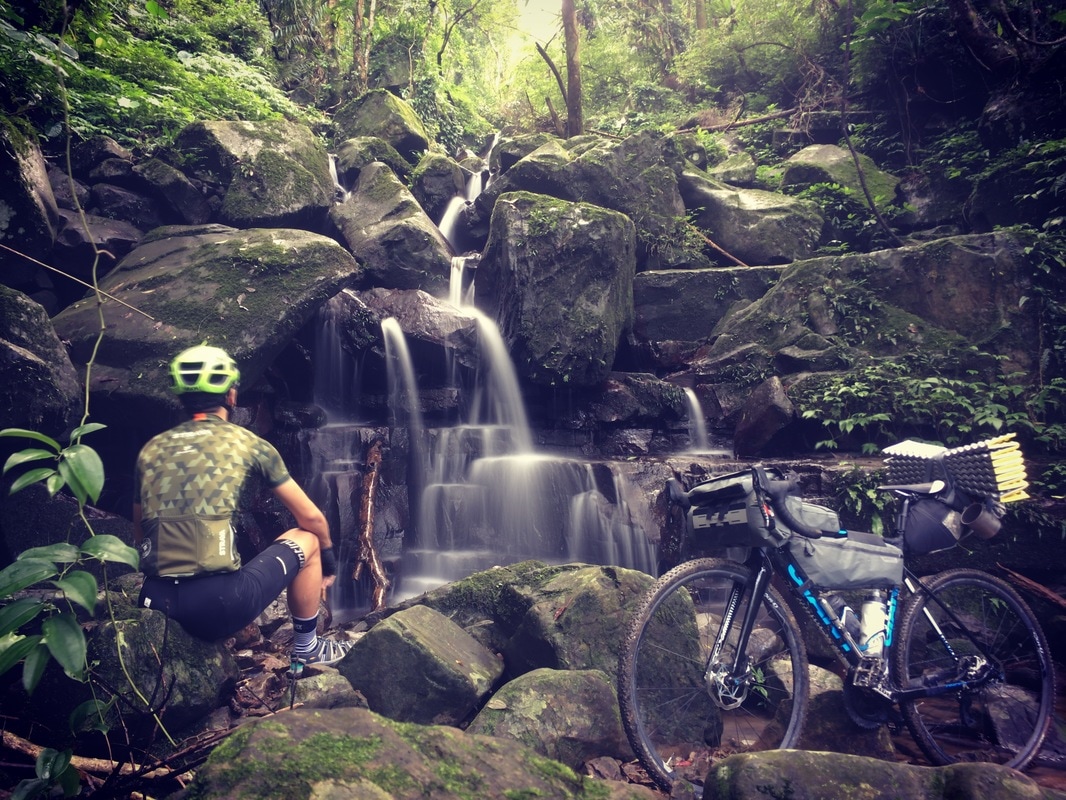
With mountains on one side and water on the other, the trail offered enough scenery that even pushing never became dull.
I guessed the name Wantan, suggesting bends and pools, came from the many turns in the creek and the pools formed at those turns.
At the time, I imagined those secluded gorge-side places, with a little clearing, as wonderful overnight spots. Being there reminded me of the hidden Passionless Valley or Hundred Flowers Valley in Jin Yong’s martial-arts novels. That romantic impression was not a reason to disturb vegetation or camp in a flood-prone gorge.
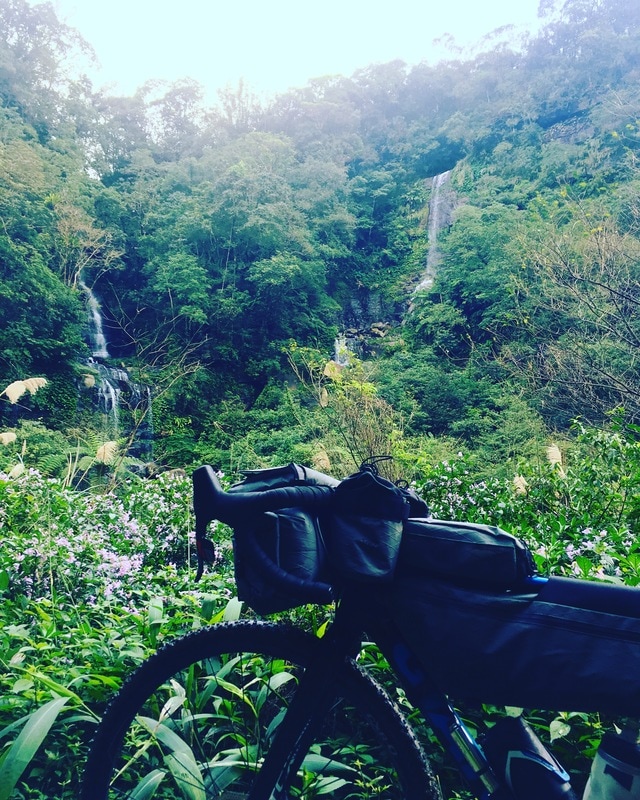
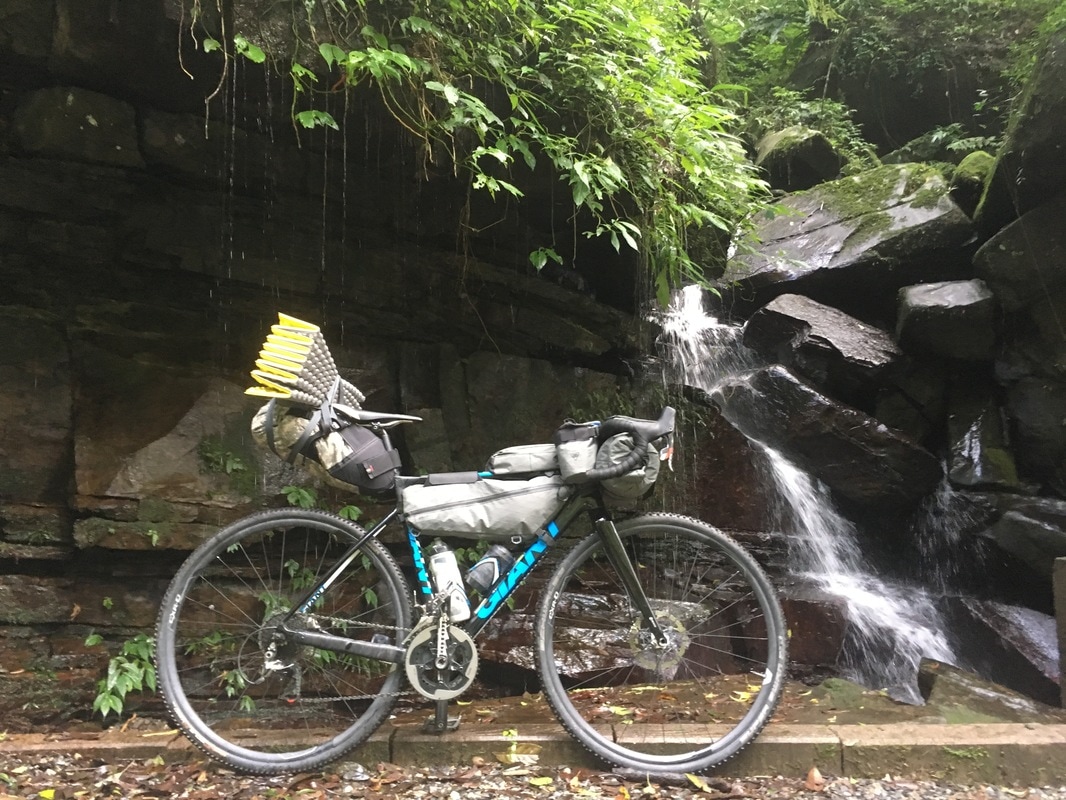
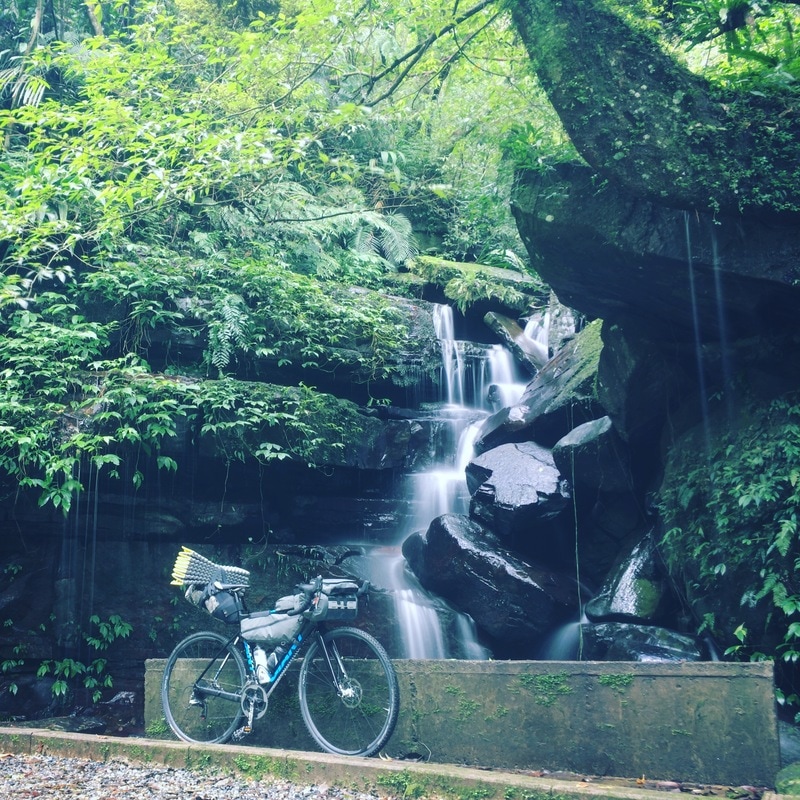
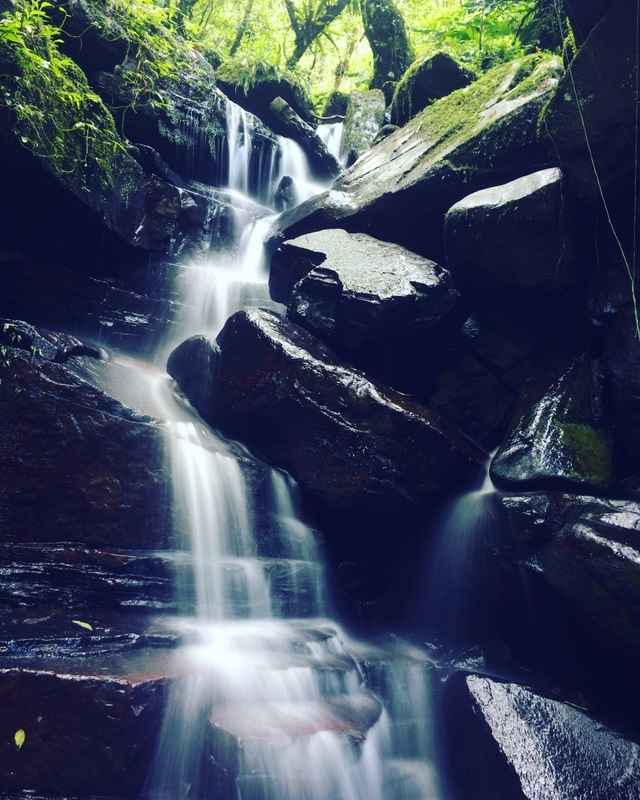
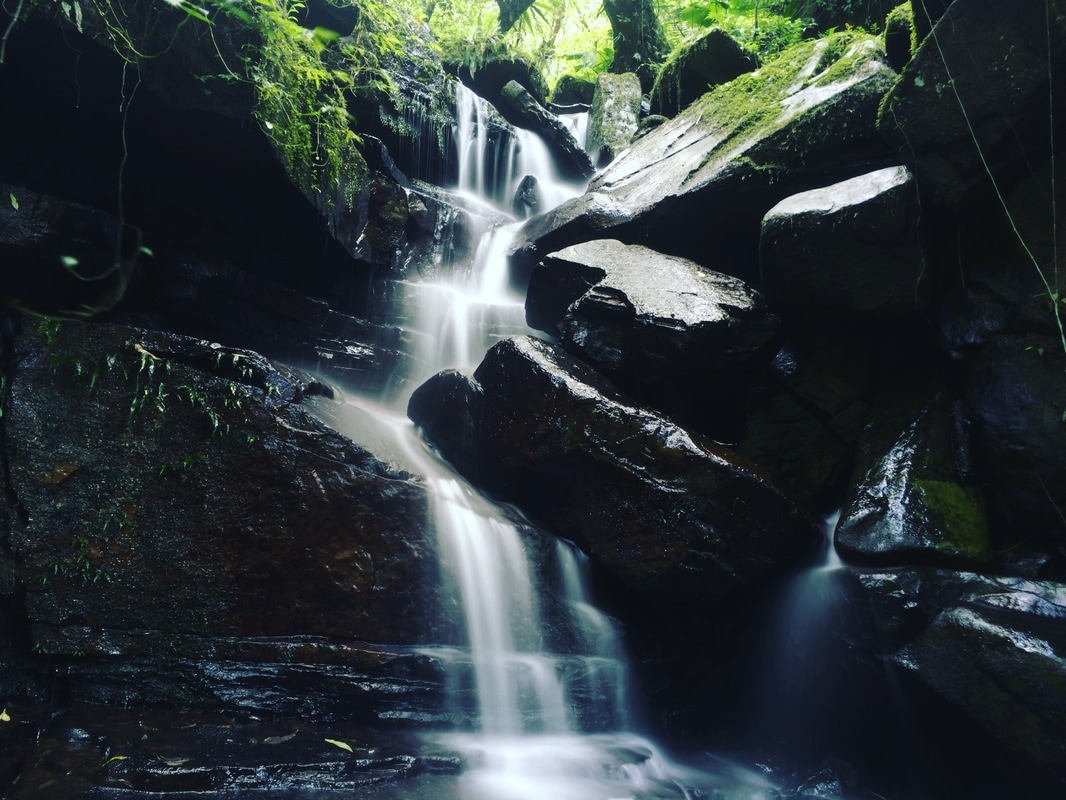
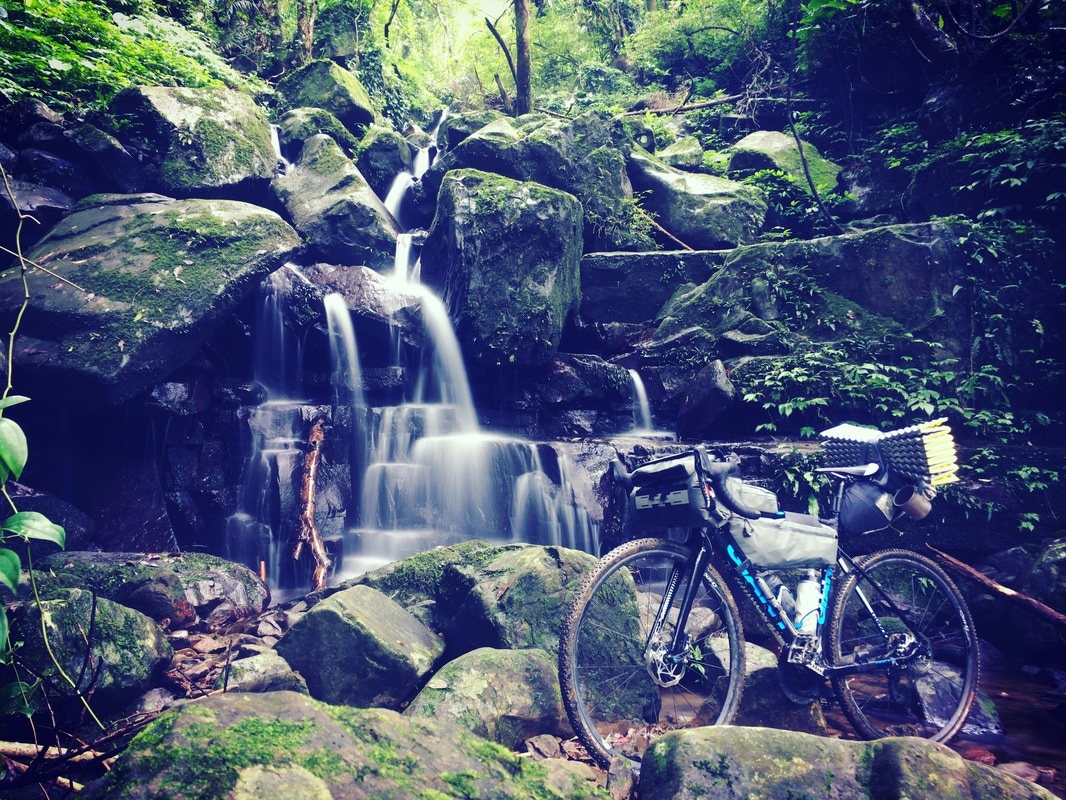
The little waterfalls deserved attention too. They lacked the overwhelming force of a great cascade, but the white threads falling against hard black rock had a quiet beauty, a balance of softness and strength.
The water looked so clean that I was tempted to pour away the four liters I was carrying. Its appearance alone, however, said nothing about whether it was safe to drink.
An Orange Tent beside the Water
Beautiful scenery makes time disappear. After all the stopping and starting, it was already time to settle down, but I had not found a place that completely satisfied me. Some were too far from the water for my liking; others were overgrown.
Should I continue, or return to one of those rejected places?
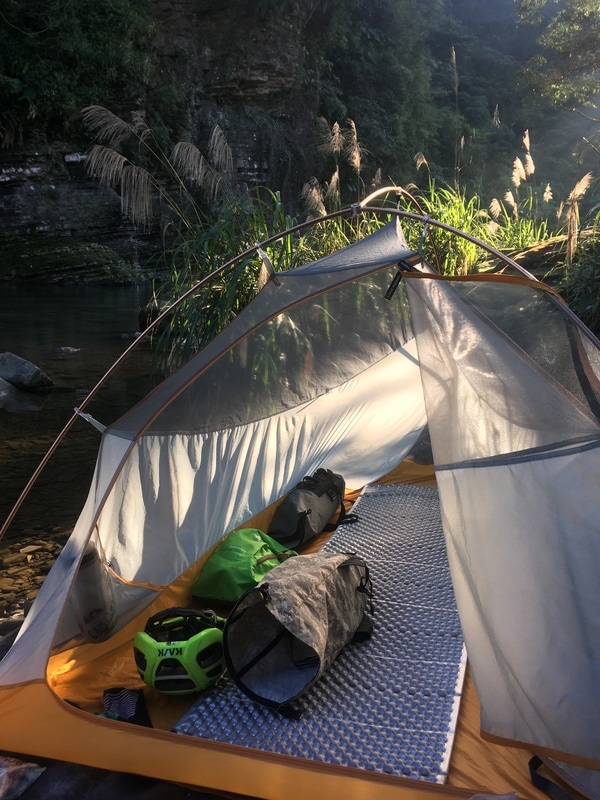
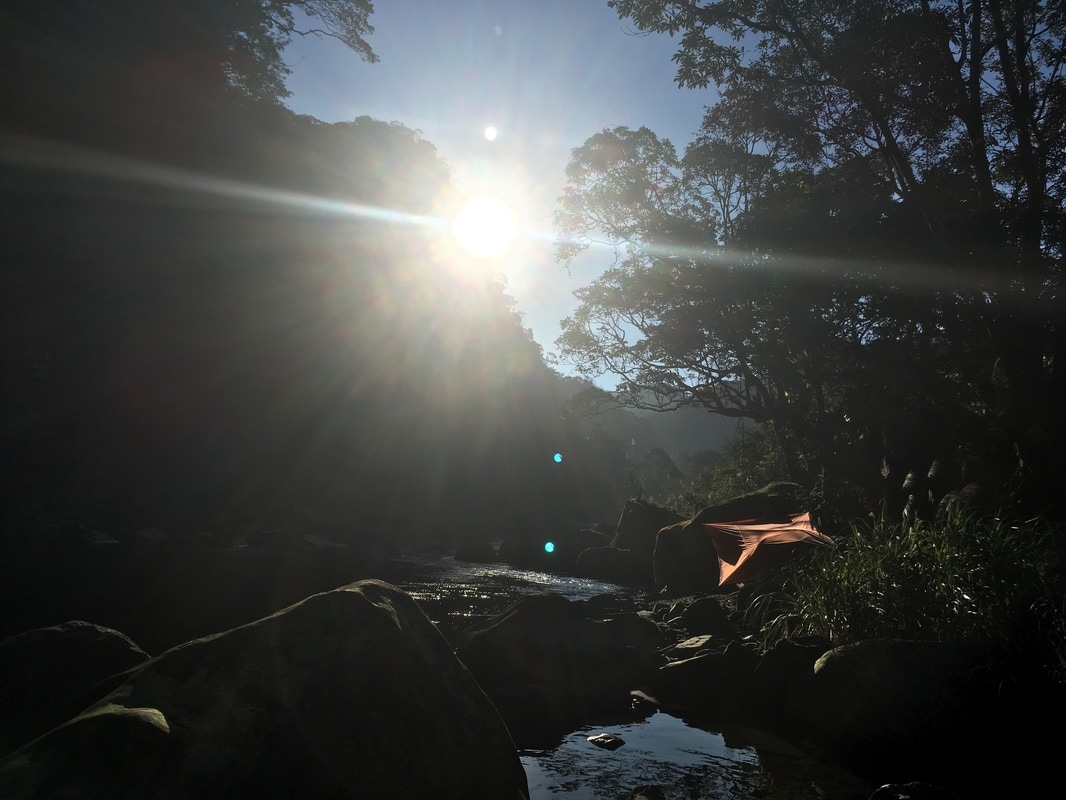
While I was hesitating, I noticed something orange-red beside the stream. Looking closely, I realized it was a tent.
Excited, I went over to ask whether there was room for another one. The answer came back just as enthusiastically: yes, there was a spot next door.
At that moment, I felt that everyone who camped out must be a good person.
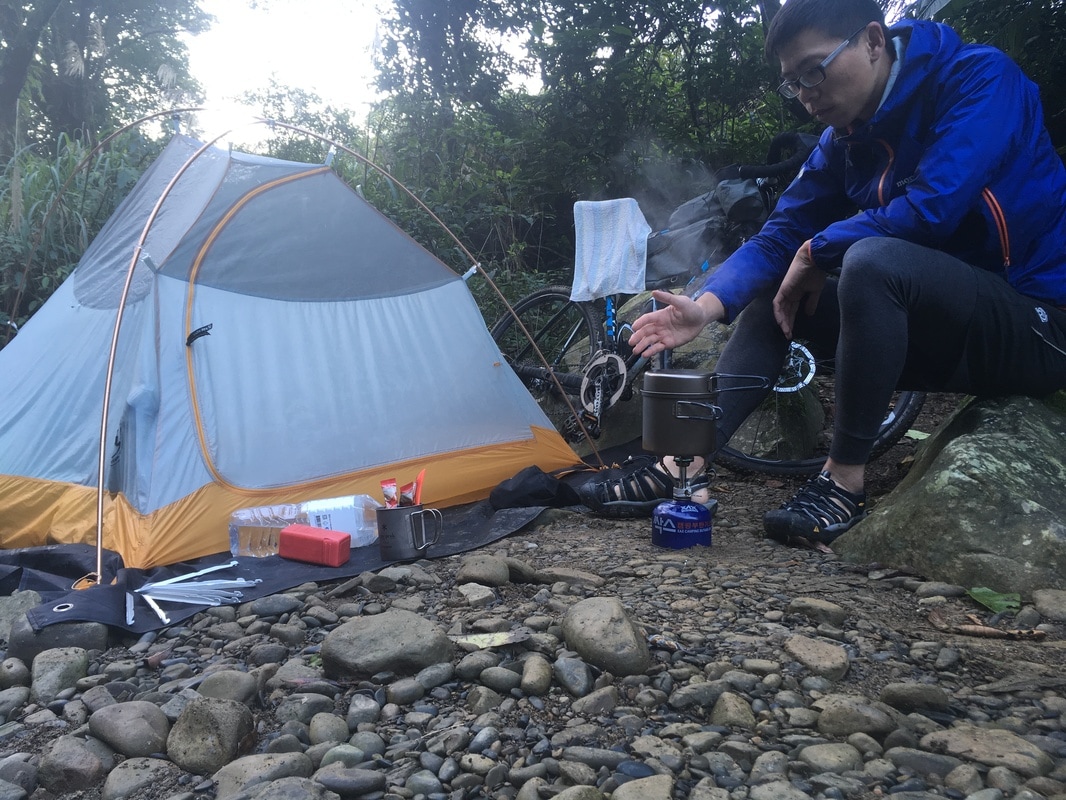
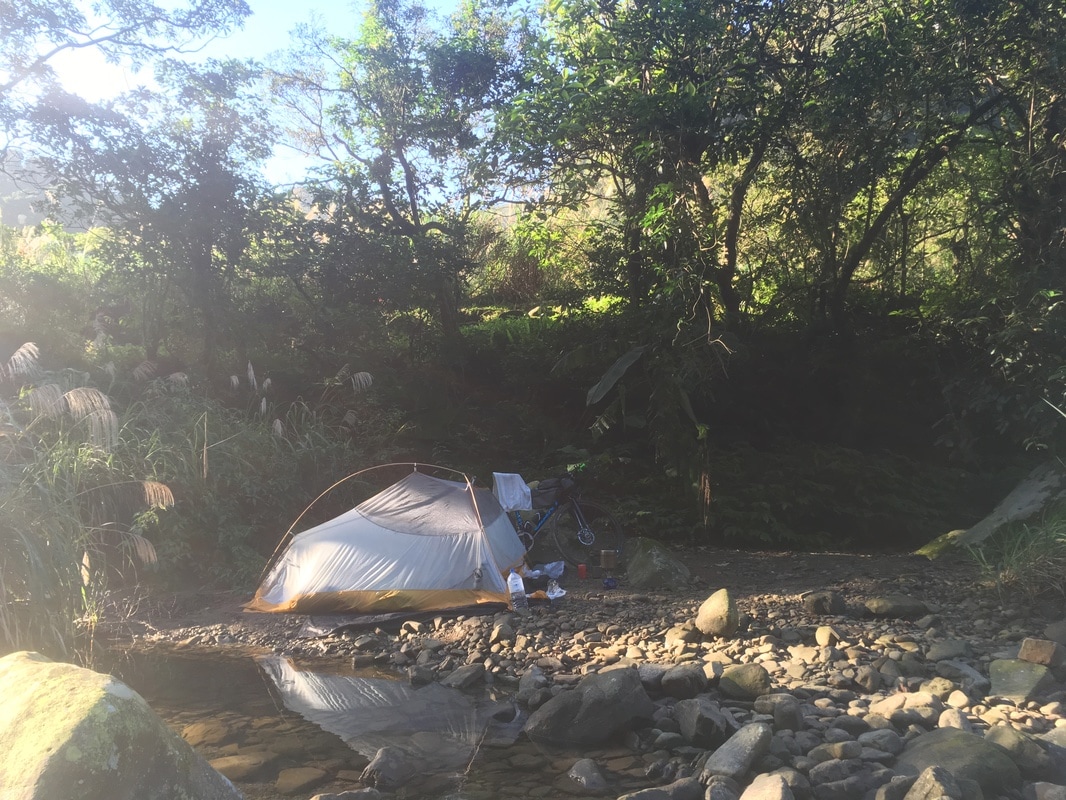
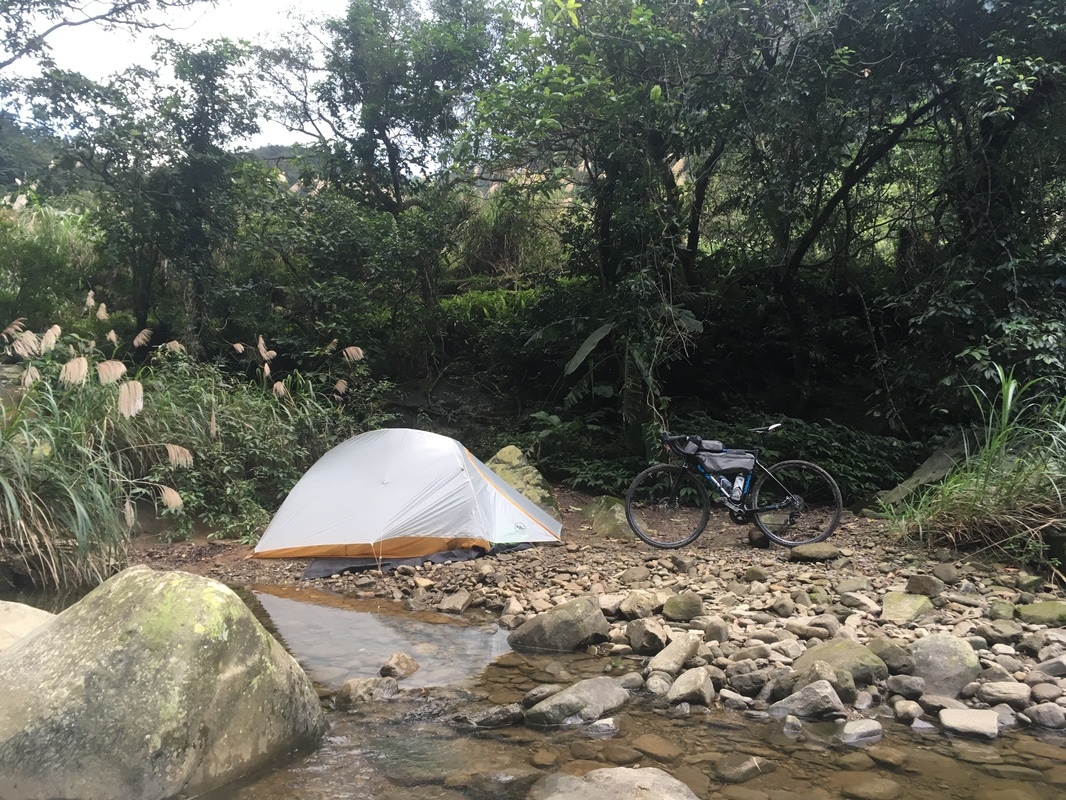
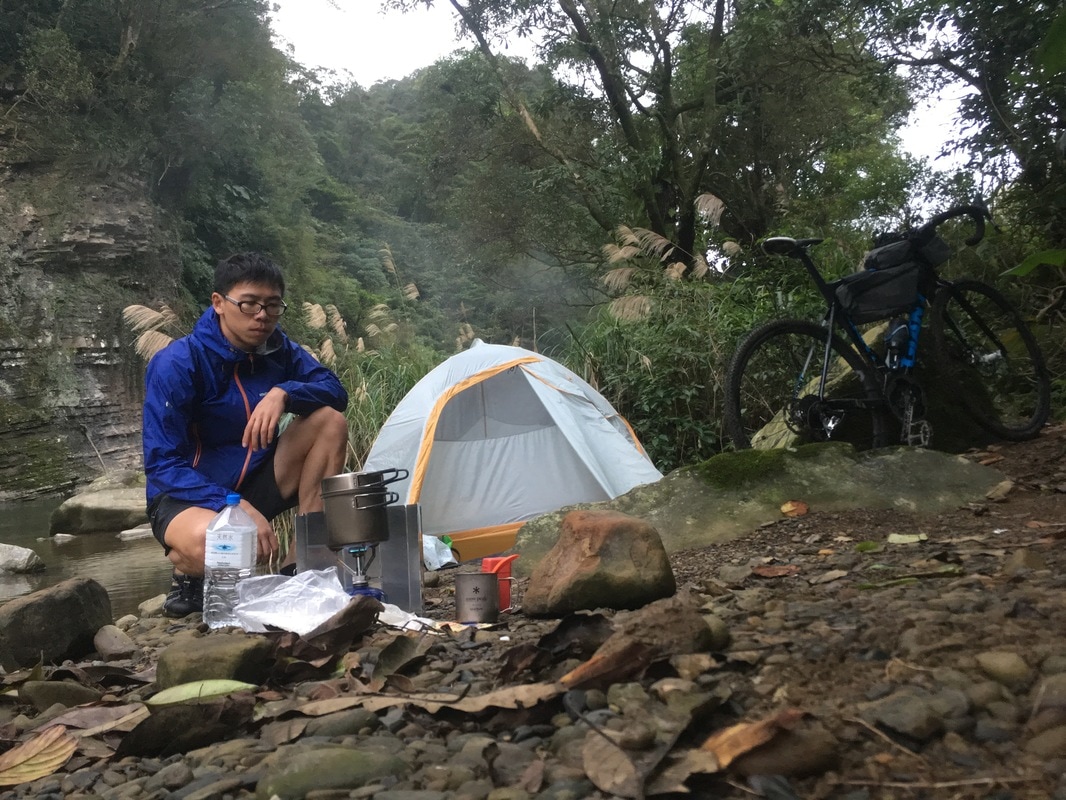
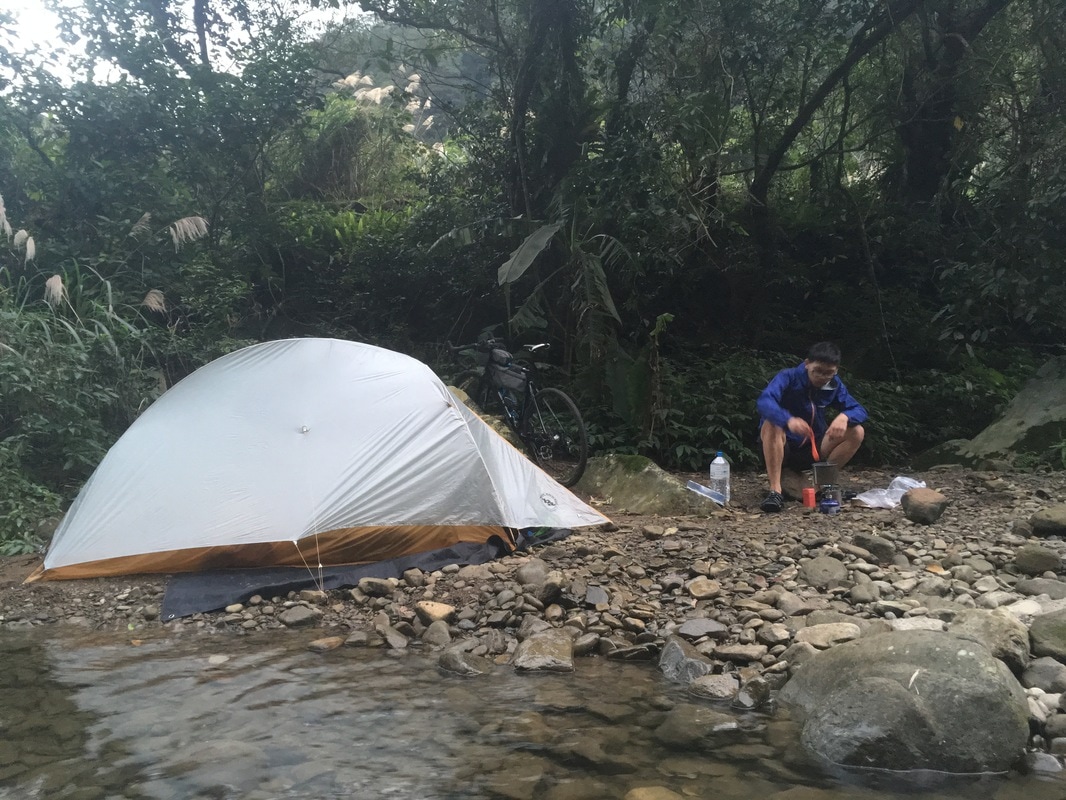
I carried the bicycle down to the bank. Whoever had chosen this place had an eye for scenery.
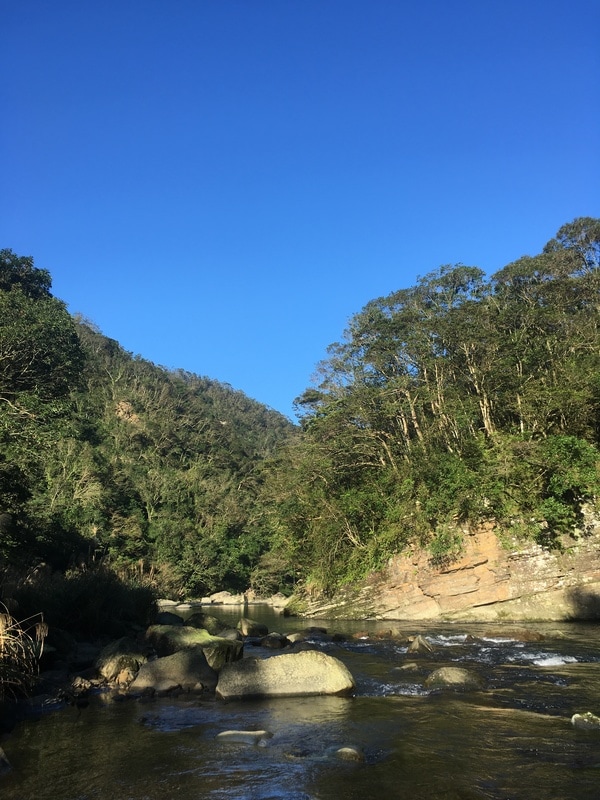
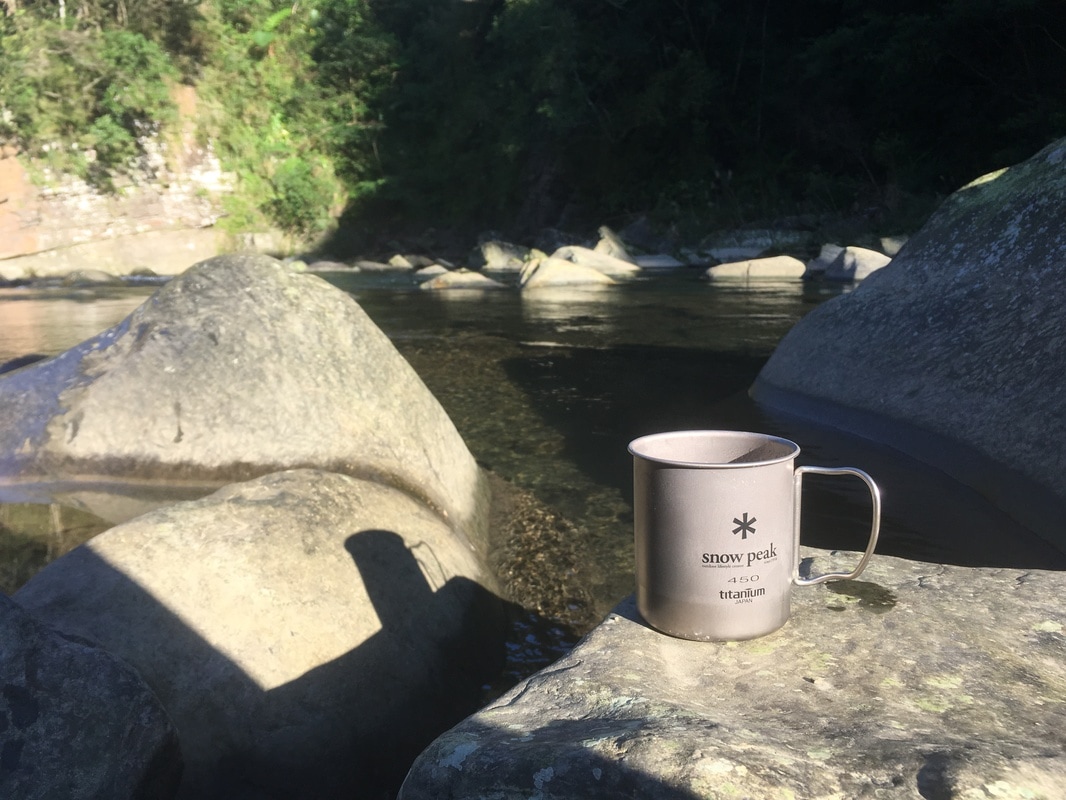
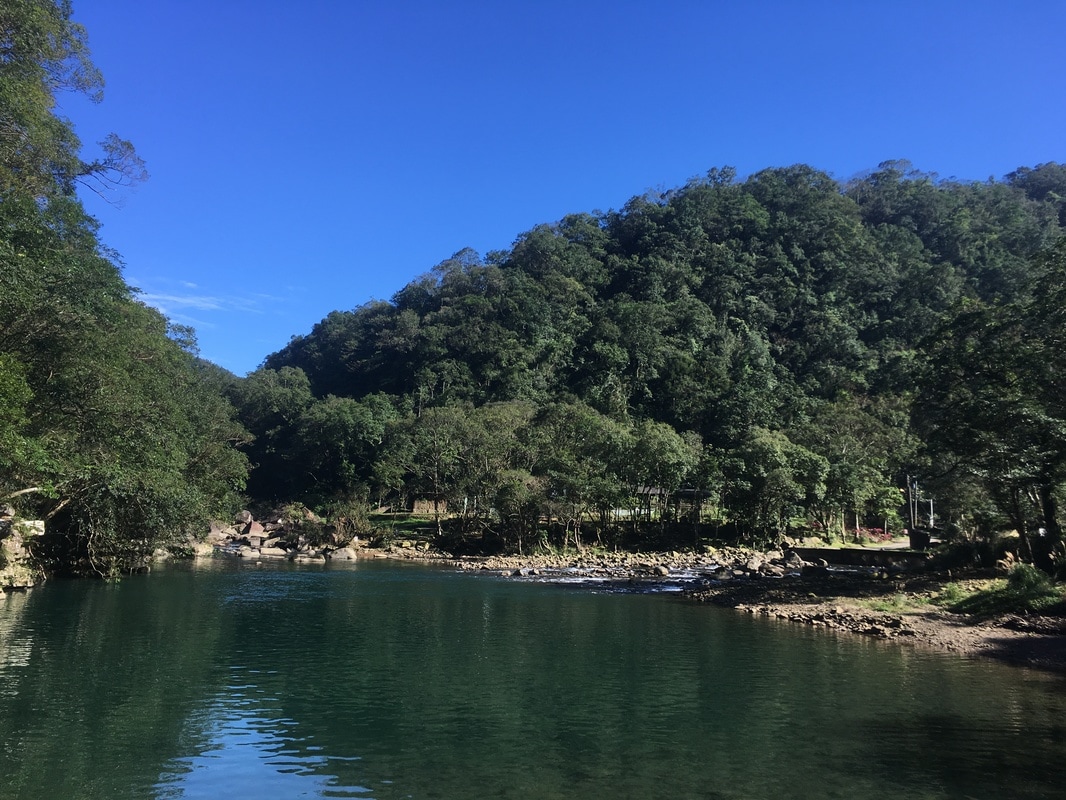
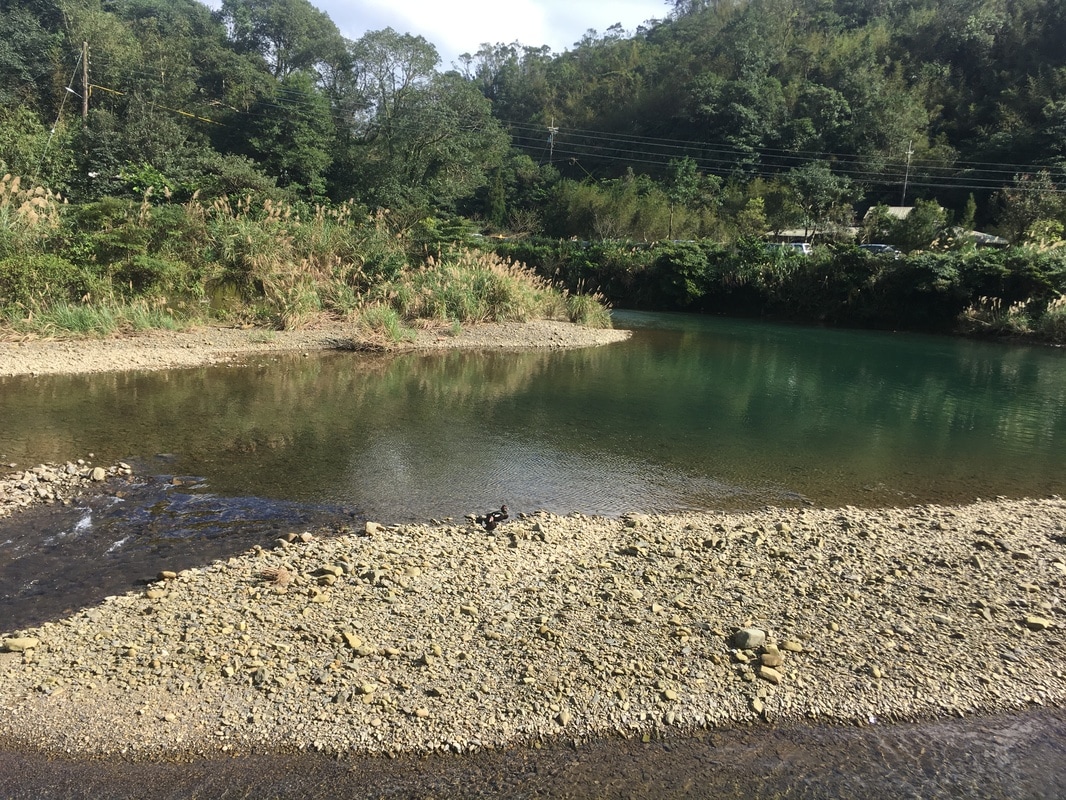
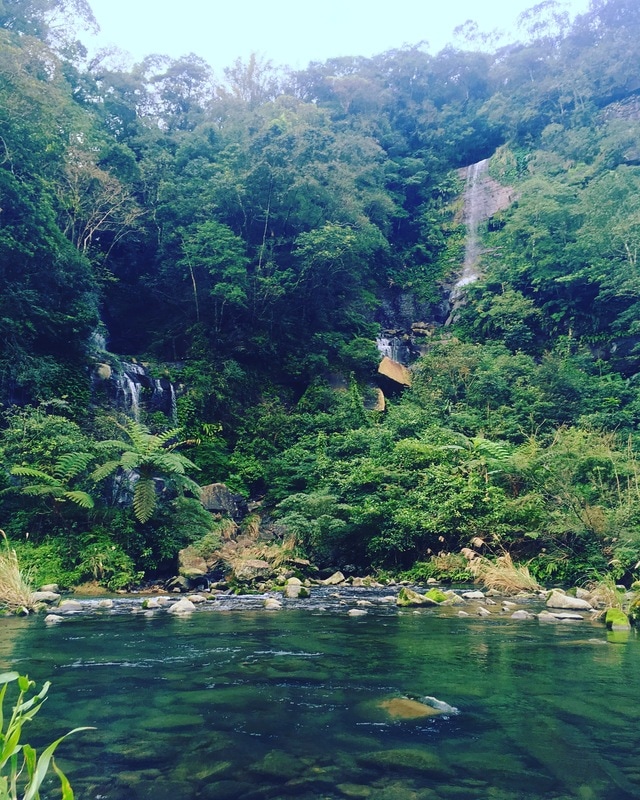
The broad stream spread out directly in front of us. Clear shallow water at my feet became a deep green pool toward the opposite bank. Every so often, a fish broke the surface, or flashed as it turned underwater.
Across the water rose a sheer wall, patterned with what I imagined were traces of countless ages and draped with climbing vines.
As a setting, I could find nothing to criticize. That was my delight in the view, not a judgment of flood safety.
Visitors at Dusk
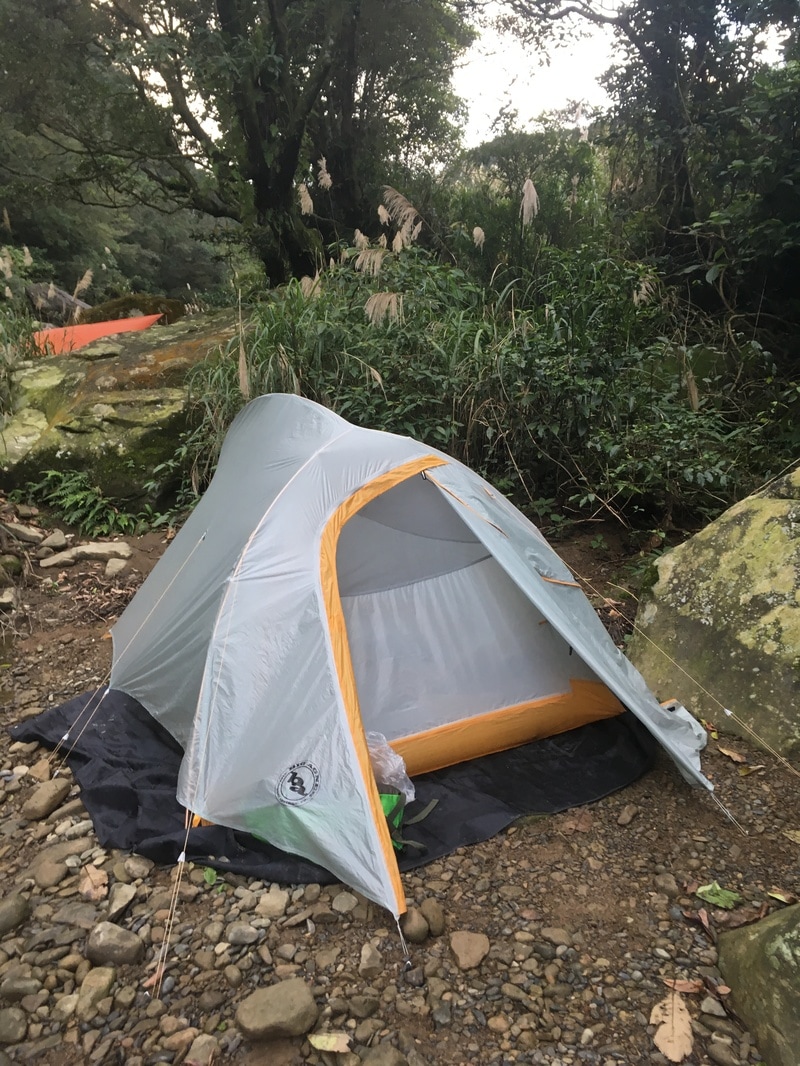
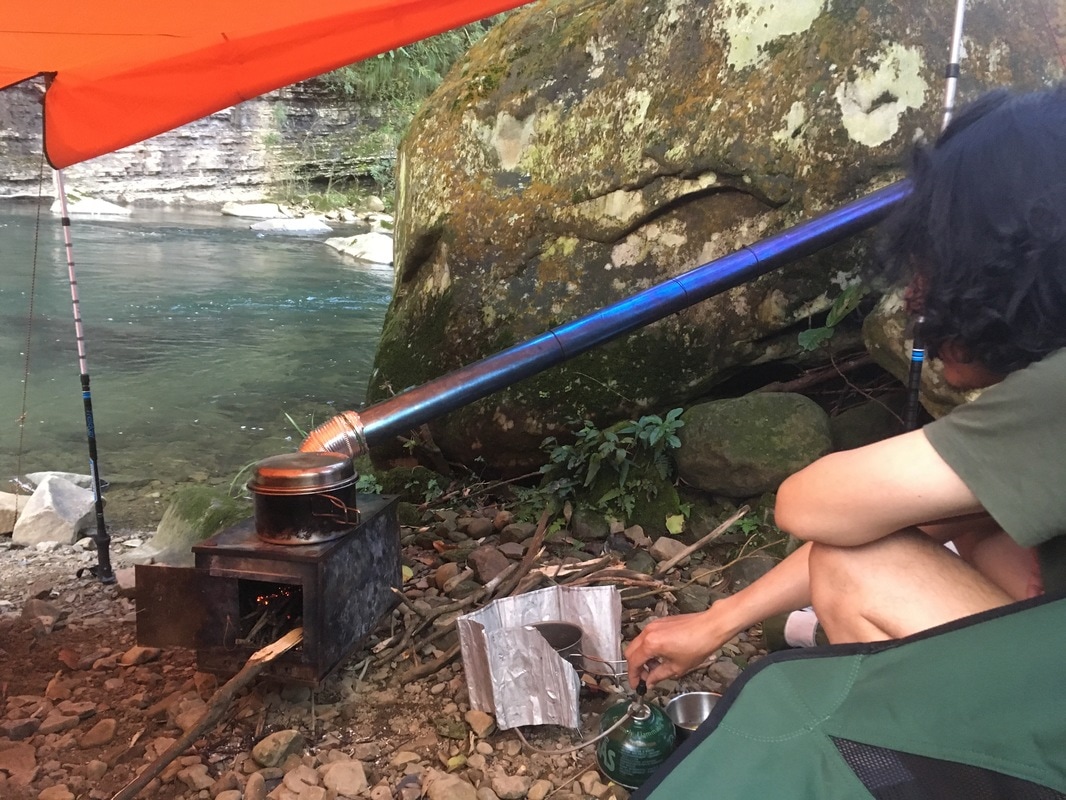
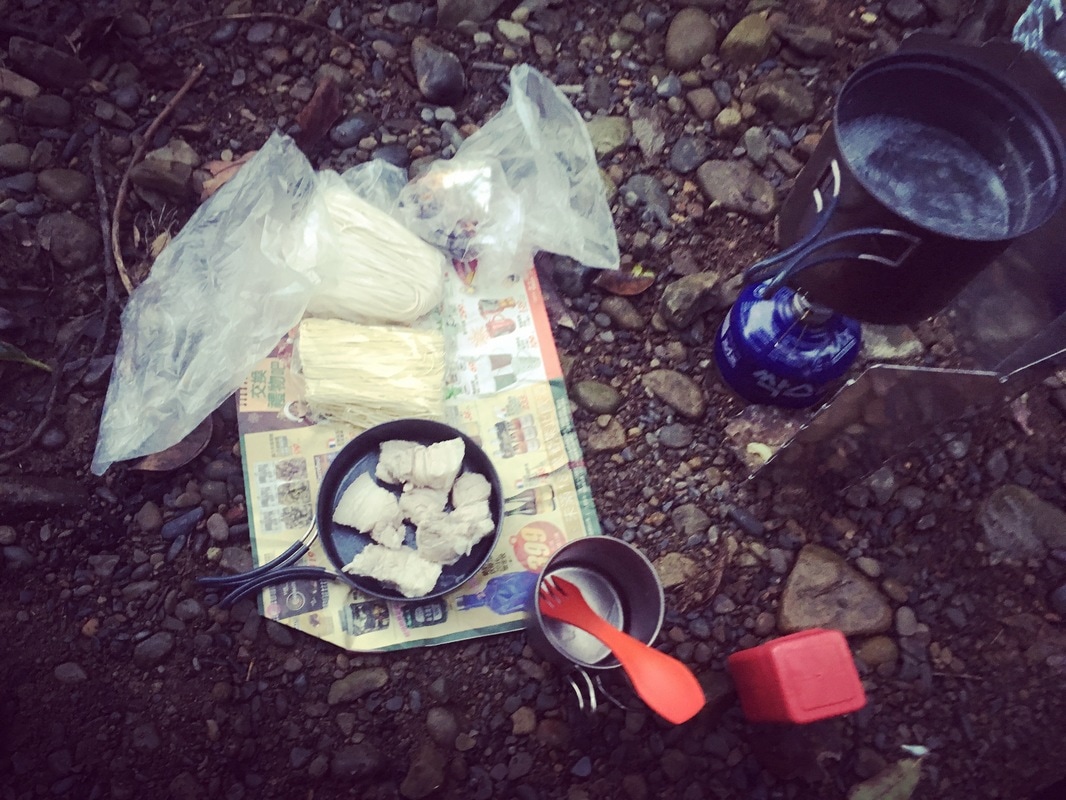
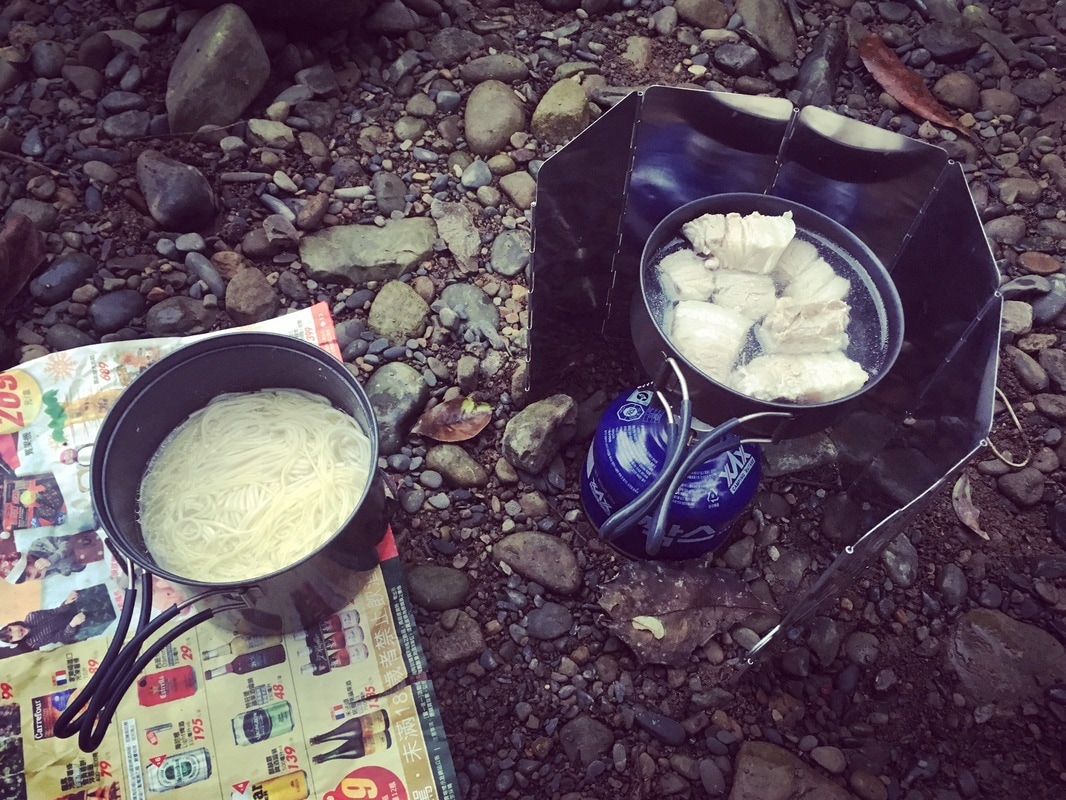
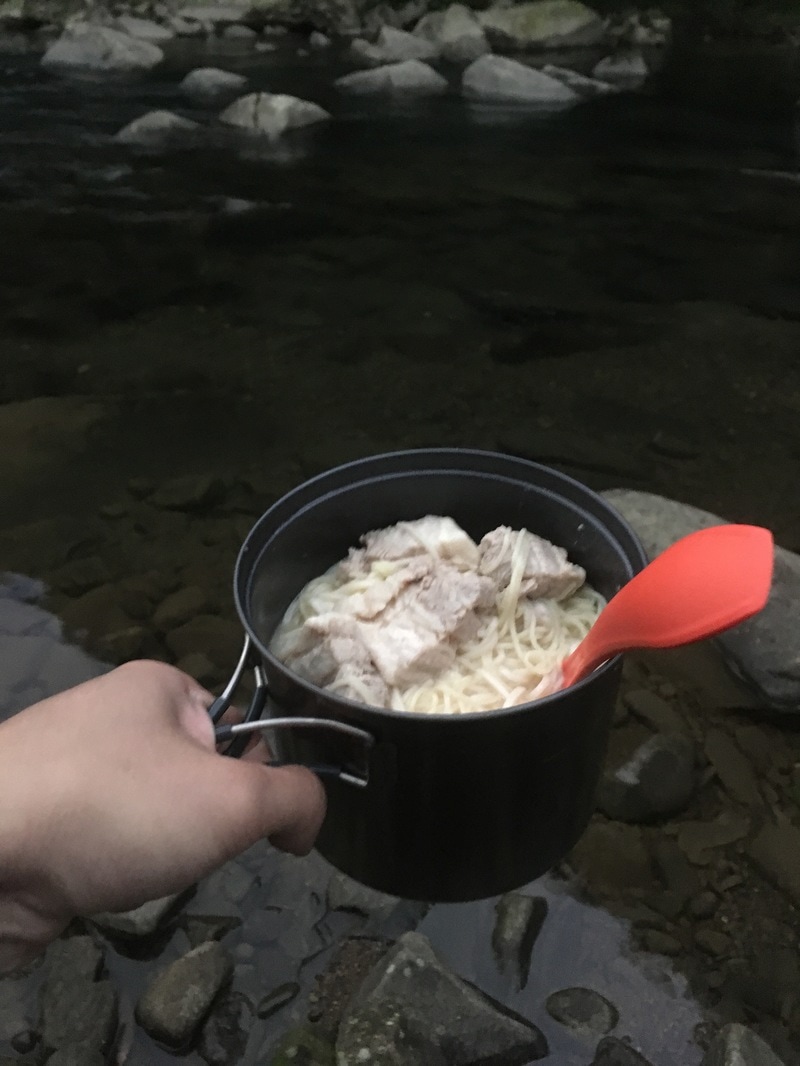
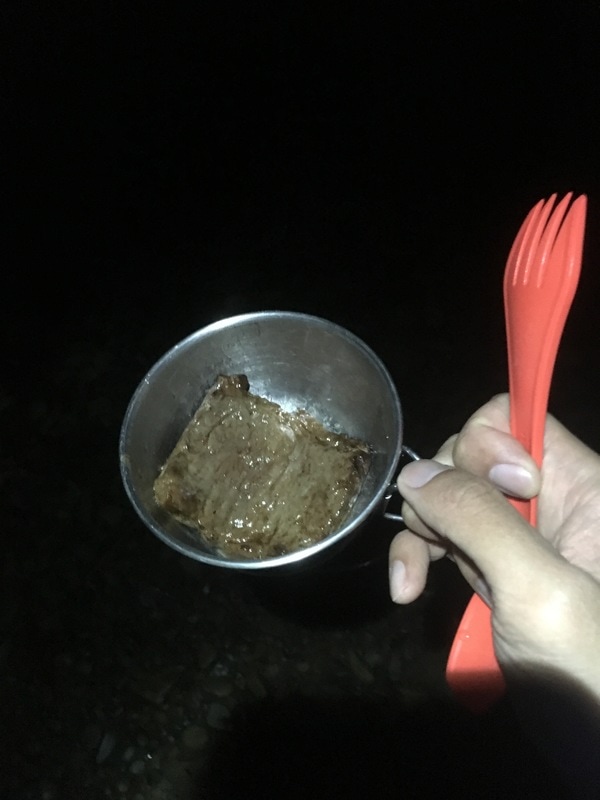
After pitching the tent and cooking dinner, I was relaxing with my meal in the shallows when three figures in wetsuits appeared from the vegetation.
It was about six. I could not understand why anyone would come diving so close to nightfall.
Talking with them, I learned that they had come to catch softshell turtles.
I could barely imagine finding my way along a path in the dark, never mind catching turtles underwater. I was curious, but dinner had left me full and sleepy, so I retreated to the tent instead.
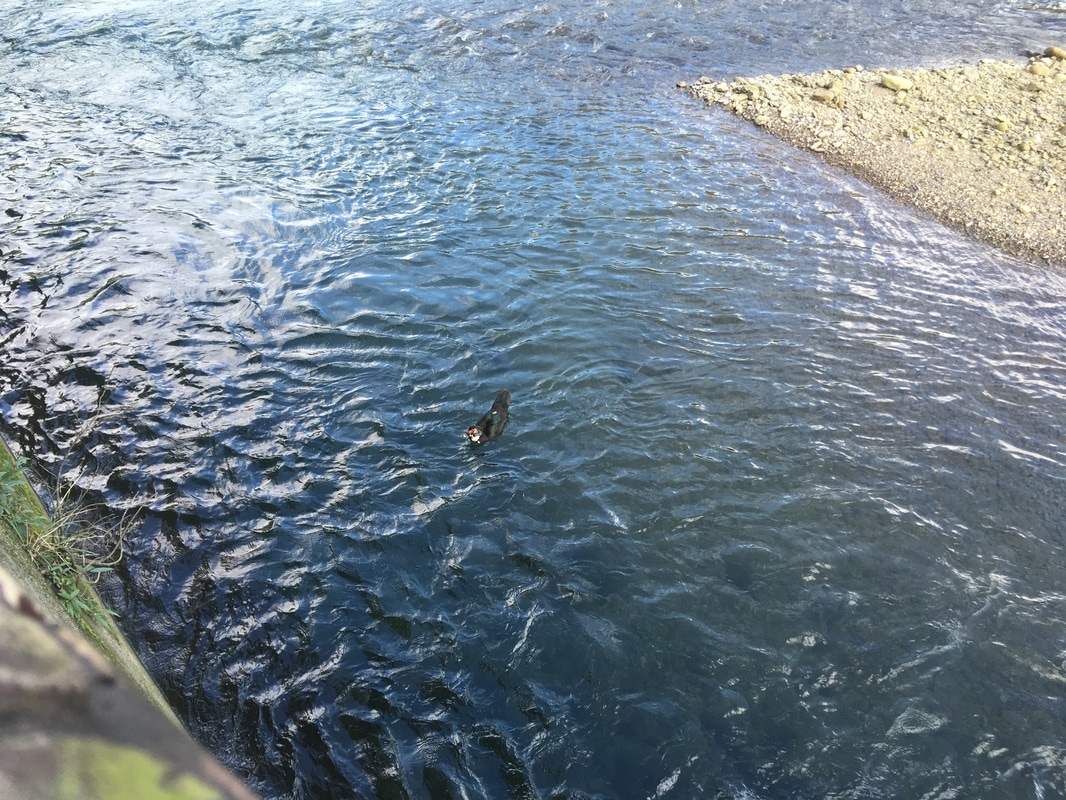
The original article included an important reminder: the author described Wantan Creek as a fish-protection area where fishing and catching fish were prohibited, and suspected turtle-catching was prohibited too. That is the author’s historical warning, not a verification of current rules. Leave fish, turtles and other wildlife undisturbed and consult current local conservation notices.
Finally Photographing the Stars
A flashlight woke me from my doze.
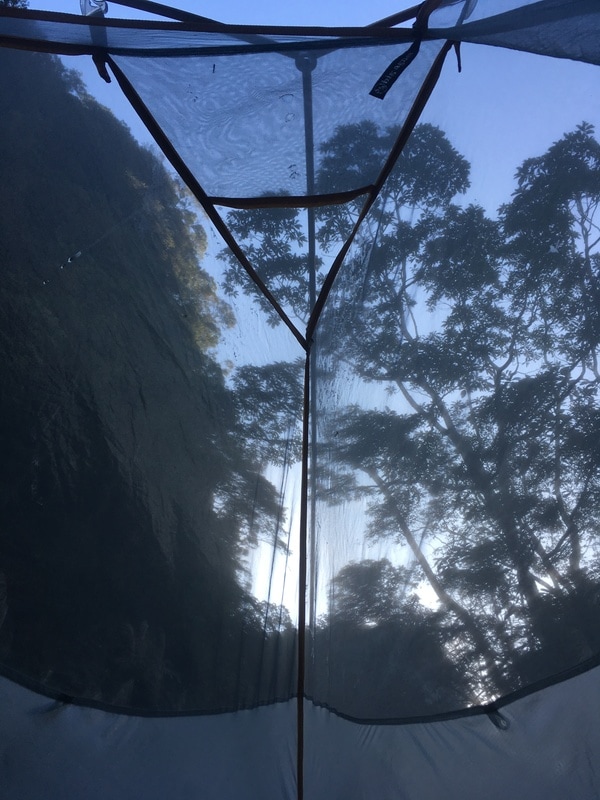
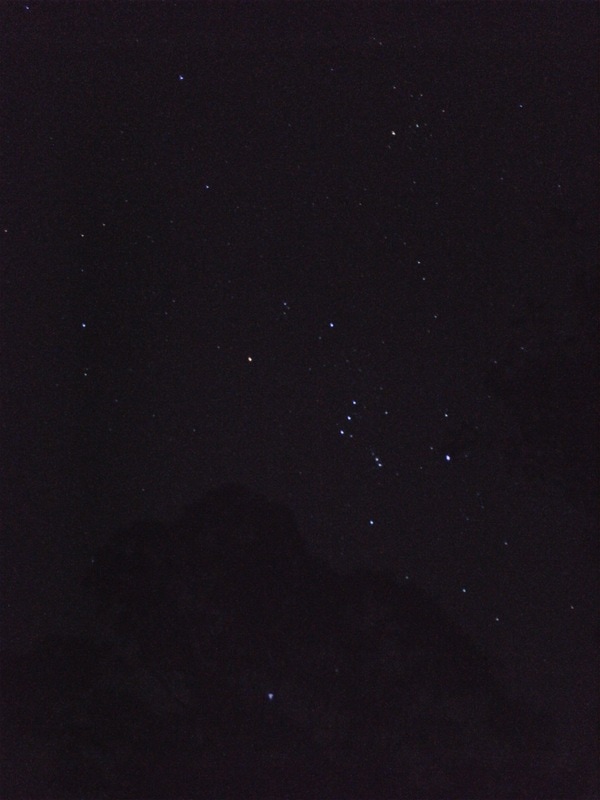
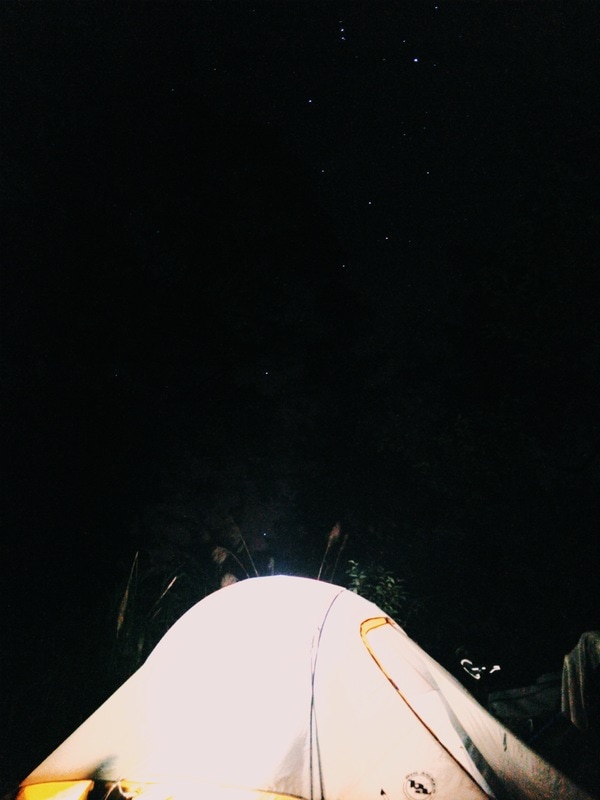
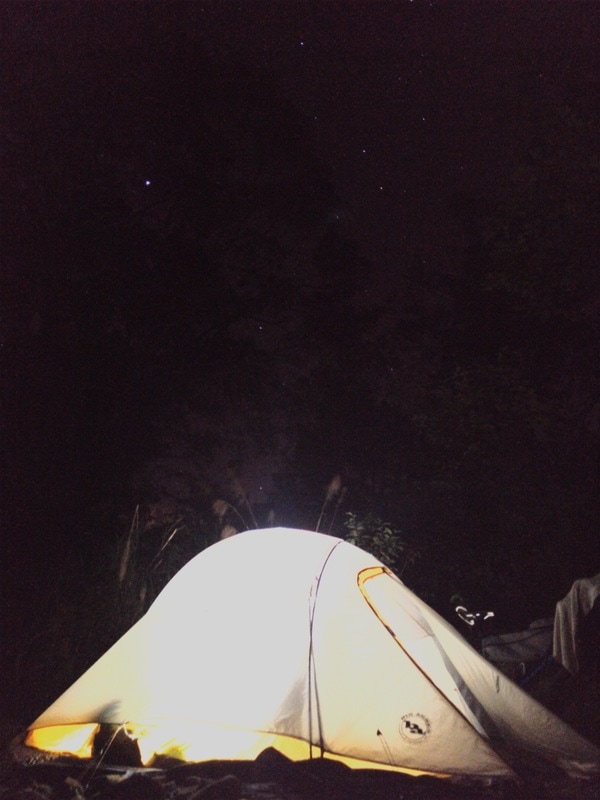
I stepped outside and looked up. Although the gorge restricted my view, the patch of sky above was still full of stars.
I had tried photographing the night sky countless times, always unsuccessfully. In my mind, I had already given up on using a phone for stars.
But this time I had brought a simple tripod. Why not try once more?
To my surprise, it worked.
I could not capture nebulae, but the result was close to what I could see with my own eyes, “87 percent alike,” as I joked.
Happy with the photographs, I went back into the tent and drifted off. Surely there would be good dreams tonight.
Coffee, Sanshuitan and the Road Home
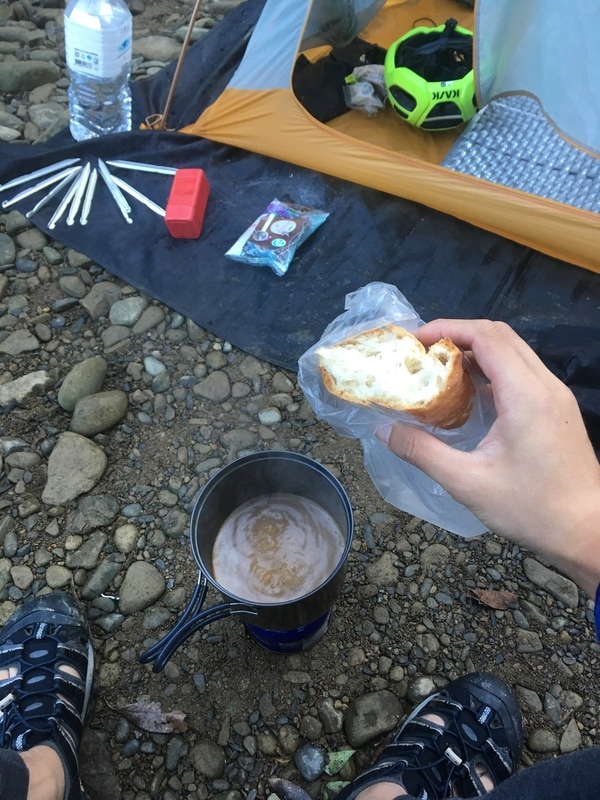
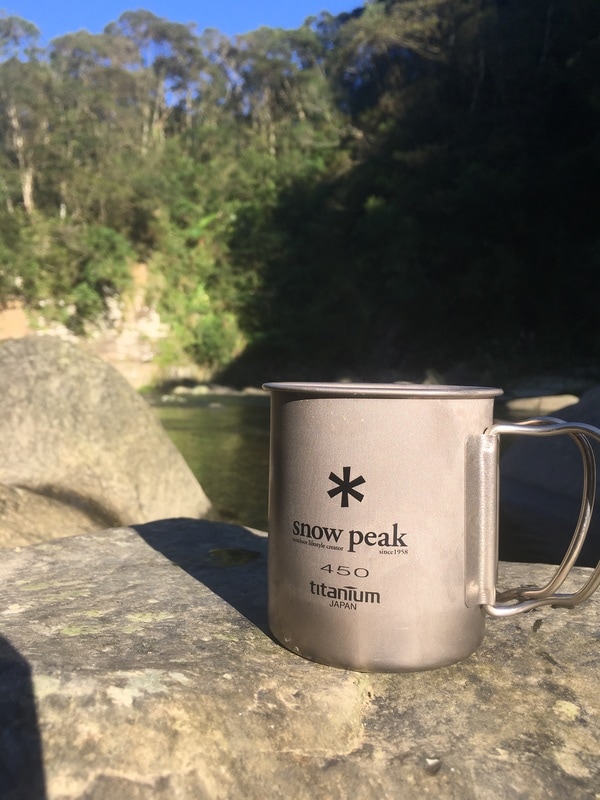
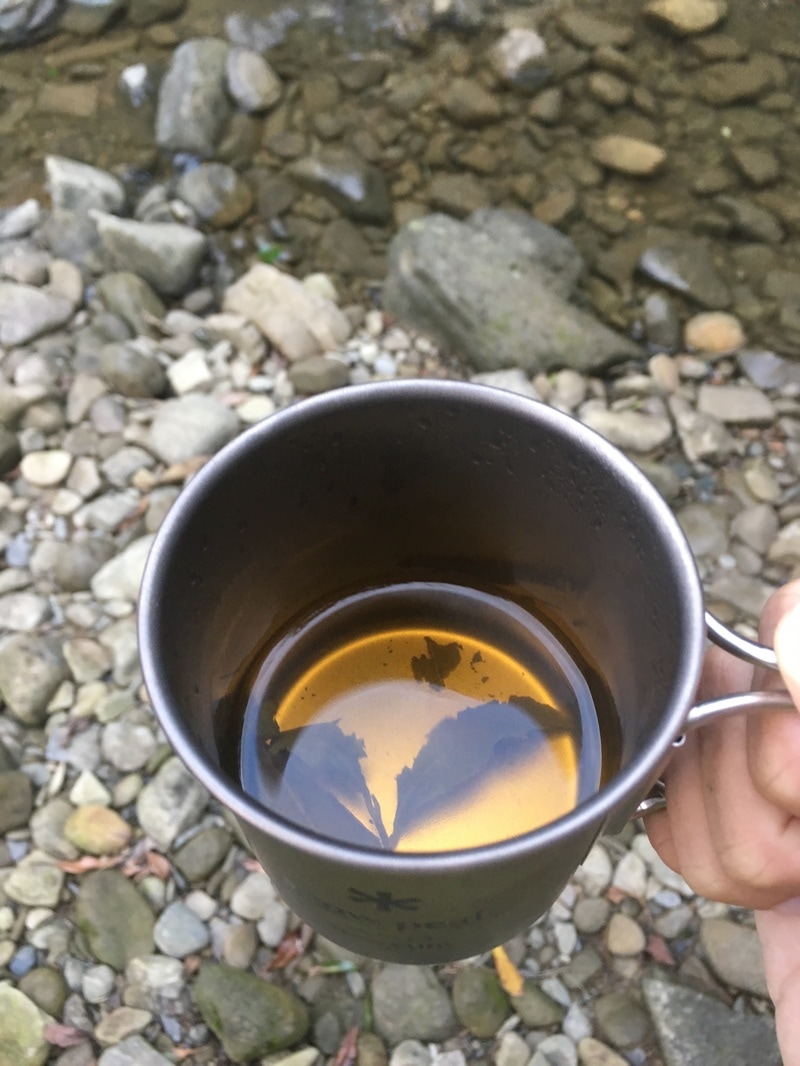
There was no sunrise to watch from the valley floor, so I slept until after half past six and made my customary coffee.
I had hoped to share coffee and breakfast with the people in the neighboring tent, but they showed no sign of waking.
By eight, I could not wait any longer. I began packing for home.
On the way out, I passed Sanshuitan, where Wantan Creek meets the Beishi River.
The beautiful name had caught my attention while researching the trip, and I had originally considered sleeping there. On this visit, however, it seemed to have become a paid campsite. I took photographs and moved on.
For my journey, Sanshuitan effectively marked the end of the old trail. Beyond it was asphalt, and I followed the local access road to North 42.
To avoid the Beiyi Highway, I chose Route 106B for the ride back. It was steeper, but my mind felt much more at ease.
Apparently, physical suffering could bring spiritual release.
With that liberated spirit, I rolled downhill toward home.
Original route record: The author’s historical activity on Strava. This records the old journey, not current permissions or conditions.
Bikepacking diary: Facebook