The Nakasendo in the Rain | Cycling Japan’s Historic Mountain Road
Translated from Bikepacking diary’s original Nakasendo article, published on January 20, 2022, and republished by arrangement with the author. Photographs are linked directly from the original website.
Editor’s note: This historical travel account preserves the author’s experiences and the historical explanations presented in the original. It is not a current route or access guide. Check trail access, whether cycling is permitted, weather, accommodation, opening hours and prices before traveling. Wet stone paving can be extremely slippery; walk or choose another permitted route when necessary.
A Road Between Kyoto and Edo
The Nakasendo was a major route linking Kyoto with Edo, now Tokyo. Parts of it existed during the Sengoku period, or even earlier. Alongside the movement of goods, military needs helped shape the route. After Tokugawa Ieyasu unified the country and the Edo period began, the shogunate developed Japan’s five major highways. The Nakasendo was one of them.
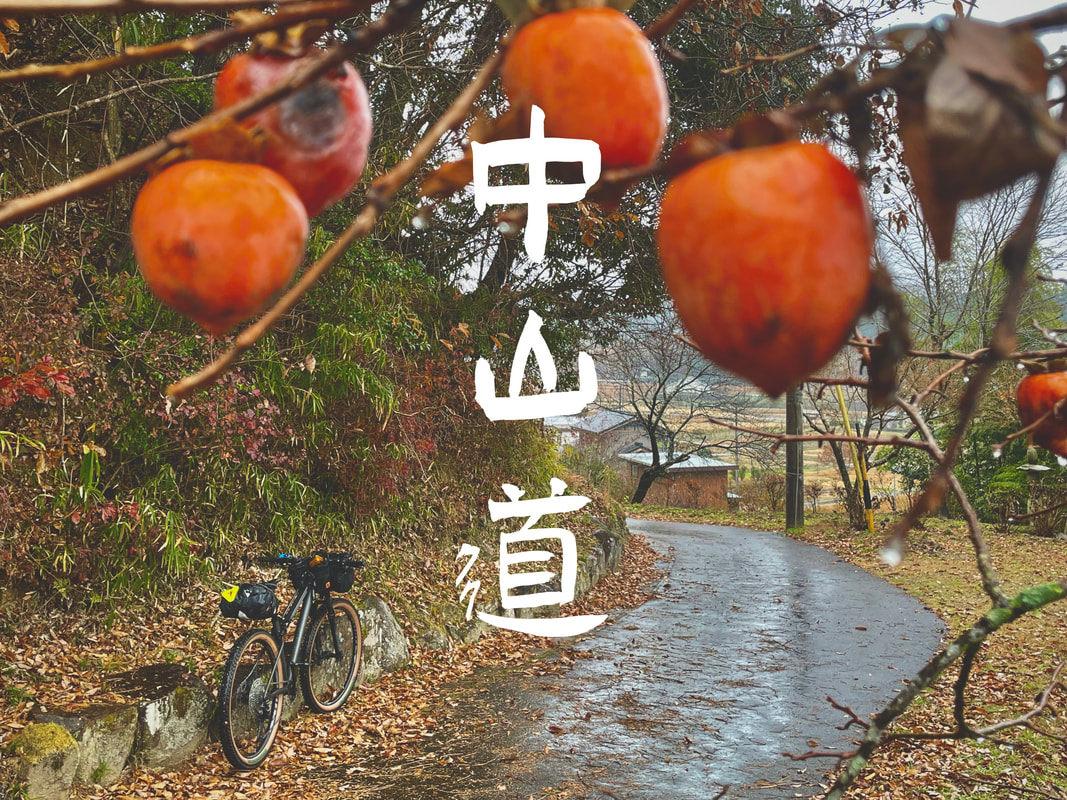
Running from Nihonbashi in Edo to Sanjo Ohashi in Kyoto, it stretched roughly 530 kilometers and passed through 69 post towns, settlements providing inns and services for travelers. It was about 40 kilometers longer than the coastal Tokaido and had 16 more post towns.
The inland route crossed mountains and areas of heavy winter snow. Travelers could cover less ground each day, creating a need for more places to stay. Even so, many chose the Nakasendo. Some rivers on the Tokaido could not be crossed by boat under the rules of the time, making passage difficult, and its checkpoints were strict. There was a practical financial reason, too: the original account describes Nakasendo inns as around 20 percent cheaper than those on the Tokaido. Strong walkers could save money by taking the mountain road.
Modern roads and bridges often followed these old routes, and many sections became national or prefectural roads. Modern engineering also made it possible to bypass difficult terrain or tunnel through it. Those changes spared some stretches of the old road from disappearing beneath asphalt.
Trading a Horse for a Bicycle
The post towns are an essential part of the Nakasendo’s character. Groups of old inns can transport you back to an age of horseback travel. I have always loved historic trails, and the Nakasendo had been on my list for years. I did not have a horse, but I did have my steel steed. On this visit to central Japan, I chose a section to ride, including stretches that still retained the old road’s atmosphere.
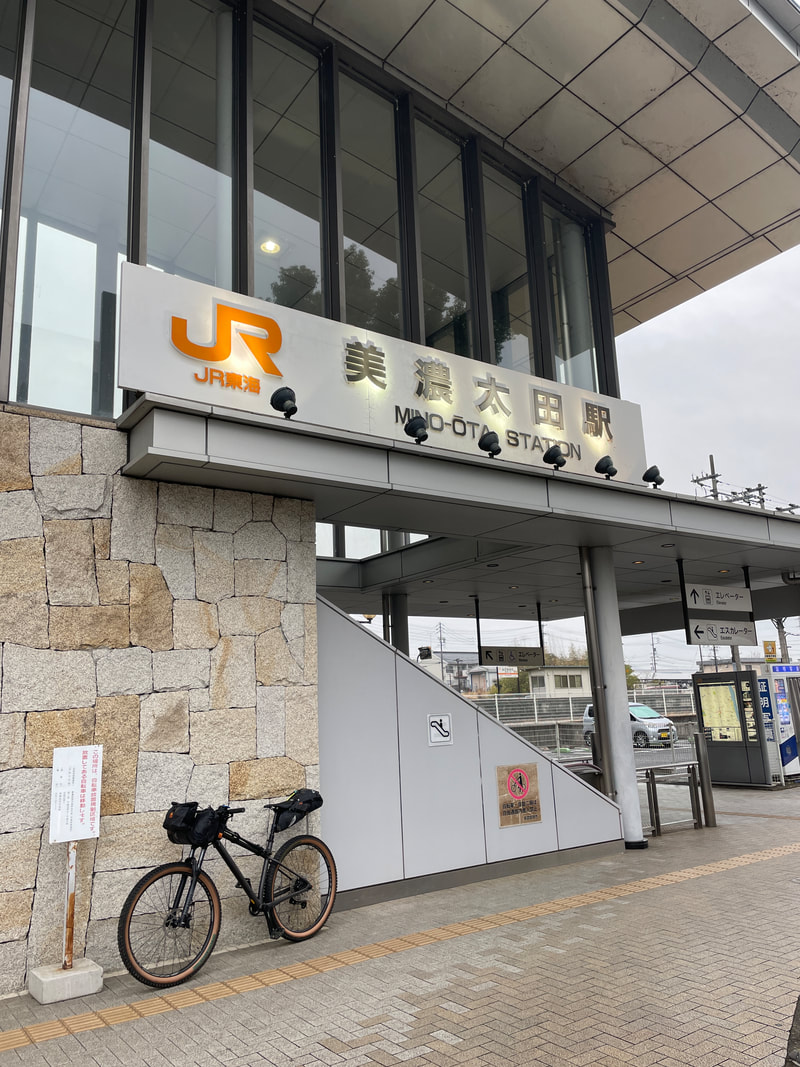
I took the Shinkansen to Nagoya, then transferred to the JR Takayama Main Line for Mino-Ota, the starting point of this journey. The long-awaited trip began under gloomy skies and a substantial chance of rain. Fine drizzle was already falling when I left the station.
But travelers in earlier times had to keep going along the Nakasendo even in snow, never mind rain. If I had come to experience their road, how could a little drizzle make me turn back? I thought of the old verse about a bamboo hat, a green straw raincoat, and no need to return home in slanting wind and gentle rain.
Around Minokamo
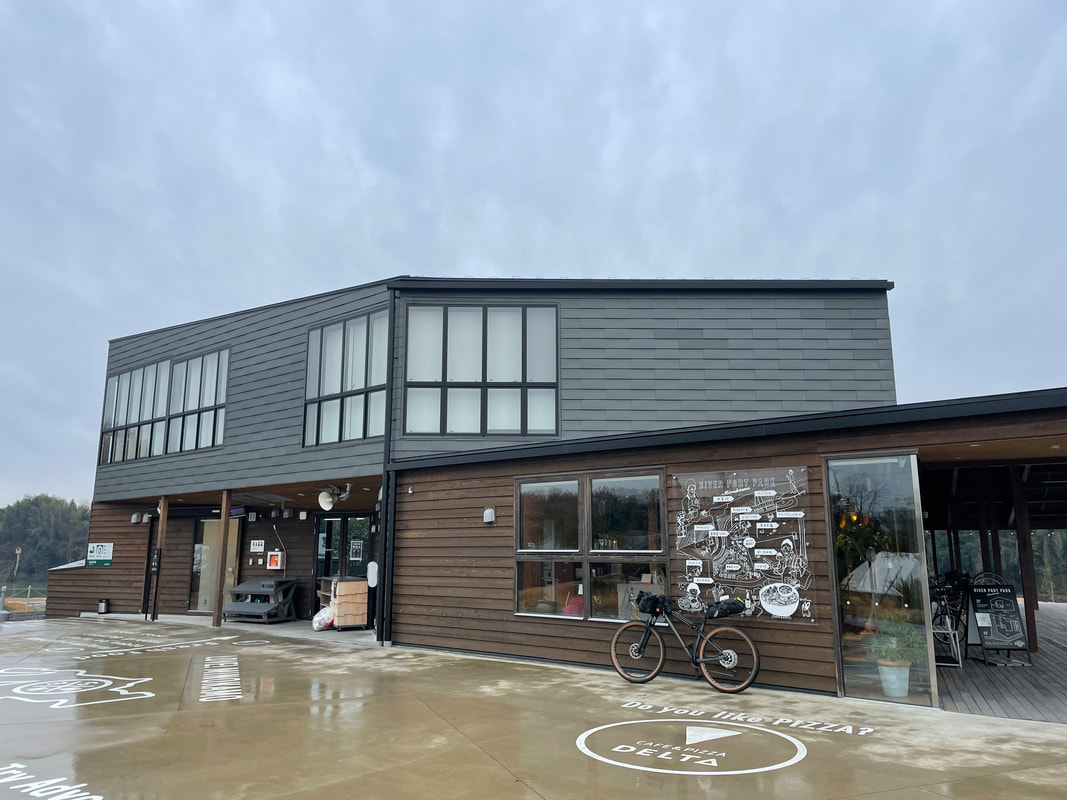
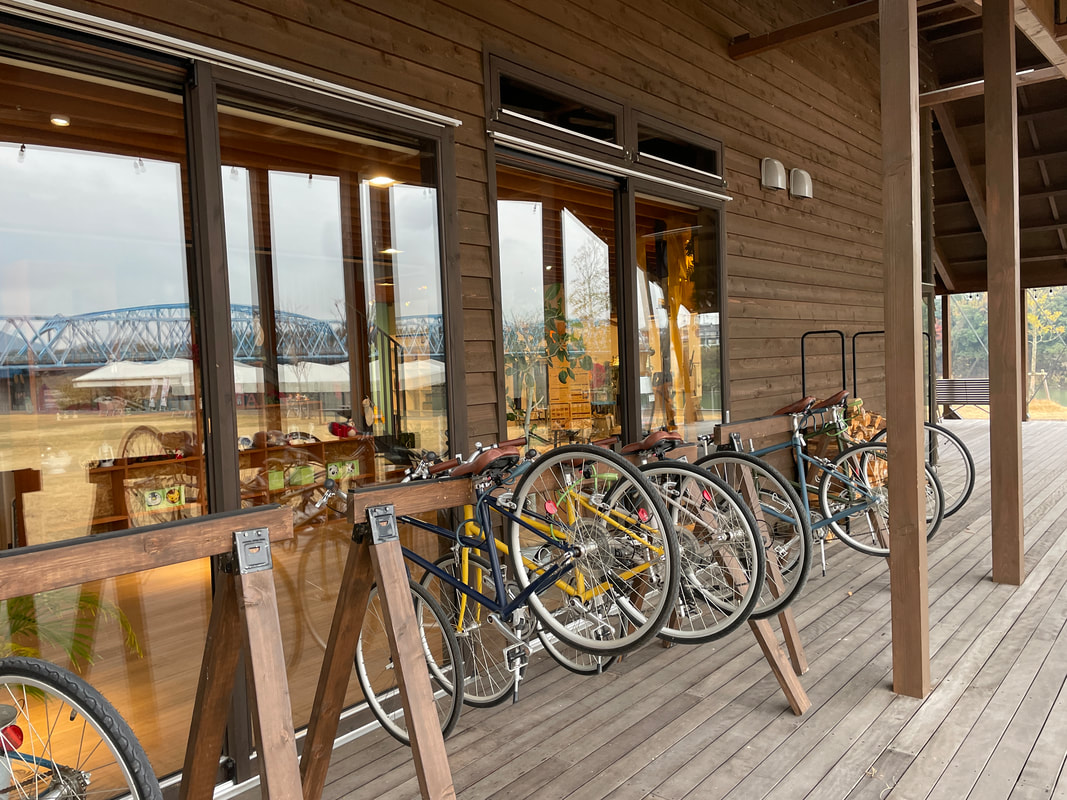
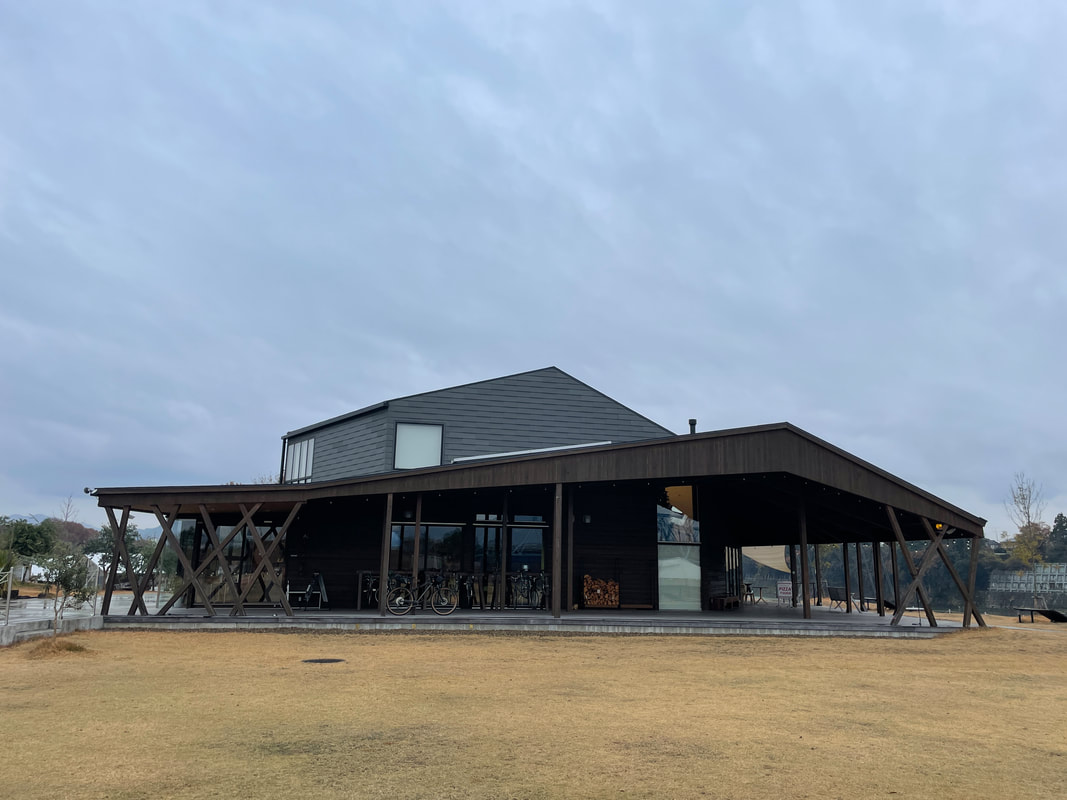
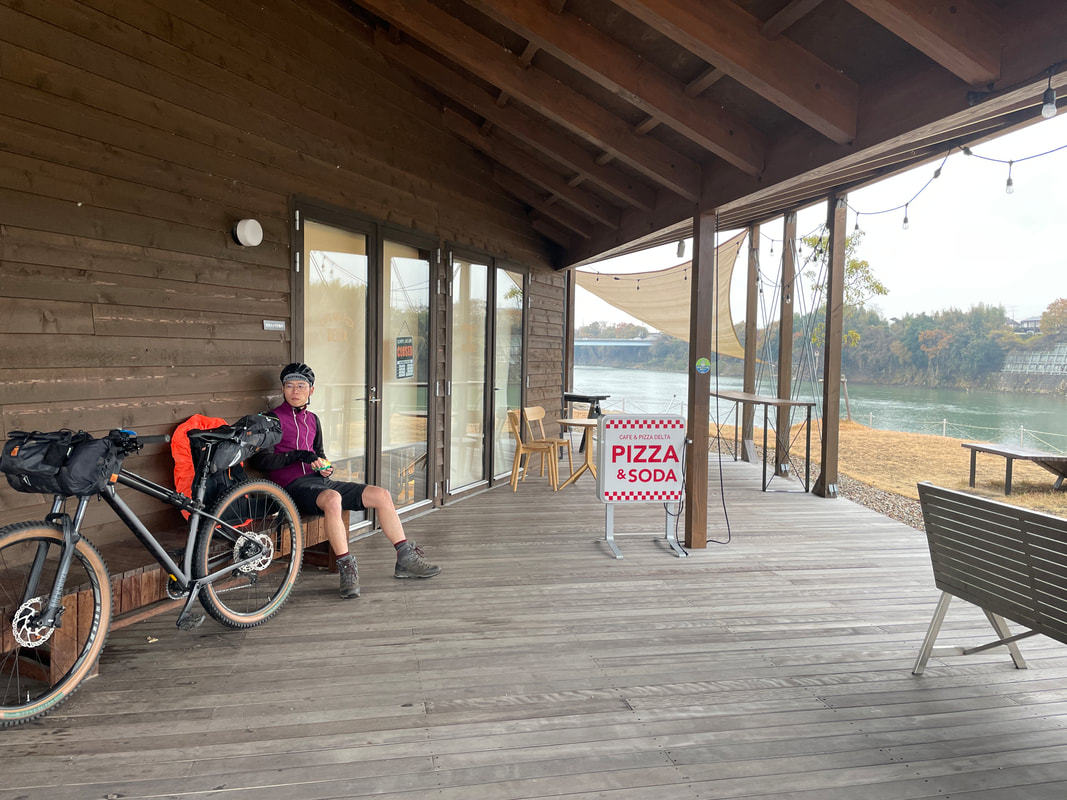
Before joining the old road, I explored this charming town. My first stop was River Port Park Minokamo. A wooden building beside the river housed a warm-looking restaurant serving pizza and other food. It seemed ideal for a break, but I was too early, so I ate the breakfast I had brought outside.
The staff kindly let me use the toilet. A modern washlet is a wonderful thing. Travelers on the old Nakasendo could never have imagined such bathroom comfort.
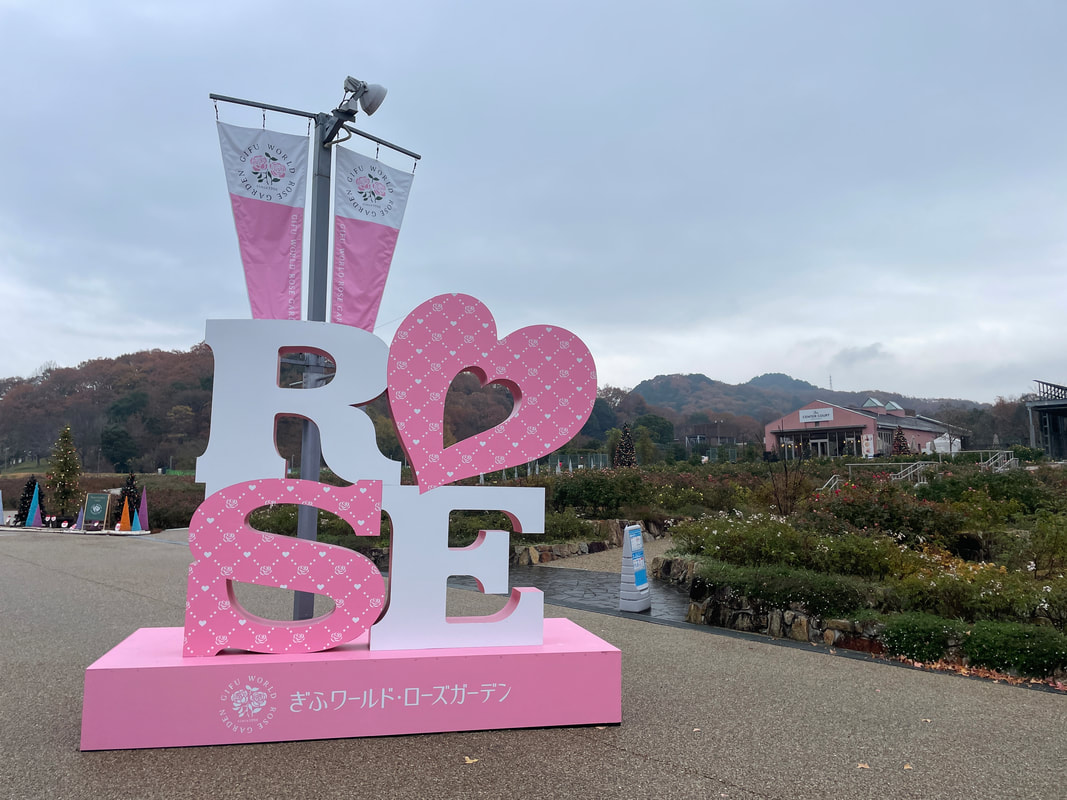
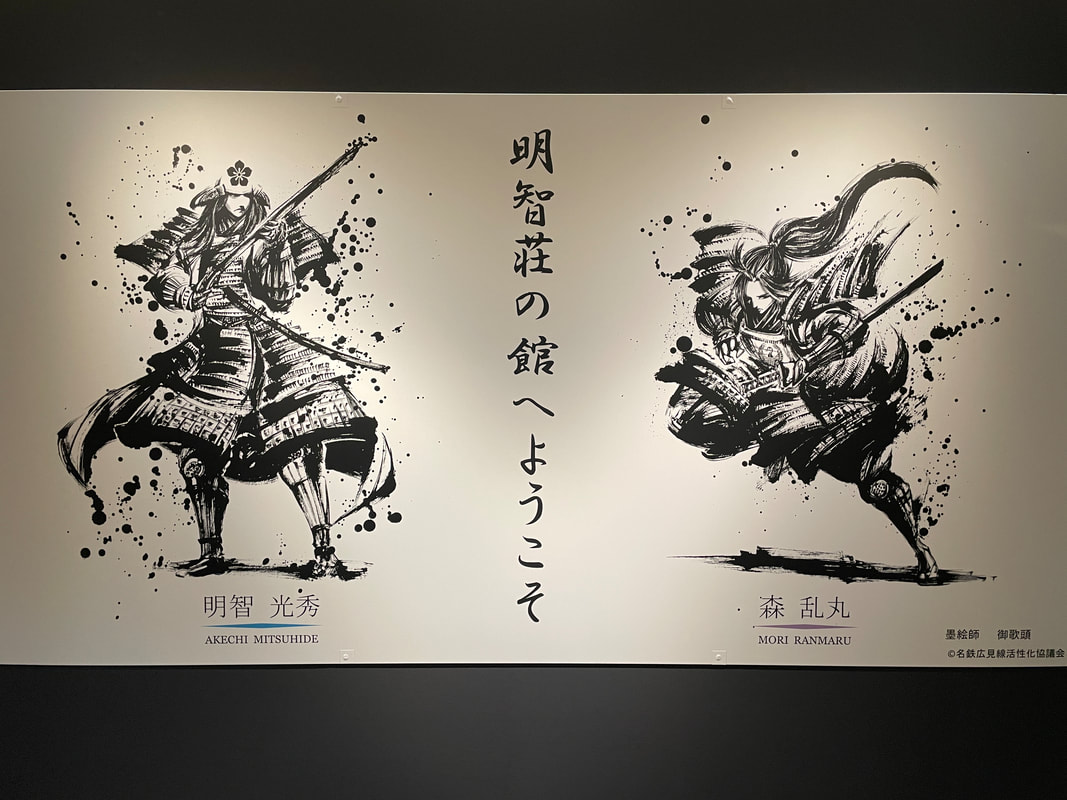
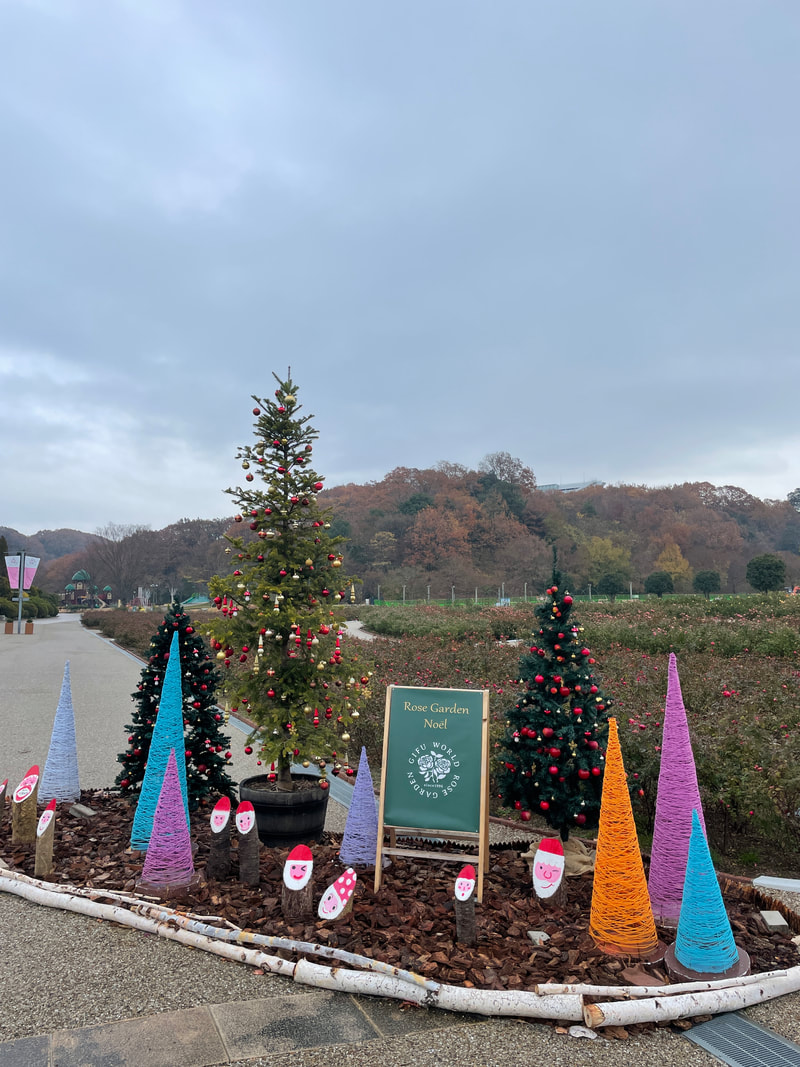
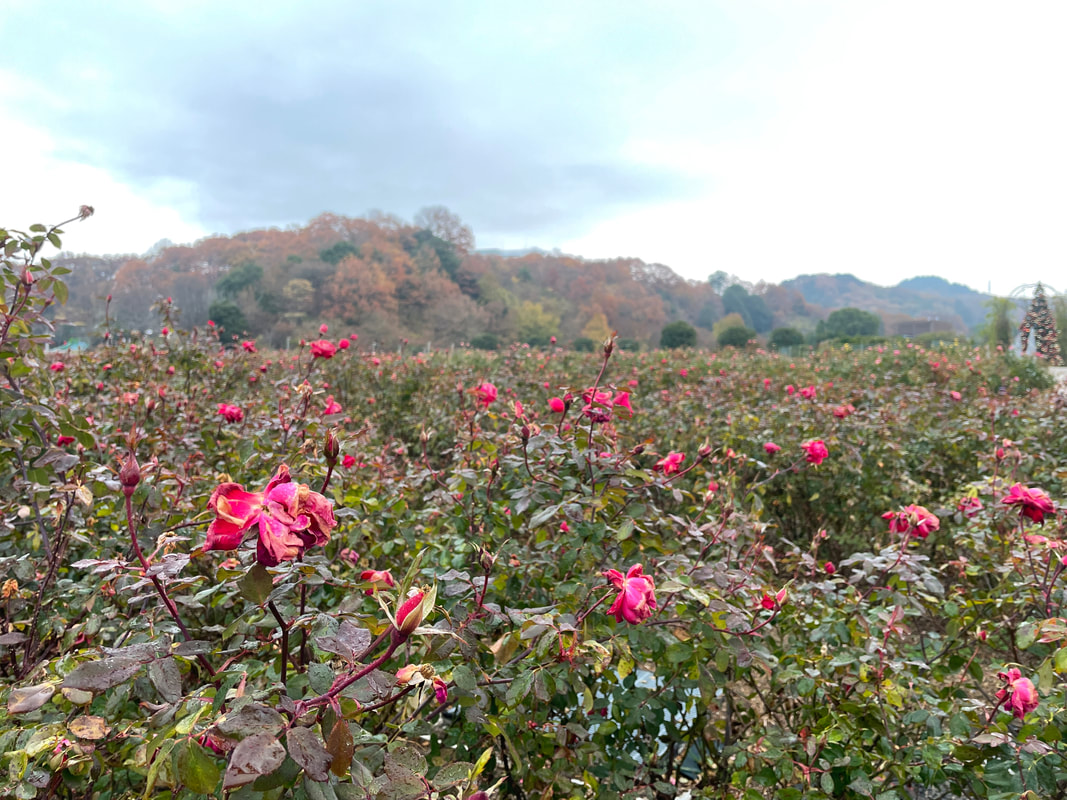
Nearby was Gifu World Rose Garden, which would have been beautiful in the right season. I missed the roses in full bloom, but found plenty of material about Akechi Mitsuhide. The 2020 historical drama Kirin ga Kuru tells his story. Even people who know little Japanese history may have heard of the Honno-ji Incident, in which Oda Nobunaga met his end.
This man who changed Japan’s history had been active in the region, and I imagined him traveling along the Nakasendo too. Watching the drama and learning some history beforehand would surely make this stretch of road more meaningful.
Finding the Old Nakasendo
Before leaving, I was nervous about navigation. Unlike a modern numbered road, I did not know whether the Nakasendo would be signposted throughout. It did not always appear clearly on Google Maps, and the old Nakasendo I wanted to follow sometimes diverged slightly from the route labeled on the map.
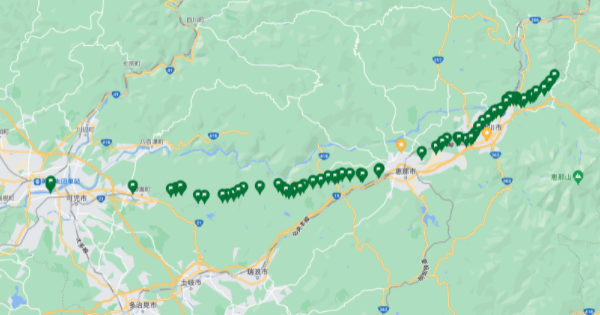
I worried that I would miss the old trail and end up riding only on asphalt. I kept studying the map, trying to locate each junction between old and new. Eventually, I found a simple method. Many temples, shrines and historic sites along the old road were still there and marked on Google Maps. By saving a landmark every short distance, I could trace the historic route.
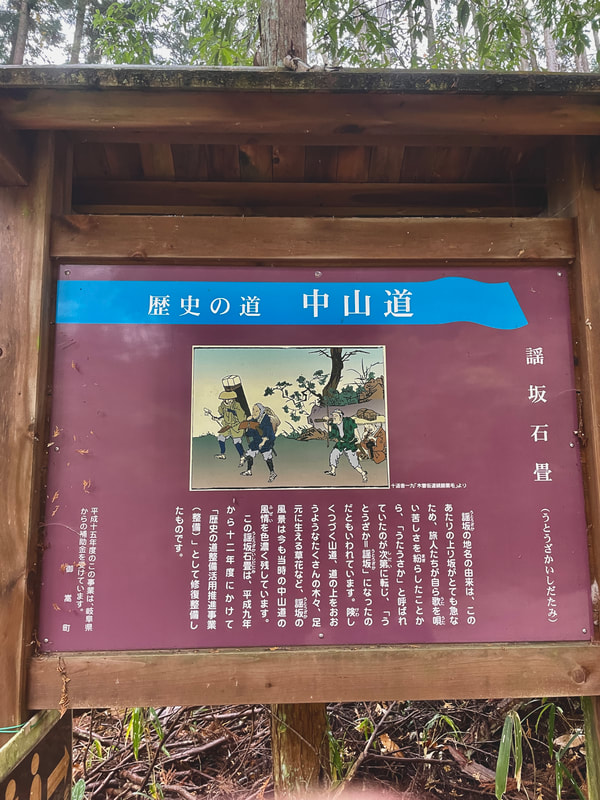
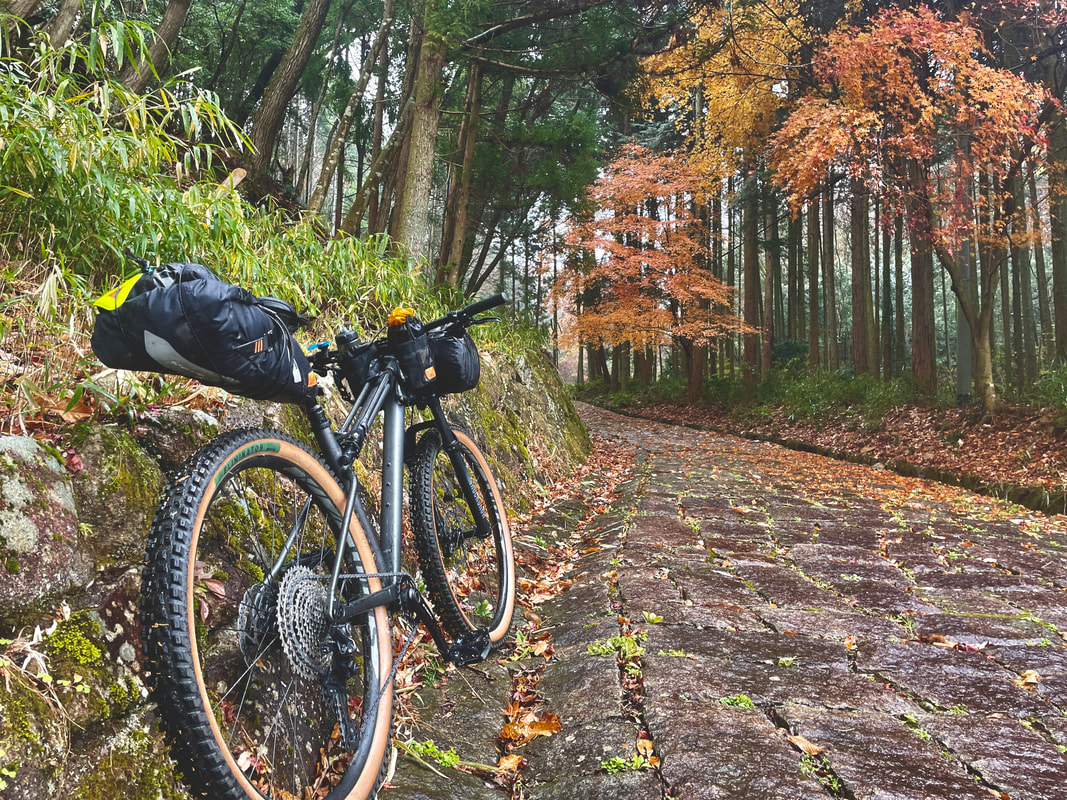
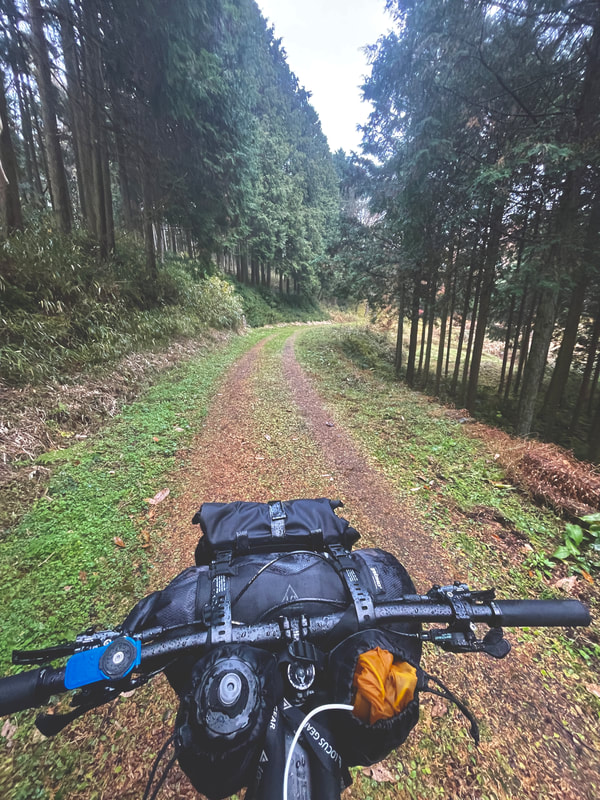
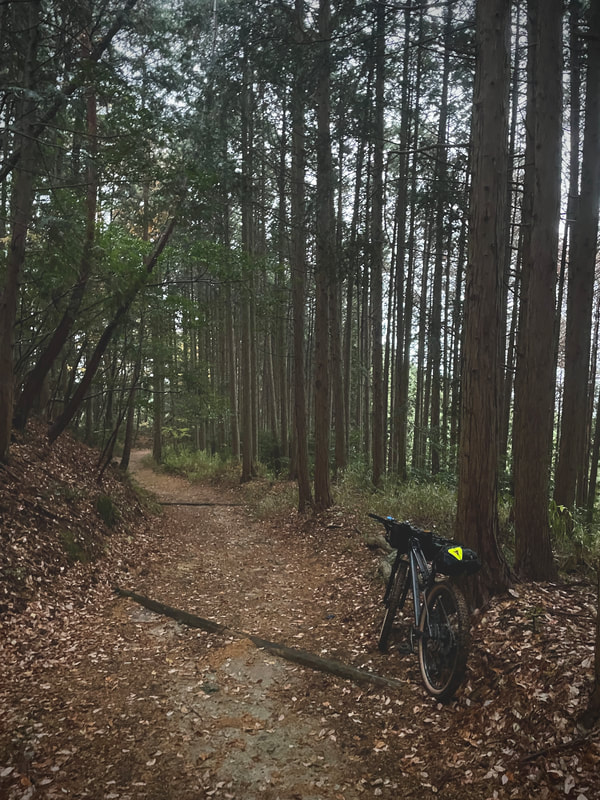
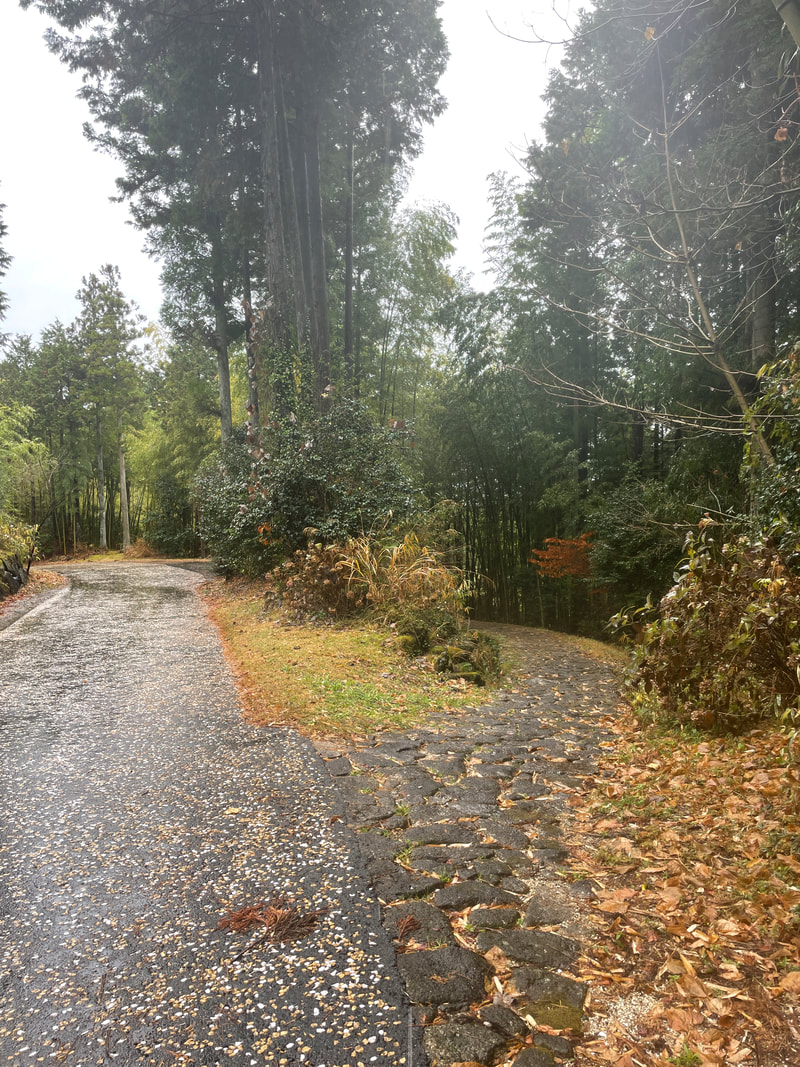
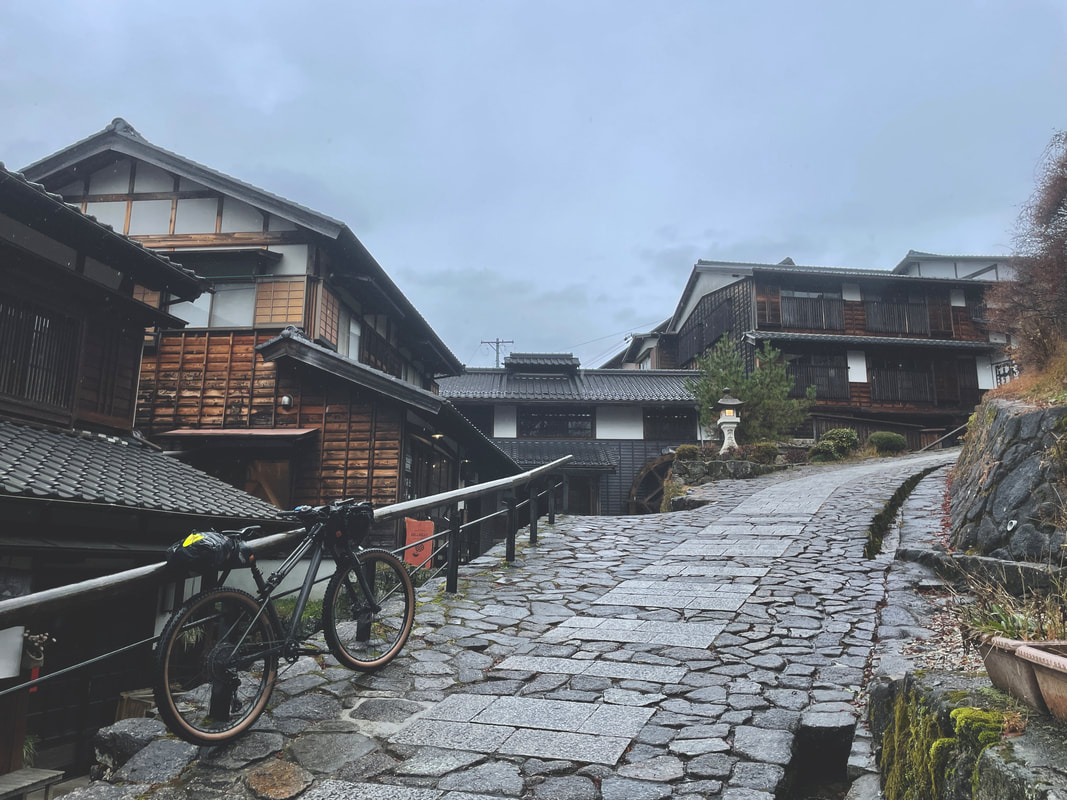
Soon after leaving town, the old road drew me away from the main highway and onto a small mountain lane. After a turn, stone paving appeared beneath my wheels. This was the Nakasendo I had come to find.
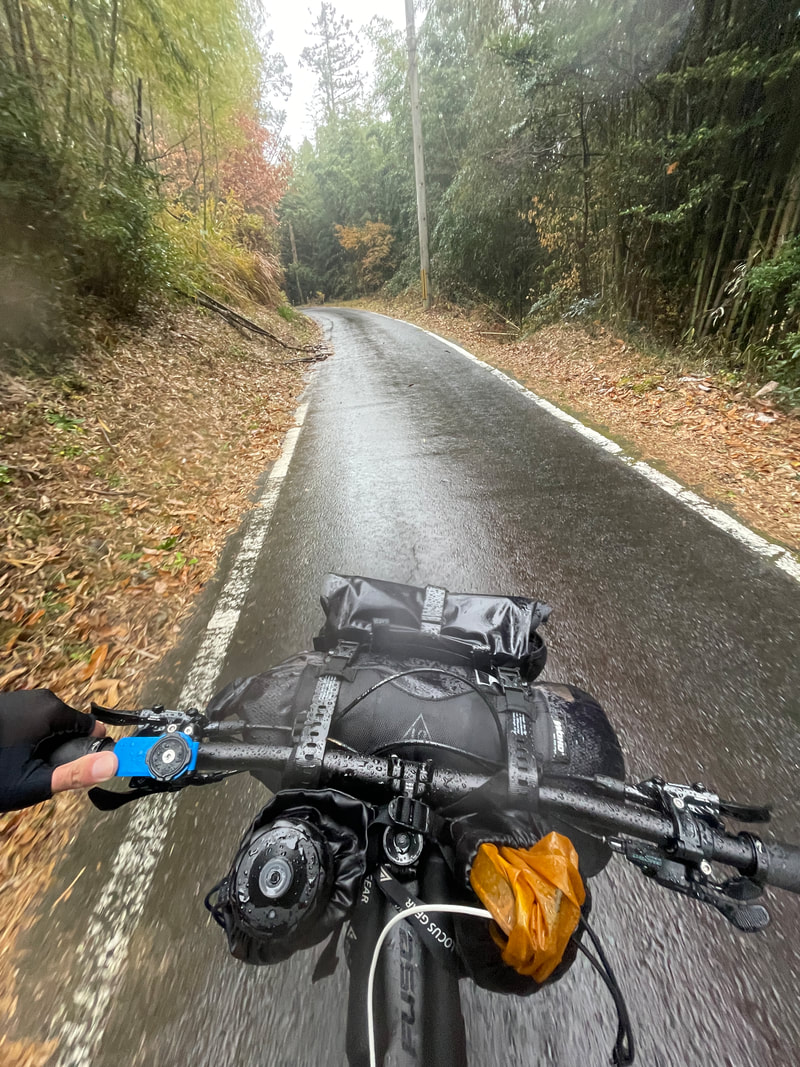
The stones were worn with age, having carried generations of travelers and witnessed great and small moments of history. I shifted into an easier gear, hoping to pedal smoothly uphill. The rain had other ideas. The paving was so slippery that on the slopes I had to dismount and push slowly upward.
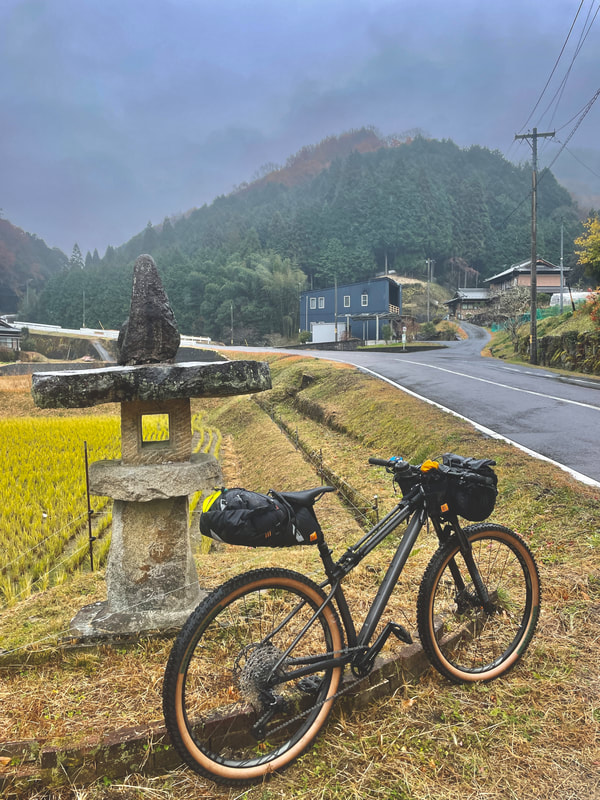
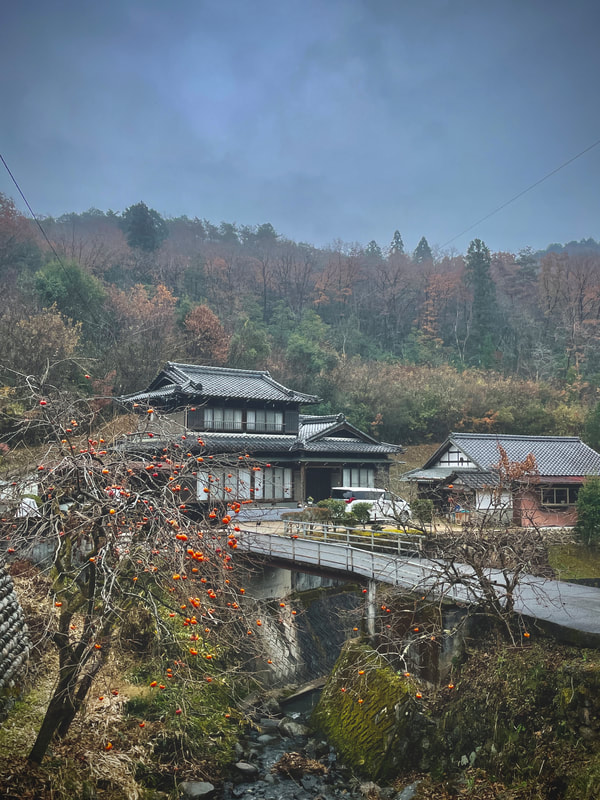
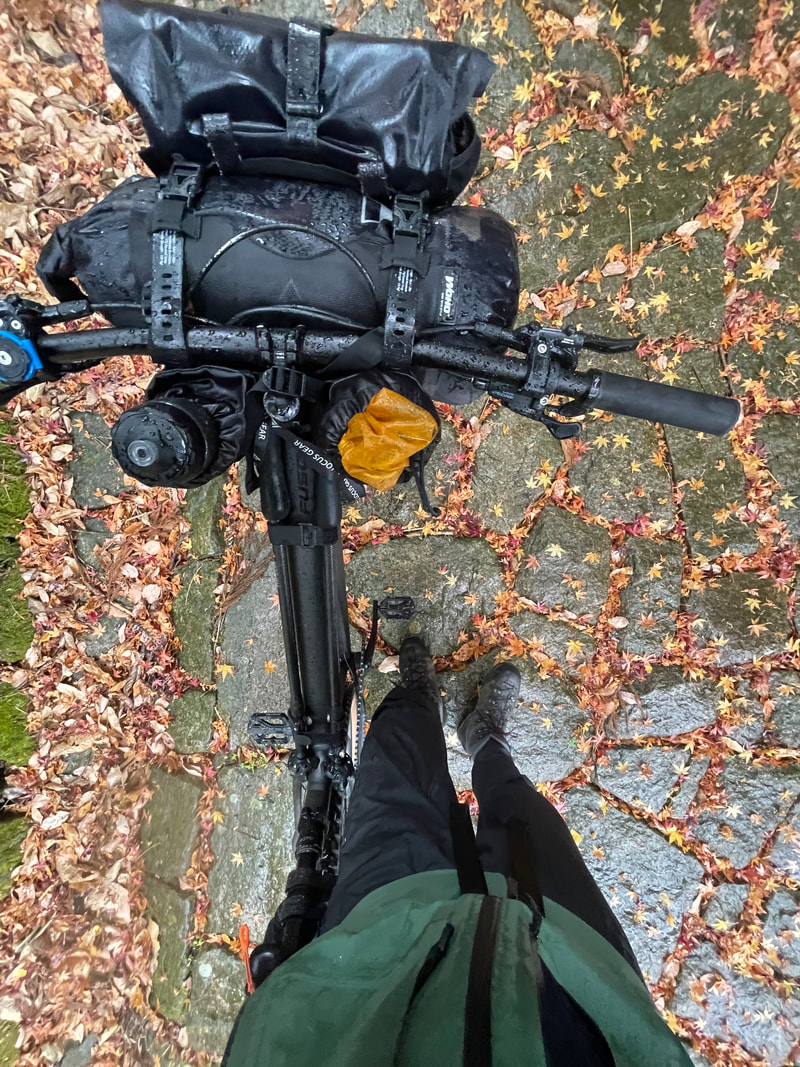
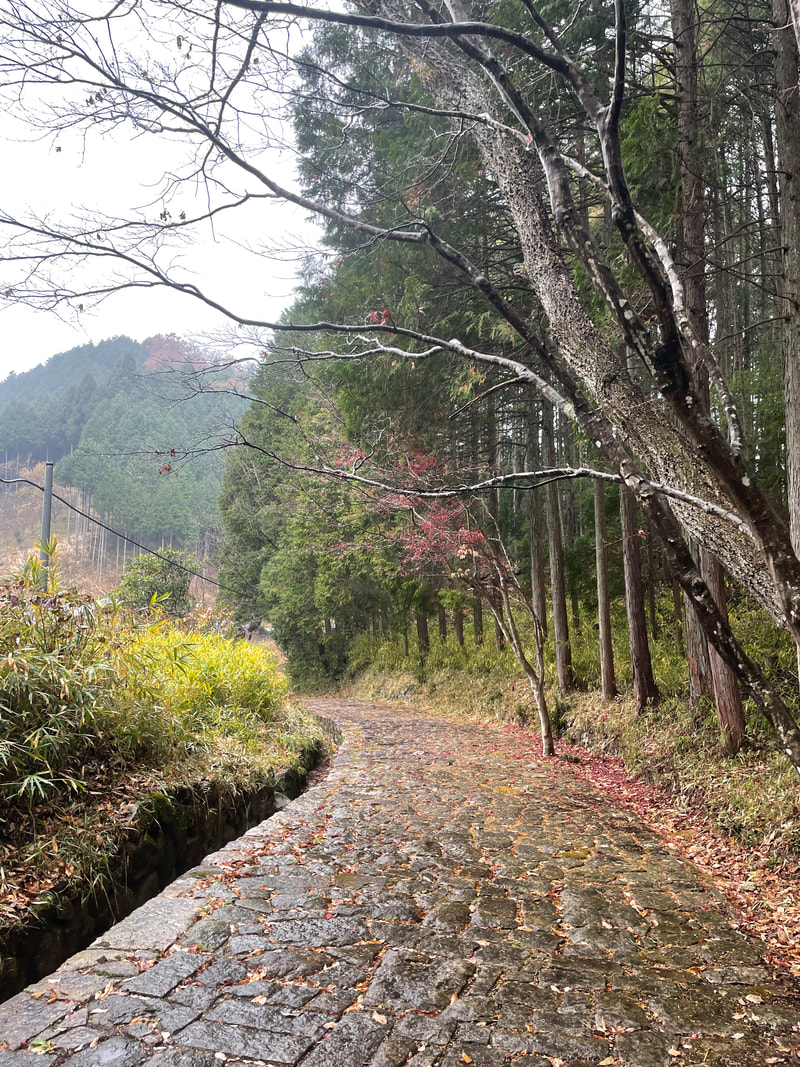
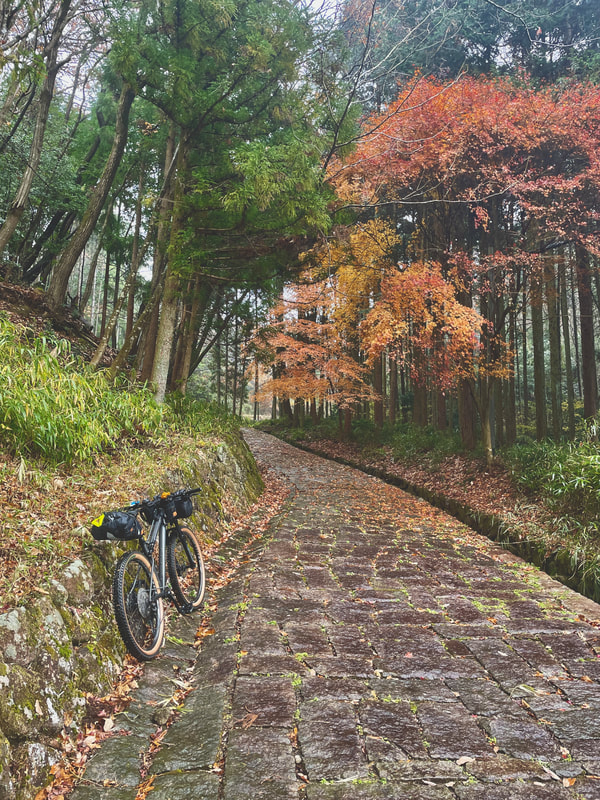
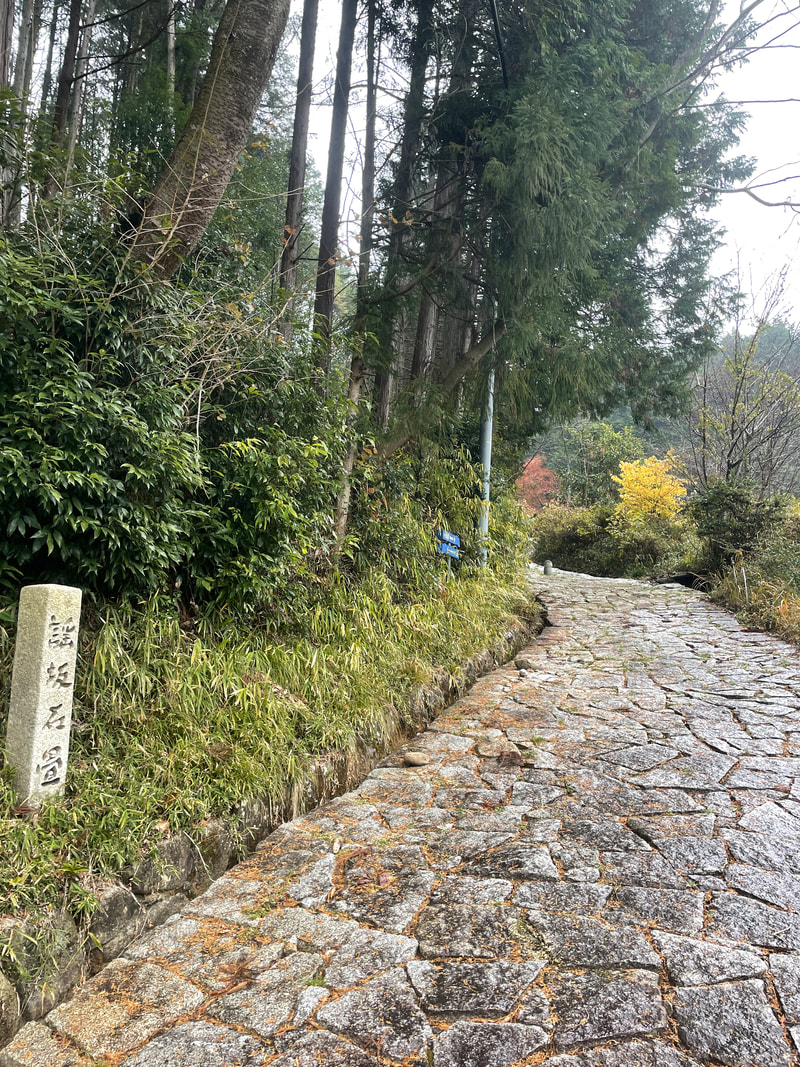
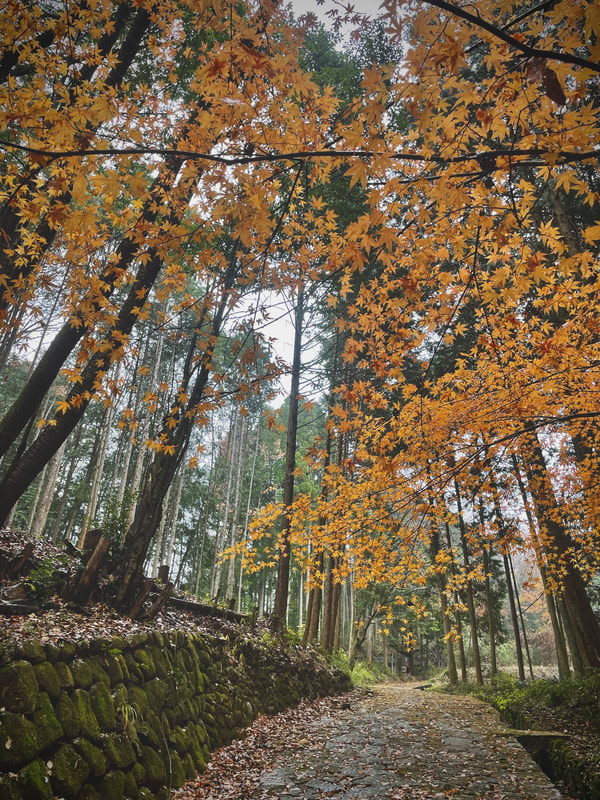
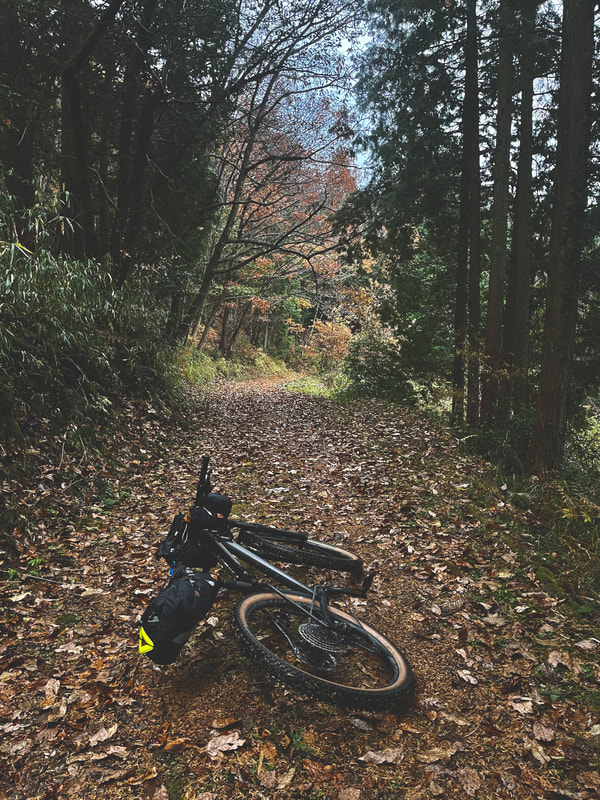
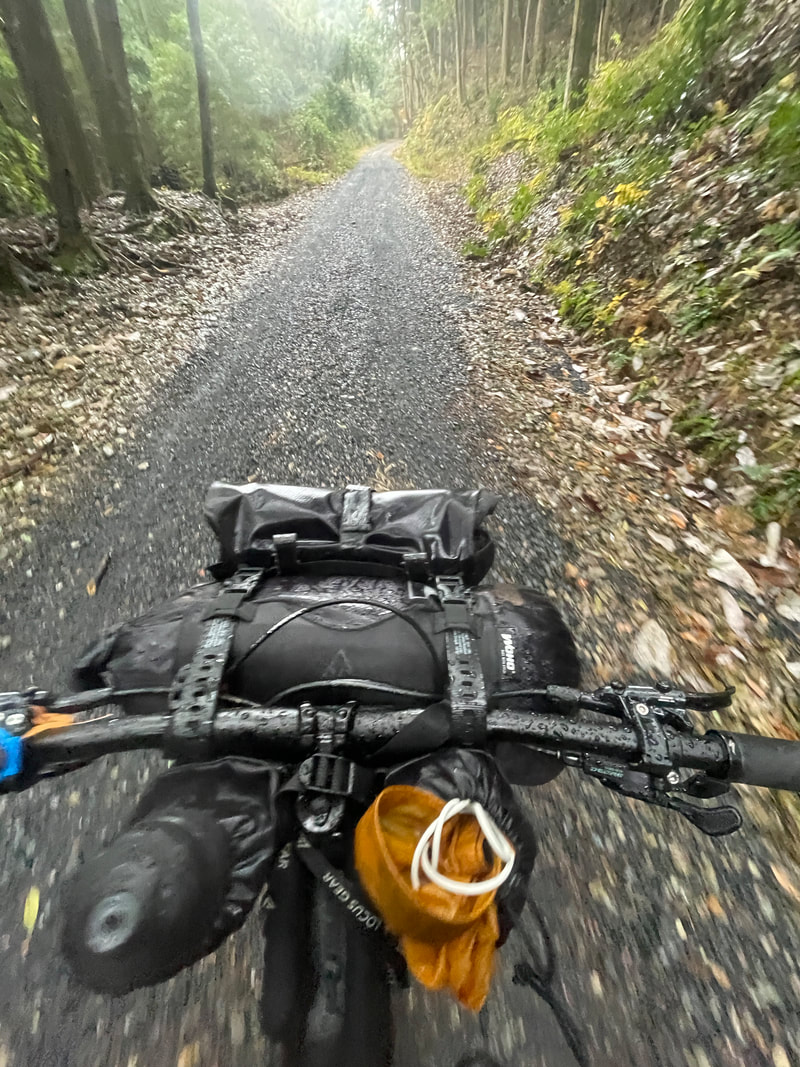
Compared with those stones, gravel felt much easier. Most of the old road’s gravel was fine and pleasant to ride. In those rainy conditions, I felt more comfortable on it than on asphalt. My previous crashes had happened on slippery wet paved roads. On this ride, the fine gravel seemed to offer me more reassuring grip.
Springs, Shrines and Difficult Choices
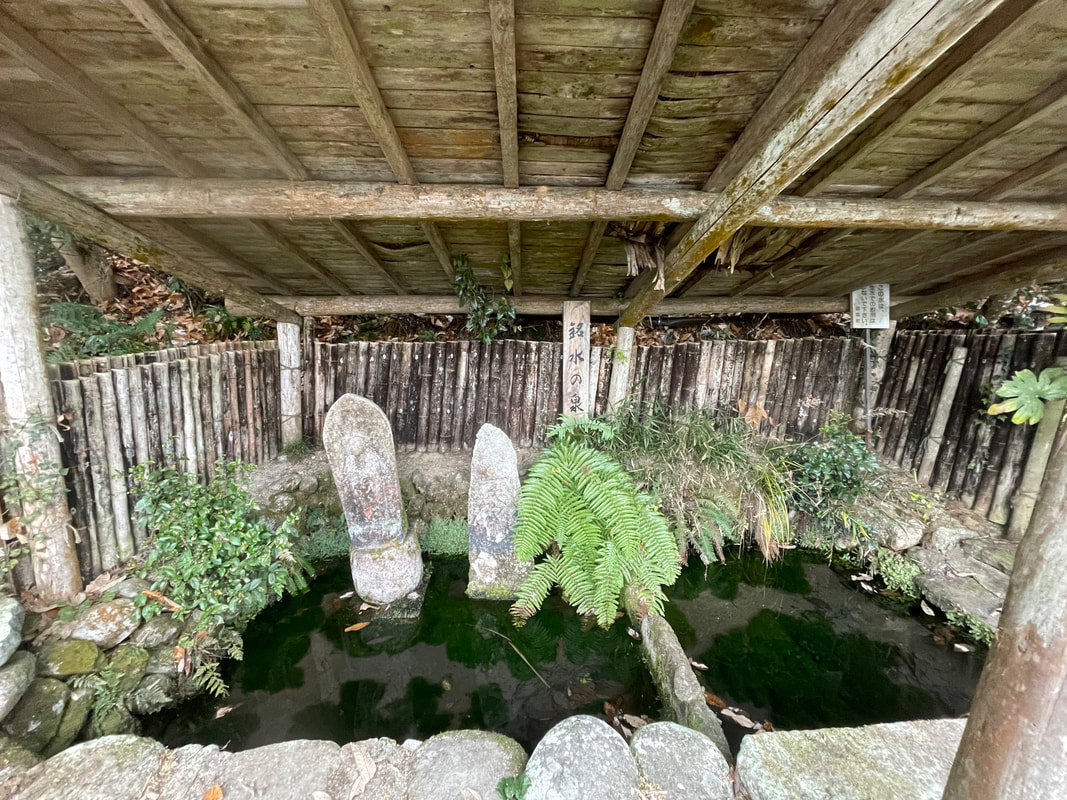
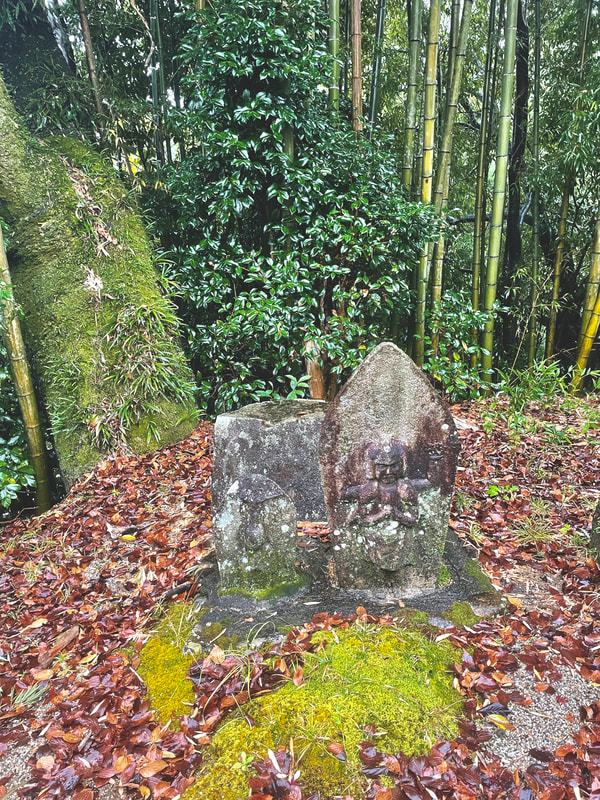
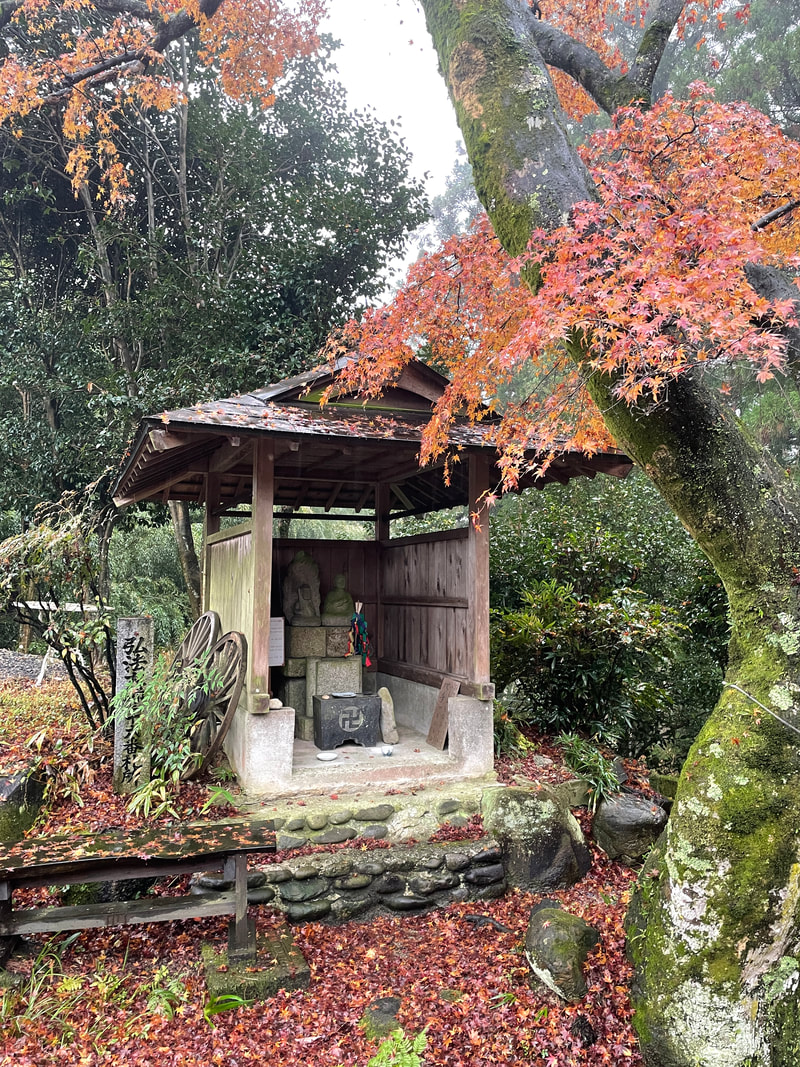
Alongside temples, shrines and statues of Jizo and Kannon, I passed numerous springs. They must once have served as drinking fountains for travelers. Although the water looked clear, I could not always tell whether it was flowing or coming from a spring; some sources looked more like small ponds.
I was not willing to drink it untreated. In fact, signs beside the sources warned against drinking the water directly. Perhaps modern stomachs are less robust than those of earlier travelers, I joked to myself.
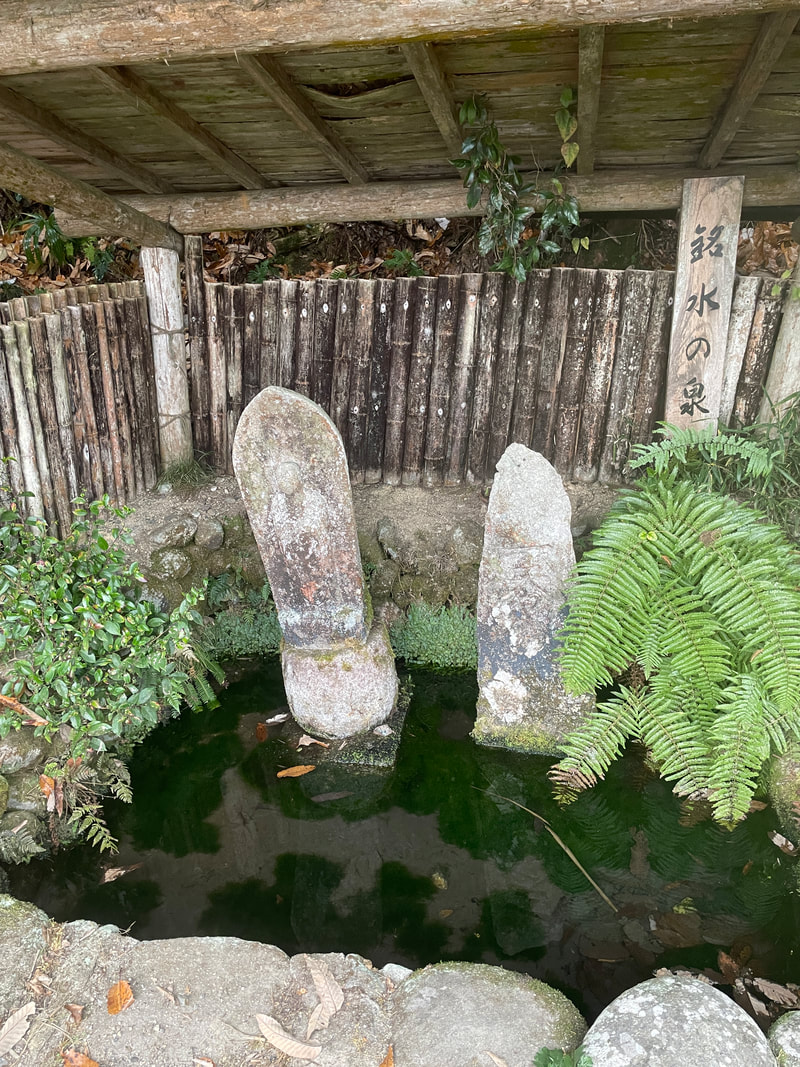
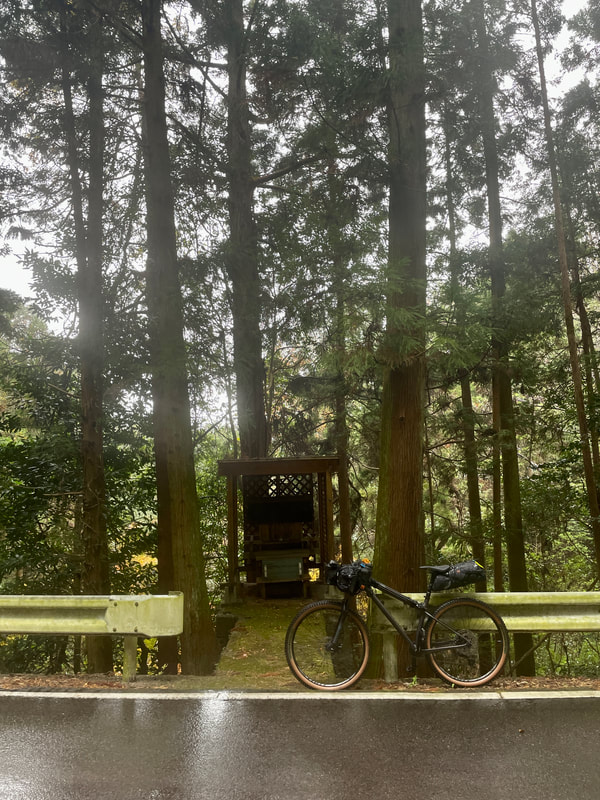
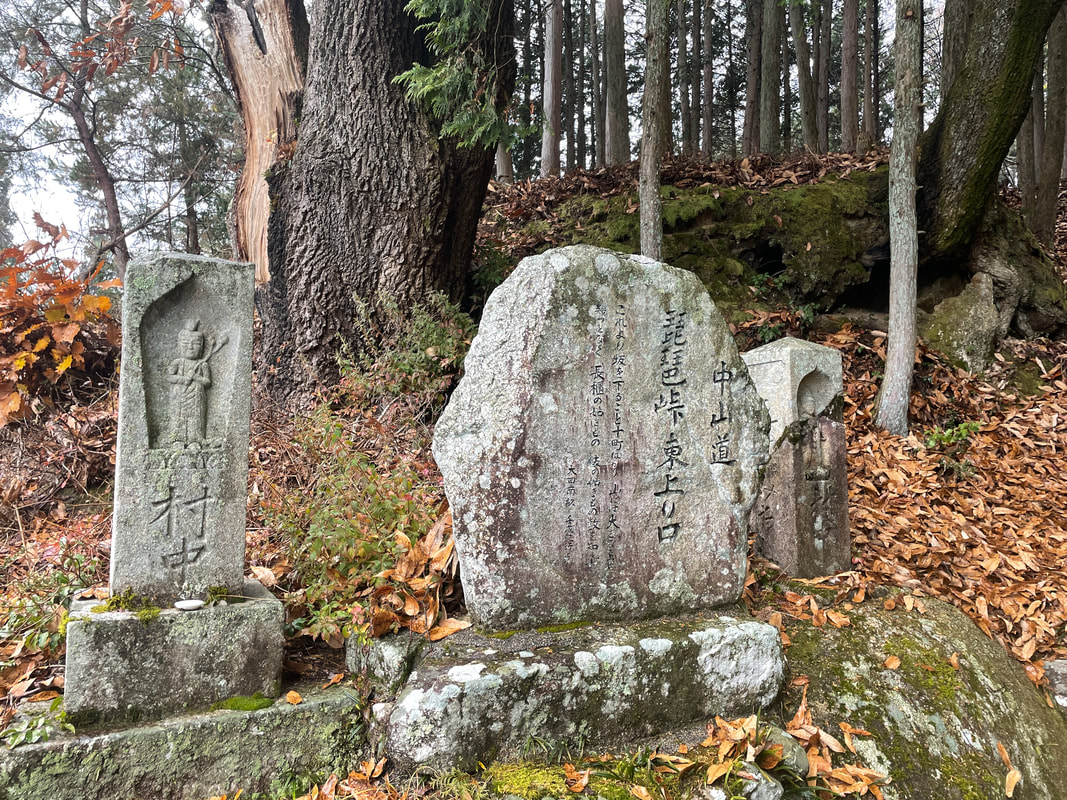
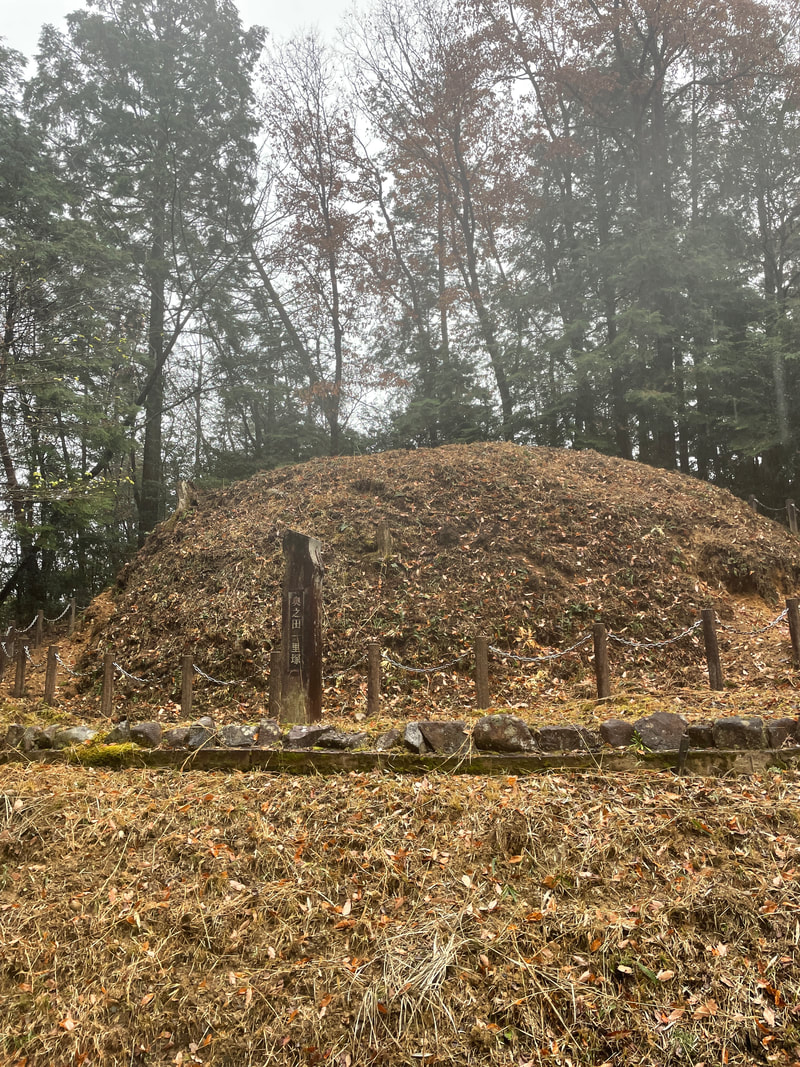
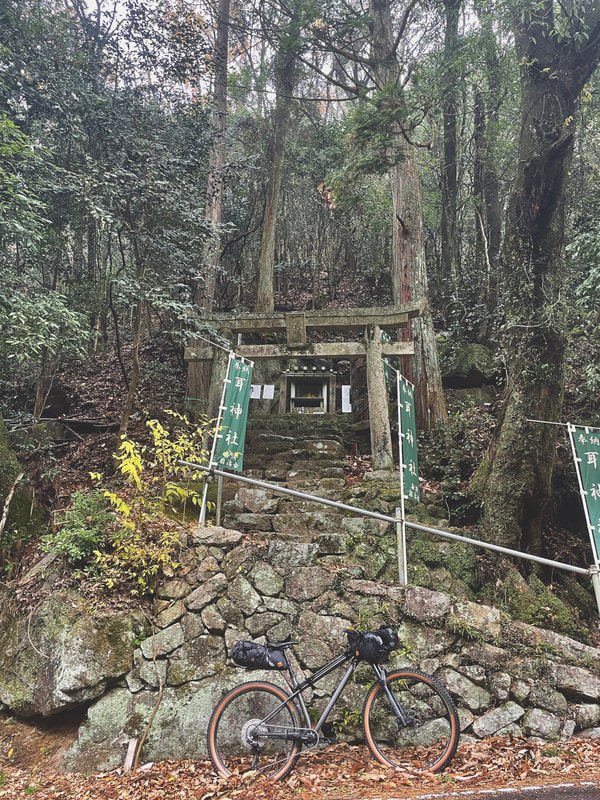
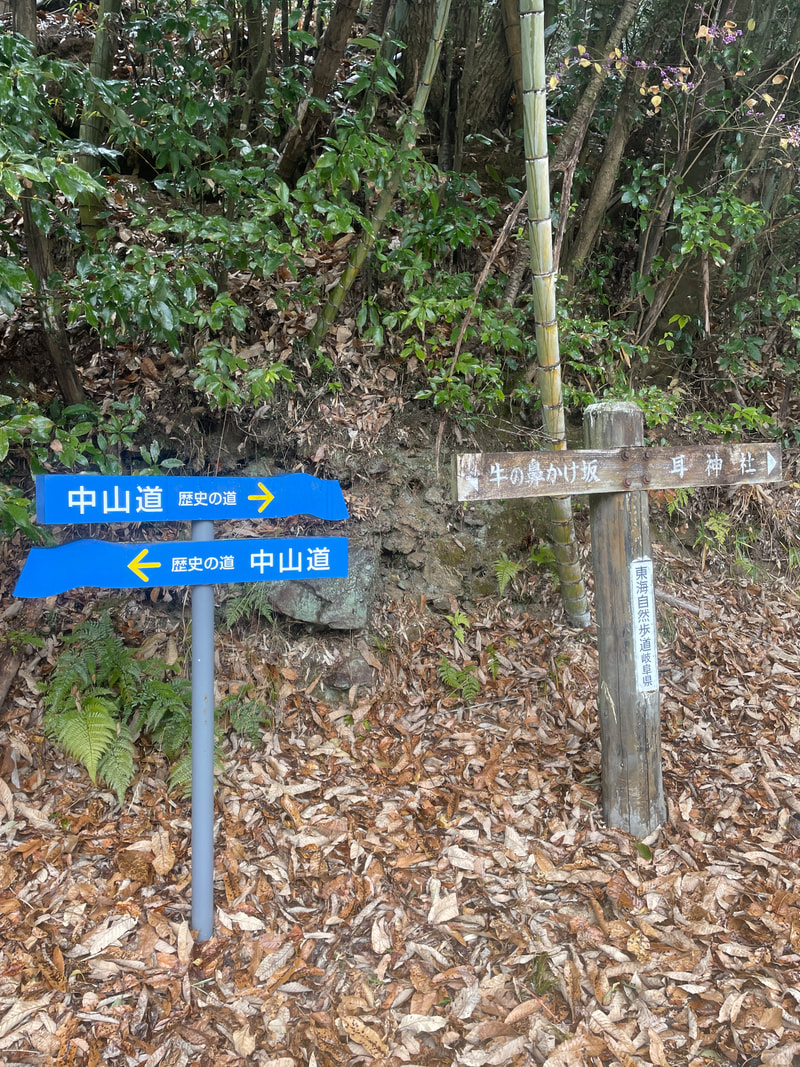
As the day went on, I discovered that this section of the old Nakasendo actually had plenty of signs. Most old-road entrances had a marker directing travelers. The landmarks I had saved became a way to double-check rather than my only navigation system.
Many surviving sections were gravel tracks or mountain paths, with some very steep stretches. Not all of the old route was suitable for a bicycle, which helped explain why modern roads had bypassed it. I wanted to explore every old section, but the relentless rain made already difficult ground harder still.
To avoid spending so long on the trail that I would have to ride after dark, I skipped some old-road sections and used paved roads instead. The newer roads generally ran nearby, making it straightforward to adjust my route and manage the time.
A Quiet Stop at Okute-juku
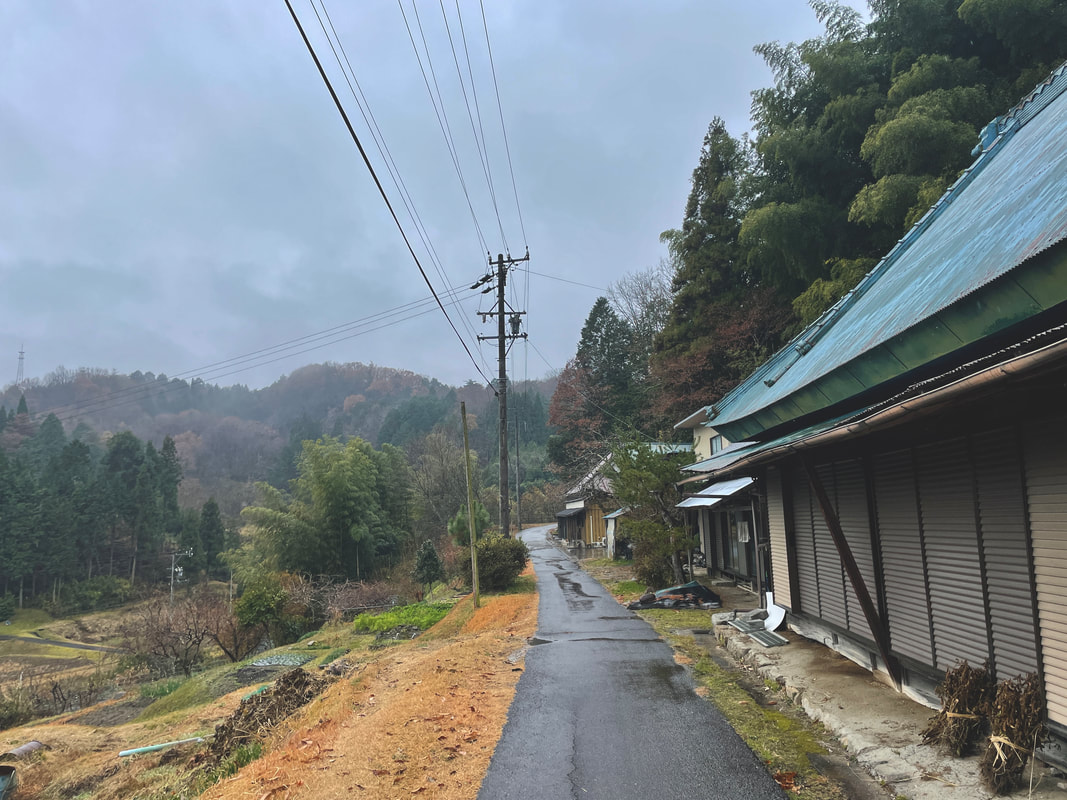
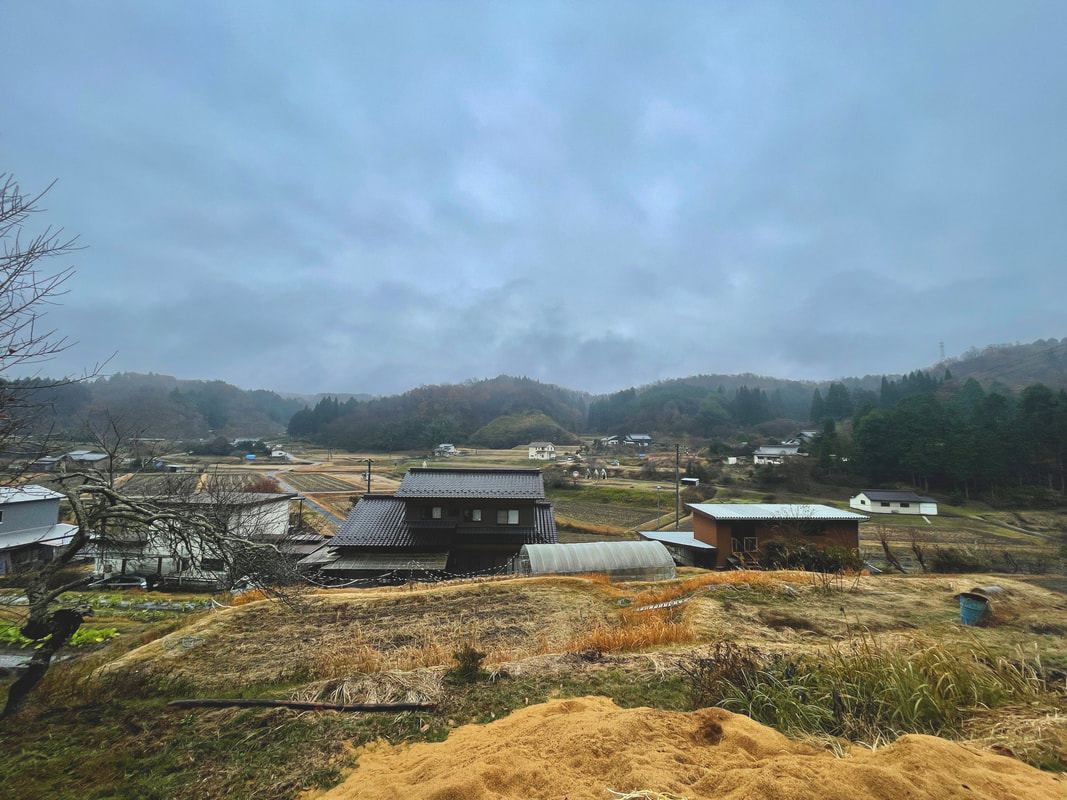
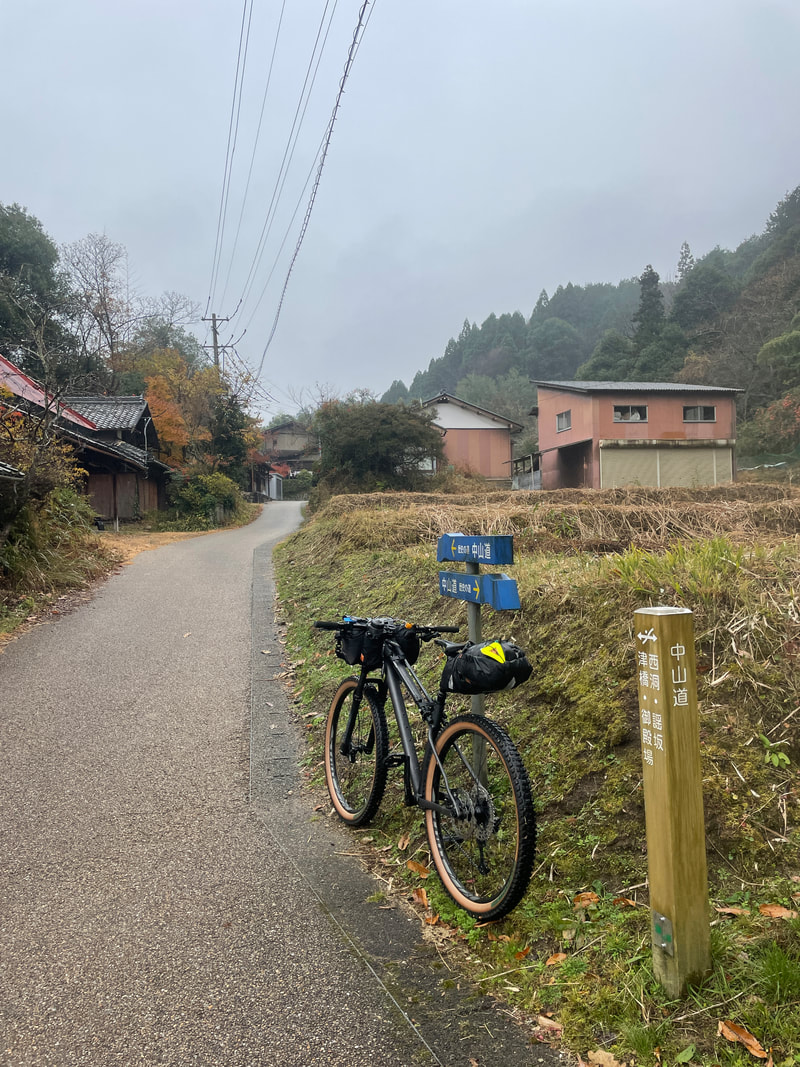
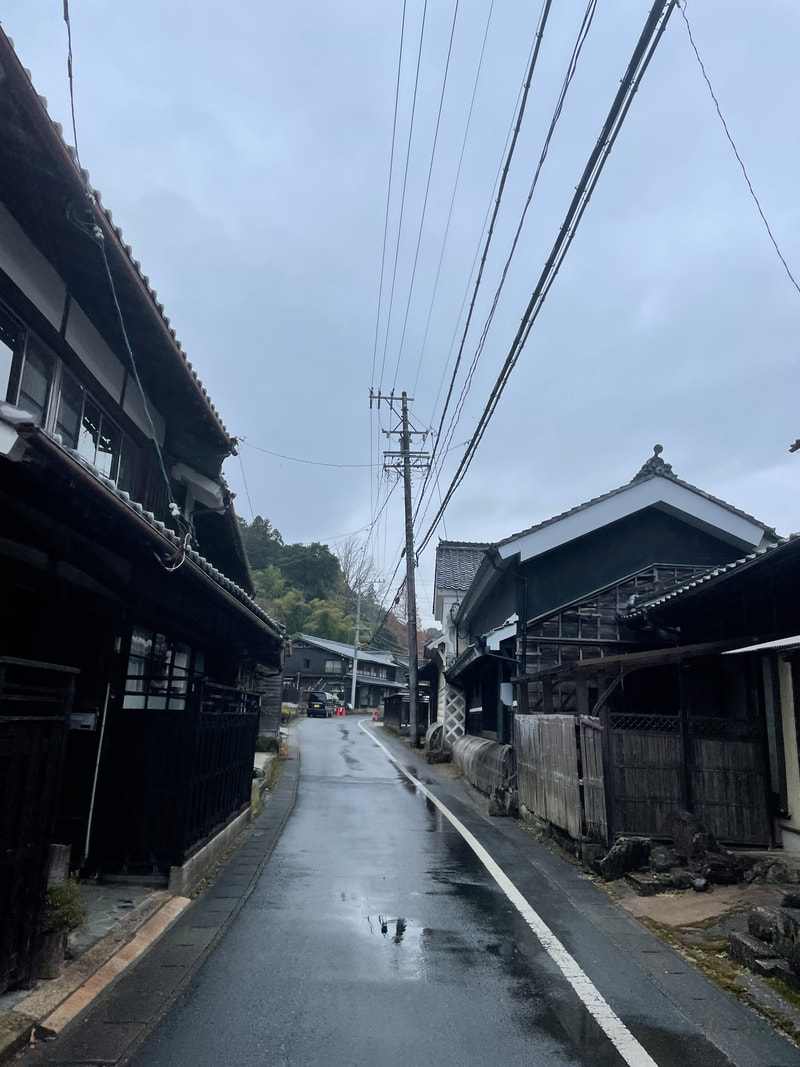
Okute-juku was one of the larger post towns on my route. Even so, in this little-known mountain village on a rainy day, I appeared to be the only tourist. I parked my bike and walked slowly through the quiet streets, taking in the atmosphere.
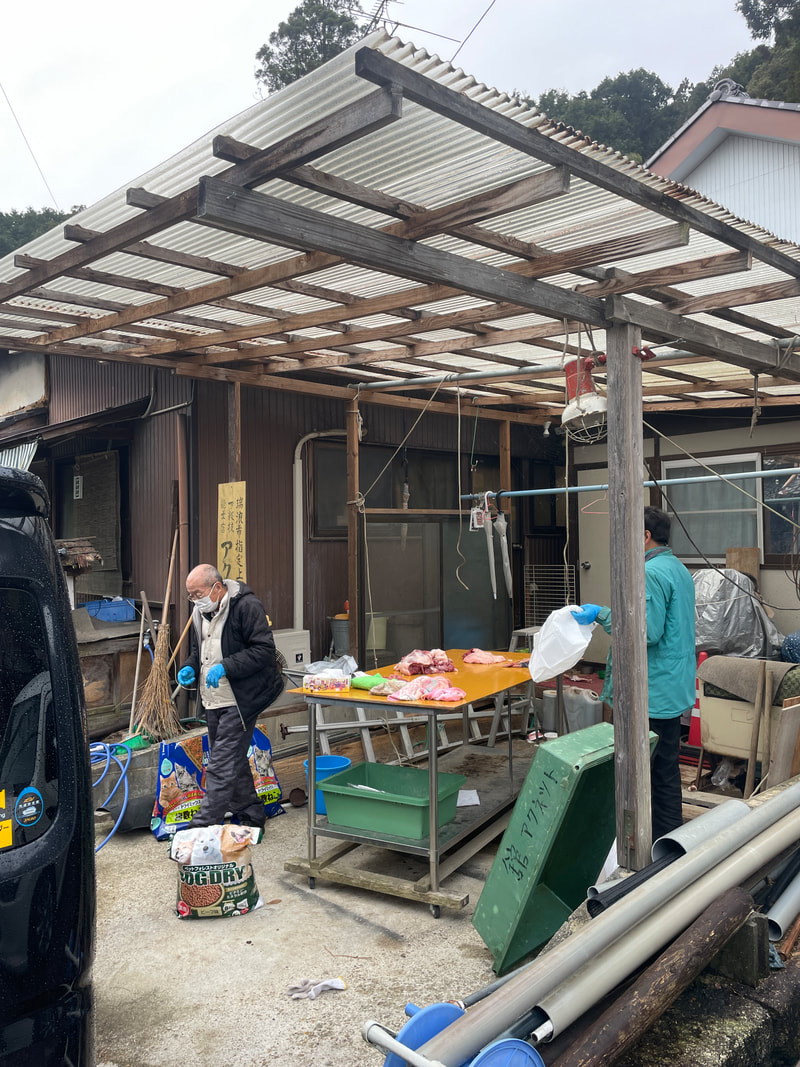
Outside one house, a man was cutting meat on a table. I first assumed it was a pork stall. After asking, I learned that a hunter had caught a wild boar and was sharing it with the neighbors. Seeing me watching, the man offered me some as well. Unfortunately, I had not brought a cooking pot. Otherwise, dinner could have had an unexpected extra course.
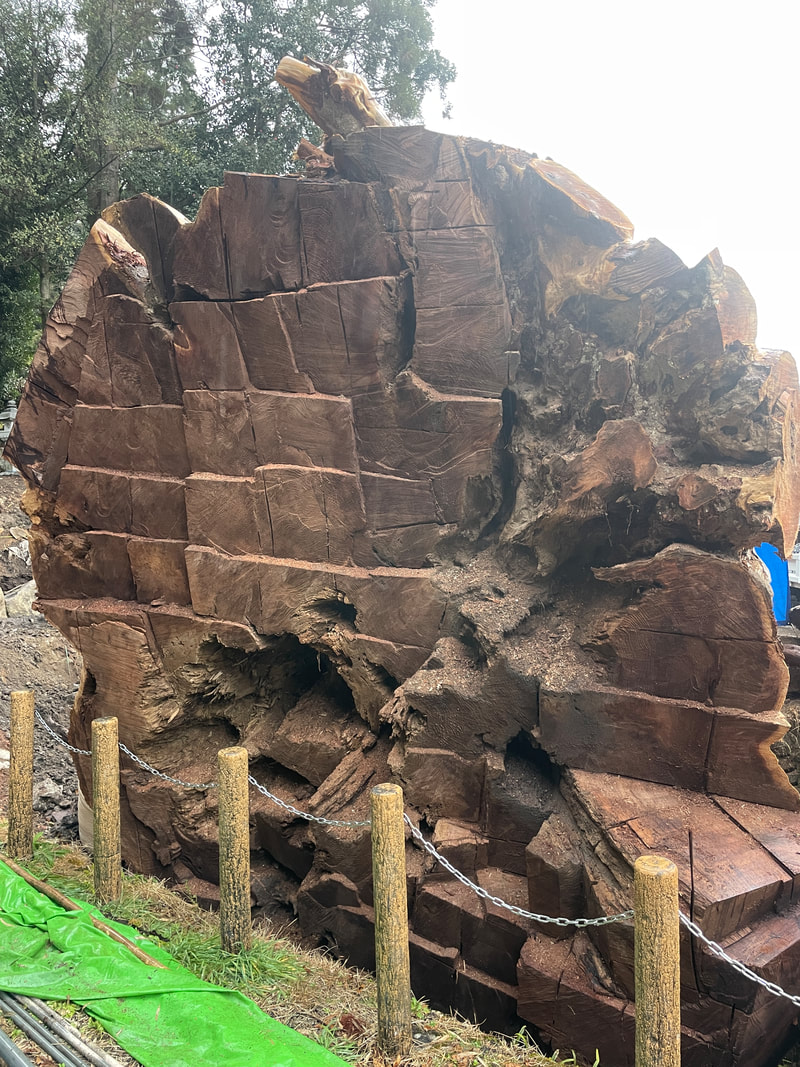
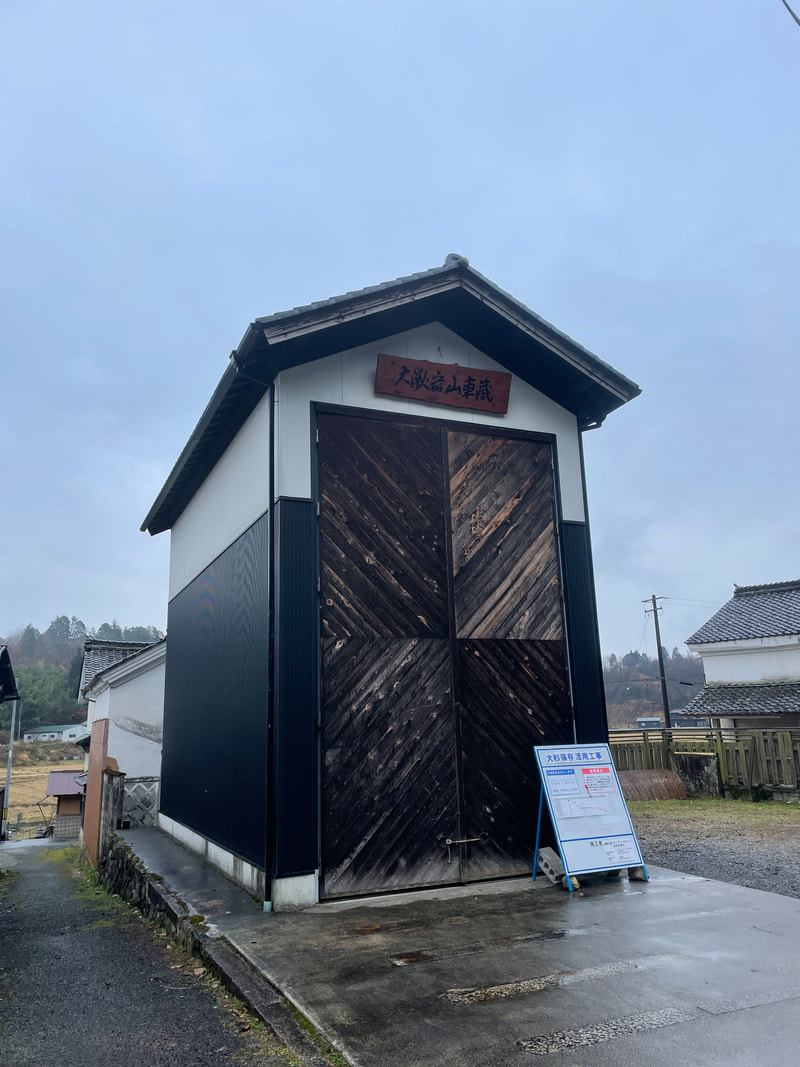
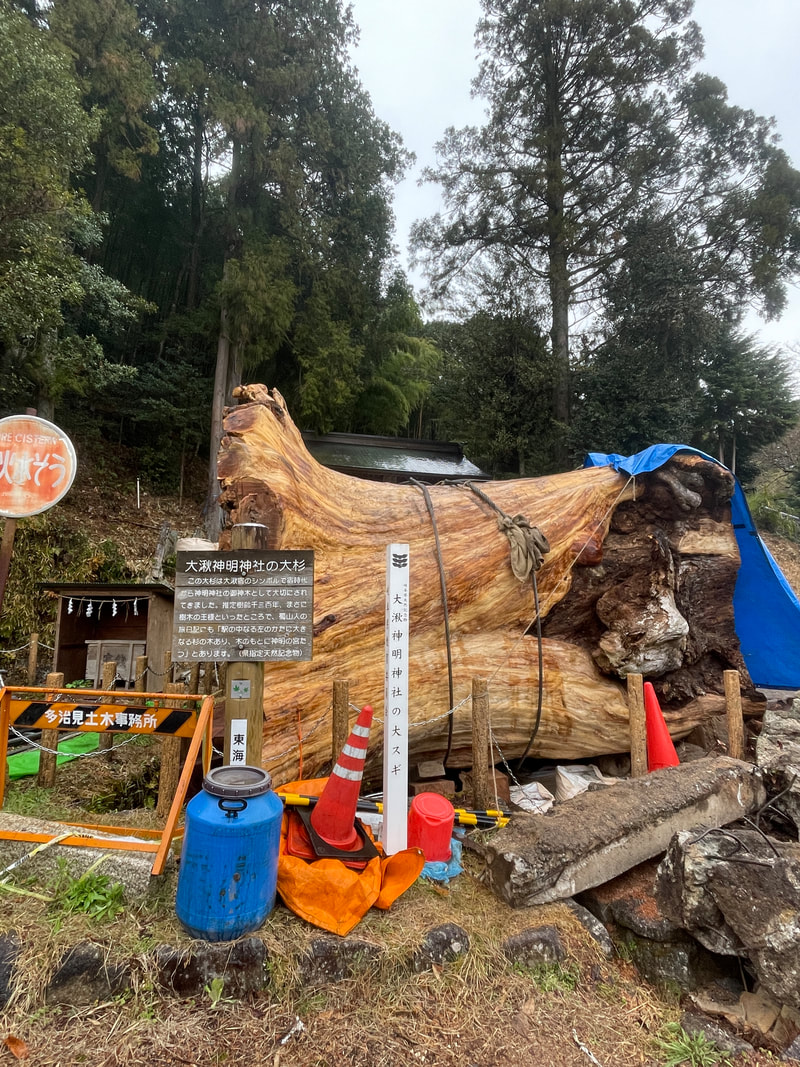
One of Okute-juku’s best-known sights had been its giant cedar, said to be around 670 years old. Sadly, it had fallen before my visit. The original account attributes the fall to a 2021 typhoon; I saw only part of the trunk awaiting further work.
More than a century earlier, Princess Kazunomiya, the emperor’s eighth daughter, had stayed at Okute-juku while traveling from Kyoto to Edo to marry Tokugawa Iemochi. I wondered whether she had stood beneath that tree and looked up at its enormous canopy.
A Wet Ride into Ena
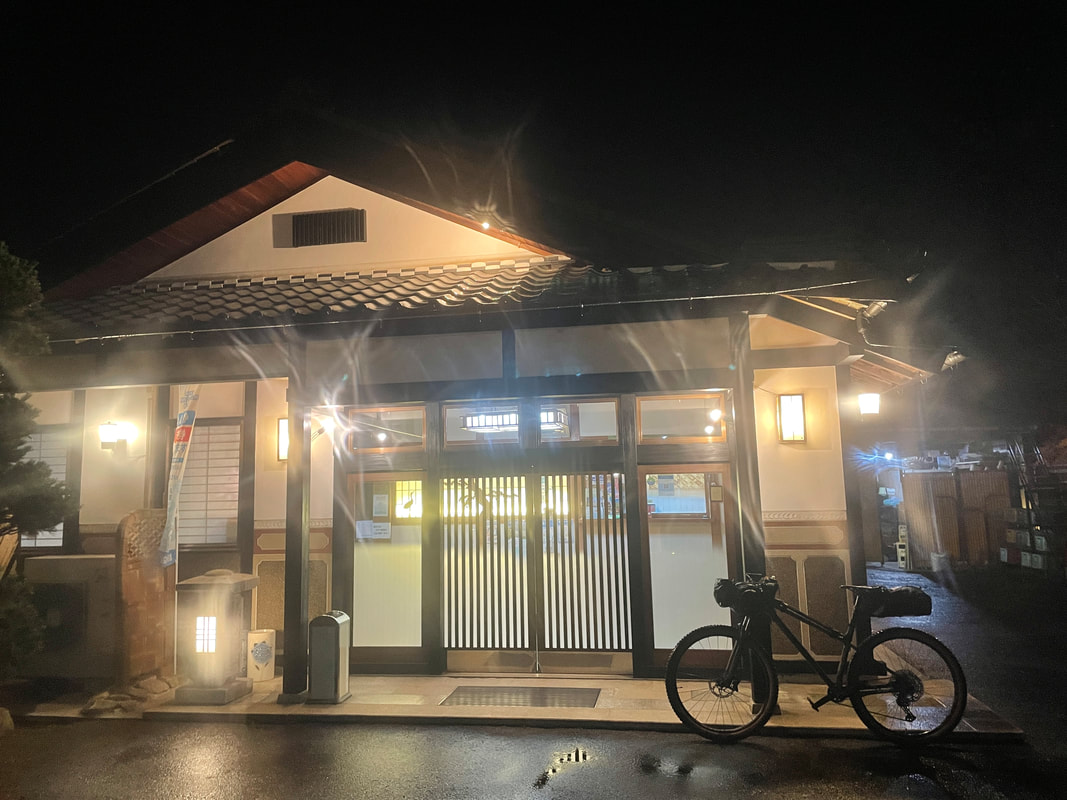
More old-road sections followed Okute-juku, but daylight was fading. Once darkness fell, I abandoned the unlit historic paths and rode the paved roads as quickly as I could to Ena, where I would spend the night.
It had been a long time since I had ridden in rain all day. My first priority at the hotel was a hot-spring bath to warm up. One of the best things about Japan is how often a hot spring is close at hand. After exercise, soaking felt like a wonderful way to relax tired muscles and prepare for the next day.
Through Nakatsugawa toward Magome
The next morning, heavy clouds still covered the sky. Good weather seemed unlikely, but my destination, Magome-juku, was not far away.
On the way lay Nakatsugawa-juku, the 45th post town. Both the Nakasendo and the Hida road passed through it. According to the records cited in the original account, its main street once stretched 1.1 kilometers and it had 928 residents in 228 households, making it the largest post town in eastern Mino.
There was also a Nakasendo history museum. Rain and limited time kept me from visiting, but I generally recommend local museums like this. They preserve small stories that may be difficult to find online and are known best by people in the area.
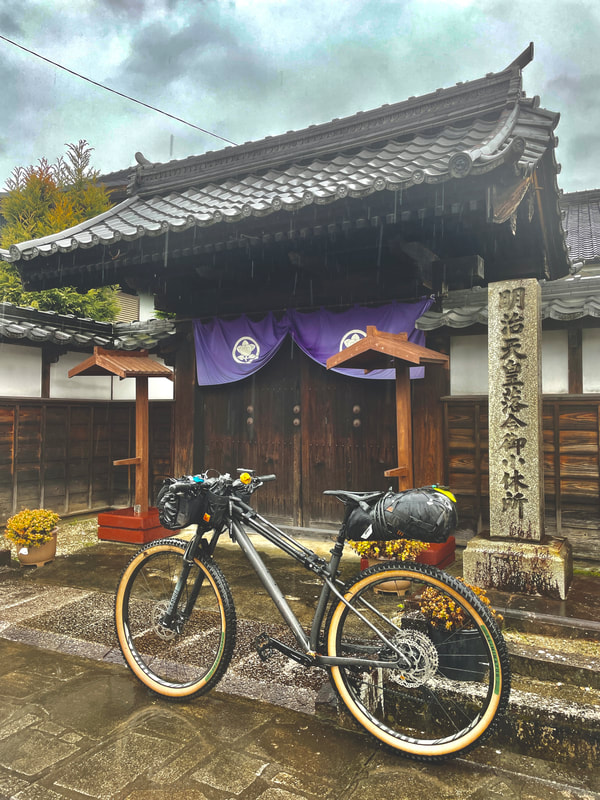
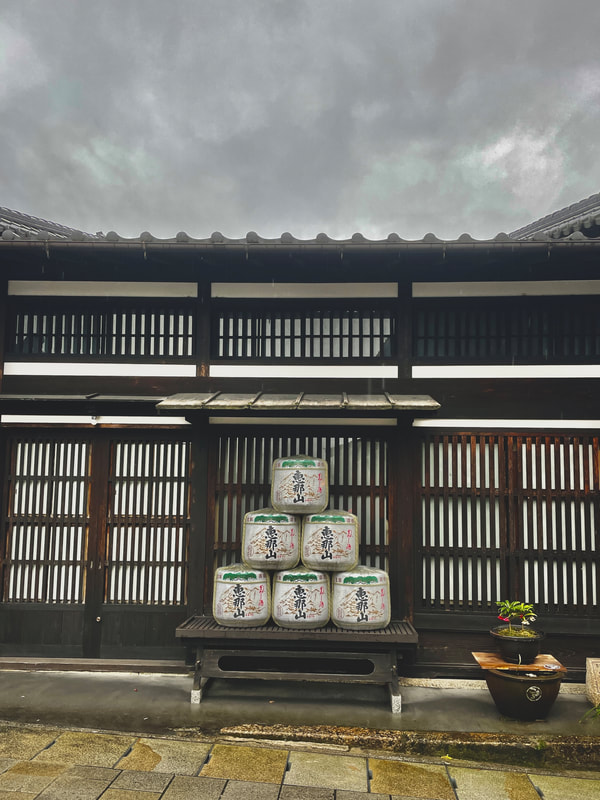
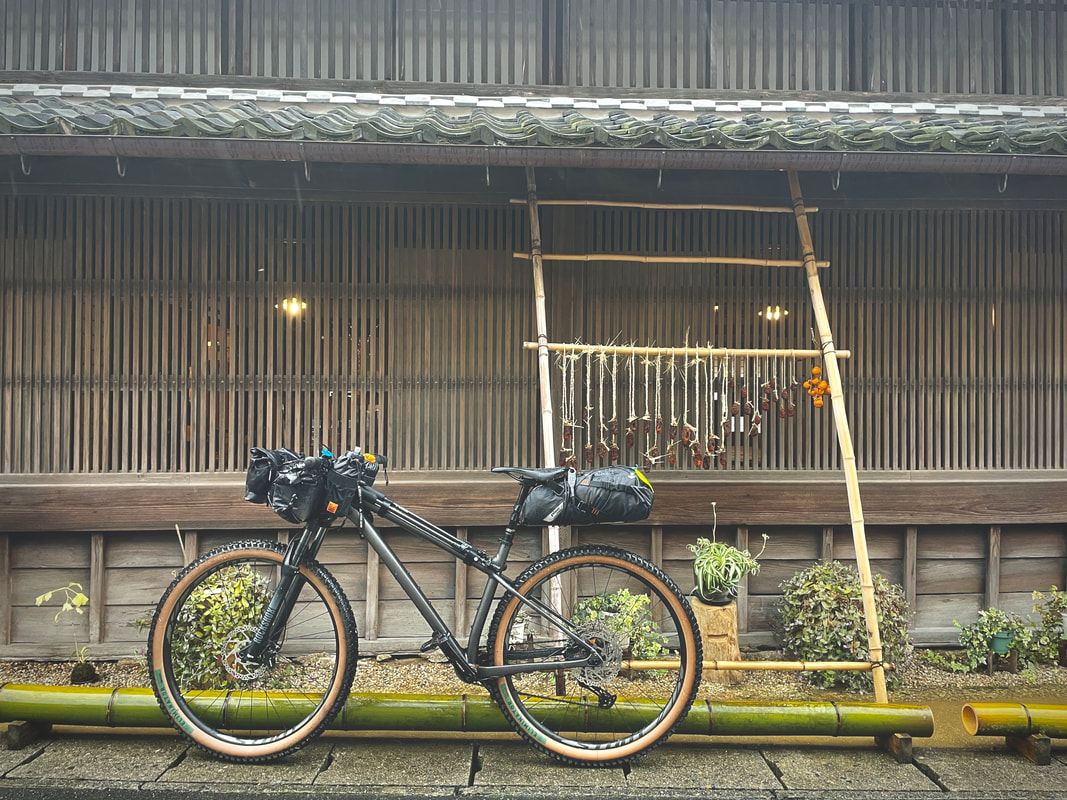
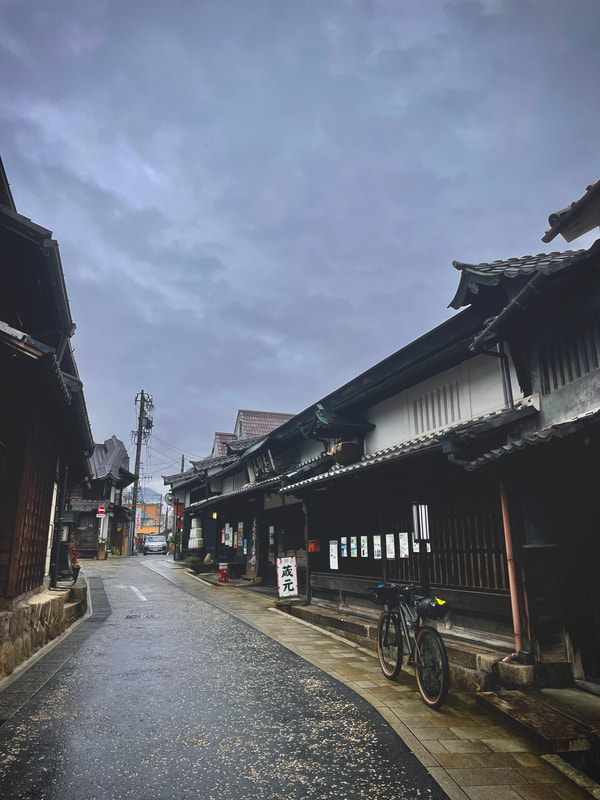
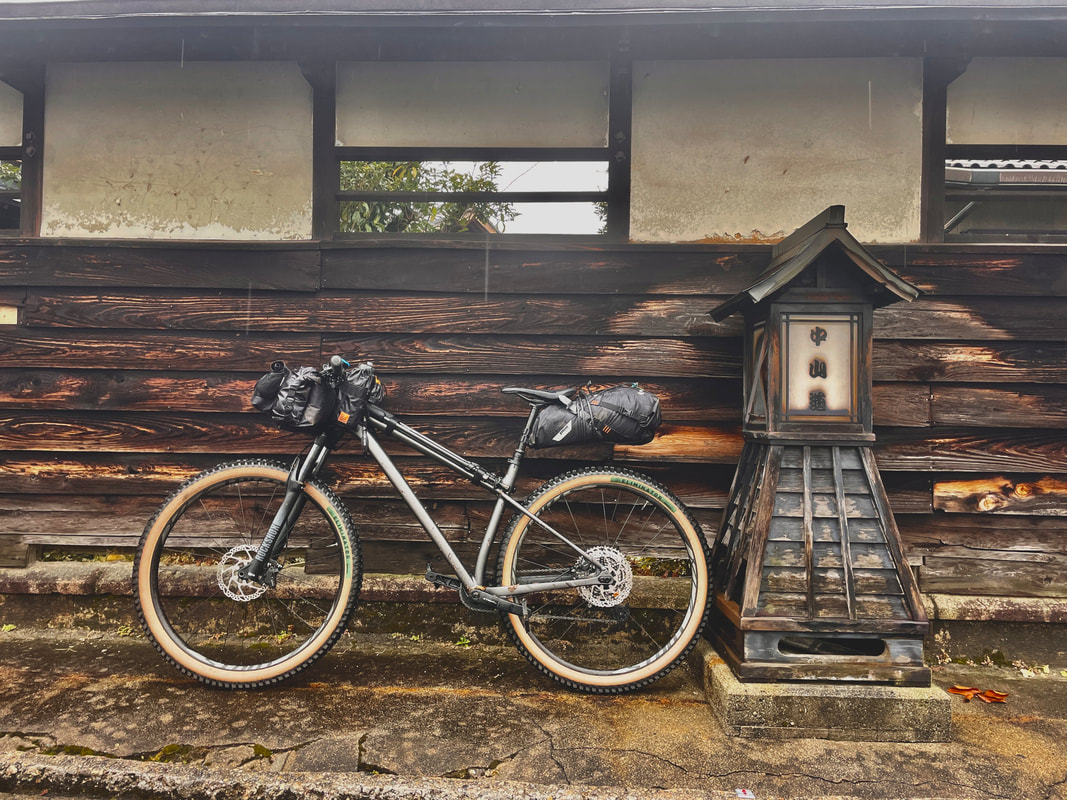
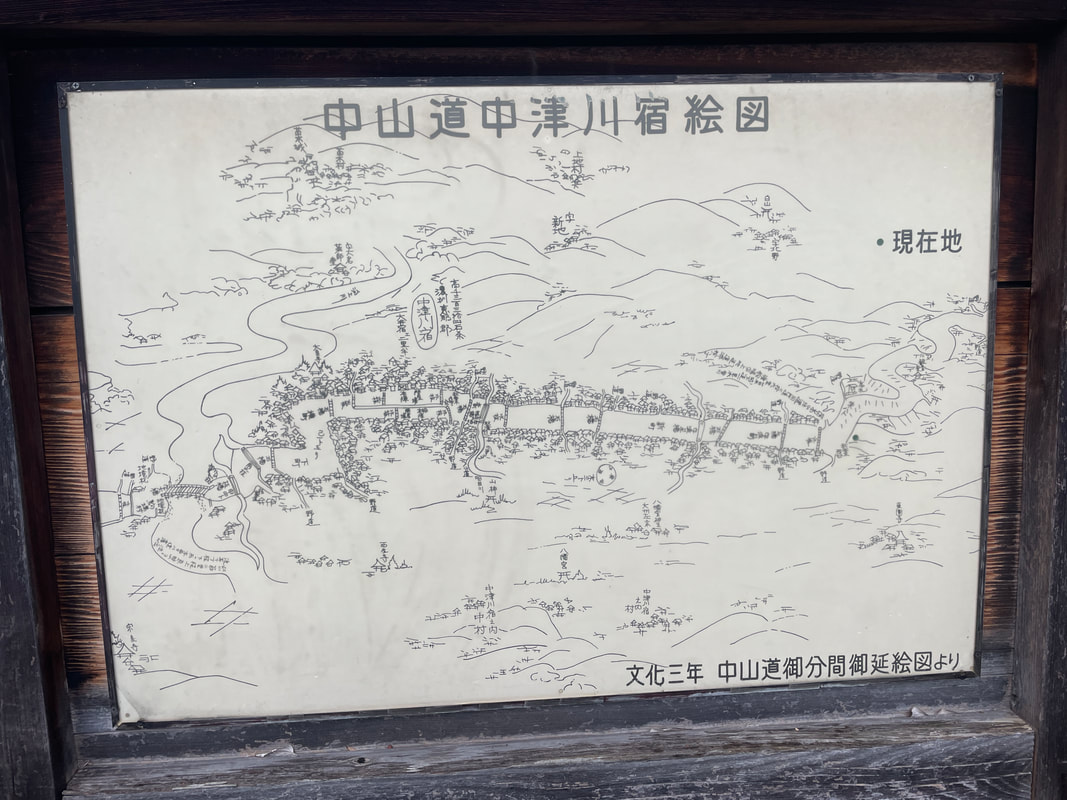
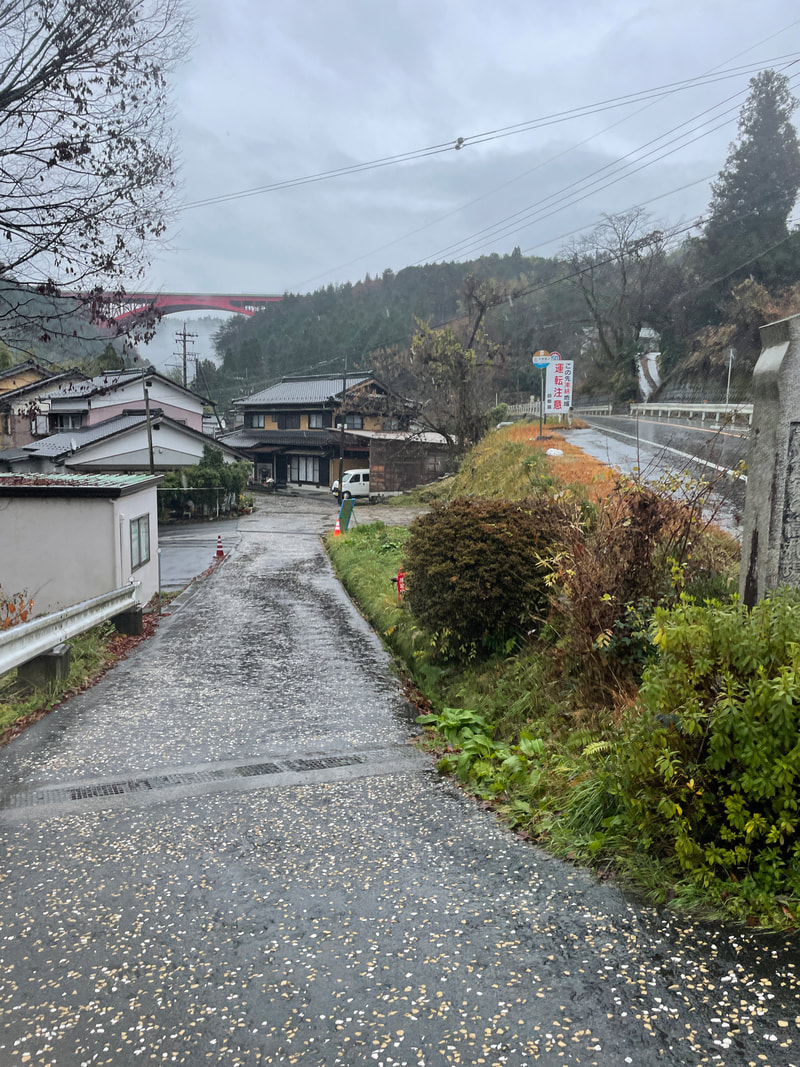
Most of the route between Ena and Magome was paved. There were plenty of steep slopes, but they remained rideable for me. Near Magome, however, the Ochiai stone-paved section would have been impossible for me to ride safely in the rain, so I took another route.
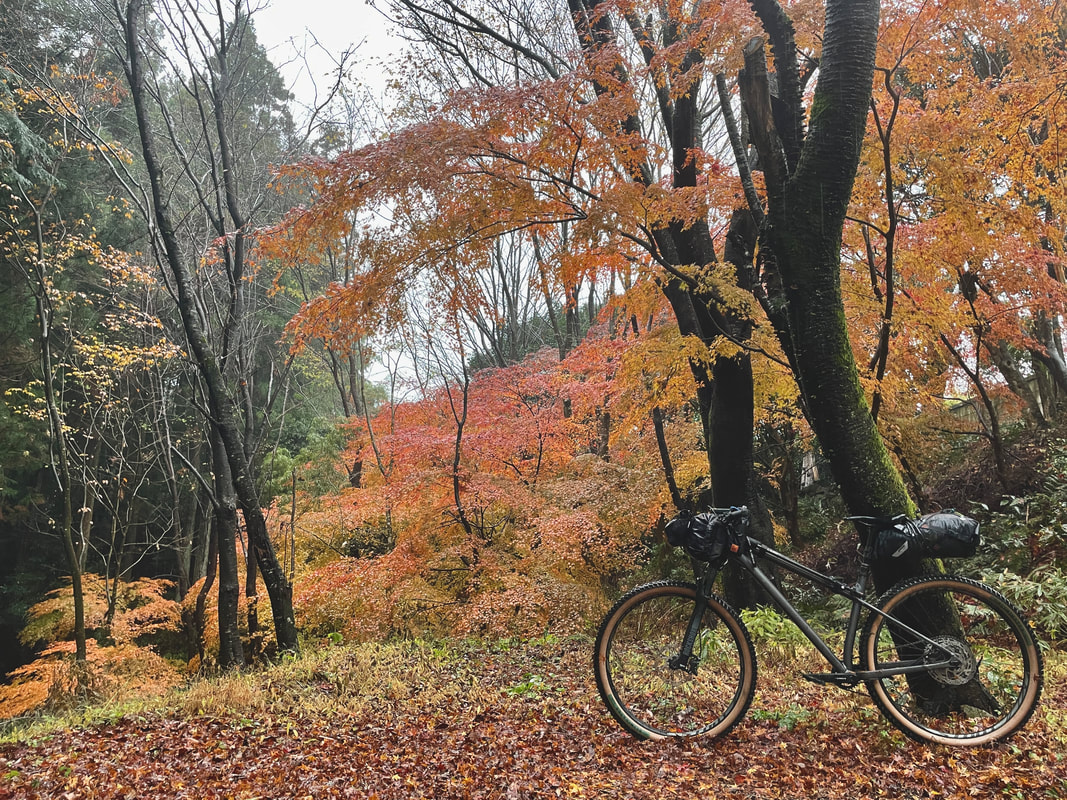
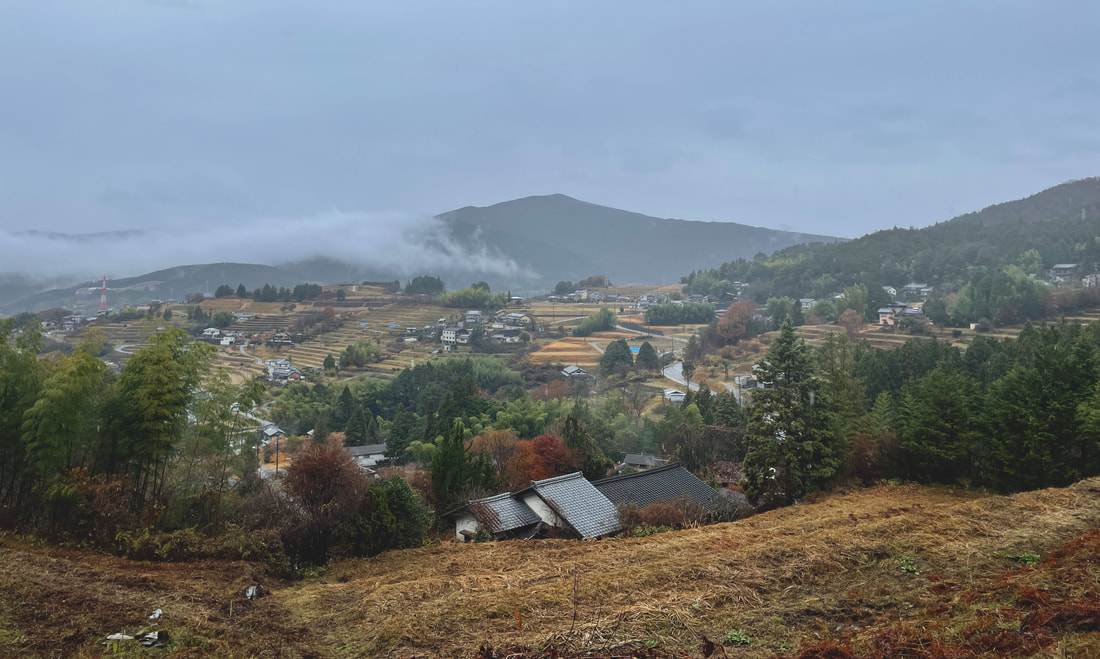
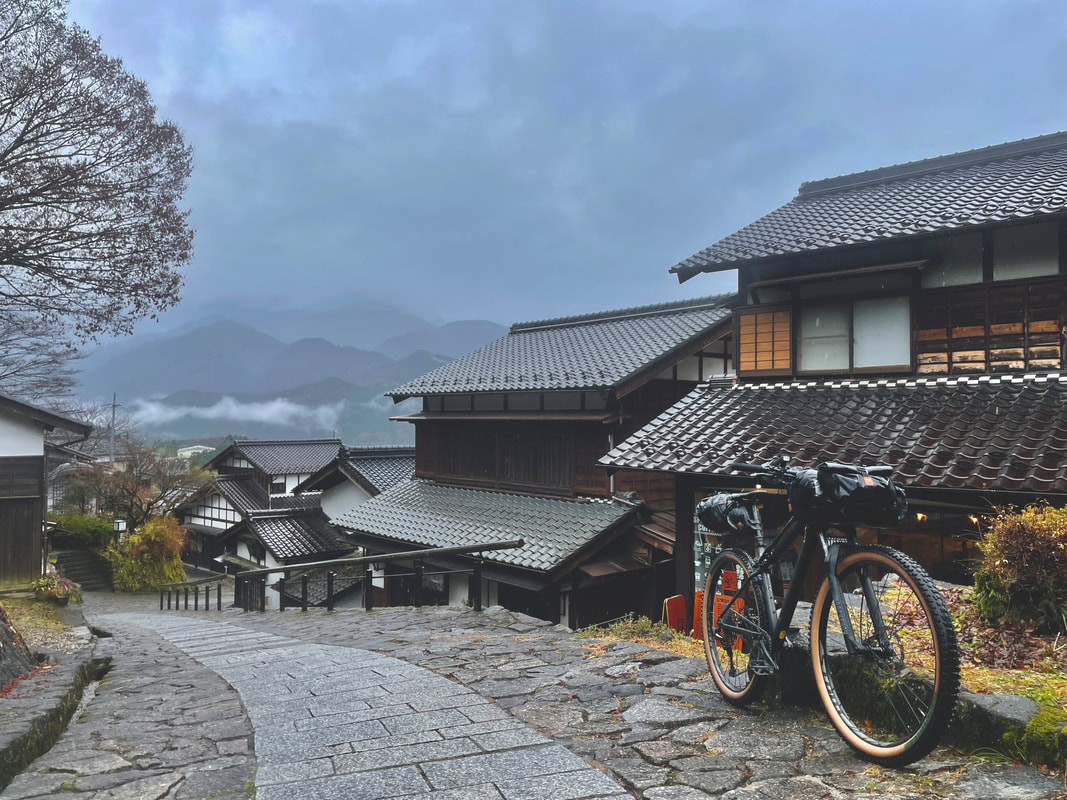
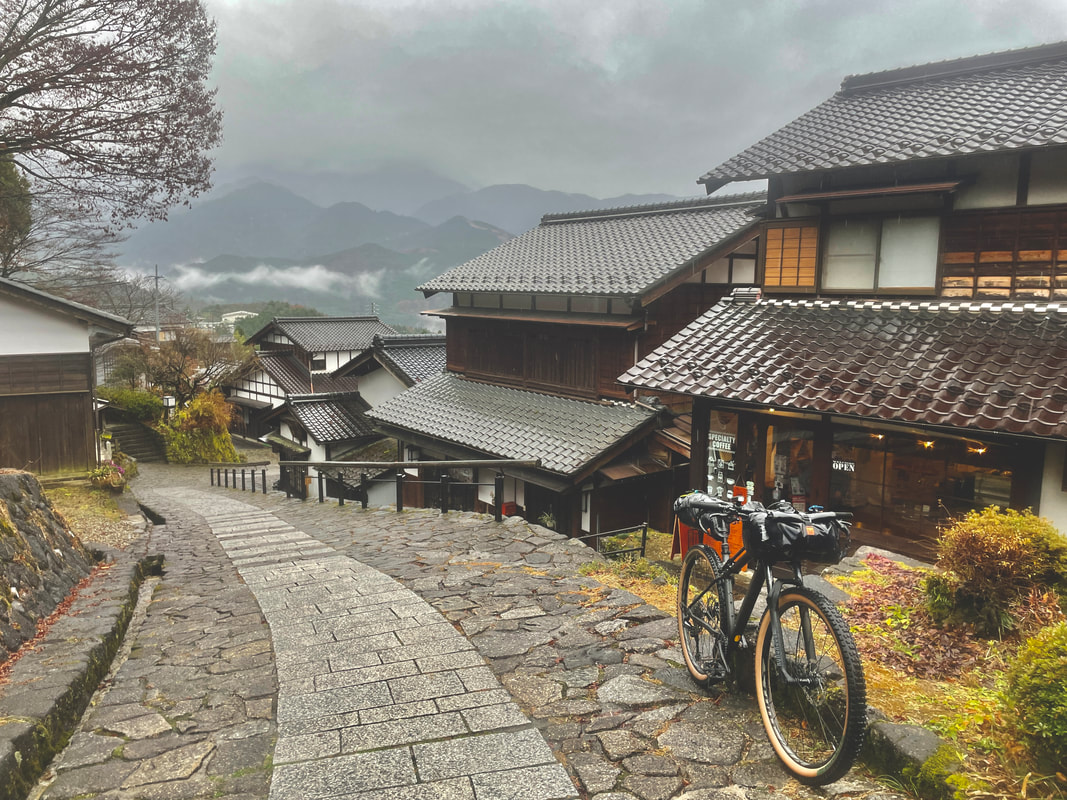
It was not the Nakasendo, but the mountain lanes were beautiful. Looking down toward the town and across mist-wrapped ridges, I found myself appreciating the rain. A sunny day would not have offered this floating, dreamlike landscape.
Returning to Magome-juku
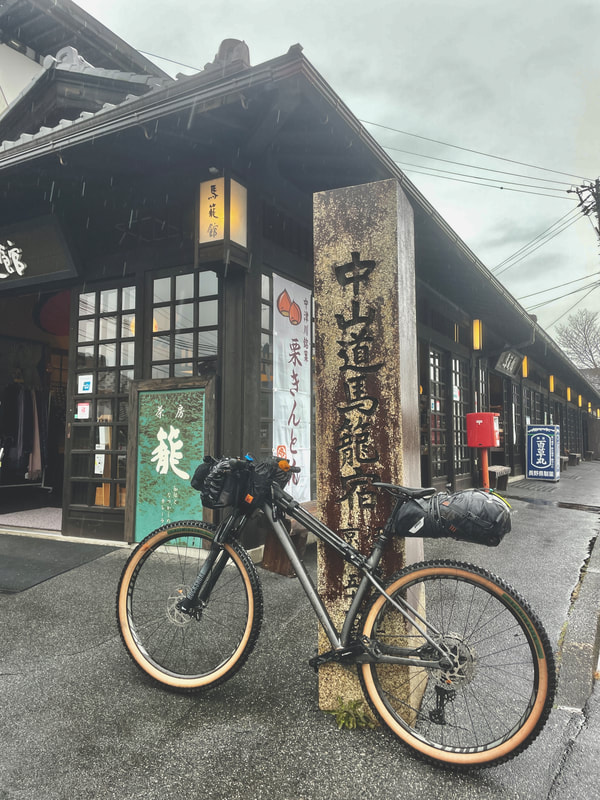
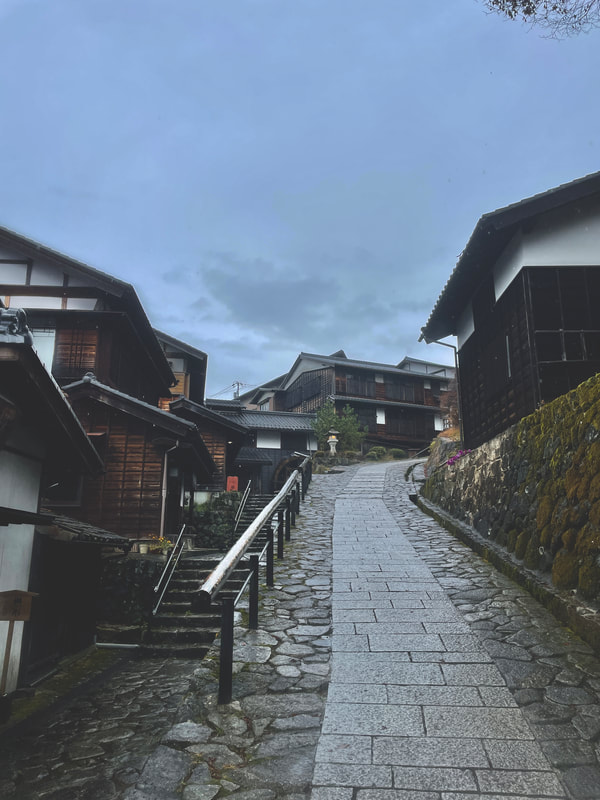
Arriving in Magome brought back memories. I had visited four years earlier while riding the length of Japan, but that first visit had been accidental. Sheltering from a typhoon in a nearby guesthouse, I had browsed local information and learned about the Nakasendo and Magome for the first time.
The photographs fascinated me. After the storm passed, I stayed a few extra days specifically to visit. That time, the weather was brilliant. I even wore straw sandals for a short walk on the old road, hoping to experience travel as people once had. My feet gave up in less than a kilometer. Walking more than 500 kilometers that way must have taken extraordinary endurance.
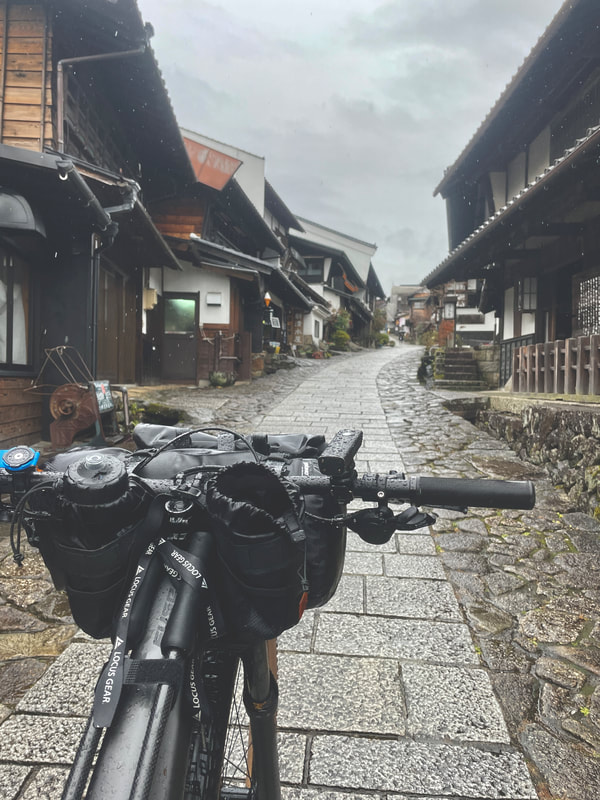
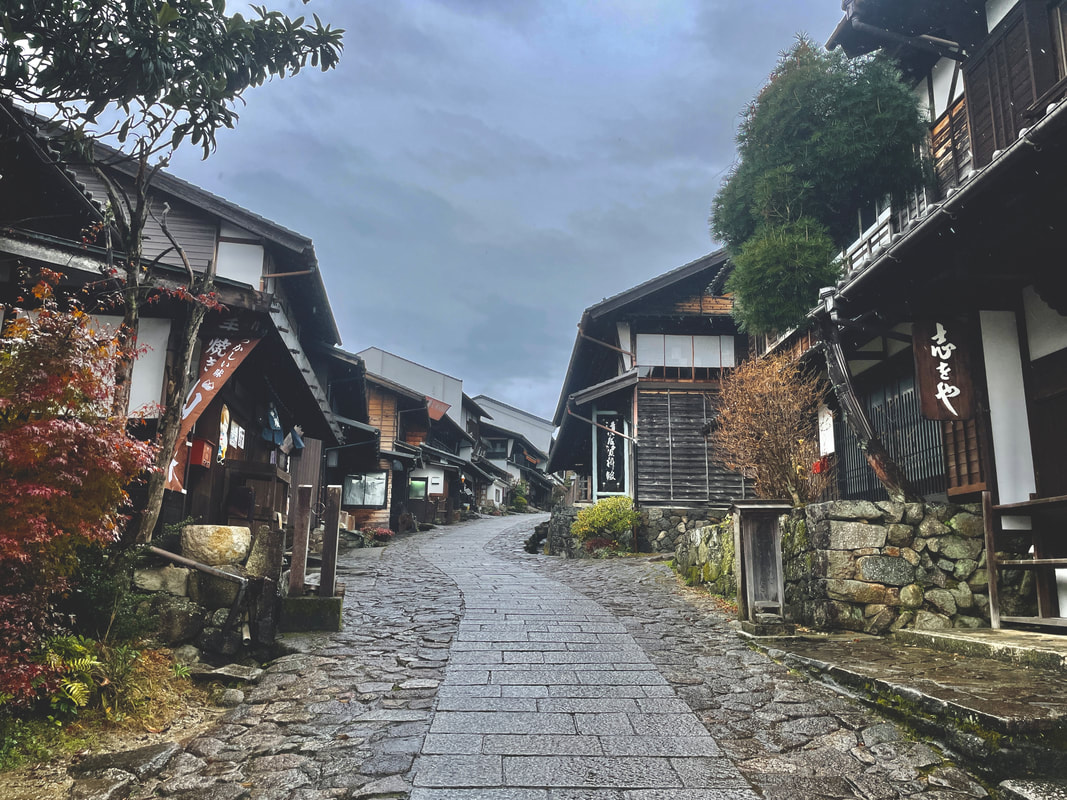
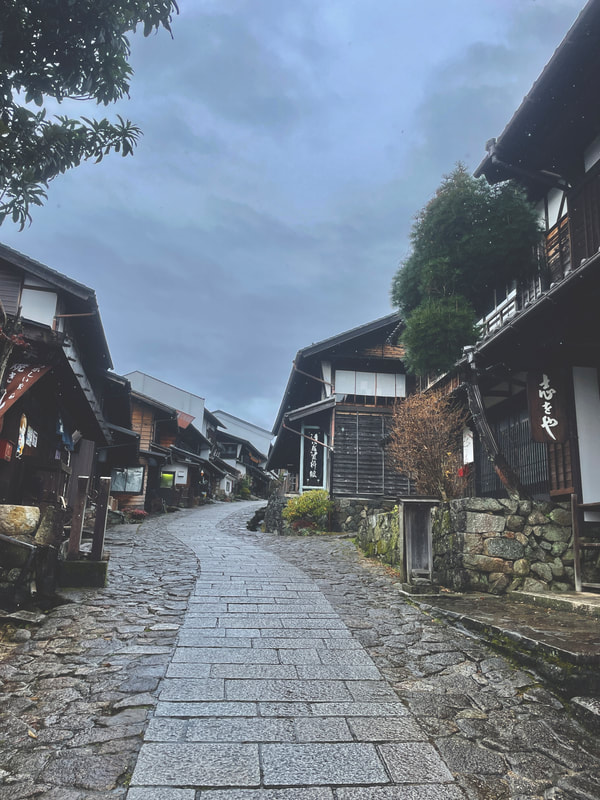
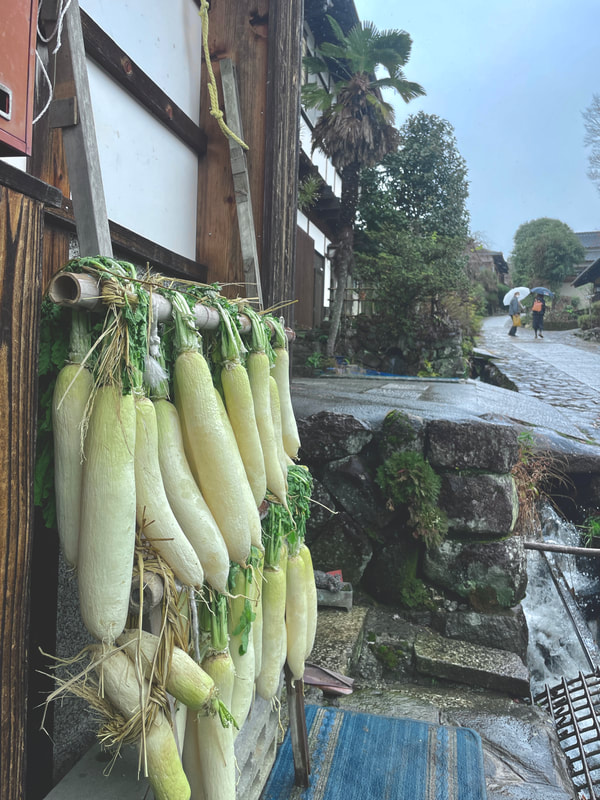
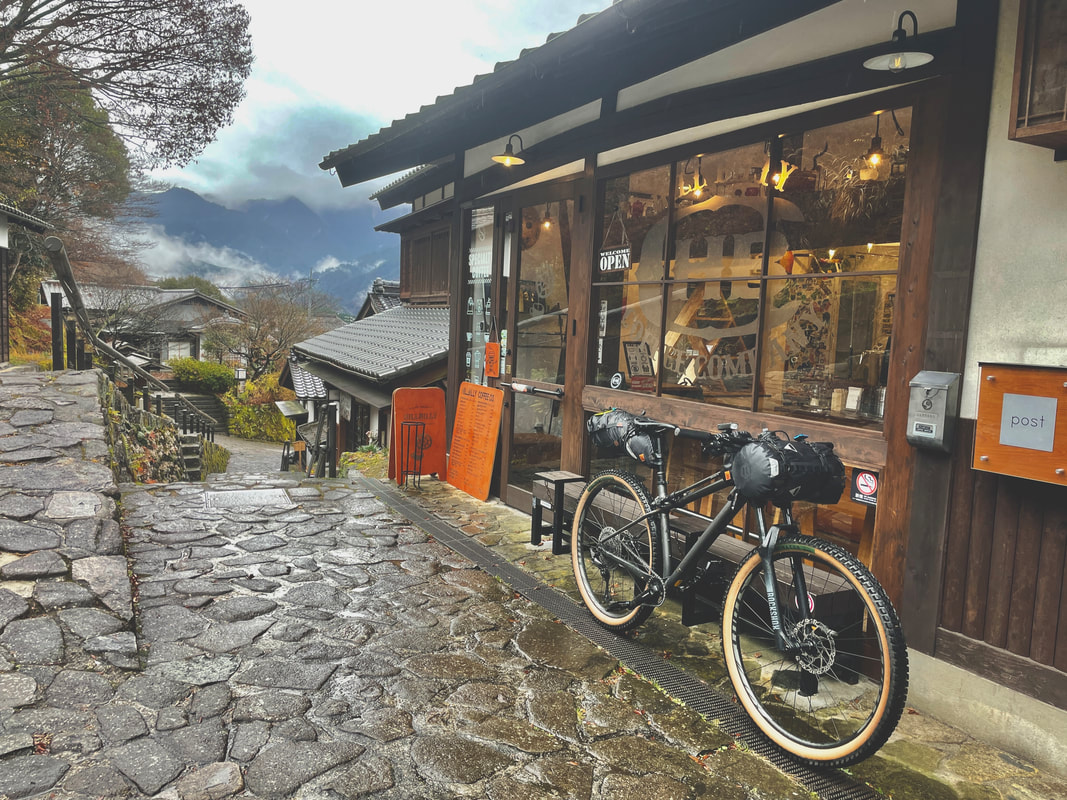
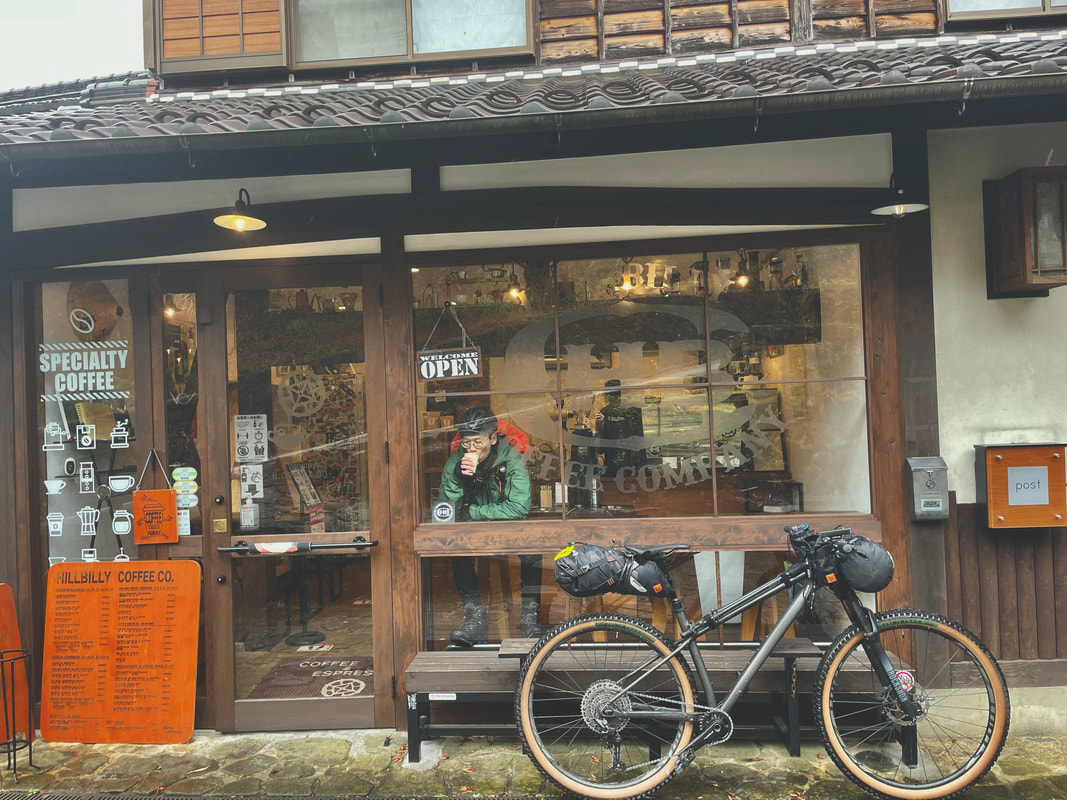
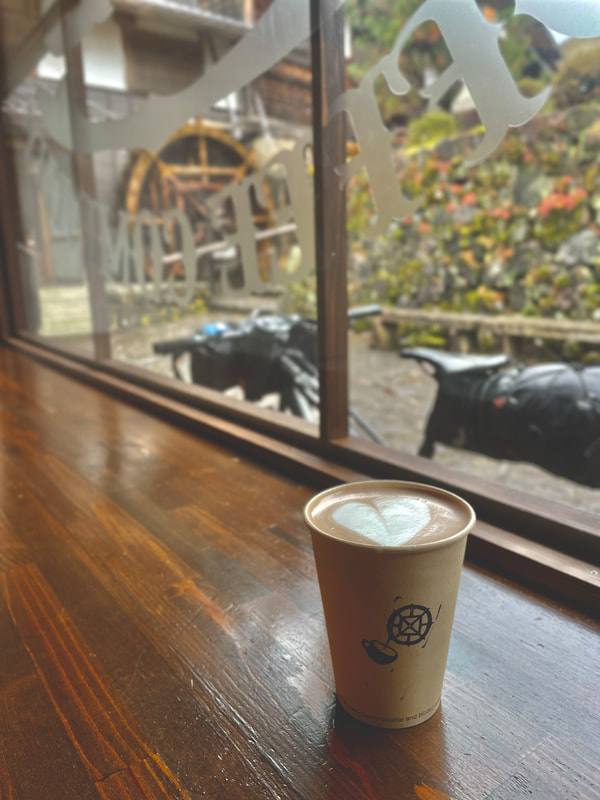
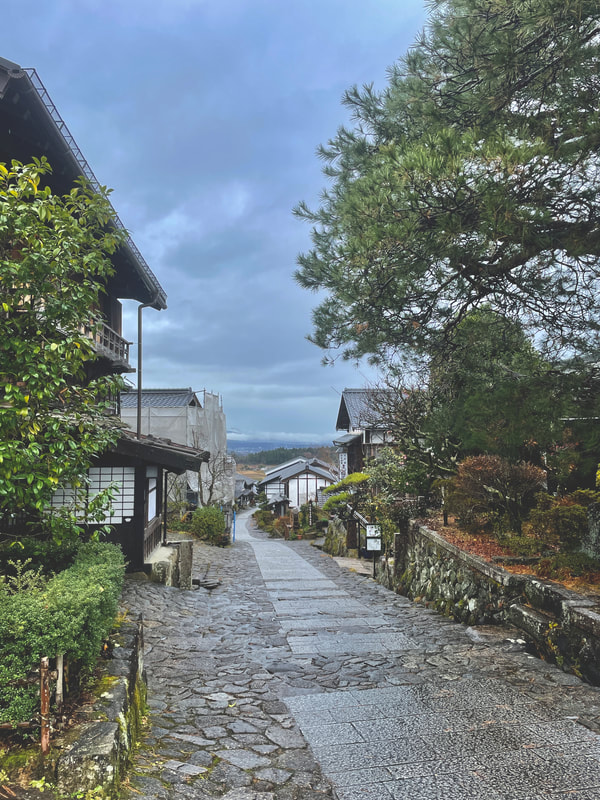
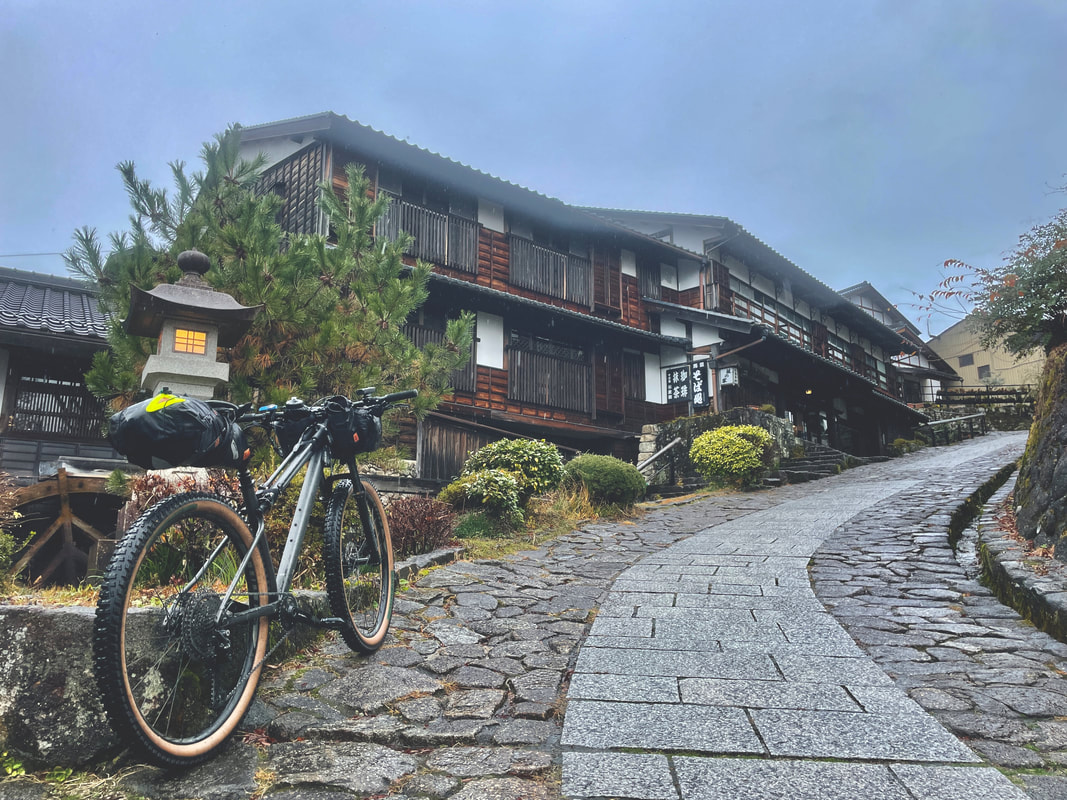
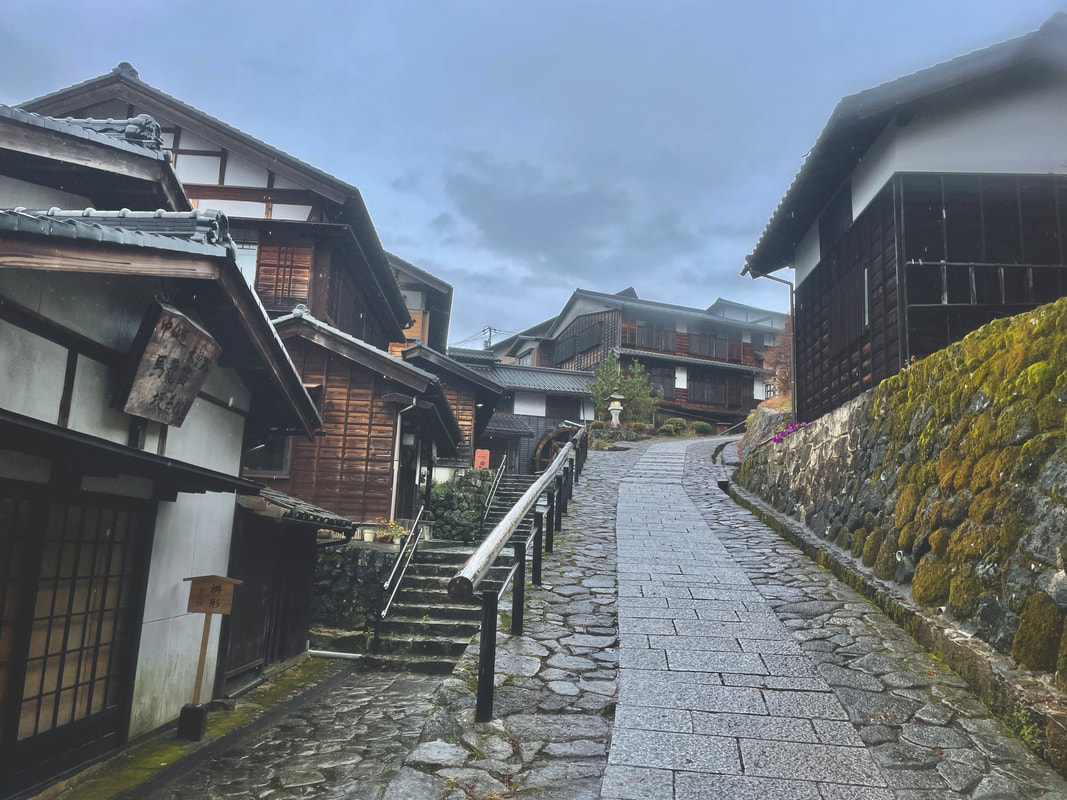
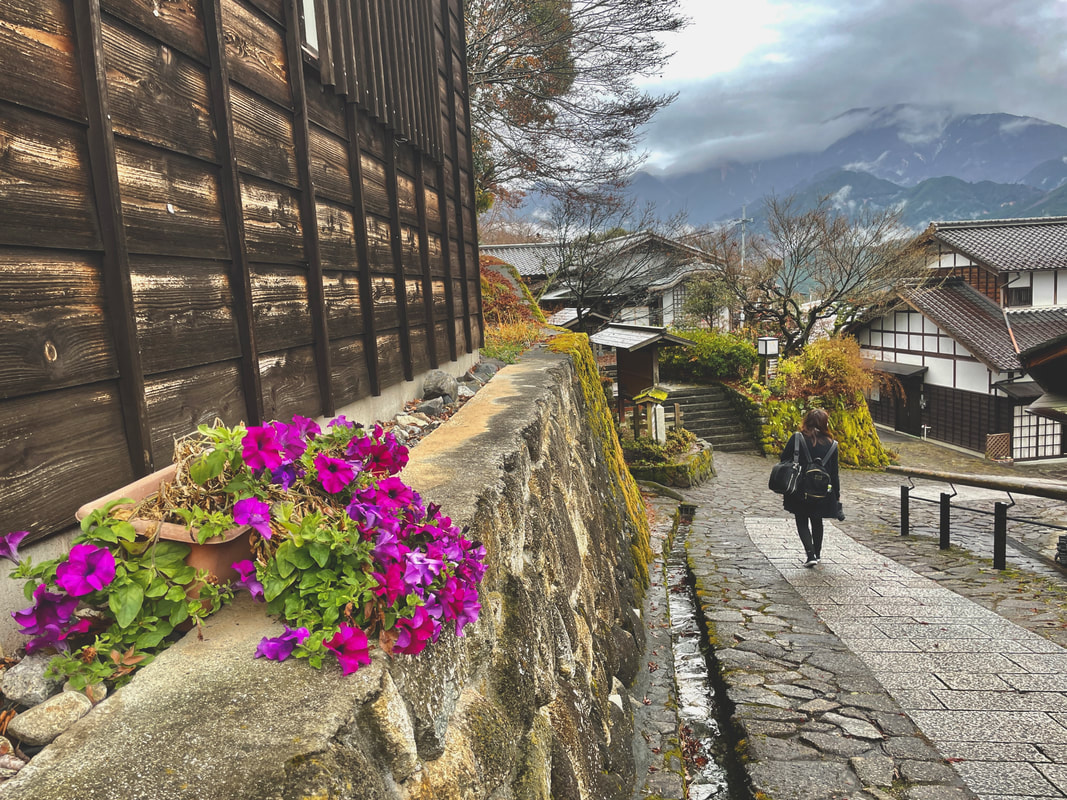
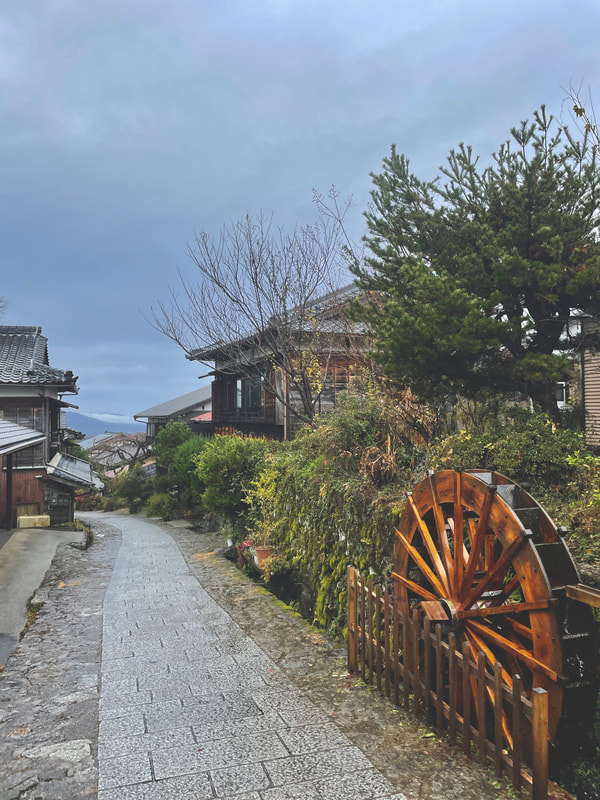
This visit was different. Rain gave Magome a melancholy beauty, and there were far fewer visitors. My bicycle and I had the scene almost to ourselves. I chose a café and, over a cup of coffee, took my time enjoying the quiet.
An Extra Stop in Seto
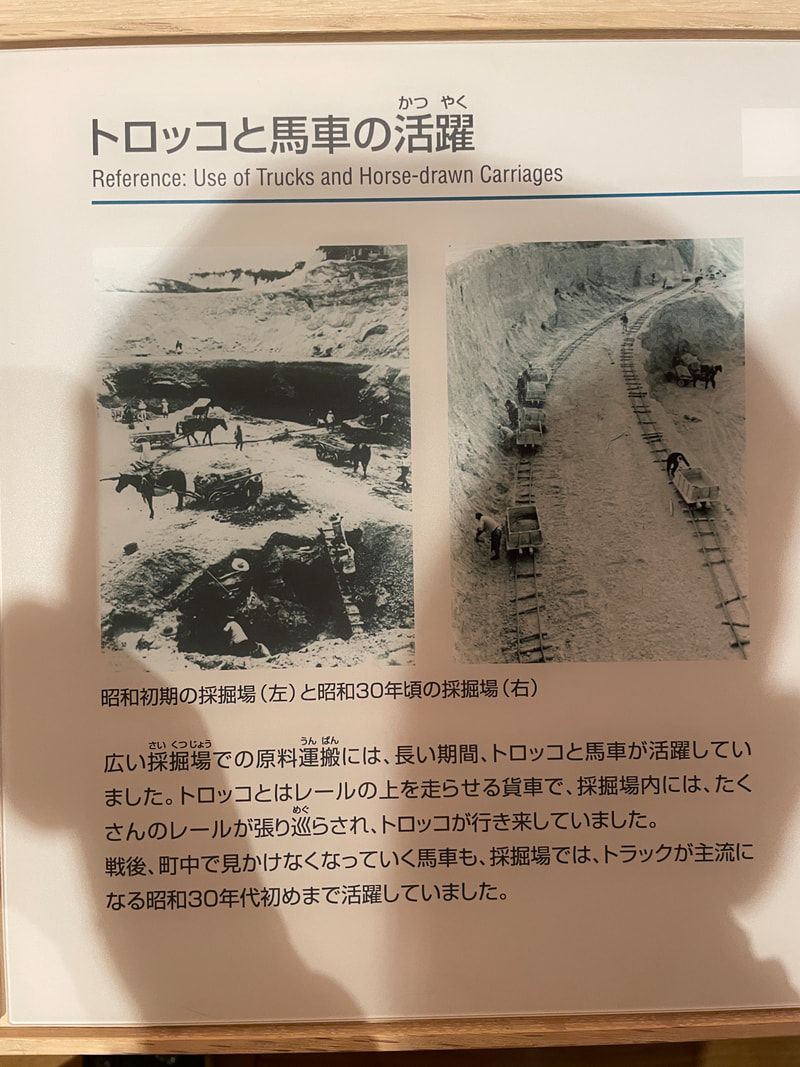
That afternoon, I traveled to Seto, adding a charming ceramics town to the journey. Pottery production began here around the Heian period, roughly the tenth century, helped by the area’s suitable clay.
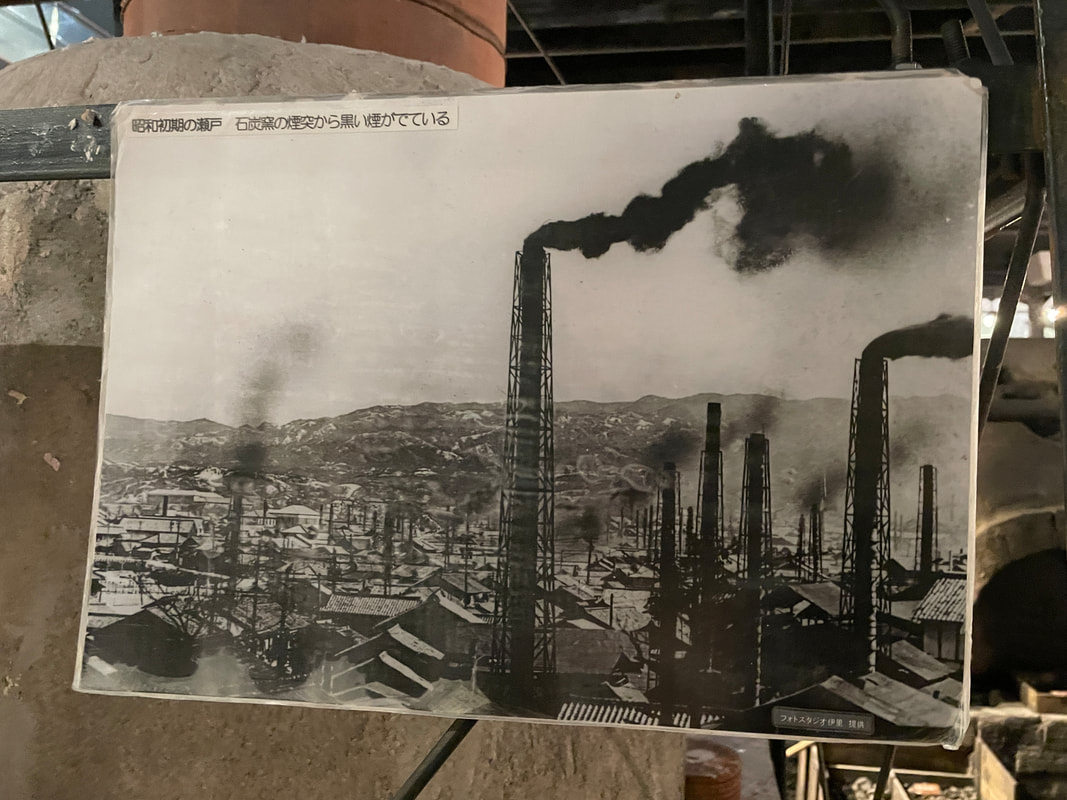
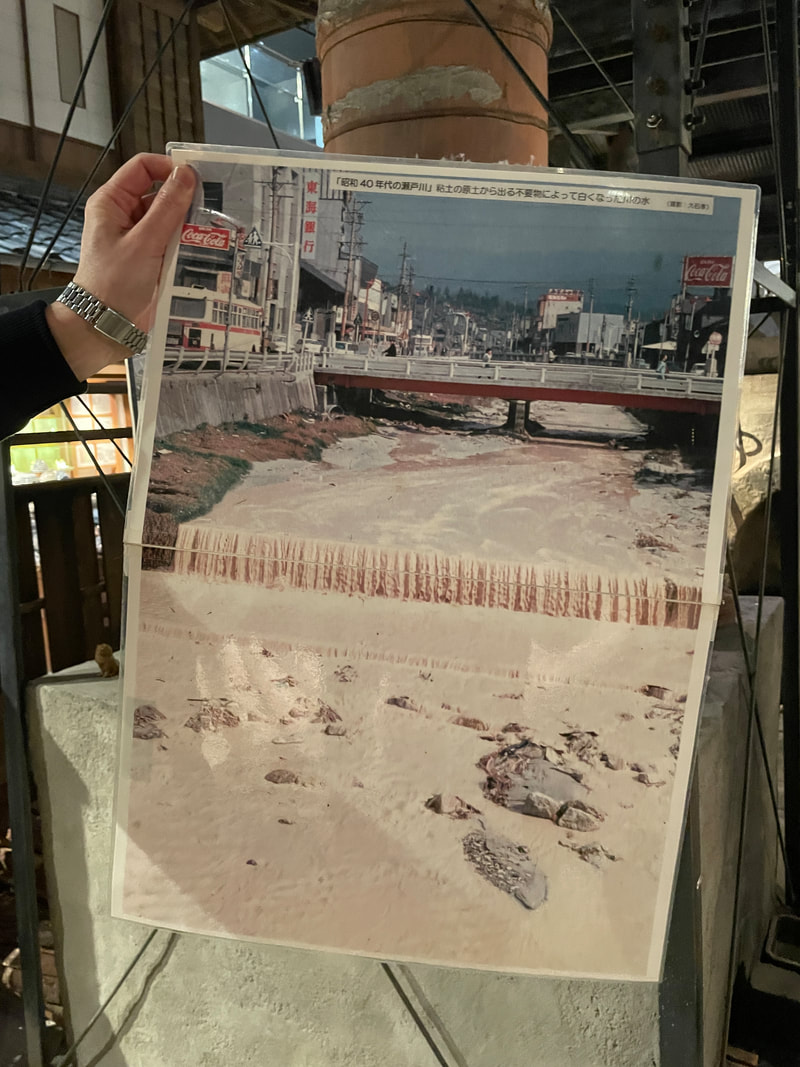
The industry reached a peak during the Showa era. The original account describes five or six hundred kiln chimneys across the city, with clay turning the streams cloudy, a visible sign of the scale of Seto’s ceramics production.
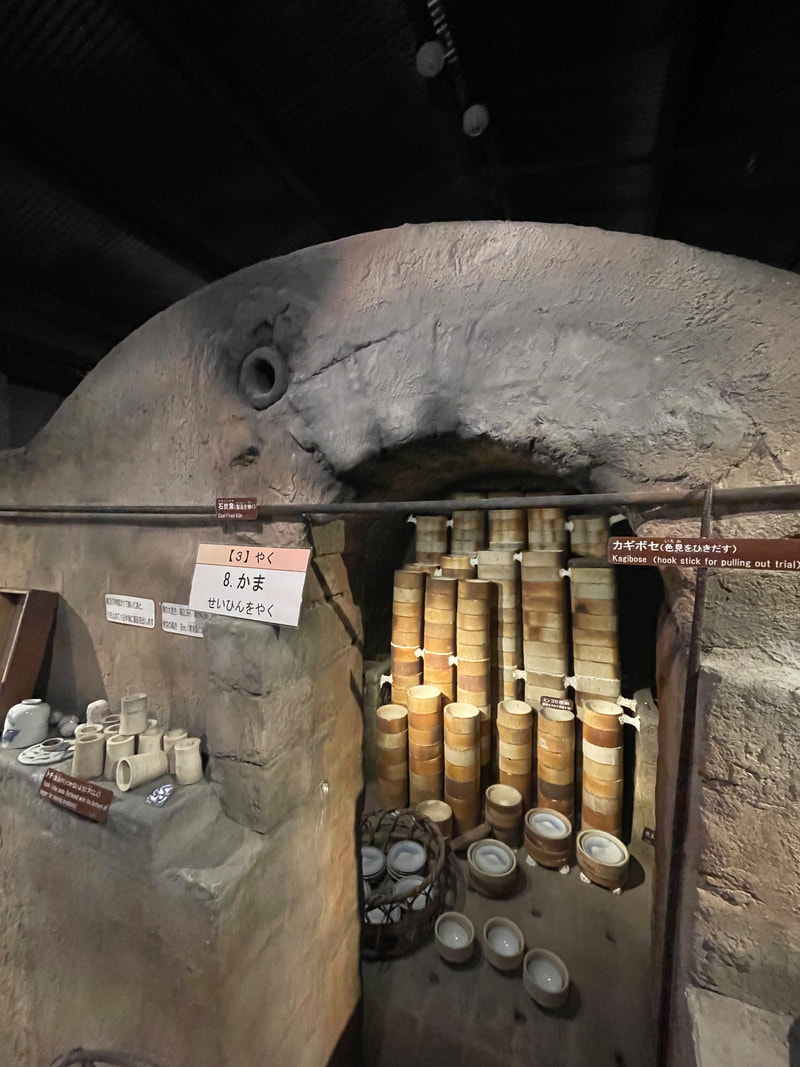
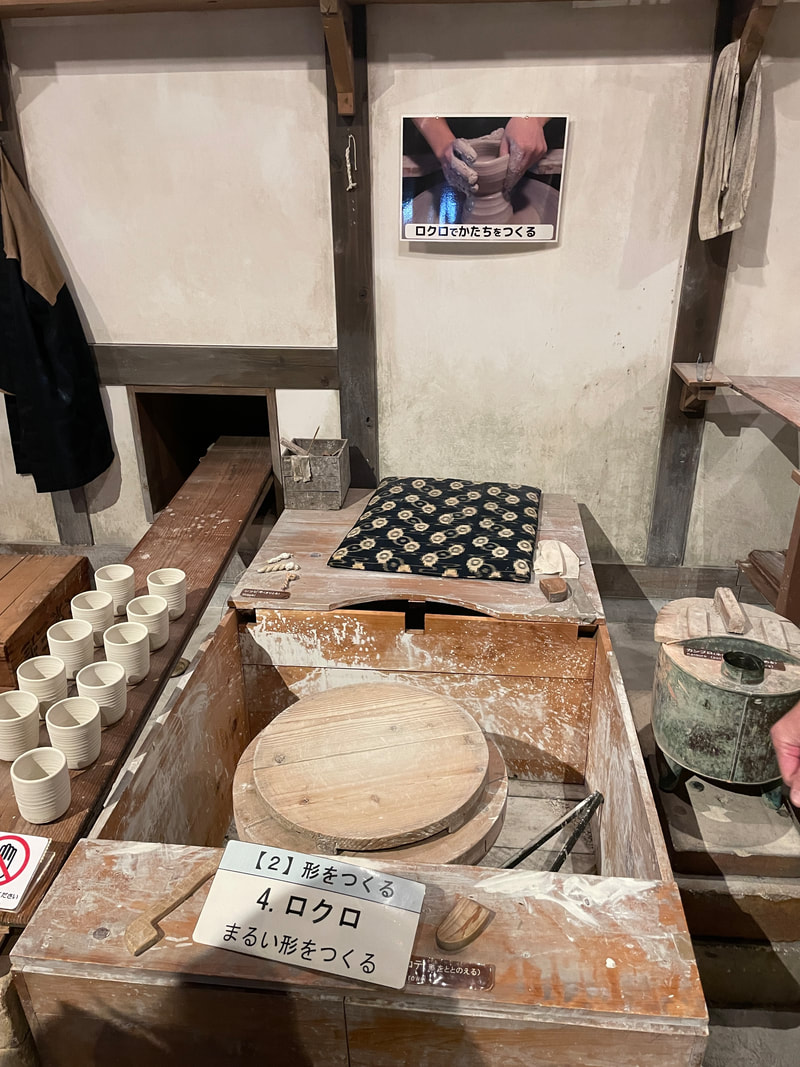
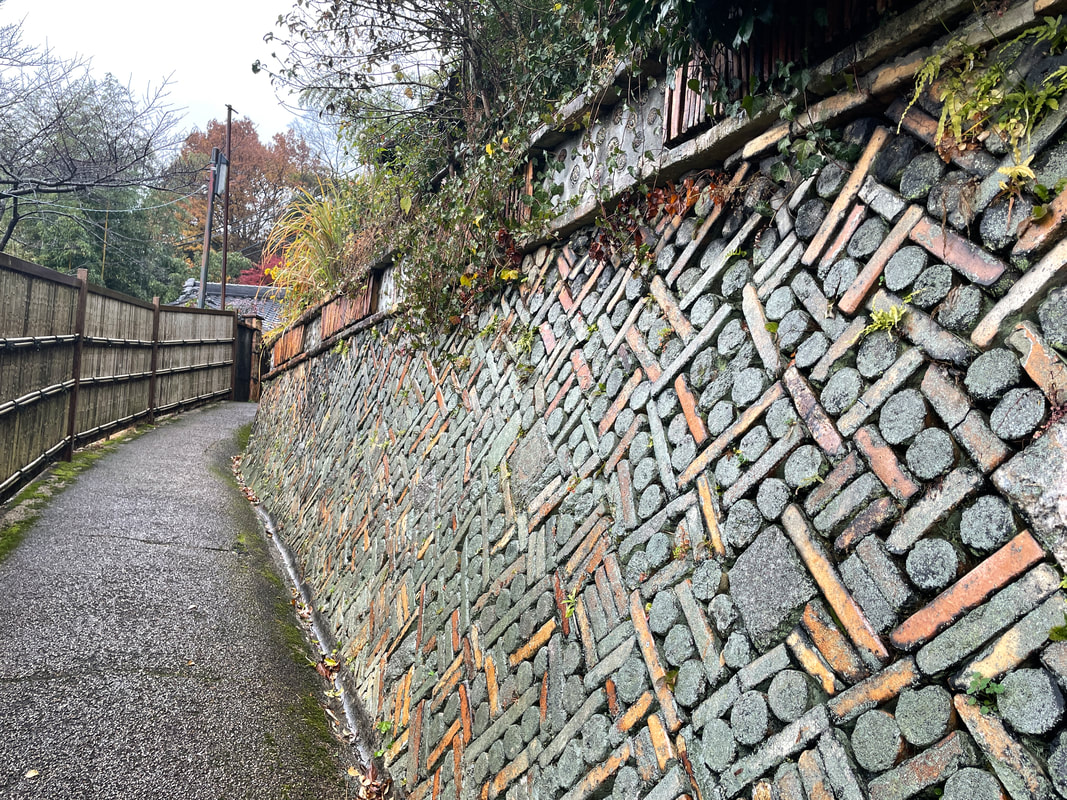
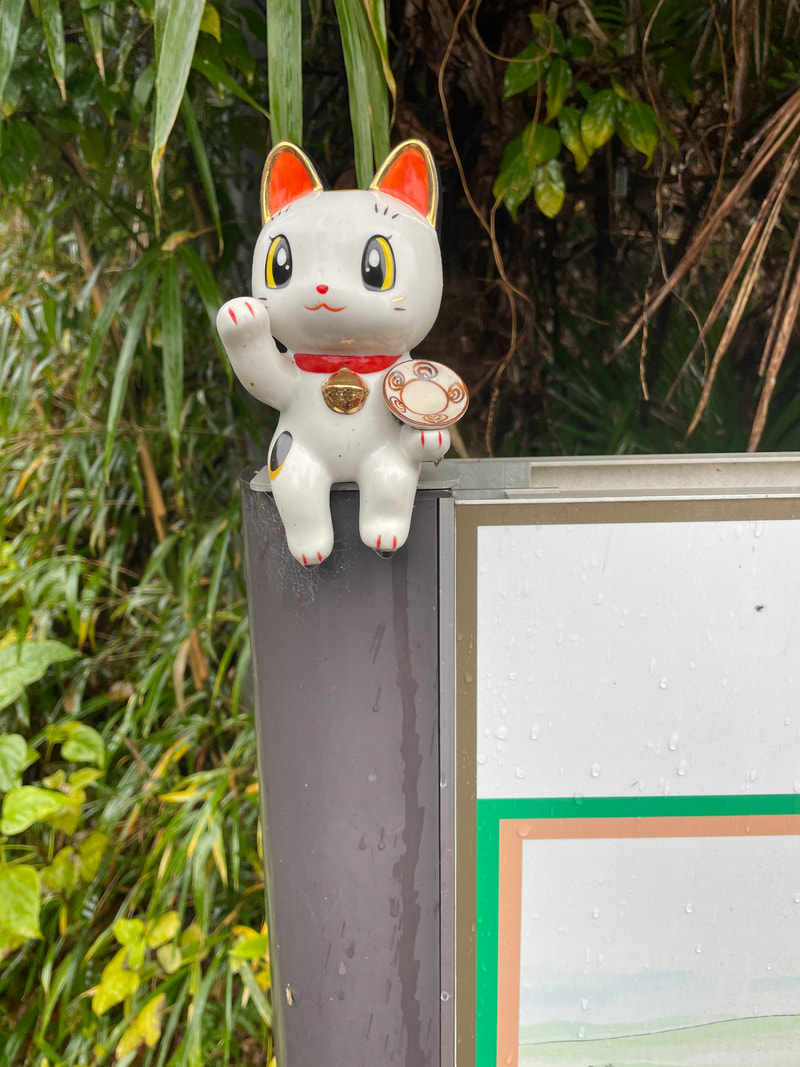
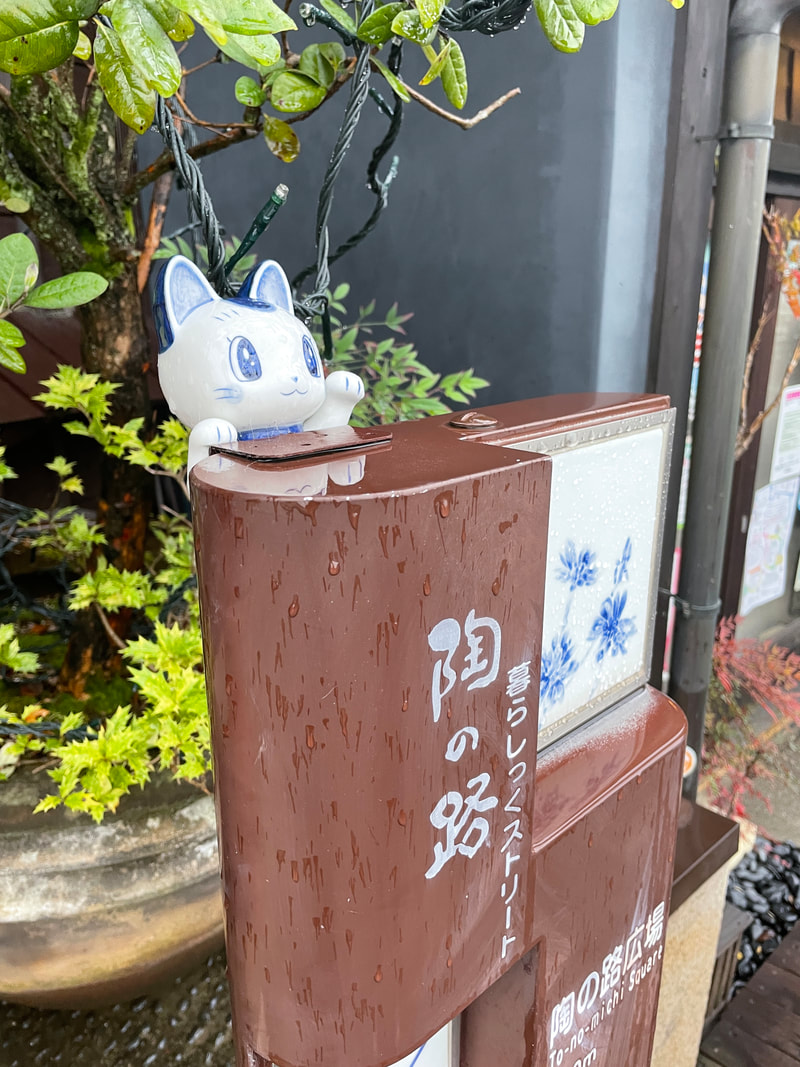
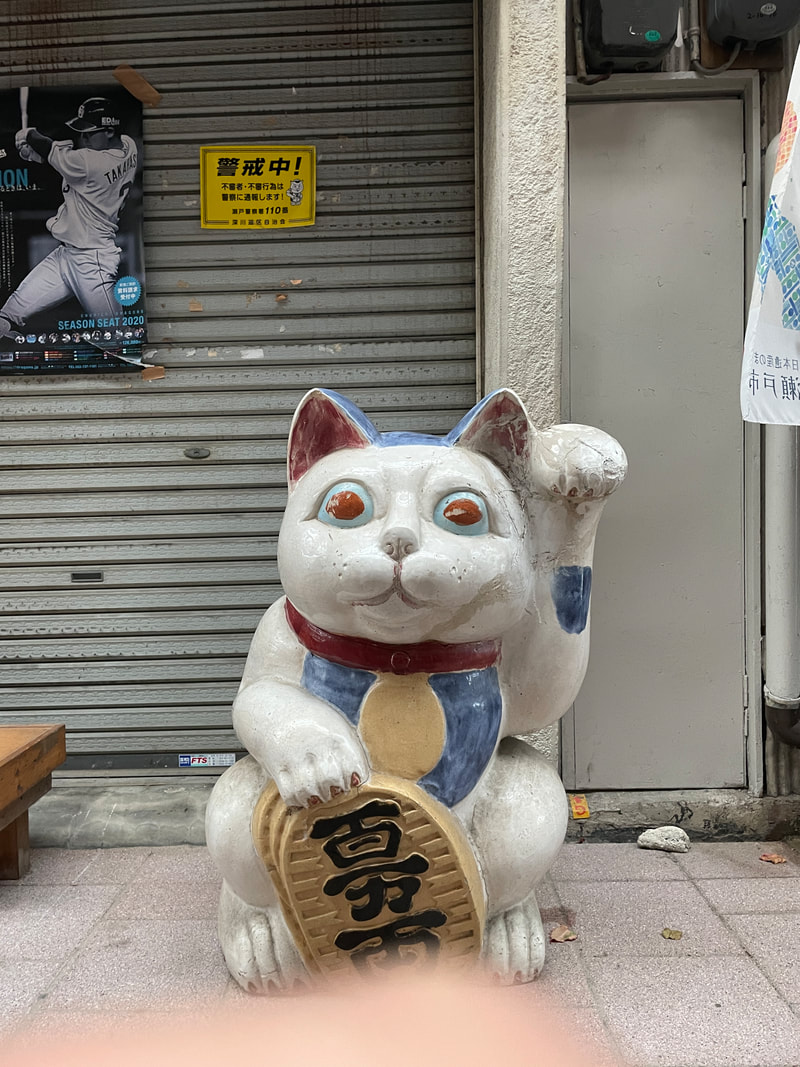
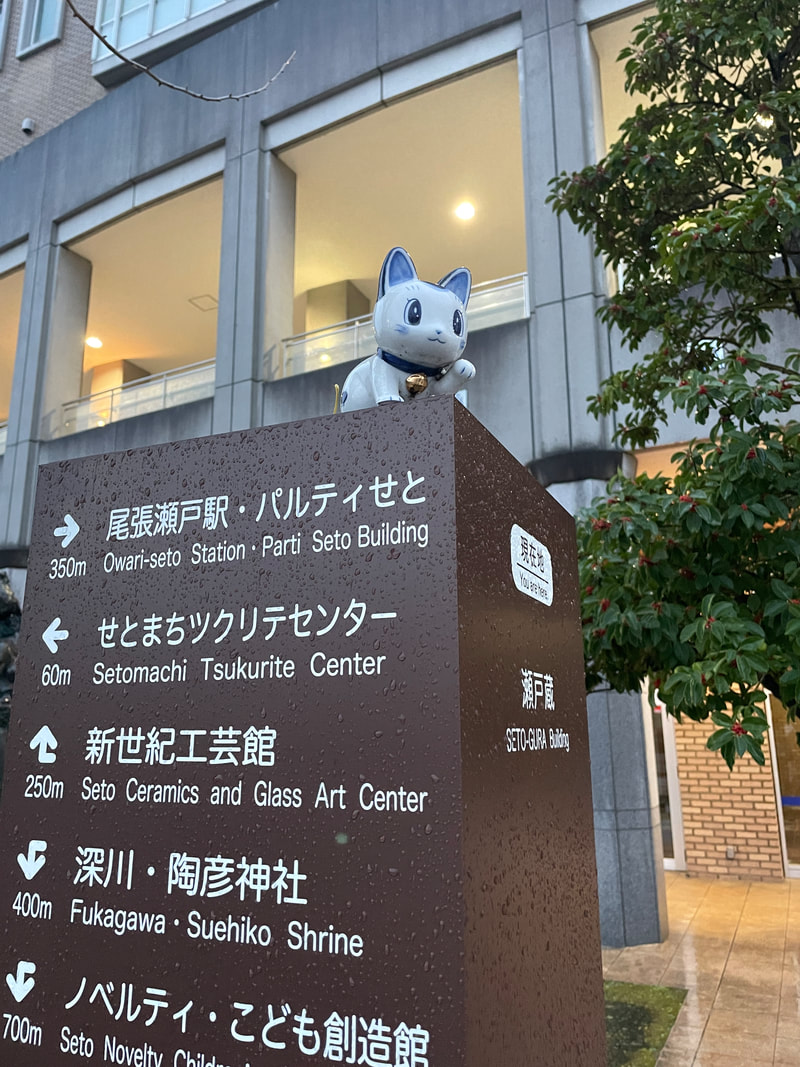
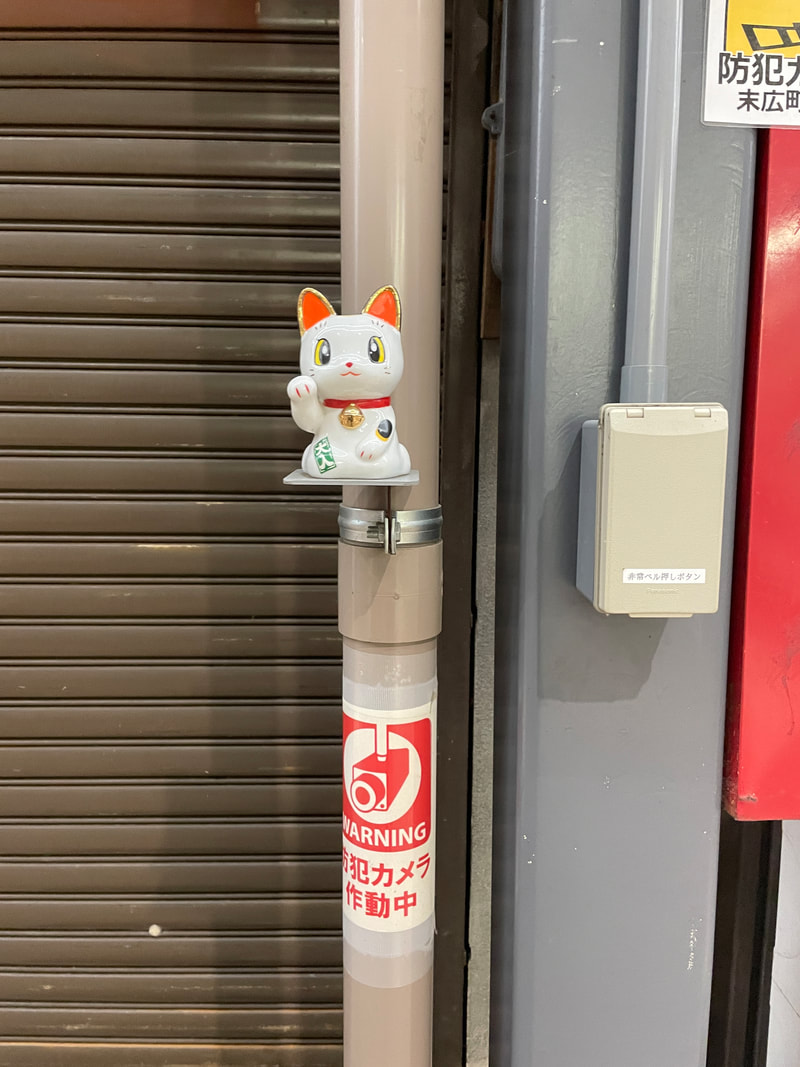
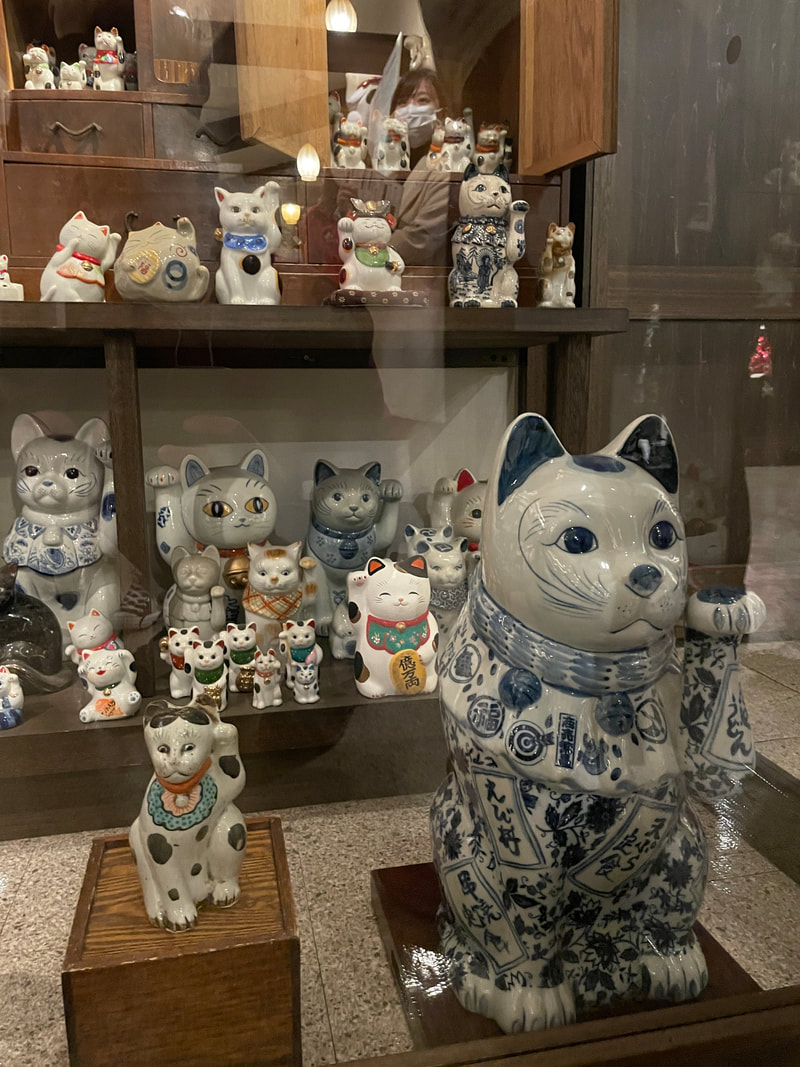
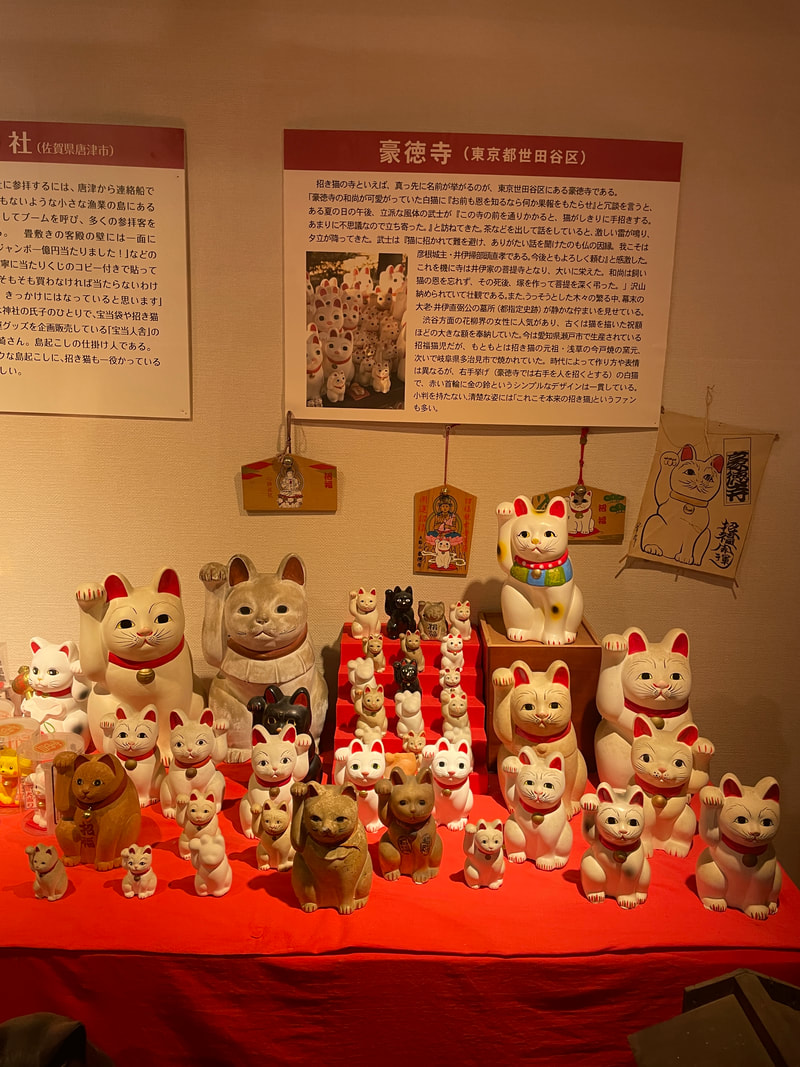
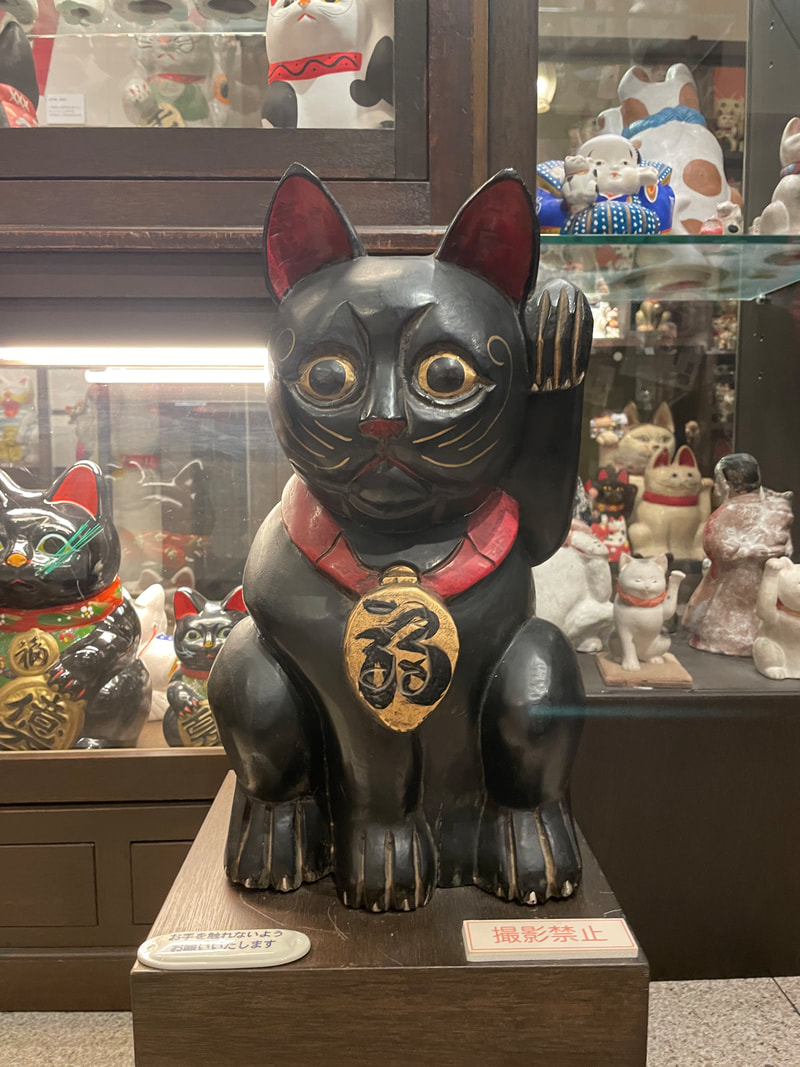
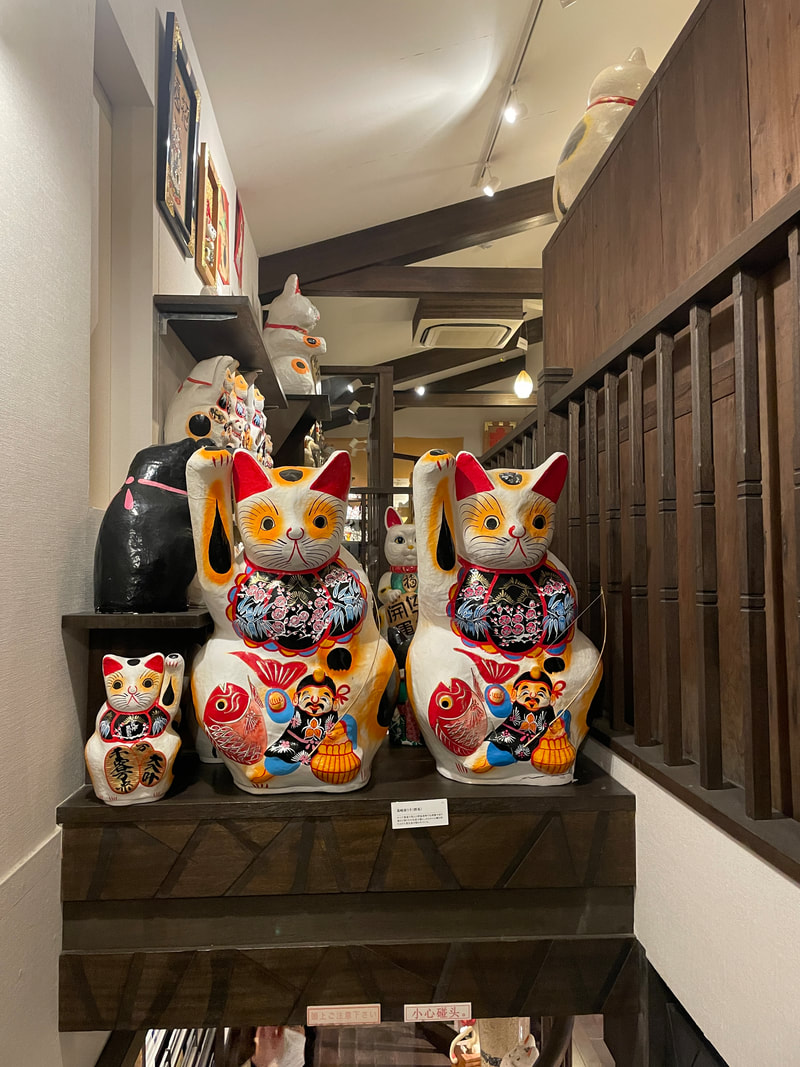
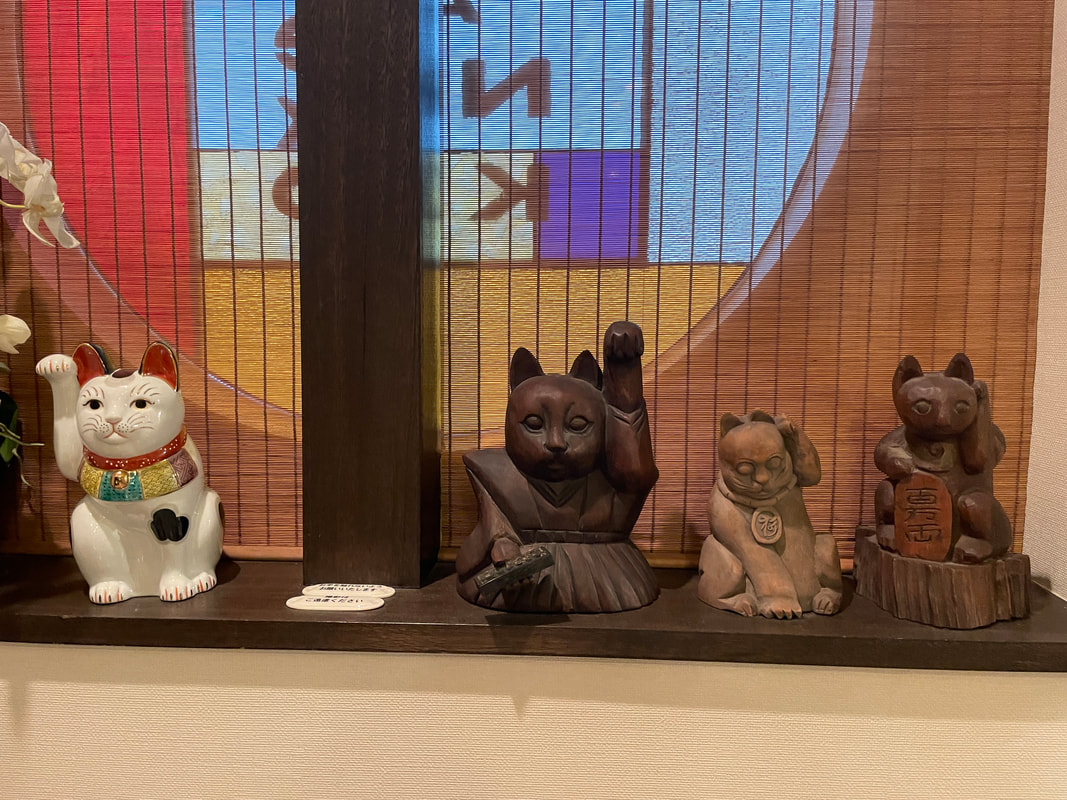
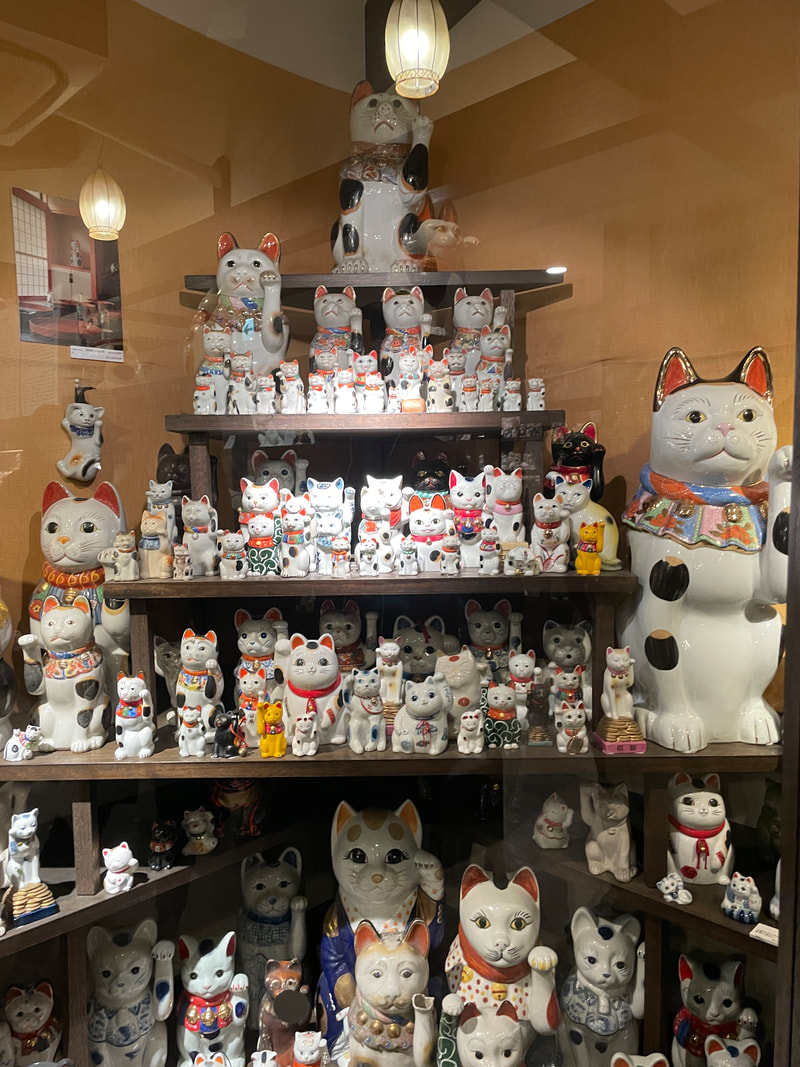
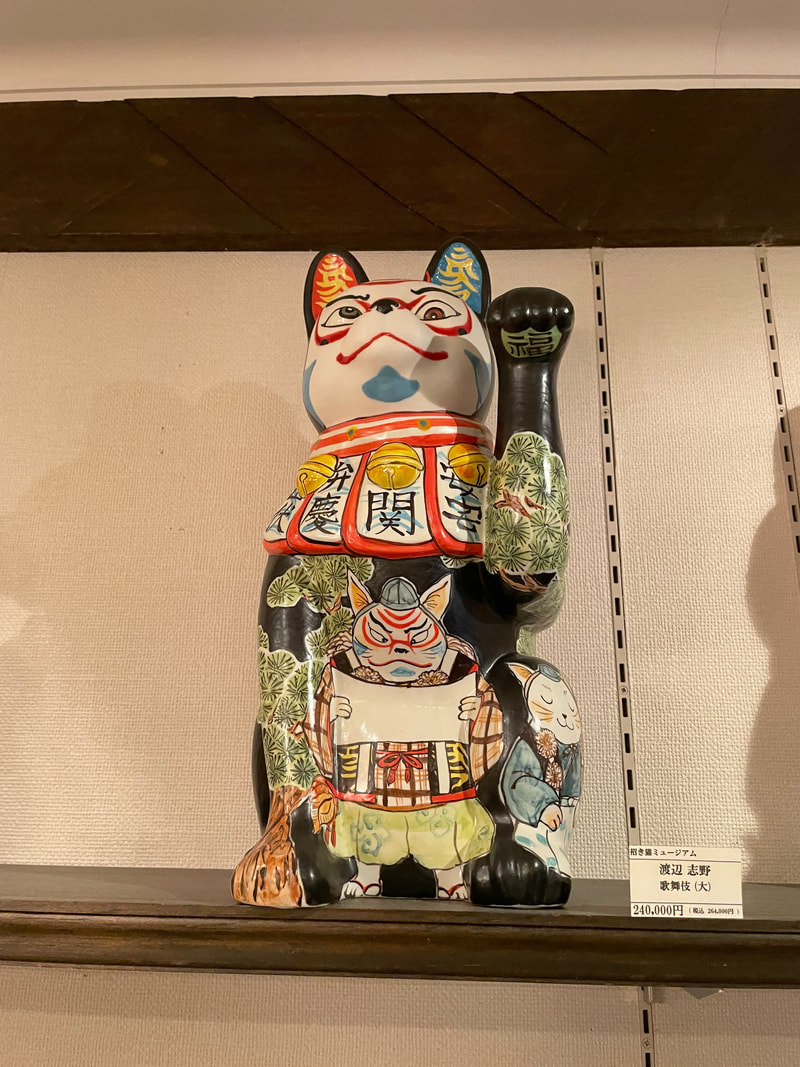
Seto also has a delightful connection with maneki-neko, the beckoning lucky cat. It was an early center of large-scale production. The older figures were not necessarily the round-bodied cats familiar today. Many were slender and closer to the shape of a real cat.
Other places later began making lucky cats in large quantities. Seto did not impose one fixed design and continued producing many different forms. To promote tourism, the city placed 29 small ceramic lucky-cat sculptures around town.
A Museum Full of Lucky Cats
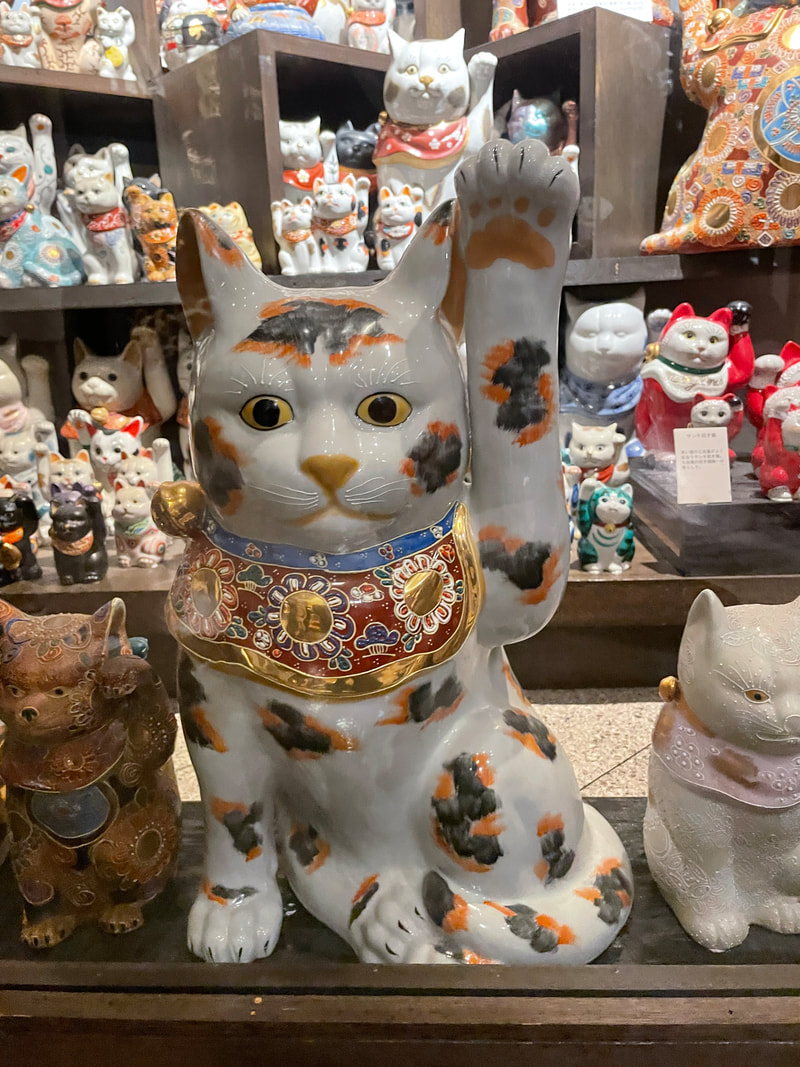
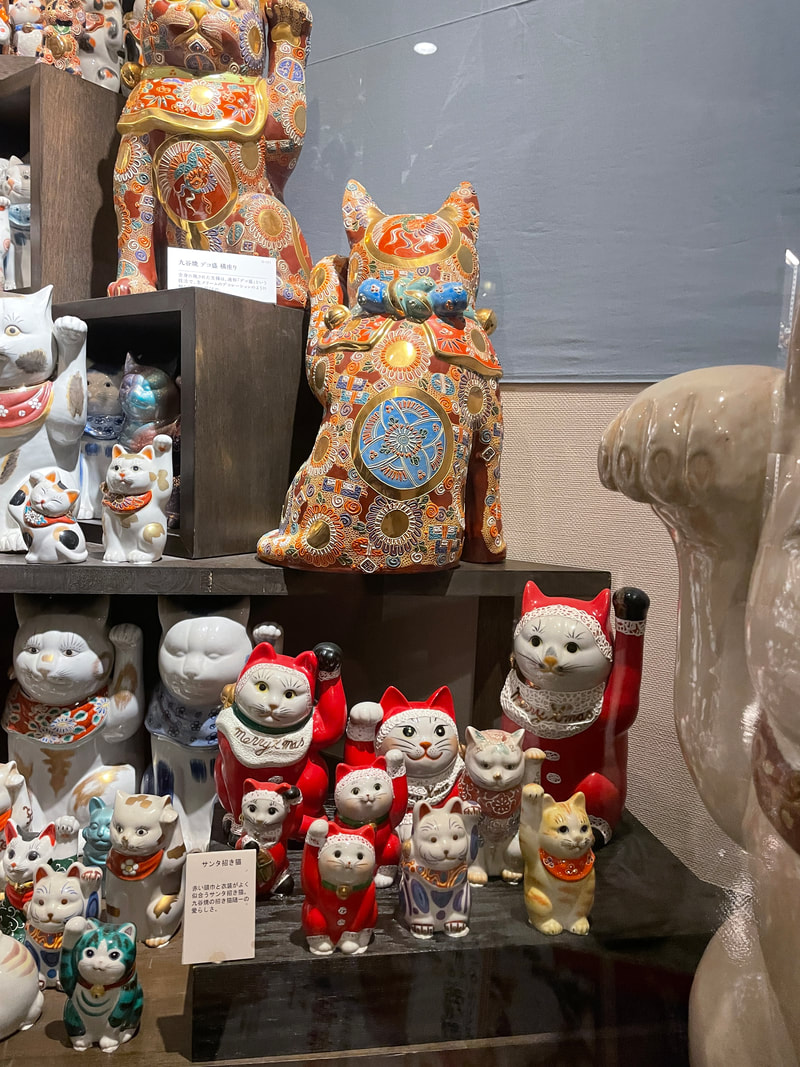
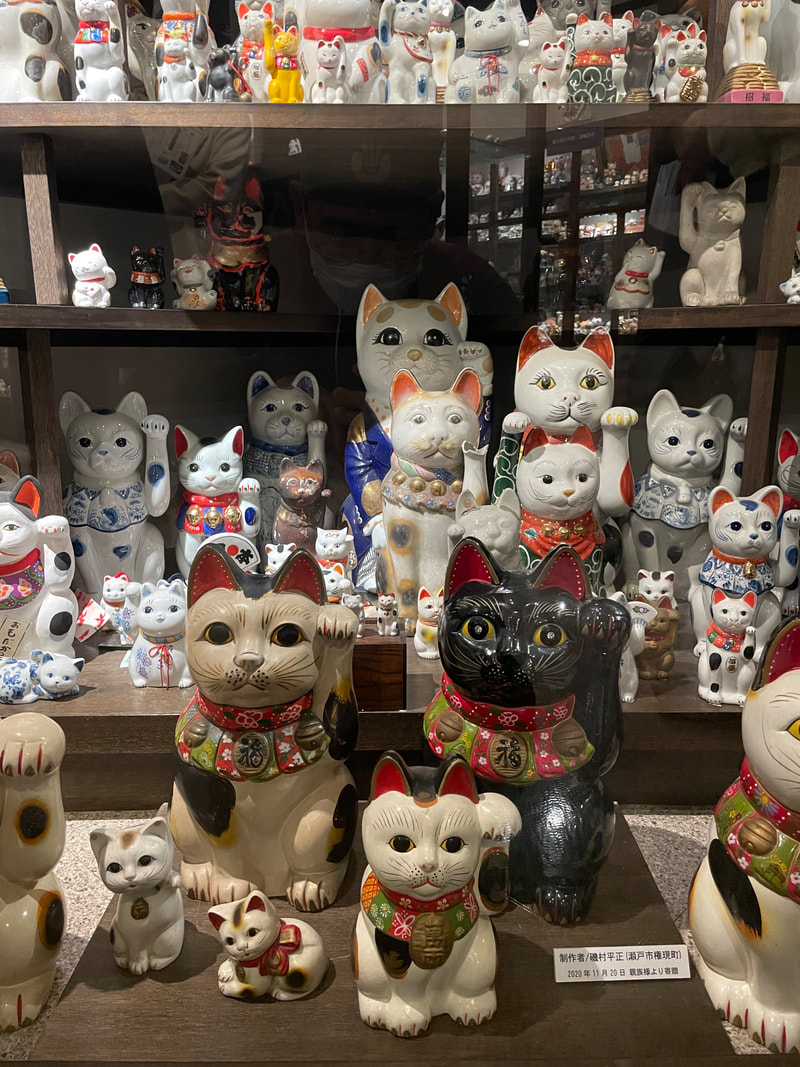
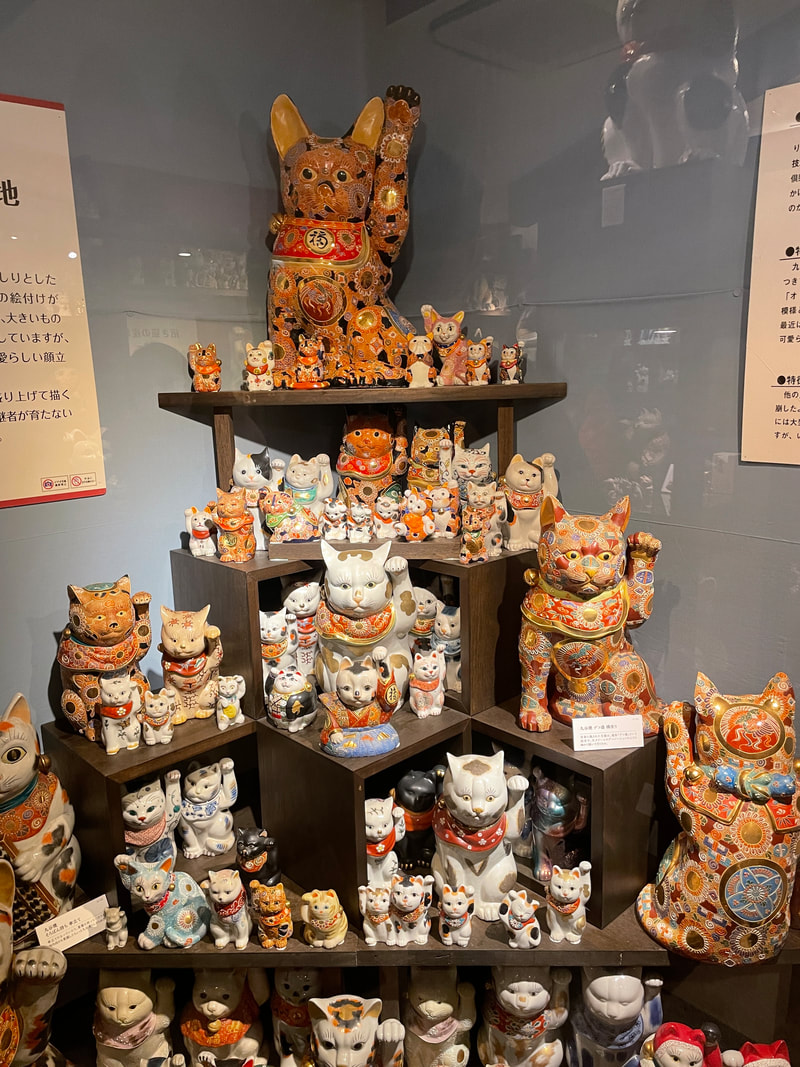
In this cat-filled city is a maneki-neko museum. Anyone who loves cats or Japanese culture could easily lose themselves here. The variety of colors, materials and shapes went far beyond anything I had imagined.
Besides looking at the collection, visitors could buy lucky cats and even create one of their own. You could paint an undecorated white figure, have it fired and sent home. On my visit, the experience cost just JPY 800, which felt like excellent value.
It may be a small museum, but leave plenty of time. Those countless lucky cats have a way of persuading you to stay.
Bikepacking diary: YouTube · Facebook · Instagram
The author’s bikepacking bags: WOHO