Nikko to Nasu: A Cycling Journey Through Scenery, Food & Seven Treasures | Part 1
Translated from Bikepacking diary’s original Nikko–Nasu journey, Part 1, published on November 14, 2021, and republished by arrangement with the author. Photographs are linked directly from the original website.
Editor’s note: This historical travel account preserves the author’s experiences from 2021. Tour services, rental bicycles, shop availability, transport times and road conditions may have changed. Confirm current arrangements with operators before departure. The forestry observations below describe the period of the original trip, not current industry conditions. An old discount offer in the source has been omitted because its current validity has not been confirmed.
Returning to Tochigi
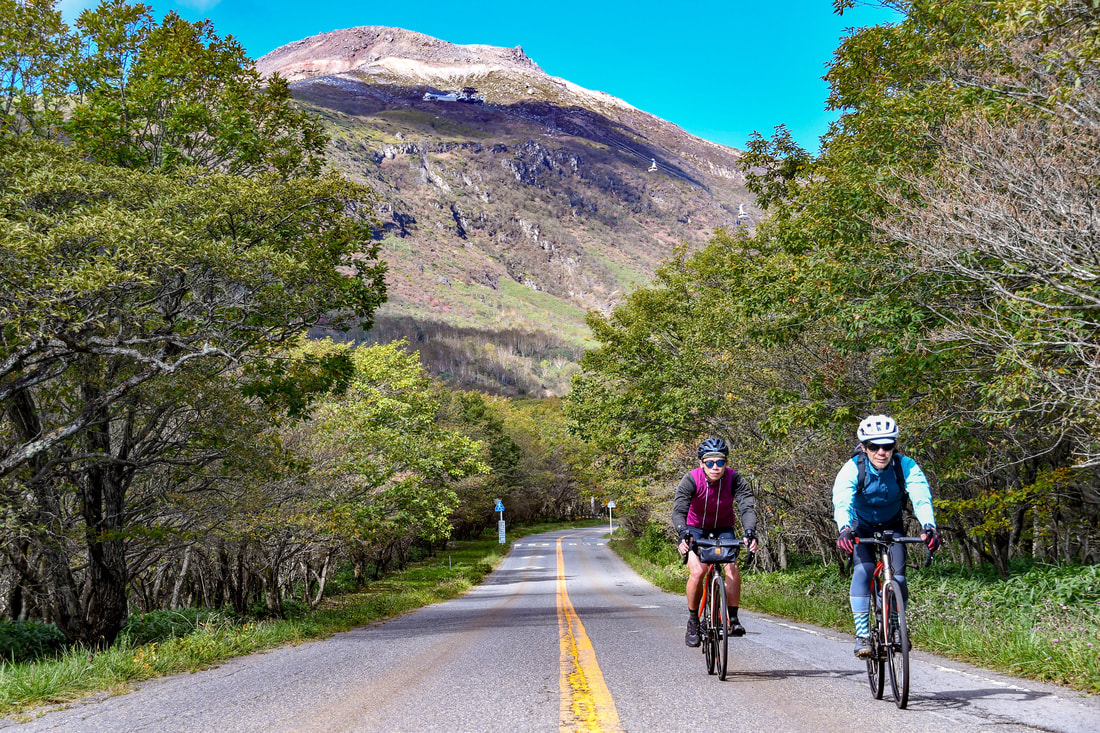
I had visited Tochigi Prefecture before, while riding the length of Japan. Back then, I crossed the mountains from Gunma into Nikko, intending to begin exploring this unfamiliar prefecture at its most famous destination. Instead, it became one of the darkest days of that journey.
After seeing a wild black bear beside the road, I was reluctant to camp somewhere deserted. Unable to find a hotel vacancy, I decided to enter a forest road and try to reach the next village before dark, hoping to find accommodation there.
That was when I suffered more punctures in a single day than ever before. Three in succession put me badly behind schedule. The third even tore a hole in the tire itself. Some experience with bicycle repairs eventually got me through, and before dark I found a kind hotel willing to put me up at a reduced rate. But I no longer had the energy to explore beautiful Tochigi at leisure.
Returning four years later, this time with a local cycling guide to show me the landscape, felt like a chance to make up for what I had missed.
Tochigi lies in northern Kanto and is the region’s largest prefecture. Its capital, Utsunomiya, is around 100 kilometers from Tokyo. The Tohoku Shinkansen journey from Tokyo Station to Utsunomiya took about 50 minutes in the original account, surprisingly close and within reach of a day trip from the city.
Riding with Ride Experience
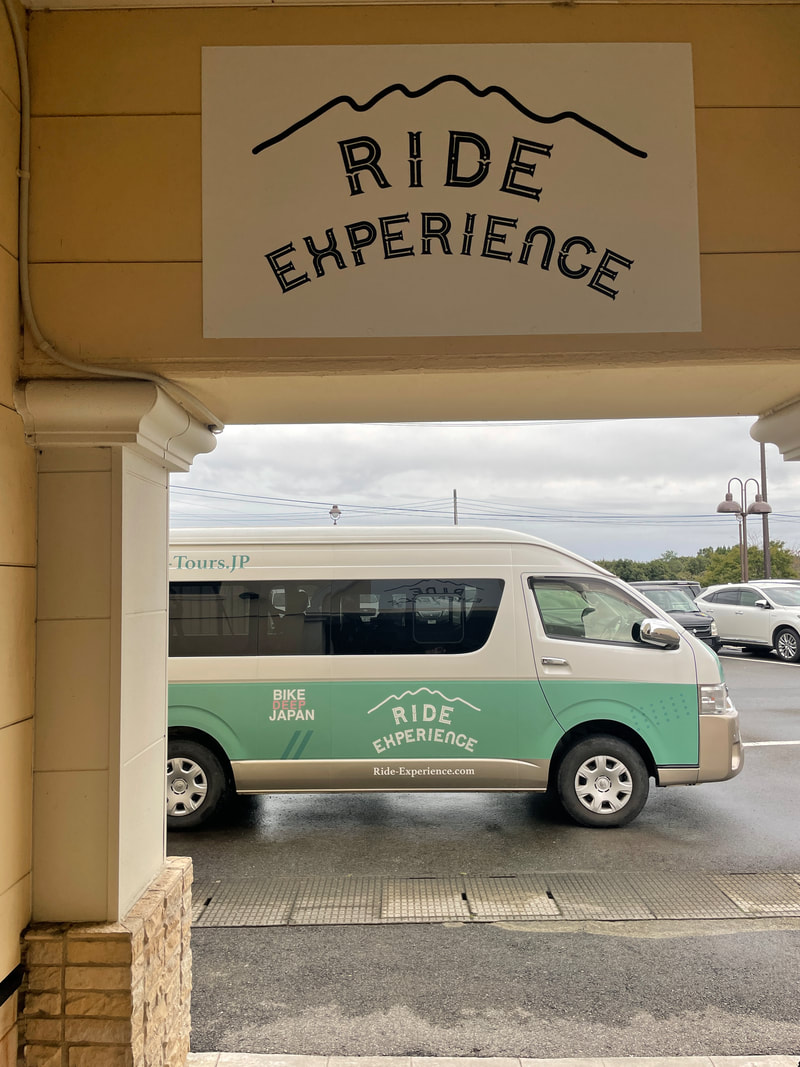
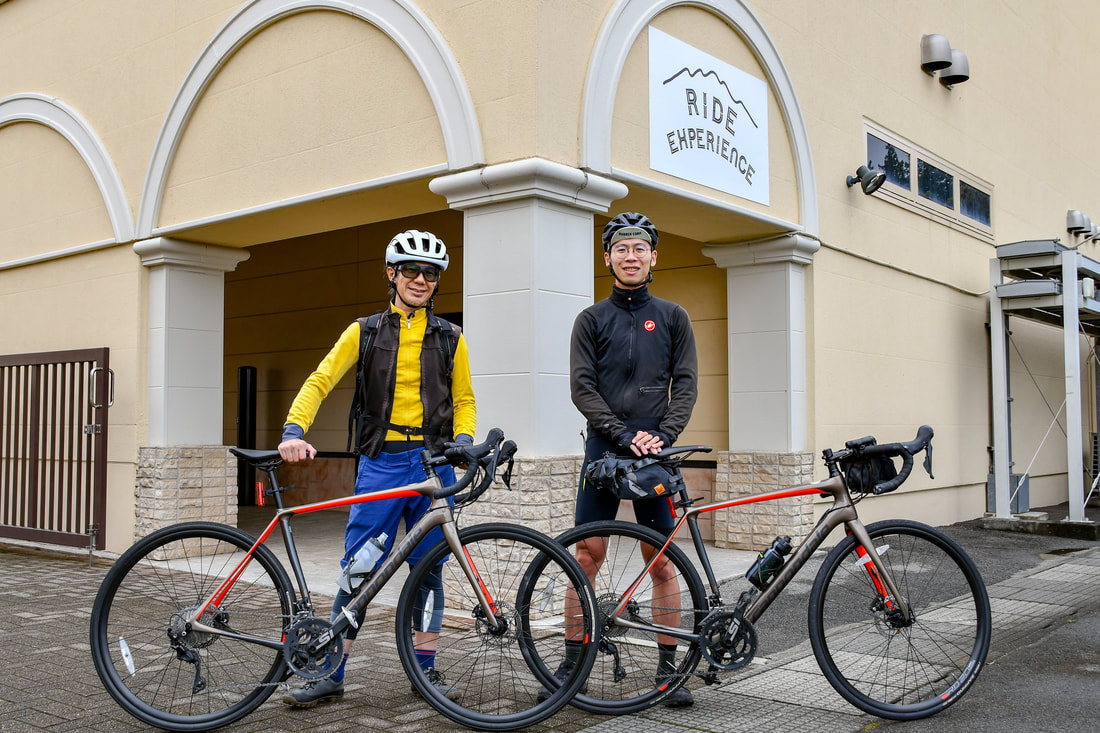
My partner for this trip was Ride Experience, a local guiding company based in Nasu. I had seen their photographs on Facebook and Instagram long before this visit. I liked both their photography and their choice of routes. Their images showed not only Tochigi’s beautiful scenery but also how well they knew the local roads. Hearing that I would ride with them made me look forward to the trip even more.
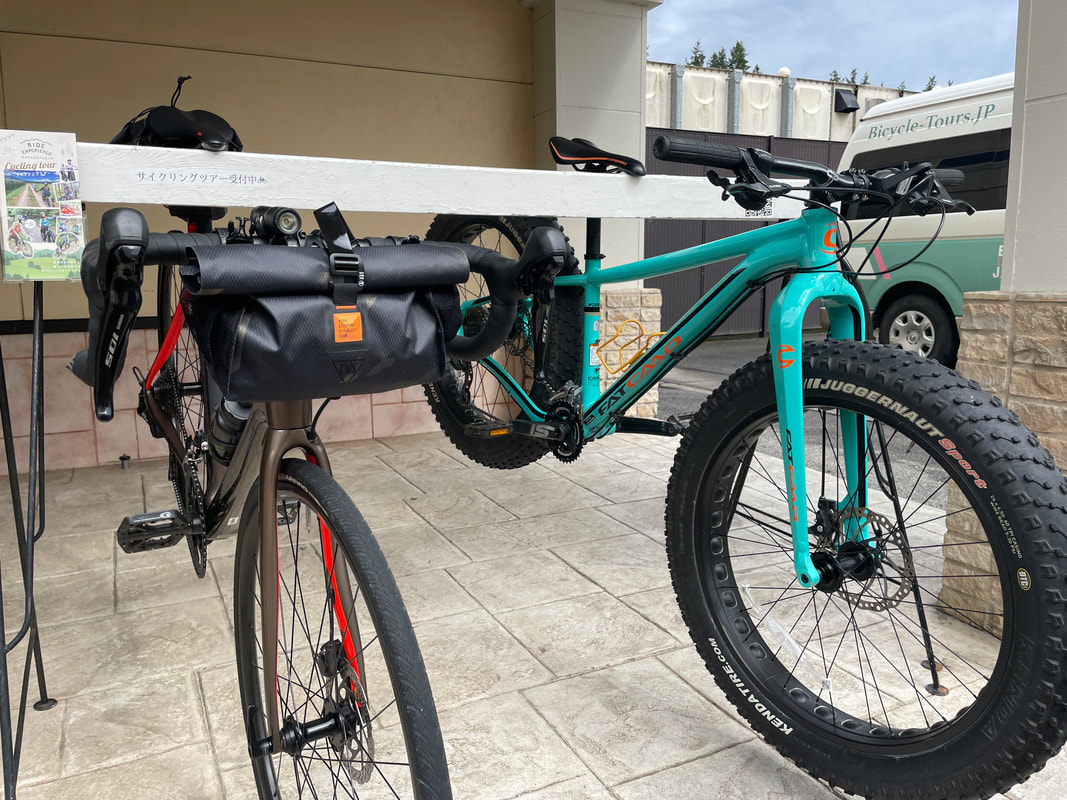
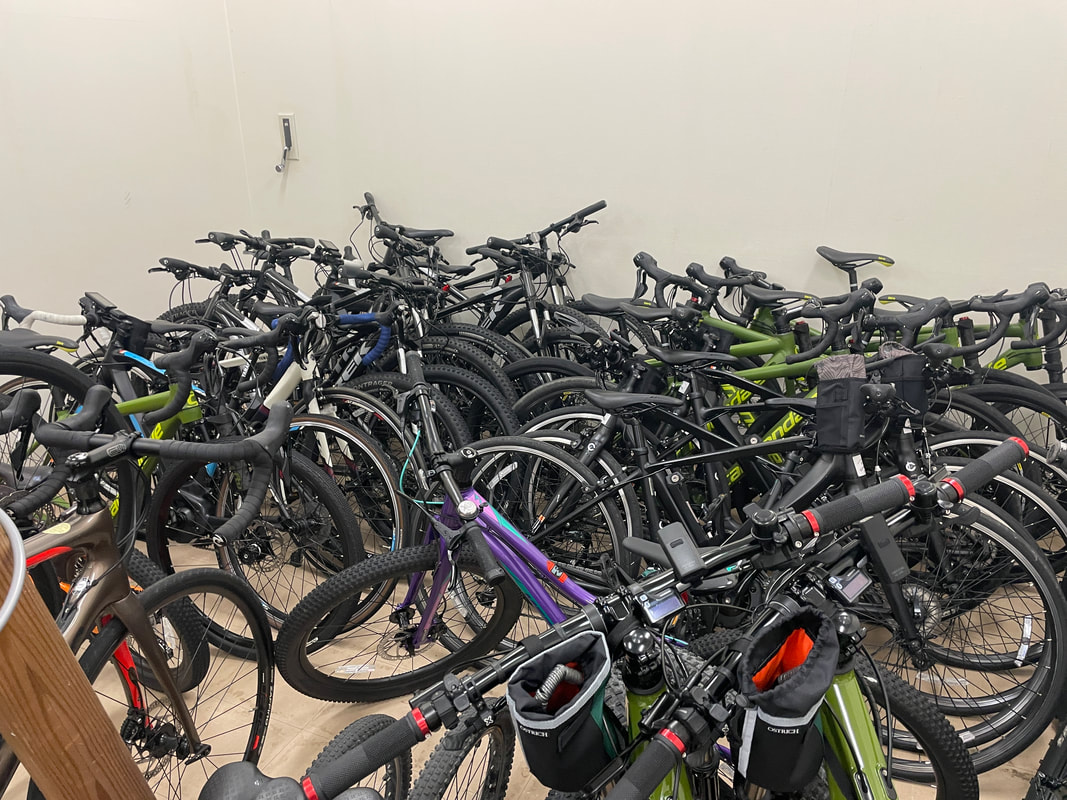
On the tours described here, Ride Experience could provide a bicycle and a guide. For those who preferred to ride independently, they could also prepare customized daily routes on a cycling computer. Following the mapped course made it straightforward to visit local sights.
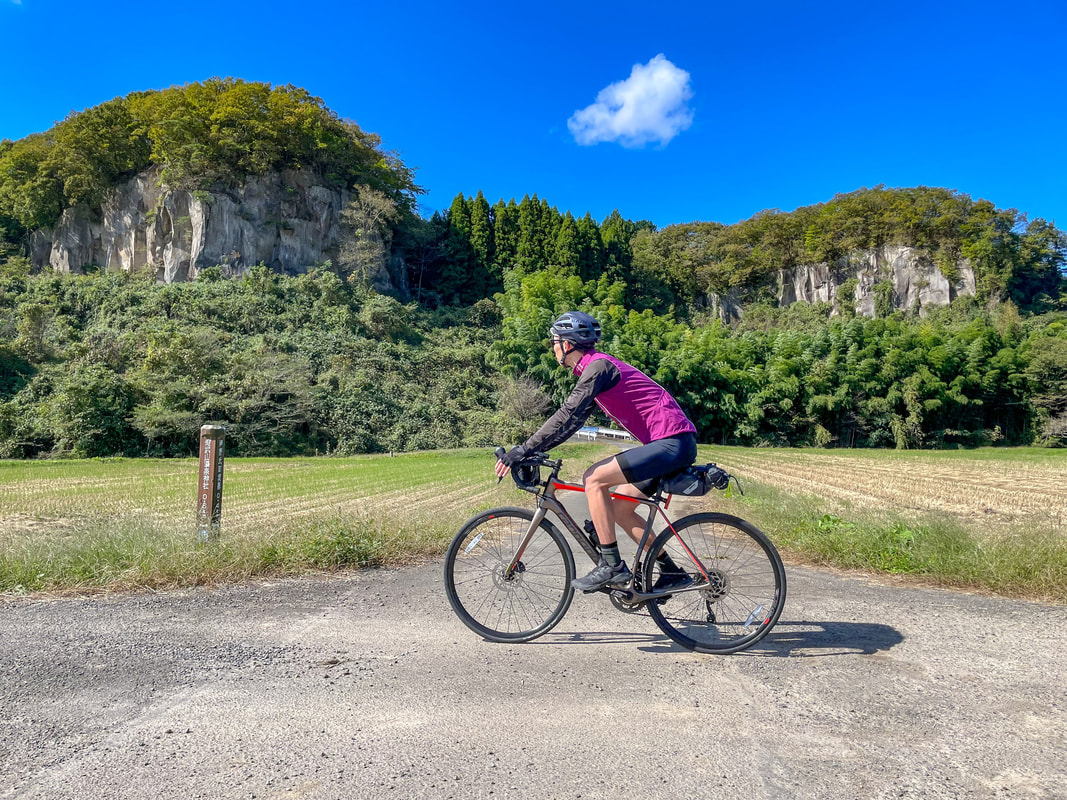
The bicycle they prepared for me was a Cannondale Synapse Carbon Disc 105, reassuring for anyone who cares about the performance of their rental bike.
Day 1: A Gentle Ride, with Plenty of Sweets
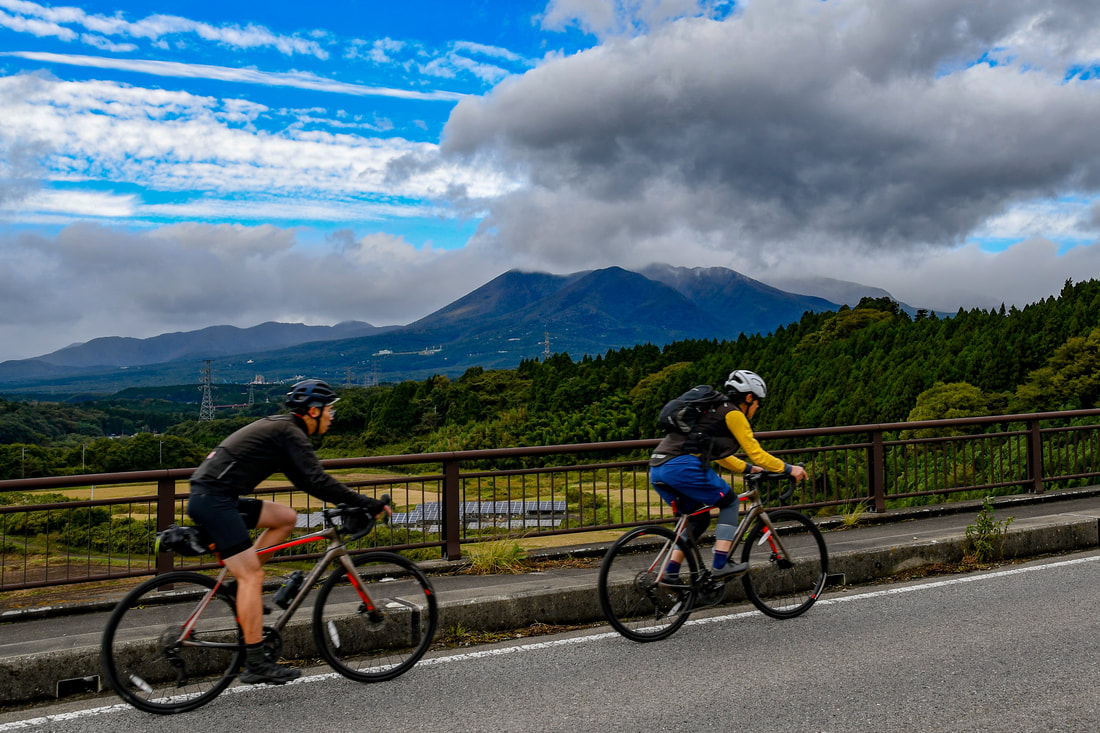
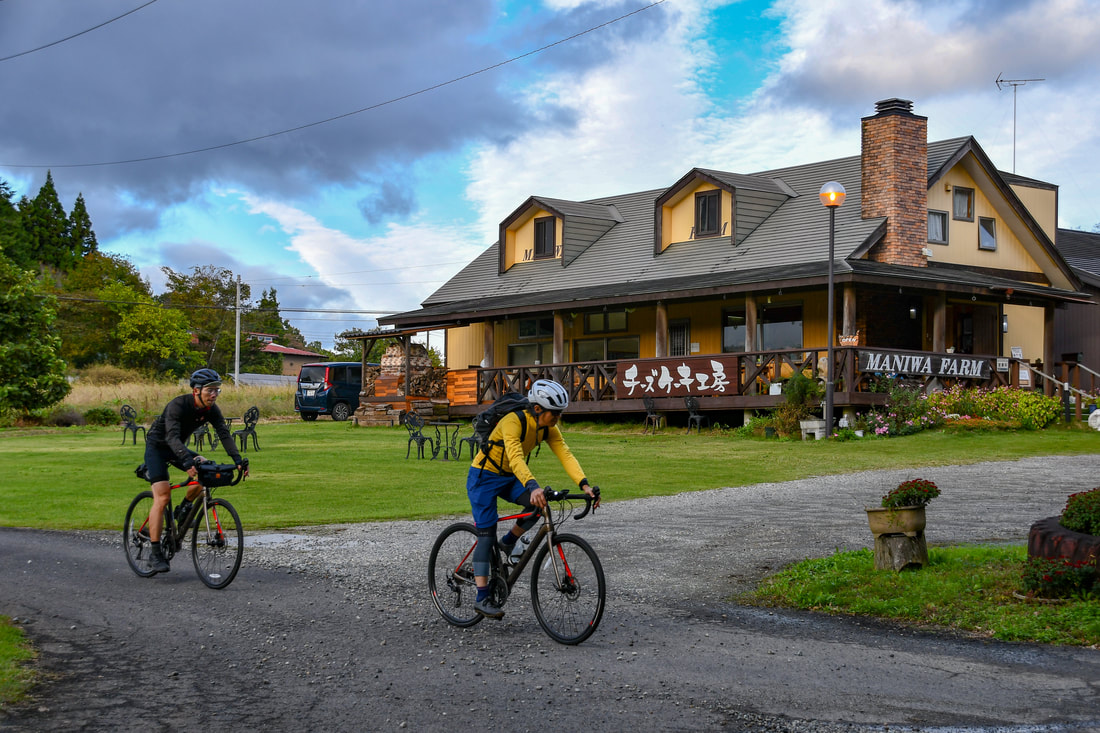
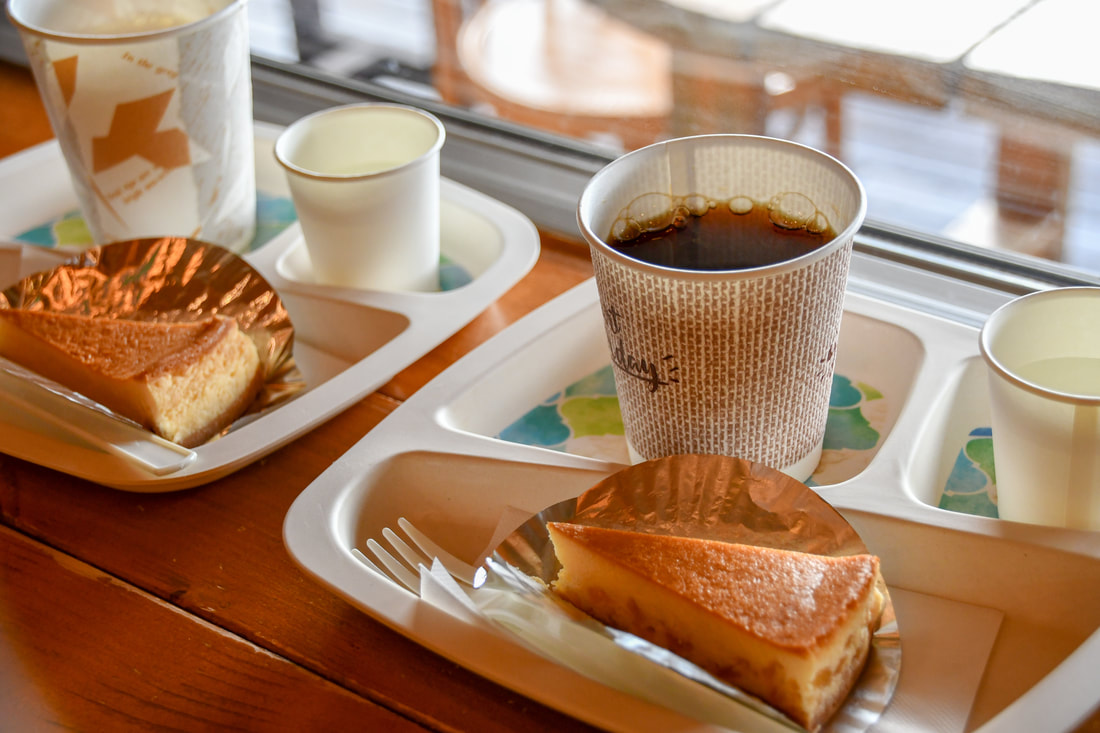
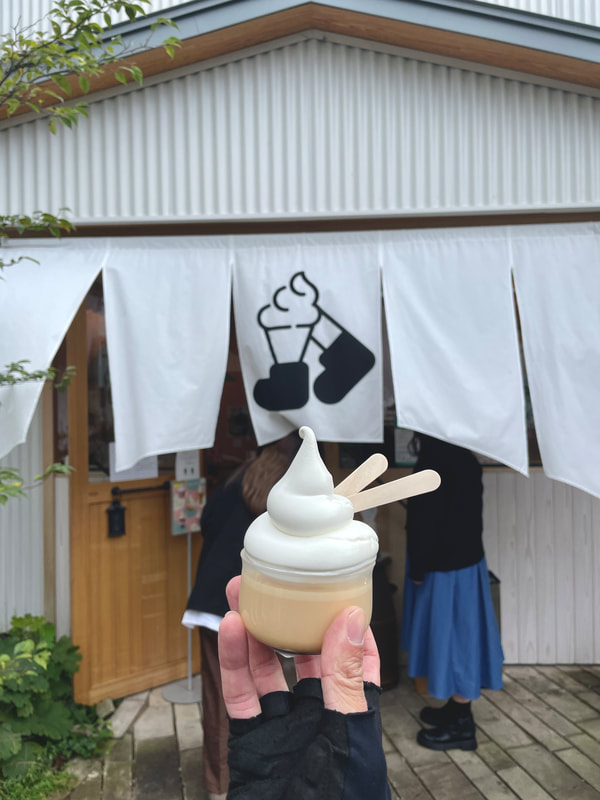
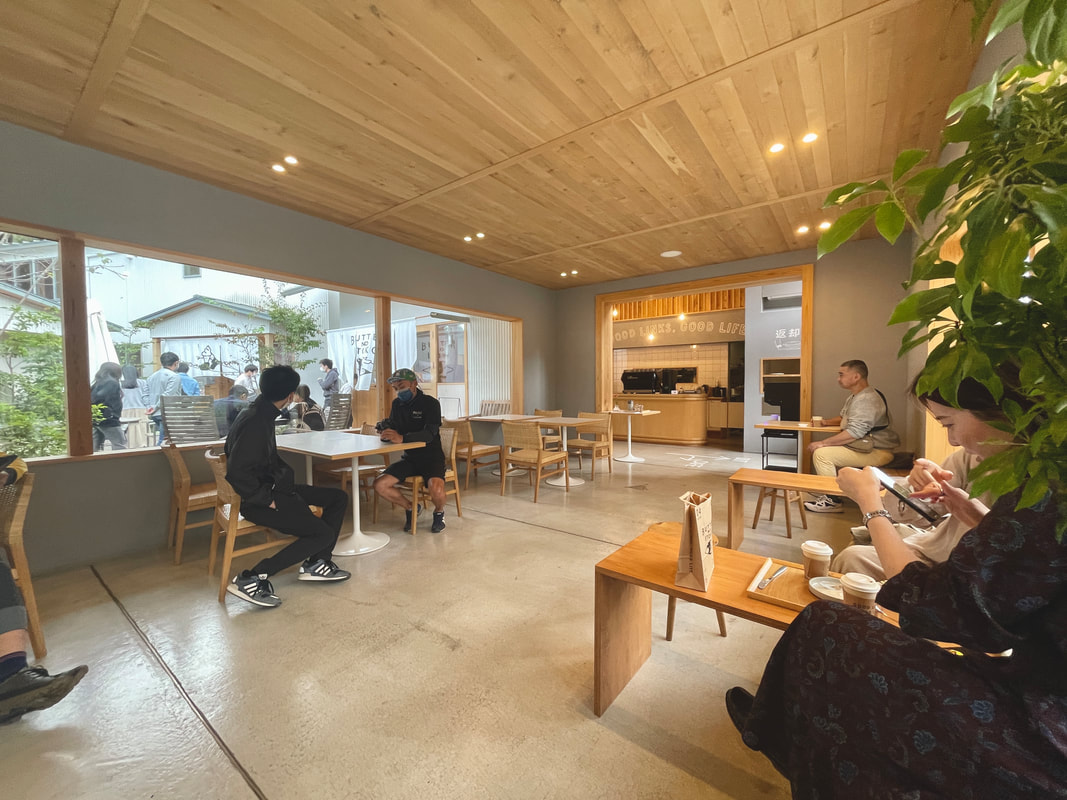
Our guide, Yamamoto-san, said the first day would be an easy warm-up: a snack tour. Over just 30 kilometers, we tasted treats at four local businesses. It was a delightfully indulgent way to ease into the journey.
The sweets they selected were beautifully made. I found myself thinking what a lovely route this would be for a couple, or for a ride with someone you hoped might become more than a cycling friend. Ask the team to put together a course, then spend the day exploring local flavors together. I turned to look at Yamamoto-san beside me and felt a faint, comical pang of loneliness.
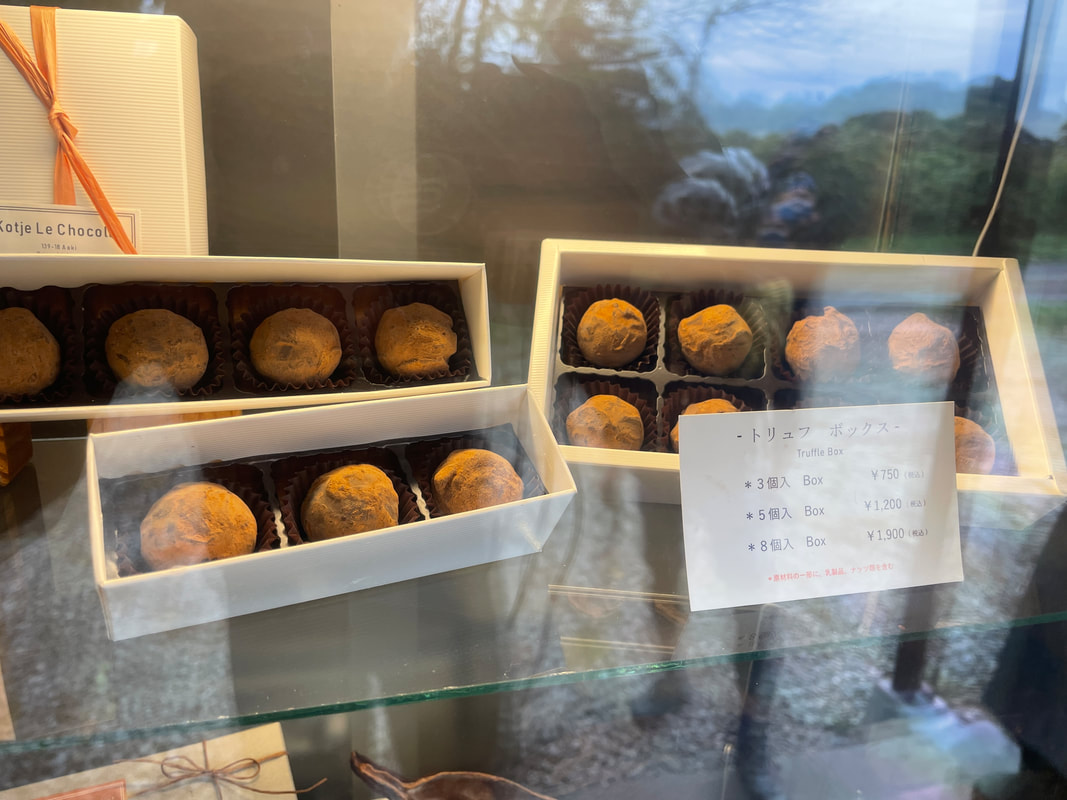
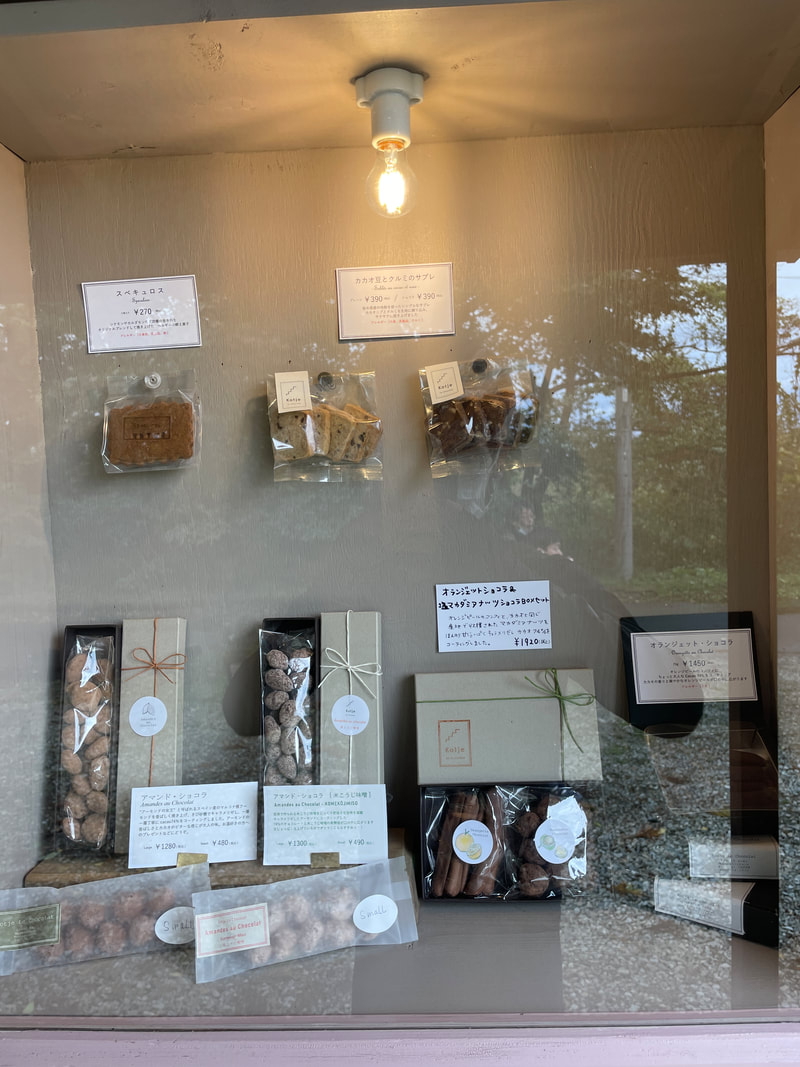
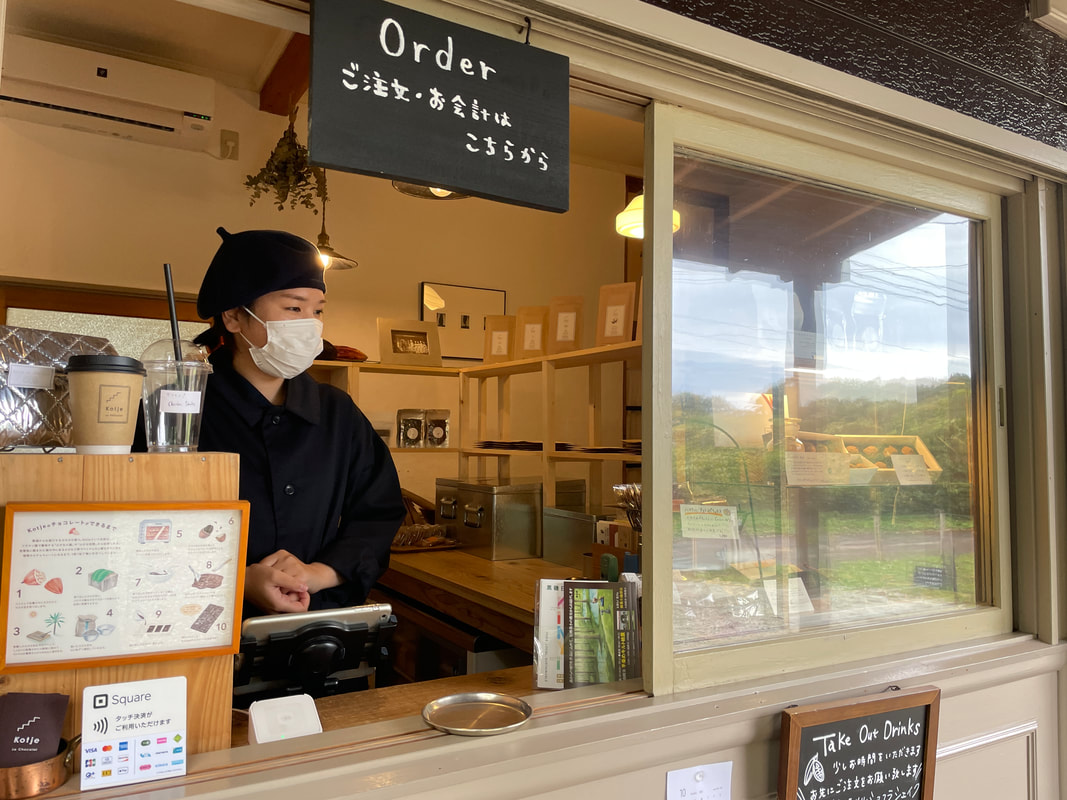
Kotje Handmade Chocolate
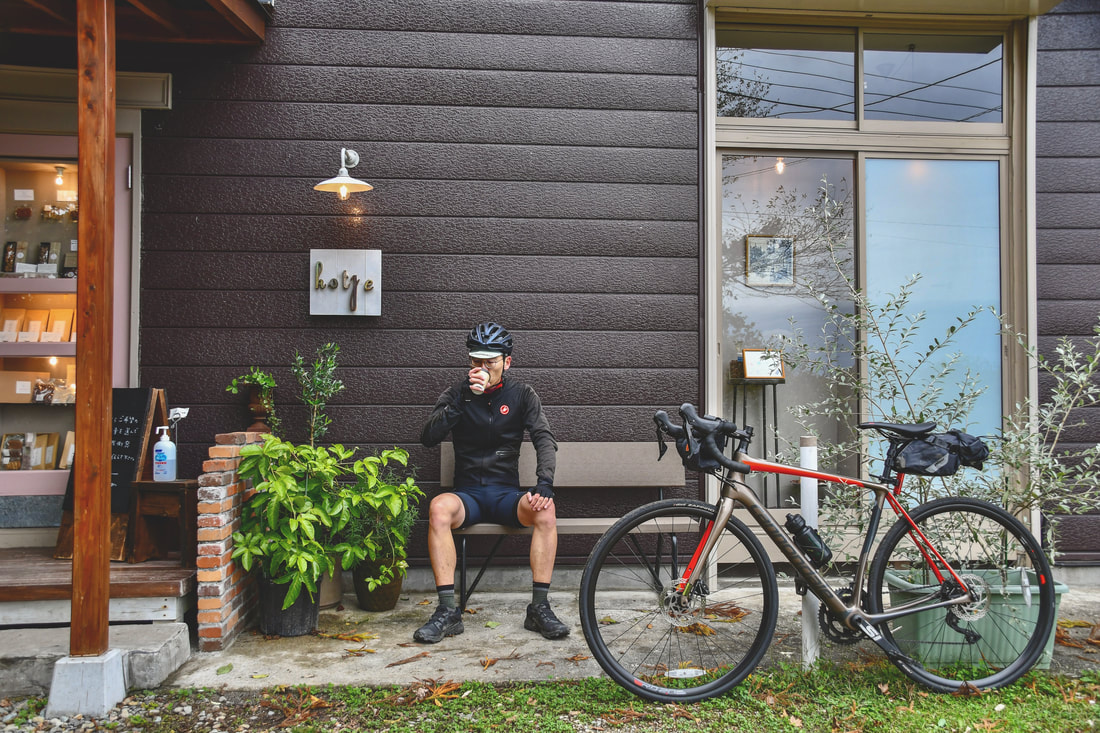
The temperature was probably below 10°C. In that cold weather, a cup of hot chocolate warmed me all the way through.
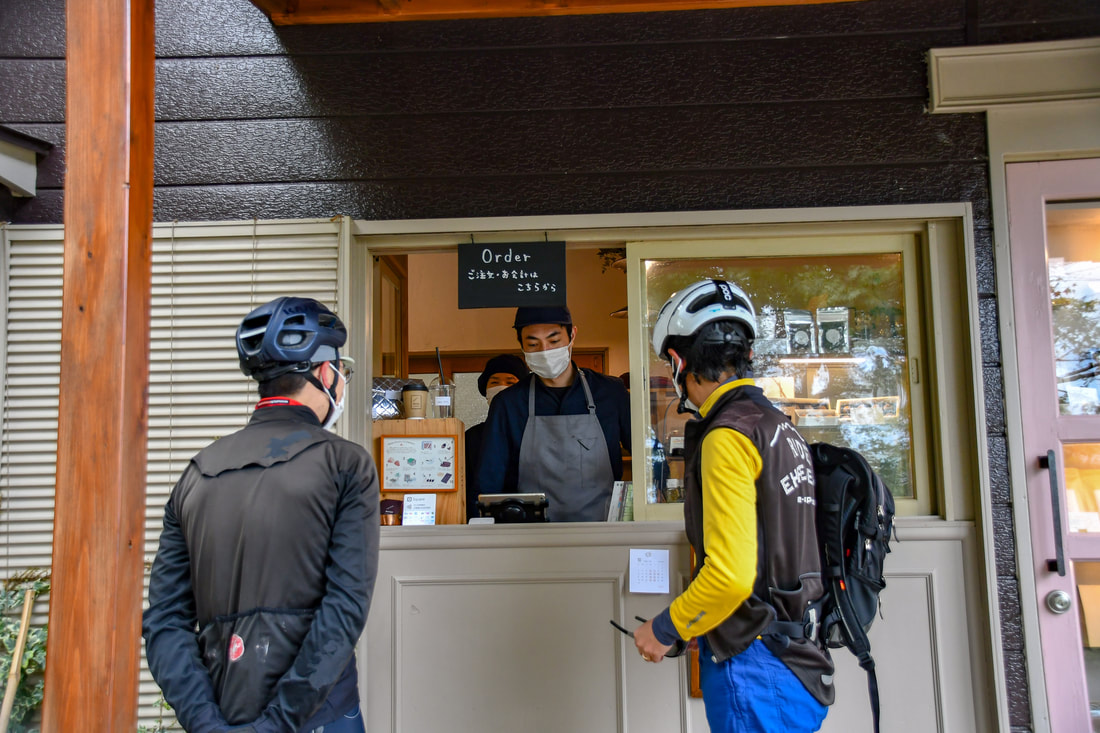
The owner imported cacao beans from Vietnam and made the chocolate by hand, roasting and processing the beans. The drink had a wonderfully smooth texture and a rich chocolate aroma. I suspected the milk was local to Nasu as well.
By the time I finished the cup, I had decided to buy two boxes of chocolate to take home.
Sabo Kaen
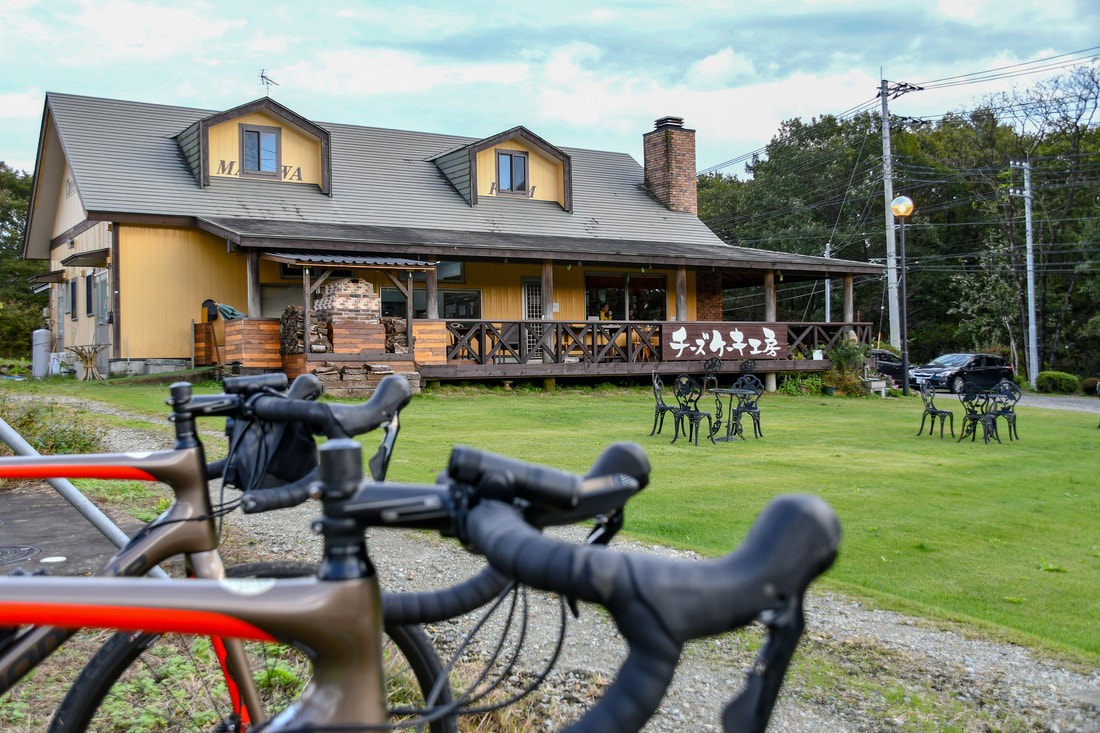
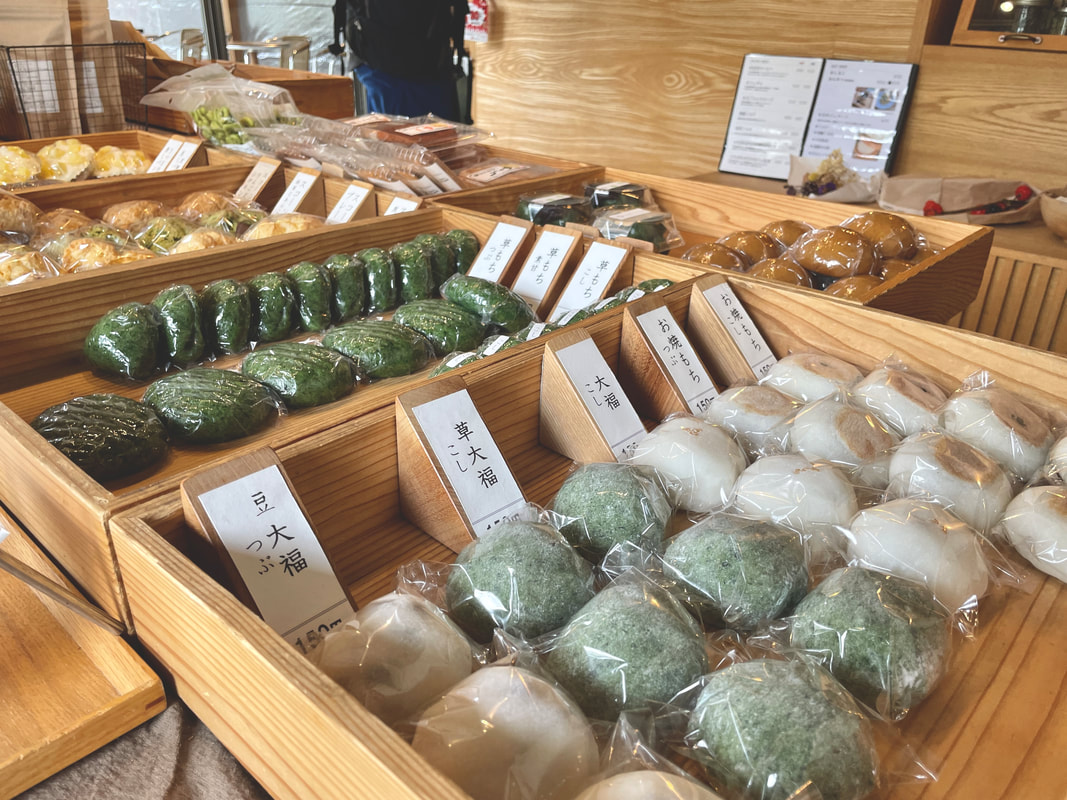
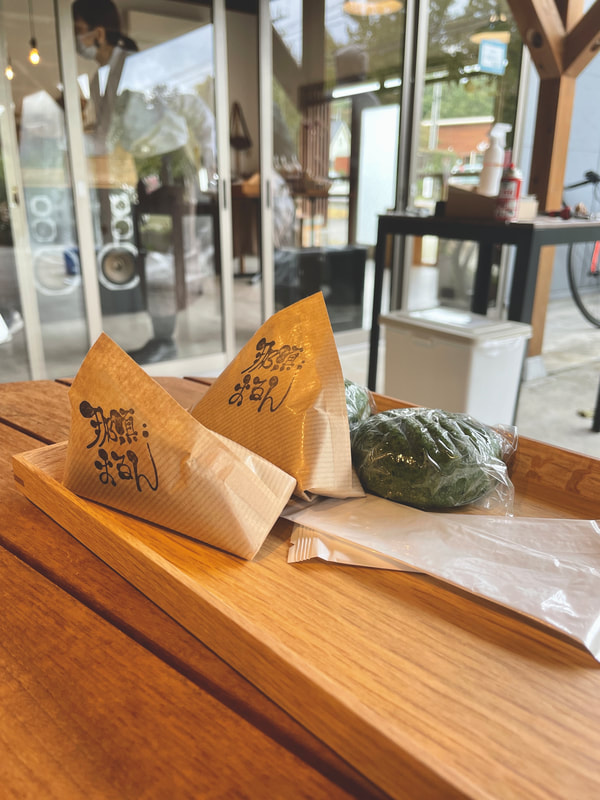
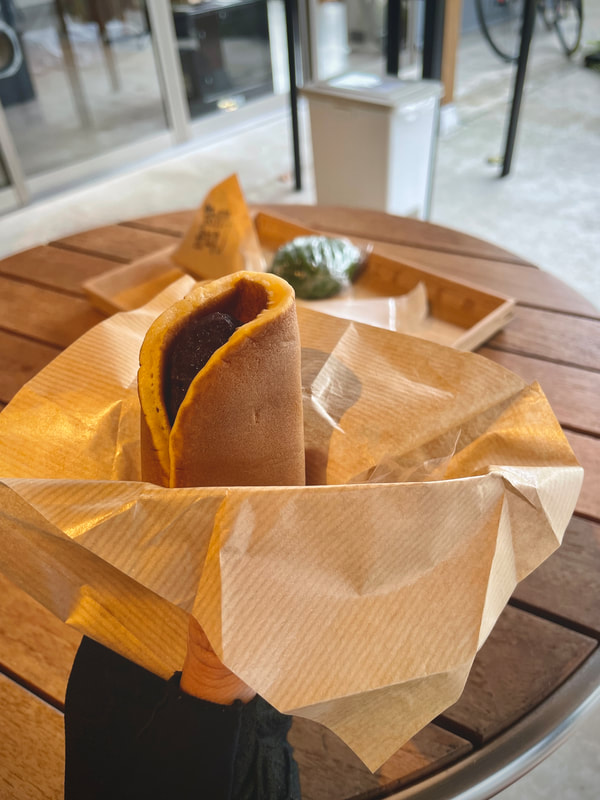
This sweet shop, whose name is written 茶坊花苑, served Japanese confections with a little creativity of its own. Traditional flavors carried a gentle herbal fragrance, making it a calming, restorative place to stop.
One sweet in particular stayed with me: kusamochi. It looked a little like the green herb rice cakes familiar in Taiwan, but its delicate plant-like aroma opened gently in the mouth. The fragrance was elegant and memorable.
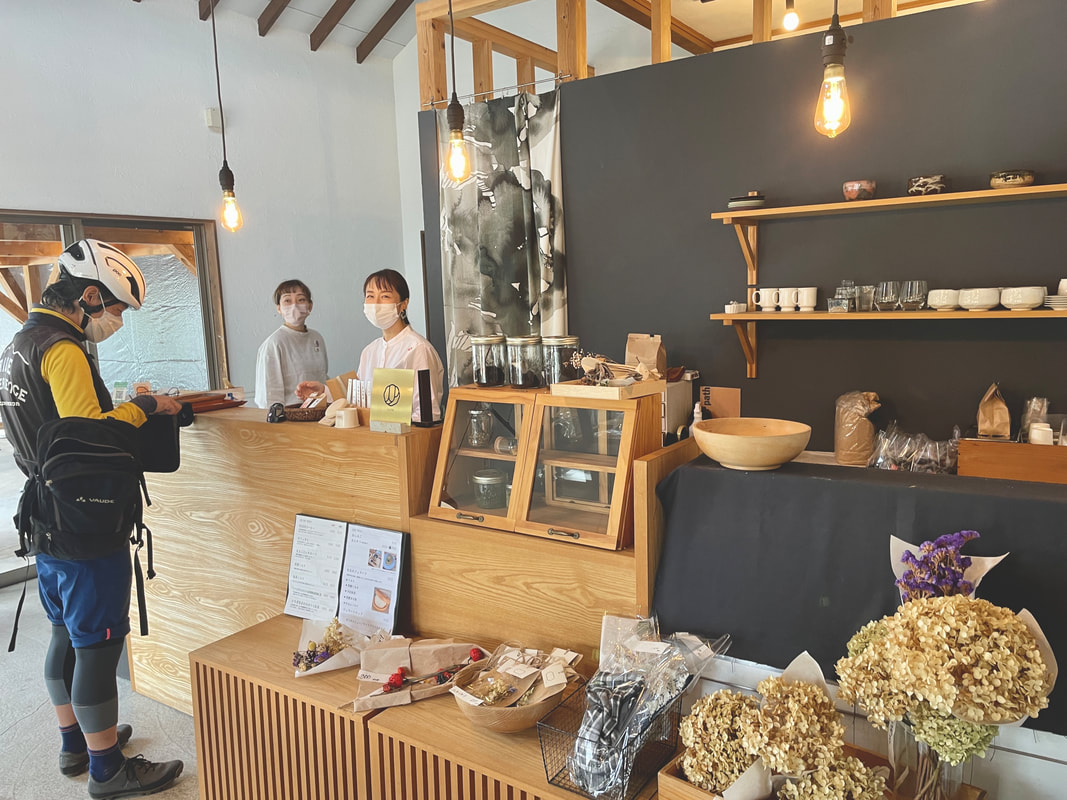
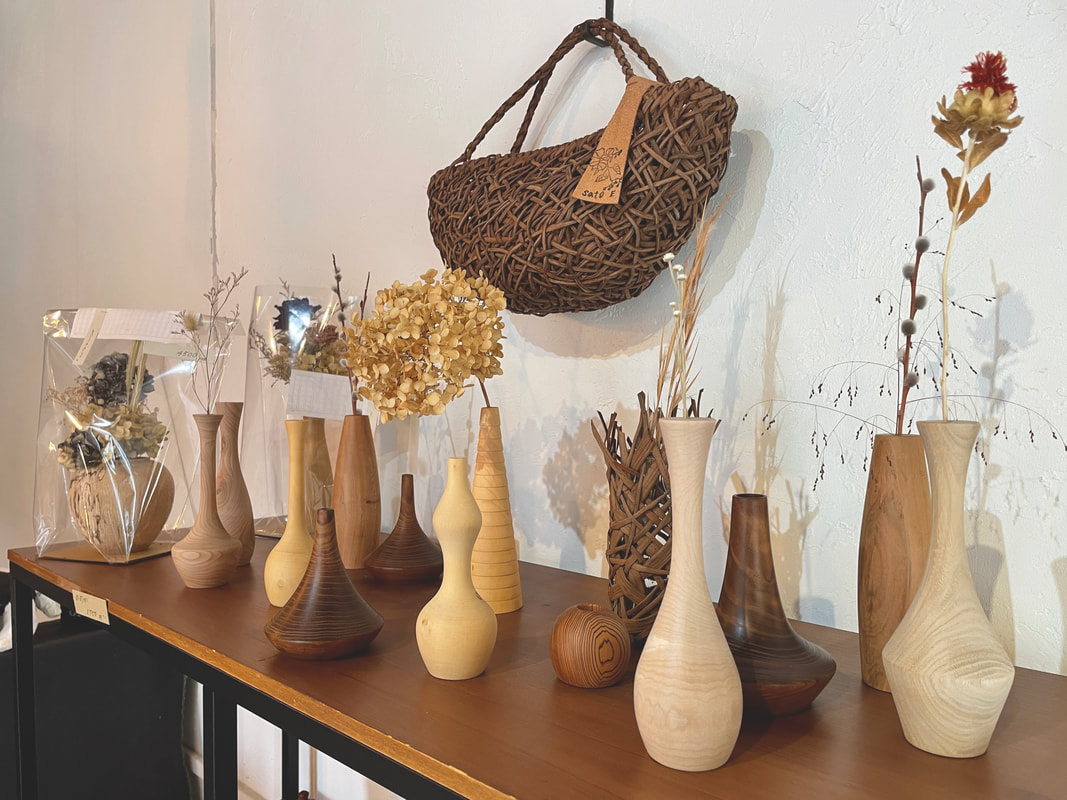
Nasu’s Dairy Treats
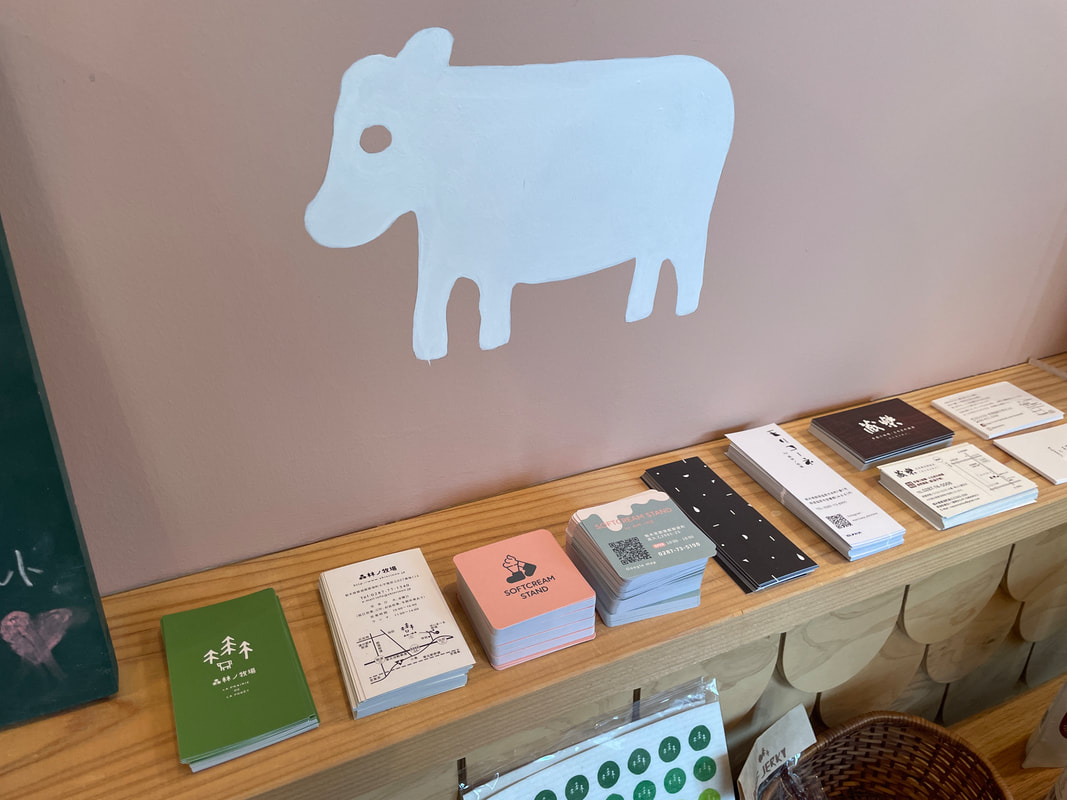
The original account describes Hokkaido as Japan’s leading raw-milk-producing region and Tochigi, including Nasu, as the next major destination. Whatever the ranking, Nasu’s farms offered a tempting variety of dairy foods: ice cream, pudding, cheesecake and rich fresh milk. They were an essential part of the visit for me.
These shops were scattered through Nasu’s streets, pastures and wooded countryside. After a day of riding, I honestly felt it would have been difficult to find them all on my own.
With Yamamoto-san leading, both the route and the food worked beautifully. I rode comfortably and ate happily. It showed how well the team knew the area and how thoughtfully they planned a ride. By the end of the day, I was even more curious about the landscapes awaiting us.
Day 2: A Chilly Start in the Mountains
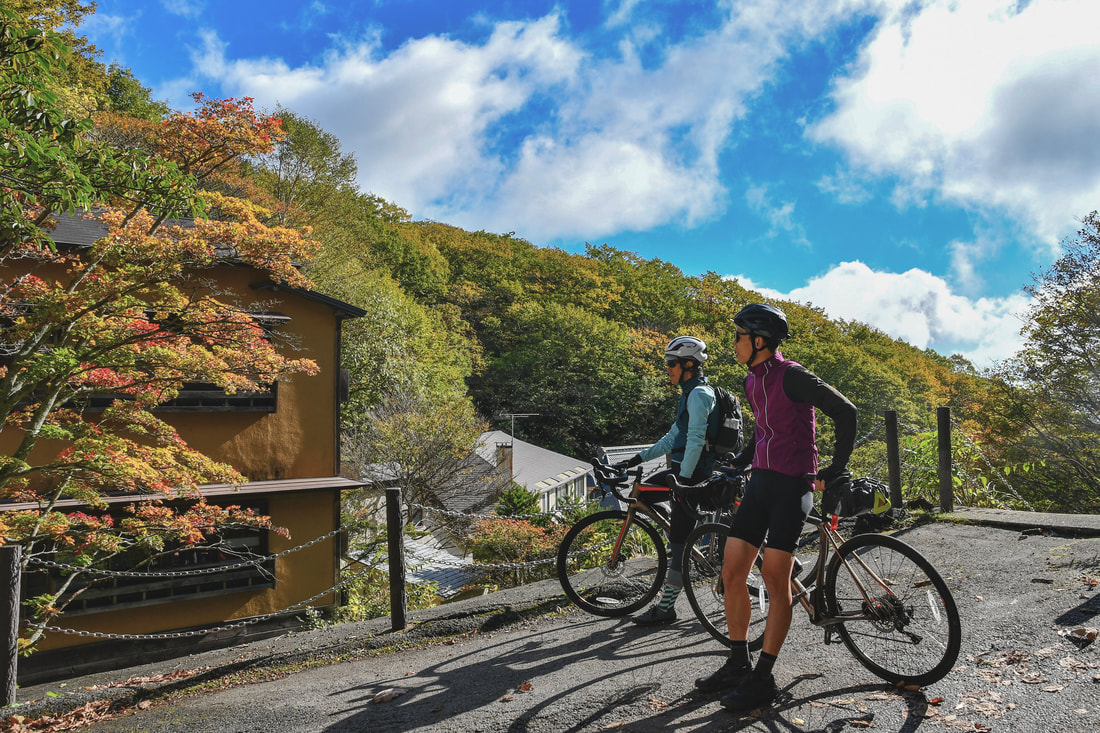
When I heard we would begin by descending from our hotel on Mount Nasu, I knew the morning might be demanding. Not because of the road itself, but because the sudden temperature drop might turn my fingers into ice lollies.
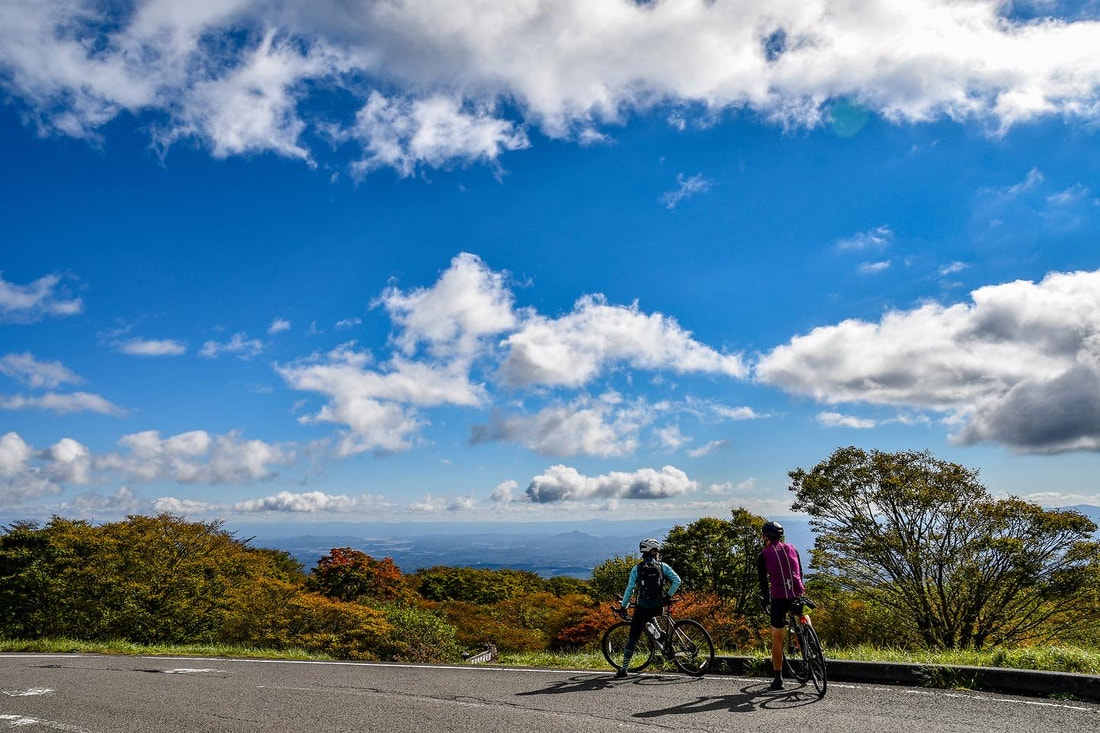
The early sunshine brought a little warmth, and it did not feel quite as cold as I had expected. Overnight temperatures had left a thick layer of frost on the cars in the parking lot, but I felt reasonably comfortable.
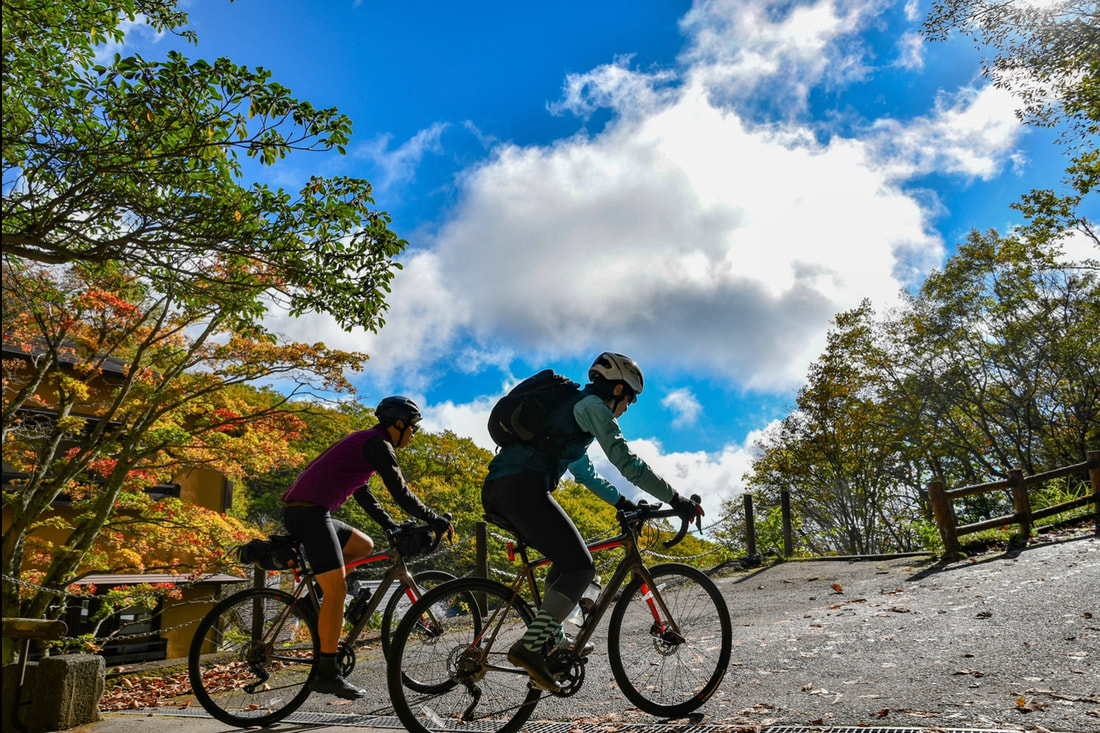
Some sections of the descent were steep. The disc-brake road bike beneath me gave me confidence: a light squeeze of the levers brought the speed under control. With cold fingers, that was especially welcome.
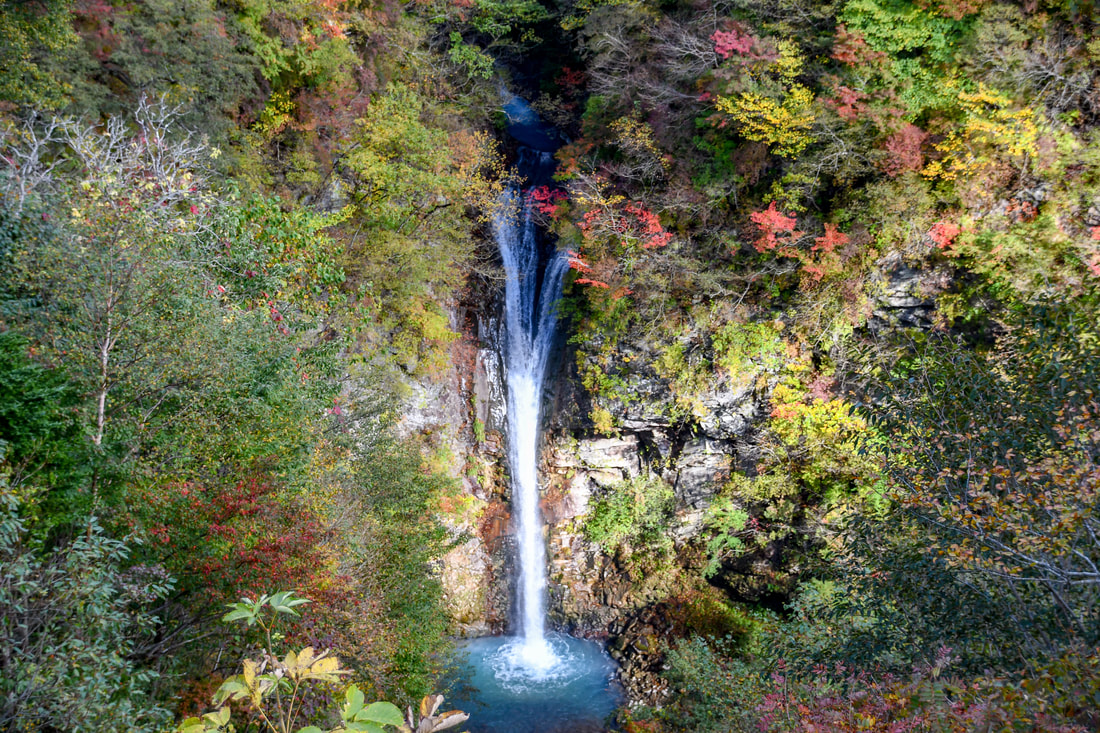
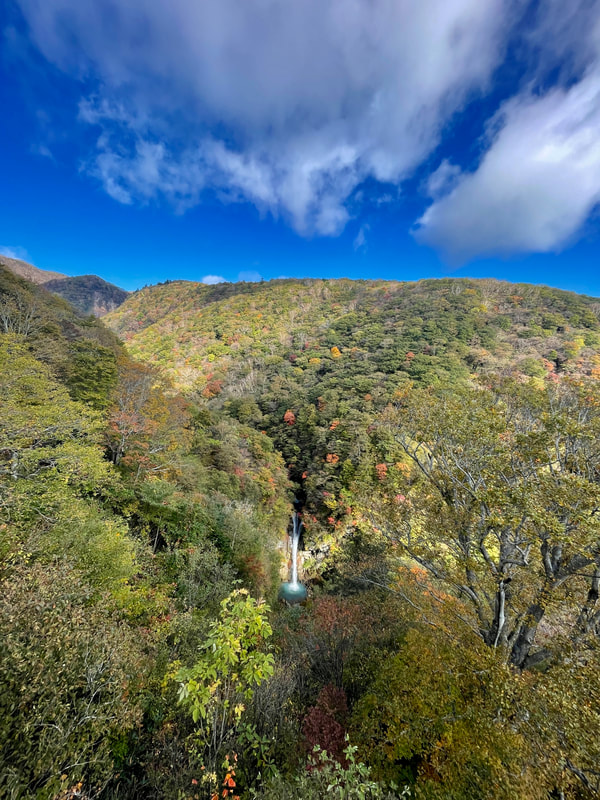
Perhaps because of the abrupt cold snap, the mountain leaves had begun to change. Komadome Falls had gained a little extra color. The cold had its compensations.
Through Cedar Forests
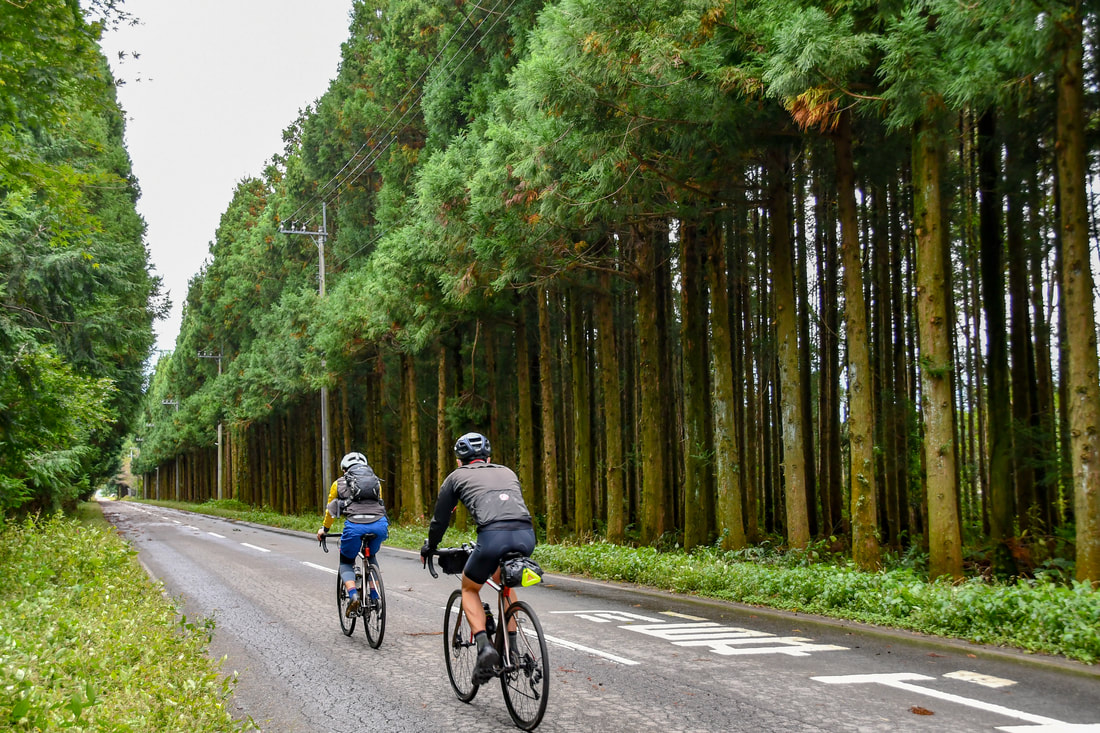
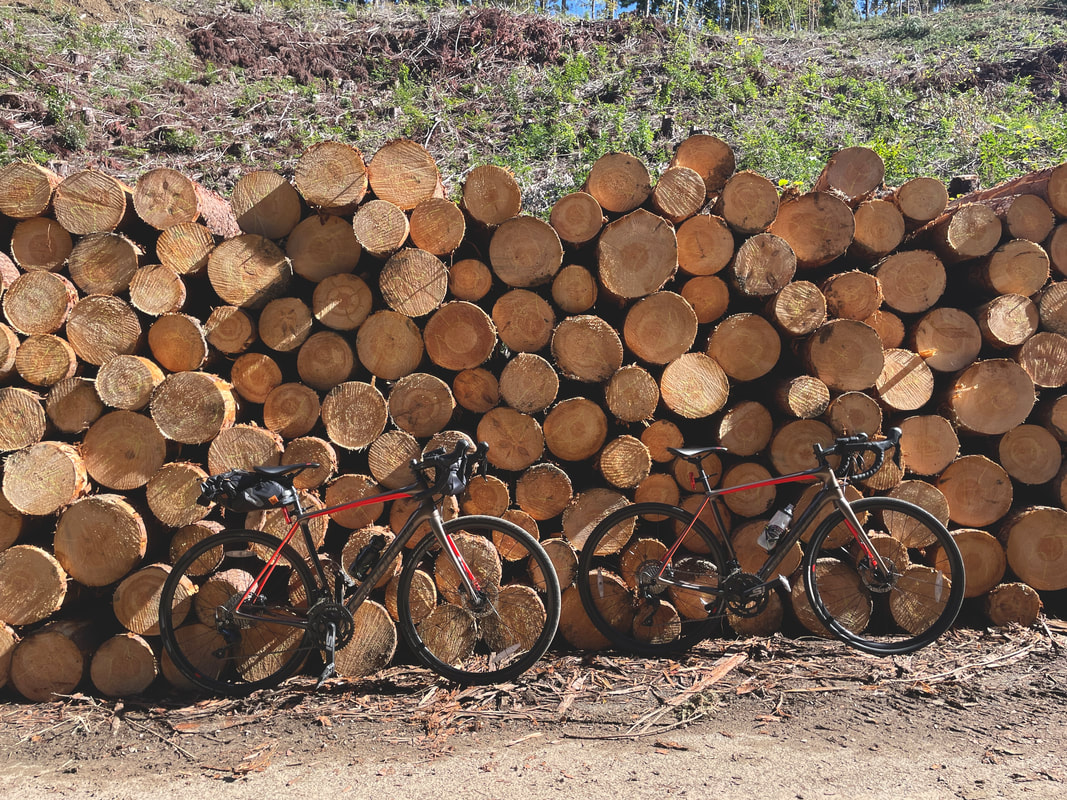
Today’s route focused on woodland and farmland. Many Japanese forests were planted to supply timber for construction and other commercial uses. A network of forest roads, large and small, was built to move that timber, often winding through beautiful mountain scenery.
At the time of the original trip, the author understood that cheaper imported timber, the difficulty of harvesting and transporting wood from steep terrain, and an aging forestry workforce had left many plantations neglected. During the pandemic, disruptions to overseas timber supplies and rising prices were helping bring some forestry activity back.
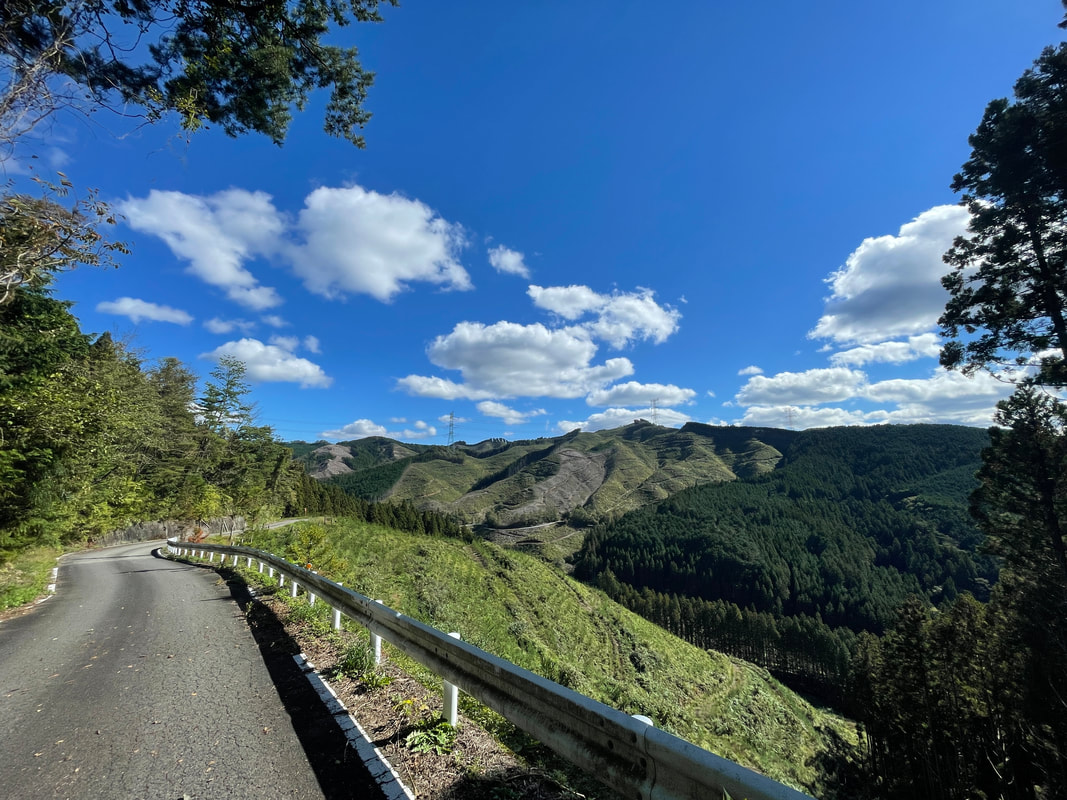
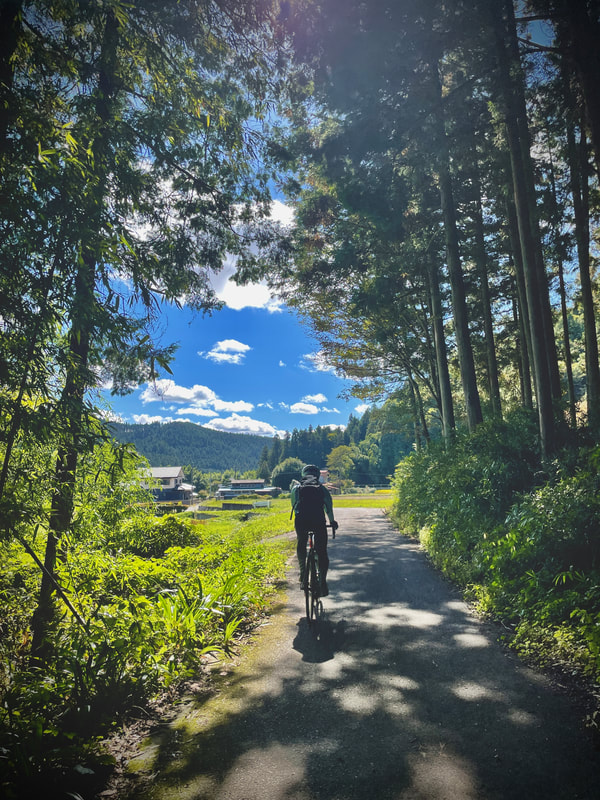
We rode the Yamizo traverse forest road. There were a few work vehicles, but far fewer than on an ordinary road. Riding up and down between straight cedar trunks was a pleasure.
The route did not have many steep or prolonged climbs. Most were short rises, more like rolling hills. A little extra effort carried me over the high points without leaving me gasping. It was well suited to a steady ride with time to appreciate the surroundings. Of course, anyone wanting a harder workout could turn up the effort. The final climb should provide plenty of satisfaction.
Quiet Lanes through the Fields
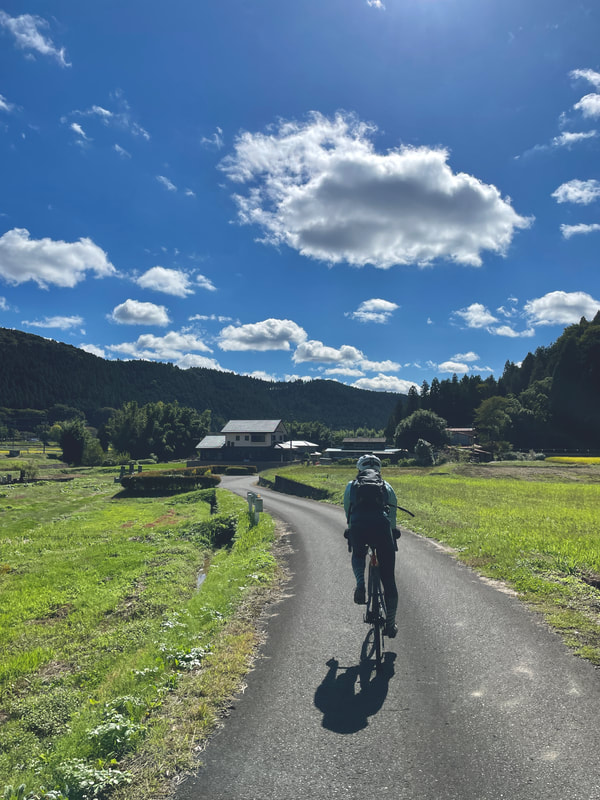
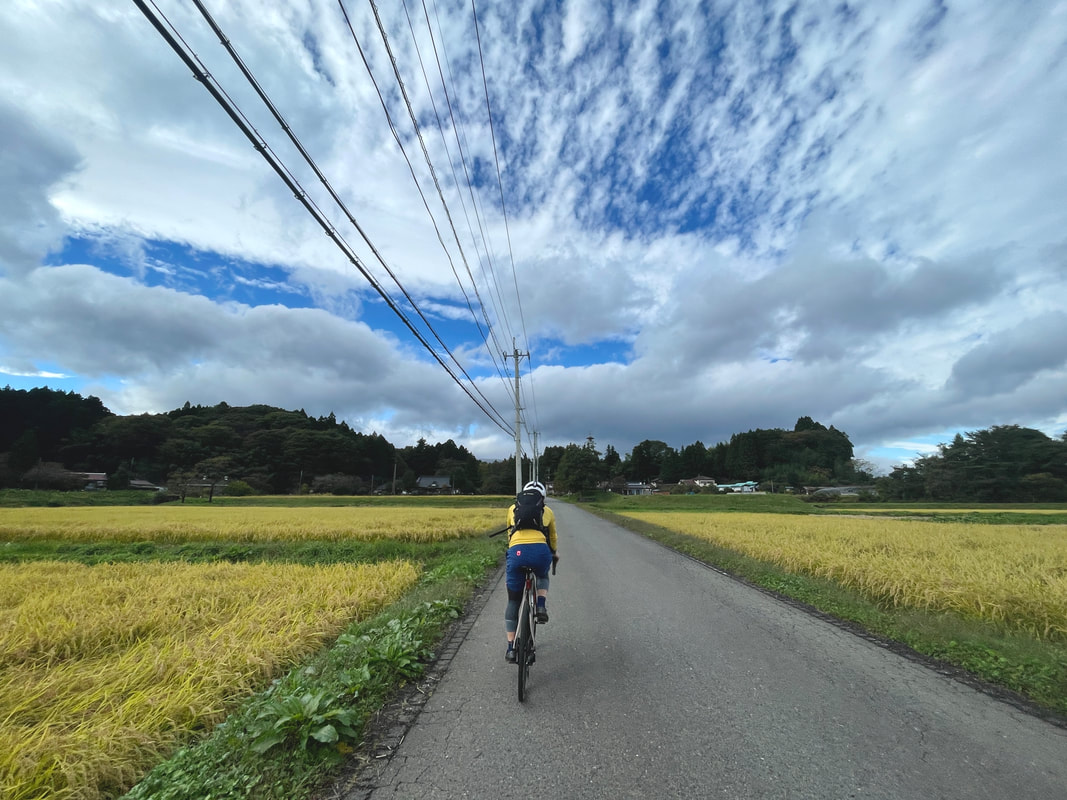
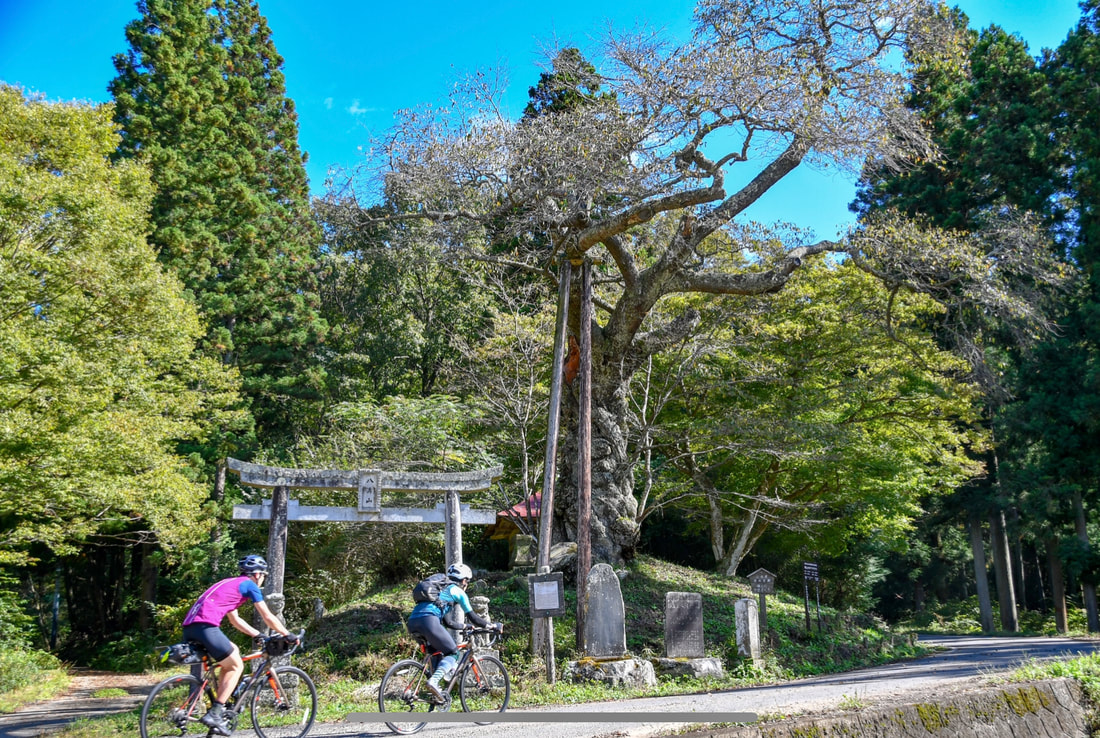
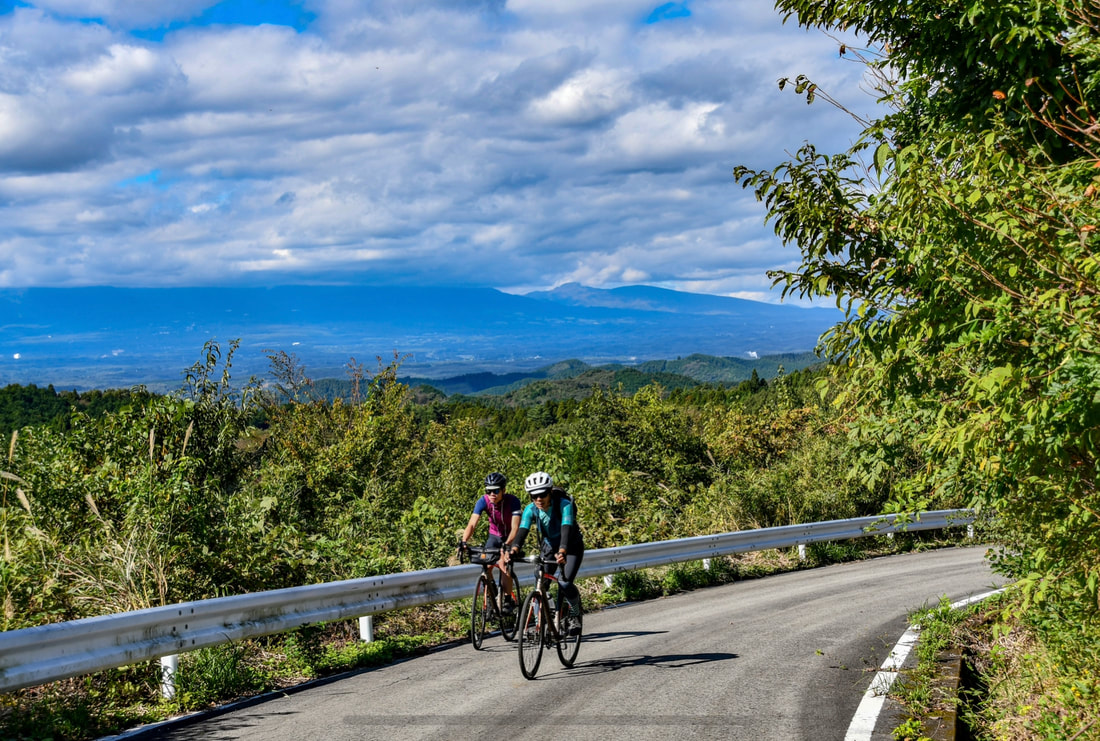
Beyond the forest road came a succession of descents and open farmland. At times it reminded me of Taiwan’s Hualien–Taitung countryside; at others, of Provincial Highway 2C, one of my old training routes. The roads were broad and enjoyable. At an easy effort, I felt we were traveling around 40 kilometers per hour. It was exhilarating.
Whether in Taiwan or Japan, beautiful rice fields always make me want to turn off and explore. Usually, I stay on the main road and admire them from a distance. I worry that a narrow farm lane might end in a dead end and delay the day’s plans.
On this trip, that worry disappeared. Yamamoto-san clearly enjoyed exploring. Again and again, he led us onto little roads between the fields, moving through their dense network with the ease of someone who knew every turn.
To be continued in Part 2: historic roads, the cedar avenues of Nikko and the climb toward Lake Chuzenji.
Continue reading: Original Part 2 at Bikepacking diary.
Ride Experience: Original tour-operator link
Bikepacking diary: YouTube · Facebook · Instagram
The author’s bikepacking bags: WOHO