Bandokoro Forest Road | Cycling and the Legend of Sengenbuchi
Translated from Bikepacking diary’s original Bandokoro Forest Road article, published on June 15, 2018, and republished by arrangement with the author. Photographs are linked directly from the original website.
Editor’s note: This is a historical travel account, not a current route guide. The Sengenbuchi story is local folklore; other historical interpretations below are attributed to the author or a local guide rather than independently verified. Check current access, conditions and restrictions before riding. The author’s encounters with signs, water and fallen trees do not establish permission or safety for others. Respect closures and private land, avoid unstable obstacles and take particular care on slippery surfaces.
A Thin Line on the Map
A guest staying at Raicho arrived on an off-road motorcycle. After learning that I liked riding forest roads, he came to discuss interesting routes around Norikura.
That began a session of exploration on Google Maps. We found a thin country road, hidden from the satellite imagery and without Street View. We guessed it might be an unpaved forest road.
The guest planned to investigate the following day. I wanted to join him, but I had work at Raicho, and a bicycle and motorcycle would not travel at the same pace anyway.
Still, that little road stayed in my mind.
I arranged another day to explore it with my boss and friend, Fujie-san, and a colleague.
A Night at the Campground
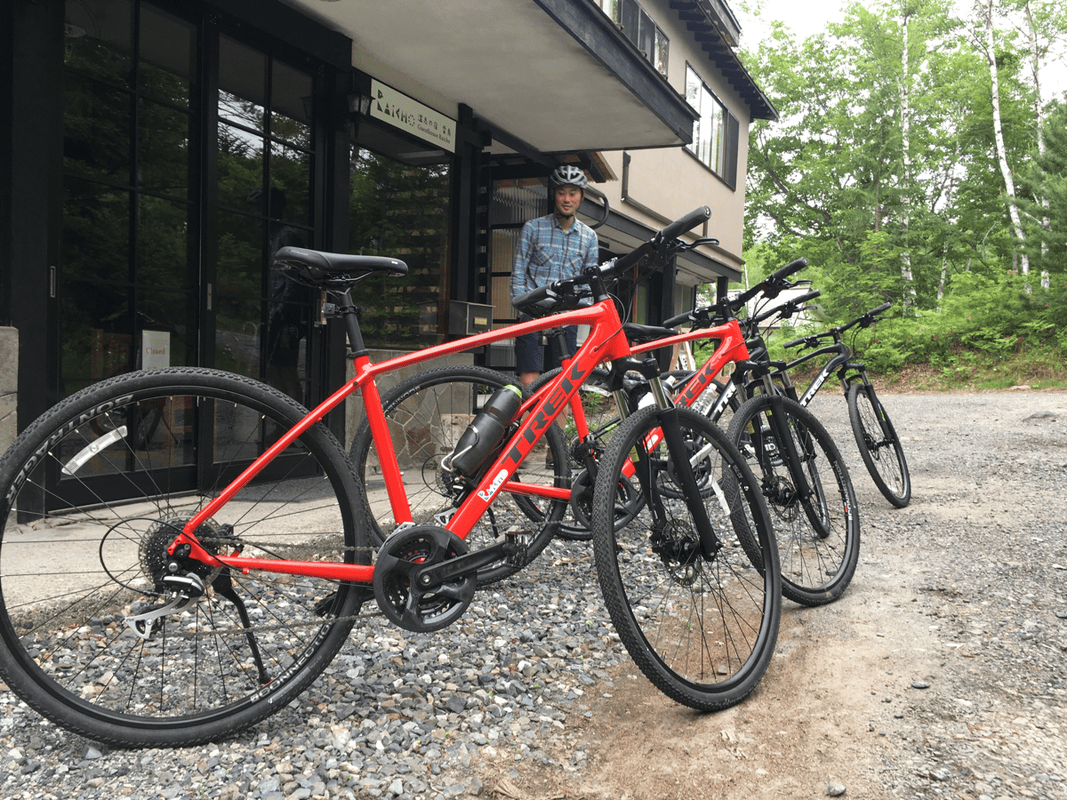
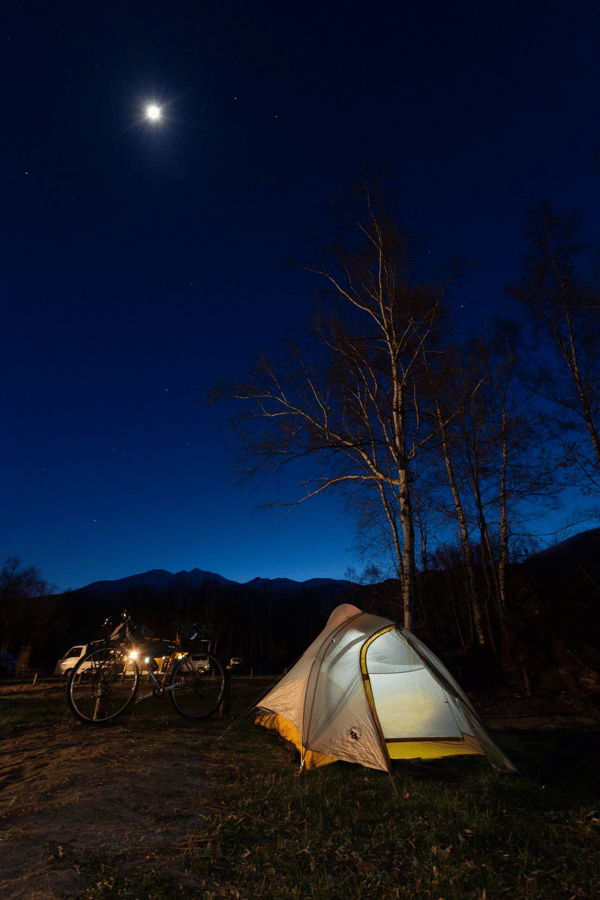
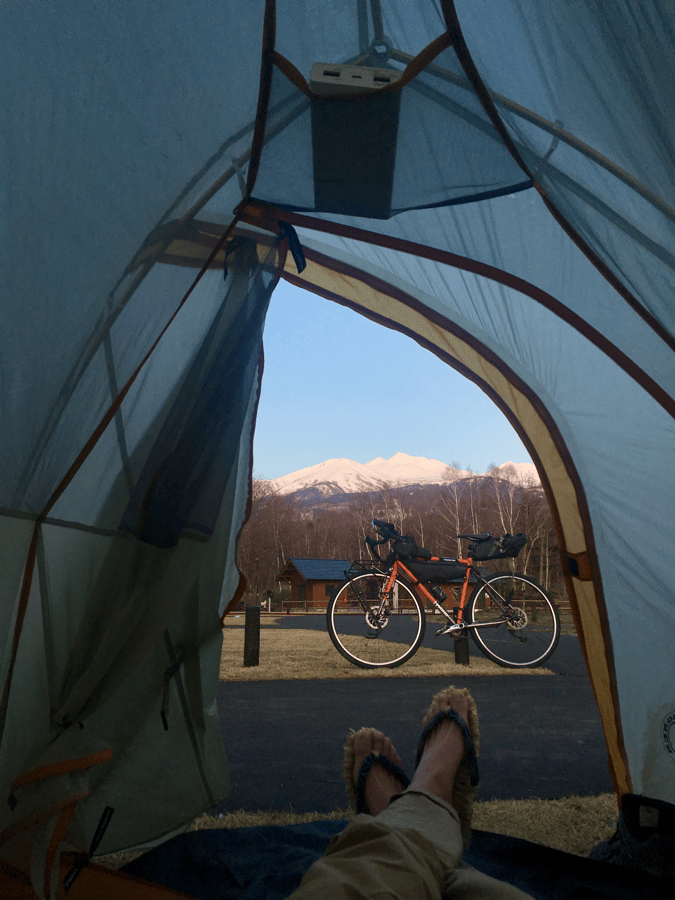
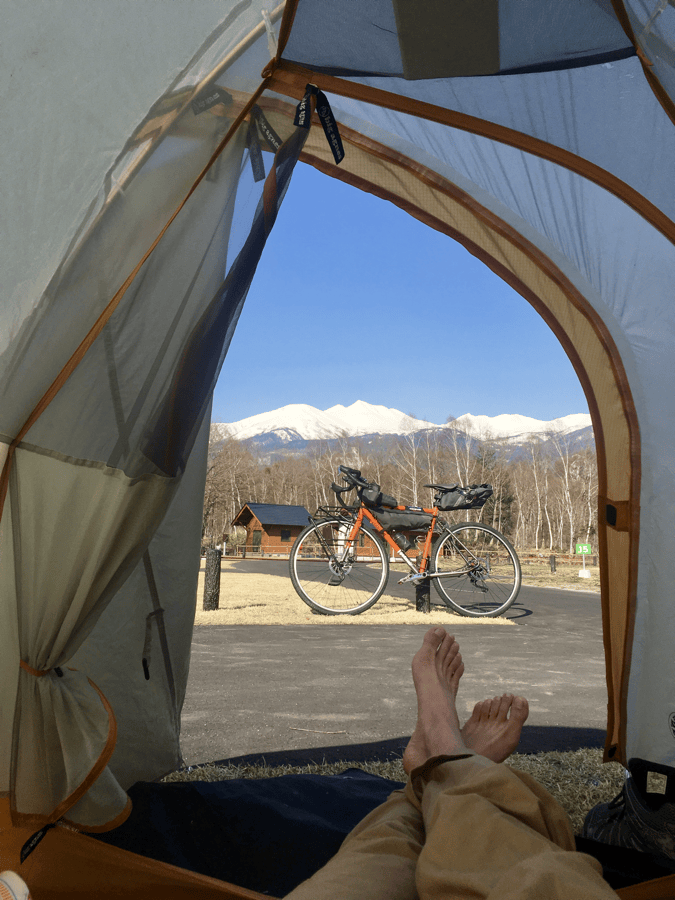
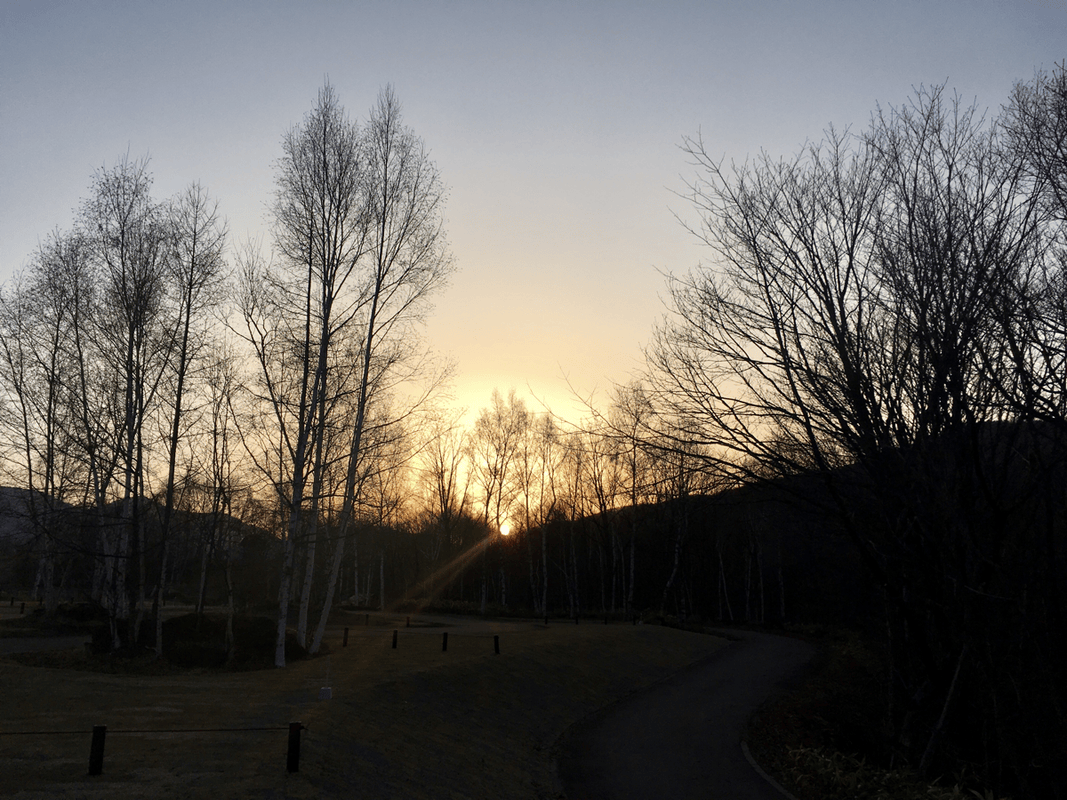
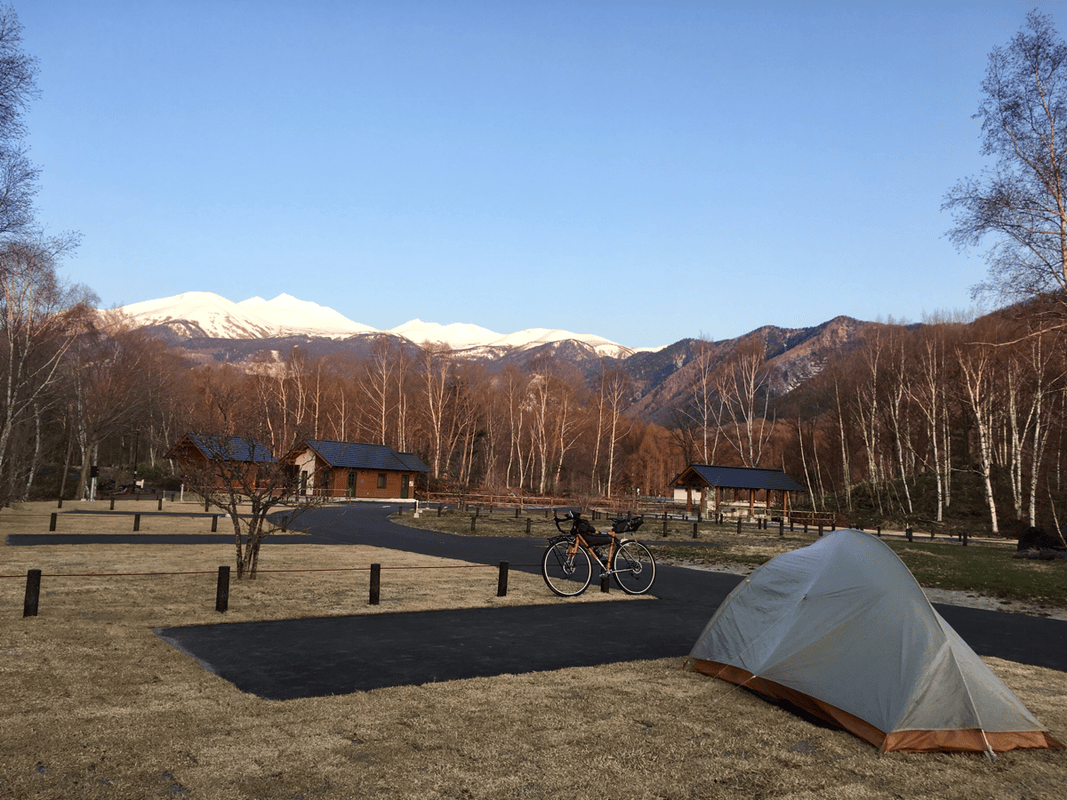
Fujie-san and our colleague, S-san, needed to rent bicycles from the campground where I worked. I decided to camp there the night before, ready to greet them in the morning.
It was already spring, but nights around Norikura still often fell below ten degrees Celsius. Even after living through a snowy winter in these mountains, I wanted a warm sleeping bag to sleep comfortably.
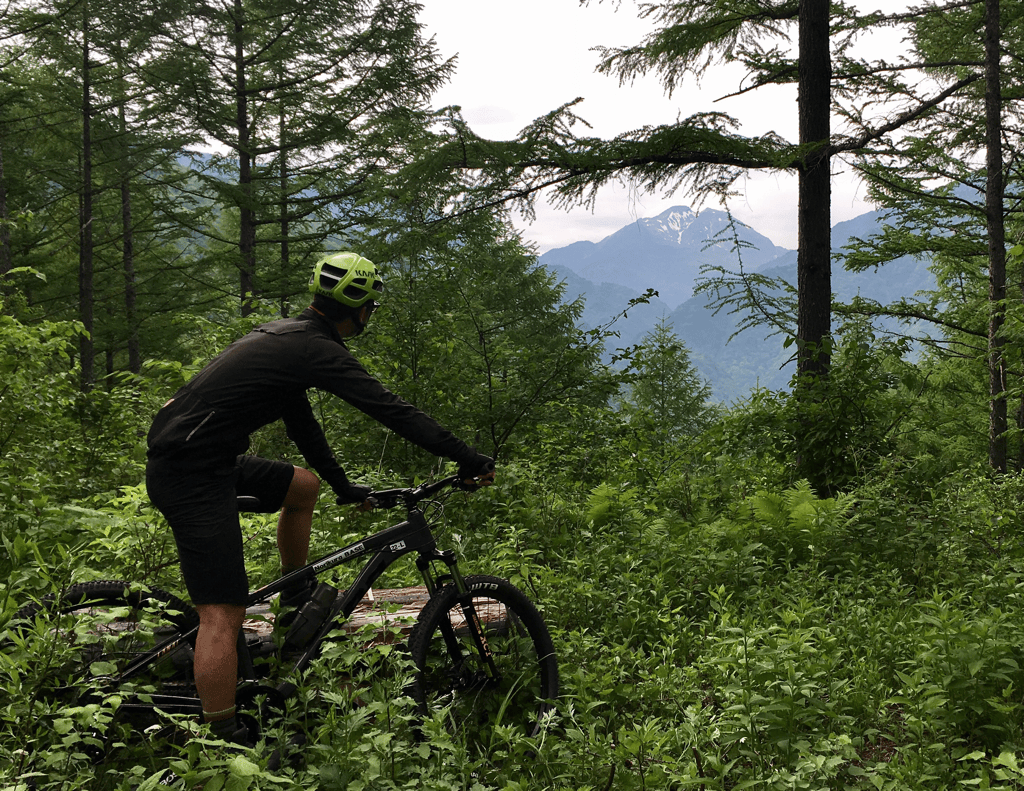
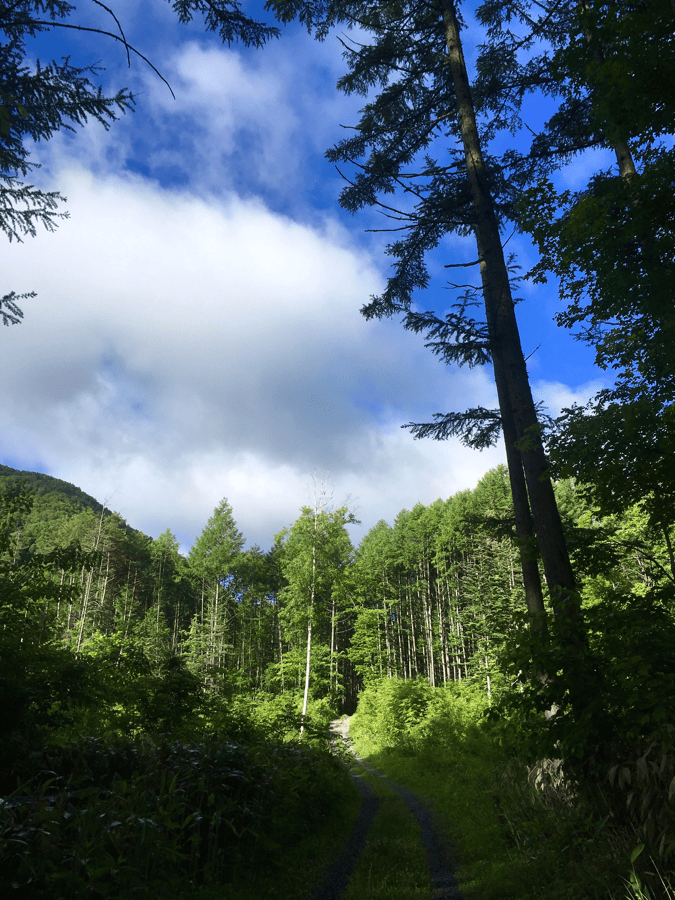
When I stepped out of the tent the next morning, a perfect blue sky and a welcoming Mount Norikura greeted me.
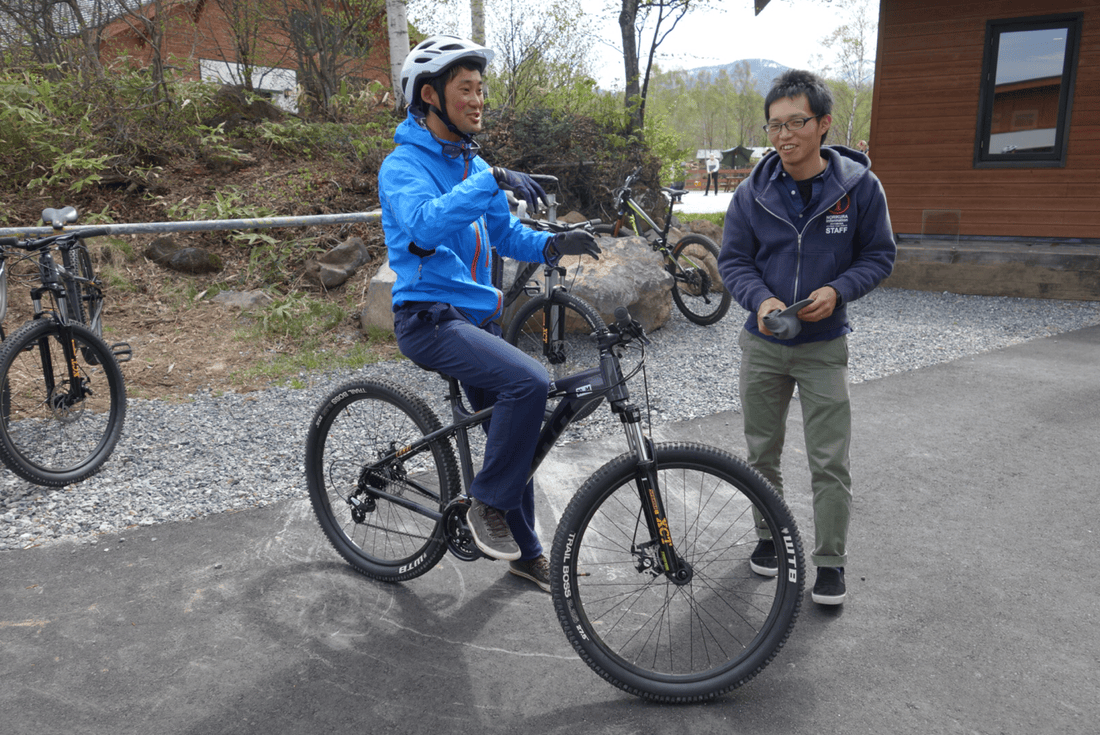
As I packed at a leisurely pace, Fujie-san and S-san arrived to collect their bikes. The campground manager, Tania-san, could not resist joining us for a short ride after arranging the rentals.
That spontaneous decision led us onto a route I had not expected to ride.
A Pleasant Distraction
My original plan was to descend the prefectural road directly to the forest-road entrance.
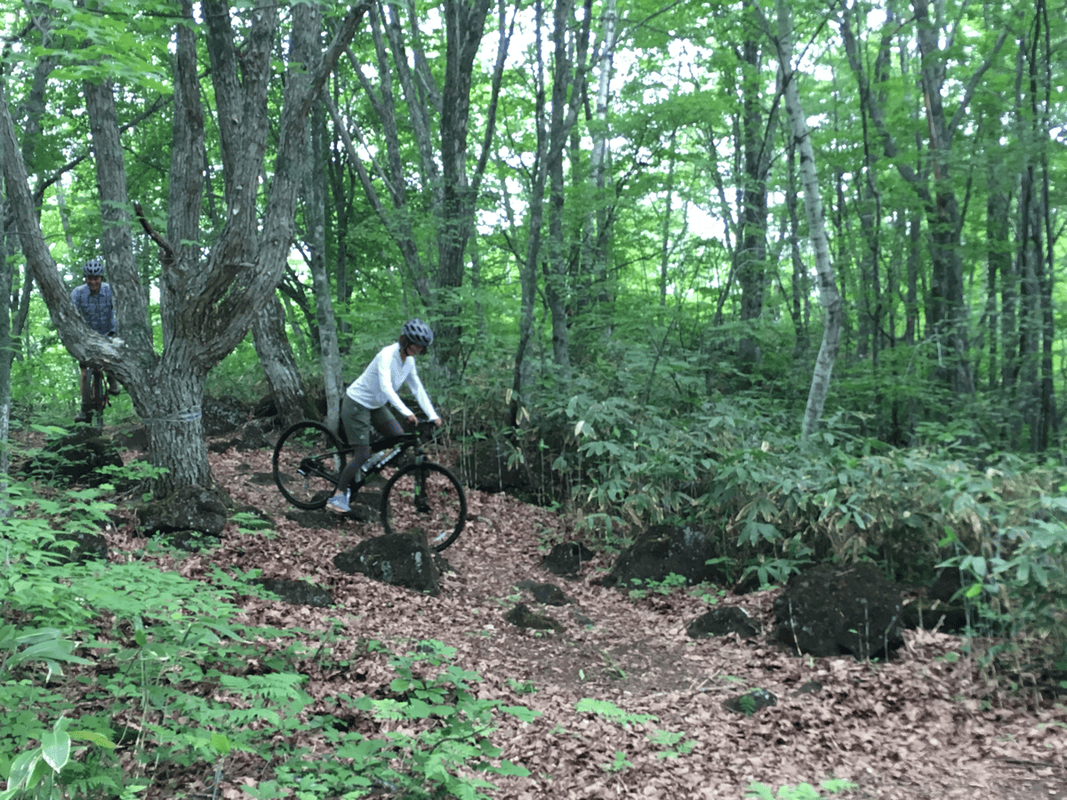
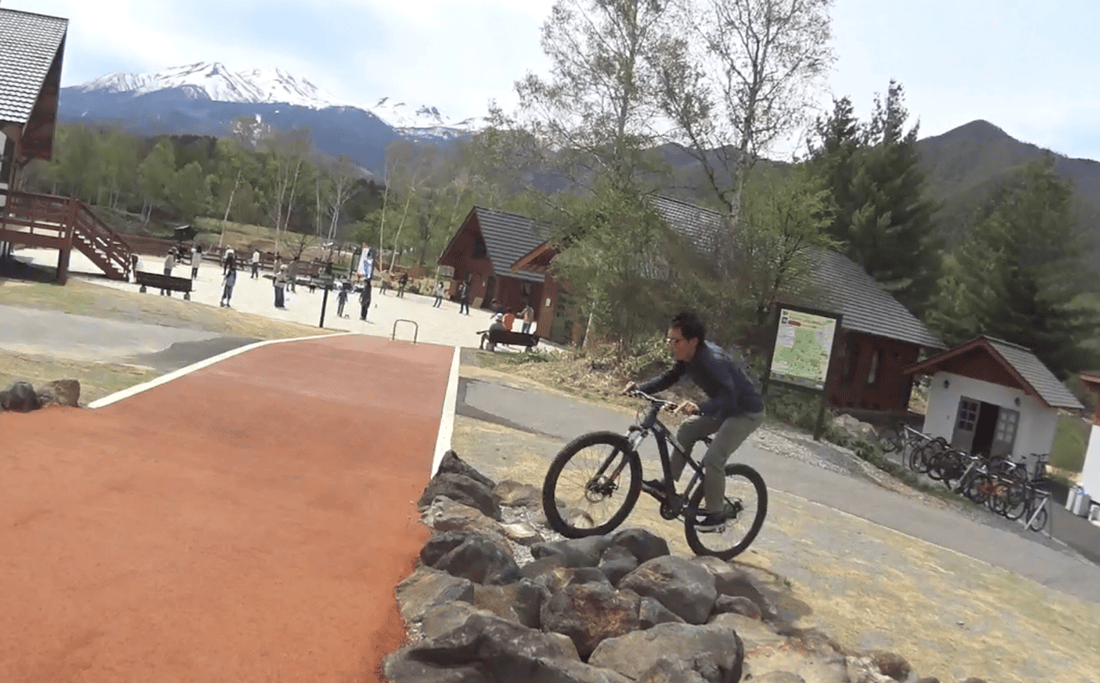
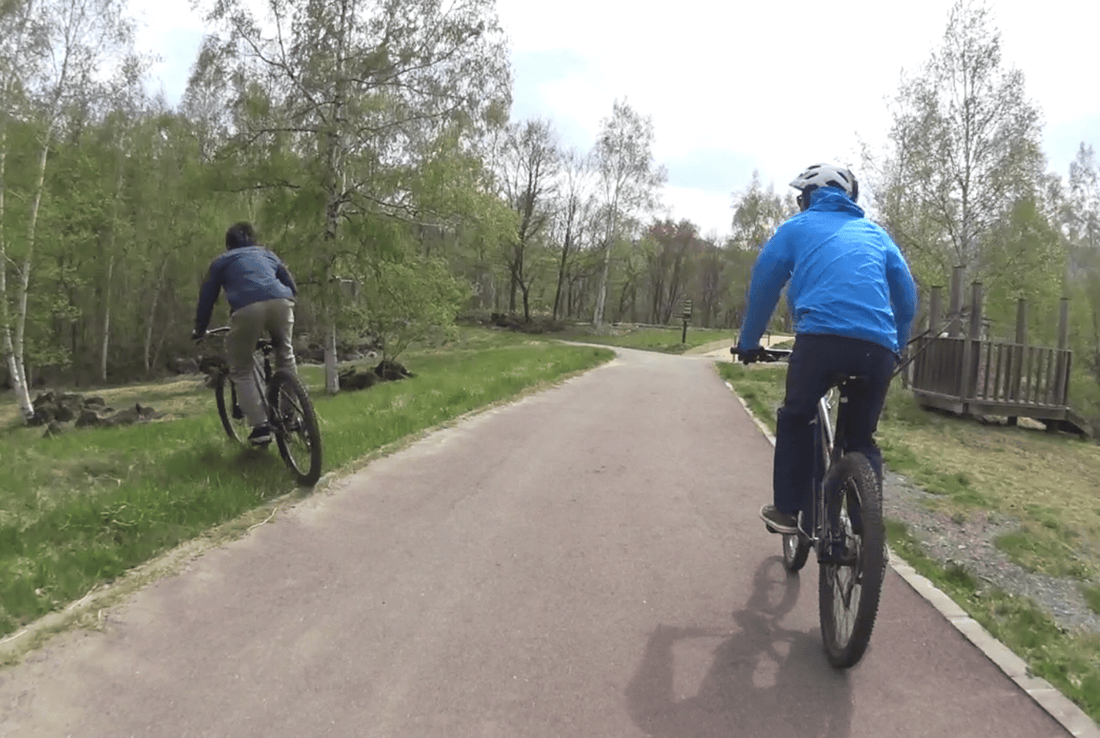
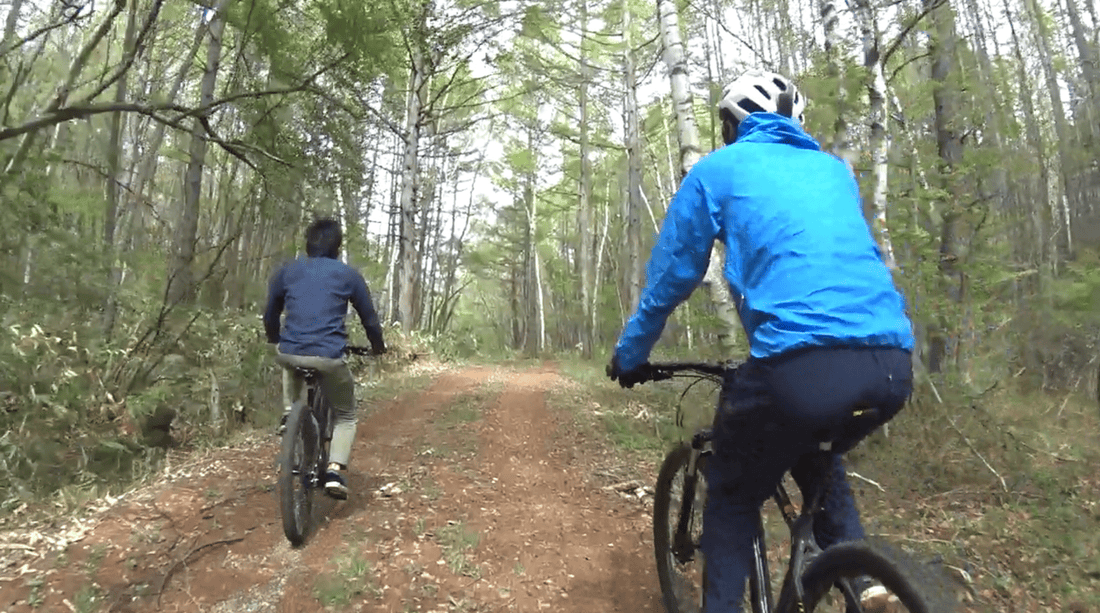
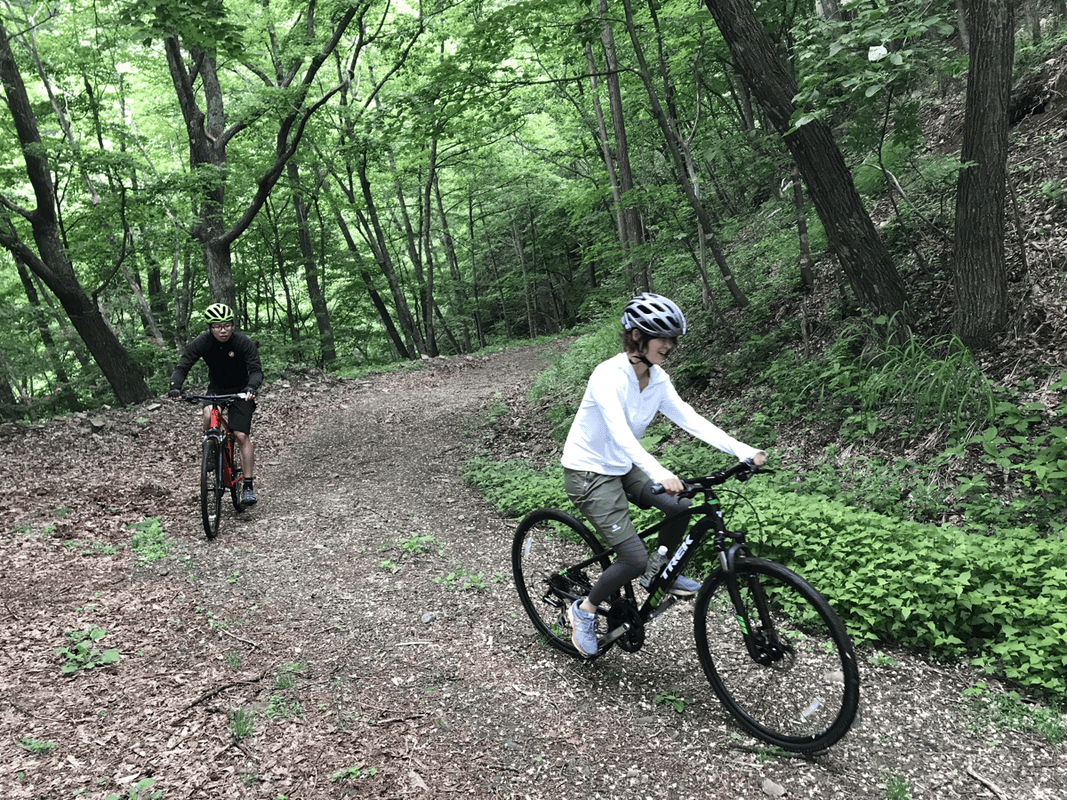
Instead, Tania-san led us behind the campground and around the local cycling paths. They were beautifully maintained, passing woodland and little streams with the mountains beyond.
It was the sort of place where I wanted to bring a snack and a book, ride a little, walk a little and do nothing in particular.
We were enjoying ourselves, but that was not the day’s goal. We had come for a forest road.
Remembering the plan, I reminded everyone and brought us back to our purpose. In a place with something interesting around every corner, staying focused was surprisingly difficult. Was that an advantage or a disadvantage?
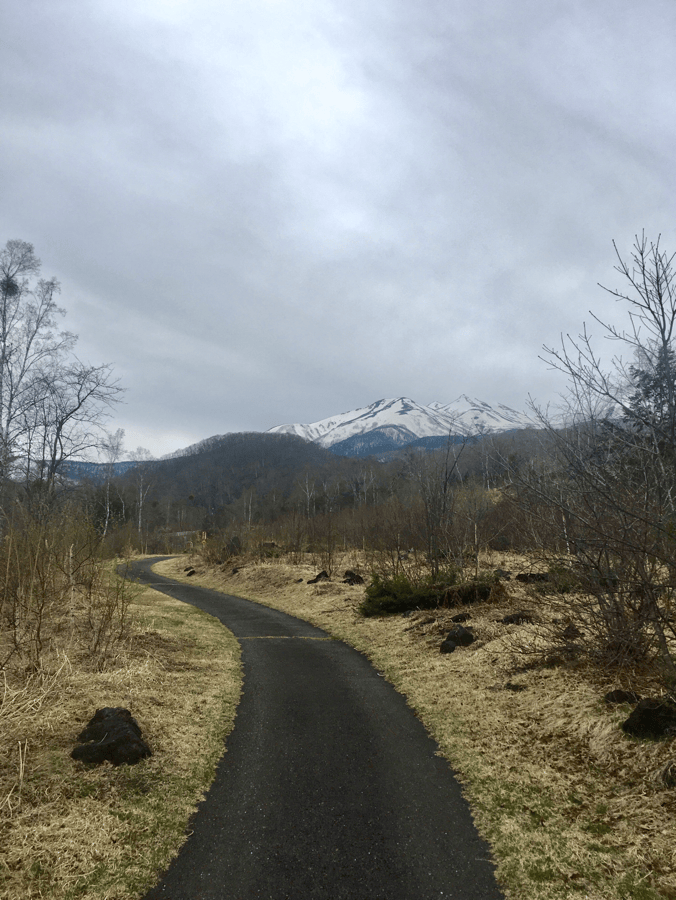
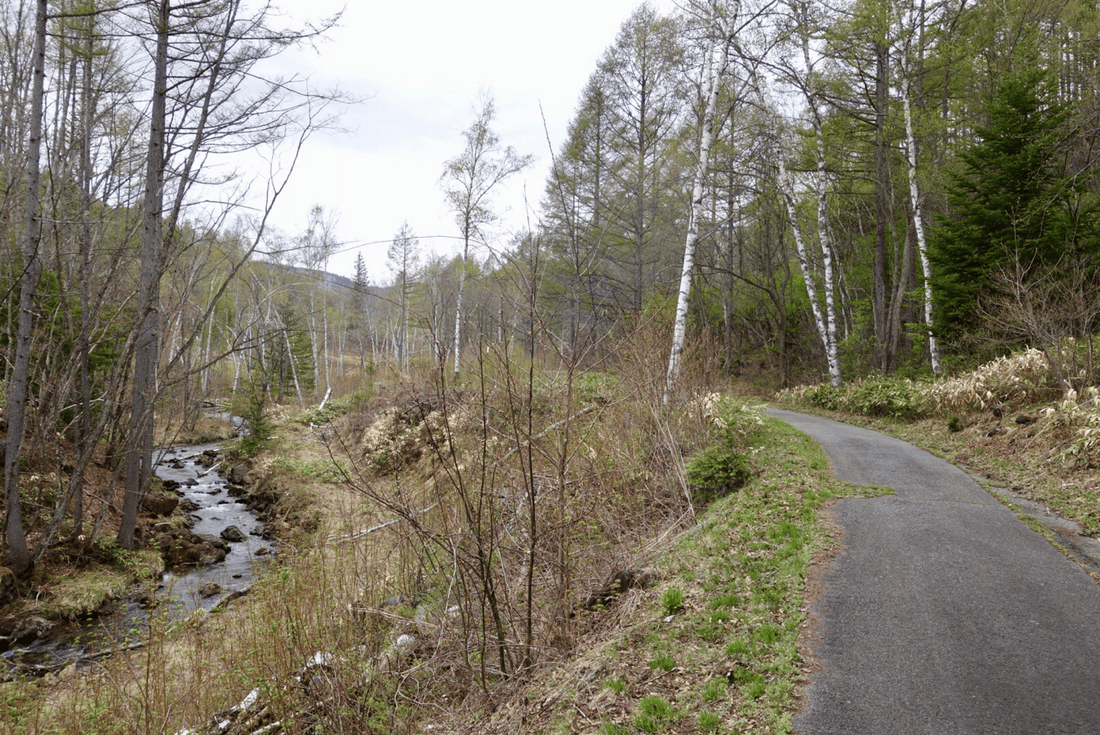
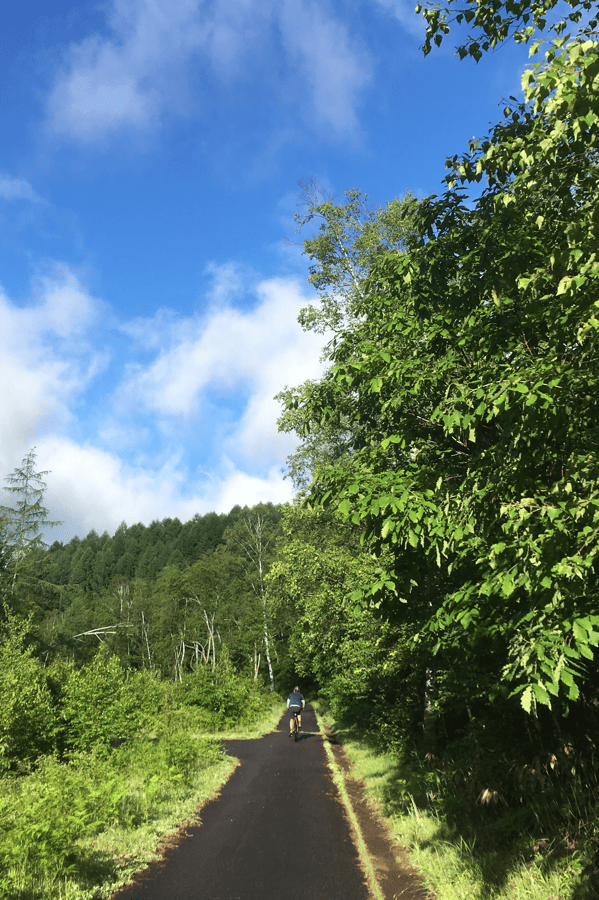
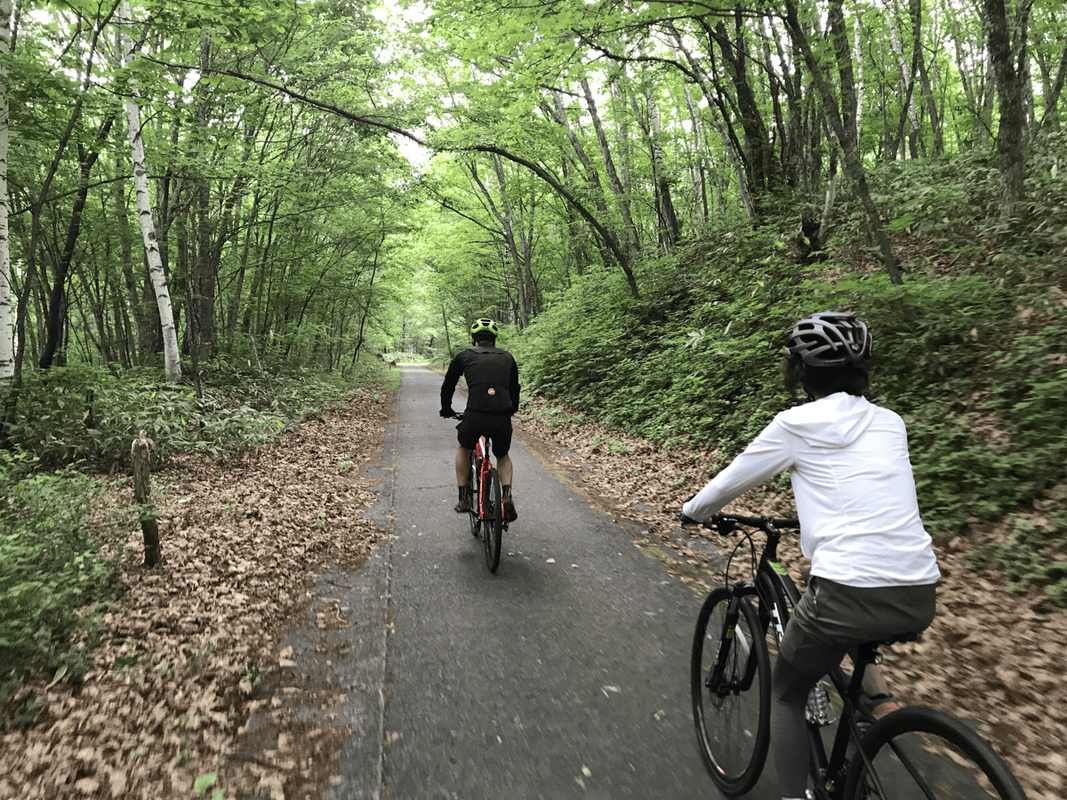
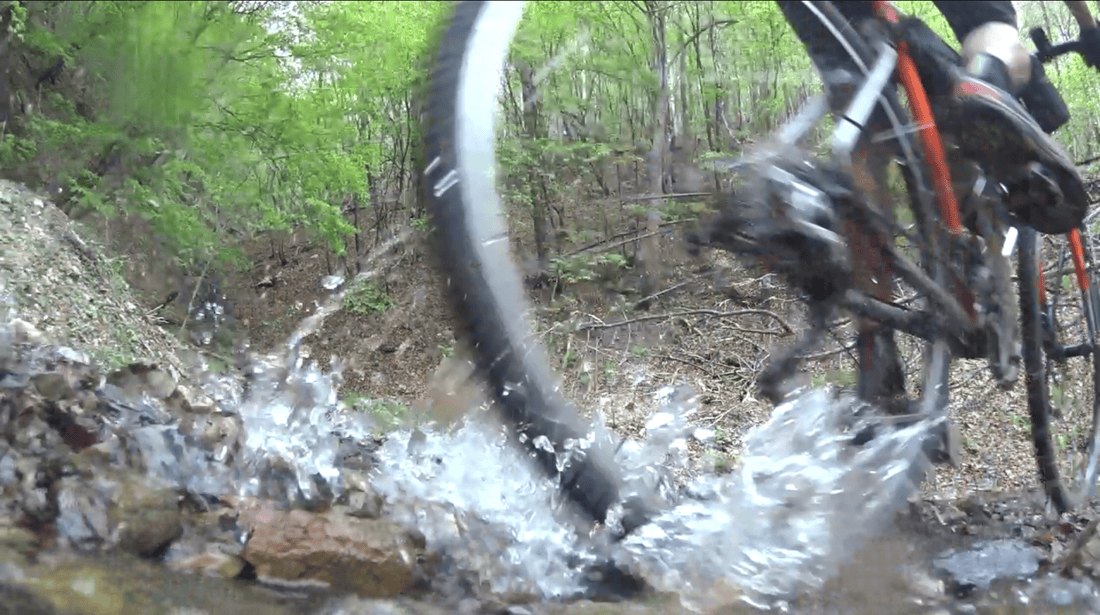
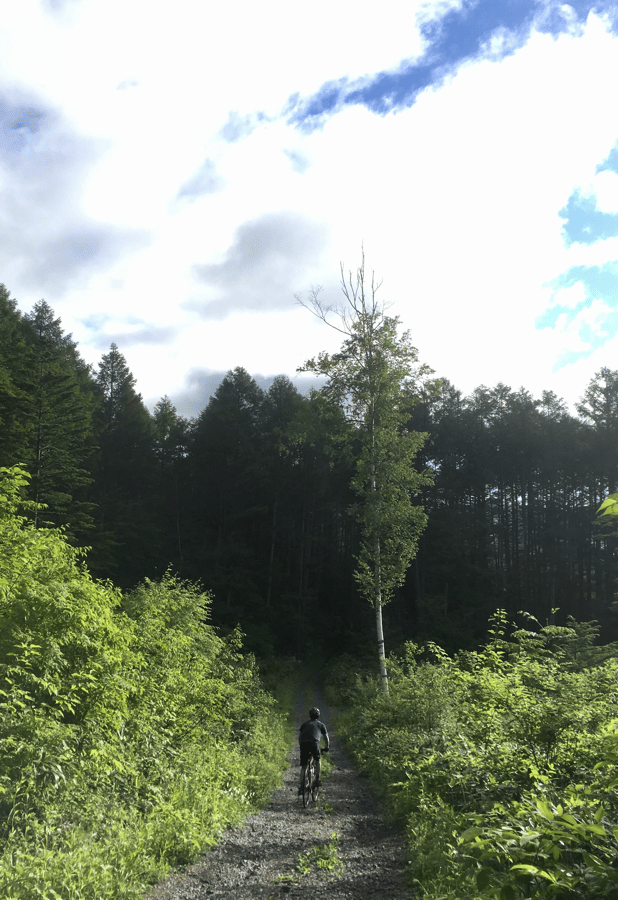
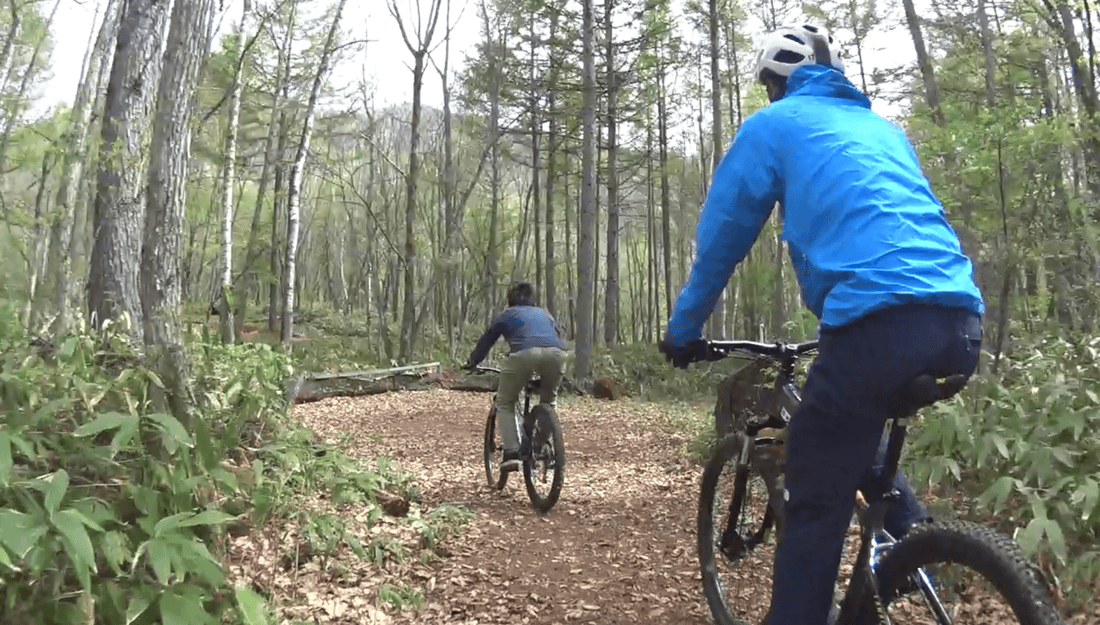
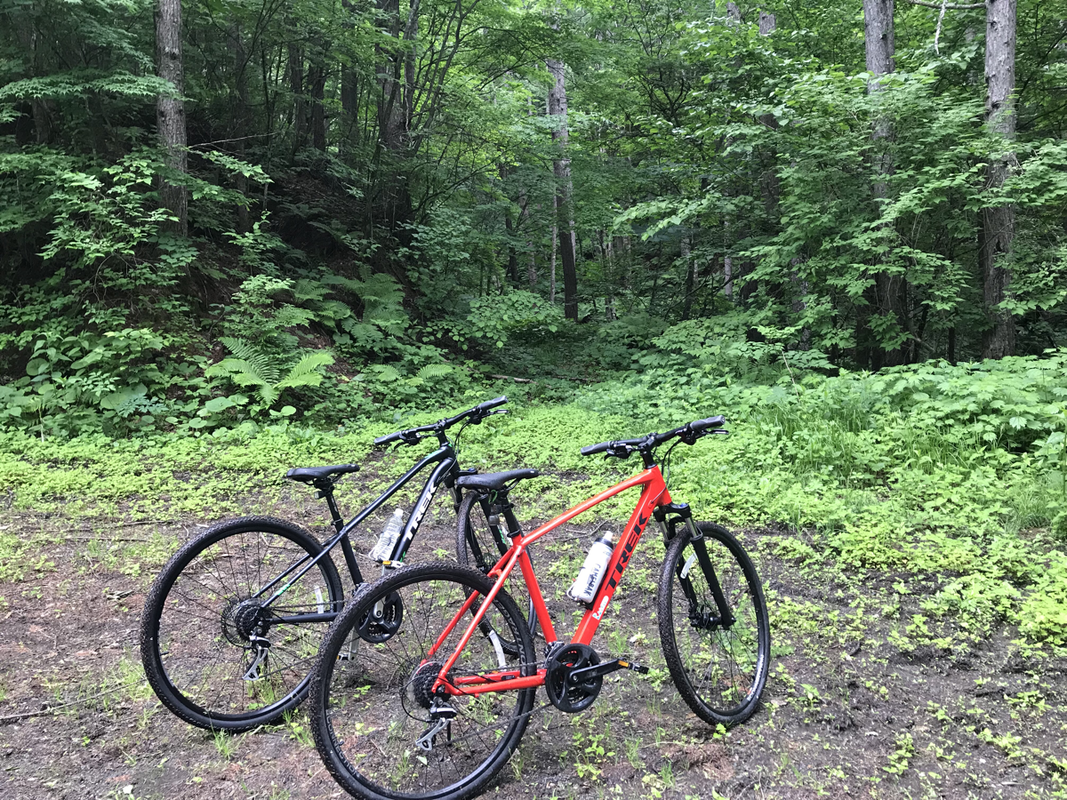
A turn off the cycling path suddenly changed the surface from pavement to dirt and gravel. The tires began to crunch. Now we were talking.
But this was only an appetizer, a connecting section leading toward our real destination.
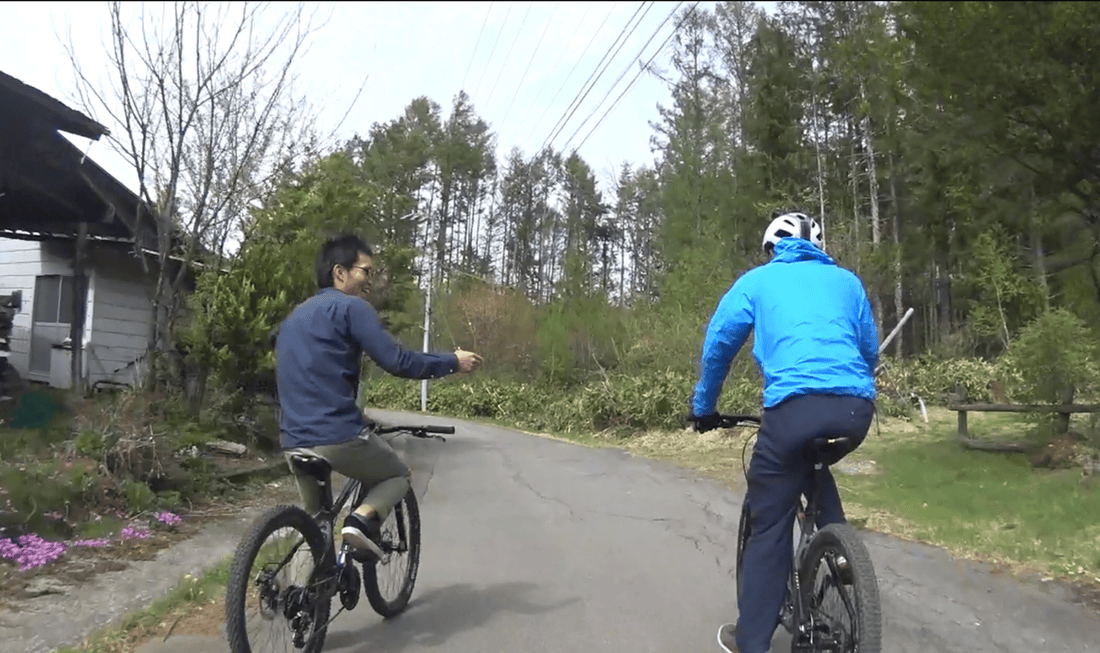
Back at the prefectural road, Tania-san returned to work at the campground. The rest of us continued toward the unknown Bandokoro Forest Road.
Looking for a Story beside the Water
I had found no useful historical record of Bandokoro Forest Road online. My guess was that it might once have served logging, or predated the prefectural road.
One reason for that thought was a local logging legend associated with Sengenbuchi. Looking for traces of that story was another purpose of our ride.
The Legend of Sengenbuchi
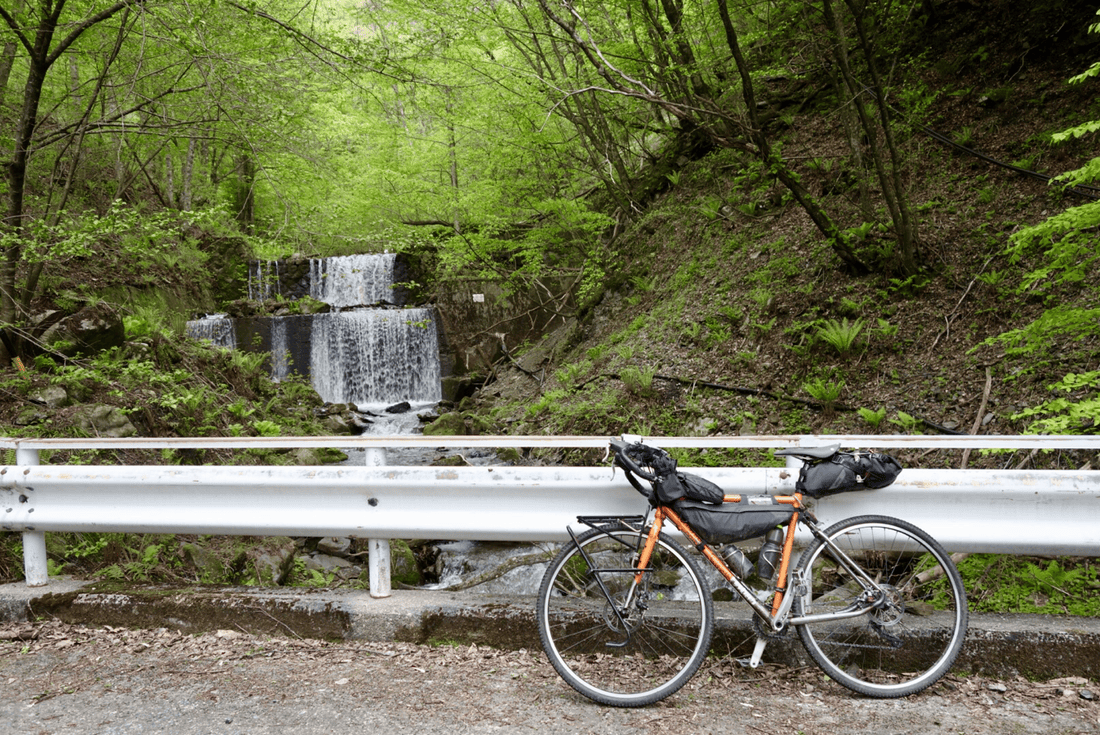
Long ago, according to the local tale, Norikura’s mountain roads were difficult to travel. Felled timber was therefore sent down the rivers. Sengenbuchi was a small waterfall and pool along one of those waterways.
On one occasion, more than a thousand logs disappeared during transport. Nobody could find them.
A few days after the search had been abandoned, a woodcutter passing Sengenbuchi discovered all the missing timber gathered there.
The villagers believed the mountain deity had been angered. They established a ceremony and brought offerings, placing them on leaves rather than dishes.
Then something extraordinary happened: dishes began floating up from the pool in seemingly endless numbers.
The villagers gladly used them for their offerings. Sometimes they also borrowed them for other purposes.
One day, someone failed to return a borrowed dish. The mountain deity became angry again.
After that, no matter how the villagers prayed, no more dishes rose from Sengenbuchi.
A Quiet Pool with a Presence of Its Own
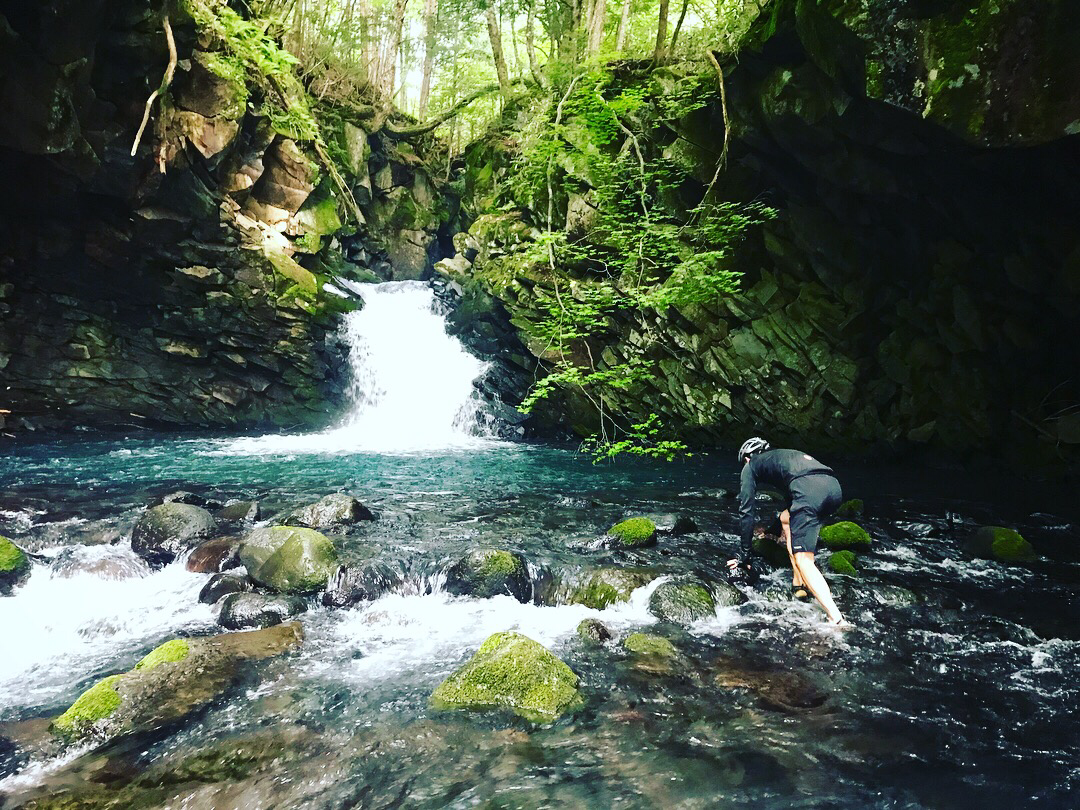
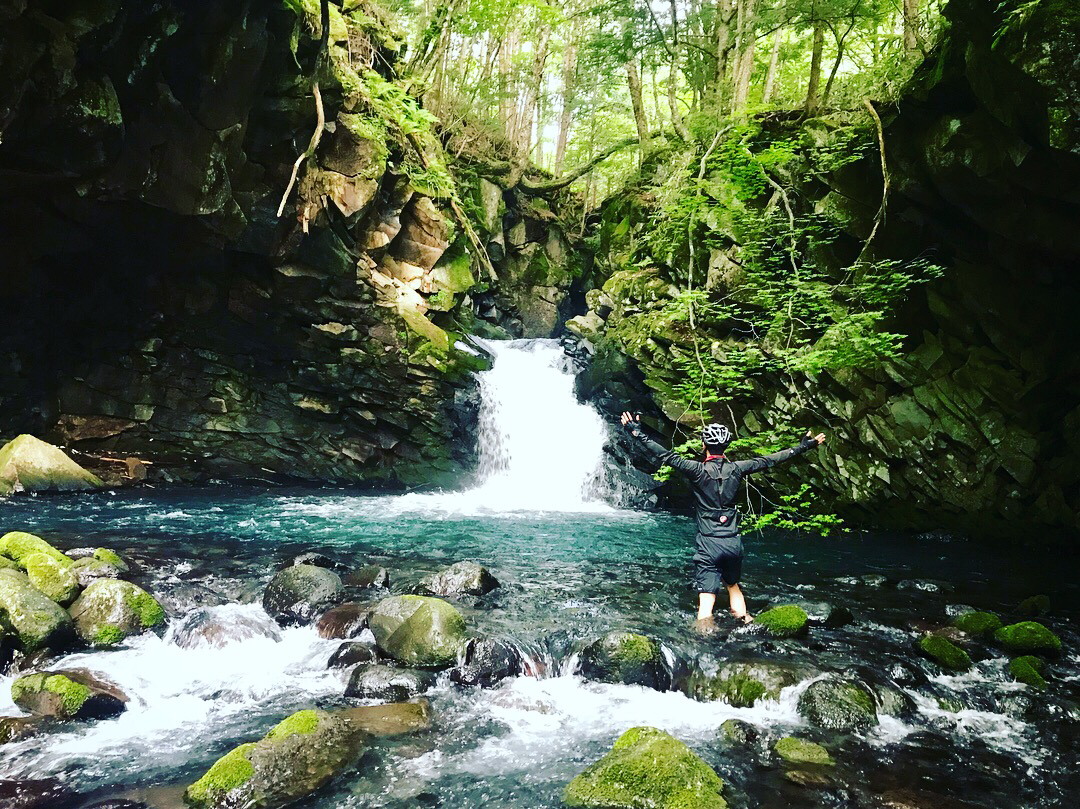
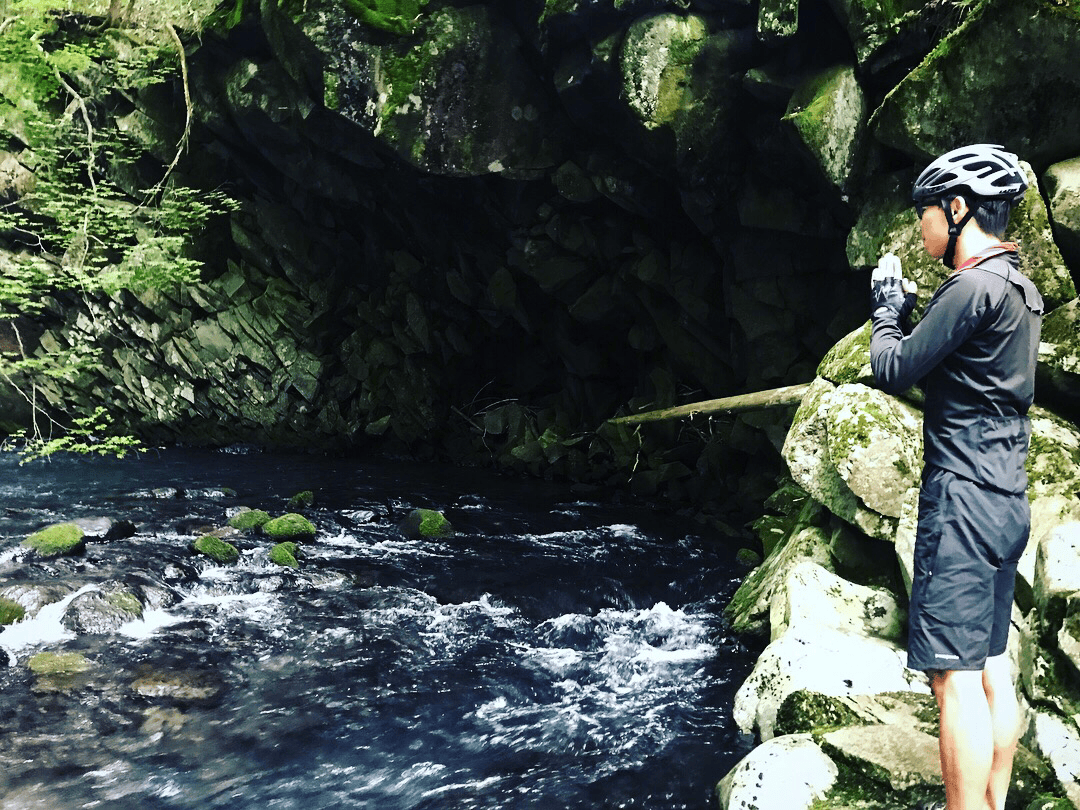
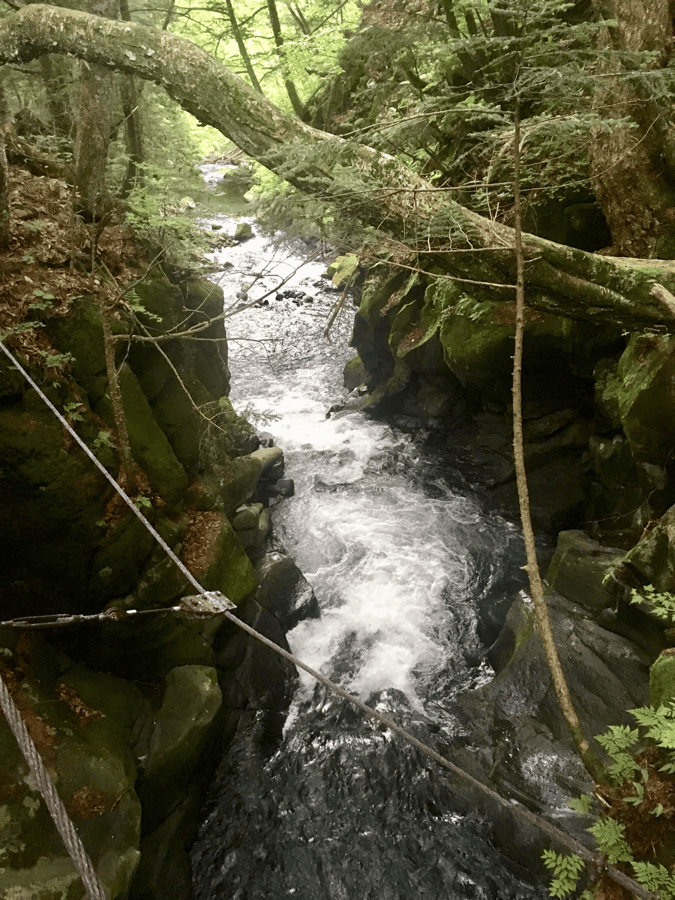
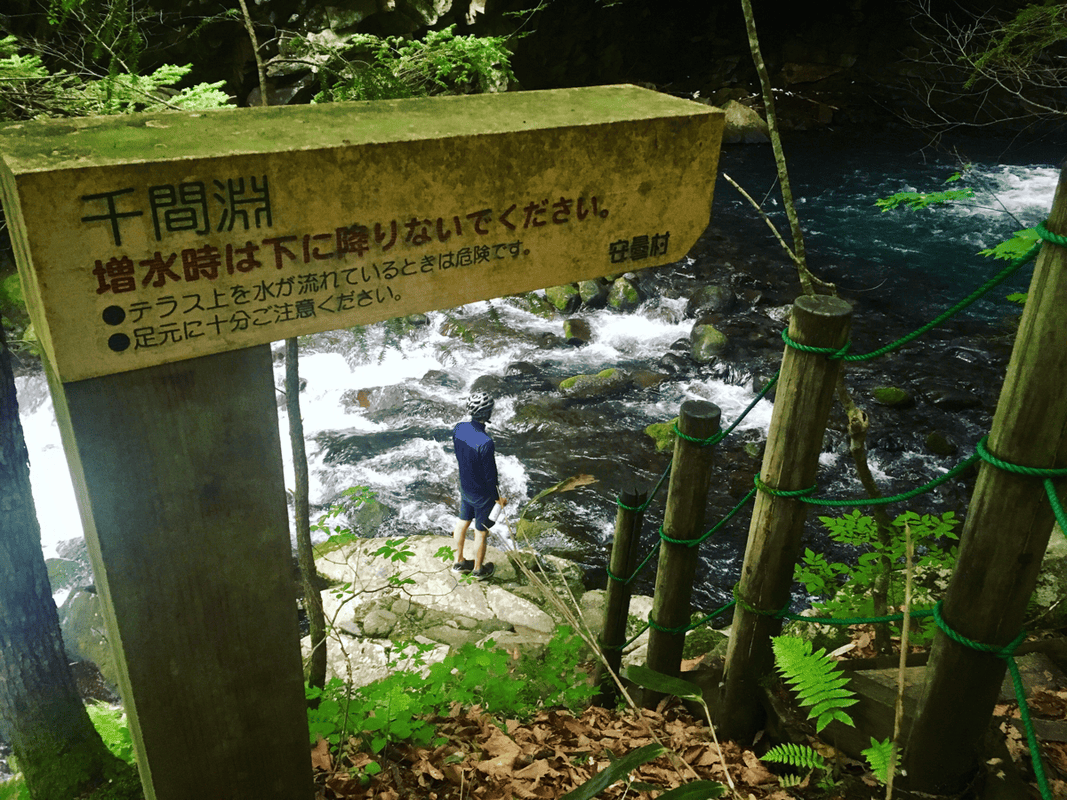
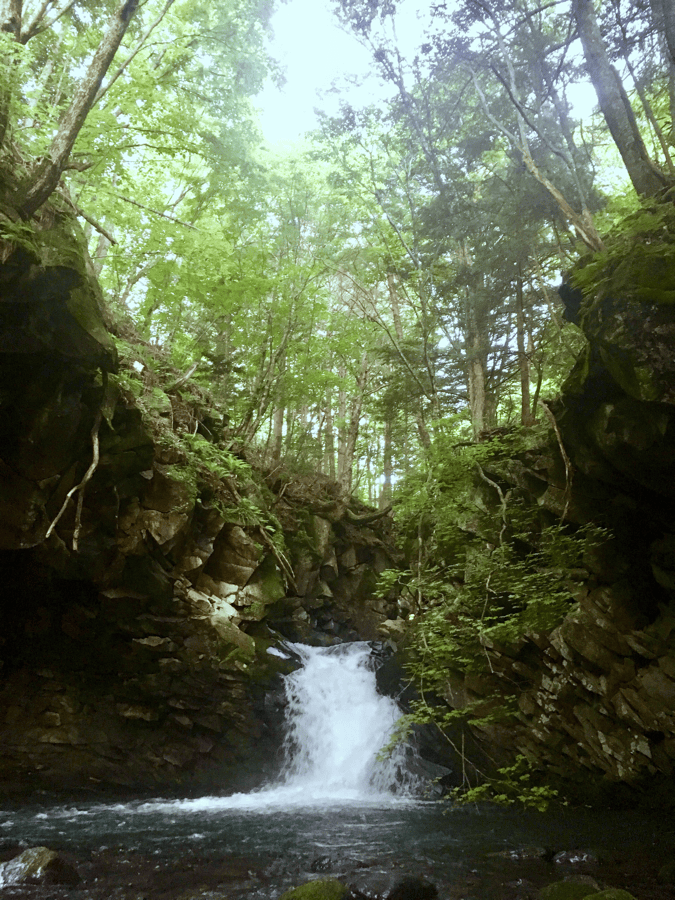
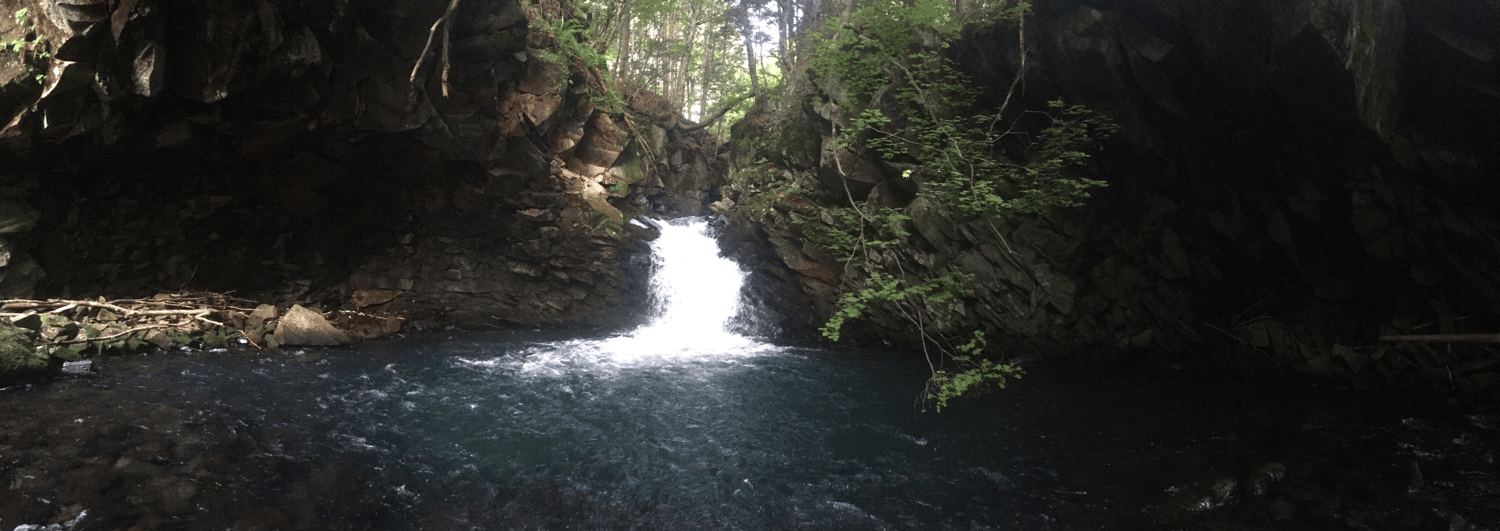
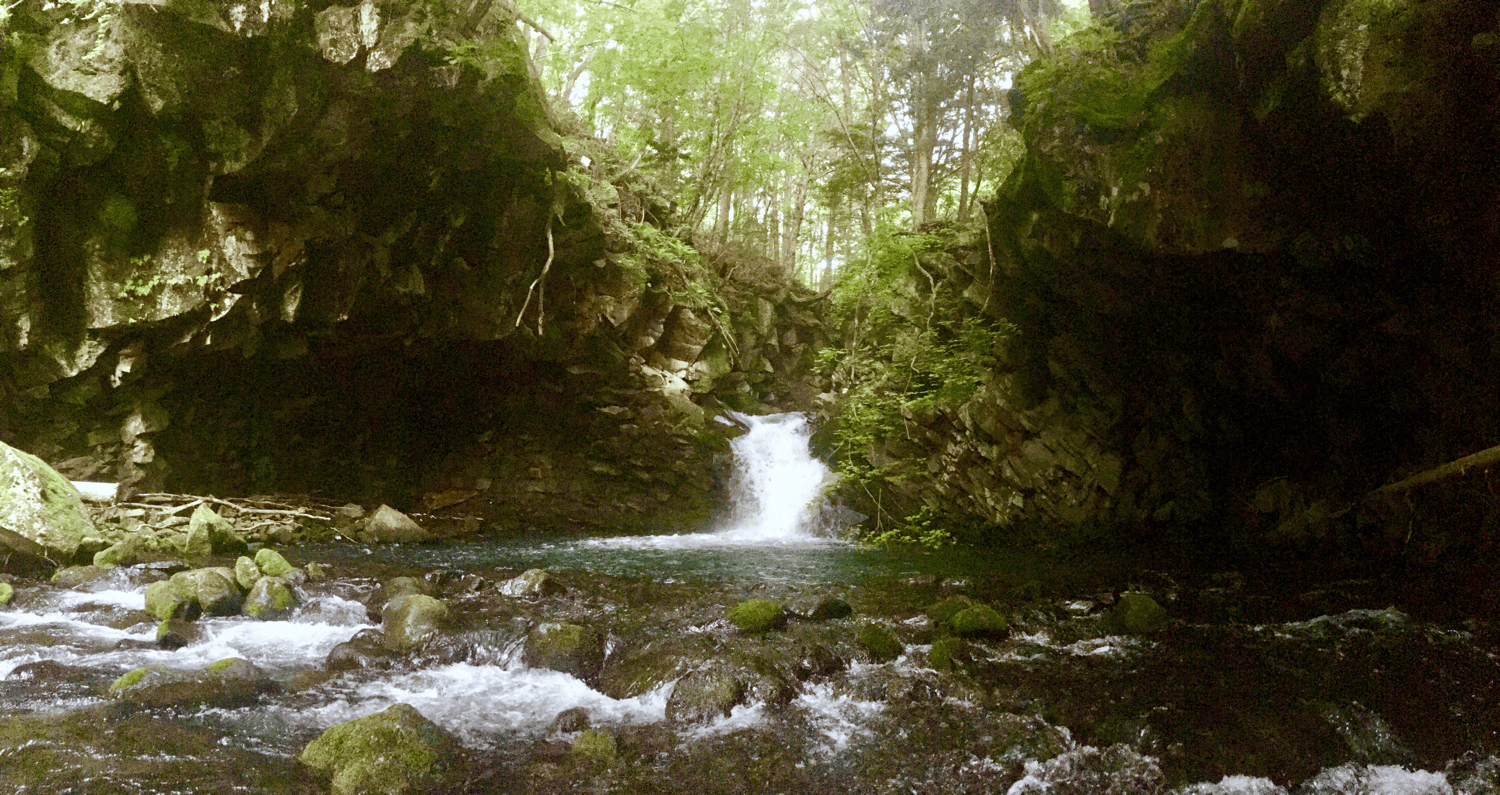
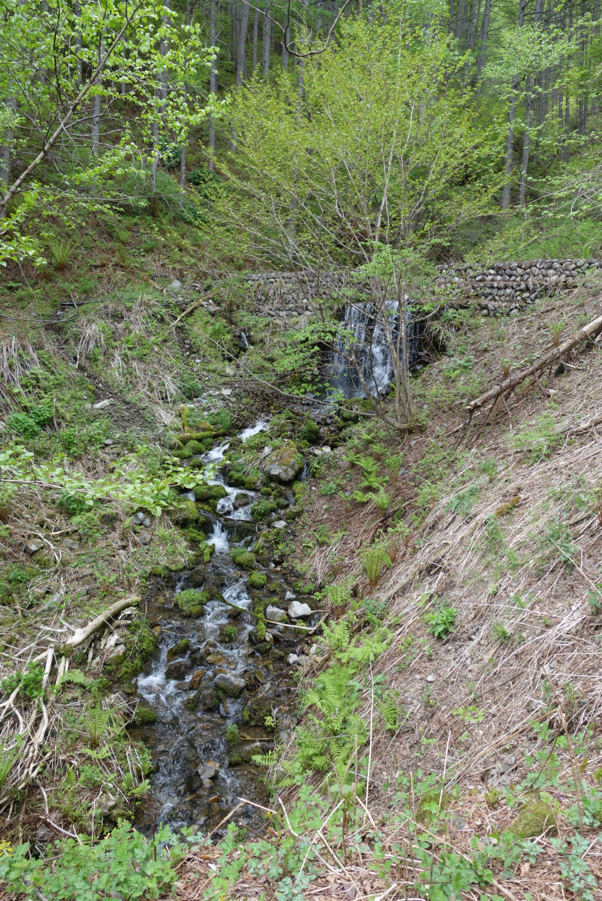
Standing beside it, I struggled to imagine this small stream carrying a thousand logs. Yet the place did seem to have a presence of its own.
Looking carefully, I noticed dishes on the opposite bank. To me, they suggested that the story still lived in the area and that people continued leaving offerings to the mountain deity.
Although the morning was cold, the pool drew me closer. I stepped into the water, felt its chill around my feet and breathed deeply, imagining myself becoming part of the surrounding nature.
I do not know how much time passed before Fujie-san brought my attention back to the everyday world.
Slowly, I returned to the bicycle, and we continued.
Into Bandokoro Forest Road
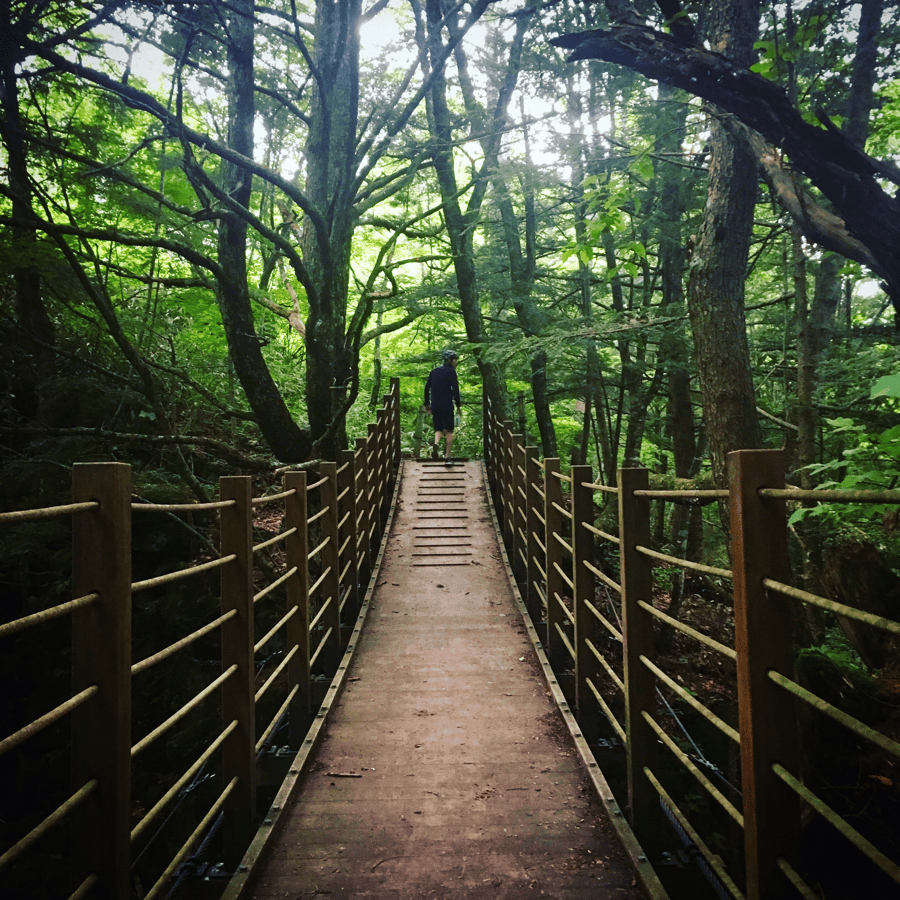
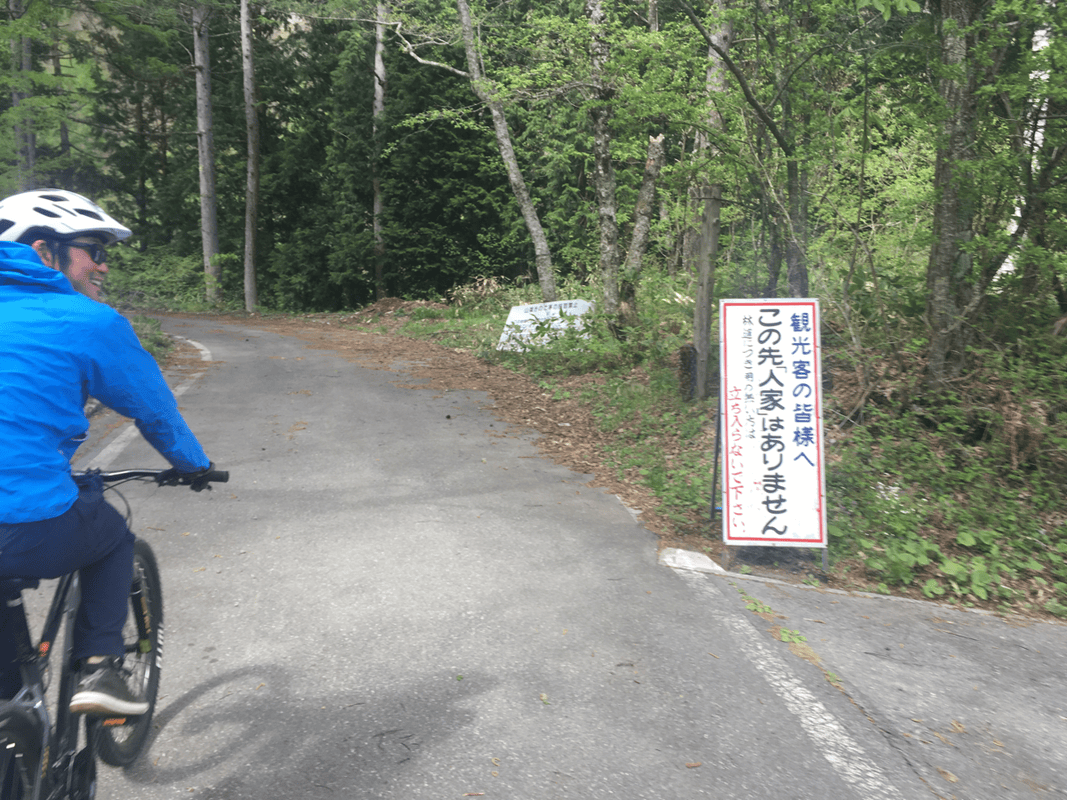
A large sign at the entrance told visitors that there were no houses farther ahead. We exchanged a smile: away from houses was exactly where we wanted to go. That sign should not be confused with confirmation of present-day access; visitors need to check all restrictions.
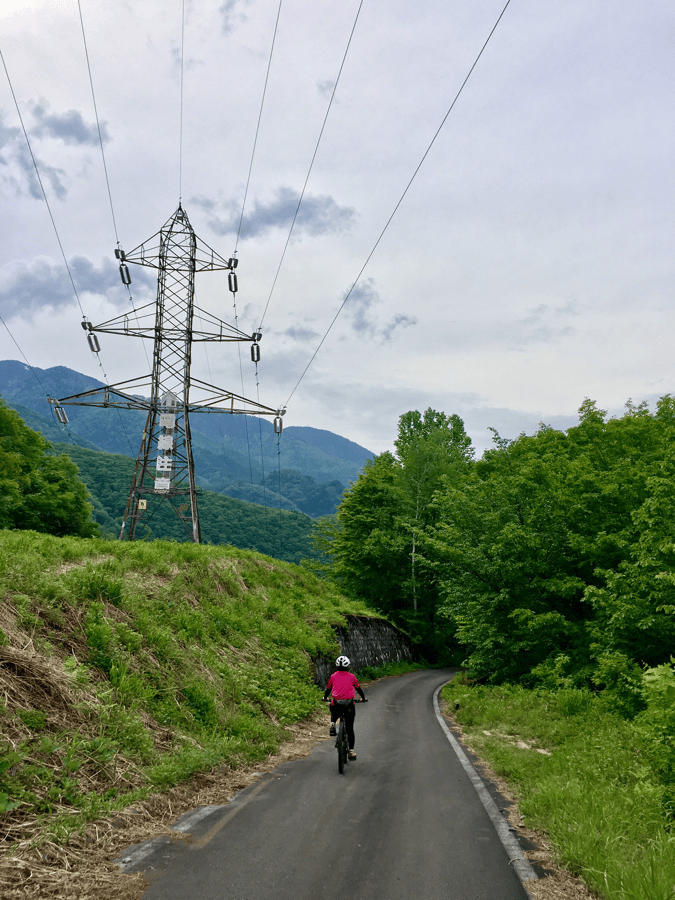
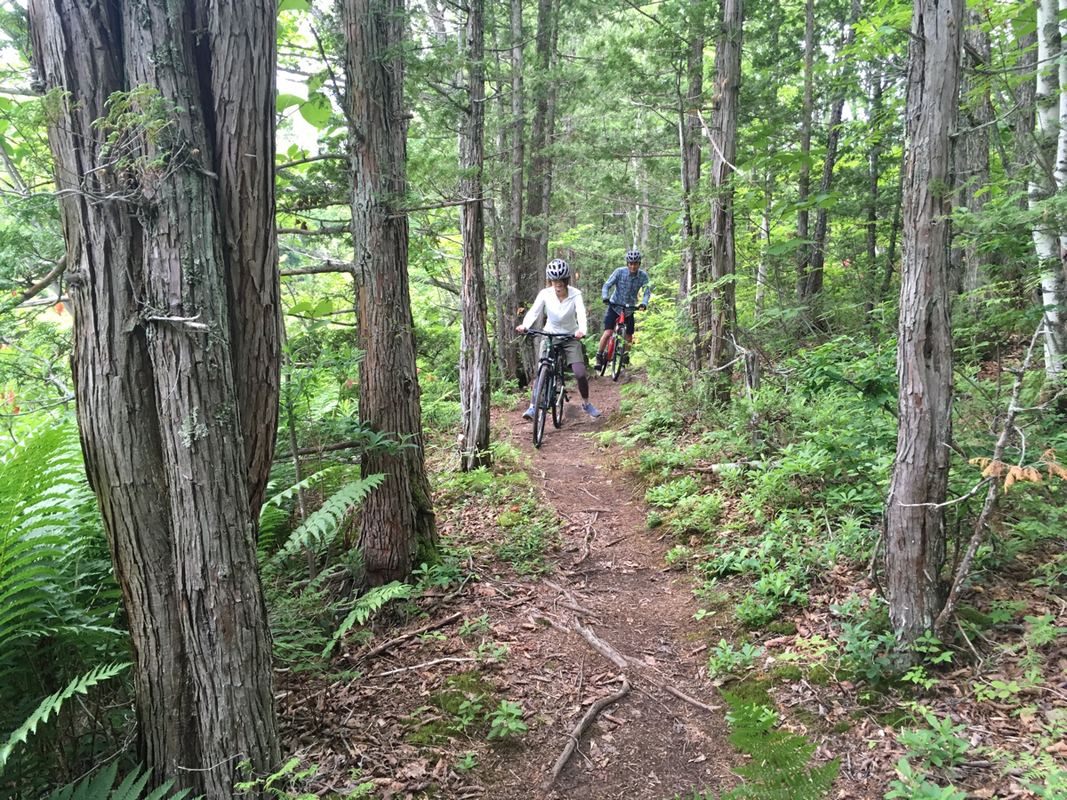
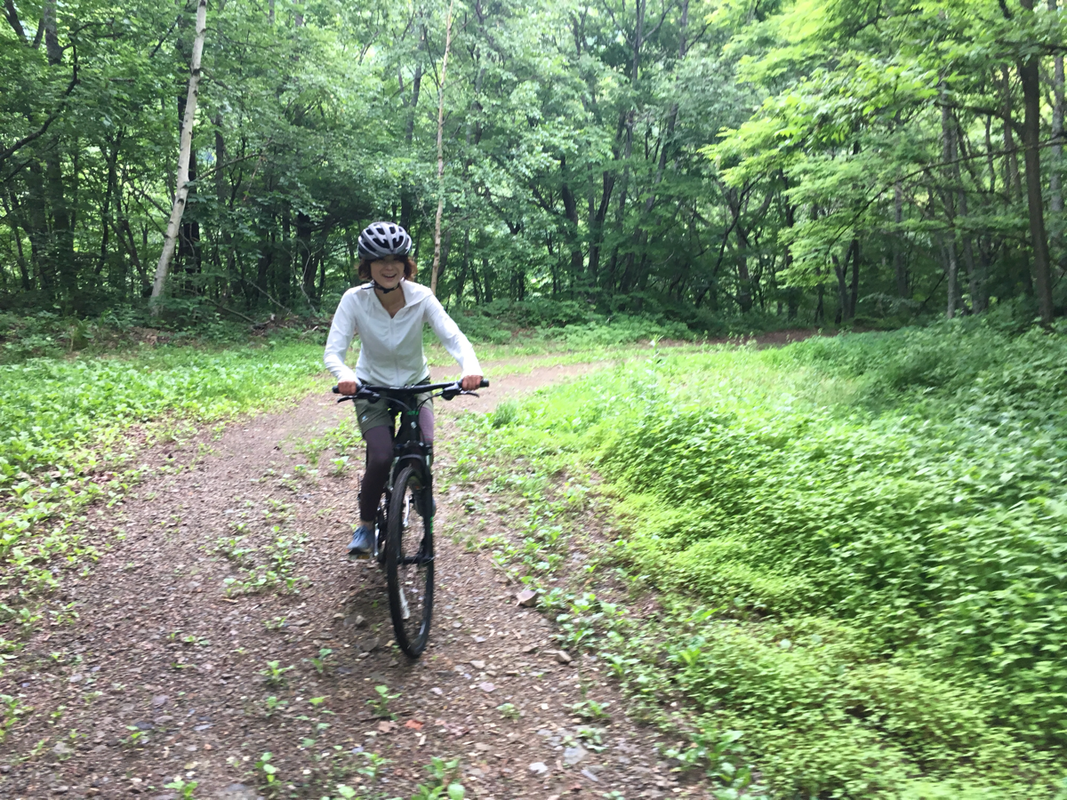
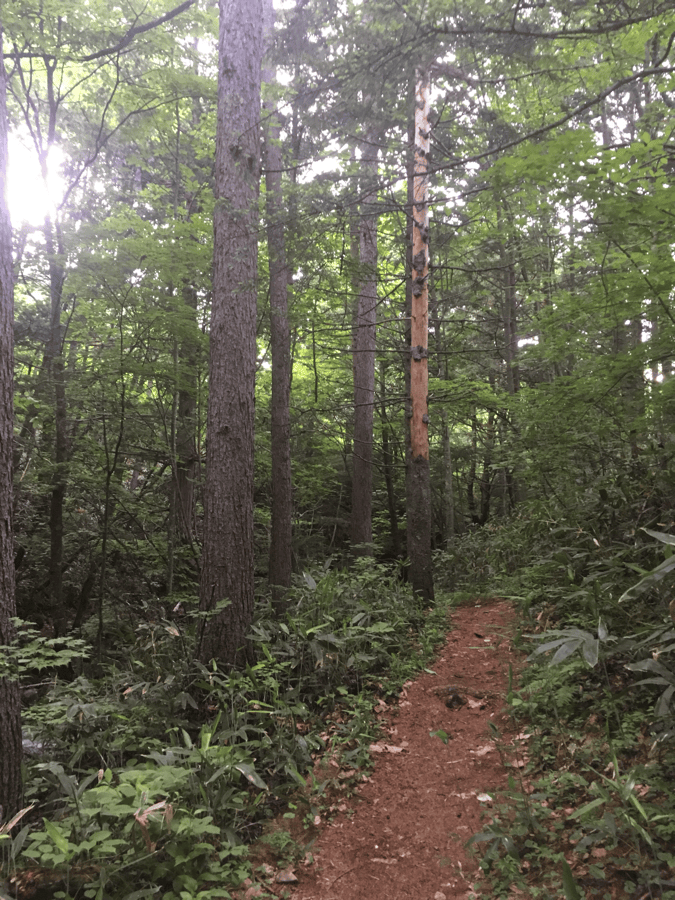
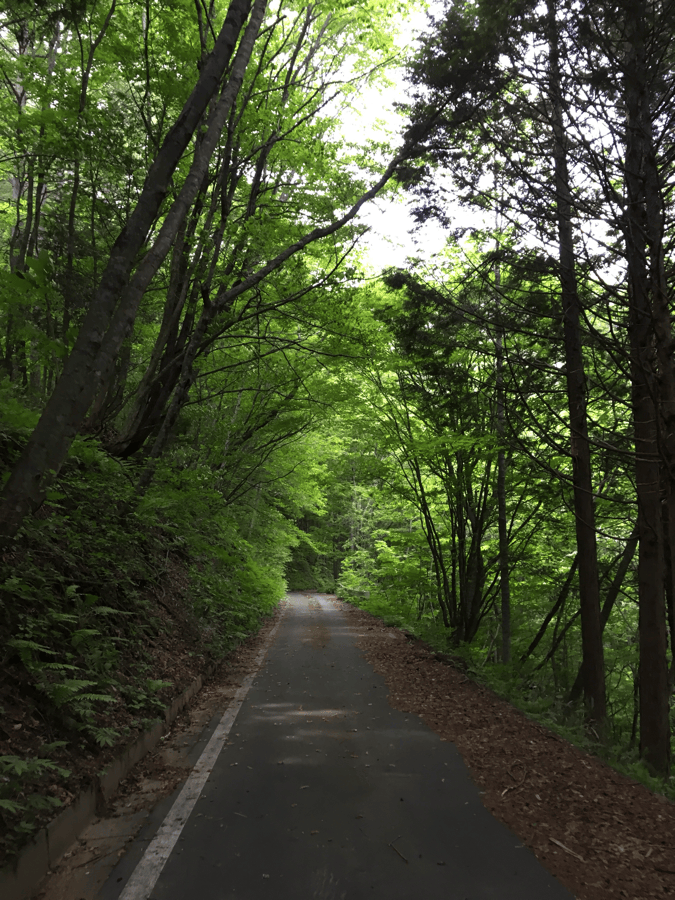
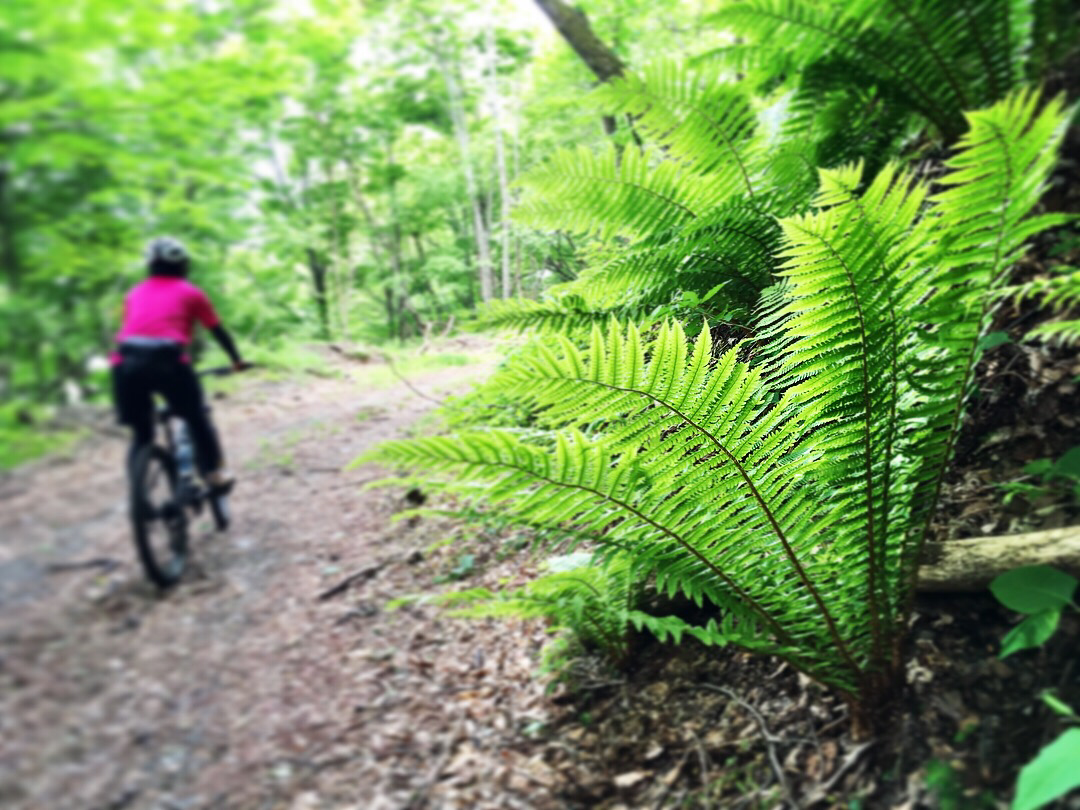
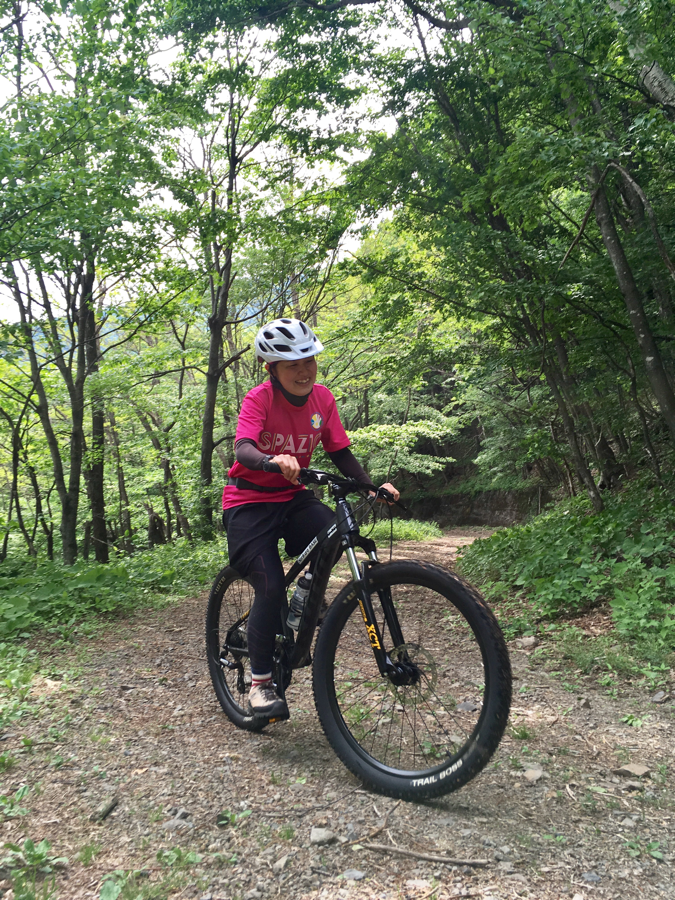
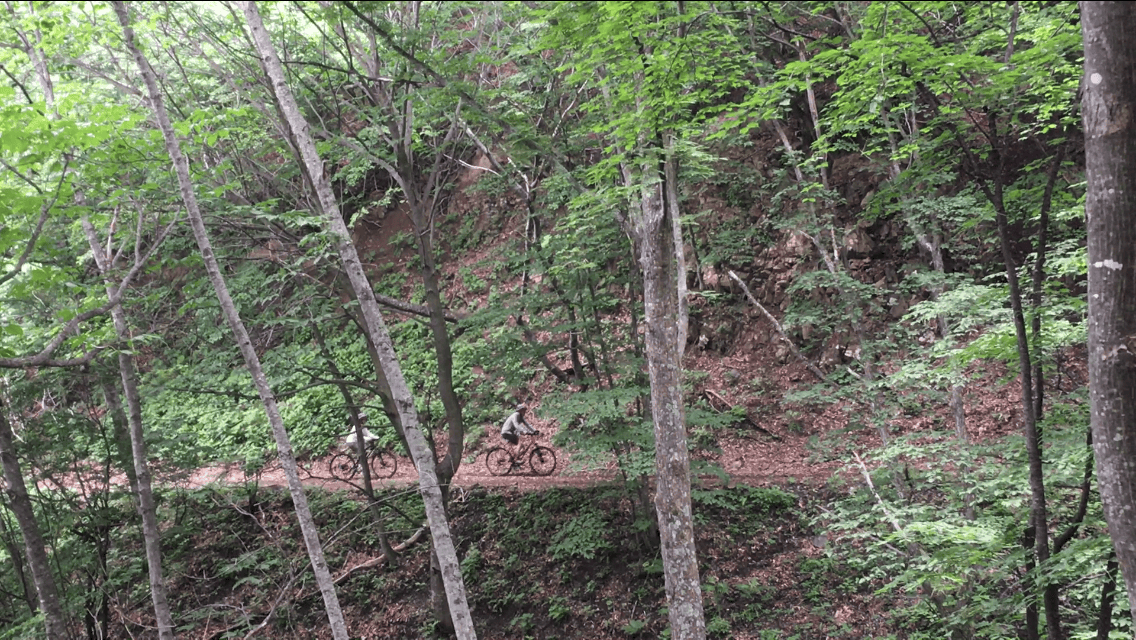
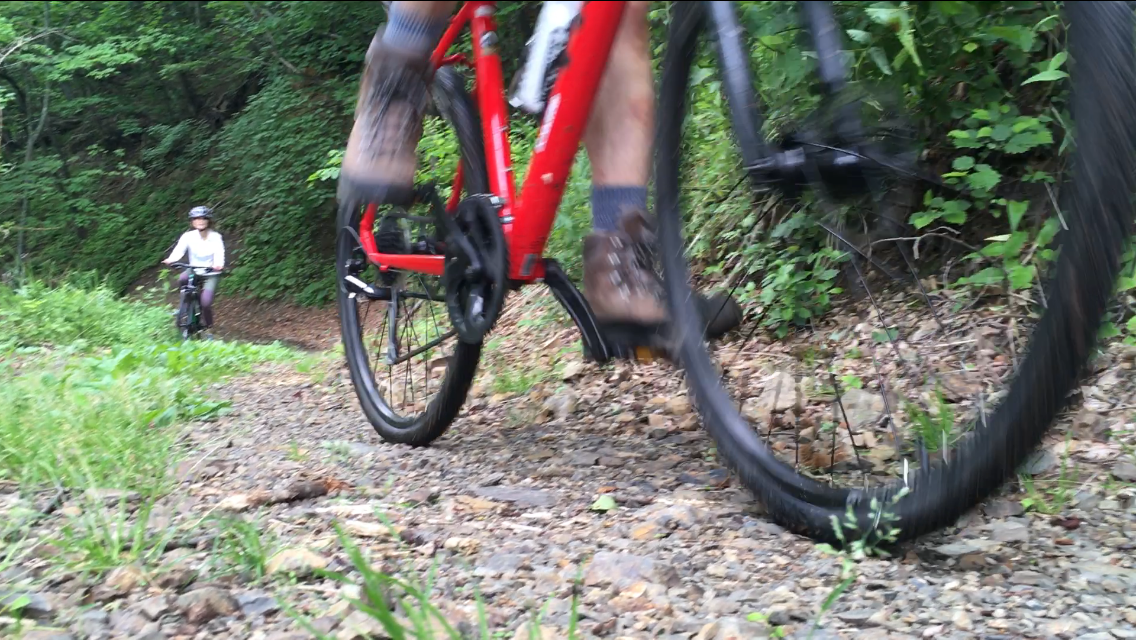
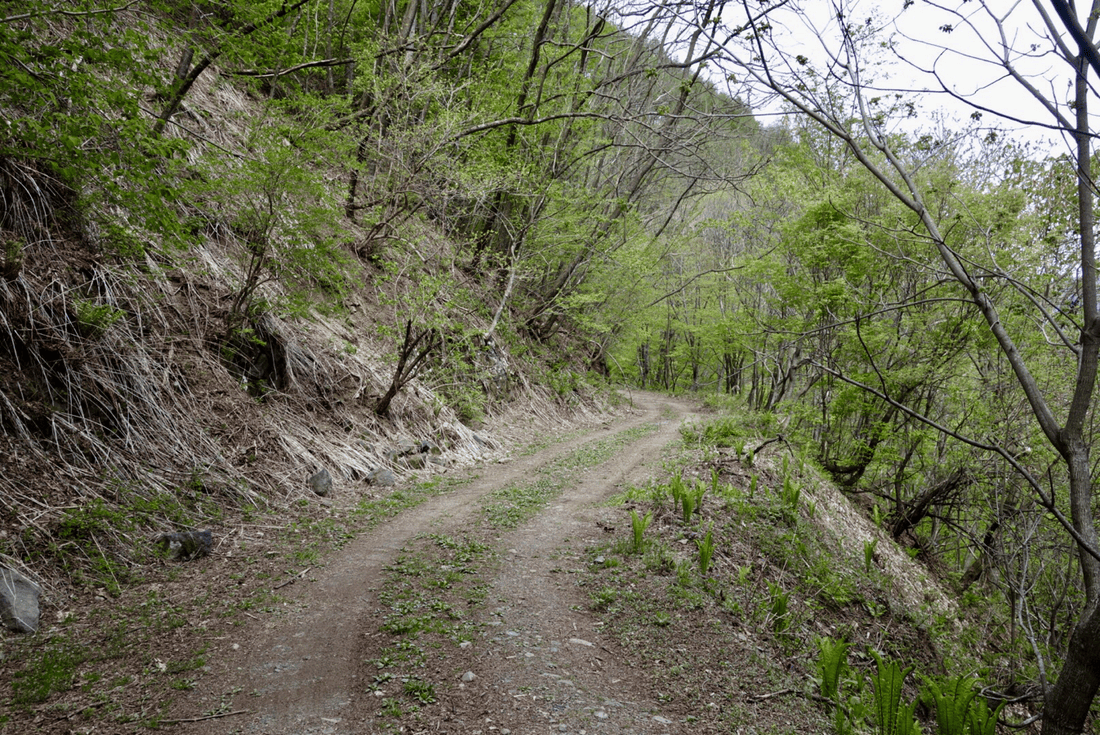
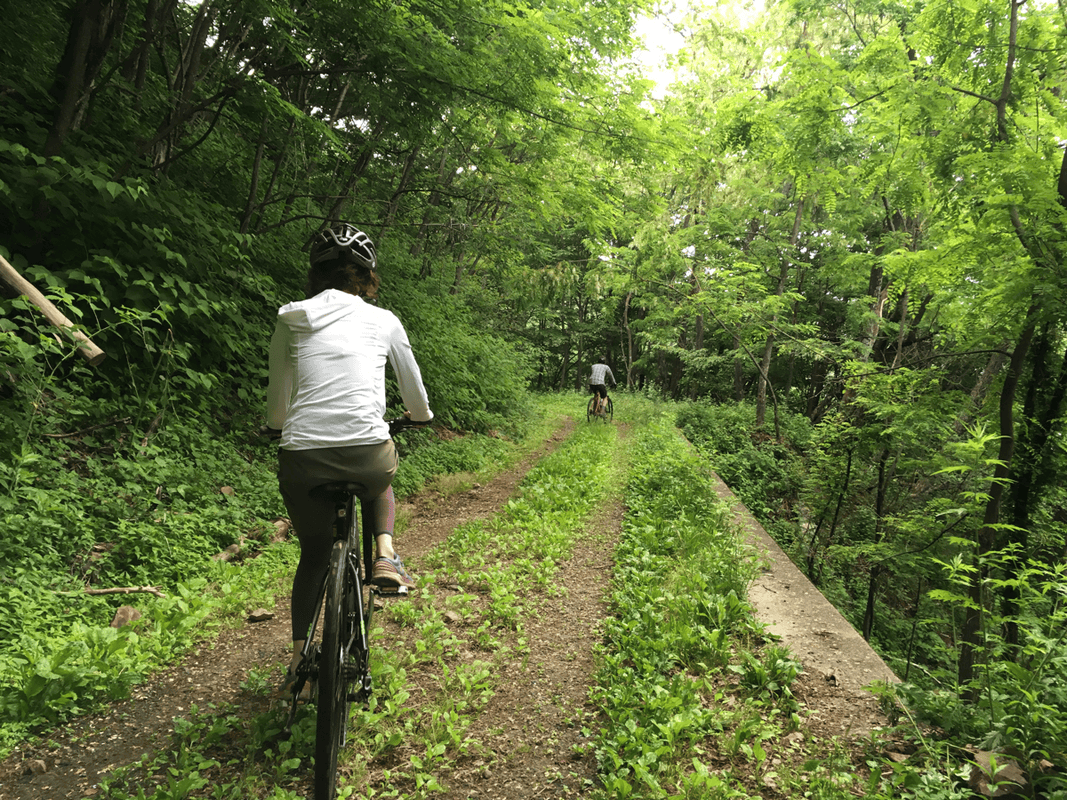
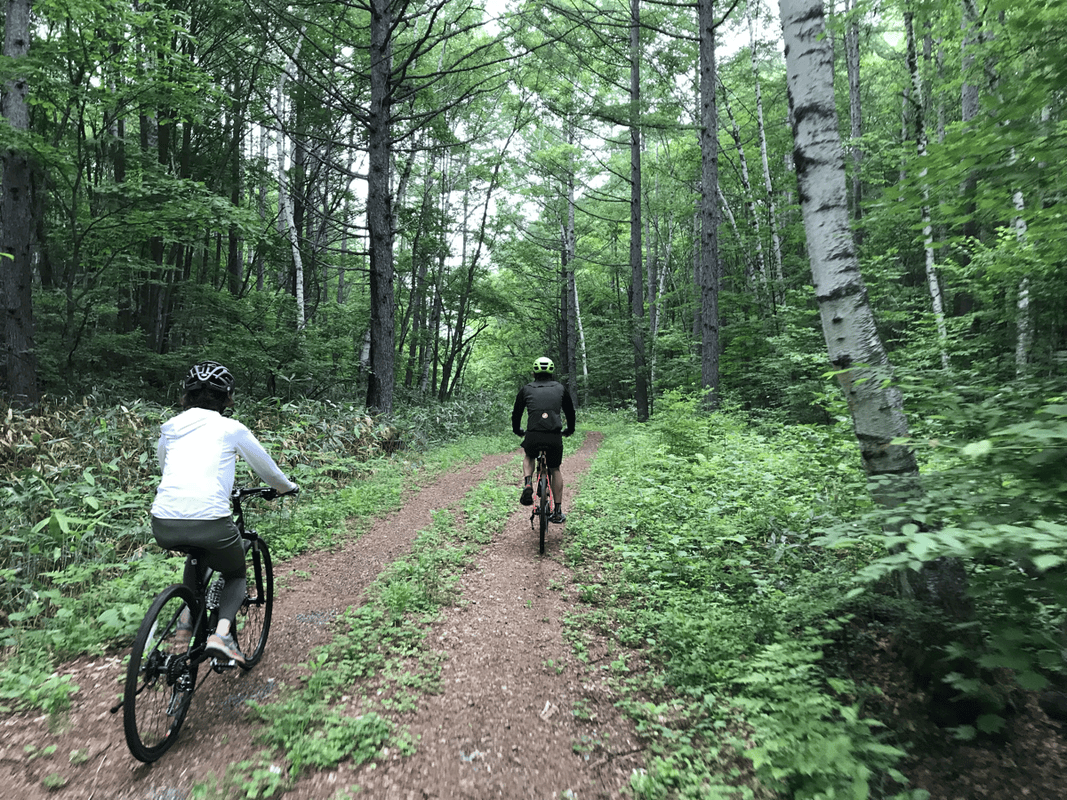
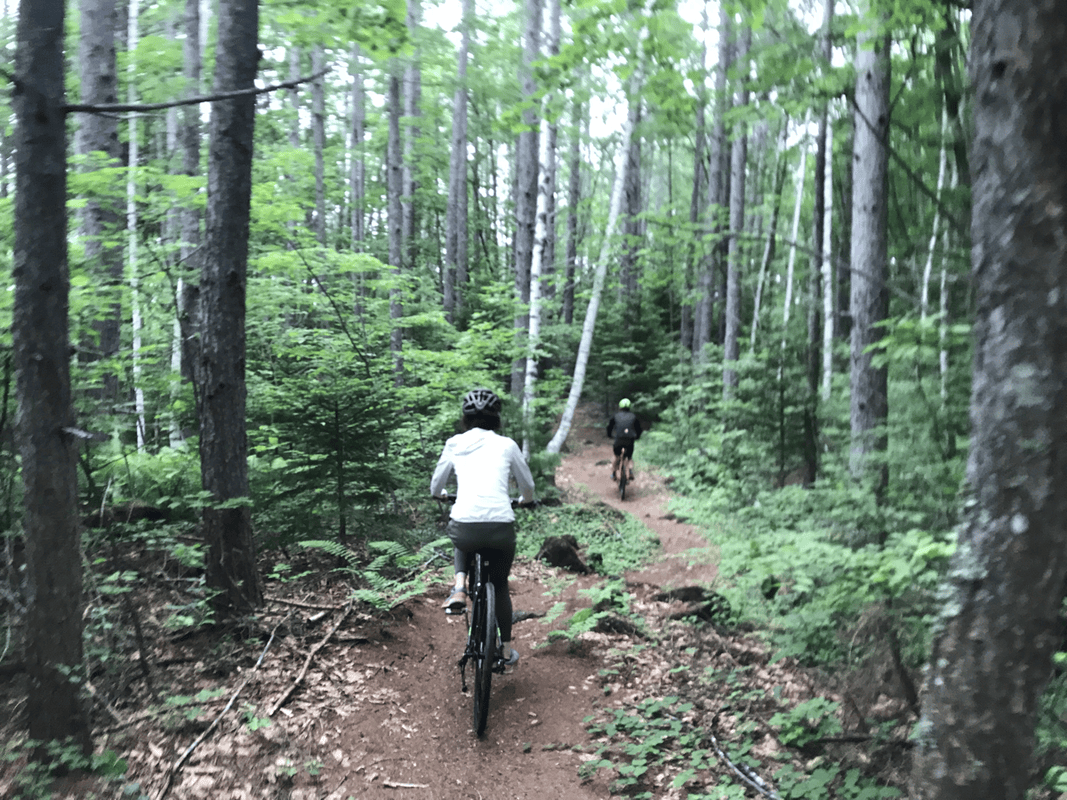
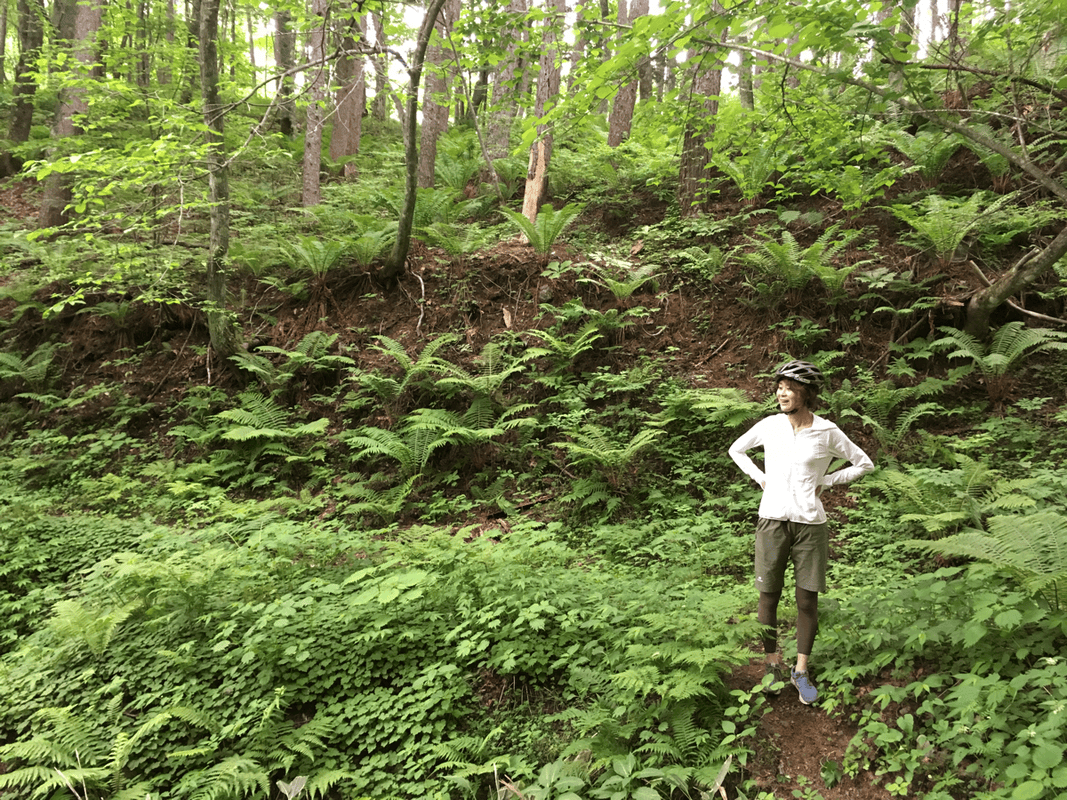
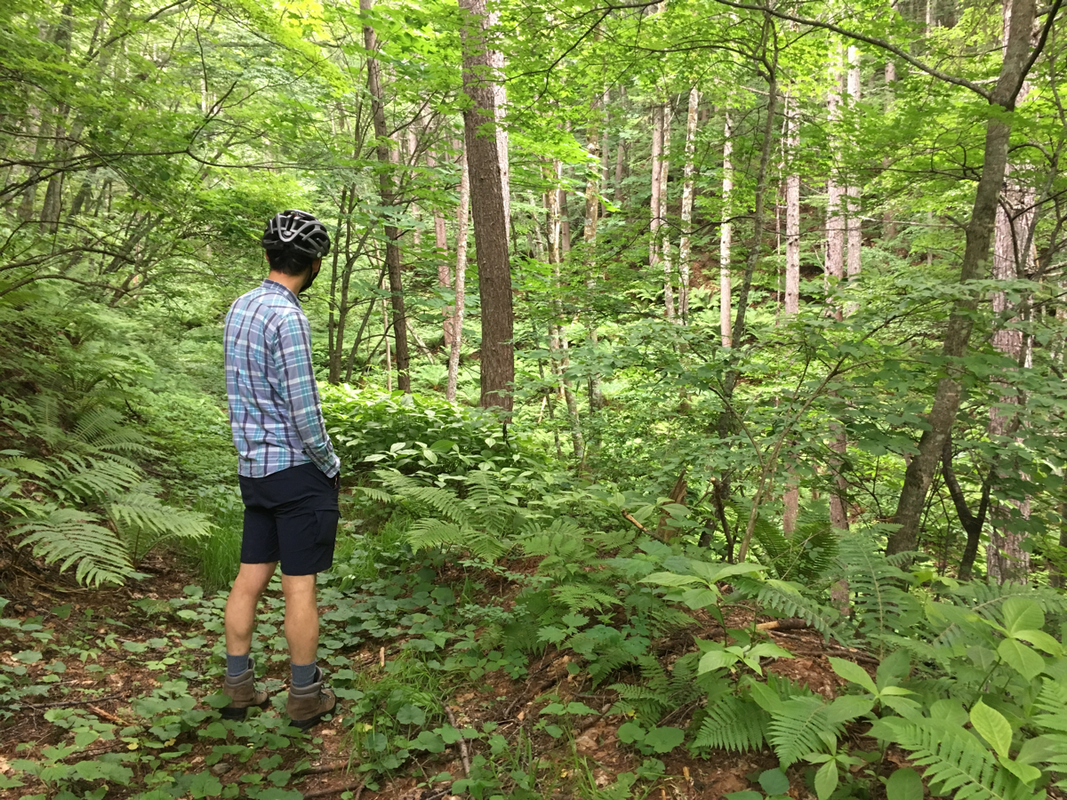
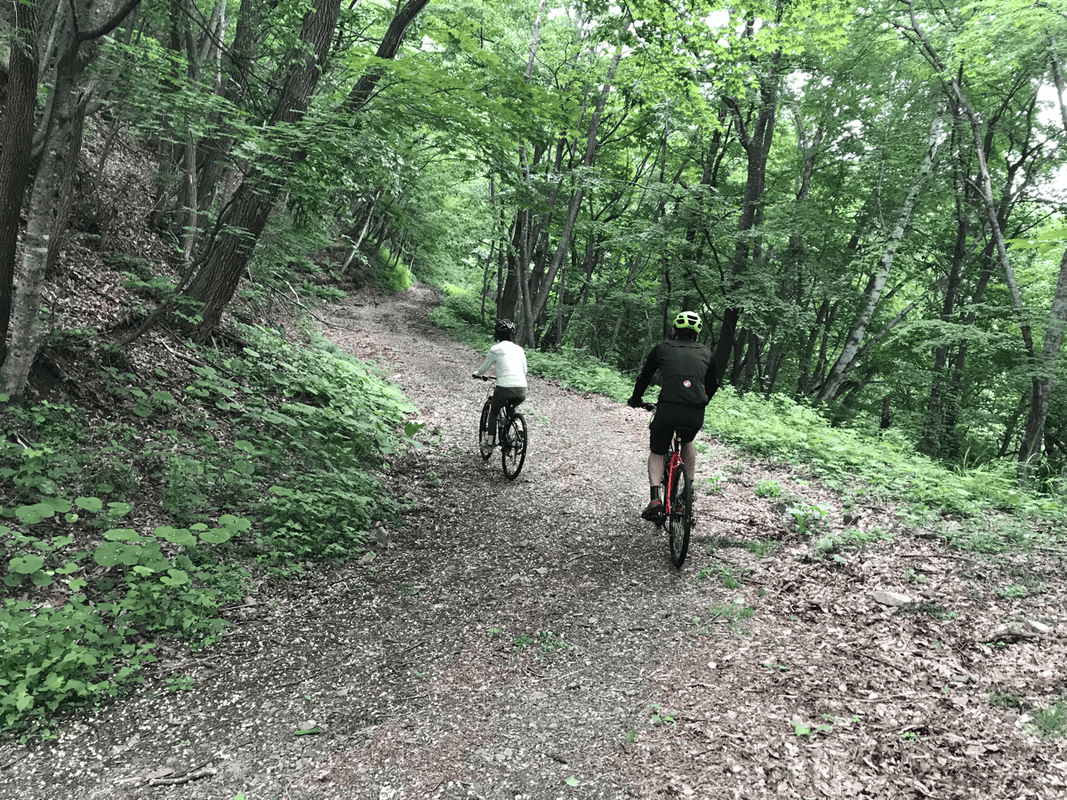
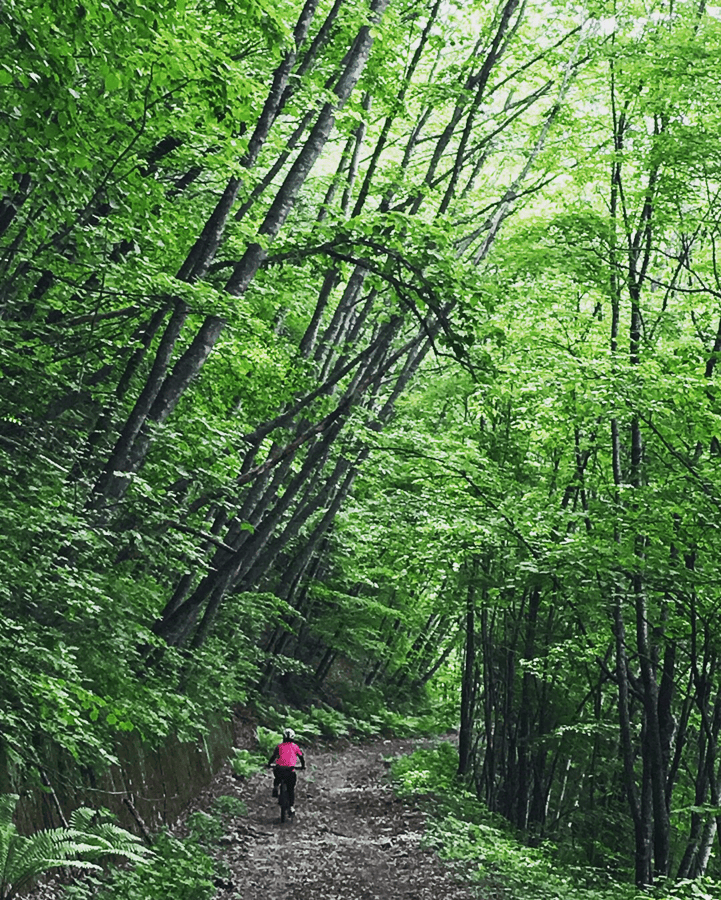
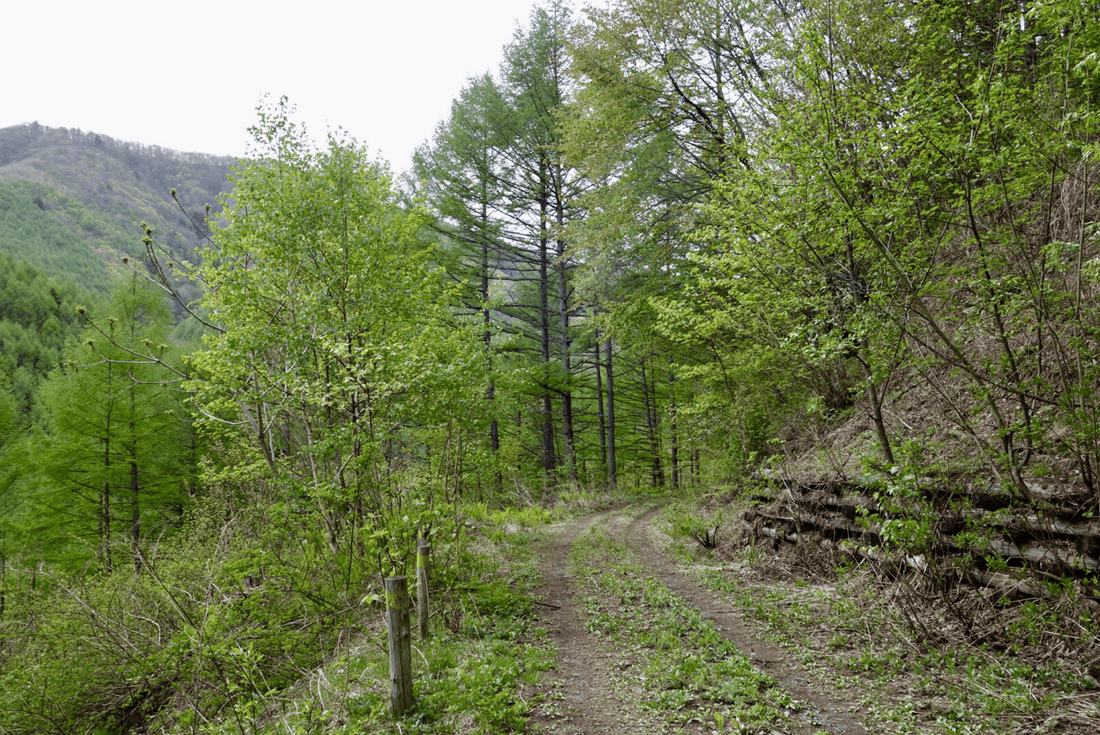
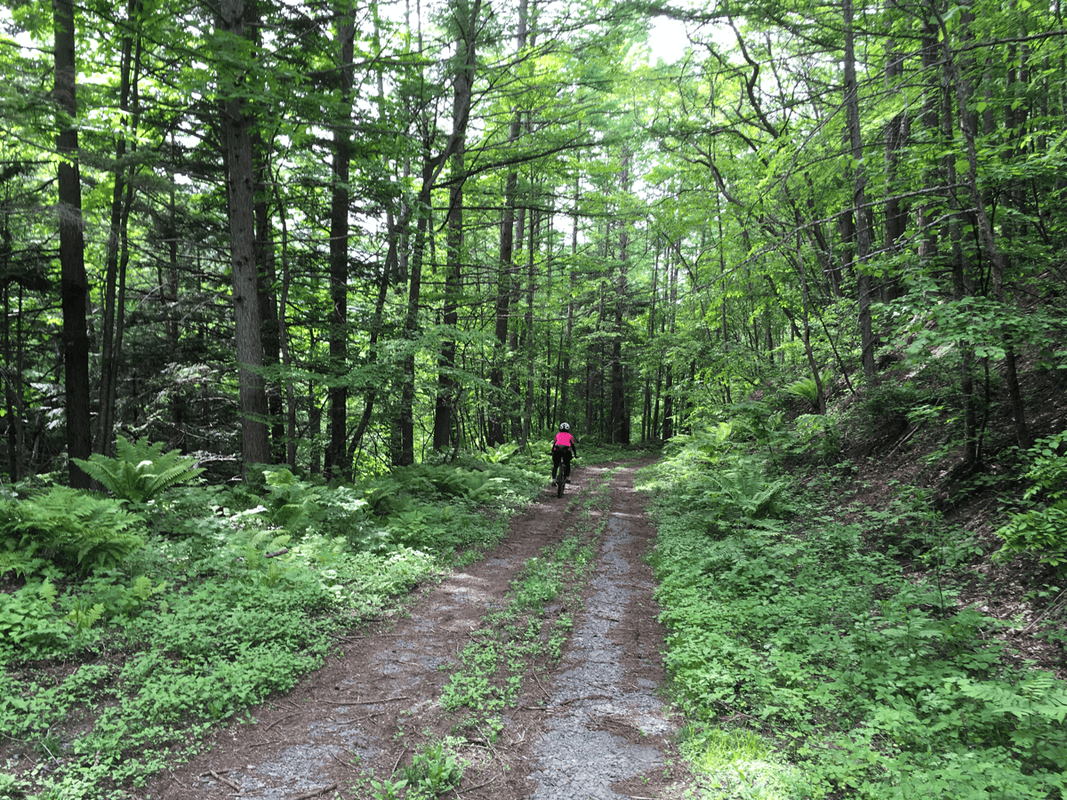
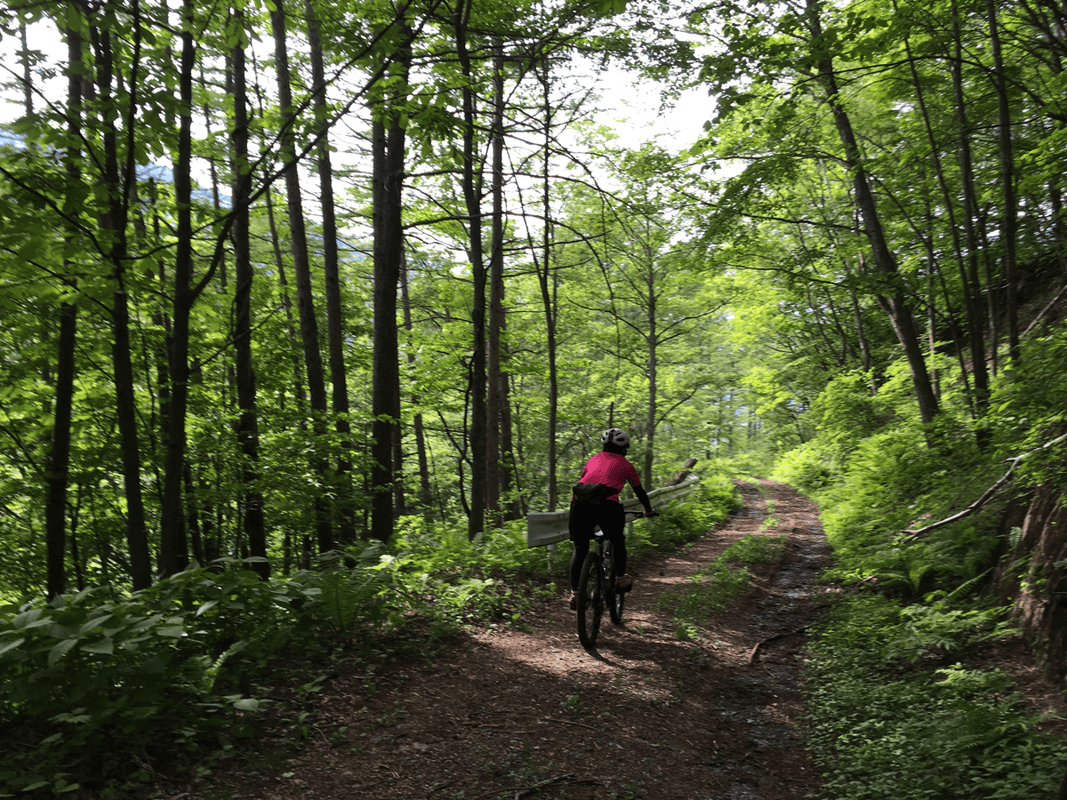
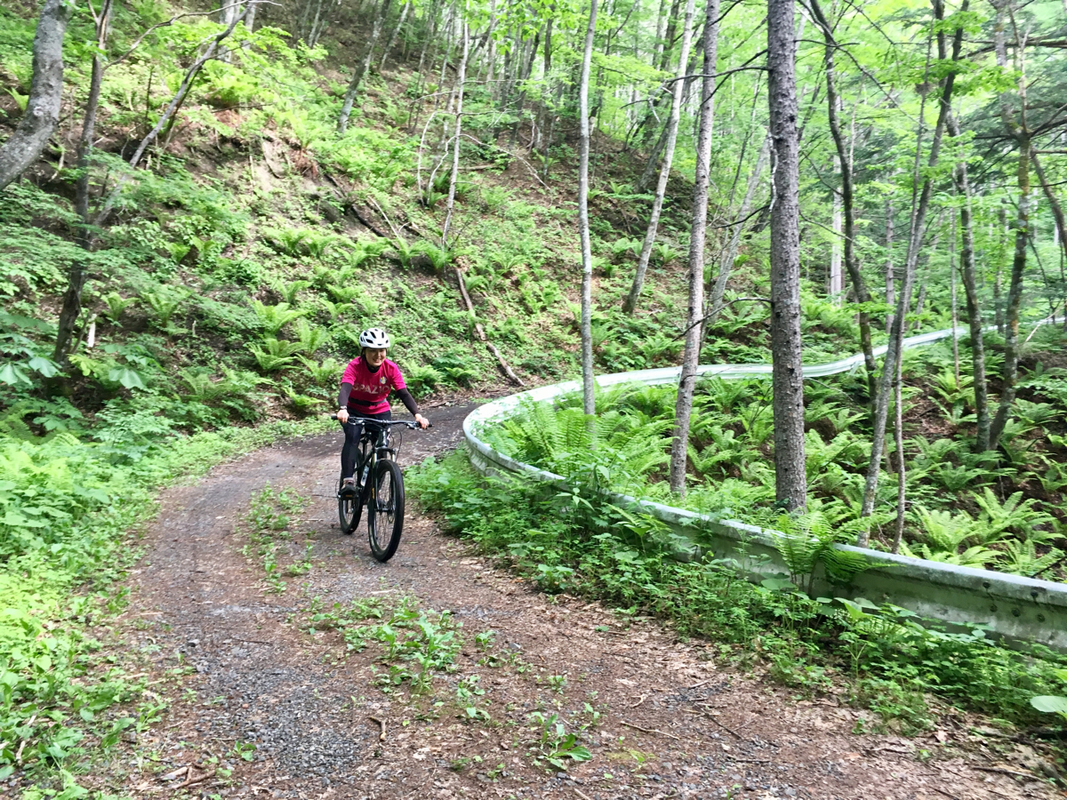
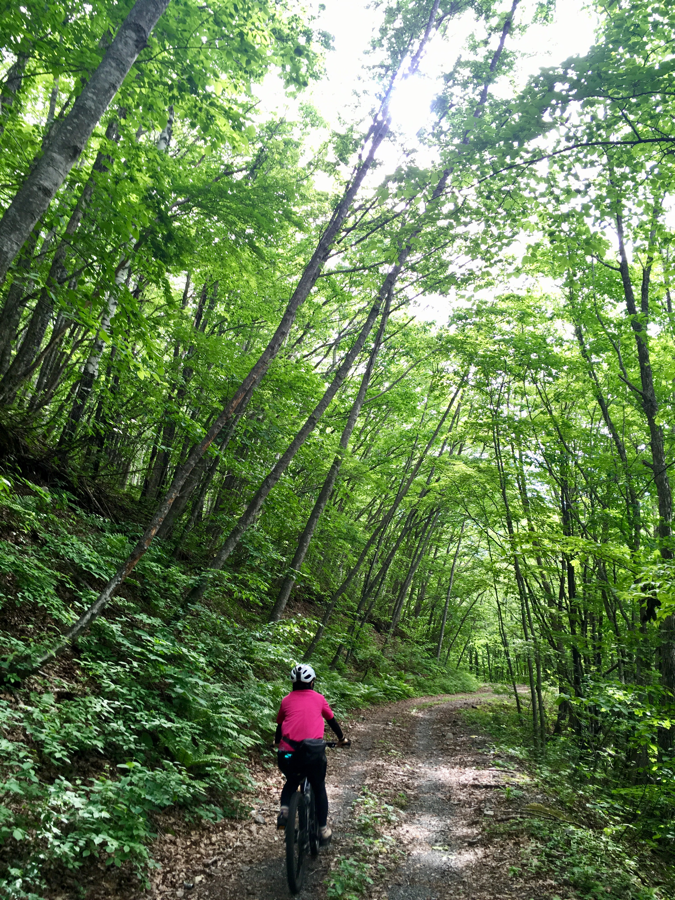
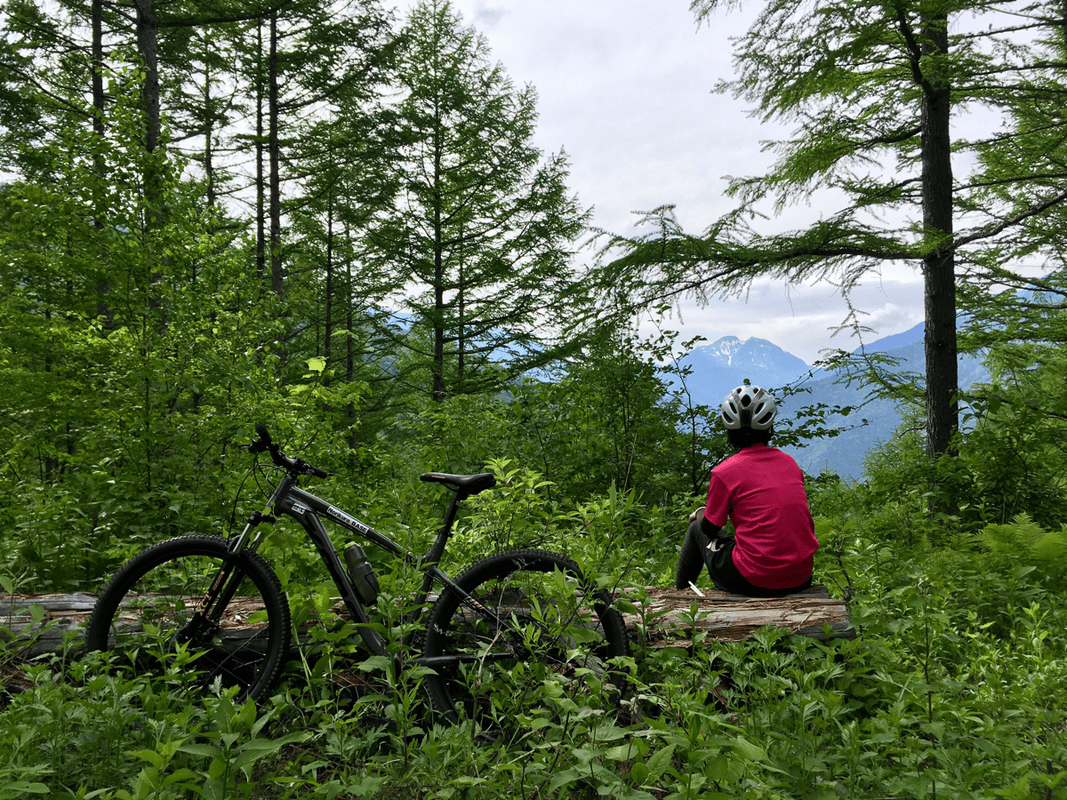
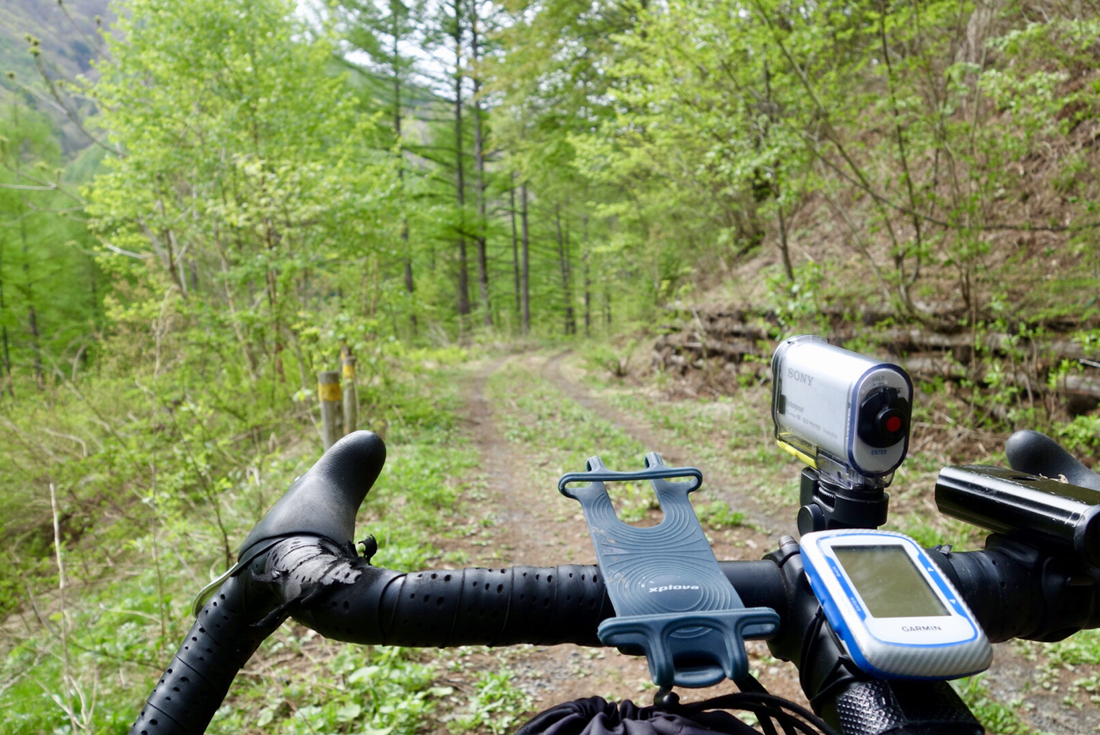
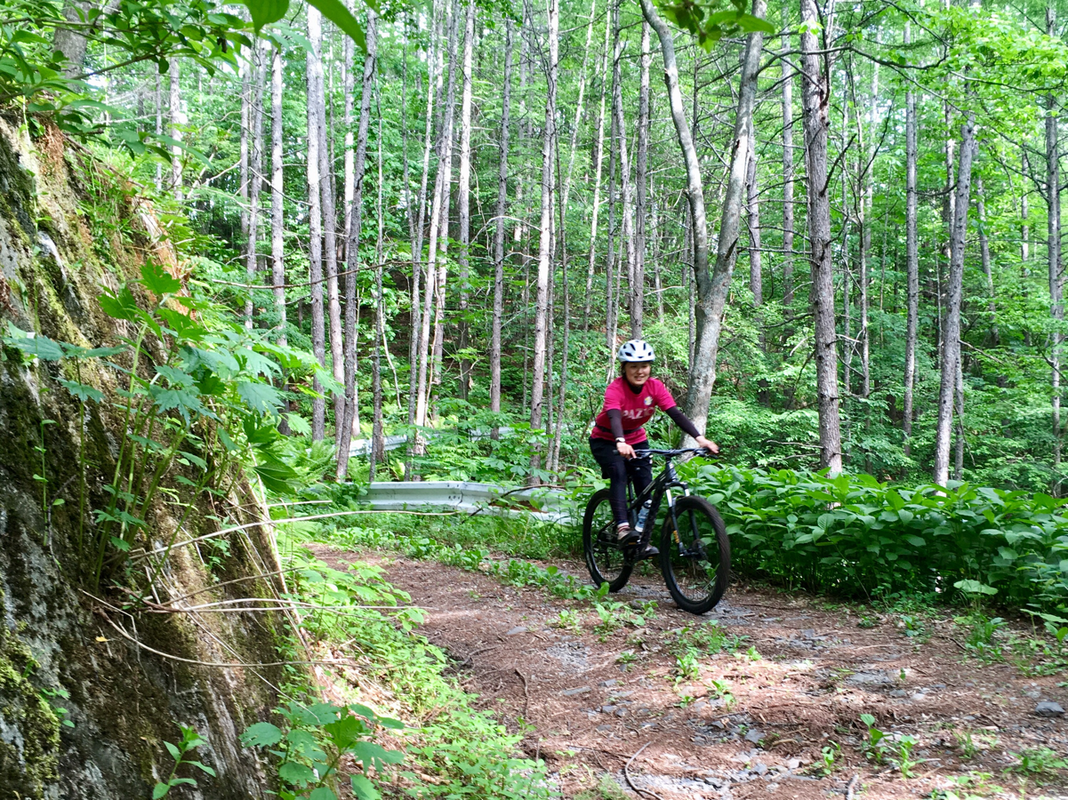
On our ride, the forest road itself was approachable. Pavement gradually became gravel. The climb was neither especially steep nor long, and there were few large rocks.
I felt it could be enjoyable for riders with limited forest-road experience in similar conditions.
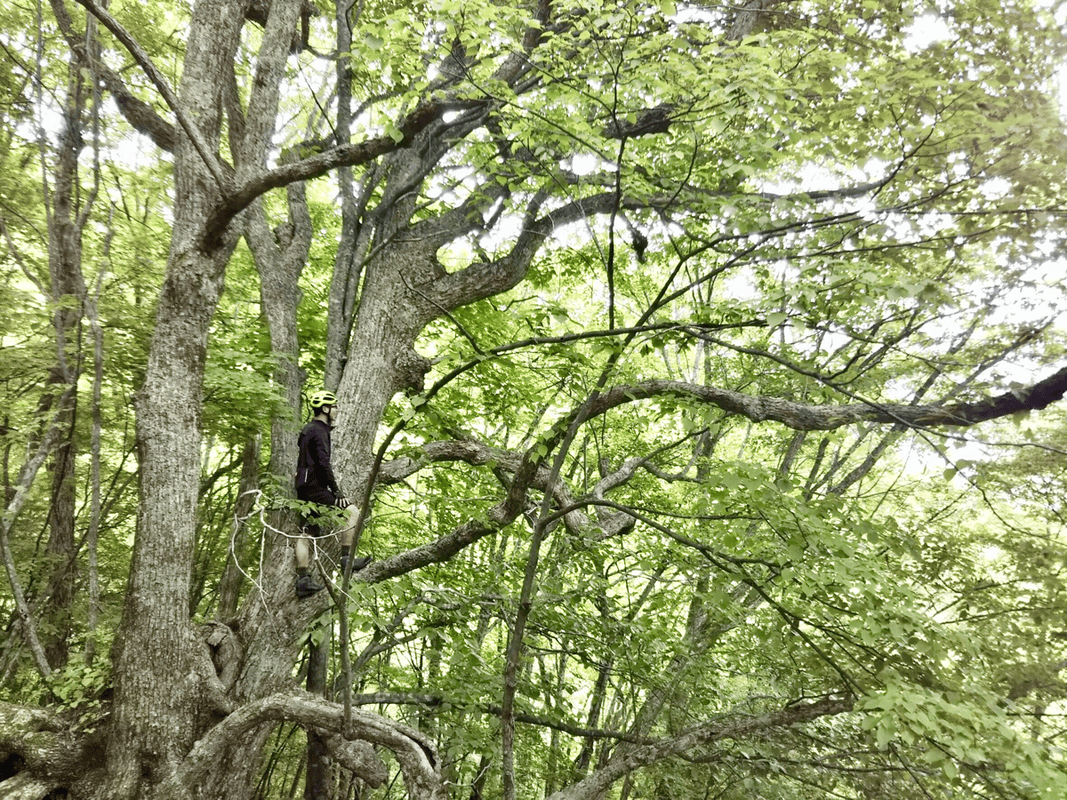
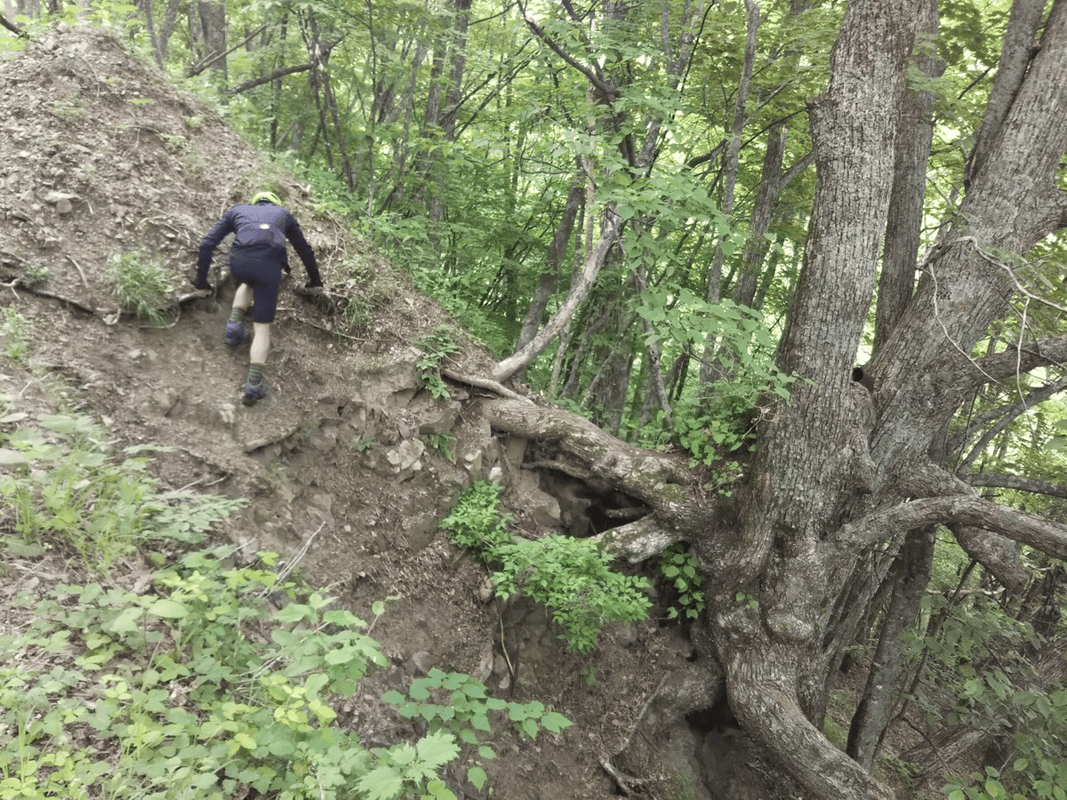
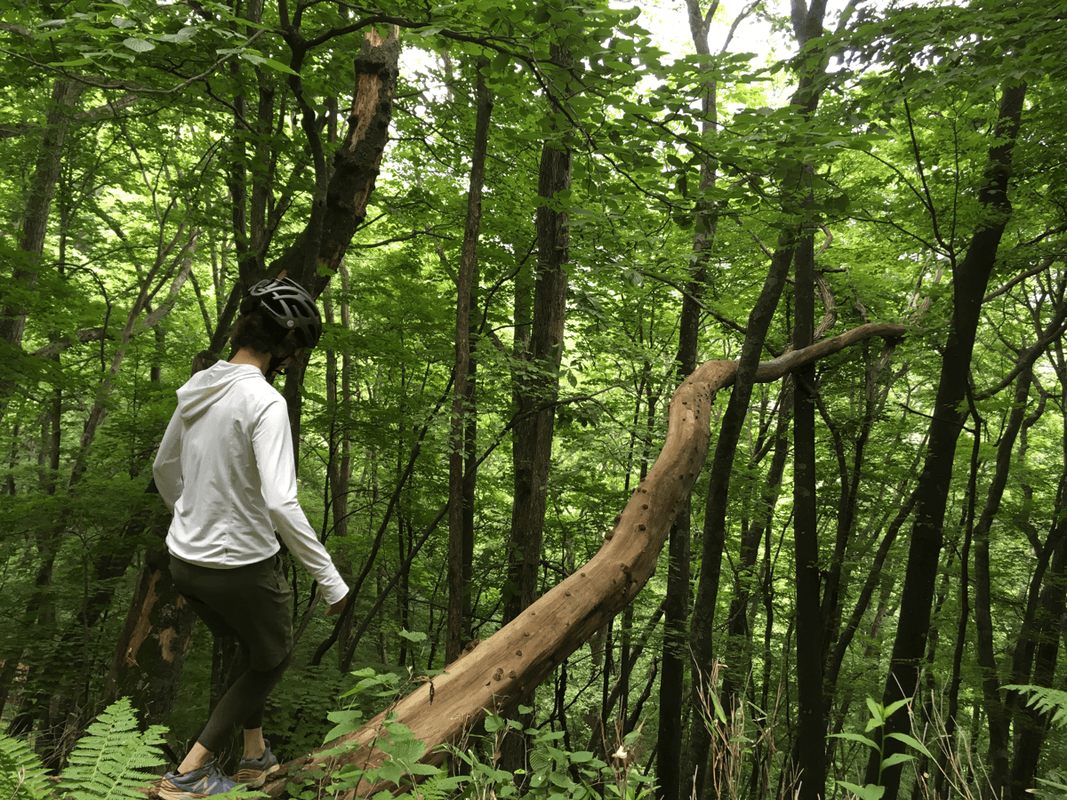
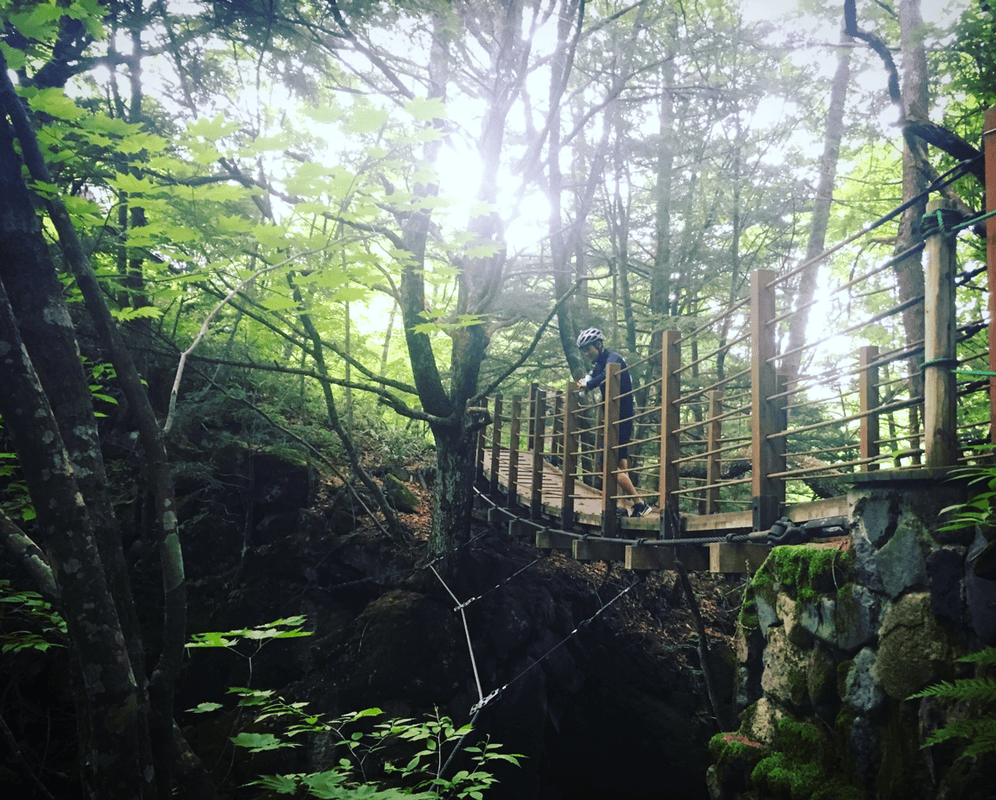
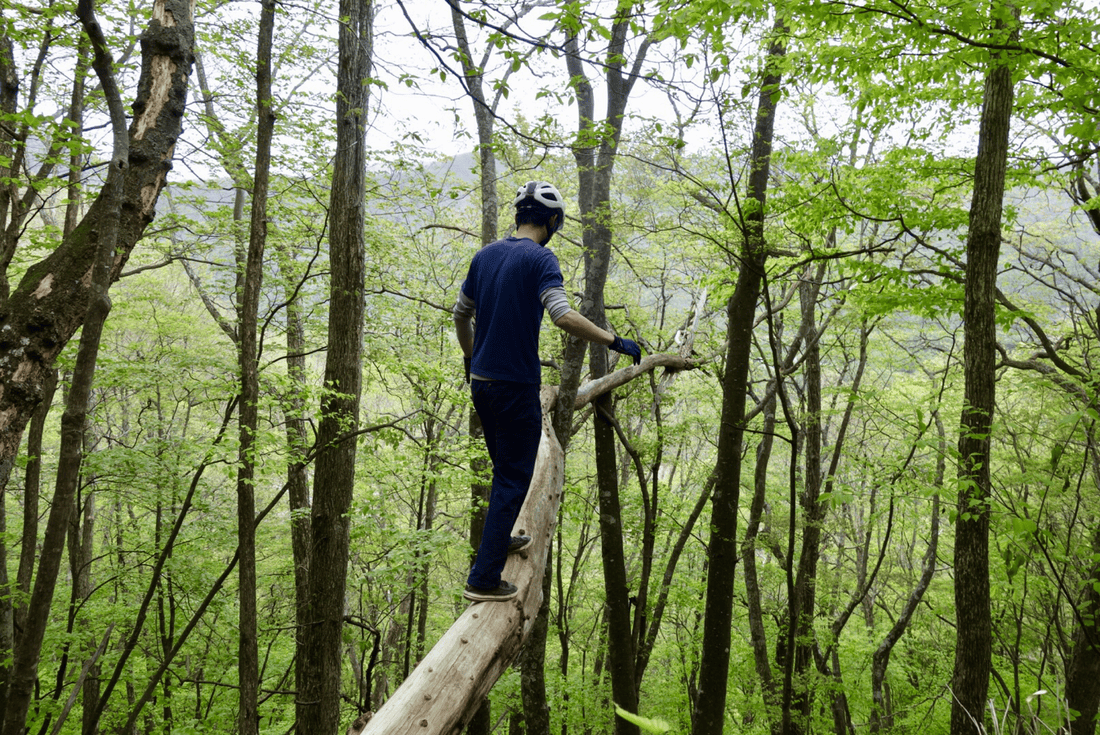
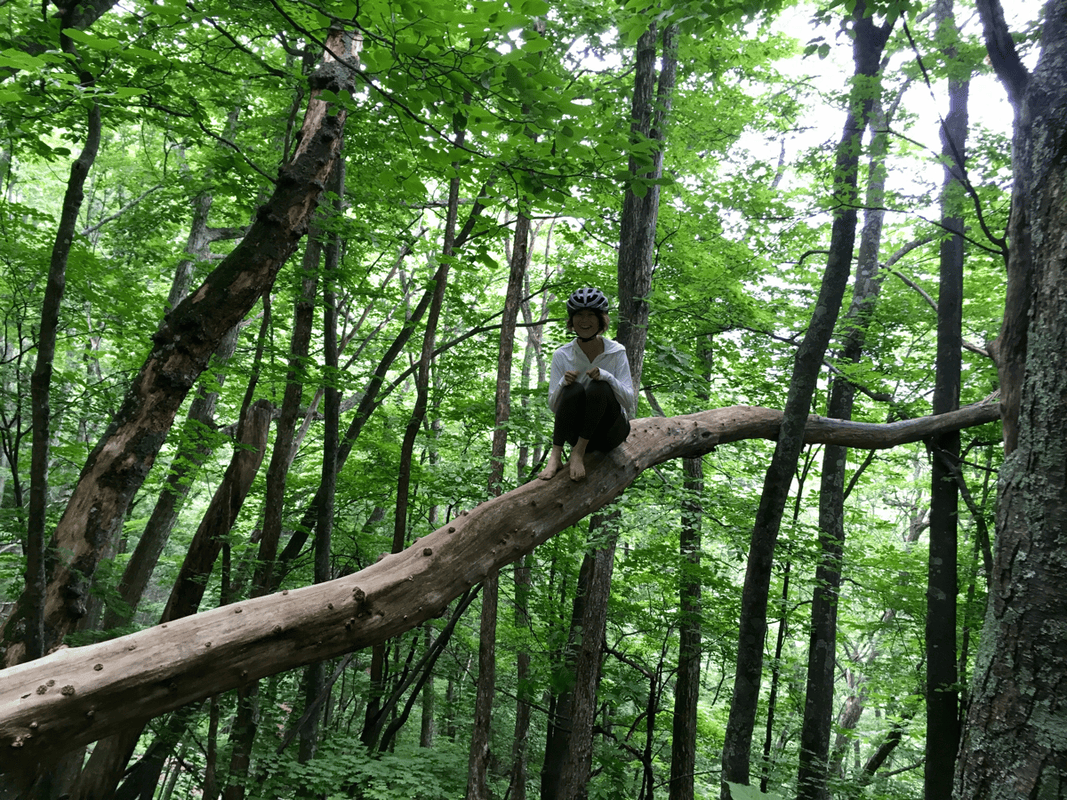
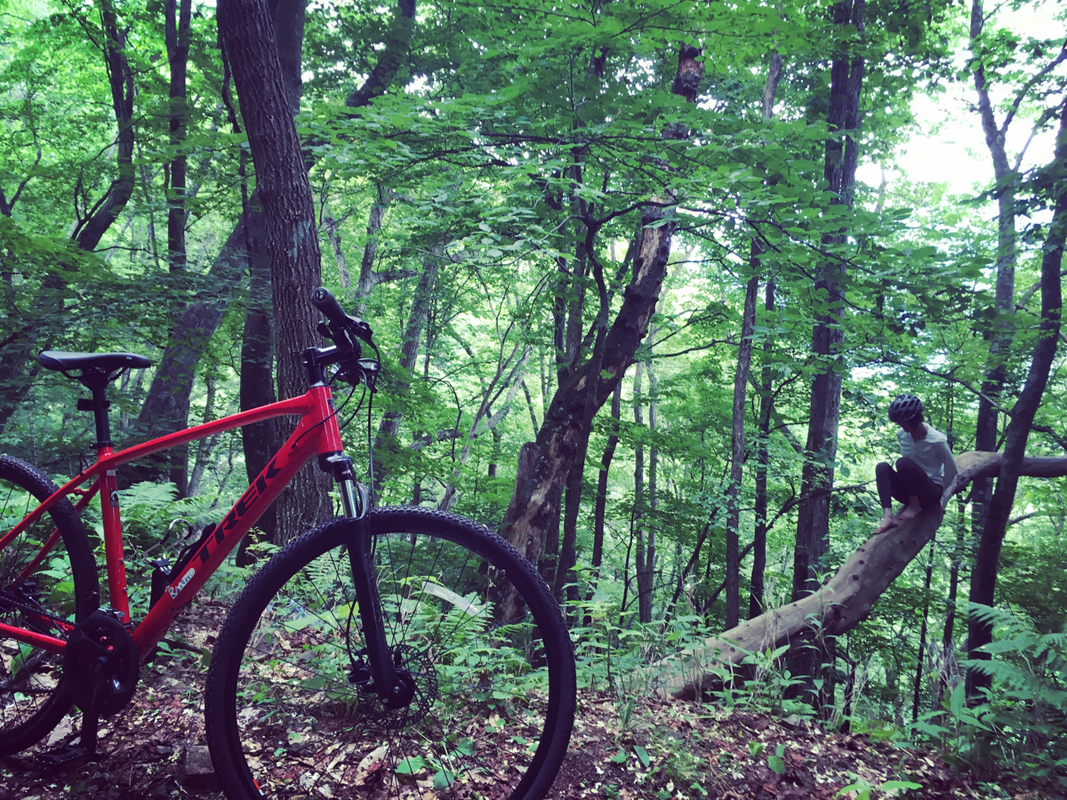
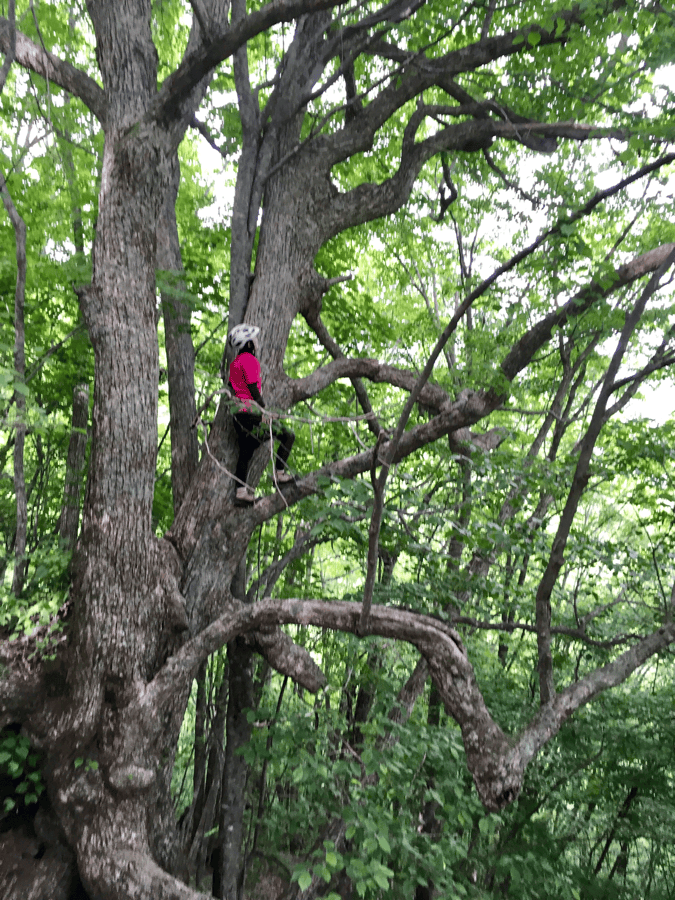
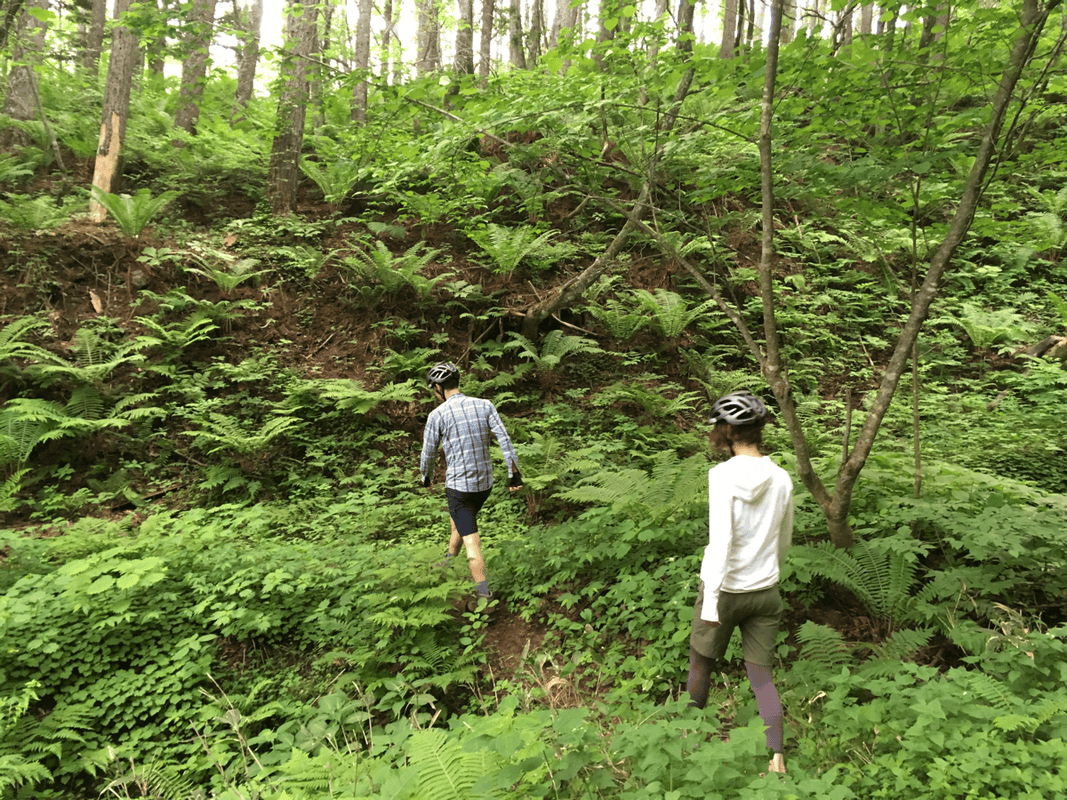
Beside the climb, I noticed a fallen trunk resting across other trees, forming something like a natural viewing bridge.
We went to look. My balance was poor enough that I turned around after a couple of steps. Fujie-san and S-san ventured farther, testing their balance while I watched with envy.
I imagined that the view from up there might be something like the perspective of a squirrel or a bird. It was a memorable moment, though a fallen tree is not a structure anyone should assume is stable.
Traces of a Kamakura Road
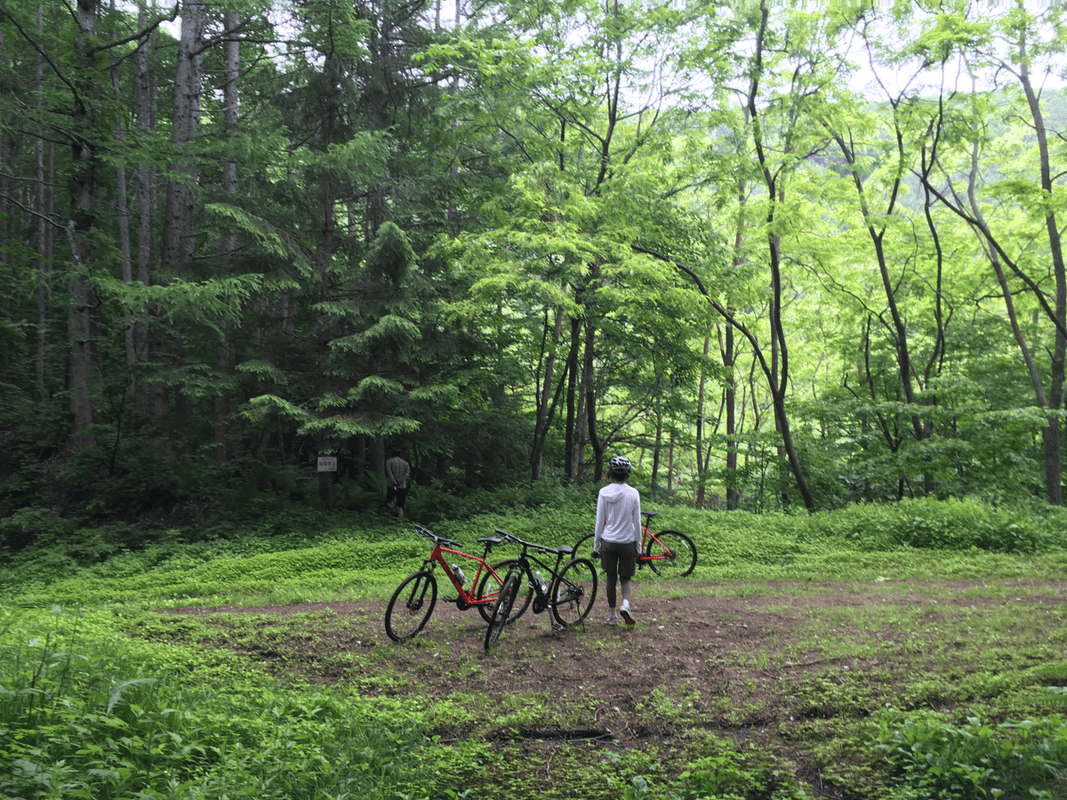
Beyond the pass, we reached a broad clearing. Faint old paths led away on either side.
A local guide identified them as part of a Kamakura road, associated with the era of the Kamakura shogunate roughly eight centuries earlier.
As the guide explained it, “Kamakura road” did not mean one single highway. It referred to routes leading toward Kamakura from different parts of the country, used when regional powers needed to answer the shogun’s call. This one was described as a connection from Shinano.
The guide’s account also connected the surrounding mountains with Takeda Shingen’s territory, silver mining and troop movements during conflicts with Uesugi Kenshin.
Whether every detail could still be established or not, looking at those overgrown traces made me reflect on how a once-important road could nearly disappear.
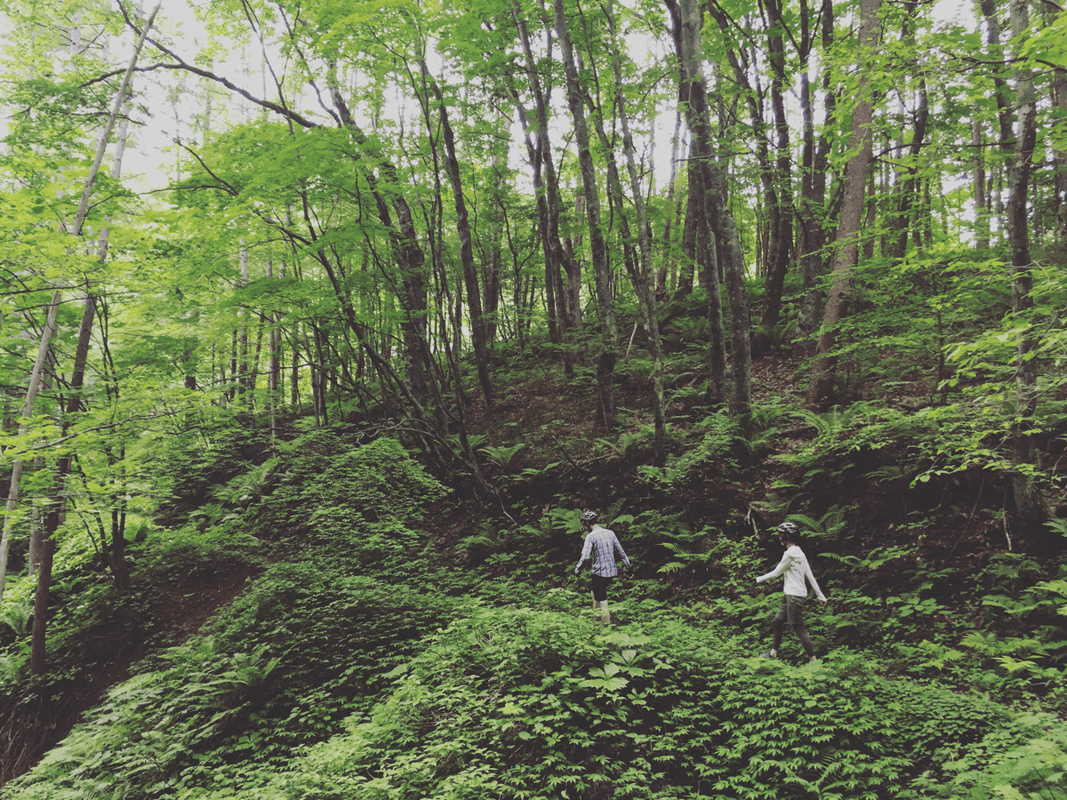
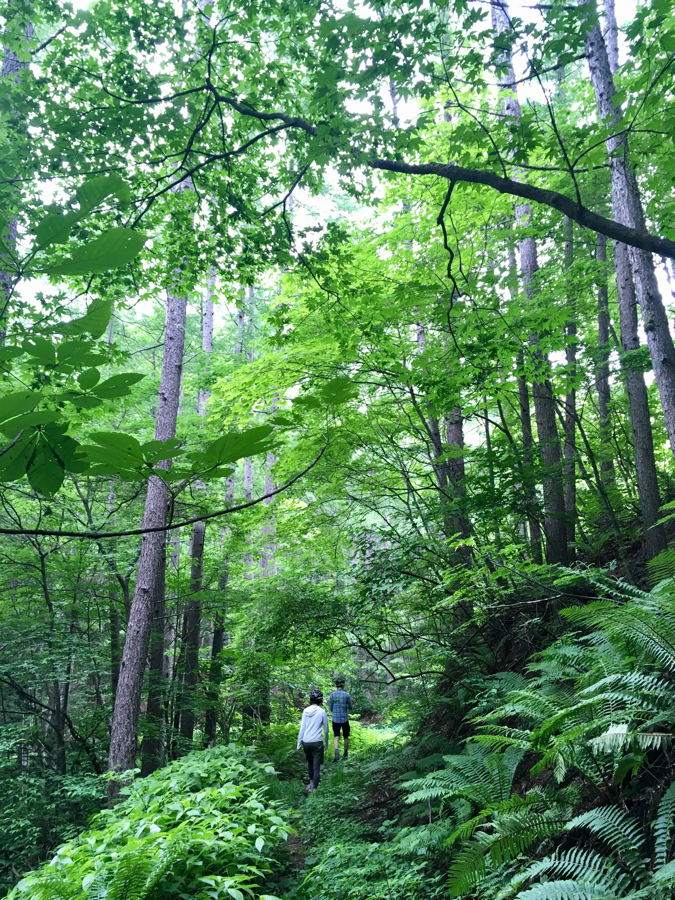
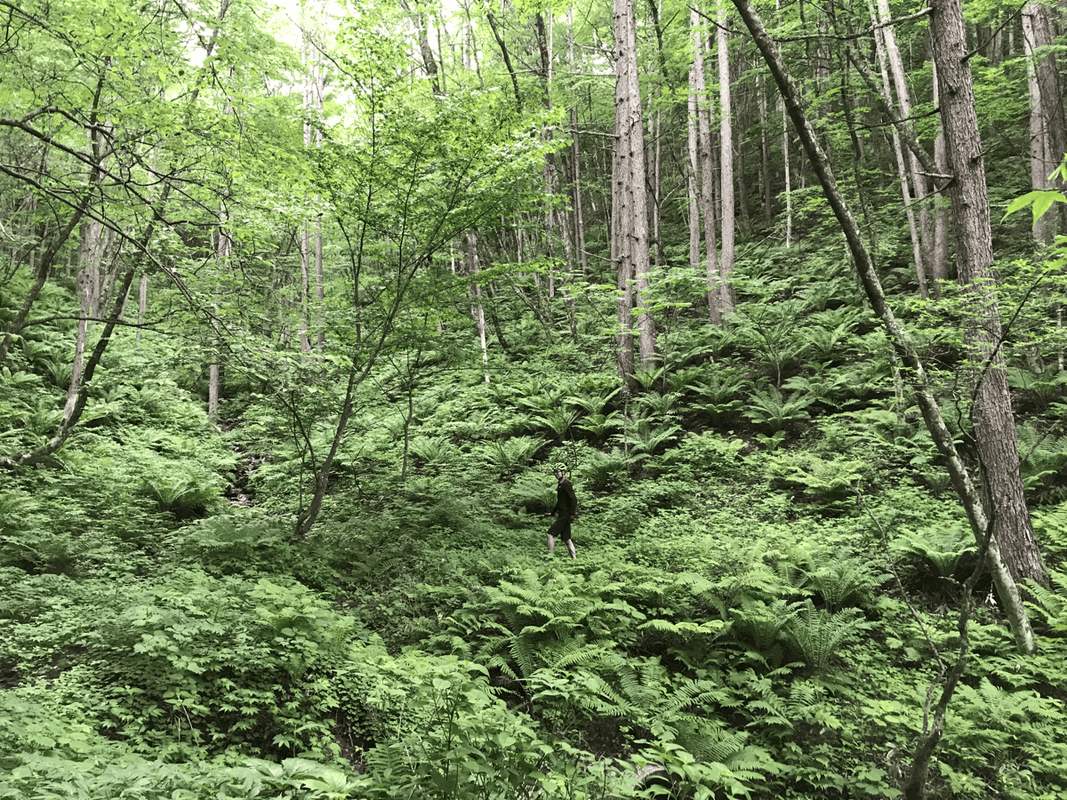
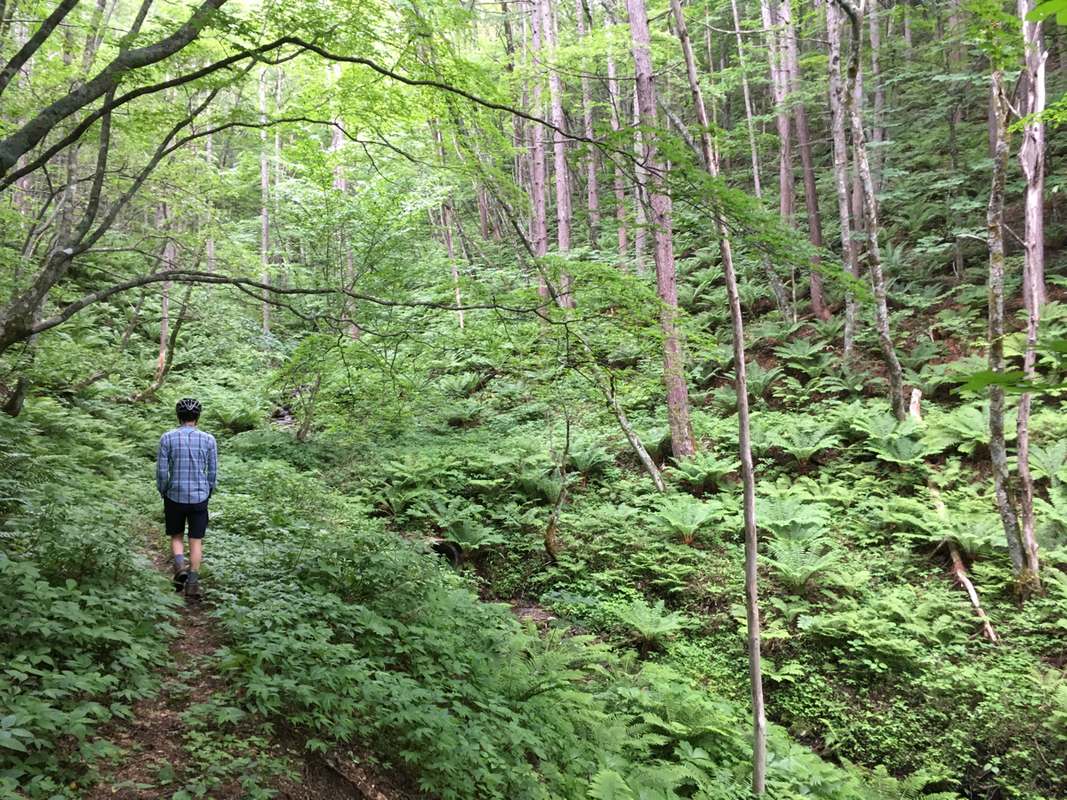
I wanted to follow the old route toward Shirahone Onsen and see the landscape earlier travelers had known.
But its condition did not look suitable for a bicycle, and it was not our goal that day. I left it for another visit with hiking boots and a backpack, subject to checking access first.
The Descent, and the Surface I Feared More
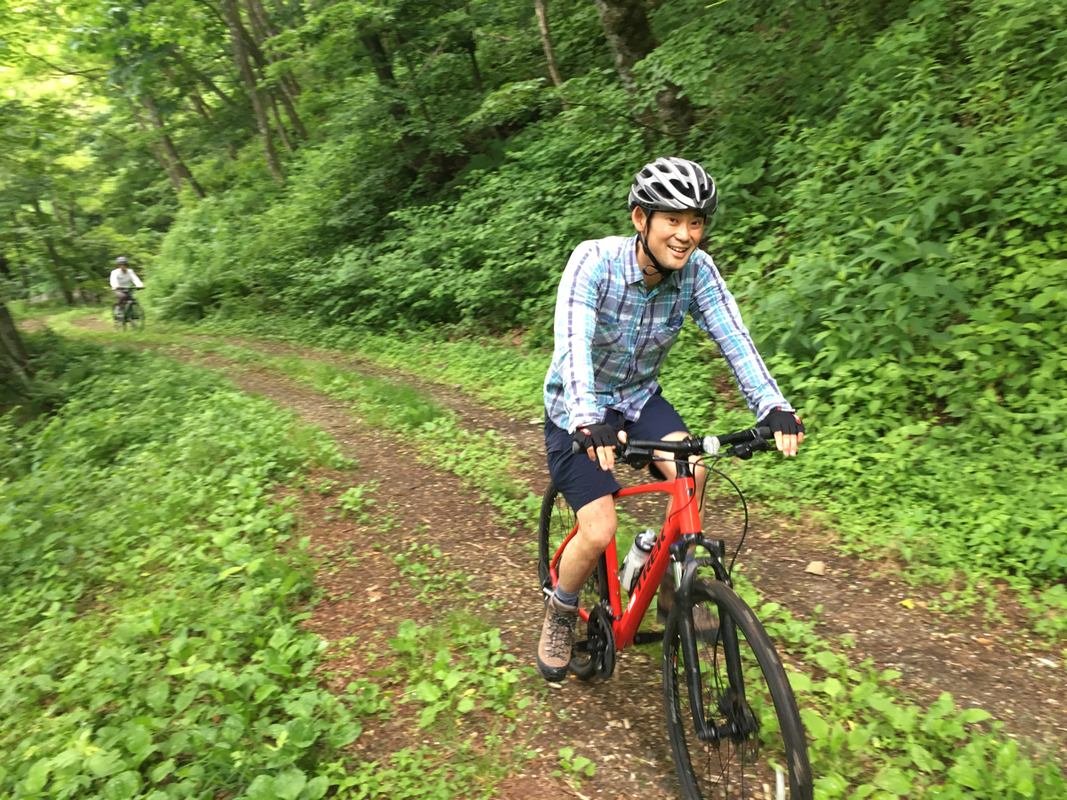
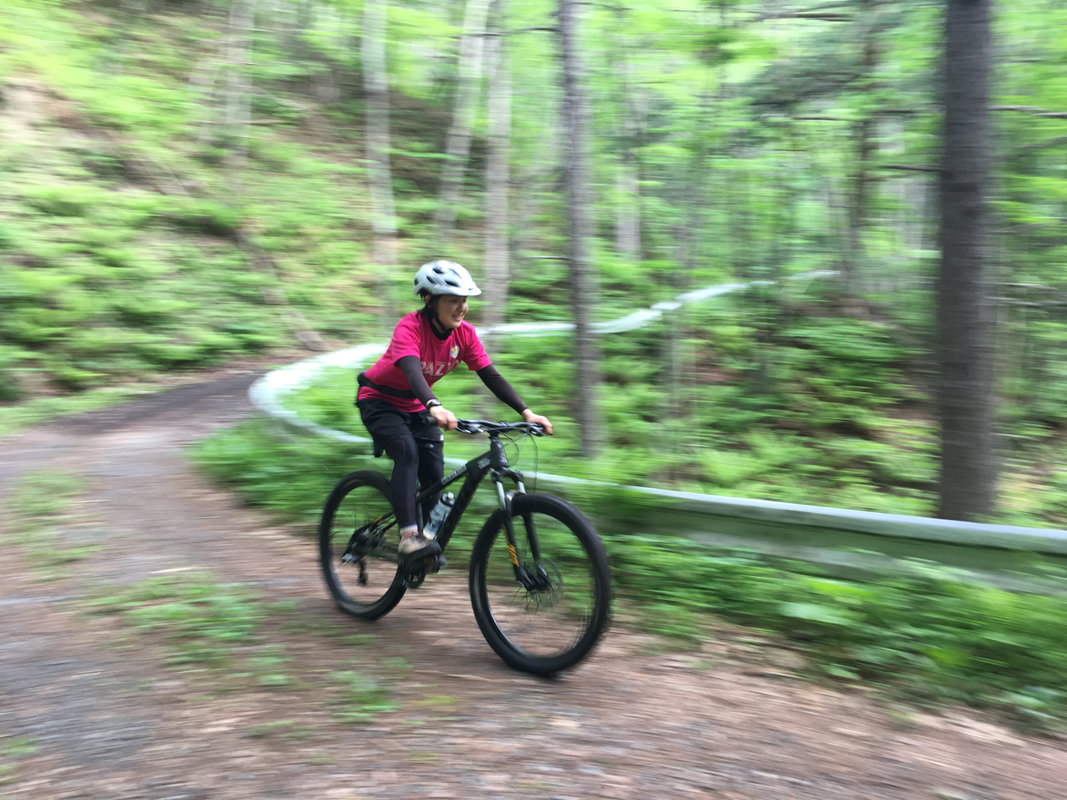
Back on the forest road, we rode on. From there, the route was downhill.
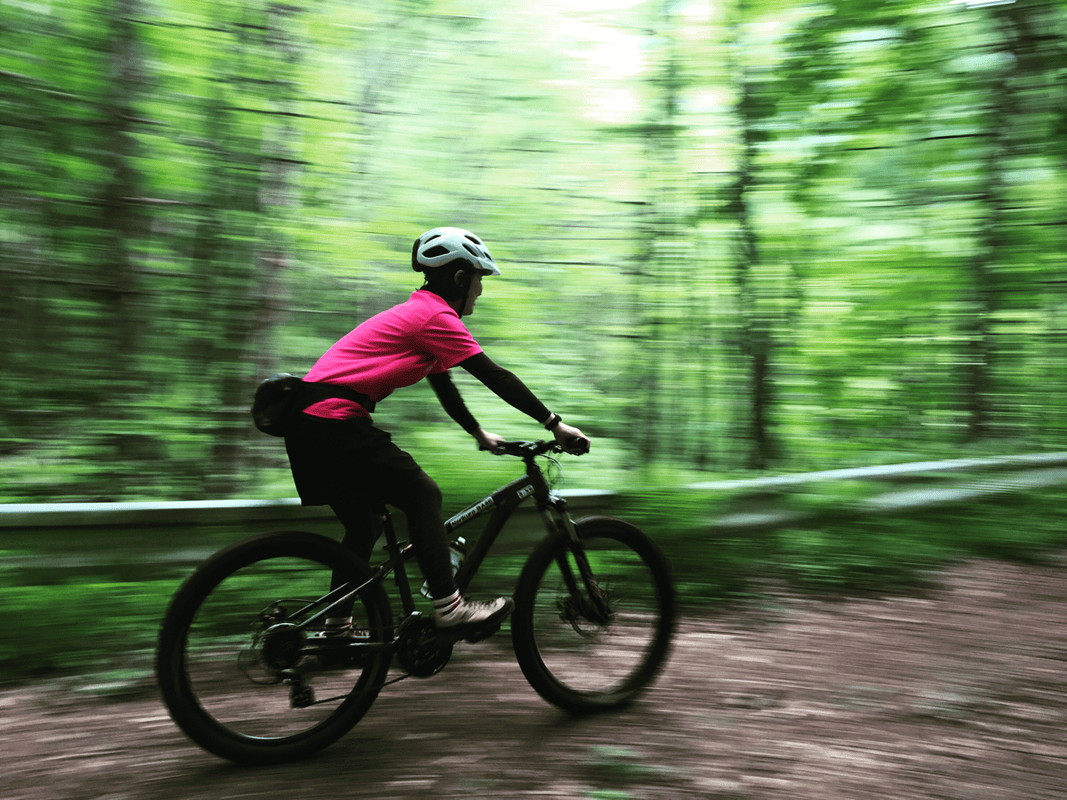
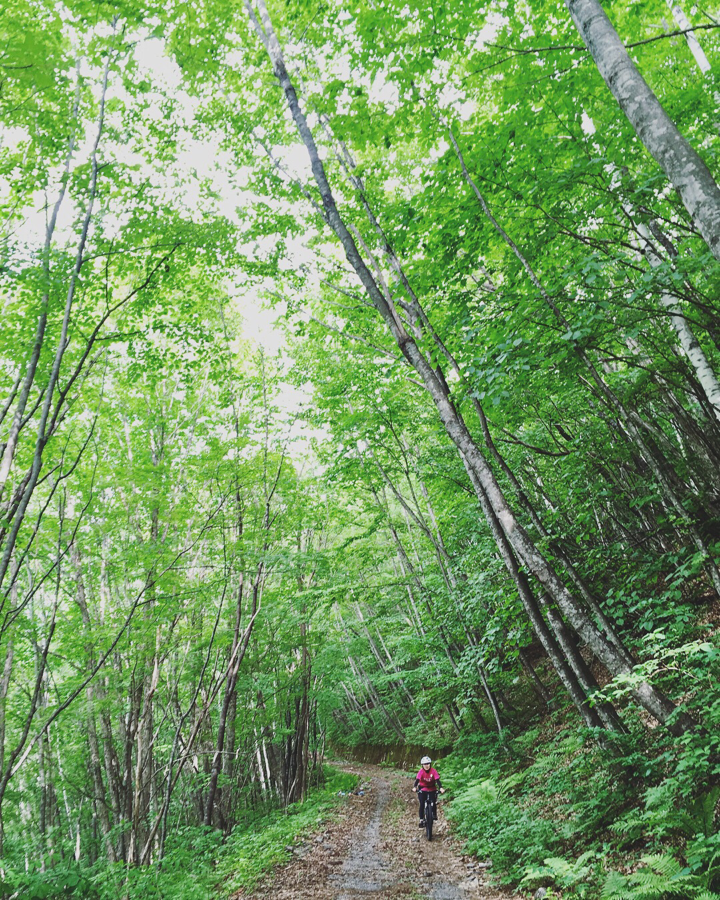
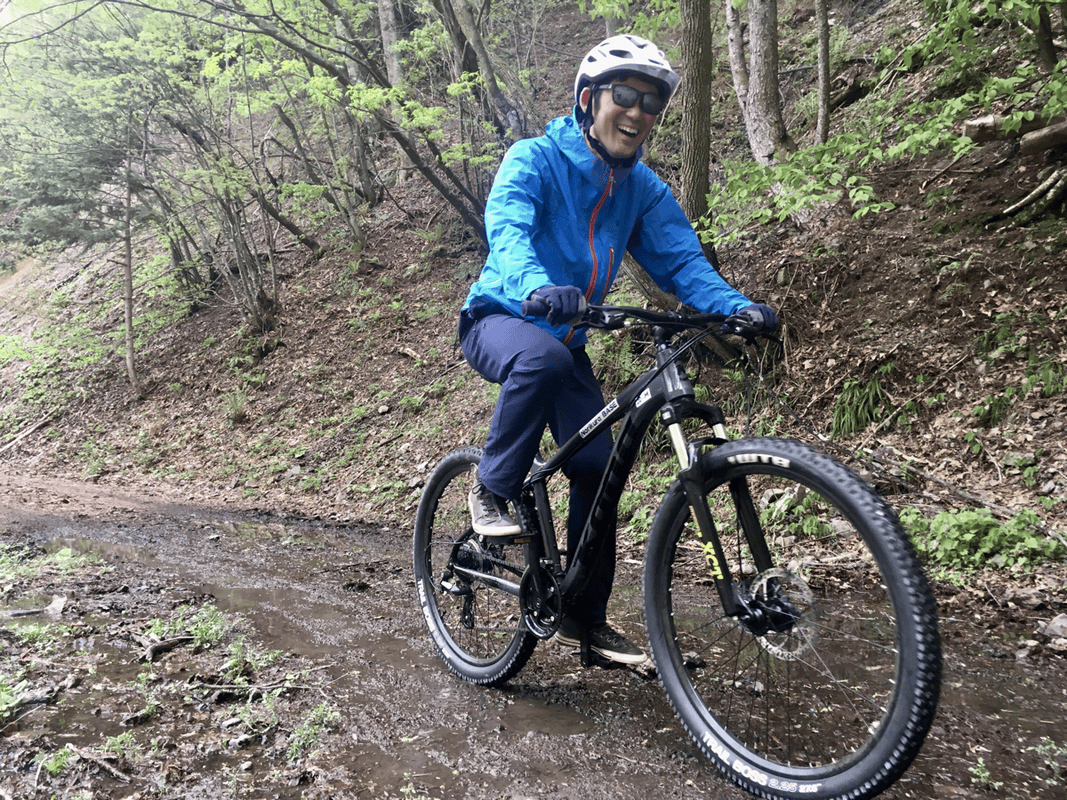
The descent was steeper than the climb, but the surface on that day was generally good, without many large stones. Apart from occasional obstacles, it was enjoyable riding.
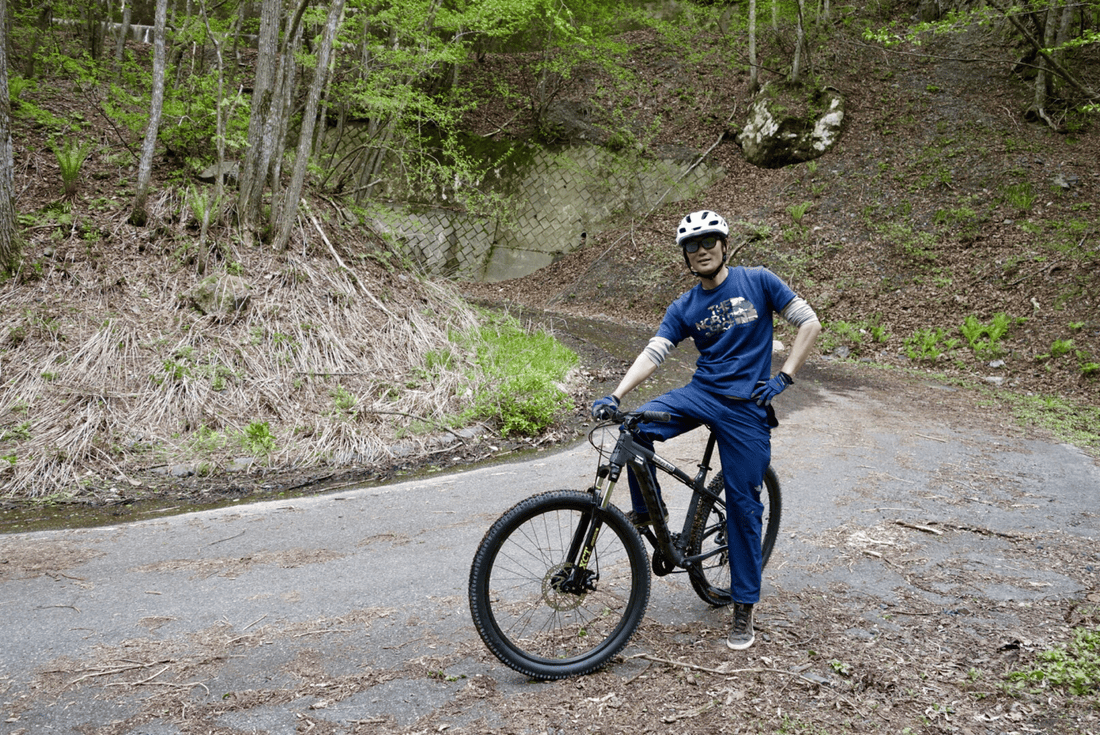
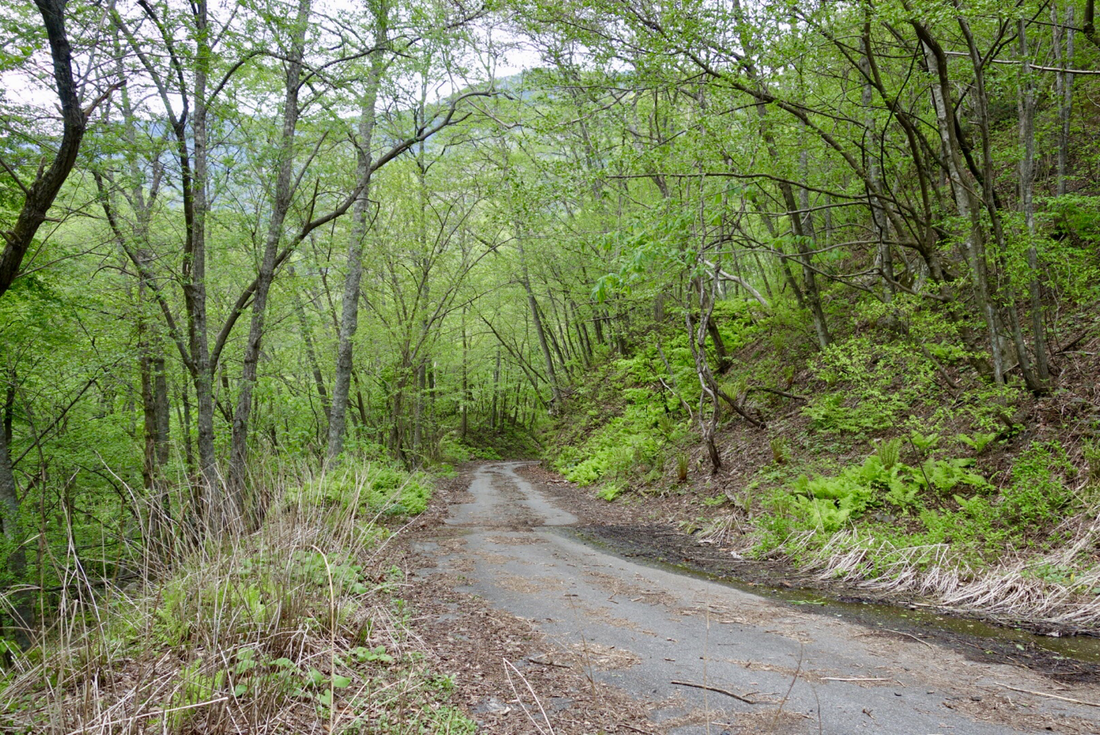
As we lost altitude, the gravel ended and pavement returned.
That might sound like the easy part. To me, however, shaded mountain asphalt could be more frightening than gravel.
Dark green growth on the surface could be extremely slippery, especially after rain. A moment’s inattention or an abrupt braking movement could send the wheels sliding.
I was a cautious rider, but over ten years I had fallen twice on that kind of surface.
One crash left a gap of about a month in my memory. Much of it gradually returned, but I still could not recall the accident itself.
Even without the memory, my body seemed to remember. On similar descents, fear made it difficult to let the bike run.
Finishing in a Footbath
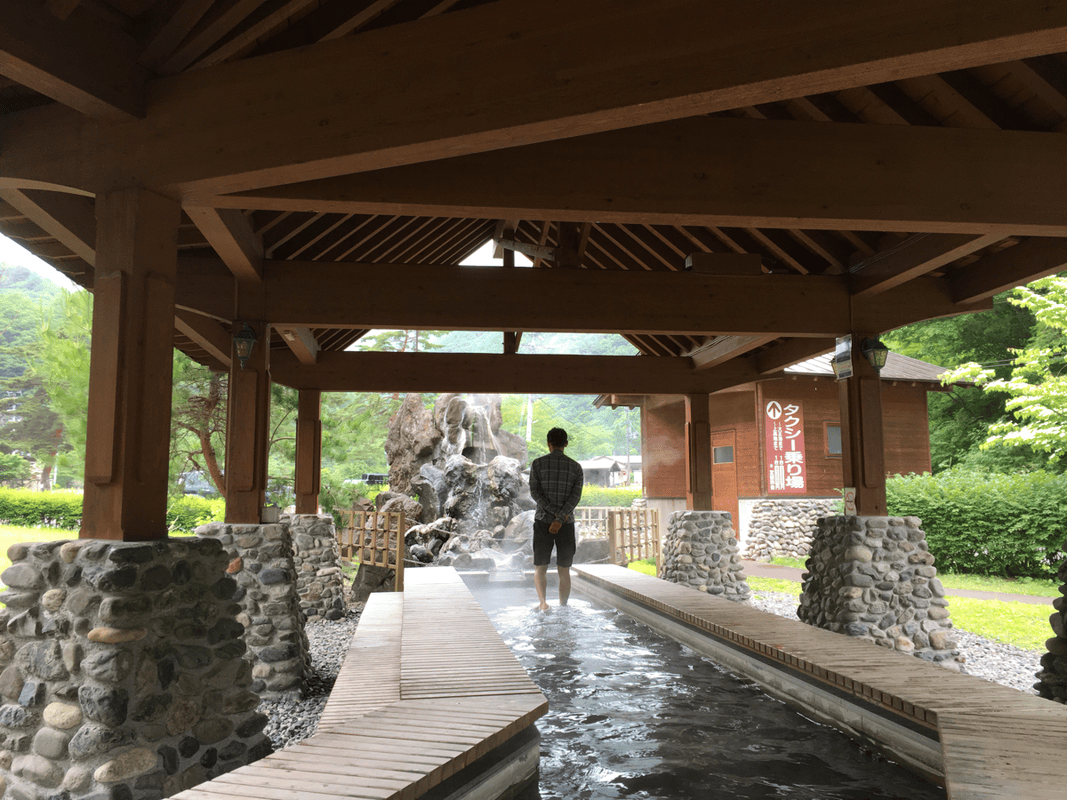
Bandokoro Forest Road brought us down to Sawando, a small transport hub in the mountains. It was a stopping point for people transferring toward Kamikochi and an access point for the Norikura Super Forest Road as well.
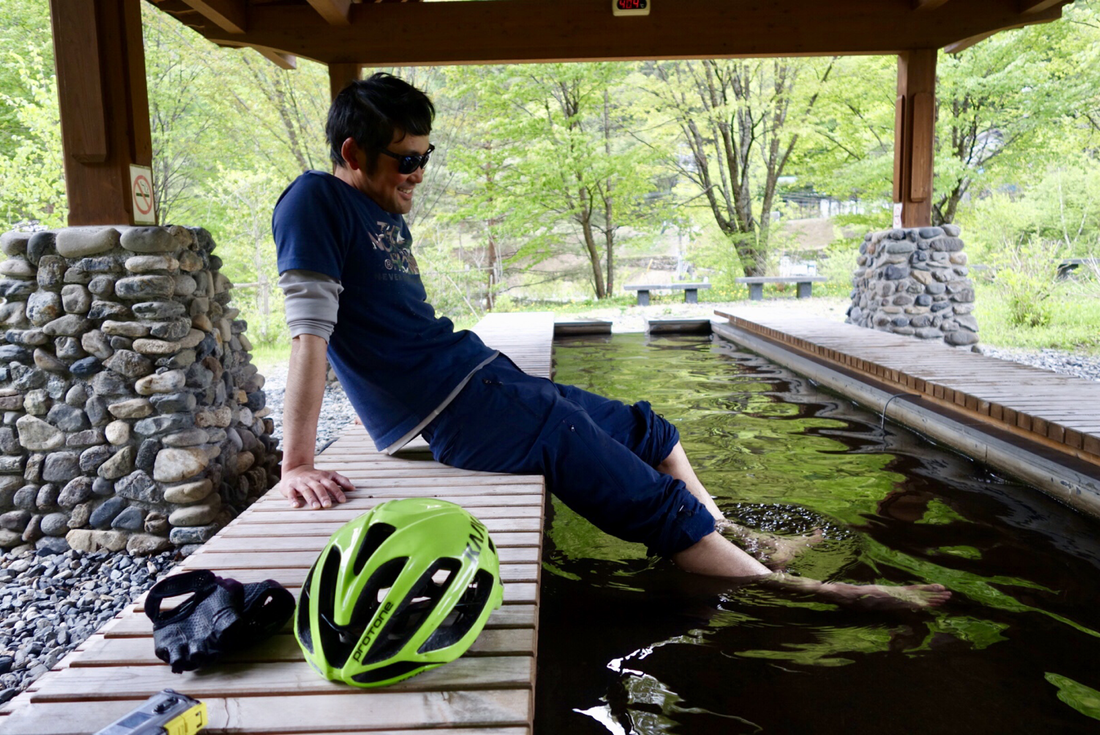
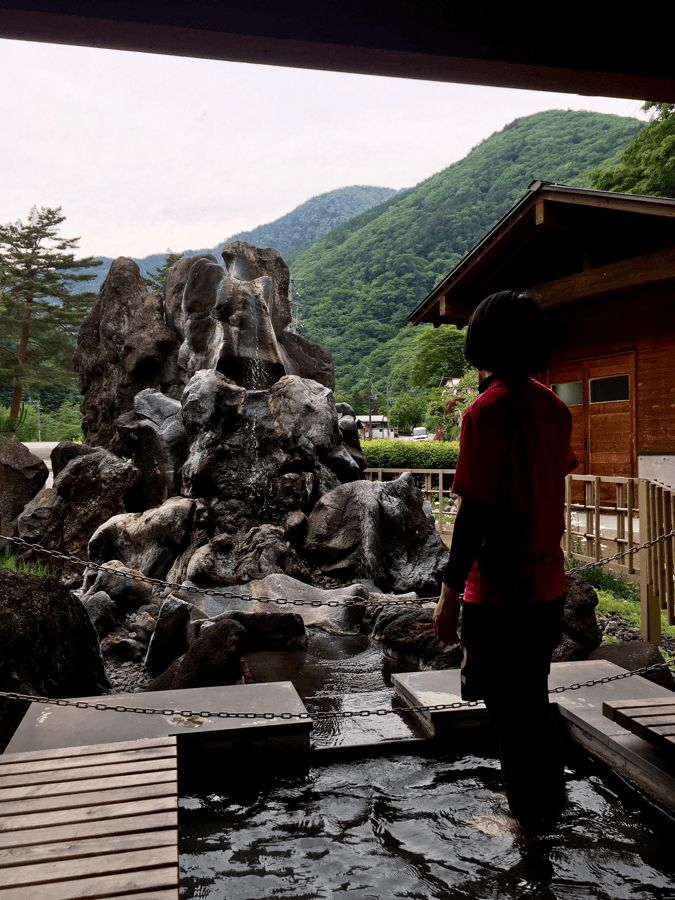
It also had a footbath, which was why I often liked ending outings there.
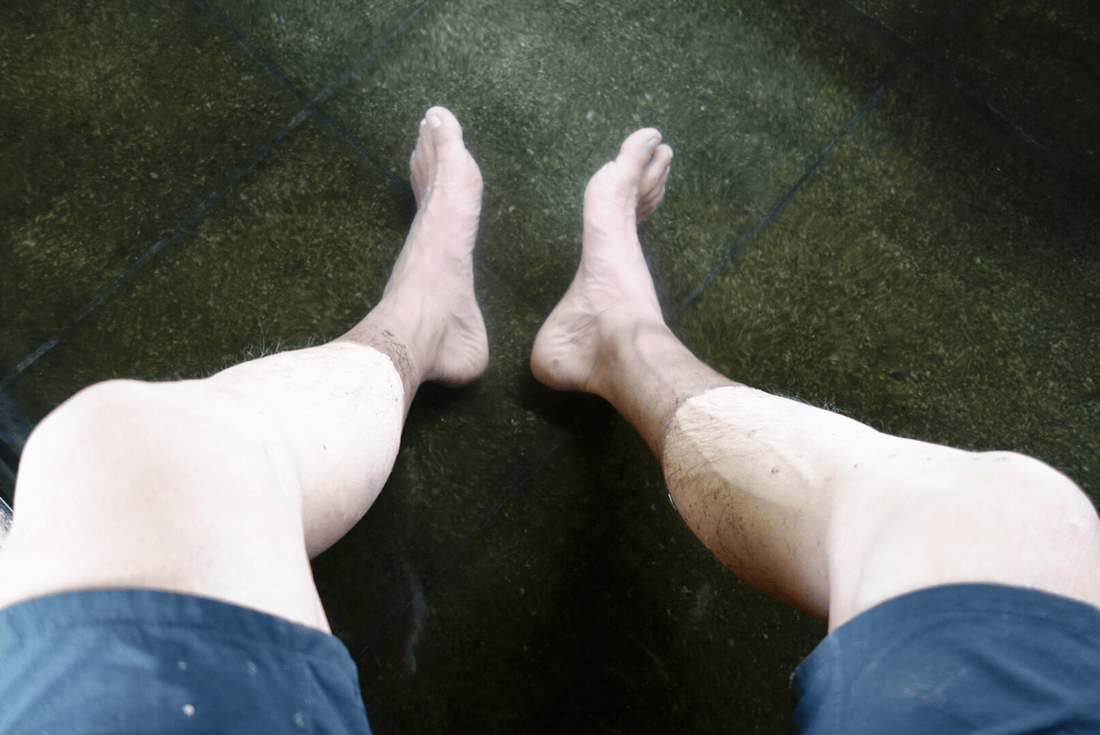
After exercise, in any season or weather, putting tired feet into warm water felt wonderful. The warmth traveled upward from my soles and left me with absolutely no desire to ride any farther.
Fortunately, our colleague had planned ahead and left a car there.
We removed the bicycles’ wheels, fitted everything into the car and returned comfortably to our home at Raicho.
Bikepacking diary: Facebook