Hengchun Peninsula | Part 1: Rain, Rails and the Coast near Alangyi
Translated from Bikepacking diary’s original Hengchun Peninsula, Part 1, published on March 31, 2017, and republished by arrangement with the author. Photographs are linked directly from the original website.
Editor’s note: This historical travel narrative is not a current transport, trail-access or camping guide. Bus and train services, bicycle carriage rules and station opening arrangements may have changed. Confirm present access requirements for Alangyi and respect conservation restrictions; this account does not describe completing the historic trail. Places that looked suitable to the author were not necessarily authorized or safe campsites. Do not treat bridges, drainage areas or exposed shores as storm shelters: flooding, runoff, waves, debris and structural hazards can make them dangerous. Use approved overnight locations and appropriate weather shelter, and keep cooking equipment in suitably ventilated, permitted areas away from tents and combustible material.
Heading South through the Qingming Rain
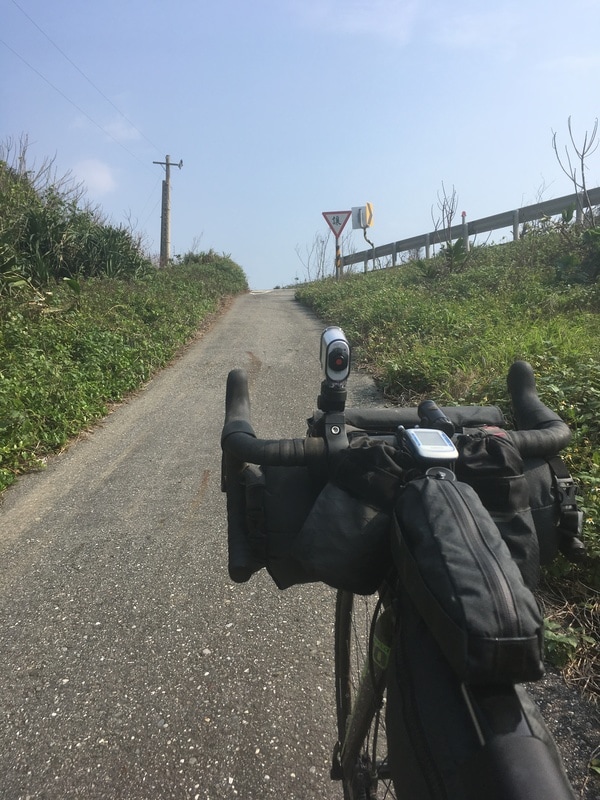
Rain often comes with the Qingming season, but I still wheeled out my bicycle, ready for a journey toward Taiwan’s southern peninsula.
For the trip I was making, combining a bus with a train seemed the most convenient way to get myself and the bike from Taipei to the east coast.
To avoid the crowds, I chose to leave on Friday evening.
I would see how far the railway could take me that night and stay wherever I ended up.
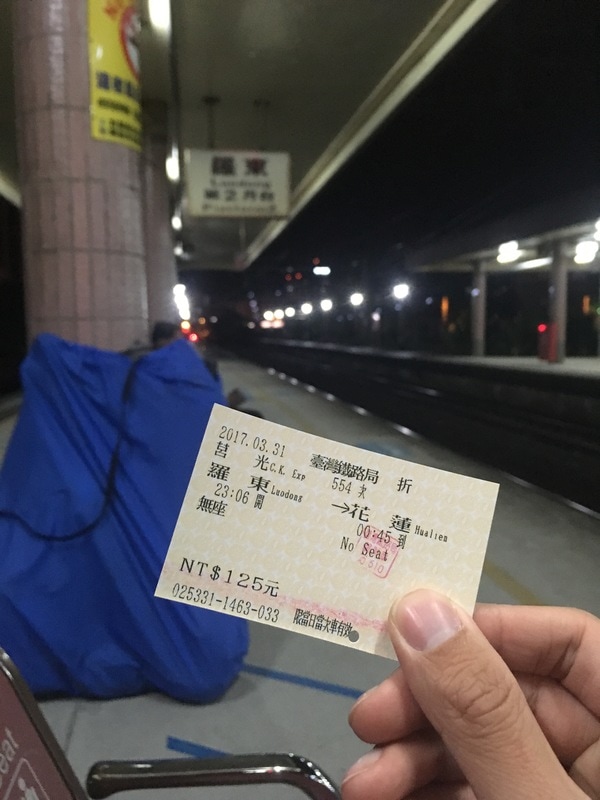
I boarded a Metropolitan Star bus at eight and reached Luodong smoothly at around half past nine.
After checking the timetable, I bought a ticket to Hualien.
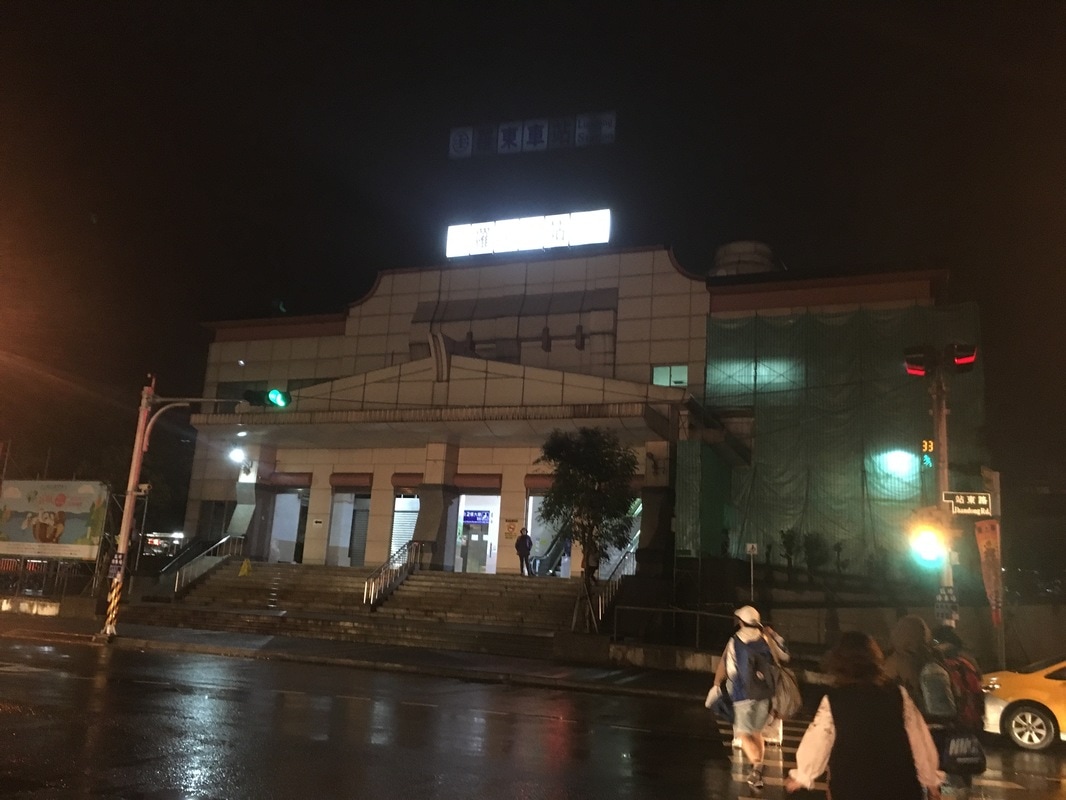
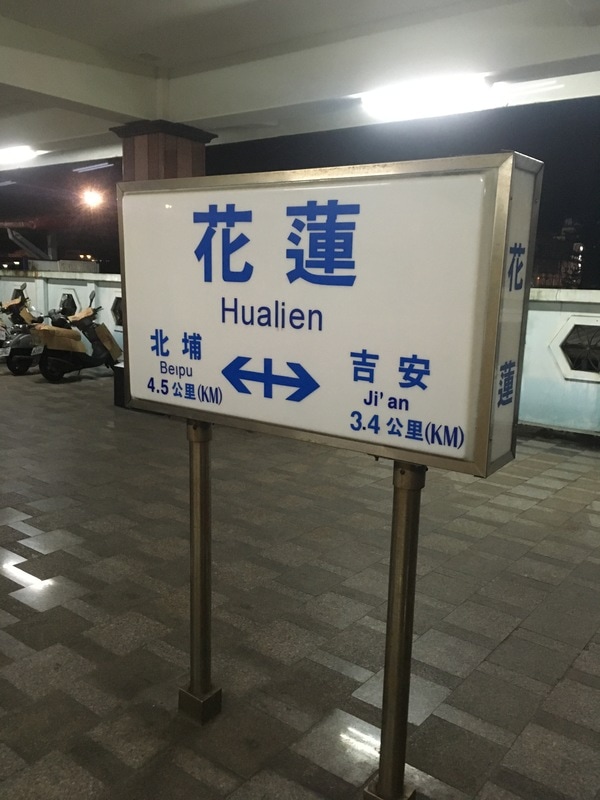
That settled it: Hualien railway station would be my overnight stop.
The Station Was Not the Quiet Place I Imagined
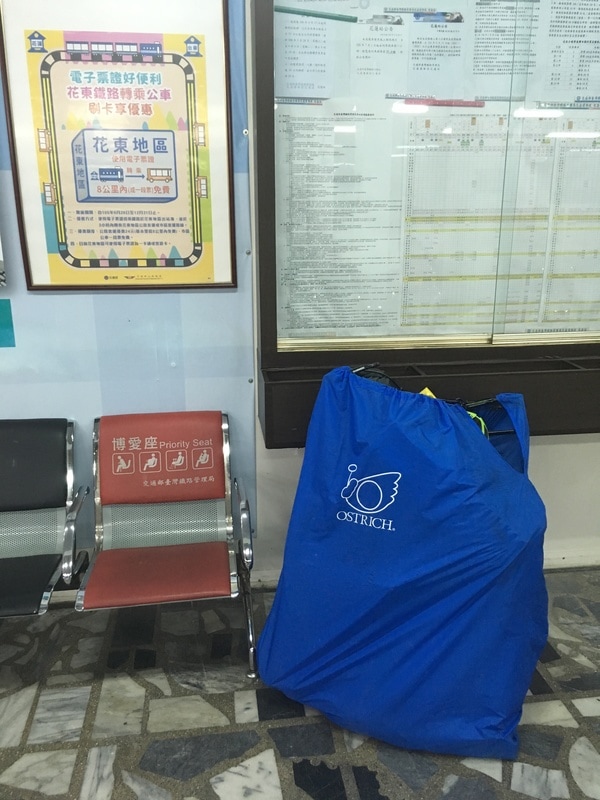
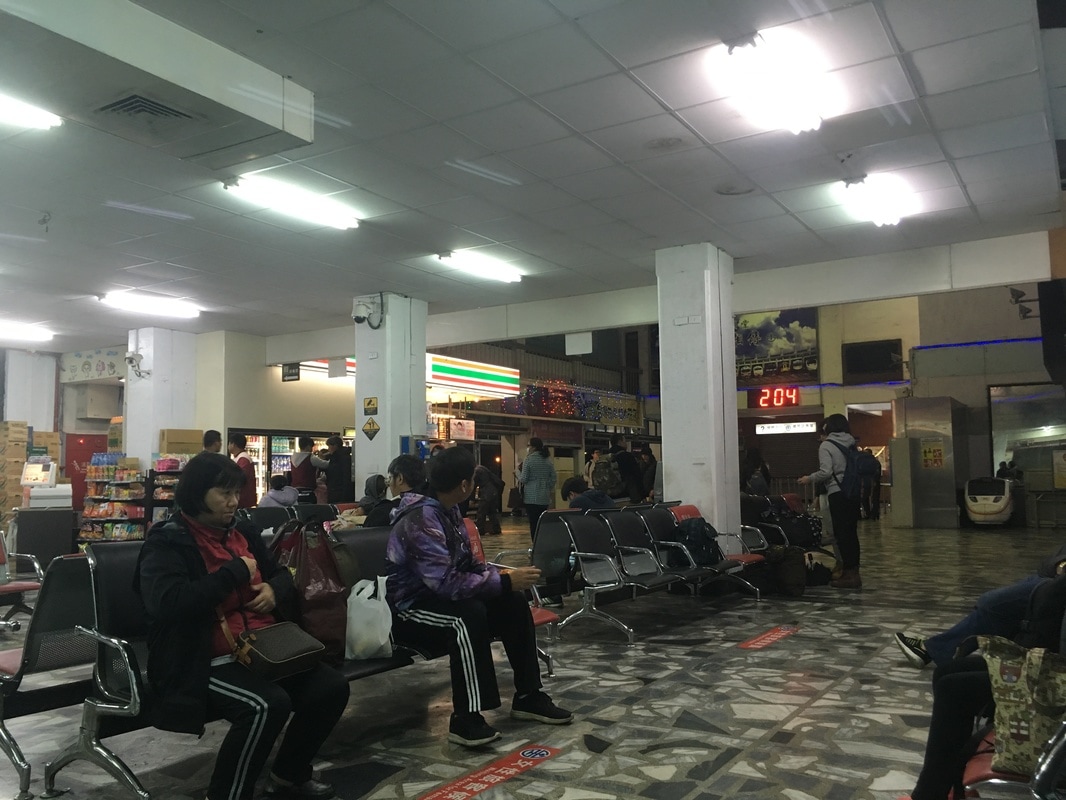
In my imagination, spending the night at a station meant a dim yellow light hanging over a mostly empty hall.
Perhaps two or three travelers would be waiting quietly for a night train home.
I was wrong.
The station was brightly lit and full of voices. People continually came and went from the convenience store.
When ticket sales began at two in the morning, even more people appeared.
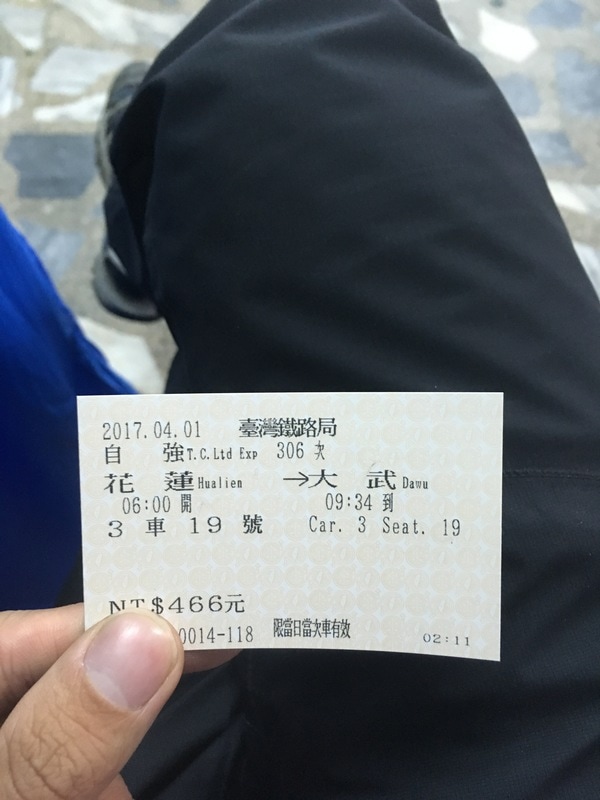
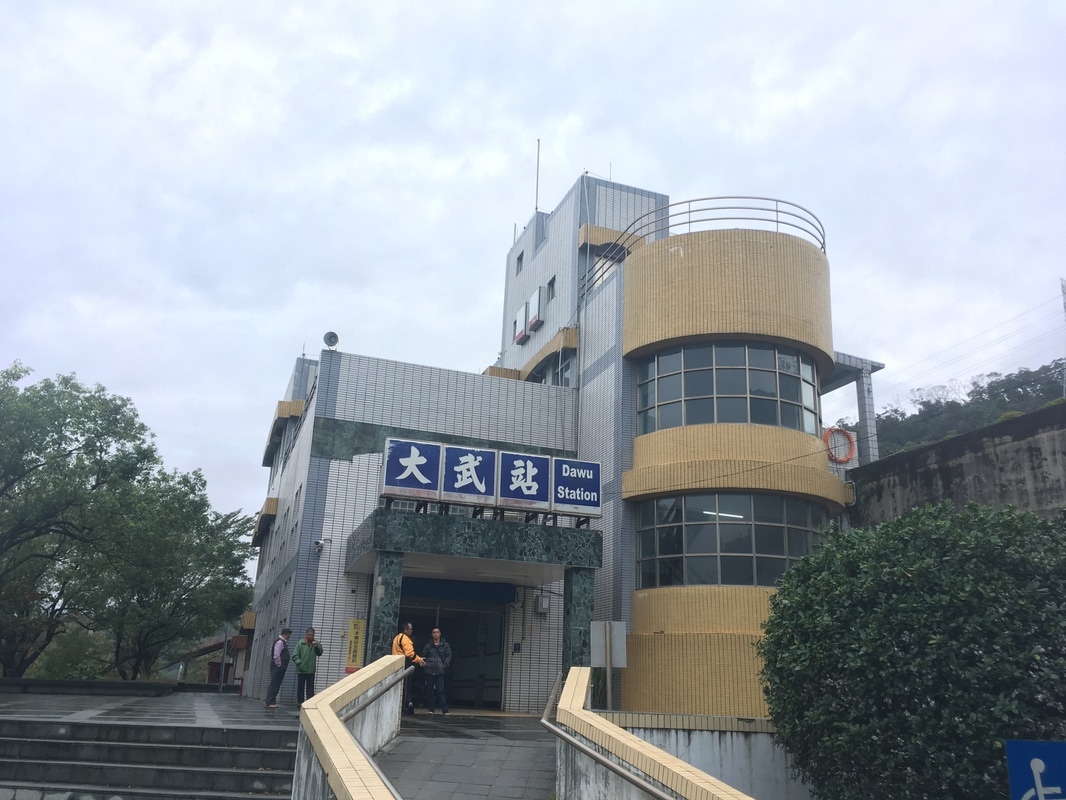
I joined the crowd at the ticket window and bought a place on a six o’clock train from Hualien to Dawu in Taitung.
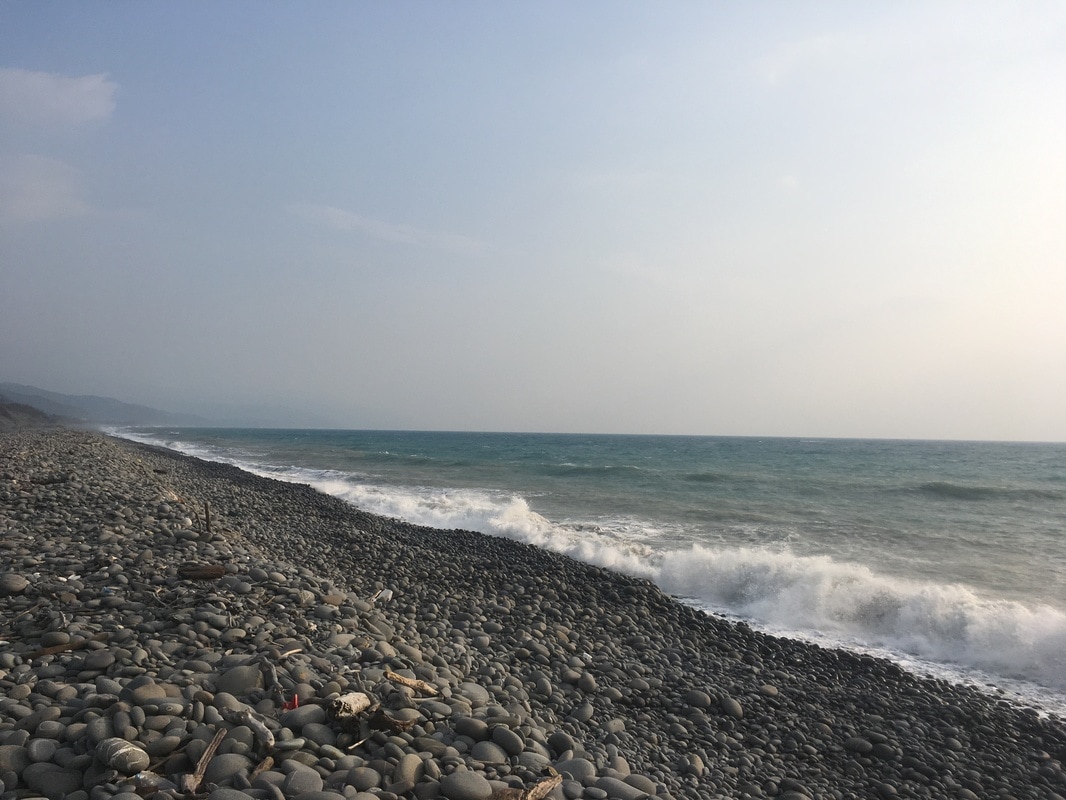
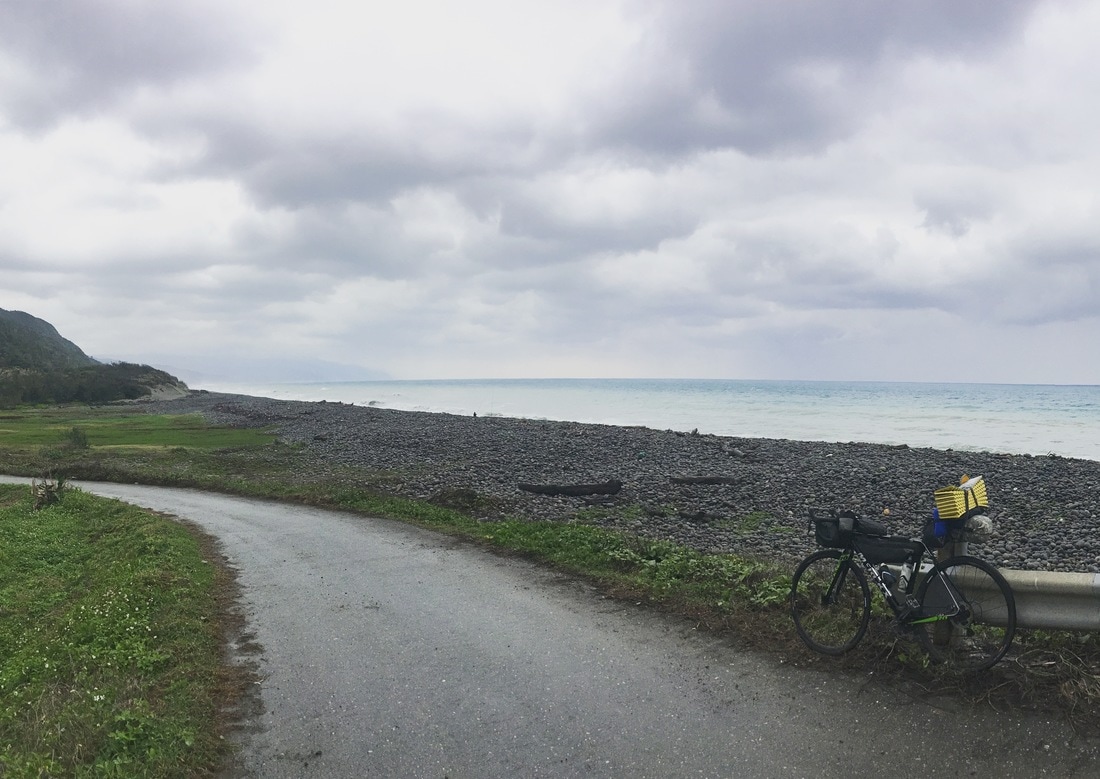
My destination that day was the coast near Alangyi, a stretch I thought of as one of Taiwan’s last remaining wild coastlines.
I could not enter the historic trail on this trip, but I could still visit the surrounding east-coast scenery.
A Traveler with No Destination
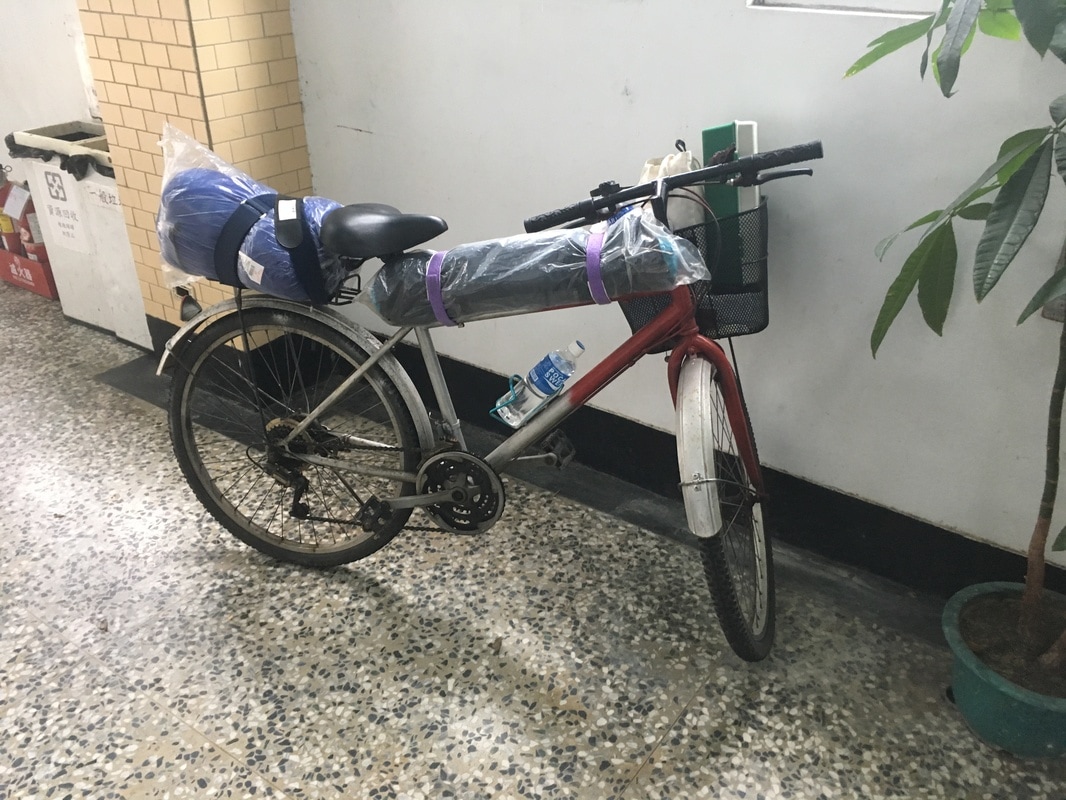
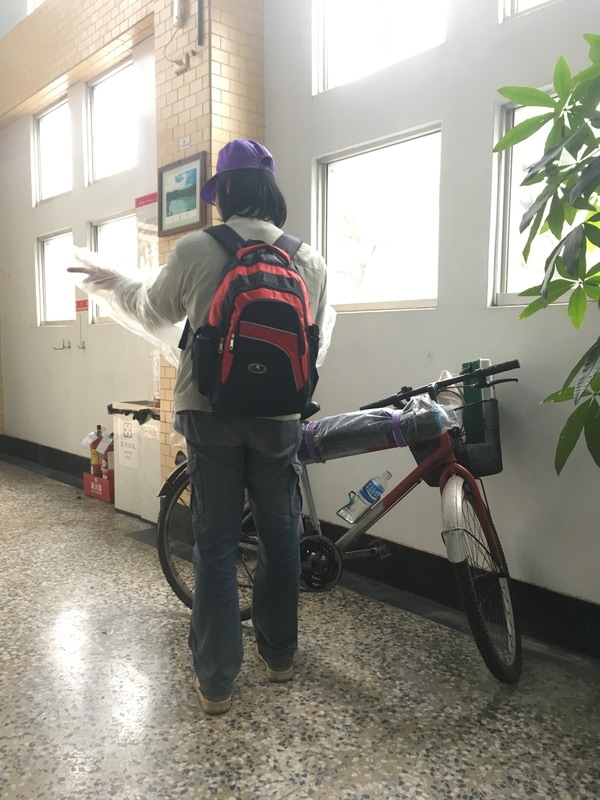
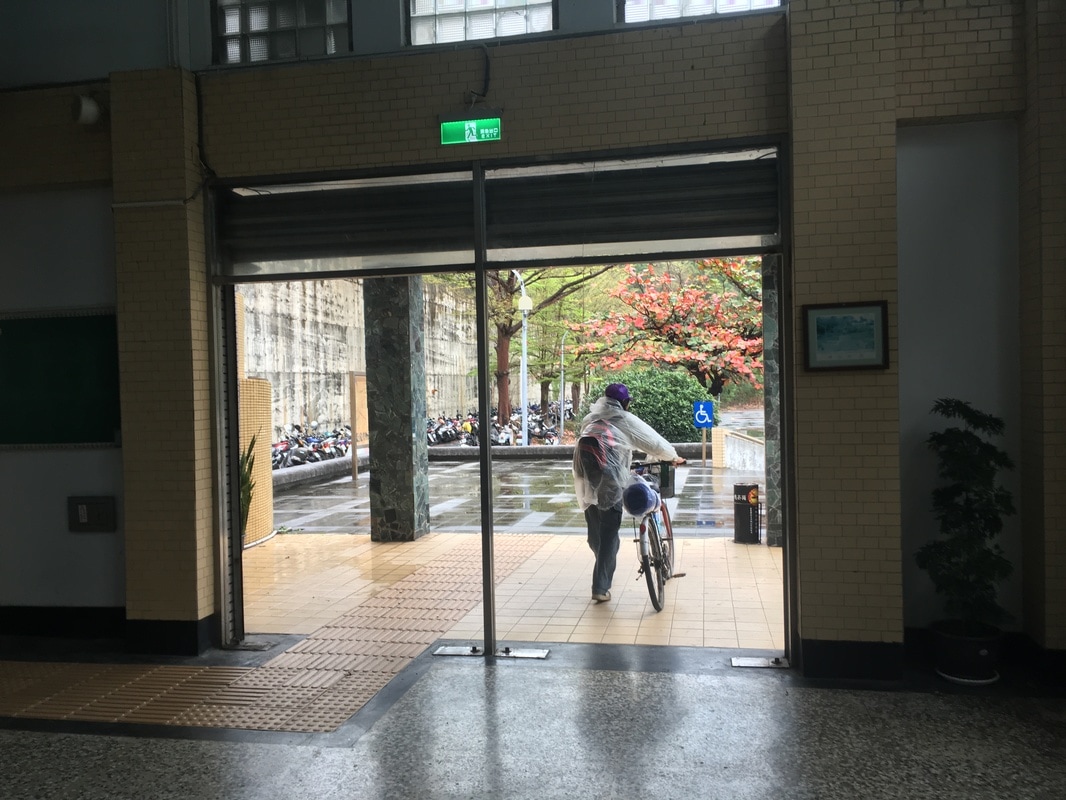
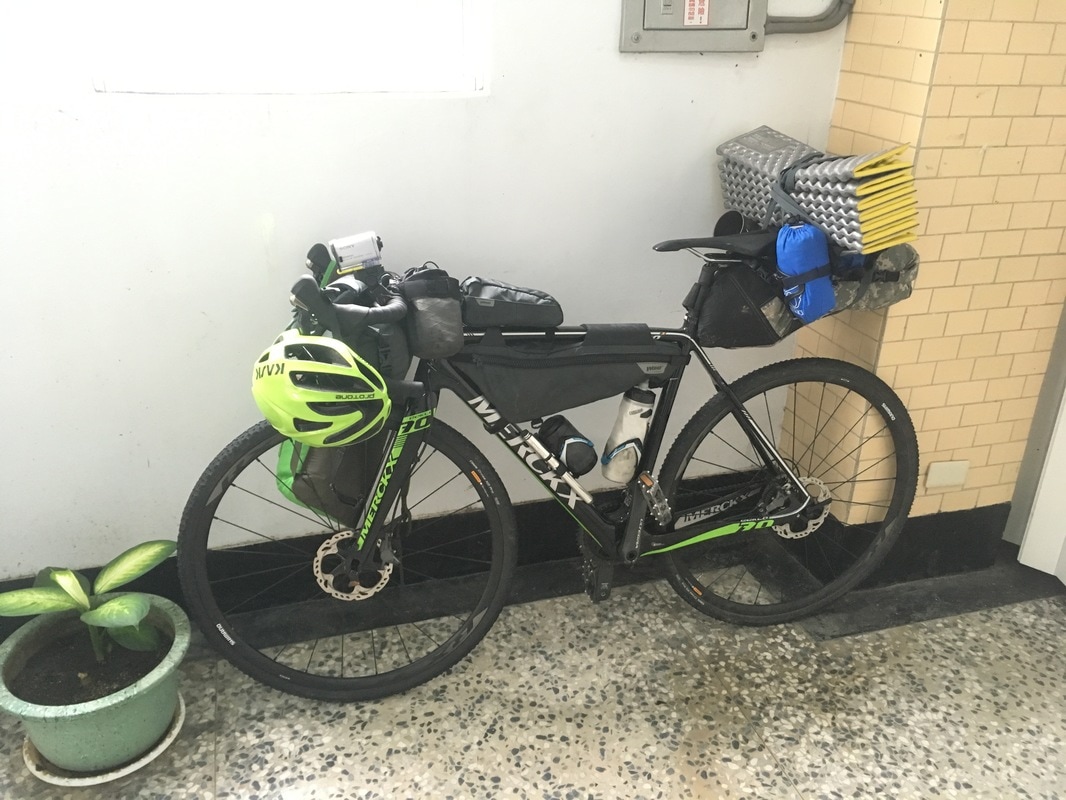
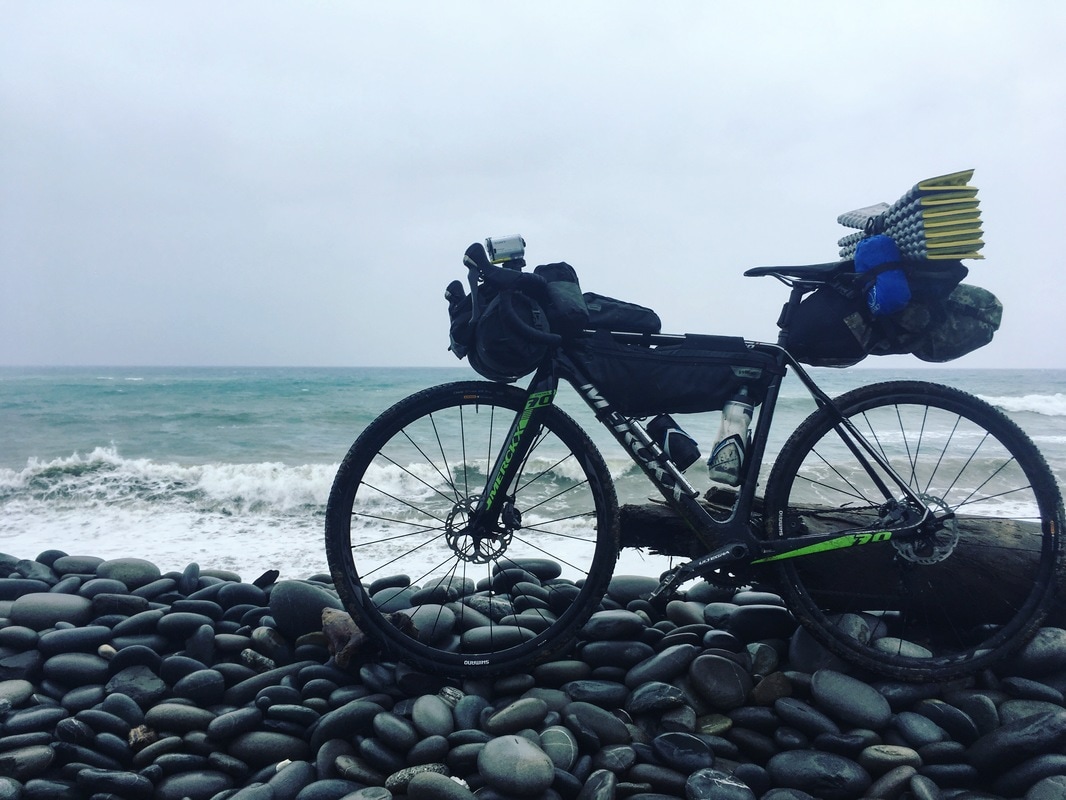
At Dawu Station, I immediately noticed a bicycle loaded with all sorts of equipment.
Its owner was an experienced bikepacker sheltering from the rain.
He told me he had been riding for five days, without setting a destination for any of them. He was simply moving around Hualien and Taitung as he pleased.
To me, that sounded like a higher level of wandering.
I still found it difficult to let go of goals. Every outing came with something I wanted to accomplish.
Drifting like duckweed on the current, as he seemed able to do, was a state I had not yet reached.

A Detour to Jinlong Lake
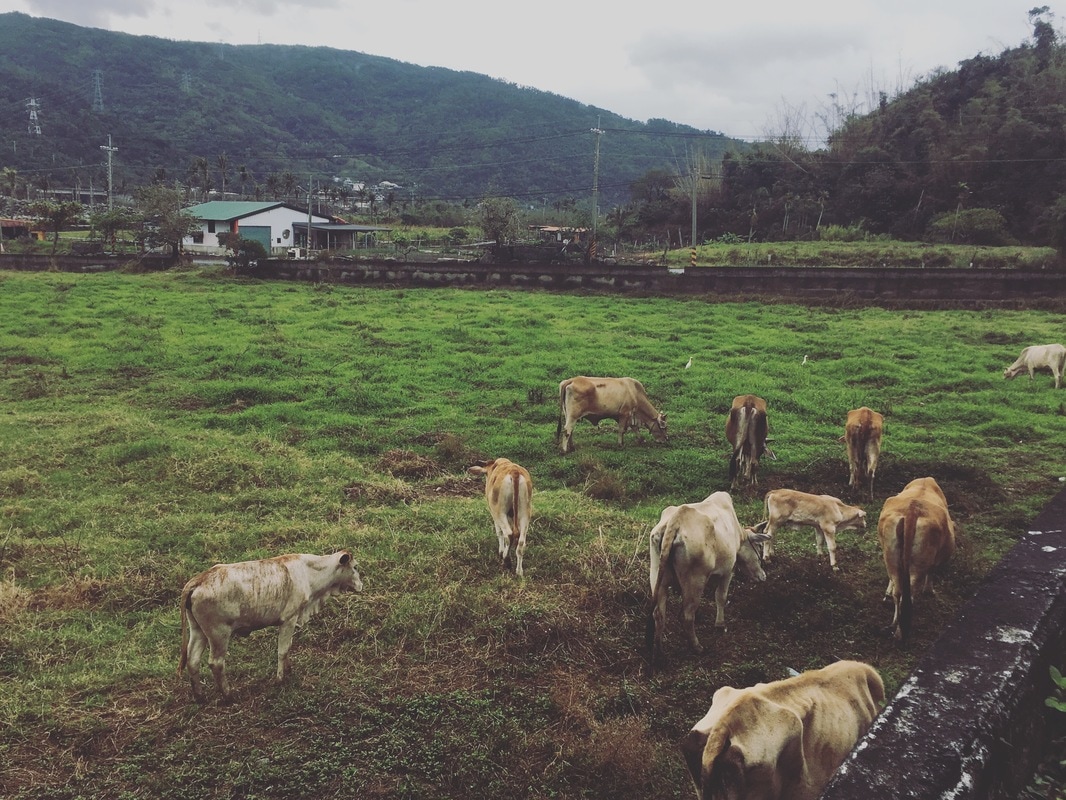
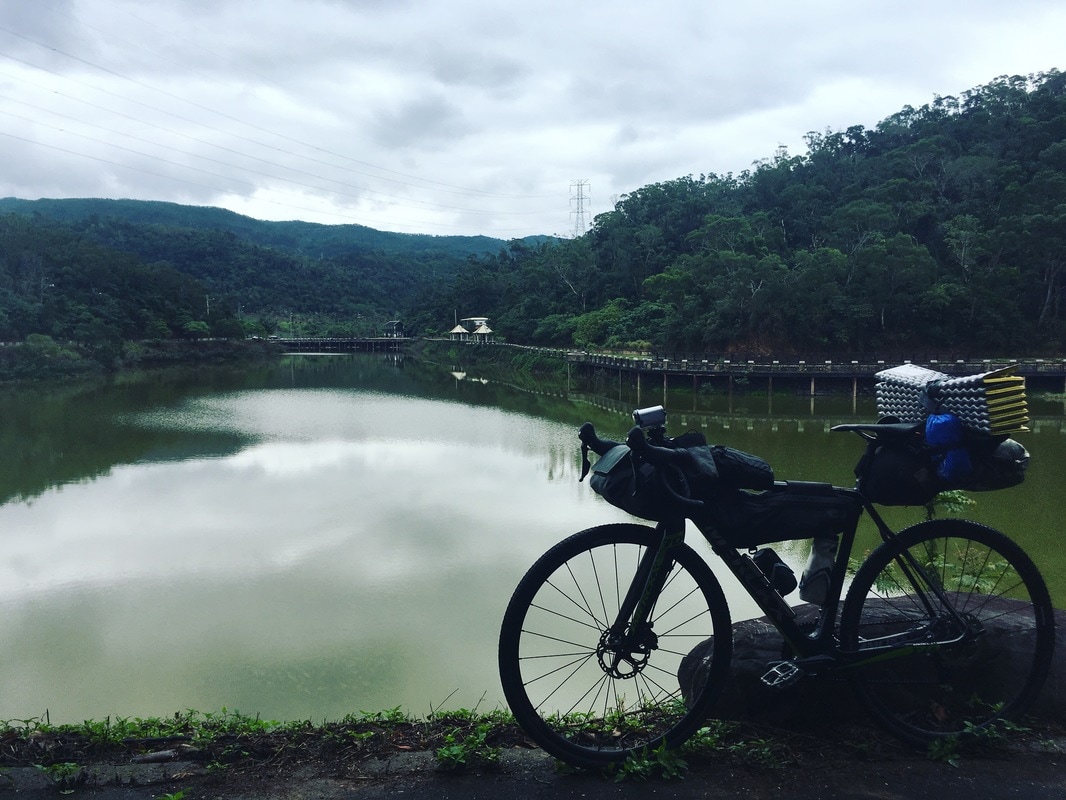
I explored around Dawu and finally visited Jinlong Lake, somewhere I had repeatedly missed before.
It was a reservoir among the hills, used for irrigation.
I made a short circuit and enjoyed the scenery.
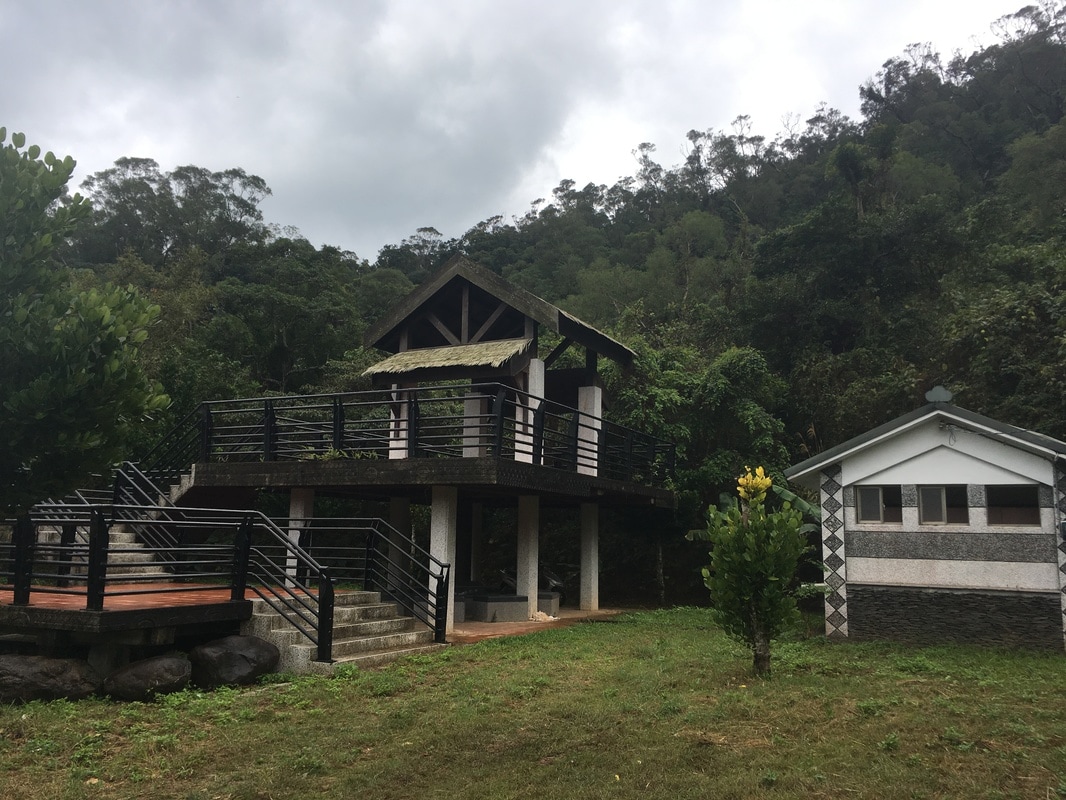
I also noticed several places that looked appealing for an overnight stop, although appearances alone did not establish camping permission or safety.
Had I been as willing as the other traveler to take things as they came, I might have ended my day there.
But Alangyi was still the destination in my mind.
The Weather Closes In
Leaving Jinlong Lake, I continued south.
The sky grew darker, and rain began to fall.
I checked the cloud image on my phone. Almost all of Taiwan seemed to have cleared, leaving just a few stubborn clouds directly above my part of the coast.
By the time I reached the unpaved approach toward Alangyi, it was no longer a light shower.
I took the rainwear out of my frame bag and continued.
It was uncomfortable riding.
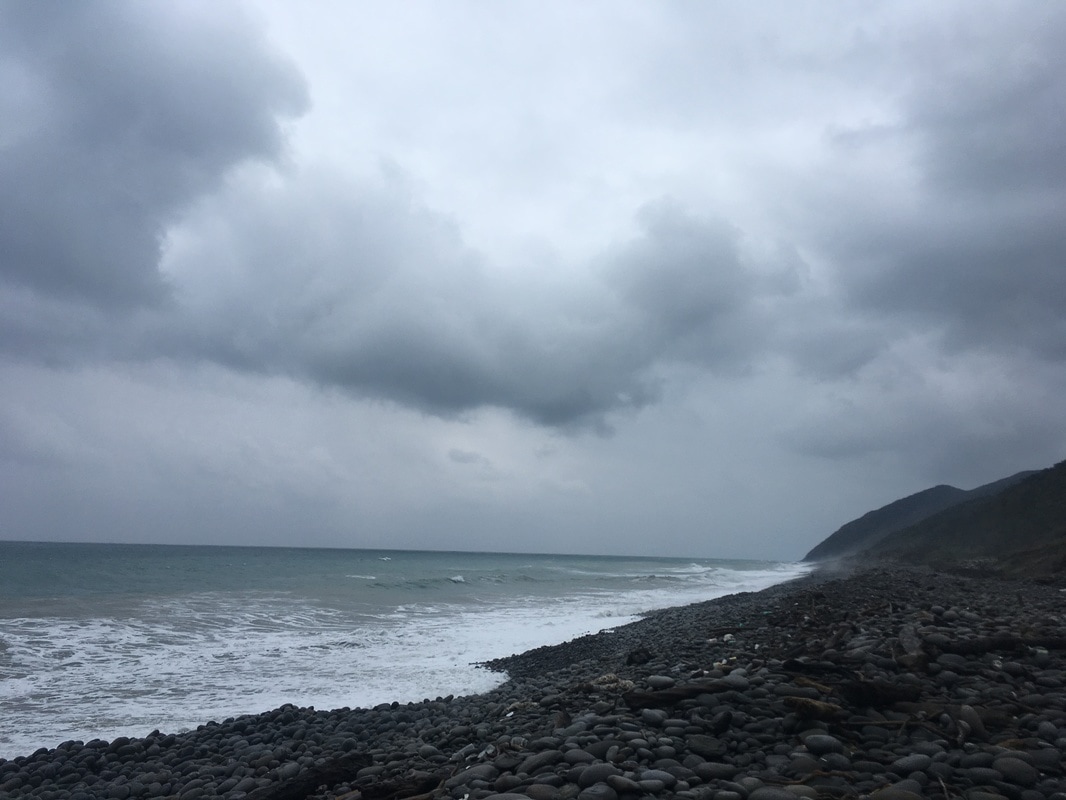
Eventually, I reached the entrance area where I had expected to stop. Instead of the sunshine I had imagined, I found strong wind and heavy rain.
The ground had turned muddy.
I looked for a suitable place in the grassy area, but could not find one.
Reluctantly, I pushed the bicycle back toward a possible fallback location I had noticed on the way.
Listening to the Wind and Waves
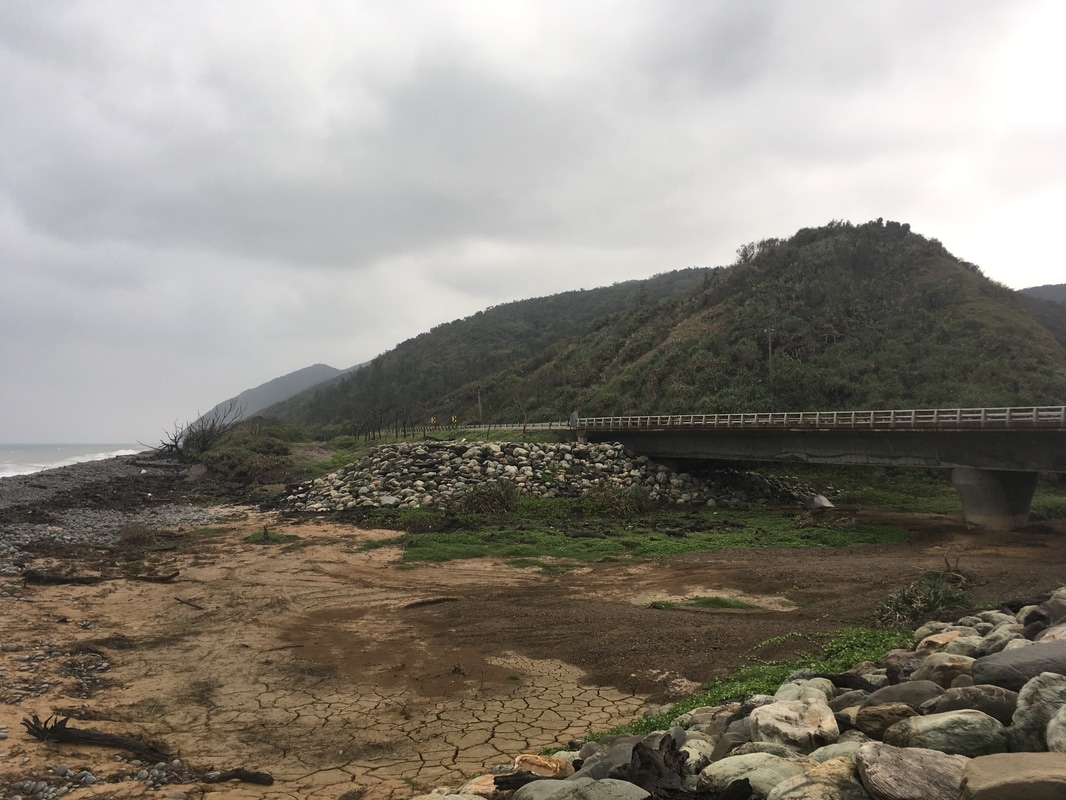
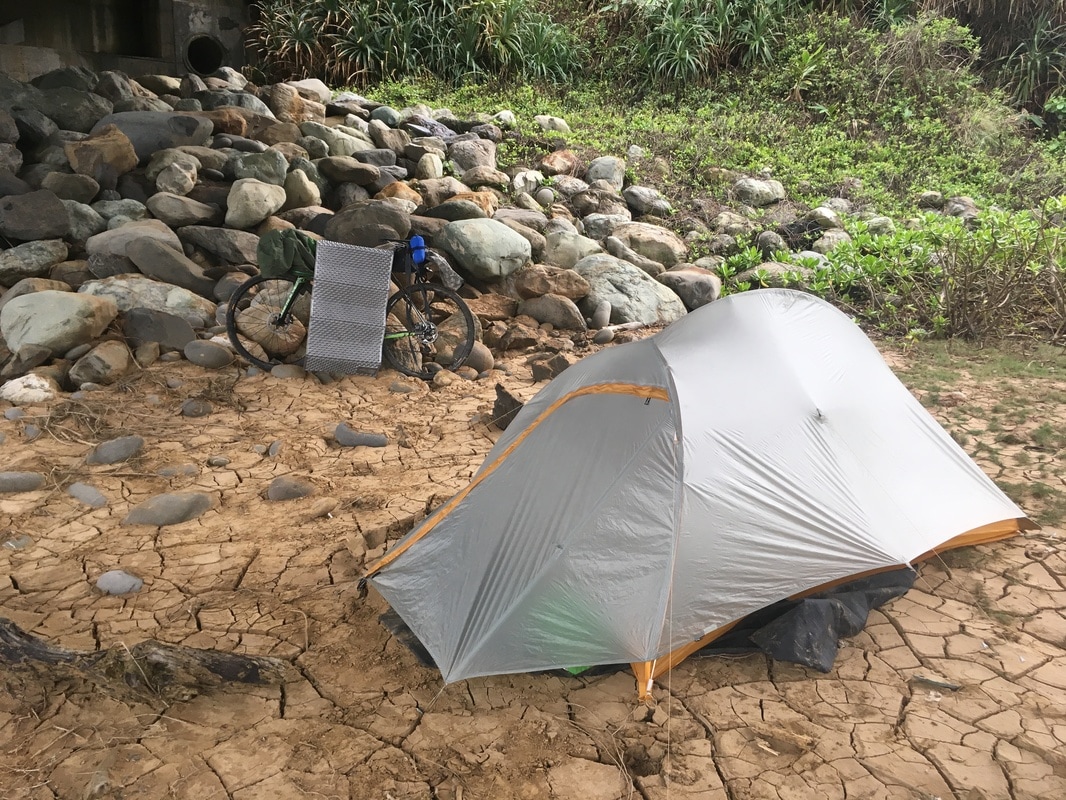
The place was beneath a bridge.
It did little to block the wind, but kept the rain off, and I felt the view was no less beautiful than the one at the trail entrance.
That was my impression during the trip, not a sound basis for choosing storm shelter. Bridge areas can expose travelers to serious hazards, especially during heavy rain.
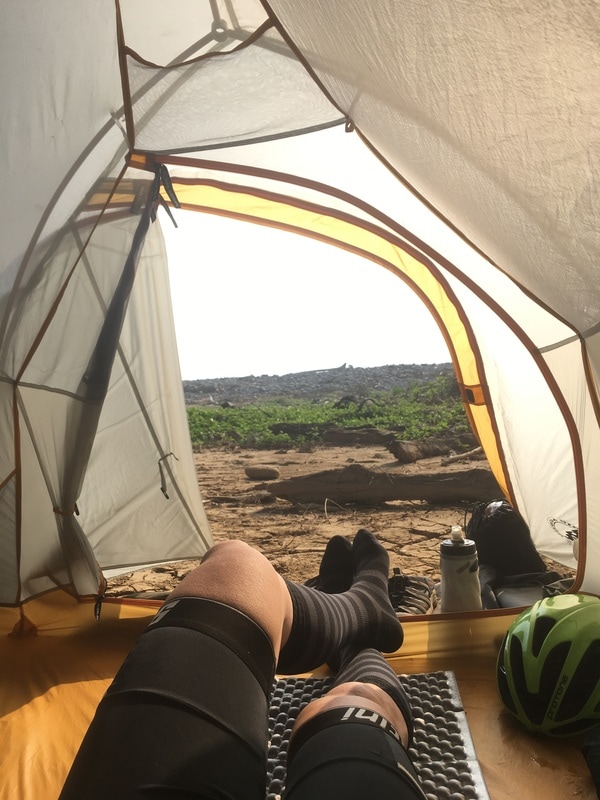
I pitched my tent and let my mind grow quiet.
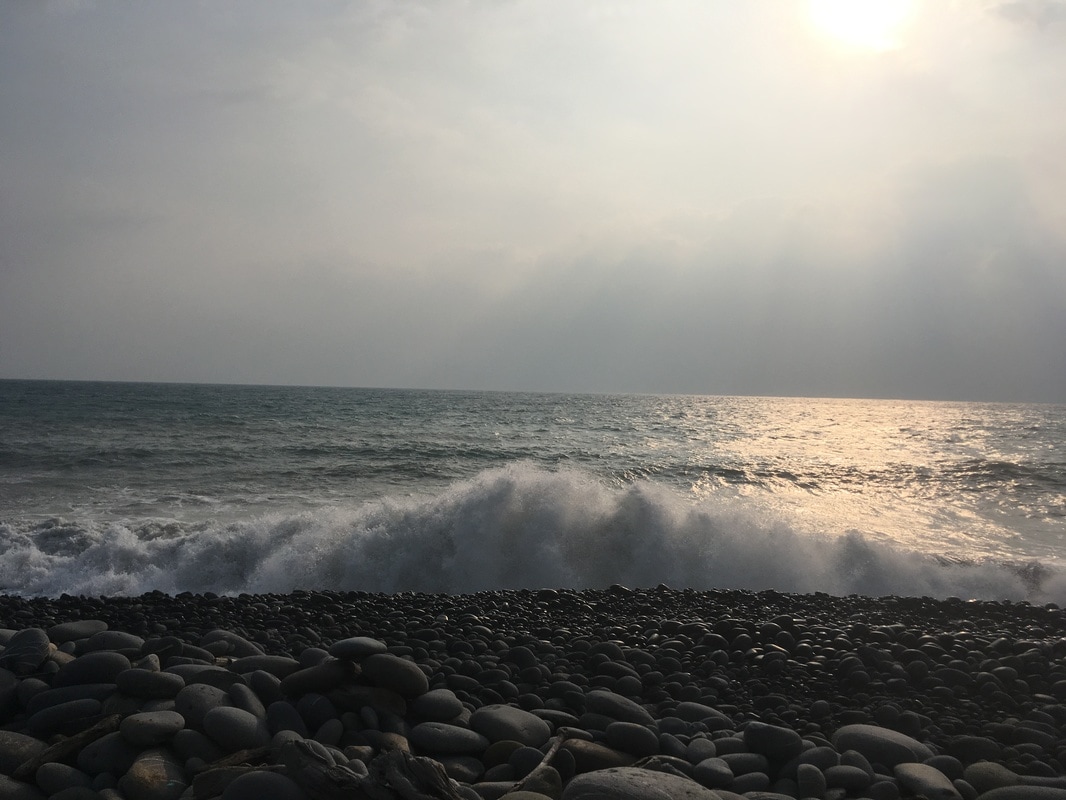
Waves rumbled. Wind swept past.
If you asked why I wandered, perhaps this was part of the answer: searching for time and space to sit alone and do nothing.
Coffee at Sunrise
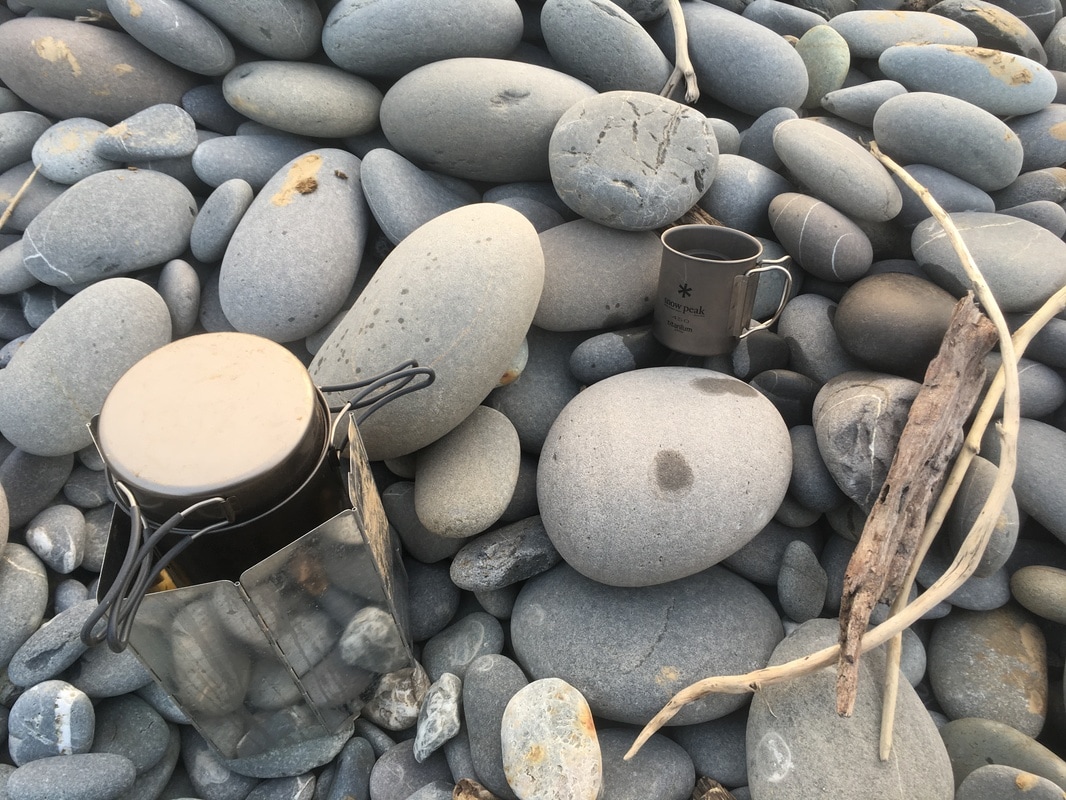
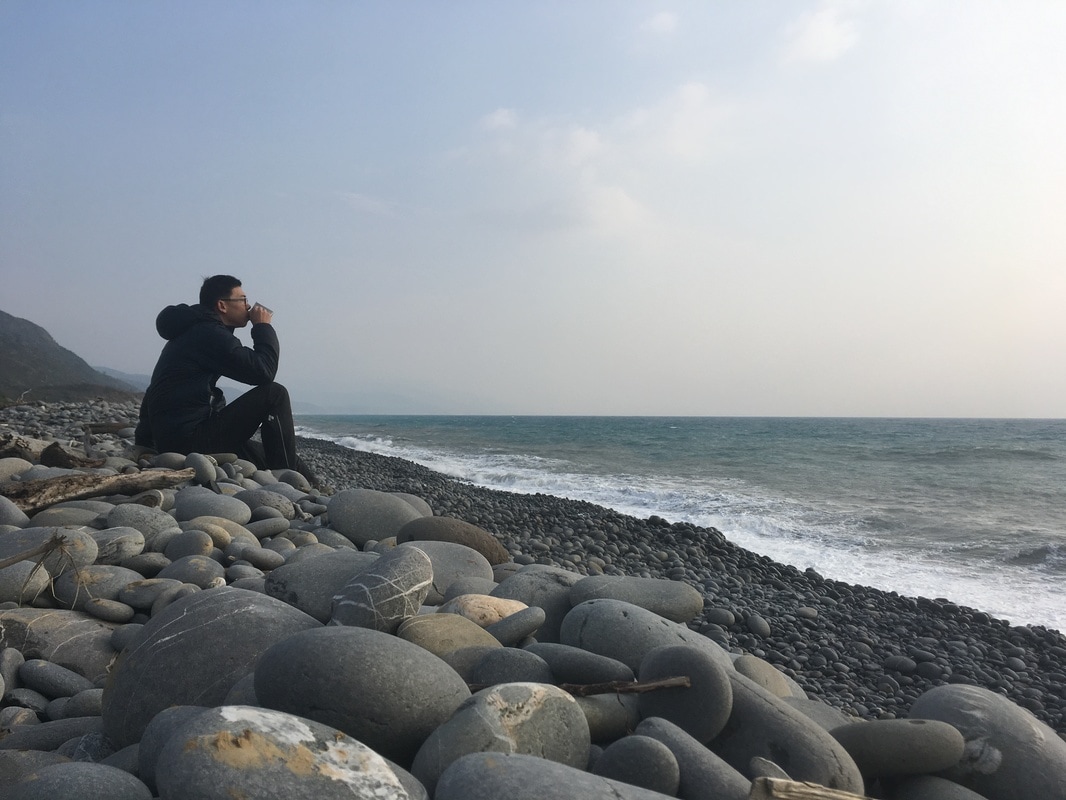
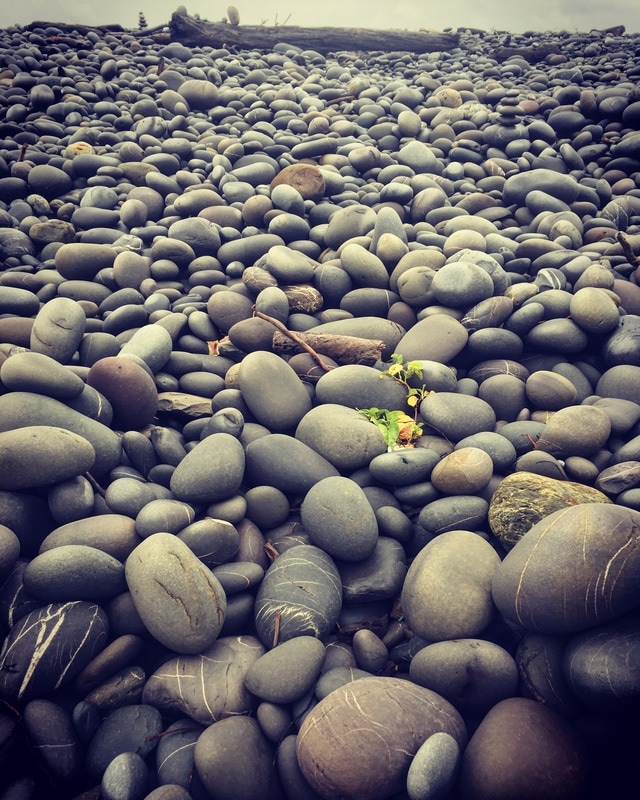
In the morning, I carried my cooking equipment toward the rocky shore.
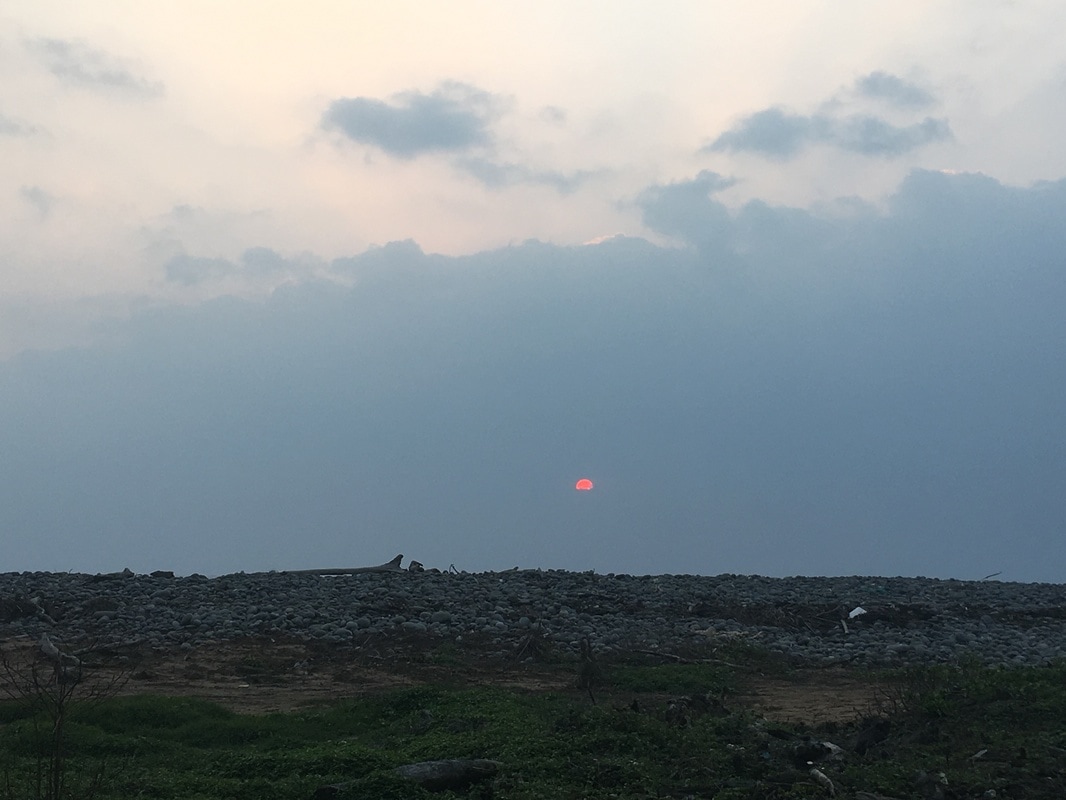
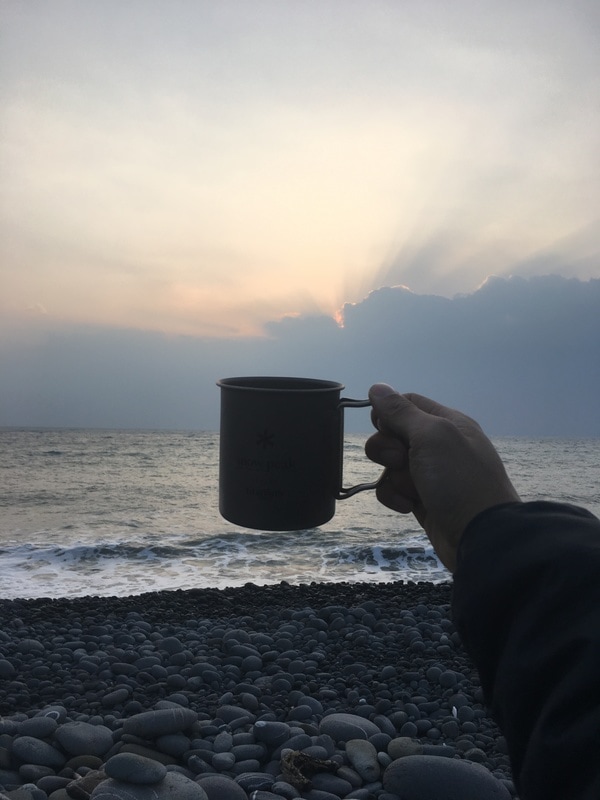
With the smell of coffee beside me, I watched the sun slowly rise and thought about the journey ahead.
Continue with the original Hengchun Peninsula, Part 2.
Original Route Record and Social Links
The author’s historical route record on Strava. This records the old journey, not present access permission or current conditions.
Bikepacking diary: Facebook · Instagram