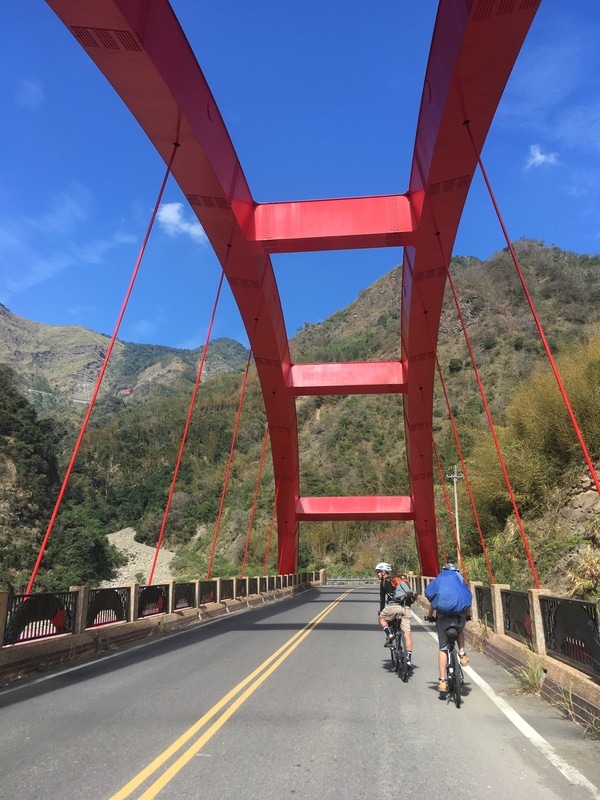
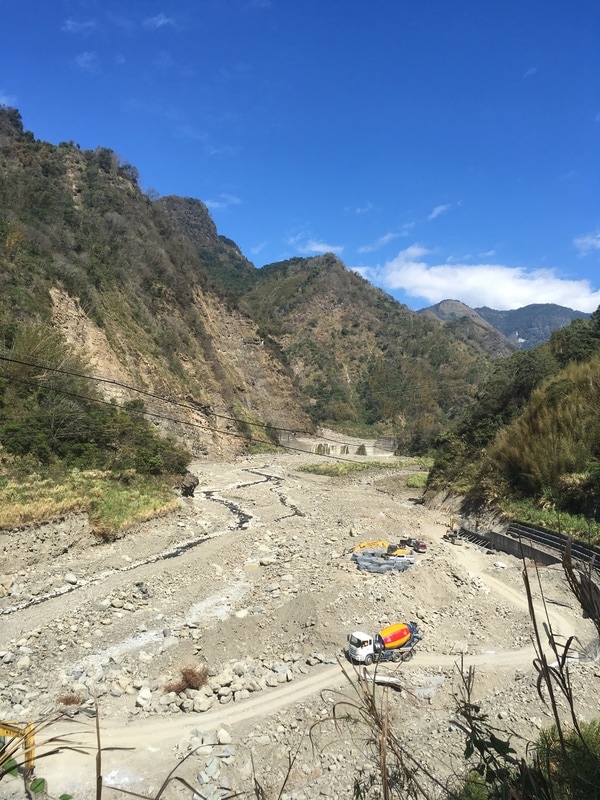
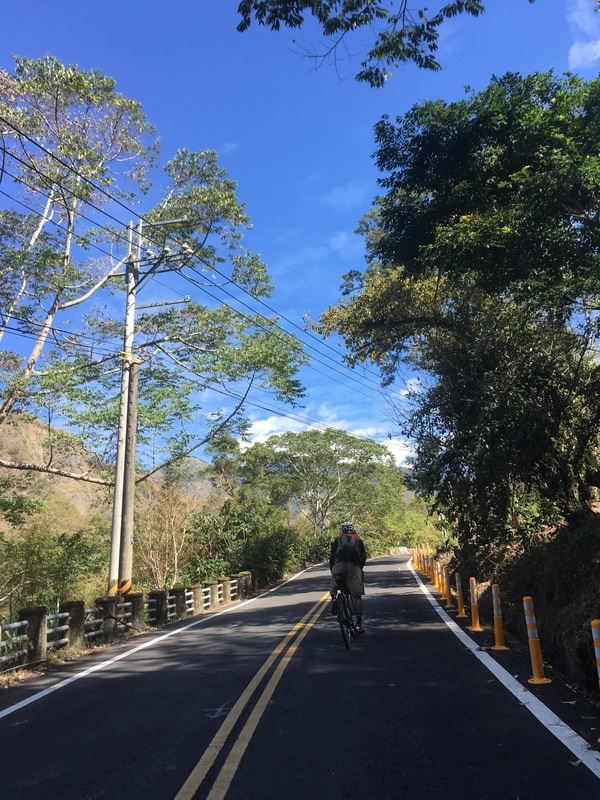
Tefuye Historic Trail | Bikepacking Alishan’s Old Railway and Mountain Villages
Translated from Bikepacking diary’s original Tefuye Historic Trail article, published on February 3, 2017, and republished by arrangement with the author. Photographs are linked directly from the original website.
Editor’s note: This is a historical personal account, not a current bicycle-access, trail or camping guide. Distances, road conditions, facilities and prices describe the original journey. Confirm permitted activities and access with the relevant land managers and communities before visiting; a past bicycle trip does not establish that riding or carrying bicycles on these paths is currently allowed. Respect Tsou communities, residents and cultural sites. Obtain permission before staying on private property, and use only authorized cooking areas with suitable ventilation and fire clearance. A leaking tire needs proper repair before further riding. Historic rails, sleepers, steep stairs and access roads can be hazardous. Historical and place-name explanations below are attributed to the source account rather than independently verified conclusions.
A Hunting Path and an Old Forestry Railway
Tefuye is a Tsou community in Alishan’s Zengwen River valley, at an elevation the original account placed at around eight hundred meters.
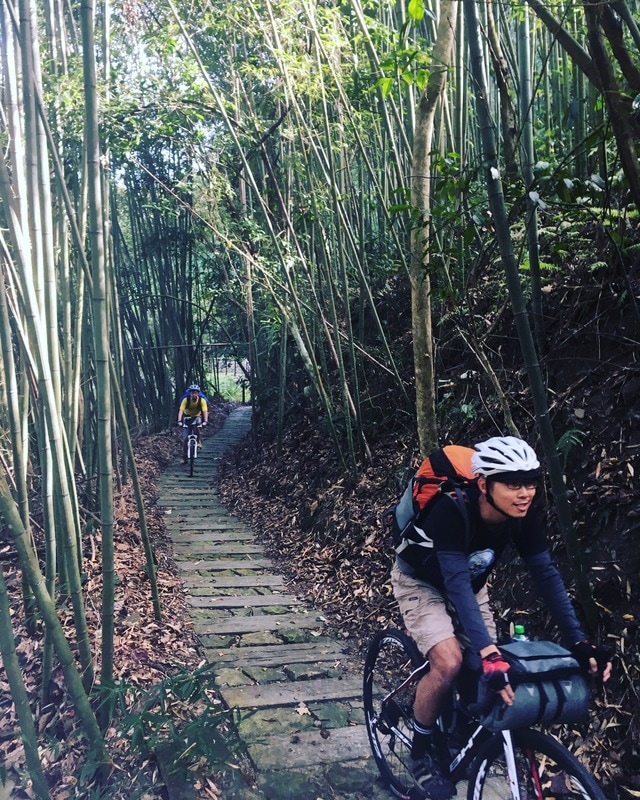
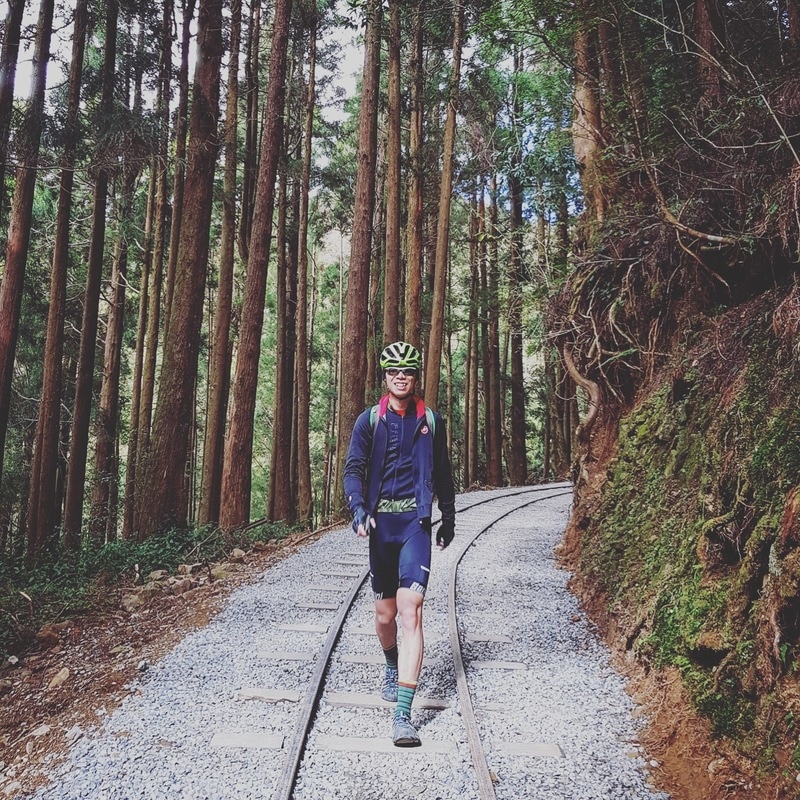
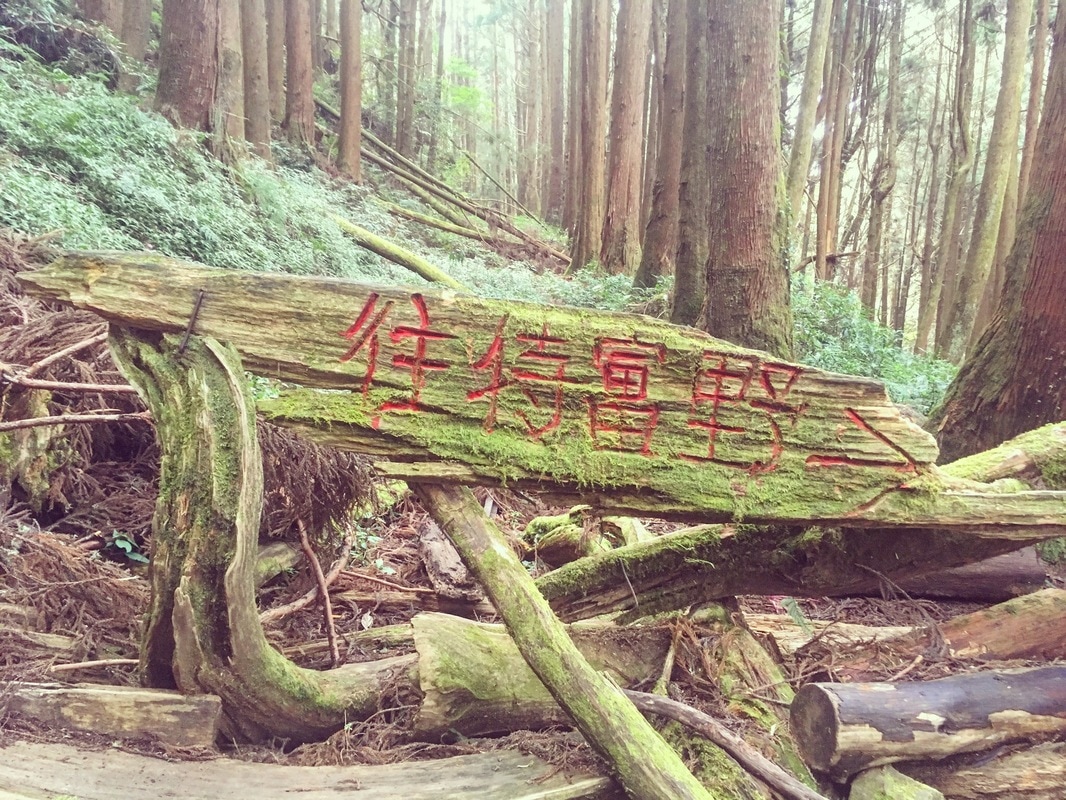
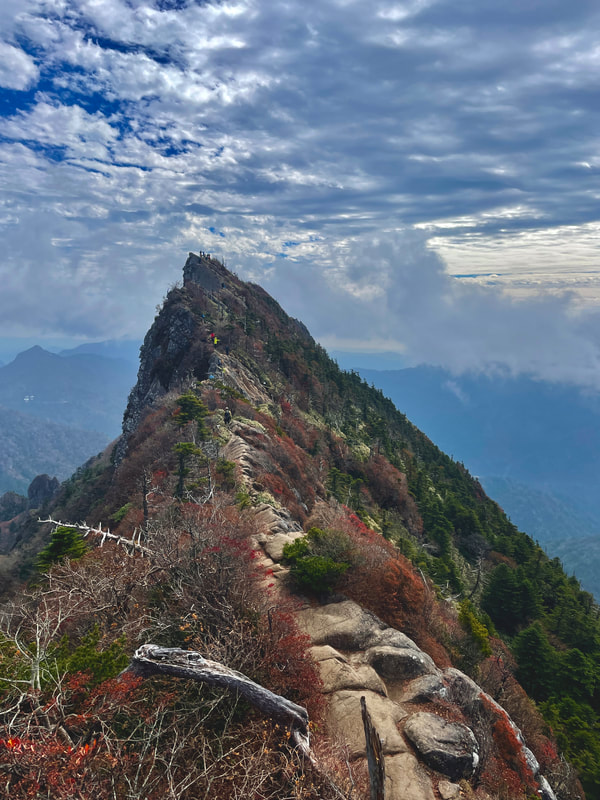
Tefuye Historic Trail was once a hunting path used by the Tsou. Later, during Japanese rule, part of it became the route of the forestry railway referred to in the source as the “Shanshui Line,” used to transport timber.
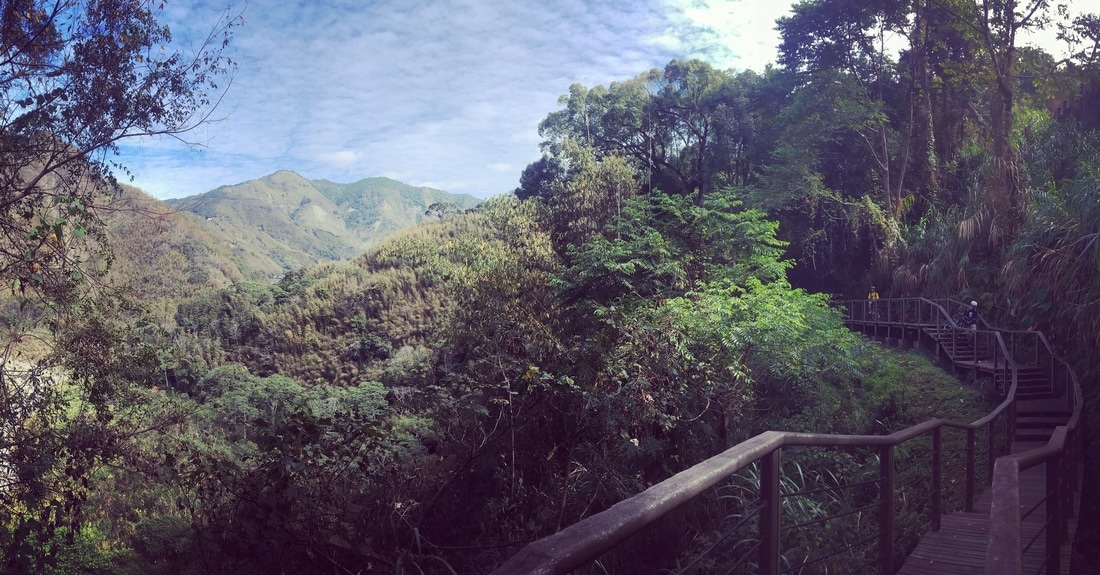
The original article gave the trail’s total length as 6.3 kilometers. Starting from Zizhong, the railway section was relatively gentle, followed by about three kilometers of steep descending steps.
One important distinction: reaching the end of the trail did not mean reaching Tefuye village. In our account, another six kilometers of steep access road still lay between them.
For someone without enough energy for the whole journey, turning around at the end of the railway section seemed a better choice. That was a suggestion based on the trip then, not confirmation of present access or conditions.
A digression about the name Zizhong: the original article explained that the place had previously been called Kodama, after a Japanese governor-general. It then recounted a story in which Chiang Kai-shek, passing through, thought the landscape resembled the place where General Zhang Zizhong had died during the Second World War and named it in his memory.
That is the place-name story as told in the source, rather than a history independently established here.
It reminded me of Yingshi village, which I had visited earlier: another place named after a fallen figure. Zizhong was a locality, but for Indigenous villages such as Yingshi, I felt there was a case for restoring their original Indigenous names.
A Night in Shizhuo and a Troublesome Tire
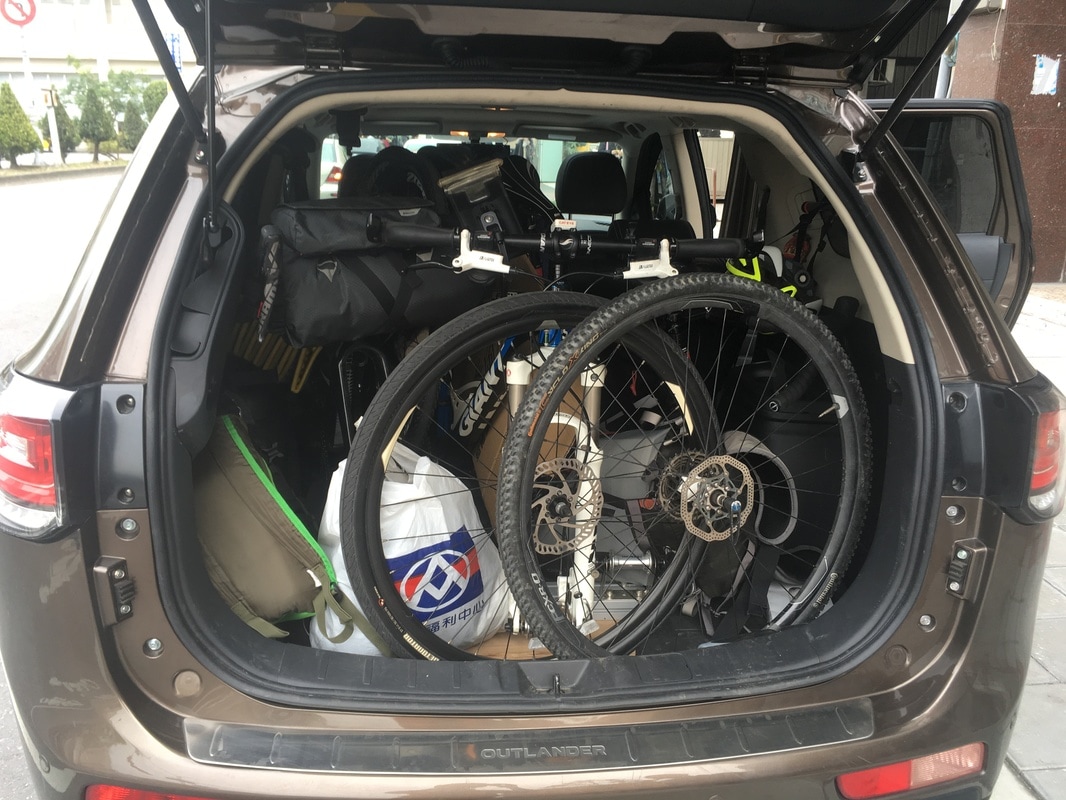
Following the example of the experienced riders behind “Taiwan, Most Beautiful by Bike,” we drove into the mountains the night before and stayed in Shizhuo.
Shizhuo stood at the junction of Provincial Highway 18 and County Road 169. Returning from Tefuye to Highway 18 would bring us back along 169, making it a convenient start and finish for a loop through the mountains.
Our predecessors had chosen the location well.
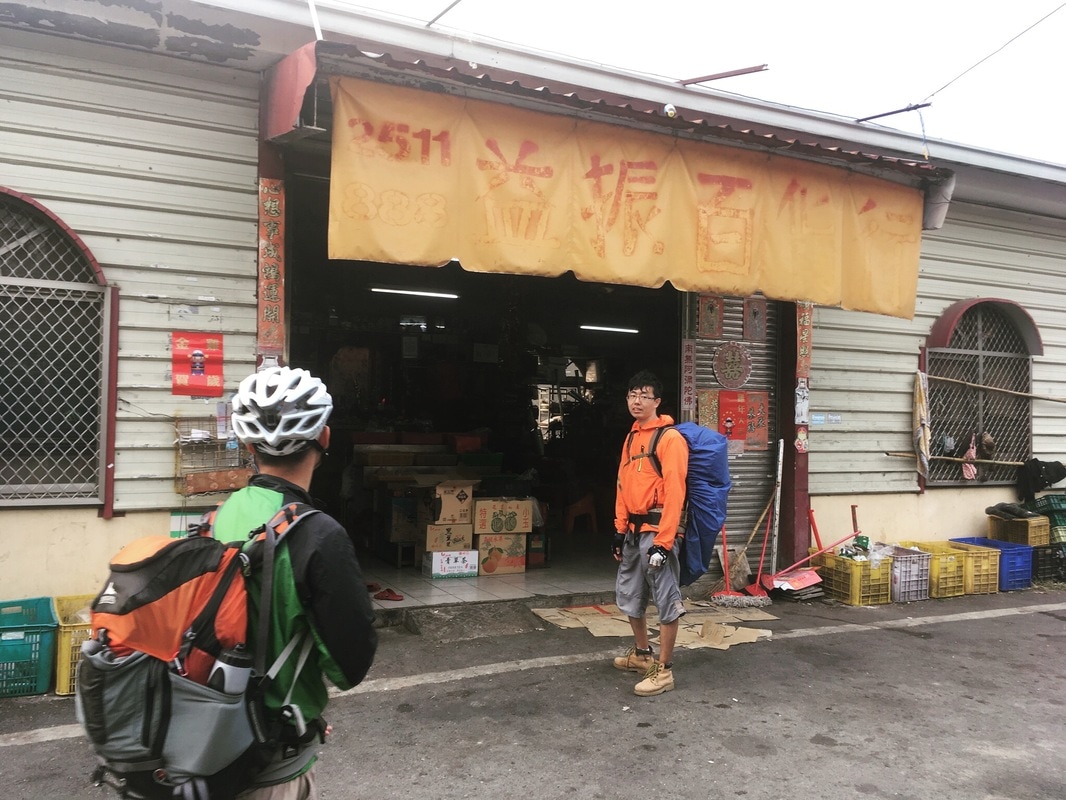
First, we needed somewhere to sleep. Along the busy street, we noticed a snack stall with a roof overhang. We ordered a meat-filled rice dumpling and talked with the owner.
Before long, we had permission to stay for the night.
The owner cheerfully told us that he too had camped in the mountains when he was younger. We were welcome to settle down there.
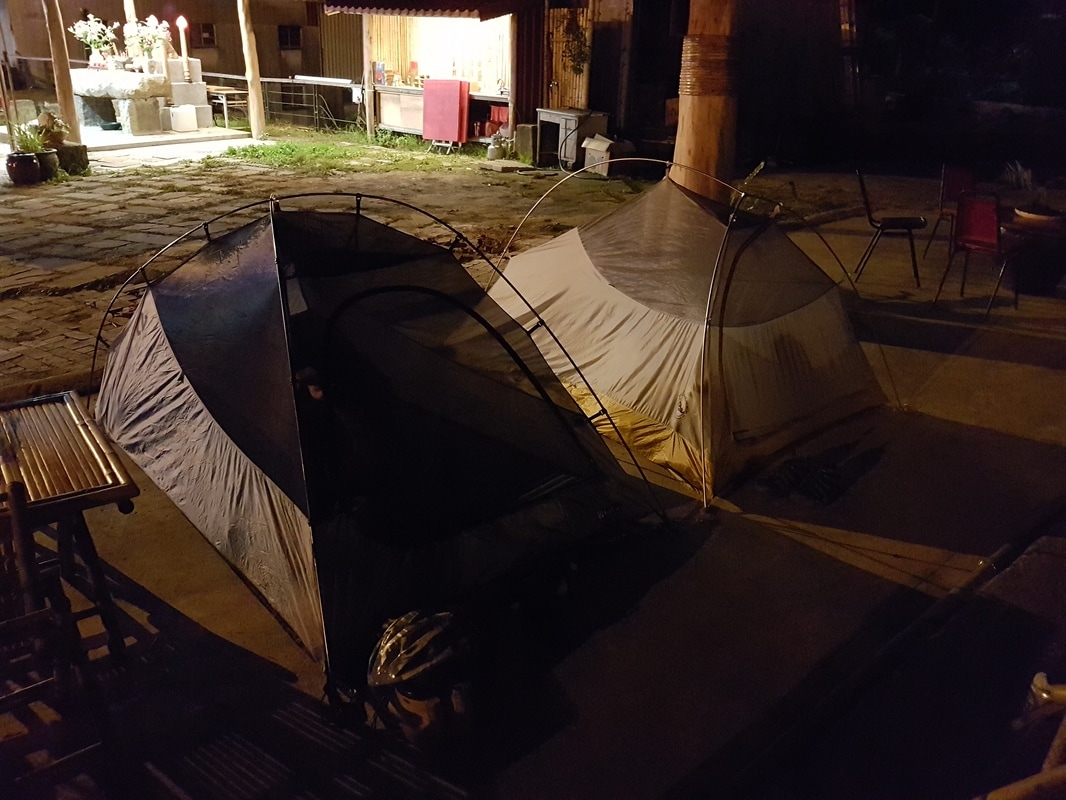
Meeting someone who understood that sort of traveling was a pleasure. After dinner, we put up our shelters and went to bed.
The drawback was the road nearby: passing cars woke us from time to time.
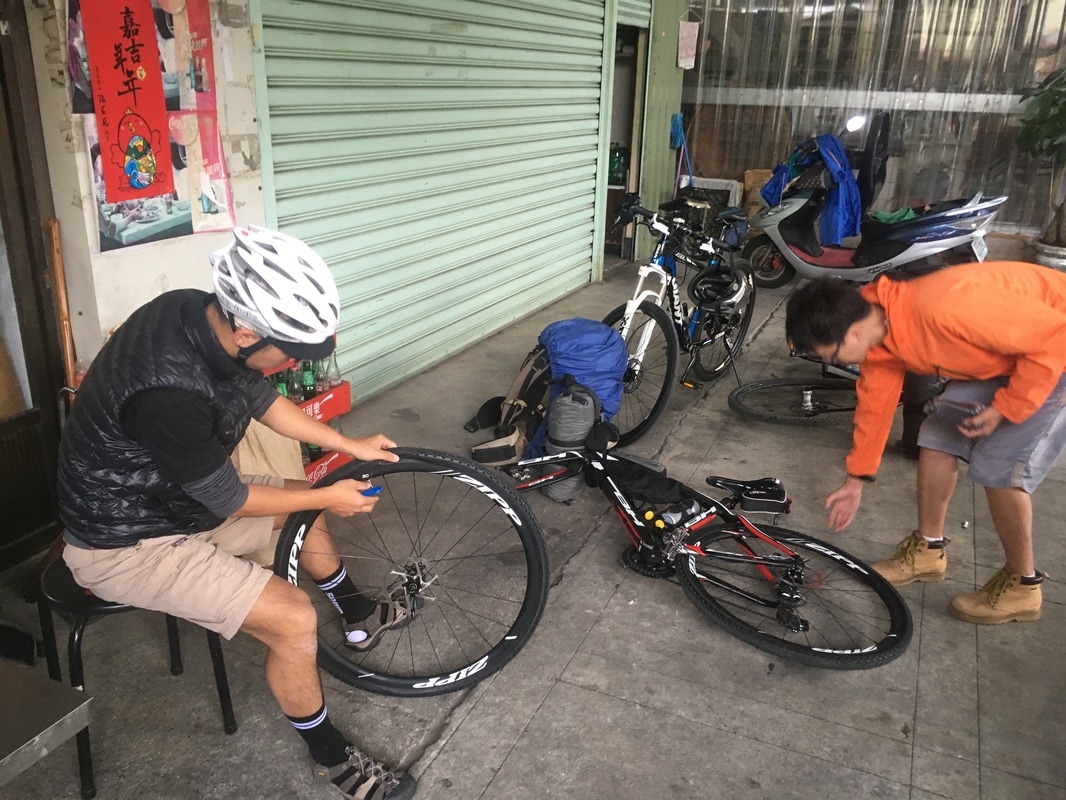
The next morning, breakfast and departure preparations revealed a problem. Someone’s front tire was flat.
We worked on it while eating, only to discover that the spare tube I produced was punctured too.
After more fiddling, we put the original tube back. We thought the leak was at the valve and decided to top it up whenever it softened.
That was the decision we made then, not a sound substitute for repairing a tire before a mountain ride. With that unresolved nuisance, we set off toward Tefuye Historic Trail.
The Appetizer: Thirty-Three Kilometers Uphill
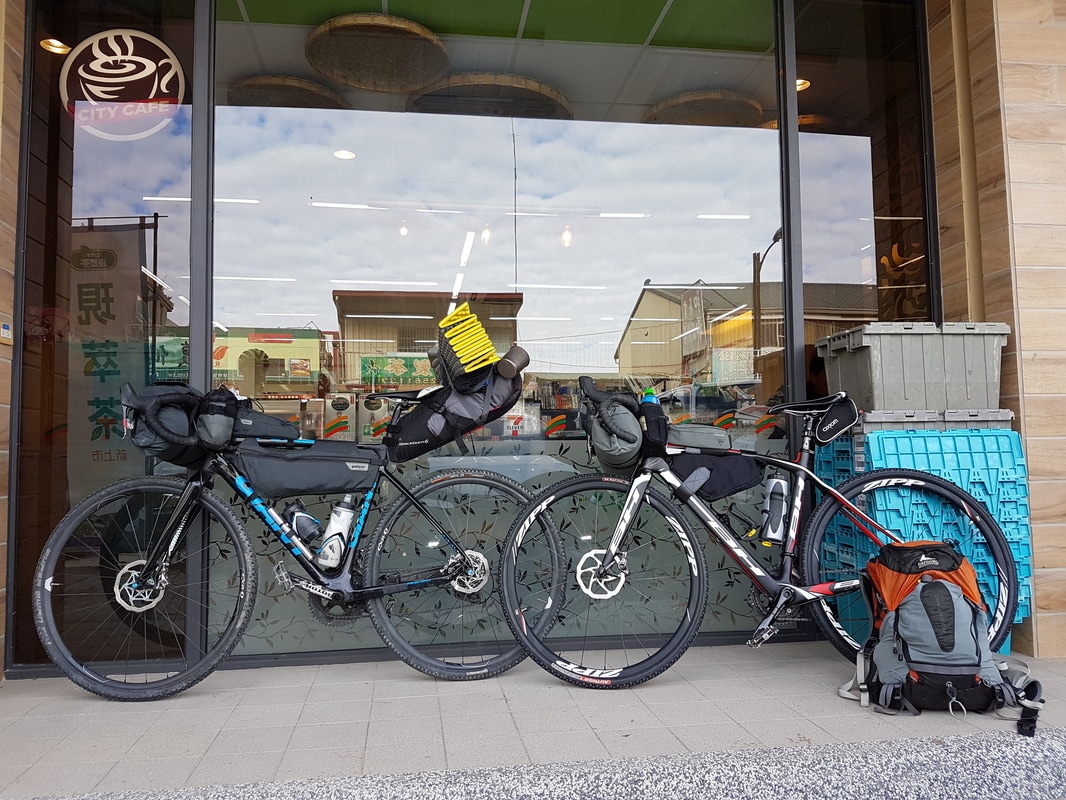
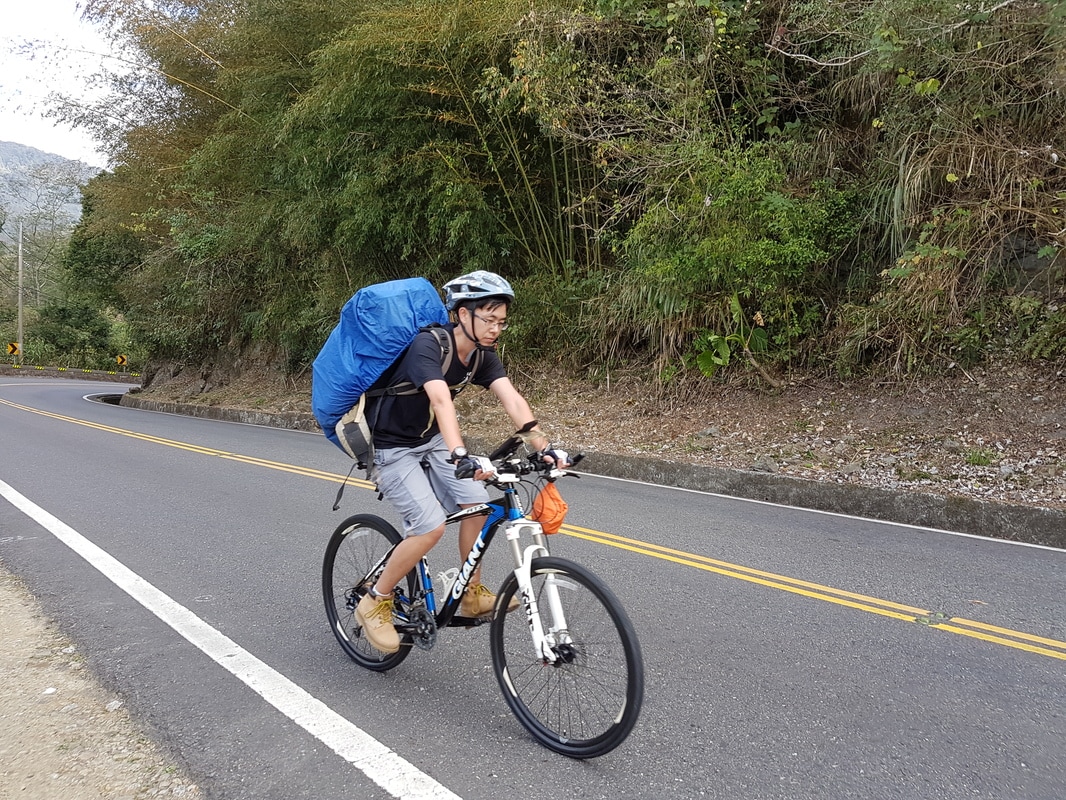
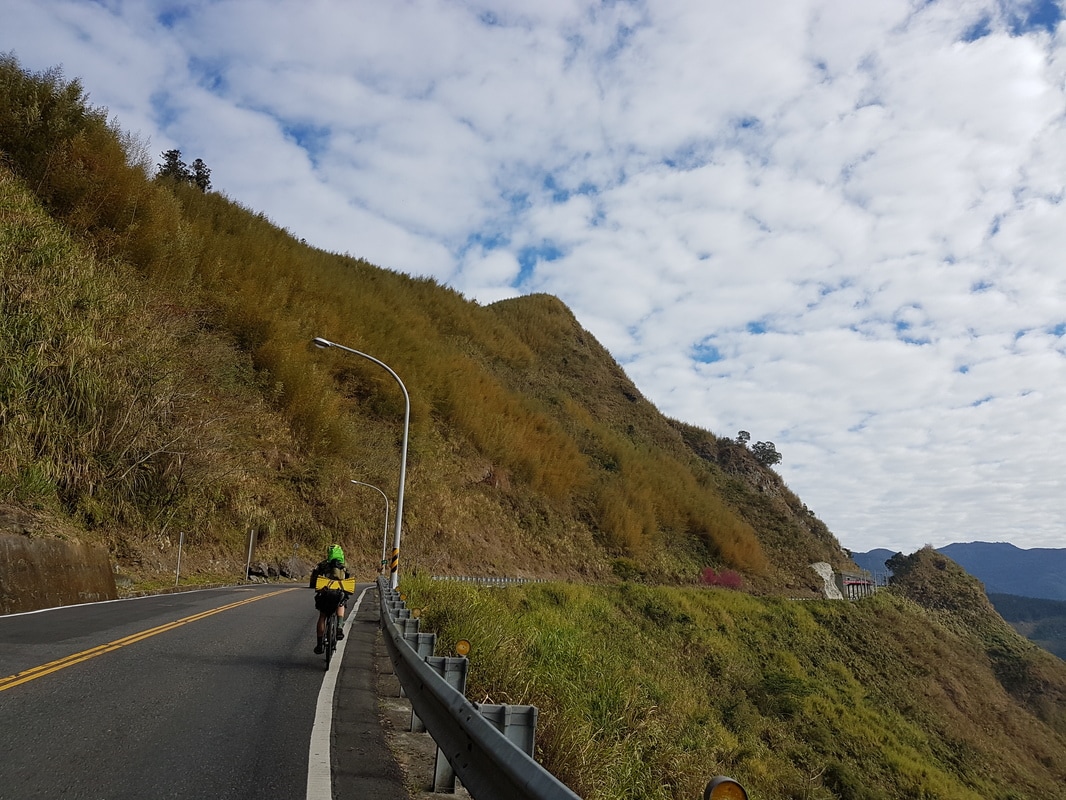
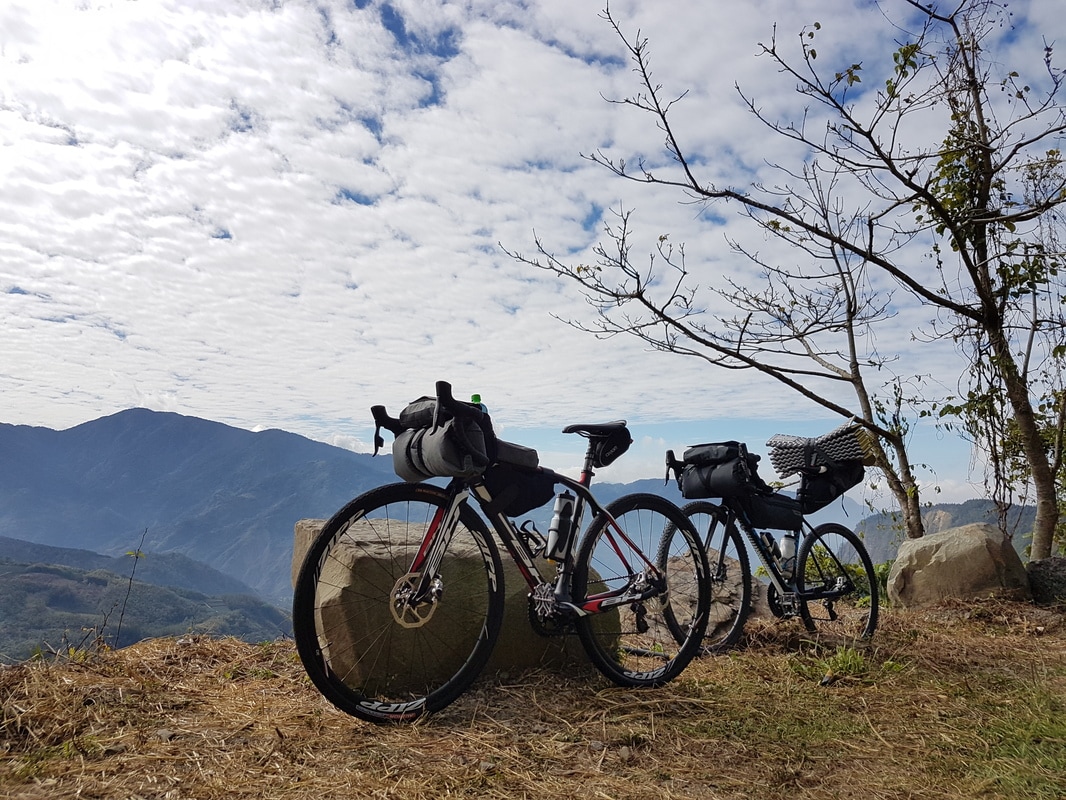
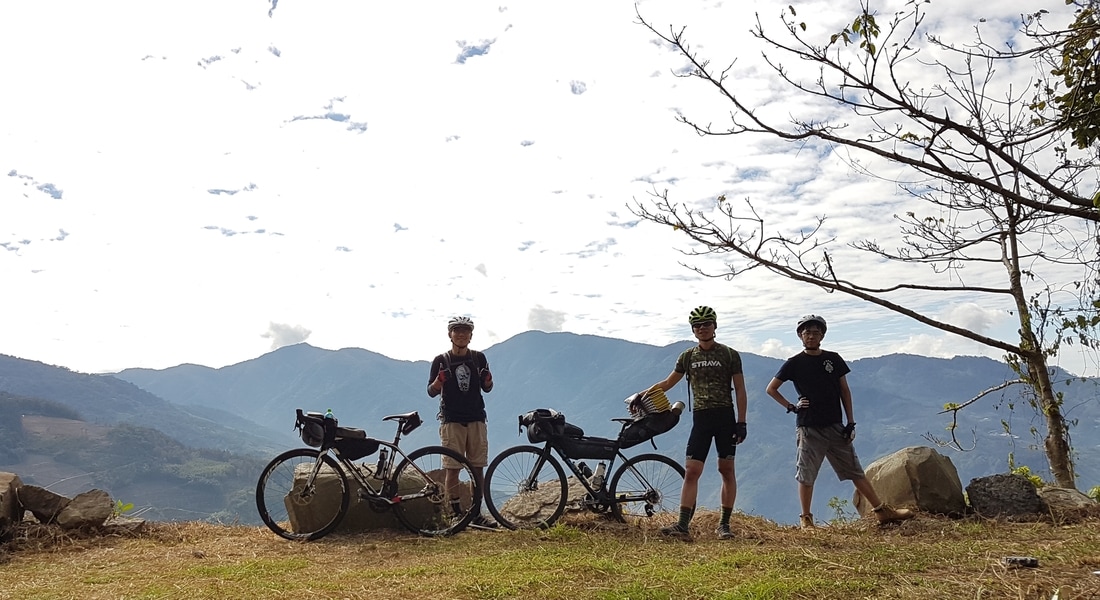
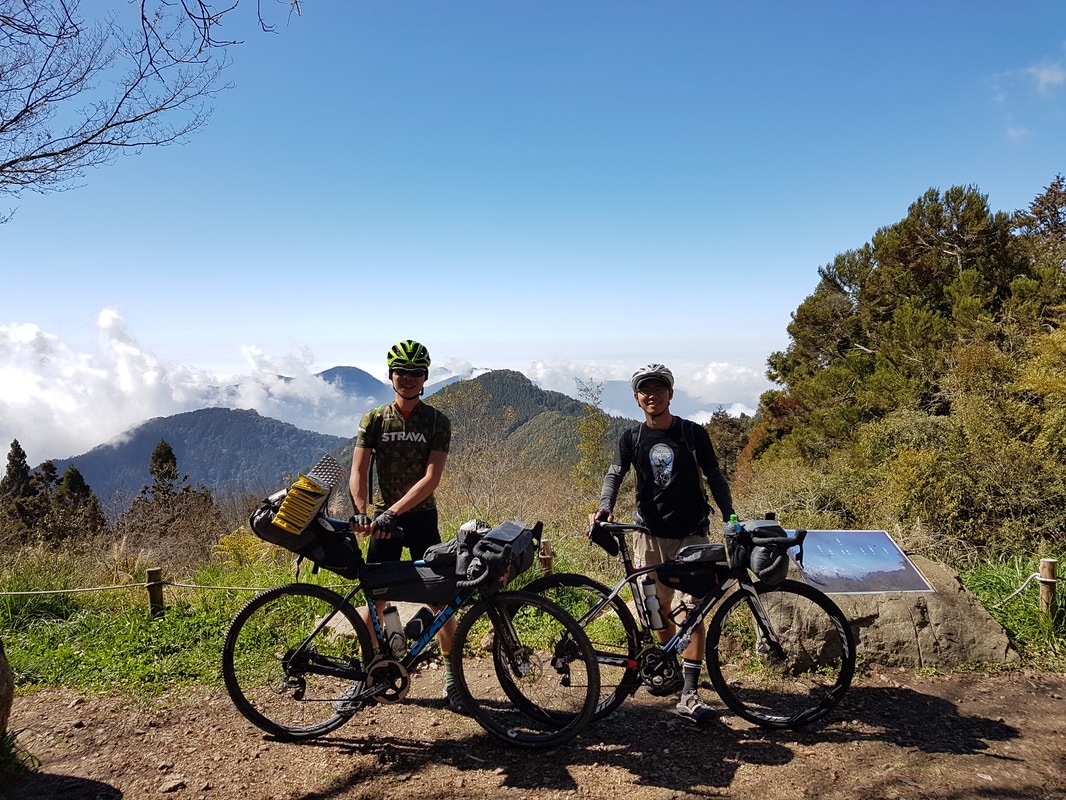
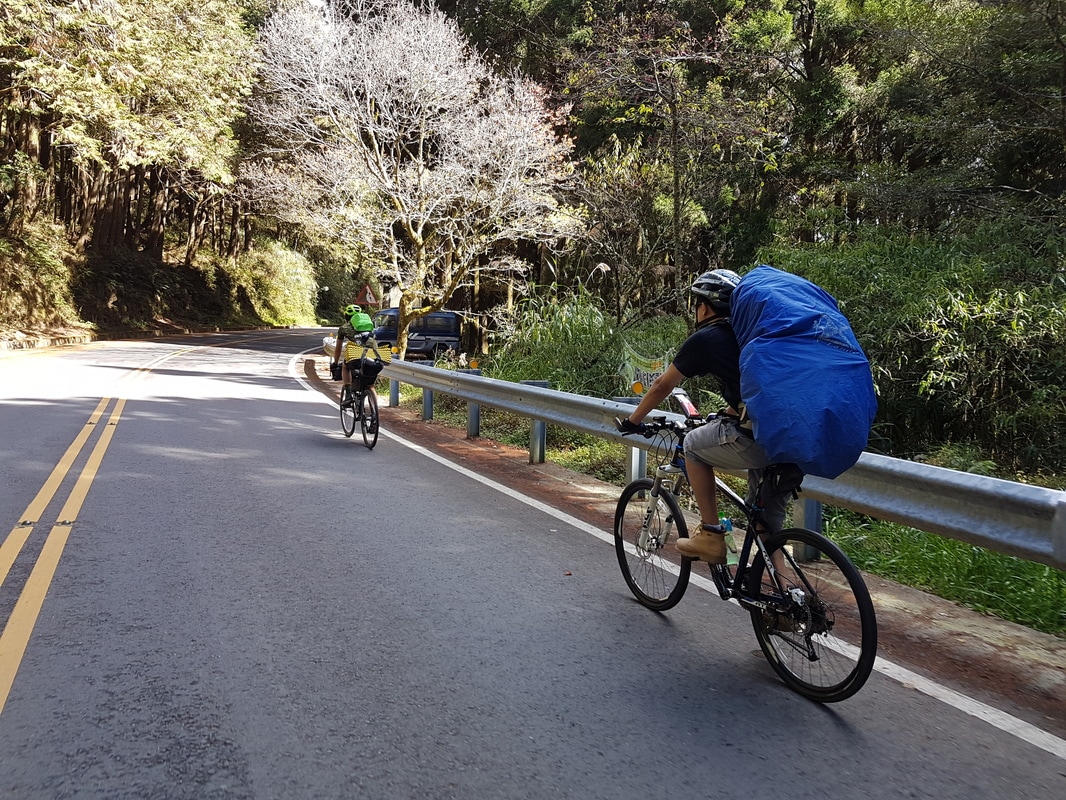
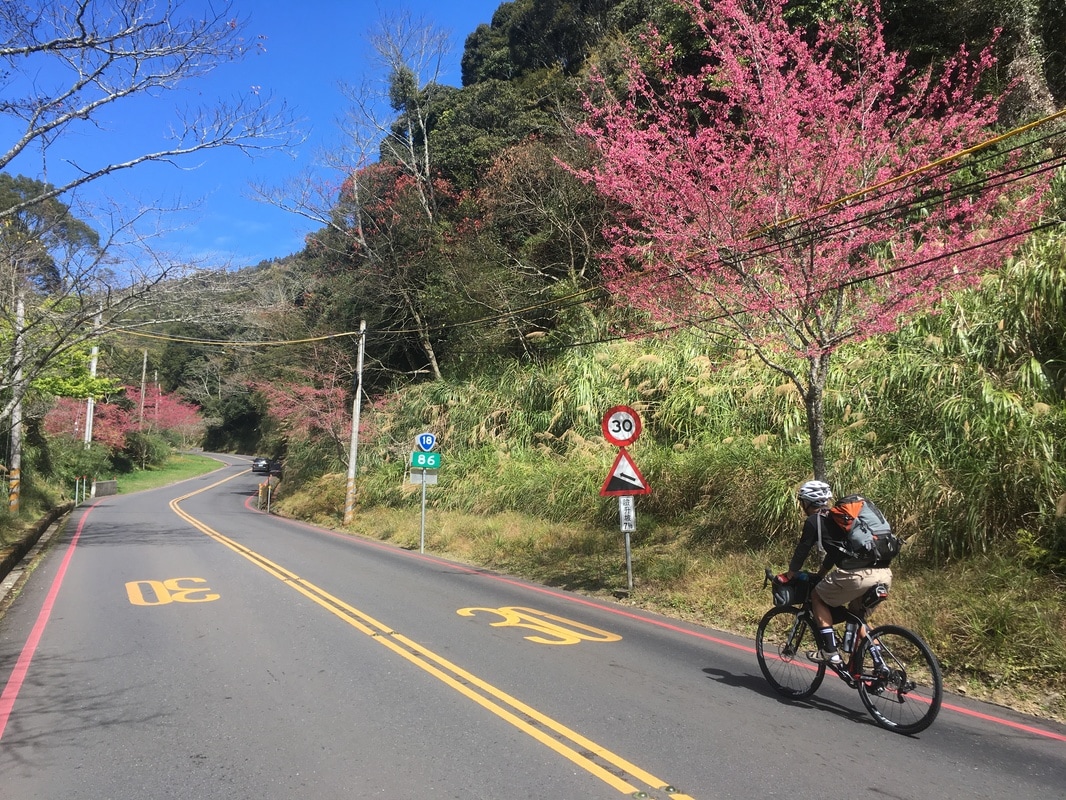
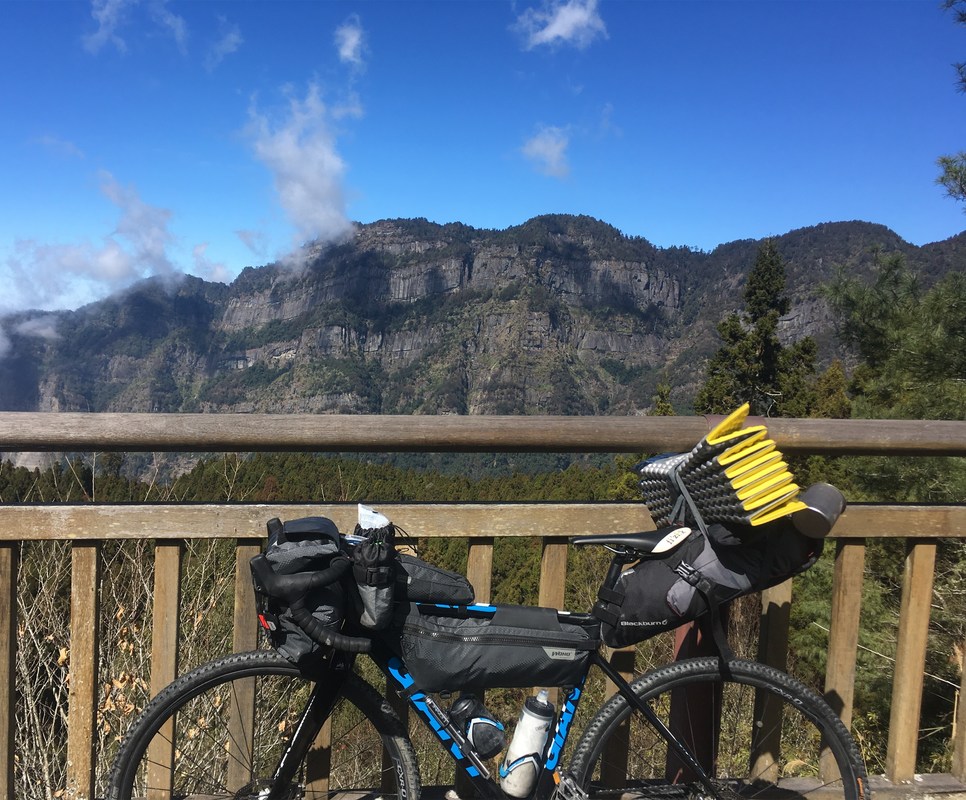
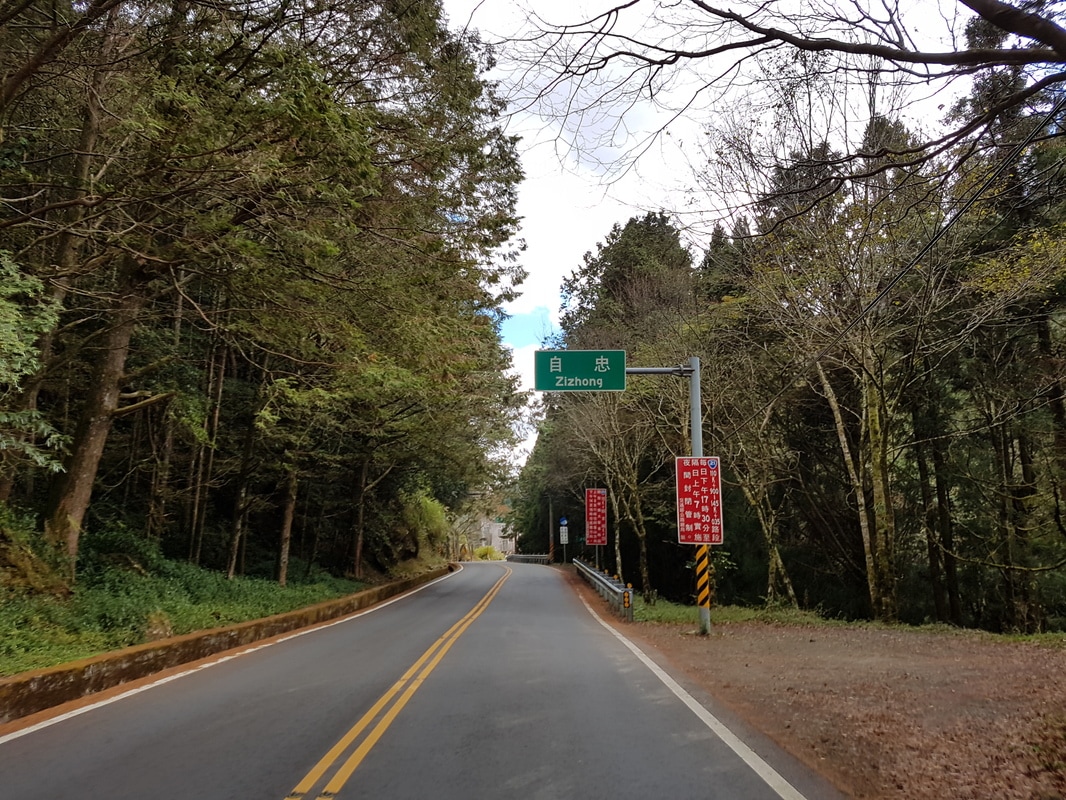
The journey began with an appetizer of thirty-three kilometers of climbing from Shizhuo to the trail entrance at Zizhong, gaining roughly a thousand meters according to my account.
It had been a while since I had ridden the Alishan Highway.
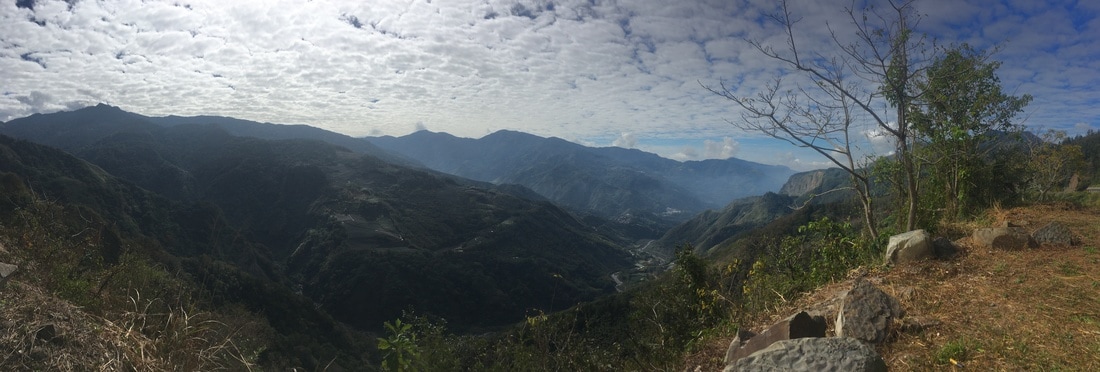
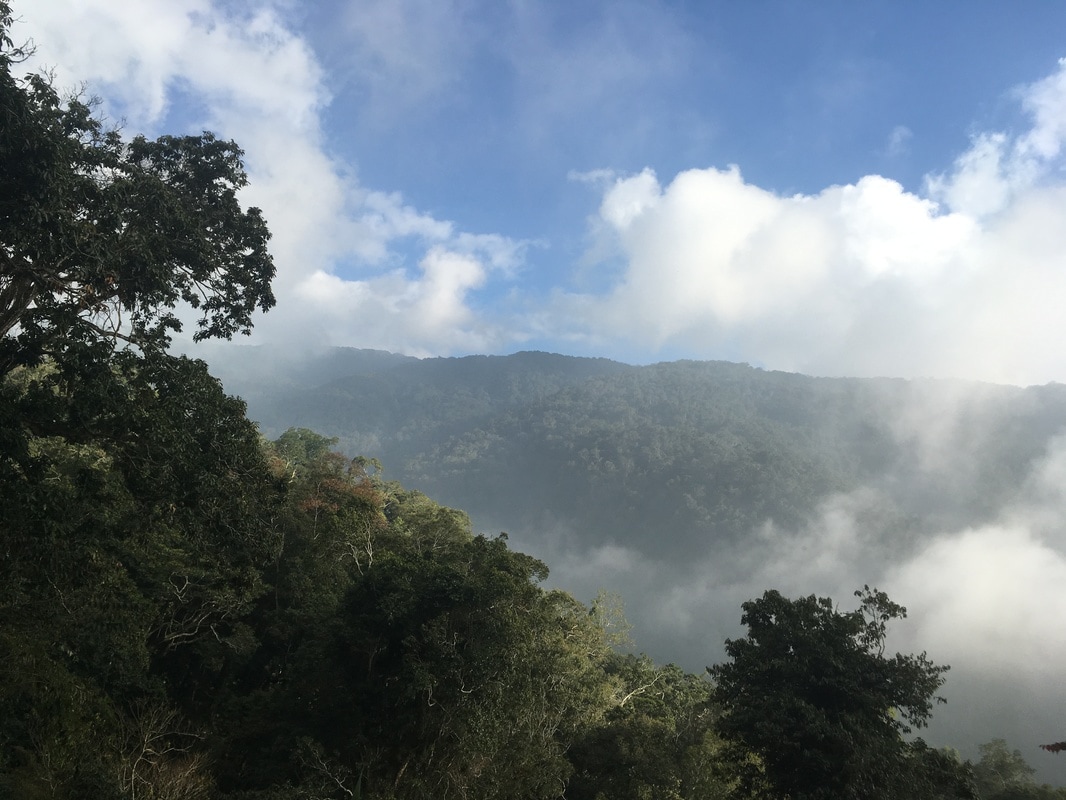
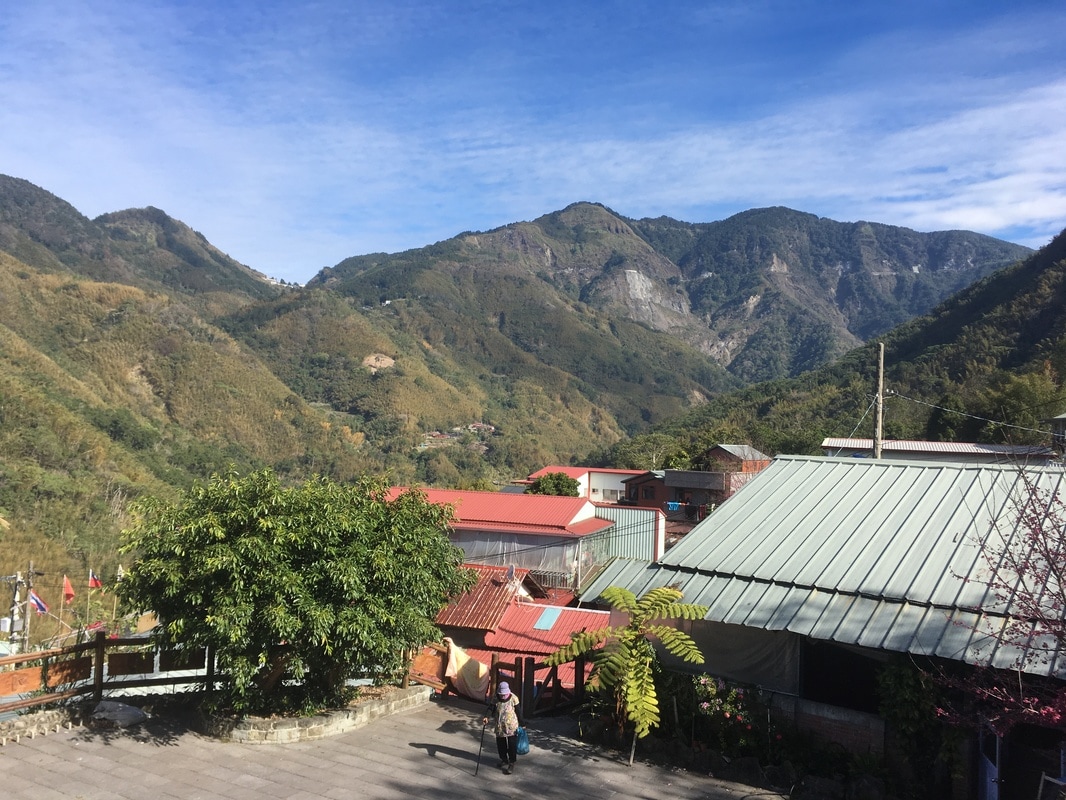
To the right lay the Zengwen River valley. Looking down, we could see Tefuye and Dabang, the communities we would visit later.
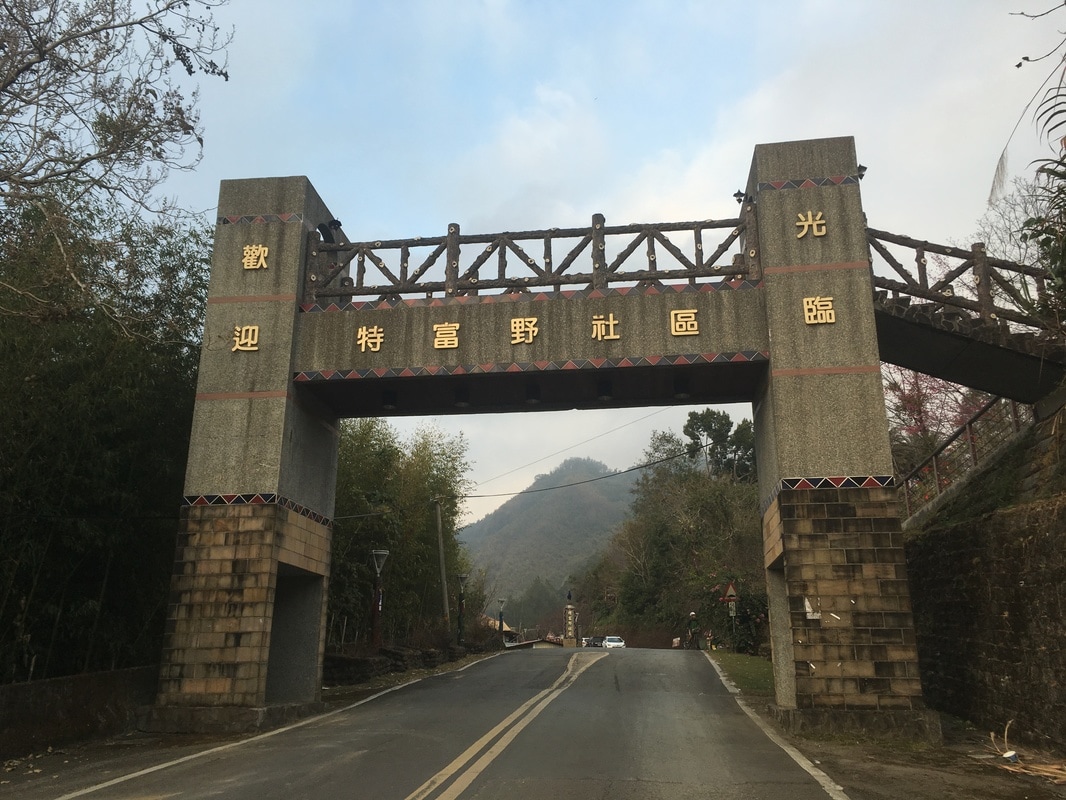
We rode slowly, watching the scenery, and almost without noticing reached the Alishan entrance gate.
From there, I remembered about eight kilometers remaining to the trailhead. Along that stretch was a fire station where we obtained water, our final refill on this part of the trip.
After replenishing our bottles, we finally arrived at the historic trail.
Rails, Sleepers and a Long Carry
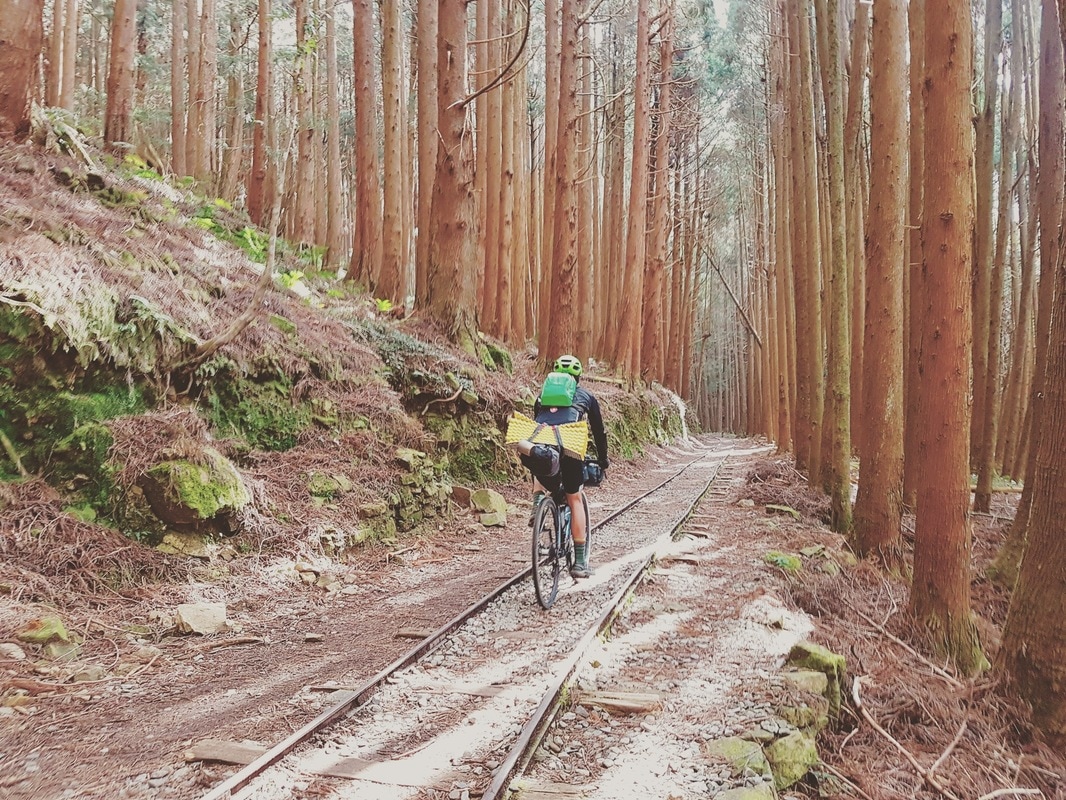
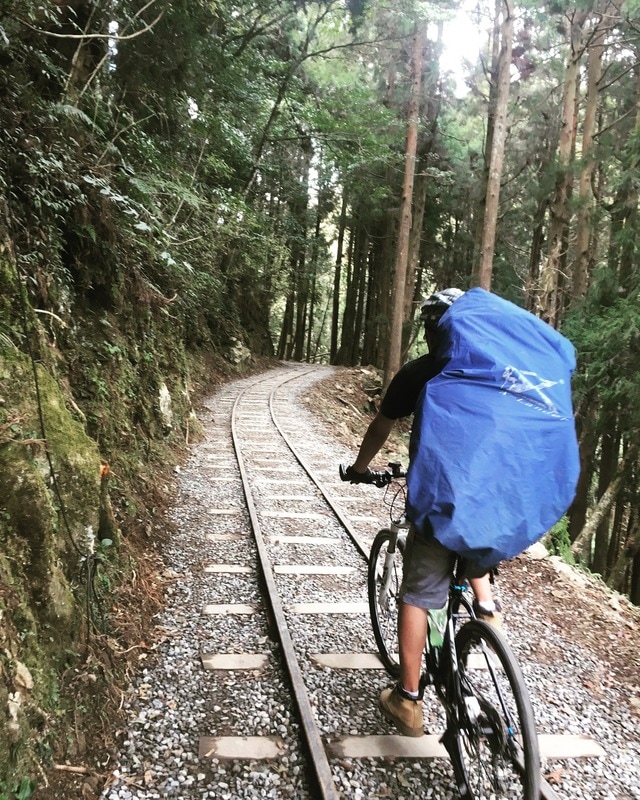
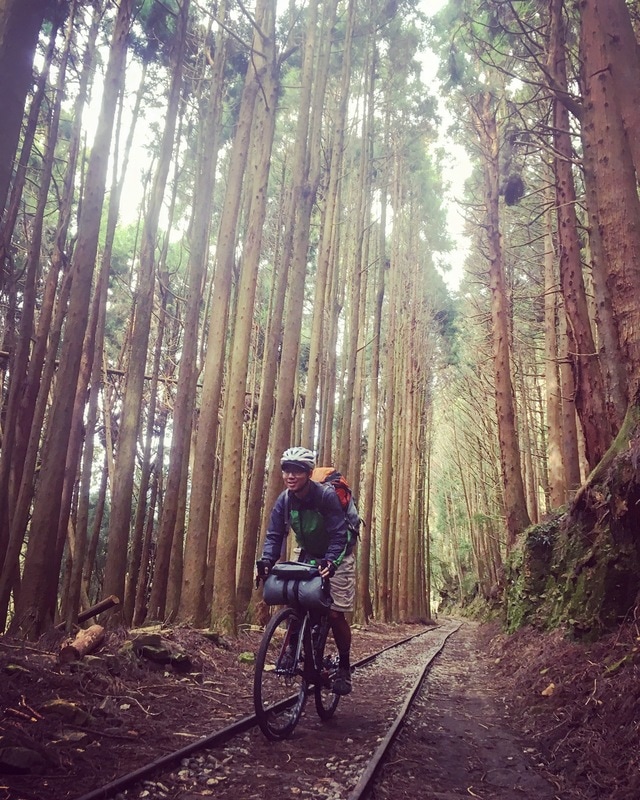
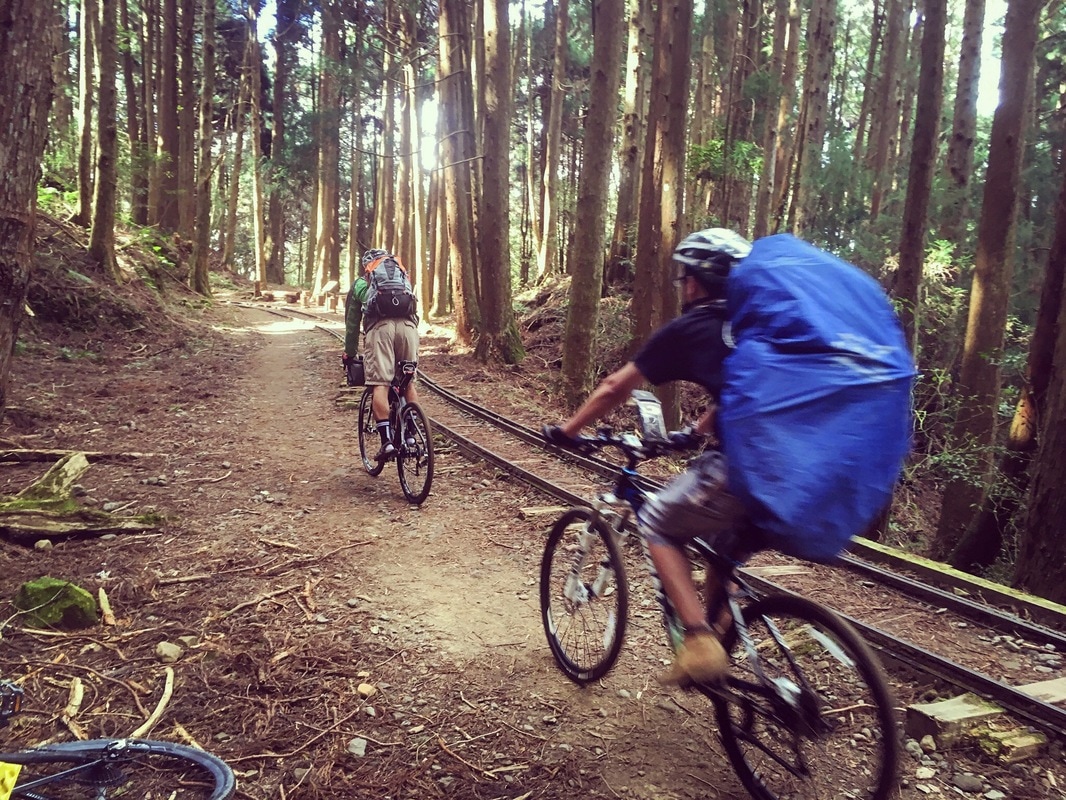
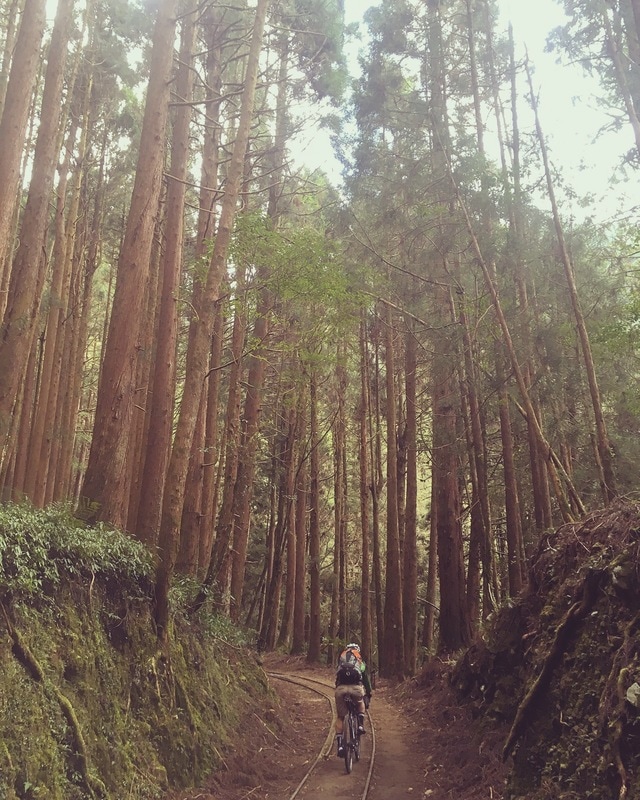
The rails appeared right at the entrance. They reminded me of the Jianqing trail at Taipingshan.
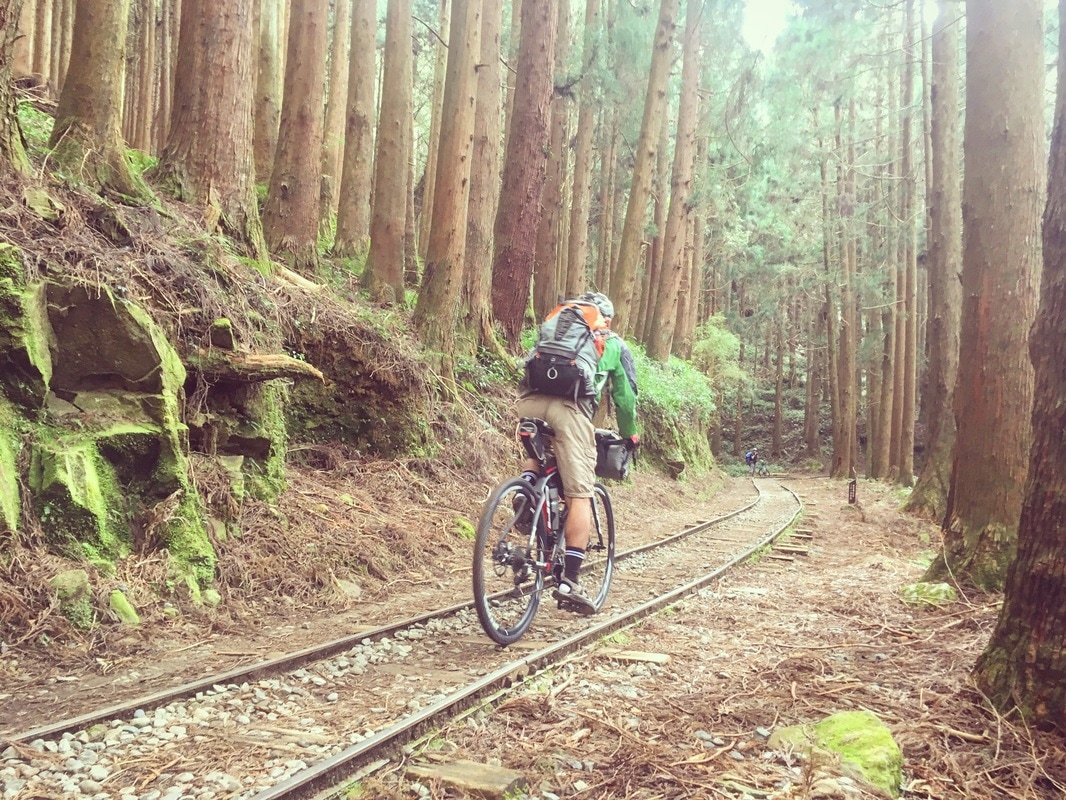
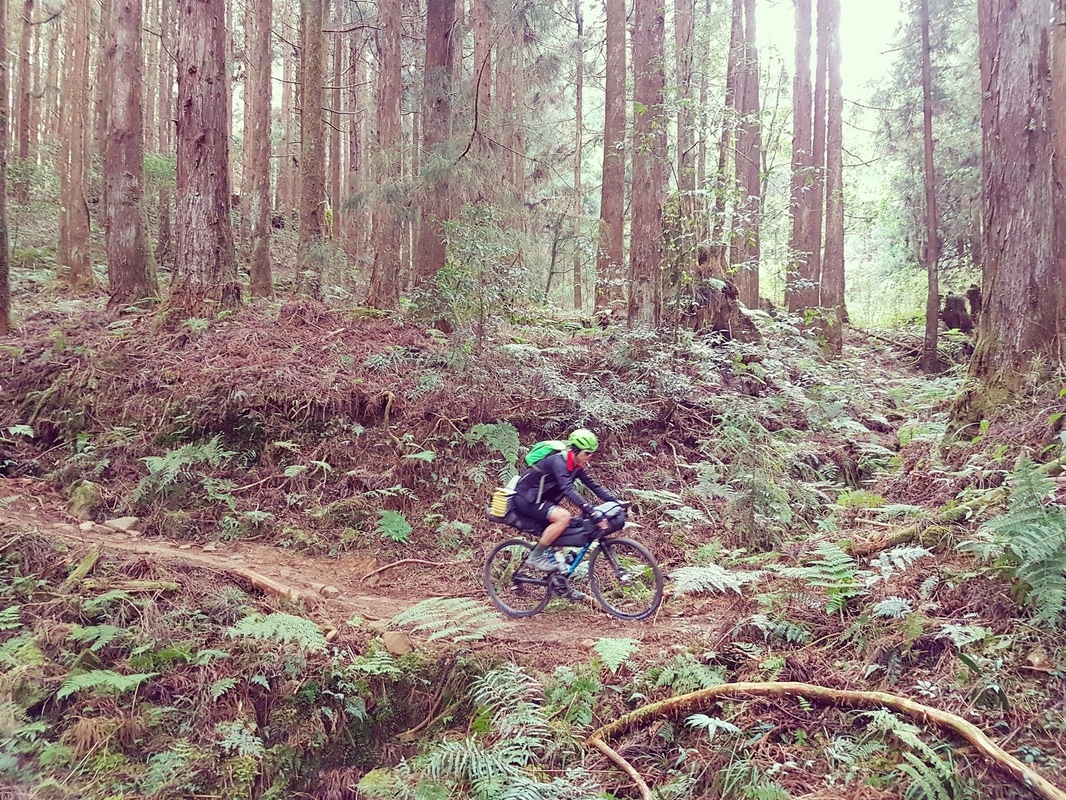
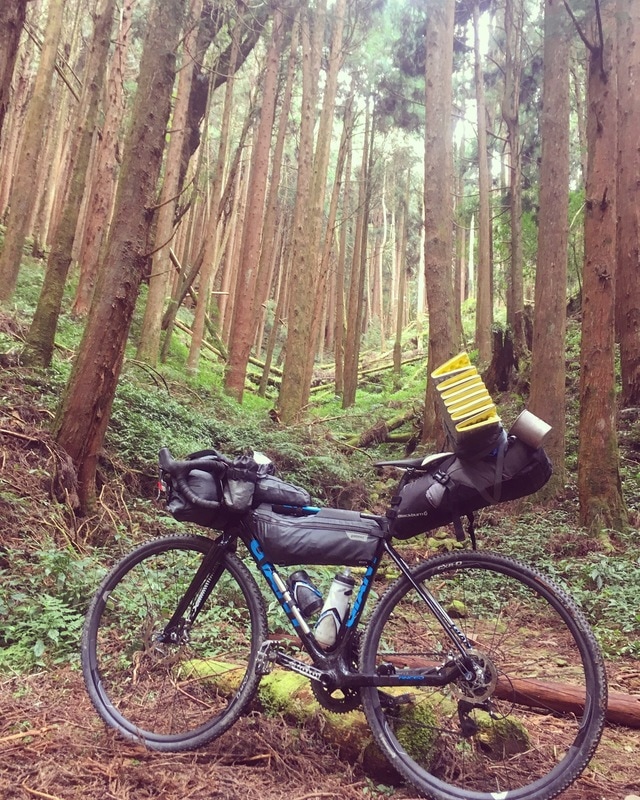
After so much highway riding, we were excited to reach the forest. Everyone eagerly tried riding along the old railway.
Honestly, the tracks were not particularly comfortable. The sleepers kept shaking the bicycle, and after a little while I moved onto the sections beside them.
As described earlier, the railway portion felt relatively level and easy during our visit. We were enjoying ourselves enormously.
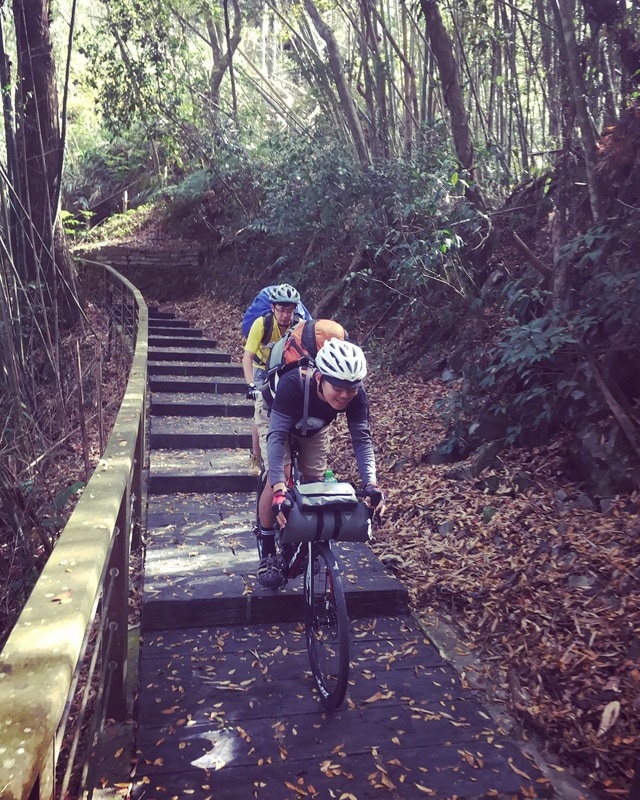
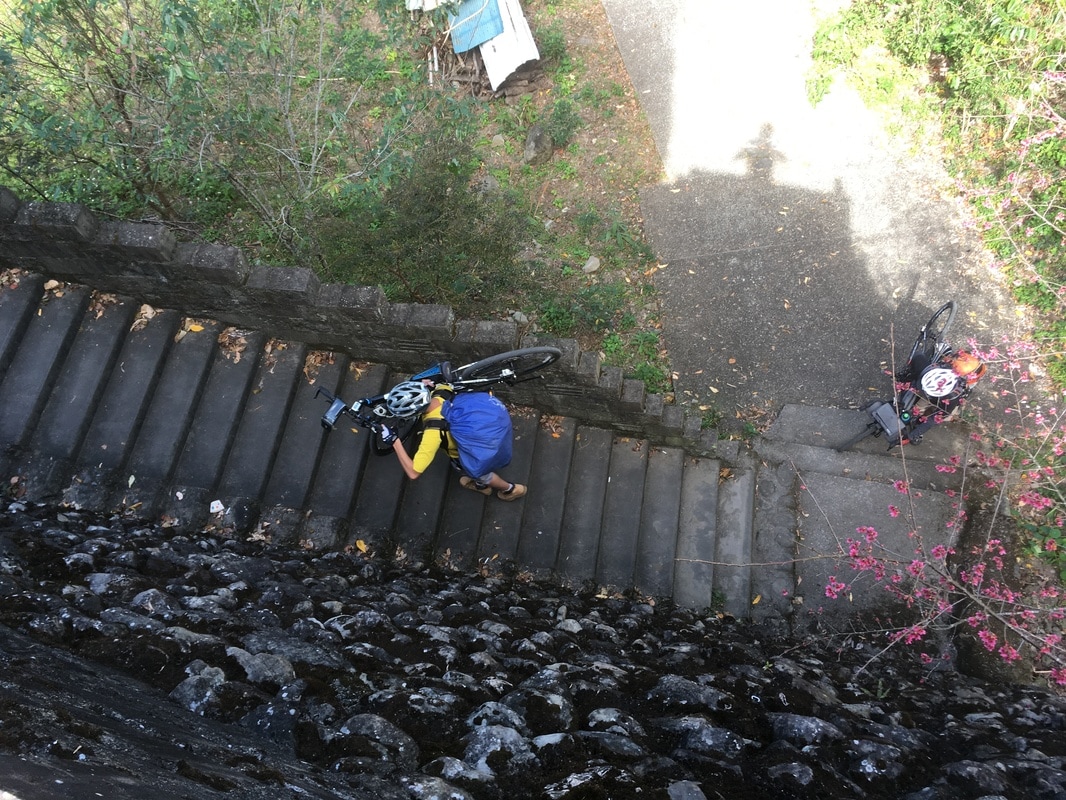
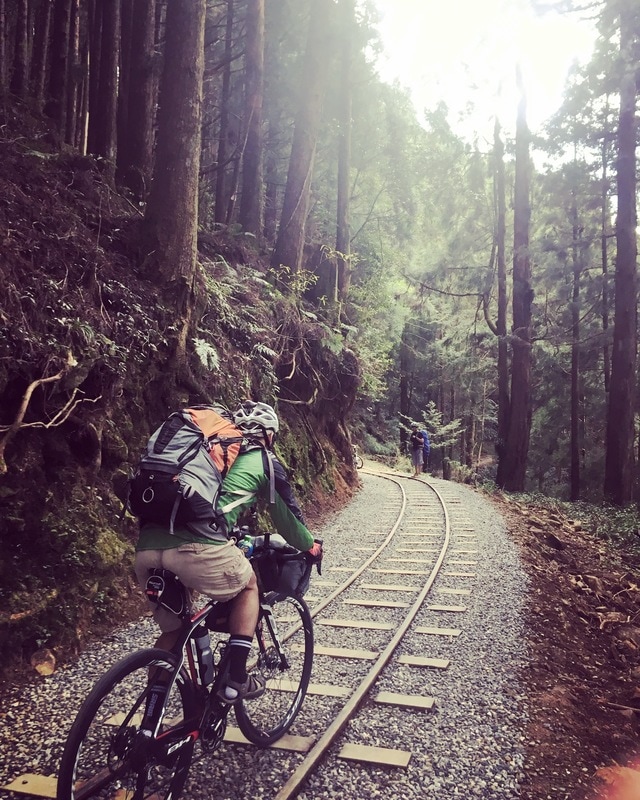
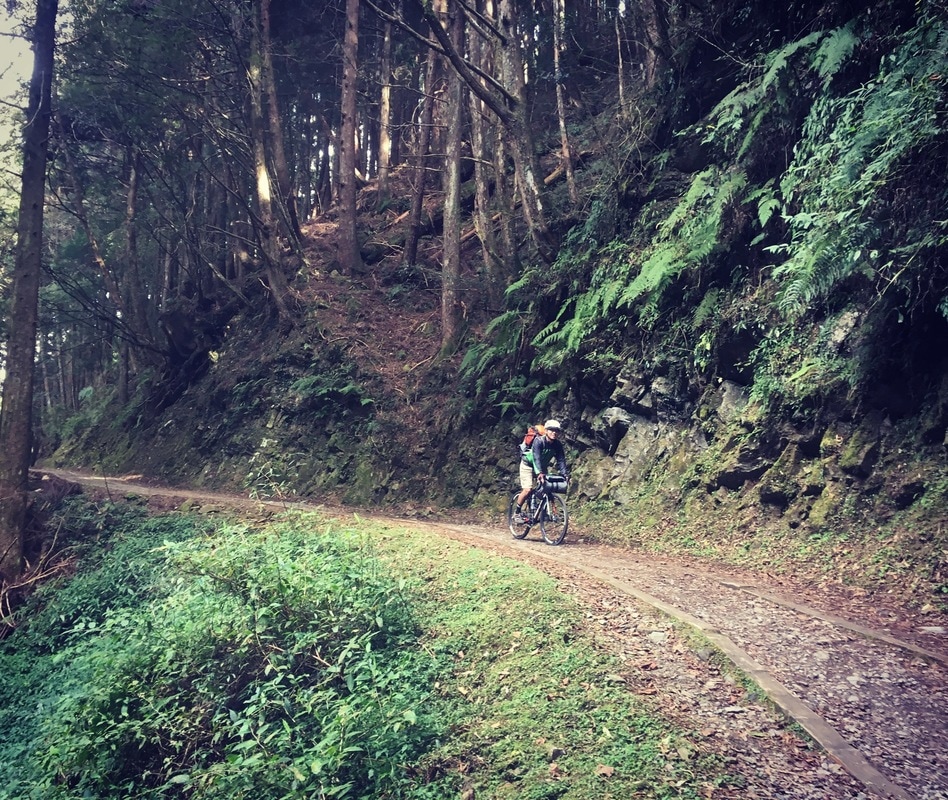
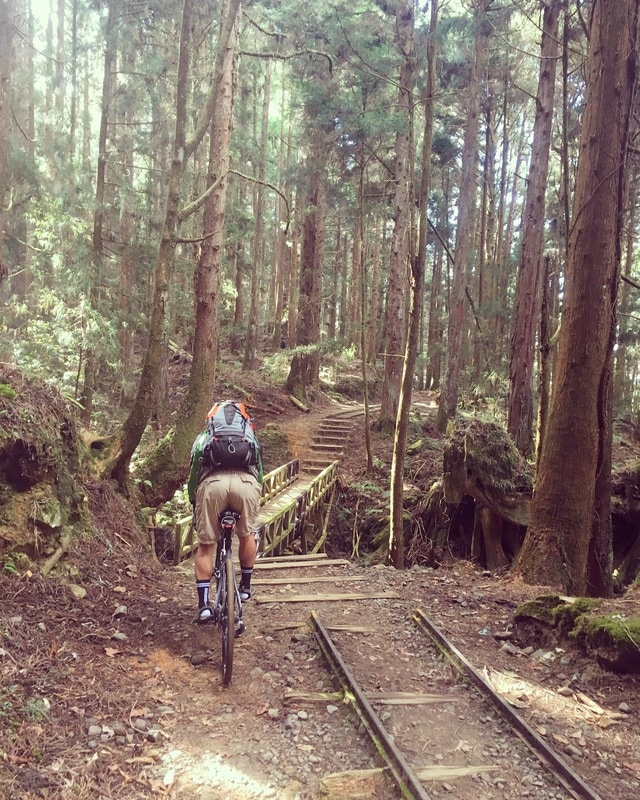
Unfortunately, the enjoyable part seemed to pass quickly. Before long, we reached the steep stairs.
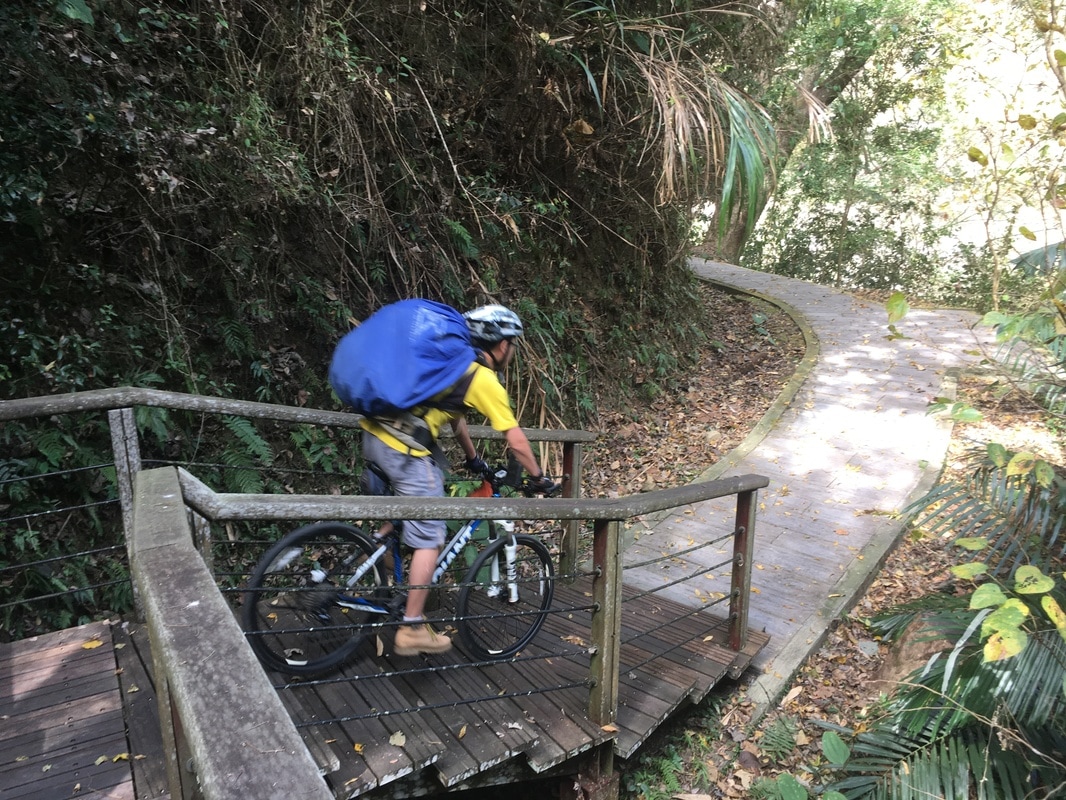
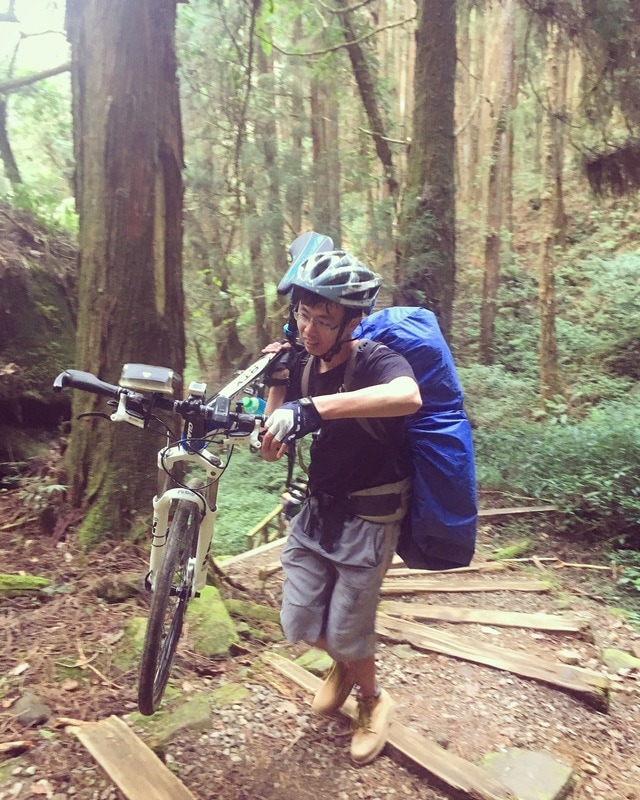
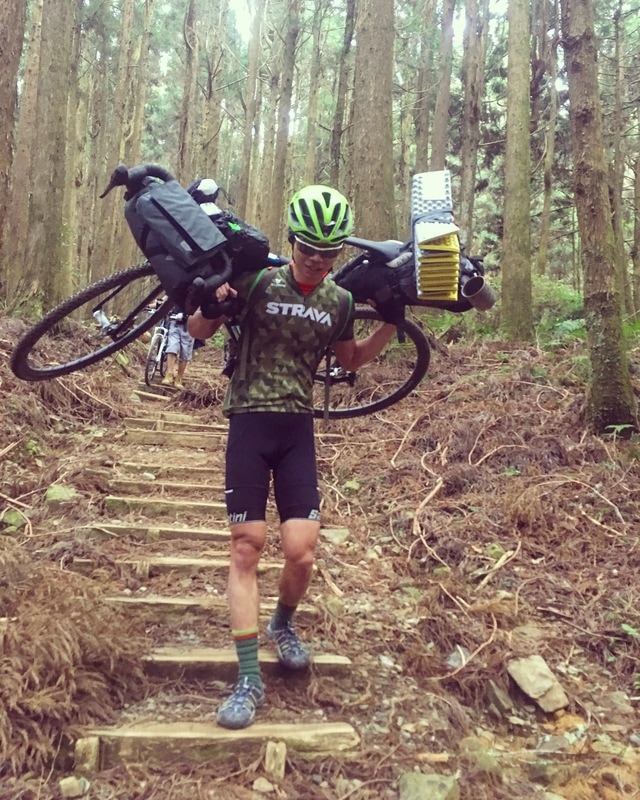
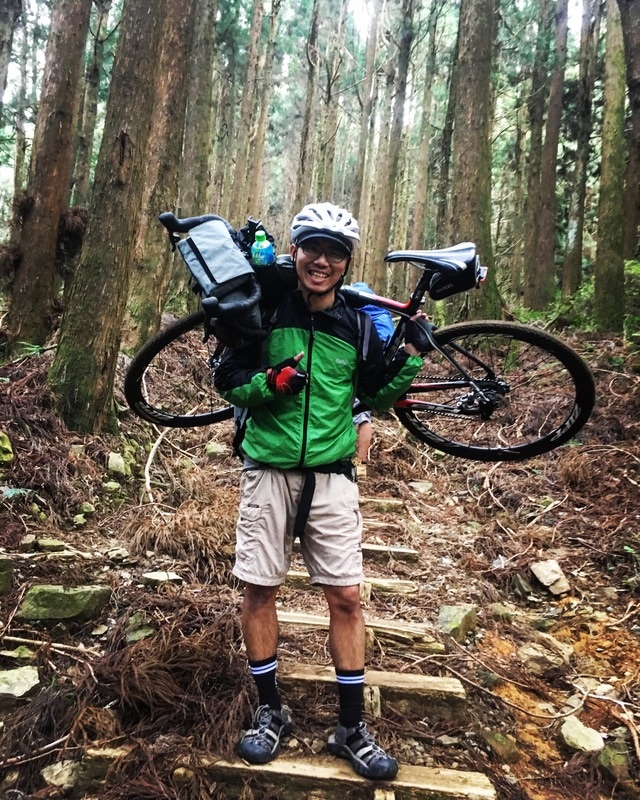
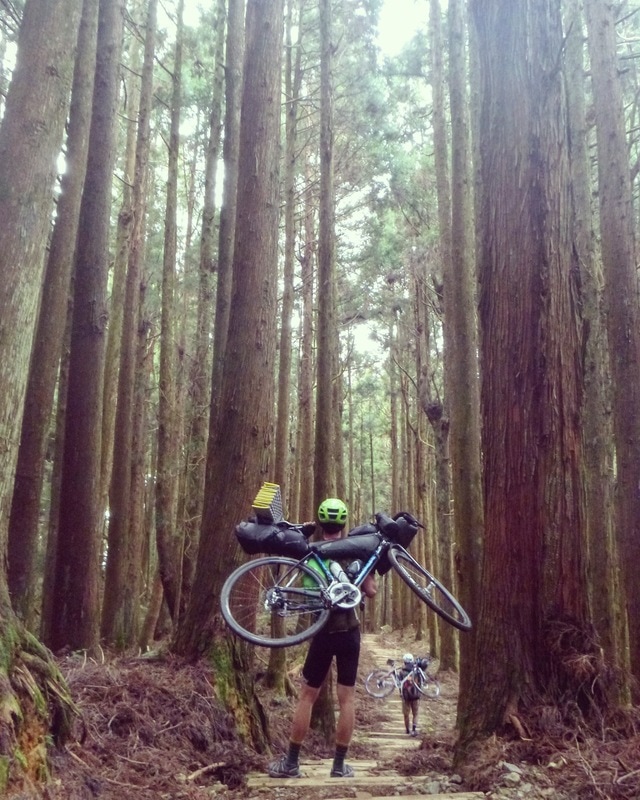
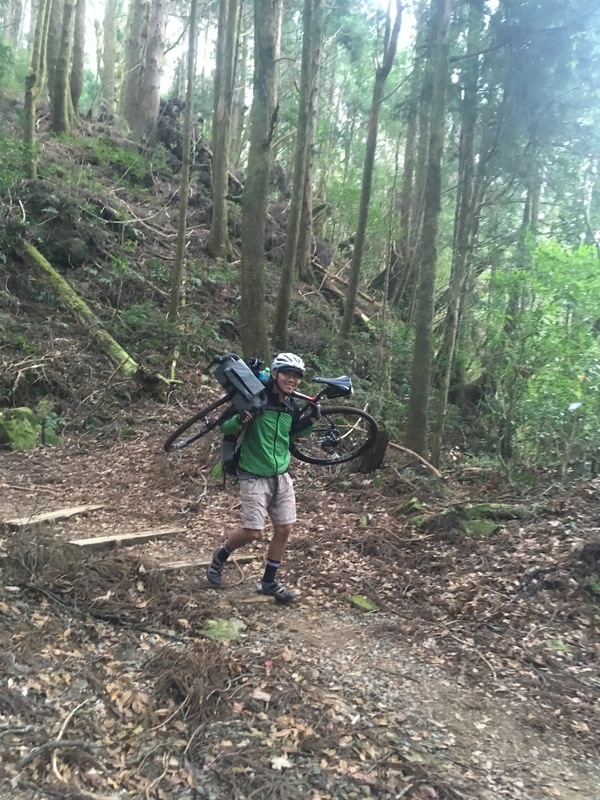
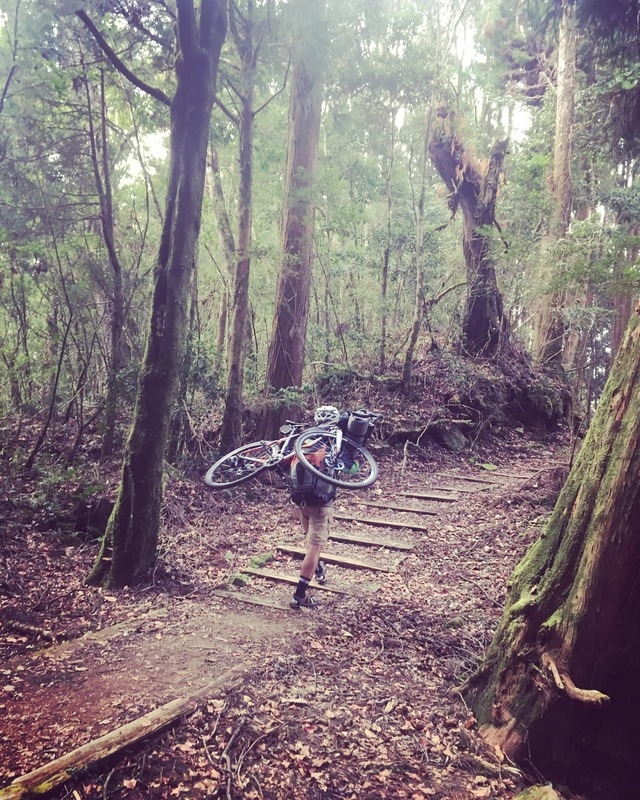
I had assumed three kilometers would be a small matter. Instead, carrying the bicycle left me drenched in sweat.
My companions put their bikes over their shoulders, and I copied them. It was easier to carry that way, but the weight made my shoulder ache.
I kept changing position and put the bike down to ride short sections wherever the surface seemed manageable.
Even with those brief downhill rides, I was no faster than the companions who carried their bicycles steadily down the mountain, one step at a time.
Apparently, my upper body needed more training.
Hospitality at a Tea Factory
By the end of the trail, my shoulders felt finished. Fortunately, the next section was downhill.
We got back on and descended toward Tefuye. How wonderful it felt to ride a bicycle instead of carrying it.
That said, the steep access road was still intimidating. I was grateful it was dry; in wet conditions, I thought I would probably have been walking again.
It was growing dim when we reached the village.
At a grocery shop, while arranging dinner supplies, we asked the owner whether there was somewhere nearby we might camp.
As it happened, he could let us stay at his own tea factory. There was water, electricity, a toilet and somewhere to shower. On this visit, he asked NT$100 per person.
I had originally imagined camping out in the mountains, but a shower was an appealing alternative.
We followed him to the factory beside a stream. It was a little way from the village, with his place seemingly the only household in that quiet part of the valley.
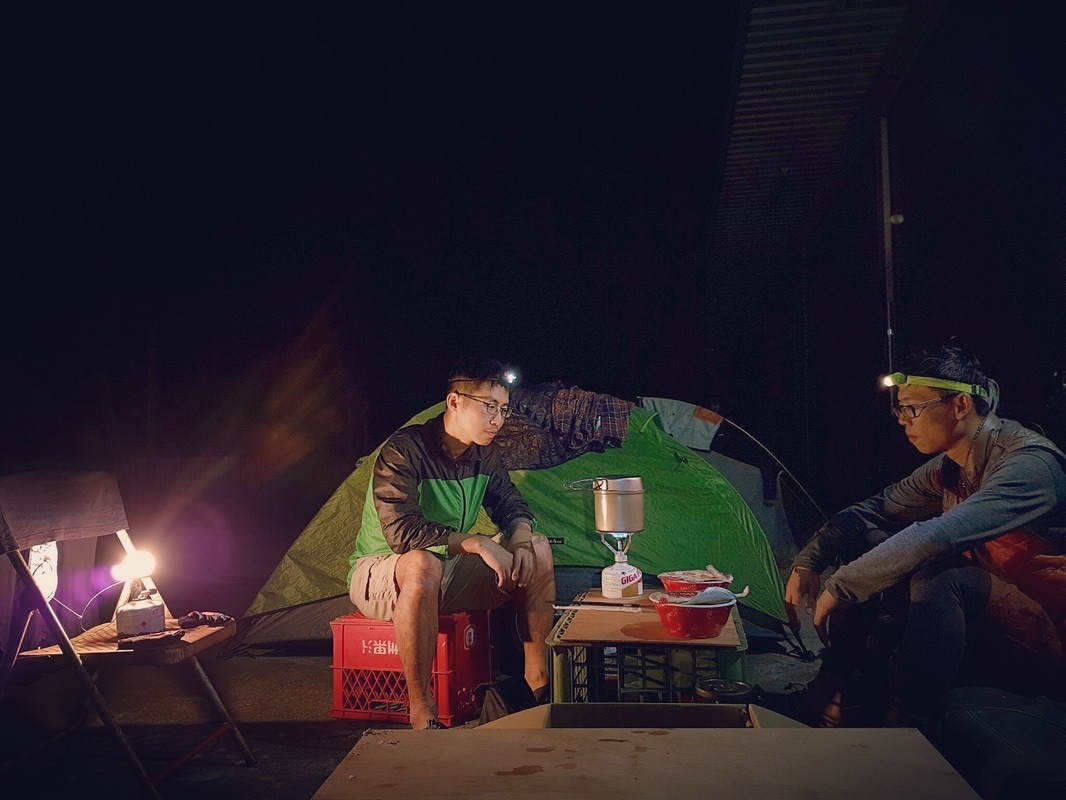
It felt very well suited to our overnight stay. He even extended the shade awning for us, so we did not need to put the outer flies on our tents that night.
Once the shelters were up, it was time for dinner.
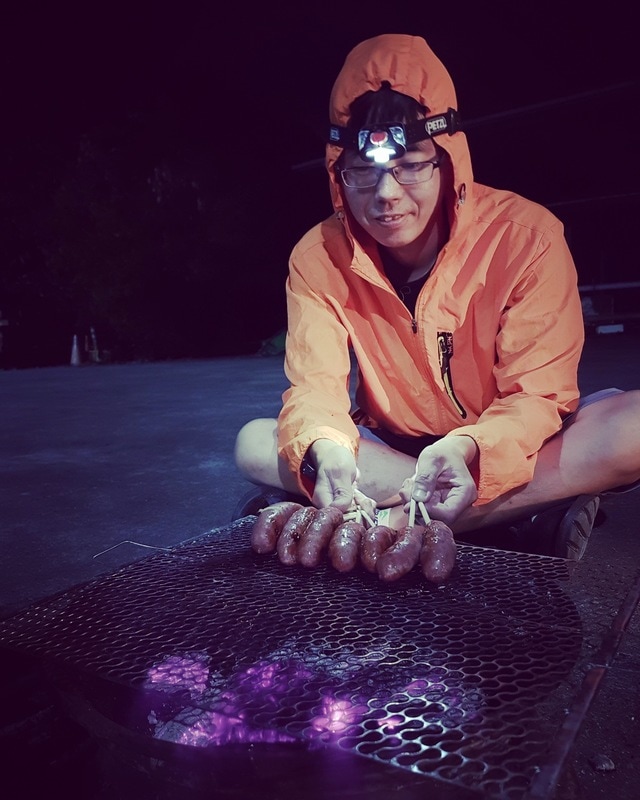
The minced meat at the mountain shop had seemed a little expensive, so my own meal was simply ramen with vegetables. But the group had also bought a packet of sausages.
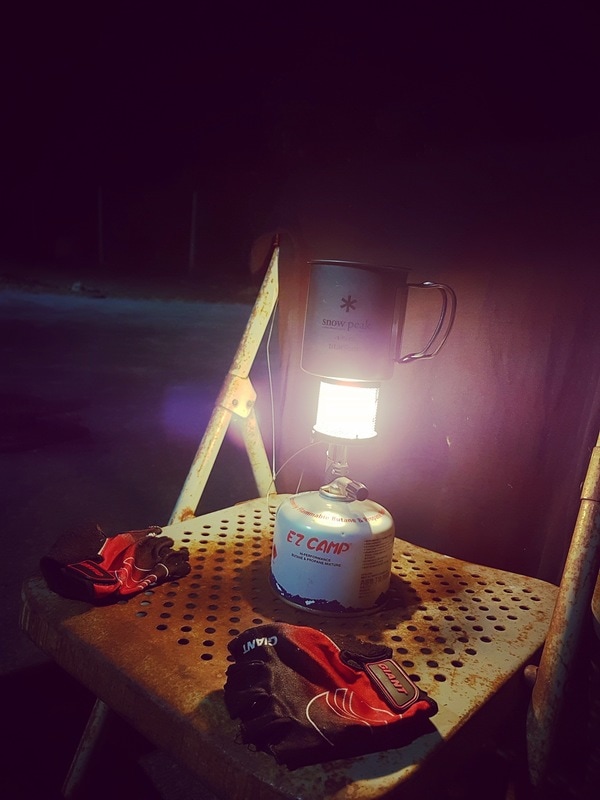
My companions had plenty of mountaineering experience, unlike me, who had come to all this by a less conventional route. They soon had a cooking fire going, and the smell of sausages drifted through the valley.
We ate, had a little to drink and talked about everything until, almost without noticing, it was late.
When I crawled into the tent and lay on the sleeping mat, I fell asleep immediately.
Breakfast Back in Tefuye
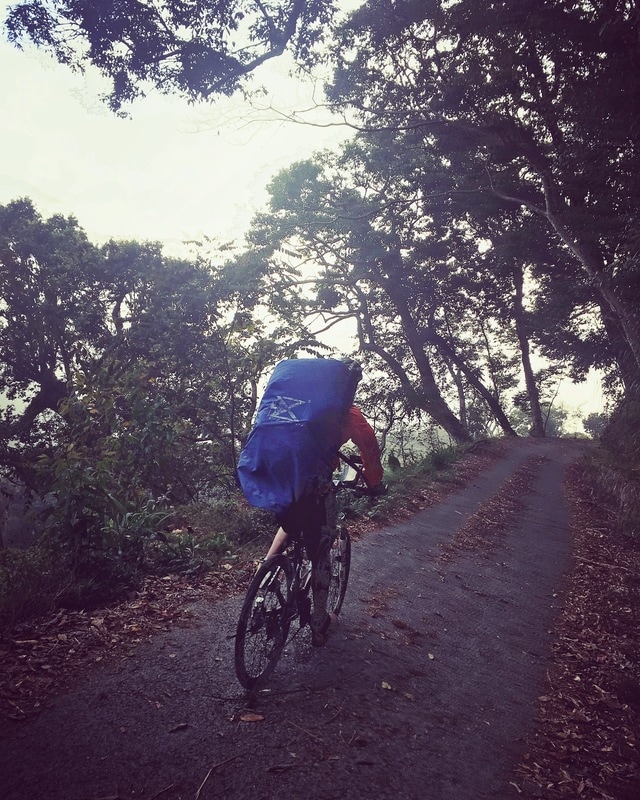
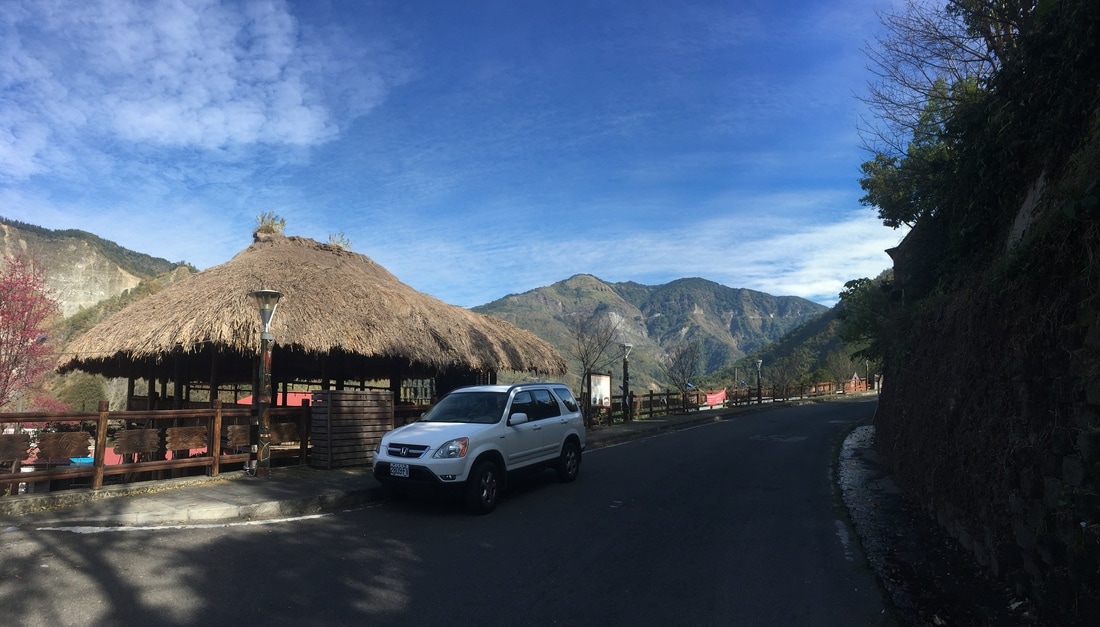
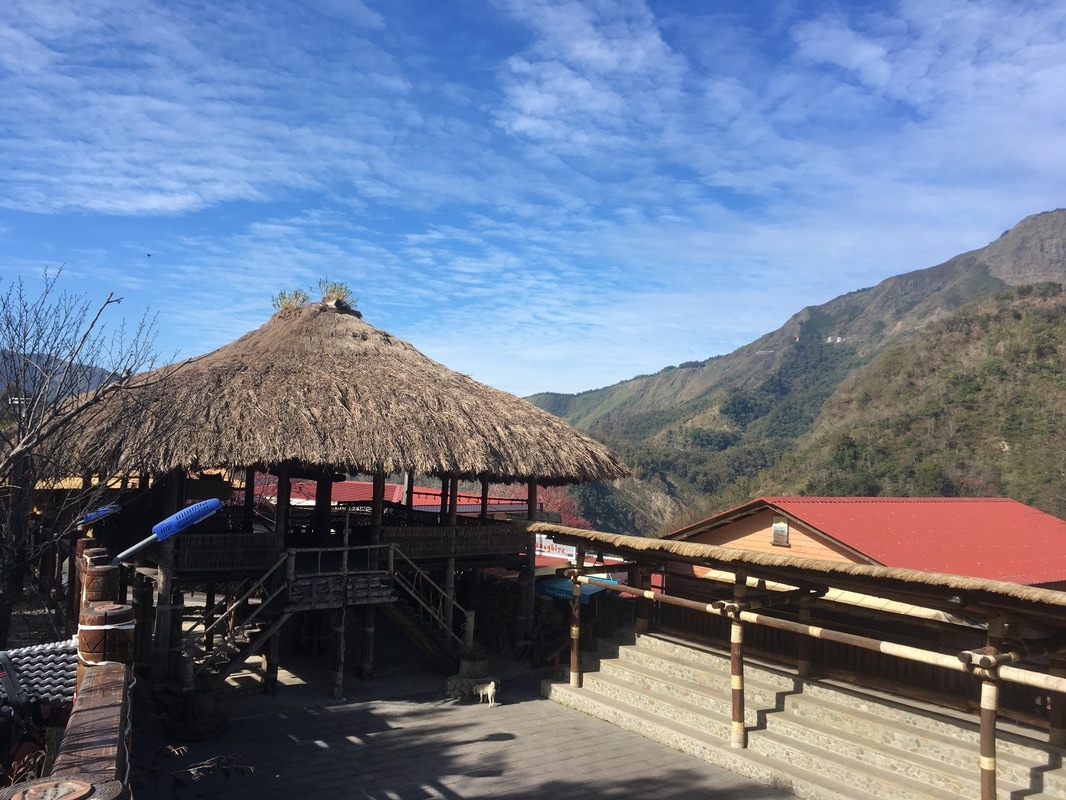
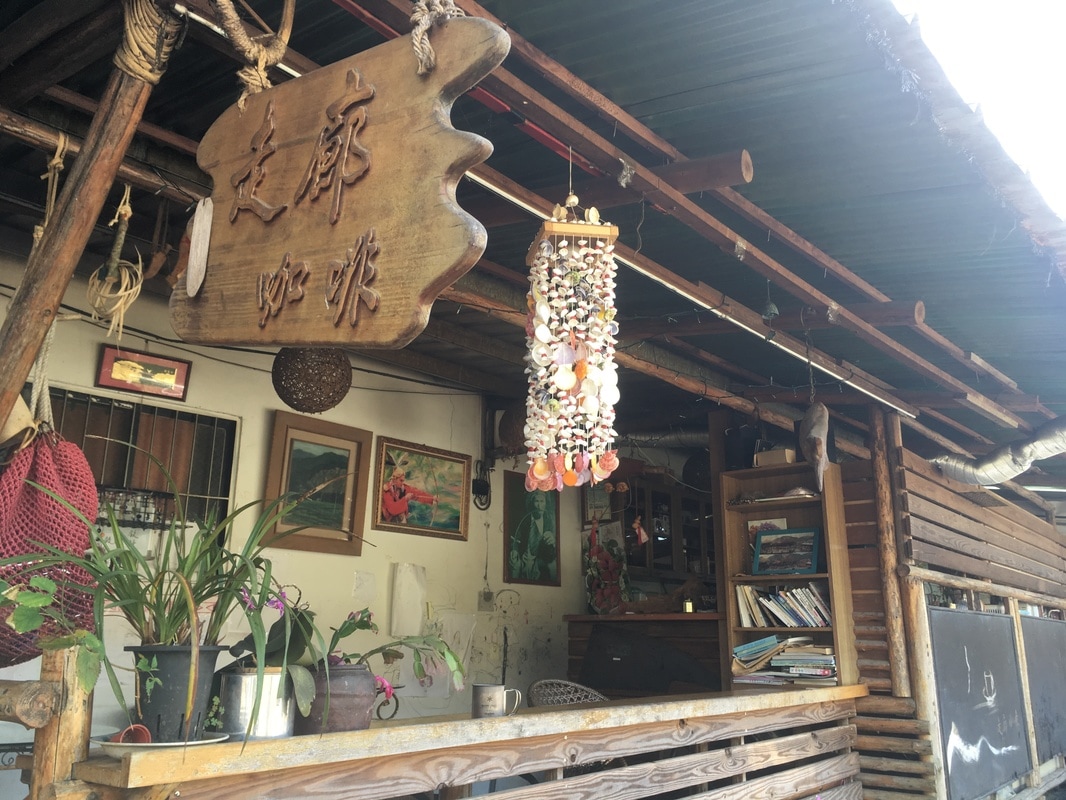
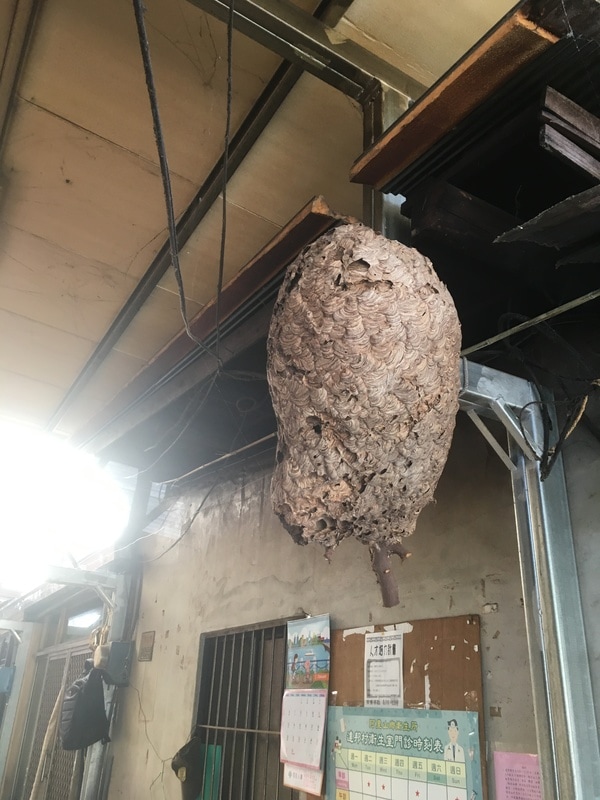
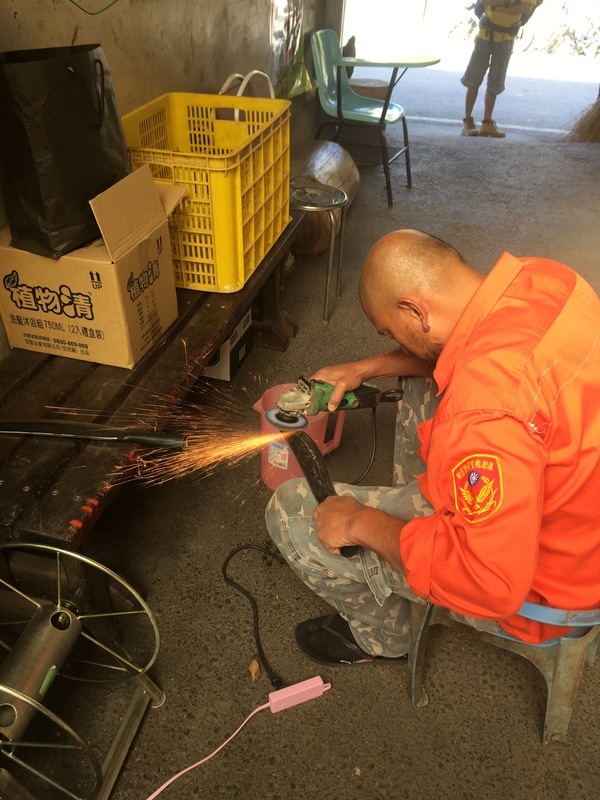
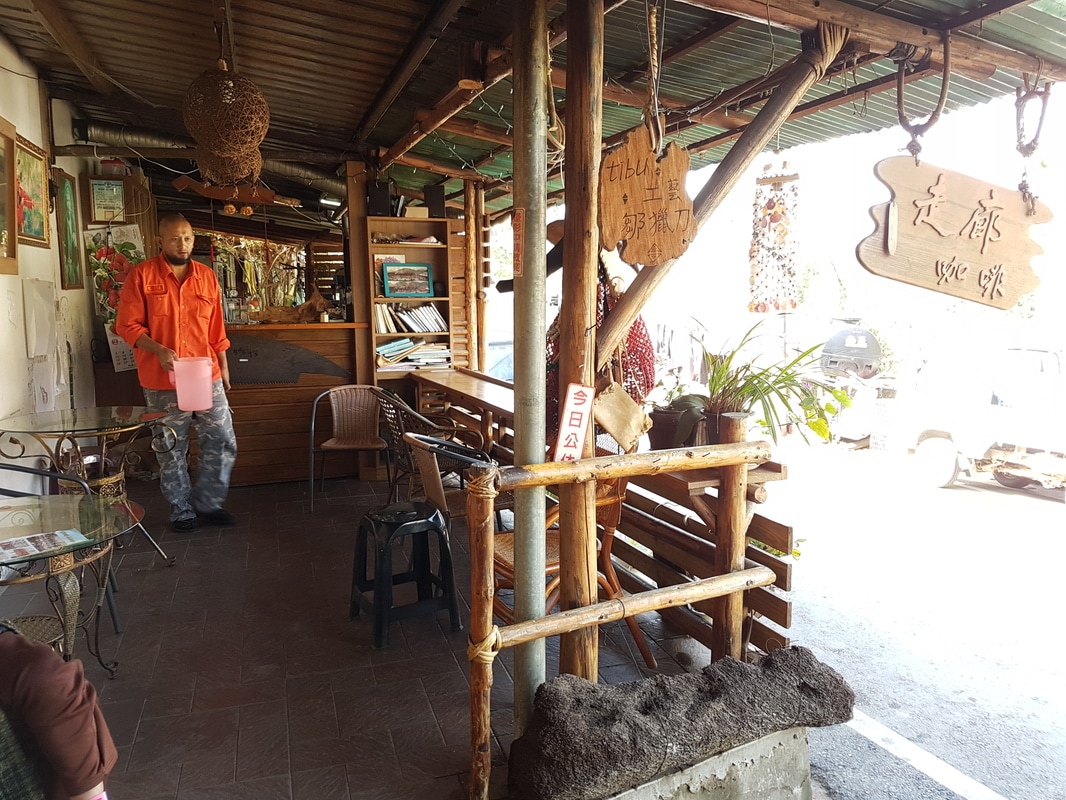
We got up early the next morning, packed our things and rode back into Tefuye for breakfast.
I ordered mixed-filling toasted sandwiches and a flaky griddled pancake.
The pancake was so good that I wanted another.
But twelve kilometers of climbing still awaited us. Perhaps it was better not to eat quite that much.
The Camphor Tree Trail to Dabang
The usual way back toward Shizhuo would take County Road 169 through Dabang.
But there was also a trail between Tefuye and Dabang. With off-road bicycles in our hands, we could hardly resist investigating.
After carrying the bikes for three kilometers the day before, we joked that no route could stop us now. It was a pleasure traveling with companions who shared that spirit, although enthusiasm alone is no basis for deciding whether a trail is permitted or suitable.
Tefuye’s Camphor Tree Trail was nicely laid out. It led toward the Tefuye Suspension Bridge, connecting Tefuye and Dabang across the Iskiana Stream, which I understood as part of the upper Zengwen River system.
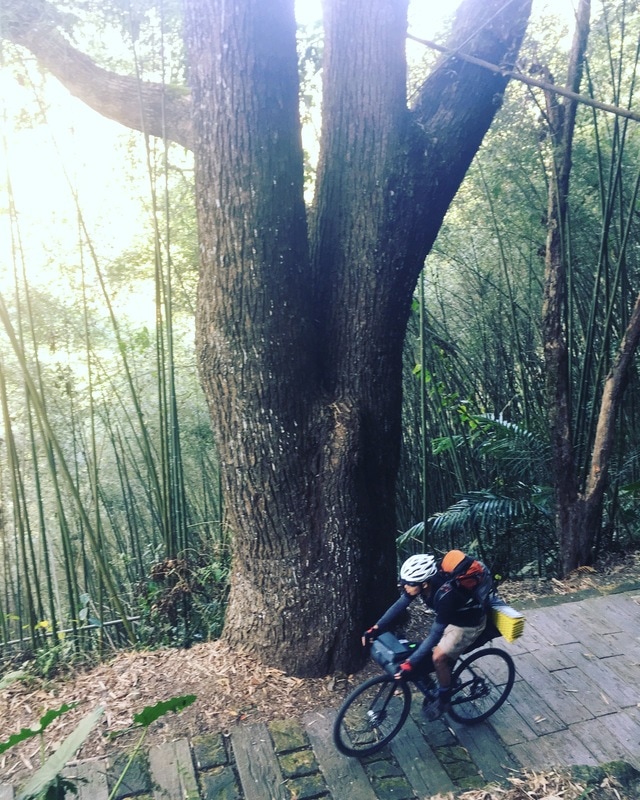
As its name suggested, several enormous camphor trees stood along the trail, and the scenery was lovely too.
For visitors to Tefuye, I felt it was worth taking time to walk there. That was my impression from the visit, subject to whatever access arrangements apply now.
At Dabang, our trail riding ended and we returned to the road.
All that remained was the twelve-kilometer climb back to Shizhuo.
Perhaps because we were traveling slowly, the climbing did not feel particularly tiring. I could simply watch the scenery as we gained height.
But seeing the villages gradually disappear into the valley made me reluctant to leave.
For once, I found myself hoping those twelve kilometers would not end too quickly.
Original route record: The author’s historical activity on Strava. This records the old journey, not current access permission or route conditions.
Bikepacking diary: Facebook