Laid-Back Camp Locations: Bikepacking Around Lake Hamana
Translated from Bikepacking diary’s original Lake Hamana article, published on January 21, 2022, and republished by arrangement with the author. Photographs are linked directly from the original website.
Editor’s note: This is a translation of a historical travel account. Prices, opening hours, campsite arrangements, ferry services and other travel details reflect the author’s trip, not verified current conditions. Check with operators before departure. The original description is inconsistent about the eastern and western sides of the lake; the places visited and the author’s stated counterclockwise direction are preserved without treating this account as a turn-by-turn route.
Why Lake Hamana?
Lake Hamana is a lagoon in Hamamatsu, Shizuoka Prefecture, connected to the Pacific Ocean on its southern side. It is Japan’s tenth-largest lake and a sister lake to Taiwan’s Sun Moon Lake. Although tenth by area, its shoreline circuit is an impressive 114 kilometers, ranked third in Japan in the original account. For comparison, a lap of Sun Moon Lake, Taiwan’s second-largest lake, is around 33 kilometers. Riding around Hamana is a little more than three laps of Sun Moon Lake. It is bigger than you might think.
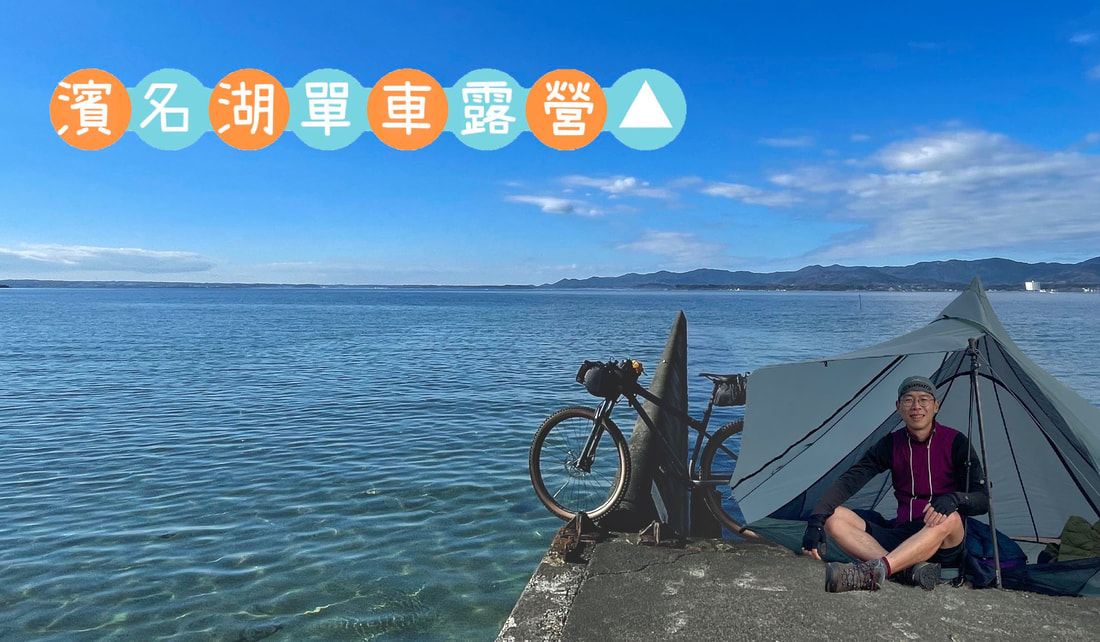
I first noticed it from the Shinkansen. Every time the train passed, the scenery caught my attention and sent me looking at Google Maps. Eventually, I remembered that this large lake was there. What finally made me want to go bikepacking was the anime Laid-Back Camp, or Yuru Camp△.
The series follows a group of high-school girls who enjoy camping. It became hugely popular and inspired many people to try it. When I rode the length of Japan four or five years earlier, I rarely saw solo campers. After the anime aired, campsites seemed to fill with people reading beside their own small campfires.
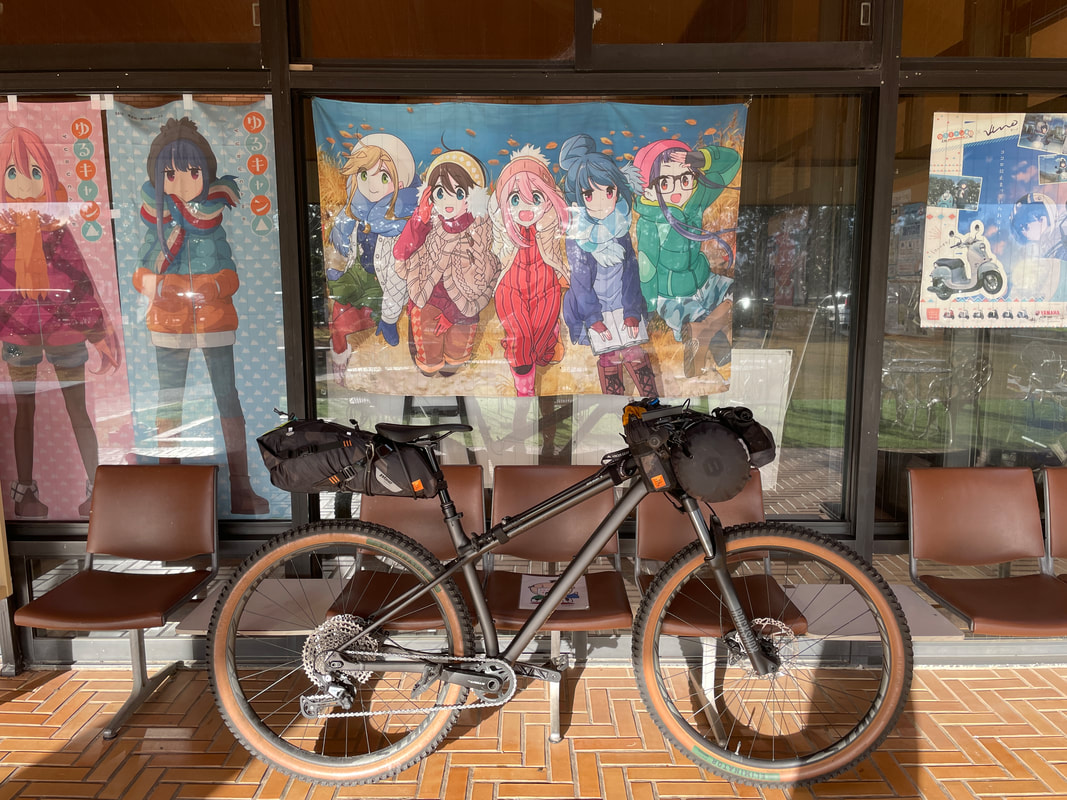
The first season opens with a high-school girl riding a bicycle, carrying a tent to a campsite near Mount Fuji. As a bikepacker who learned Japanese through anime and passed the JLPT N1, how could I miss this series? Its settings became destinations for my own rides. Lake Hamana was naturally on the list.
Setting Off, with Local Food First
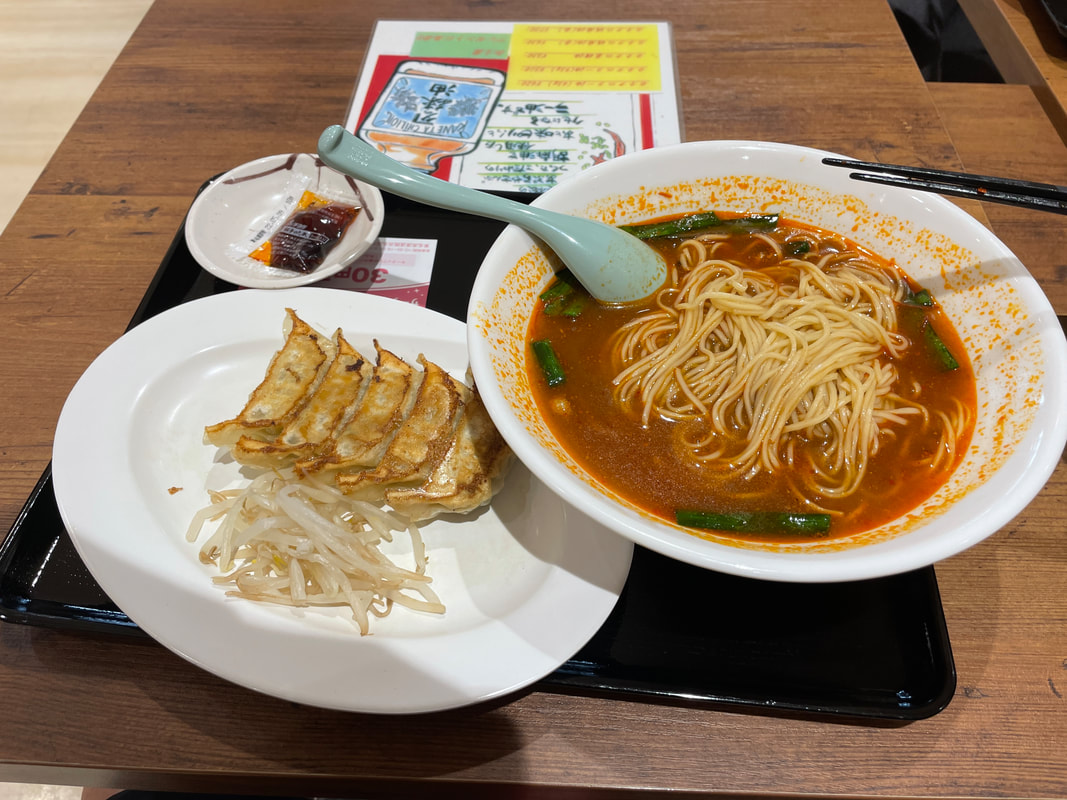
I started at the Hamanako Service Area on the Tomei Expressway, north of the lake. Before riding, it was time to try some regional specialties. What do you eat around Nagoya? Taiwan ramen!
Yes, there is a distinctive Nagoya dish called Taiwan ramen. At first, I assumed it was simply a Japanese invention based on an imagined Taiwanese flavor. Looking it up, I discovered that its creator really was Taiwanese: a chef who adapted danzai noodles into what became a familiar local interpretation of Taiwanese cooking. Garlic, spicy Sichuan-style minced meat, bean sprouts and garlic chives come together in the bowl.
The other specialty was Hamamatsu gyoza. Many Japanese cities are known for dumplings, but Hamamatsu was described in my research as leading the country in household spending on them.
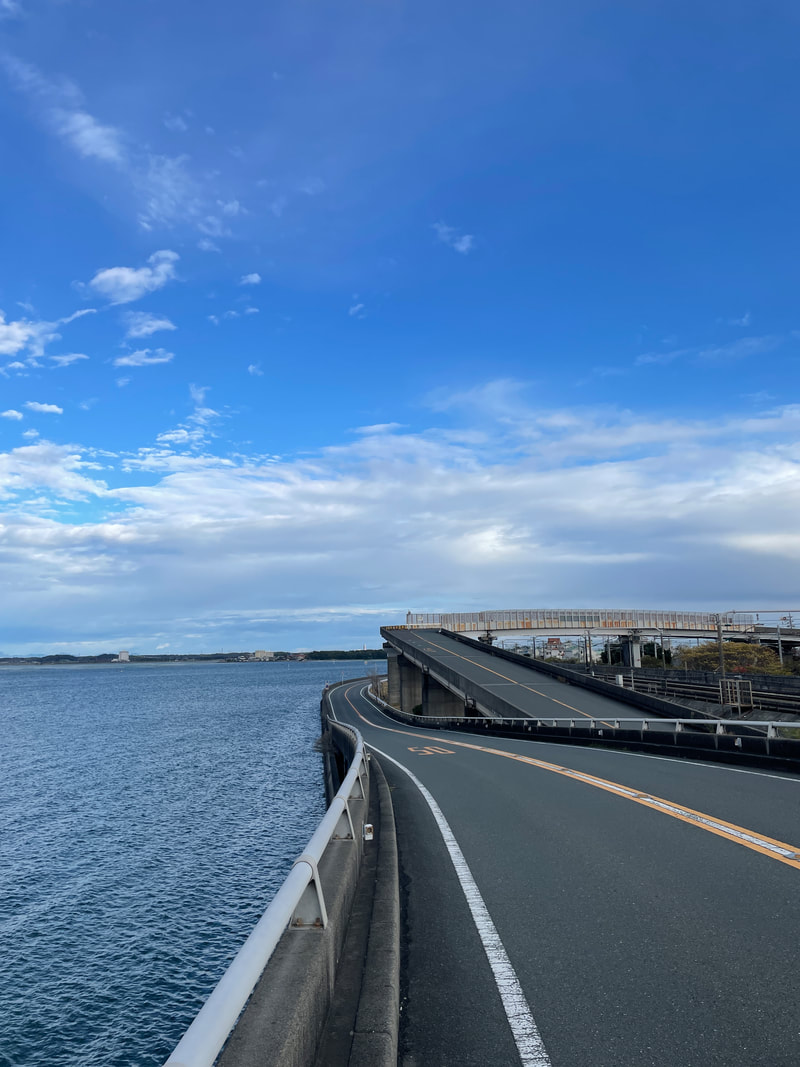
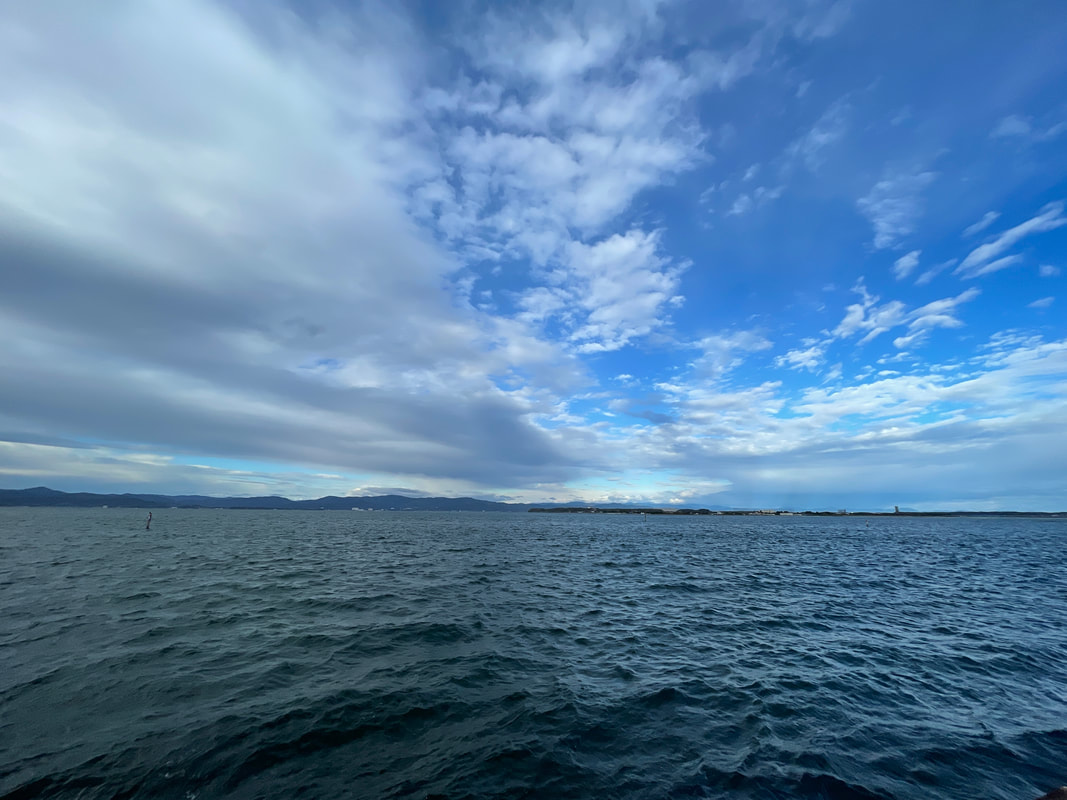
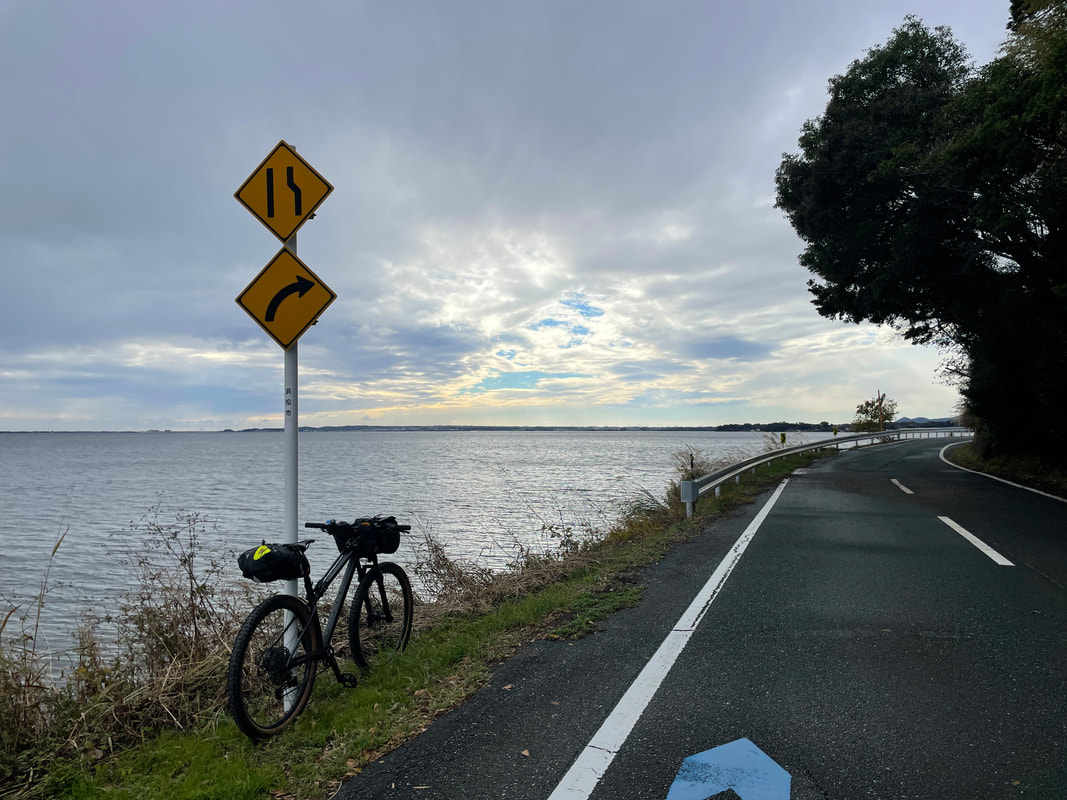
Most of the anime locations I wanted to visit were on the eastern side. Considering the itinerary and scenery, I chose a counterclockwise circuit, leaving the main sightseeing stops for the following day. There was another important reason: Japan drives on the left. Counterclockwise riding keeps you closer to the lakeshore, rather than putting a road between you and the water.
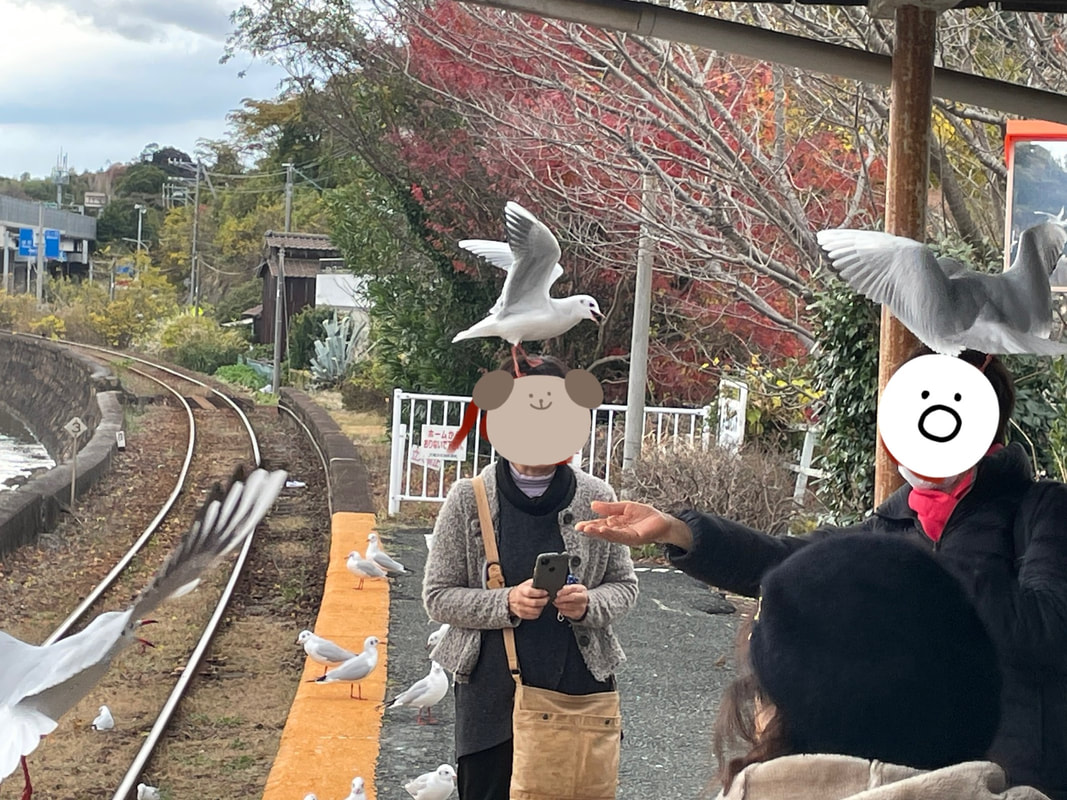
Seagulls at Hamanako-Sakume Station
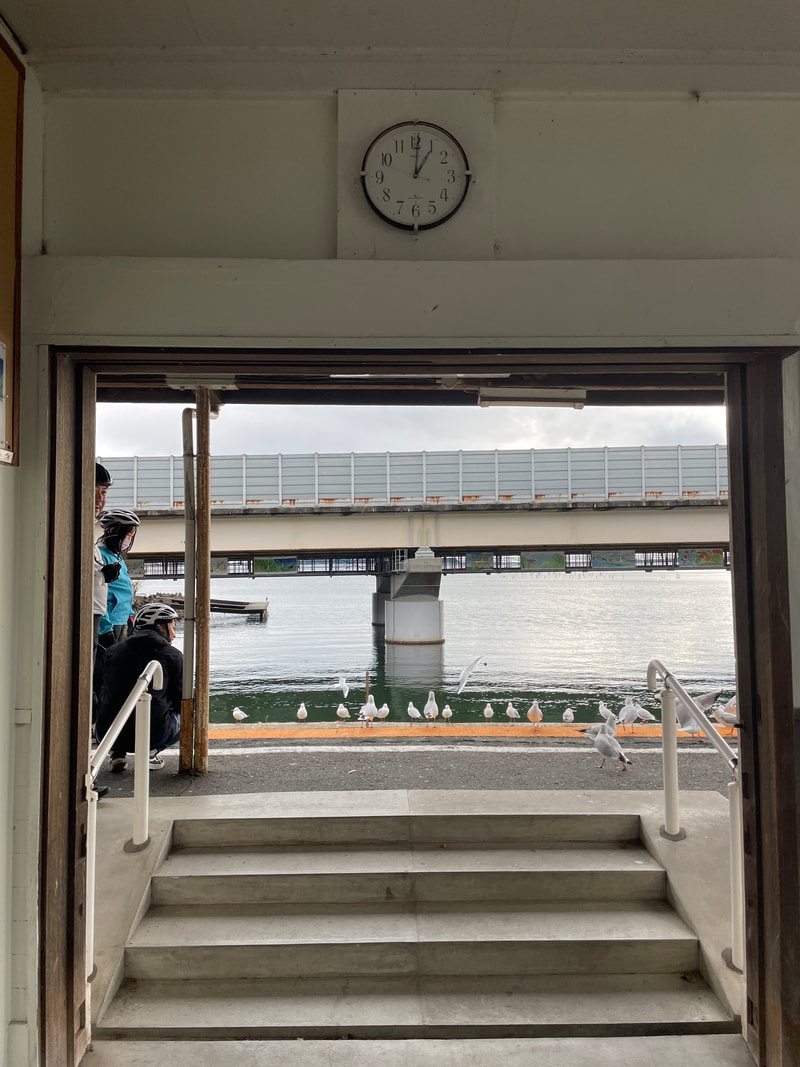
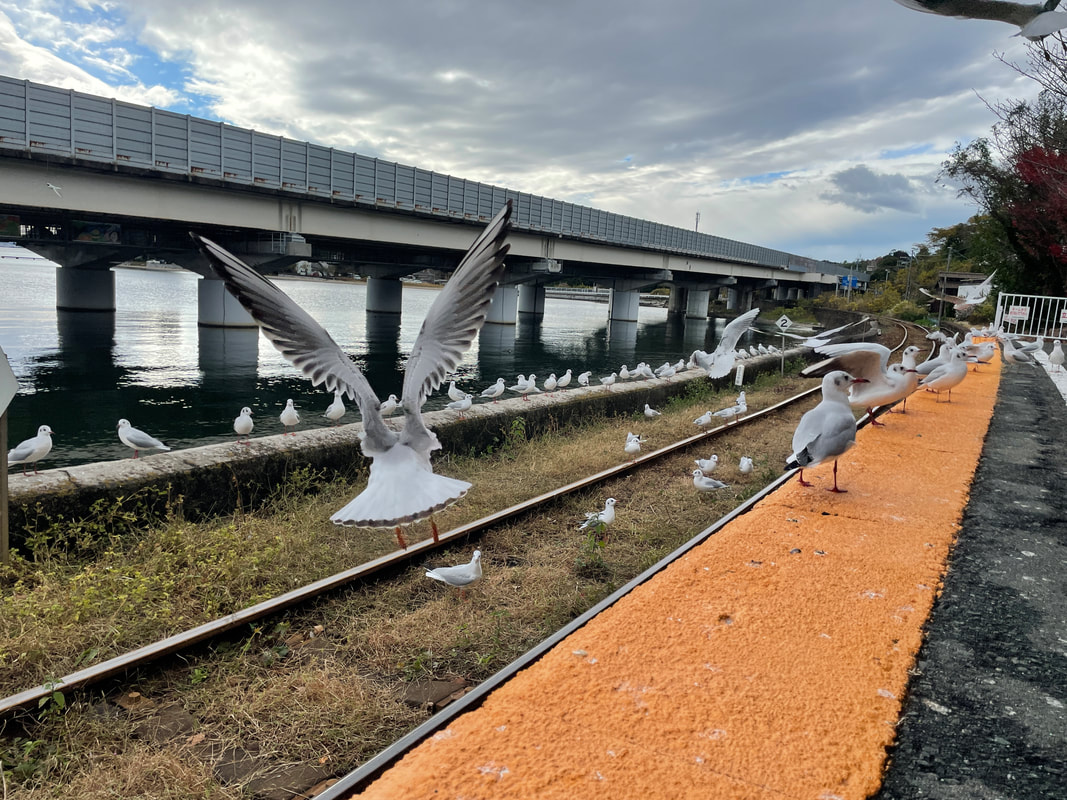
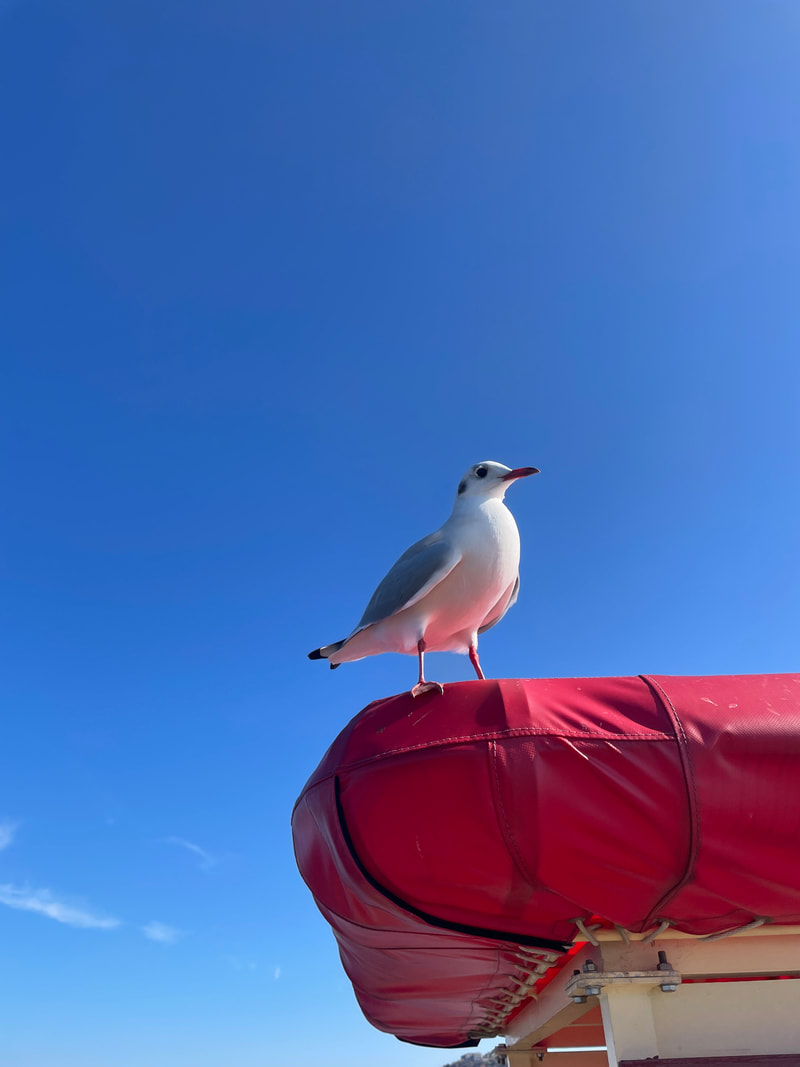
Not long after setting off, I reached one of the key locations, Hamanako-Sakume Station. Large numbers of seagulls gather here in winter. When I arrived, several older women were having a wonderful time interacting with them. I concentrated on taking photographs.
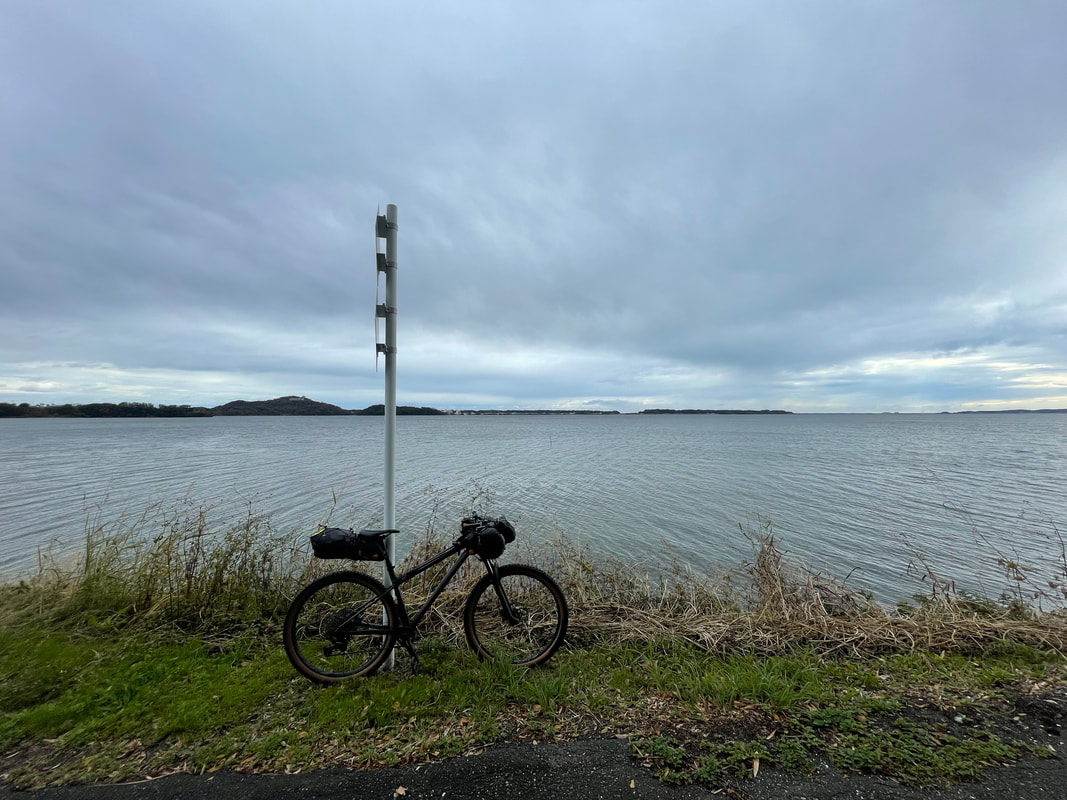
The lakeside roads were spacious and pleasant to ride, without major climbs, just gentle rolling terrain. I also met groups of road cyclists. Clearly, this was a popular place for local riders to train.
Camping at Nagisaen
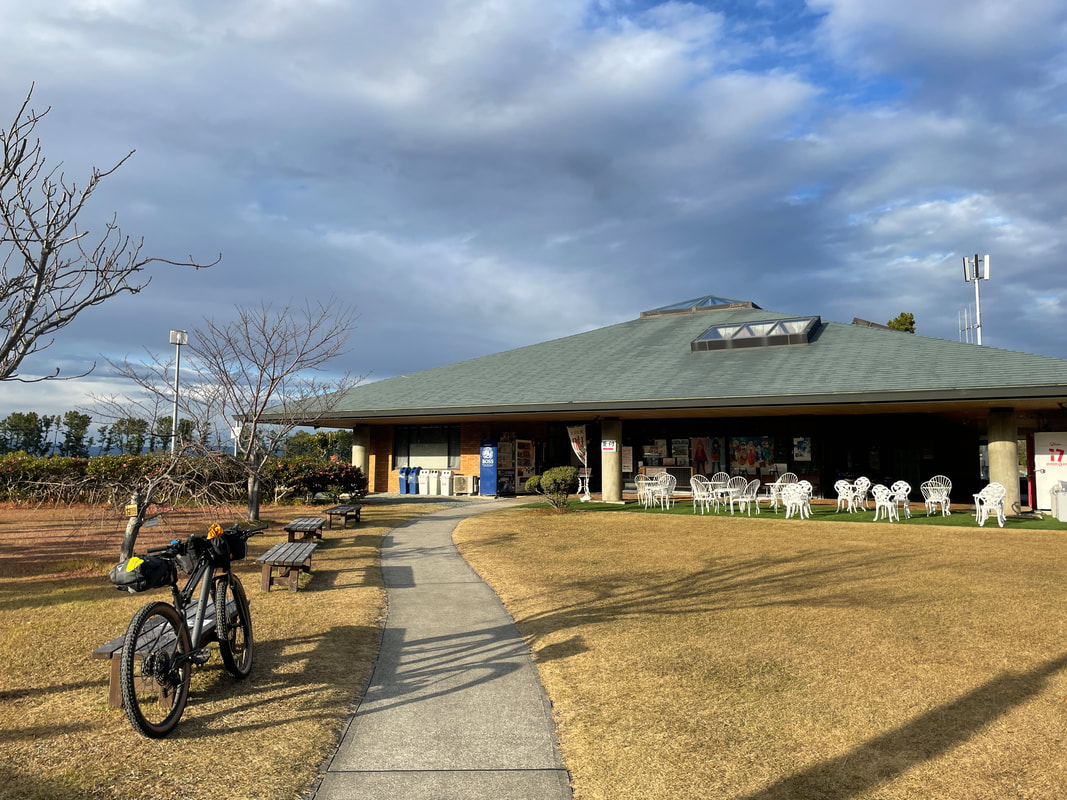
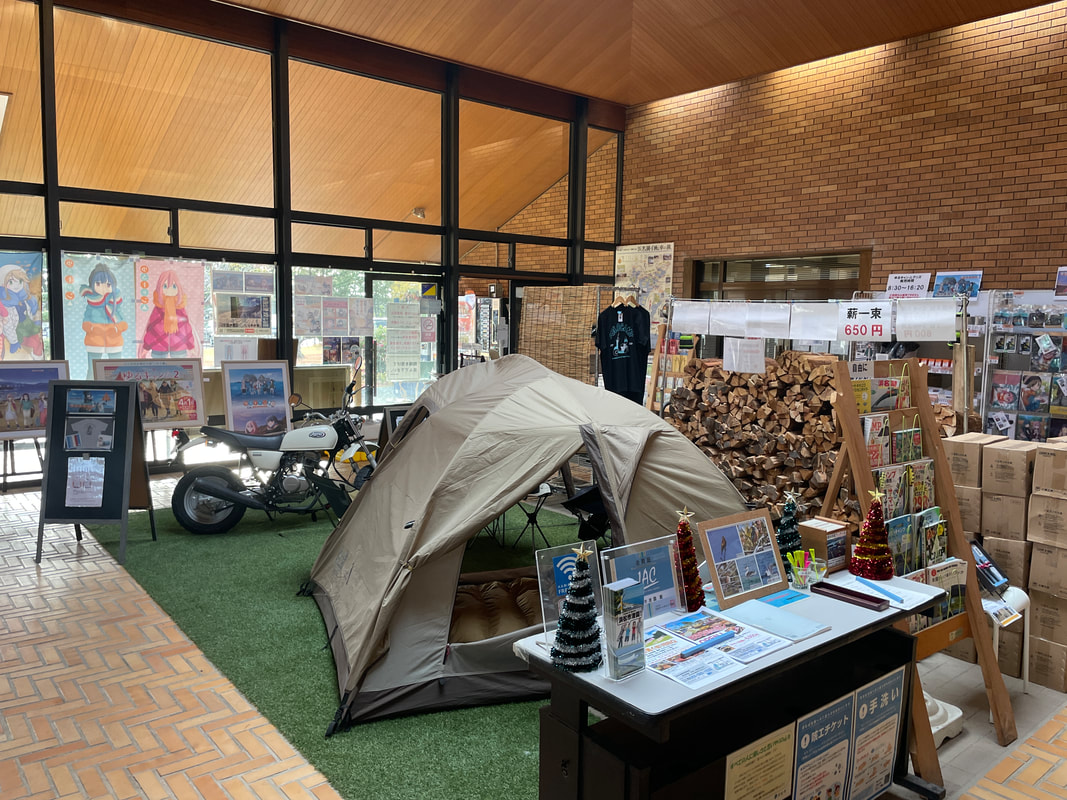
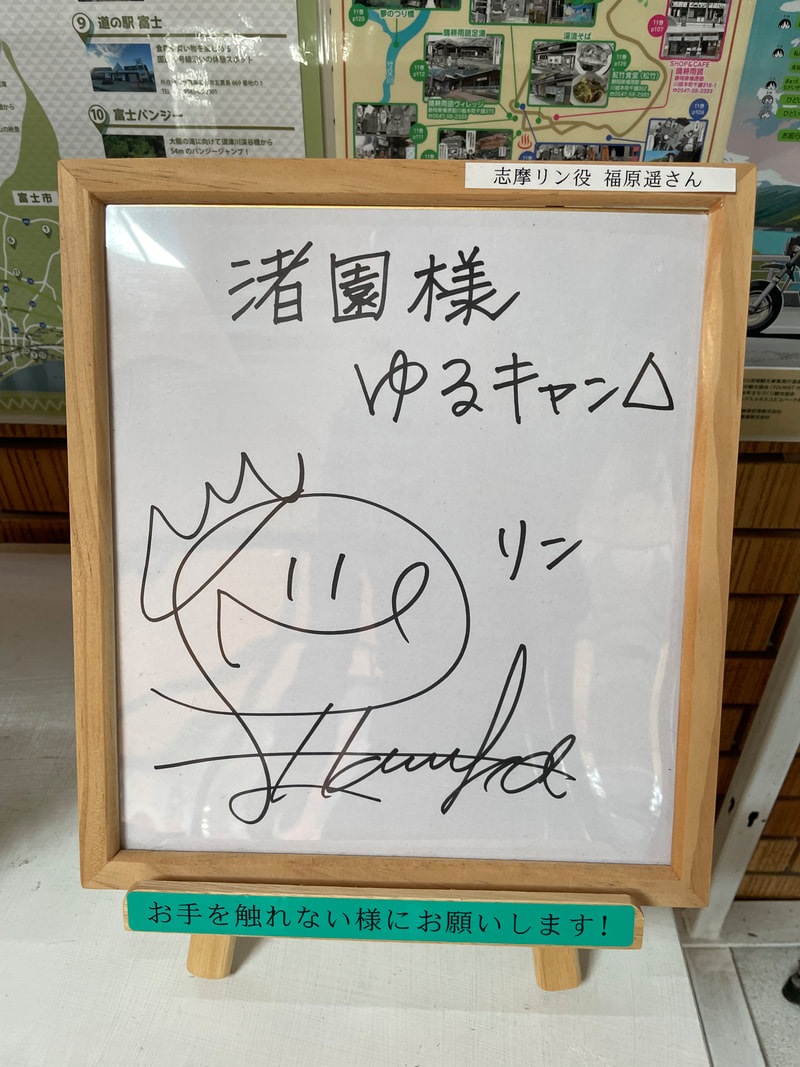
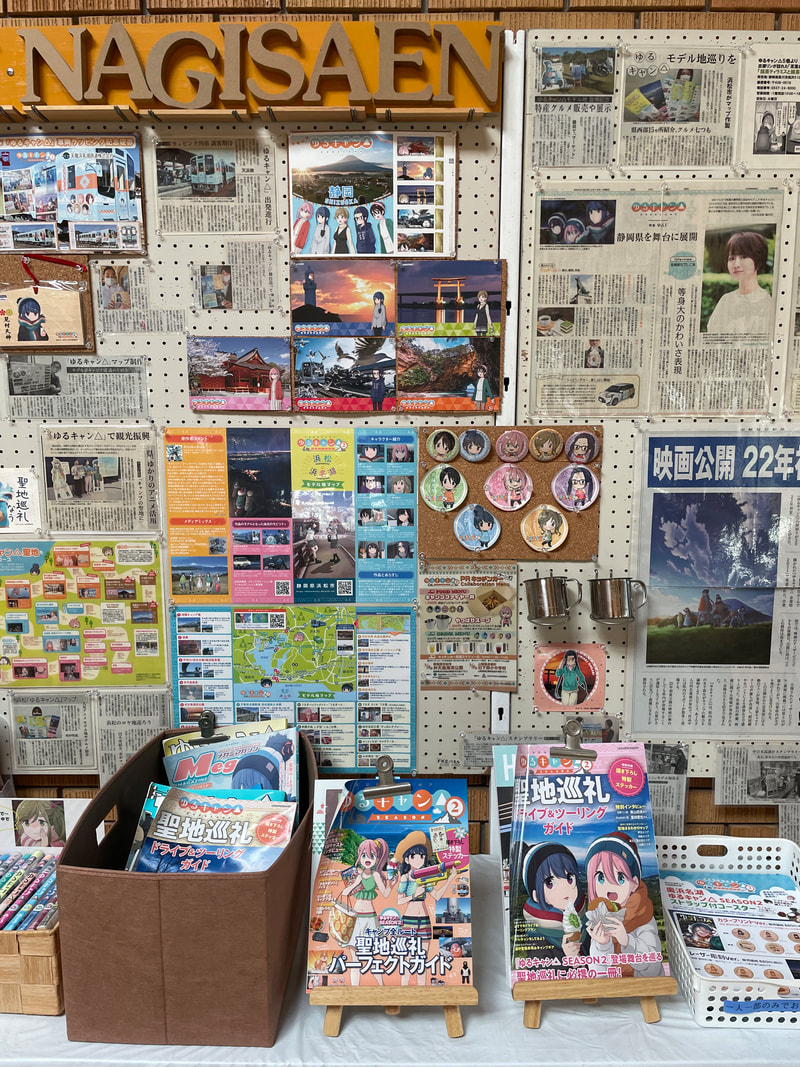
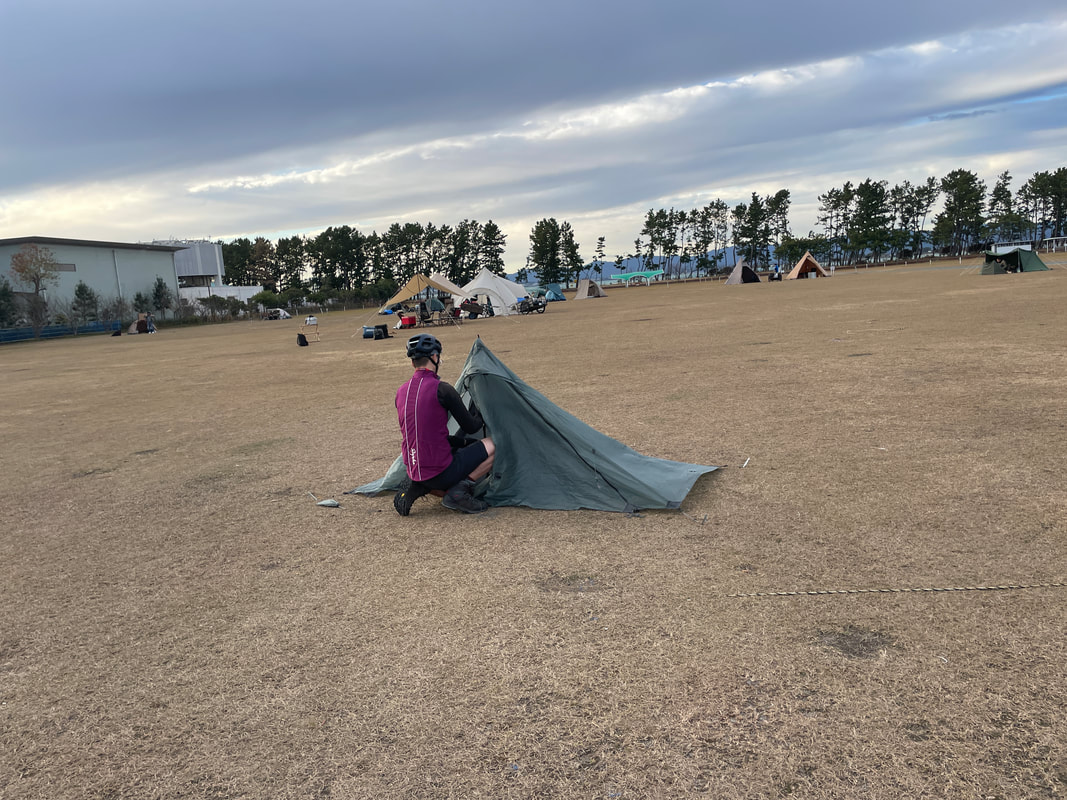
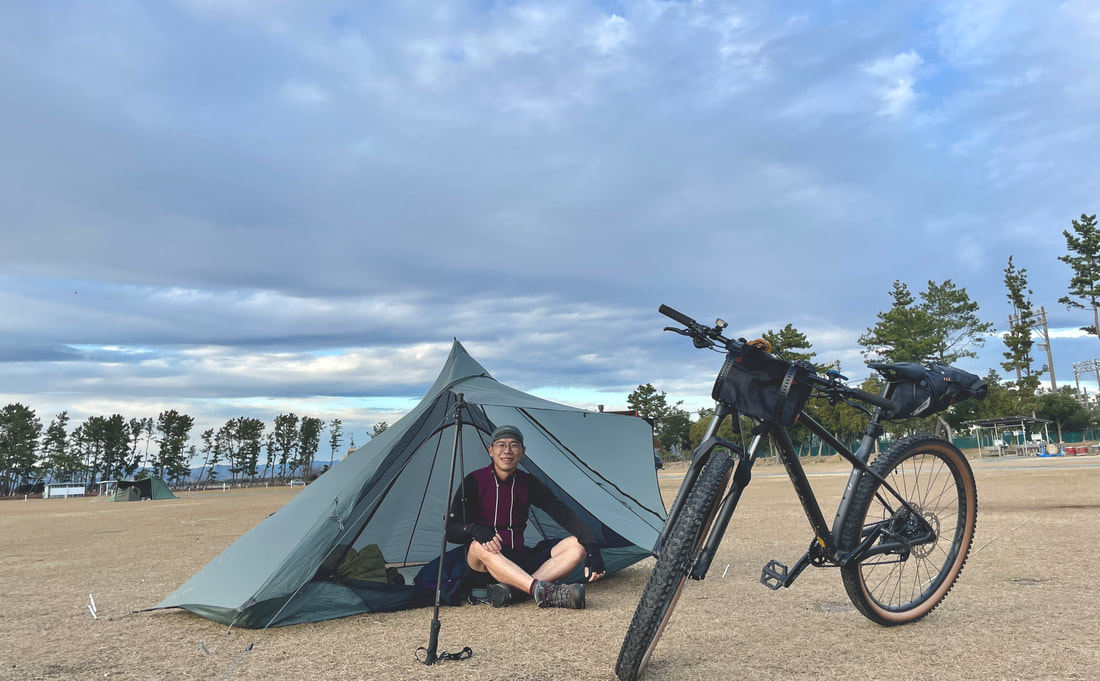
Wanting to arrive in time for sunset, I did not linger much and soon reached another major location from the anime: Nagisaen Campground, managed by Hamamatsu City. The price astonished me, just JPY 410 on my visit.
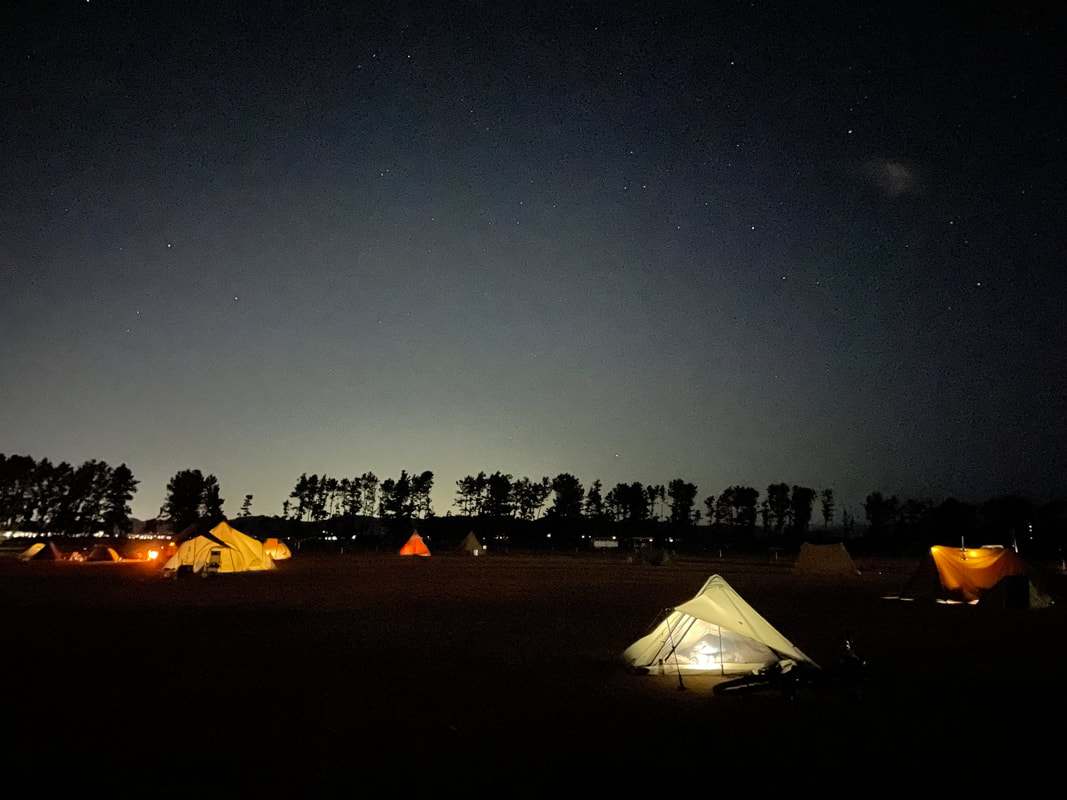
The campground sits near the point where the lagoon connects to the sea. Toilets, water and level pitches were all available. If it had a drawback, it was the view. Despite its location within the lake, a line of trees blocked the water. Those trees also helped block the wind.
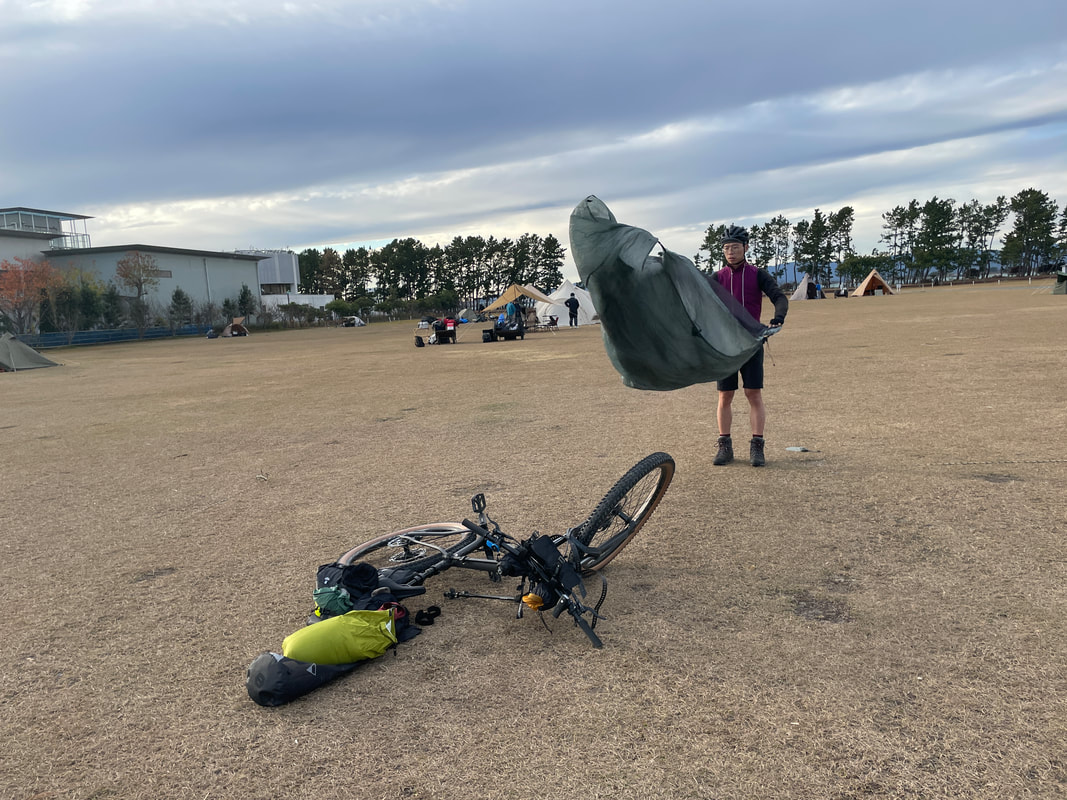
Hamamatsu seemed to deserve its reputation for strong winds. Pitching my tent made that very clear. Without properly secured pegs, the tent would have flown away.
Sunset at Bentenjima
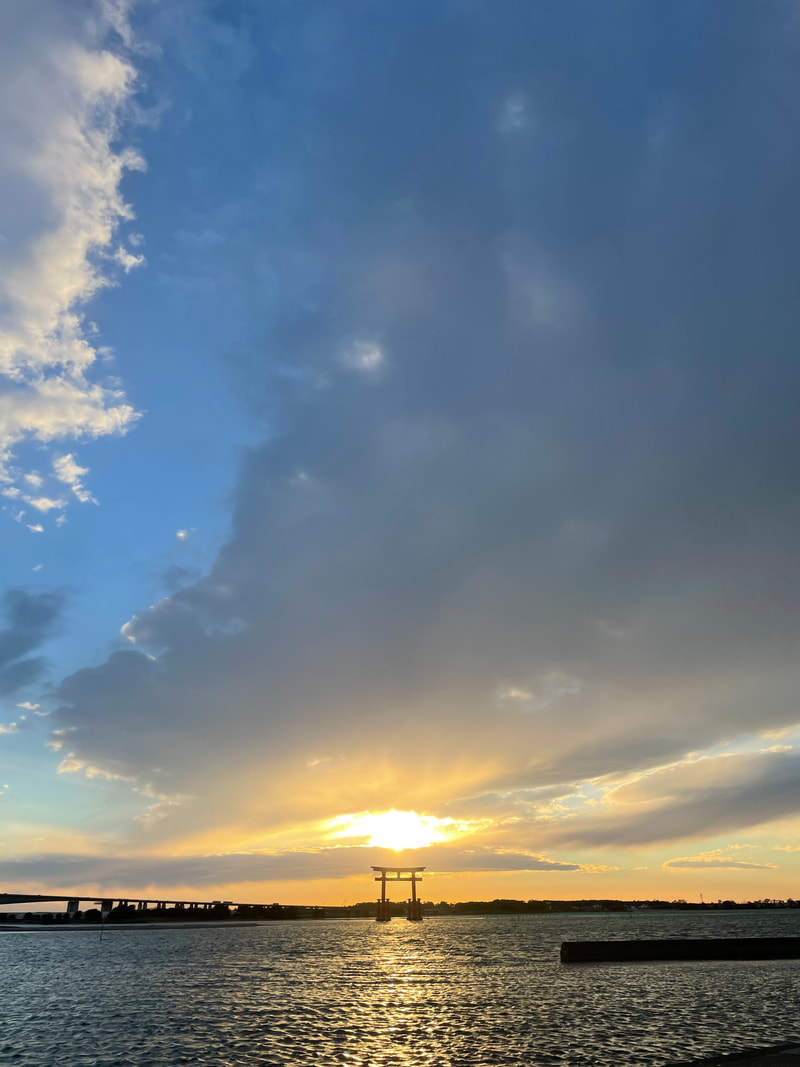
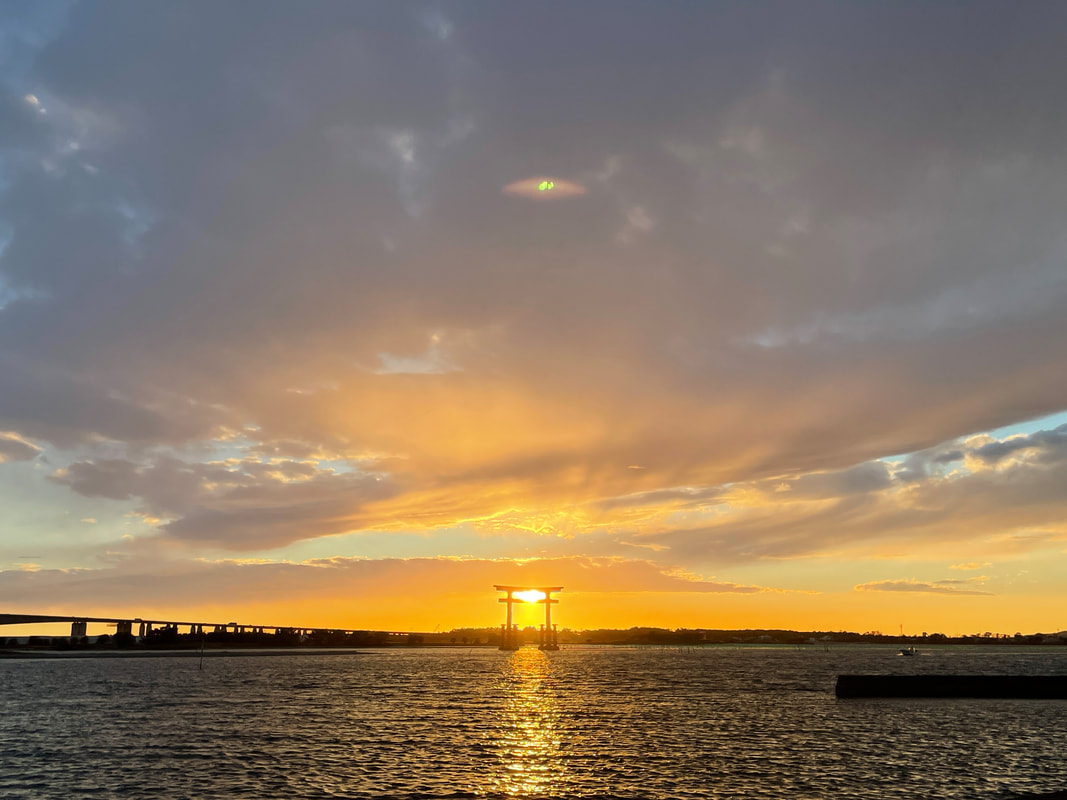
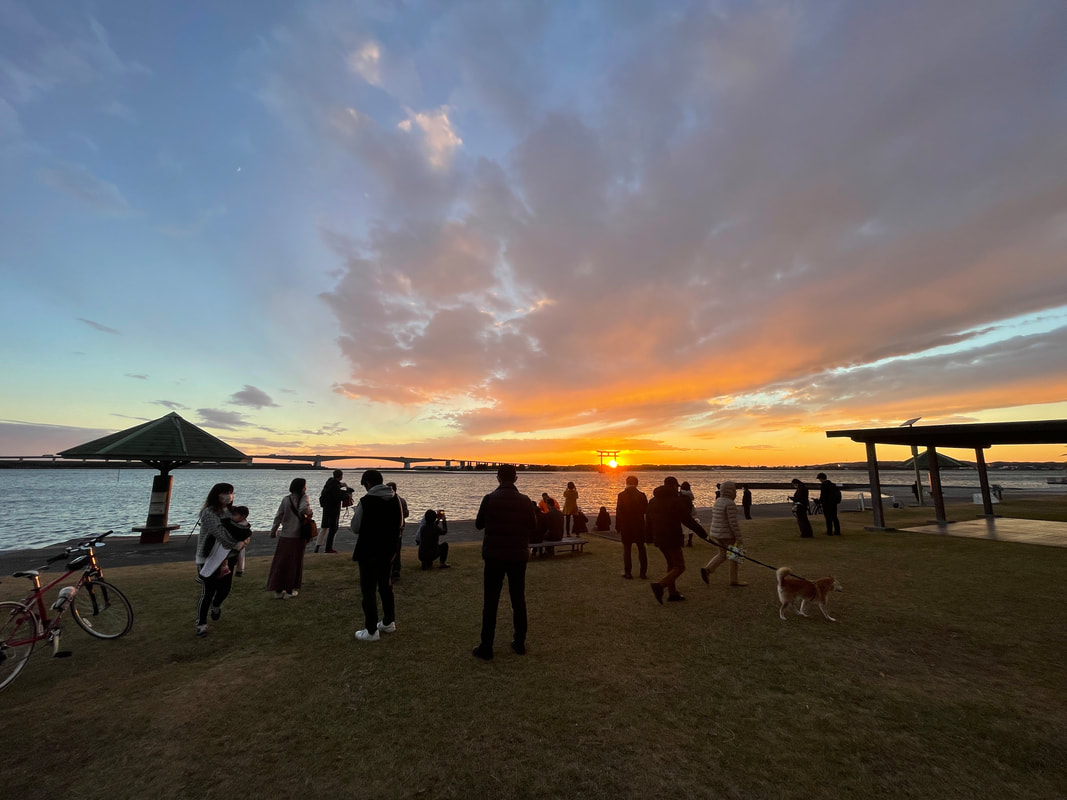
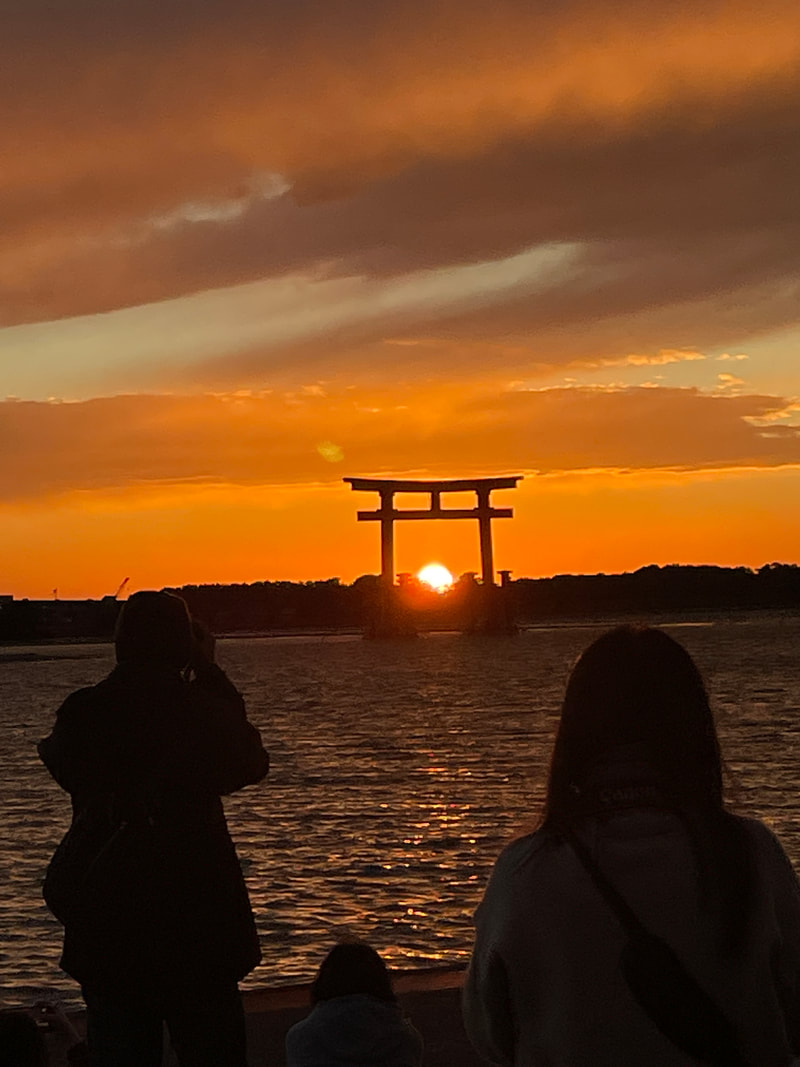
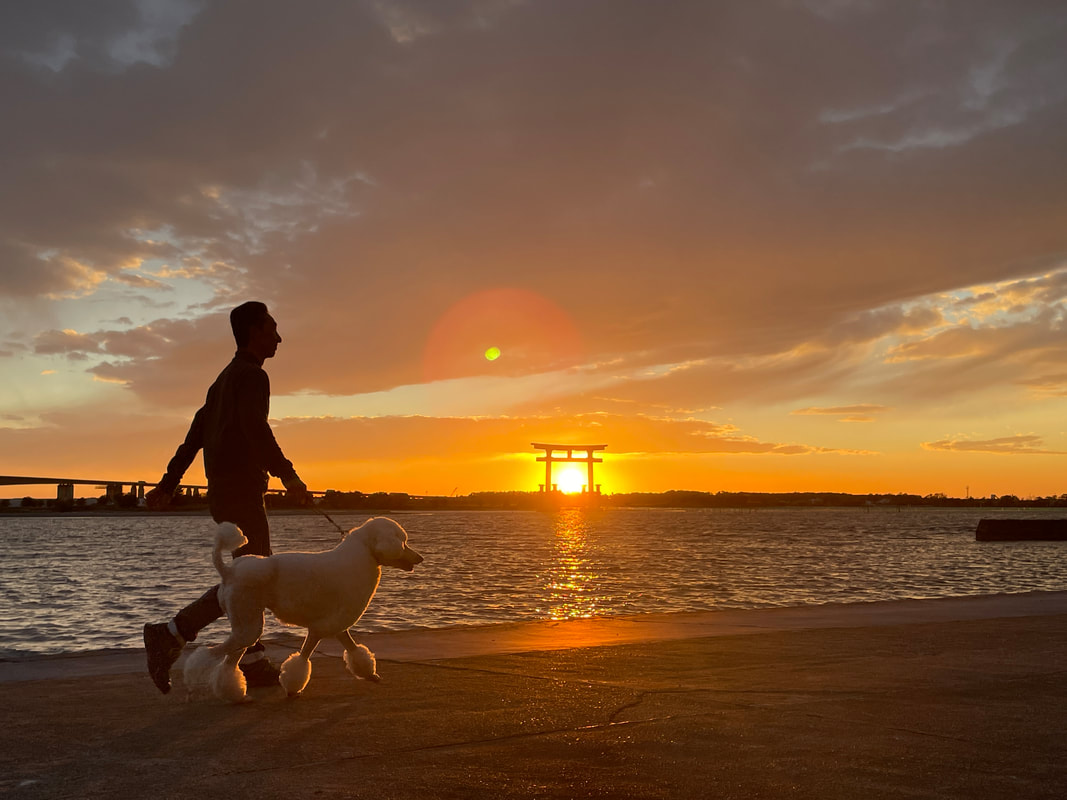
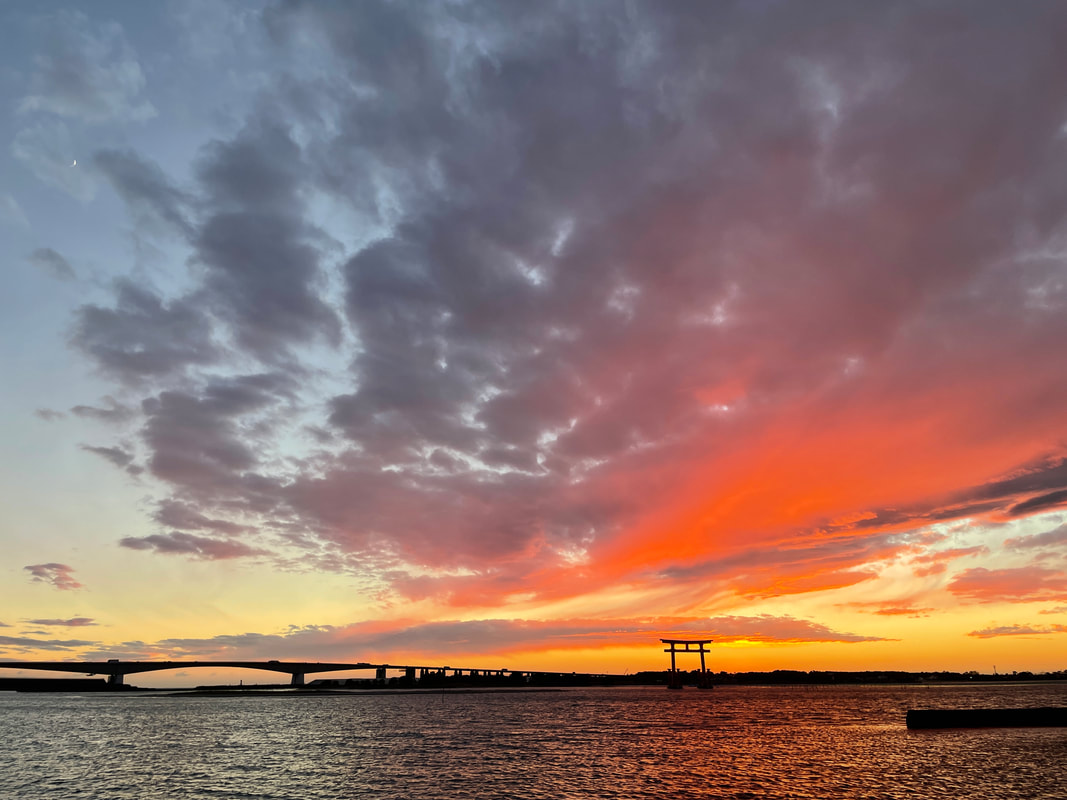
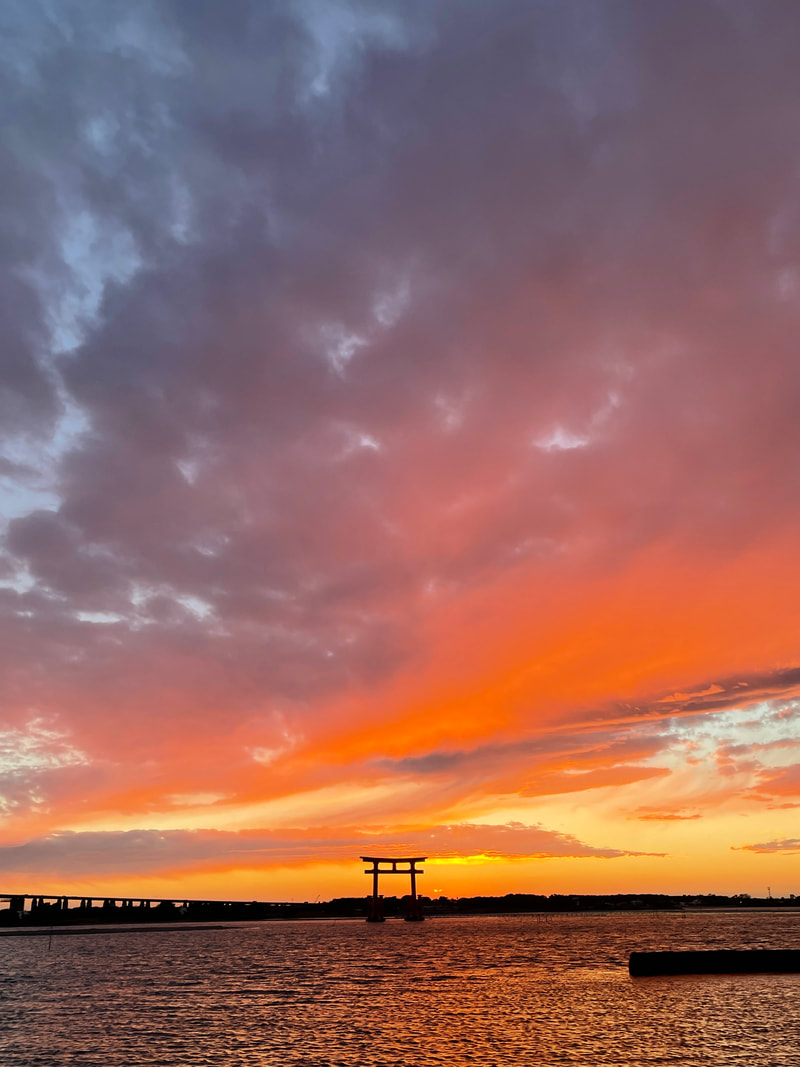
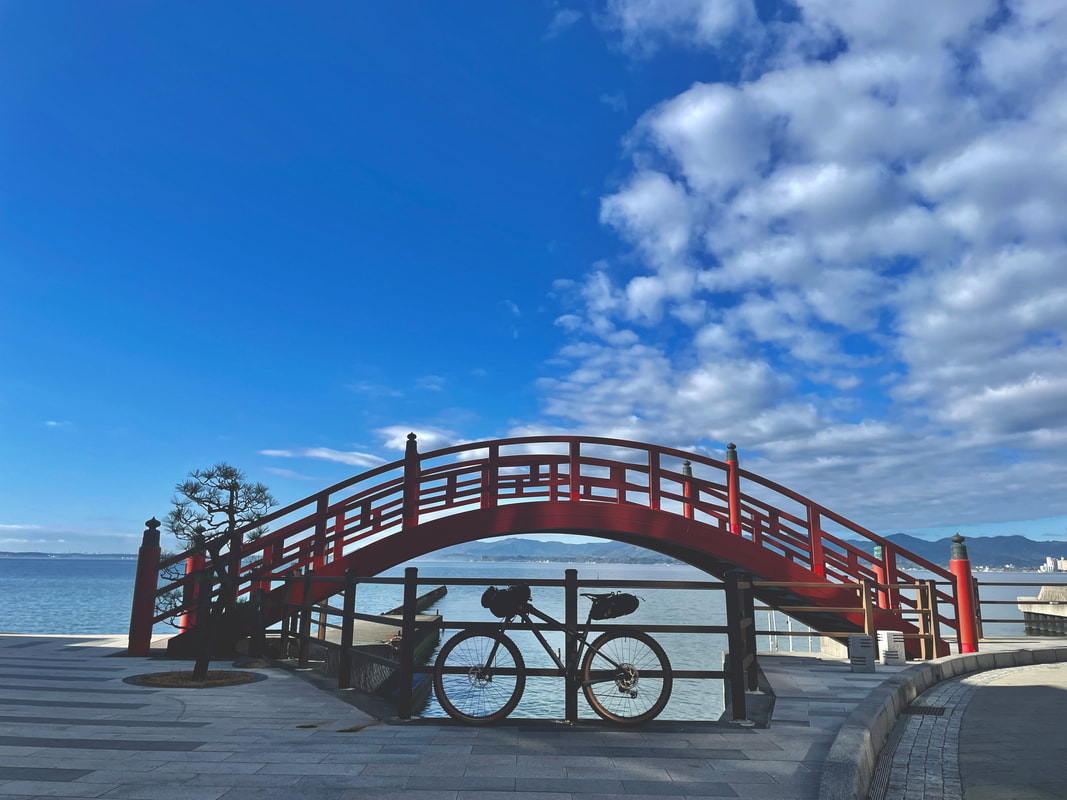
Once the tent was up, sunset was approaching, so I hurried to the day’s main event. Lake Hamana’s sunset is beautiful in its own right, but in winter, the sun can line up within the torii gate standing in the water.
The previous days had been wet, and I had already spent two days riding in the rain. Fortunately, the weather cleared that afternoon, giving me a good chance of seeing the sunset.
In the anime, Rin enjoys this view after visiting a nearby hotel’s hot spring. I did not have enough time, and the hotel she visited was temporarily closed because of the pandemic when I traveled. I went straight to Bentenjima Seaside Park instead.
The sun was still some distance from the gate, but photographers with enormous lenses were already waiting. As it moved into the opening, I realized how small the area was from which you could photograph it perfectly centered. Everyone shuffled within that narrow space, crouching as they moved so they would not block someone else’s shot. The scene was both amusing and wonderfully considerate.
Back at the campground, the lake wind was still strong. I reinforced the pegs and guylines, crawled into my tent and went to sleep.
A Morning at Hamamatsu Flower Park
The wind eased by morning, and sunlight woke me. One advantage of the windy night was relatively little condensation. A short spell in the sunshine dried my gear, then I stuffed everything into the bike bags and set off.
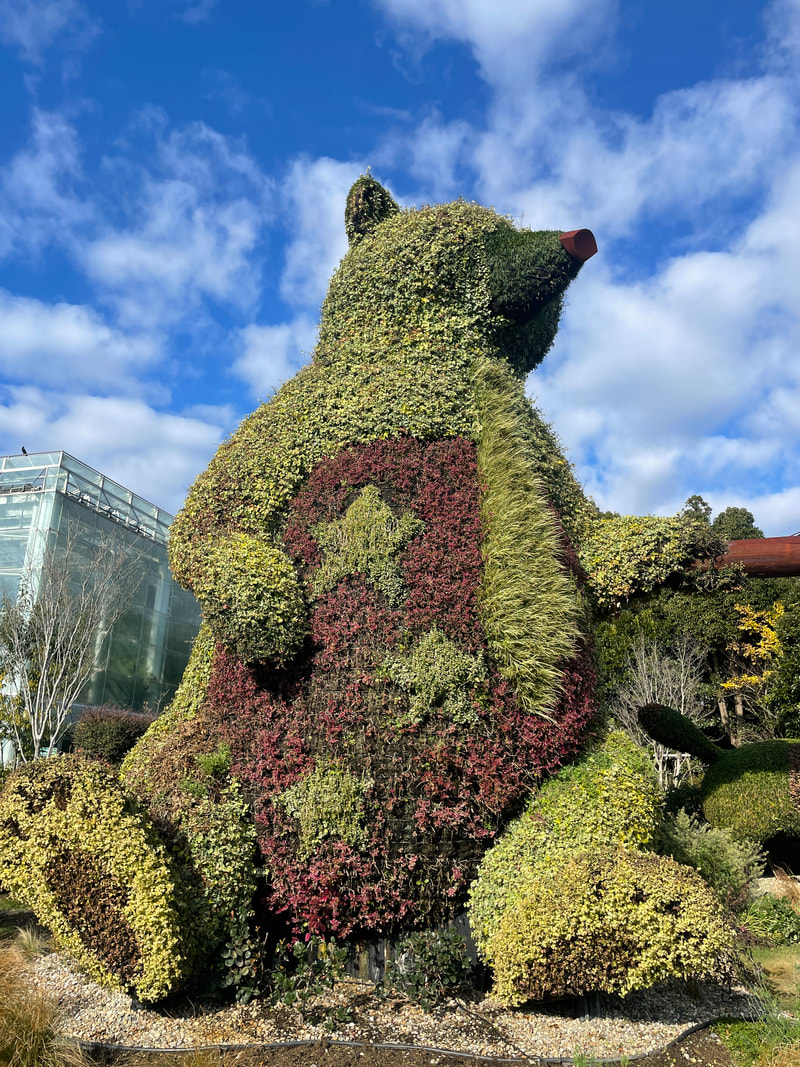
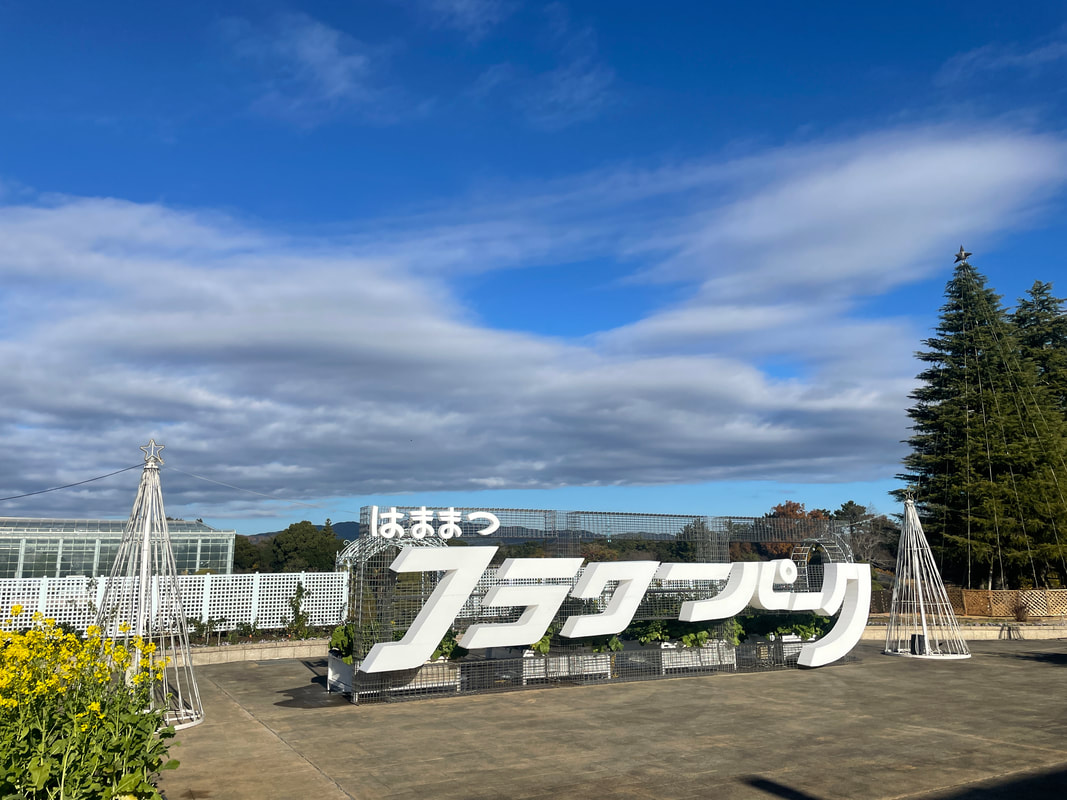
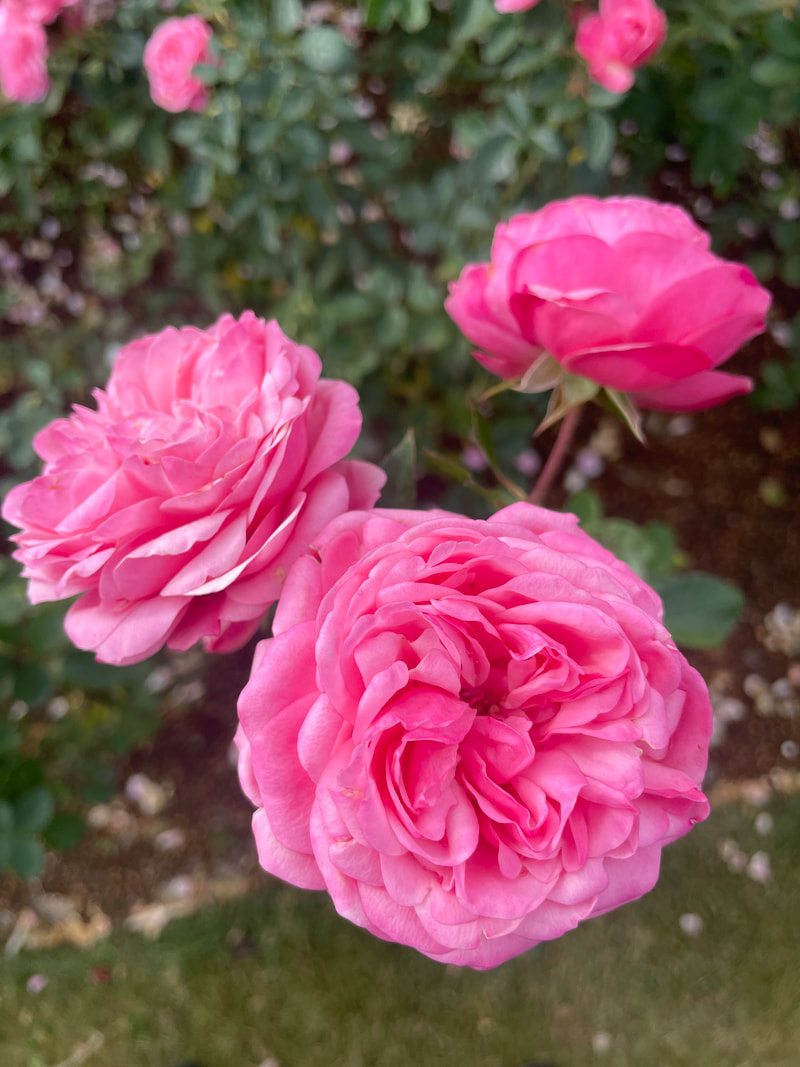
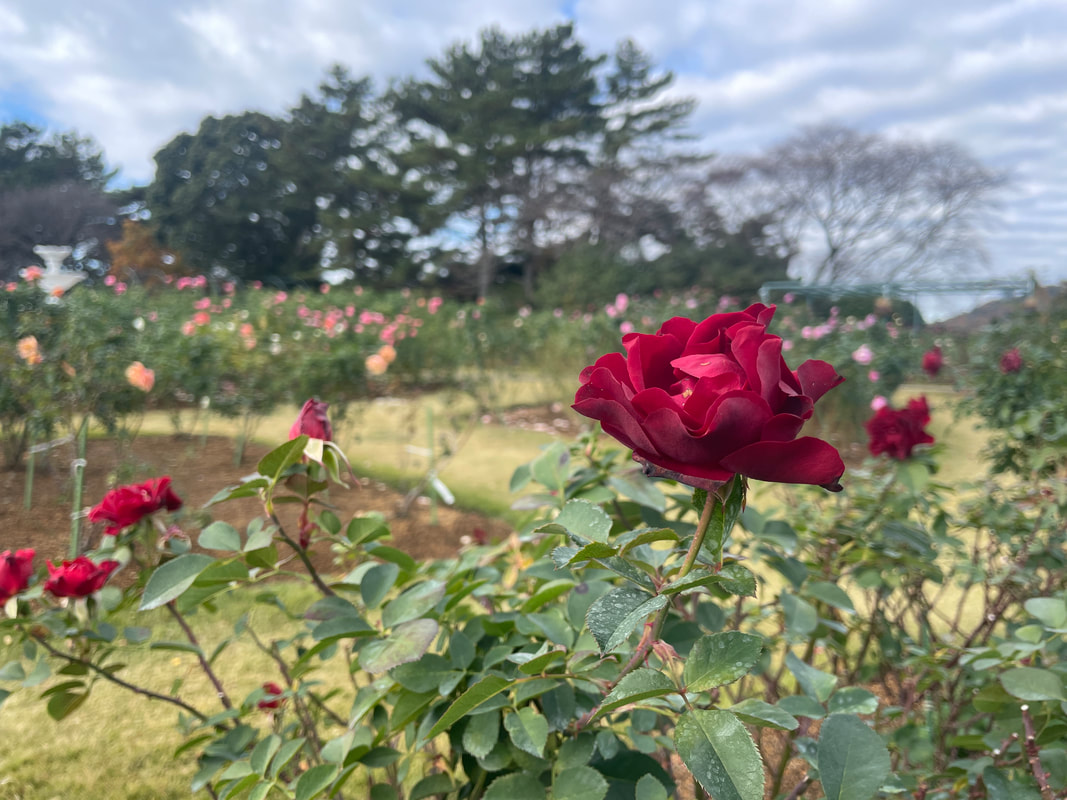
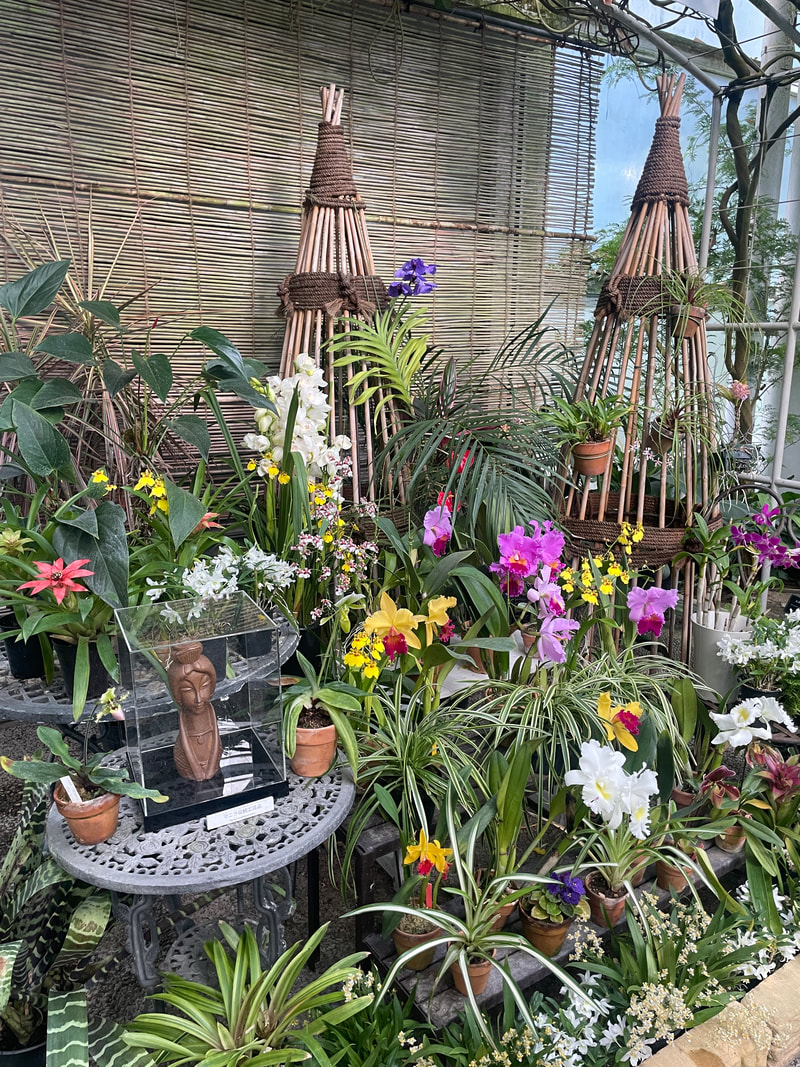
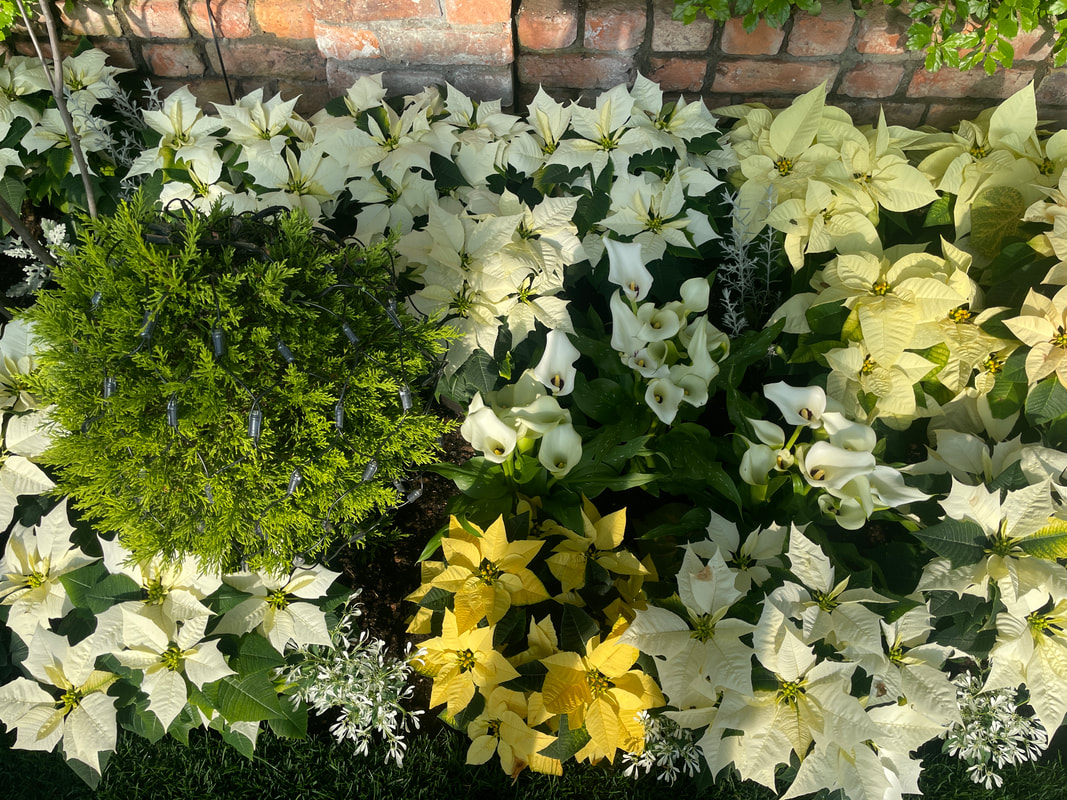
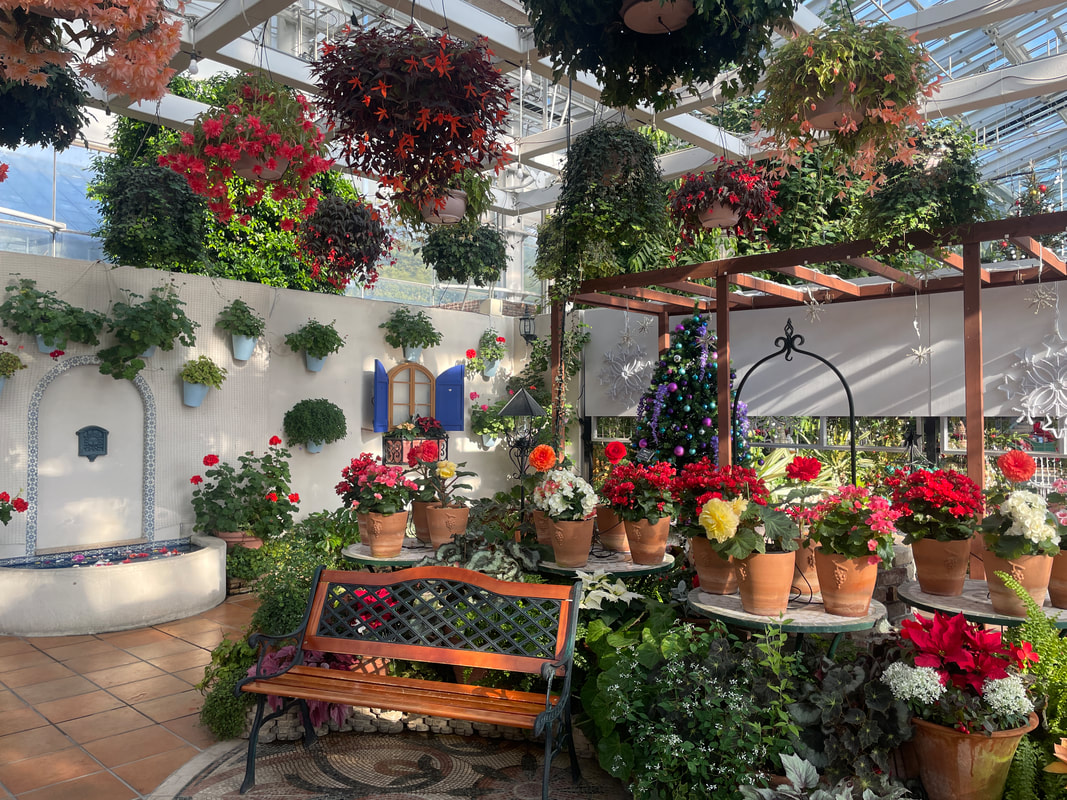
Before visiting the remaining anime locations, I stopped at Hamamatsu Flower Park. This extensive garden hosts international flower events and uses greenhouses to offer different blooms through the seasons. There is even a zoo next door, making it possible to spend a whole day in the area for a modest admission price.
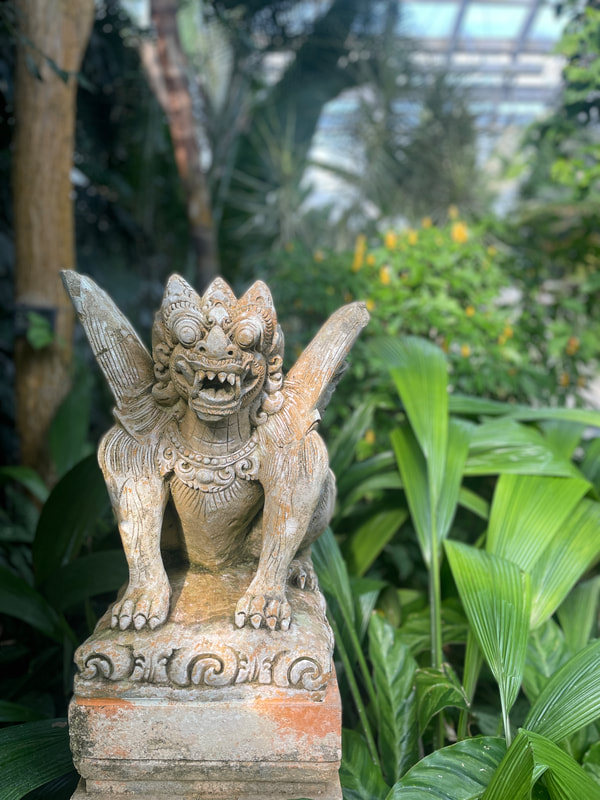
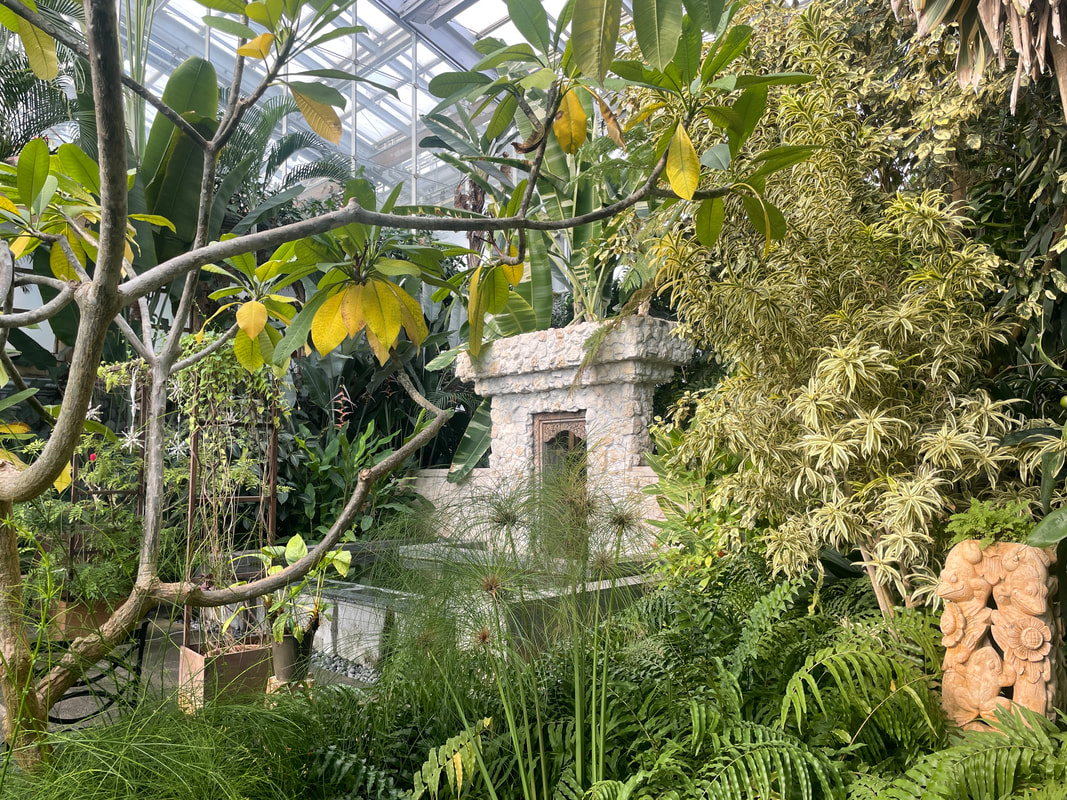
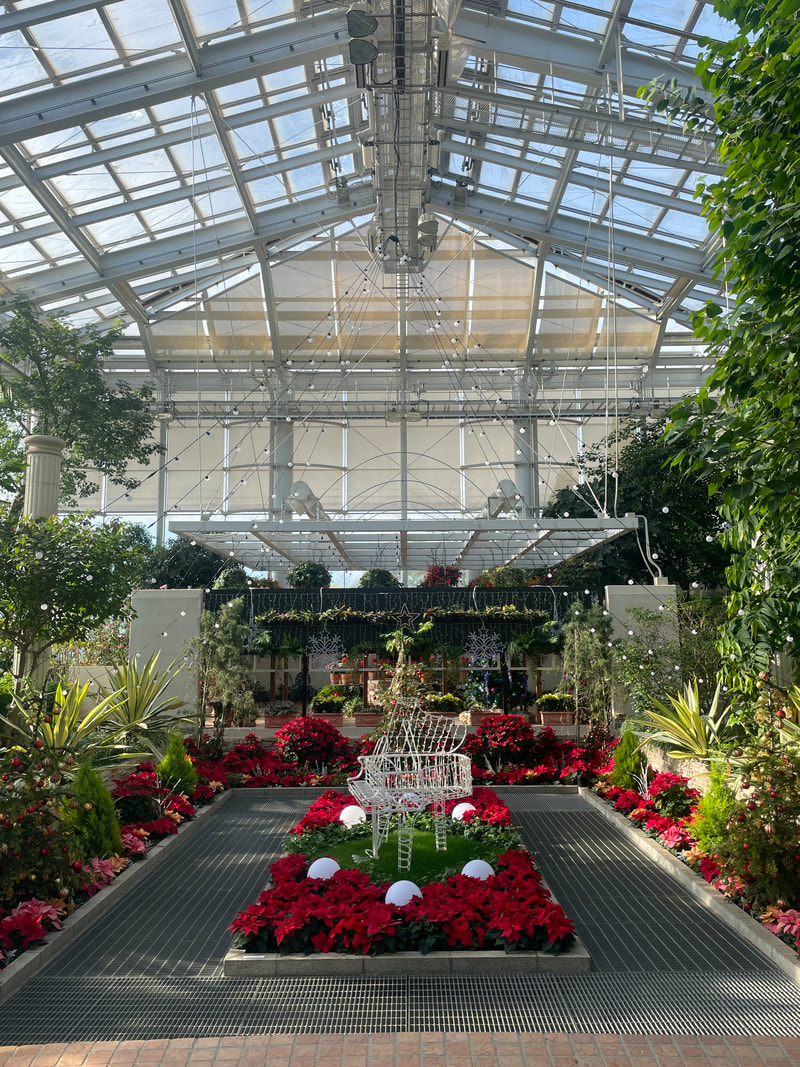
I still had my pilgrimage itinerary ahead, so I explored only a small part of the garden. Christmas decorations filled the greenhouse. As a single traveler, I found them making me feel rather lonely. Fortunately, a nearby Bali-inspired display helped me relax again.
Kanzanji: Eel, Sweets and Clear Water
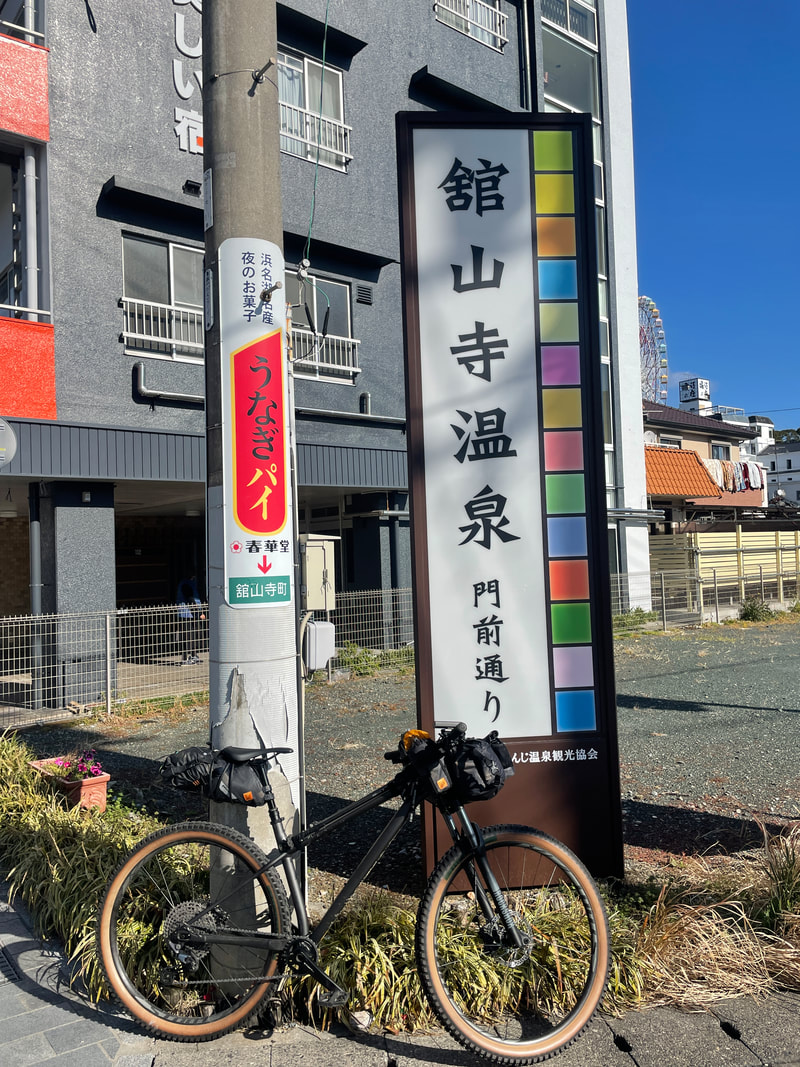
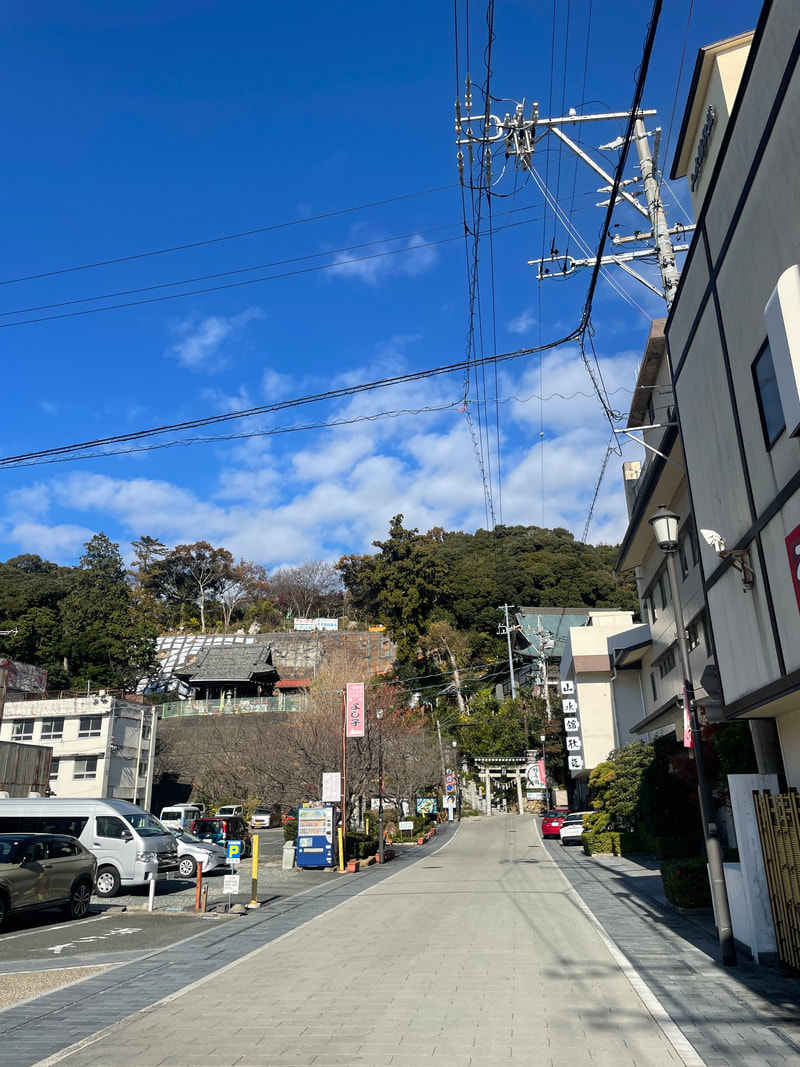
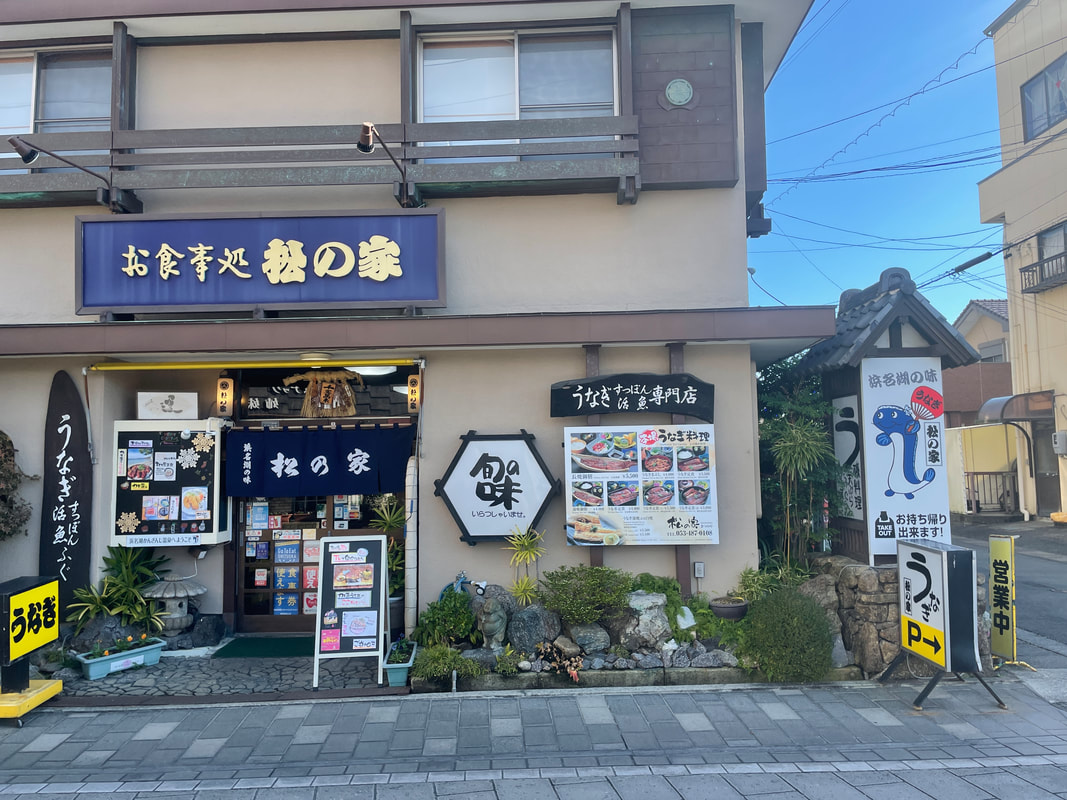
Hot-spring towns usually announce themselves with hotels, onsen streets, signs and steamed buns. At Kanzanji Onsen, however, what caught my attention was not hot-spring advertising but eel restaurants. Instead of sulfur, the streets smelled of rich eel sauce.
Riding through left me ravenous, but I planned to eat eel at an anime-related destination across the lake. For the moment, traditional Japanese sweets from another filming location would have to keep me going.
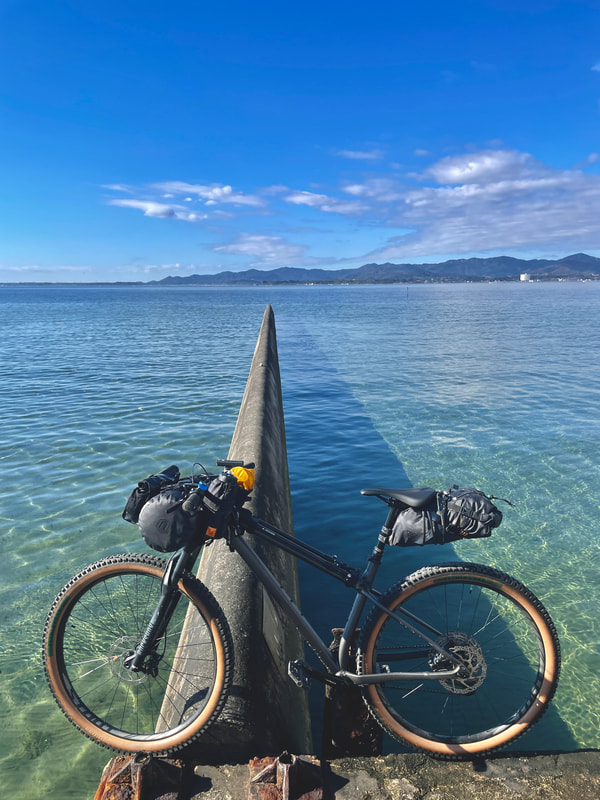
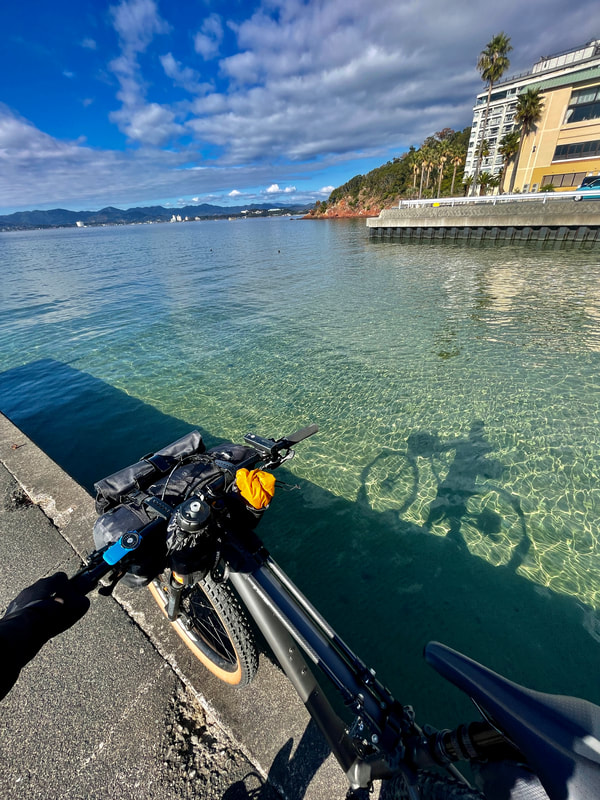
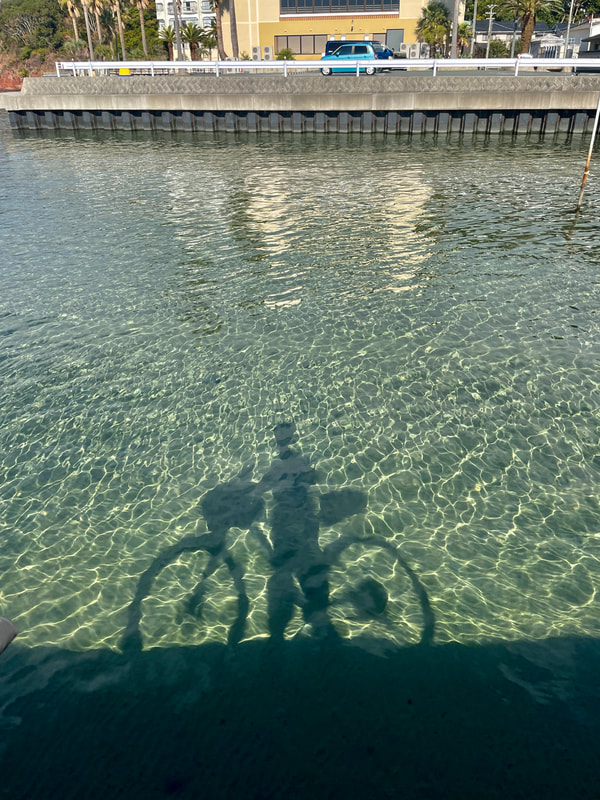
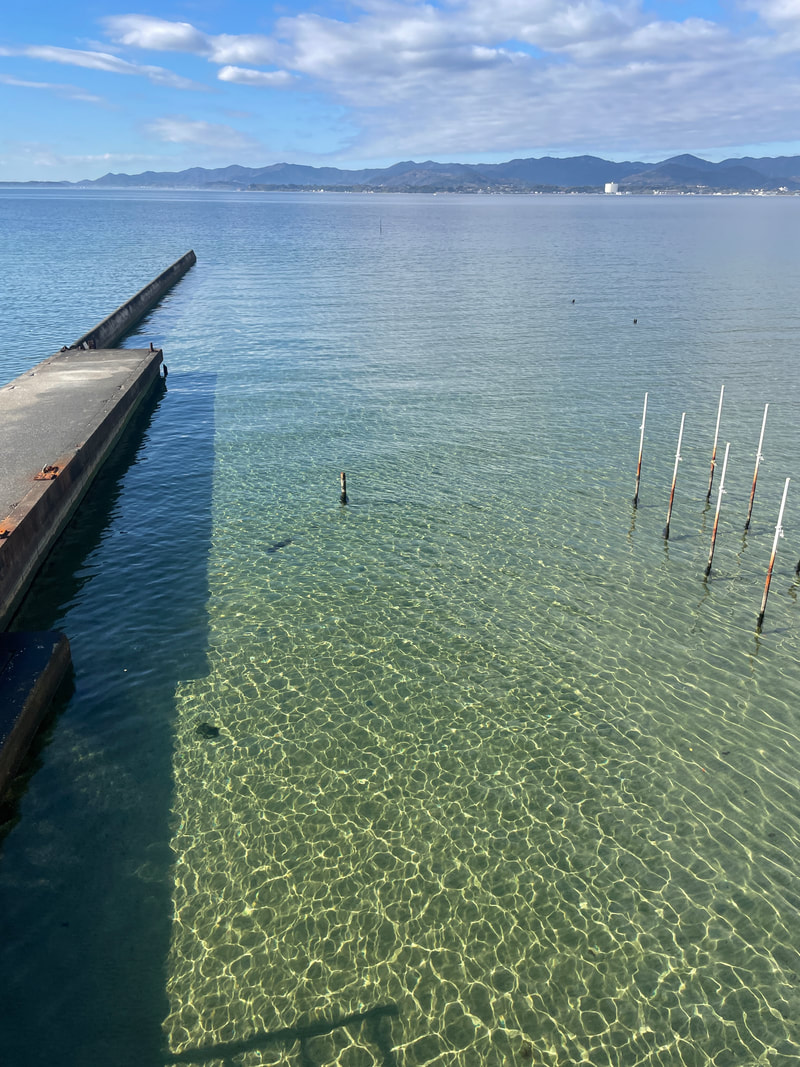
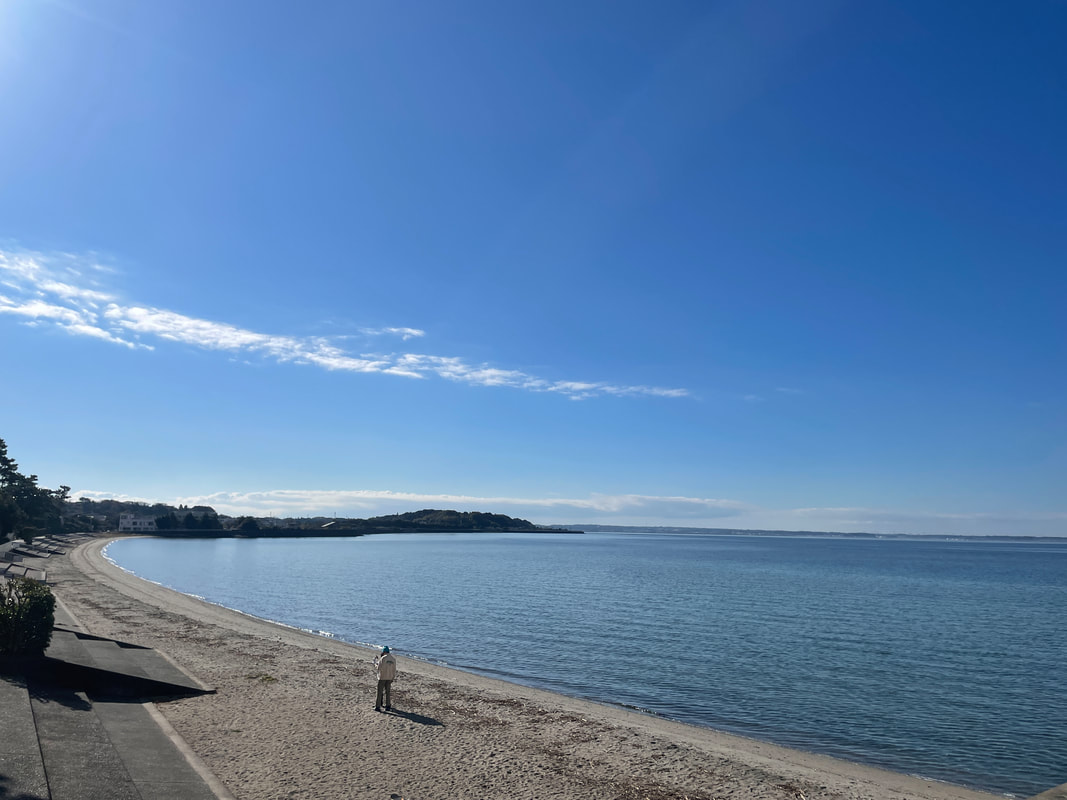
The shore at Kanzanji was beautiful, with blue-green gradients in the water. Had it not been winter, I would have wanted to swim. A sign explained that local high-school students took part in a swim across Lake Hamana. Lovely as the water was, I was not sure I wanted to cross it that way. For a teenager who disliked swimming, this heavenly landscape might feel more like the opposite.
In the transparent water were groups of tiny, pale, translucent creatures that looked a little like tadpoles. After asking around, I thought they might be young eels. How fitting for a place famous for eel rice. Seeing what might be eel fry for the first time was a revelation.
Across the Lake by Boat
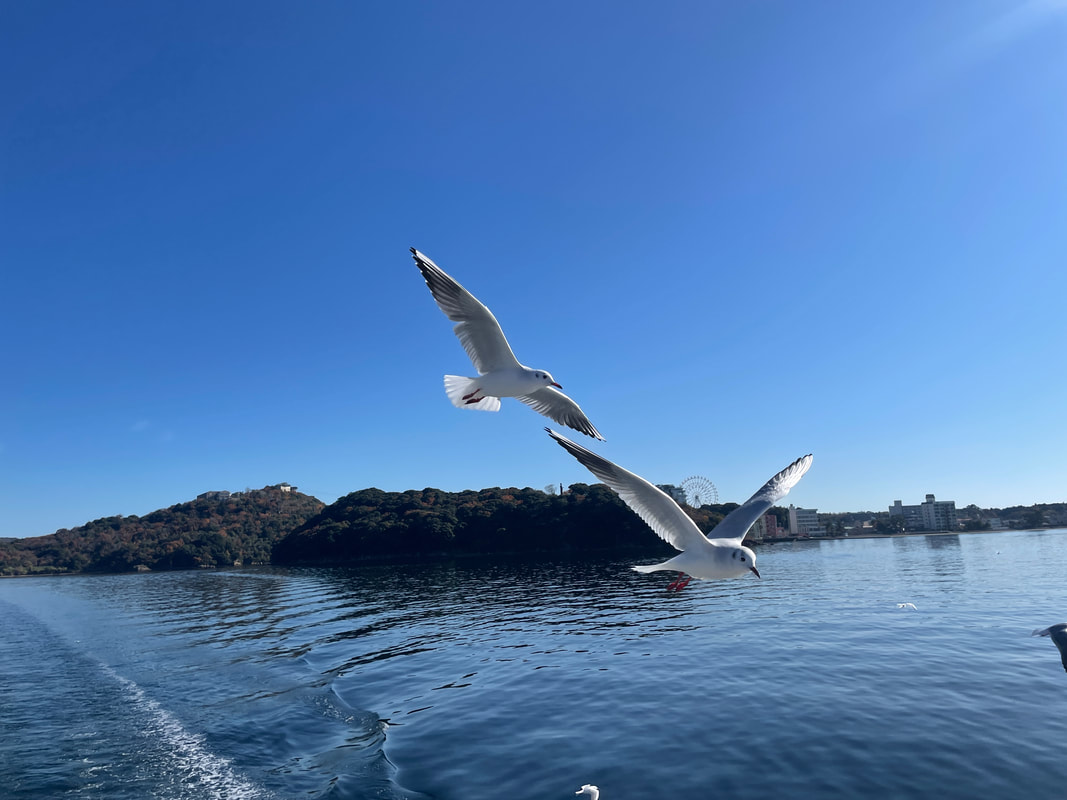
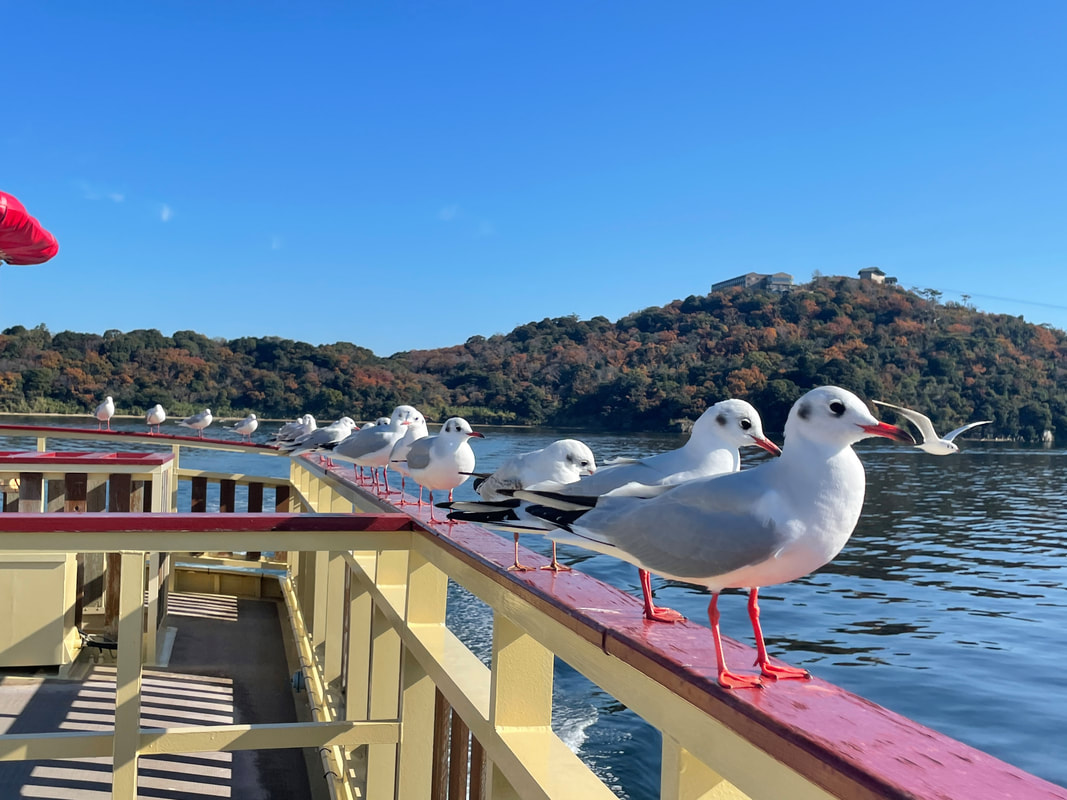
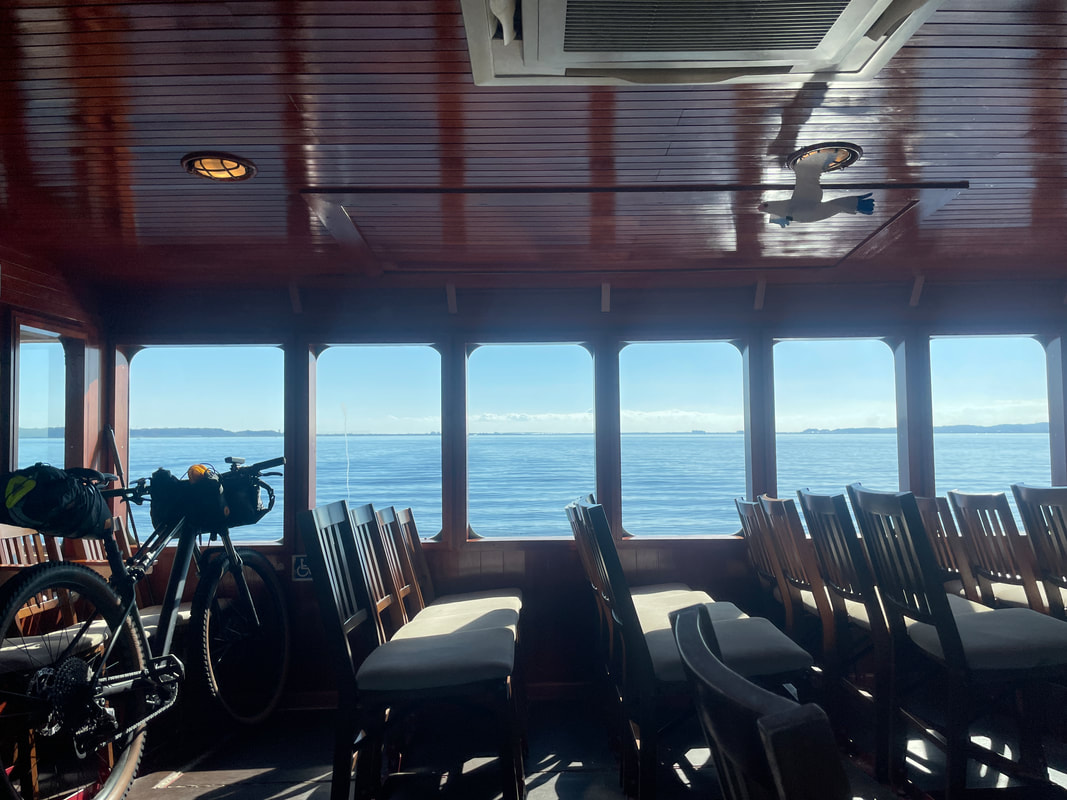
You could cross the lake by boat from Kanzanji. I intended to eat my sweets aboard, but the seagulls were too charming. I spent the whole crossing on deck with them instead.
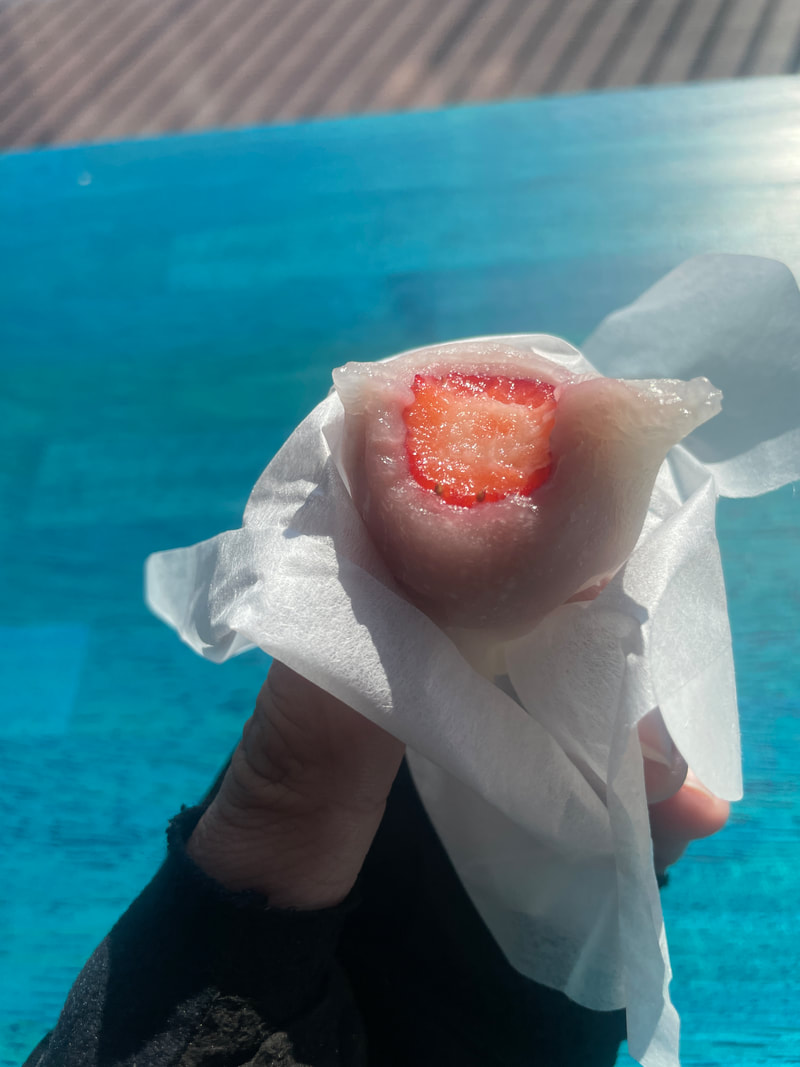
At Seto Port on the opposite shore, I found a delightful shipping-container building with seats overlooking the lake. There, at last, I could enjoy the view and the same kind of sweets Rin had eaten.
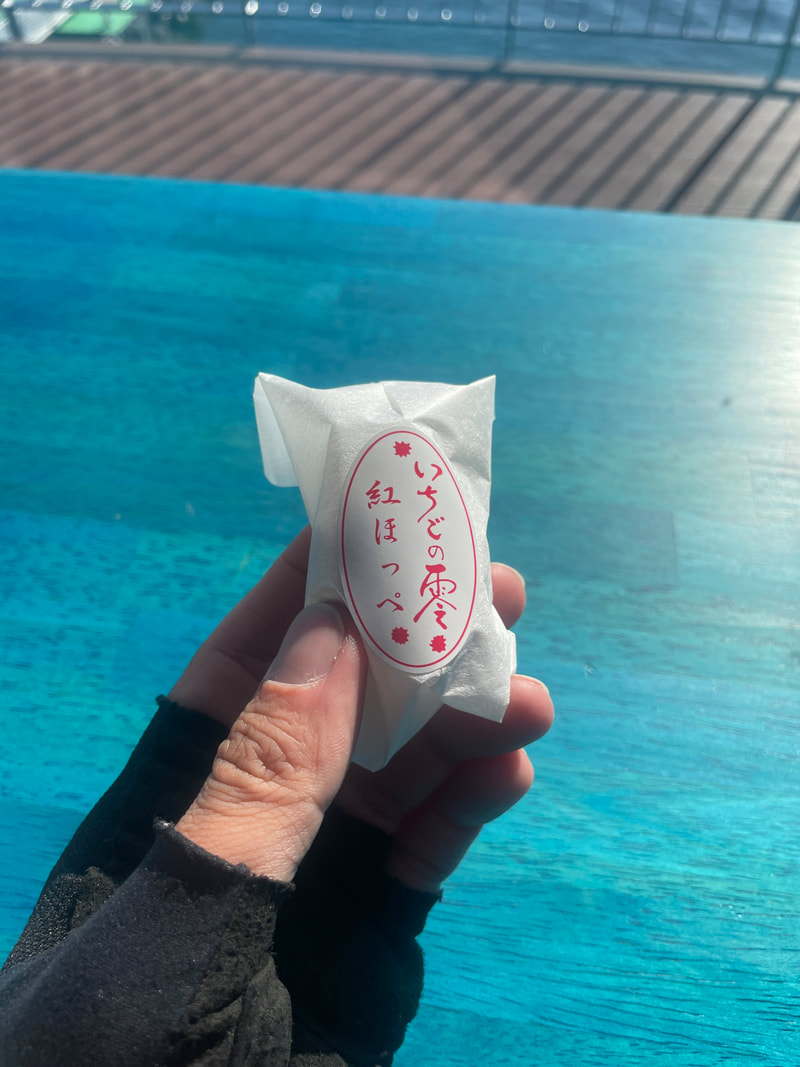
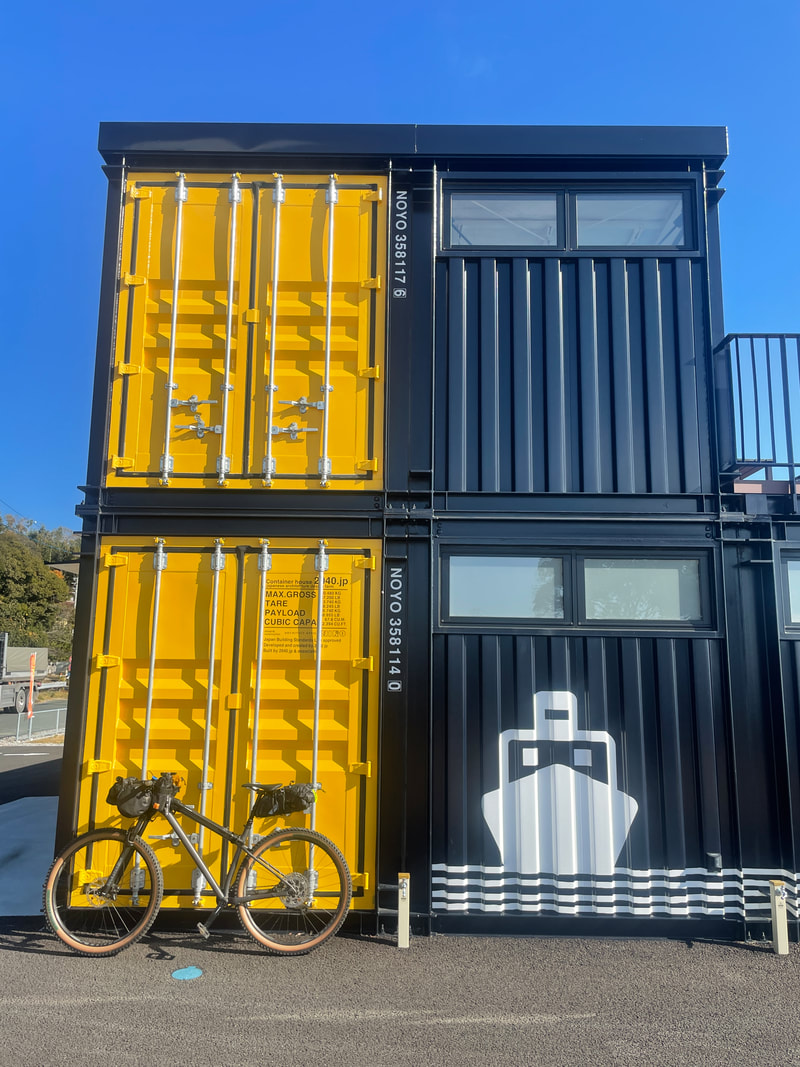
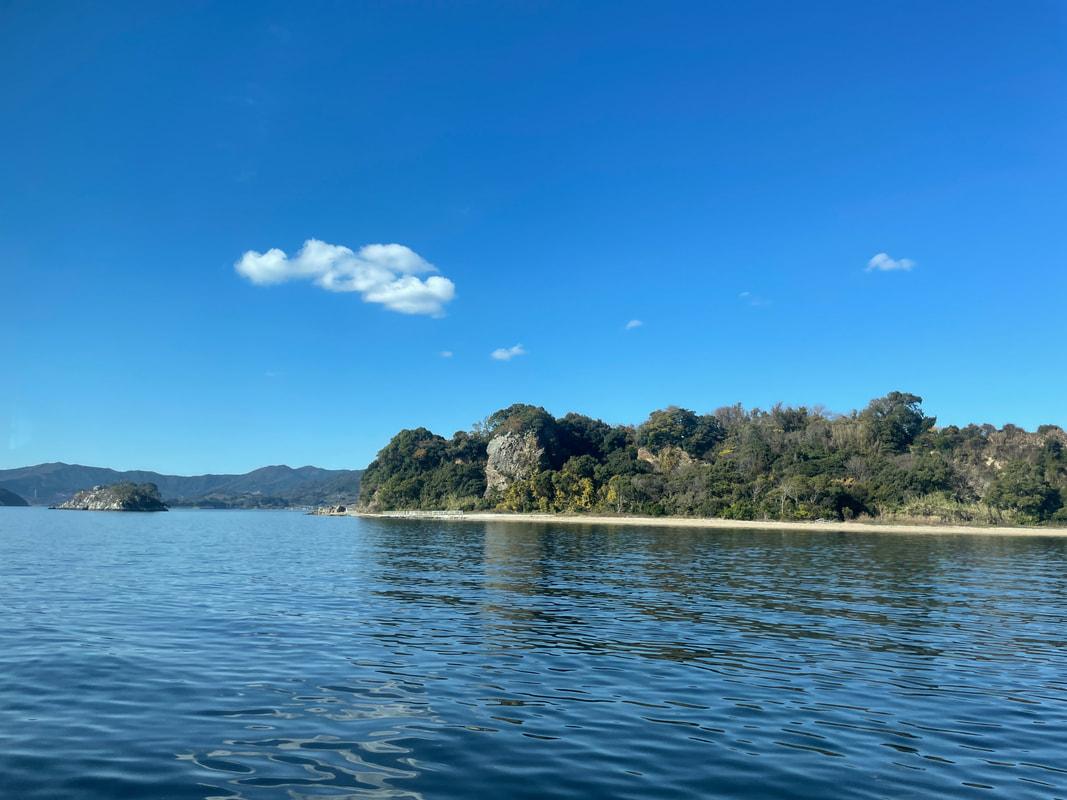
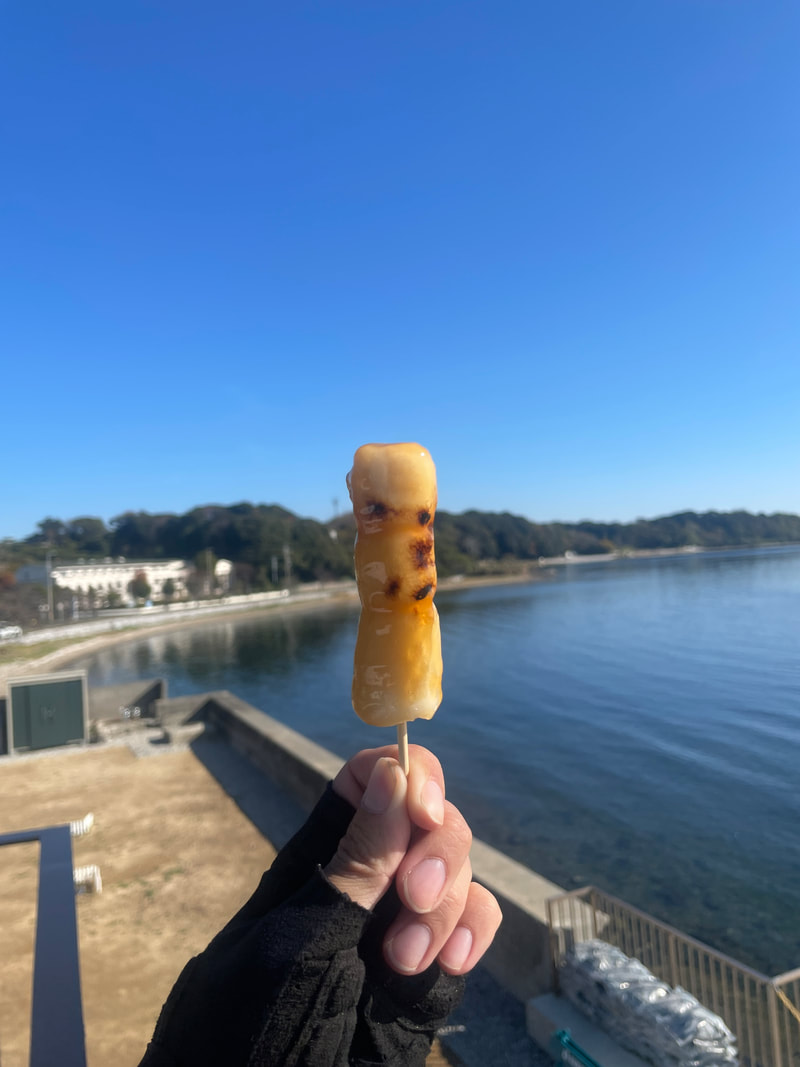
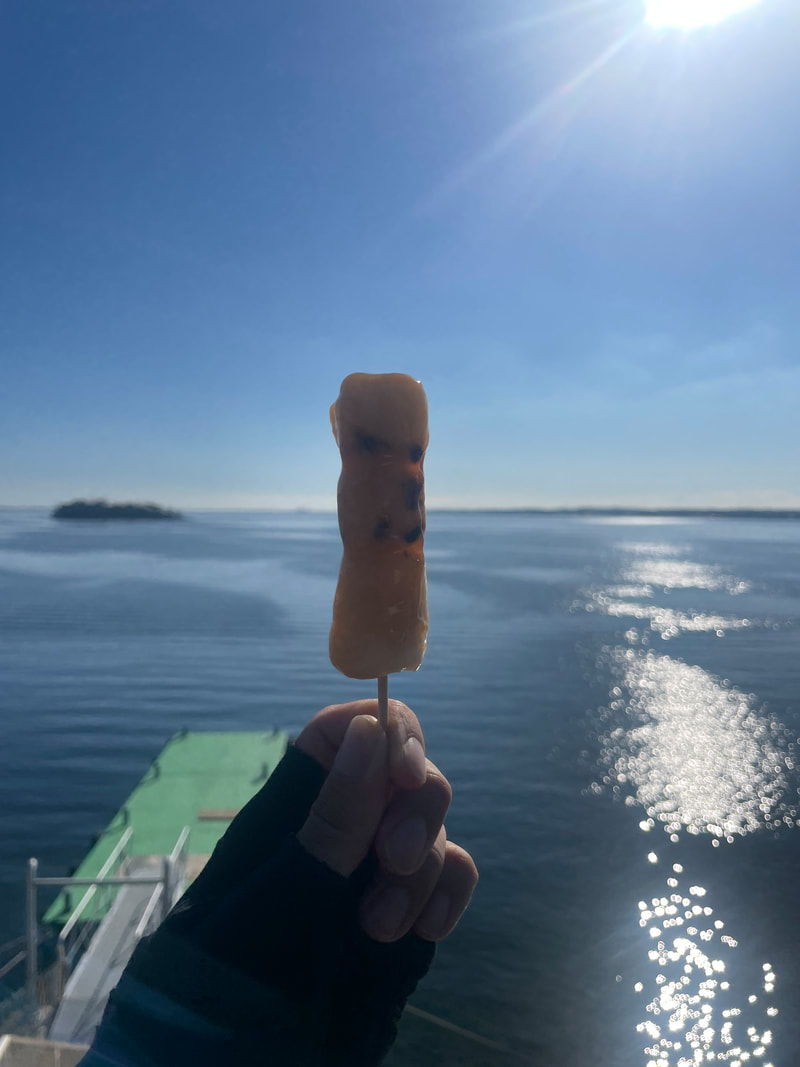
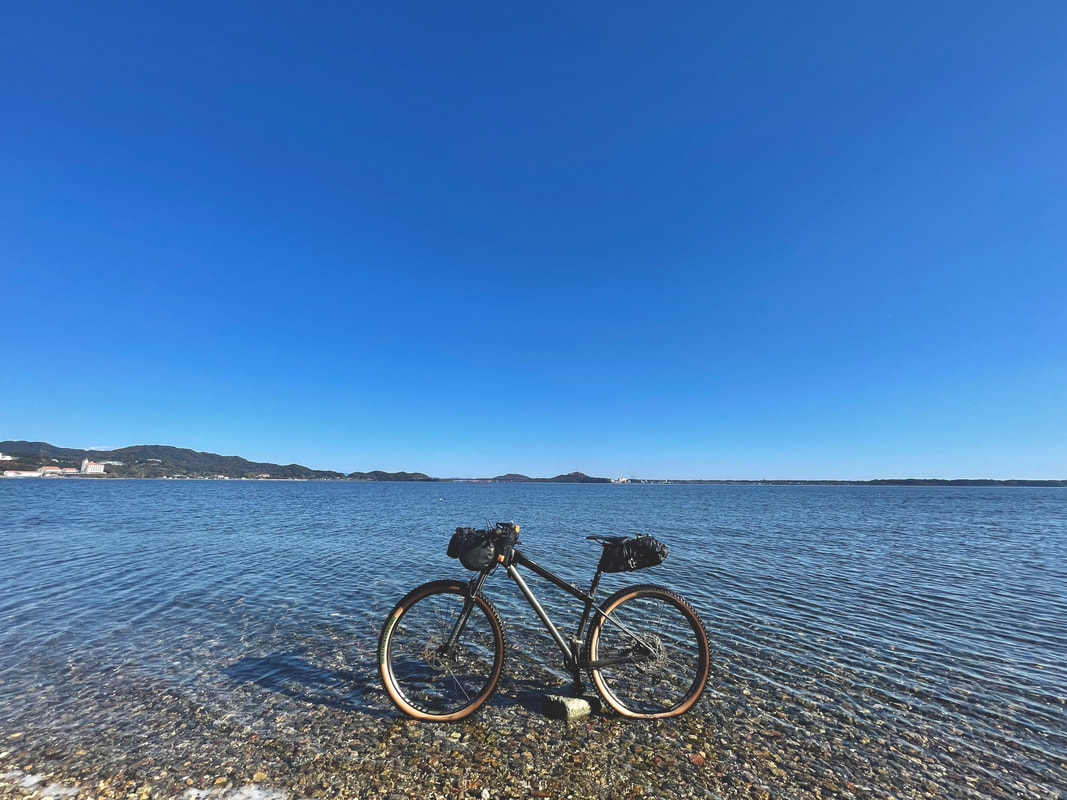
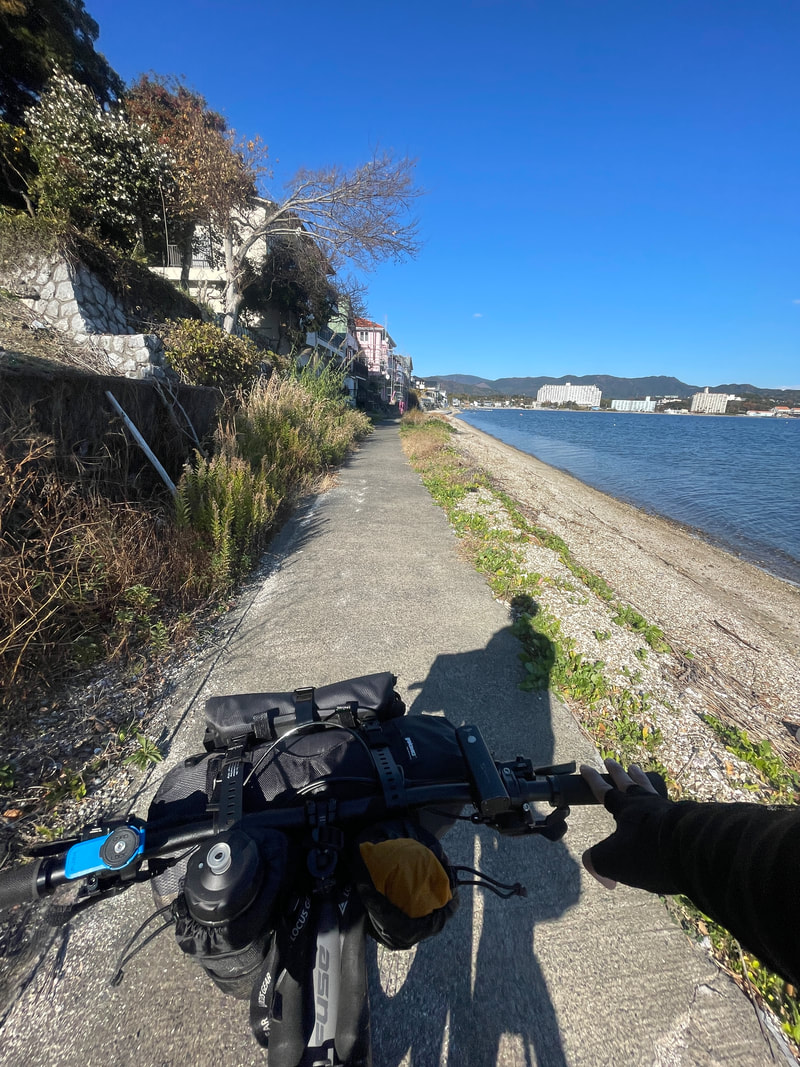
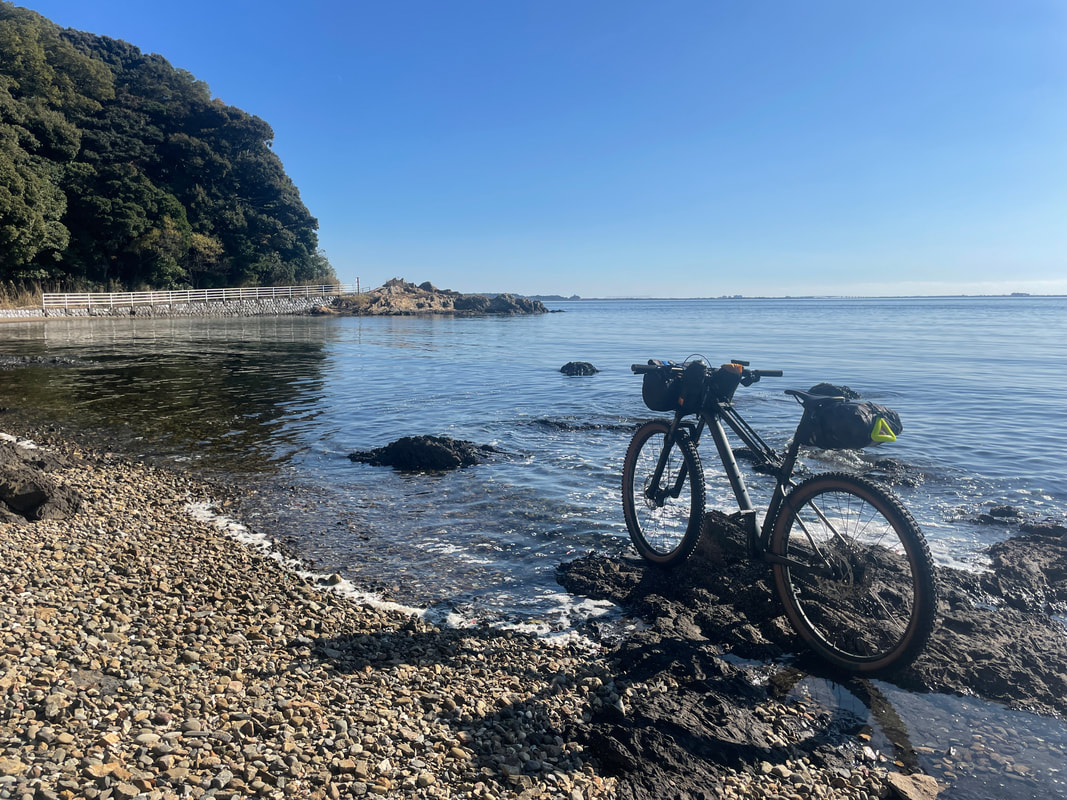
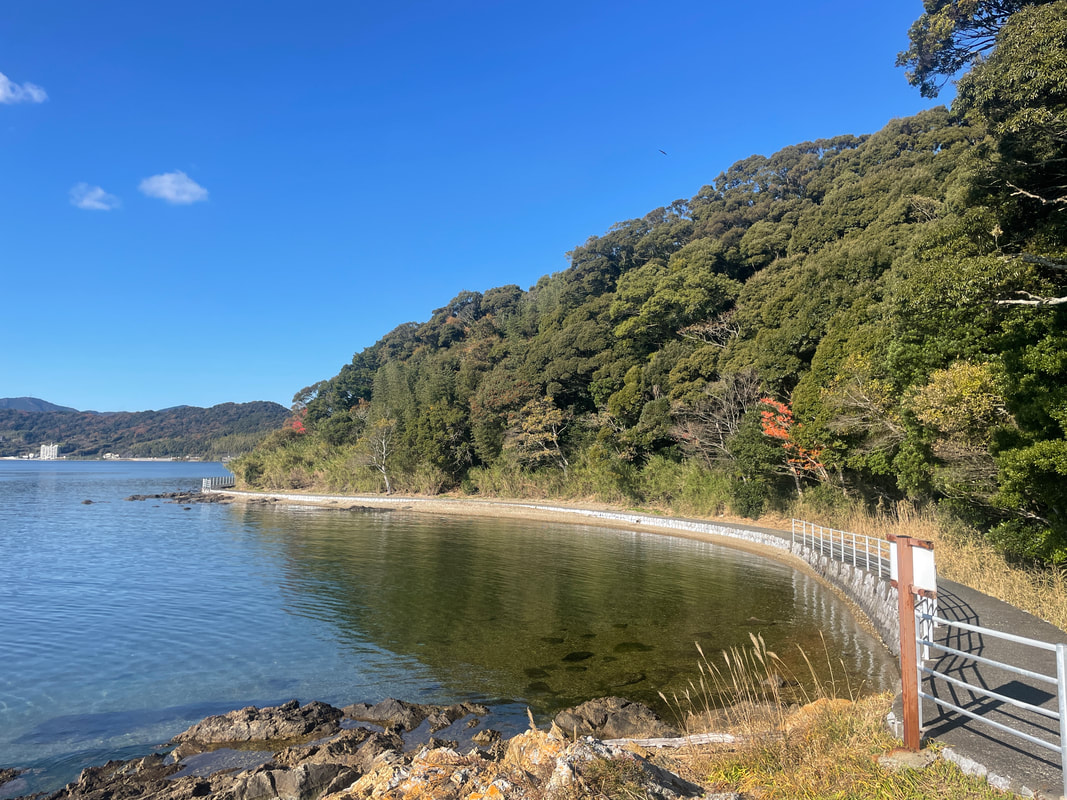
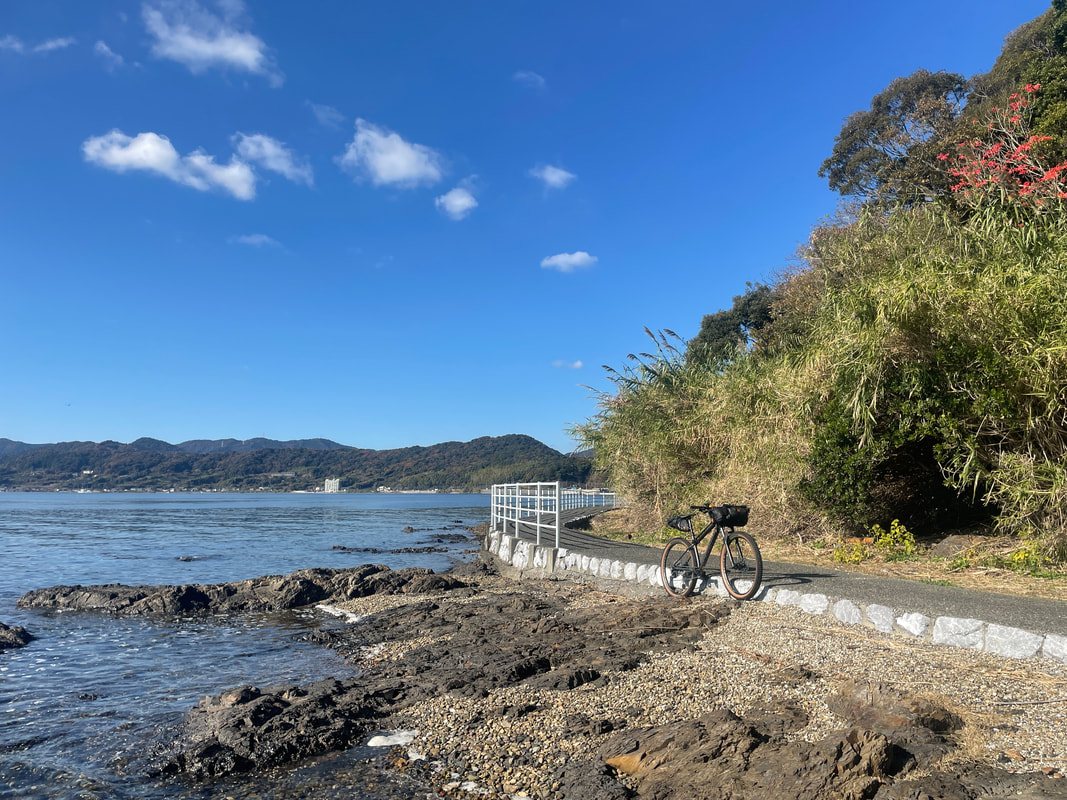
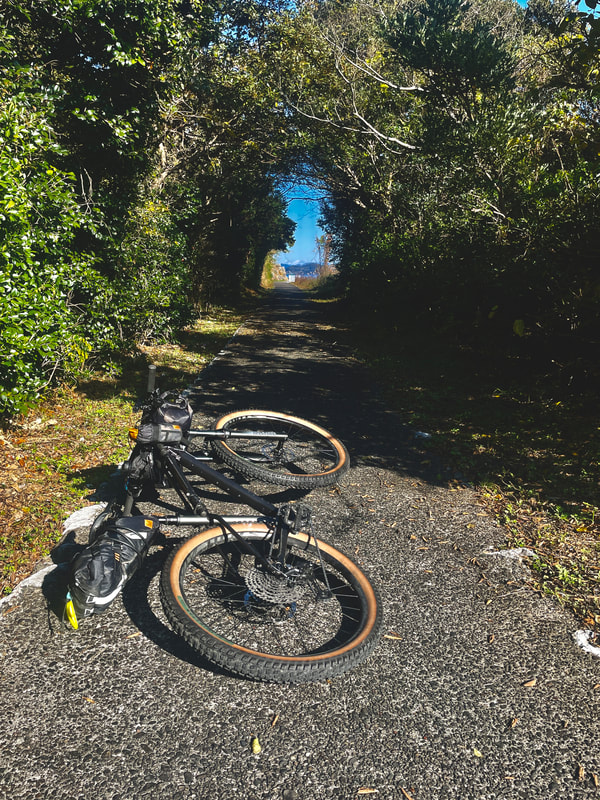
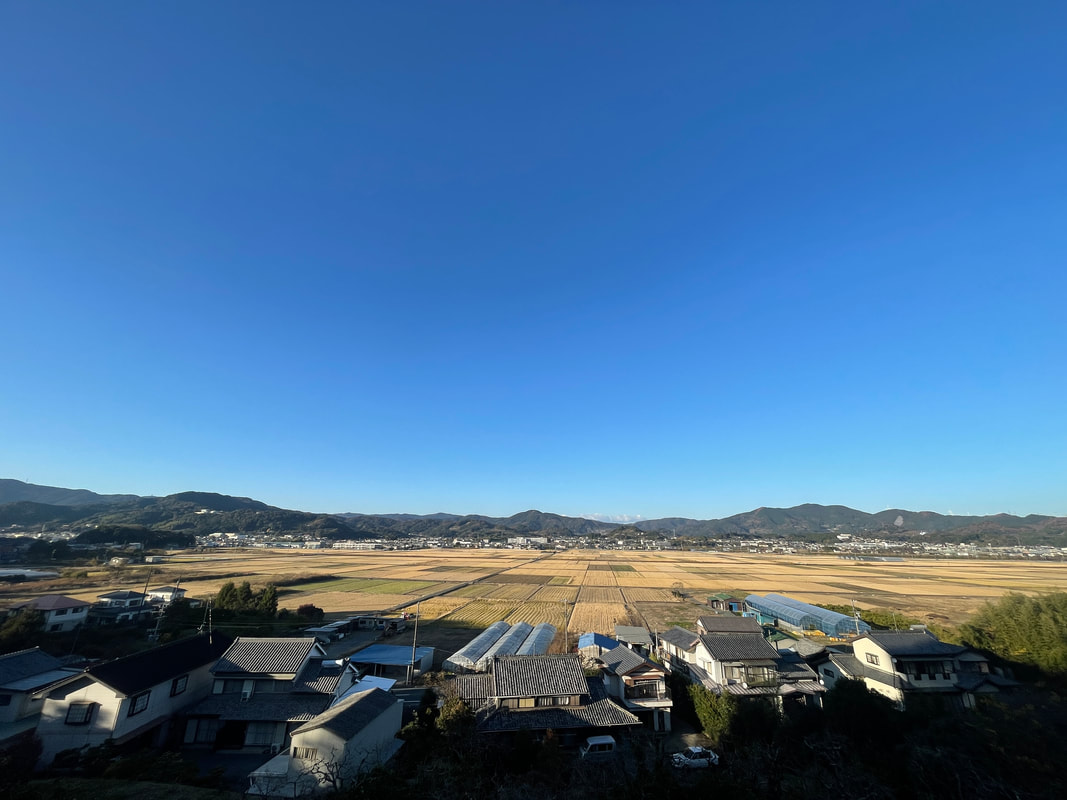
There was no hurry that day. After my snack, I followed the lakeside cycle path toward the next location. It was the most beautiful cycling section of the trip, running almost directly beside the water. The lake was calm and the sun warm. Although the air was probably only in the teens Celsius, I wanted to take off my jacket and feel the sunshine on my skin.
A Train Ride to Kiga
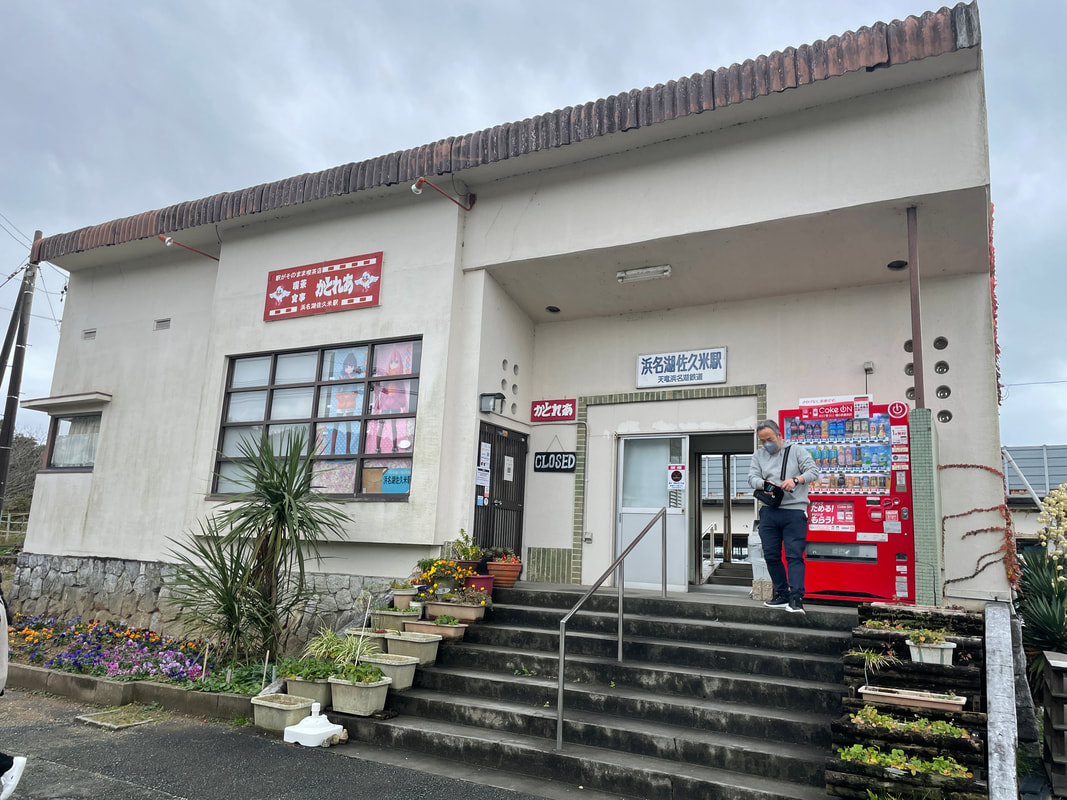
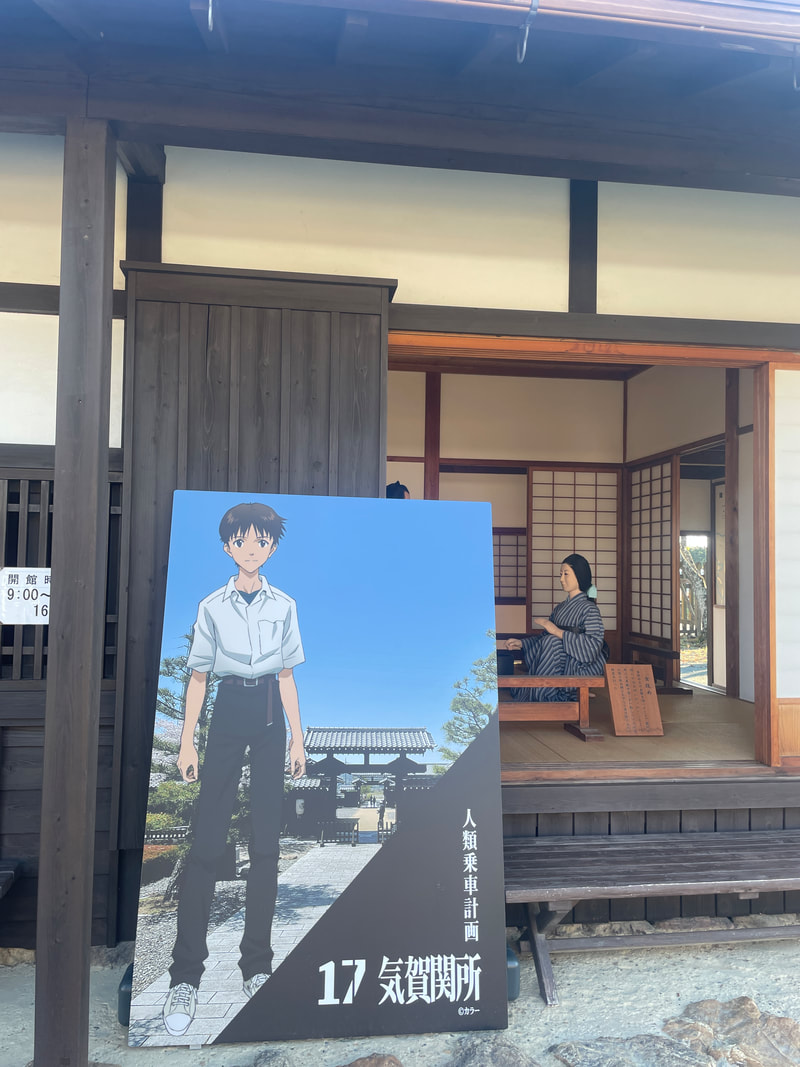
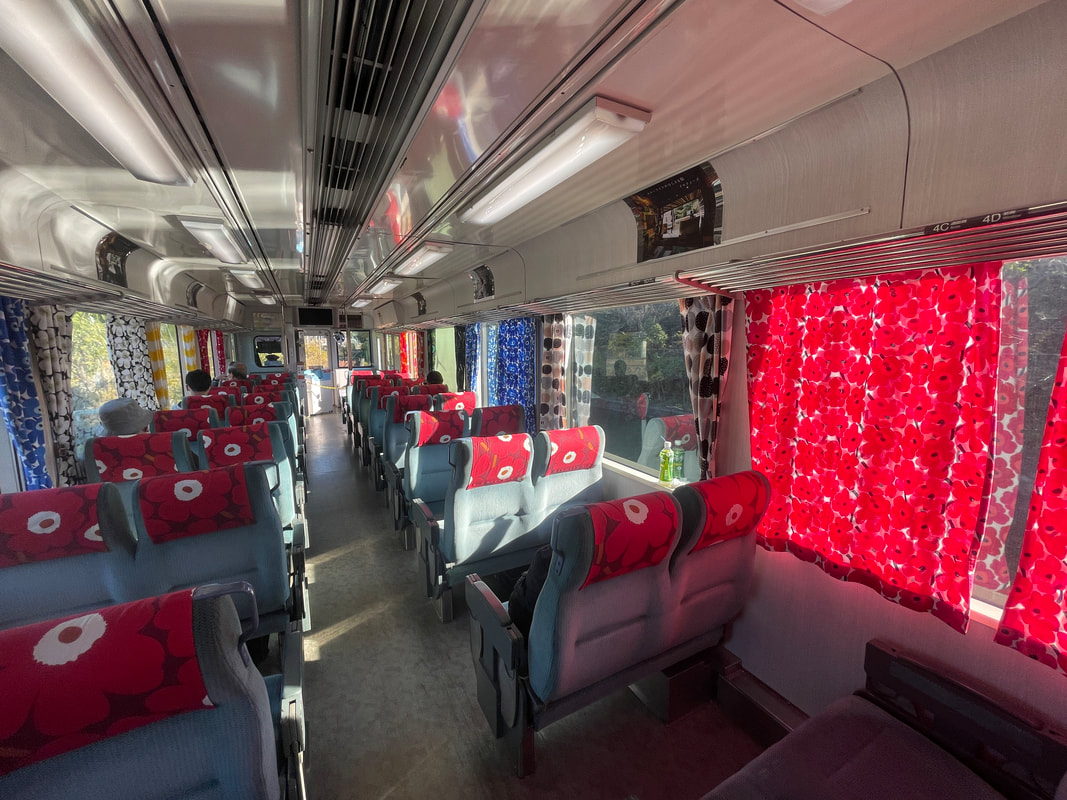
The next part of the pilgrimage followed another heroine, Nadeshiko, onto the train. I boarded at seagull-filled Hamanako-Sakume Station and traveled to Kiga. Unfortunately, the taiko-mochi shop featured in the anime was closed, so I had to leave disappointed.
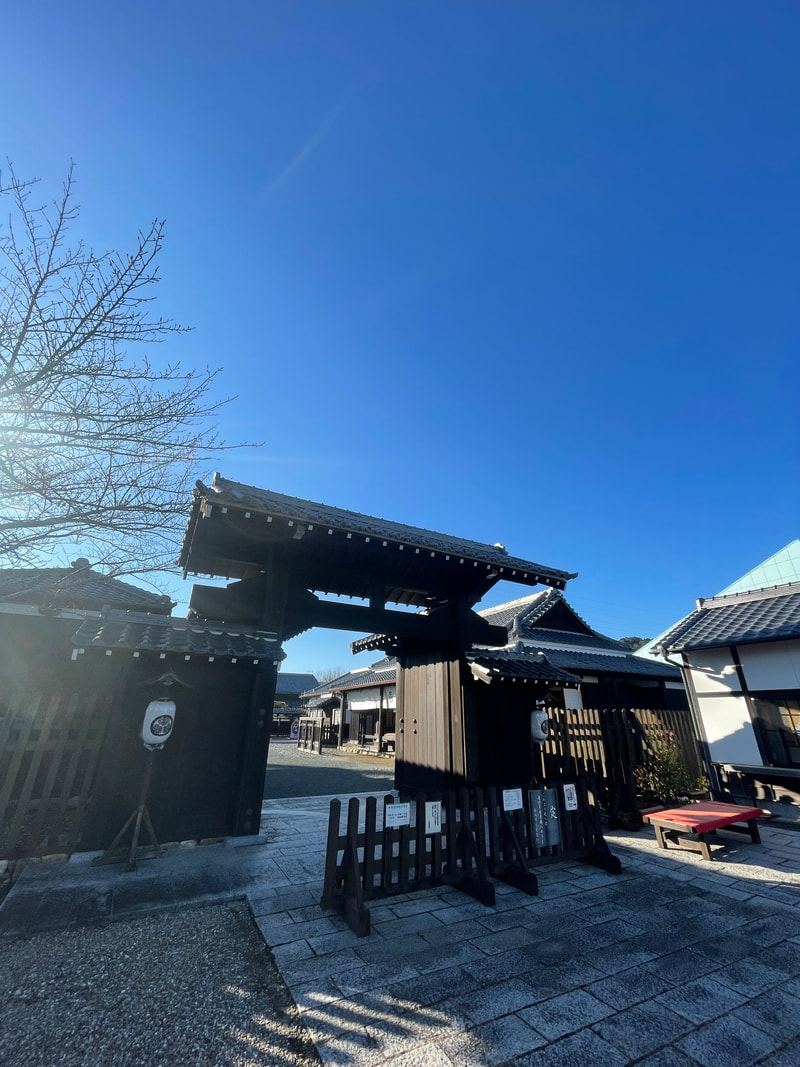
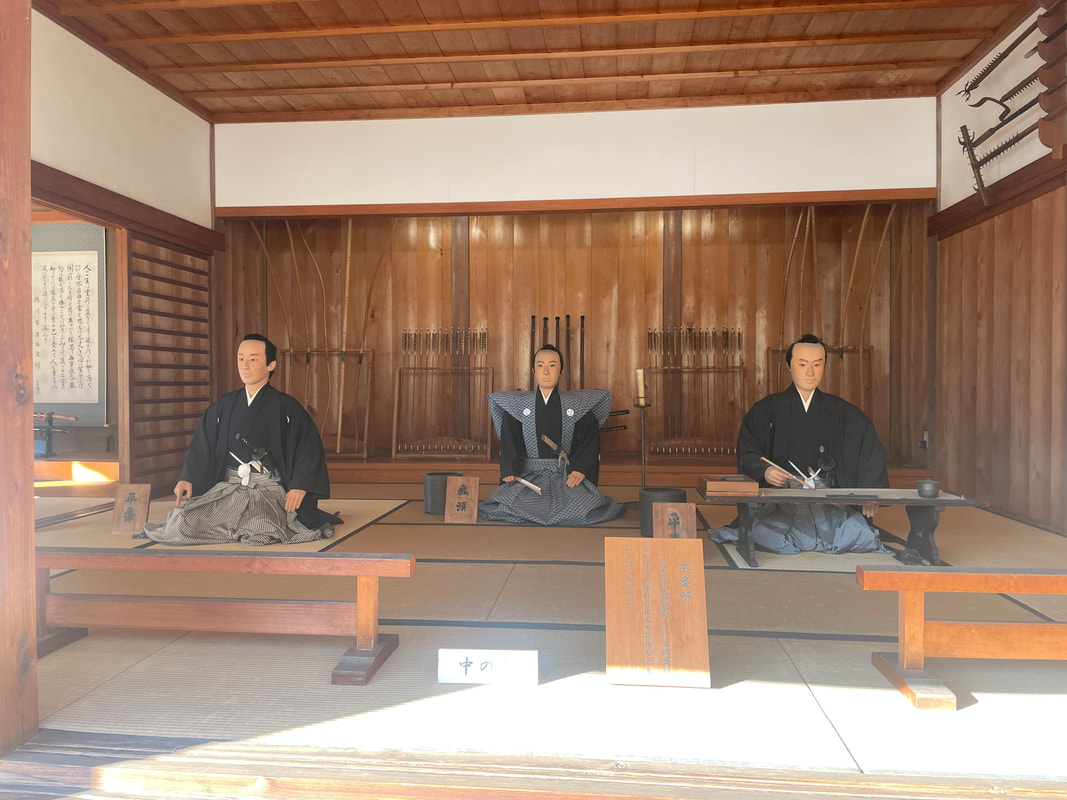
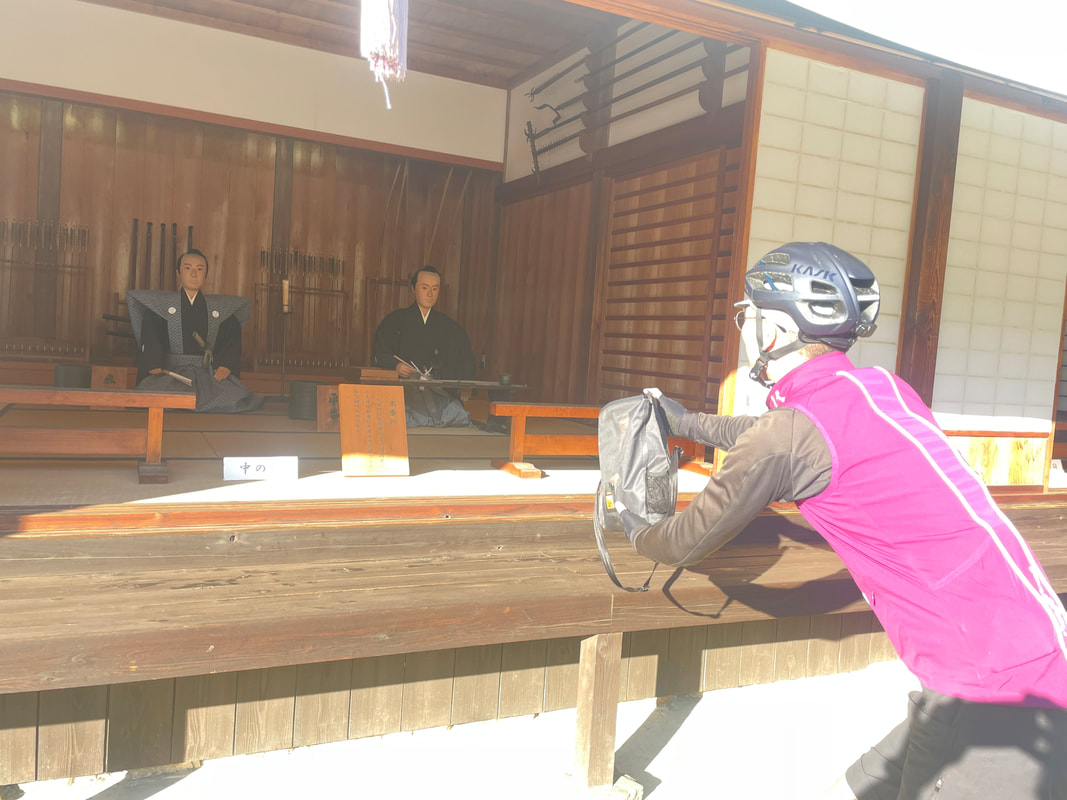
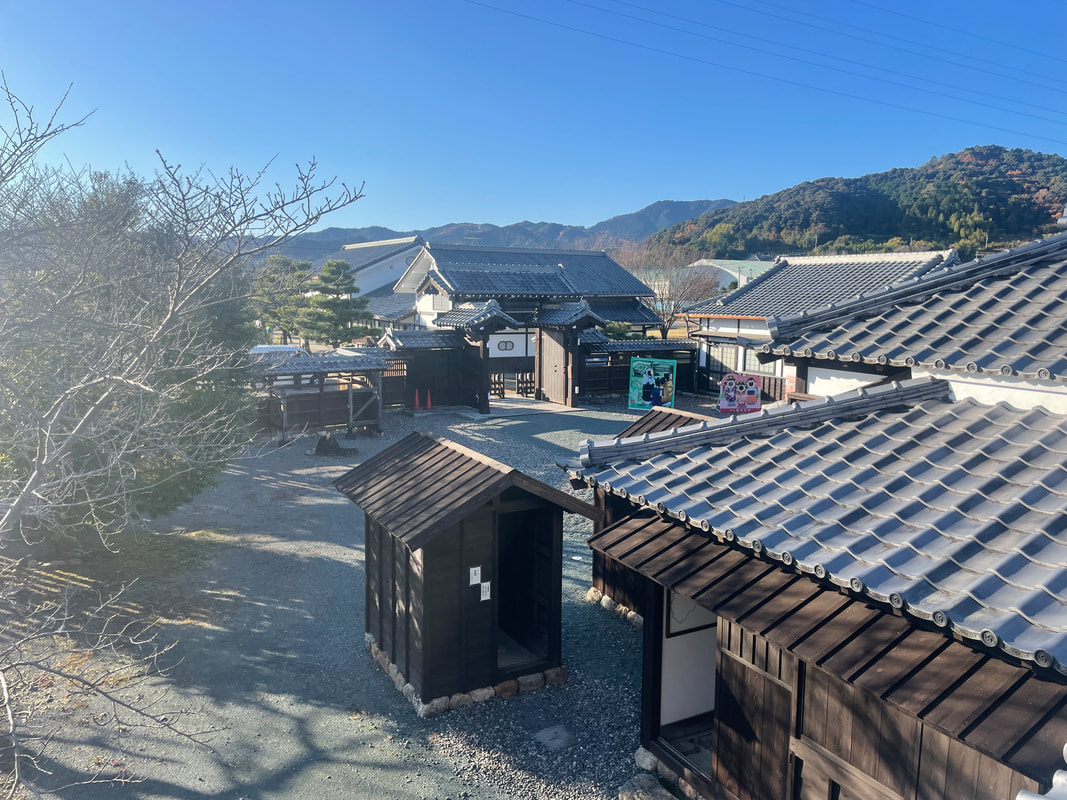
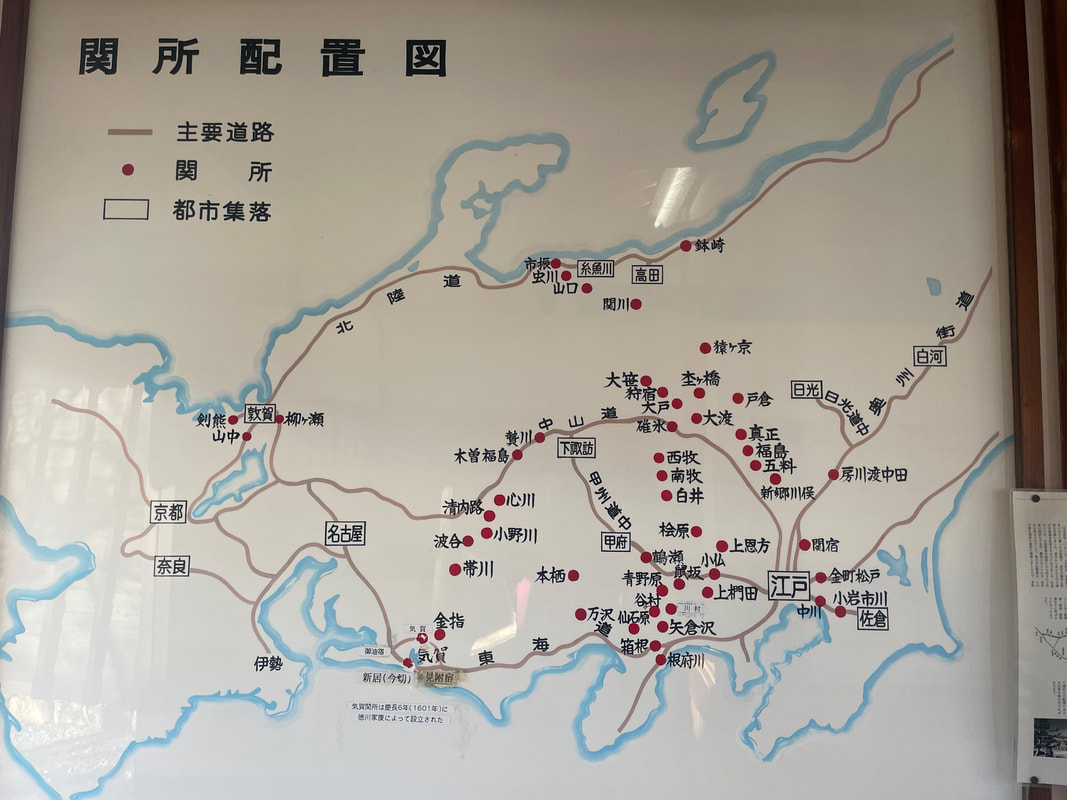
Kiga also has a historic checkpoint associated with the Tokaido route. I learned about inspections for prohibited goods and the Edo-period principle often summarized as “guns entering, women leaving.”
The explanation I encountered was that bringing firearms into Edo, now Tokyo, was controlled because the government feared rebellion. Women leaving also faced strict identity and travel checks. Wives and daughters of regional lords stayed in Edo as part of the system used to secure those lords’ loyalty, and restrictions sought to prevent them from escaping back to their home domains. As a result, men generally found passage easier than women.
According to the historical account presented there, permits for an Ise Shrine pilgrimage or hot-spring treatment could be easier to obtain. This reflected the respect given to the shrine and the importance attached to allowing sick or injured people to seek treatment in hot-spring towns.
The Appeal of an Anime Pilgrimage
After the checkpoint, the journey was drawing to a close. I got back on the pedals and headed home.
Traveling around locations from a story is a wonderful theme for a trip. You can see what the characters saw and experience a little of what they experienced, almost as if you have stepped into their world.
These places are often far from major tourist attractions. Sometimes they are no more than a small hill in the countryside, perhaps somewhere the creator grew up, a landscape from everyday life. They reveal a more ordinary and genuine Japan. They may not have huge crowds or monumental scenery, but they have warmth and a quiet simplicity.
Afterword: Nagoya Castle
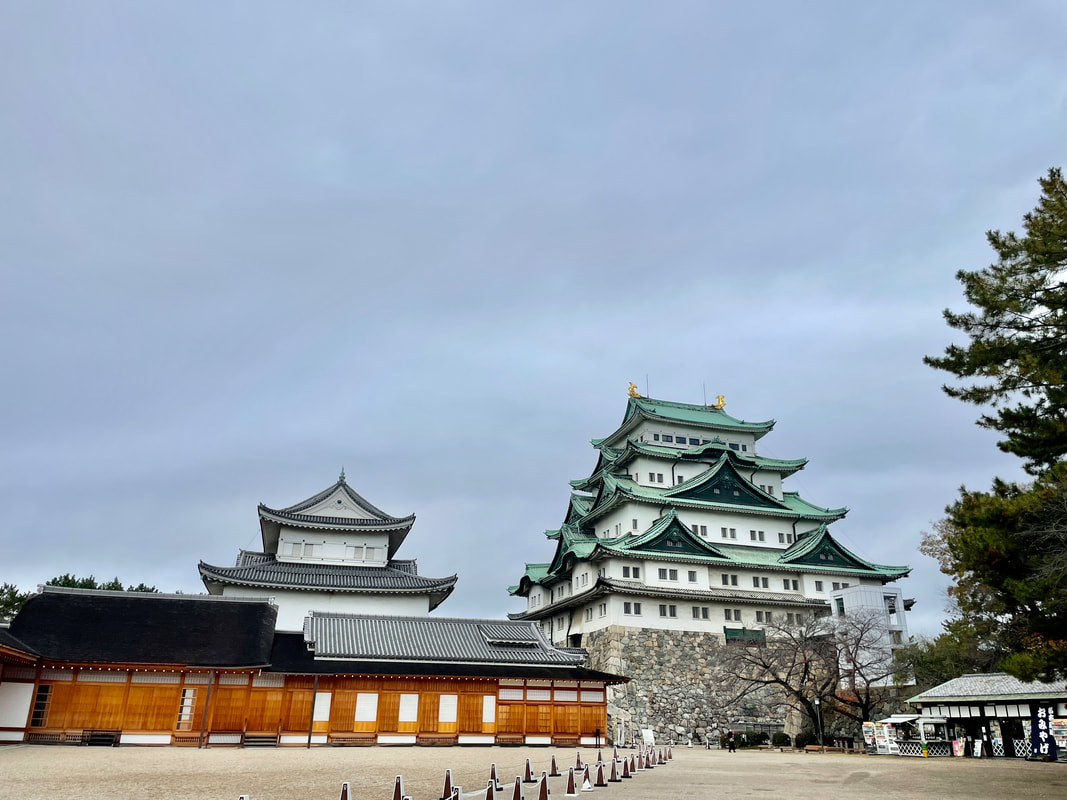
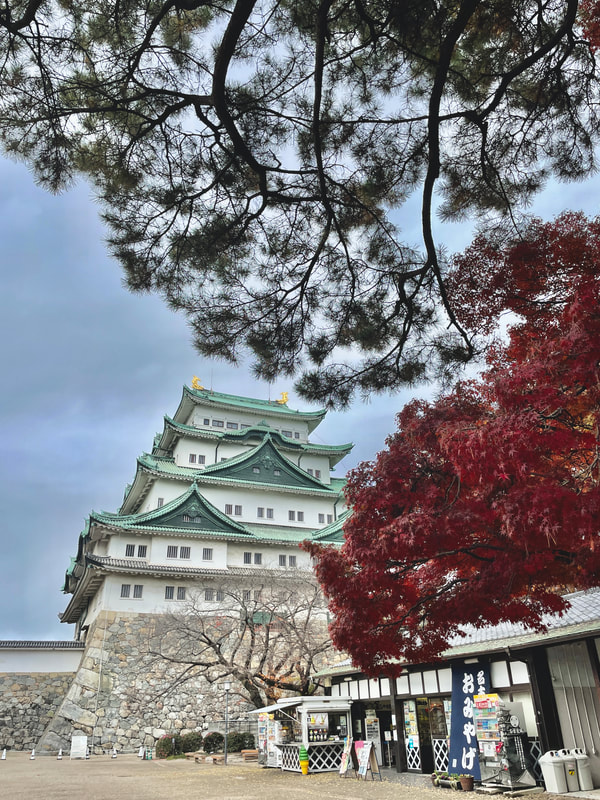
If you come to Nagoya, Nagoya Castle deserves a visit. My parents brought me there on my first trip to Japan, when I was two years old. They clearly thought it important that I see this Japanese castle, though my only surviving memory from that trip is of a department-store toy shop.
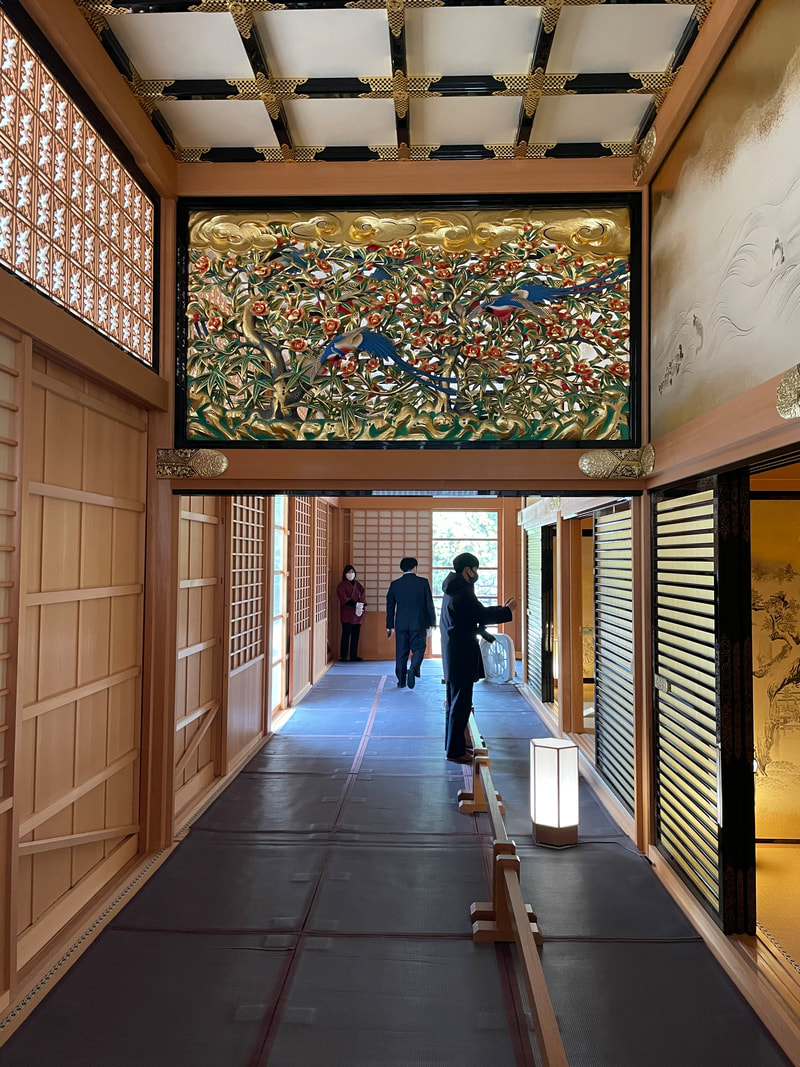
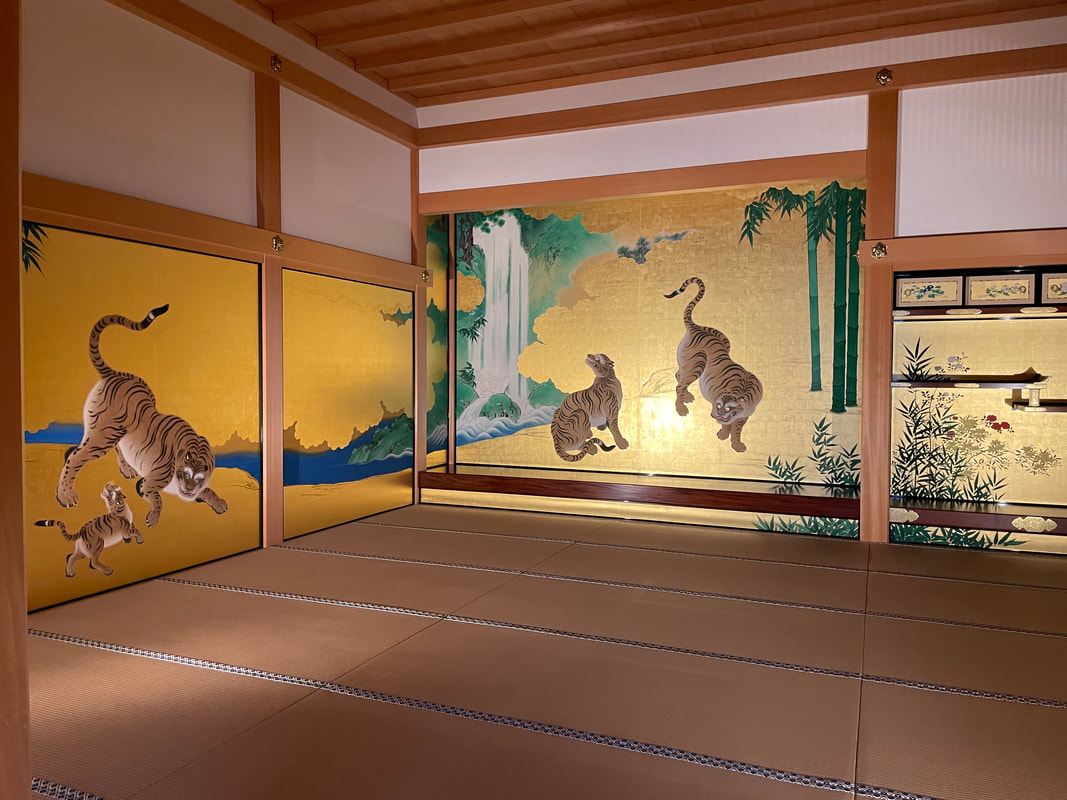
Nagoya Castle was built as a defensive base by Tokugawa Ieyasu, the first shogun of the Edo shogunate. The Honmaru Palace, now open to visitors, served as a residence for his son and as a place of government administration. Everyday business did not take place in the high castle keep. That was associated with military preparedness; people did not normally climb all those stairs for their daily work.
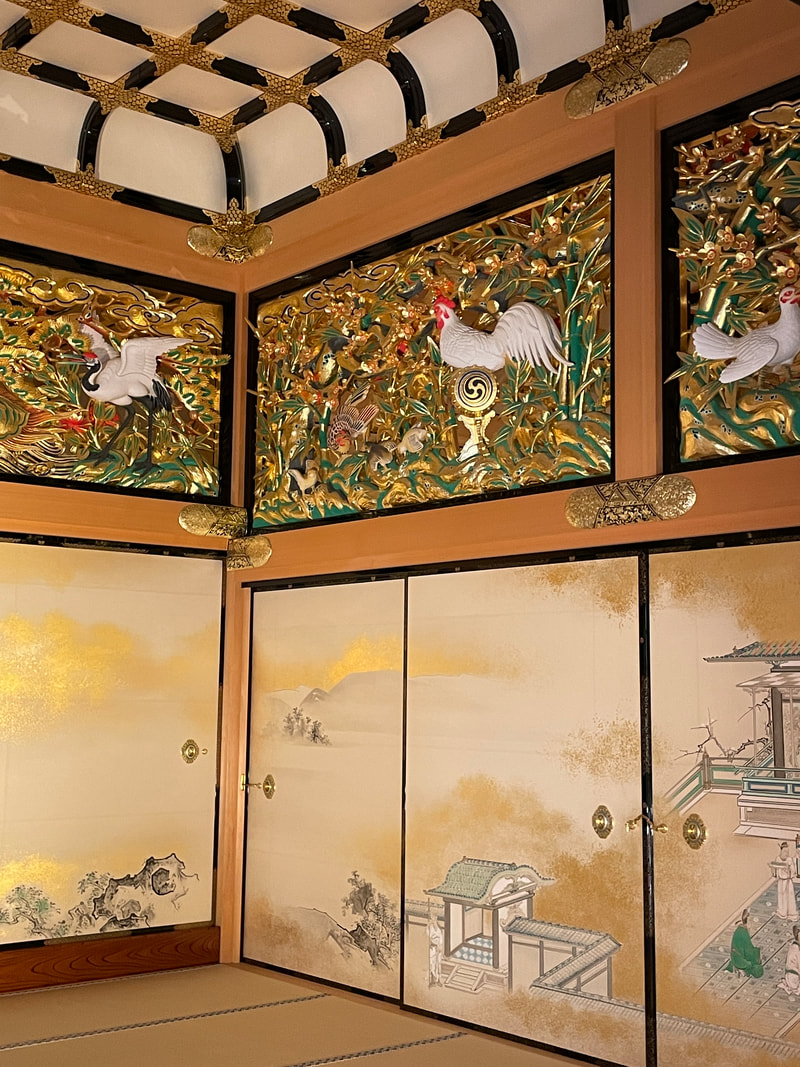
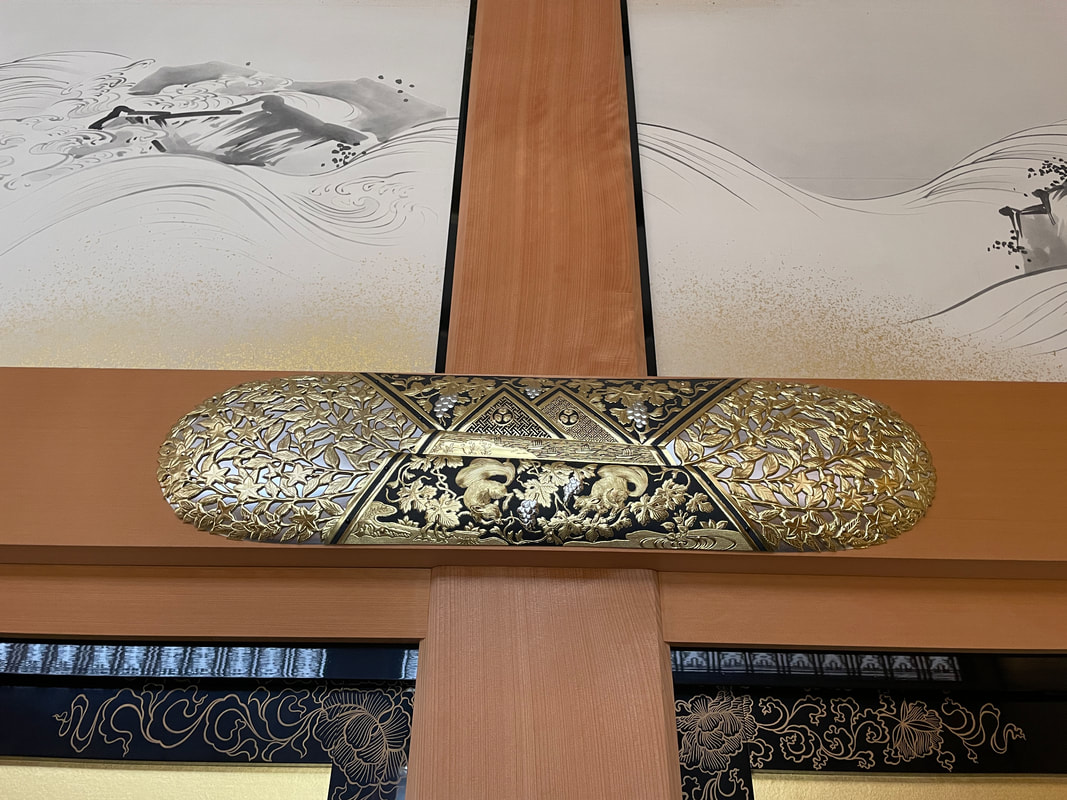
The original Honmaru Palace, completed in 1615, was filled with magnificent golden screens. Along with the castle structures and keep, it received an early National Treasure designation, and later additions made it still more lavish for shogunal visits. Sadly, it was destroyed in an air raid.
The present palace was reconstructed using well-preserved Edo-period plans. Some screen panels remain blank because the records needed to reproduce their paintings did not survive. I found that choice interesting: rather than inventing something new, the reconstruction leaves those spaces empty in the interest of faithfully representing what is known.
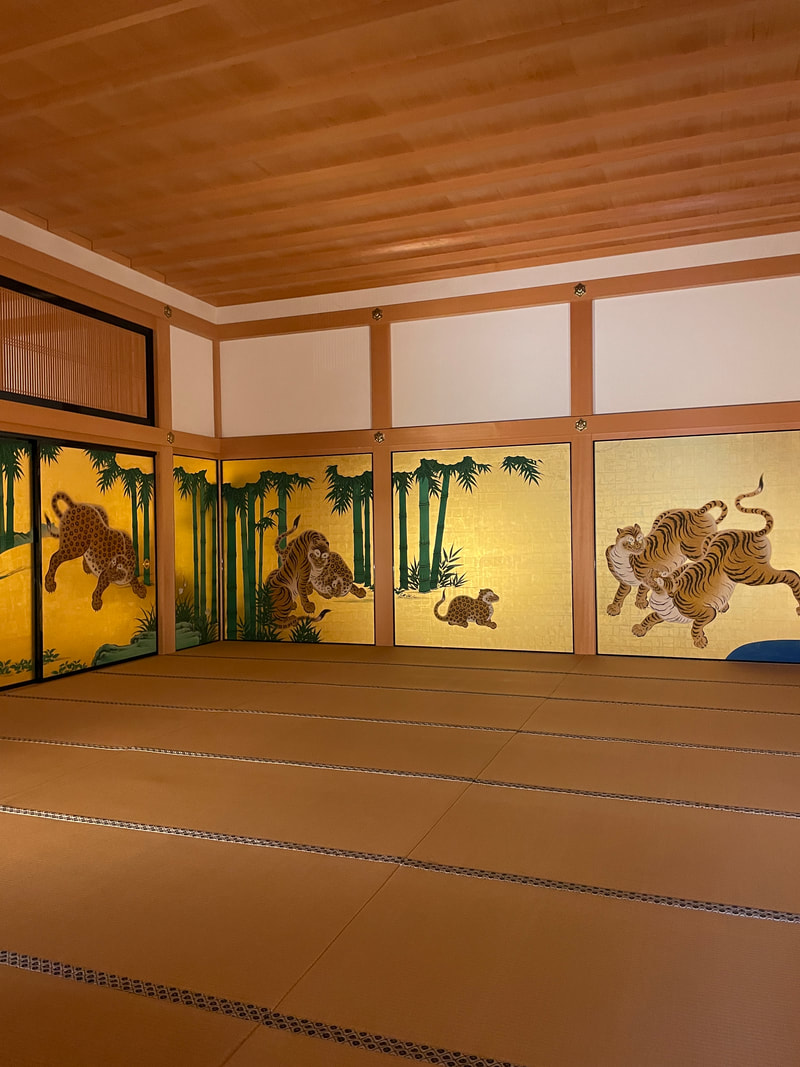
Of all the glittering screens, my favorites depicted tigers and leopards. People in Japan at the time had not seen these animals firsthand and knew them from pictures. They understood them as the male and female of the same species: the tiger male and the leopard female. The result was an unexpected family portrait, with tigers and leopards raising little leopards together. I found it delightful.
If you enjoy history and castles, I recommend visiting Nagoya Castle.
Bikepacking diary: YouTube · Facebook · Instagram
The author’s bikepacking bags: WOHO