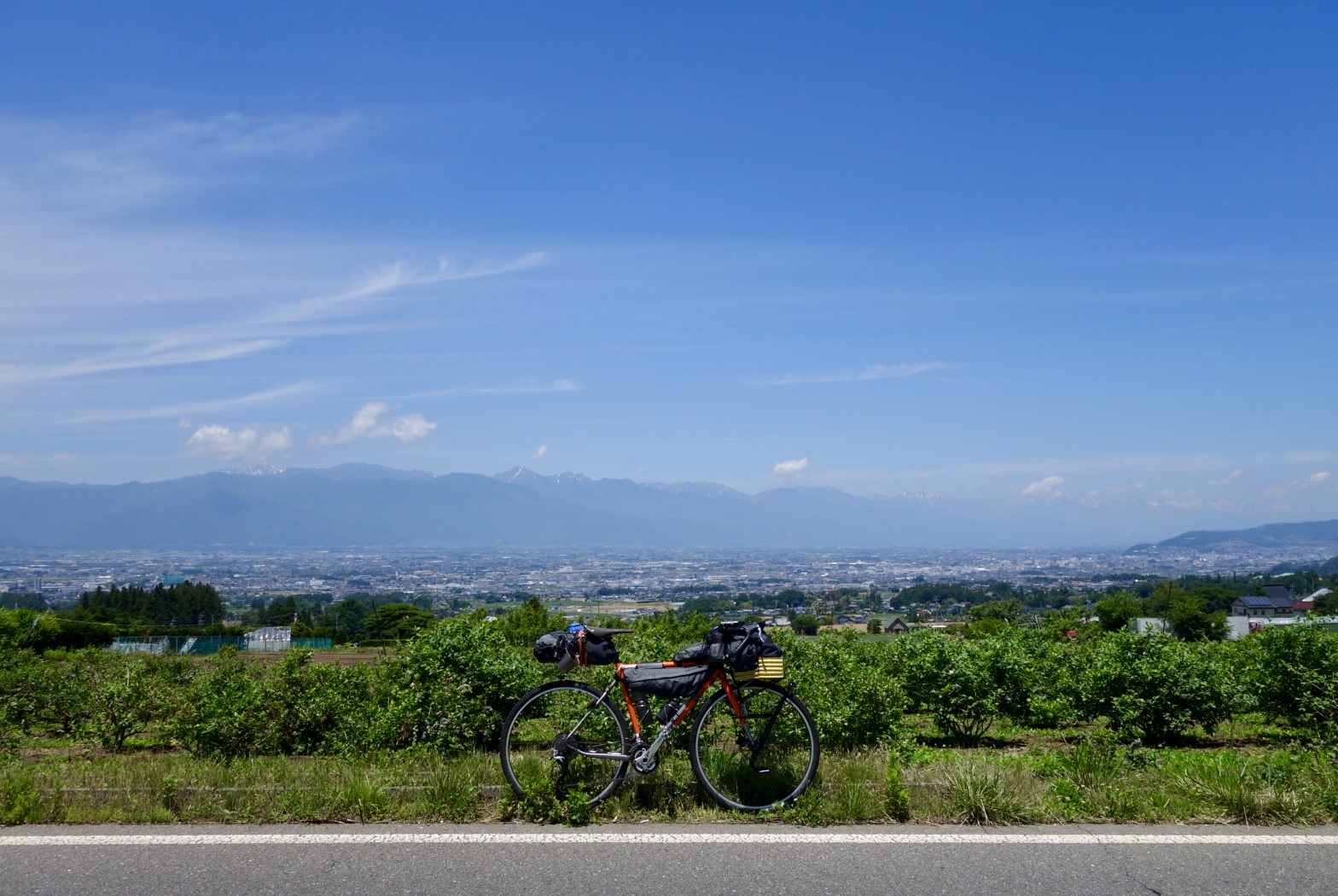
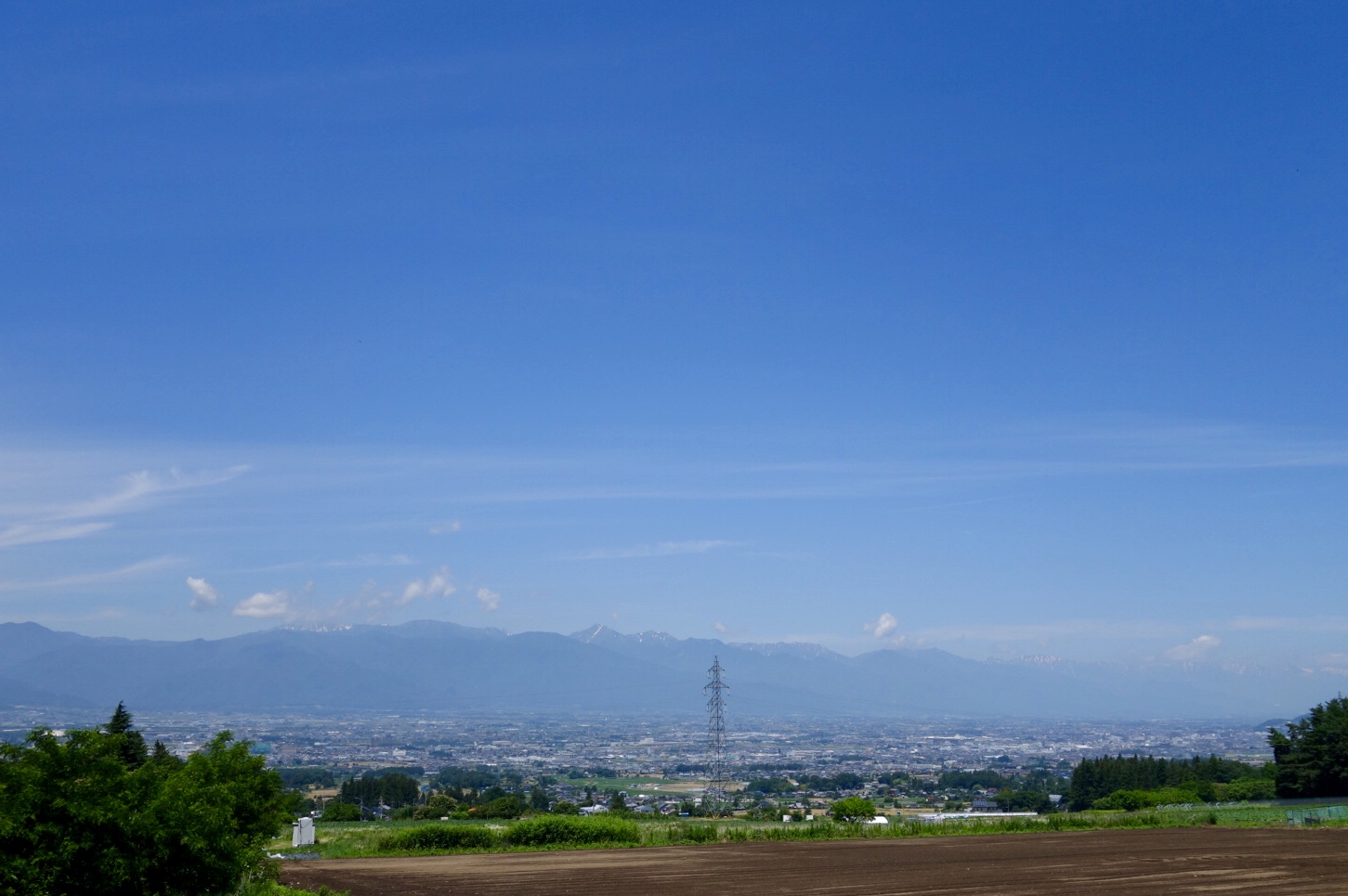
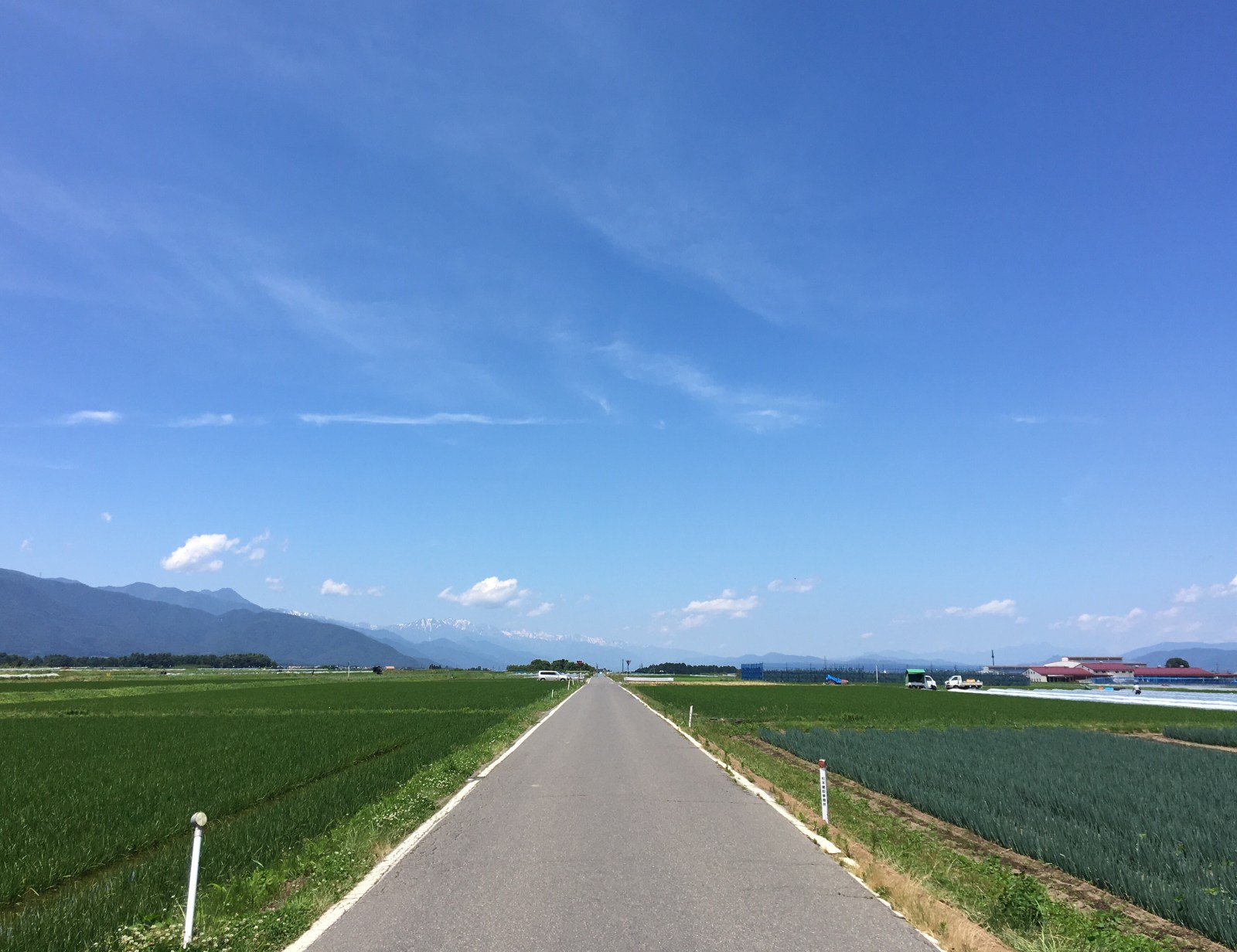
Takabocchi Highlands | Bikepacking for a Distant View of Mount Fuji
Translated from Bikepacking diary’s original Takabocchi article, published on November 15, 2018, and republished by arrangement with the author. Photographs are linked directly from the original website.
Editor’s note: This is a historical personal account, not a current access or camping guide. In particular, the original describes conflicting messages about camping permission; neither the author’s overnight stay nor the absence of an objection establishes authorization. Check current official access and camping arrangements, use permitted sites and follow posted restrictions. Name-origin stories below reflect what the author found at the time, not independently verified history.
A Curious Name on a Familiar Road
One of the greatest things about living in Nagano is the seemingly endless supply of mountains to climb.
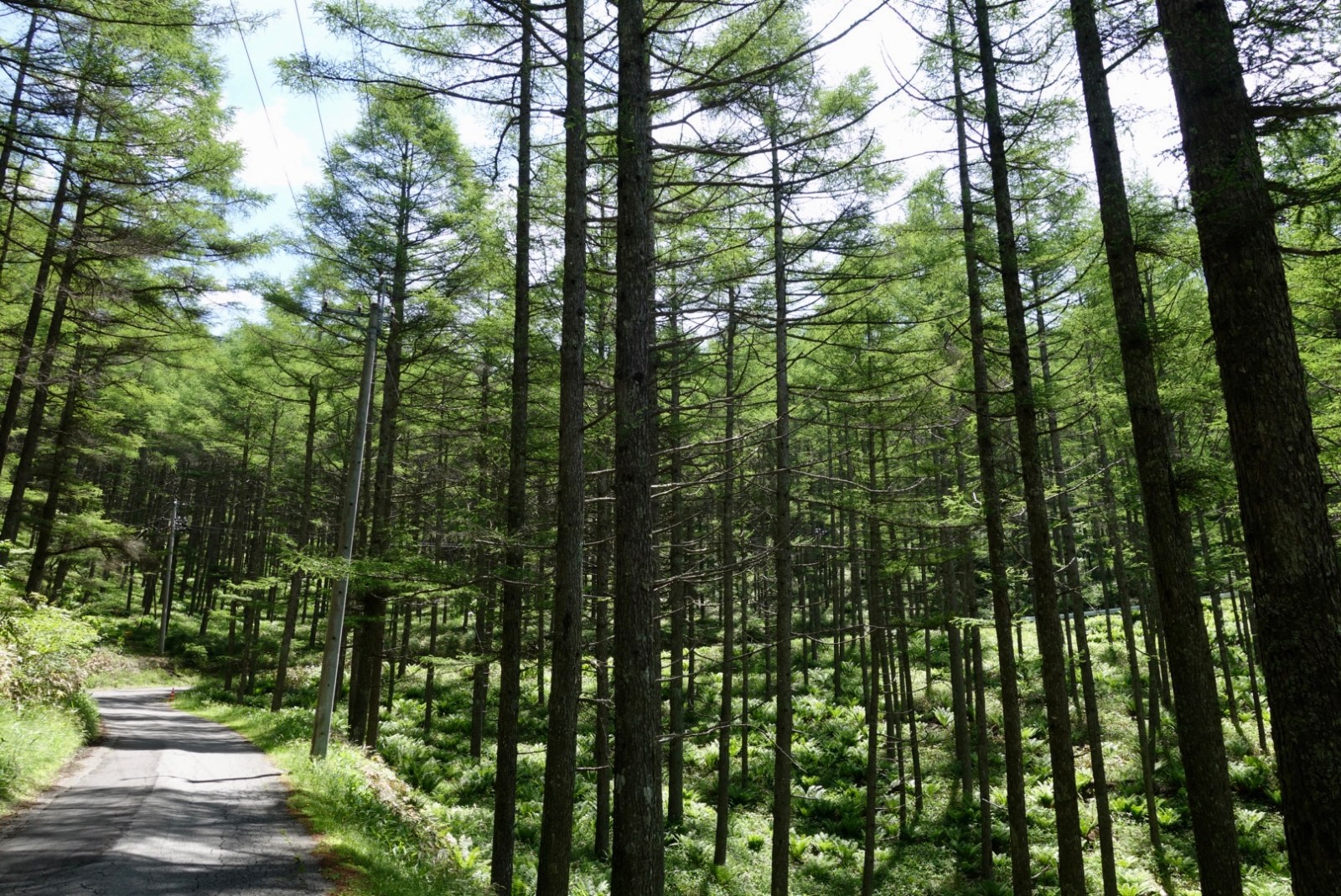
Takabocchi, a highland area rising above 1,600 meters near the boundary between Matsumoto and Suwa, first caught my attention because of its unusual name. It did not sound particularly Japanese to me.
The entrance lay beside the road I often rode between Matsumoto and Suwa. Every time I passed, that name appeared again.
Searching online, I could not find a clear explanation of its origin. One account suggested it had been named by surveyors. I found little about its earlier history beyond references to use as a police training area.
Then I looked at the photographs.
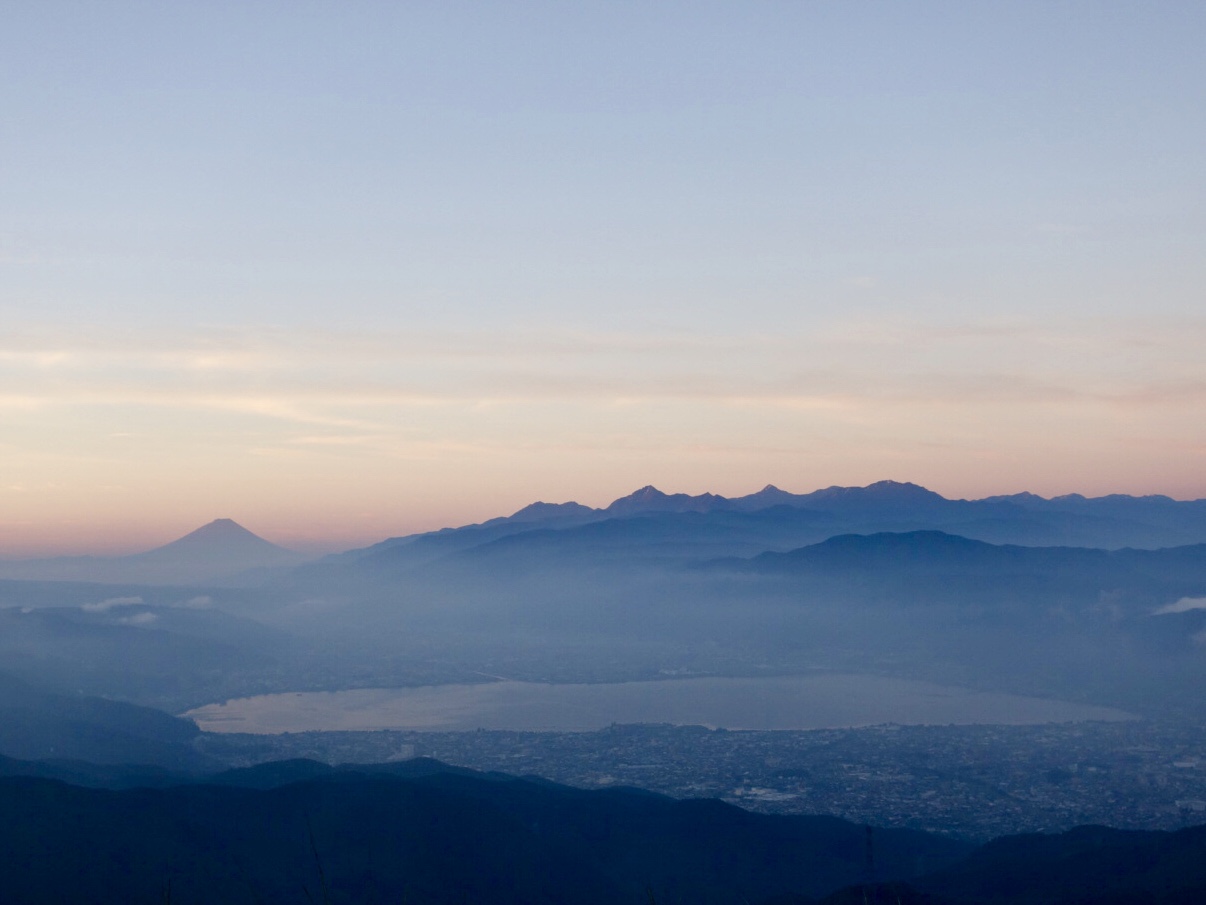
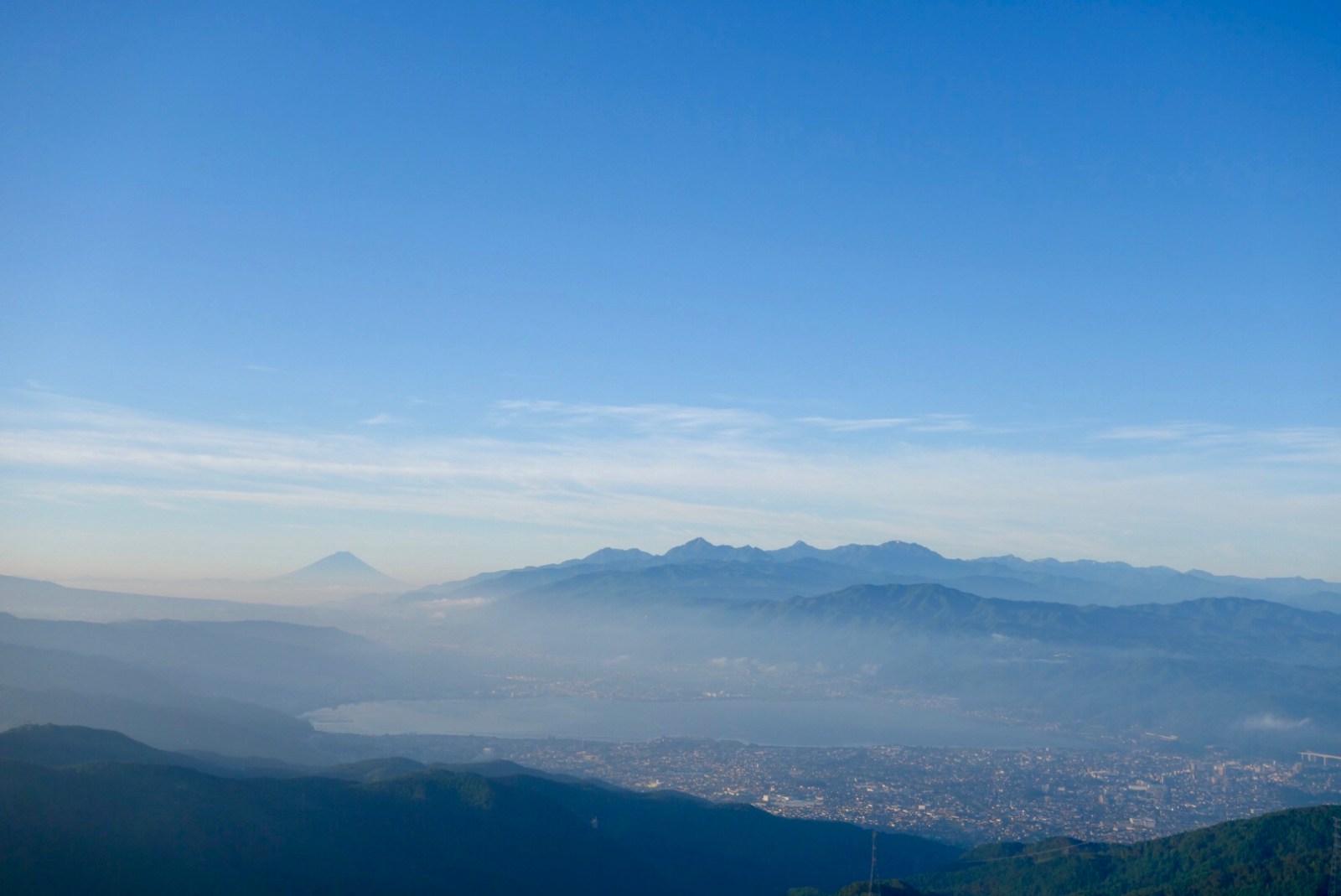
From Takabocchi, Lake Suwa spread out below, with Mount Fuji rising beyond it. Fuji, Japan’s unmistakable mountain, right behind the lake.
That was enough. I decided I had to make time to go.
A Short Climb That Would Make Me Work
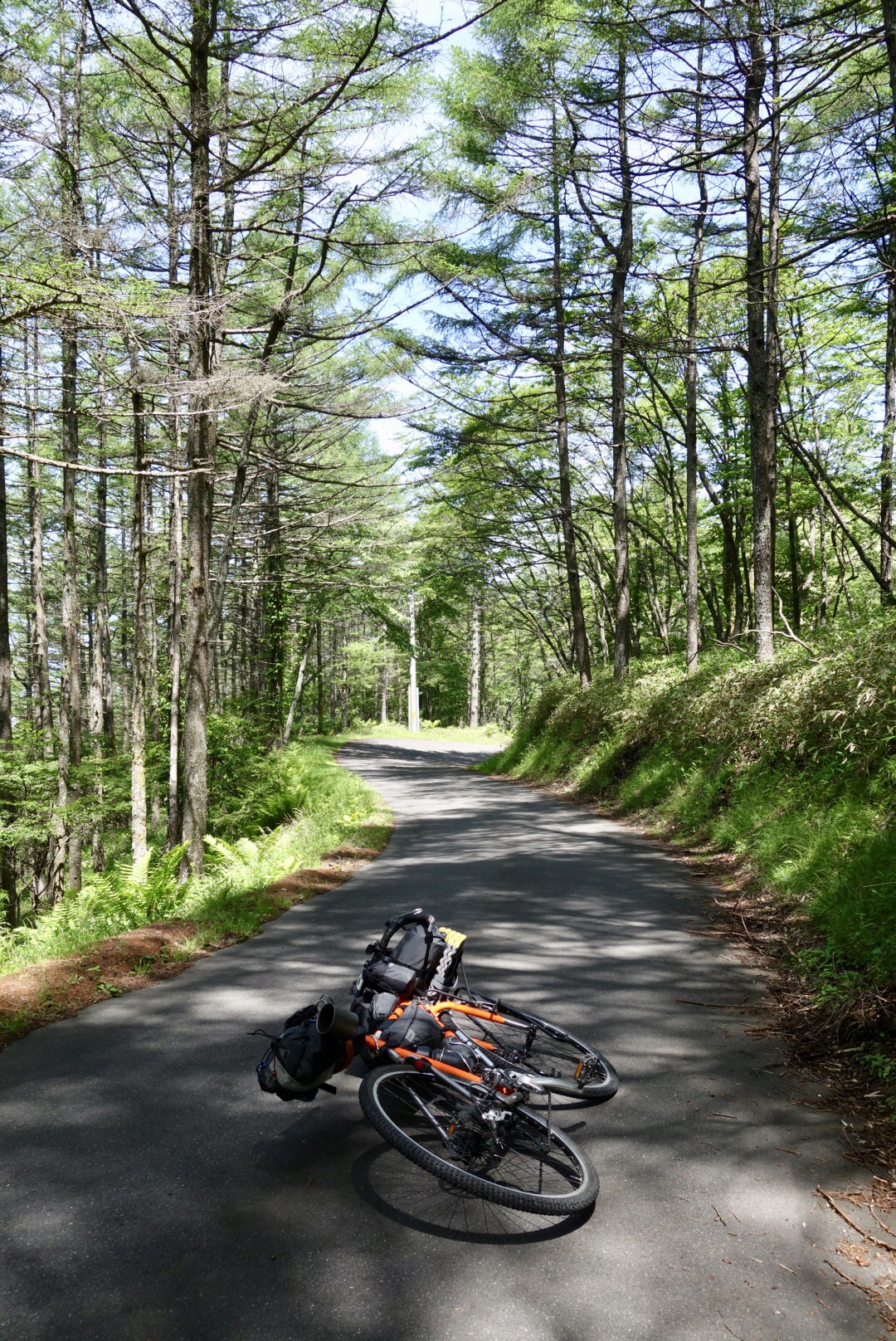
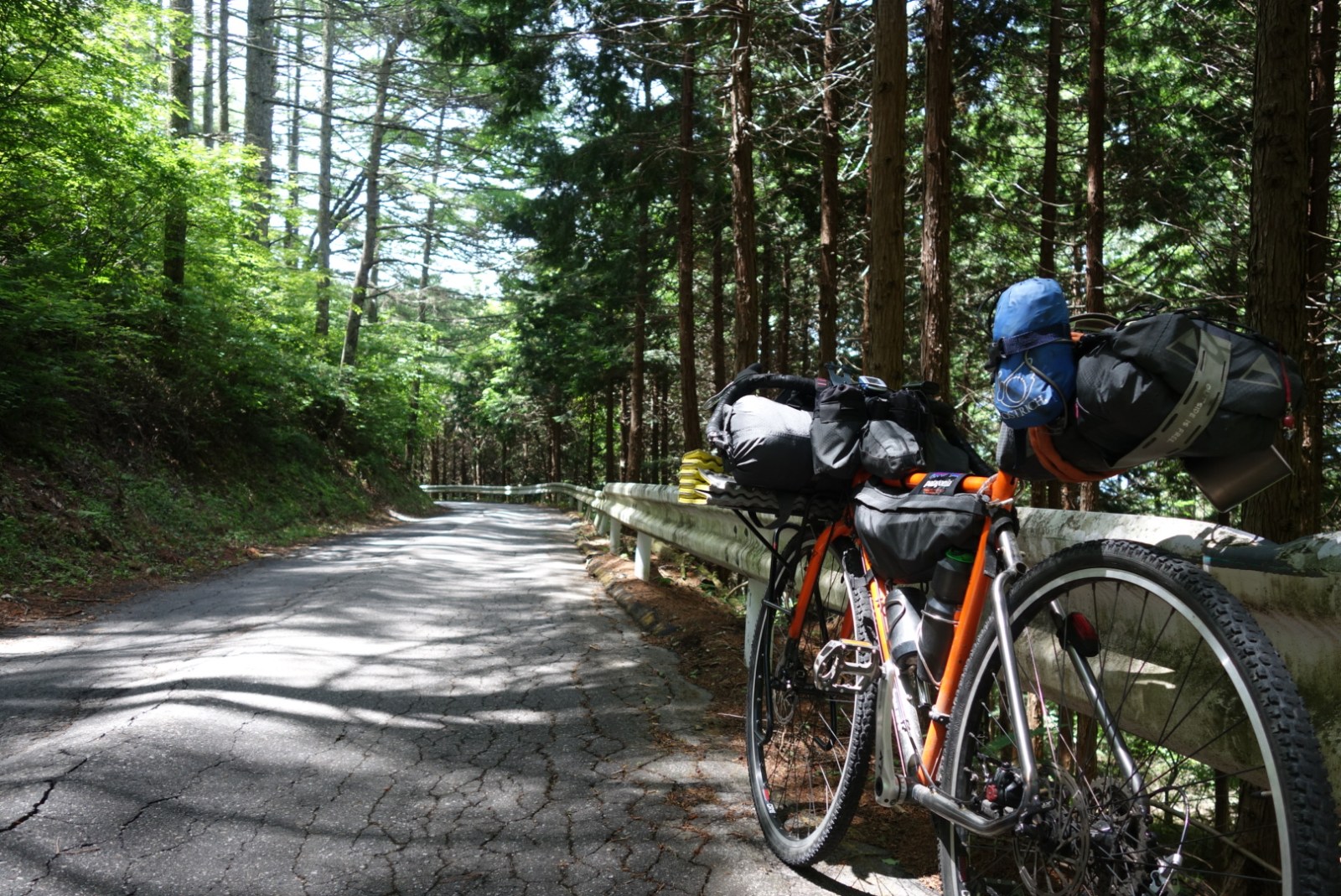
Takabocchi was close enough to my workplace, Guesthouse Raicho, to reach in a day. The challenge was the final ascent: about 8.5 kilometers gaining nearly 700 meters, an average gradient of more than eight percent.
Why did I keep choosing roads like this to torment myself?
Still, as the saying goes, plum blossoms do not release their fragrance without first enduring the cold. Beautiful views so often hide in the mountains. A little effort was part of the bargain.
Setting Out beneath Dark Clouds
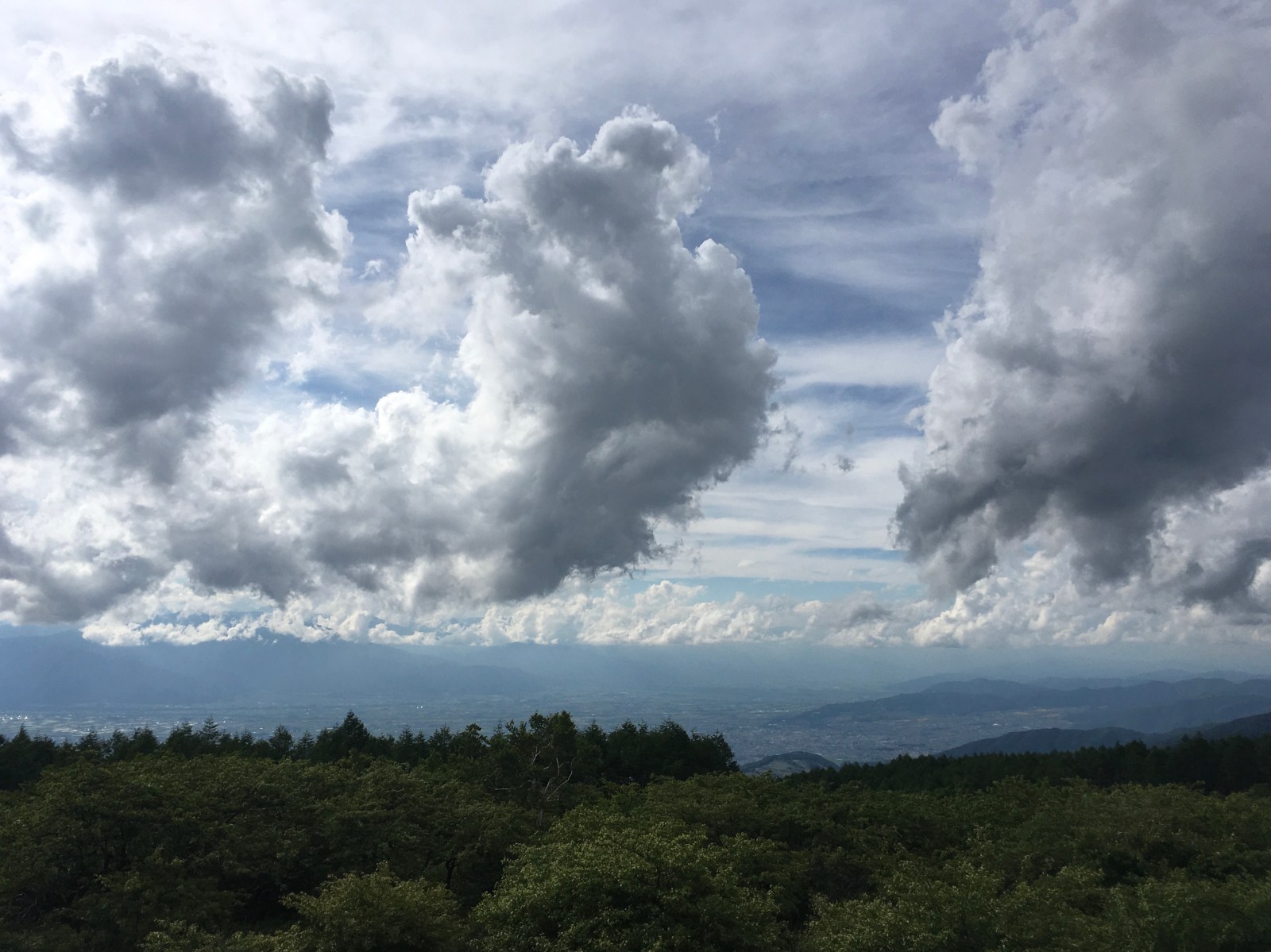
On a day off from Raicho, heavy clouds hung overhead, but the forecast promised better weather the following day. I set off beneath that dark sky.
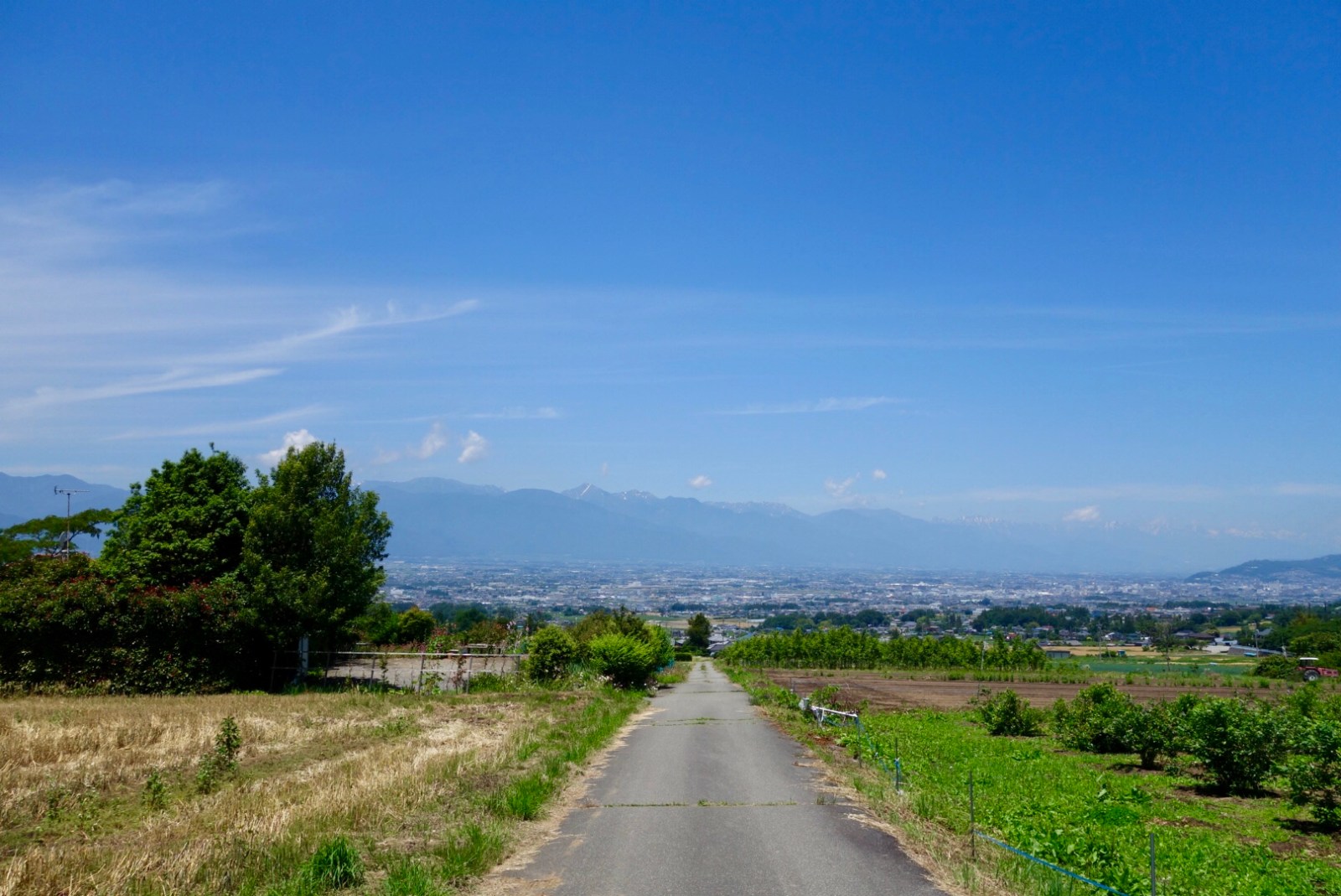
Familiar scenery slipped past along the Matsumoto–Suwa road, a route I had ridden more times than I could remember.
Shortly before the city boundary, I reached the Takabocchi turnoff. For the first time, I would follow the unknown mountain road beyond it.
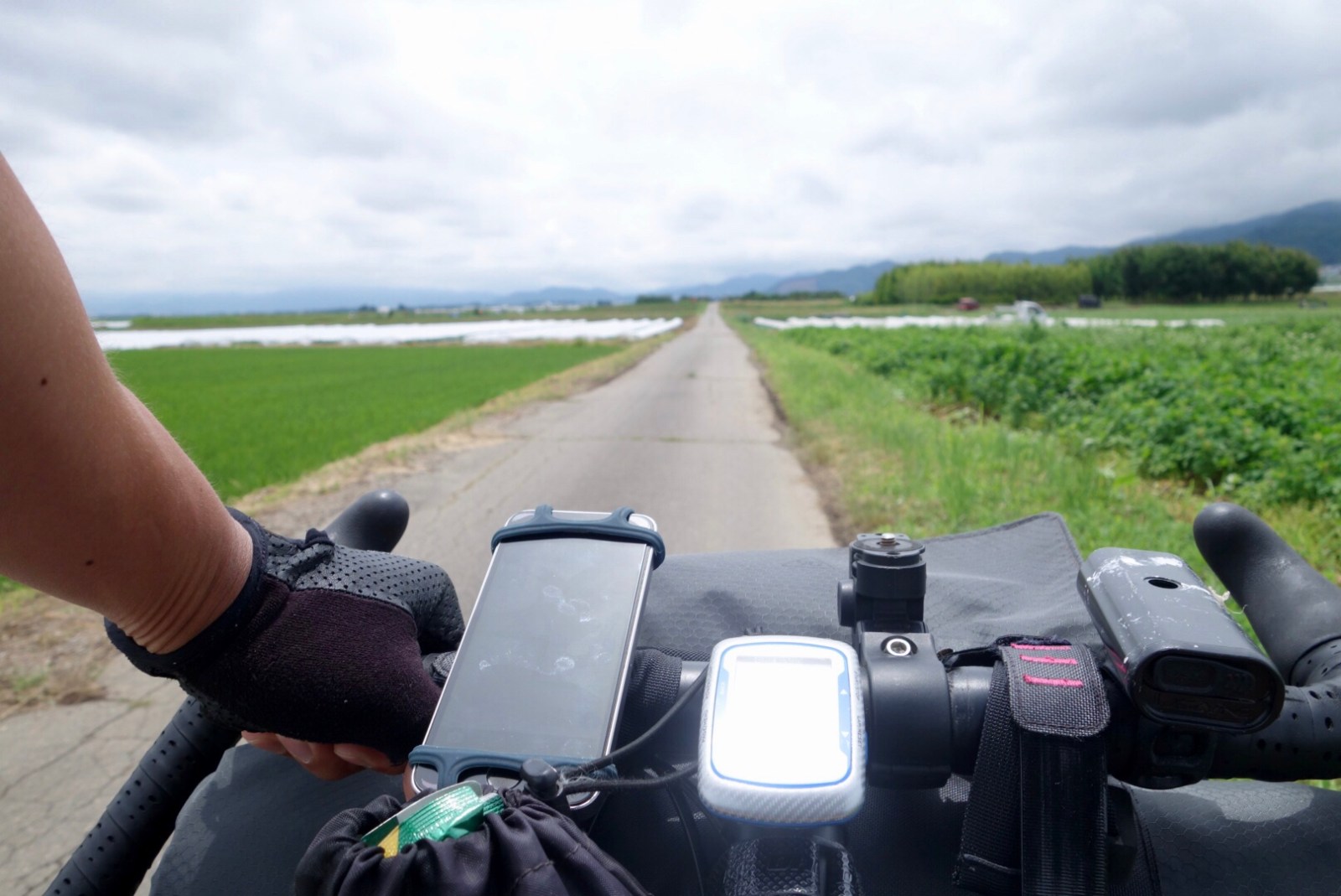
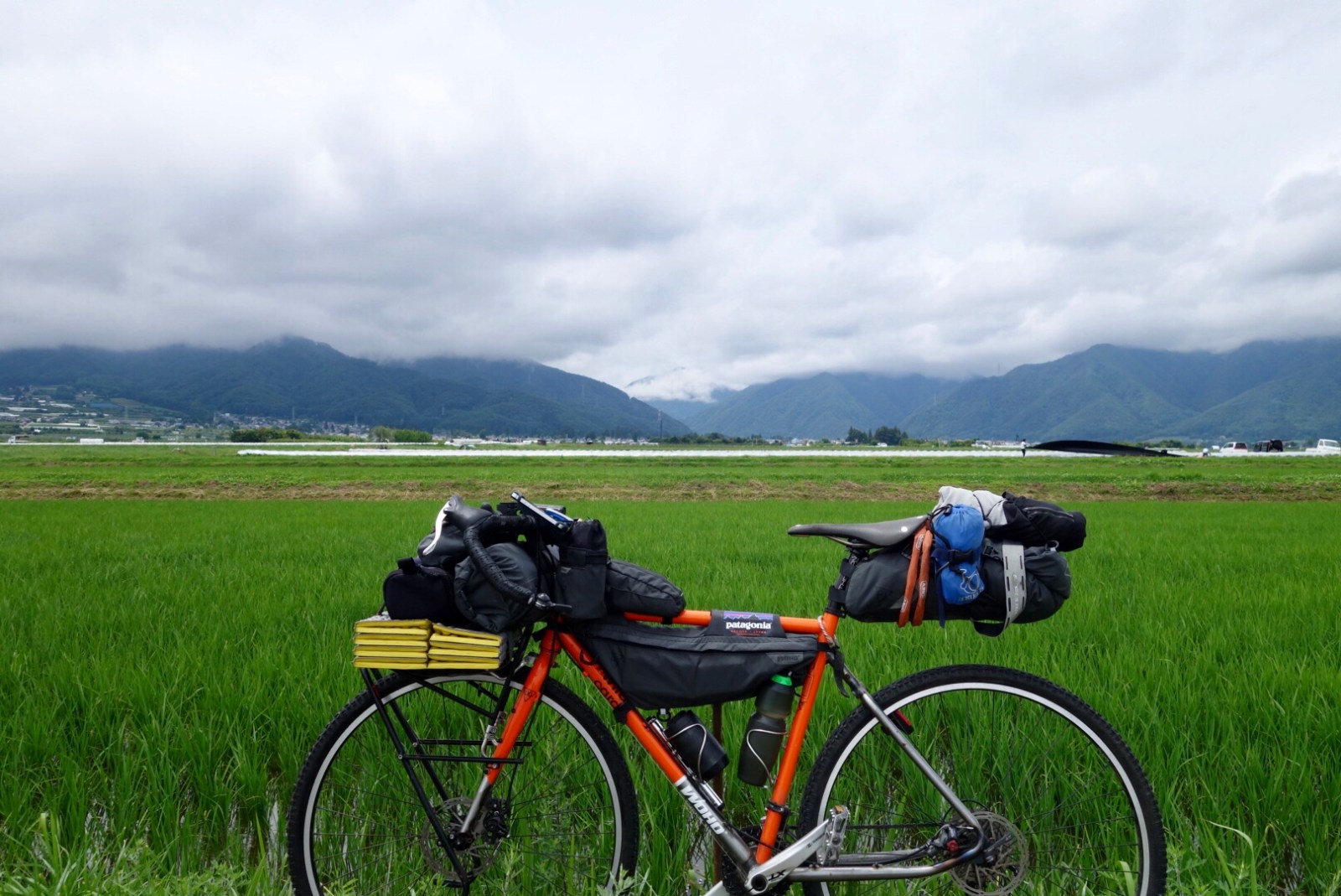
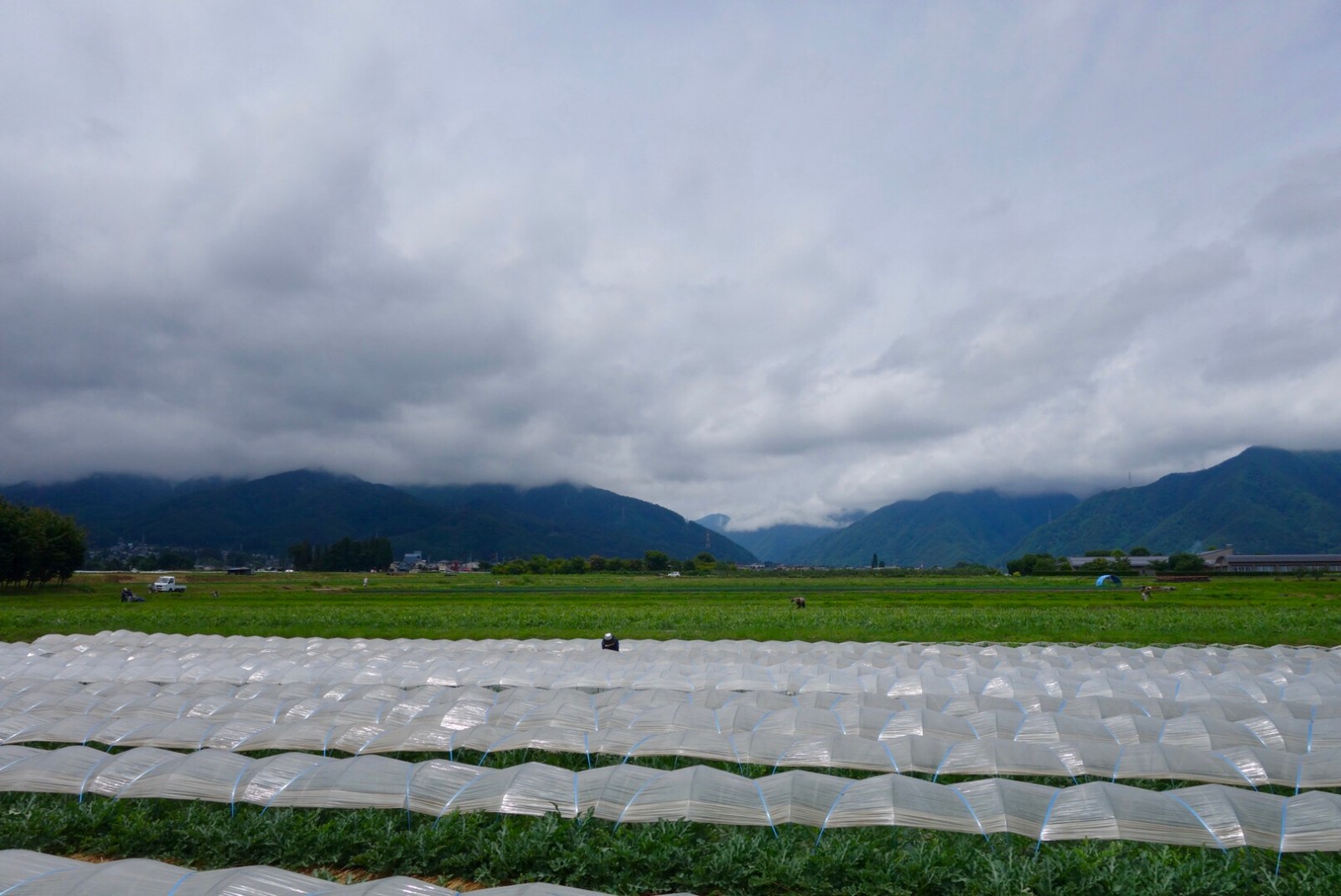
The gradient made its presence felt immediately. I failed to change gear quickly enough and had to get off.
At a flatter spot, I sorted out the gearing and began climbing at a tortoise’s pace.
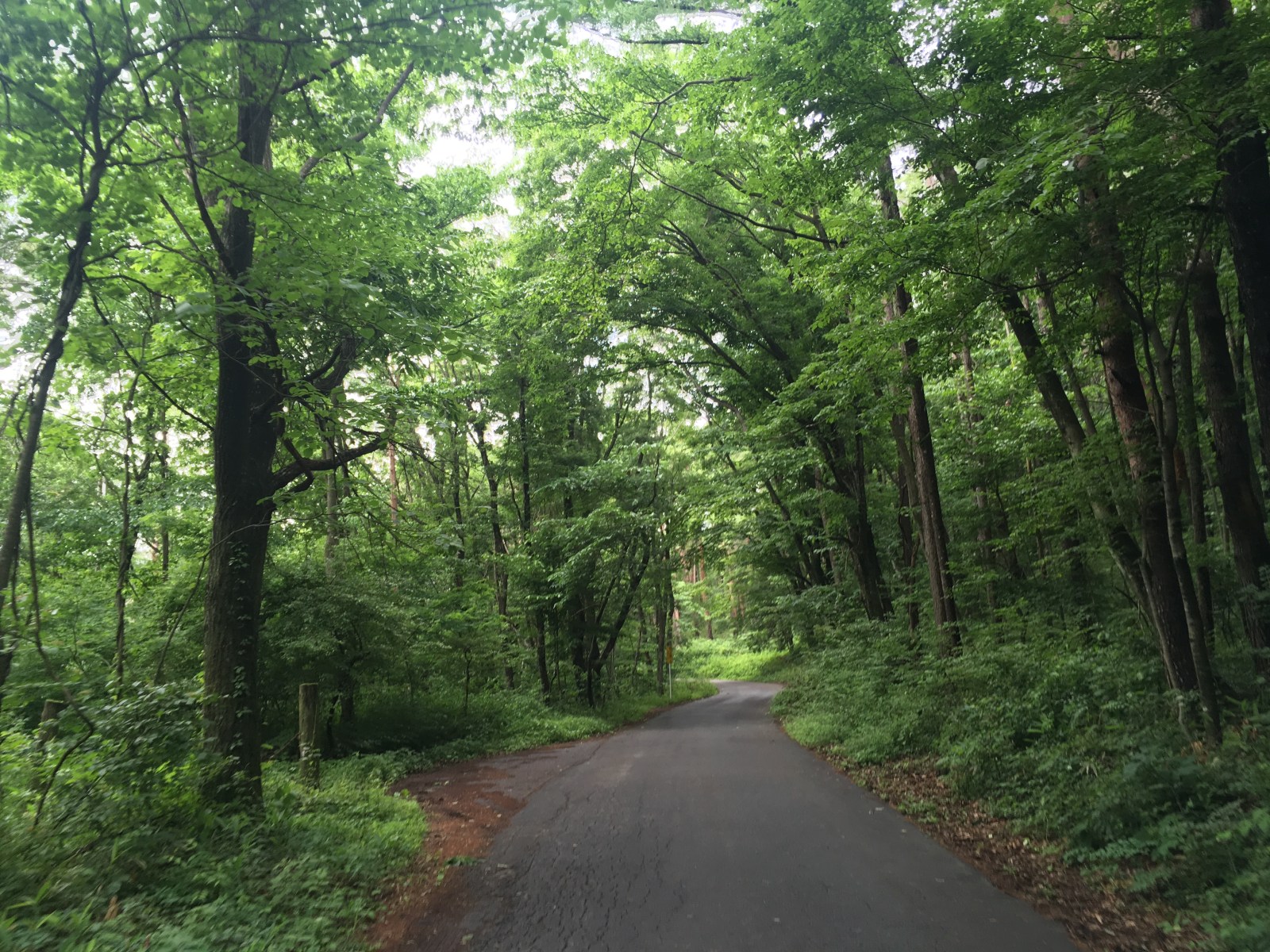
It was steep, but not especially long. Even riding slowly, I reached the highlands in about an hour.
An Unclear Welcome for Camping
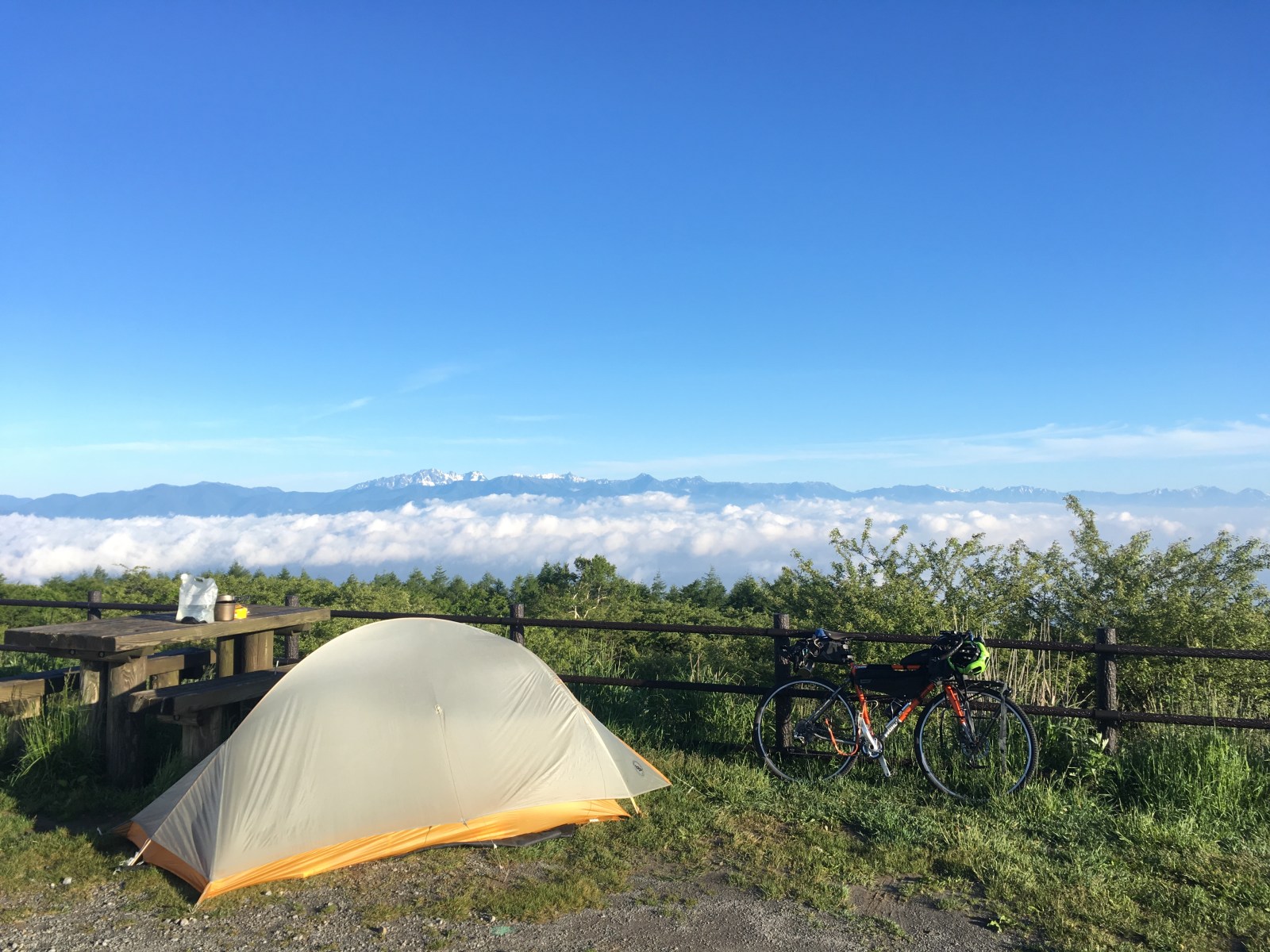
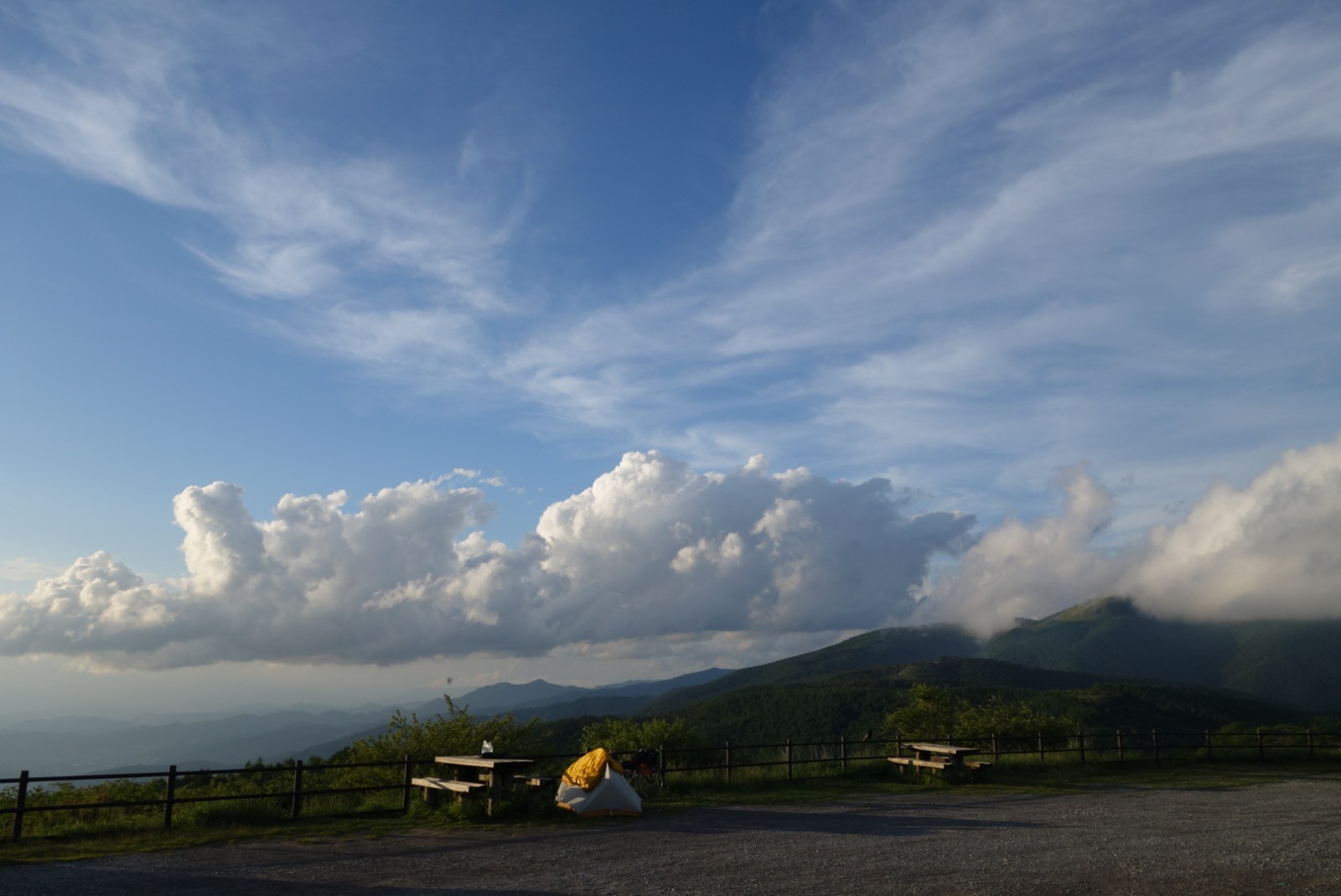
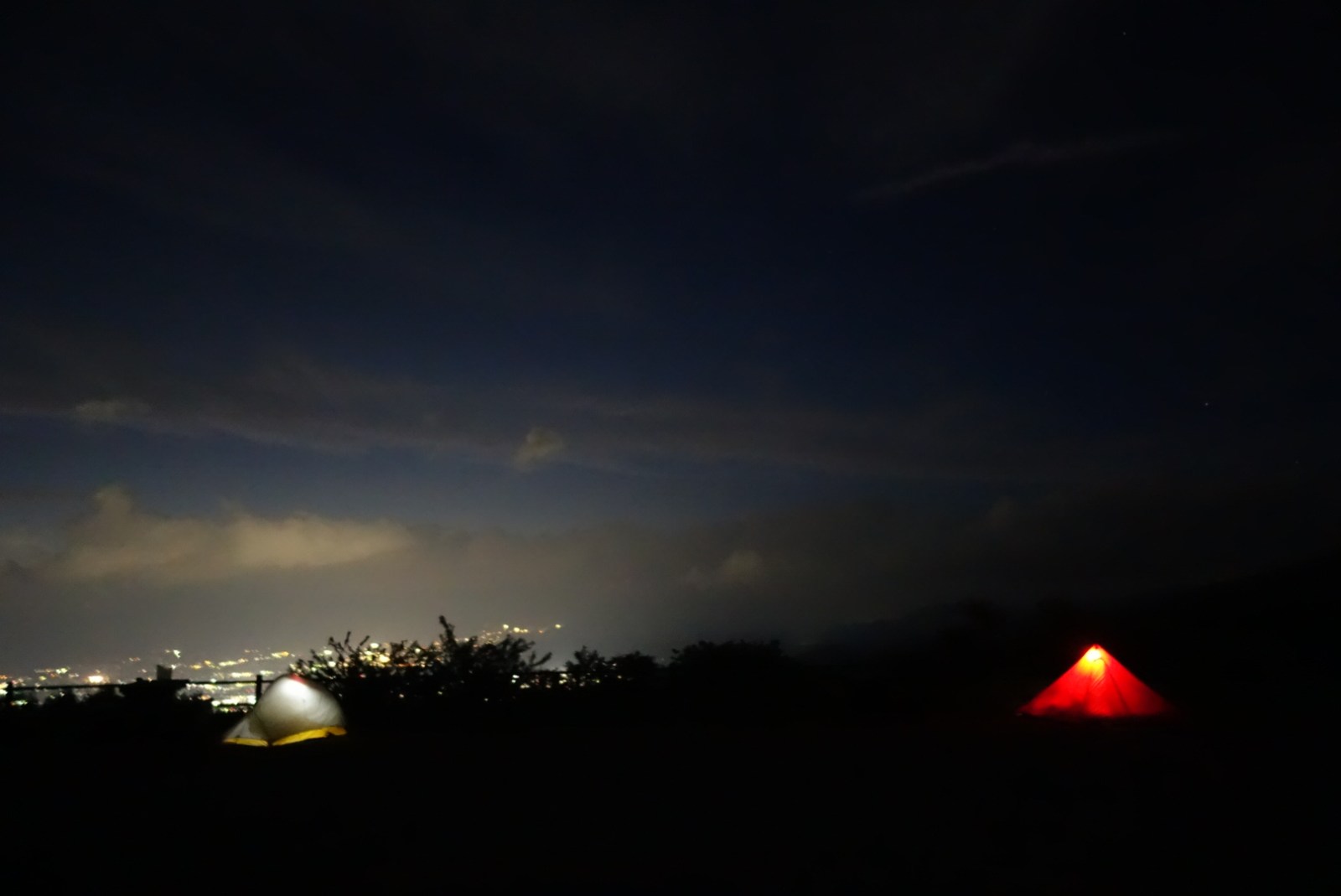
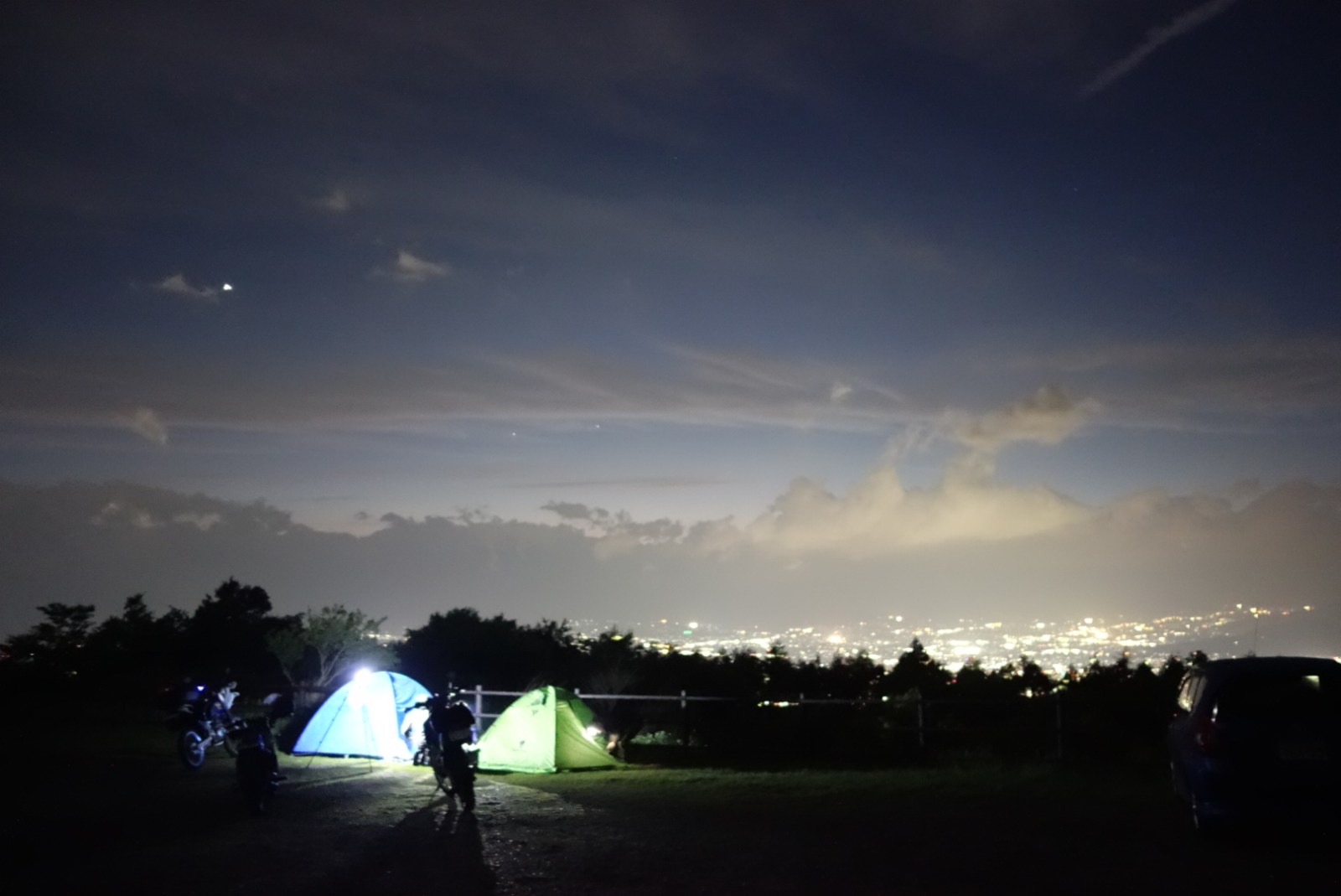
Takabocchi was also associated with Laid-Back Camp. On arriving, I saw two tents. Their occupants could see Lake Suwa, but they were right beside the road, which did not appeal to me. I continued looking for somewhere to spend the night.
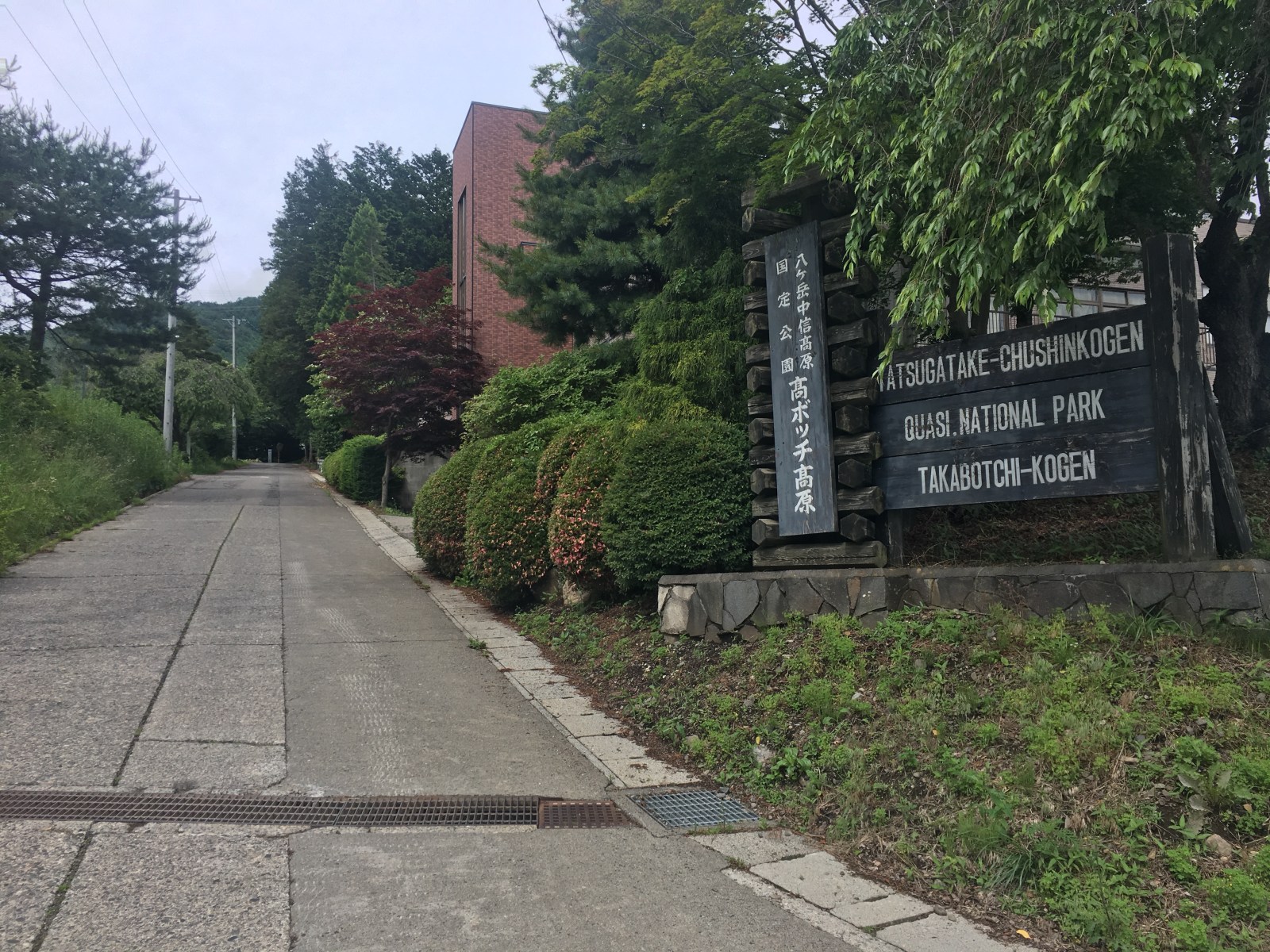
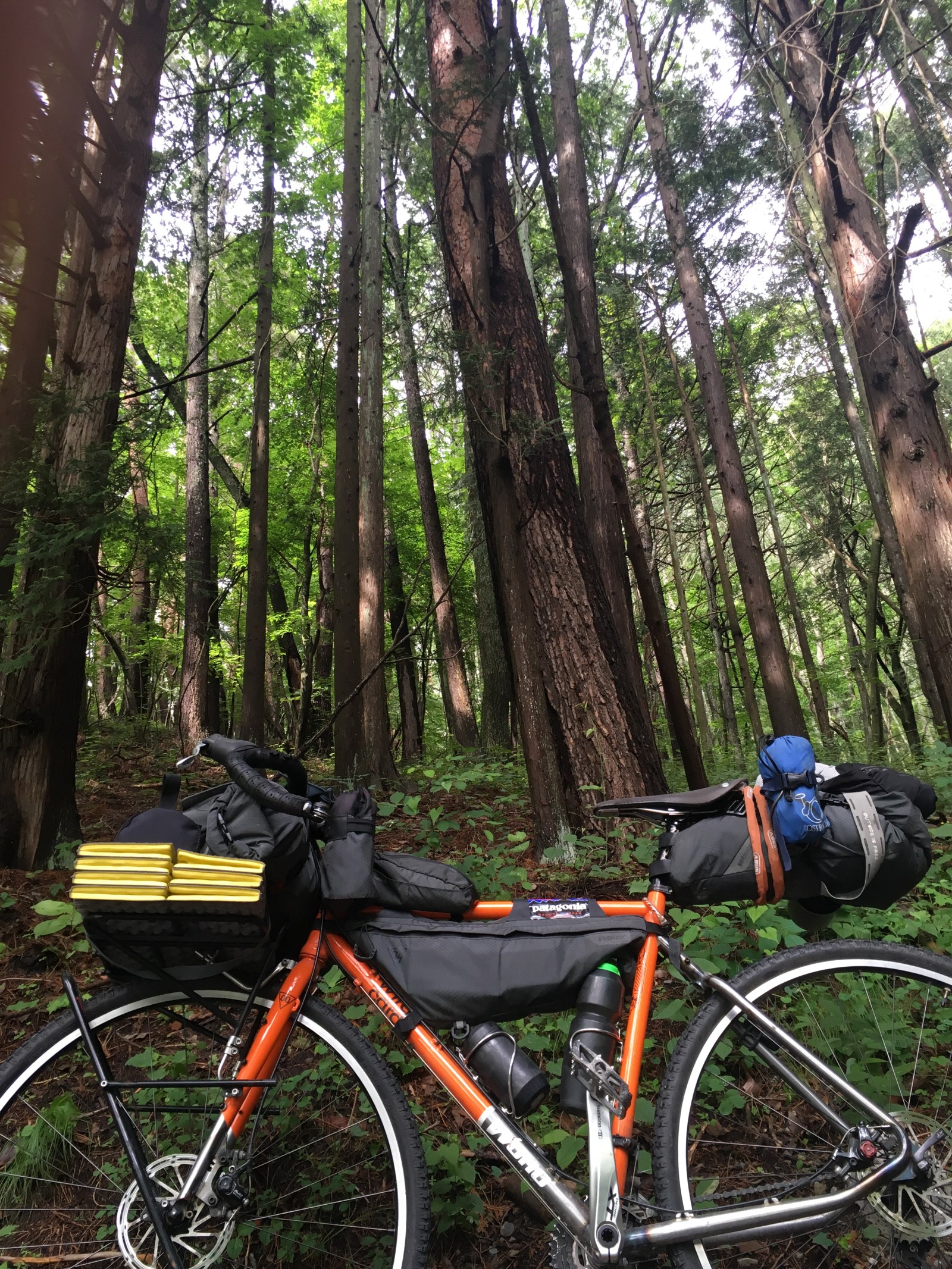
The question of whether camping was permitted was confusing to me at the time.
I understood the highlands to be within a protected park area and thought camping might be restricted. Yet online I had seen many photographs of tents there, including fictional ones from the anime.
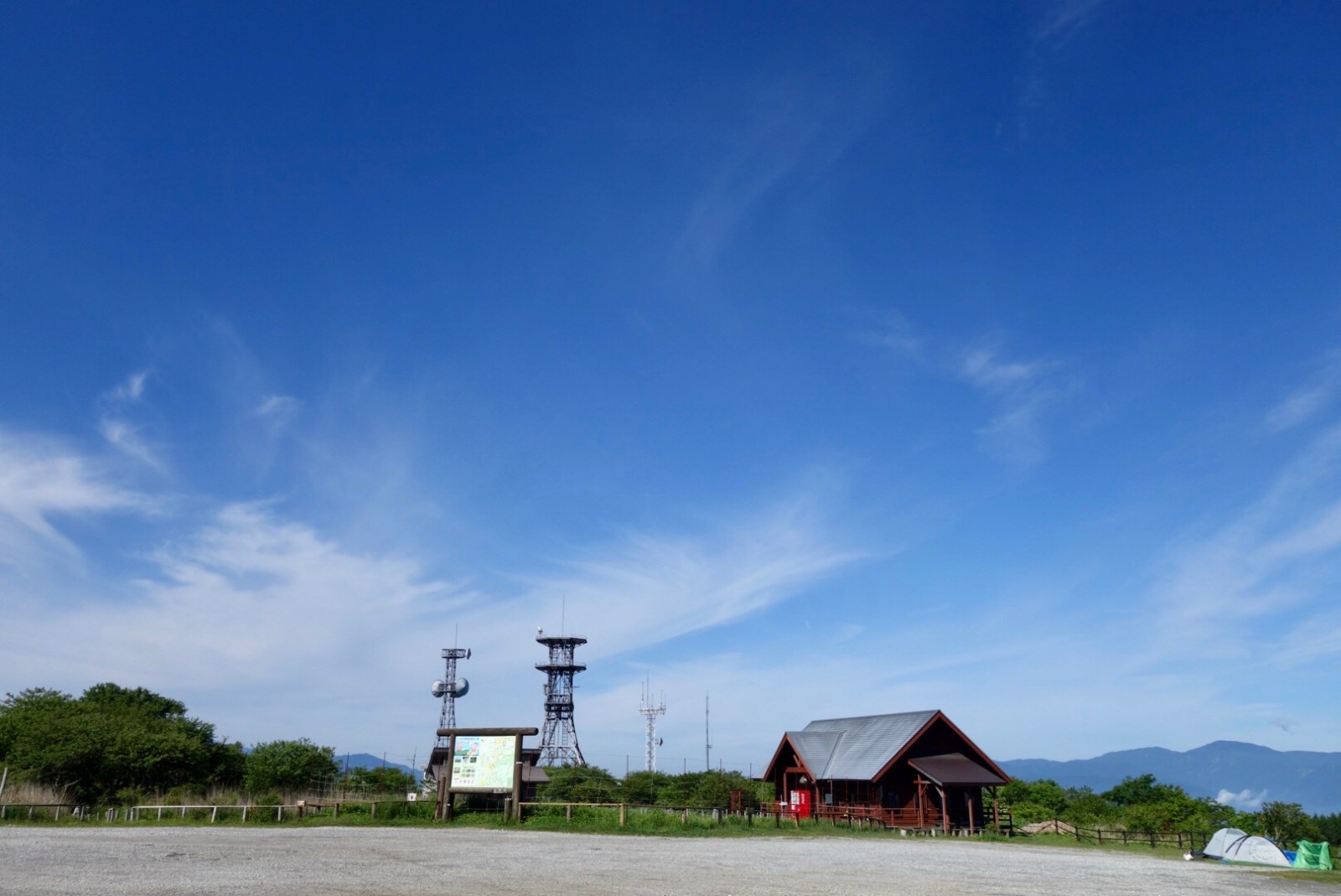
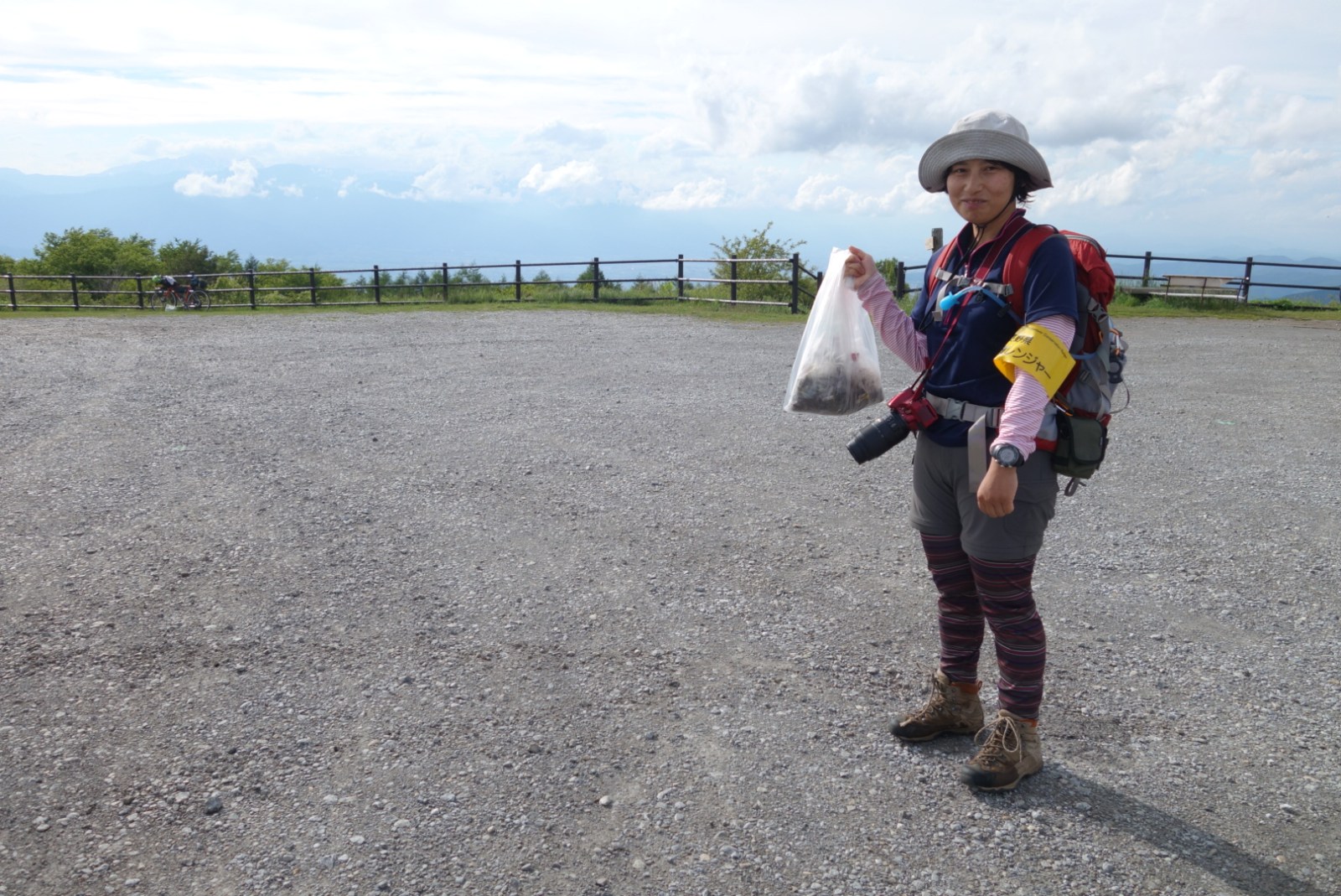
In the parking area outside the nature conservation center, I met a Nagano ranger, a volunteer involved in looking after the mountain environment. We had a friendly conversation, and she did not tell me to stop camping there.
Later, I spoke with an older attendant inside the center. He cautioned me about vehicles if I pitched in the parking area and said I could shelter under the center’s eaves if it rained. I interpreted those exchanges as meaning it was acceptable.
After I posted photographs on Instagram, however, an account using a Takabocchi park-related name commented that people could not simply camp without authorization.
In the original account, I admitted, rather selfishly, that I probably would have stayed regardless. That was my attitude then, not a recommendation for others. Conflicting impressions should be resolved with the responsible manager before camping.
Evening above Lake Suwa
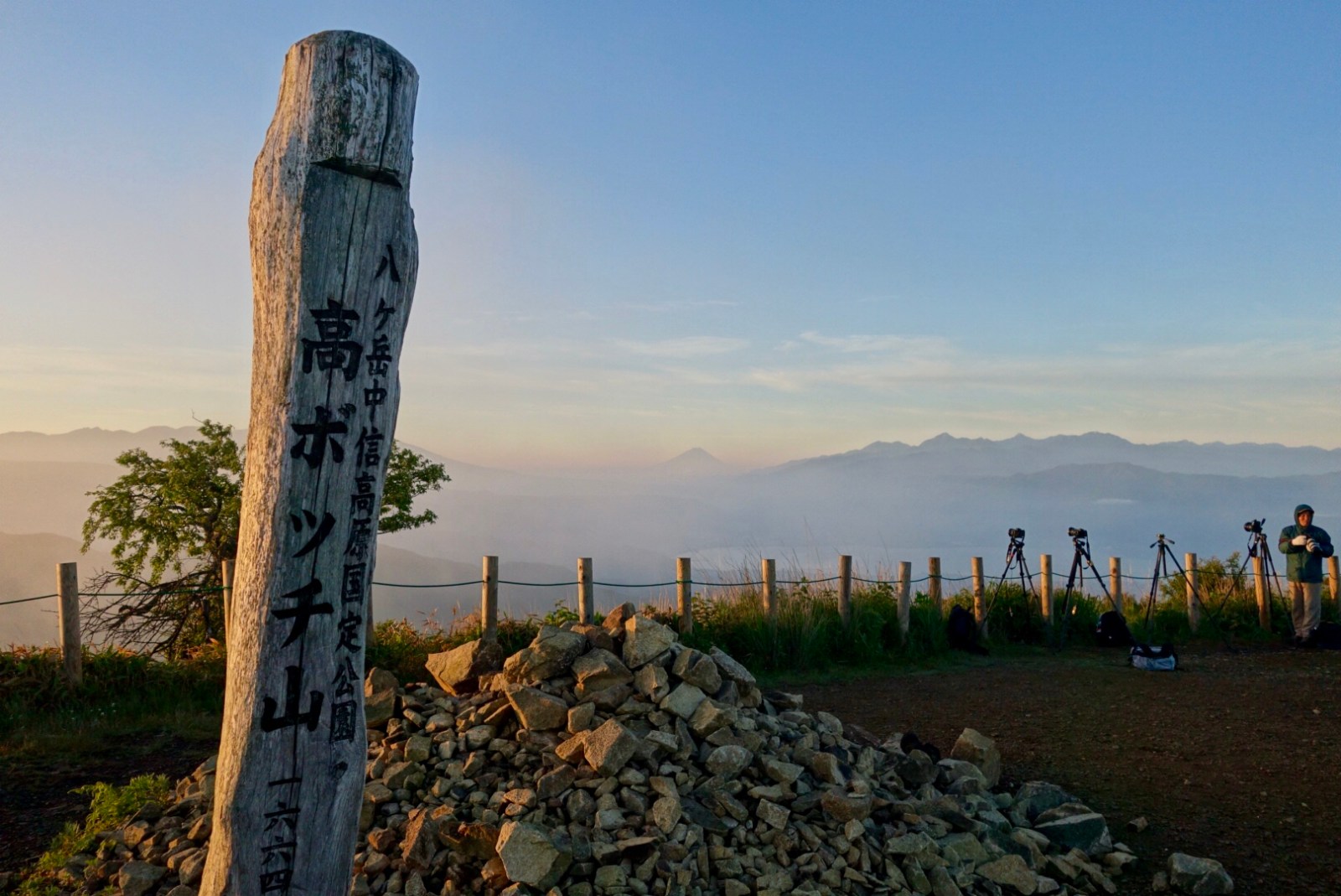
After settling my things, I walked to the summit.
“Summit” sounded rather grand for somewhere only about 400 meters on foot from the parking area. It was an easy stroll compared with the ride up.
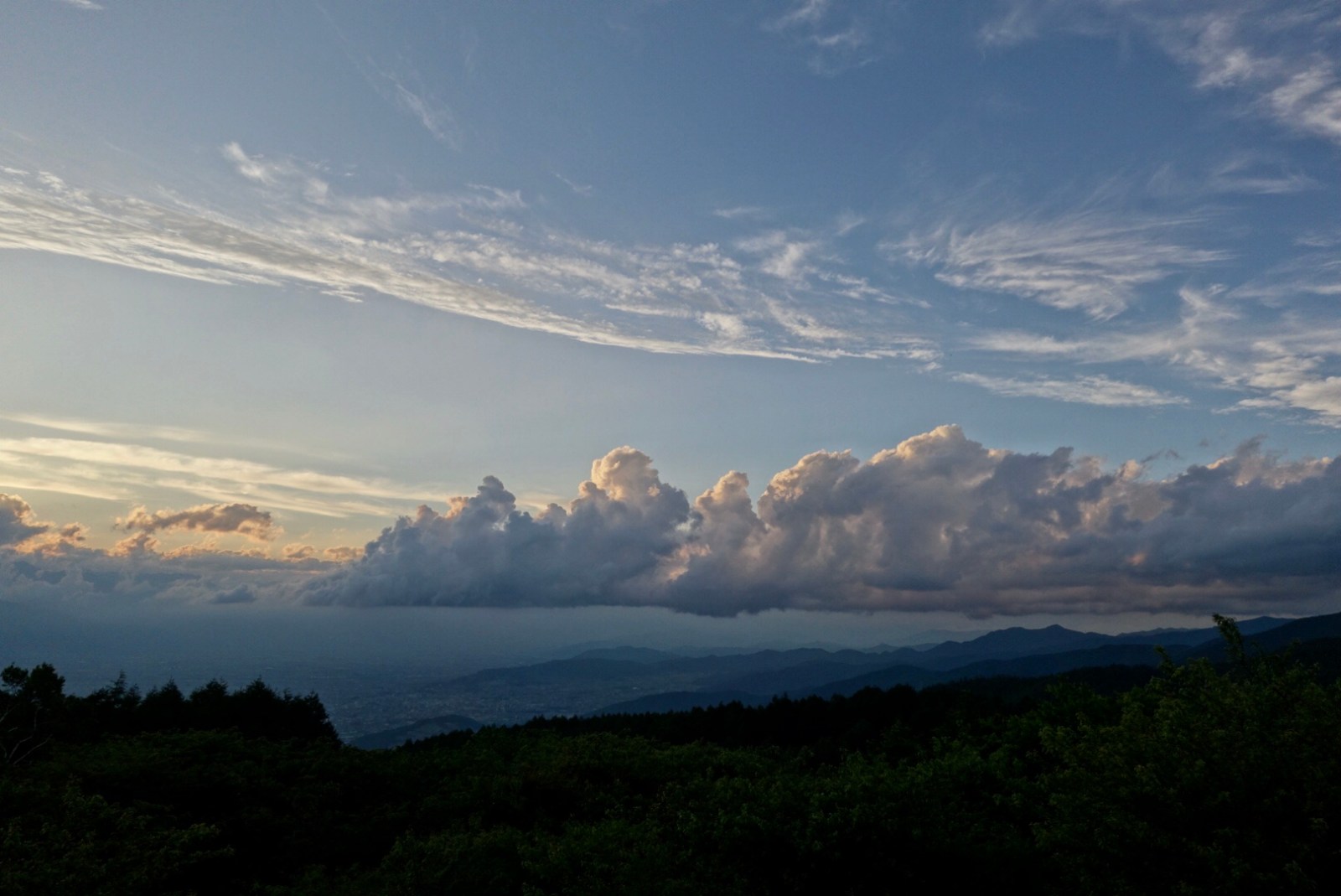
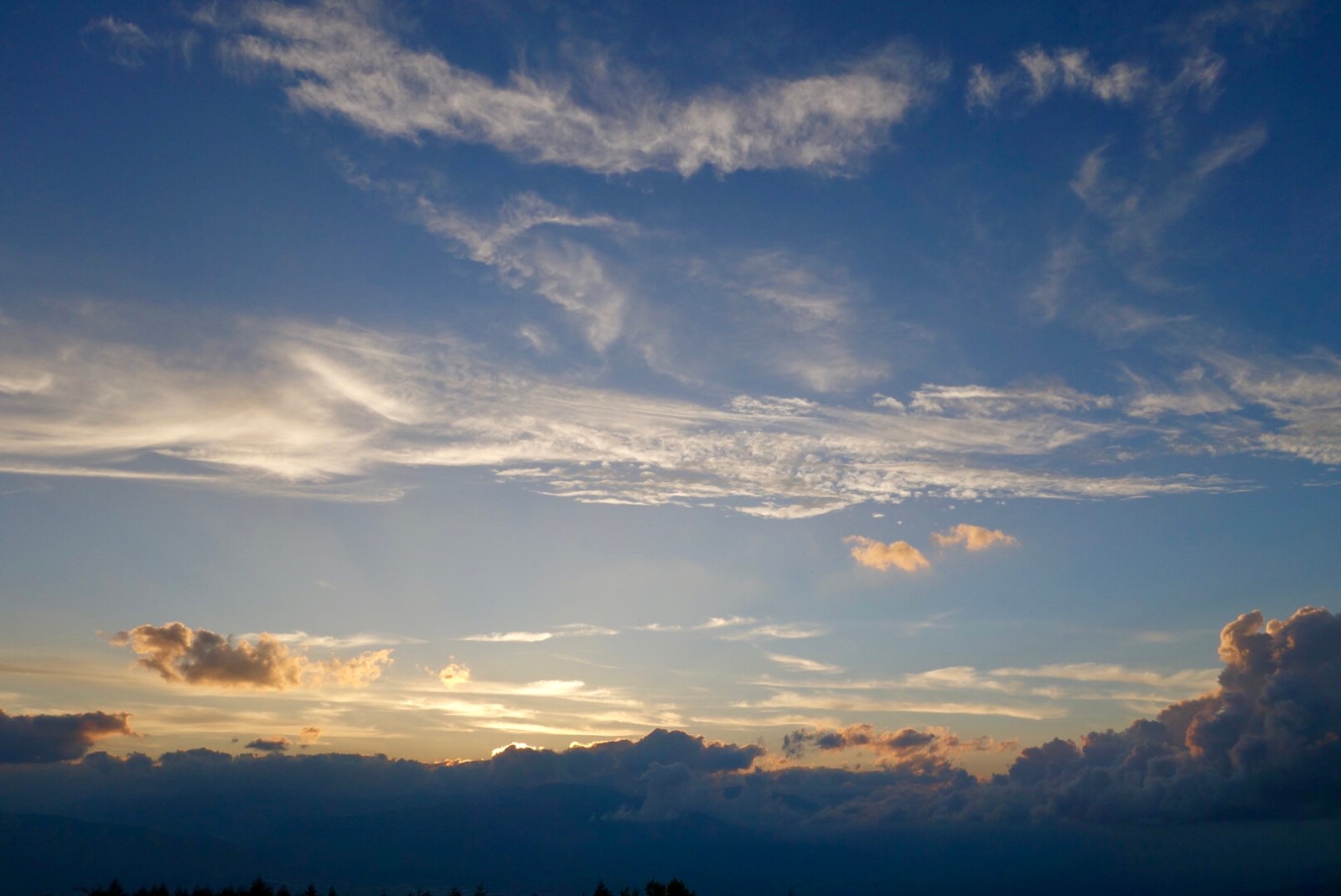
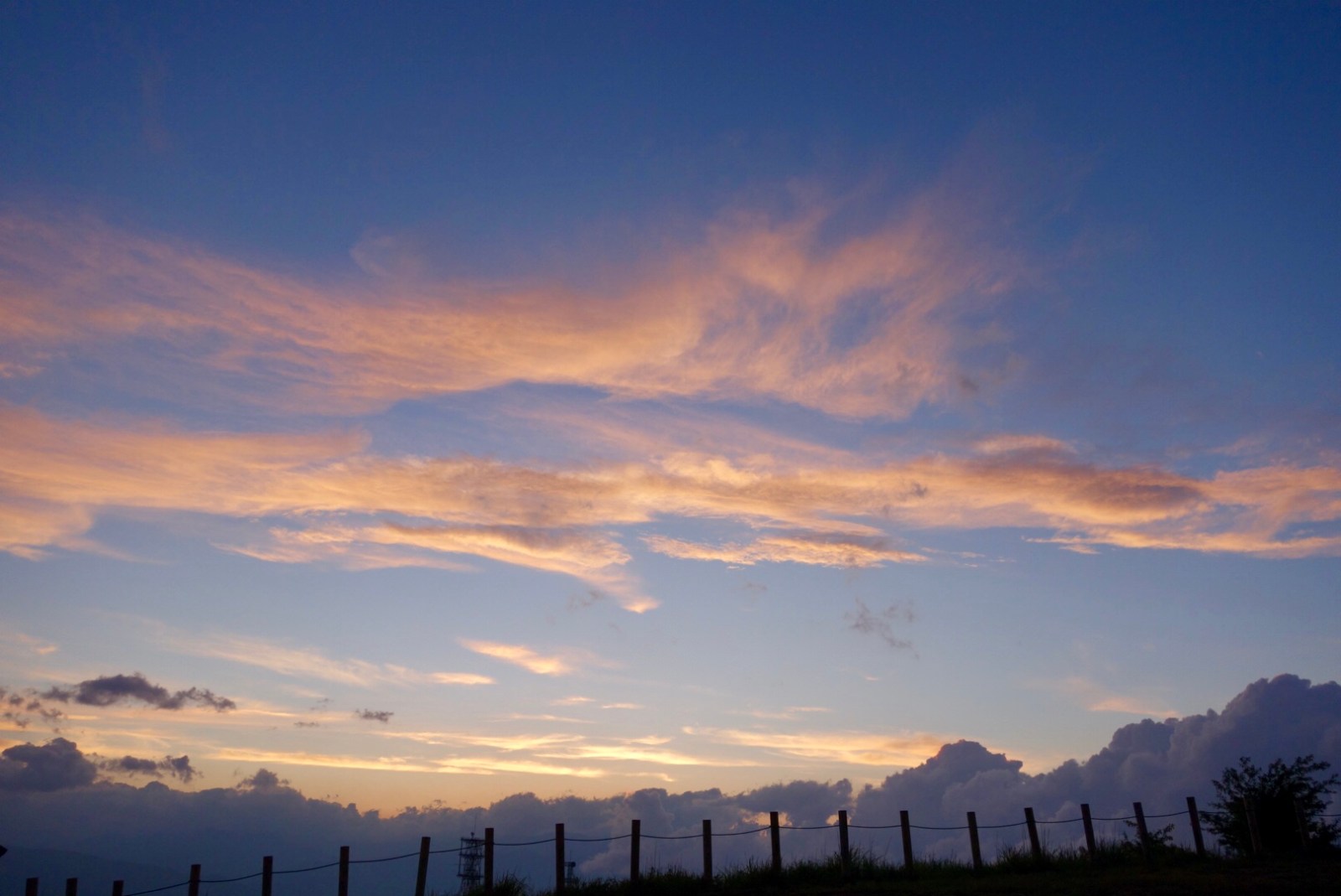
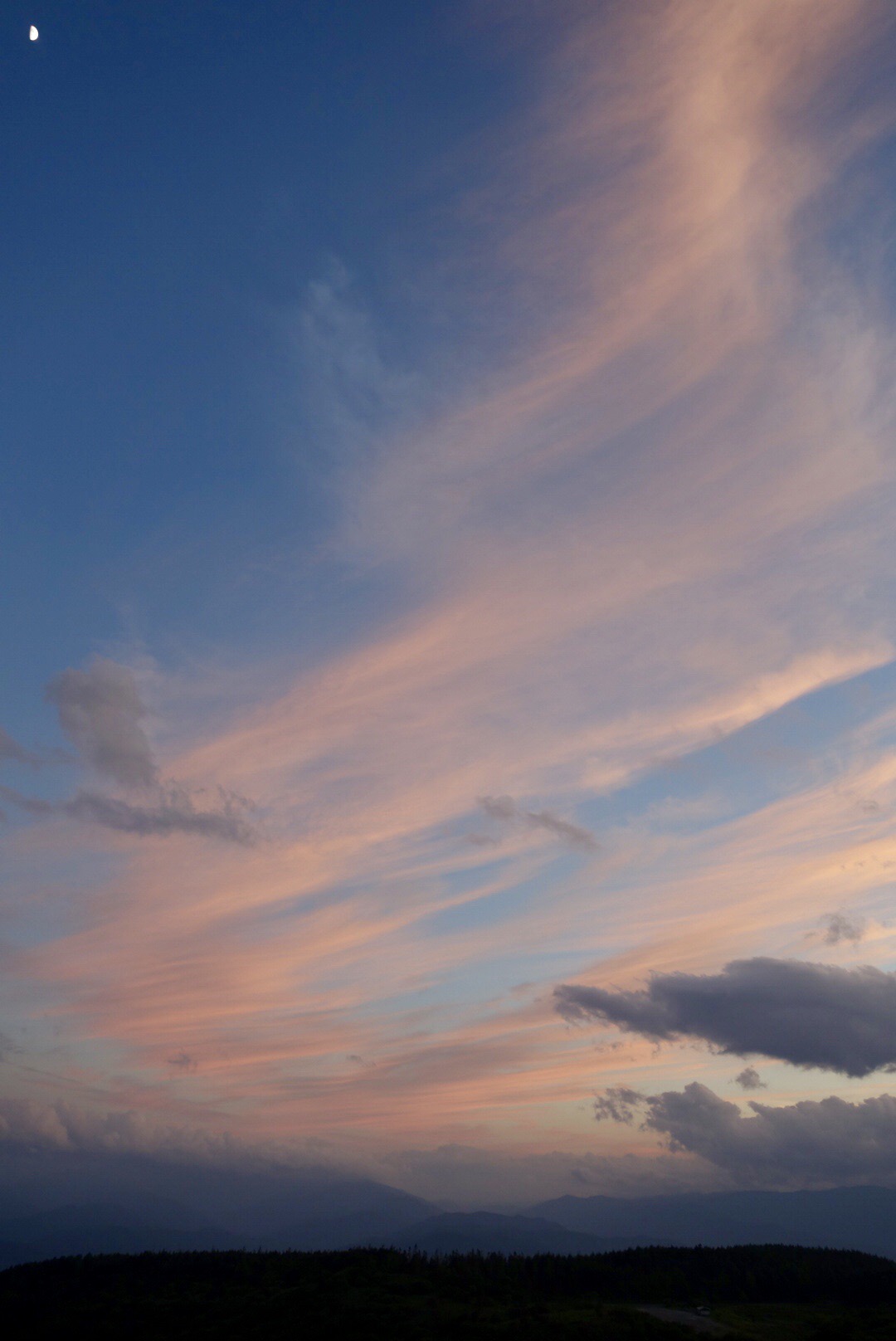
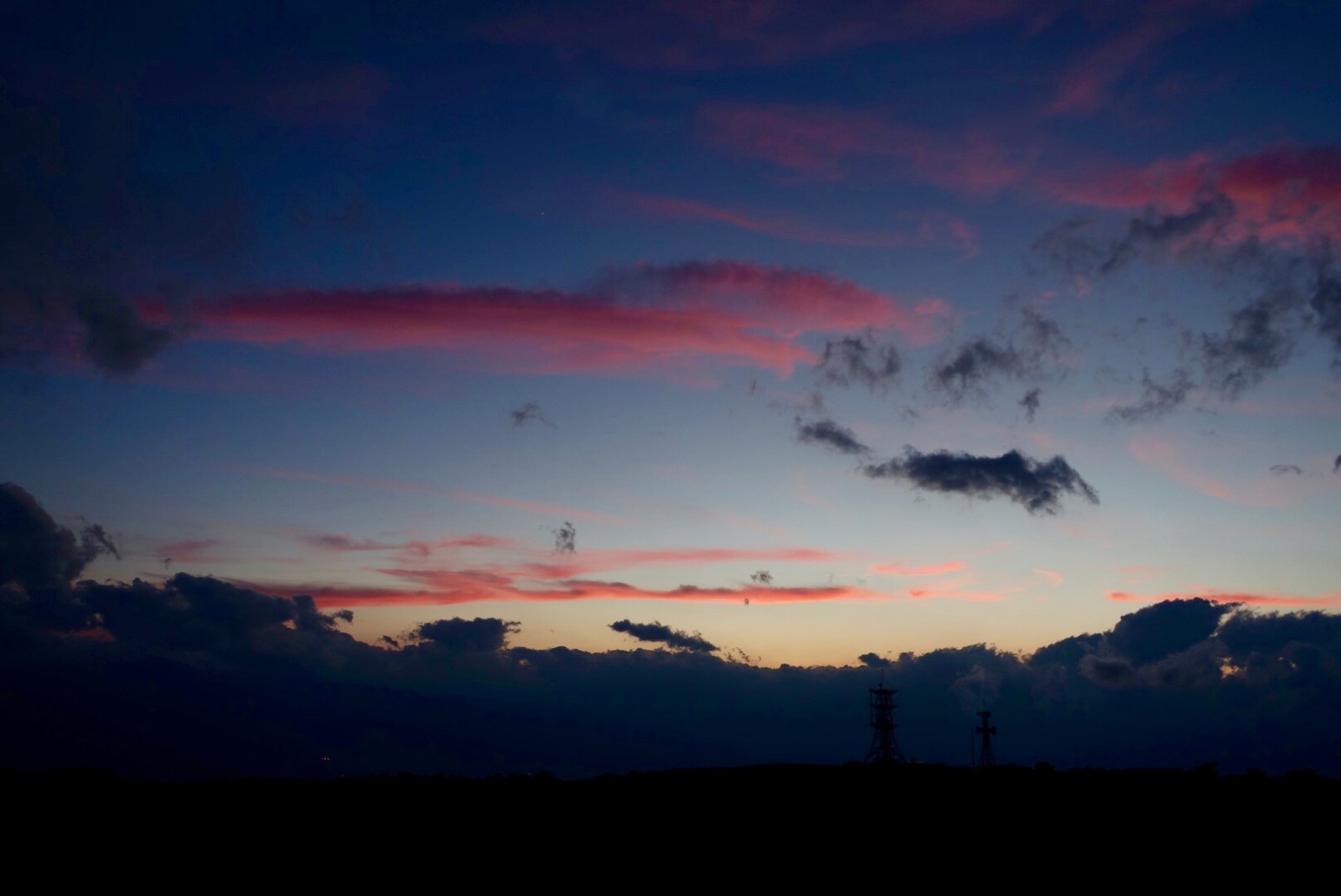
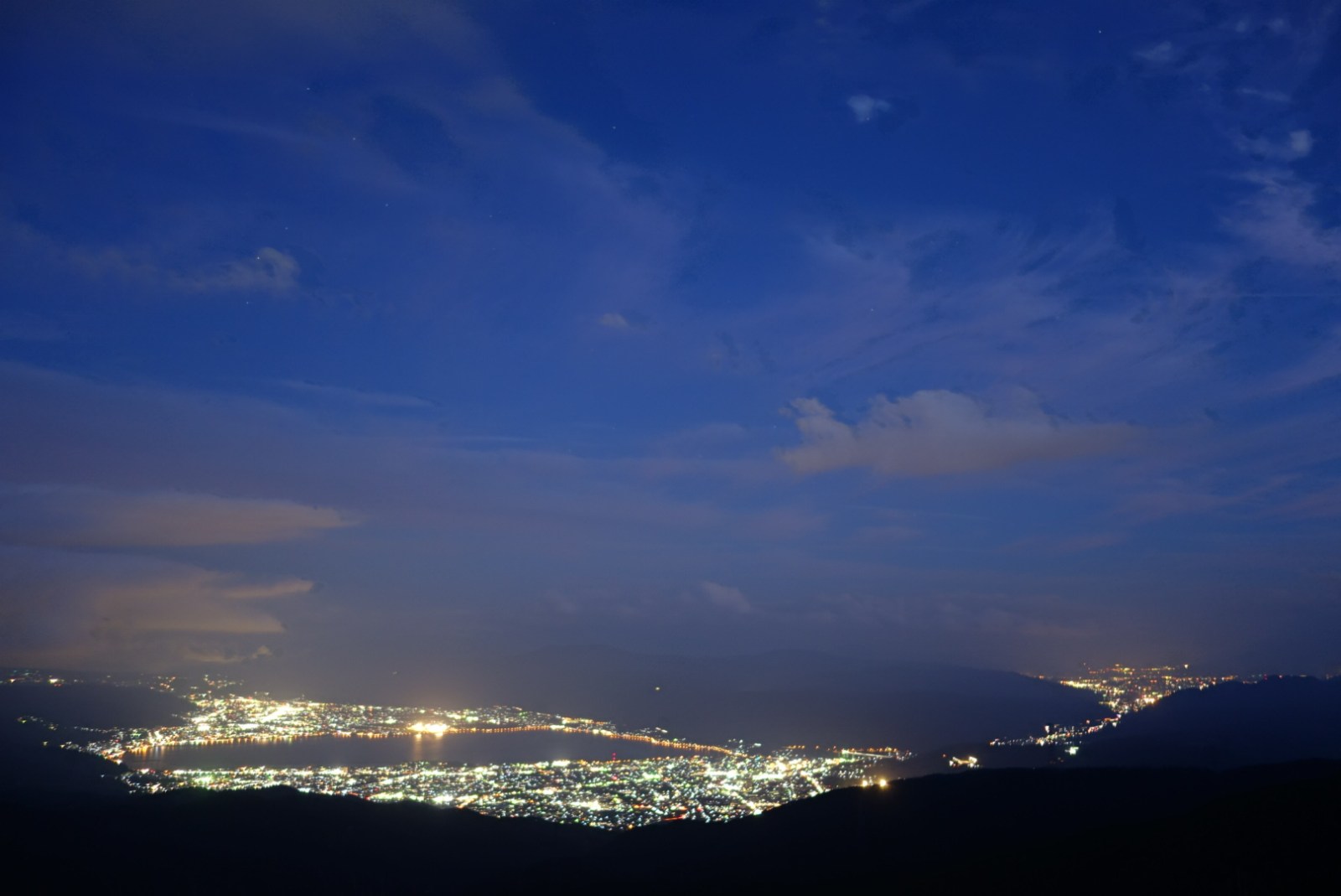
Lake Suwa lay below, while Fuji appeared and disappeared behind cloud.
I was not worried. I felt the following morning would be the right moment. Besides, the evening sky was already beautiful enough.
Fuji before Sunrise
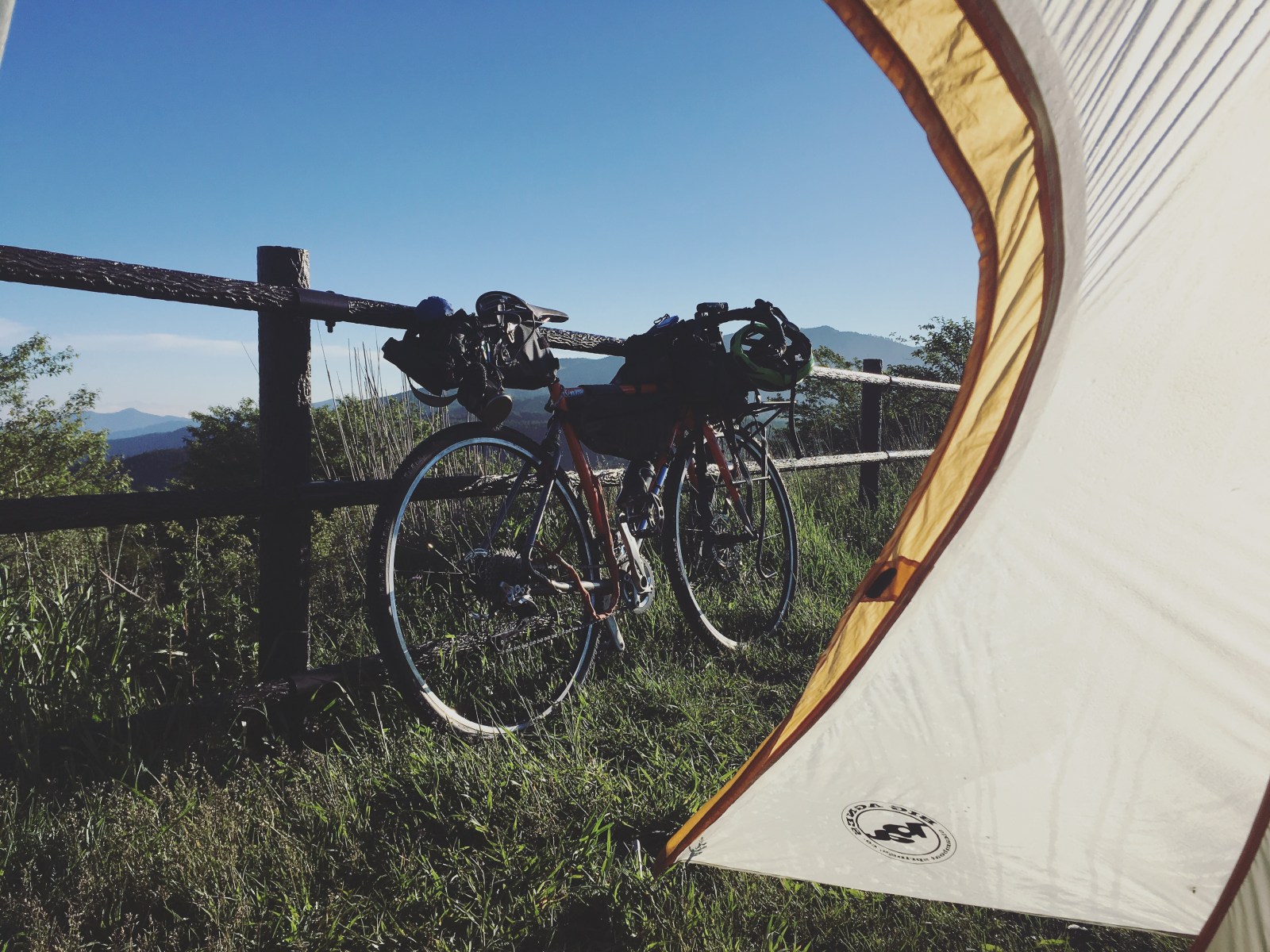
The next morning, I woke before dawn, before even my alarm, to the sound of activity outside.
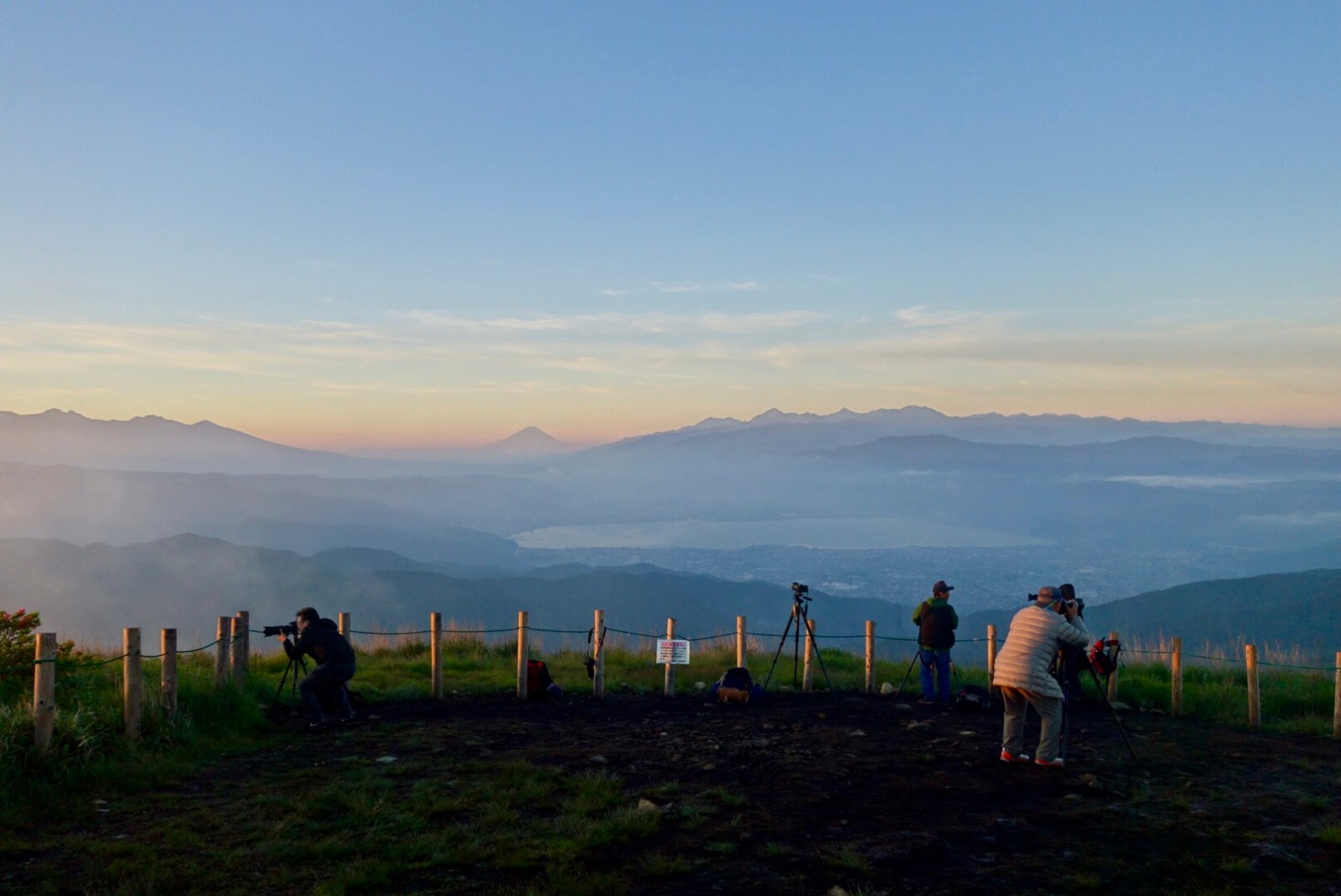
Opening the tent, I found that photographers had already driven up and were preparing their cameras.
I hurried into my clothes, grabbed my camera and headed for the summit.
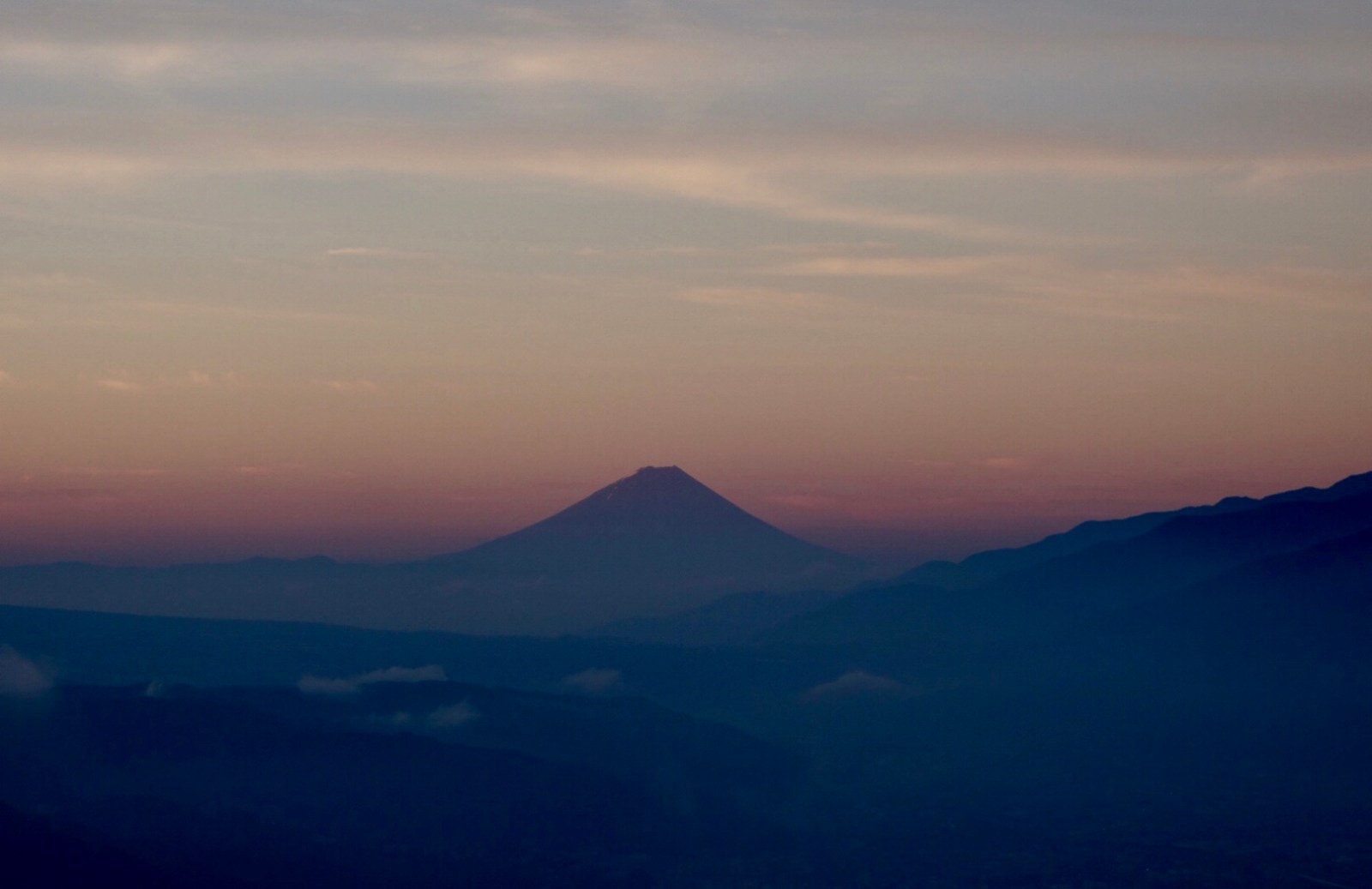
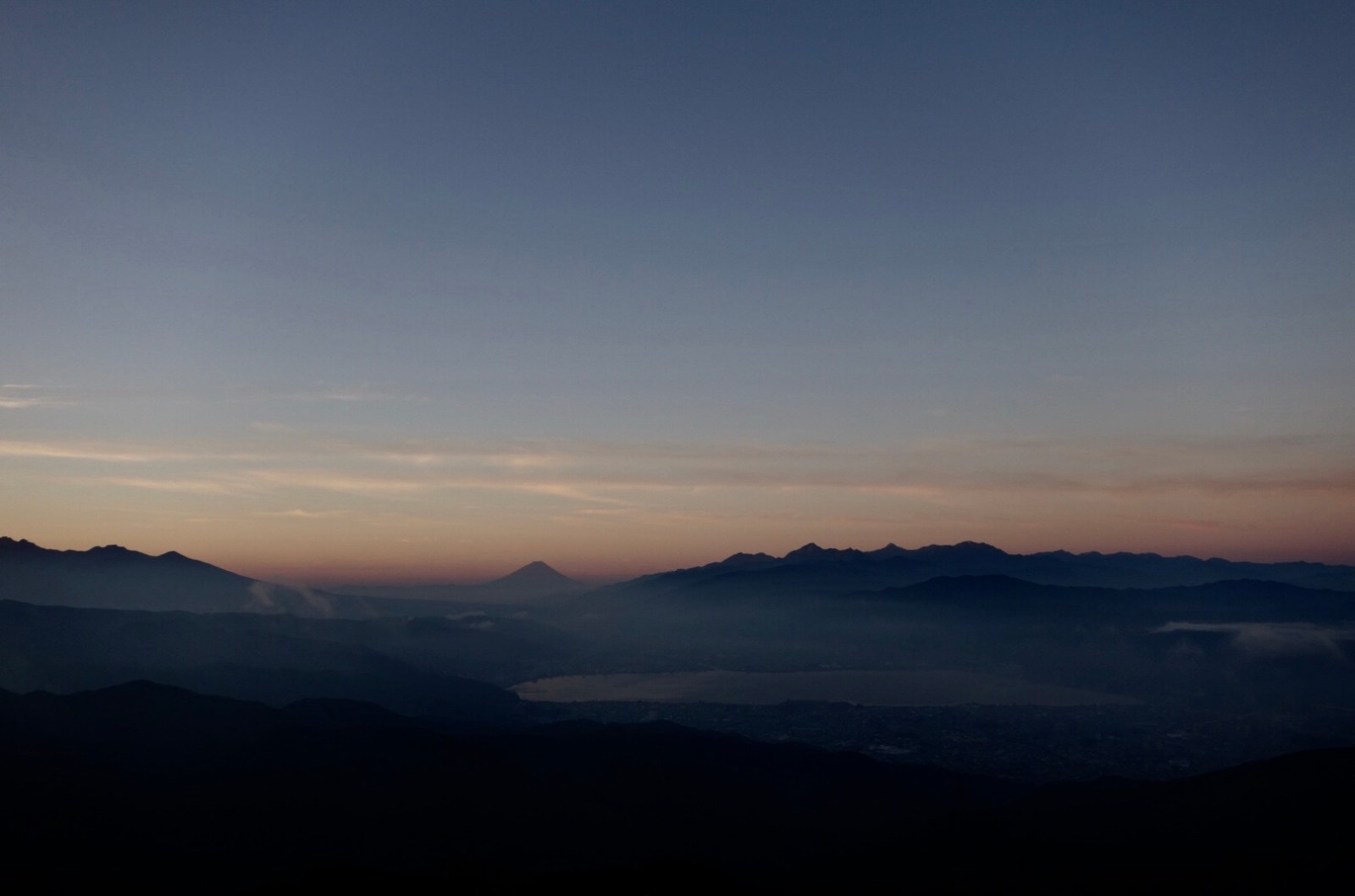
Beyond the lake stood that familiar, beautifully curved silhouette. No matter how often I saw Mount Fuji, I never tired of it.
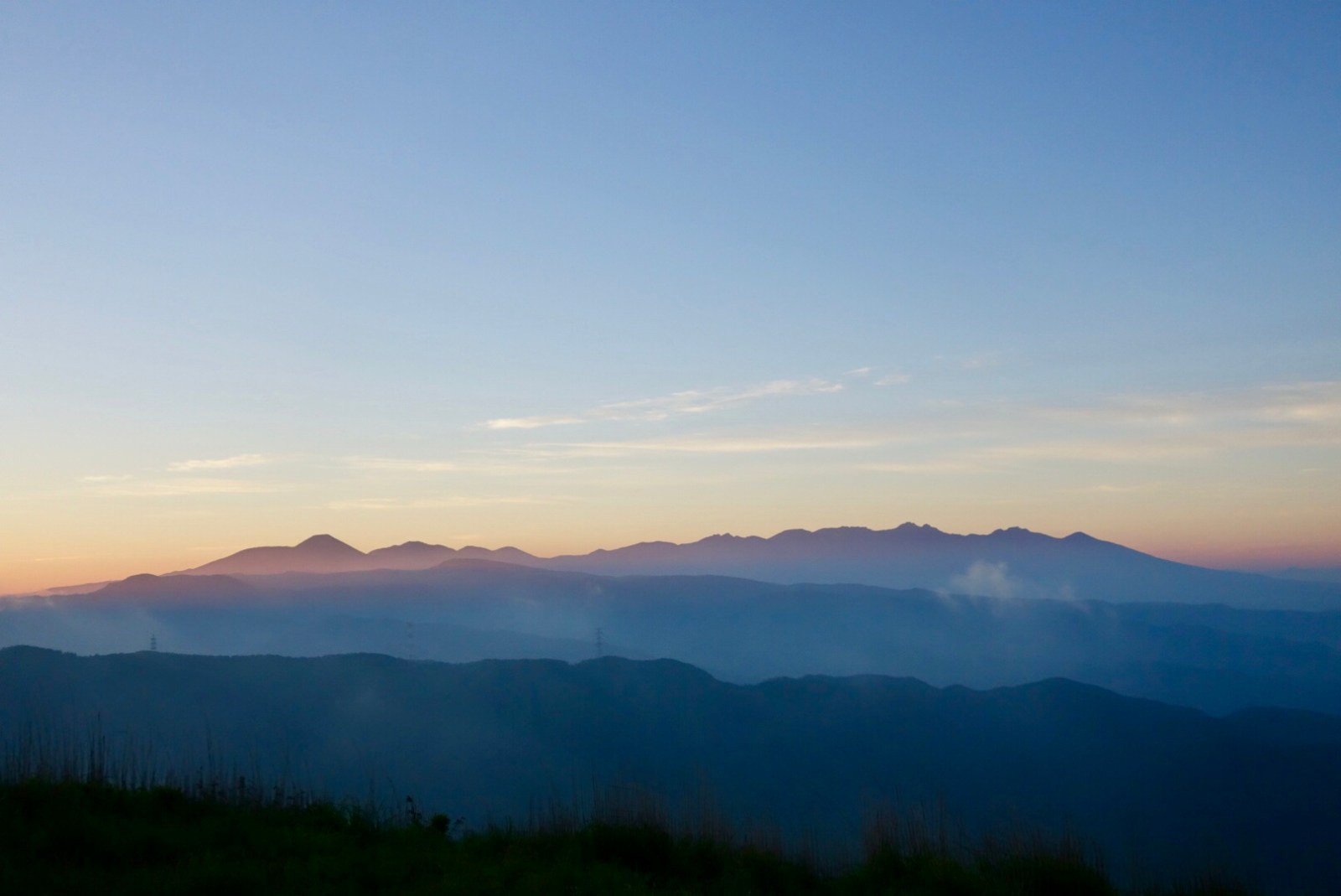
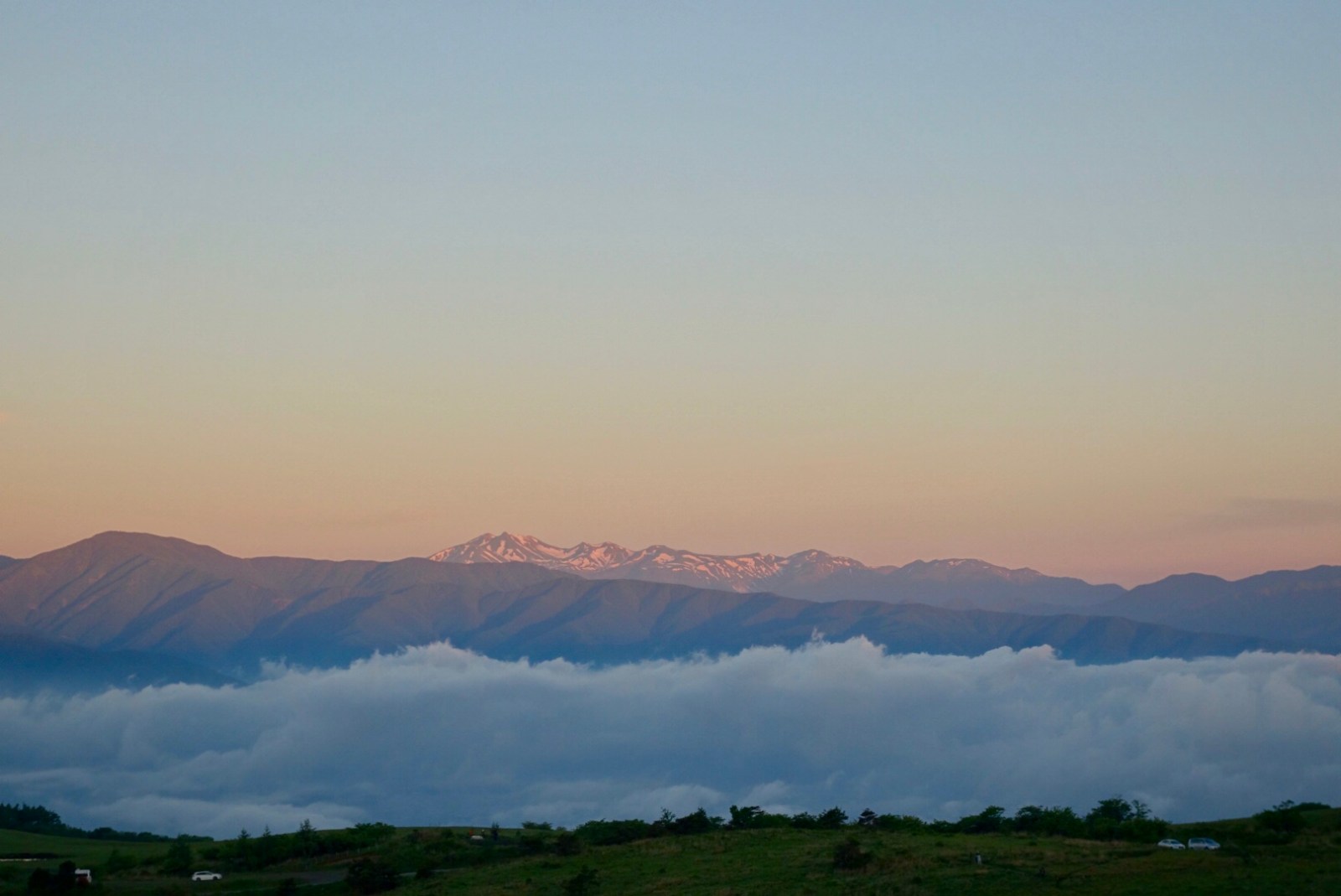
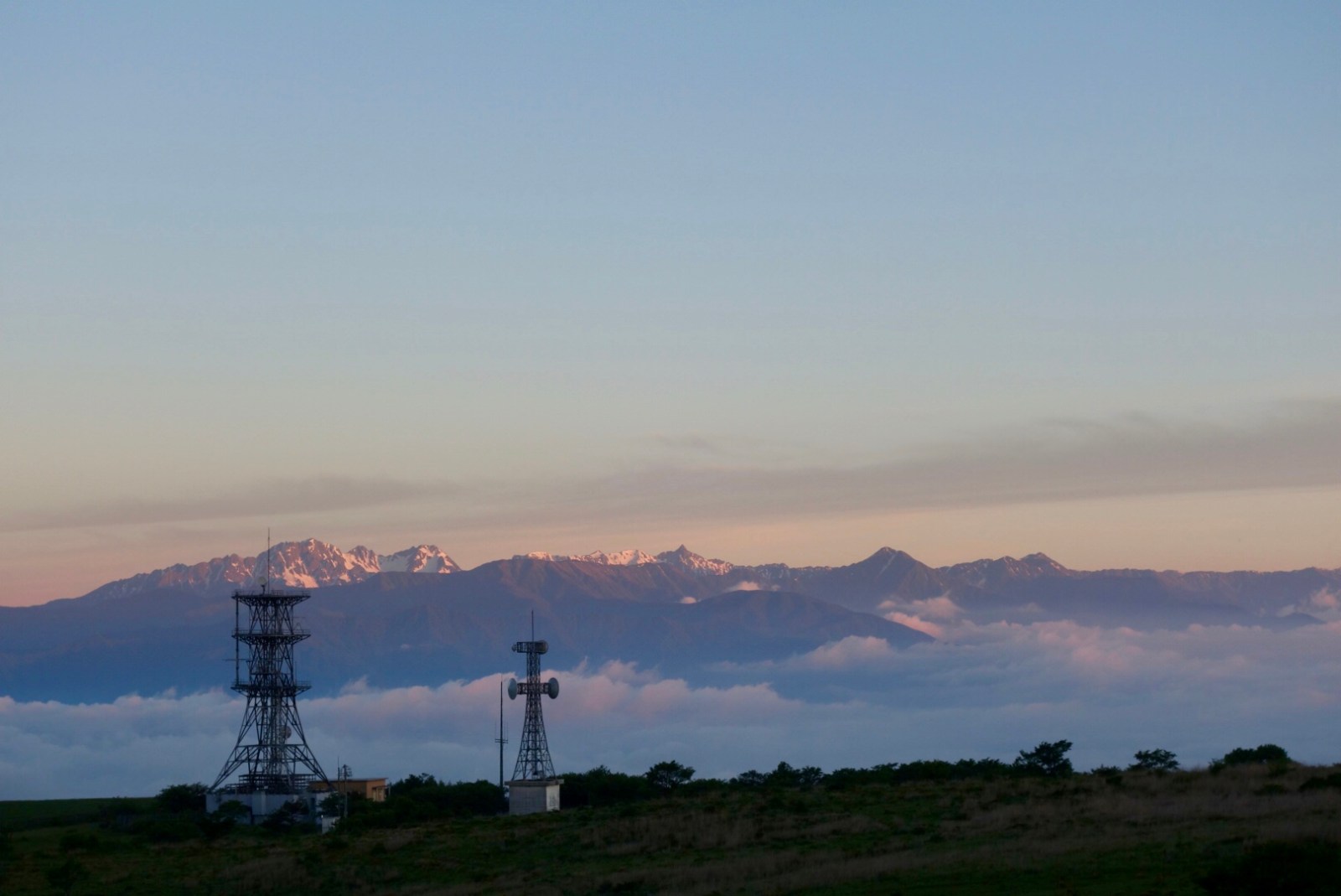
The sky graded through orange, while Fuji and the Southern Alps formed overlapping layers of blue.
Only then did I understand that painters were not exaggerating their colors. The astonishing thing was the world itself.
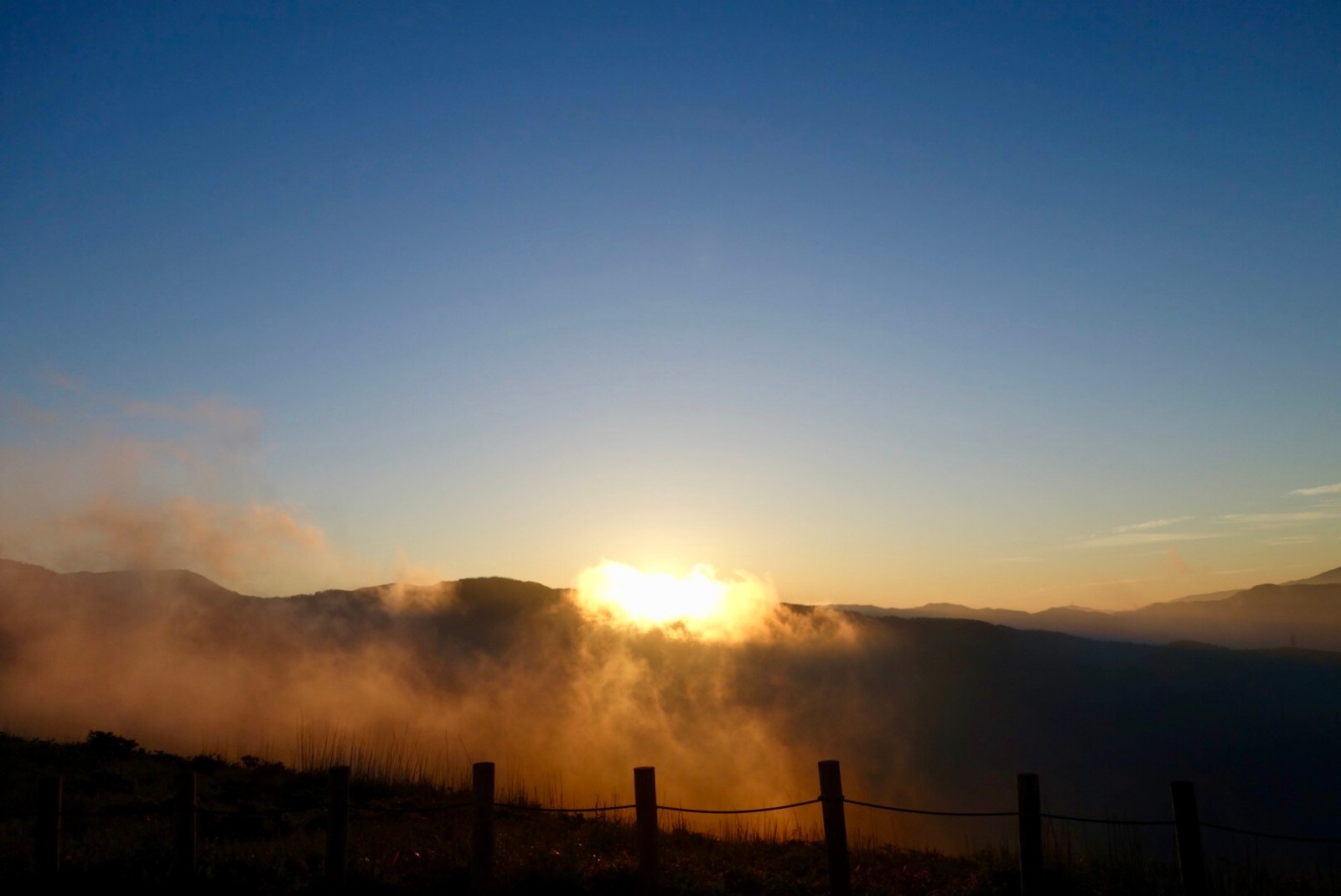
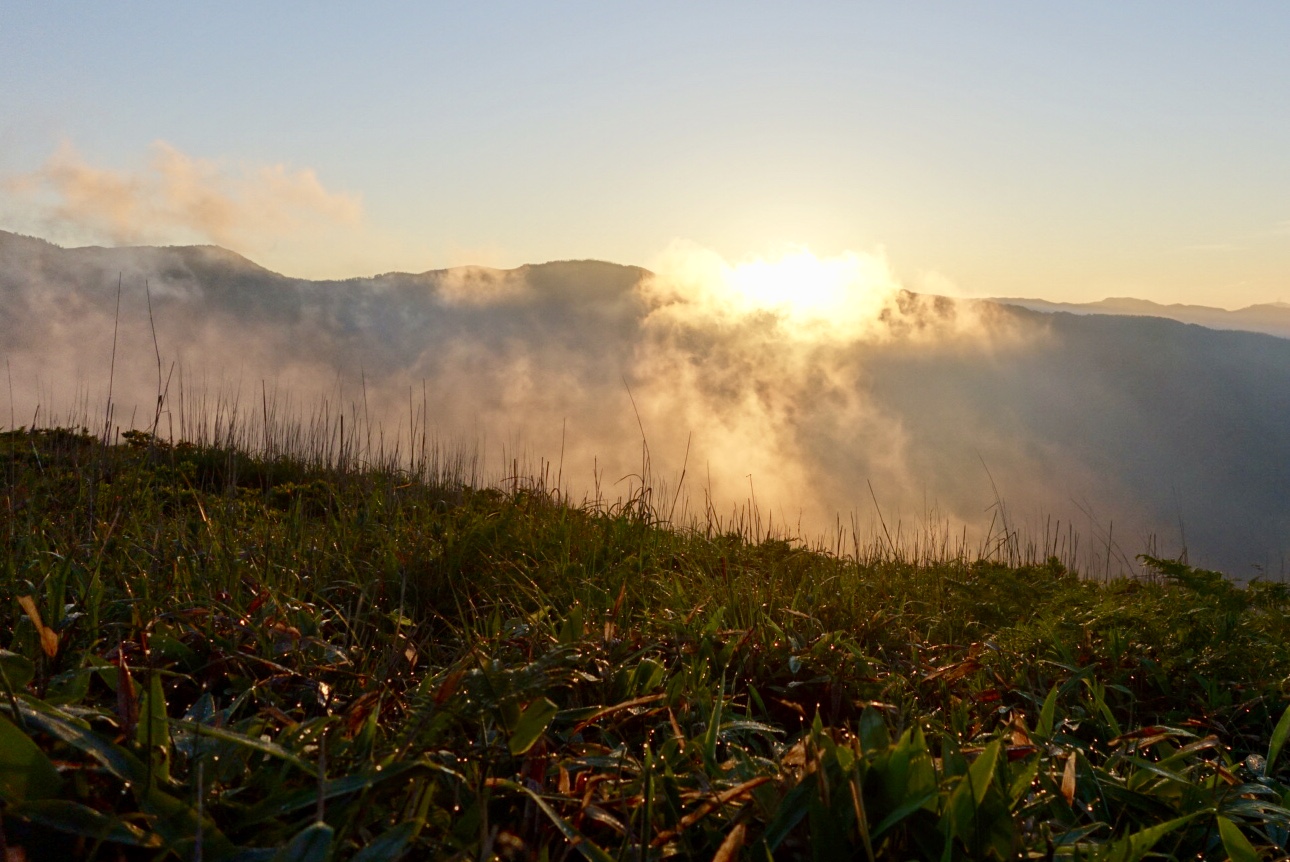
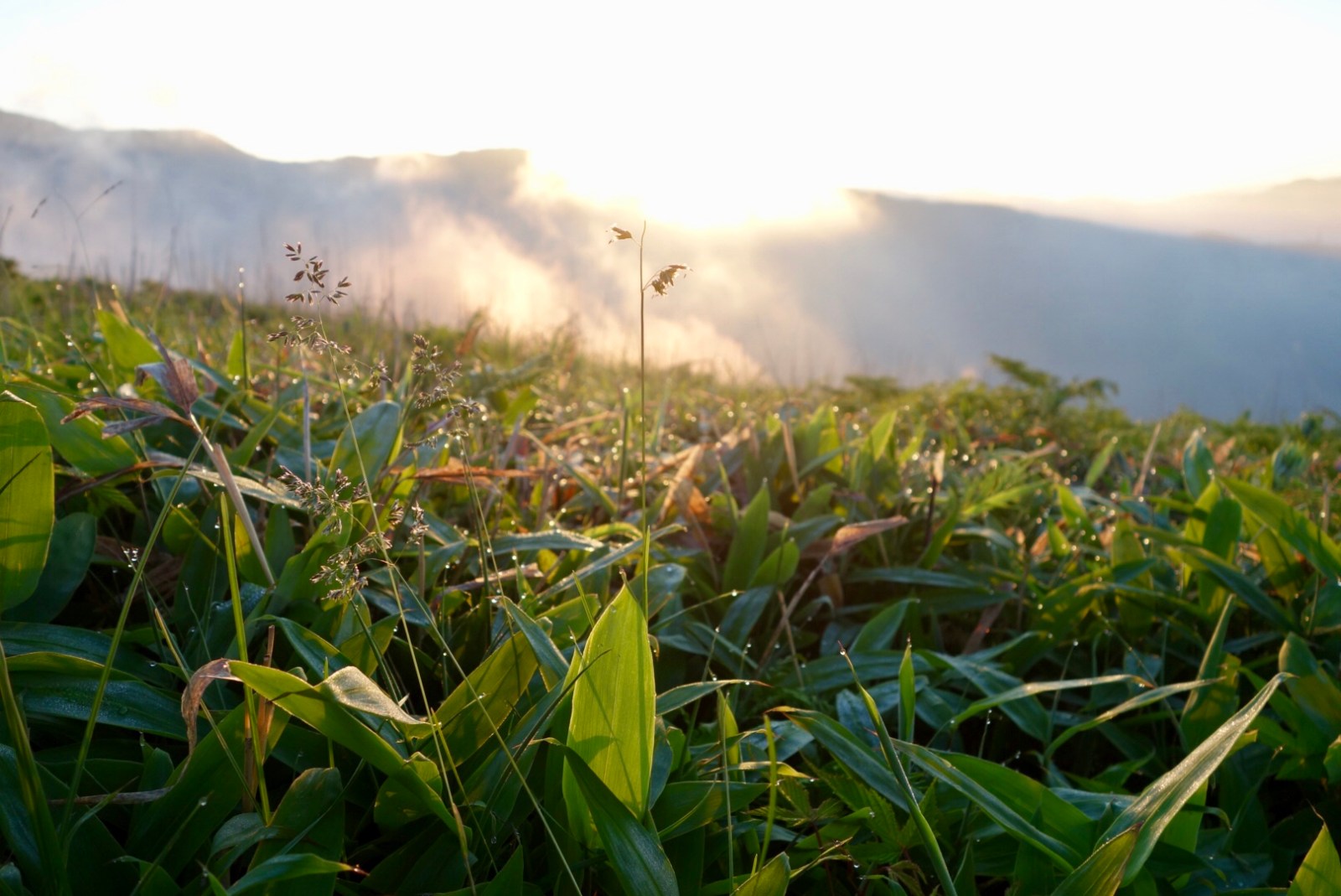
As the sun rose, the orange-red sky slowly changed. Sunlight turned the clouds golden, and the whole landscape seemed to wake with renewed life.
Breakfast with the Northern Alps
A sunset is beautiful, but evening follows. The beauty of dawn can continue into the day.
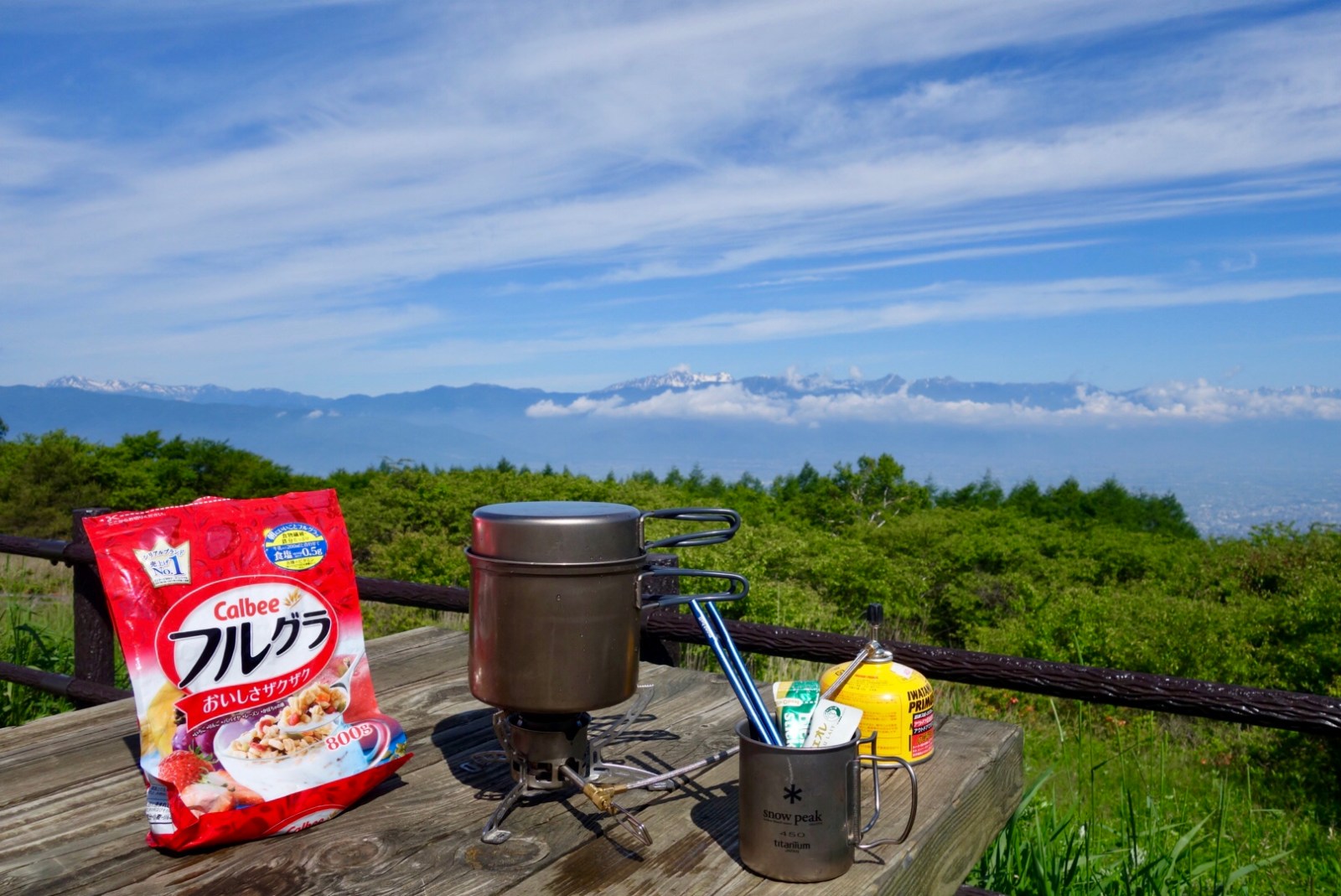
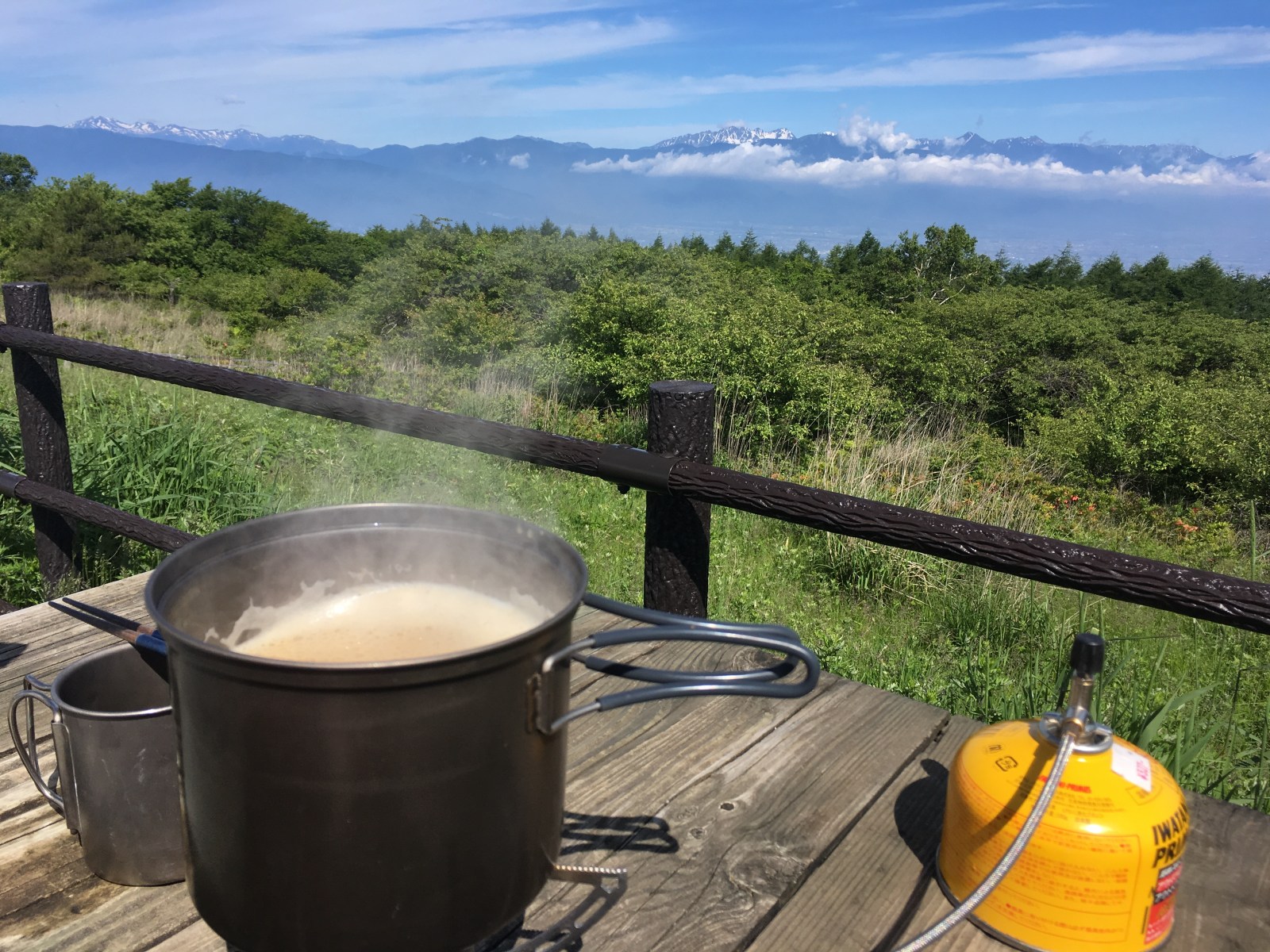
The weather was wonderfully clear. After the morning’s performance, I returned to the tent for breakfast.
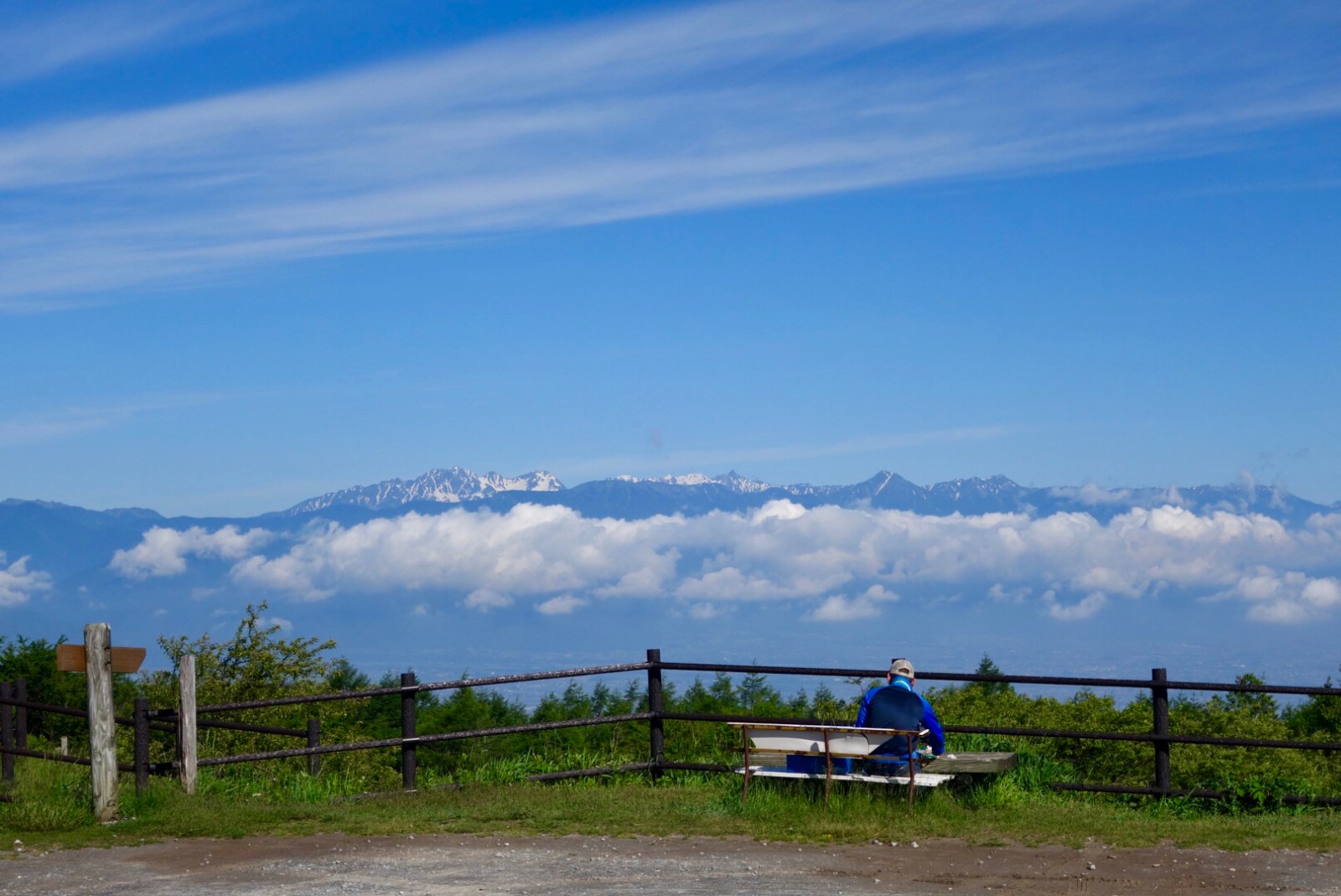
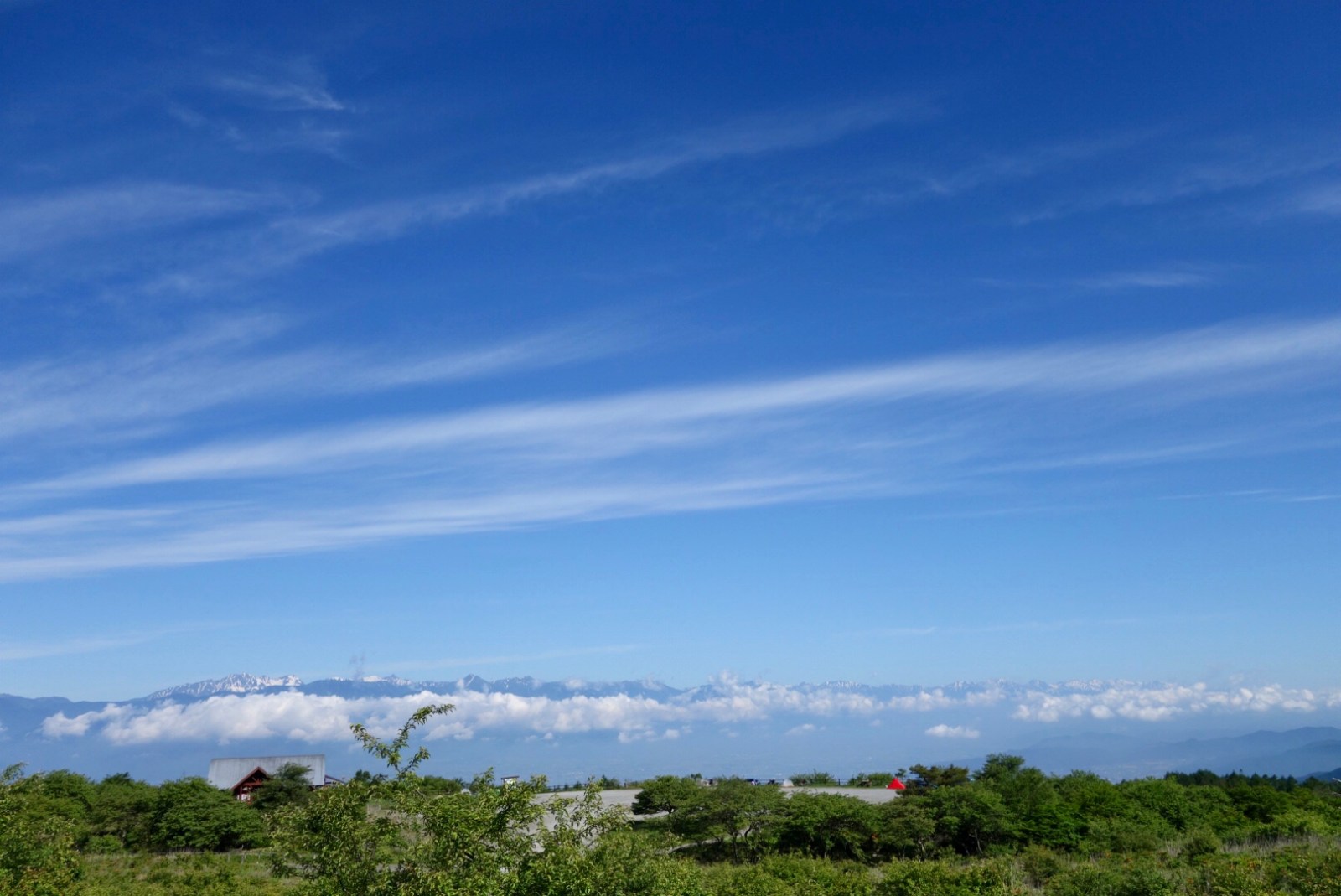
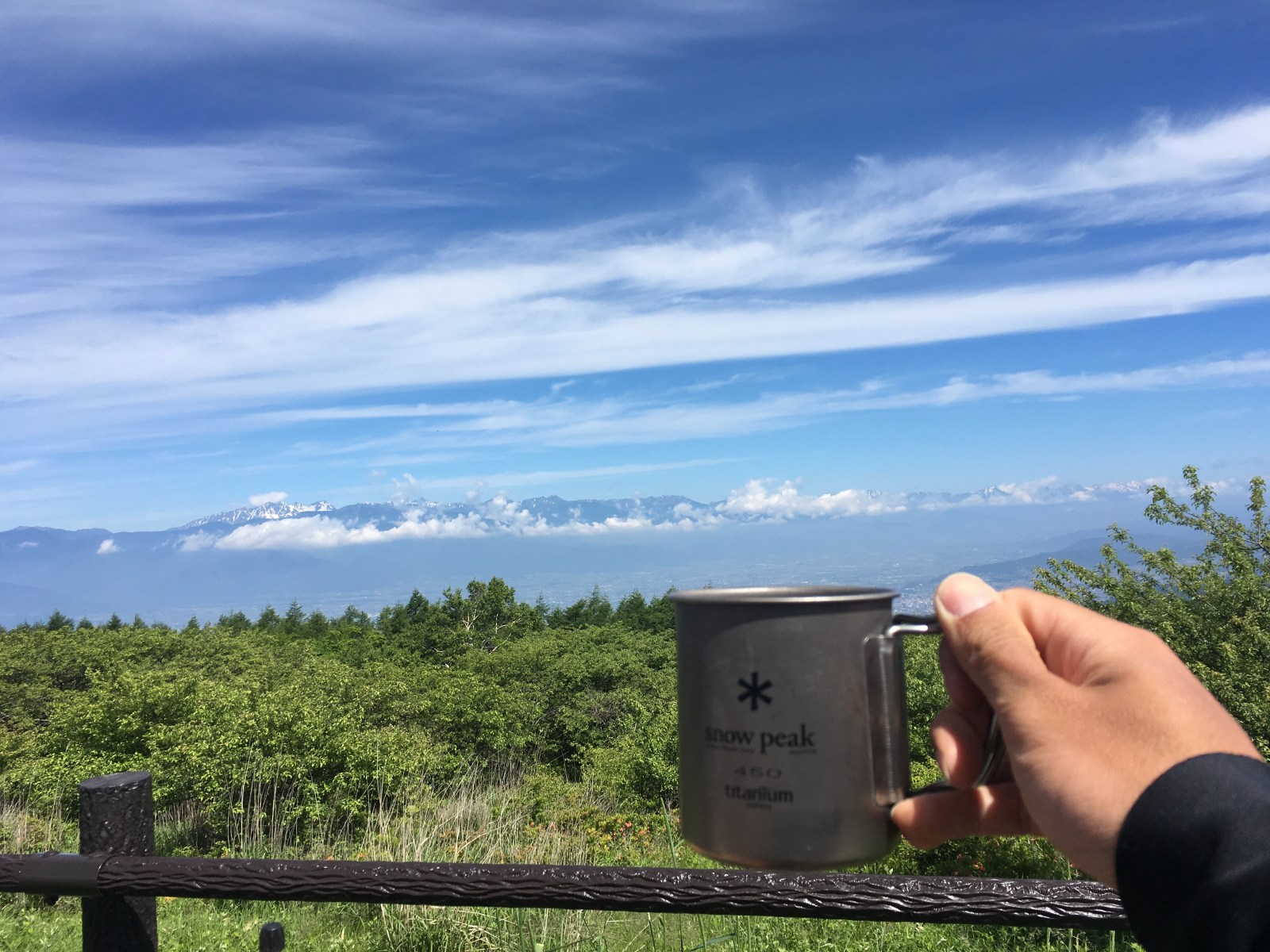
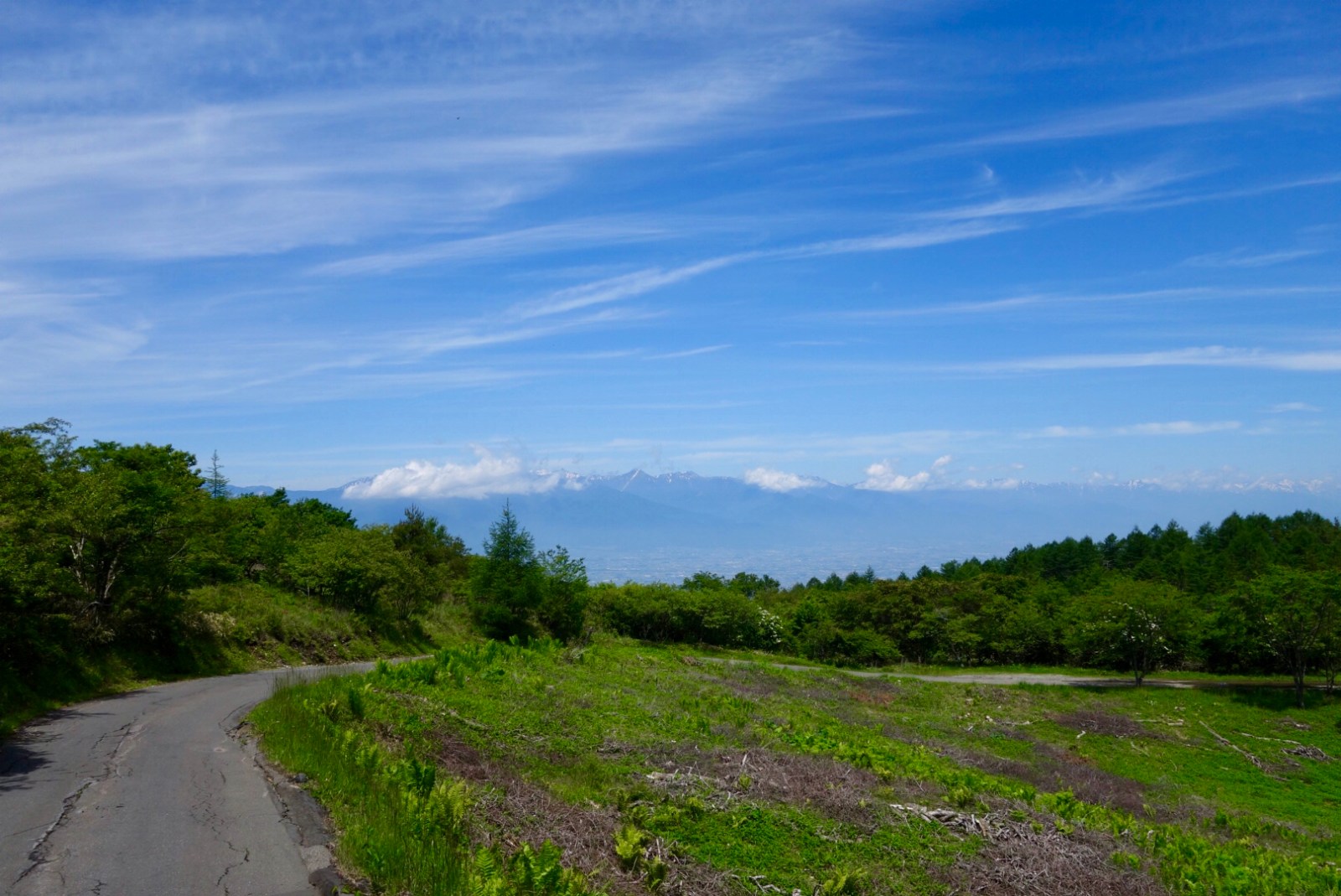
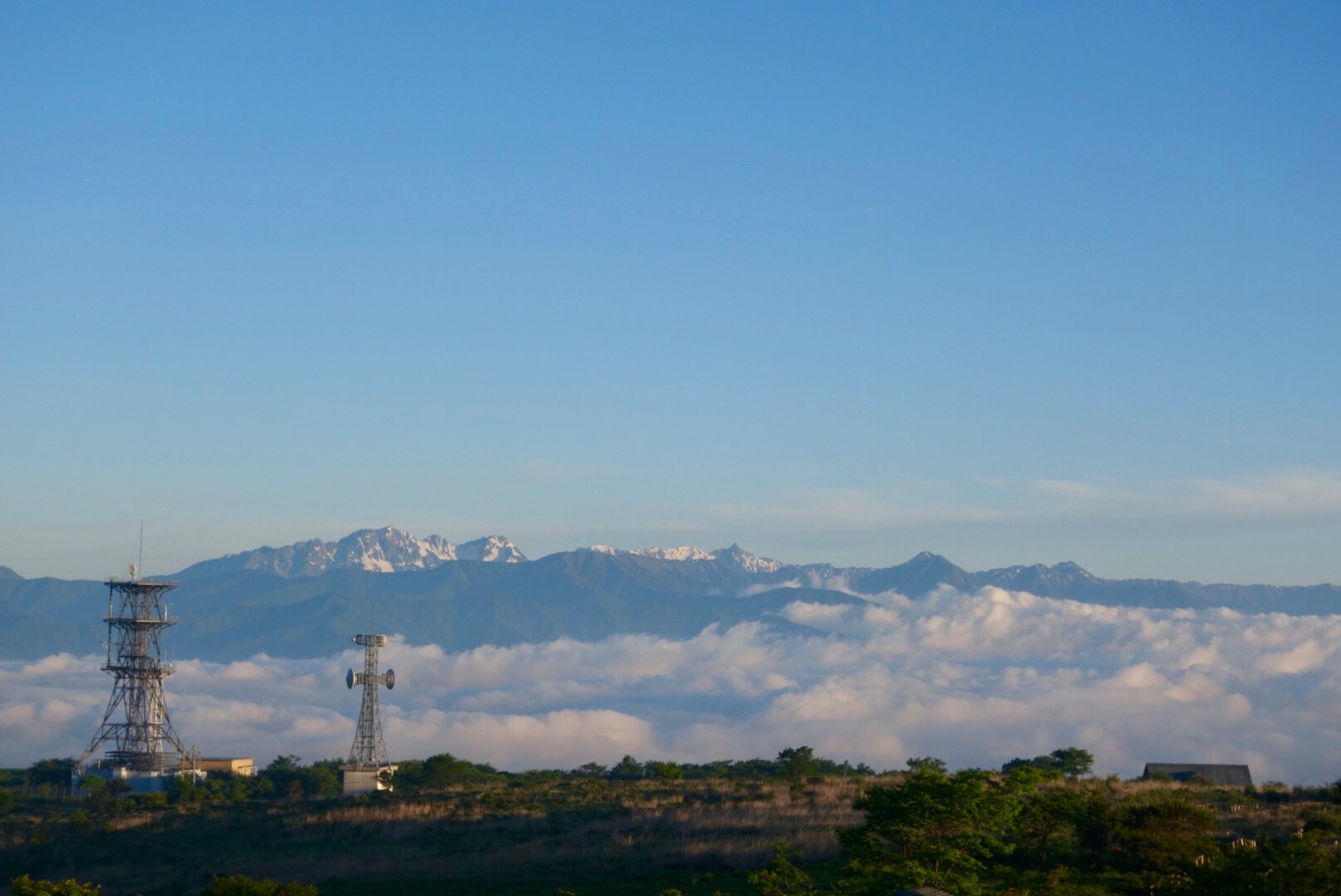
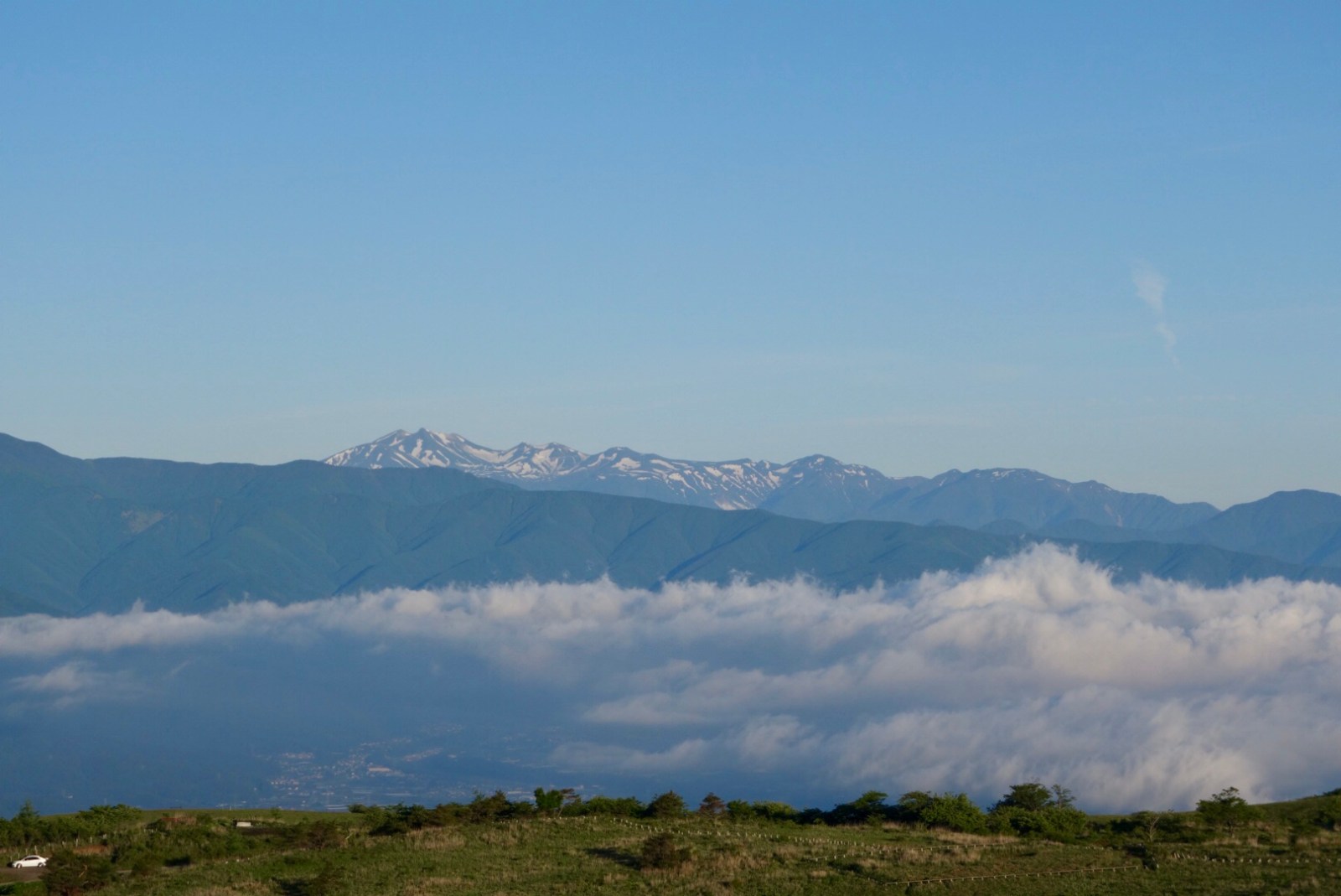
Alongside my favorite fruit muesli came a sea of clouds and the snow-covered Northern Alps.
The air was so clear that I could pick out Mount Yari and Mount Norikura, the mountain I thought of as my second home.
I often wonder whether moments like that are the reason I travel: that brief, complete sense of ease.
But I could not linger forever.
My home was over there, in the mountains, about 1,500 meters above sea level. I still had to ride back.
Bikepacking diary: Facebook · Instagram