Hokkaido’s Rider Houses | A Travelers’ Utopia Built on Trust
Translated from Bikepacking diary’s original article about Hokkaido’s rider houses, published on September 17, 2020, and republished by arrangement with the author. Photographs are linked directly from the original website.
Editor’s note: This is a historical travel account. Prices, facilities, accommodation policies and operating status describe the author’s experience at the time, not current offers. Statements about the origins, finances and decline of rider houses reflect the author’s understanding and opinions, not independently verified research.
A Different Kind of Hospitality
Hokkaido, in Japan’s far north, has scenery and a climate entirely different from Honshu. Vast skies, open grasslands, rich natural resources and wildlife make it a paradise for travelers.
You meet every kind of traveler here: people walking, cycling, riding motorcycles or traveling in camper vans. Each is searching this broad land for a landscape of their own.
Perhaps travel makes us especially aware of how much we need one another. Or perhaps such boundless surroundings open people’s hearts. Whatever the reason, Hokkaido developed a distinctive travel culture: the rider house.
These are places to stay that can seem less concerned with profit than with service, generosity and mutual help. In a capitalist world, the rider house feels like an unusual existence.
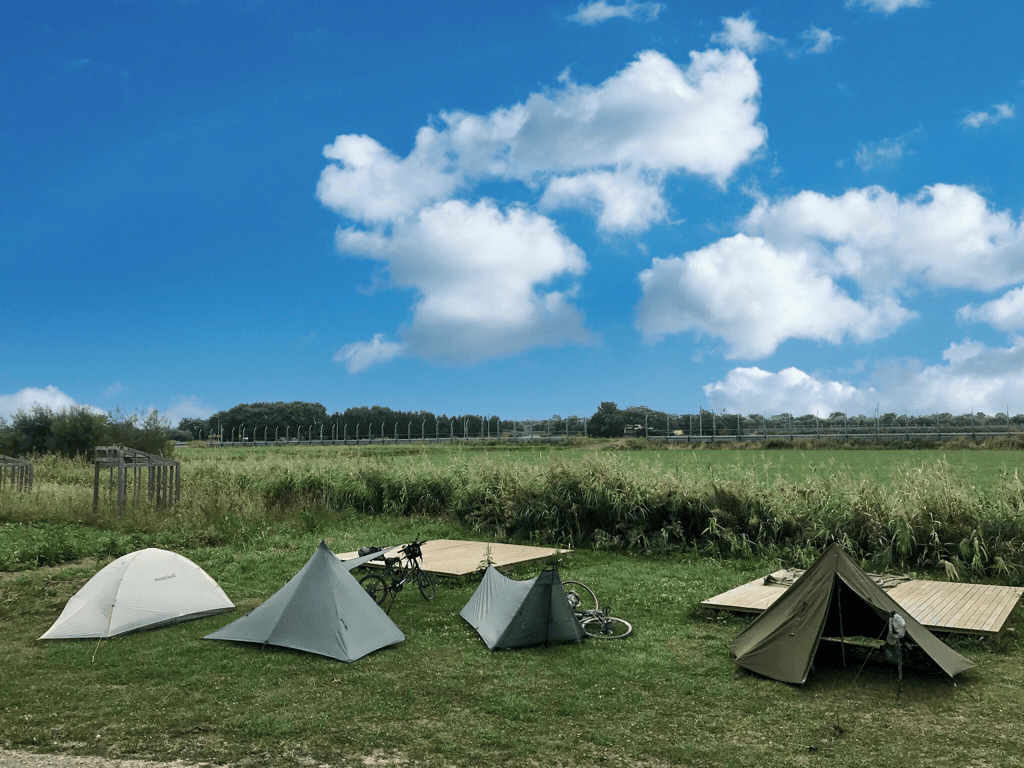
A Month of Welcomes
Three years earlier, during my journey across Japan, I arrived in this beautiful but sometimes unforgiving land. Seeing how spacious and sparsely populated it was, I assumed accommodation would be hard to find. I prepared myself for a long stretch of camping away from established facilities.
Instead, I found rider houses all over Hokkaido. During my month there, I spent most nights in these places that cost almost nothing.
As the time came to return to Honshu, I began worrying about accommodation again. Hokkaido had been almost too welcoming to travelers.
What Is a Rider House?
I could not establish a definitive origin for rider houses. One familiar explanation was that a traveler wanted to make journeys easier for others and offered an empty room where they could spend the night.
Because many guests carried sleeping bags and sleeping mats, bedding was often not provided. I had also heard an explanation connecting this arrangement with accommodation regulations, though I had not verified that account.
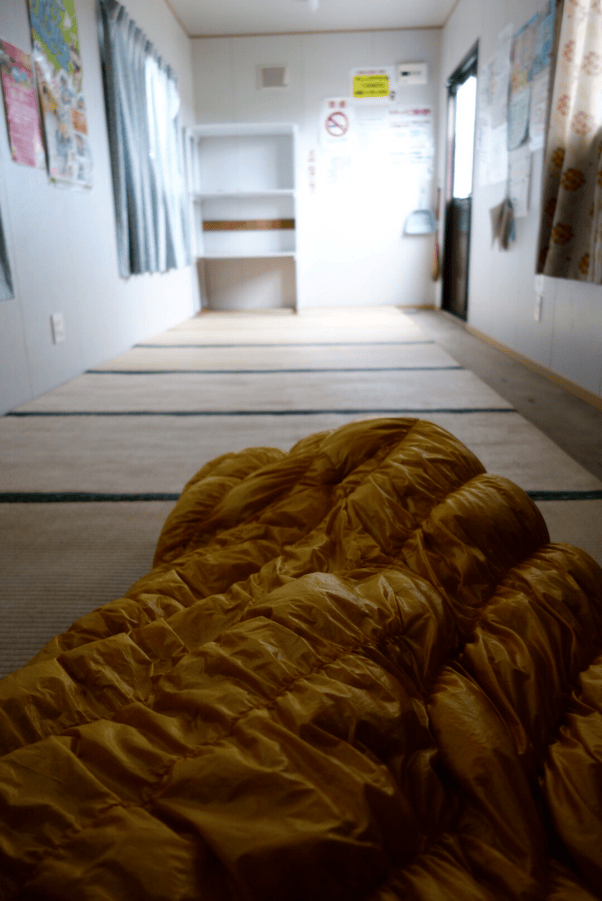
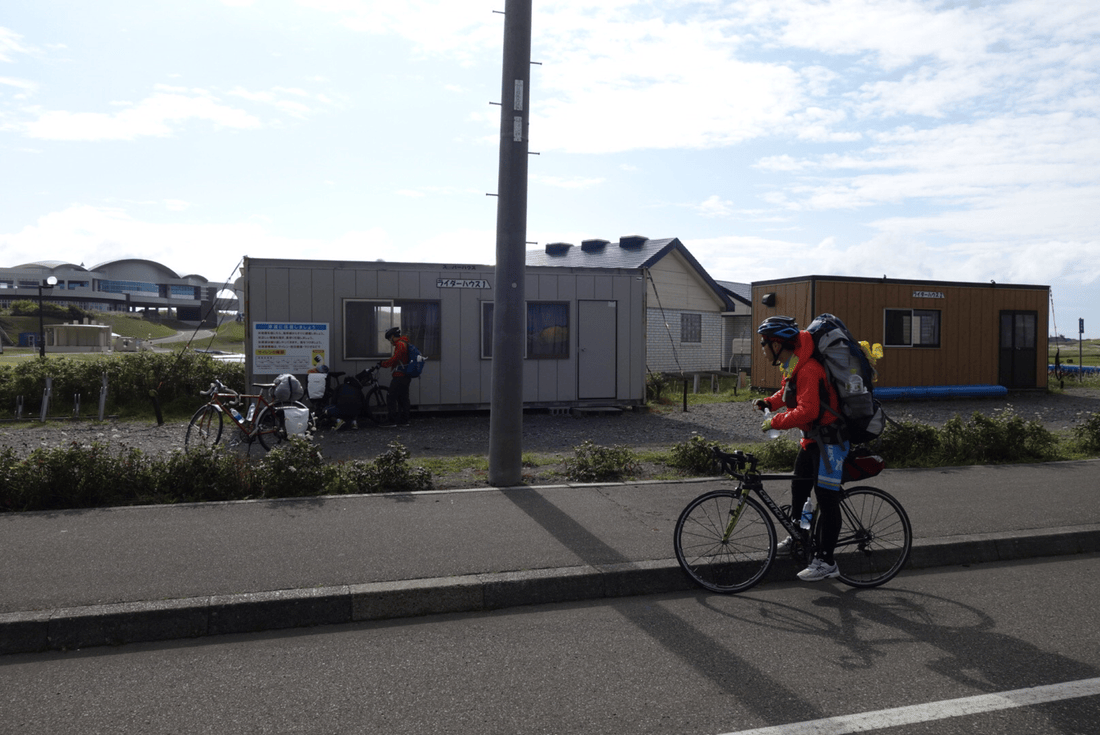
By the time of my travels, rider houses took many forms. Some were spaces offered by generous individuals. Others were local-government facilities, while some inns offered a rider-house-style option, essentially a shared sleeping area.
The examples I knew were very inexpensive, generally JPY 1,000 or less, and some were free. They felt like places sustained by goodwill. In return, travelers would often clean before leaving, helping keep the facilities pleasant for those who came next.
Six Kilometers That Felt Much Farther
Three years later, I returned to the Hokkaido I had missed.
That evening, Feng and I were riding along a road as daylight faded. With my legs exhausted, the remaining six kilometers felt impossibly far.
We had ridden only about 50 kilometers that day. Under normal circumstances, that would have been a small piece of cake for us. But this had not been an ordinary day.
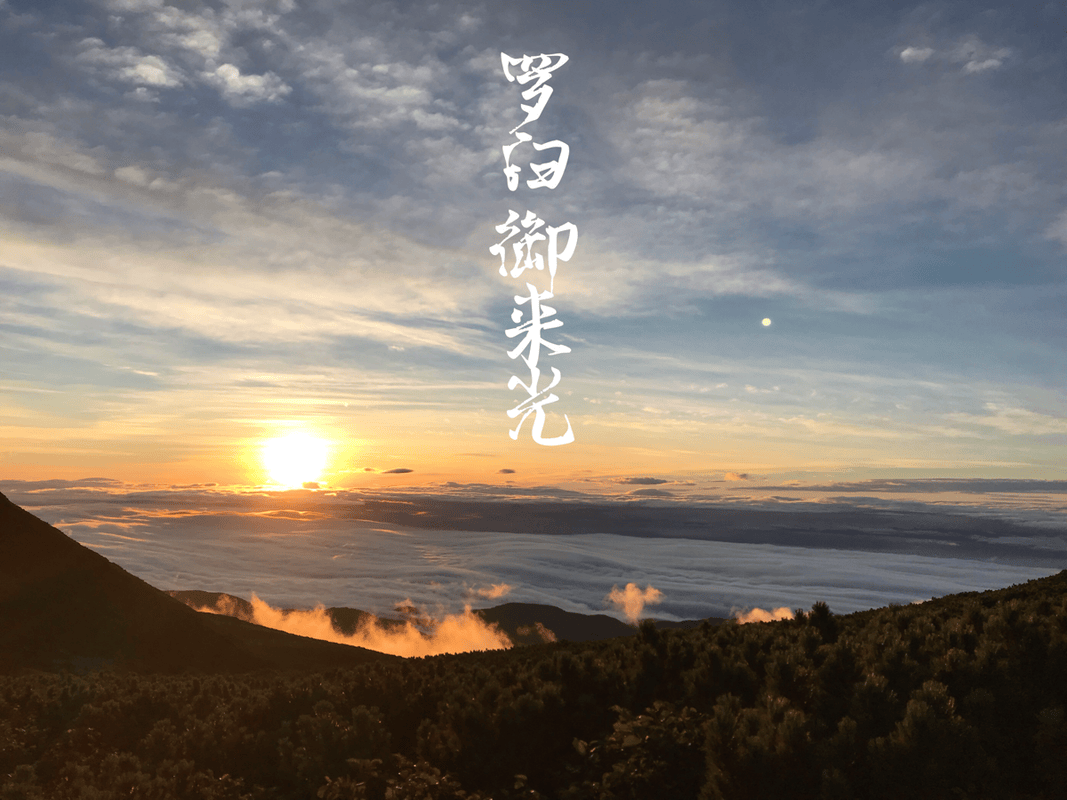
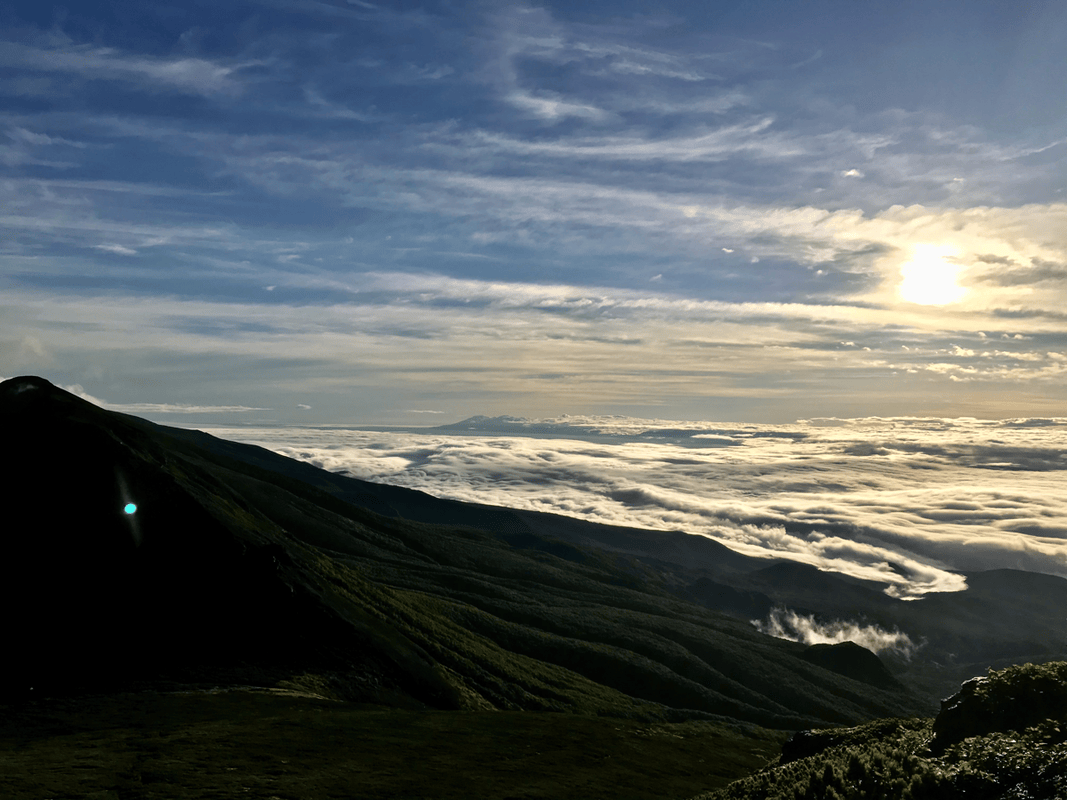
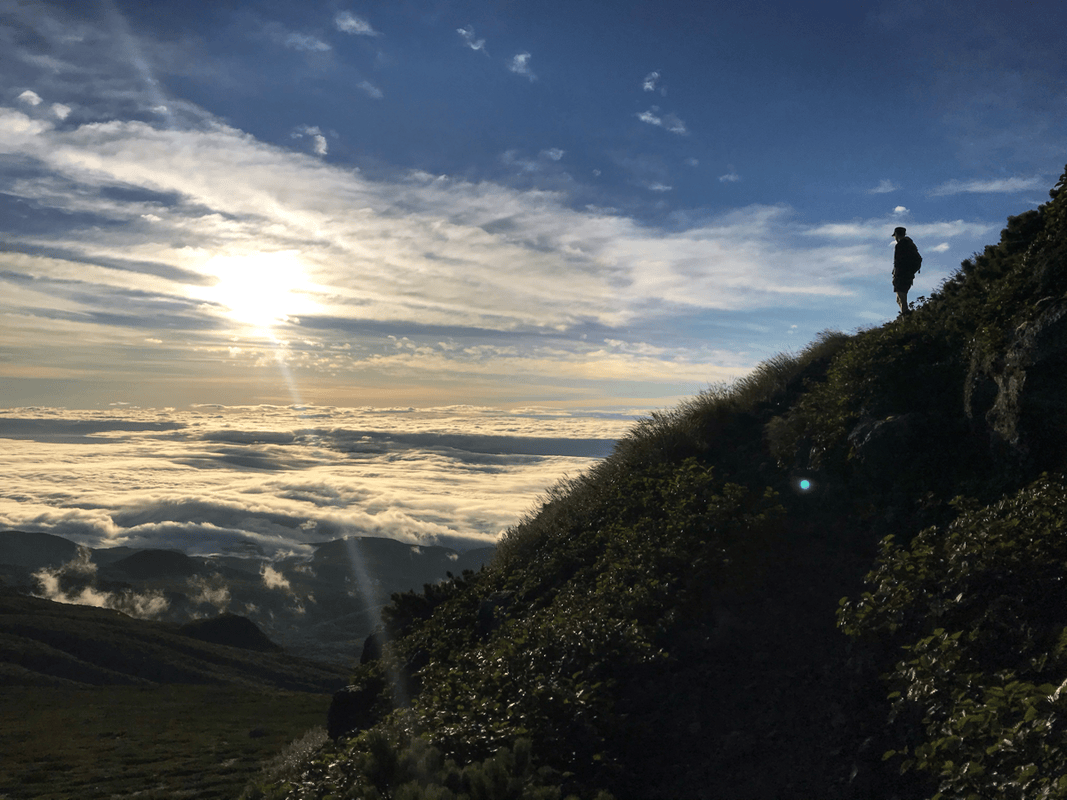
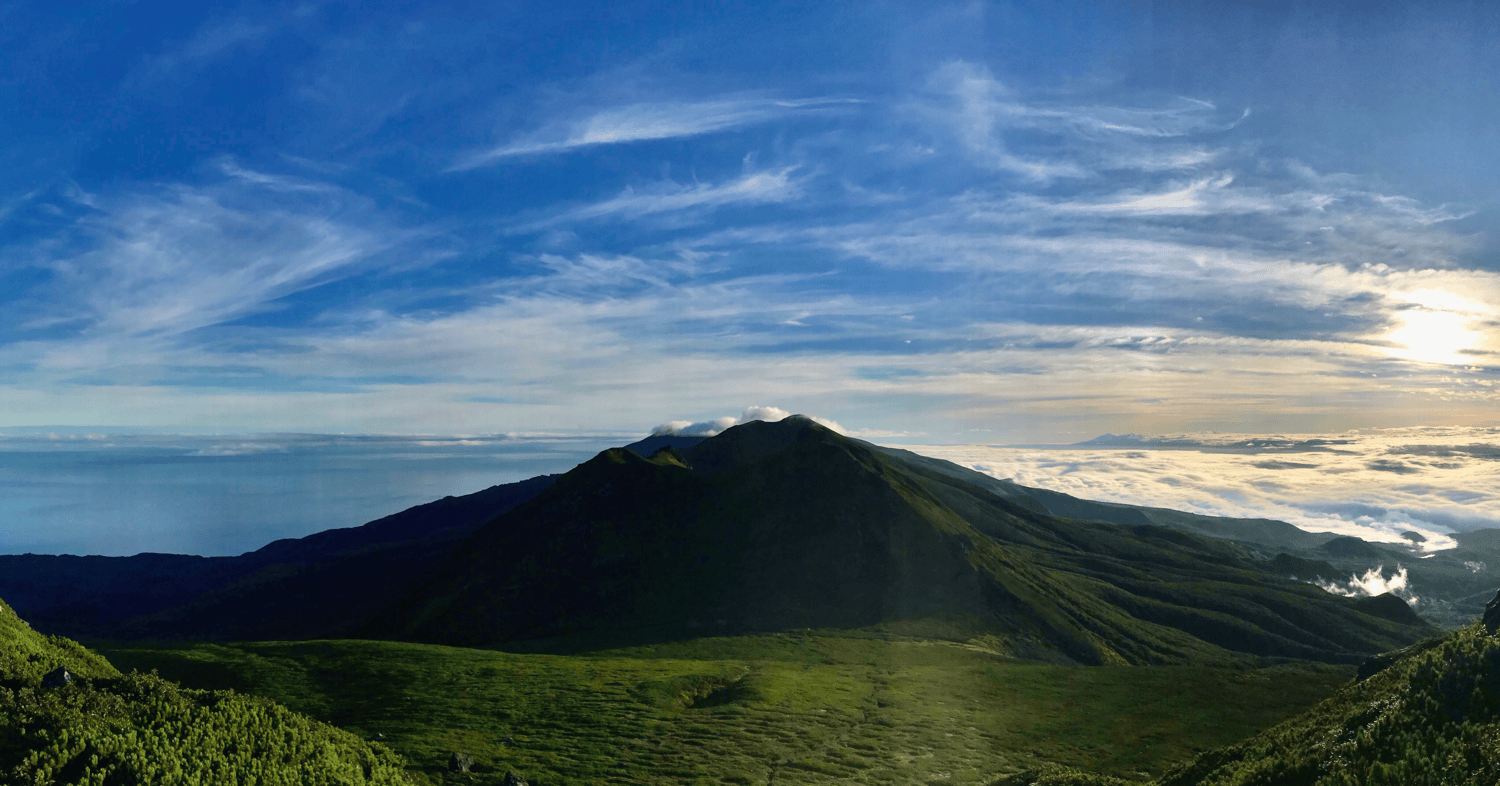
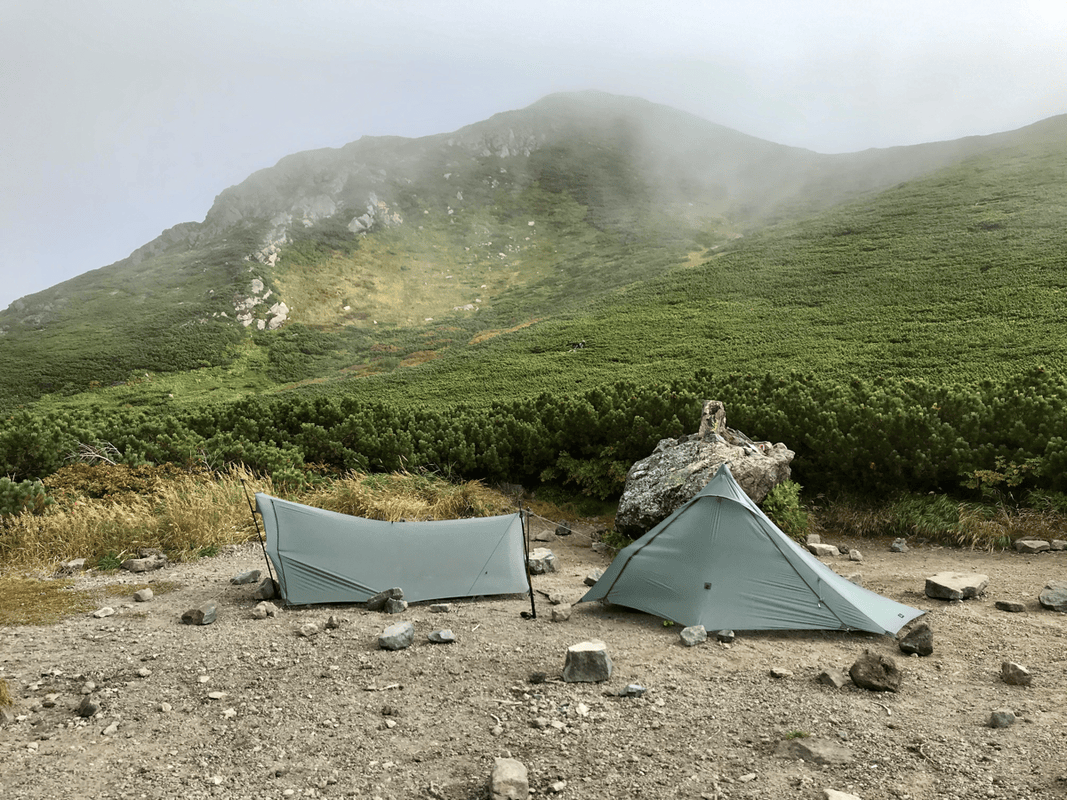
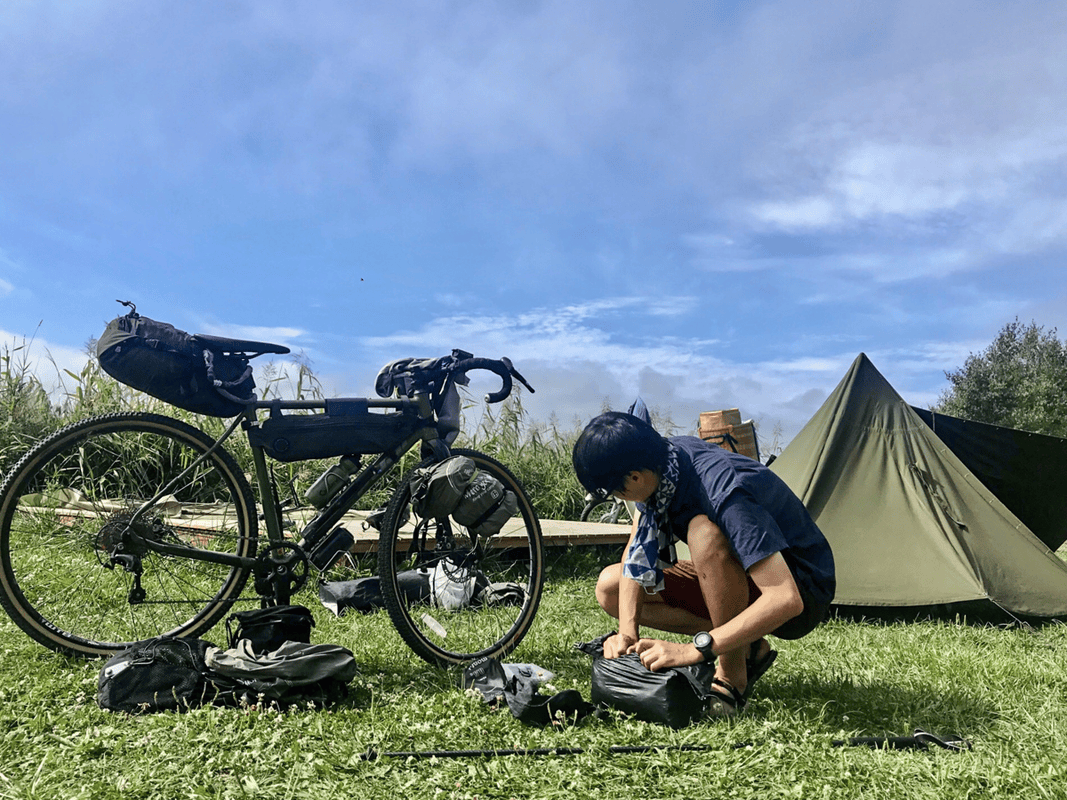
At four in the morning, we had climbed out of our tent high in the mountains and headed to the summit of Mount Rausu, Shiretoko’s highest peak, to watch the sunrise. Then we had packed the tent and descended.
Back down, we loaded everything onto our bicycles and visited the Shiretoko Nature Center, where we watched two films about the region’s natural landscapes and brown bears. It had been a day of both physical effort and learning. Only after all that did we begin riding toward a place to sleep.
A Scenic Campsite or a Rider House?
By then, all we wanted was somewhere to pitch a tent.
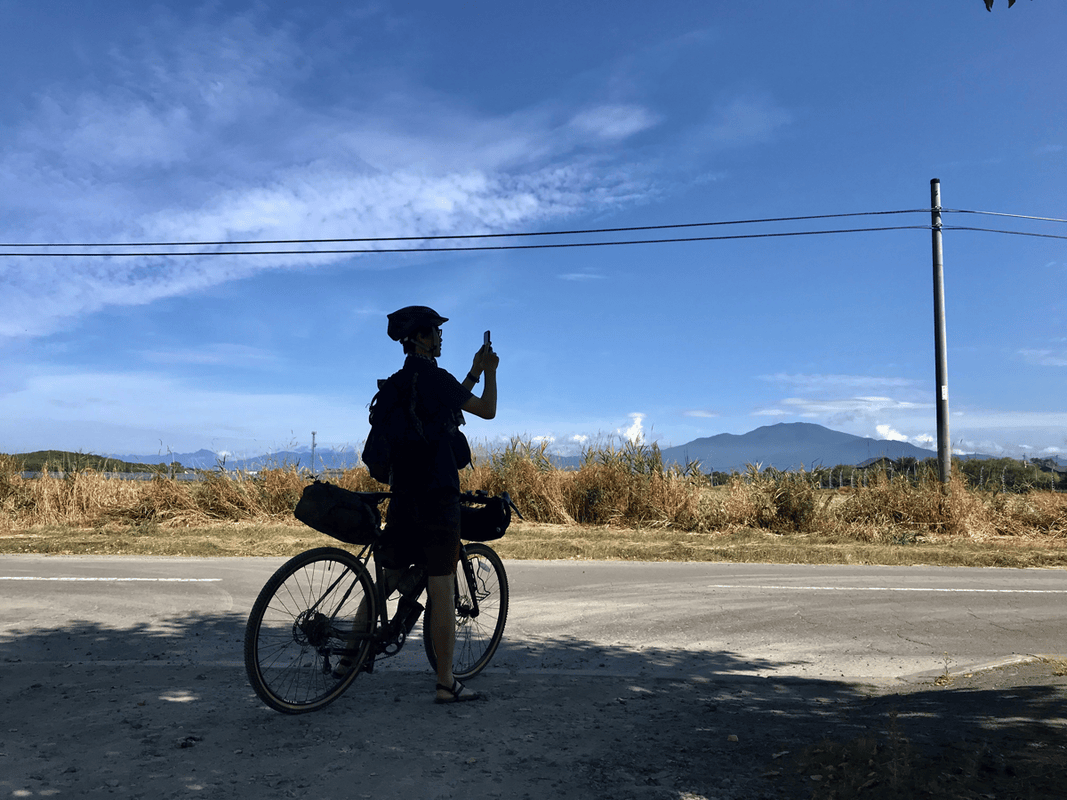
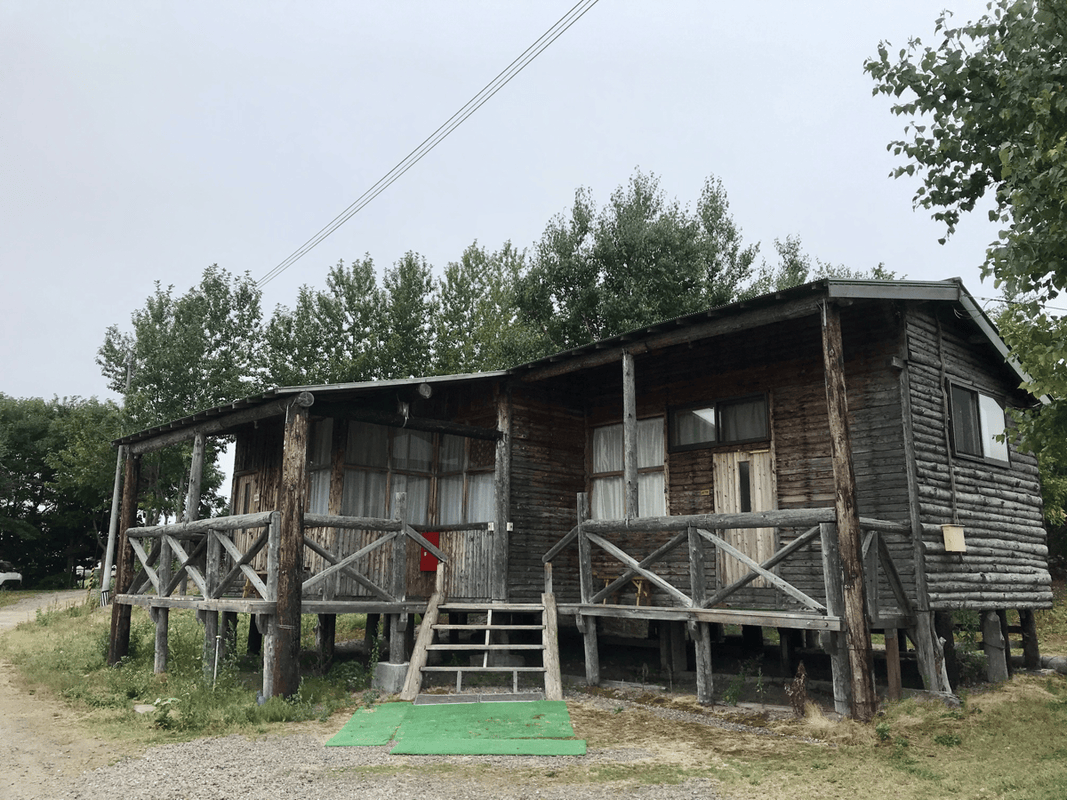
I checked the map and found two nearby options. One was farther from the station but offered a broad lawn and a distant view of Mount Shari. The other was closer, had little scenery and charged a fee. From its photographs on Google, it appeared to be a rider house.
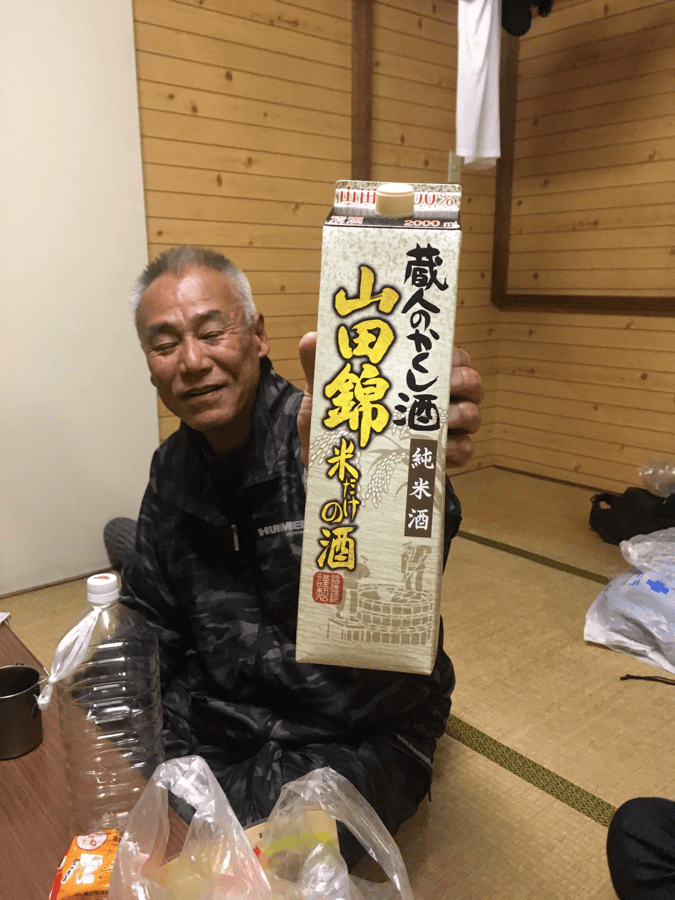
I preferred the scenic campground for two reasons. First, I wanted a beautiful view to photograph. Second, rider houses sometimes had memorable owners with enthusiastic ideas about socializing. Some wanted everyone to gather and sing. I had even heard of one where guests danced.
Such places were a minority, but I was too tired to be sociable.
Feng saw it differently. This was his first cycling trip in Hokkaido, and he did not yet know about these remarkable places. His reaction was simple: why go farther when somewhere closer was available?
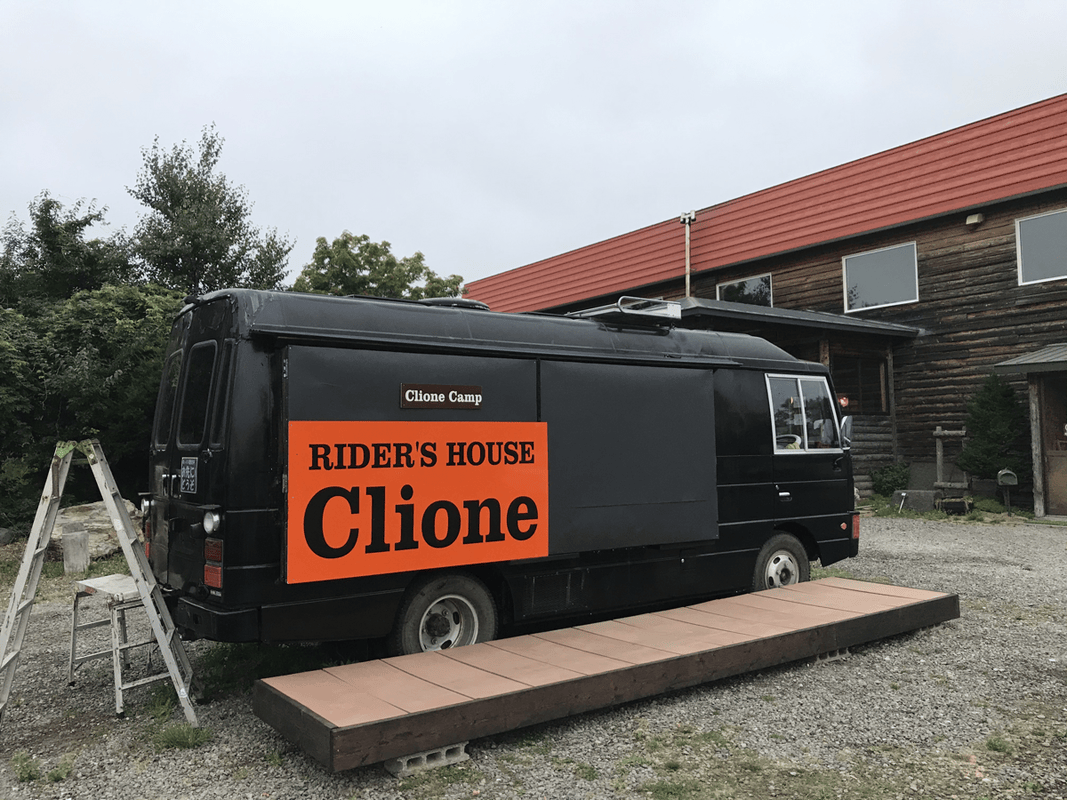
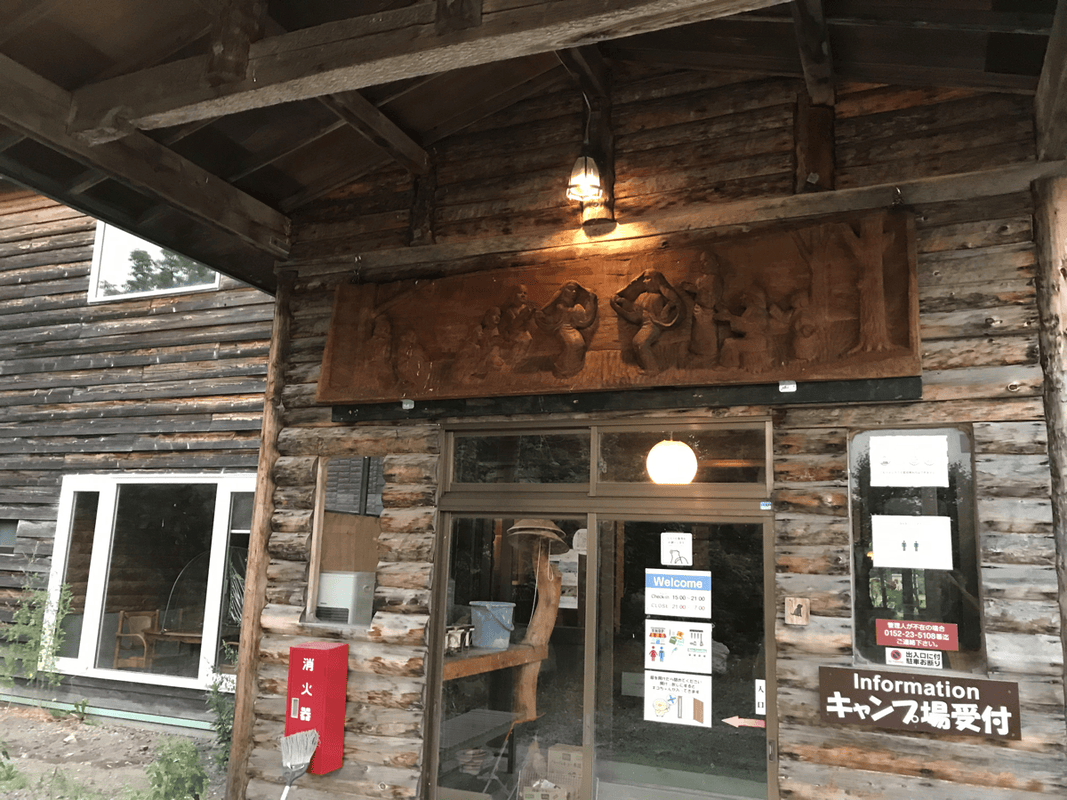
I did not have the energy to explain, so I let go of my preference and followed him to Rider House Clooney Campground.
Everything a Tired Traveler Needed
Before checking in, we passed the dining room, where several motorcyclists were drinking and chatting. The sight took me straight back to the evenings I had spent trading stories with other travelers three years earlier.
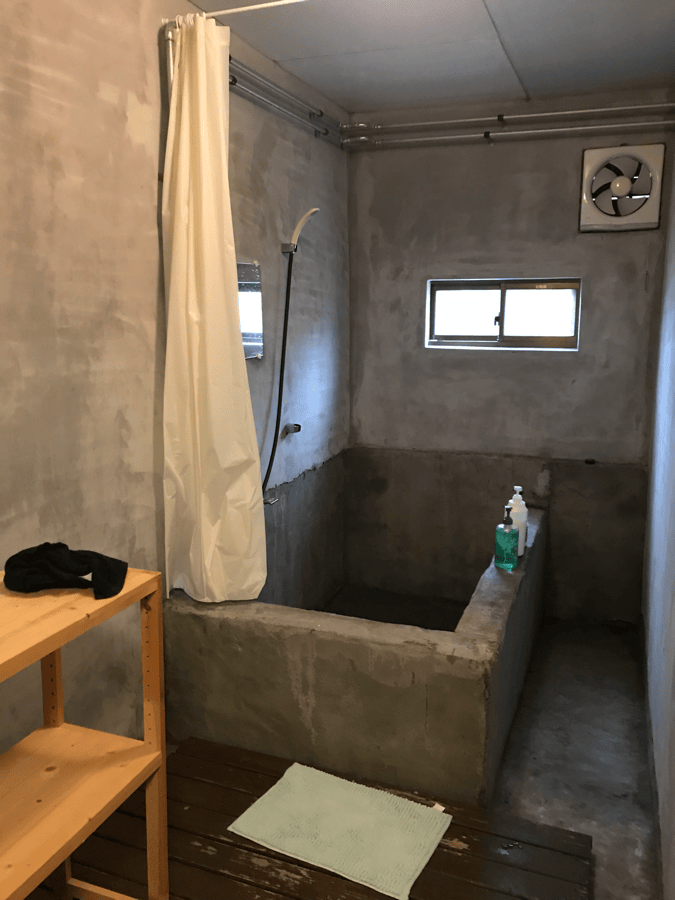
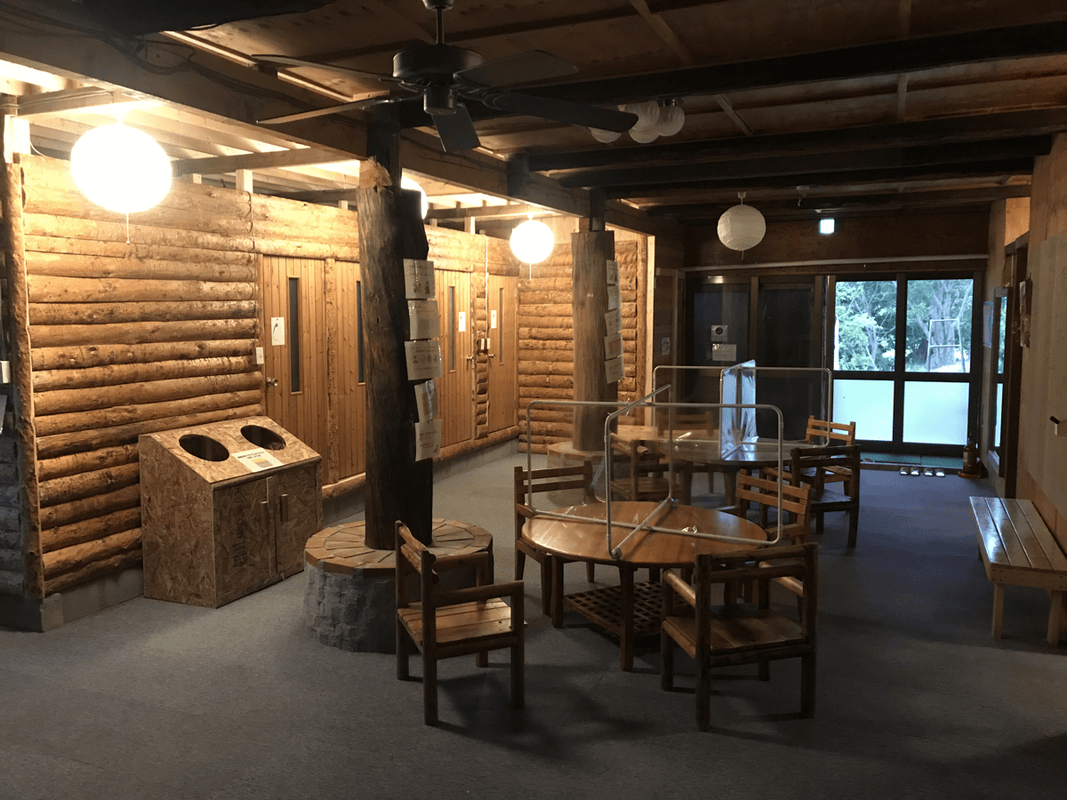
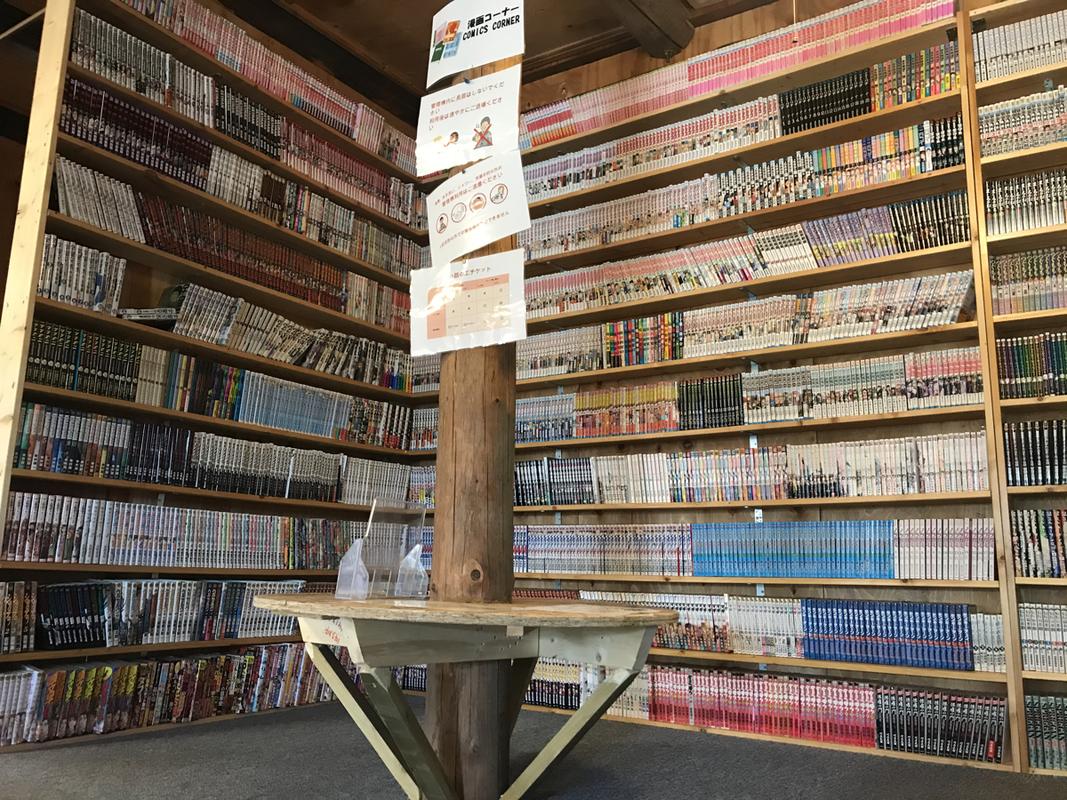
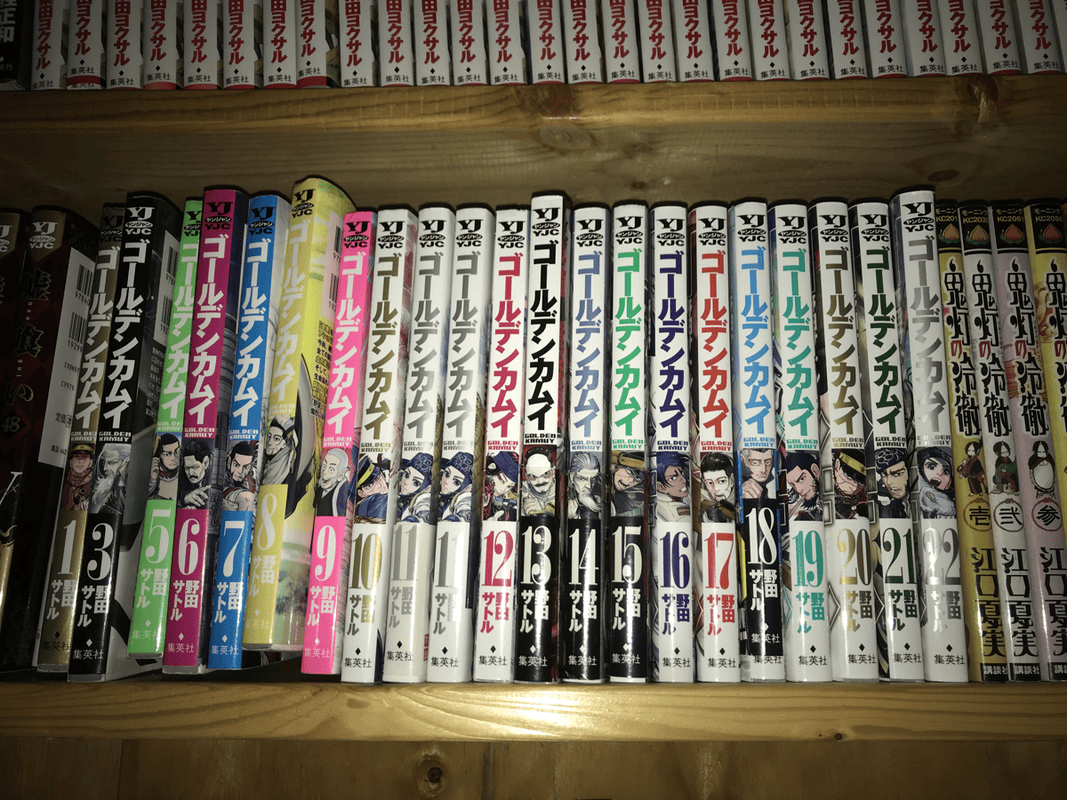
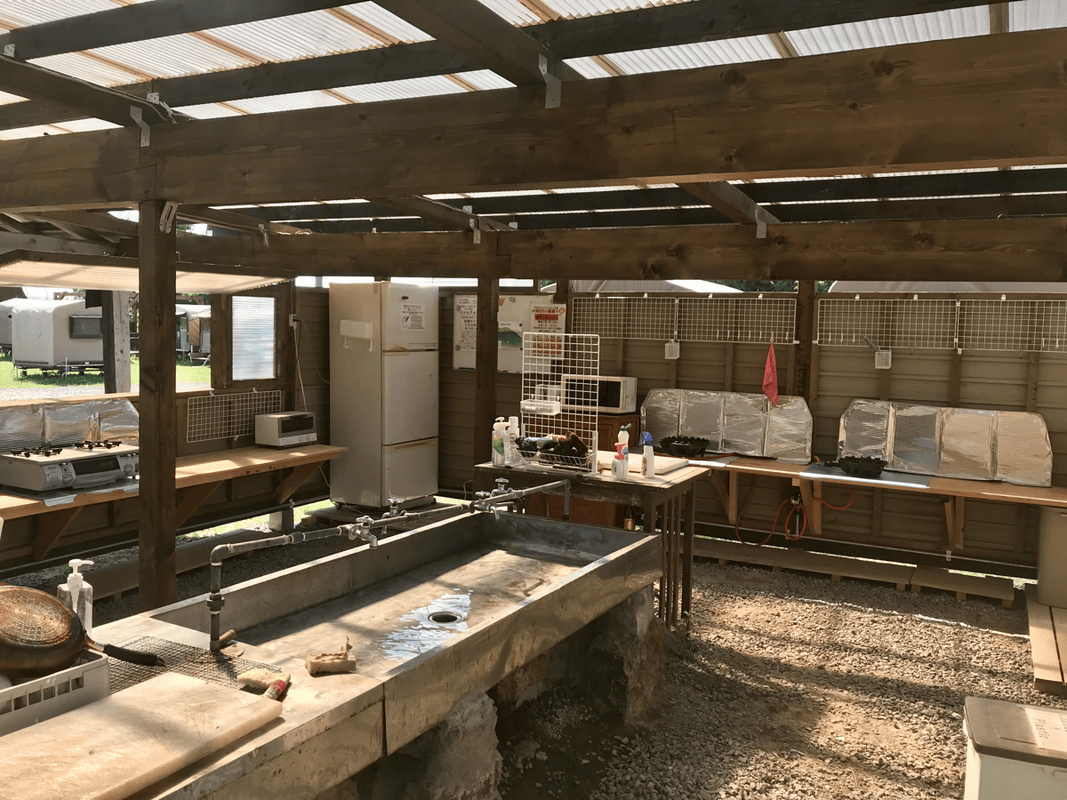
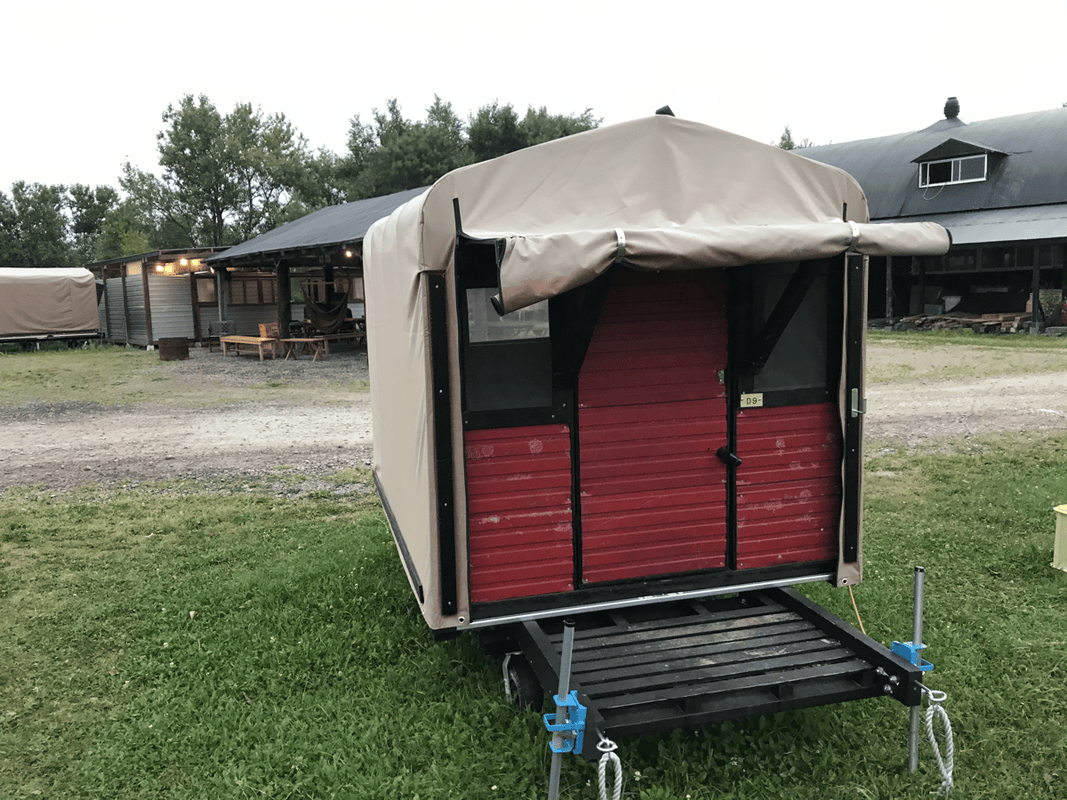
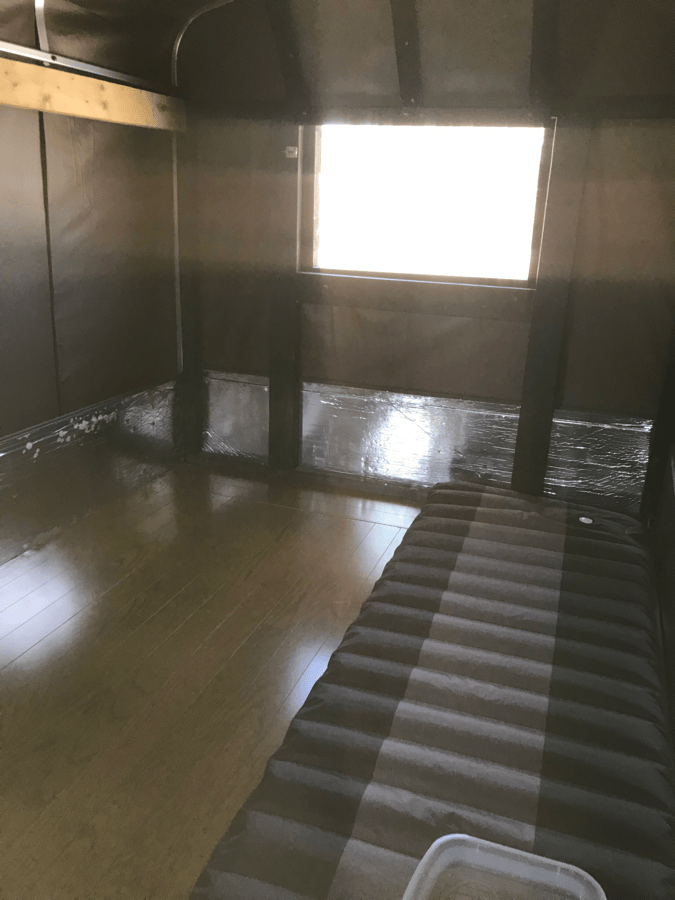
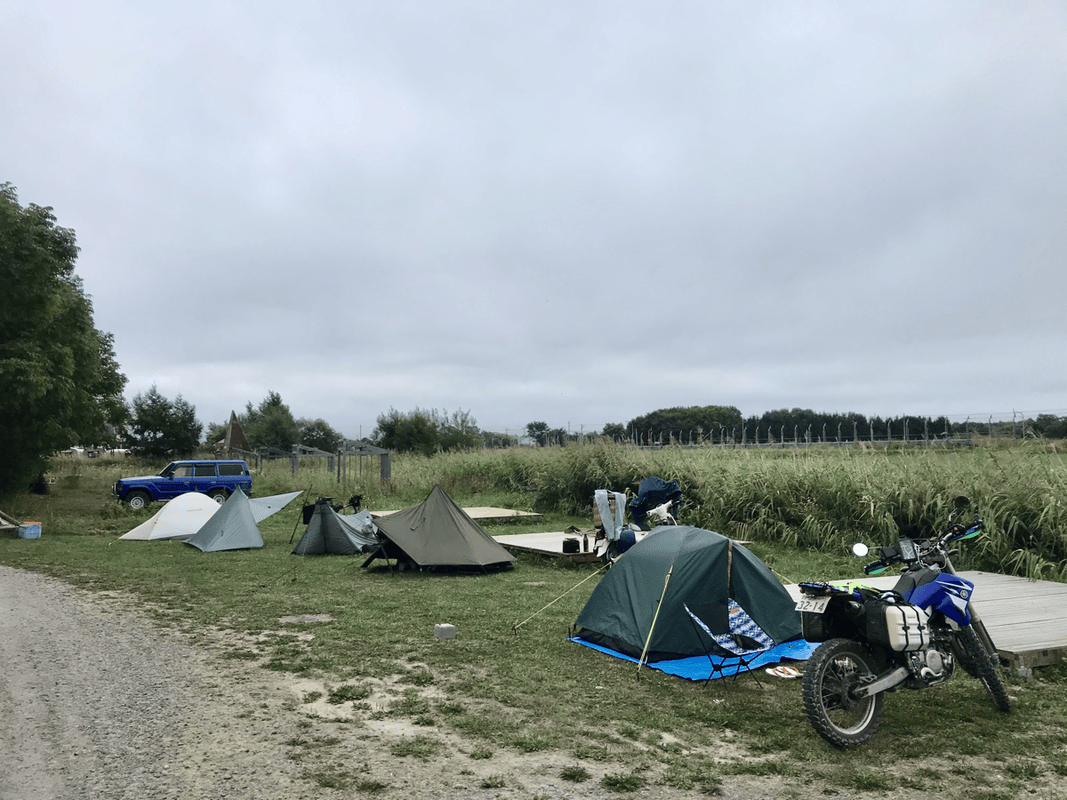
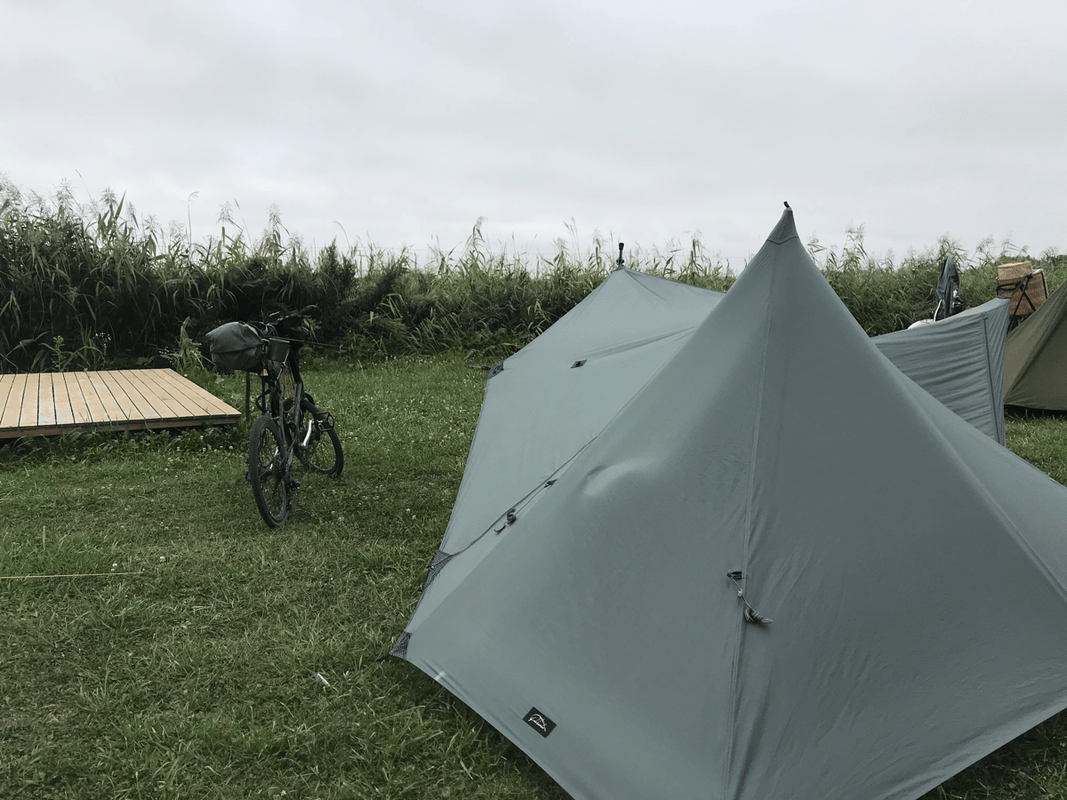
A young staff member introduced the facilities. At the time, camping in our own tent cost JPY 500 per night. That included free showers. There were coin-operated washing machines and dryers, clean toilets and a spacious common room with an enormous supply of manga. Charging devices was free.
If we wanted a hot-spring bath, the neighboring onsen hotel offered a discounted JPY 200 admission. For food, the staff curry meal was JPY 500, with as much as we wanted to eat.
I had stayed at many rider houses, but this was the best-equipped one I had encountered.
The Kindness I Had Started Taking for Granted
Feng was not feeling well that evening, perhaps from exhaustion and getting chilled after riding in sweaty clothes. A hot-spring bath did not improve things much. After resting briefly in the common room, we pitched the tent and went to sleep.
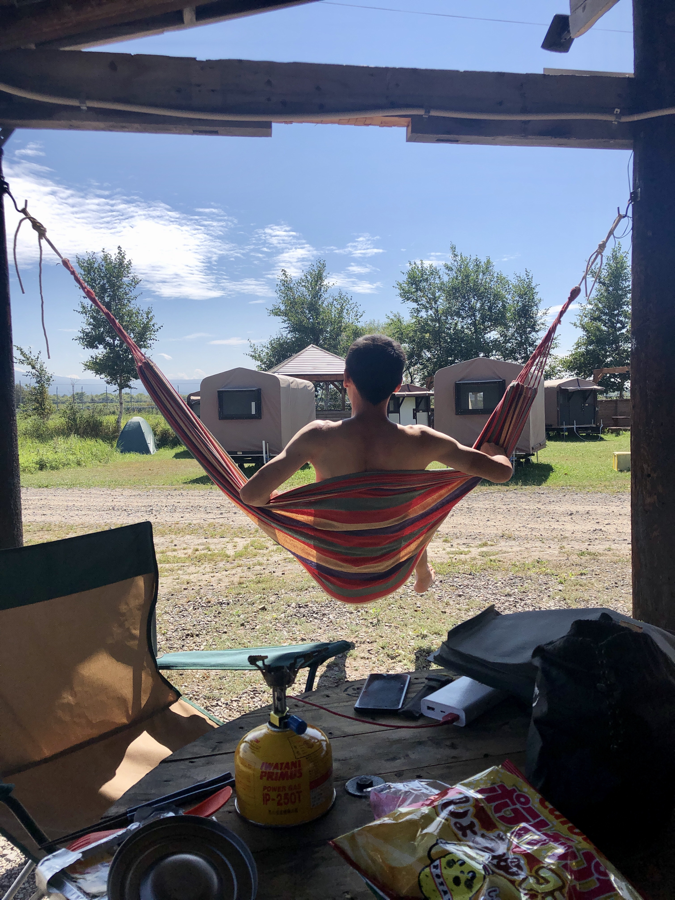
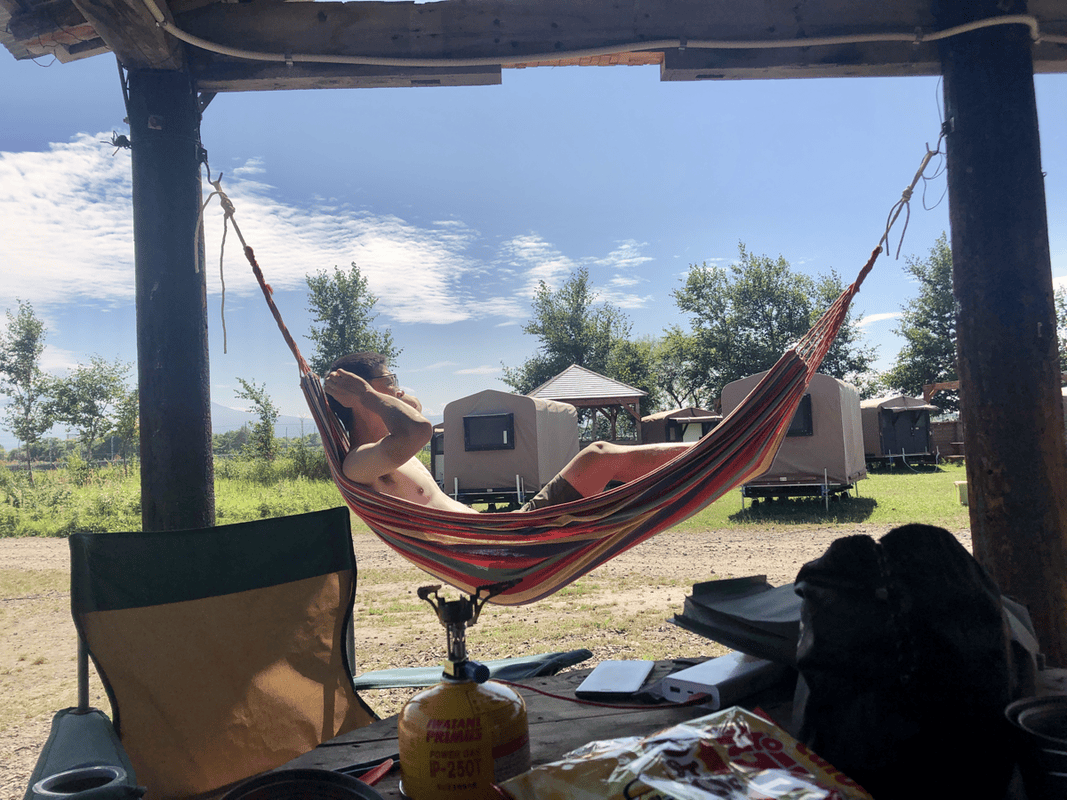
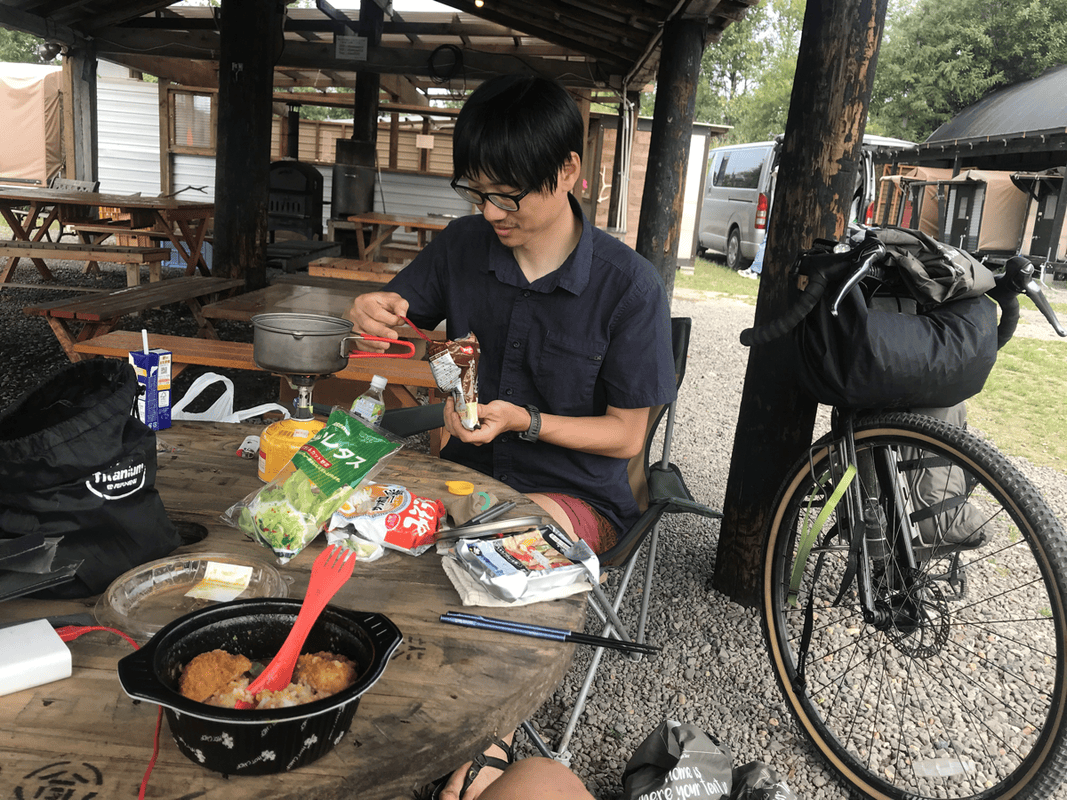
A night’s rest helped, and he felt much better in the morning. With no demanding plans that day, we ate a leisurely brunch beneath the rider house’s shelter.
Watching the staff clean the grounds, Feng thought about the JPY 500 we had paid.
“A place like this, with this level of service, for so little money? It doesn’t make sense. How does it stay open?”
For him, the rider house was a considerable culture shock.
I found his reaction amusing, but it also surprised me that I no longer felt the same astonishment. I had begun to treat facilities and hospitality this generous as normal.
I should have been much more grateful.
Keeping the Welcome Alive
I imagined that many rider houses could hardly make money from what they charged. To me, it seemed the travelers’ smiles were their owners’ greatest return.
Yet I worried about their future. I had heard of guests breaking rules, staying far longer than intended or causing trouble after drinking. Operators were also growing older, sometimes without anyone to take over. My impression was that rider houses were becoming fewer.
Perhaps one day we would no longer be able to enjoy such welcoming, affordable places.
So if you visit Hokkaido, or stay in a rider house elsewhere, please follow its rules and carry a sense of gratitude.
That is how we can help this warmth continue to reach the next traveler.
Bikepacking diary: Xinjiang Bikepacking Vlog · Facebook · Instagram